During World War II, Japan produced some of the most visually distinctive propaganda posters of any nation in the conflict. Rooted in centuries of artistic tradition, these images were carefully designed to serve the Imperial war machine — rallying citizens at home, glorifying the military, and targeting enemies abroad. The posters weren’t just decoration. They were weapons of persuasion.
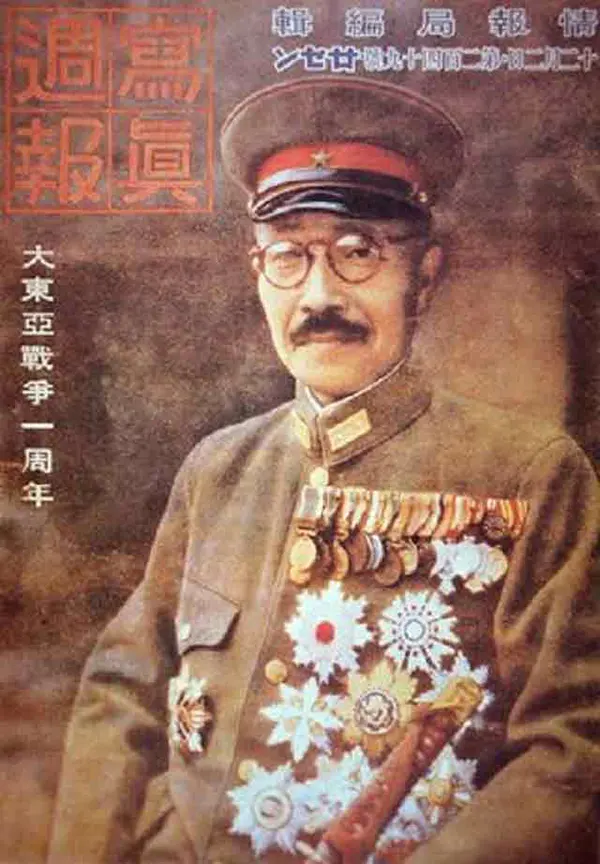
Japan’s military leadership sat at the center of its propaganda. General Hideki Tojo, who served as Prime Minister and army general simultaneously, was a frequent face in wartime messaging — a symbol of iron authority and military discipline.
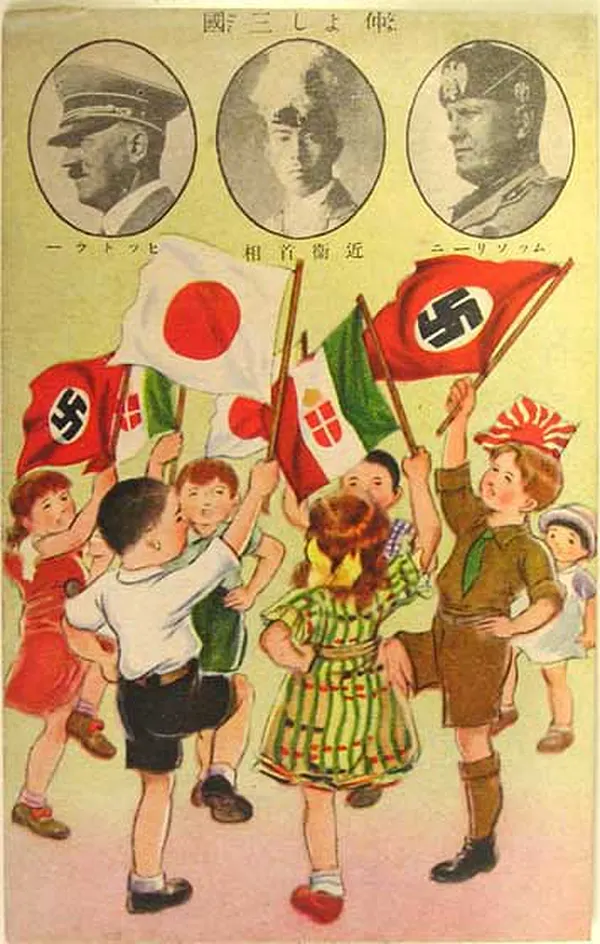
Emperor Hirohito presented a unique challenge for propagandists. His divine status in Shinto tradition placed him above ordinary political imagery. Rather than depicting him in the bold, commanding style used for military figures, the most his handlers felt comfortable doing was placing his photograph alongside those of Japan’s allies.
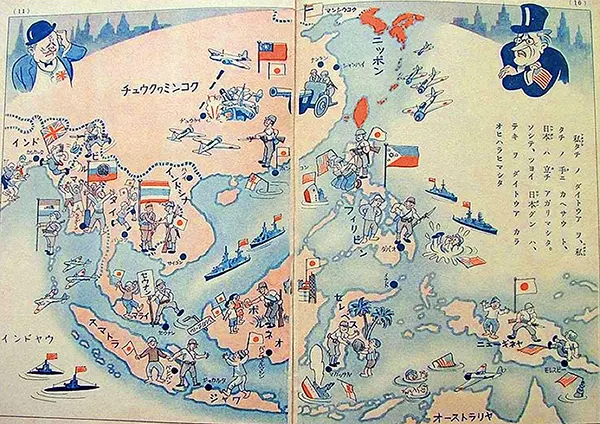
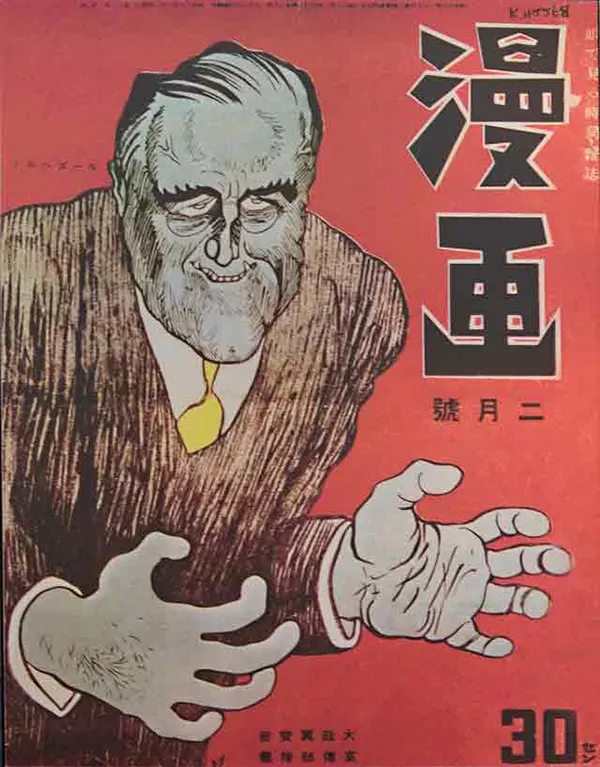
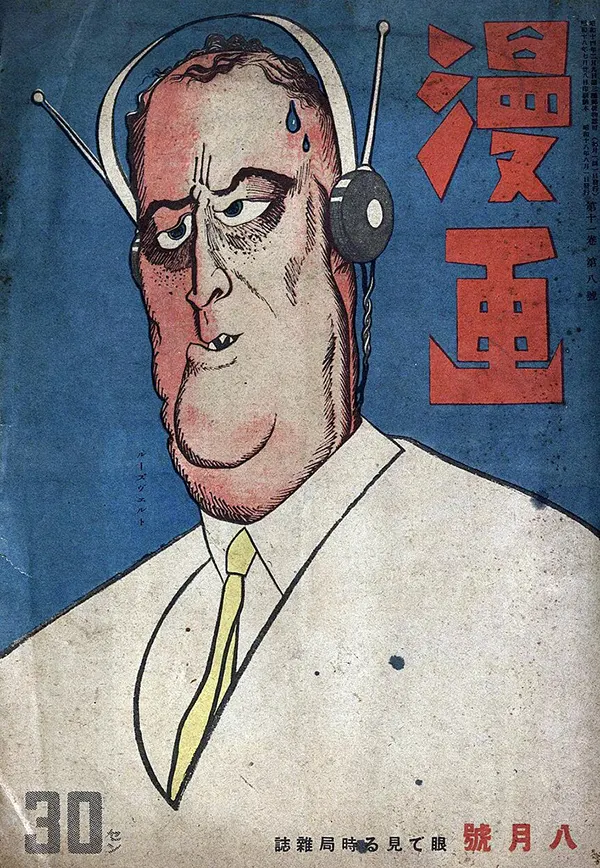
Japan’s propaganda didn’t just glorify itself — it actively attacked its enemies. Western leaders, particularly American ones, were caricatured in grotesque and dehumanizing ways. President Franklin D. Roosevelt was a frequent target, rendered in exaggerated, monstrous forms designed to provoke contempt and ridicule among Japanese audiences.
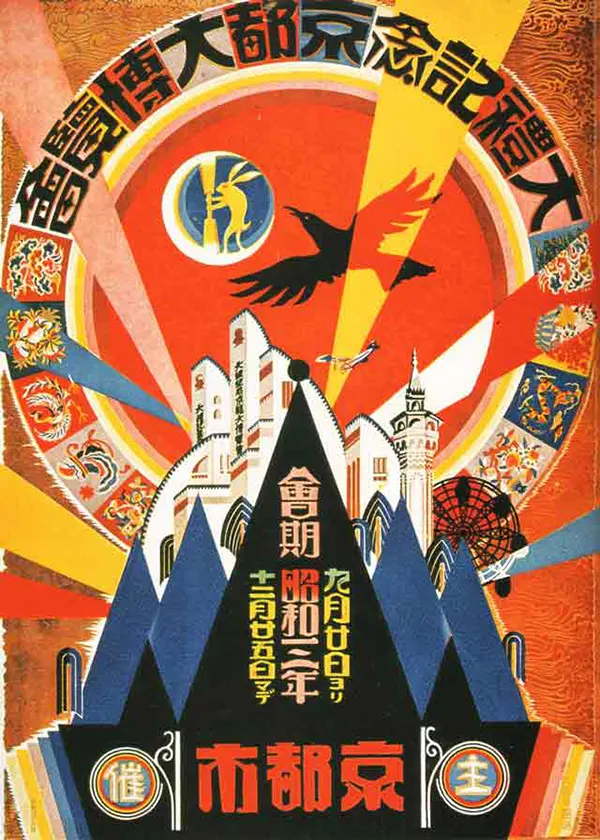
National pride was the beating heart of domestic propaganda. Posters leaned heavily on traditional Japanese aesthetics — calligraphy, watercolor-inspired palettes, and imagery drawn from classical art forms. These choices weren’t accidental. By using familiar visual language, the posters tied the war effort directly to Japanese cultural identity, framing the conflict as a defense of something ancient and sacred.
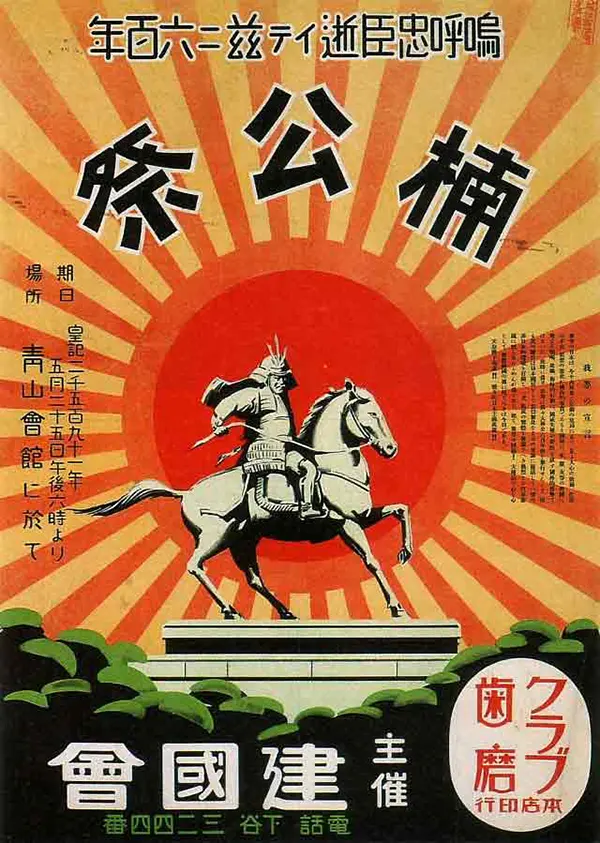
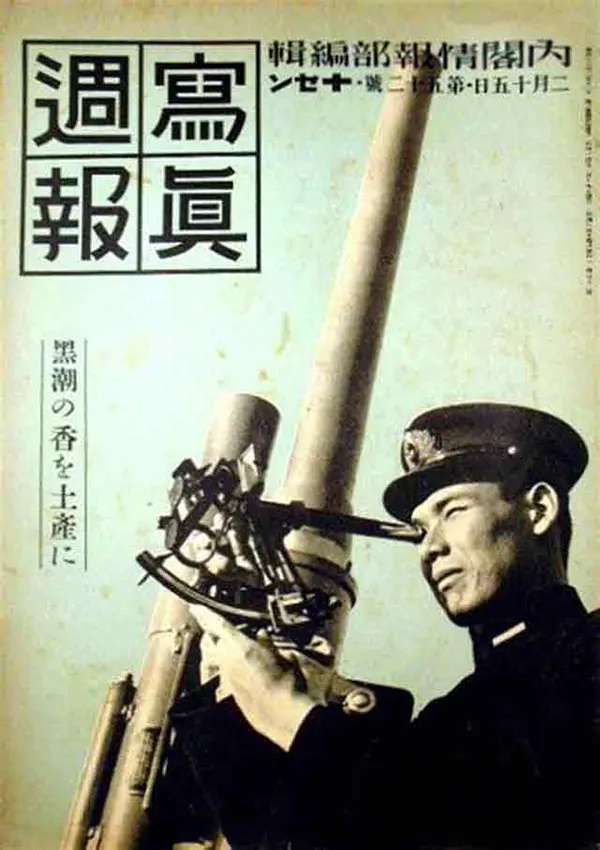
No branch of the armed forces received more reverent treatment than the Imperial Air Force and Navy. These were portrayed as modern, sophisticated, and unstoppable — proof that Japan had entered the industrial age without abandoning its warrior spirit.
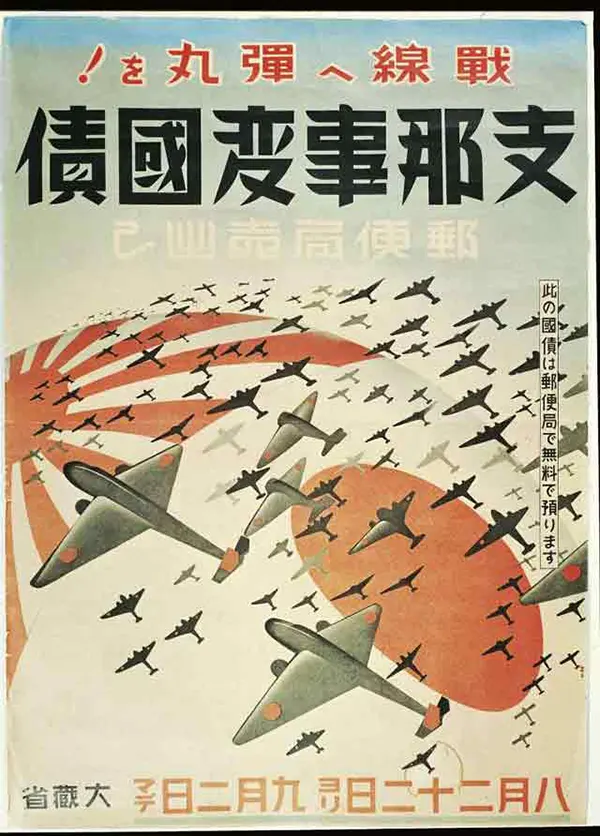
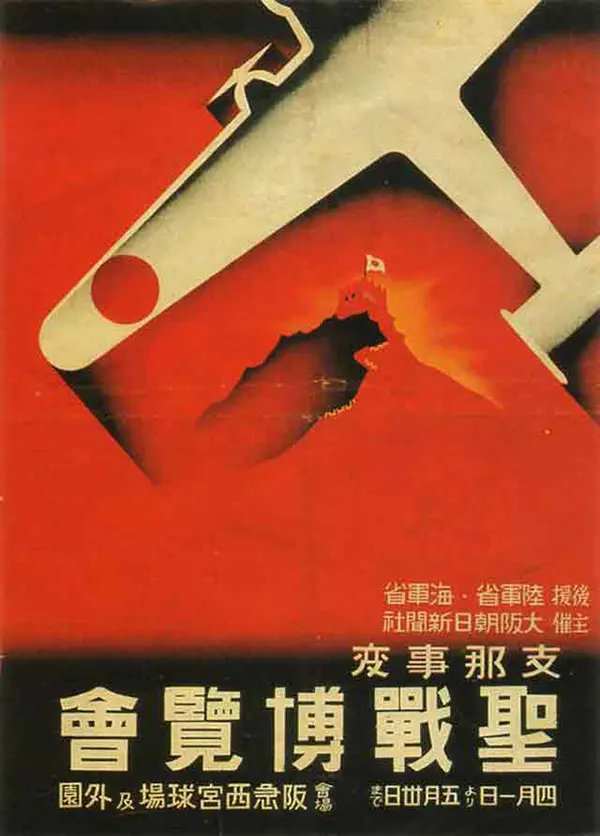
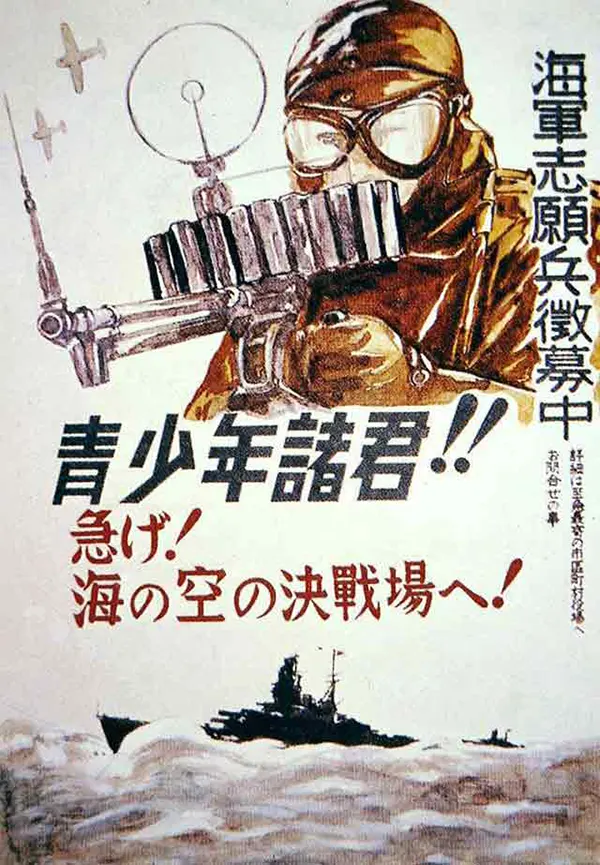
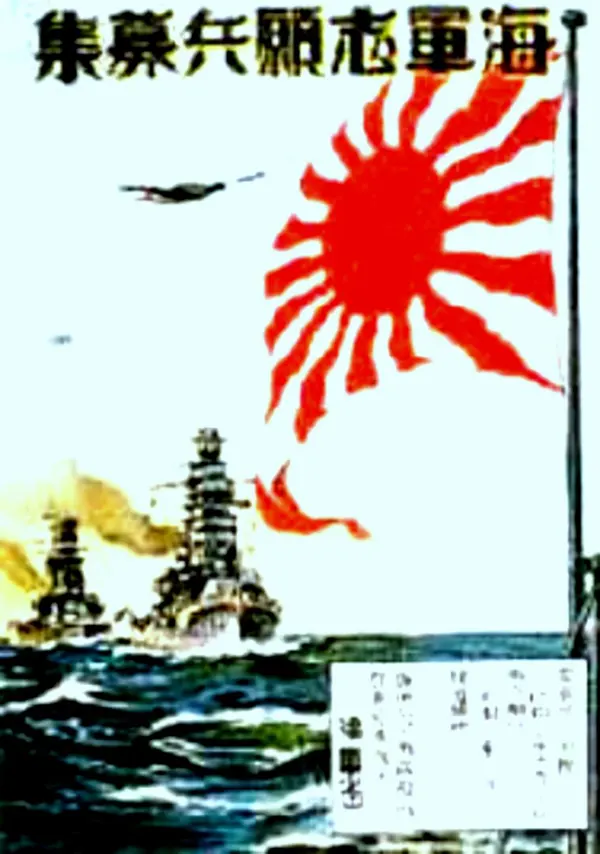
The Navy in particular was shown as a force of cutting-edge power. Posters depicted sleek vessels, disciplined sailors, and advanced weaponry — all projecting the message that Japan’s naval might was unmatched and fully prepared for total war.
Among the most sobering pieces of wartime imagery are those depicting kamikaze pilots. These men flew suicide missions, deliberately crashing their planes into Allied ships. Propaganda presented them not as victims of a desperate military strategy, but as the highest expression of Japanese honor and sacrifice — calm, resolute, and ready to die.
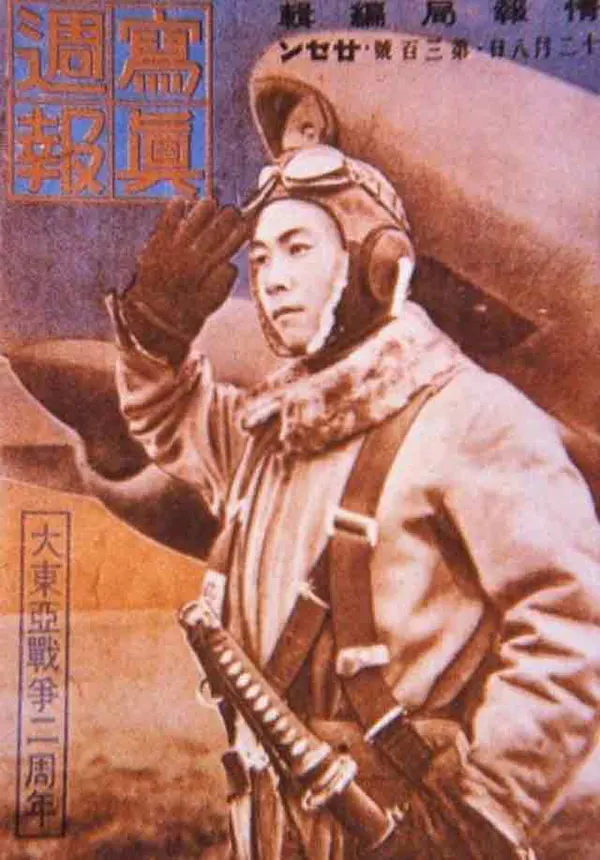
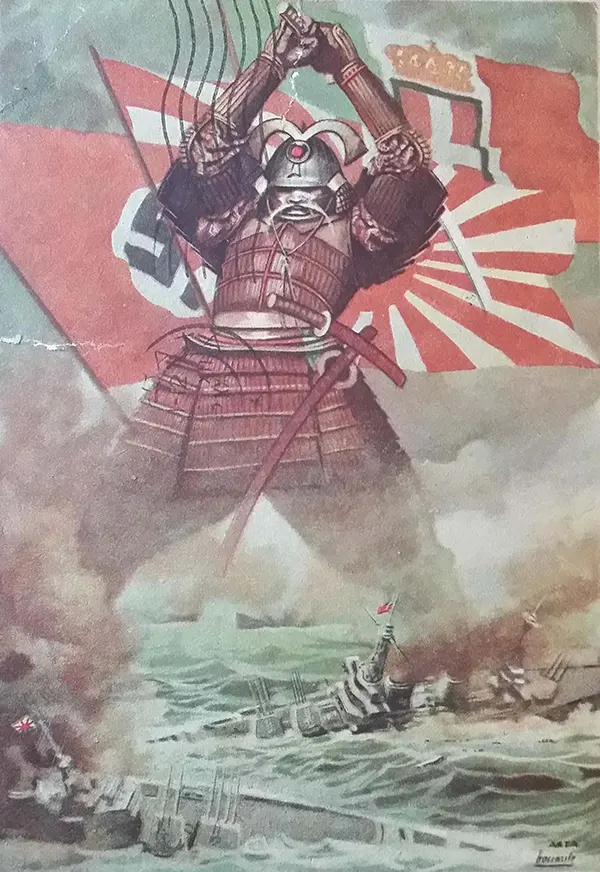
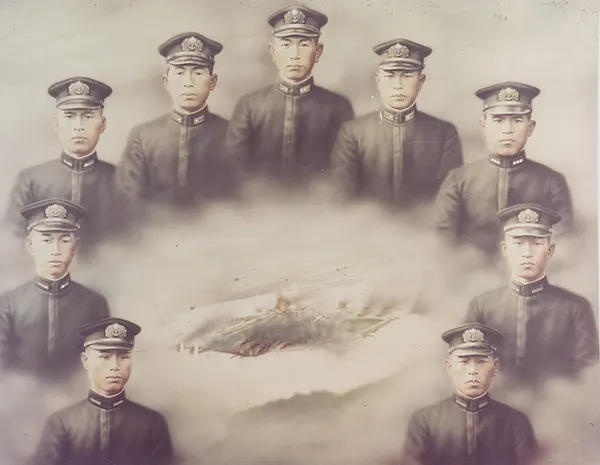
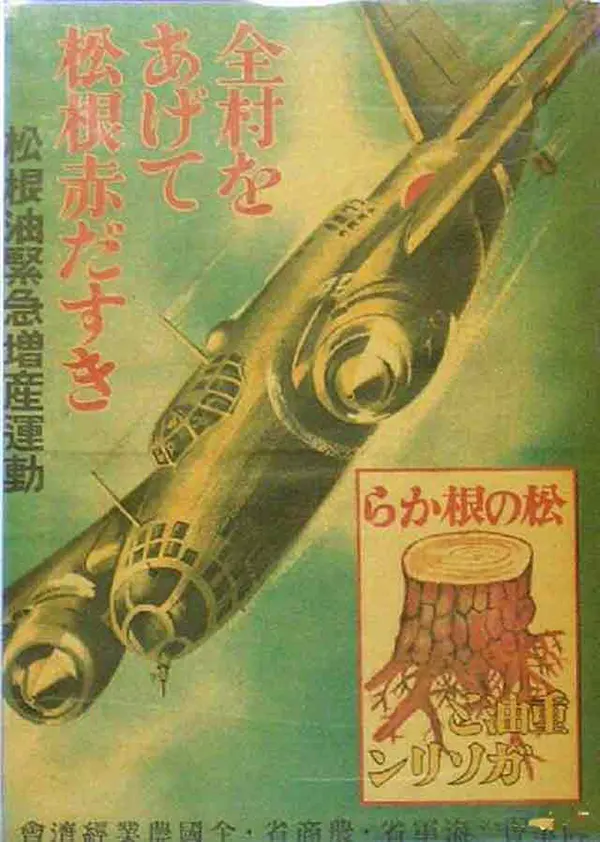
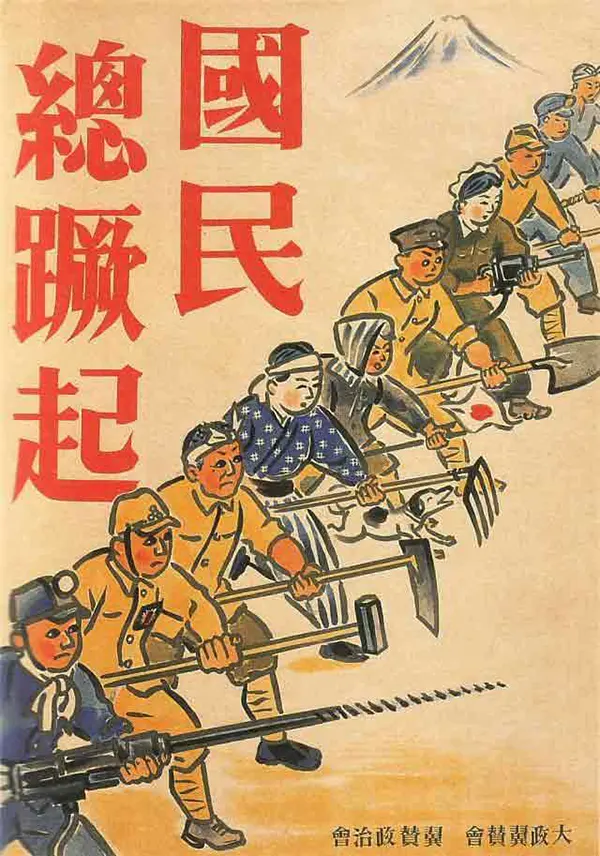
The propaganda machine also reached into the civilian economy. Workers at home were told their labor was just as vital to victory as combat. Farmers, factory hands, and laborers were portrayed as warriors of a different kind — their tools equal to rifles in the fight for Japan’s future.
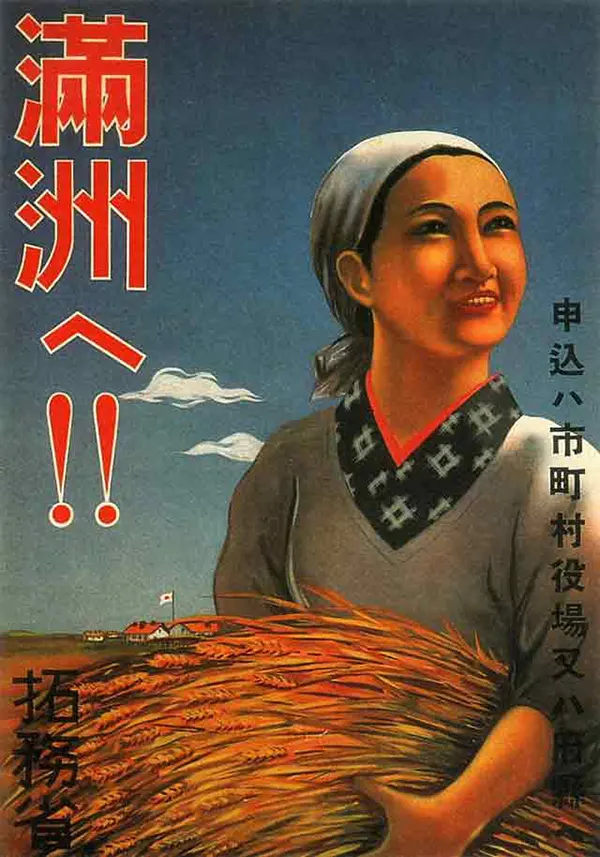
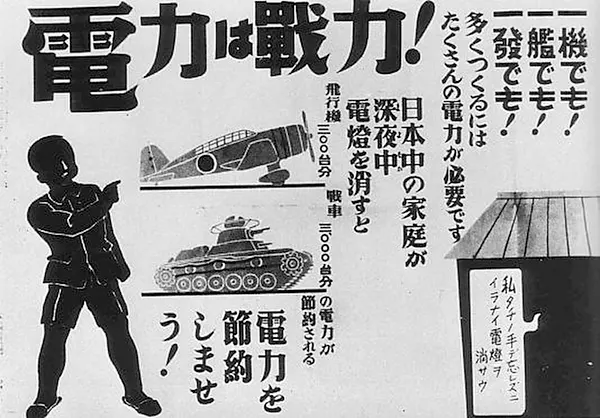
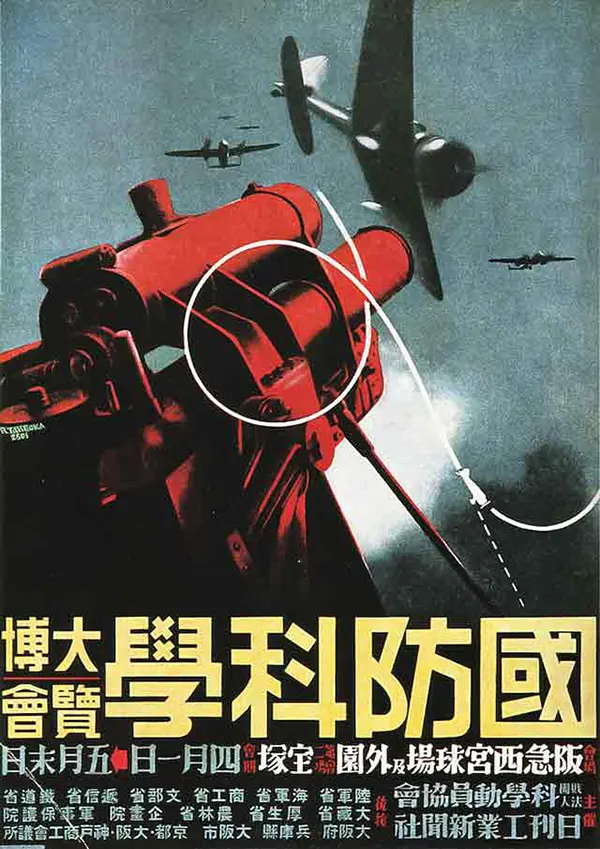
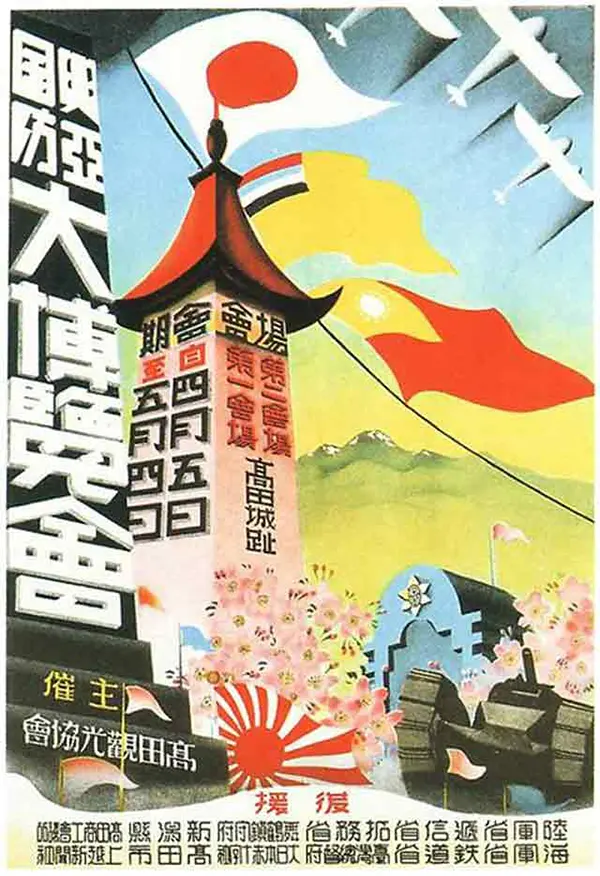
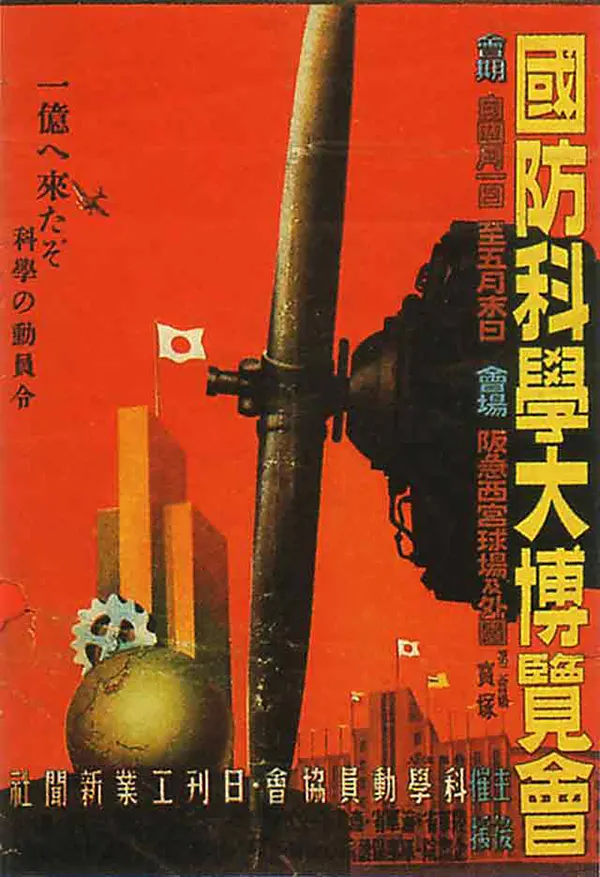
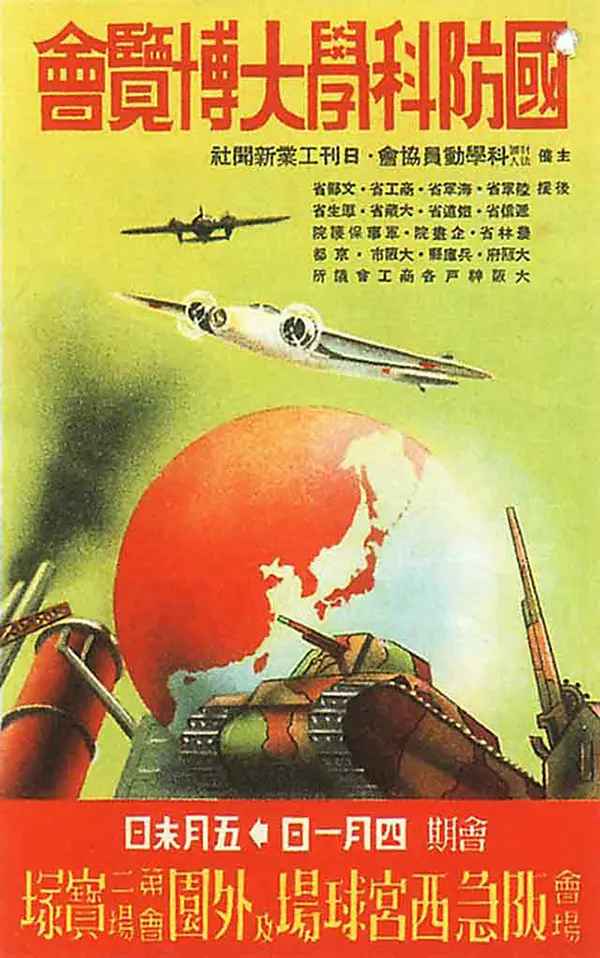
Beyond purely military or labor themes, propaganda was woven into public events and exhibitions. Posters announcing expositions and civic gatherings carried the same subtexts of imperial progress and national strength, making every corner of Japanese public life a canvas for wartime messaging.
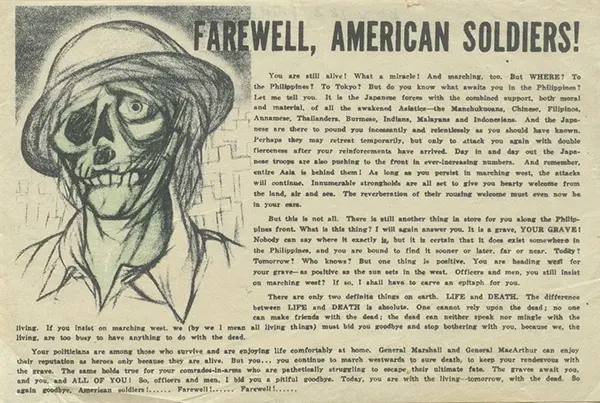
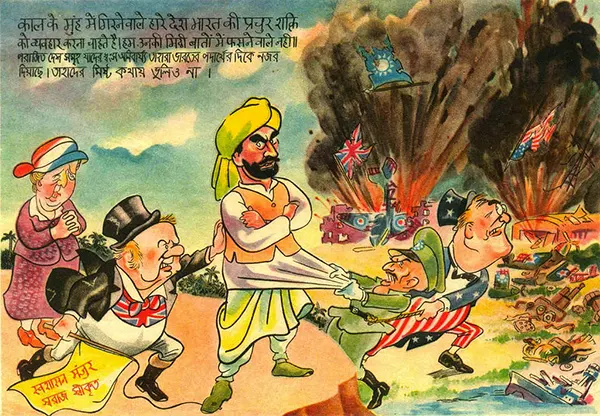
Japan’s propaganda operation extended well beyond its own borders. Leaflets and posters were dropped on or distributed to Allied troops, designed to chip away at morale. Some warned landing soldiers of their deaths. Others targeted colonized peoples in Asia, portraying Allied leaders as exploiters dragging unwilling nations into a war fought only for Western interests.
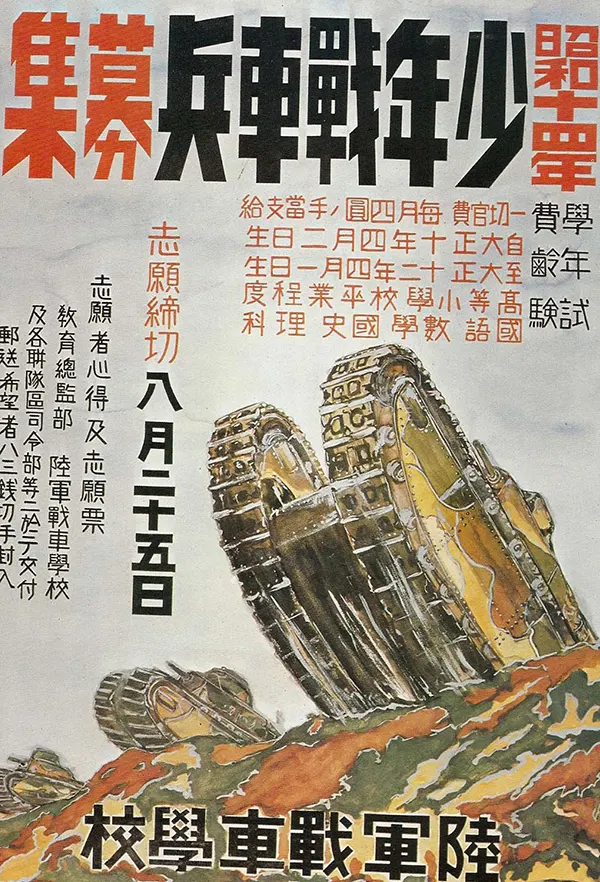
Military recruitment was another key function of the poster campaign. The Imperial Japanese Army needed a steady flow of volunteers, and imagery was carefully crafted to make service look honorable, modern, and essential. The Tank School recruitment poster from 1939 is a clear example — projecting technical sophistication and martial prestige to draw young men into the ranks.
Japan’s broader imperial vision — the so-called Greater East Asia Co-Prosperity Sphere — was also a propaganda staple. Materials produced by the Tokyo Conference depicted East Asia liberated from Anglo-American control, with Japan positioned as the region’s natural and rightful leader.