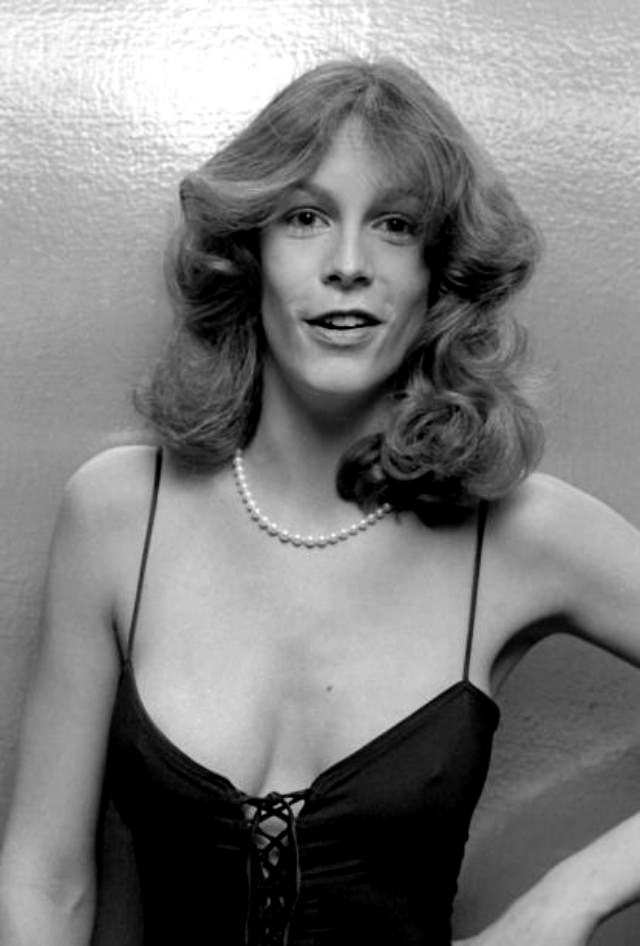
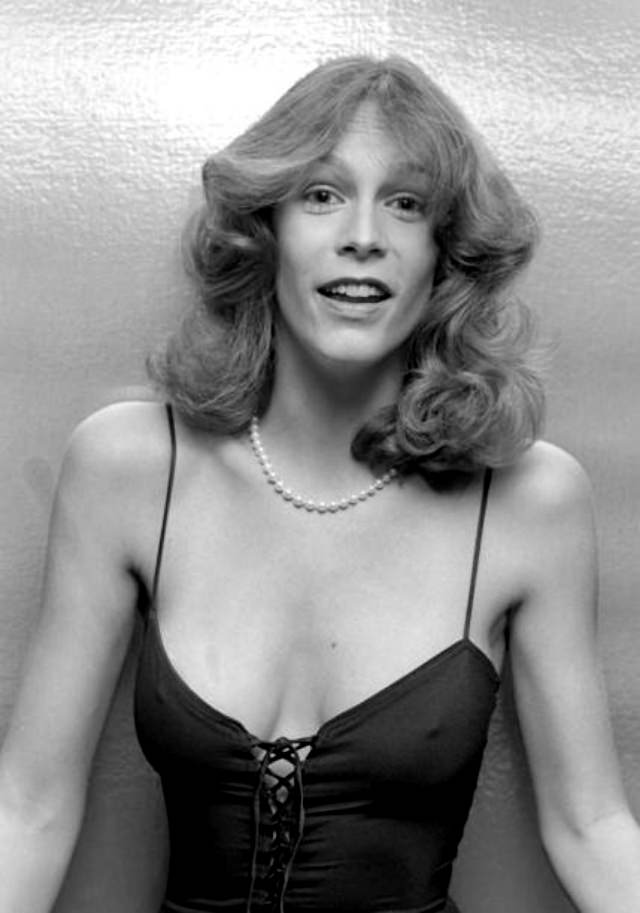
In 1978, Jamie Lee Curtis was still finding her footing in Hollywood. She was the daughter of two major stars — Tony Curtis and Janet Leigh — but she had not yet made a name for herself. That was about to change. Photographer Ron Galella caught her at exactly this moment, camera in hand at the Celebrity Ball held at Resorts International Hotel in Atlantic City, New Jersey.
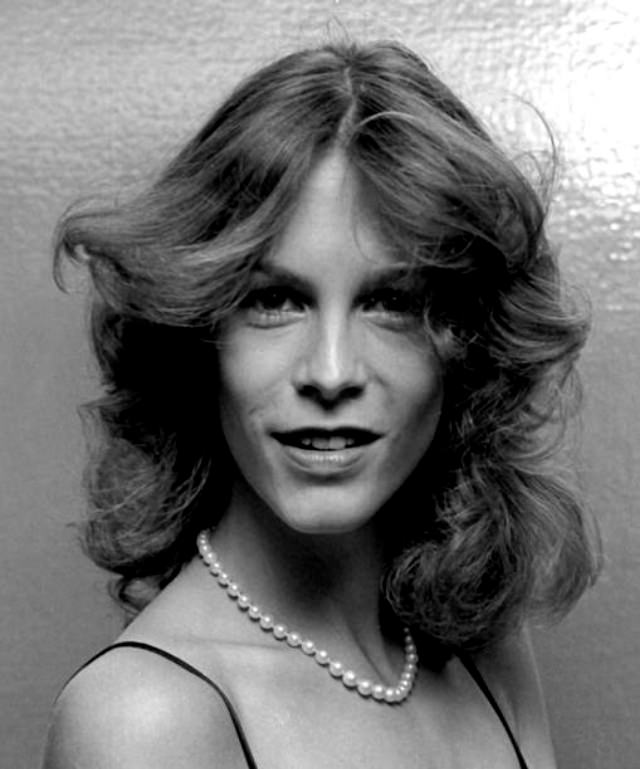
Galella was already one of the most well-known celebrity photographers in the United States by this point. His style was direct and close. He got near his subjects and let the lens do the rest. The portraits he took of Curtis that evening are a clear example of what made his work stand out.
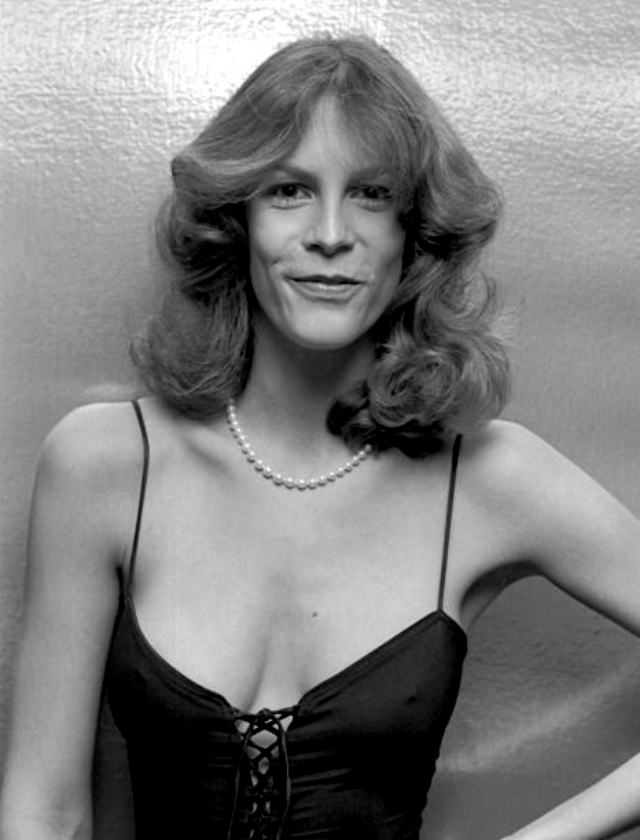
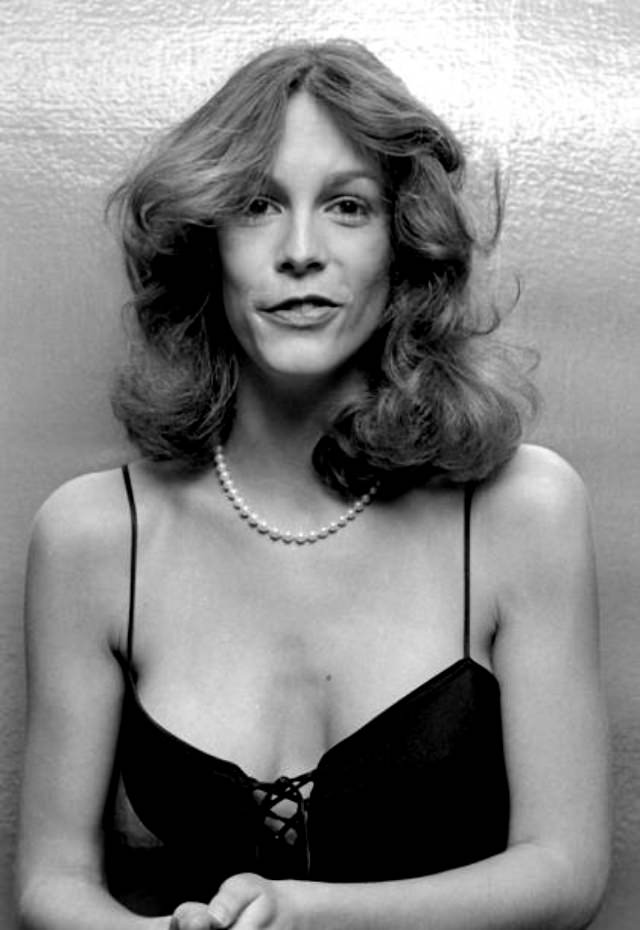
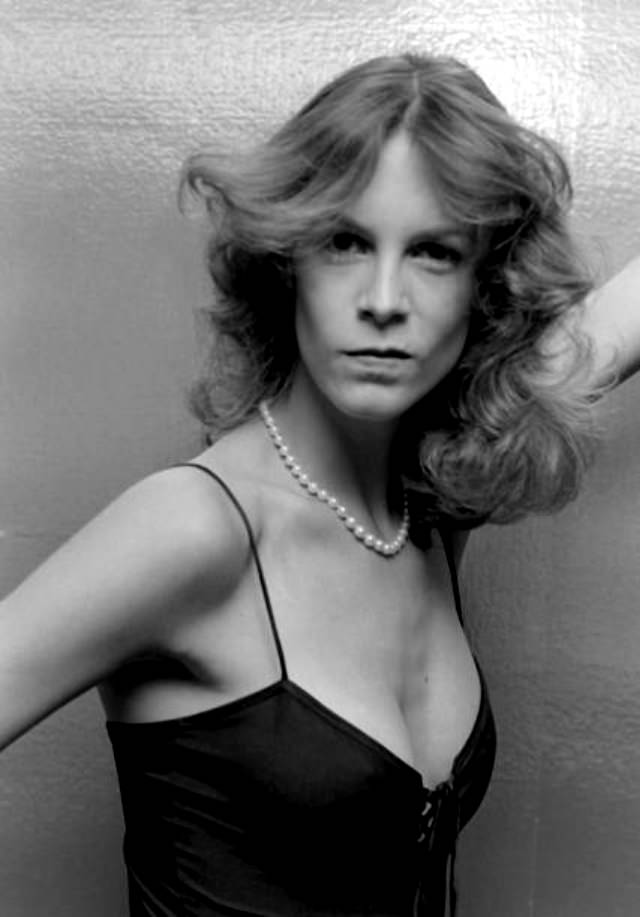
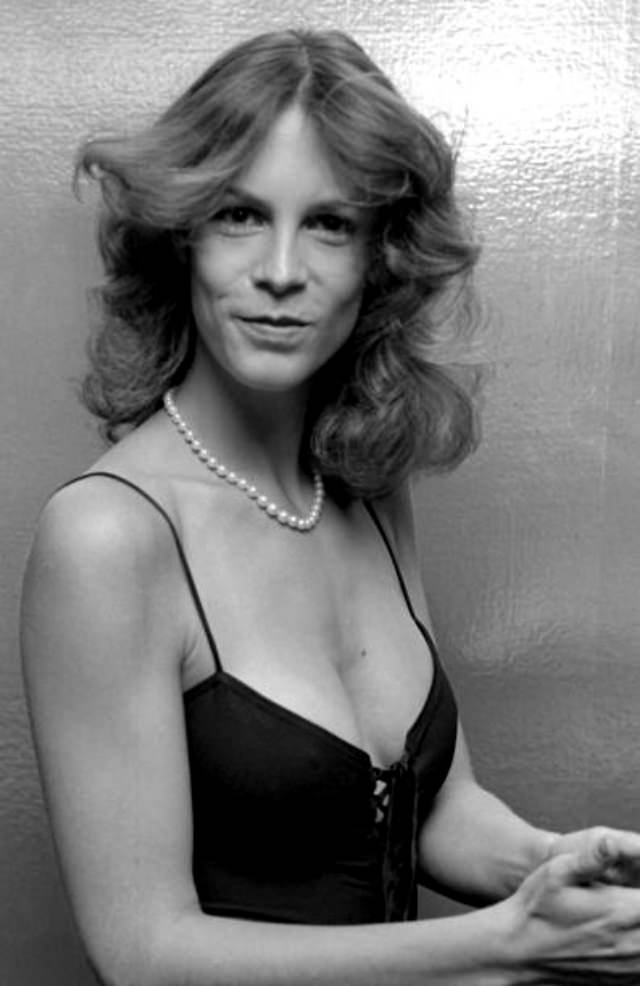
Curtis appears in the photos wearing a simple black dress. Her hair is short, a look she would keep throughout her early career. She carries herself with a calm confidence that reads well on camera, even without the weight of major film credits behind her name.
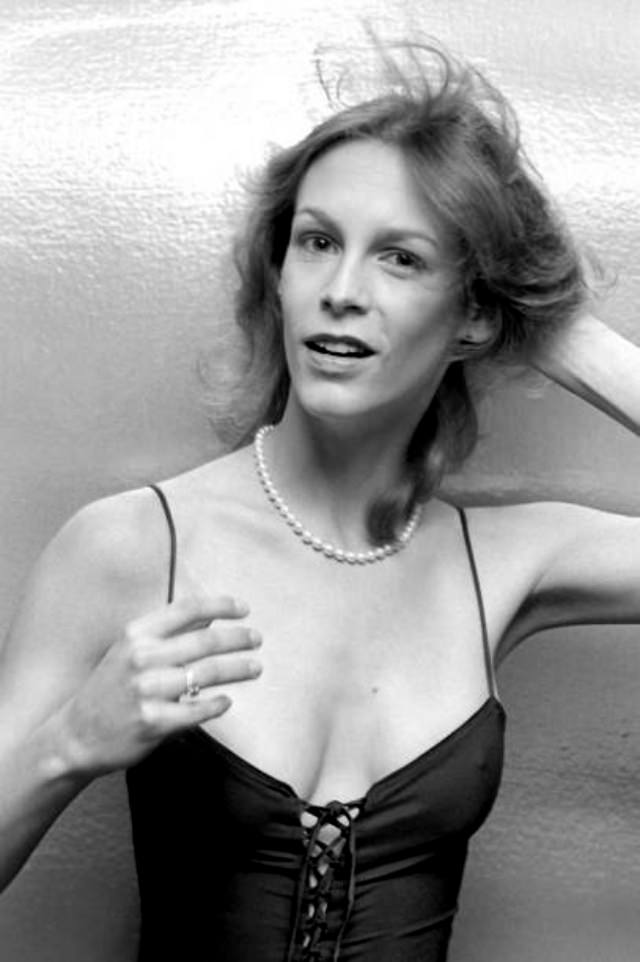
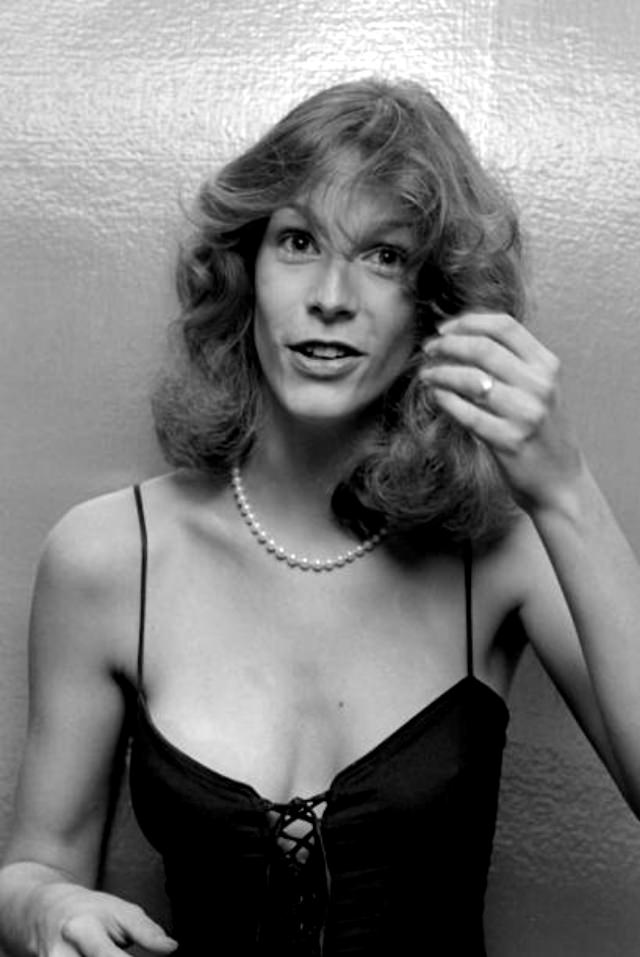
Some frames show her with her eyes cast downward, quiet and reflective. Others catch her looking straight into the lens with a sharp, knowing expression — alert, not guarded. Galella’s portraits tend to reveal something genuine about a person, and these are no different.
At the time these photos were taken, Curtis had just landed the role that would define her early career. John Carpenter’s Halloween was released in October 1978, and Curtis played Laurie Strode — a role that introduced her to audiences worldwide and launched her status as a scream queen.
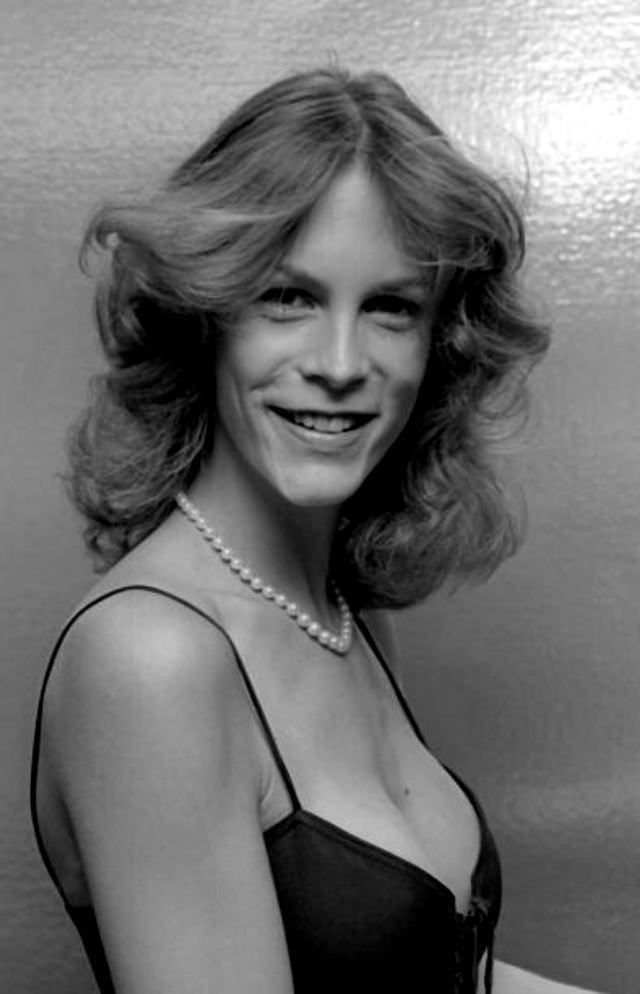
The Celebrity Ball at Resorts International was itself a notable event. Resorts International opened in May 1978 as the first legal casino in Atlantic City — and the first legal casino in the eastern United States outside of Nevada. The hotel drew celebrities and press almost immediately.
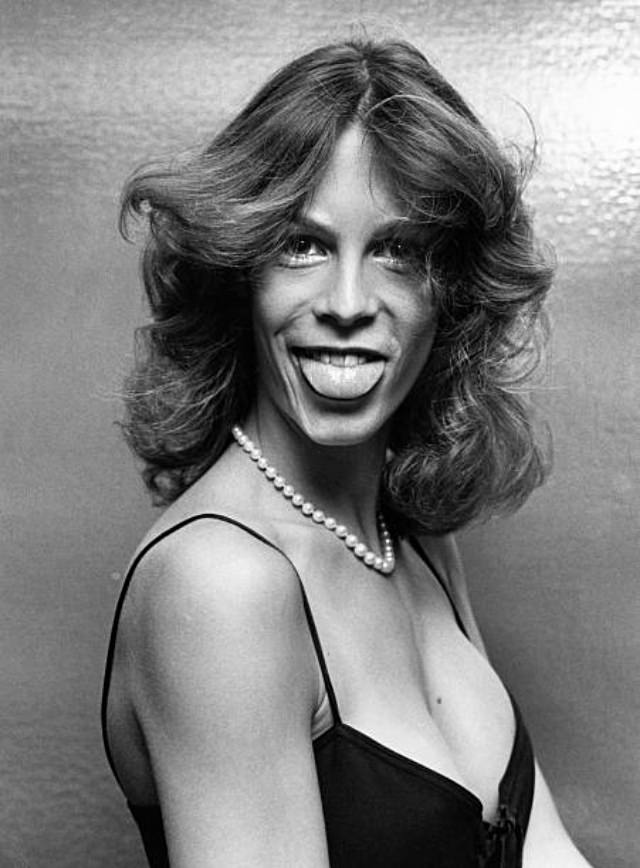
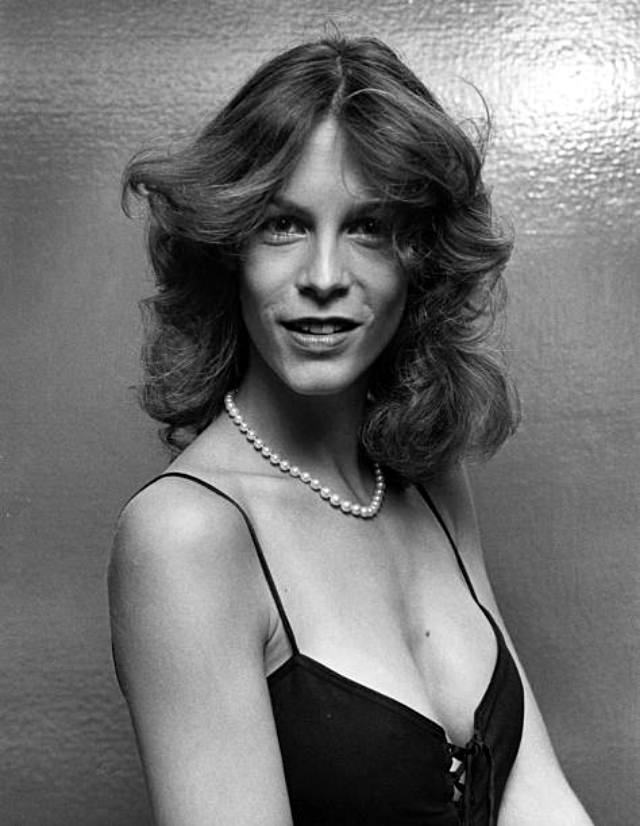
Curtis arriving at such an event that year placed her squarely in the spotlight. She was 19 years old and had grown up watching her parents navigate the machinery of Hollywood fame. These photos show a young woman who understood the camera without yet being consumed by it.
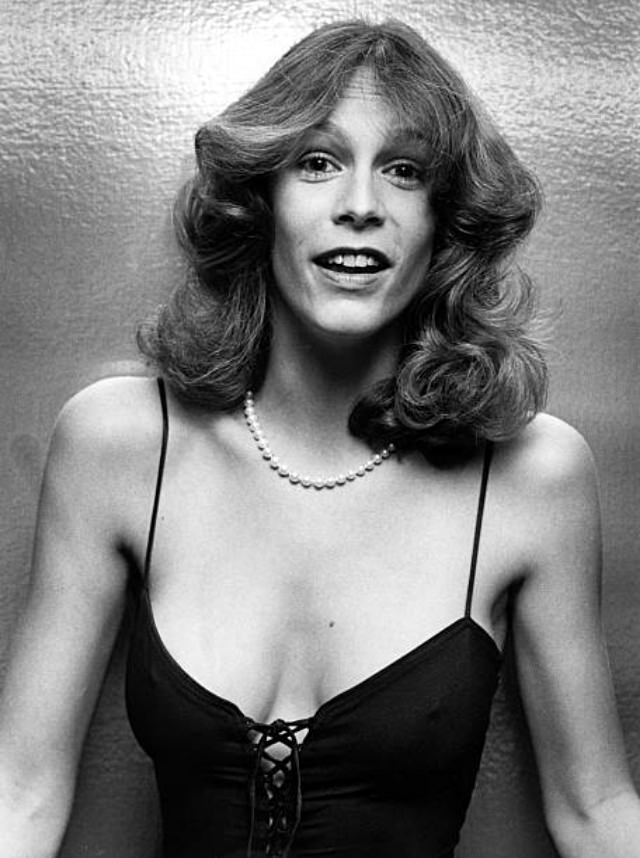
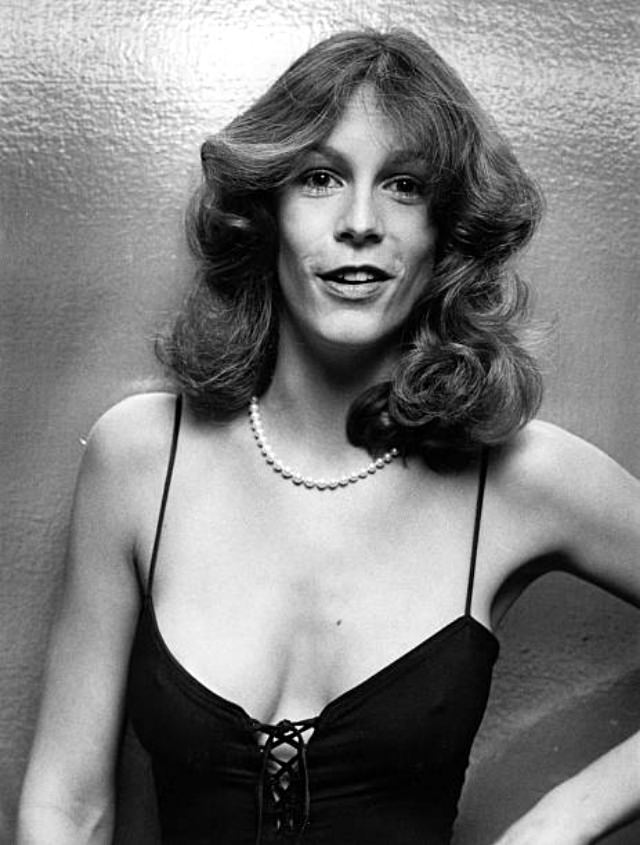
Galella shot Curtis across multiple frames that evening, each one slightly different in mood. The variety in expression from image to image speaks to how comfortable she was in front of his camera — or at least how well she controlled the interaction.
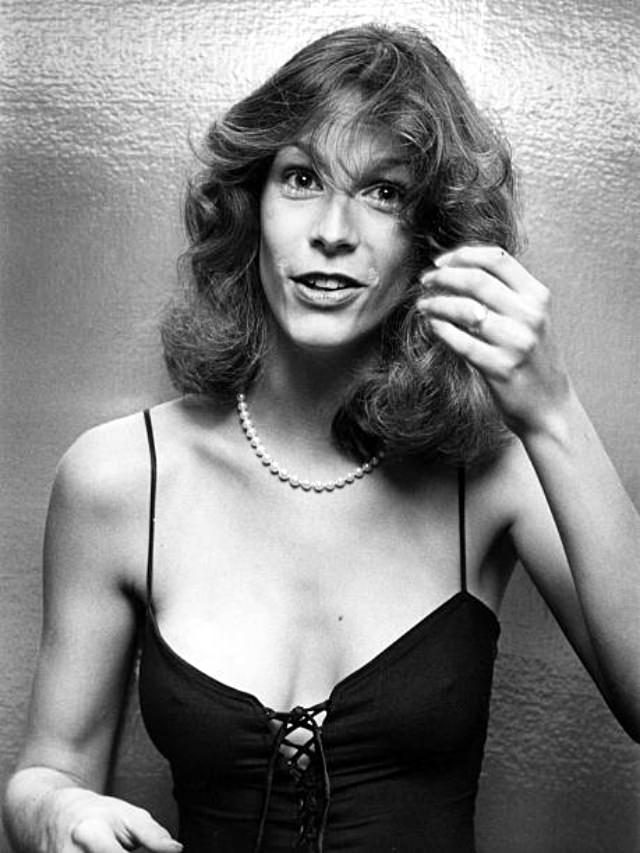
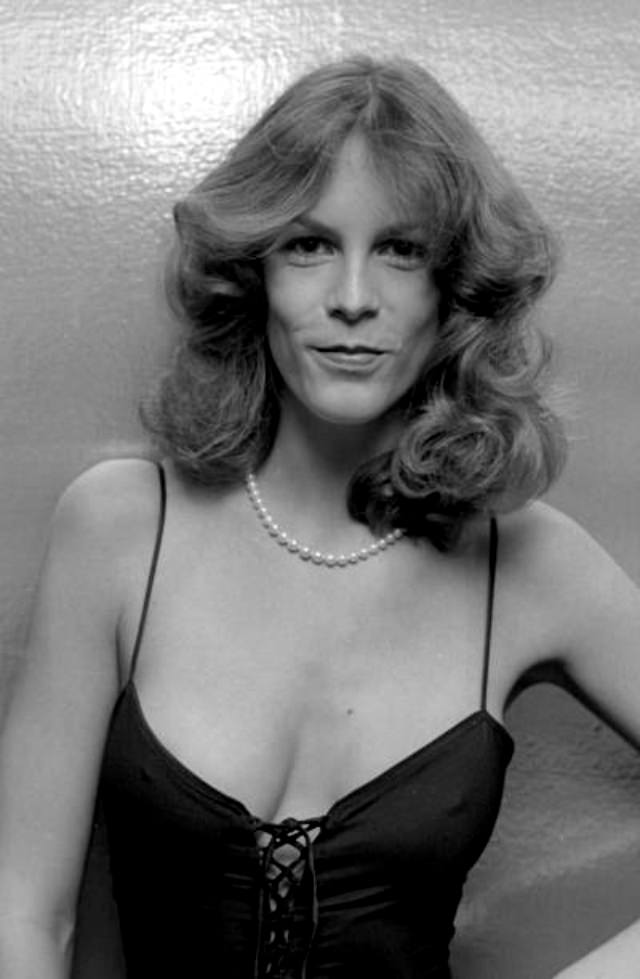
Taken together, Galella’s 1978 portraits of Jamie Lee Curtis form a precise document of a specific moment — a young actress standing at the starting line of a career that would span decades and include films like Trading Places, True Lies, and A Fish Called Wanda.