Few artists have commanded a stage — or a red carpet — the way Cher has. Over a career spanning more than 50 years, she has continuously reinvented herself, not just musically, but visually. Her fashion choices have been as bold and unpredictable as her music, ranging from hippie bell-bottoms and bandanas in the 1960s to barely-there beaded gowns and leather-and-lace rock looks in later decades. Every era brought a new Cher, and every new Cher brought a new wardrobe. She was born Cherilyn Sarkisian and moved to Los Angeles at just sixteen years old. It was there that she met songwriter Sonny Bono, a meeting that would define the early chapter of her career. The two married, formed a duo, and in 1965 released “I Got You Babe,” a song that sold more than three million copies and made them international stars overnight.

In those early years, Sonny and Cher were inseparable on and off stage. Their matching fur vests, striped bell-bottoms, and shaggy hairstyles made them the unofficial style icons of mid-1960s youth culture. Their look wasn’t manufactured by a stylist — it was genuinely theirs, pulled from the Sunset Strip counterculture scene they were living in.


As the couple toured Europe, their presence in cities like Paris and Germany drew enormous crowds. Their style travelled with them — and photographers followed everywhere they went. Cher’s long dark hair and striking bone structure made her an effortlessly photogenic subject, and early European press photos captured a rawness that later, more polished shoots never quite replicated.


Their television appearances in 1965 showcased the duo at the height of their early fame. Performing on NBC’s music variety show Hullabaloo alongside acts like The Lovin’ Spoonful, Sonny and Cher wore coordinated looks that mixed folk and mod fashion — a combination that was uniquely their own.


By 1966, the pair were travelling internationally, bringing their signature style to new audiences across Europe. The photographs from Germany and Paris during that year show Cher dressed in layered, textured outfits that reflected the mix of bohemian and glamour she was beginning to make her own.


The early 1970s marked a pivotal shift. Sonny and Cher launched The Sonny and Cher Comedy Hour on CBS in 1971, and the show became a vehicle not just for their music and comedy, but for some of the most memorable costume design on American television. Cher’s wardrobe on the show, largely created by designer Bob Mackie, pushed every boundary. Cutout gowns, feathered headdresses, sheer panels, and sequined bodysuits became her weekly uniform.


The promotional portraits from The Sonny and Cher Comedy Hour’s 1972 season give a clear picture of how theatrical Cher’s television persona had become. Each photo session captured a different dimension of her stage presence — from sultry close-ups at the microphone to full-body shots wrapped in fringe, feathers, and fog.


Off-screen, Cher brought that same boldness to public events. At the 1973 Academy Awards, she walked the red carpet alongside Sonny Bono in a look that turned every head in the Dorothy Chandler Pavilion. That same year, she attended the premiere of Last Tango in Paris wearing a Native American-style poncho and beaded jewelry — a look that captured the early-70s fusion of indigenous-inspired fashion with Hollywood glamour.


Cher and Sonny divorced in 1974. Four days after the divorce was finalized, Cher married rock musician Gregg Allman, a union that lasted five years. Through that personal turbulence, her fashion continued to evolve. She embraced a harder, more rock-influenced edge, while still maintaining the theatrical flair that had defined her television years.


The mid-1970s showed Cher experimenting with even more dramatic silhouettes. She performed at the Rock Music Awards at the Santa Monica Civic Auditorium in 1975 in a show-stopping stage outfit, and was photographed the same year in a tuxedo and top hat holding a red rose — proof that she could shift effortlessly between hyper-feminine glamour and sharp, gender-bending tailoring.


By 1978, Cher’s collaboration with Bob Mackie had produced some of her most iconic looks. A dedicated fashion session that year captured multiple Mackie creations on film — elaborately beaded, cut, and constructed pieces that sat somewhere between haute couture and theatrical costume. Mackie understood Cher’s body and her persona better than almost any designer, and the results from those 1978 sessions remain among the most referenced images in her entire fashion history.


The late 1970s also saw Cher dipping into the disco era. She attended Billboard Magazine’s 1978 Disco Convention Banquet at the New York Hilton alongside Nile Rodgers and Alfa Anderson, and in 1979 posed for the album cover of The Prisoner on Casablanca Records — her expression and styling as carefully considered as any of her stage looks.


The 1980s brought Cher’s acting career into full focus. She appeared at the Academy Awards multiple times during the decade — each appearance more memorable than the last for what she wore. Her 1983 appearance at the 55th Annual Academy Awards and her 1984 appearance alongside Val Kilmer raised eyebrows and drew press coverage that rivaled the actual award recipients.


In 1988, Cher won the Academy Award for Best Actress for her role in Moonstruck. She accepted the award at the 60th Annual Academy Awards at the Shrine Civic Auditorium in Los Angeles, dressed in a look that became one of the most photographed moments of her career. Cher has sold more than 100 million records worldwide and is recognized as one of the world’s best-selling female recording artists of all time — but it’s moments like this one that cemented her place in both entertainment and fashion history.


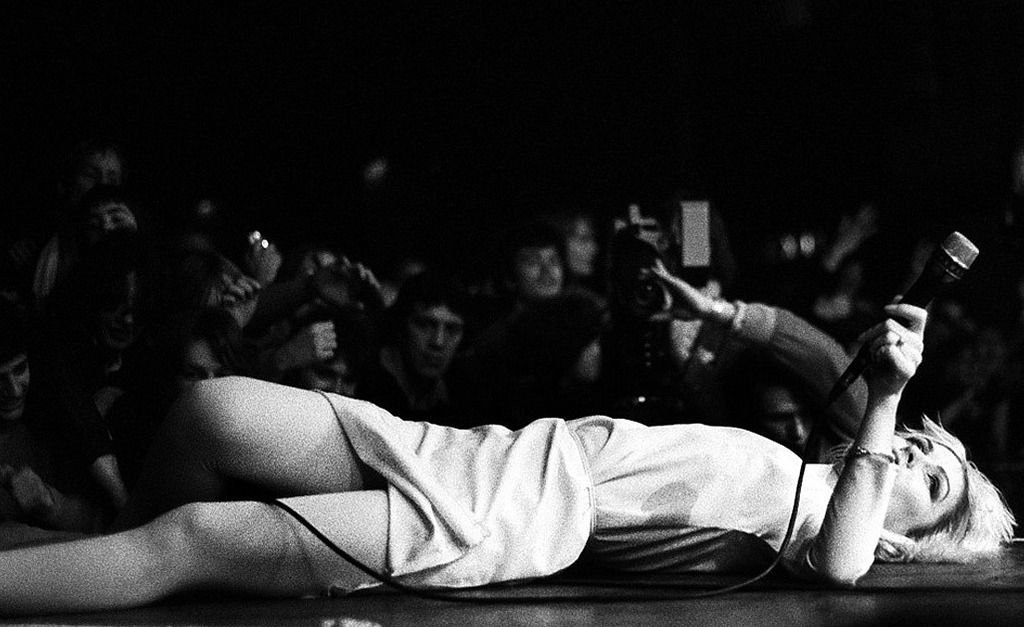
Beyond the red carpet, Cher brought her flair to personal appearances and promotional events. At her Halloween party promoting her fragrance Uninhibited at the Century Paramount Hotel in New York City, she turned a press event into a full fashion moment. And when her Love Hurts tour hit London’s Wembley Arena in 1992, the stage costumes matched the spectacle of the performance itself — elaborate, high-impact, and unmistakably Cher.