Helena Rubinstein was not an ordinary businesswoman. Born in Poland, she emigrated to Australia in 1896 and built a business selling face creams that would eventually make her the world’s first self-made female millionaire. By 1915, she had set her sights on New York City, opening a beauty salon at 715 Fifth Avenue that went far beyond anything women had seen before. This was not a place to pop in for a quick haircut. Rubinstein designed her salon to offer an entirely new kind of experience — one that could fill an entire day.
The salon was part beauty destination, part wellness retreat. Under one roof, Rubinstein packed a gymnasium, a movie theatre, a restaurant, and a library. Women could book individual treatments or sign up for the full ‘Day of Beauty’ — a structured, head-to-toe program that moved clients through the salon in a carefully planned sequence. Every step was deliberate, and every treatment had a purpose. The day began not with a facial or a hairset, but with a thorough health assessment.
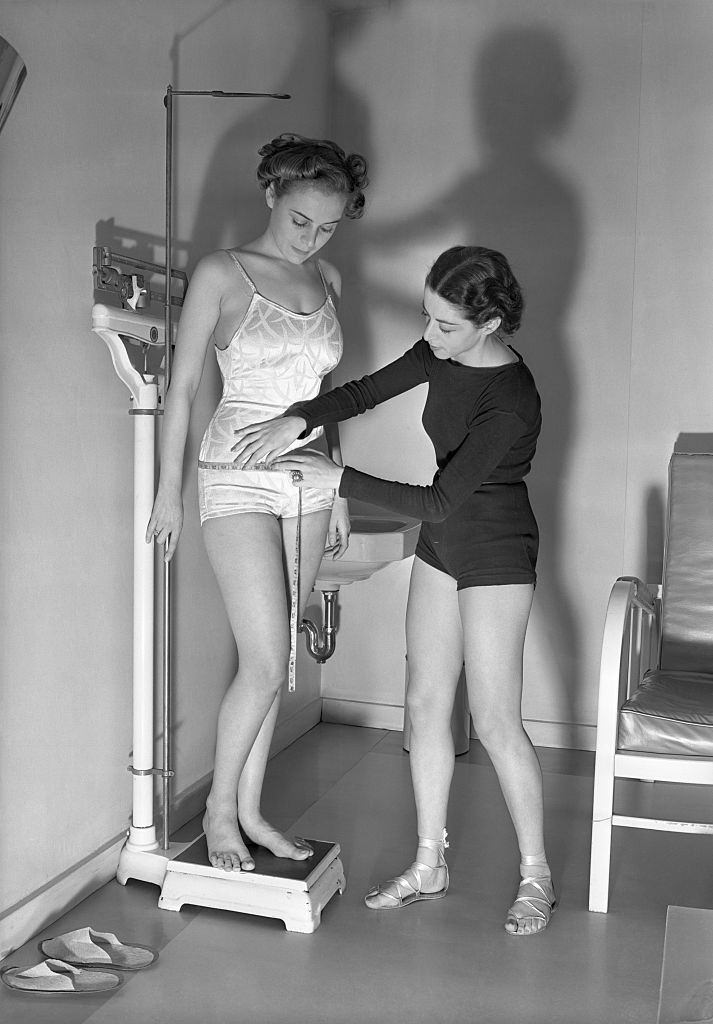
At the start of the session, staff calculated each client’s basal metabolic rate, recorded her blood pressure, height, weight, and other vital statistics. These numbers were kept on file for future visits. The idea was to treat each woman as an individual, not just a customer buying a product off the shelf. Once the assessment was done, the physical portion of the day began.
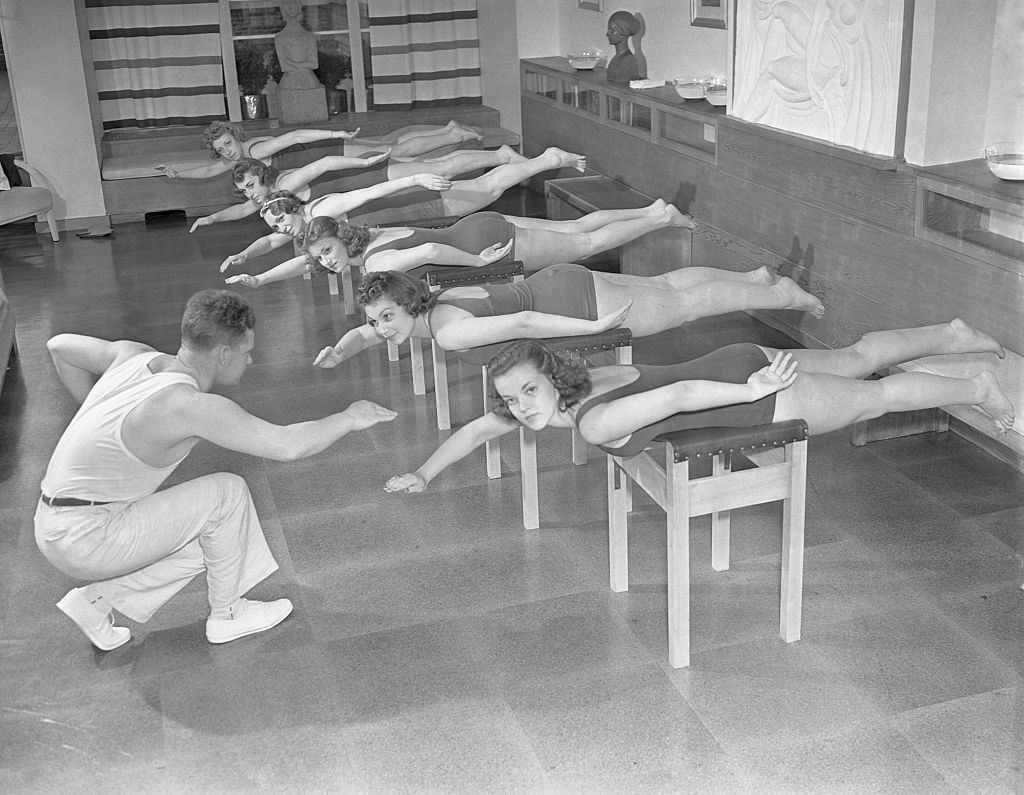
Clients changed into a playsuit provided by the salon and headed to the gymnasium. The space was fully equipped with a sprung floor, wall bars, gym mats, fitness bicycles, and rowing machines. Exercise was treated as a core part of the beauty process, not an optional add-on. For clients who were advised against strenuous physical activity, the salon had alternatives ready.
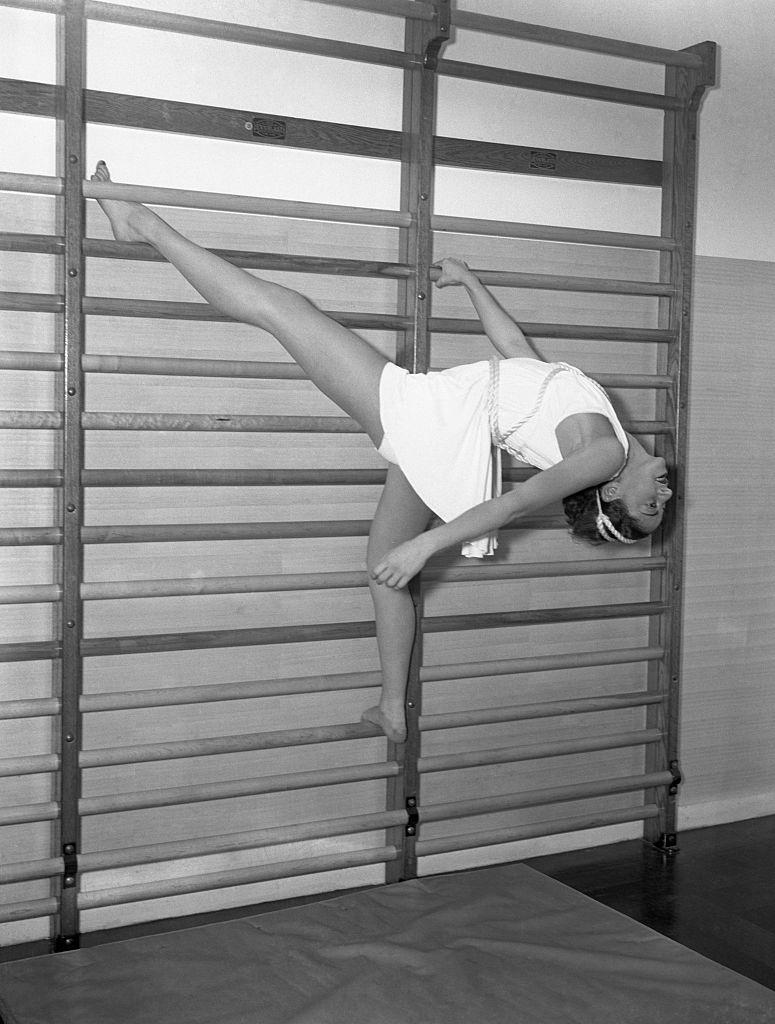
Callisthenic classes were available for those who needed a gentler approach. Certain movements were designed to slim the hips and contract the abdominal and thigh muscles. Deportment classes, which focused on posture and movement, were also on offer. Once the morning activity was complete, it was time to wash away the effort.
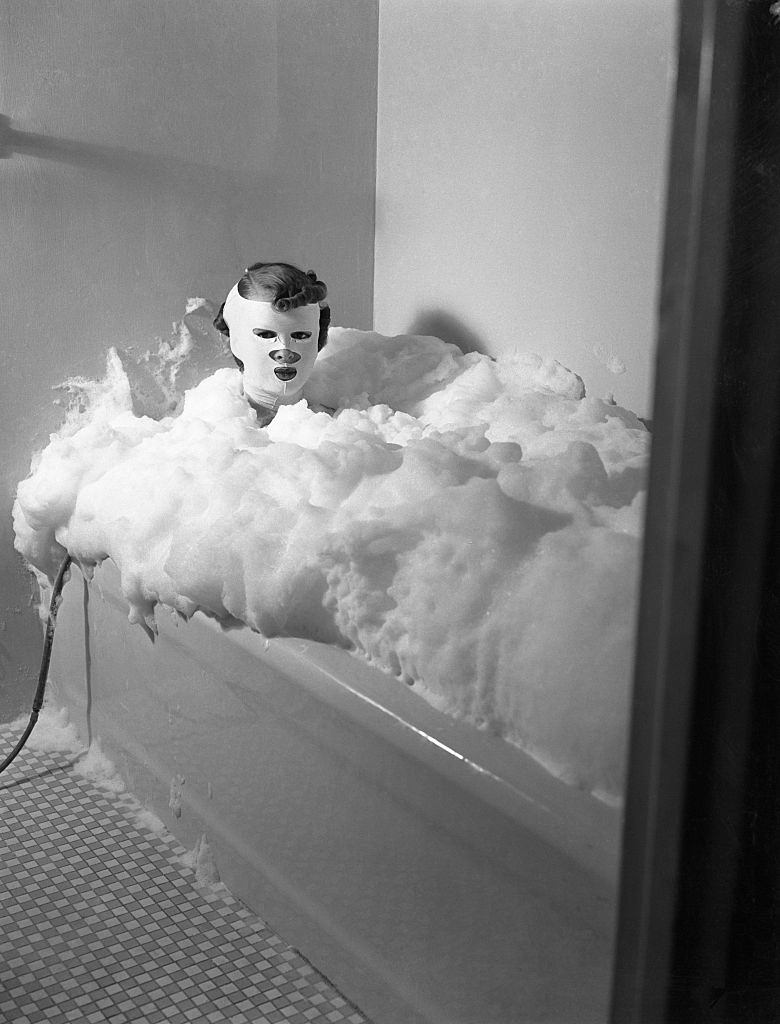
After exercise, clients had access to a range of bathing options. The salon offered ‘pasteurized milk’ baths, mineral salt soaks, herbal baths, paraffin wax treatments, needle showers, and body scrubs. The variety meant each treatment could be matched to a client’s skin condition or personal preference. Then came the massage, and again, the approach was tailored to the individual.
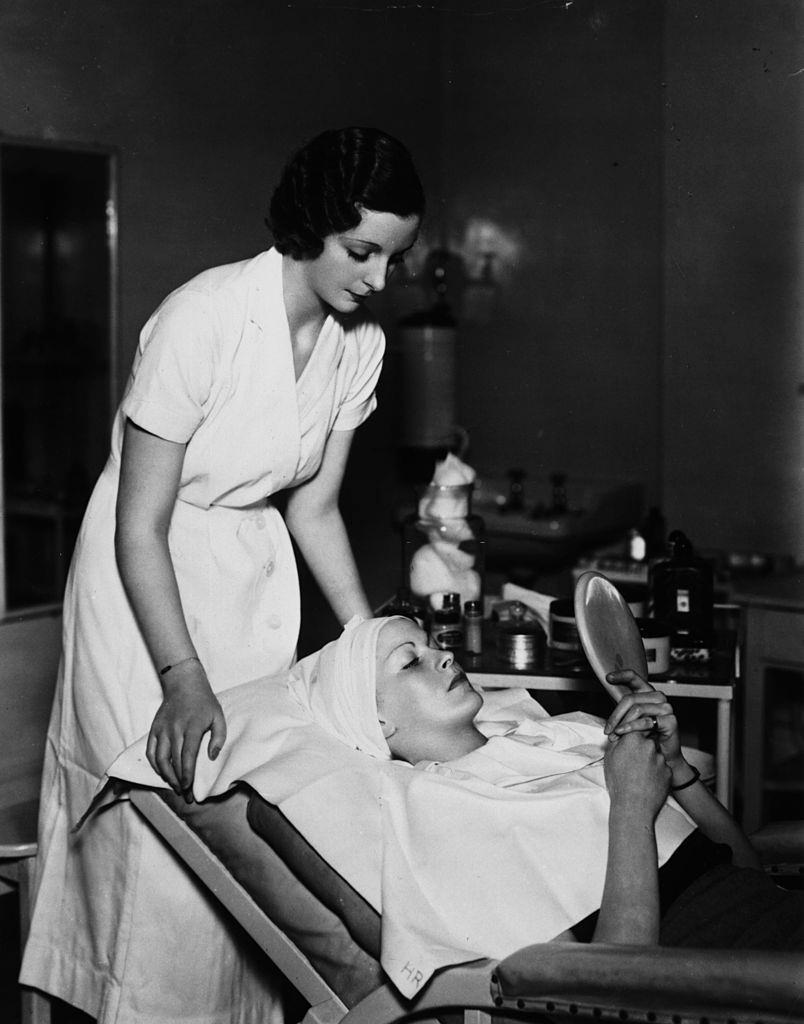
Before the massage itself, some clients opted for a San-O-Therm treatment — an additional step designed to prepare the body.
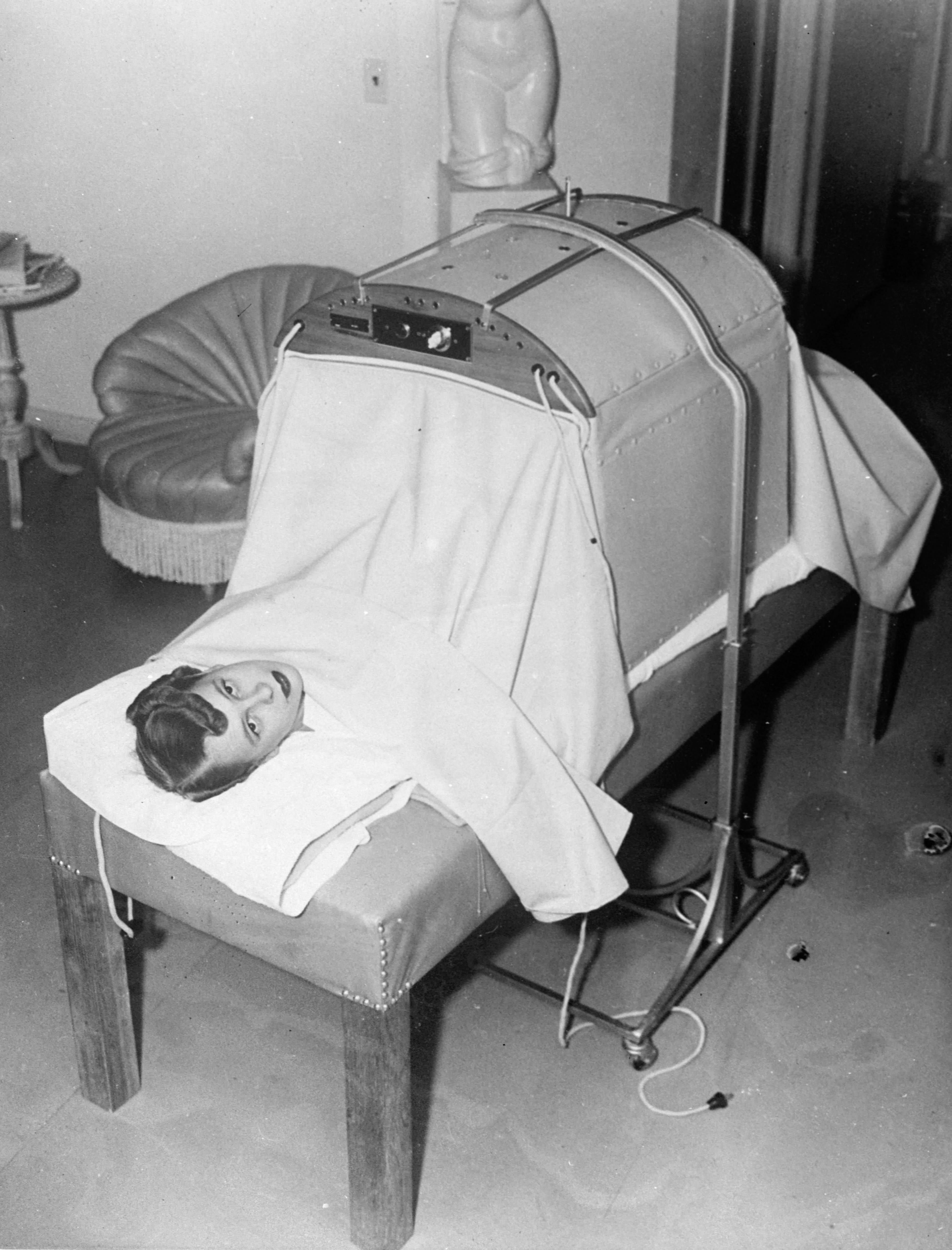
The San-O-Therm treatment involved lying on a massage table covered with an electric blanket, placed beneath a cabinet warmed by an infra-red heater. The treatment was promoted as a way to increase circulation, encourage sweating for skin elimination, relieve pain, and relax tense muscles and ligaments. Another popular option in the salon took the concept of heat and light even further.
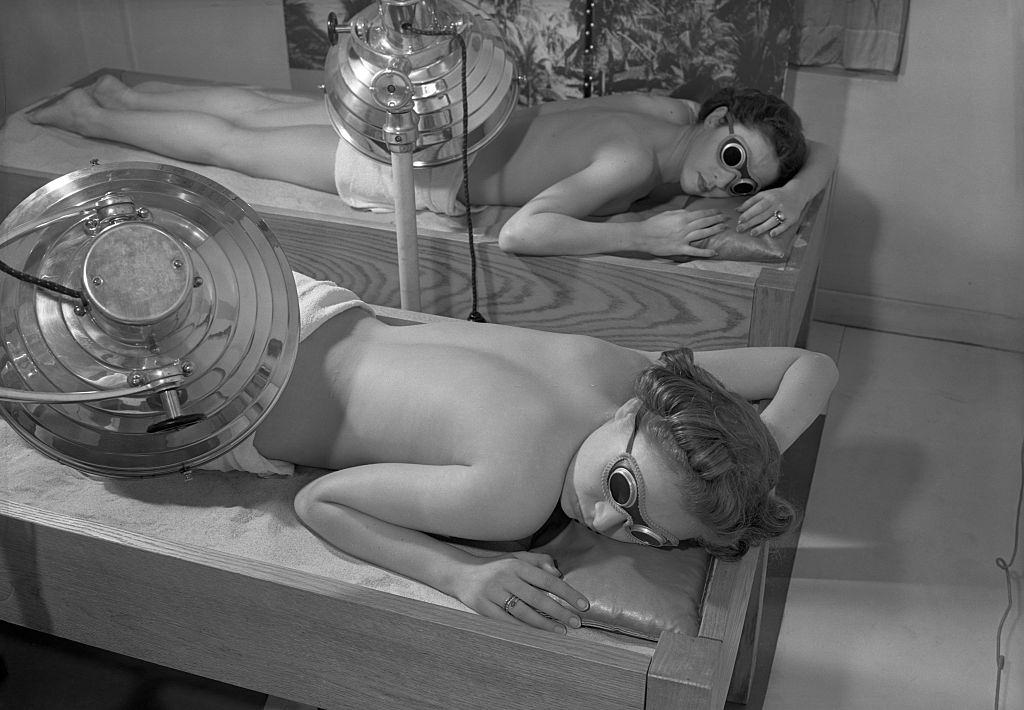
The Sun Ray Clinique was one of the salon’s more striking features. Clients reclined on beds of sand while ultra-violet lamps, positioned around the tops of the walls, reflected light off aluminum surfaces to distribute rays evenly across the body. Infra-red lamps directly above the clients heated the sand and produced a warm, penetrating glow. With the physical treatments complete, attention shifted to the face.
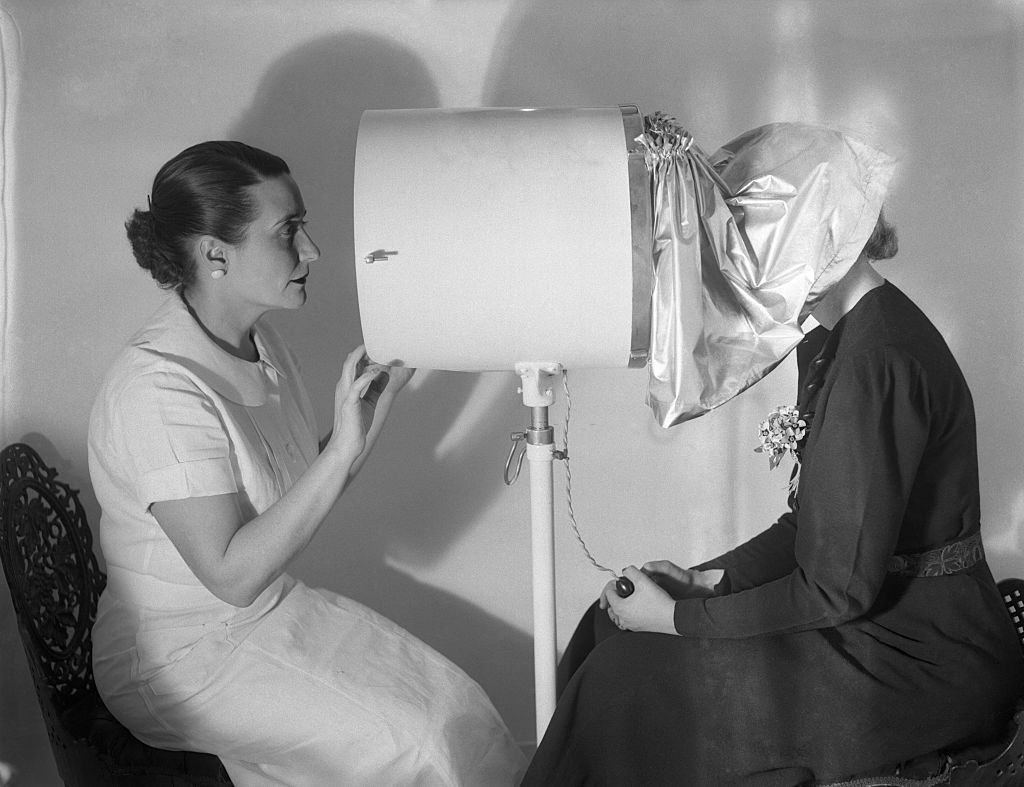
The facial assessment used a specialized hood device. Clients placed their head inside, pressed a hand-held switch, and a magnified view of their skin was examined by an expert. The findings guided the entire facial treatment plan. Depending on the results, clients would receive treatments suited to their specific skin type and concerns. For many, this also included electrical treatments.
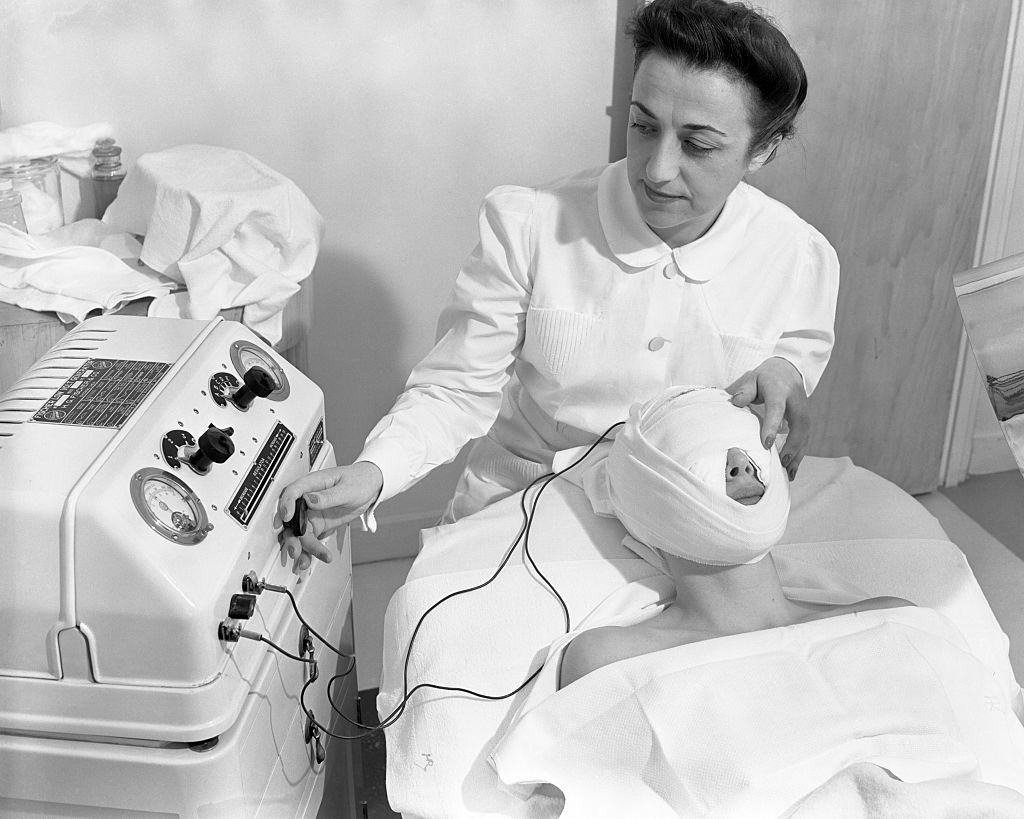
The Electro-tonic Treatment was recommended specifically for aging skin or blurry facial contours. The client’s head was wrapped and a carefully regulated electrical current was applied. The process was gentle enough that clients frequently dozed off during the session. Once facial treatments were wrapped up, there was a brief but pleasant pause before moving on.
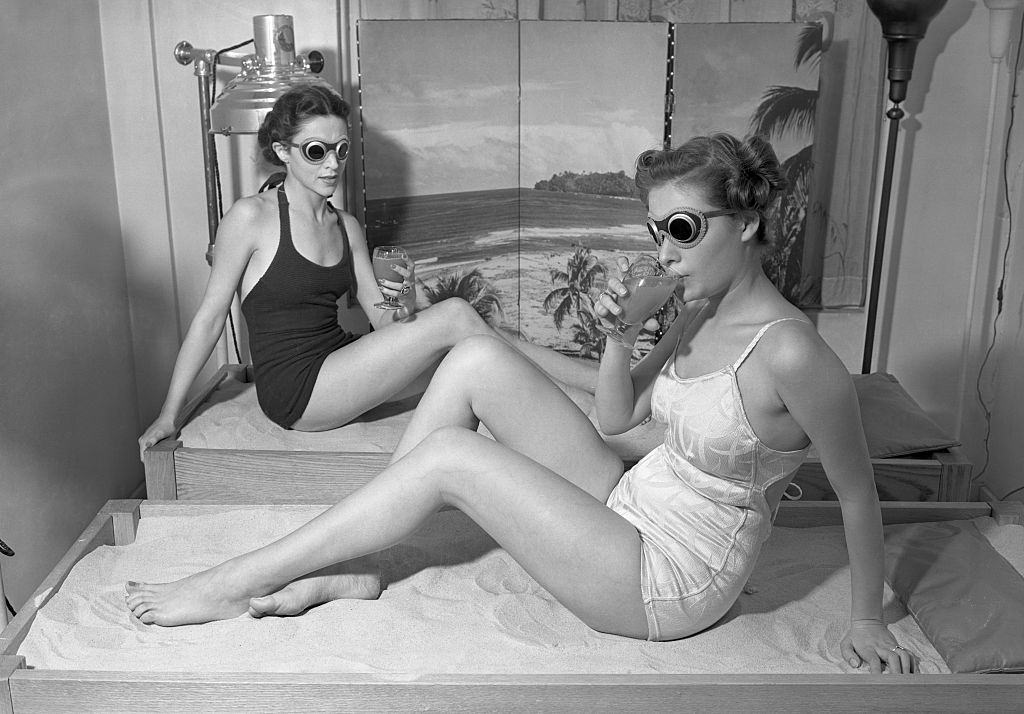
The Salon Health Bar served fruit drinks while clients waited for their hairdressing appointment. It was a small but considered detail — keeping the wellness theme consistent right through to the end of the day. When a hairdresser became available, the final stage of the Day of Beauty began in earnest.
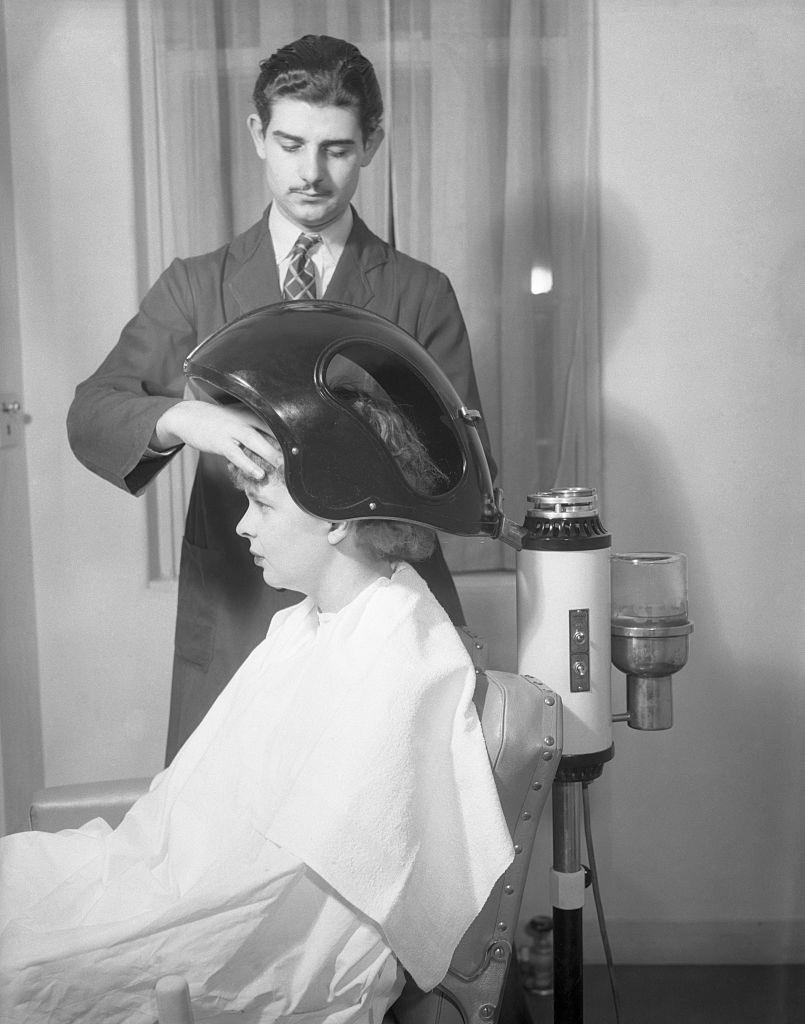
In the hairdressing salon, the client’s scalp was massaged using a Balsam Oil Steamer before her hair was cut and set in the latest Parisian style. While her hair was being styled, her hands and feet were manicured simultaneously. She was then moved to a make-up cubicle, where a specialist applied her makeup and gave personal advice on which Rubinstein products — powder, rouge, lipstick, and eye makeup — best suited her coloring. Other specialized skin treatments were available throughout the day as well.
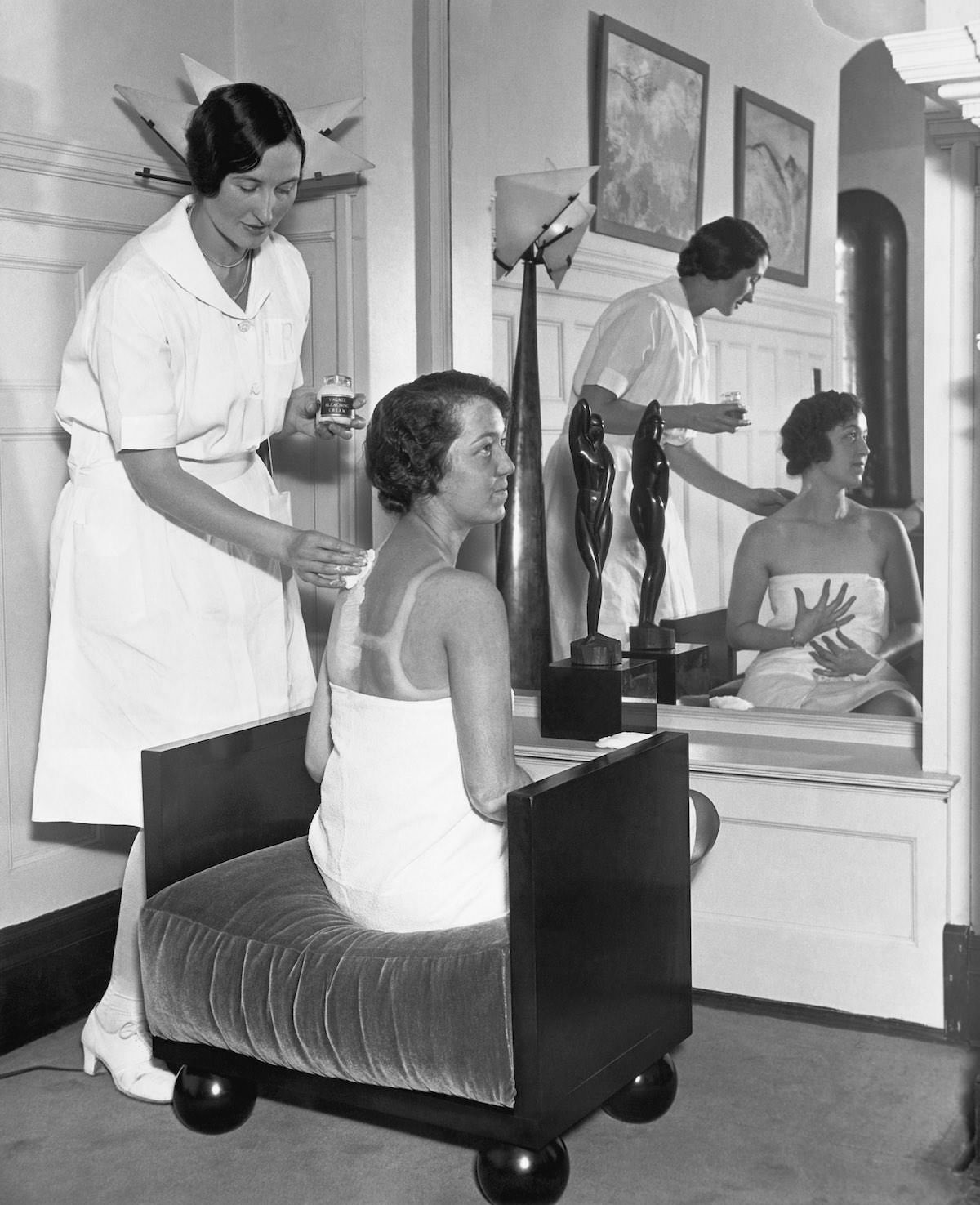
Skin-tone treatments were part of the broader service menu. Staff applied lotions designed to even out color differences caused by sun exposure, reflecting the beauty standards of the era. The day’s final and most prestigious moment came at the very end of the program, when clients had the opportunity to meet with Rubinstein herself.
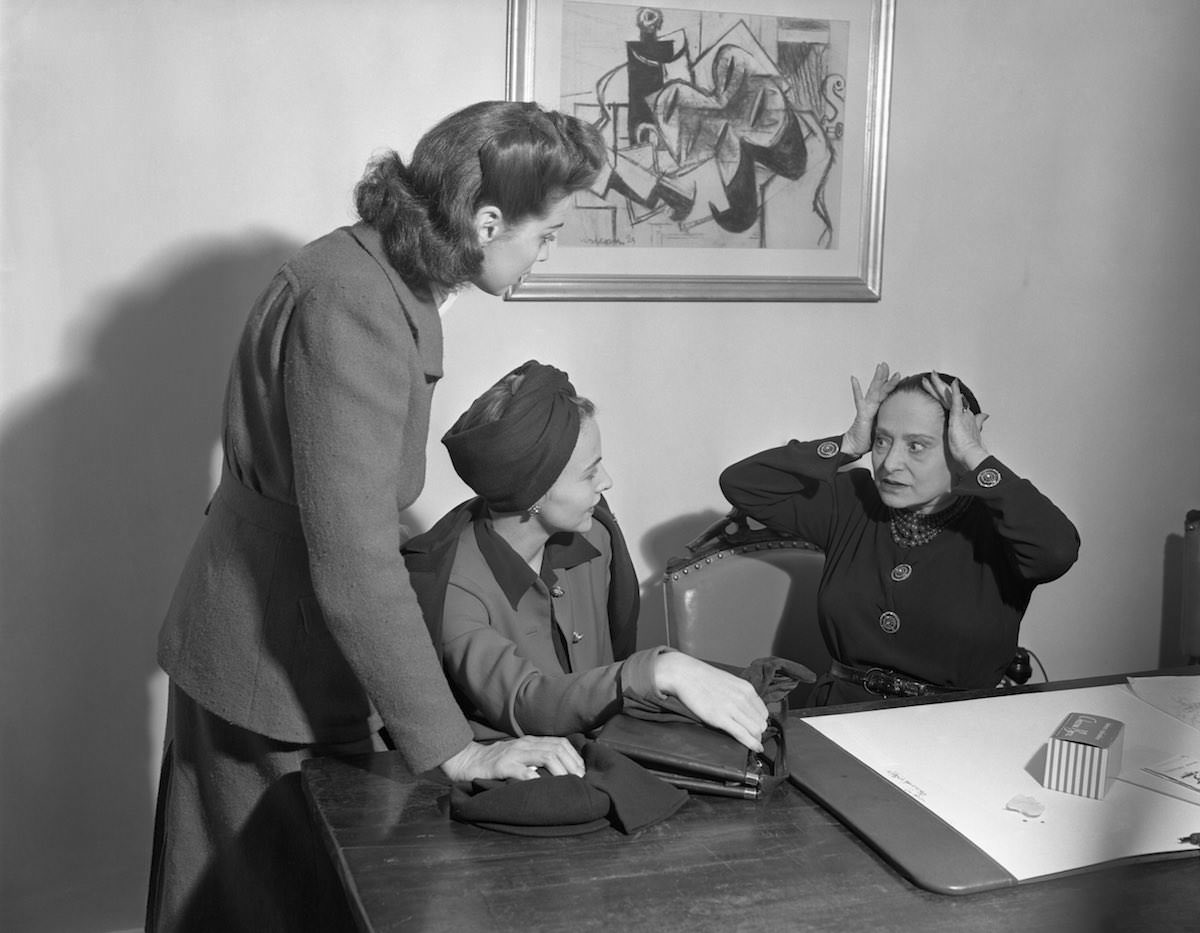
A personal consultation with Helena Rubinstein served as the grand finale of the Day of Beauty. She reviewed each client’s needs and gave direct advice on home beauty care. She demonstrated specific facial movements designed to keep the eye area smooth and youthful, and a chin-slapping technique she credited with maintaining a firm facial silhouette. Clients left not just freshly styled and treated, but armed with a personalized routine to follow at home — and with Rubinstein’s own product line to do it with.
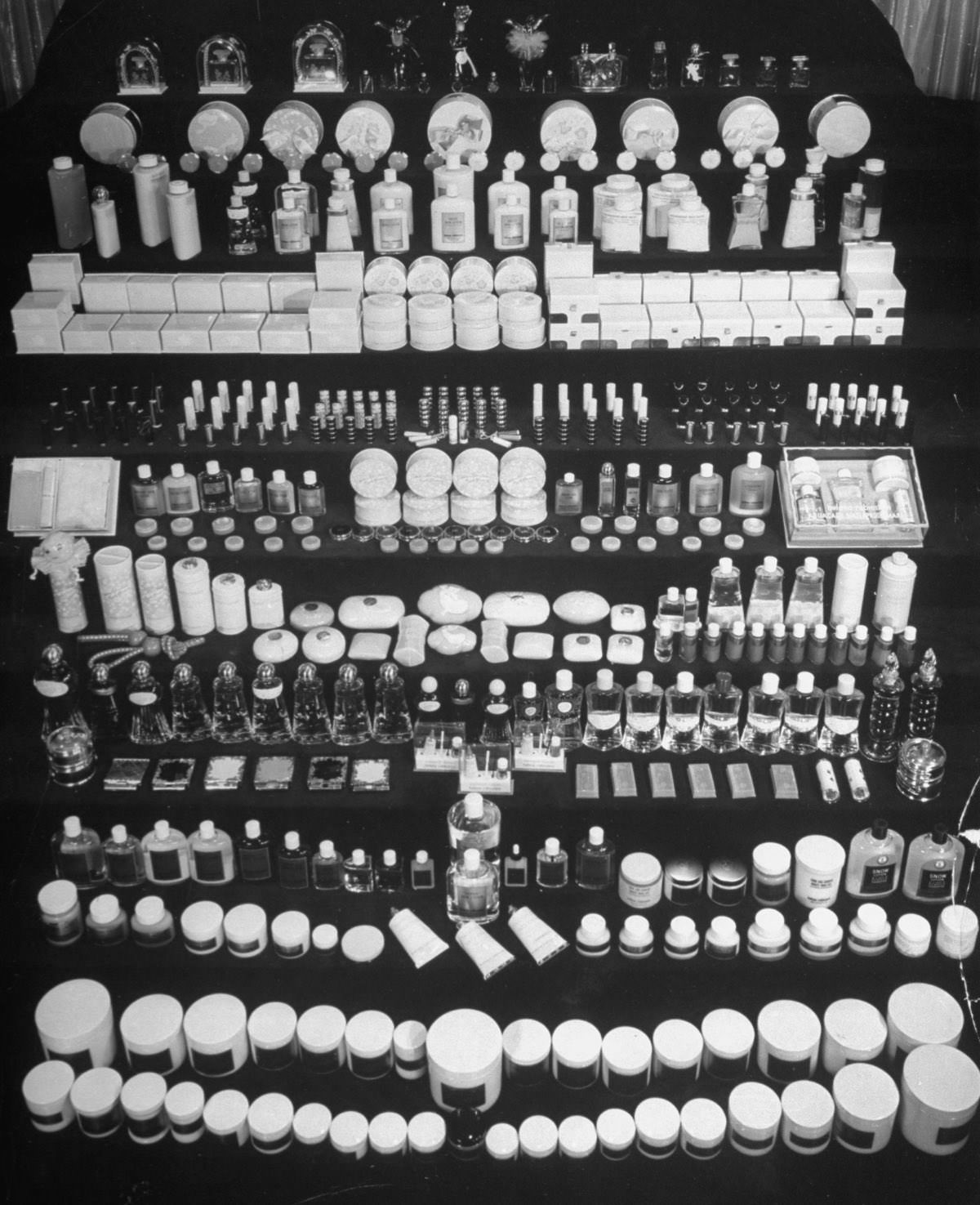
Rubinstein’s product range was broad, covering every step of the beauty routine her clients had just experienced in the salon. The line was designed to extend the salon experience into everyday life, giving women the tools to maintain their results between visits. The products were showcased prominently, including in the salon’s own display windows.
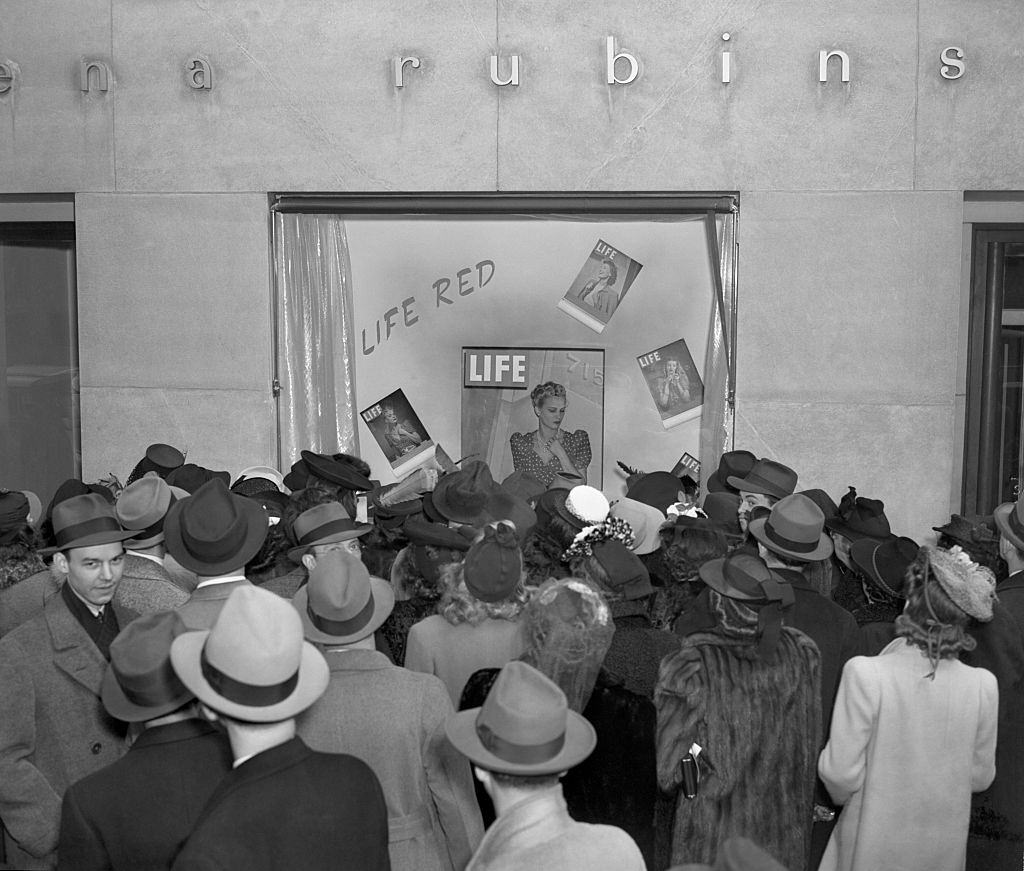
The salon’s window displays featured live models alongside wax figures, showing how Rubinstein’s makeup looked across different complexion types — a redhead, a blonde, a brunette, and a medium tone. It was marketing built directly into the salon experience, blurring the line between beauty treatment and product showcase. Everything in the space, from the gymnasium to the consultation chair, pointed back to Rubinstein’s core belief: that beauty was a science, a discipline, and a full-day commitment.