
When World War II ended in 1945, Hawaii let out a collective breath. The islands had been on a war footing since the attack on Pearl Harbor in December 1941, and the toll on daily life was real. Military activity had reshaped the economy of Oahu almost entirely. Wartime spending kept things moving, but once the fighting stopped, that money dried up fast. Fewer houses needed to be built. Restaurants and shops saw fewer customers. The transition back to peacetime was abrupt, and Hawaii’s residents felt it immediately.
Rather than wait for conditions to improve on their own, the people of Oahu pushed forward. Community campaigns were launched to attract visitors to the island and rebuild what the war years had disrupted. The spirit of unity among Hawaii’s residents was a driving force in that recovery. The photos in this collection capture that exact moment in time — a place still marked by military presence, yet already reaching back toward something more like normal life.
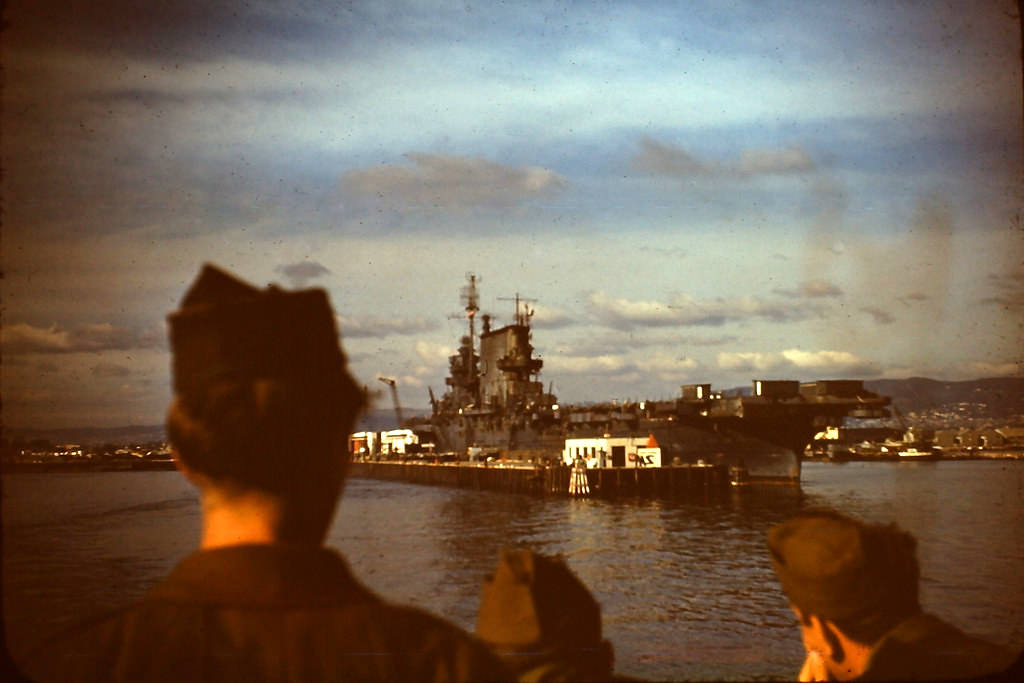
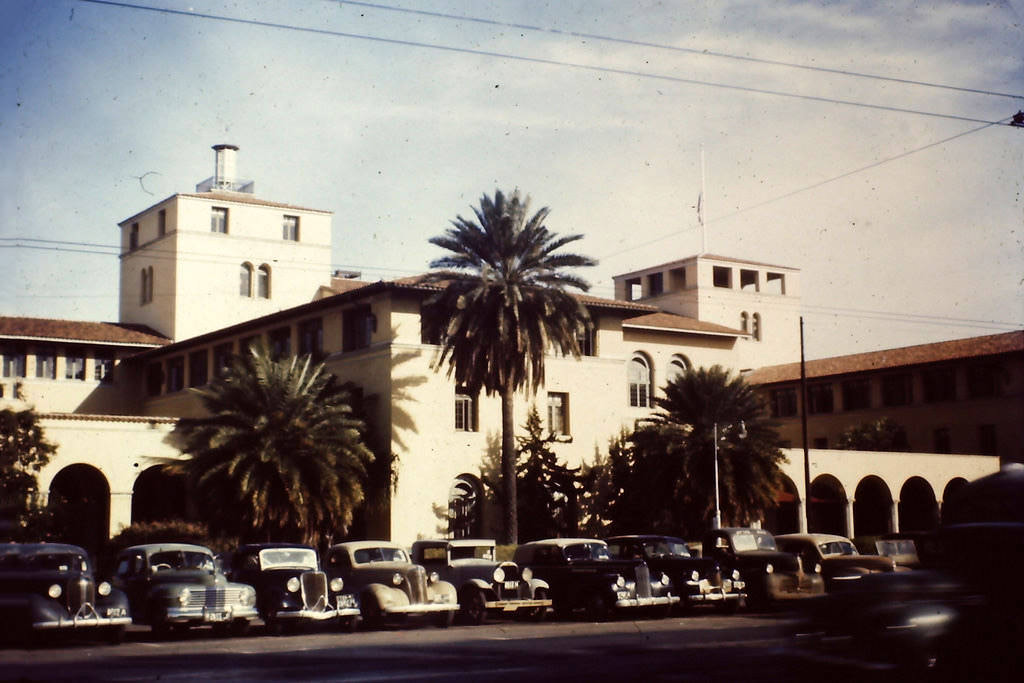
These color photographs were taken by Alberto Casas, a Spanish-American soldier serving in the US Army’s 30th Engineering Battalion, Company B. His unit was assigned to mapmaking, which gave him regular access to the landscape of Oahu and its surroundings. Armed with a color camera — still a rarity among soldiers at the time — Casas documented the world around him with a sharp eye. The result is one of the most vivid firsthand records of Hawaii in the immediate postwar period.
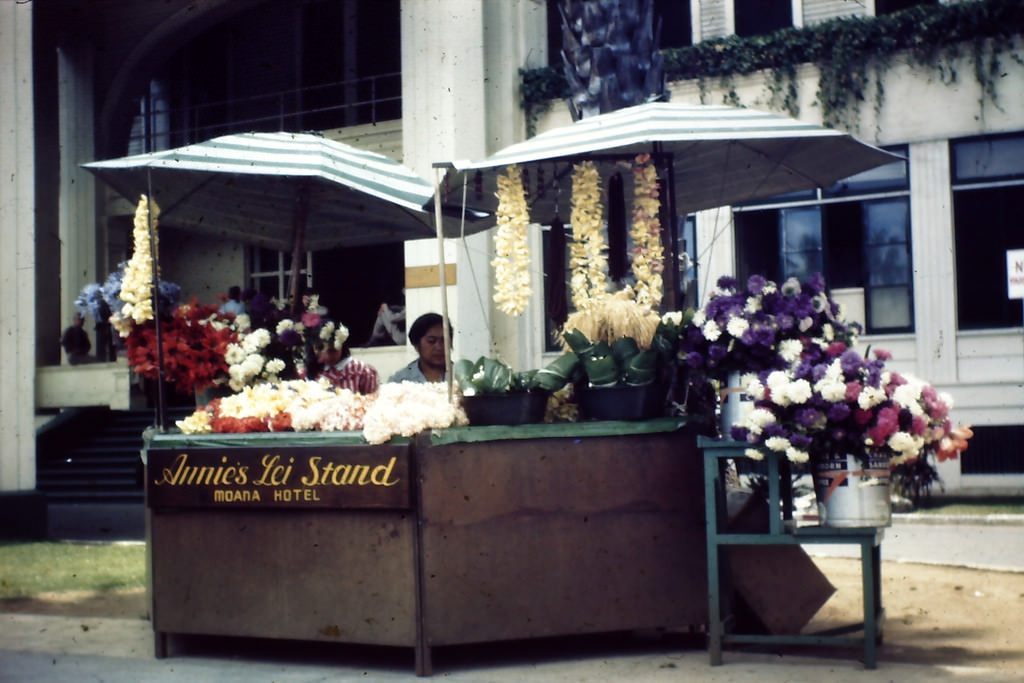
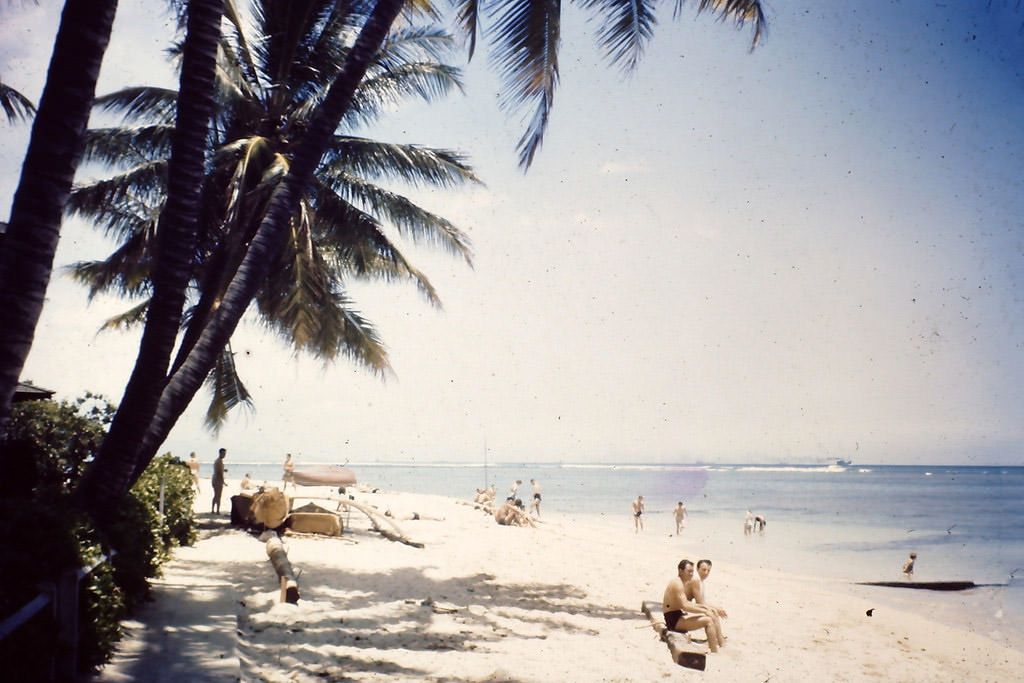
Waikiki was a central gathering point for both locals and servicemen in 1945. The famous stretch of beach fronting the Royal Hawaiian Hotel and the Moana Hotel remained active even as the military population on the island began to shrink. Lei stands like Annie’s were a fixture of the area, offering a slice of Hawaiian tradition to soldiers and tourists alike.
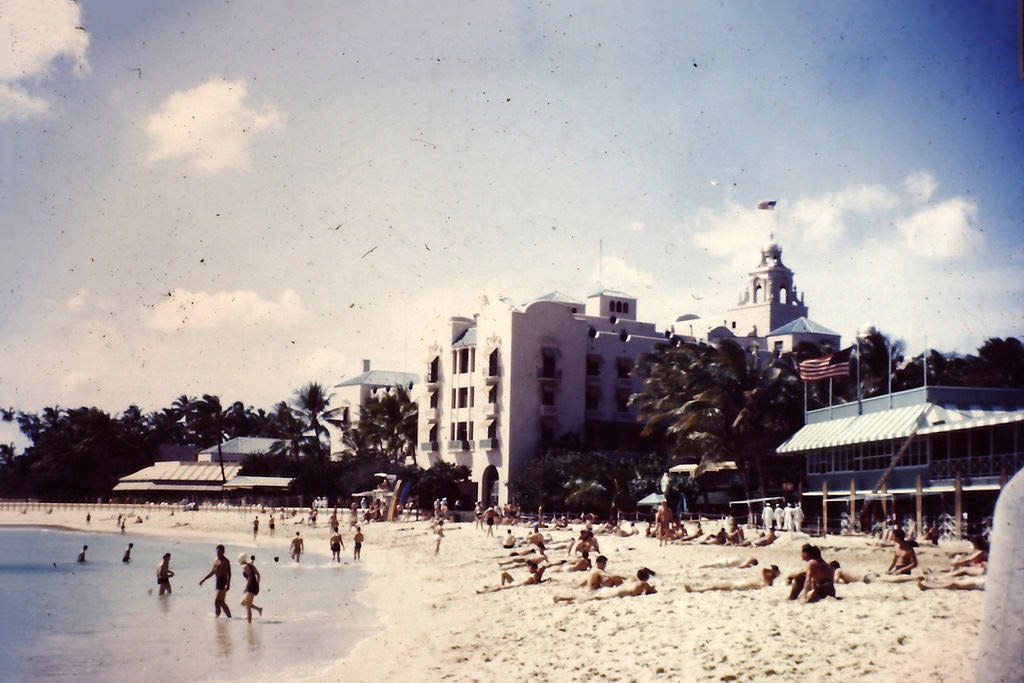
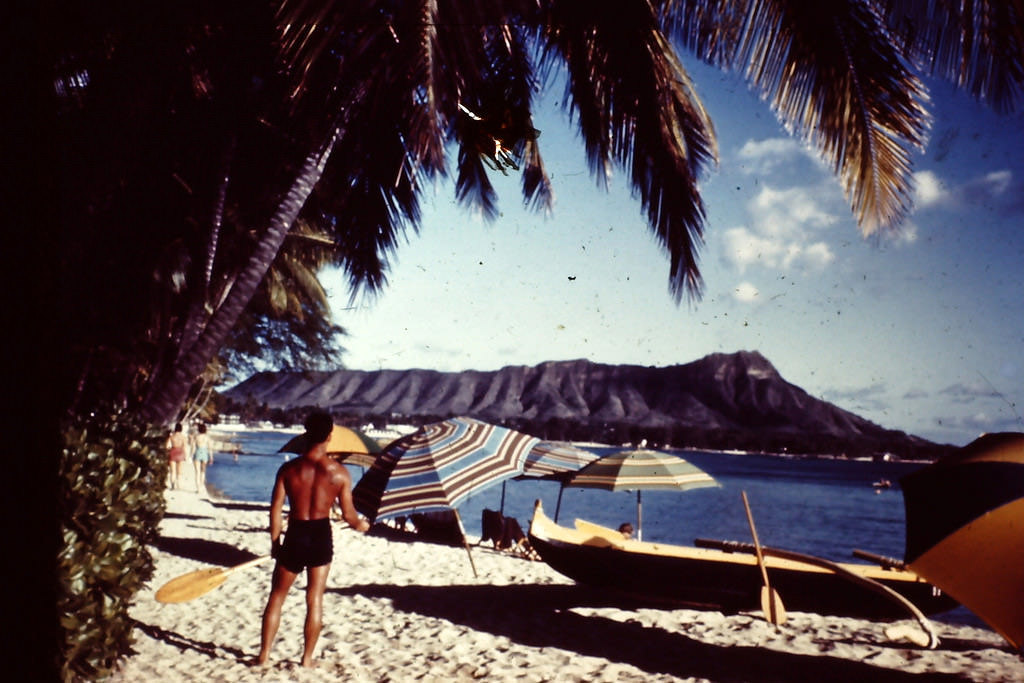
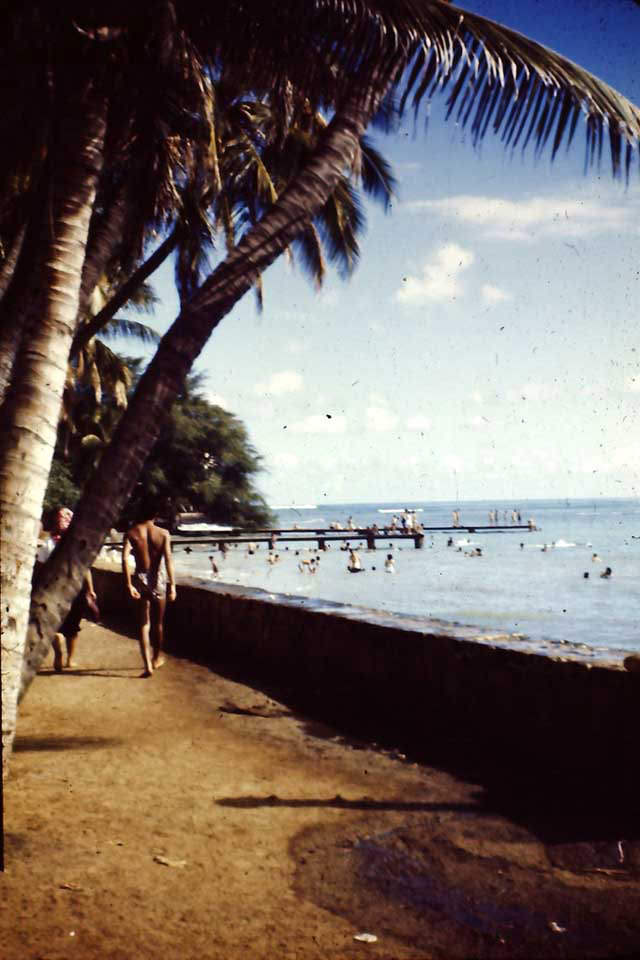
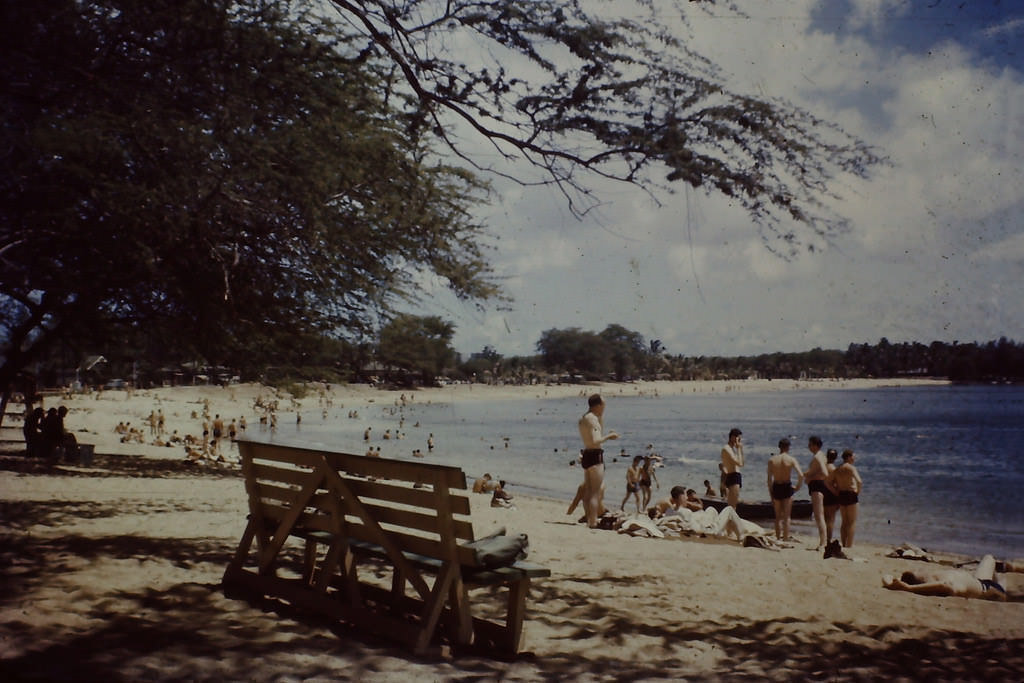
Diamond Head loomed over the Waikiki shoreline as it always had, a steady landmark behind the beach umbrellas and sunbathers. Soldiers and sailors mixed with local residents on the sand, a common sight throughout 1945. For many servicemen, a day at the beach was a rare moment of relief after years of deployment across the Pacific.
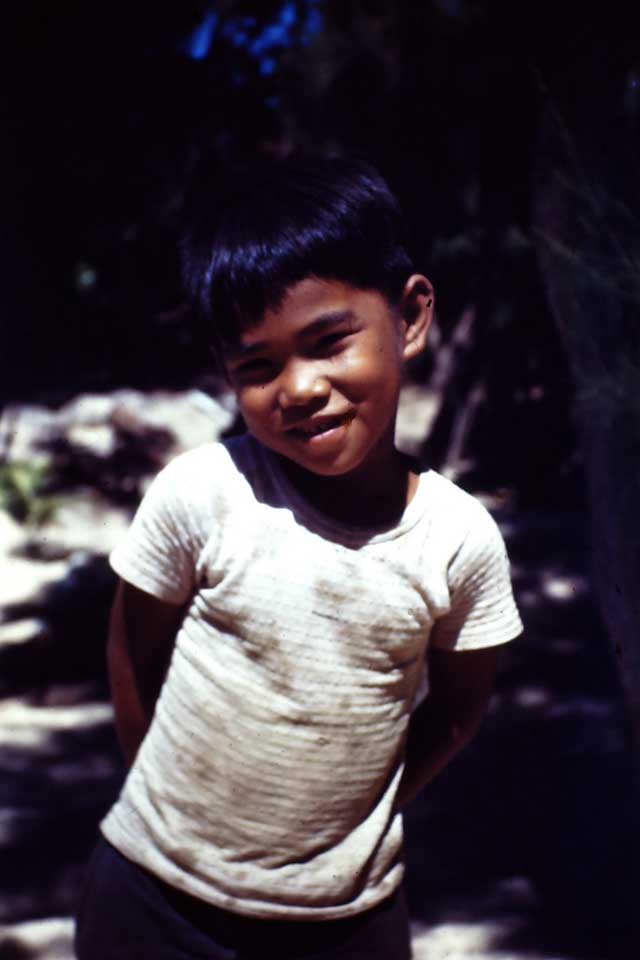
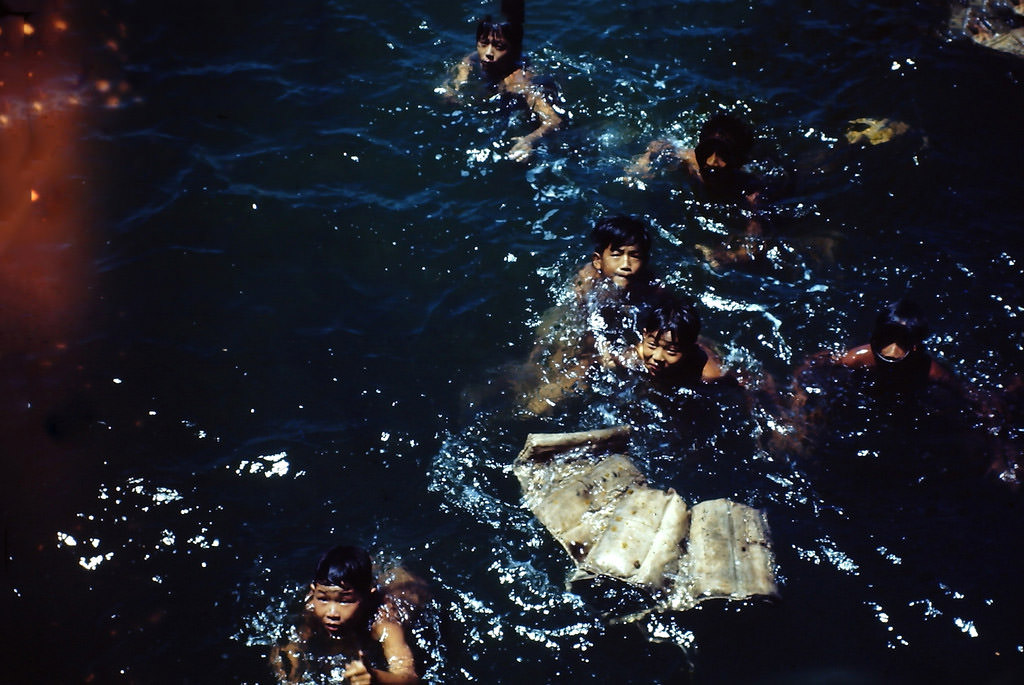
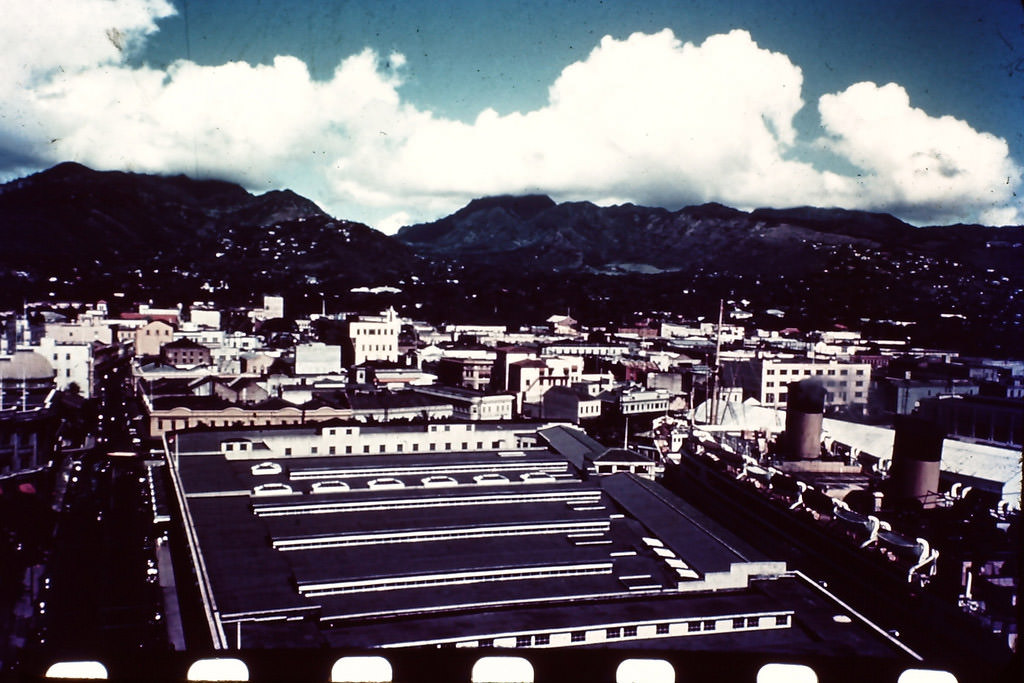
Local life continued steadily throughout the island. Young boys dove off platforms at Waikiki, and the streets of Honolulu buzzed with foot traffic. Bishop Street, the main commercial corridor in downtown Honolulu, showed the blend of military and civilian life that defined Oahu in this period.
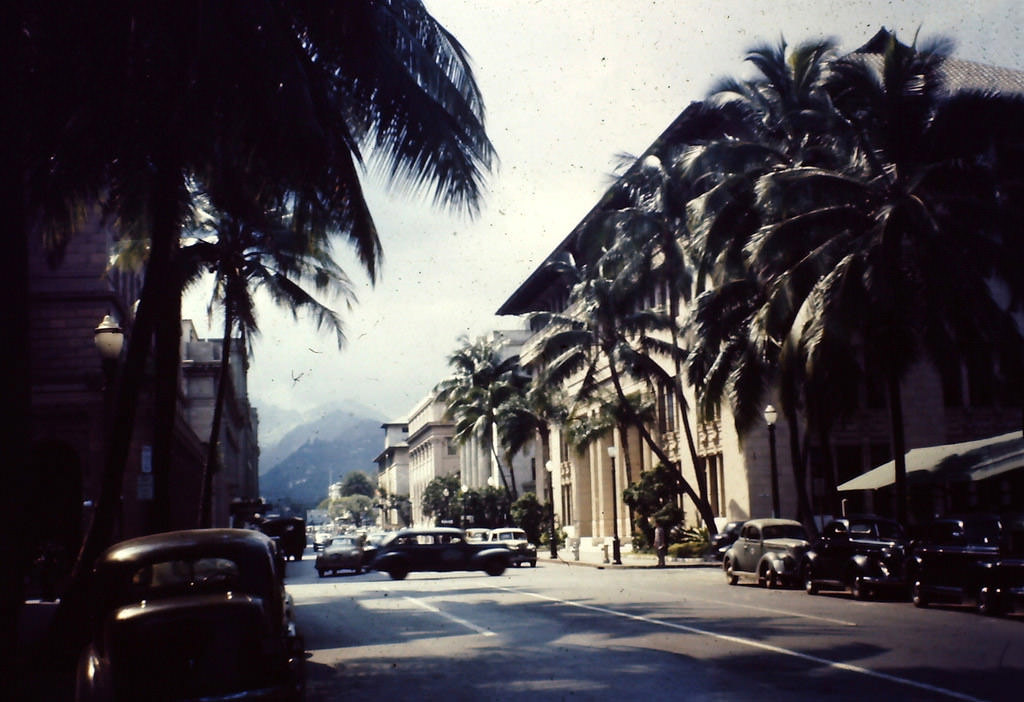
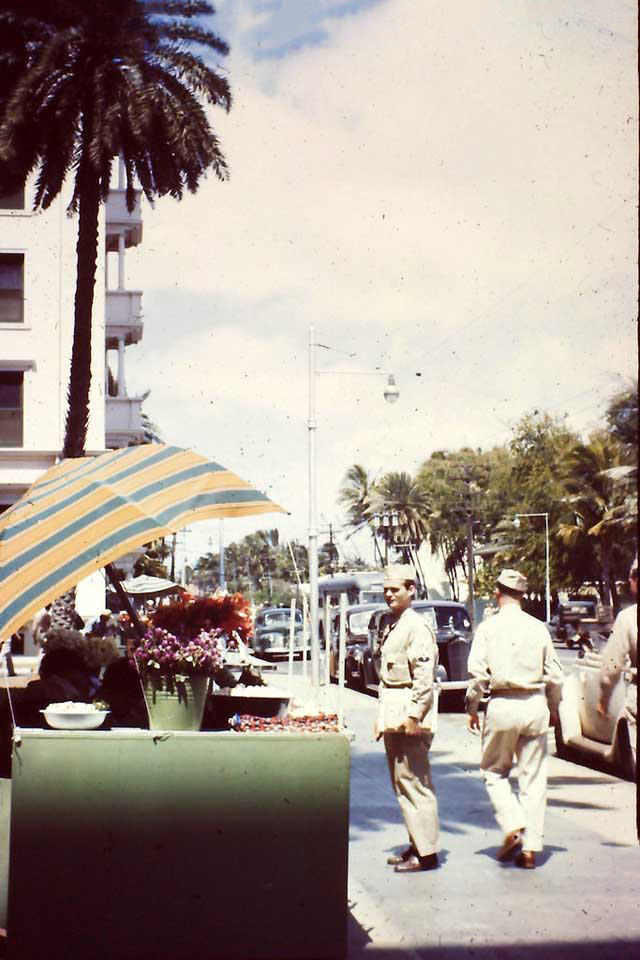
Servicemen walking the sidewalks of Honolulu were a constant presence in 1945. The city had spent the war years absorbing hundreds of thousands of military personnel, and the infrastructure reflected that. Clubs, theaters, restaurants, and recreational facilities all catered heavily to soldiers and sailors. The Maluhia Enlisted Men’s Club in Waikiki and the Wagon Wheel Restaurant were among the spots that saw heavy traffic from off-duty troops.
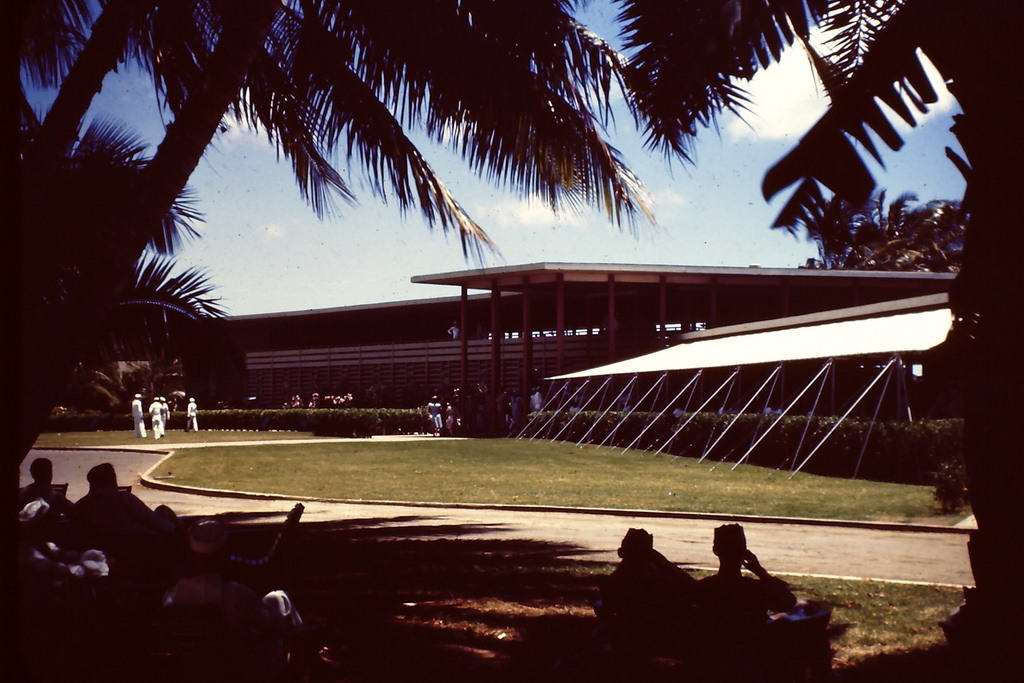
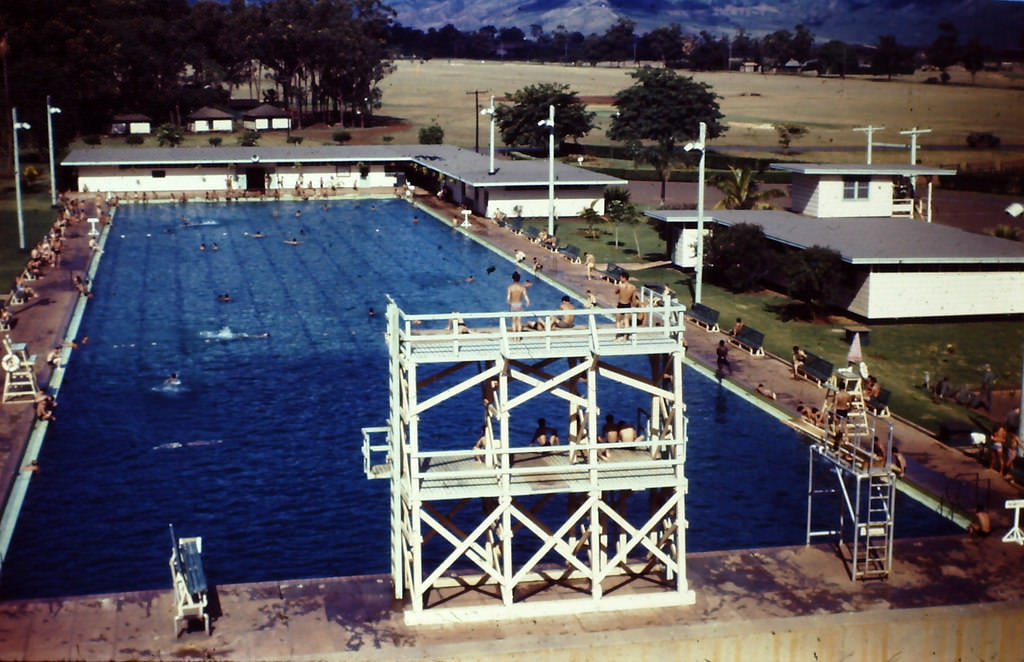
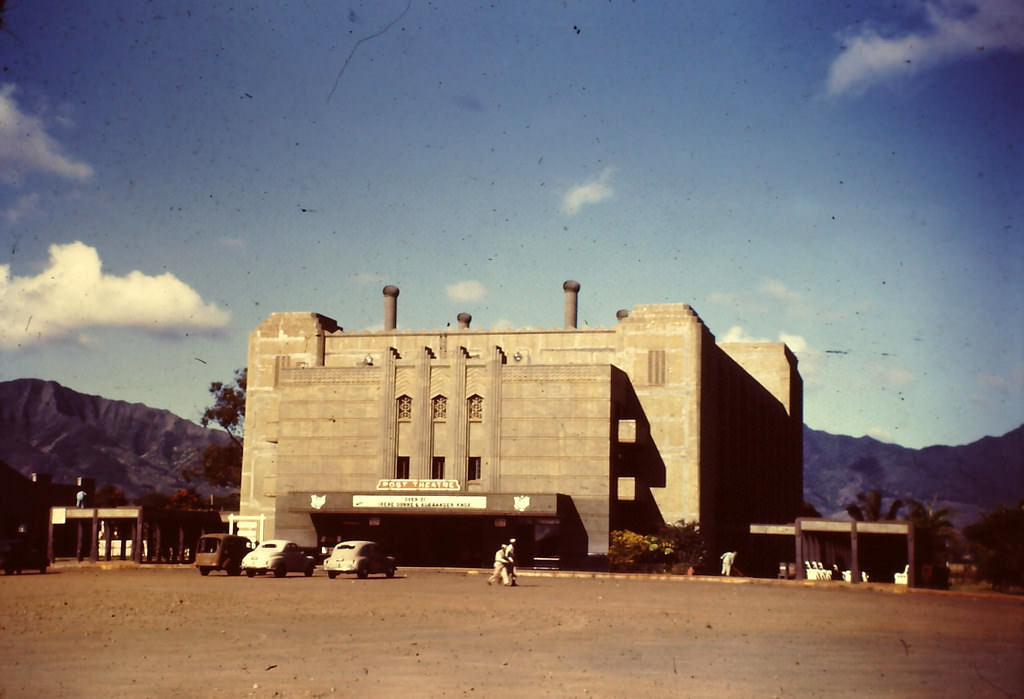
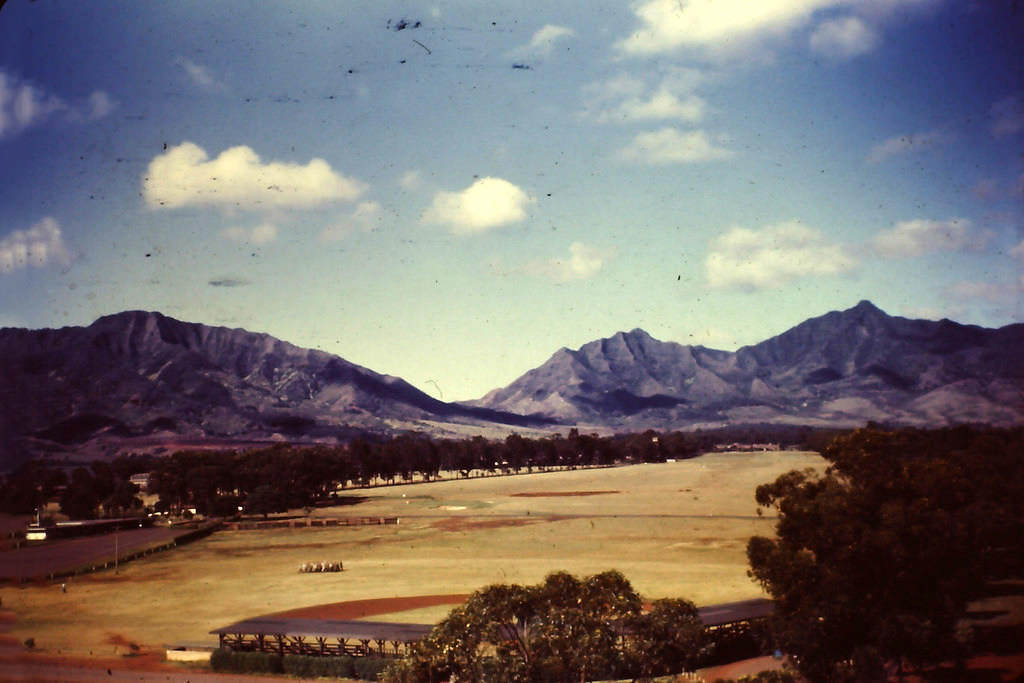
Schofield Barracks, located in central Oahu, was one of the largest Army installations on the island. Casas photographed it extensively — the grounds, the pool, and the Sgt. Smith Post Theater all appear in his collection. The swimming pool at Schofield was a popular spot for soldiers looking to cool off during their downtime.
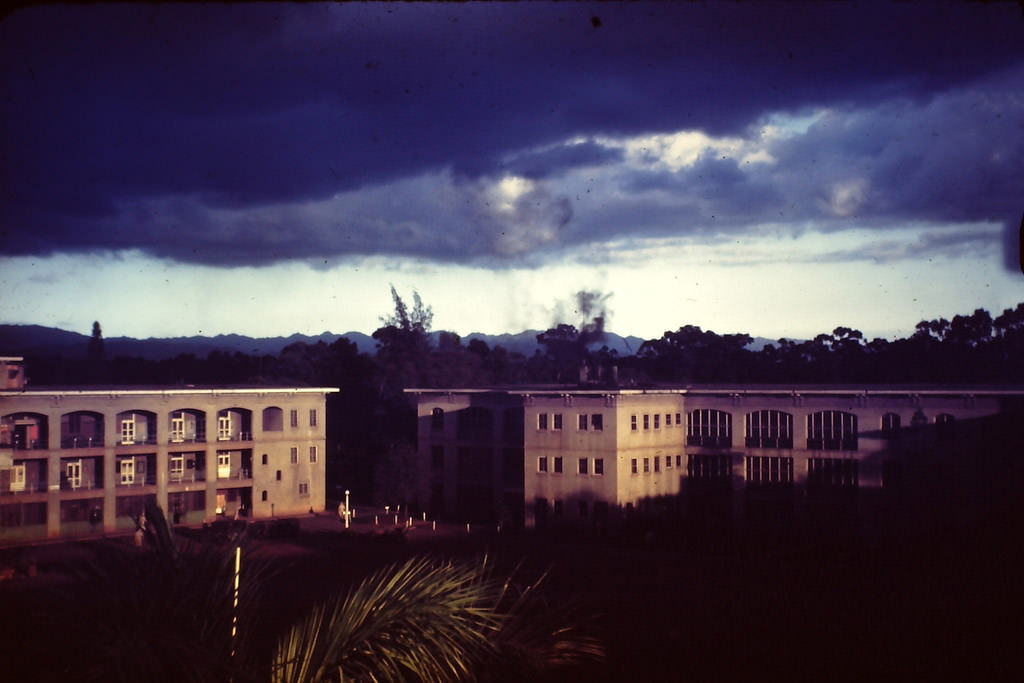
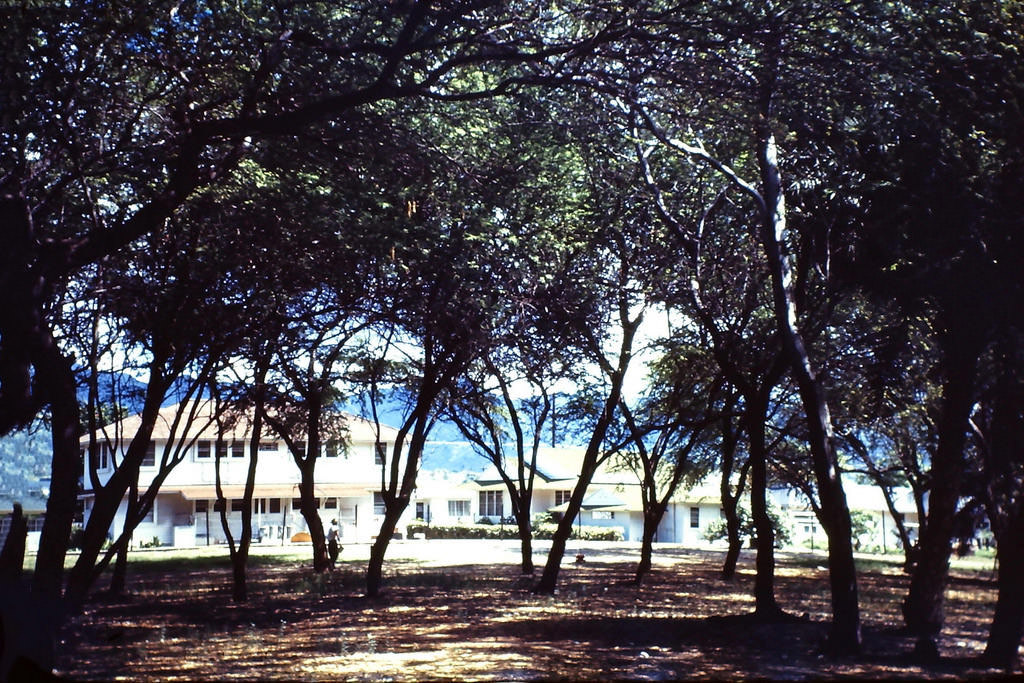
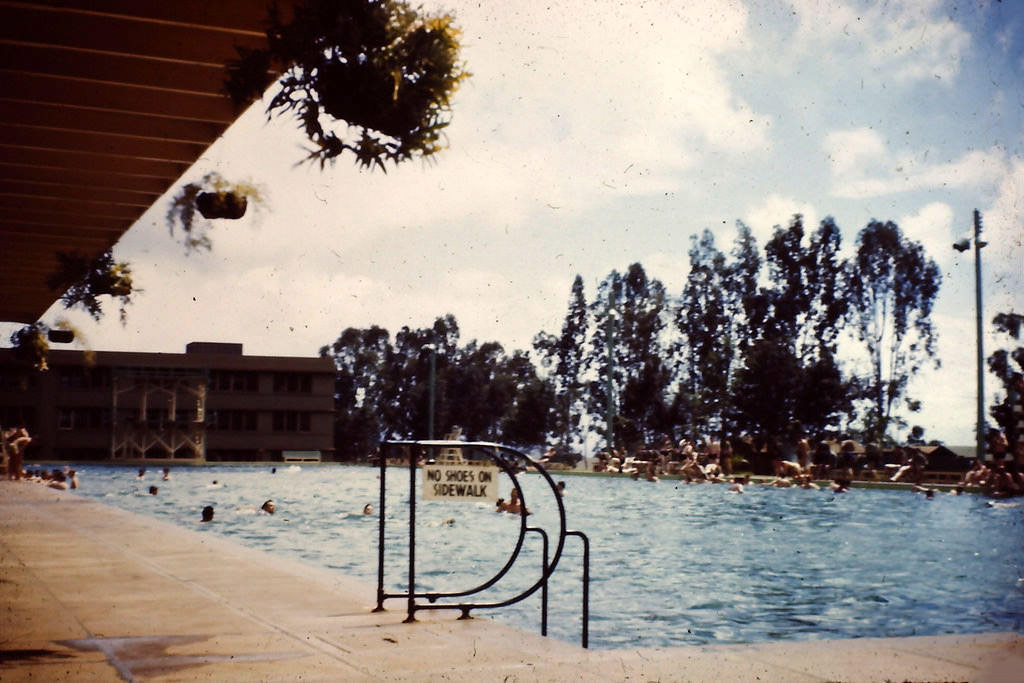
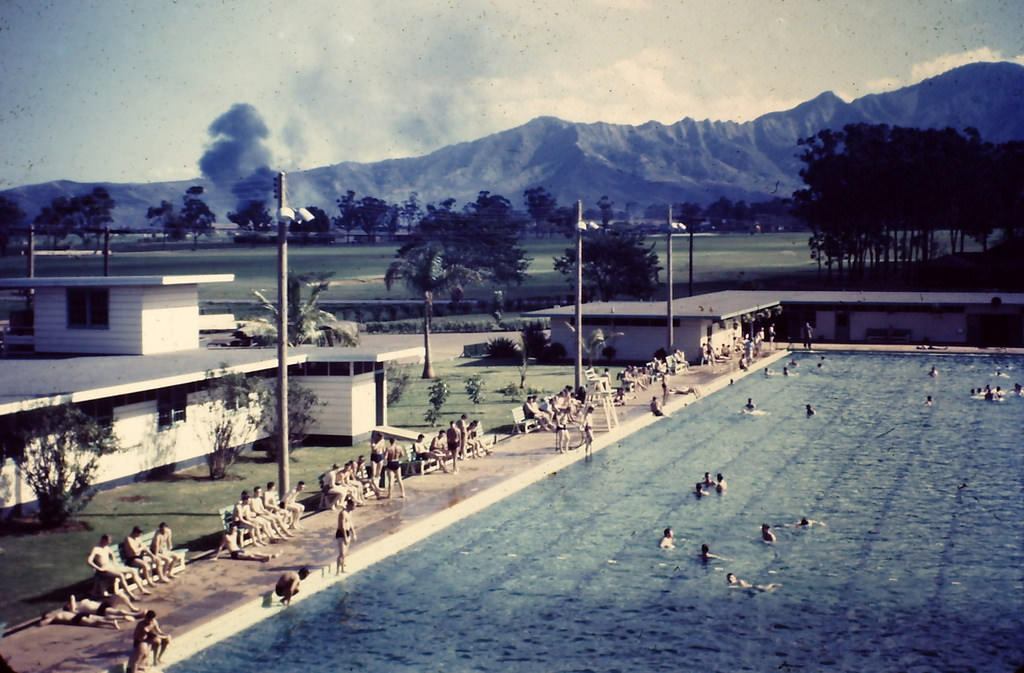
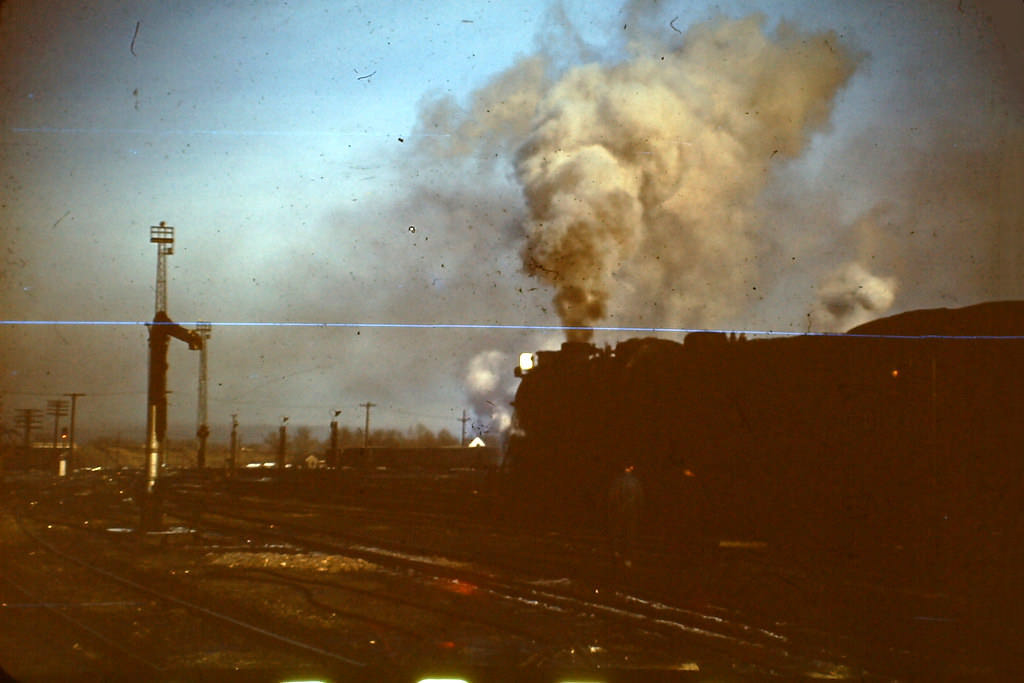
Beyond the barracks, Casas photographed the working side of Oahu’s wartime infrastructure. The island’s piers and port facilities had handled enormous volumes of men and equipment throughout the war. The marshalling yard, with its smoke-billowing train, captured the industrial scale of what Oahu had supported for years.
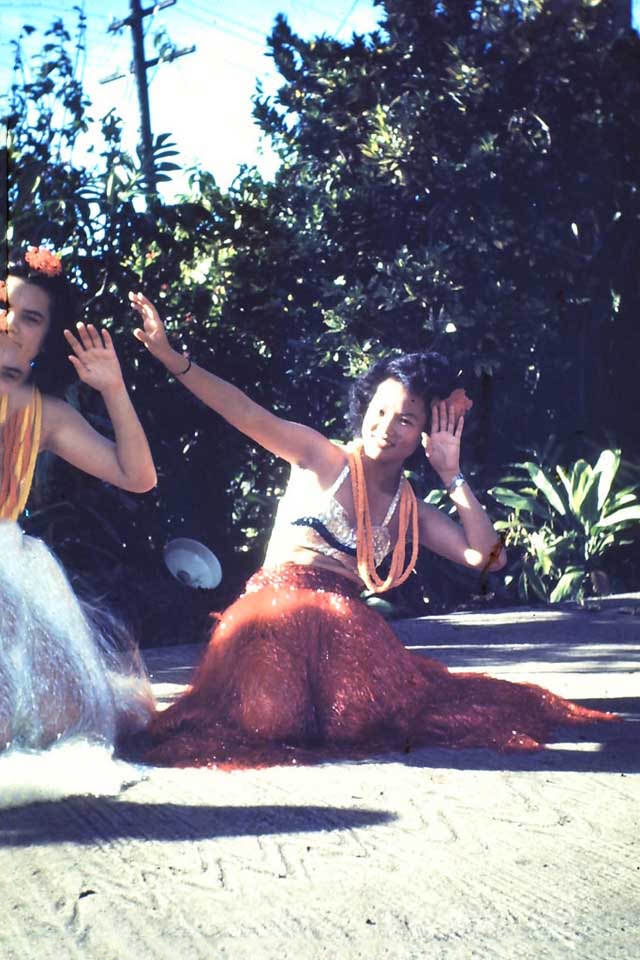
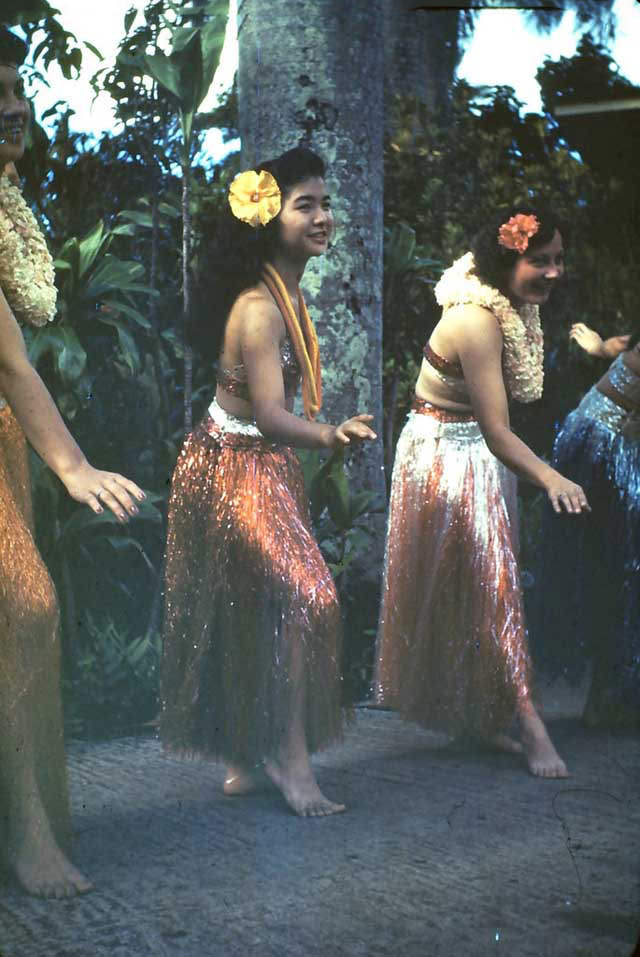
Hula performances remained a vibrant part of Hawaiian culture throughout the war years and into 1945. The Royal Hawaiian Hotel hosted a hula show every Sunday, drawing both locals and servicemen. Casas photographed multiple performances, capturing dancers in traditional dress against the backdrop of Oahu’s green hills and open-air venues.
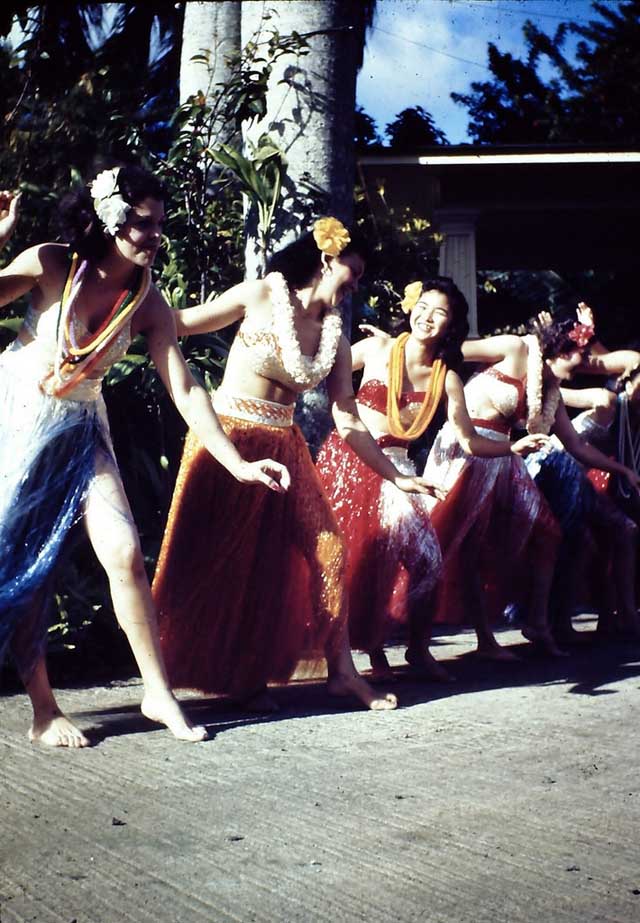
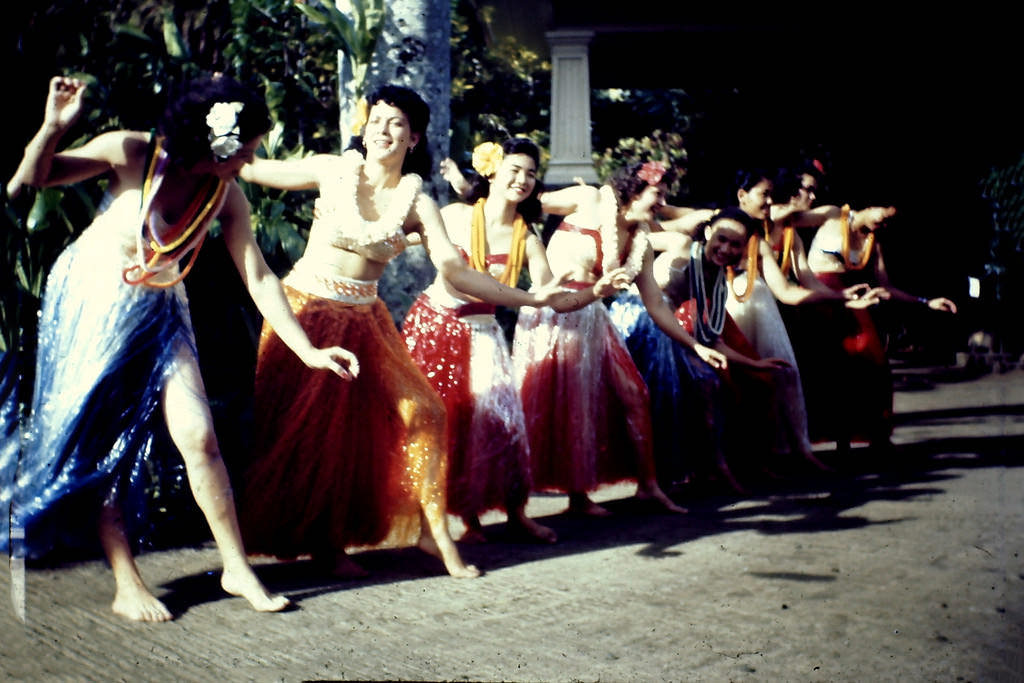
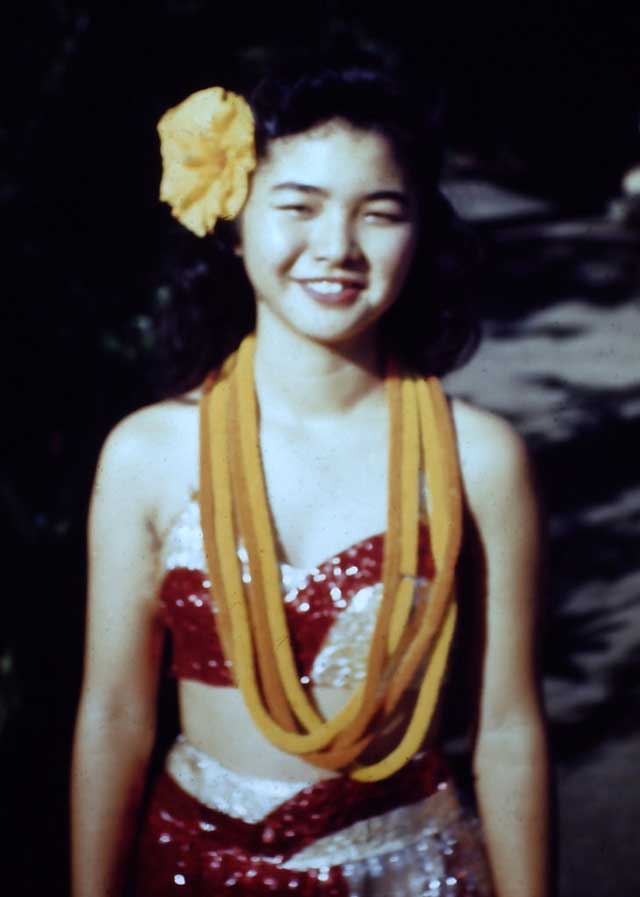
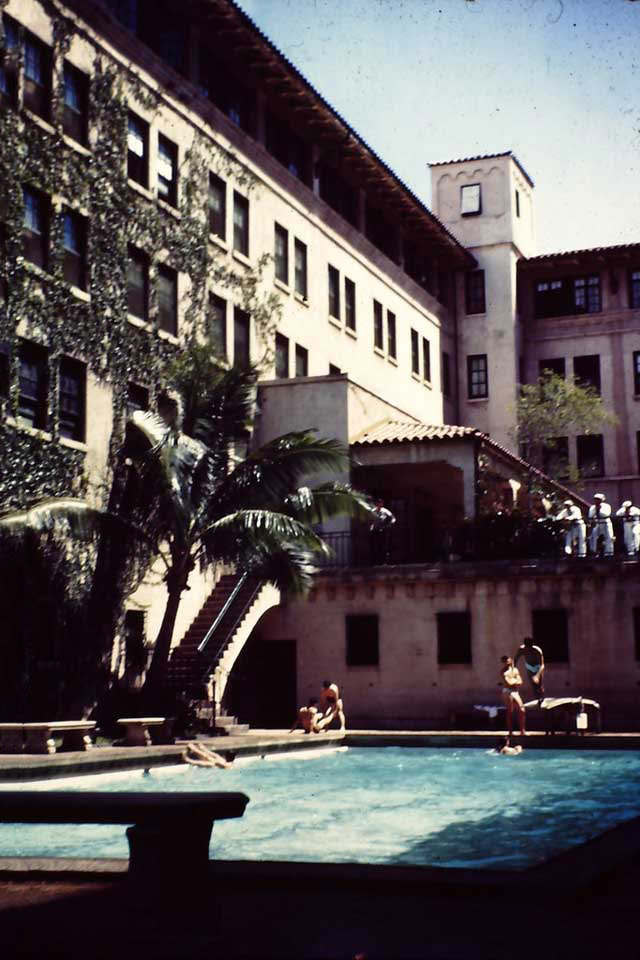
The hotels along Waikiki had served as military rest and recreation centers during the war. The Royal Hawaiian, normally a luxury resort, was used by the Navy. By 1945, with the war over, these properties were beginning the process of transitioning back to civilian use. Soldiers and sailors still filled the pool decks and lobbies, but the atmosphere was shifting.
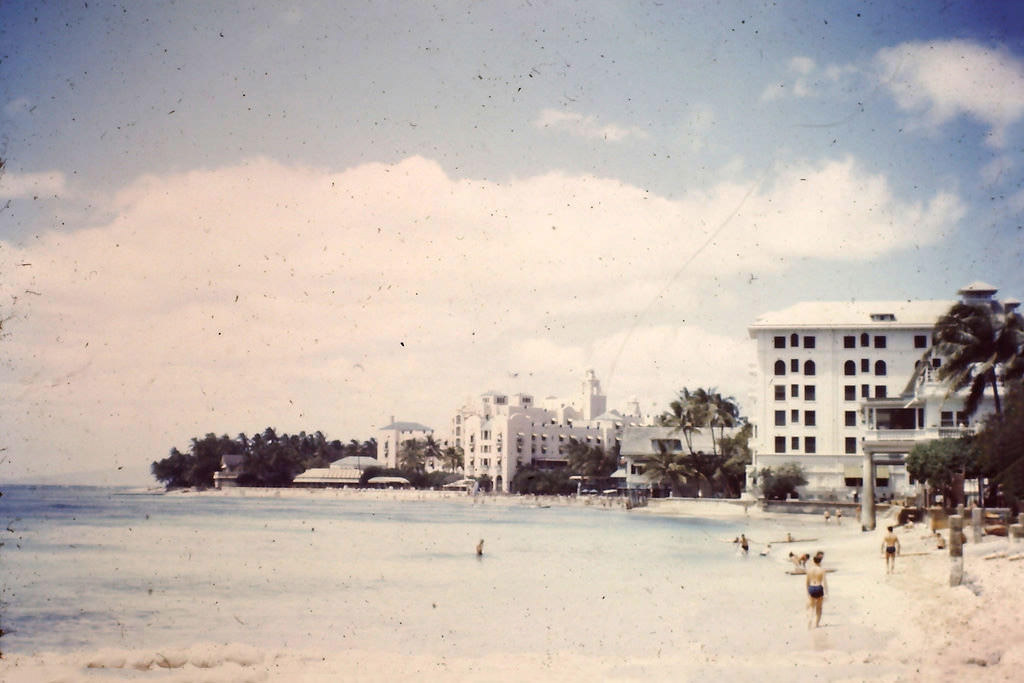
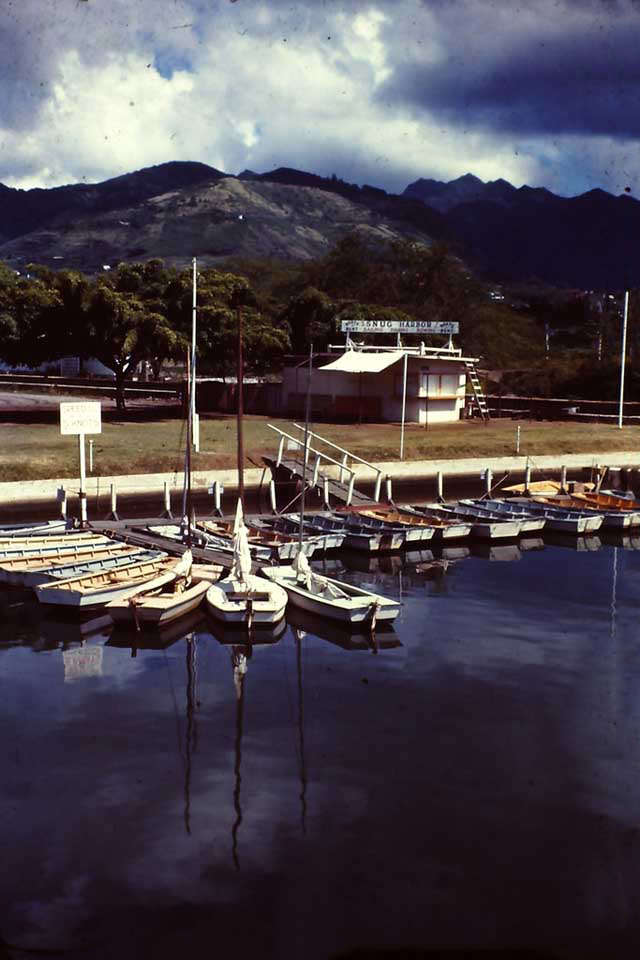
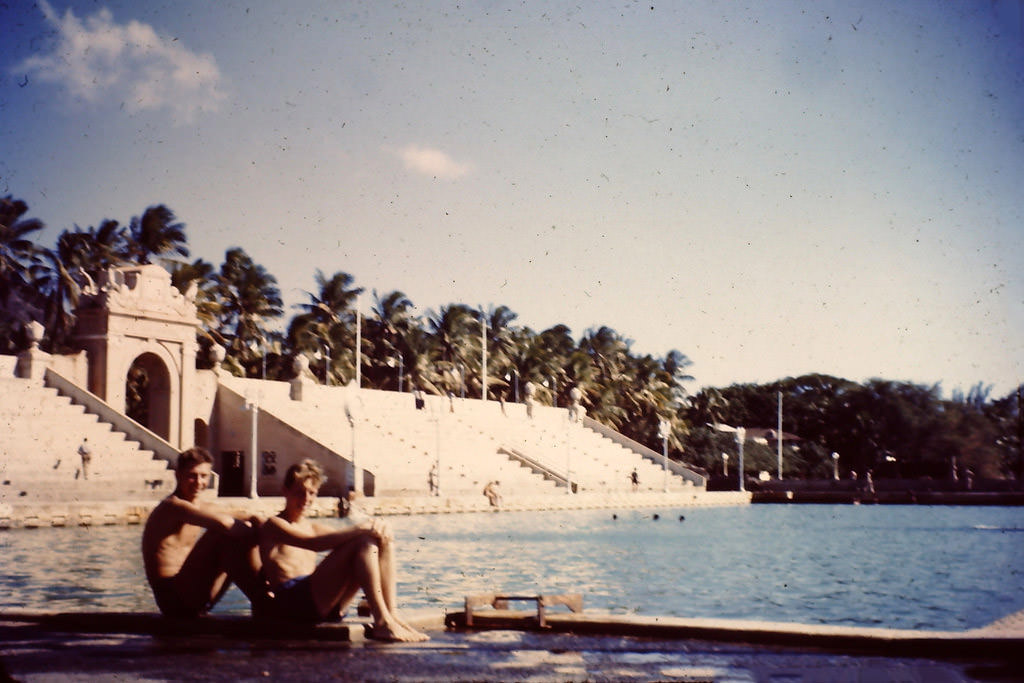
Hawaii’s waterfront offered more than just military traffic. Snug Harbor provided boats for rent, and the Waikiki War Memorial Natatorium — an open-air saltwater swimming pool built after World War I — remained a well-known landmark on the beach strip.
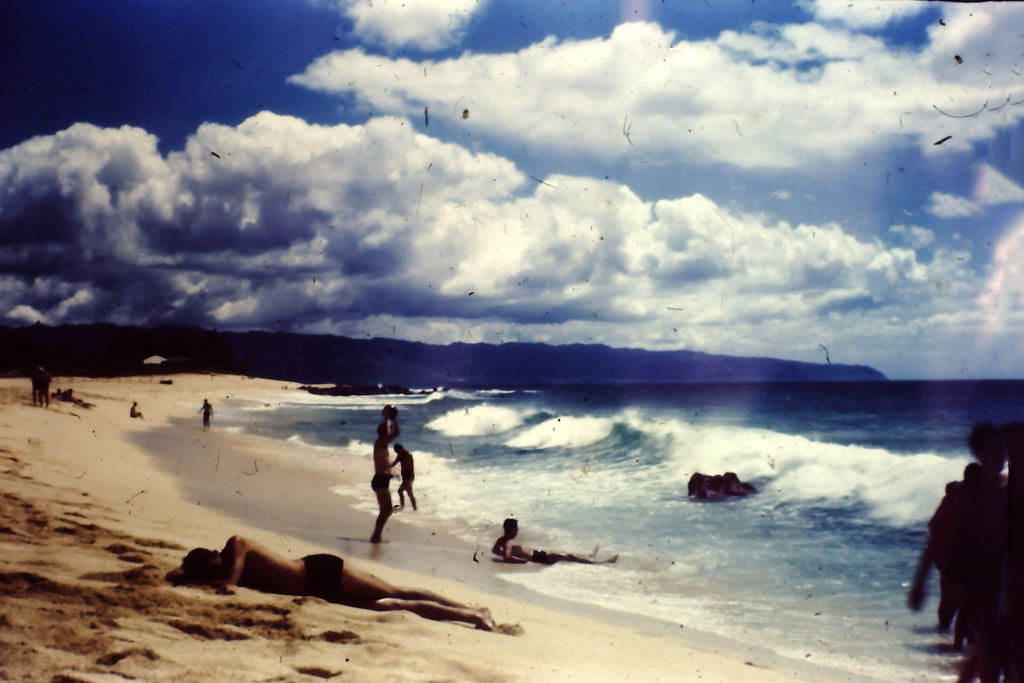
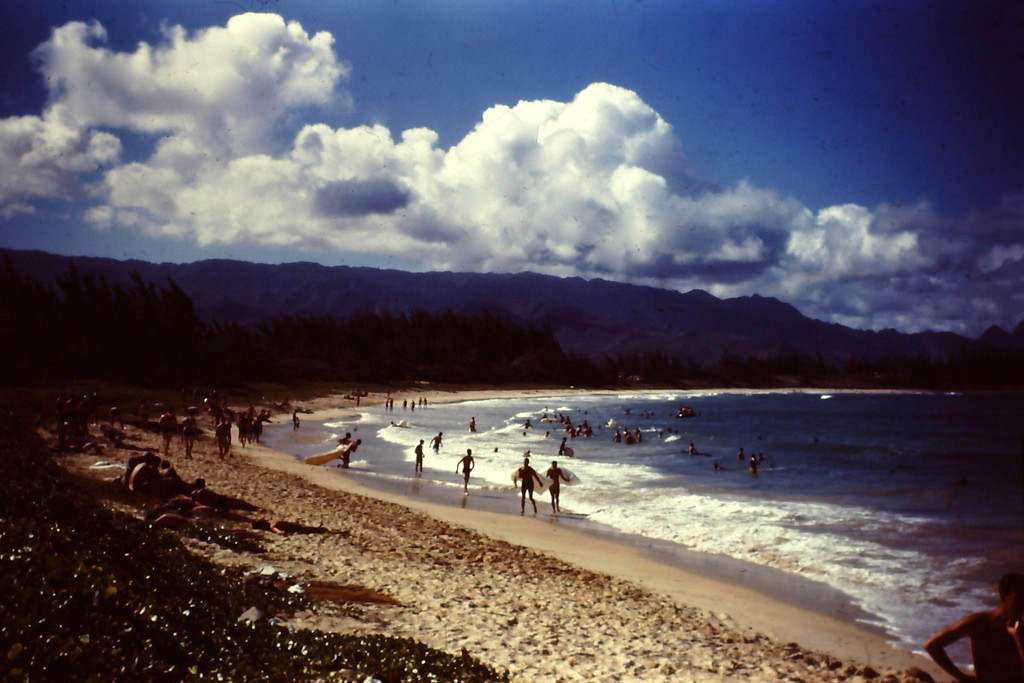
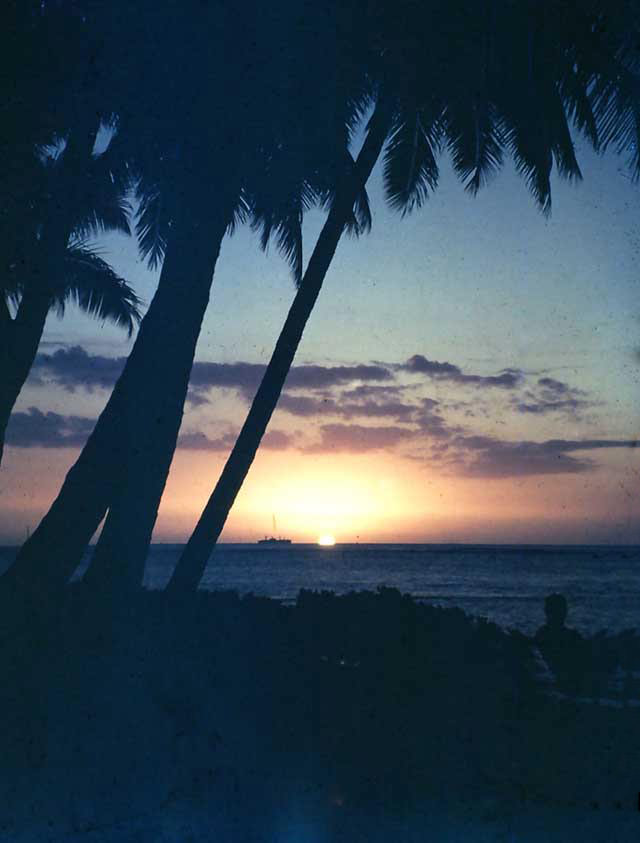
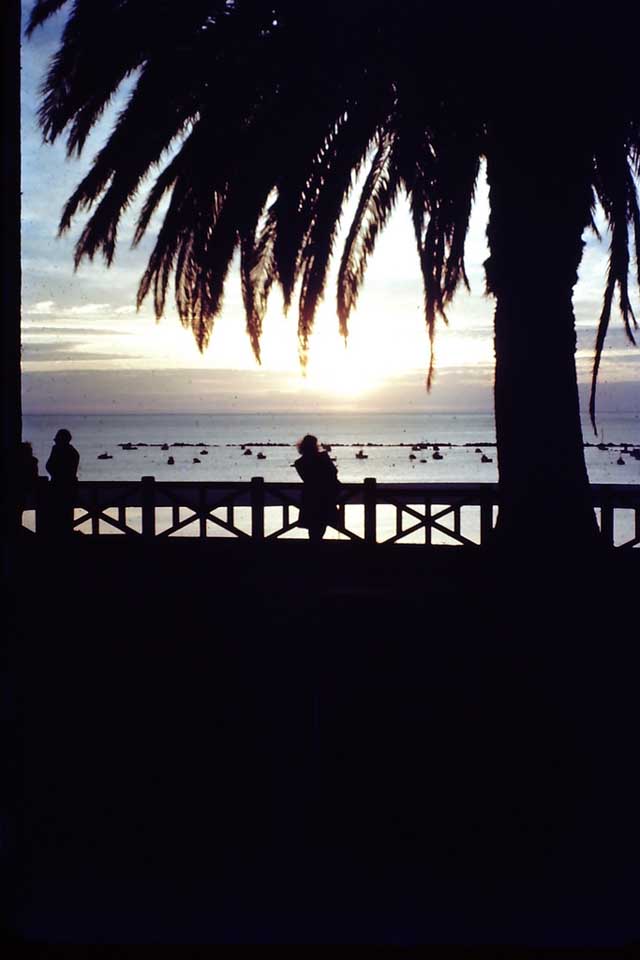
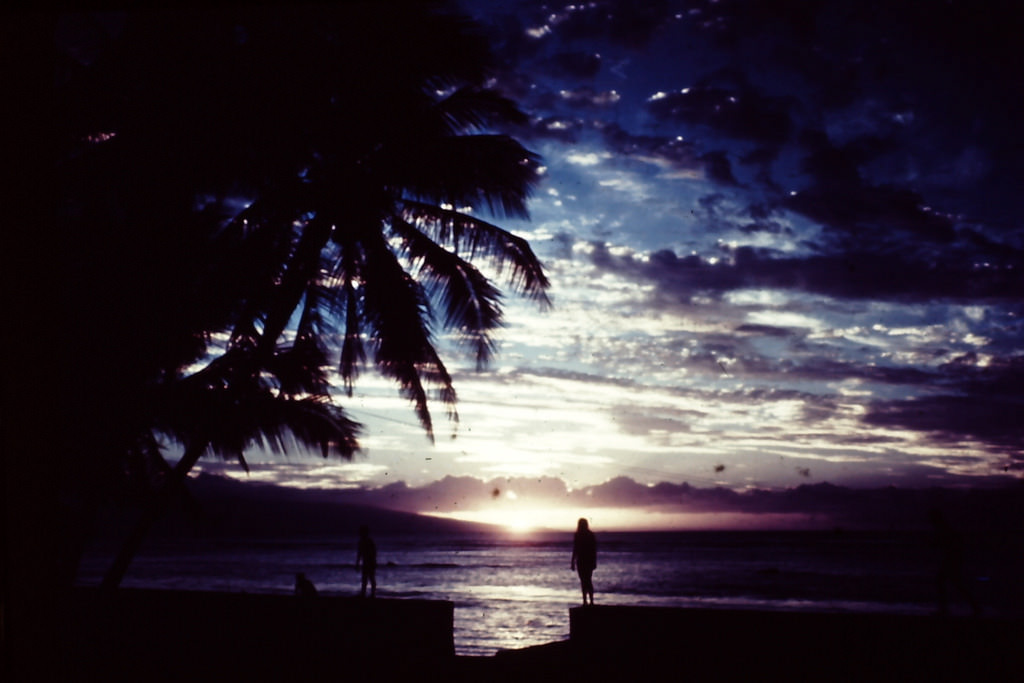
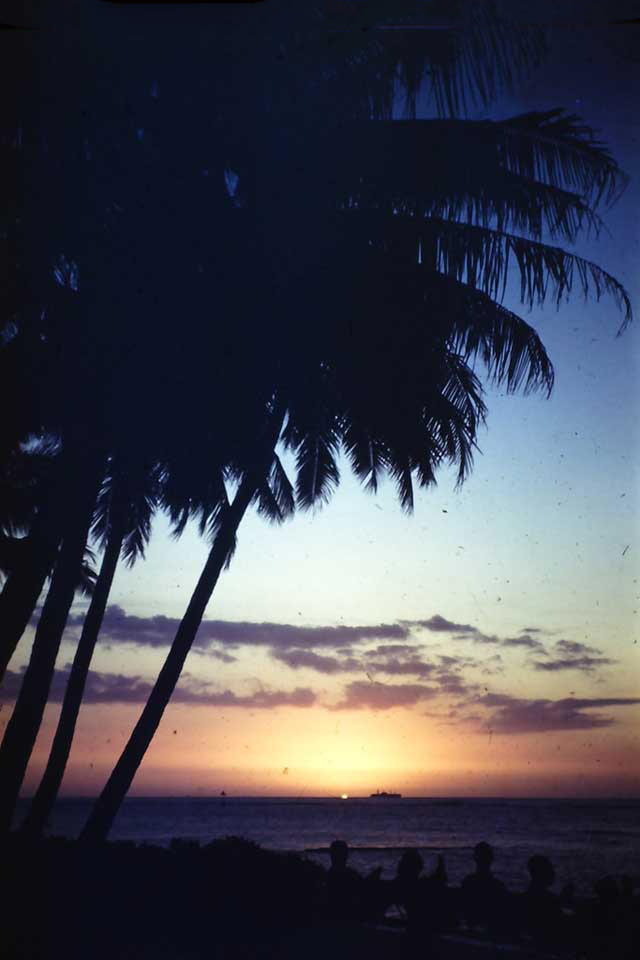
Casas also captured the quieter side of the island — open roads, wide beaches, and the stunning sunsets that Waikiki and the broader Hawaiian coastline are known for. These images stand apart from the military photographs. They show an island of genuine natural beauty, going about its life with the Pacific stretched out to the horizon.





I love Hawaii
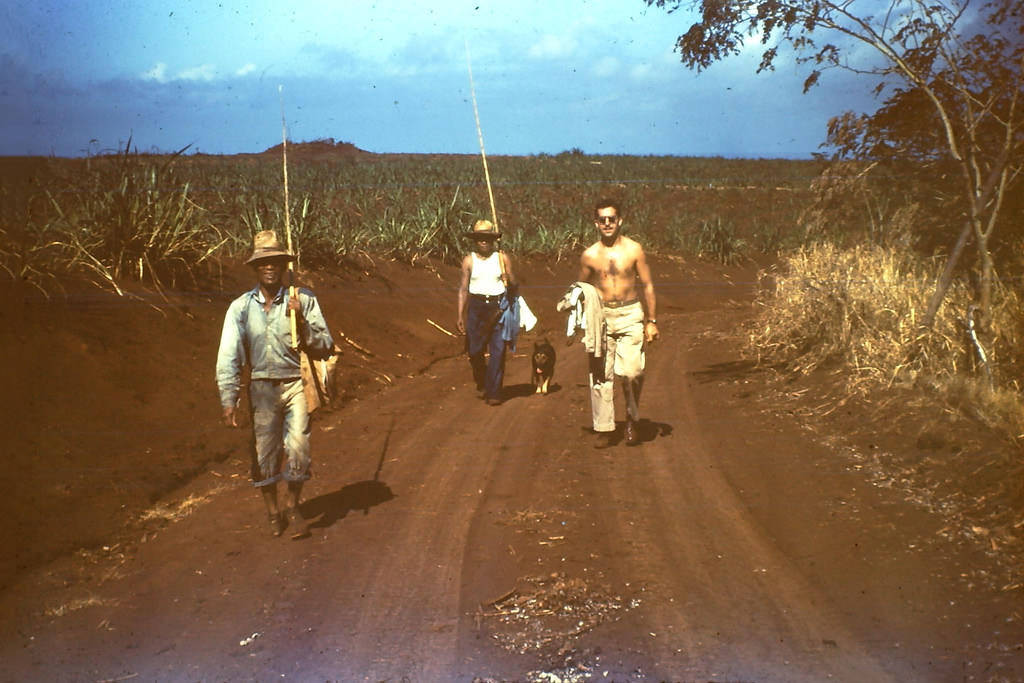
I love this. *Entitled “another day of fishing in paradise.”
Kodachrome…
Lowkey look like Maui.
A time for a more civilized age.