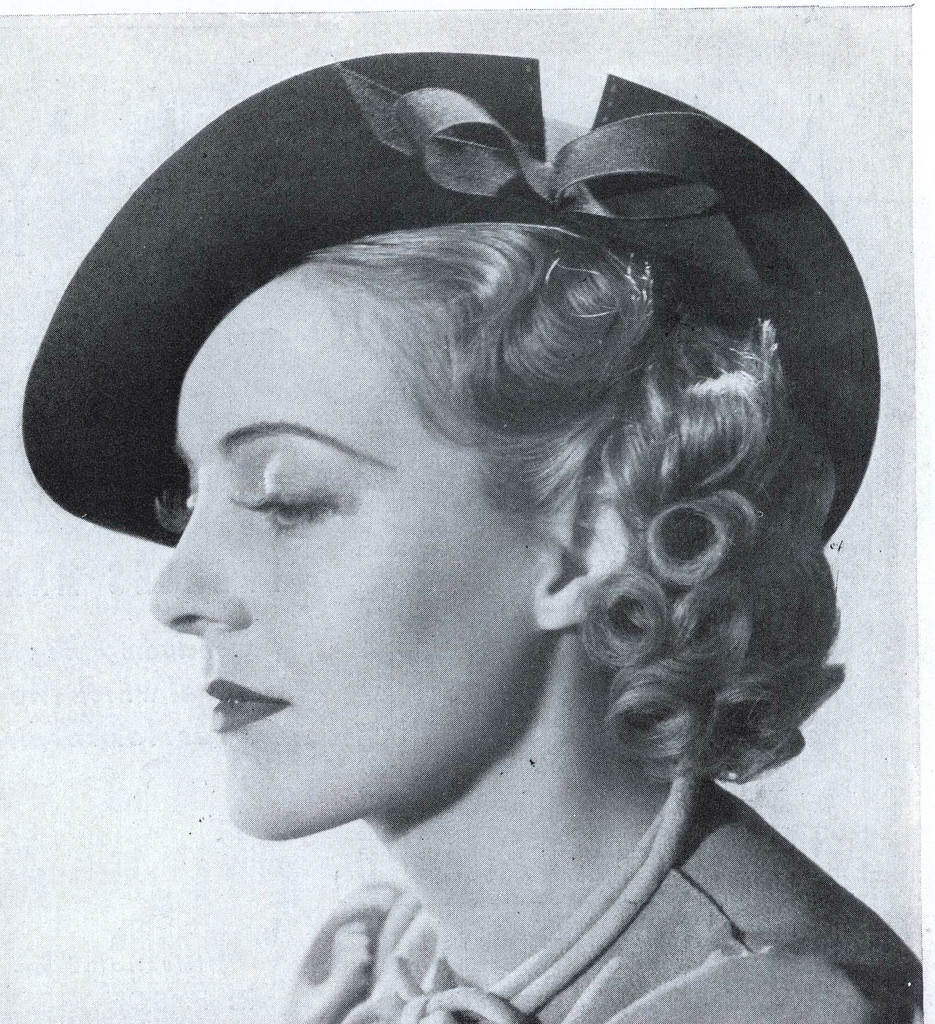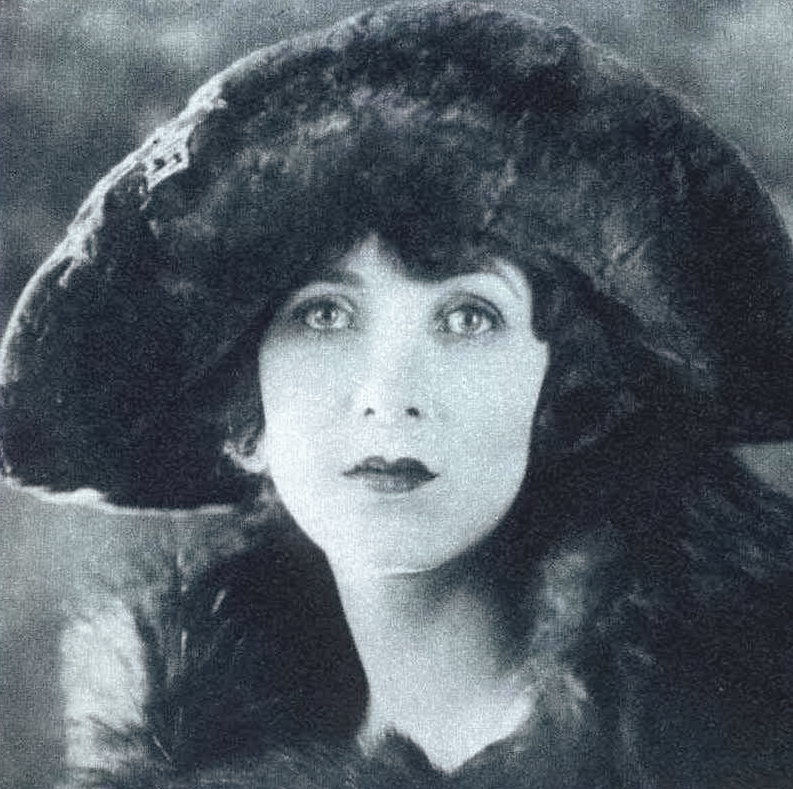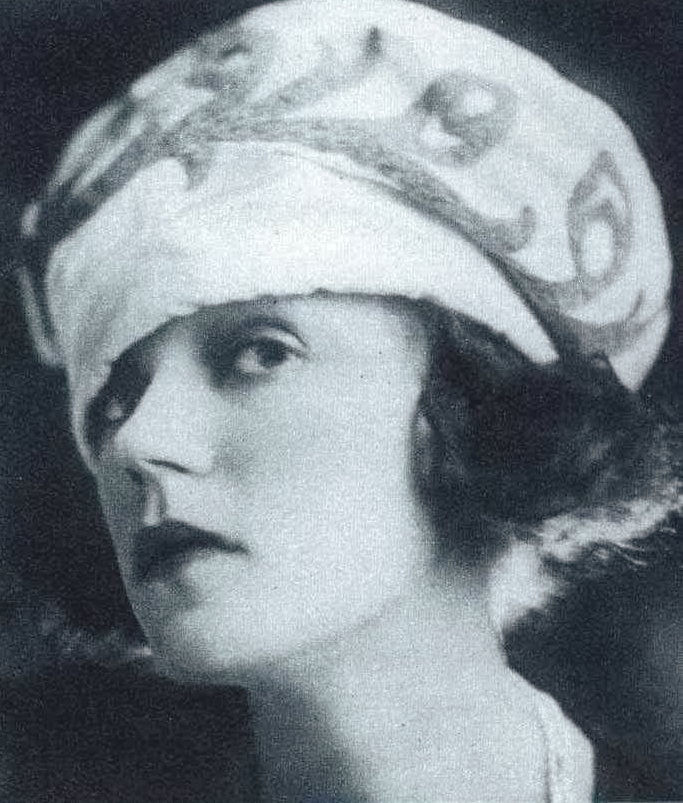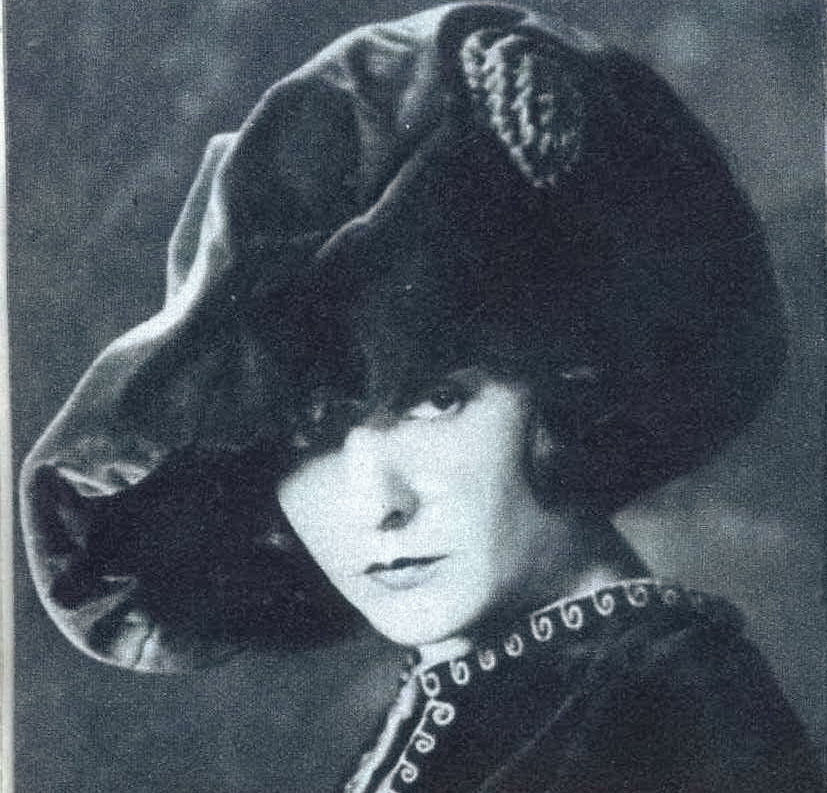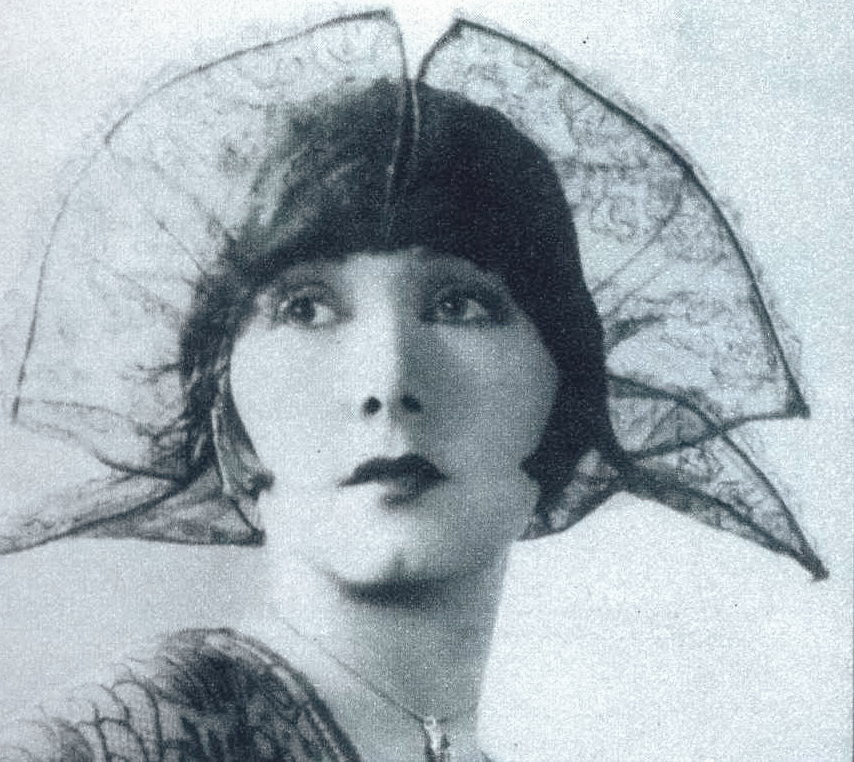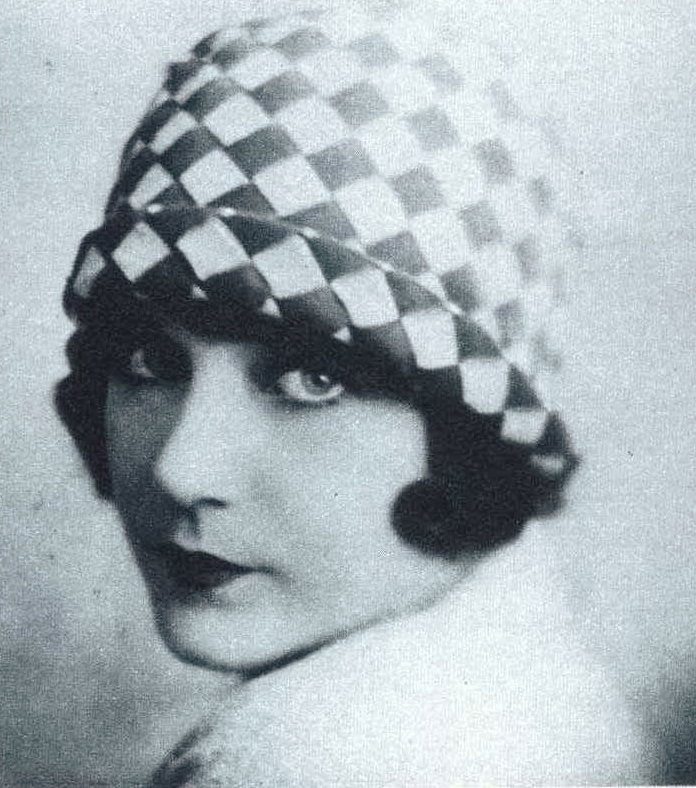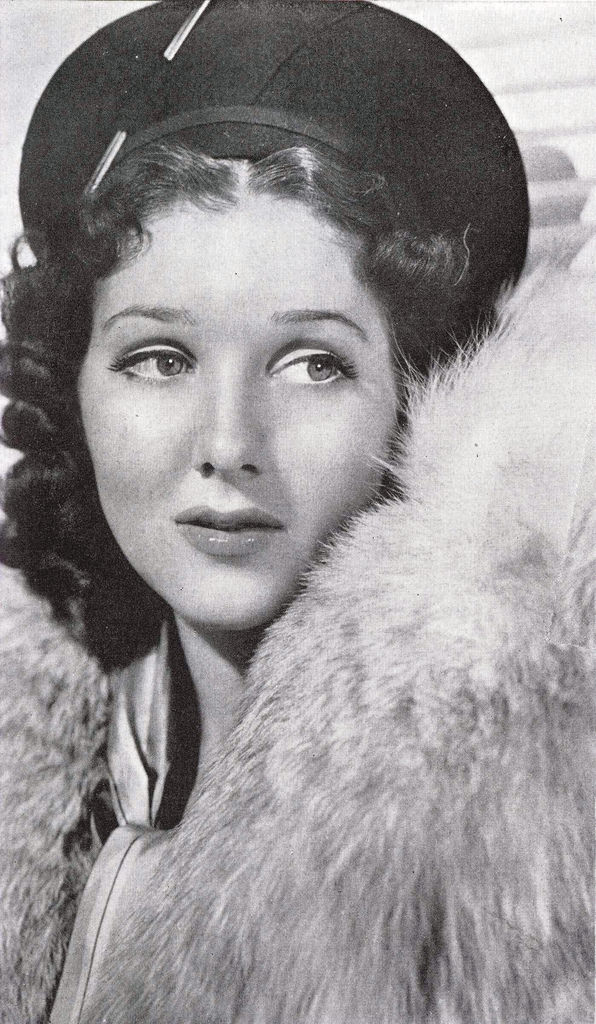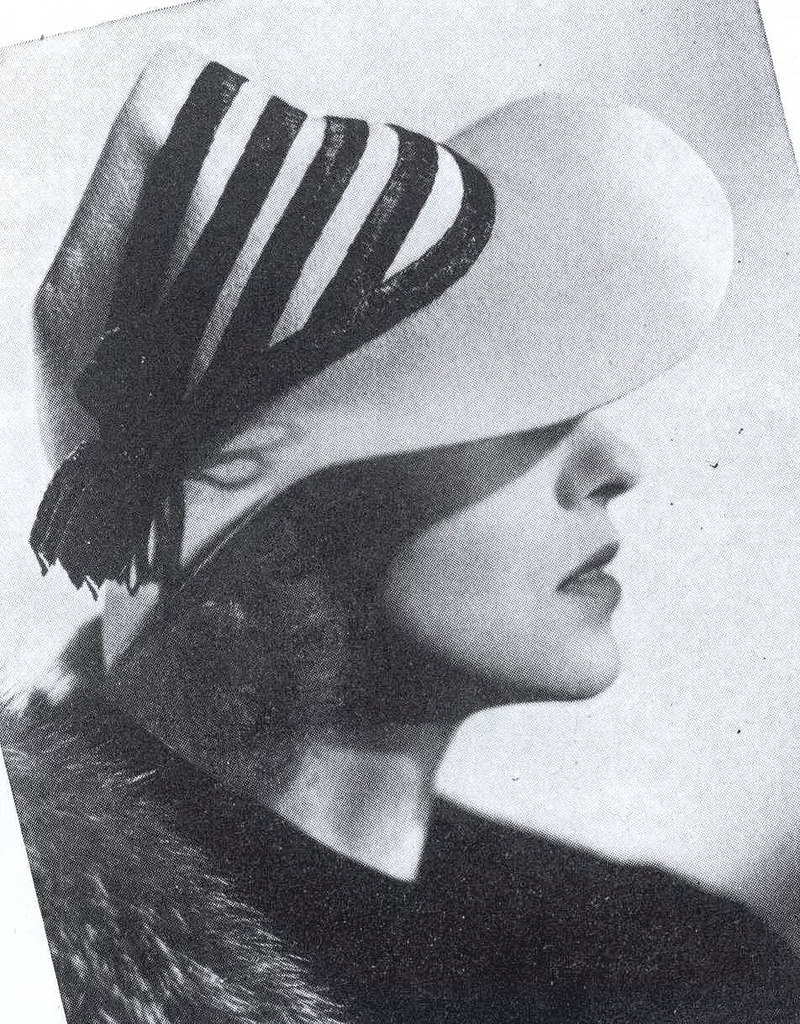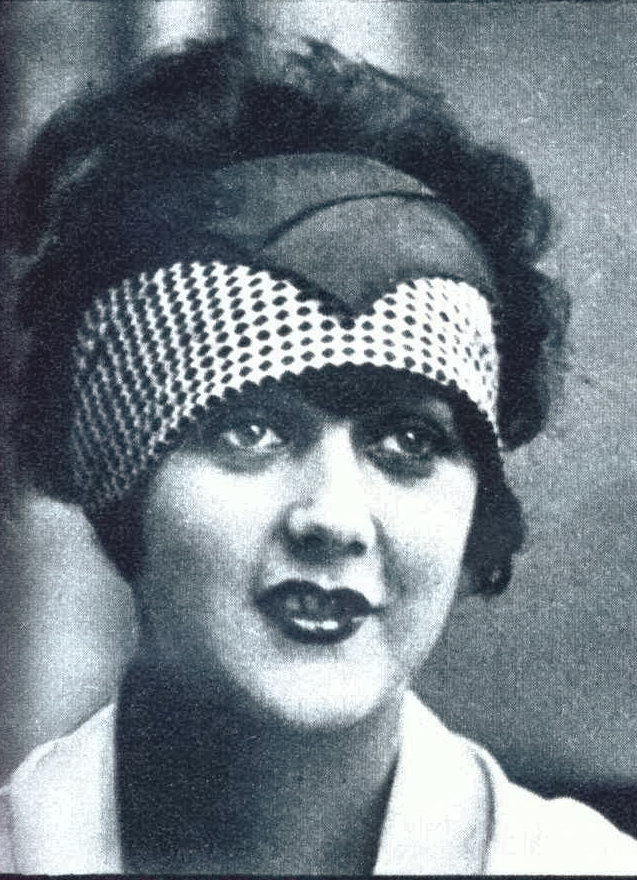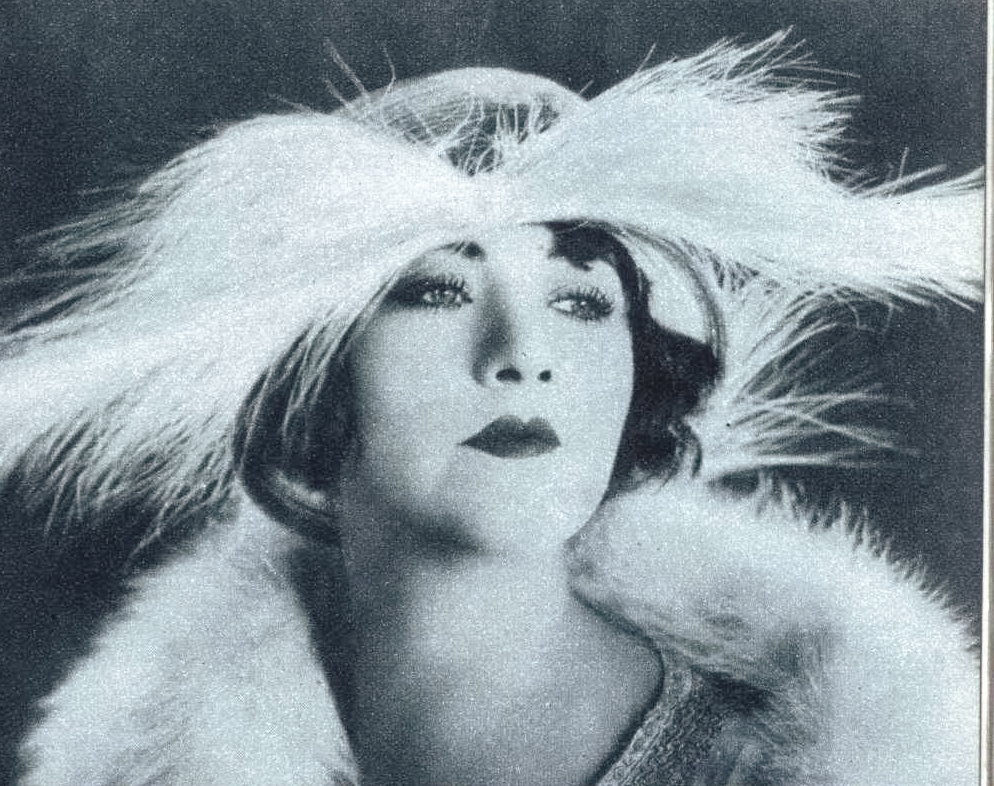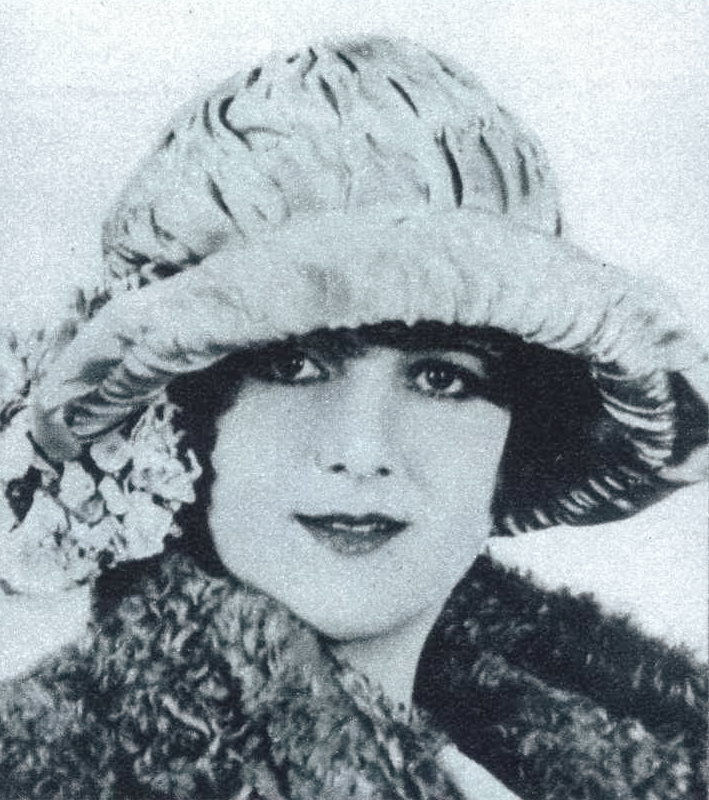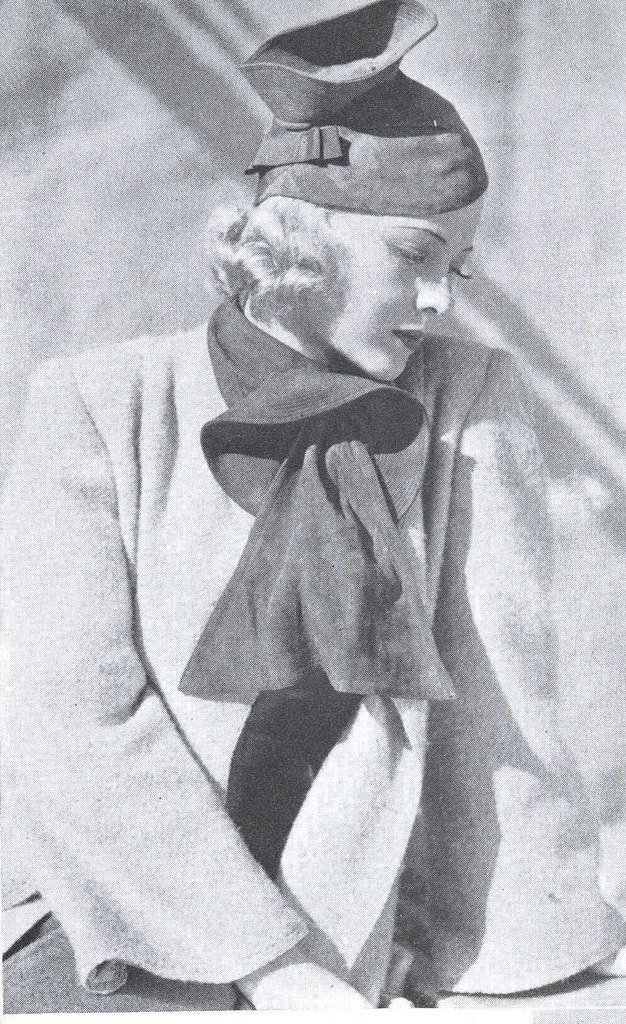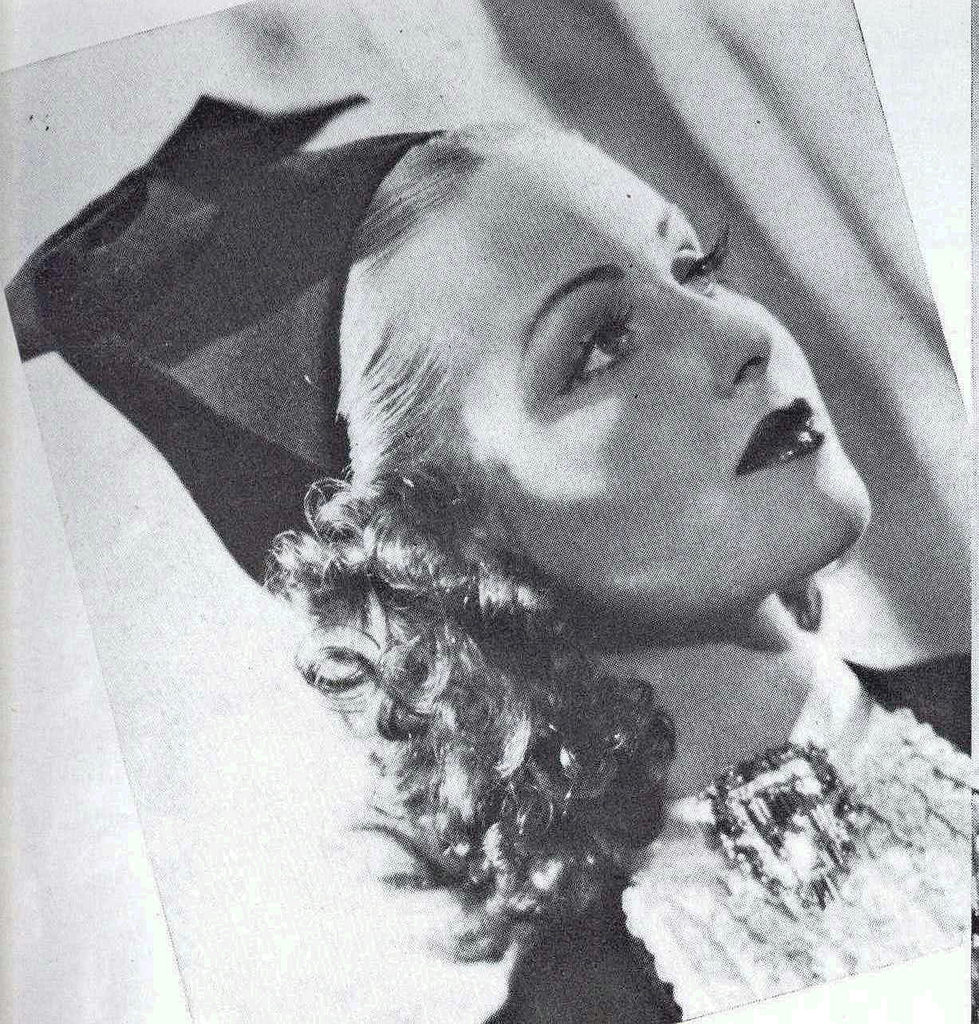

The early 20th century was a time of dramatic change, and women’s fashion reflected this shift. While clothing styles were becoming more practical, hats remained a statement piece, a way for women to express their individuality and embrace the latest trends. From wide-brimmed creations adorned with feathers and flowers to chic cloches that hugged the head, hats were an essential part of any stylish woman’s wardrobe.
The Edwardian era (1901-1910) saw hats reach new heights of extravagance. Large, wide-brimmed hats were in vogue, often decorated with elaborate trimmings like ostrich plumes, silk flowers, and ribbons. These hats were a symbol of status and wealth, and they added a touch of glamour to even the simplest outfits.
As the decade progressed, hats became slightly smaller and more practical, reflecting the growing independence of women. Turbans, inspired by Eastern styles, gained popularity, offering a chic alternative to the wide-brimmed hat. These were often adorned with jewels or intricate embroidery.
The 1910s saw a further shift towards simpler styles. Smaller hats with close-fitting crowns, known as toques, became fashionable. They were often decorated with a single feather or a simple bow. This trend reflected the growing popularity of the hobble skirt, which restricted movement and required a less cumbersome hat.
Read more
World War I (1914-1918) had a significant impact on fashion. With resources scarce, hats became more practical and less extravagant. Smaller hats with simple trimmings were favored, and many women opted for knitted or crocheted headwear.
The Roaring Twenties brought a new wave of excitement and innovation to fashion. The cloche hat, a close-fitting, bell-shaped design, became the symbol of the flapper era. It was typically made of felt and worn low on the forehead, often obscuring the eyebrows.
The rise of the automobile also influenced hat styles. Motoring veils, designed to protect the face from dust and wind, became popular. These were often attached to small, close-fitting hats or worn with larger, brimmed hats.
For active pursuits like cycling, women often wore simple straw sailor hats. These were practical and lightweight, offering protection from the sun without obstructing vision.
Throughout the early 20th century, hats were more than just a fashion accessory. They were a reflection of changing social norms and attitudes. They represented women’s evolving roles and their desire to express themselves through fashion. Whether adorned with feathers and flowers or sleek and simple, hats were a crowning glory, adding a touch of elegance and personality to every outfit.