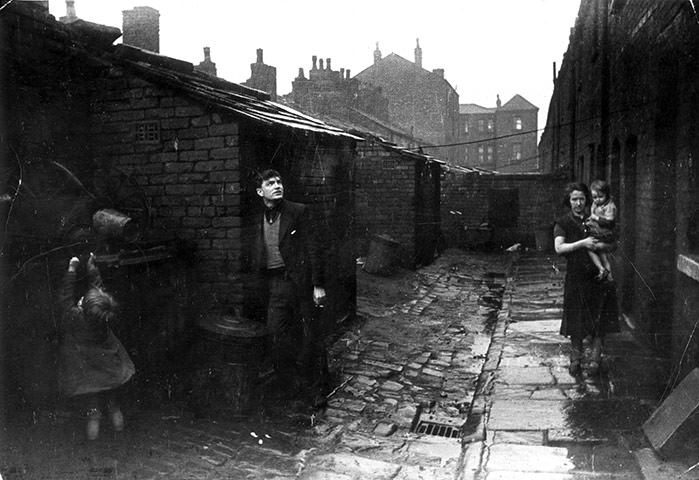
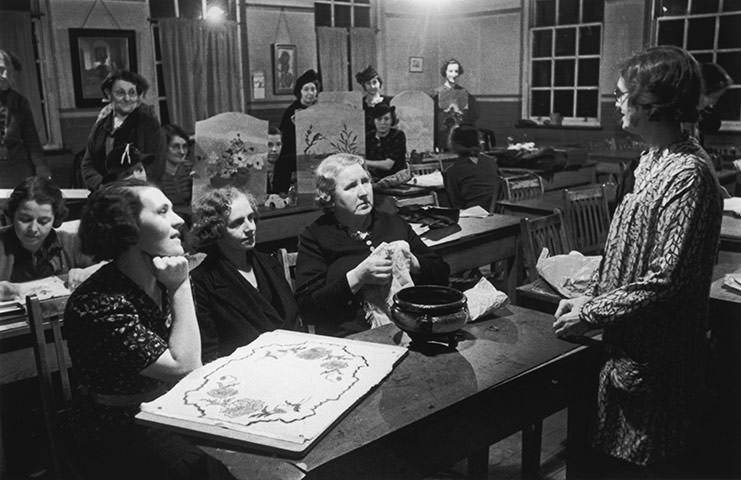
Britain in the 1930s was a nation caught between hardship and everyday resilience. The Great Depression had pushed unemployment to record highs, and the scars of World War I were still fresh. Into this world stepped Kurt Hutton, a German-born photographer who had made England his home. His mission was simple: document real life, as it happened.
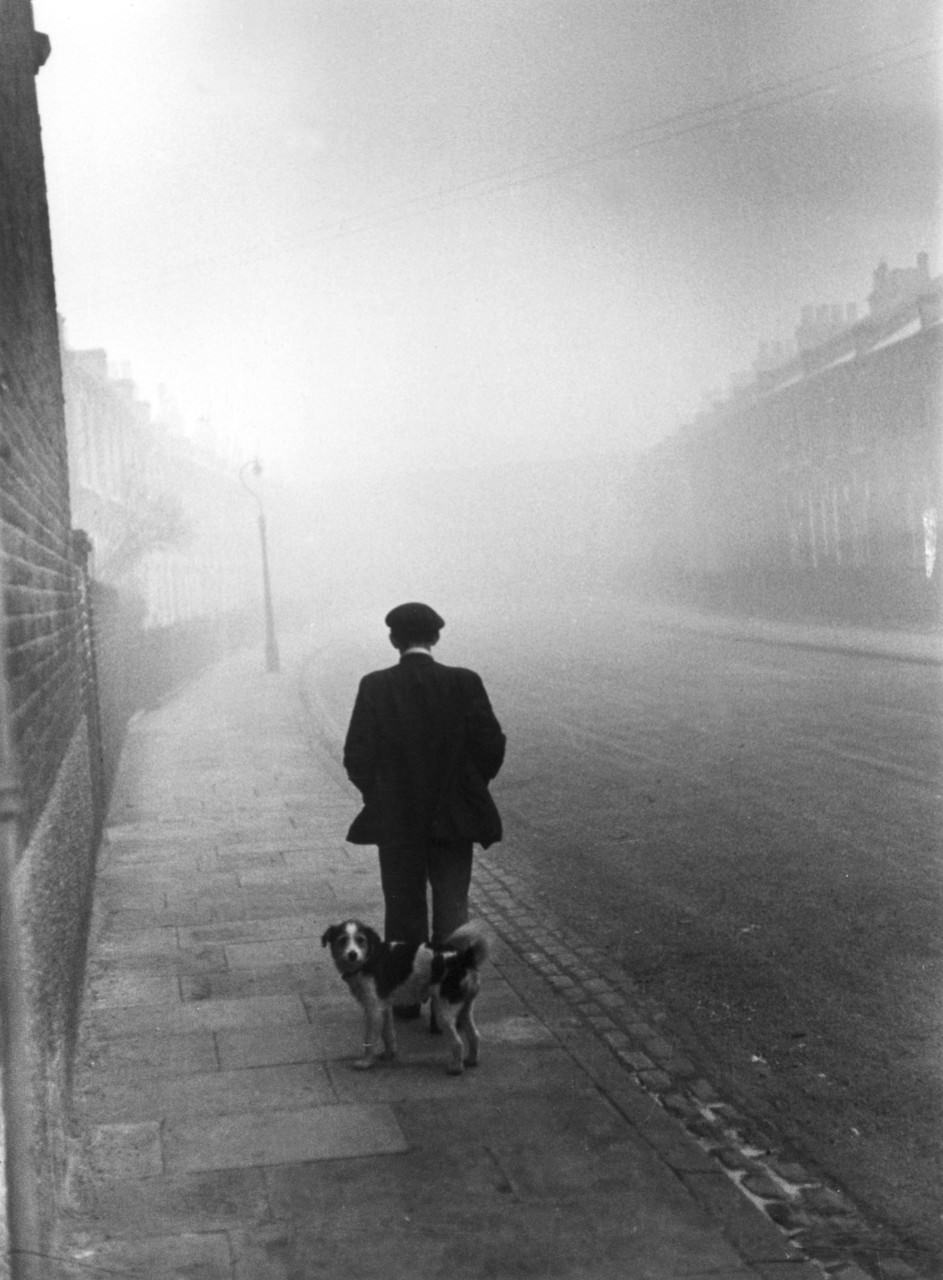
Hutton did not photograph kings or politicians. He pointed his camera at miners, factory workers, dockworkers, and families. He captured the weight of manual labor — the dirt, the fatigue, and the physical toll — without flinching. His photos show what it actually cost to keep Britain running during one of its hardest decades.
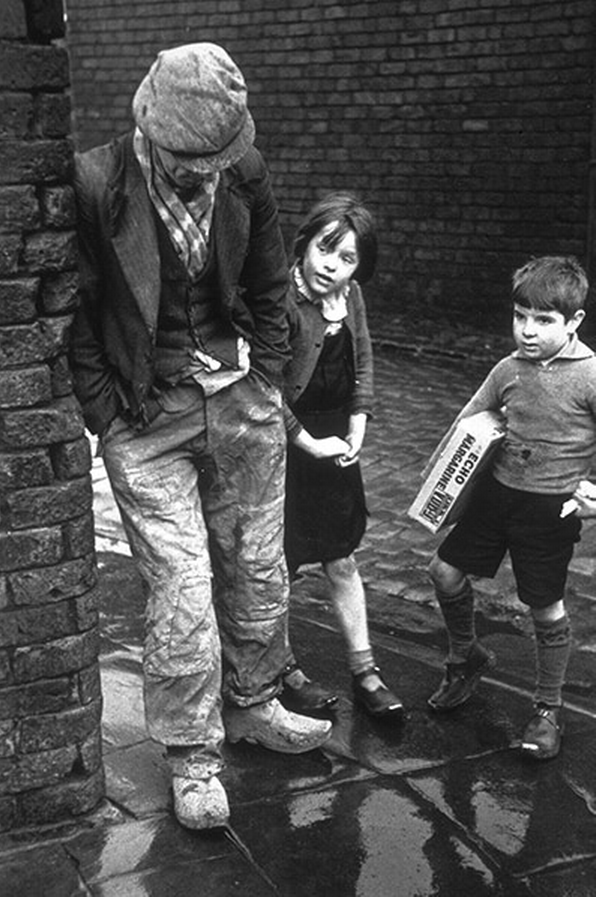
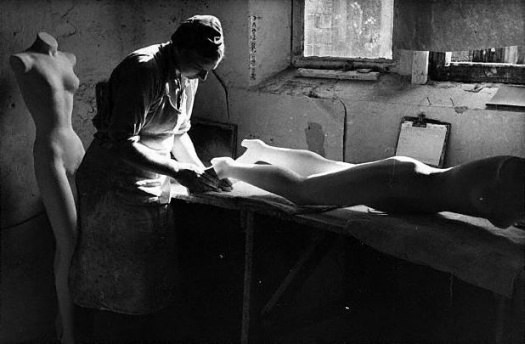
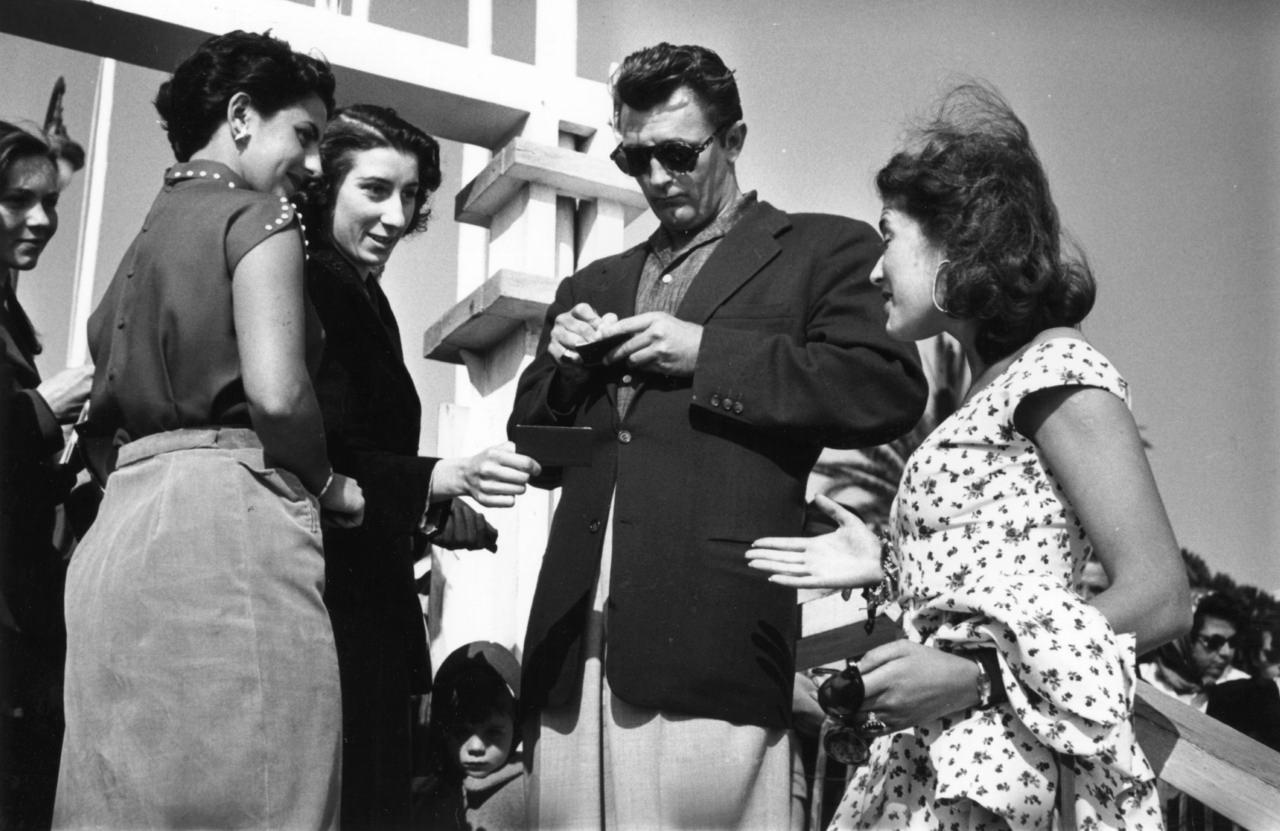
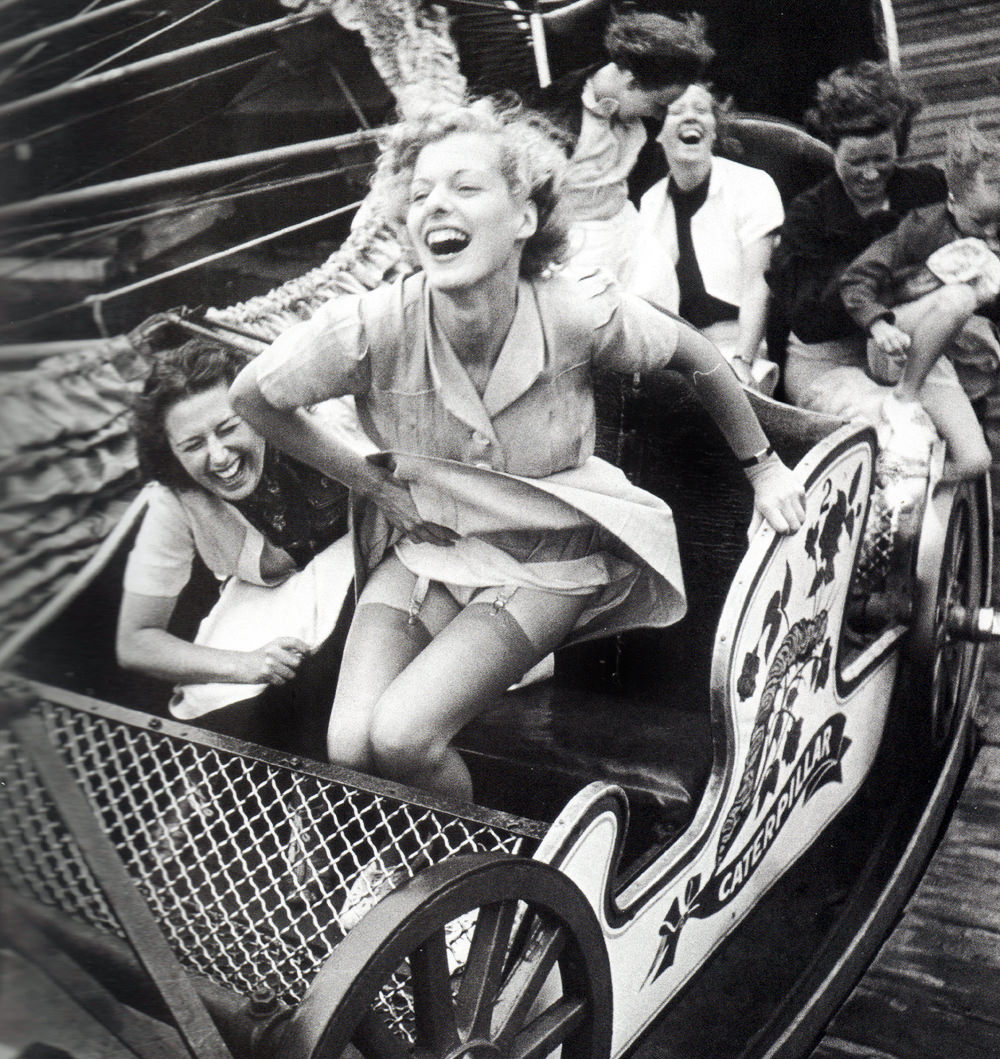
What set Hutton apart was his ability to disappear. He blended into his surroundings so well that his subjects forgot the camera was there. The result is a body of work that feels unposed and genuine. People are caught mid-laugh, mid-argument, mid-thought — real slices of life frozen in black and white.
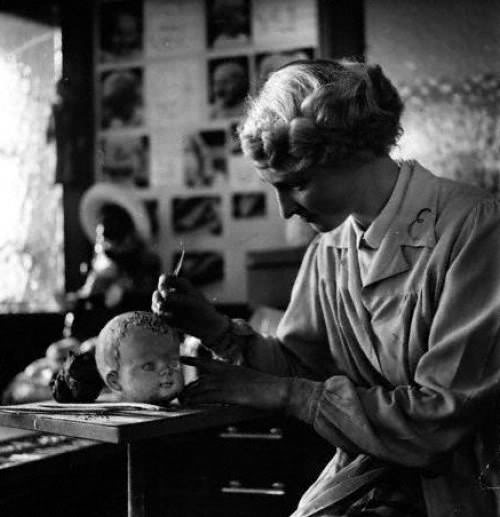
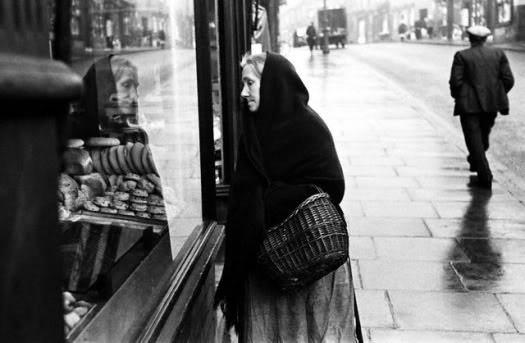
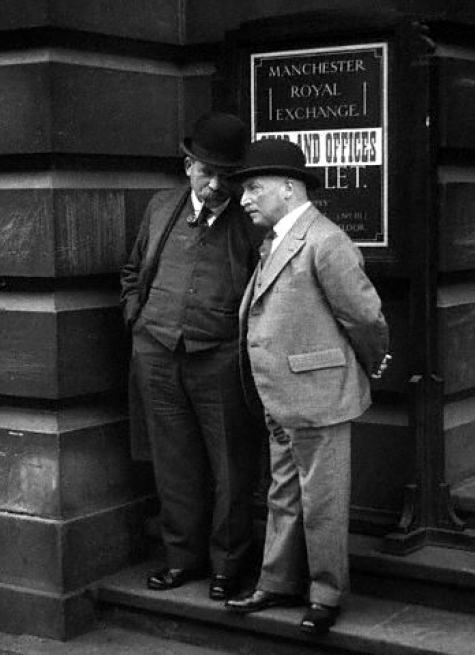
He moved freely between social classes. One day he’d be in an urban factory yard, the next in a rural field or on a seaside beach. This range gave his collection a sweeping view of British society — wealthy and poor, urban and rural, young and old.
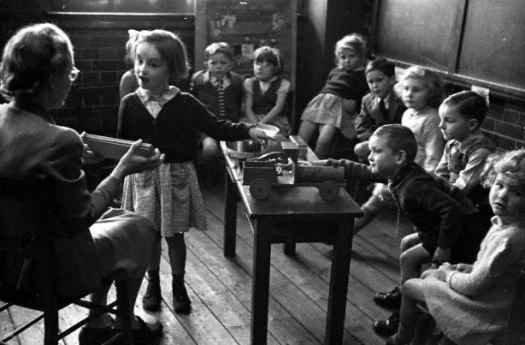
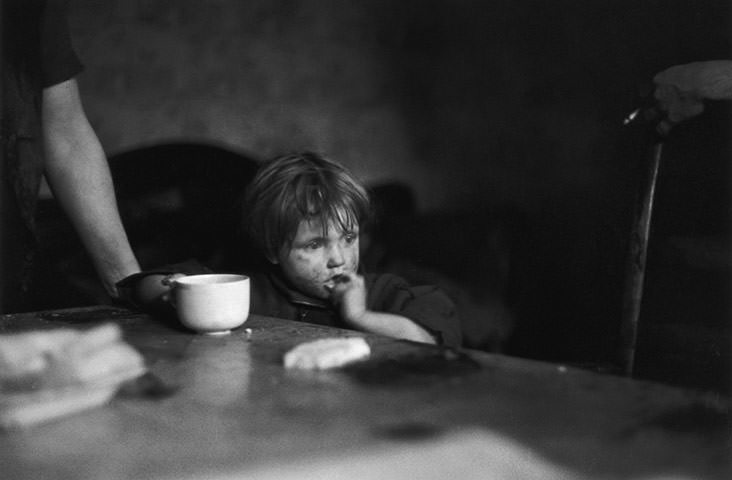
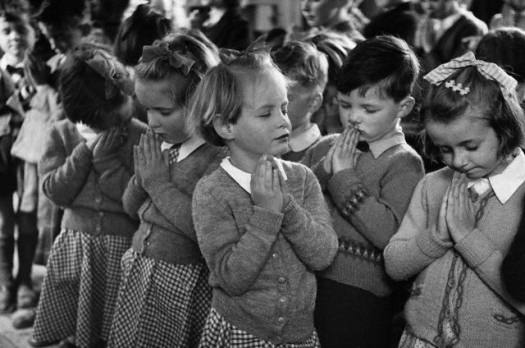
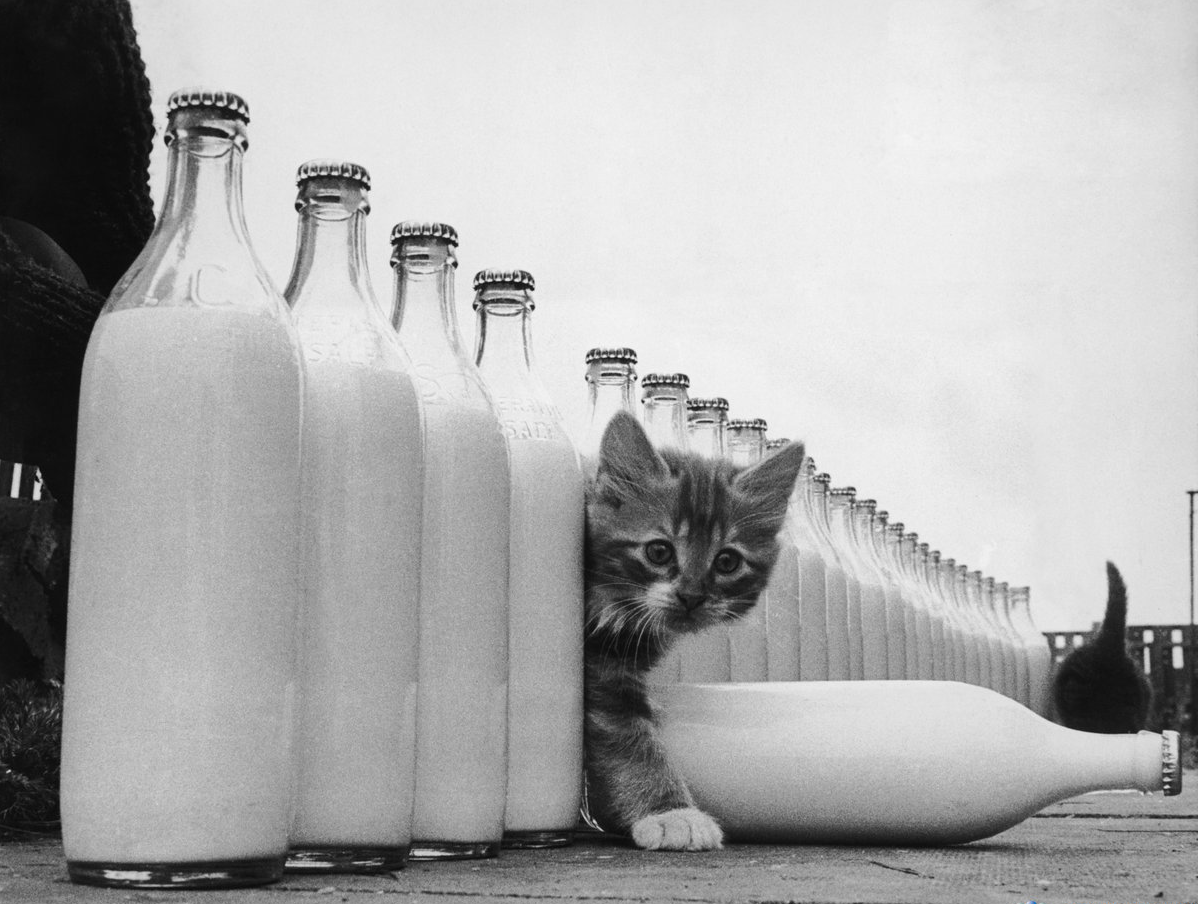
Children appear throughout his work — playing in streets, running along beaches, sitting in schoolrooms. These images carry no heavy message. They simply show kids being kids, which in the context of the 1930s is quietly powerful on its own.
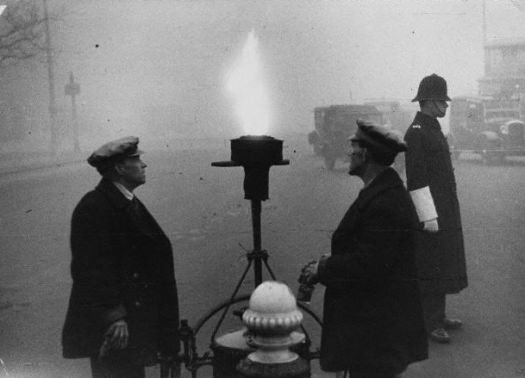
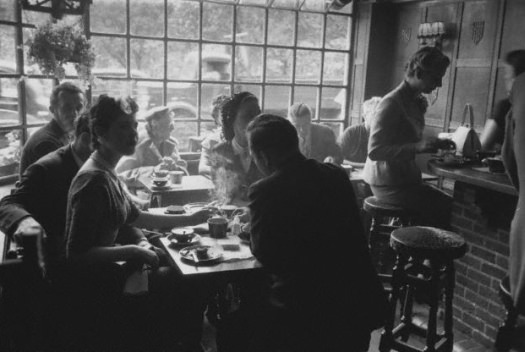
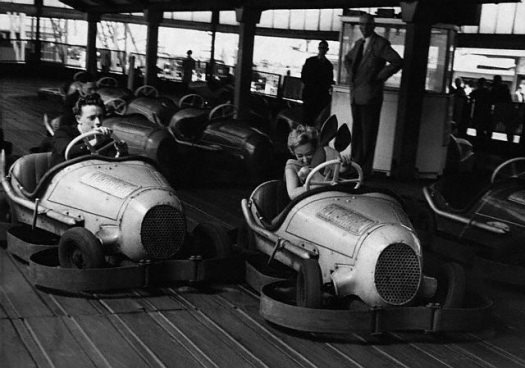
Families out on day trips, couples walking together, neighbors gathered on doorsteps — Hutton recorded all of it. Life during the Depression was not only suffering. People still sought connection, laughter, and small moments of pleasure whenever they could find them.
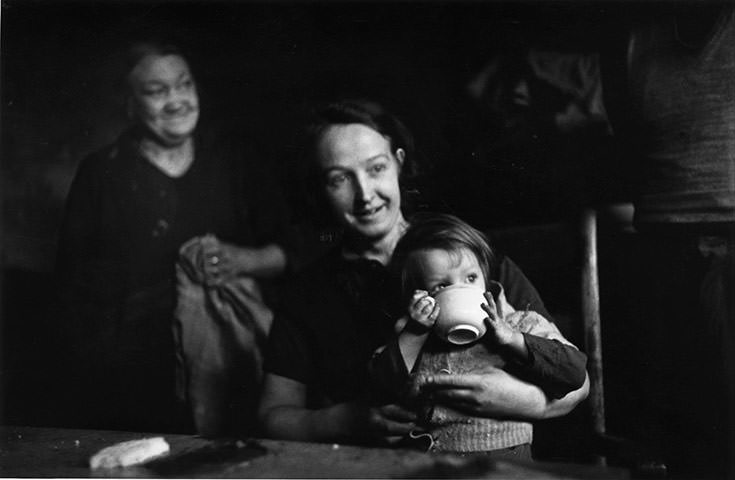
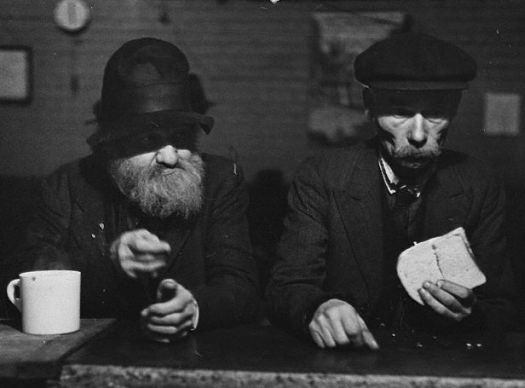
His portraits of working-class men and women carry dignity. These were not subjects posed to look noble — they were people going about their lives, and Hutton respected that. He never turned hardship into spectacle.
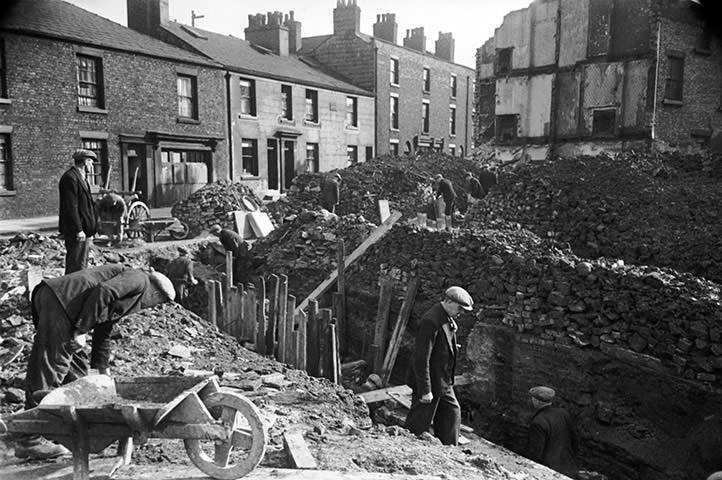
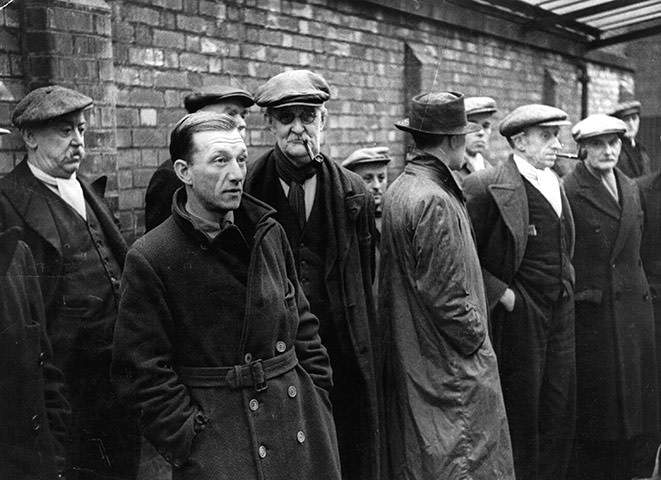
Hutton worked during a period when photojournalism was still finding its footing. Candid, documentary-style photography was not yet the norm. His instinct to seek out truth over aesthetics placed him ahead of many of his contemporaries.
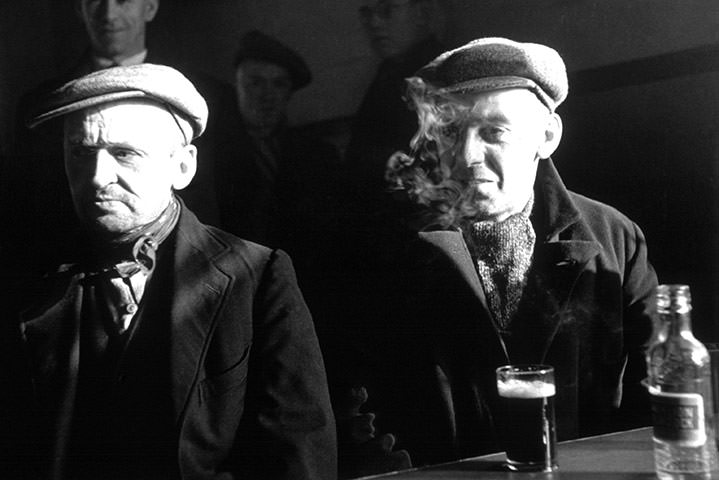
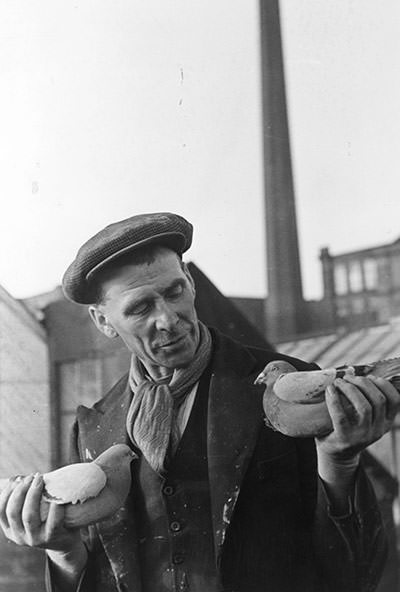
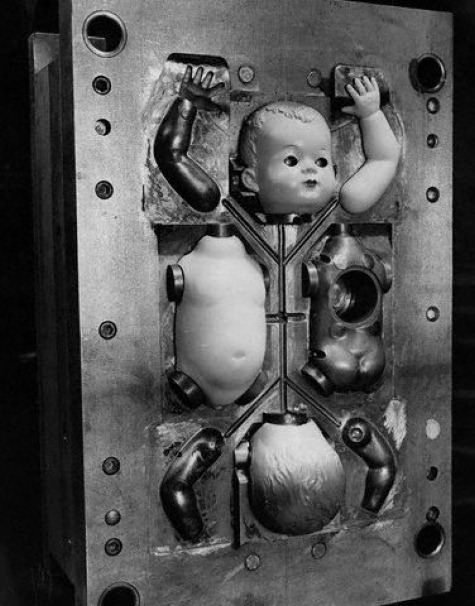
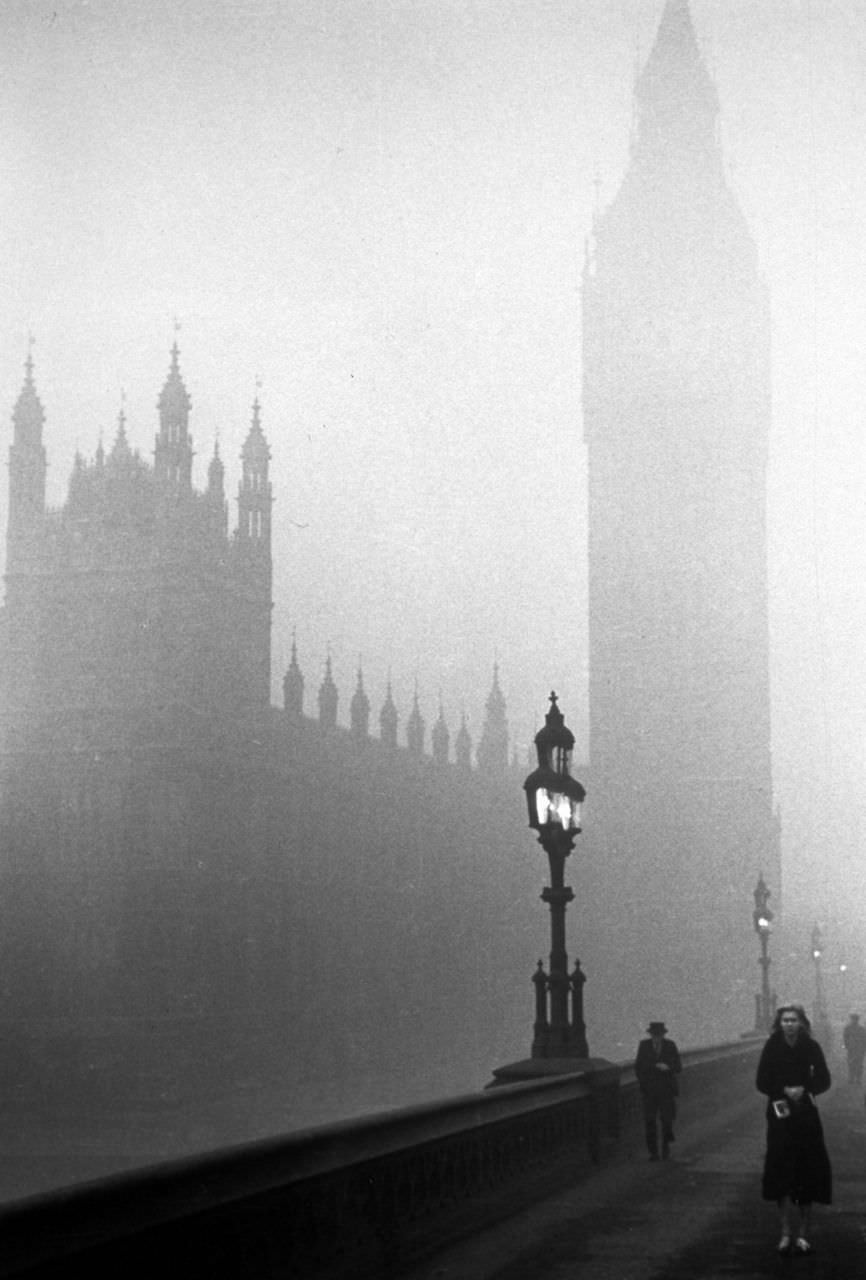
From industrial towns in the north to the quieter corners of the English countryside, Hutton’s camera covered vast ground. Each photograph functions as a direct record — no staging, no embellishment.
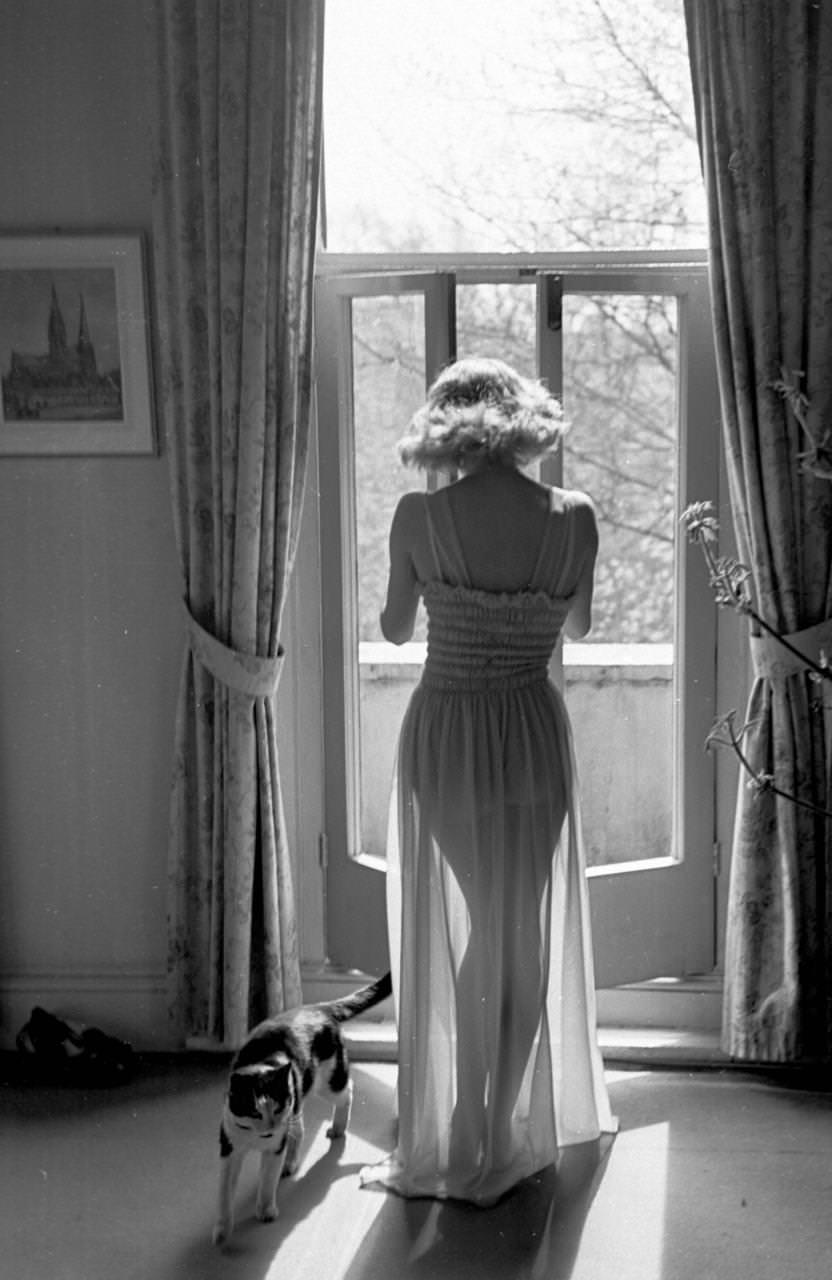
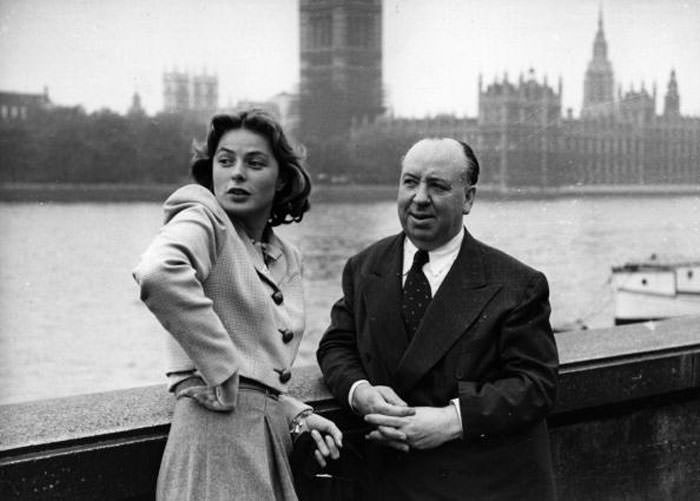

The breadth of his subjects is striking. Street vendors, pub-goers, farmhands, and office clerks all appear side by side in his archive. Together, they form a detailed portrait of a nation navigating economic crisis without losing its daily rhythms.
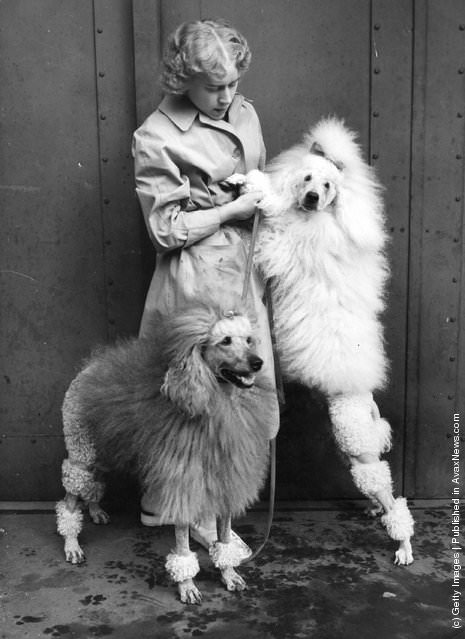
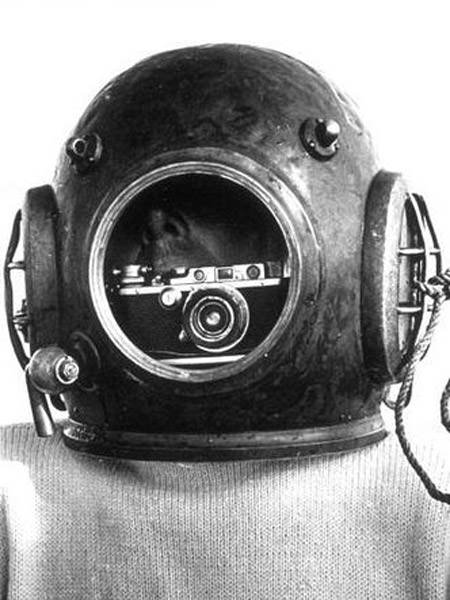
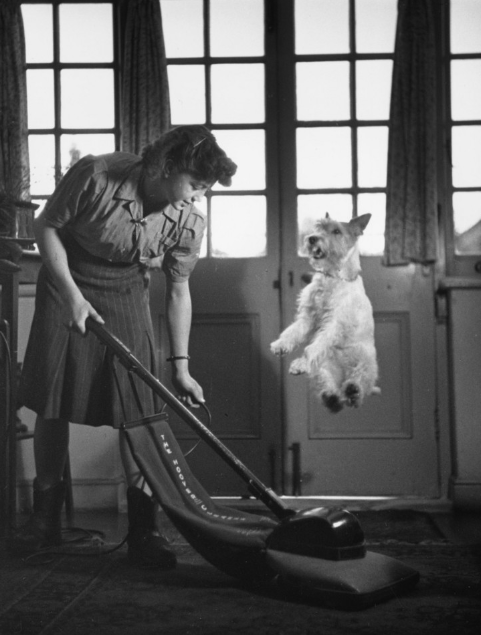
Hutton’s photographs remain among the most valuable visual records of interwar Britain. They are precise, unfiltered documents of a society under pressure — and of the ordinary people who kept it going day after day.