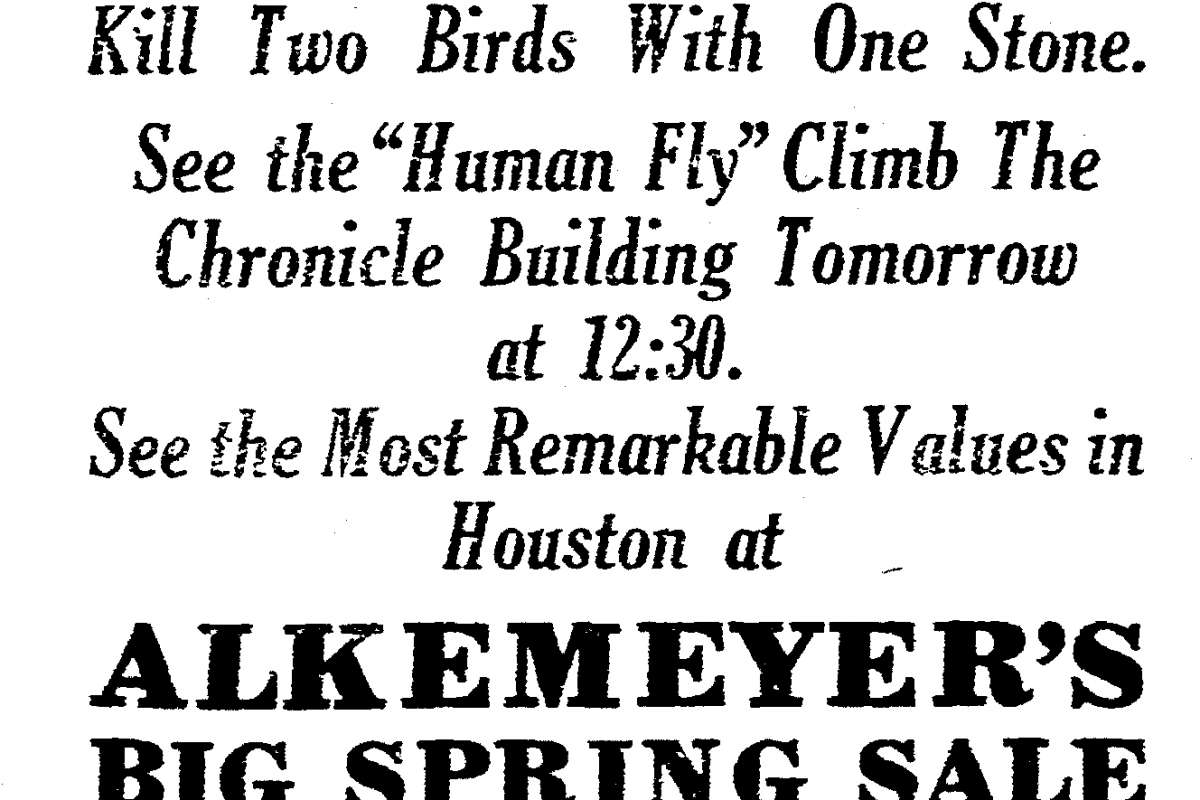
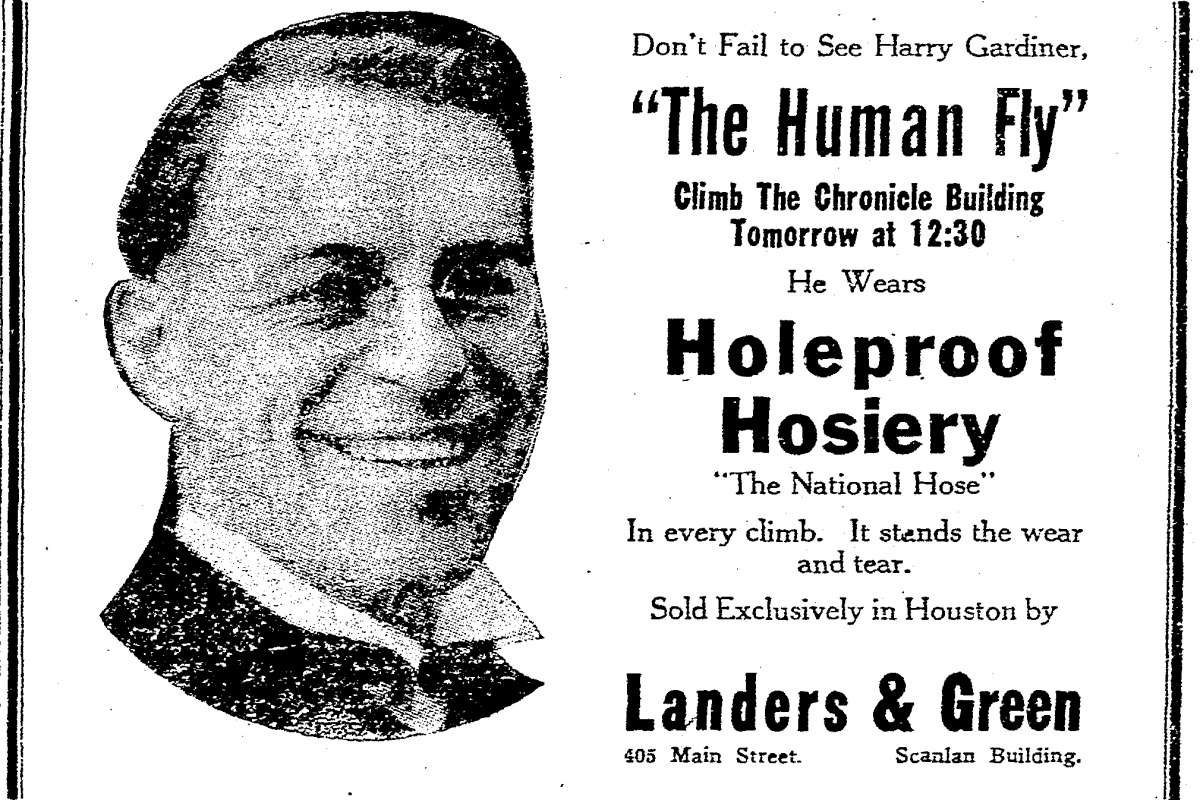
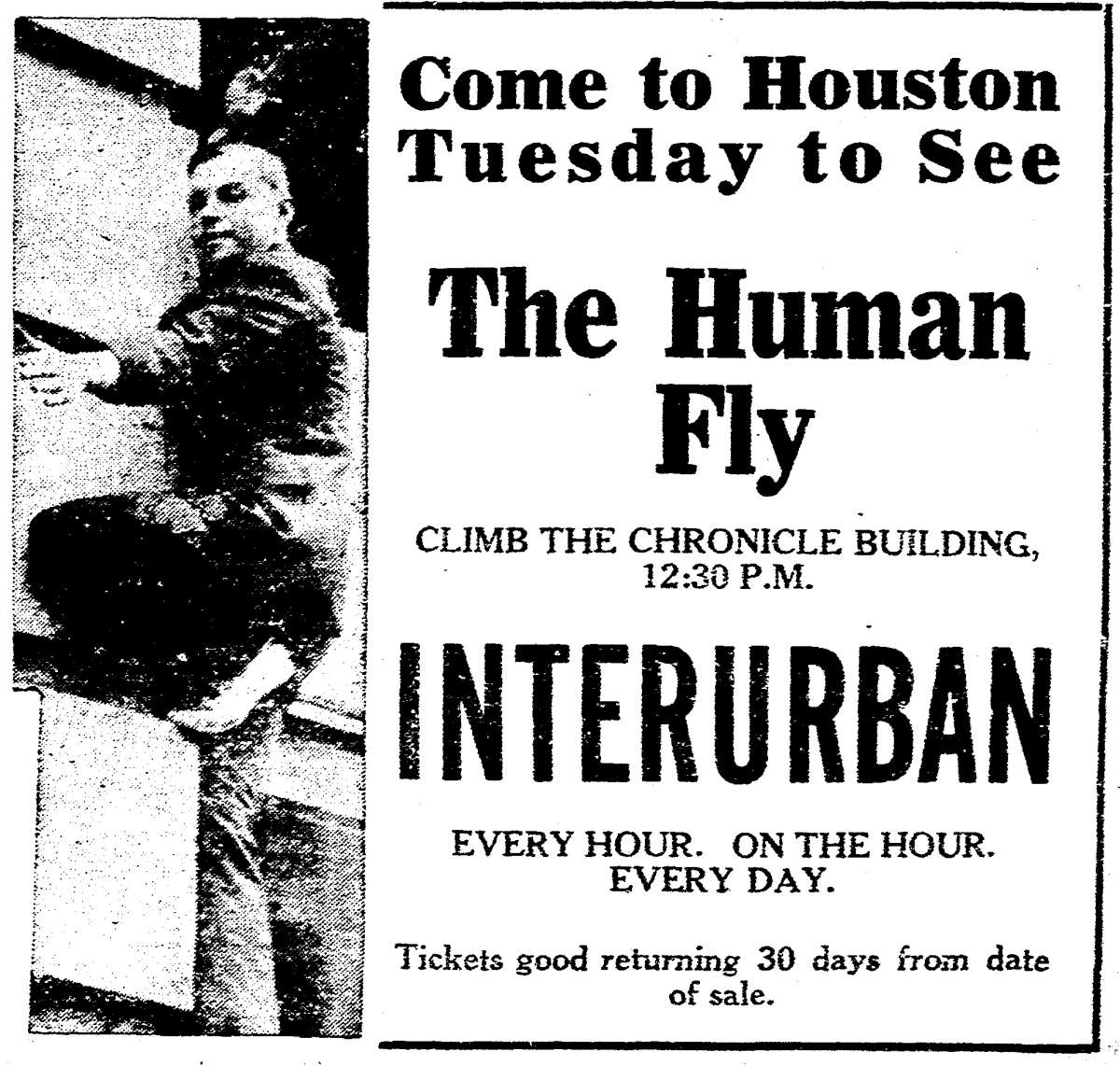
As skyscrapers began reshaping American cities in the early 1900s, a strange new form of public spectacle rose alongside them. Men known as “human flies” started climbing the faces of tall buildings using nothing but their bare hands and feet. No ropes, no harnesses — just grip strength, nerve, and a crowd watching from the street below. The trend ran roughly from 1905 to 1929, and it was as much a business tool as a daredevil act. Banks, movie studios, and life insurance companies paid climbers to scale buildings and draw crowds that could then be pitched to. Some climbers used suction gloves to help them hold on. Most did not. Of all the men who took up this trade, one name stood clearly above the rest: Harry Gardiner.
Gardiner was born in New York in 1871. He climbed his first building in 1905, already in his thirties, and never really stopped. By the end of his career he had scaled more than 700 buildings. He became particularly well known for climbing the 159-foot flagstaff atop Grant’s Tomb in New York — a feat that required both extraordinary upper body strength and a complete disregard for self-preservation. According to Gardiner himself, it was former President Grover Cleveland, watching from the crowd below, who suggested the nickname “the Human Fly.”
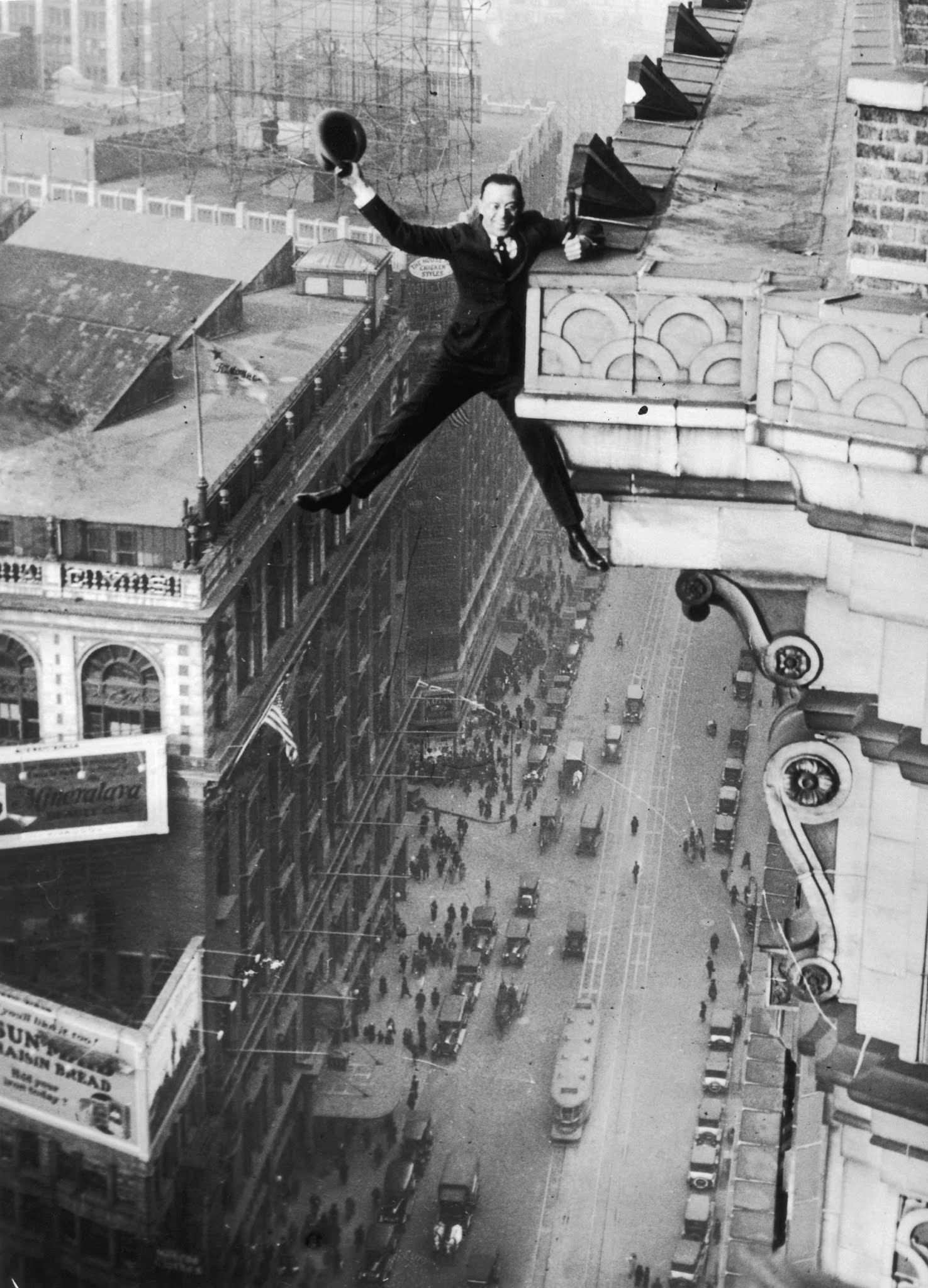
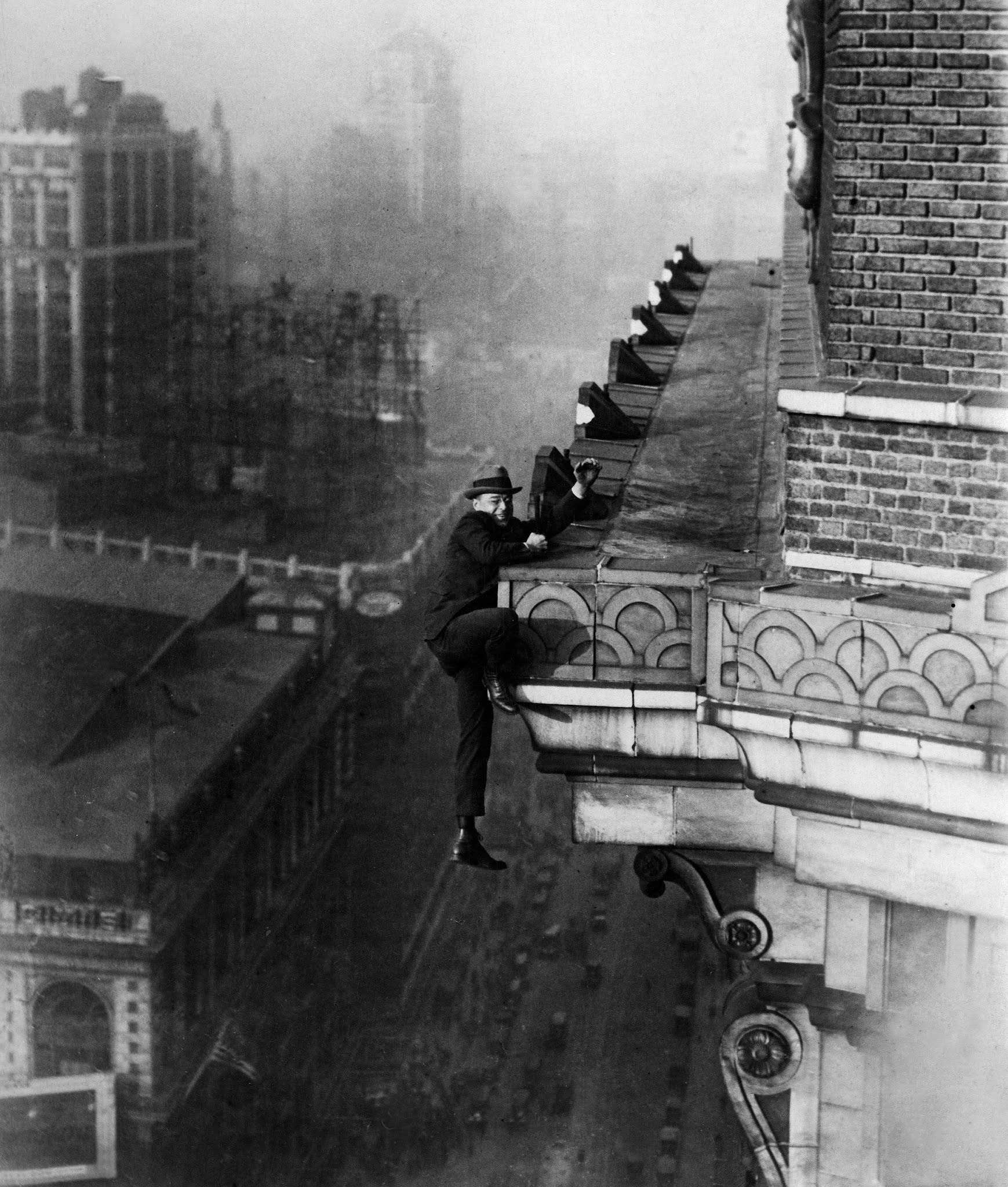
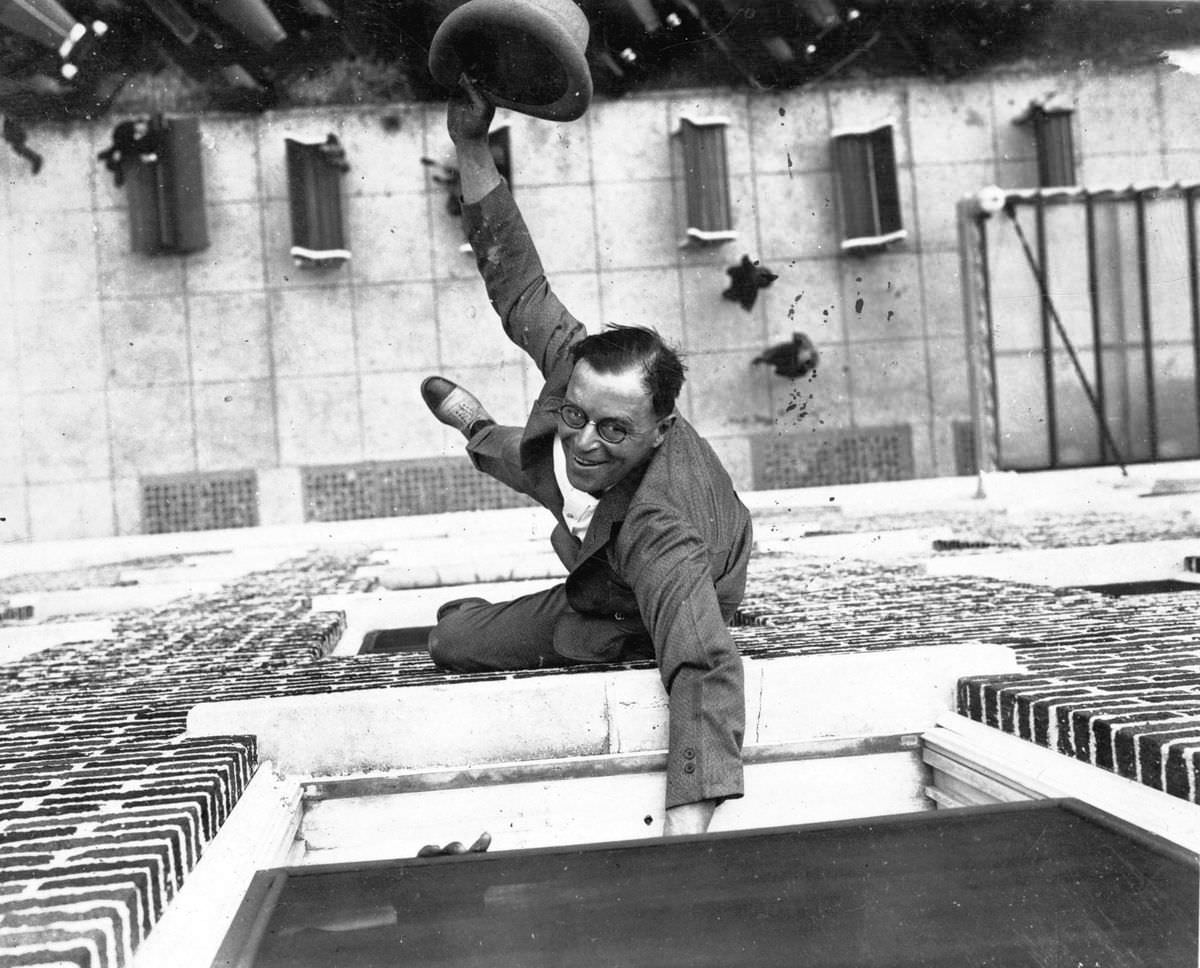
Gardiner was a natural showman. He had strong, reliable hands, but he also understood performance. He wore white clothing so the crowds far below could track every move he made. His round glasses and wide smile made him instantly recognizable in photographs. He posed for dramatic shots — one famous image shows him gripping a building ledge with a single arm while extending his hat outward with the other, hundreds of feet above the street. He wasn’t simply climbing; he was putting on a show for the cameras, the newspapers, and the paying sponsors behind each ascent.
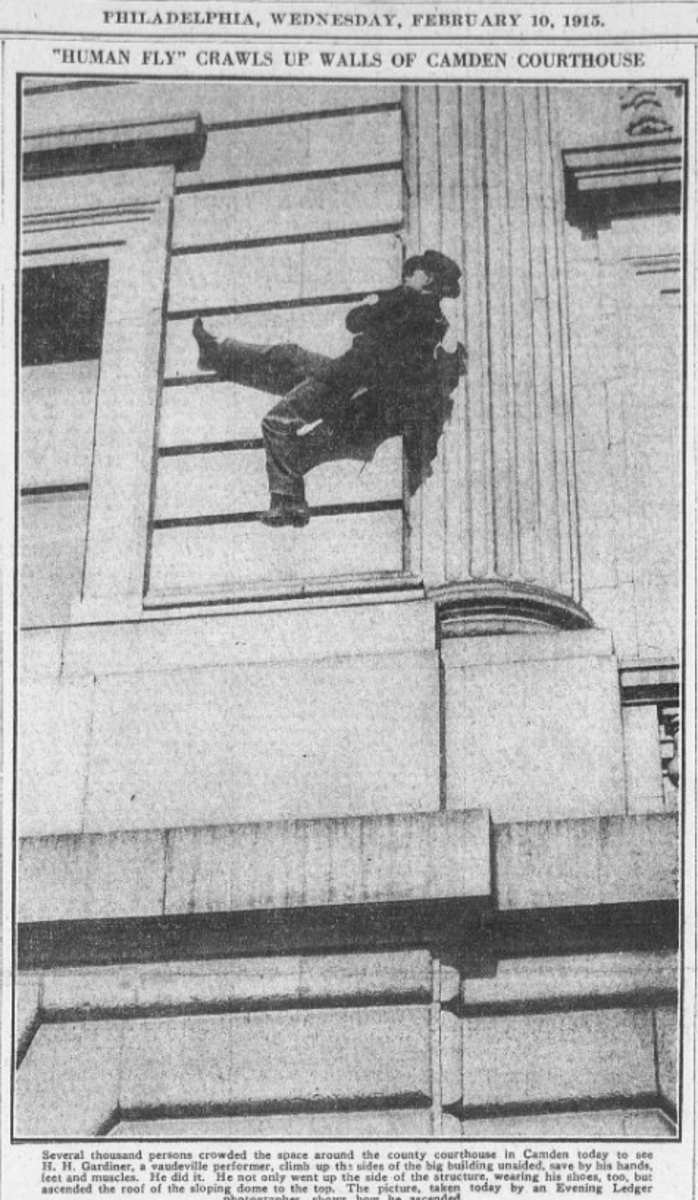
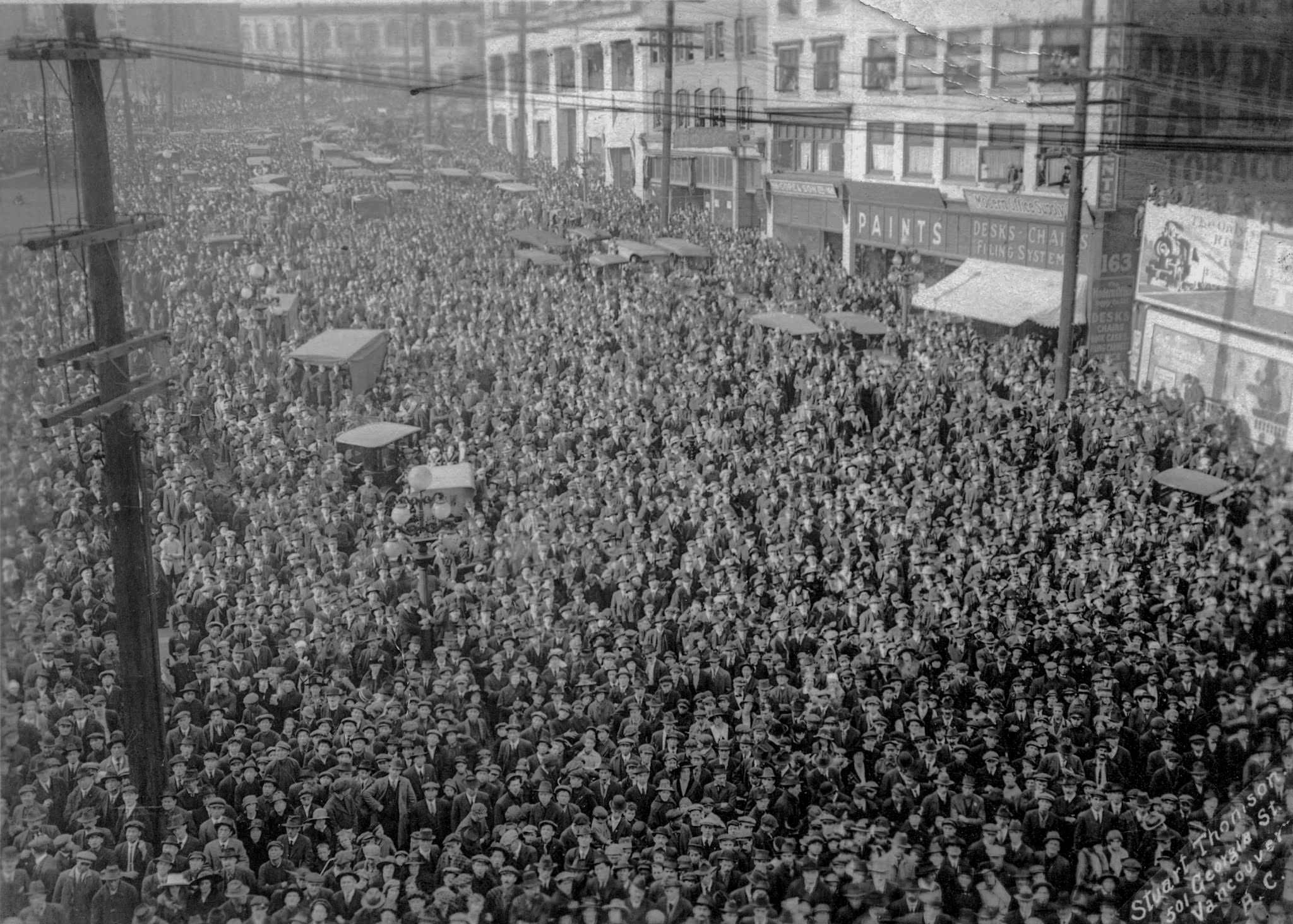
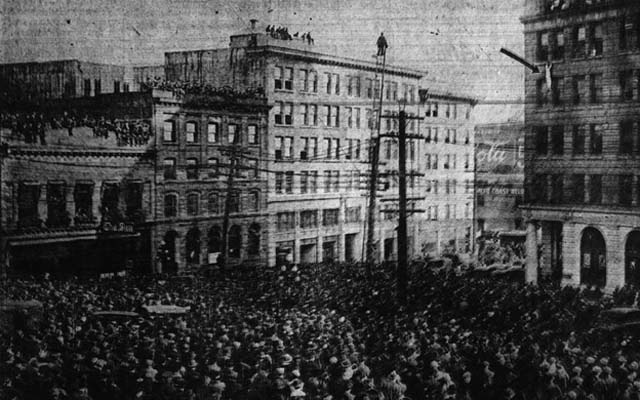
The crowds he drew were enormous. In December 1916, 30,000 people watched him climb the Omaha World-Herald building. Another 30,000 turned out in Terre Haute, and 22,000 gathered in Denver. These were not small gatherings — these were crowds that filled city streets and blocked traffic for blocks in every direction.
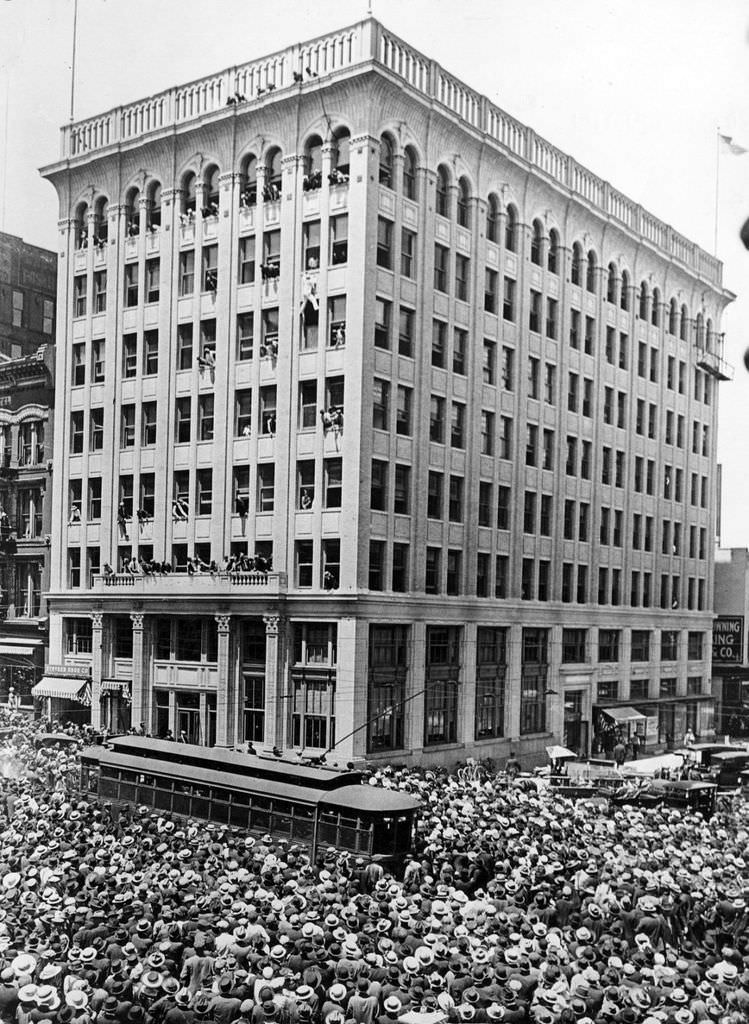
The peak of Gardiner’s career came in Detroit in September 1916, when he scaled the 14-story Majestic Building in front of more than 150,000 spectators. It was one of the largest crowds ever assembled to watch a single climber. During World War I, Gardiner used his fame for a different kind of promotion — ascending buildings to sell war bonds at a time when the government needed every dollar it could raise. He also climbed to raise money for the Red Cross.
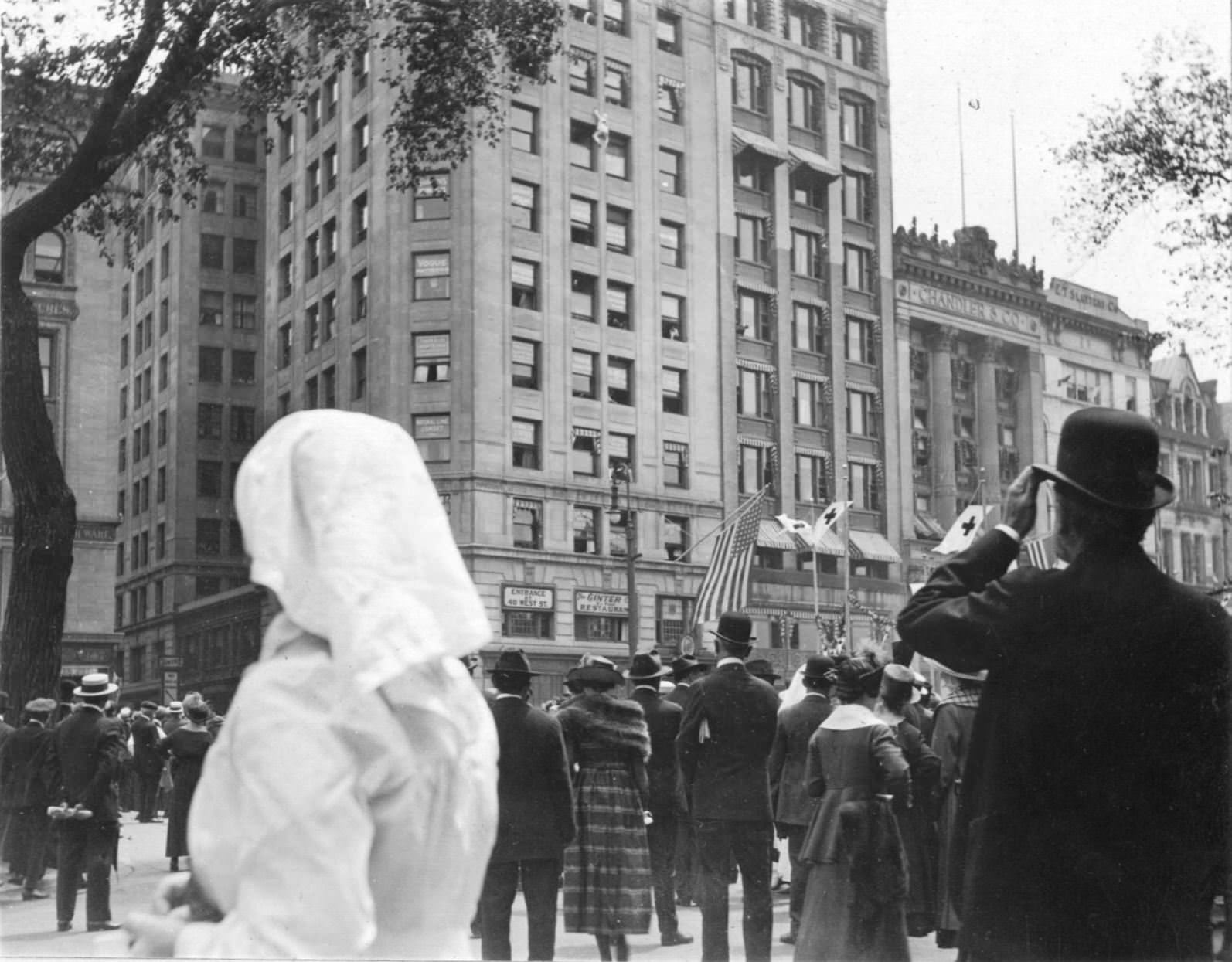
Vancouver saw some of Gardiner’s most dramatic climbs. In 1918, he scaled the 17-story Vancouver World Building — later known as the Sun Tower — at the corner of Pender and Cambie Streets. Ten thousand people packed the streets below to watch him cling to the building’s sheer surface, working his way upward by hand strength alone, 340 feet above the ground.
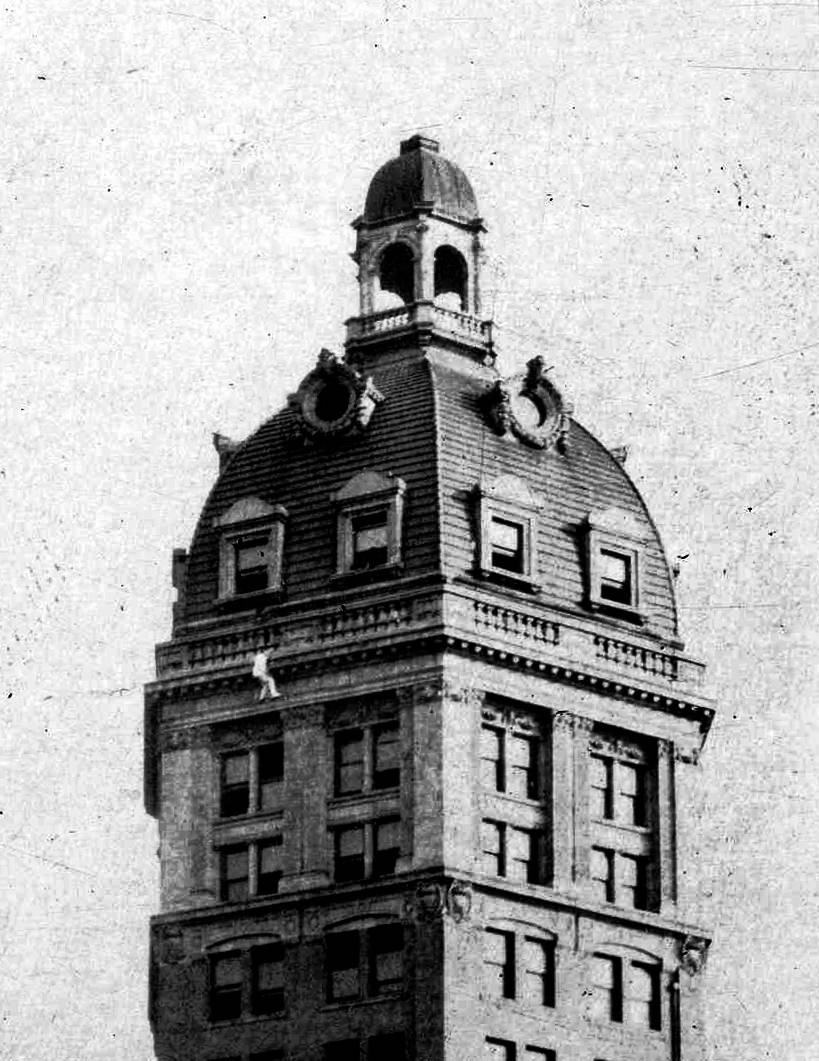
The streets of Vancouver were packed shoulder to shoulder. Spectators craned their necks upward, watching a man in white creep along the flat face of a building as though gravity simply didn’t apply to him. For those watching, it was genuinely unclear whether they were about to see a triumph or a catastrophe.
Gardiner continued working as a steeplejack — someone who climbs and repairs tall structures — well into the 1920s. His last confirmed public appearances came around 1926, after which he simply vanished. No announcement, no farewell performance. He was gone. Then, in 1933, a man matching his description was found beaten to death at the base of the Eiffel Tower in Paris. Whether the body was Gardiner’s was never confirmed. The man who had climbed more than 700 buildings without a rope left no clear record of how his life ended — only the photographs, the newspaper headlines, and the memories of the hundreds of thousands of people who once looked up.