In 1956, most vehicles were built with no thought given to drivers with physical disabilities. Getting in, getting out, and operating the controls all required a level of mobility that wheelchair users simply didn’t have. Harold Young of Downey, California, set out to change that. He designed a car from the ground up specifically for people who use wheelchairs — one that let the driver operate the vehicle entirely on their own, without needing help from anyone else.
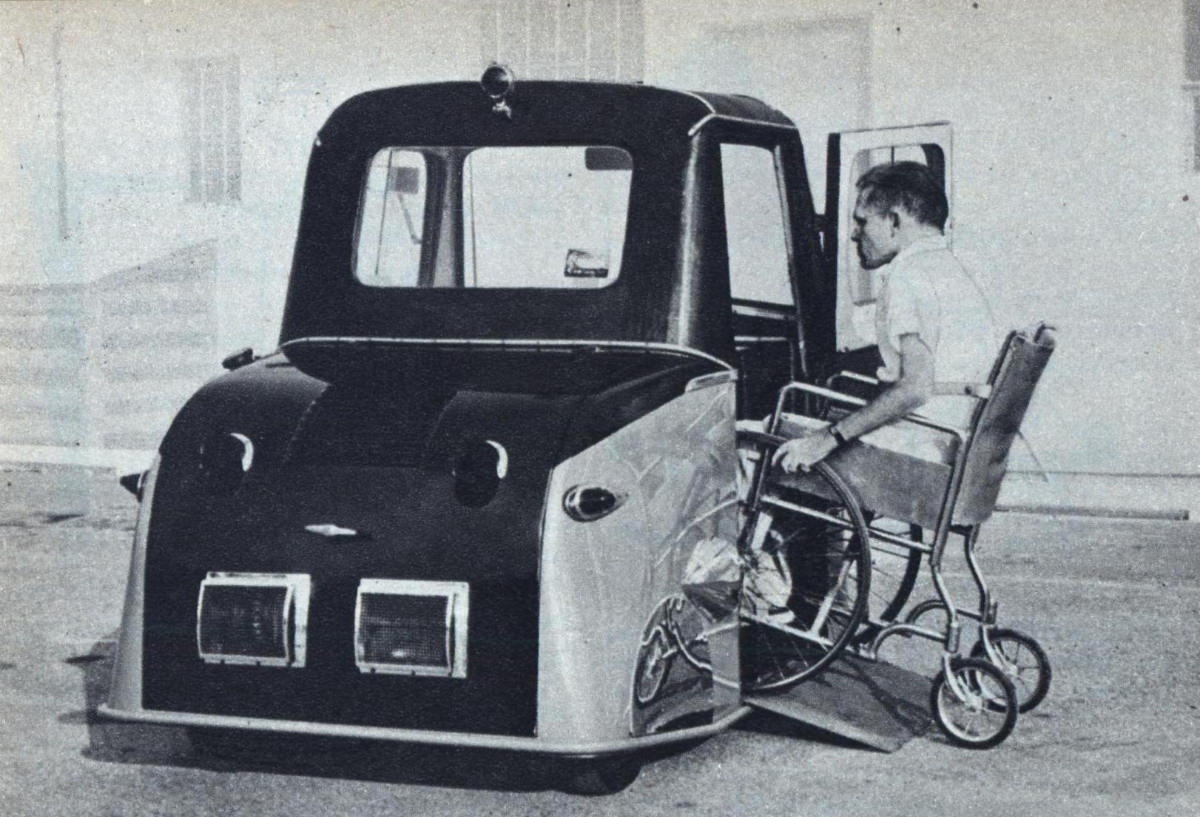
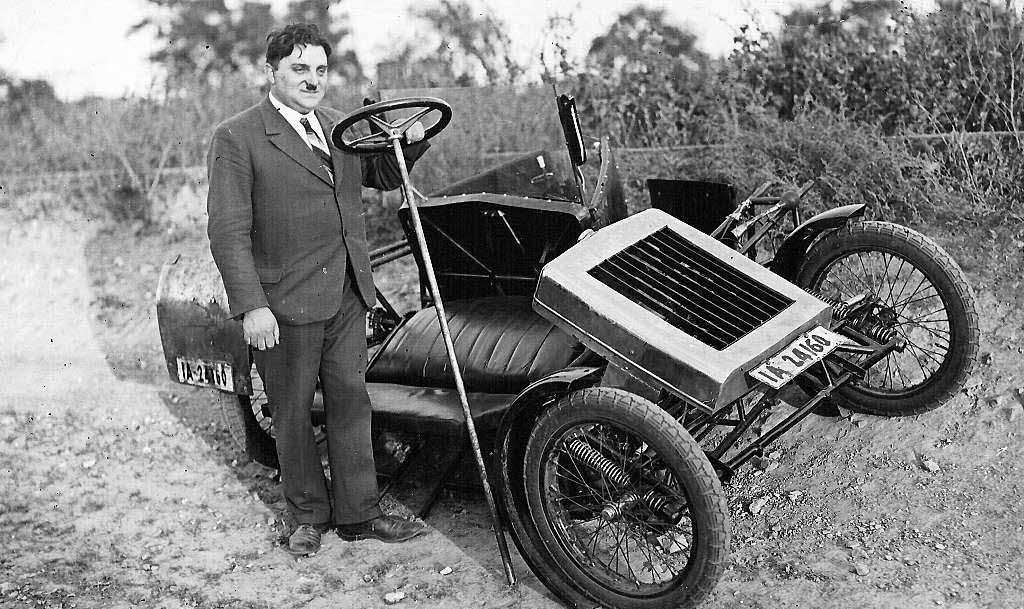
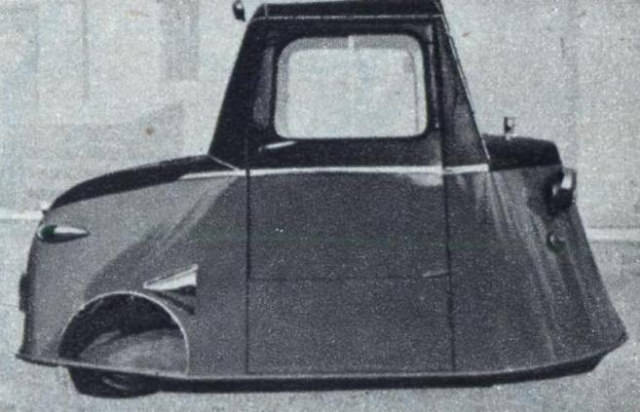
The vehicle was a three-wheeler, which made it lighter and easier to maneuver than a standard four-wheeled car. Young built it to be a complete, road-ready machine. It came equipped with directional signals and standard lights, making it clearly visible to other drivers — a basic but critical safety requirement for any vehicle sharing public roads.
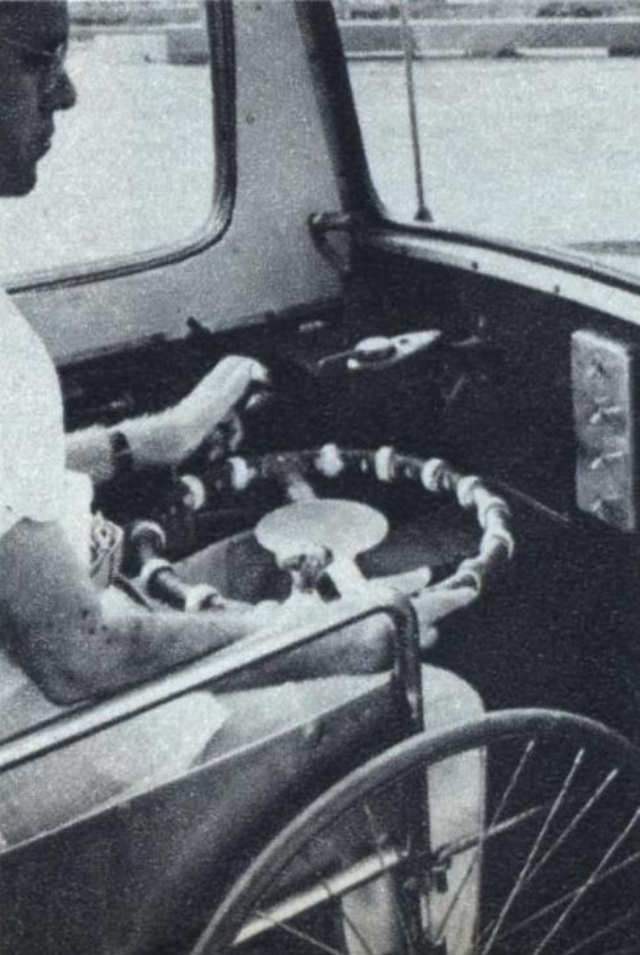
The controls were the heart of the design. Young replaced the conventional setup with a push-stop and pull-go lever, placing full control within reach of a driver who couldn’t use standard pedals. This single design choice made independent driving a real possibility for people who had previously been shut out of it entirely.
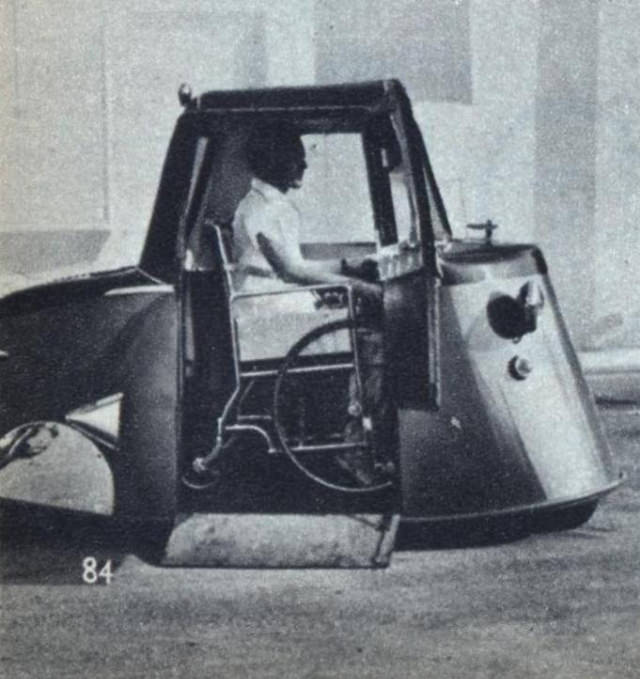
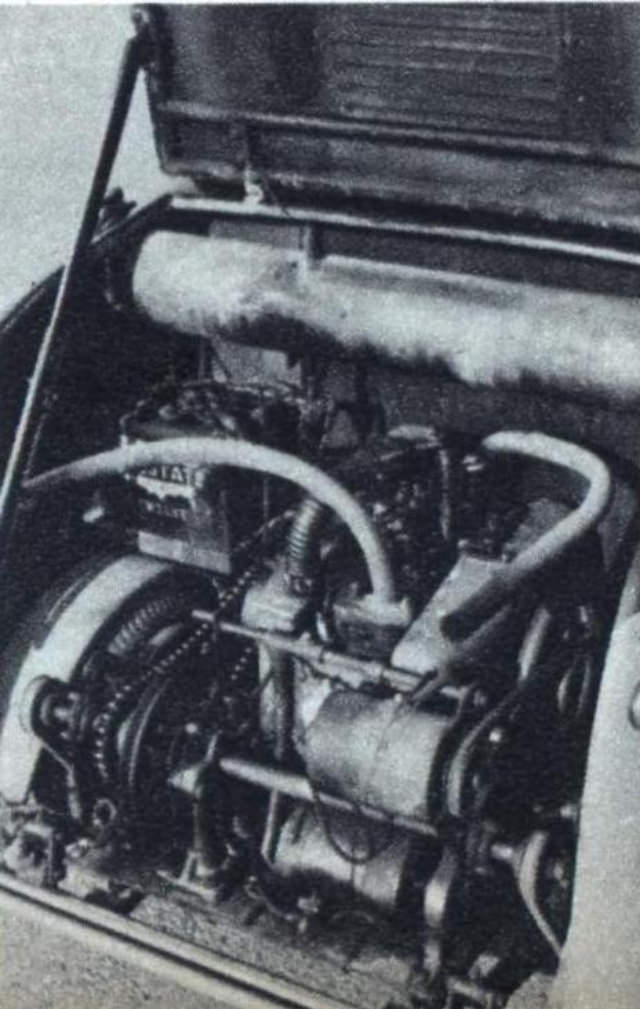
Under the hood, the mechanics were practical and well-suited to a small vehicle. The transmission used a Togaloc clutch, a type commonly found in compact machines of the era. A chain drive connected the clutch to the jackshaft, while a V-belt drive transferred power to the rear wheels. The system was straightforward, reliable, and built to hold up over time.
That durability proved itself in real-world use. The car logged years of all-weather operation, handling whatever conditions came its way. For a wheelchair user who depended on it as their main form of transportation, that kind of toughness wasn’t a bonus feature — it was a necessity. Young’s design delivered on that front, proving the vehicle was built for daily life, not just demonstration.