
Halloween in the 1910s looked very different from today. It was moving away from its rural folk roots and becoming a mainstream holiday, pushed along by urbanization, newspapers, and popular magazines. Middle-class families were throwing proper Halloween parties, treating the night as a real social event.
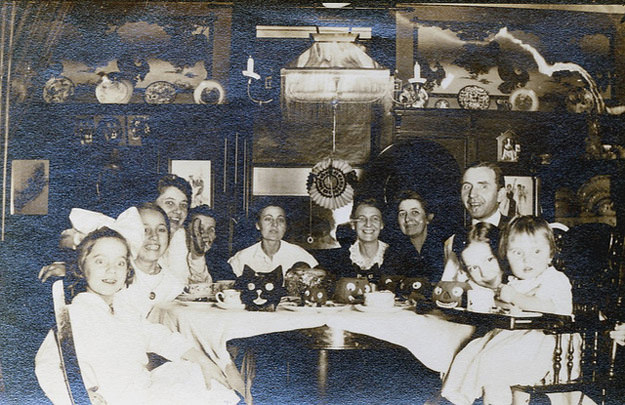
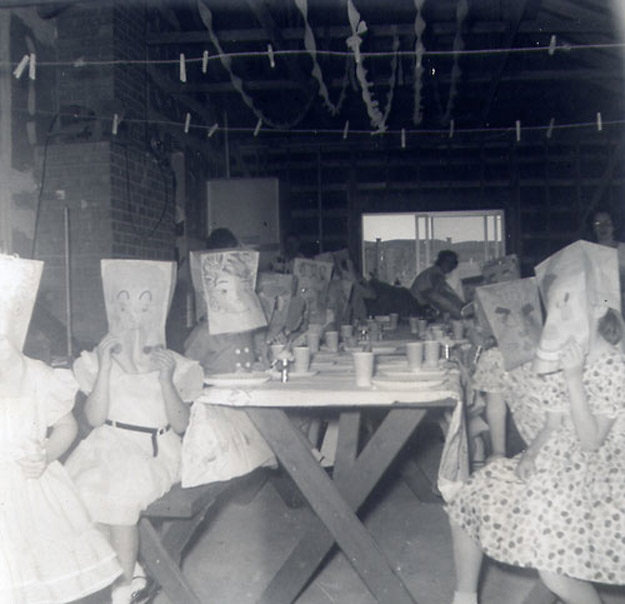
Decorations set the mood. Hosts strung crepe paper streamers in orange and black across their rooms — crepe paper was cheap, easy to cut, and new enough to feel exciting. Witches, ghosts, and other spooky figures appeared on banners and table settings throughout the party space.
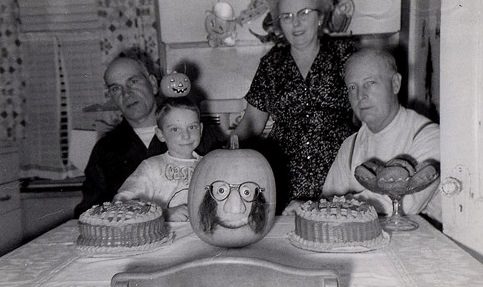
Jack-o’-lanterns were a centerpiece of the décor, but not always carved from pumpkins. Turnips and other root vegetables were common substitutes, since pumpkins weren’t as widely available. Carving them took real skill and effort.
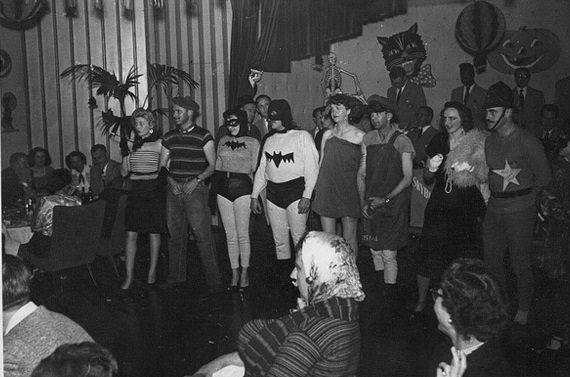
Costumes were homemade. Most people used fabric scraps, paper, and paint to put their looks together. Ghosts, witches, and devils were popular choices, but partygoers also dressed as characters from books, stage plays, and historical figures.
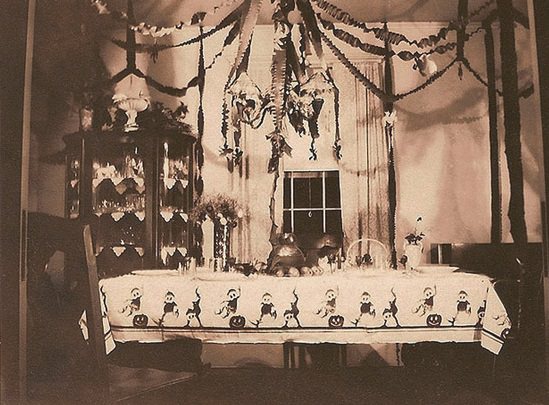
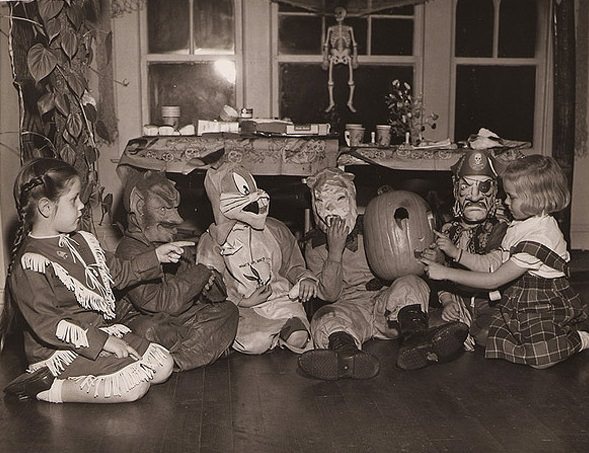
The creativity on display was a product of necessity. Store-bought costumes simply weren’t common yet. Families worked with what they had, and the results ranged from simple to surprisingly elaborate.
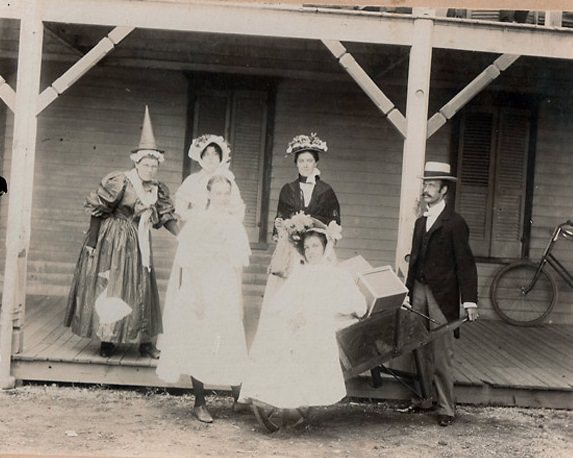
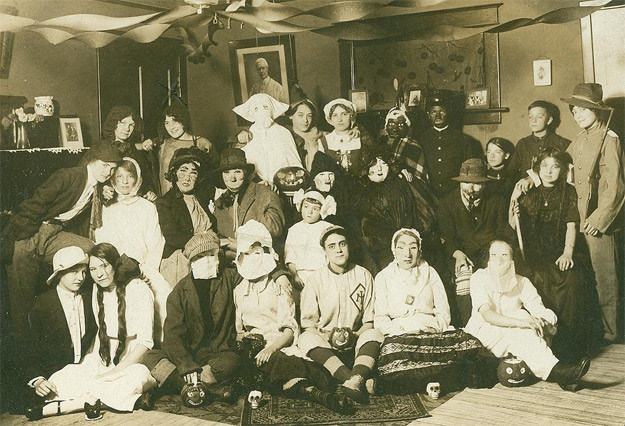
These gatherings were as much about socializing as they were about scares. Halloween gave neighbors and friends a structured reason to come together as the season turned cold. The photos below capture just how lively these early 20th-century parties really were.
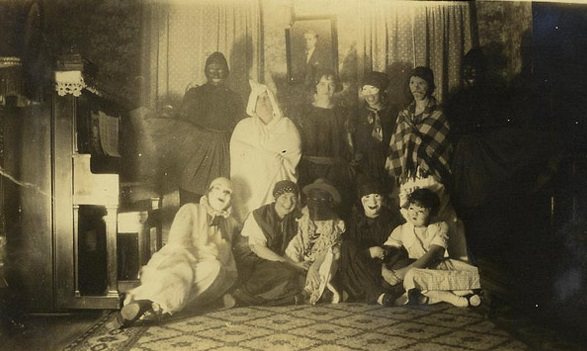
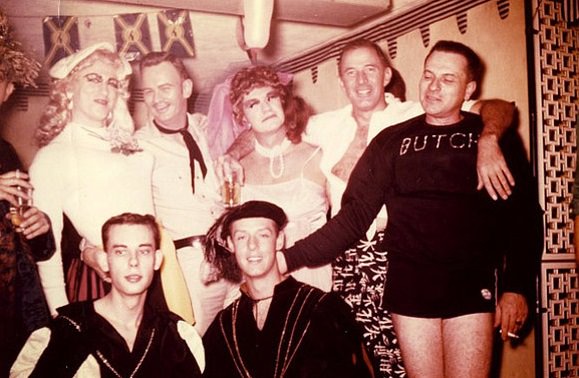
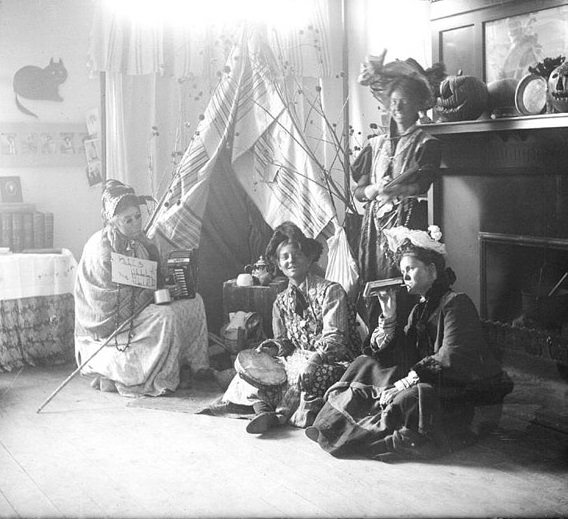
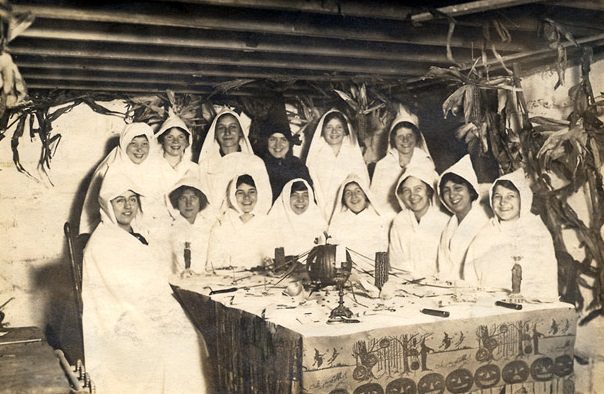
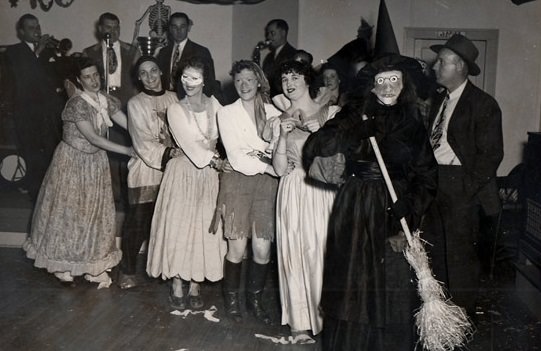
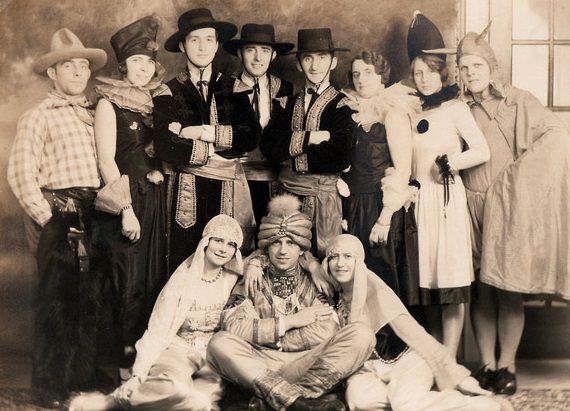
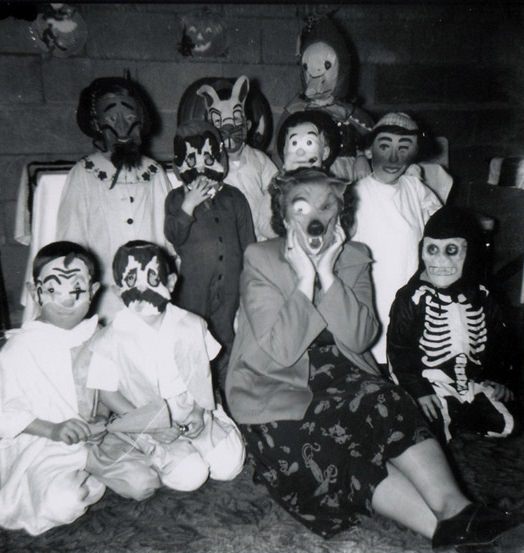
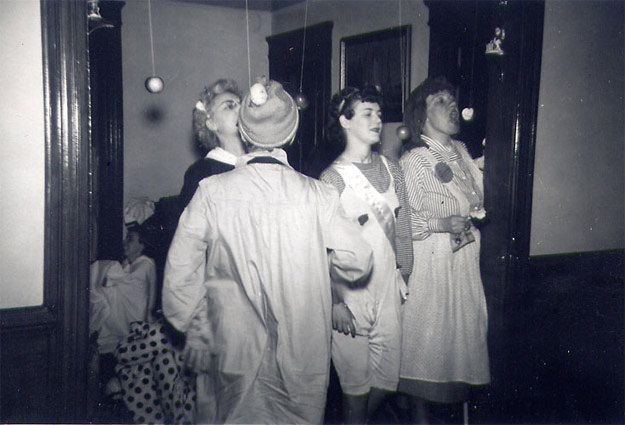
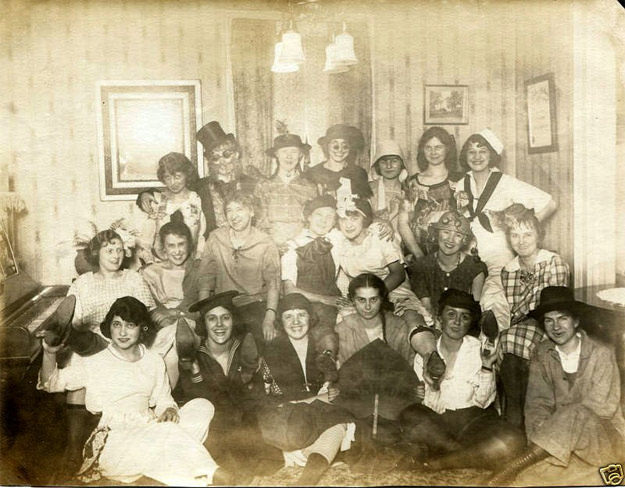





A number of these pictures from the 1910s. Batman and Bugs Bunny were created well after the 1910s. Many of the clothing and hairstyles–as well as photo technology–show clearly some of these photos are well past the 1910s.