Greta Thyssen was a Danish model and actress who turned heads on two continents with her striking looks and pin-up figure. Born in Denmark, she won the Miss Denmark title in 1952, launching a public profile that would carry her across the Atlantic and into the heart of Hollywood’s glamour machine. By the mid-1950s, she had settled in Los Angeles and was building a name for herself in an industry already overflowing with beautiful women chasing the spotlight.

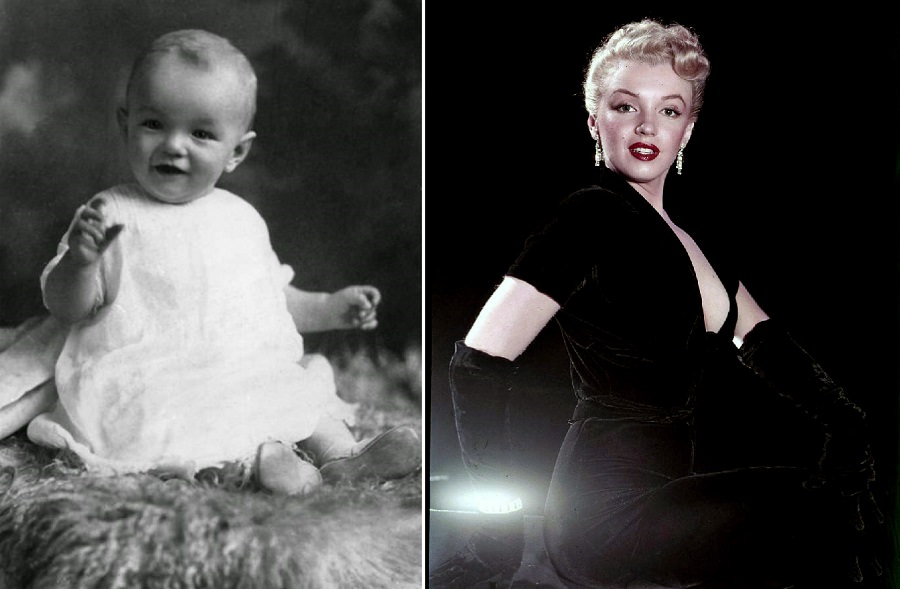
The mid-1950s Hollywood scene was dominated by a very specific type of star. Marilyn Monroe had become the global standard for glamour and sex appeal, and in her wake came a wave of actresses — Jayne Mansfield, Mamie Van Doren, and others — who occupied the same exciting space in American pop culture. Thyssen arrived in that world with strong credentials: a beauty queen title, a naturally curvaceous figure, and the kind of photogenic quality that made photographers take notice immediately.

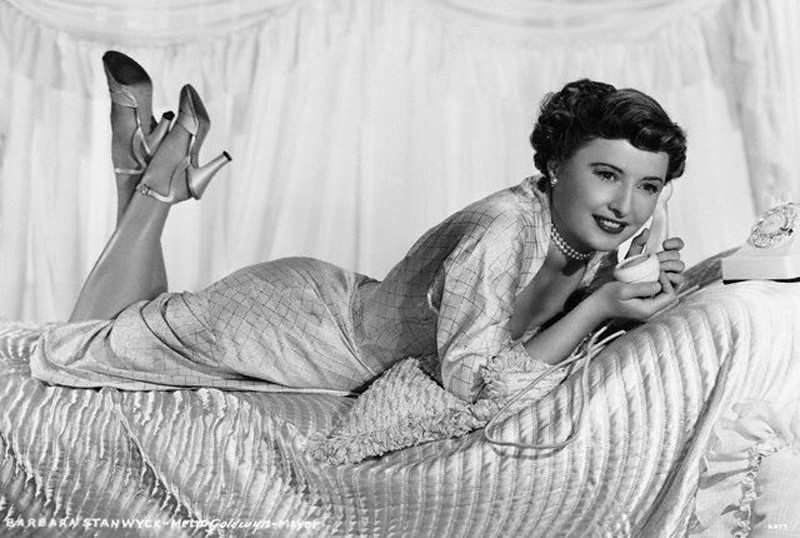
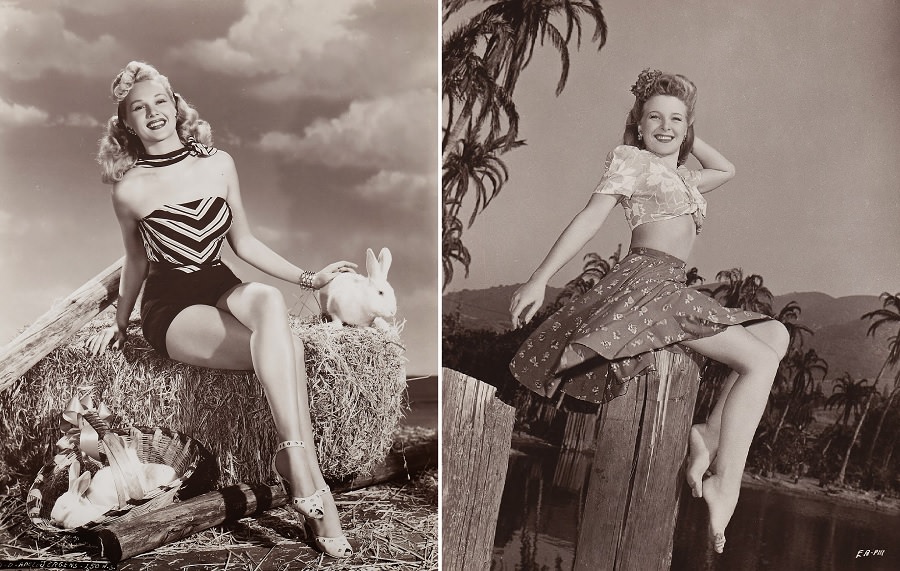
Her modeling work in those early years produced a steady stream of photographs that showcased her figure and easy confidence in front of the camera. She was comfortable in glamour shots, casual home settings, and everything in between. Hollywood reporters and fan magazines quickly labeled her the finest piece of Danish pastry to hit Los Angeles — a tongue-in-cheek tribute to both her nationality and her undeniable appeal.


Thyssen made her acting debut in 1956 in the film Bus Stop, where she served as a body double for Marilyn Monroe. It was a fitting entry point — standing in for the era’s biggest star while the cameras rolled. That same year, she also appeared in the crime drama Accused of Murder, adding a legitimate screen credit to her growing résumé.


In 1959, she appeared in the horror film Terror is a Man, a low-budget Philippine production that drew on the tradition of science fiction and creature features popular at the time. The film gave her a more dramatic role than her early modeling work suggested, and it cemented her place in the world of B-movies — a corner of Hollywood that had its own loyal audience and its own distinct culture.


Throughout the late 1950s and into the 1960s, Thyssen continued to pose for photographers while also pursuing screen roles. Her home in Los Angeles became a frequent backdrop for portrait sessions, capturing her in casual, playful, and elegant settings. These photographs documented a woman who was fully at ease with her public image and clearly enjoyed performing for the lens.


The early 1960s brought a pair of notable film appearances. In Three Blondes in His Life (1961), she starred opposite actor Jock Mahoney in a crime-tinged drama. The following year, she appeared in Journey to the Seventh Planet (1962), a Danish-American science fiction film shot in her home country of Denmark. In the film, she played an alluring figure from the planet Uranus — a role that leaned fully into her pin-up image while placing her in the middle of a proper science fiction production.


One of the more notable chapters of her acting career involved the Three Stooges. Thyssen appeared in a series of comedy short films alongside Moe Howard, Larry Fine, and Joe Besser — the trio’s later lineup. These shorts were lighthearted productions, and her presence brought a glamorous contrast to the Stooges’ physical brand of humor. They were widely distributed and reached a large audience, keeping her face recognizable even as her dramatic film roles remained limited to lower-budget productions.


Her personal life during these Hollywood years was eventful. She married four times in total. Her first marriage to Al Trilla lasted from 1952 to 1953. She then married businessman Ralph Padula, a union that ended in 1955. After a few years, she married actor George Ronald Starr in 1959, though that marriage lasted only two years. In 1963, she married mining engineer Theodore Roy, and this was the marriage that held. Together they had a daughter, Genevieve Juliette Guenther. Theodore Roy died in 2001, and the two had remained married for nearly four decades.


Her final film appearance came in 1967 with the country comedy Cottonpickin’ Chickenpickers. Around the same time, she was also appearing in stage productions in New York, including the comedy Pajama Tops — a breezy, adult-themed stage show that was part of a genre of lighthearted theatrical comedies popular in the early 1970s. She attended high-profile New York events during this period, including the 21st Annual Tony Awards in March 1967 at the Shubert Theater, and the premiere of The Game Is Over at the Trans-Lux Theater in January 1967.


After stepping away from acting, Thyssen relocated to New York City and redirected her creative energy into painting. Her work combined realistic nude figures with surrealistic allegories — a technically demanding style that placed her alongside a serious tradition in fine art. She was photographed in gallery settings during the 1960s, where she stood comfortably among her canvases, a long way from the film sets and photo studios of her Hollywood years.


Her presence in New York social circles during the late 1960s and 1970s put her alongside some notable figures. She was photographed with author Truman Capote, and she attended events connected to major Broadway productions, including the premiere party for Camelot in October 1967 at the Americana Hotel. She also appeared alongside actors Anthony Perkins and Tina Louise at the debut of Desire Under the Elms at the Odeon Theatre — a gathering that reflected how far she had traveled from her origins as a Danish beauty queen.


Greta Thyssen died of pneumonia in Manhattan on January 6, 2018, at the age of 90. Her son-in-law and grandchild survived her. She had lived a full and varied life — beauty queen, Hollywood actress, stage performer, and fine art painter — spending her final decades in New York City, far removed from the flashbulbs of 1950s Los Angeles but no less creative for it.