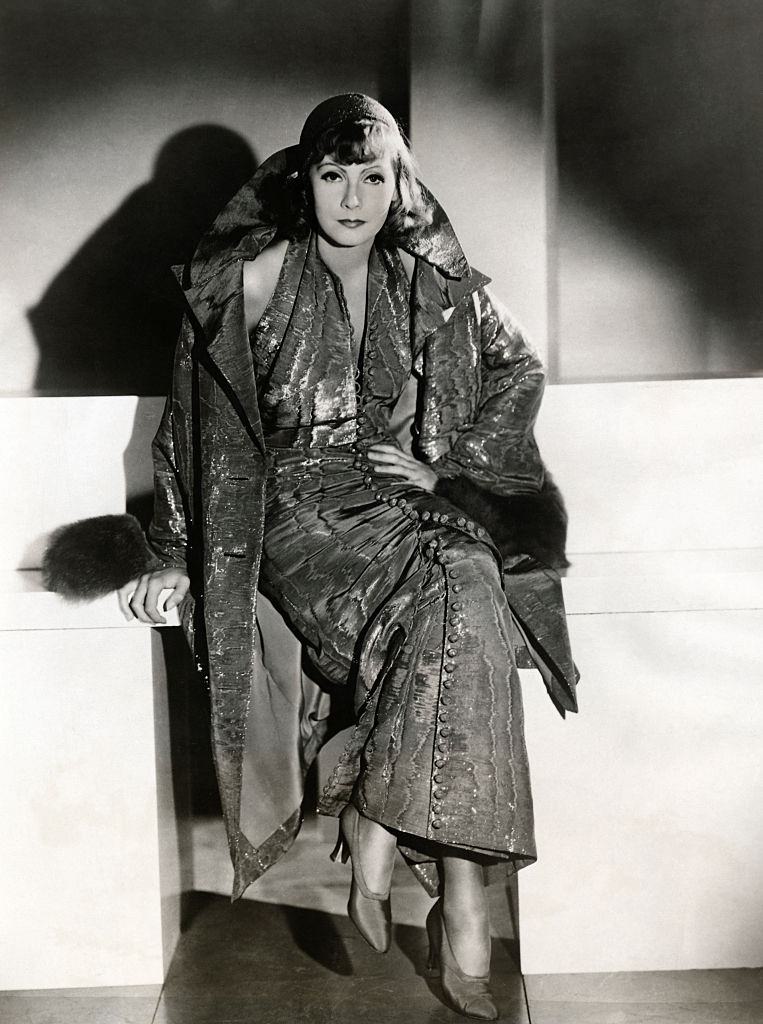
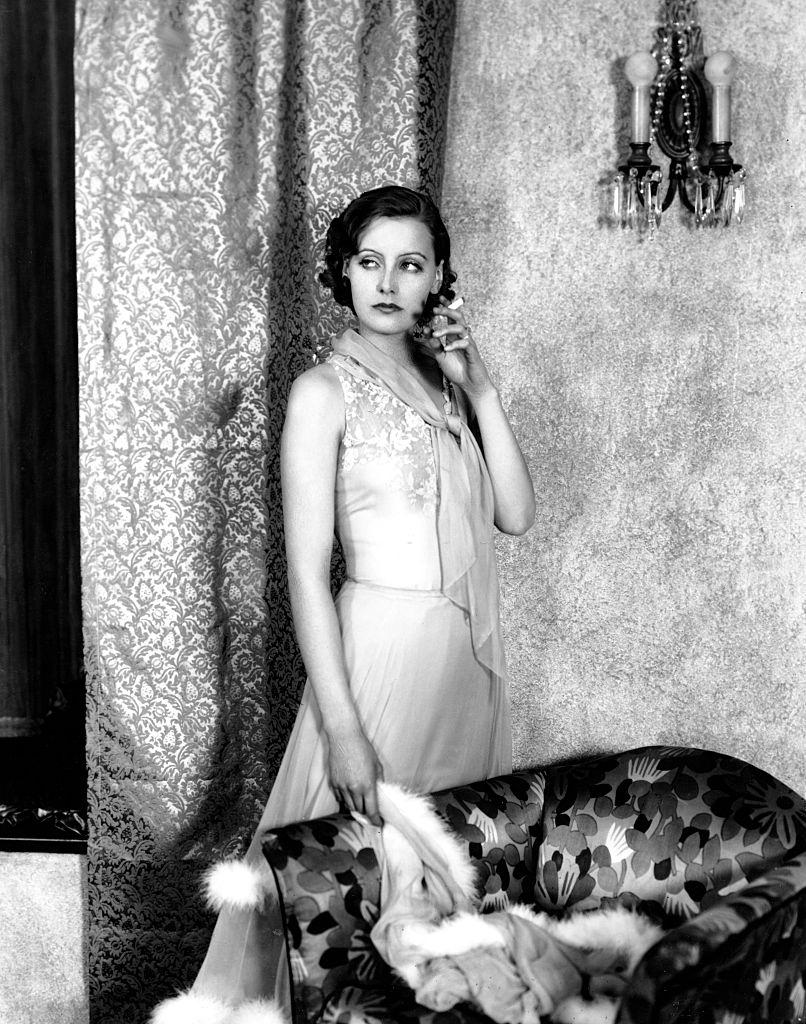
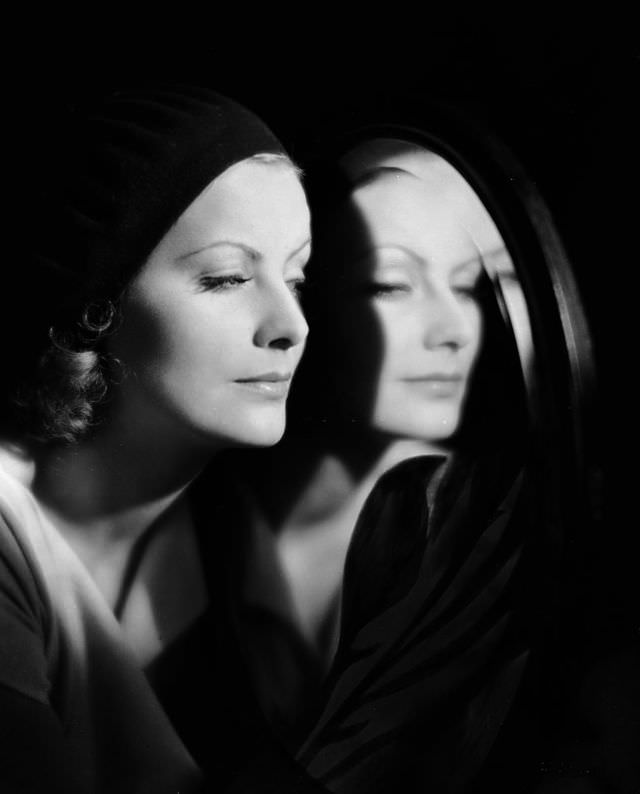
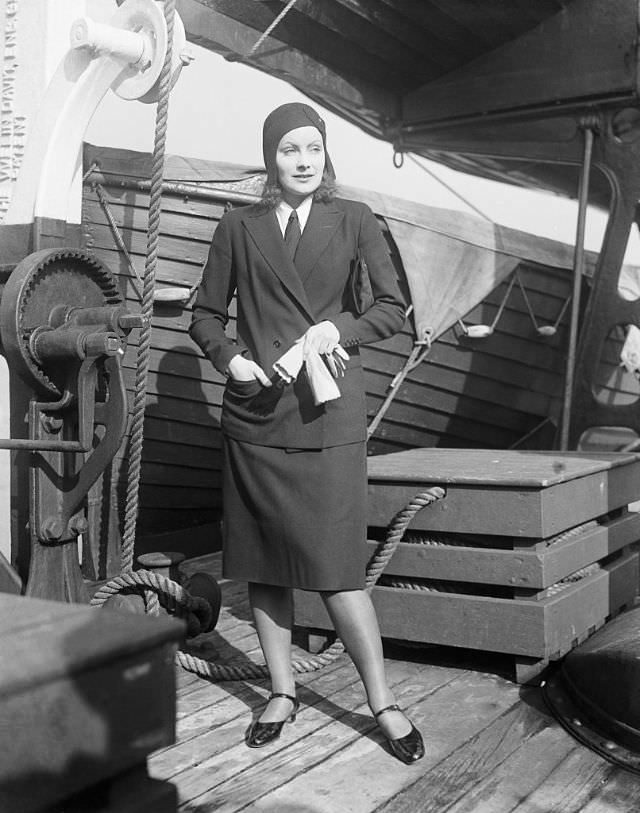
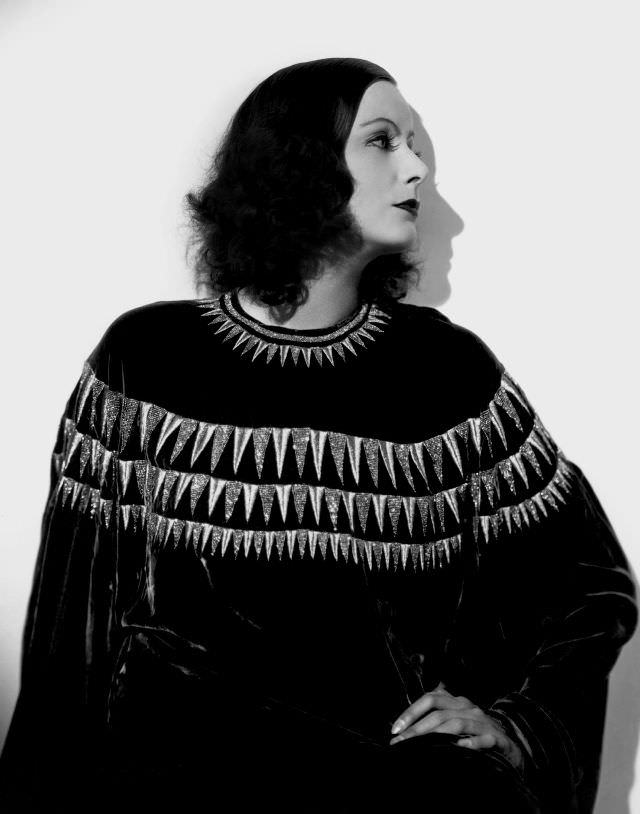
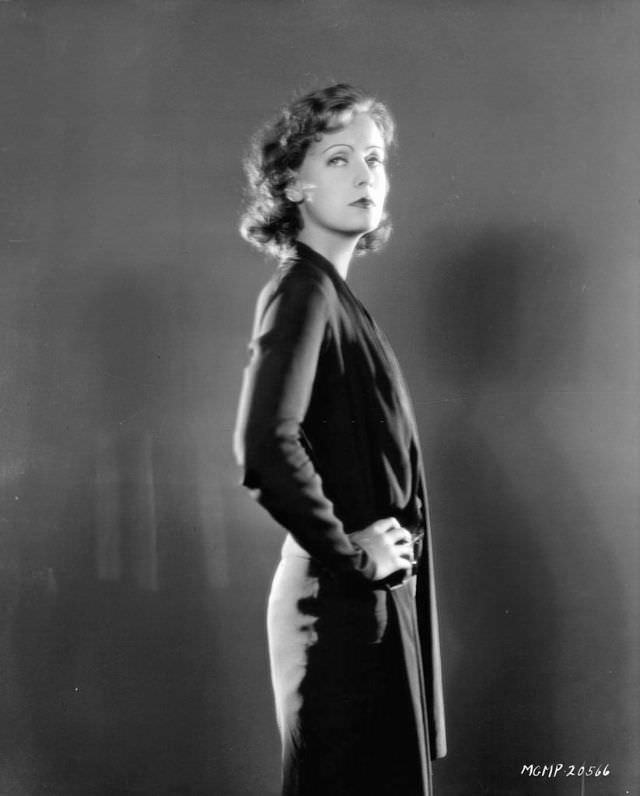
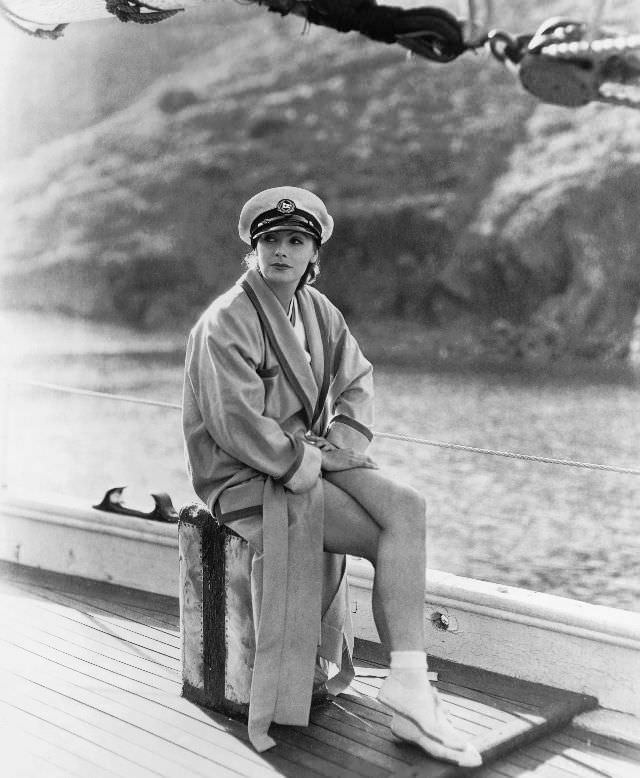
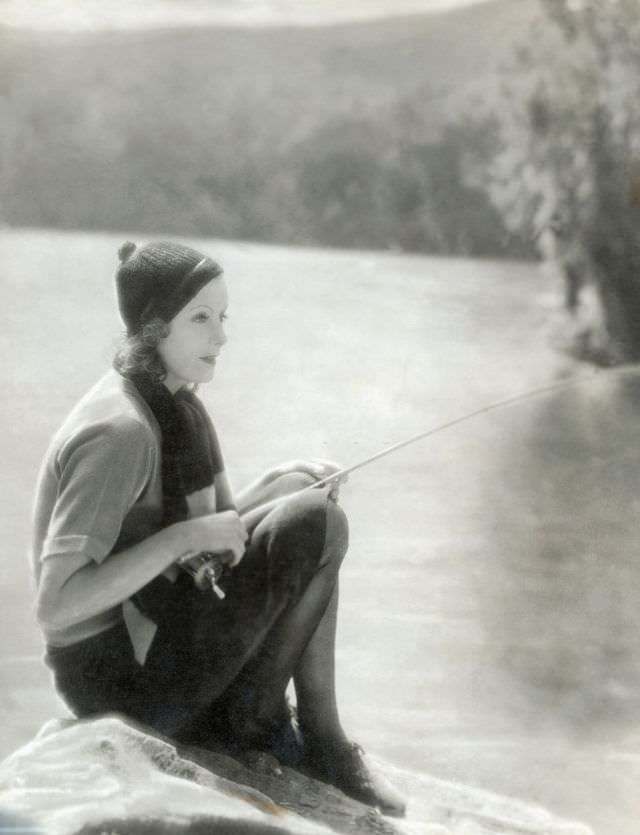
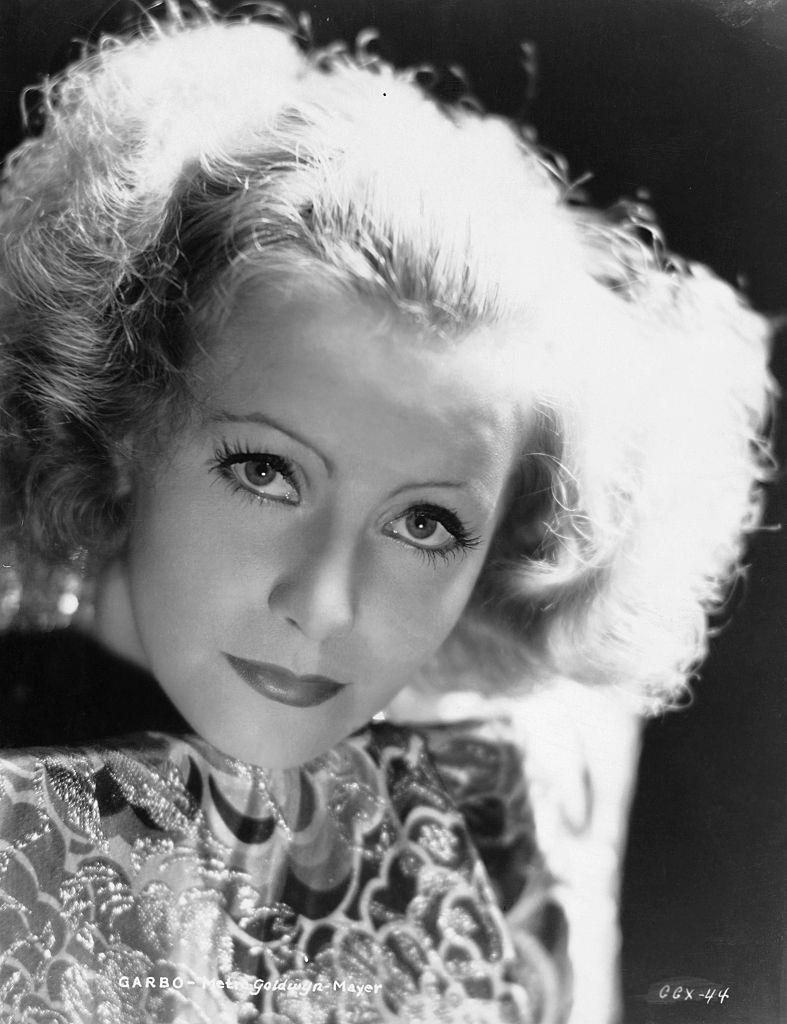
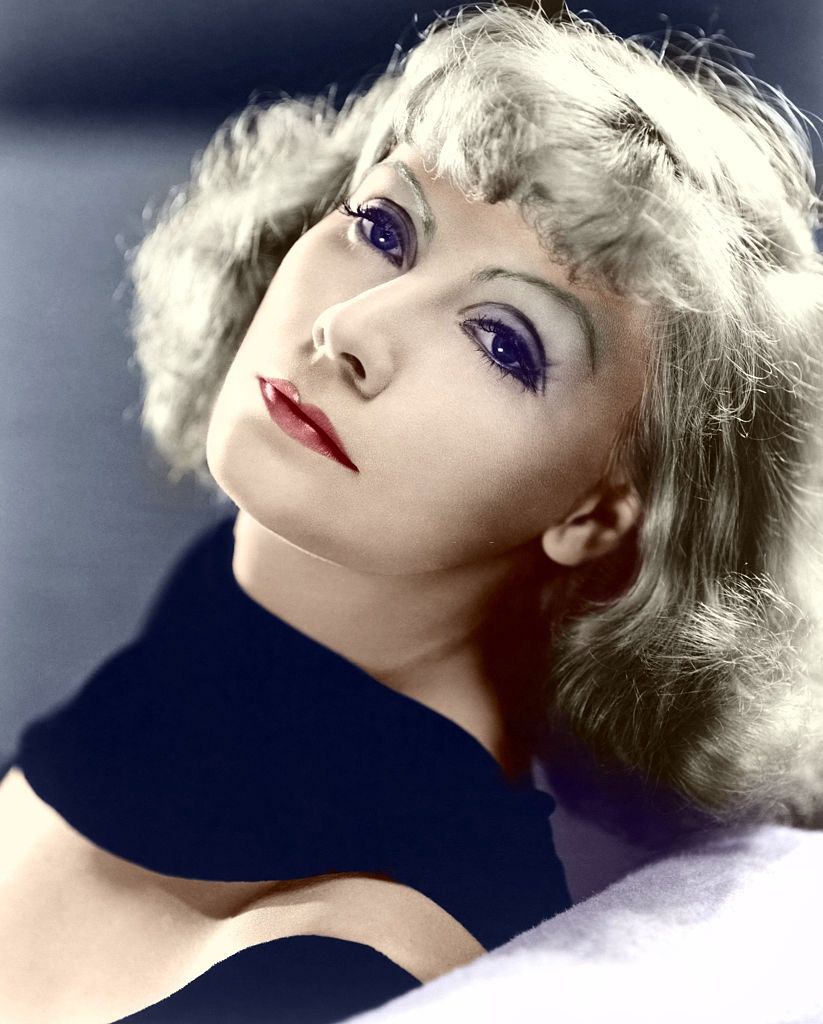
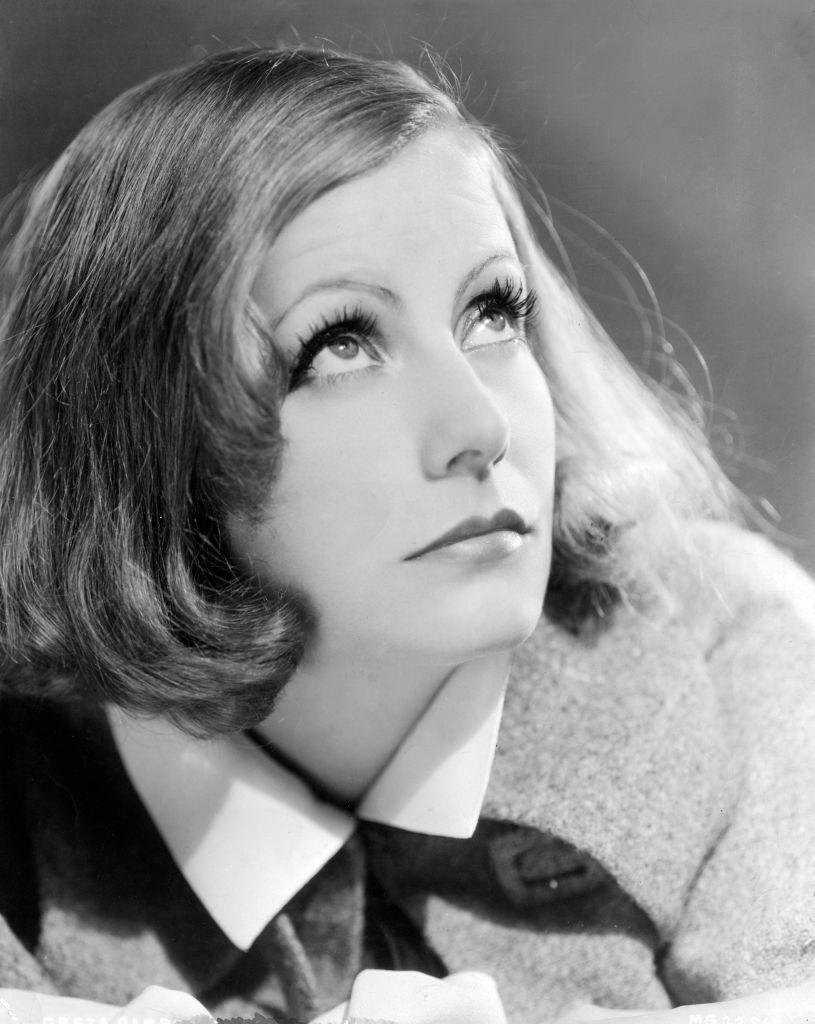
Greta Garbo stands as one of the most captivating figures in the history of cinema. Born Greta Lovisa Gustafsson on September 18, 1905, in Stockholm, Sweden, she grew up in a working-class family in a poor district of the city. Her childhood was cut short when her father died from the Spanish flu, leaving her family struggling financially. Garbo was just 15 years old. She dropped out of school and took a job as a salesperson at a department store in Stockholm to help support her mother.
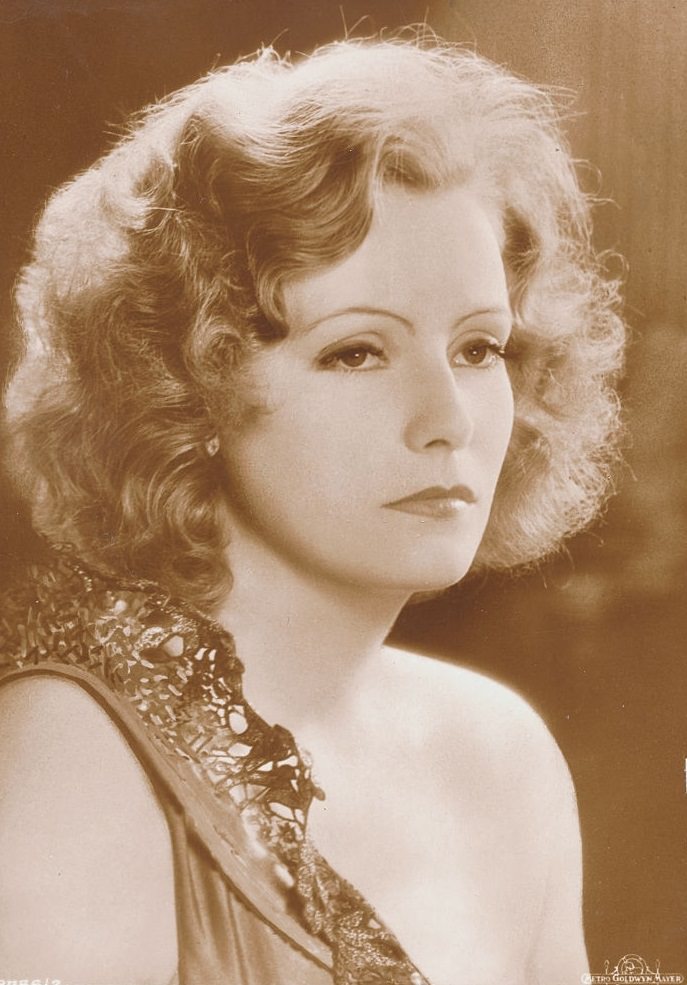
That department store job turned out to be the first step toward something far bigger. The store began using Garbo as a model in its newspaper and billboard advertisements. She modeled hats for catalogs and quickly moved into fashion modeling work that paid better. Her confidence grew, and she applied for a scholarship to a Swedish drama school — and won it. That decision changed everything.
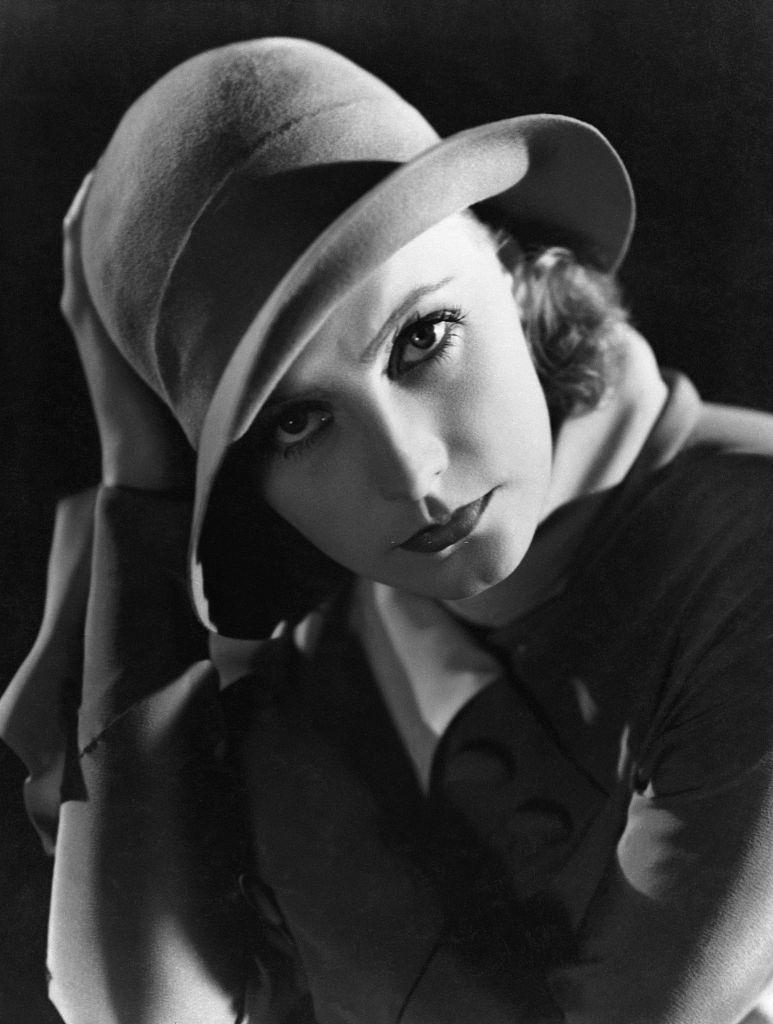
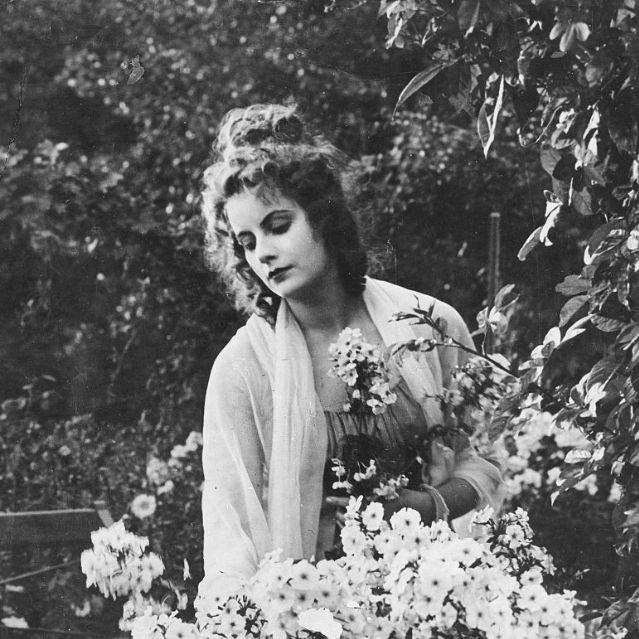
Garbo’s first film role came in 1922, when she appeared in a short comedy called ‘Peter the Tramp.’ It was a small part, but it planted the seed. While she was still studying at drama school, Swedish director Mauritz Stiller cast her in the lead role of his 1924 film ‘The Saga of Gosta Berling.’ Stiller saw something in her that others hadn’t yet noticed — a raw, magnetic screen presence. The film succeeded in both Sweden and Germany, and Garbo’s name started to travel.
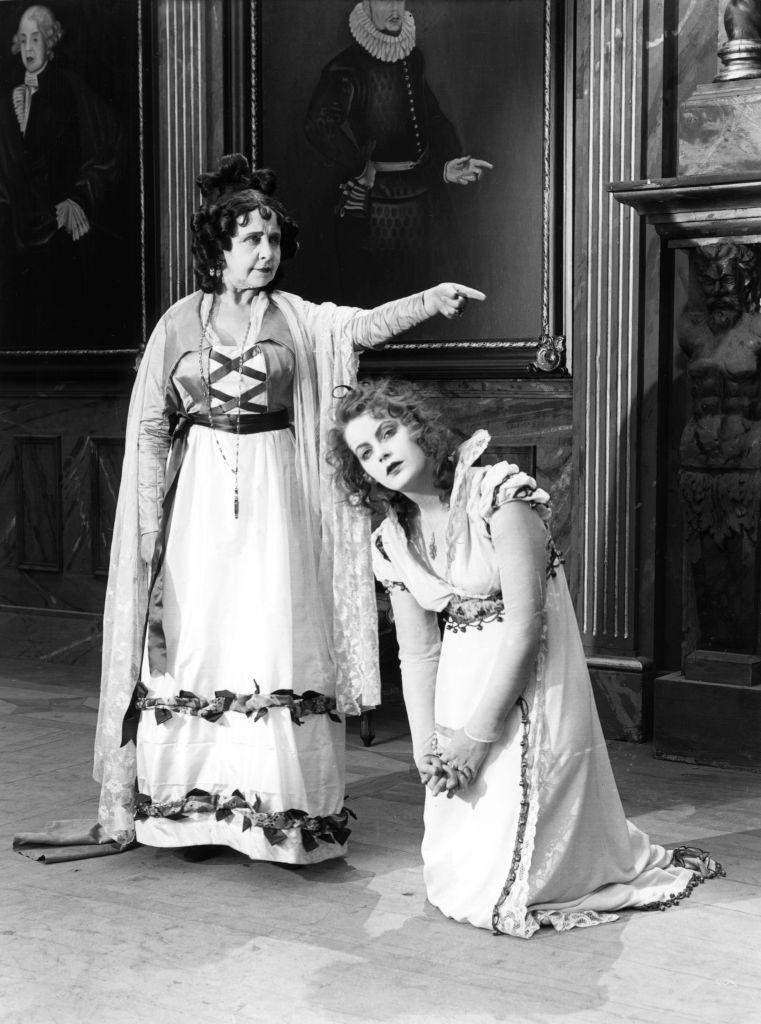
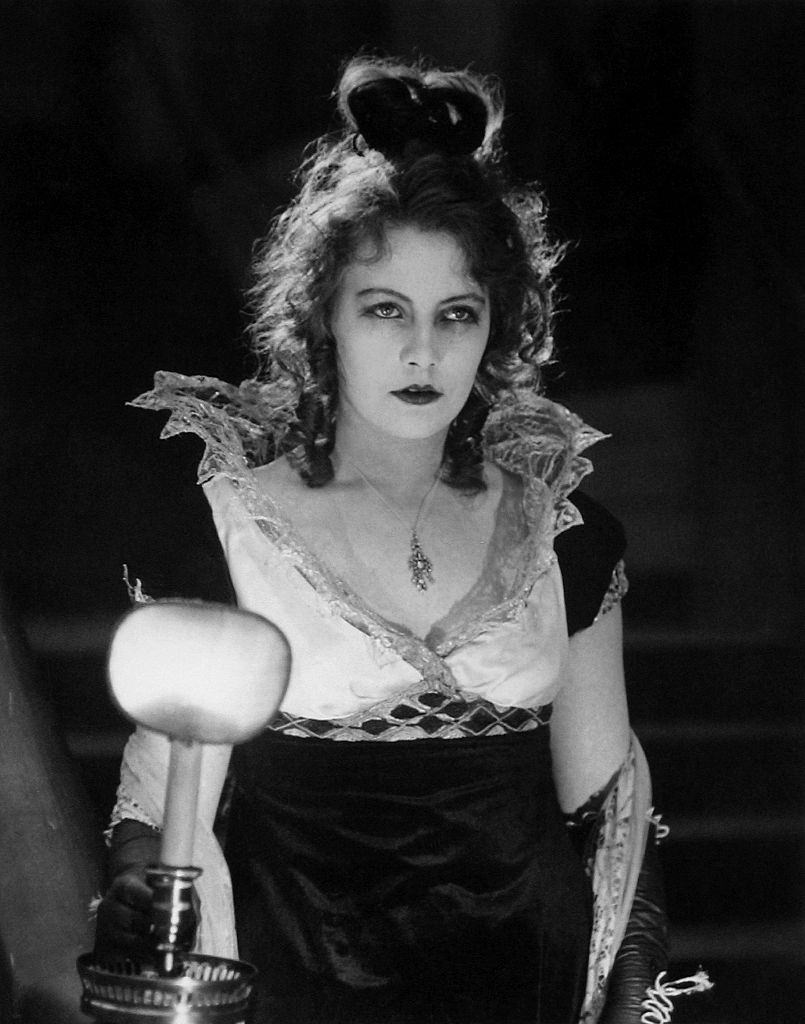
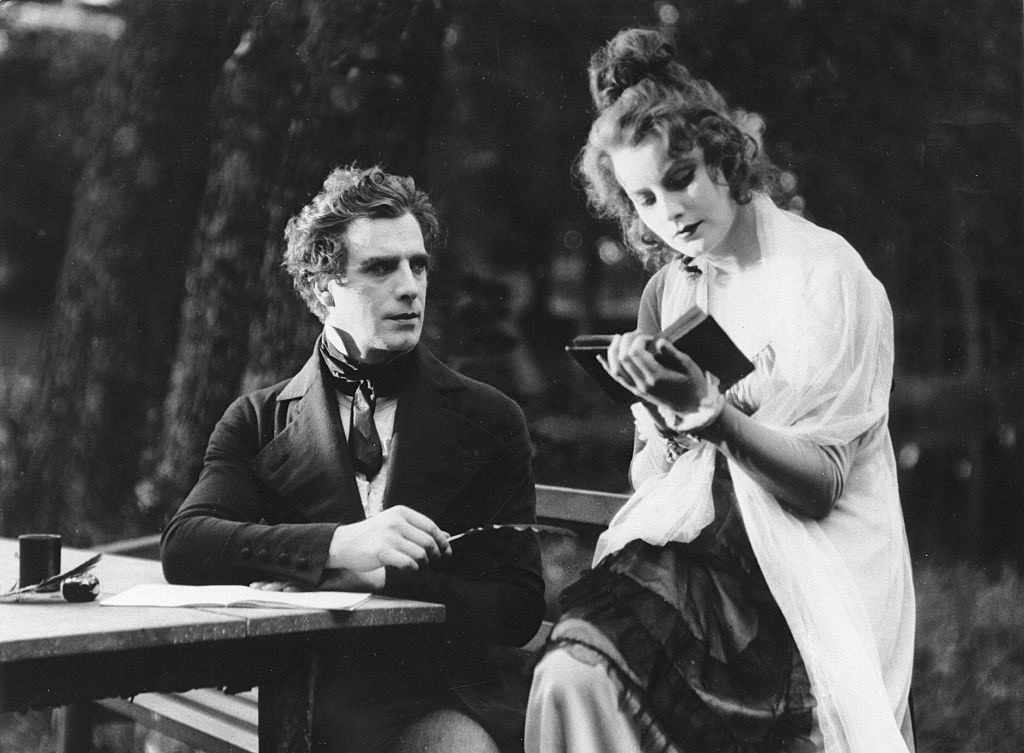
In 1925, Garbo moved to the United States alongside Stiller, who had been recruited by MGM. She arrived in New York and within a year secured a role in the MGM film ‘The Torrent,’ playing a Spanish peasant dreaming of becoming an opera star. It was a strong debut for American audiences. That same year, she also appeared in ‘The Temptress,’ another MGM production that further cemented her standing in Hollywood.
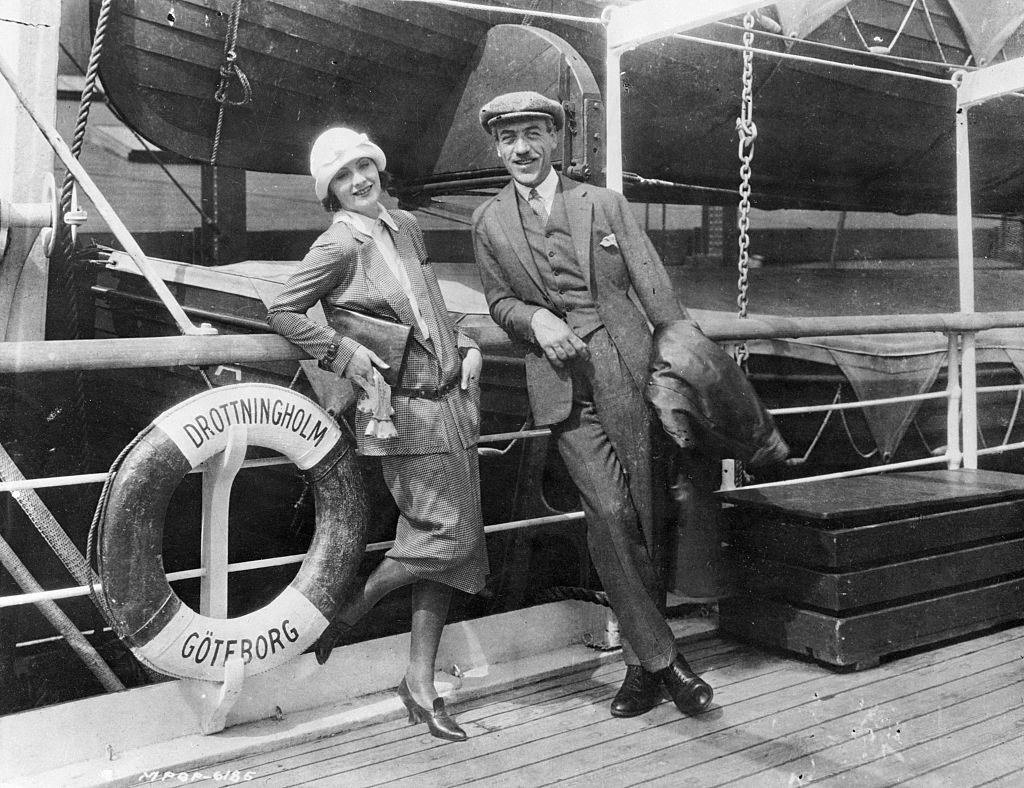
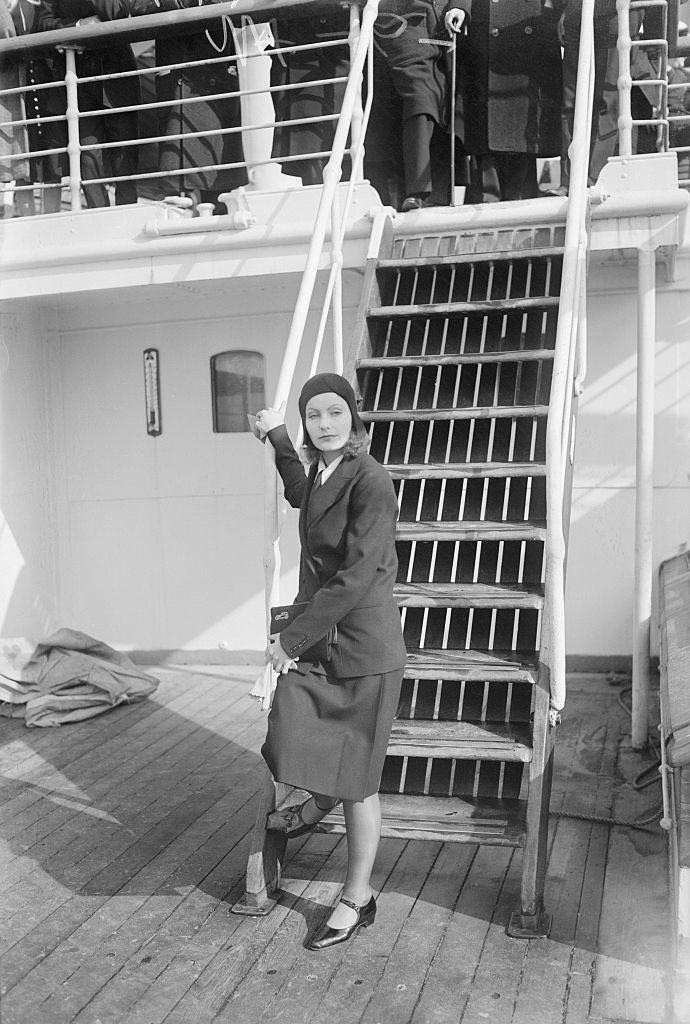
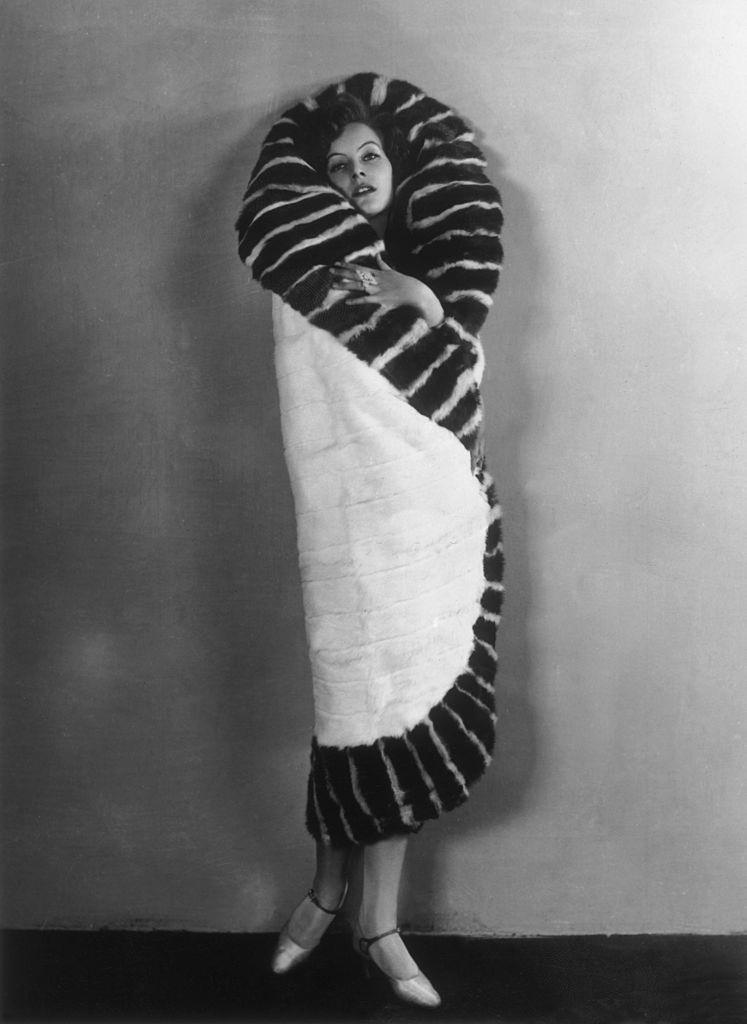
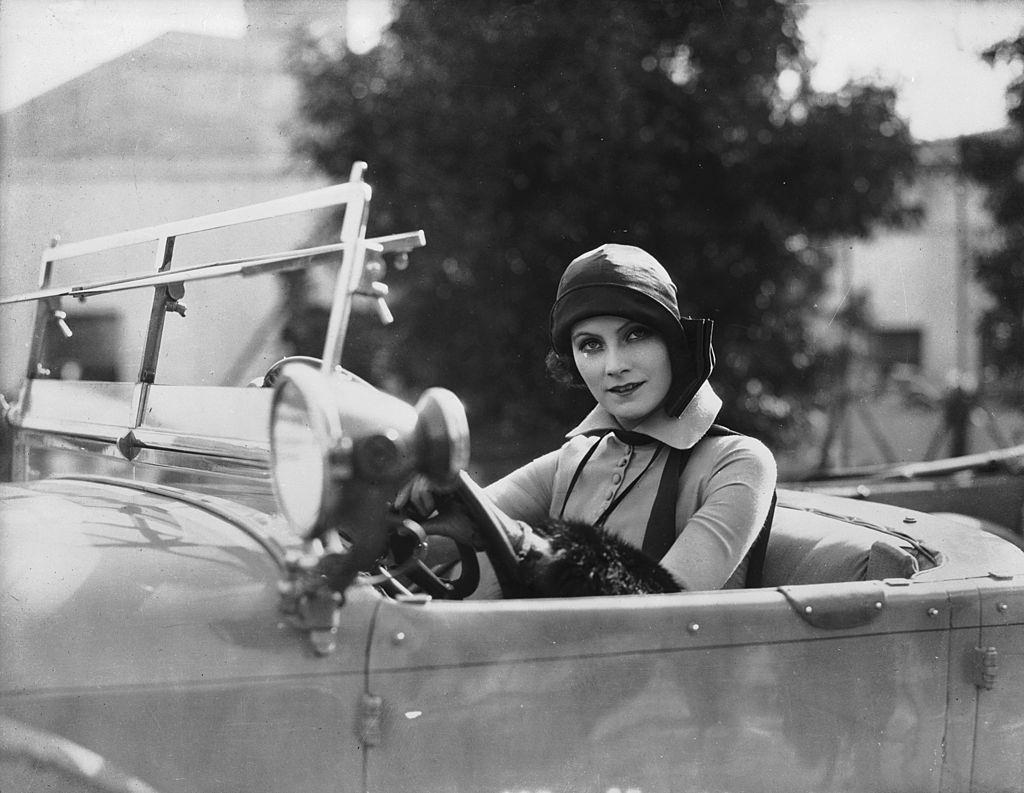
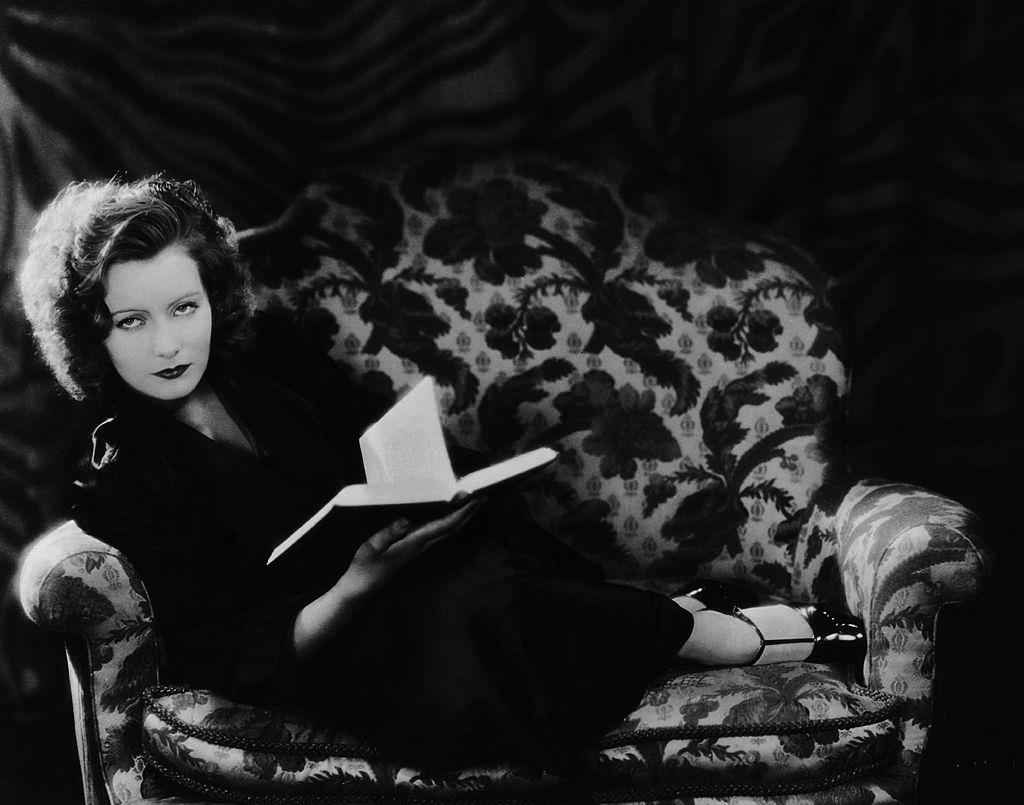
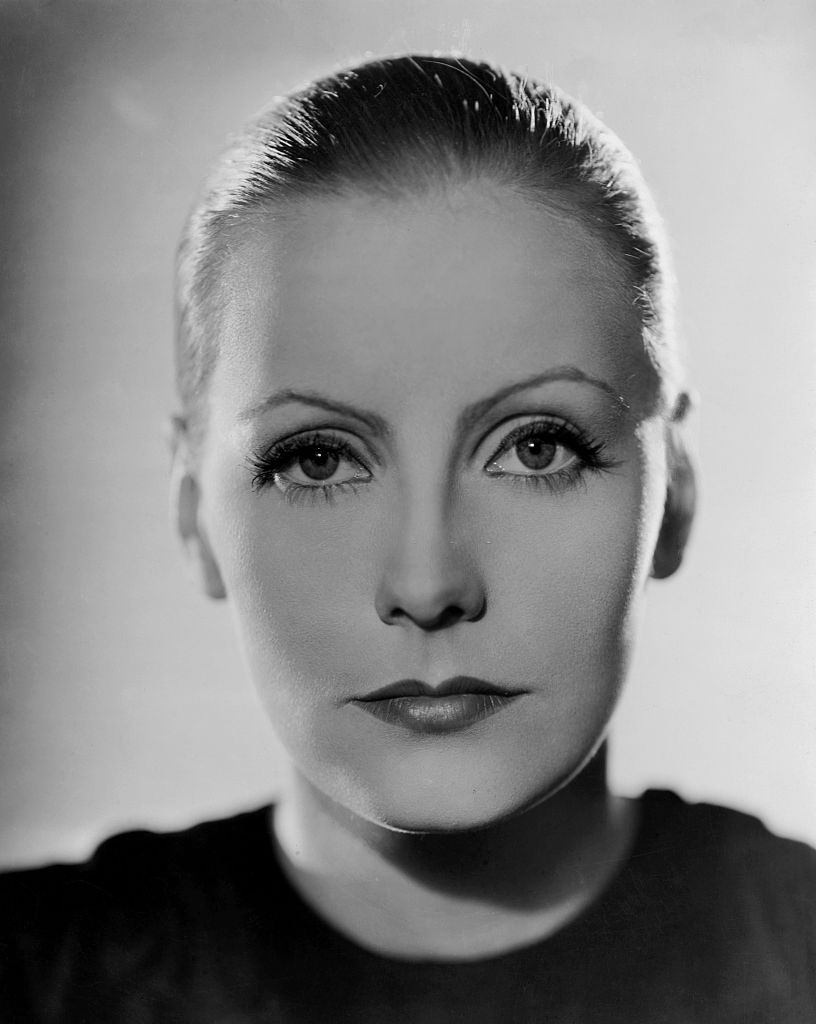
Garbo’s breakthrough into true international stardom came in 1926 with two back-to-back hits: ‘The Temptress’ and ‘Flesh and the Devil.’ Both films drew enormous audiences, and Garbo’s brooding, intense style set her apart from other actresses of the era. She had a quality on screen that was difficult to define but impossible to ignore — a stillness and depth that the camera loved.
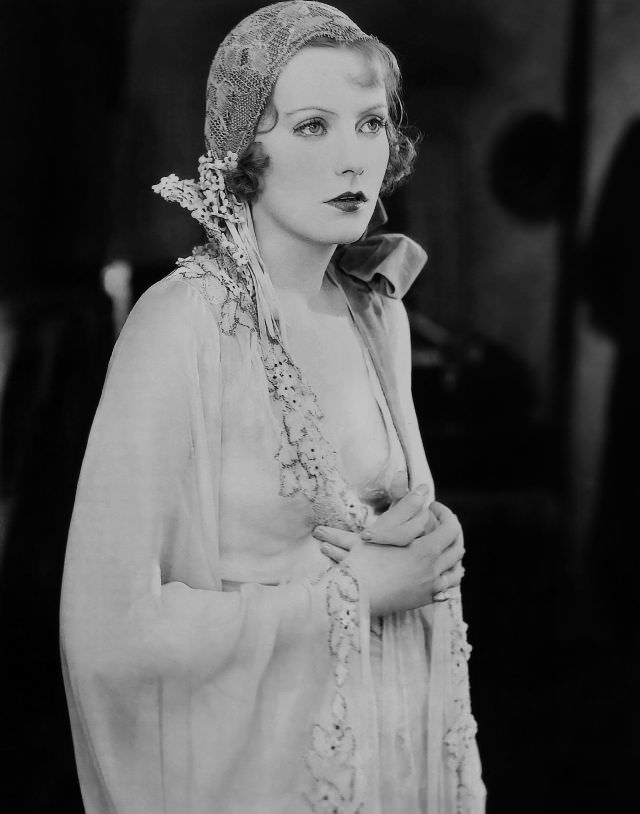
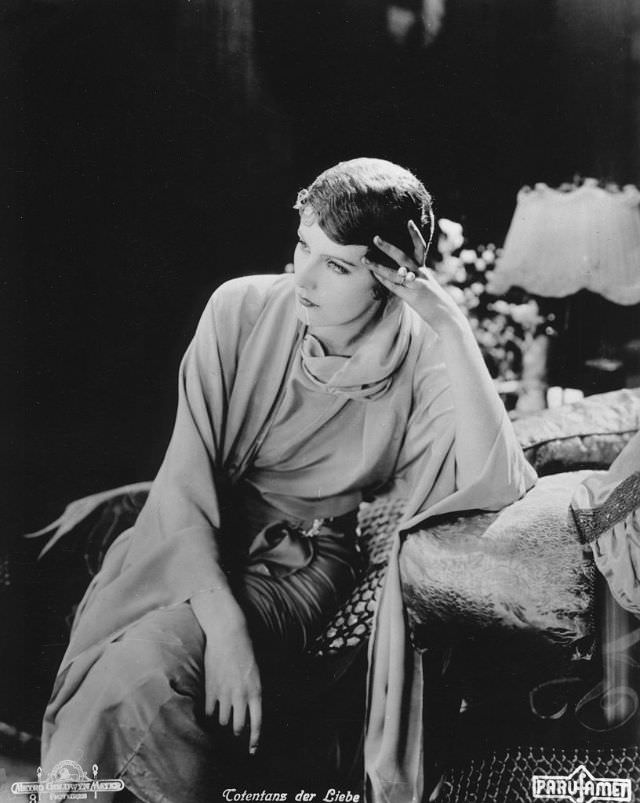
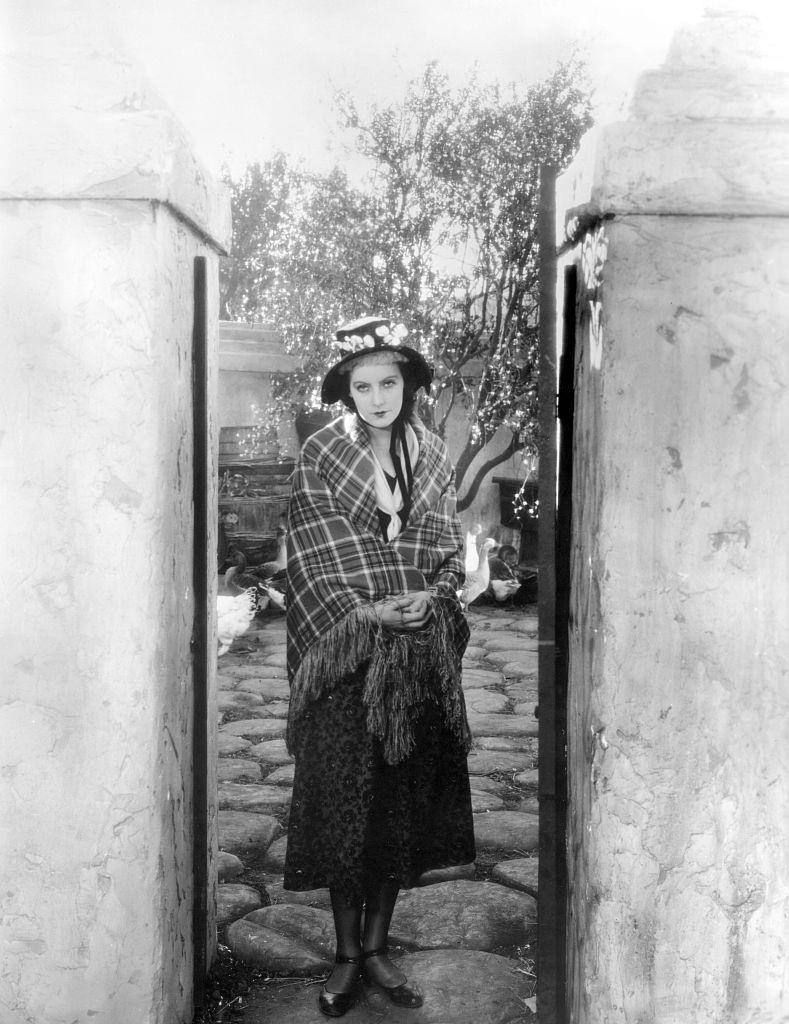
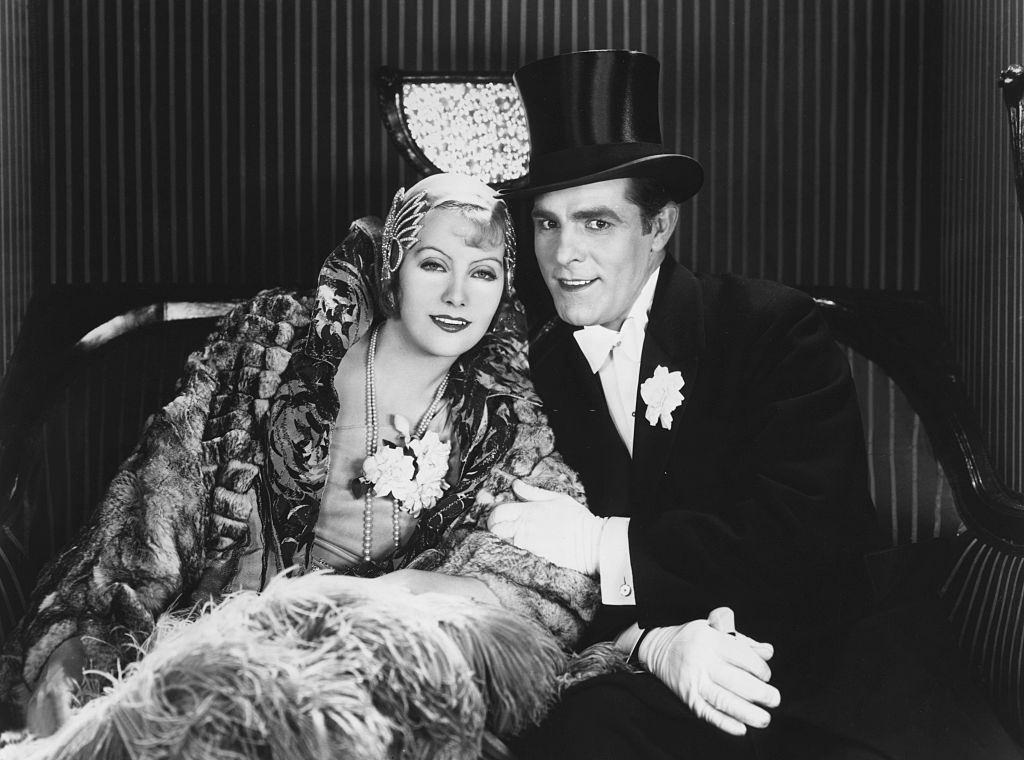
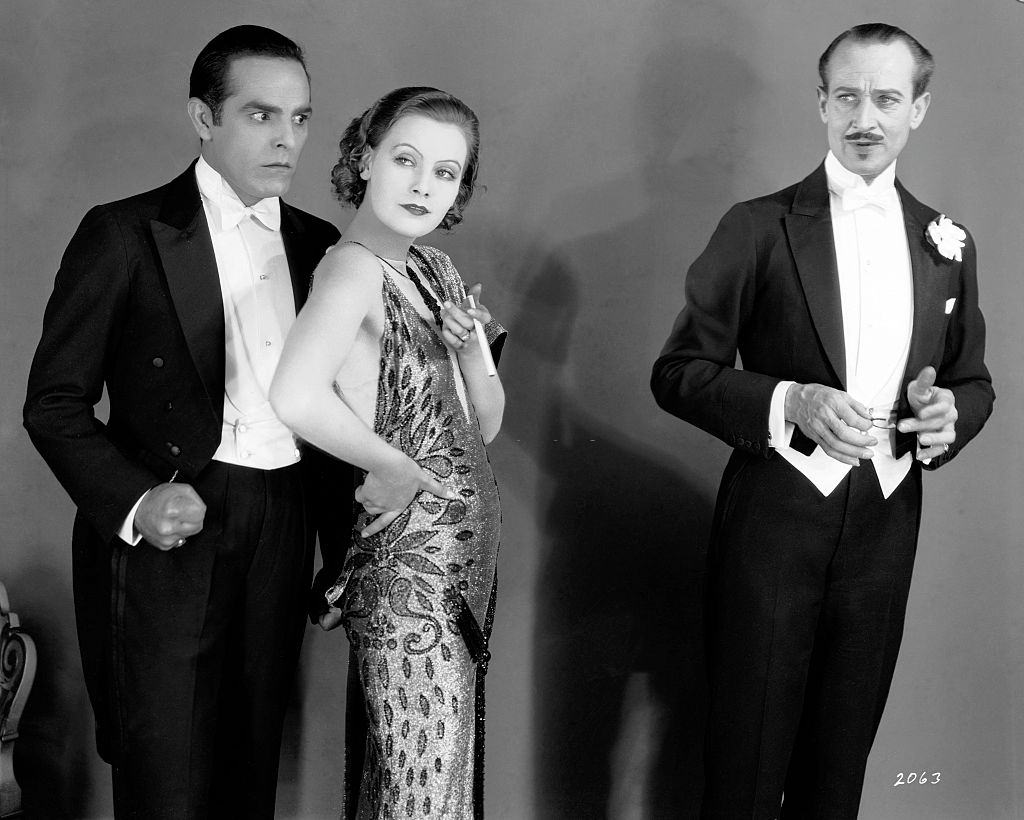
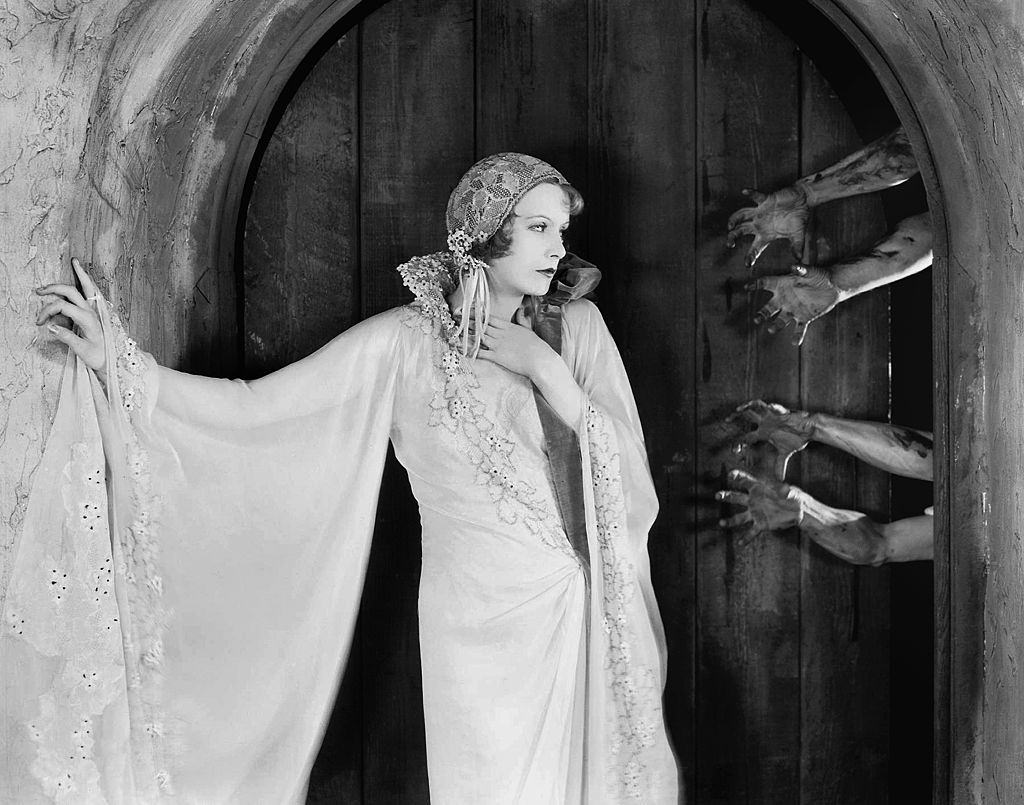
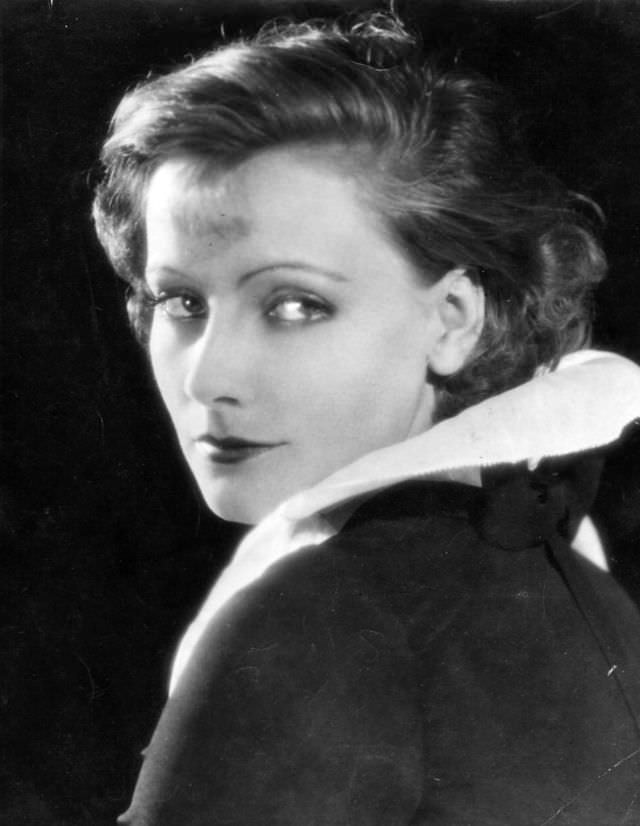
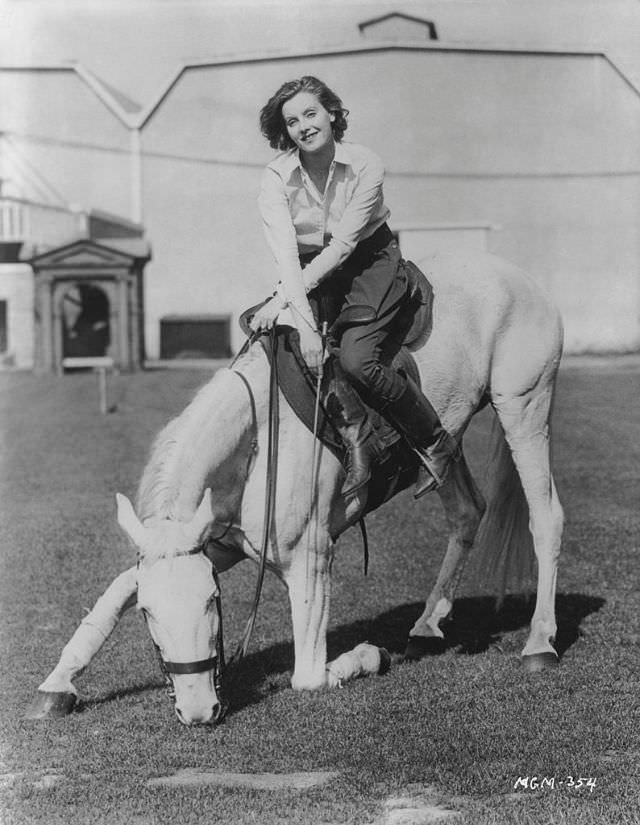
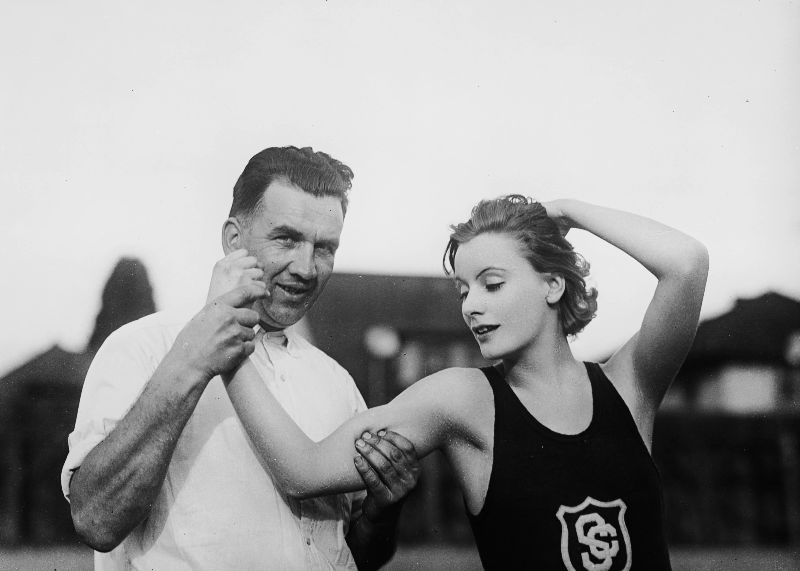
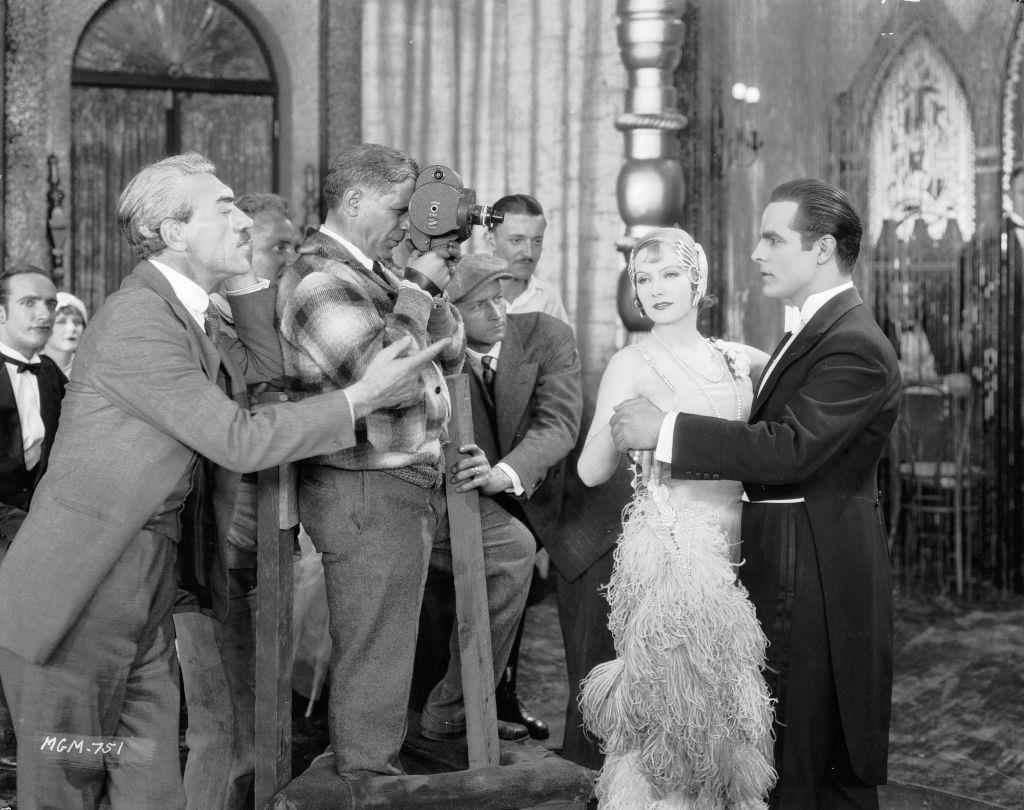
During this period, Garbo worked closely with actor John Gilbert, with whom she also had a well-known romantic relationship. The two shared undeniable chemistry on screen and off. MGM’s 1927 film ‘Love,’ an adaptation of Tolstoy’s Anna Karenina, featured the pair together and drew strong box office numbers. Their pairing became one of the most talked-about in Hollywood at the time.
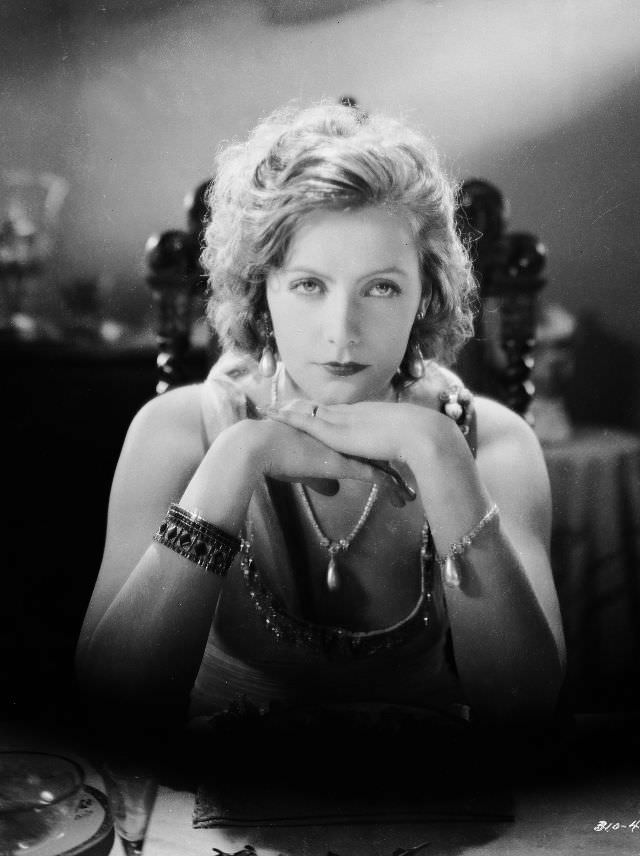
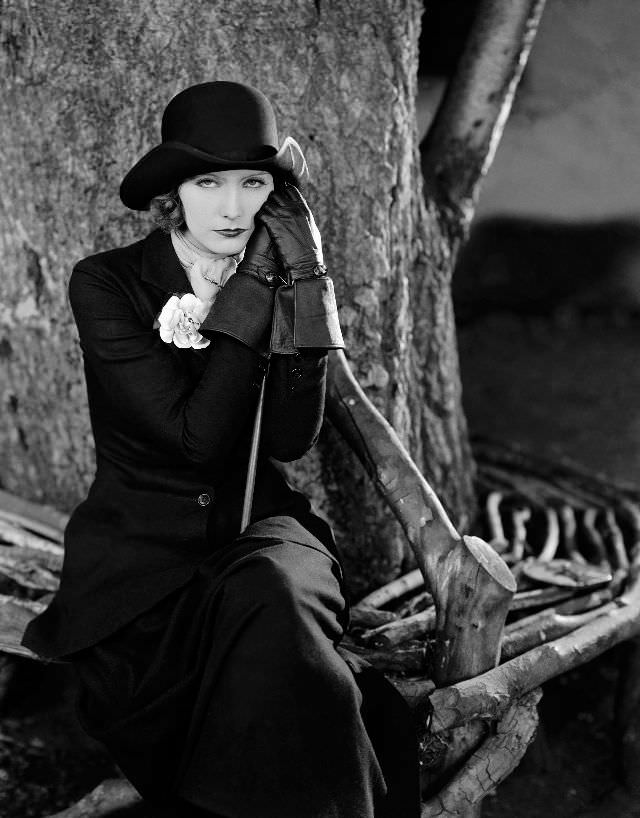
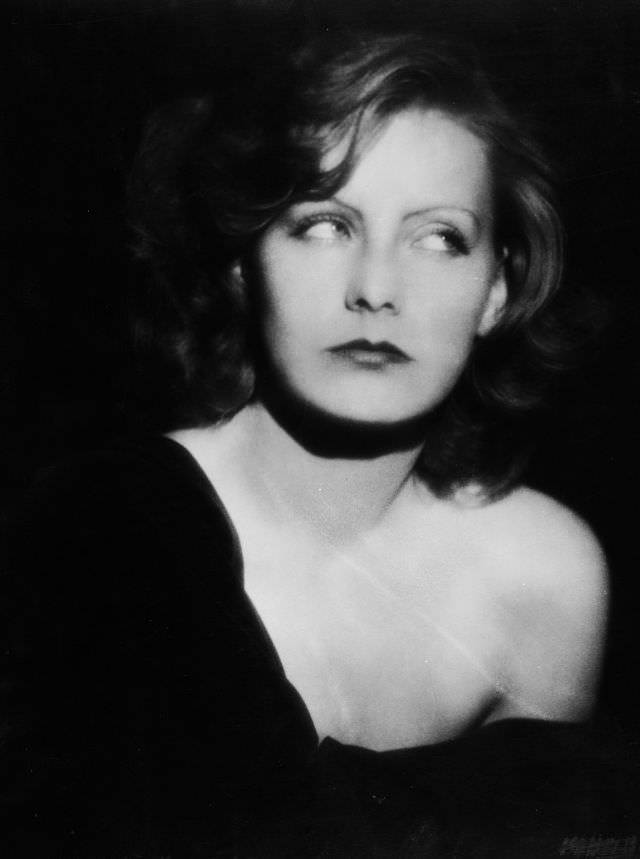
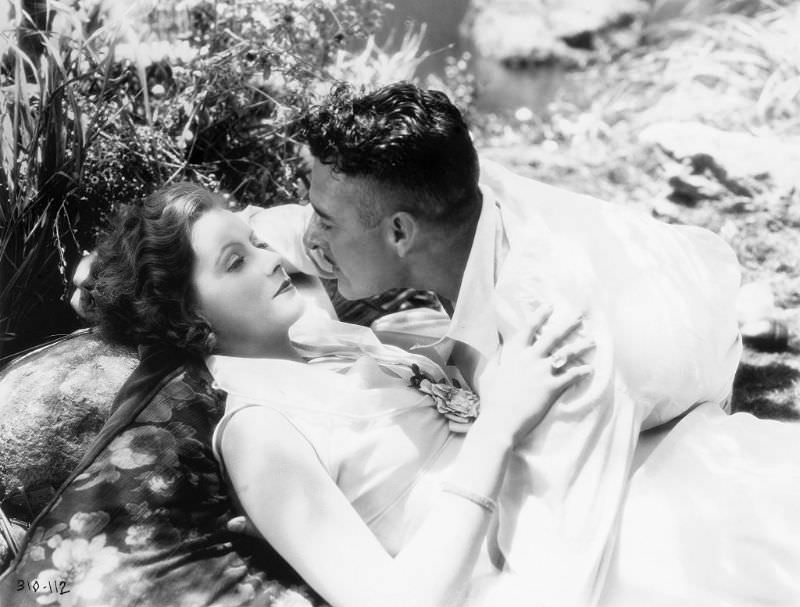
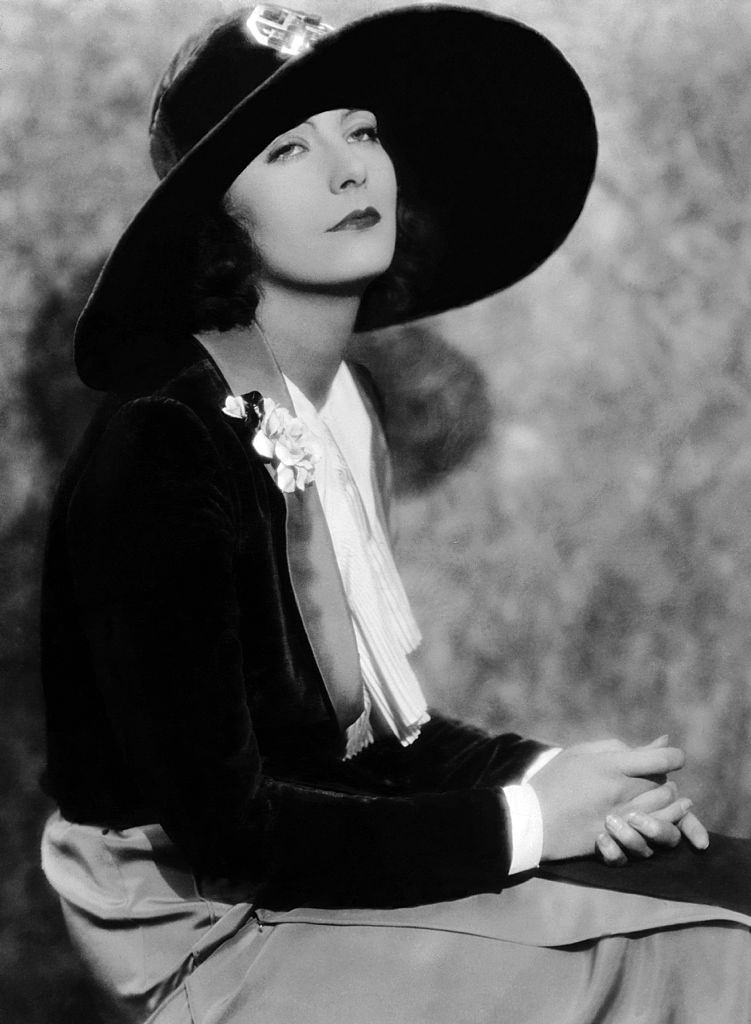
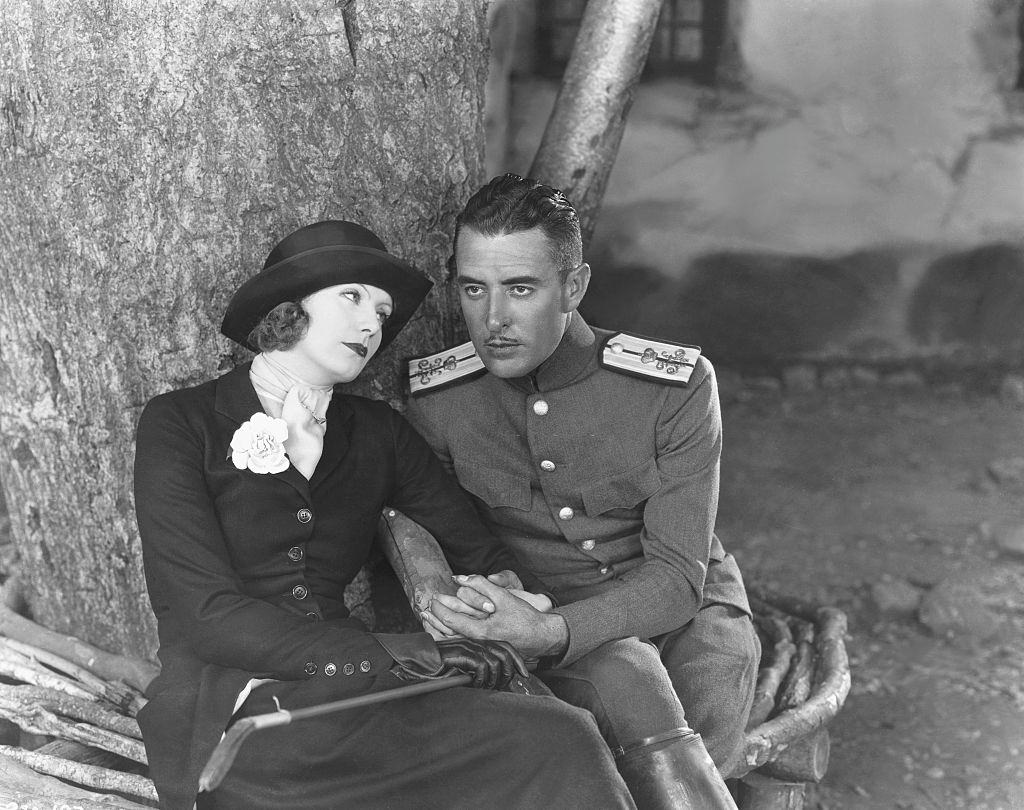
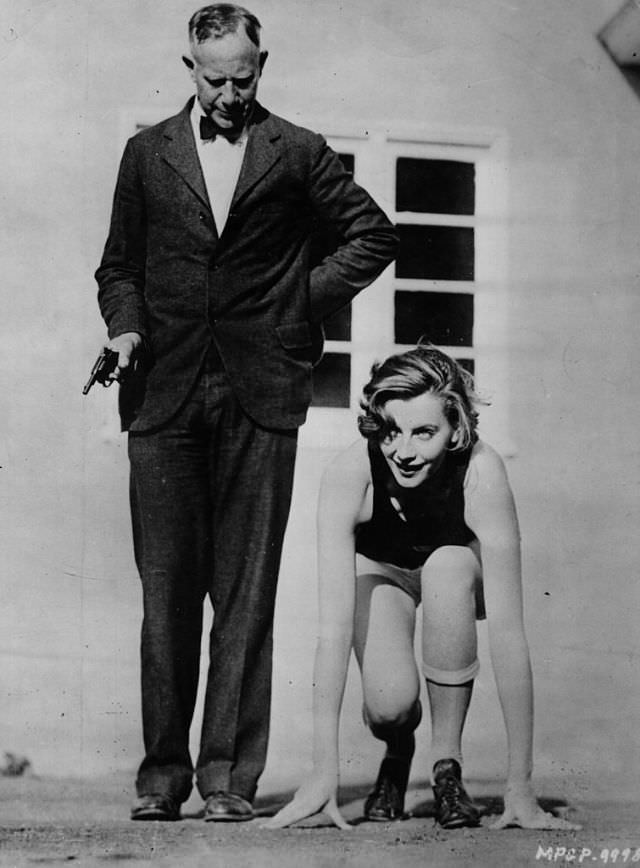
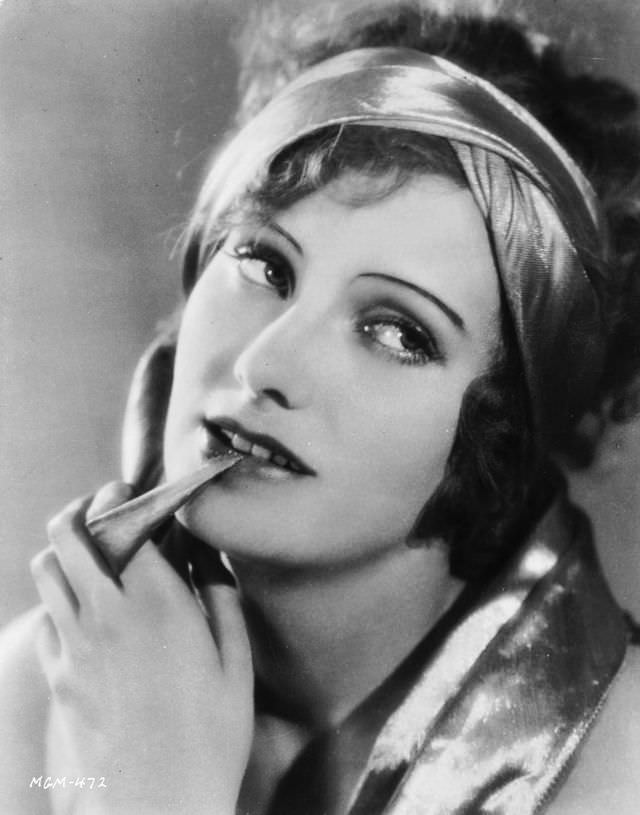
As Hollywood shifted from silent films to talkies, many stars with heavy accents or unsuitable voices struggled to survive the transition. Garbo faced the same challenge. She had a strong Swedish accent, and she worked hard to refine her English. Her sound debut came in 1930 in an adaptation of Eugene O’Neill’s play ‘Anna Christie.’ MGM’s advertising played up the moment with the tagline ‘Garbo Talks!’ — and audiences showed up in huge numbers to hear her voice for the first time.
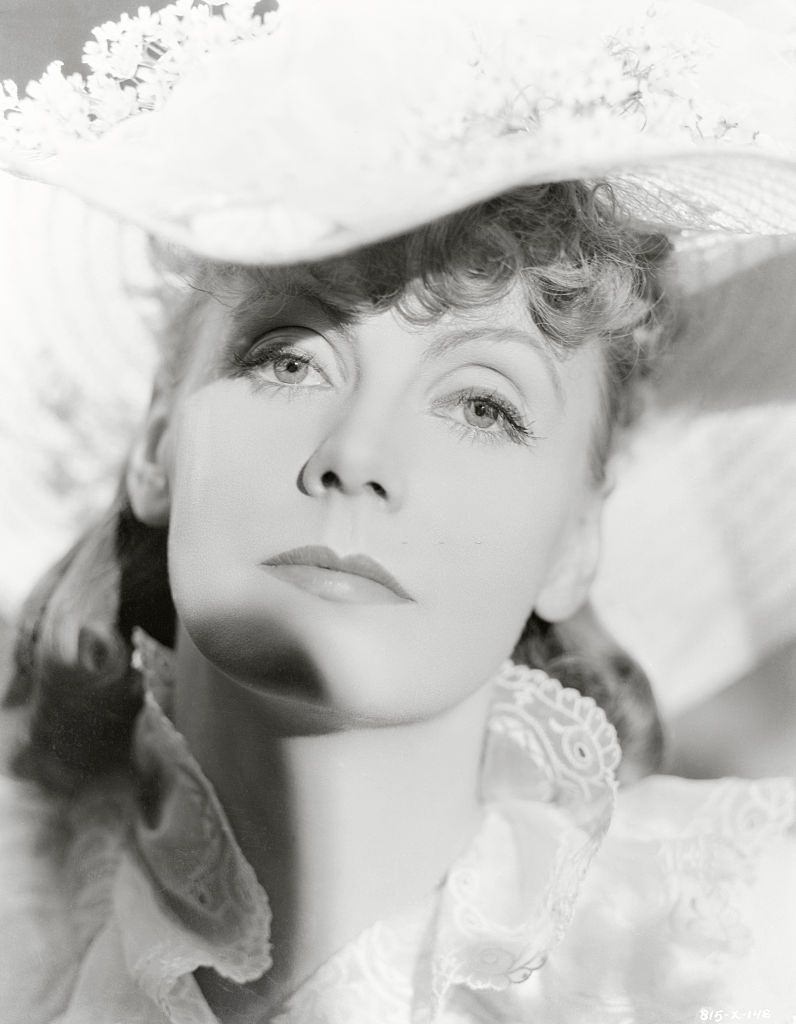
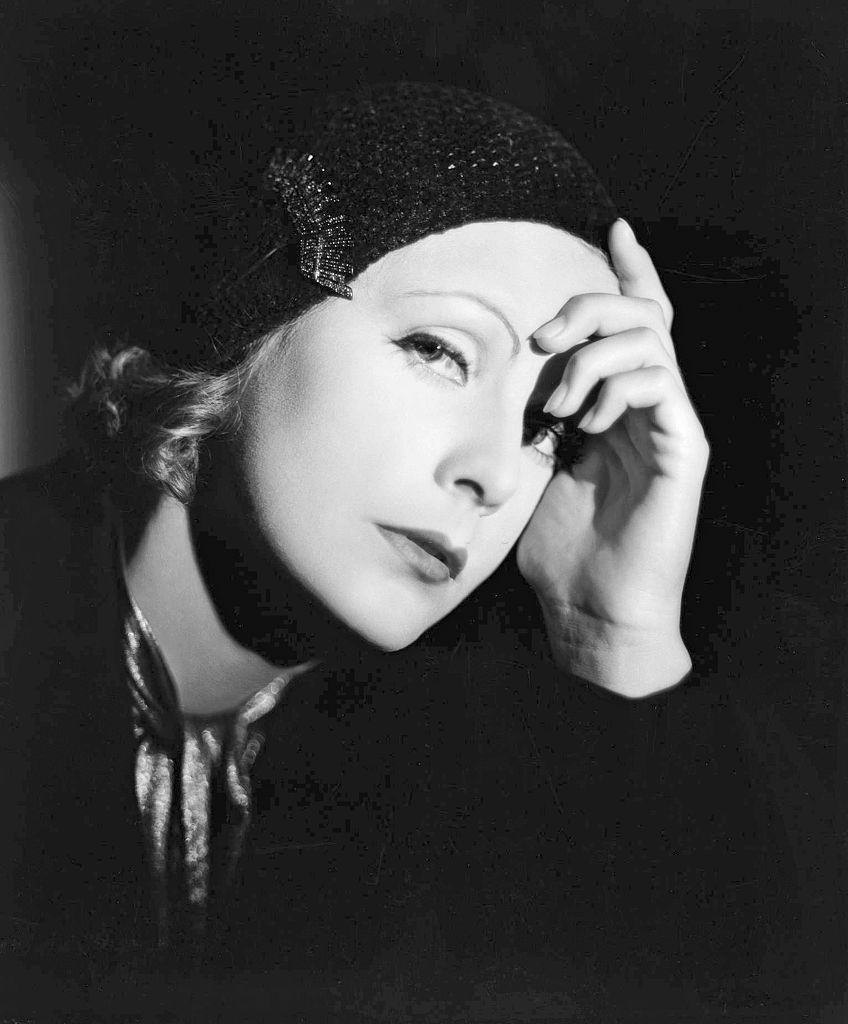

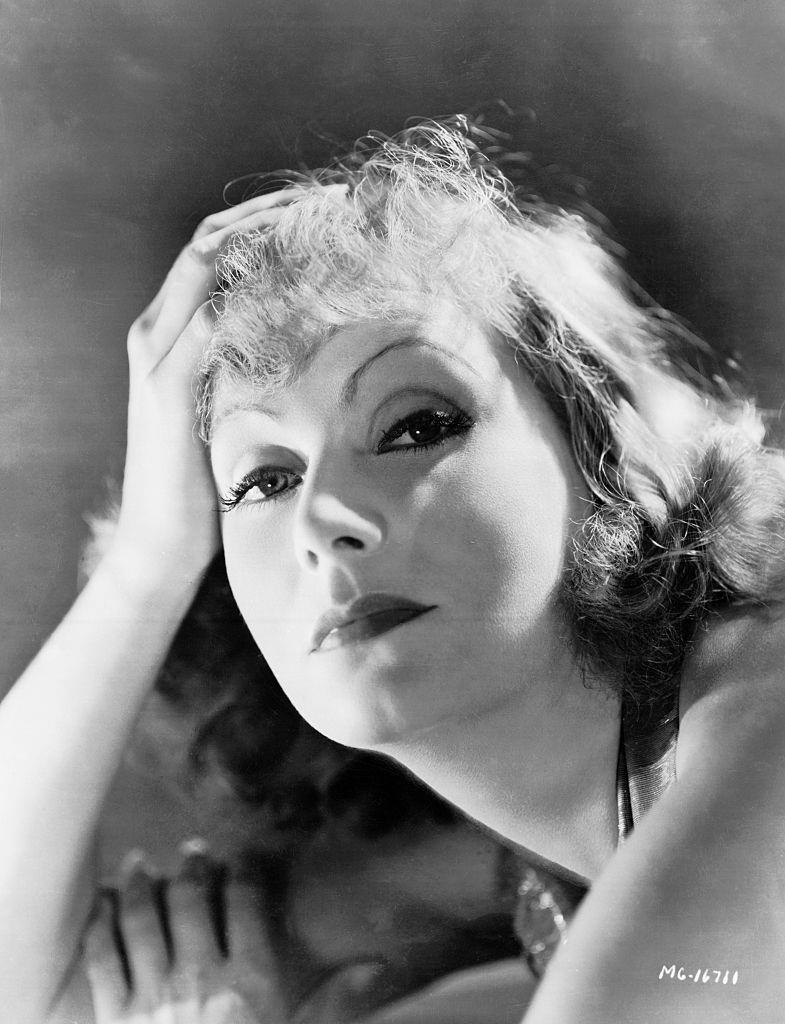
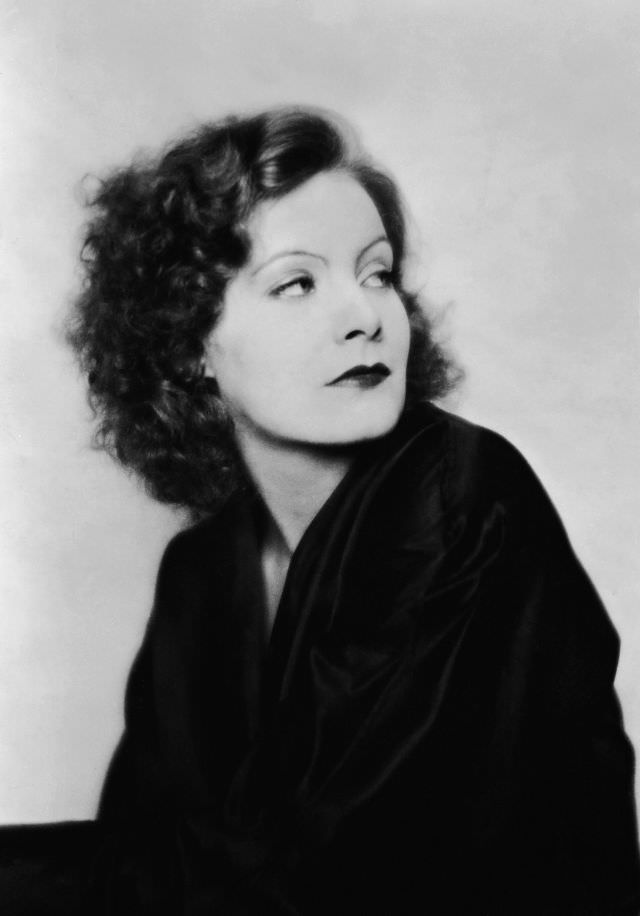
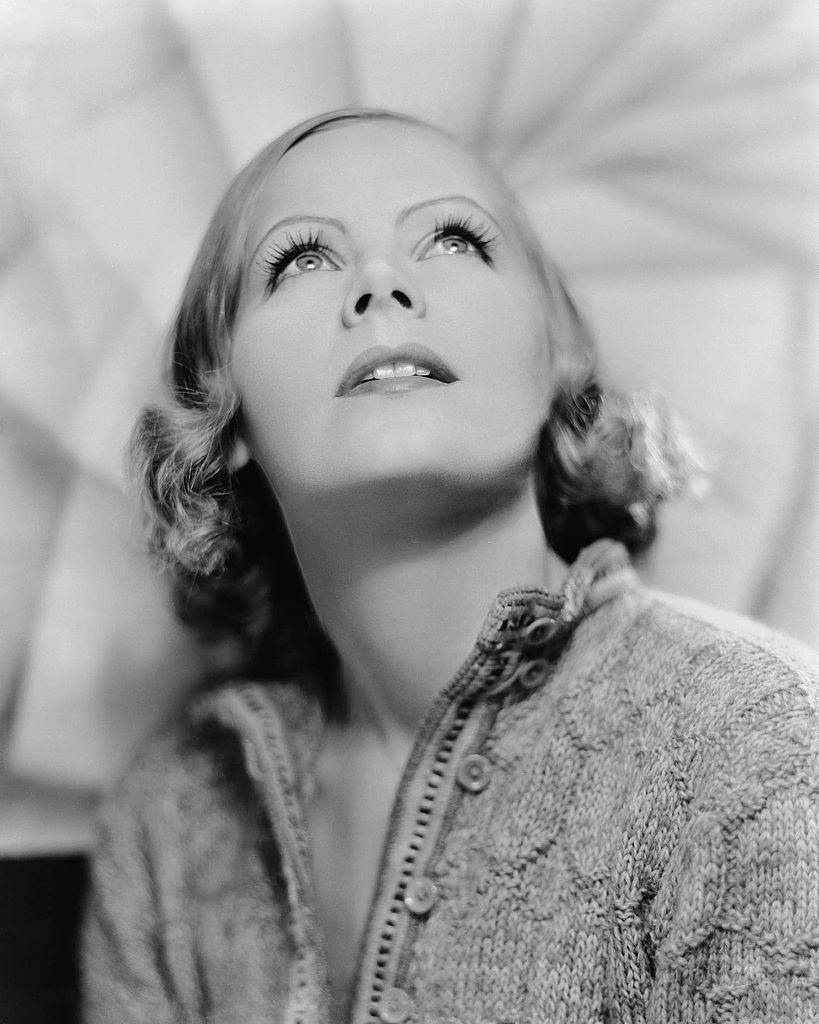
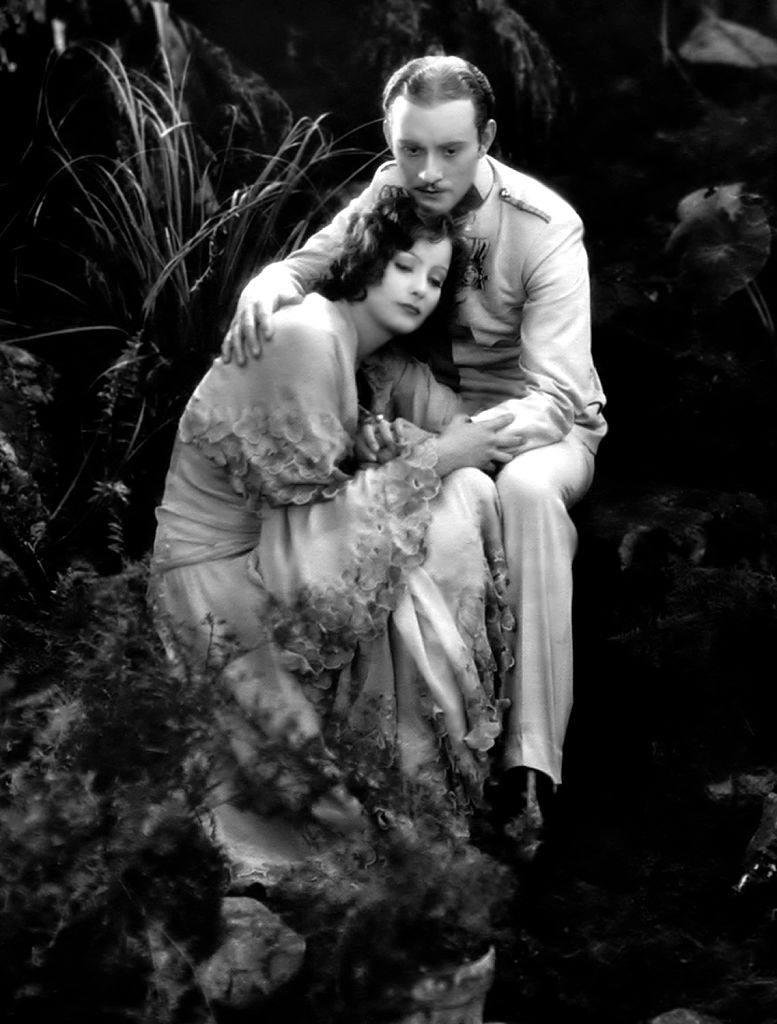
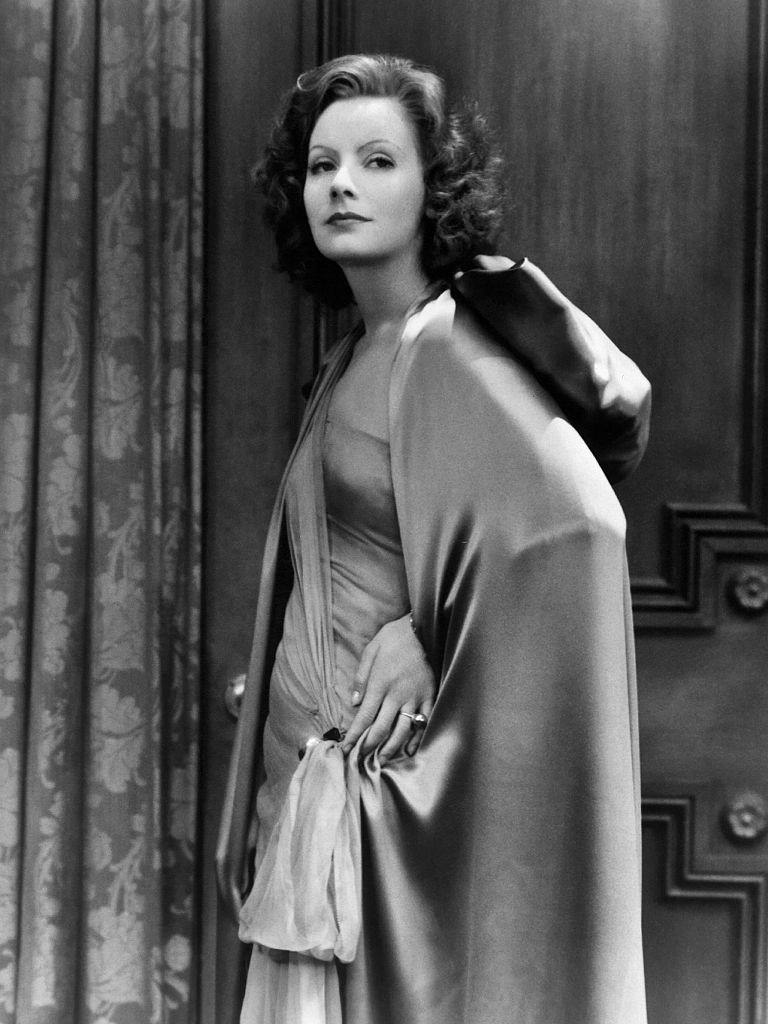
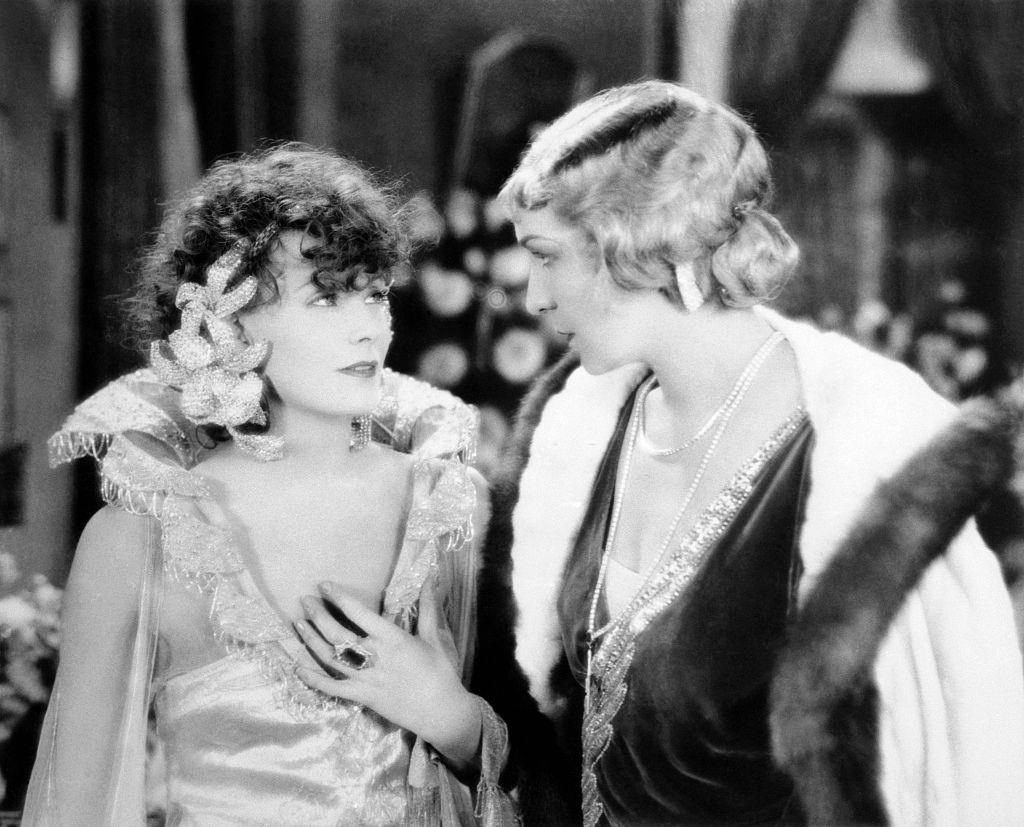
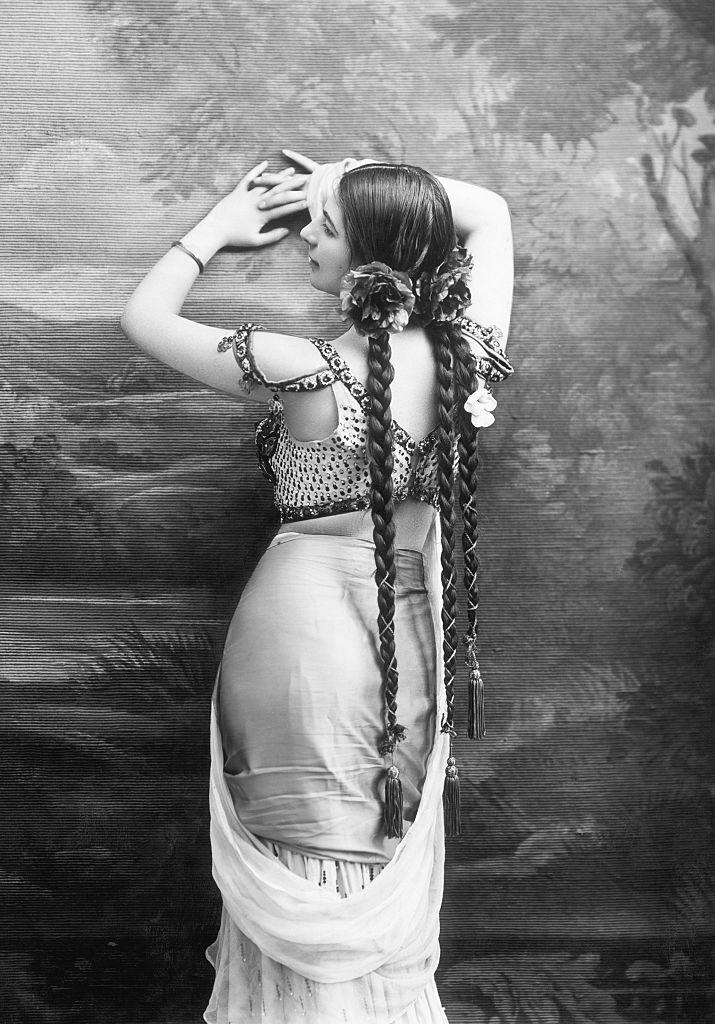
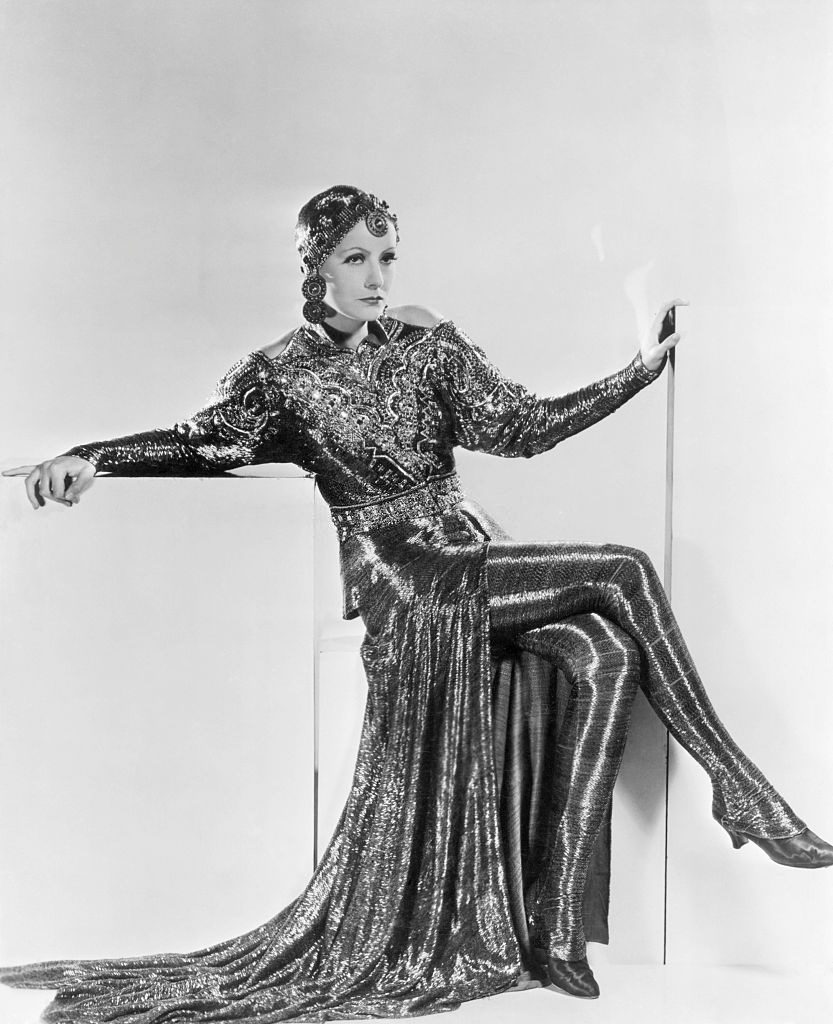
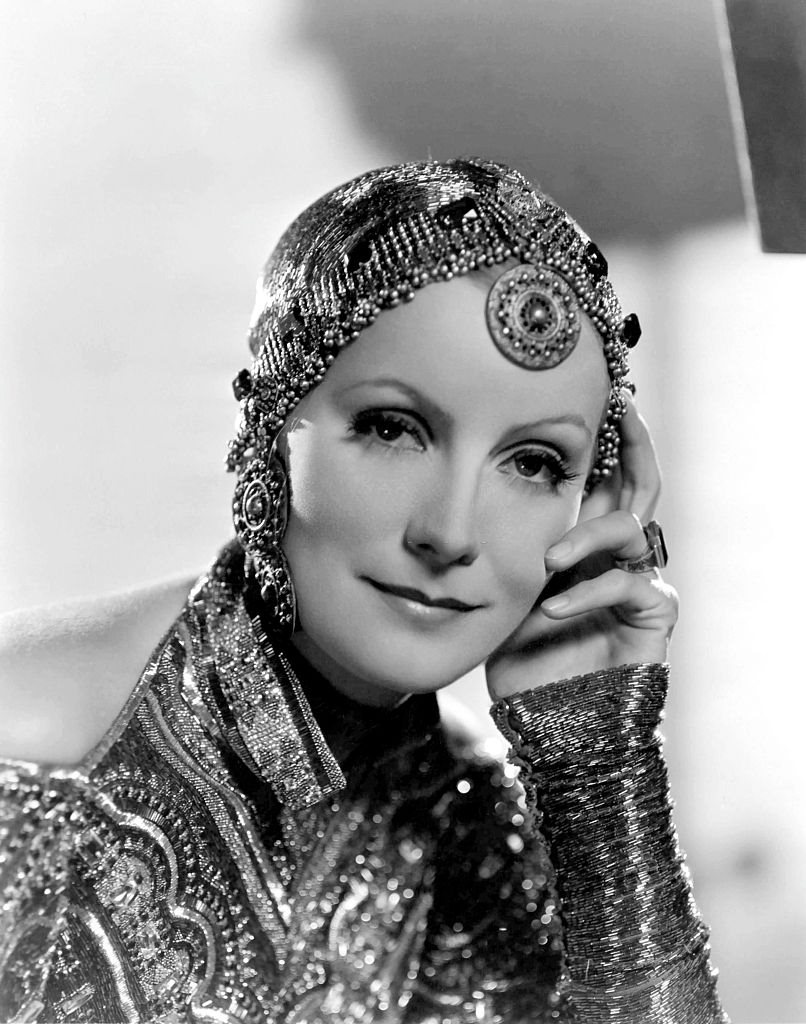
The early 1930s brought some of Garbo’s most celebrated performances. In 1931, she played Mata Hari, the real-life German spy from World War I, in the MGM film of the same name. The role suited her perfectly — mysterious, seductive, and dangerous. The following year, she portrayed a Russian ballerina in ‘Grand Hotel,’ which also starred John Barrymore and Lionel Barrymore. Both films ranked as MGM’s highest-earning releases for their respective years.
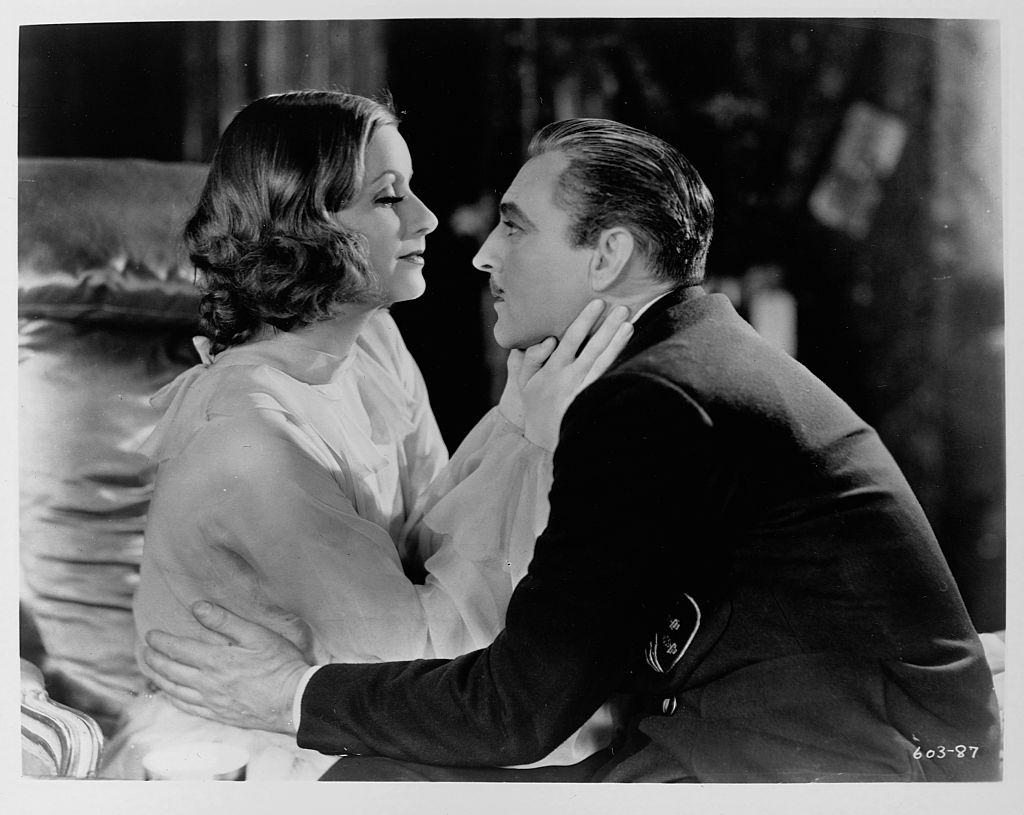
In 1933, Garbo took on one of the most demanding roles of her career, playing a fictional Swedish queen in ‘Queen Christina.’ The film required her to carry nearly every scene and to project both royal authority and human vulnerability. She did both. Her co-star was John Gilbert, and the film drew critical acclaim and strong audiences across the United States and Europe.
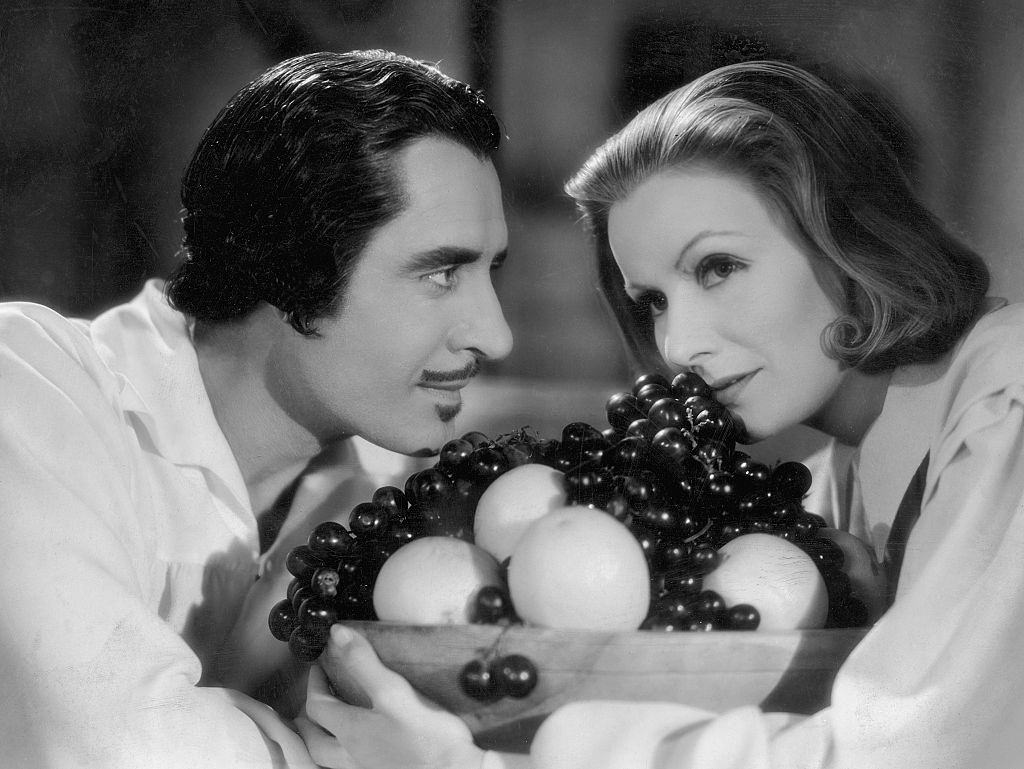
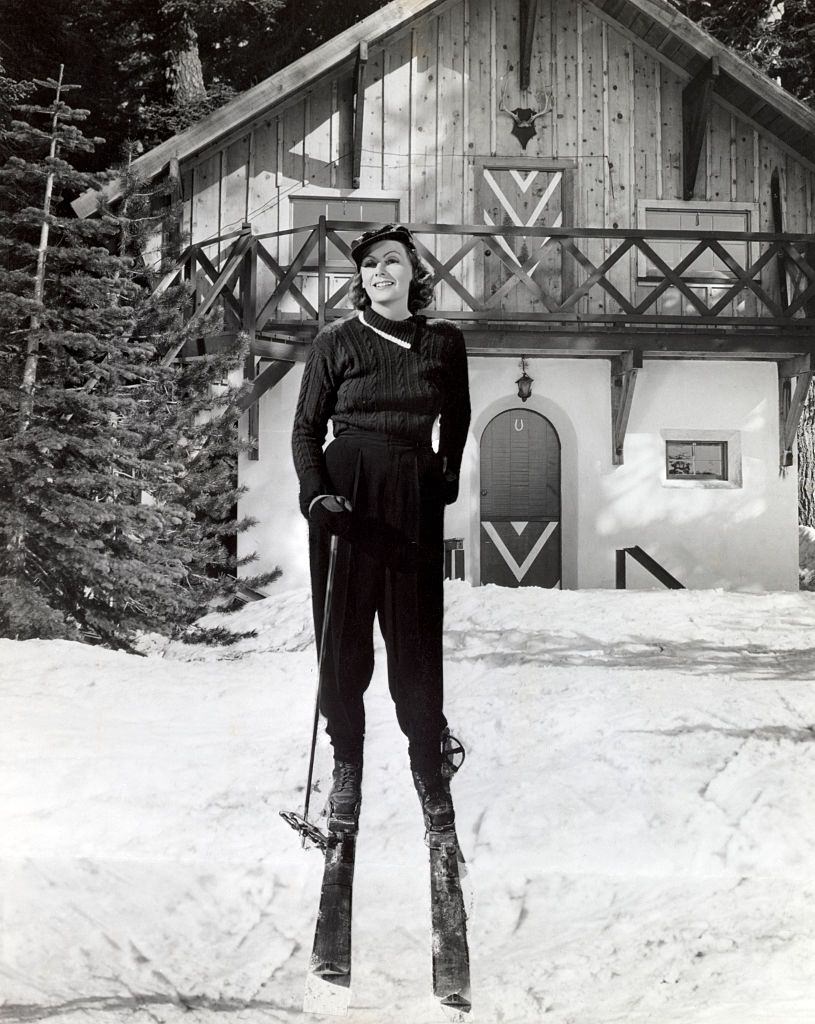
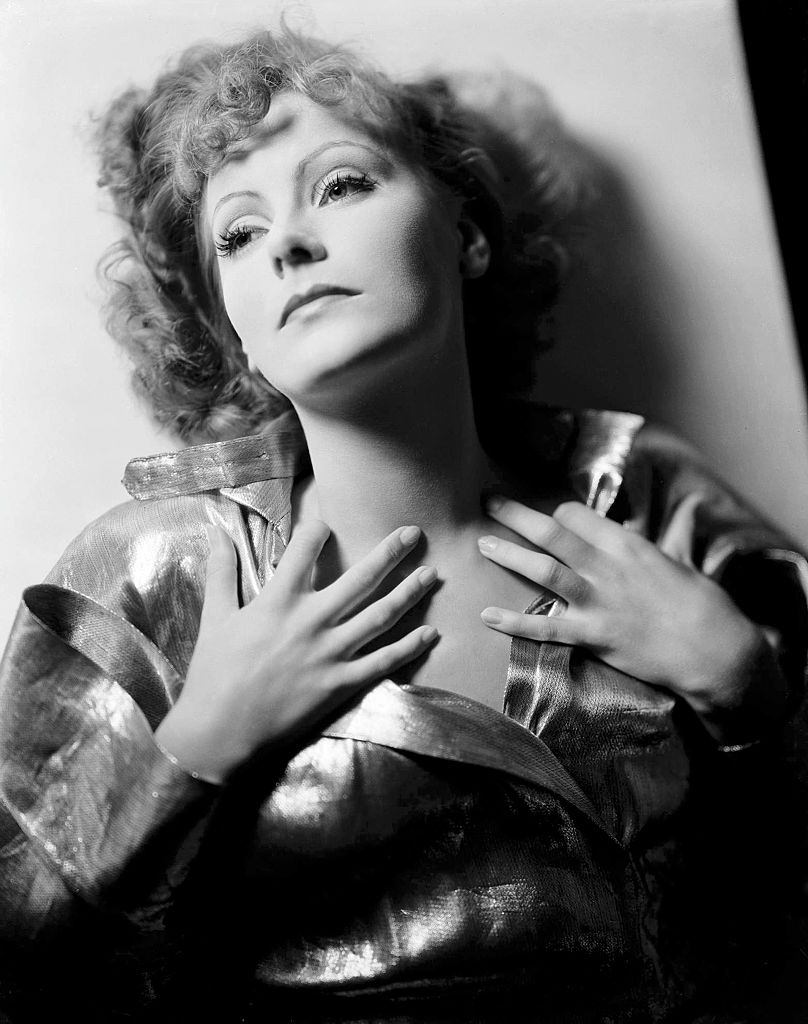
Garbo continued to deliver strong performances through the mid-to-late 1930s. In 1935, she played the lead in ‘Anna Karenina,’ bringing Tolstoy’s tragic heroine to life opposite actor Fredric March. In 1936, she starred with Lionel Barrymore in ‘Camille.’ By 1939, she had taken on a very different kind of role — a deadpan Soviet official in the MGM comedy ‘Ninotchka,’ directed by Ernst Lubitsch. The film showed that Garbo could handle comedy with the same ease she brought to drama. Across more than 40 films and stage productions, she demonstrated a range that few actresses of her era could match.
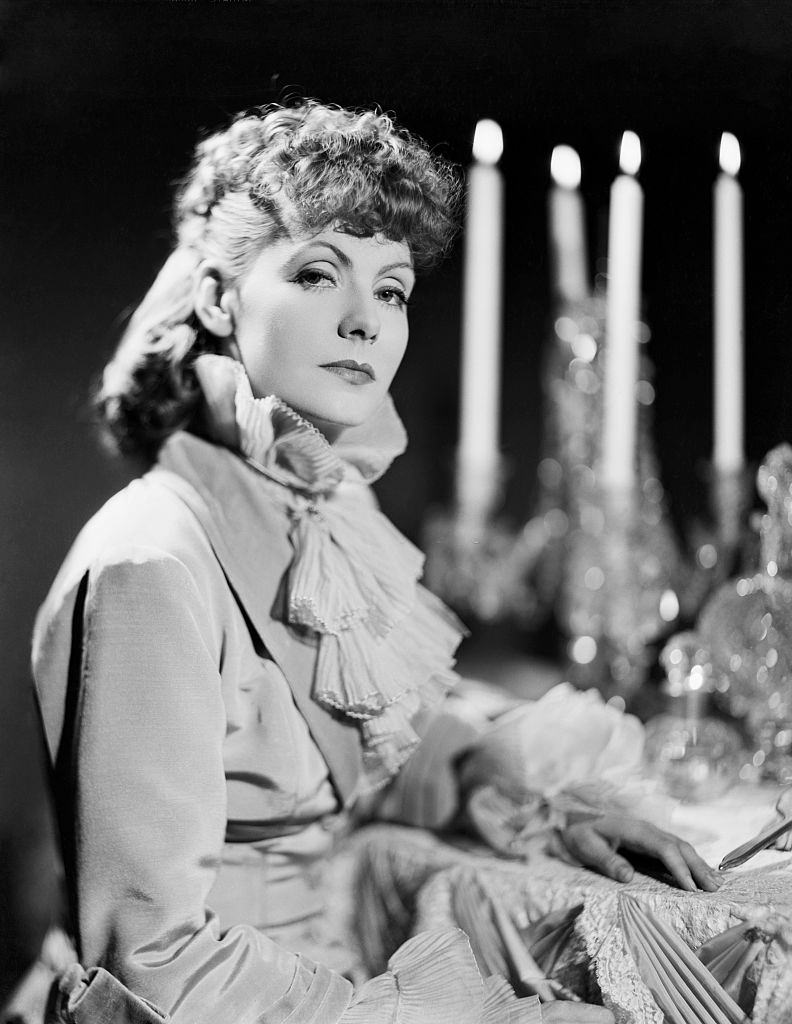
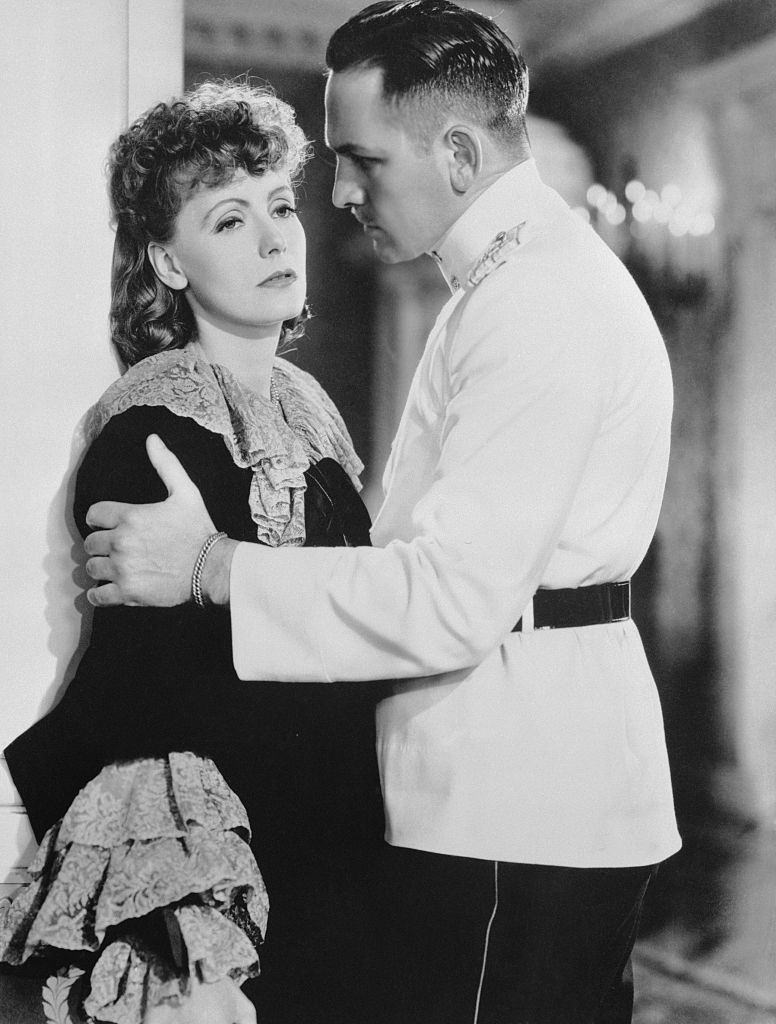
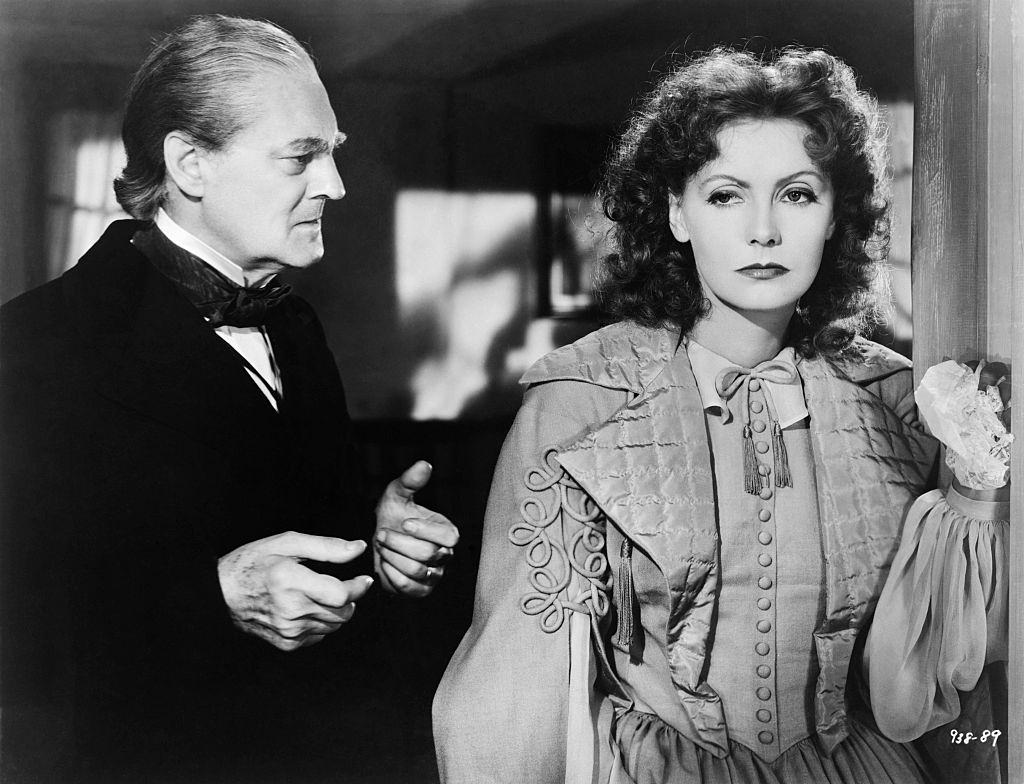
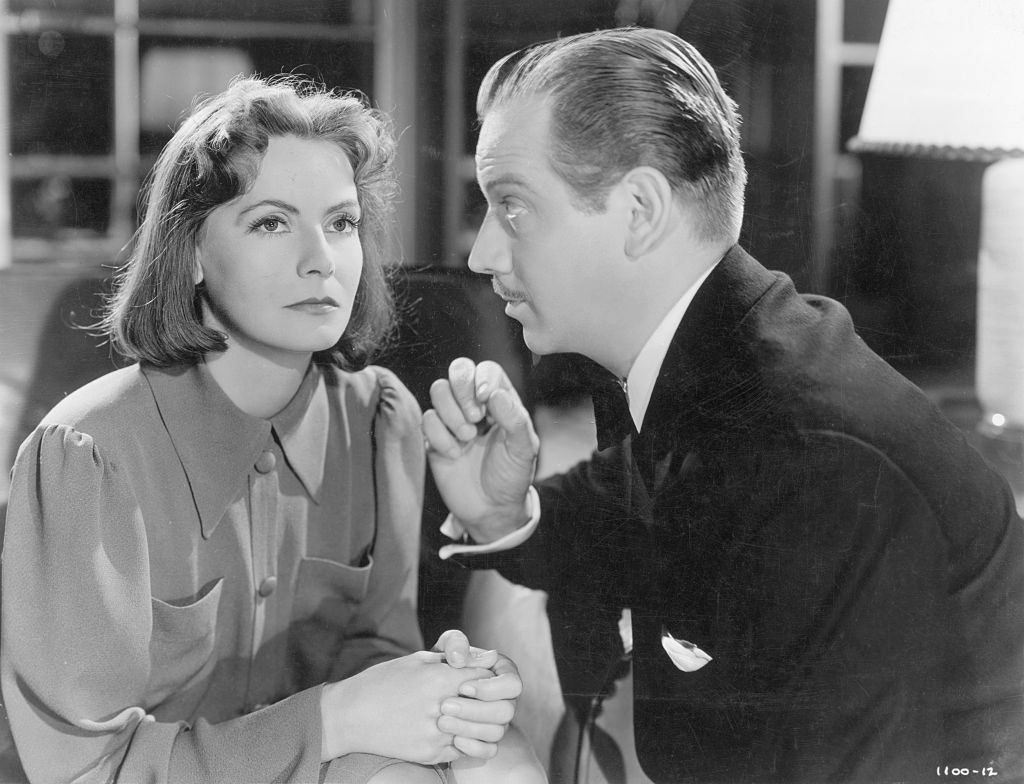
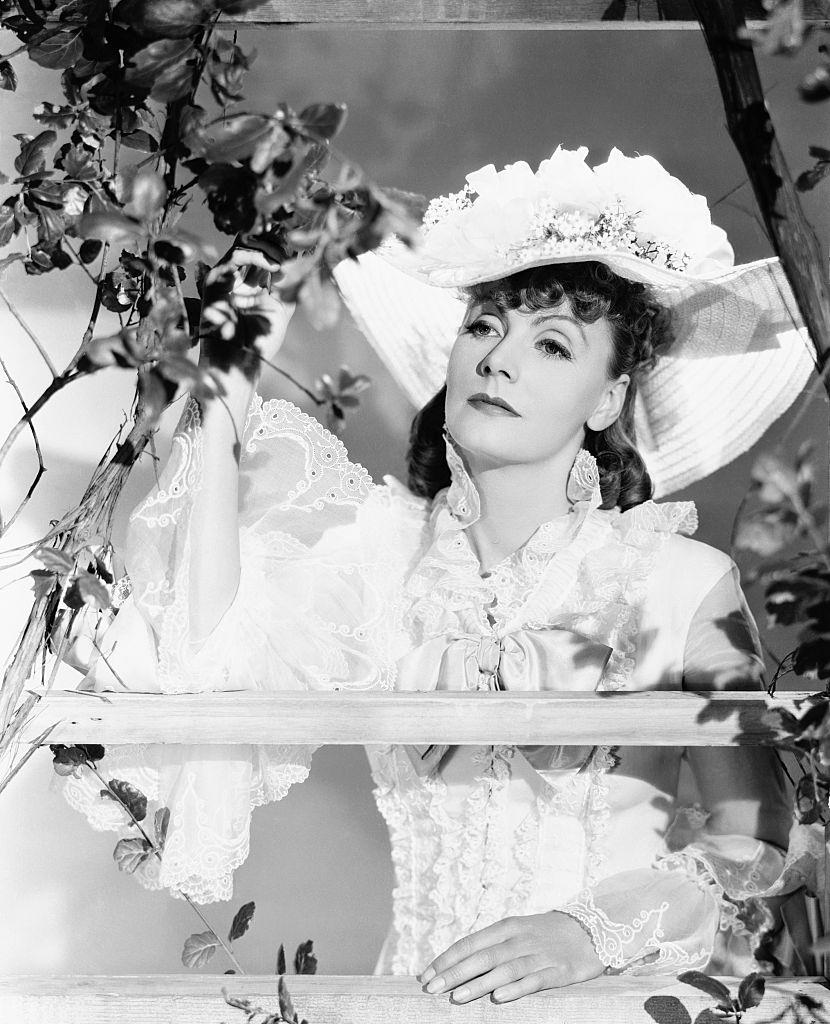
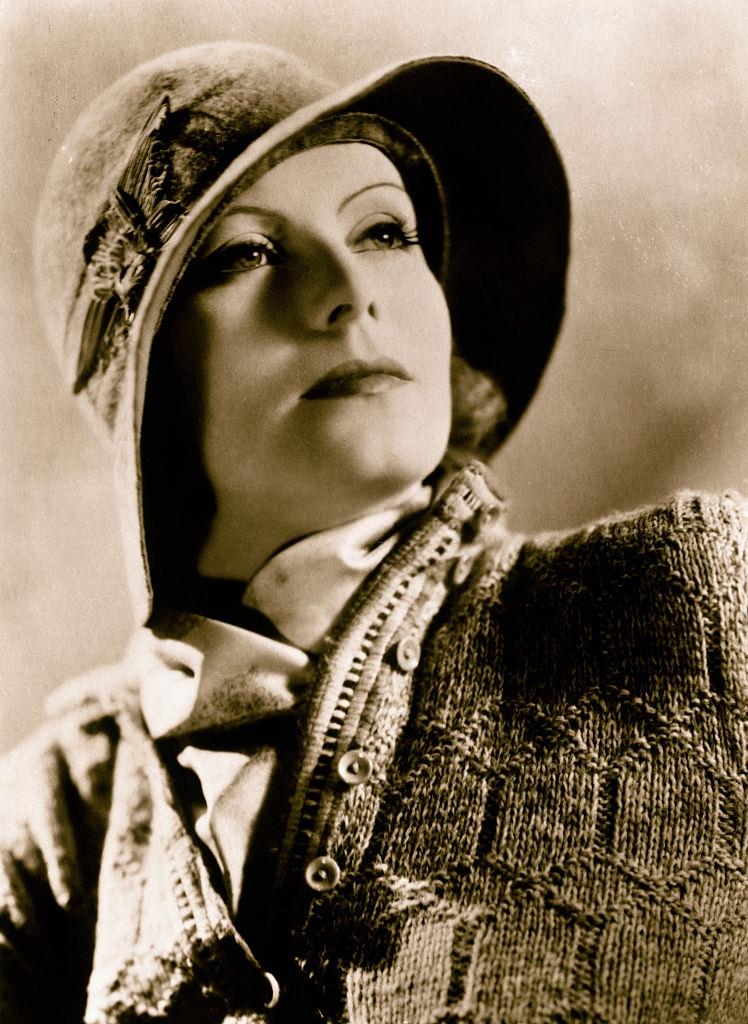
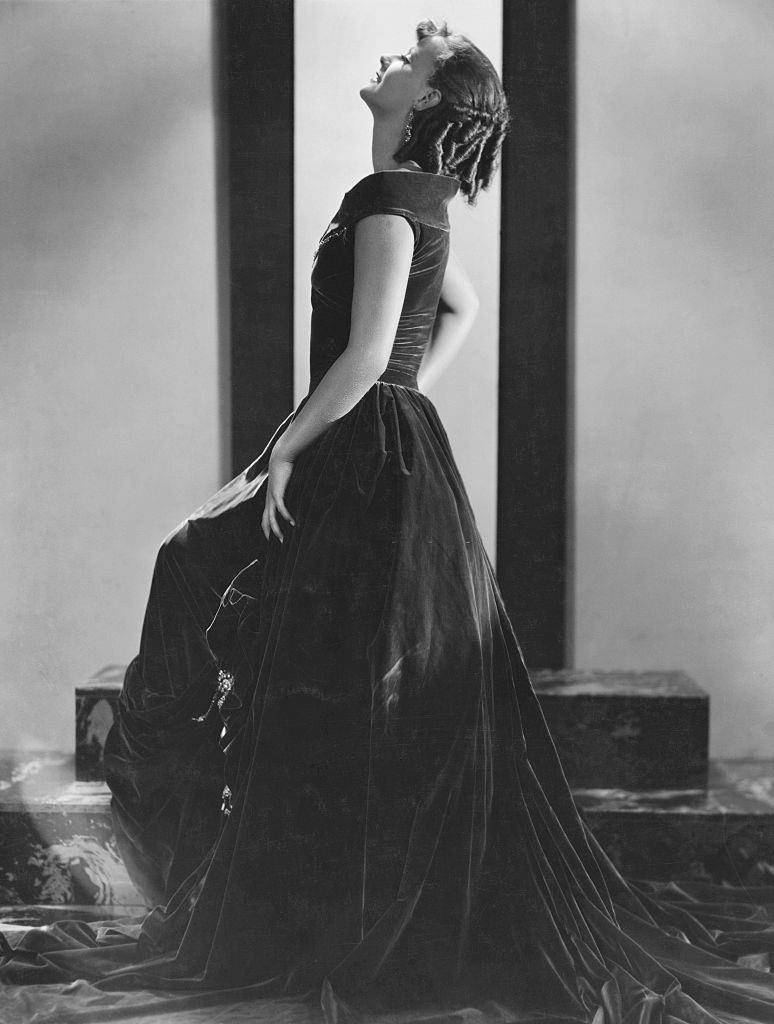

Garbo never married and had no children, though she had a number of significant romantic relationships throughout her life. Her most high-profile involvement was with actor John Gilbert, but she also had relationships with conductor Leopold Stokowski and others. Biographers have documented that Garbo was bisexual, and she had relationships with women as well, including actress Lilyan Tashman and writer Mercedes de Acosta. Garbo was notoriously private. She rarely gave interviews and avoided public appearances whenever she could. Her desire for solitude became almost as famous as her films.
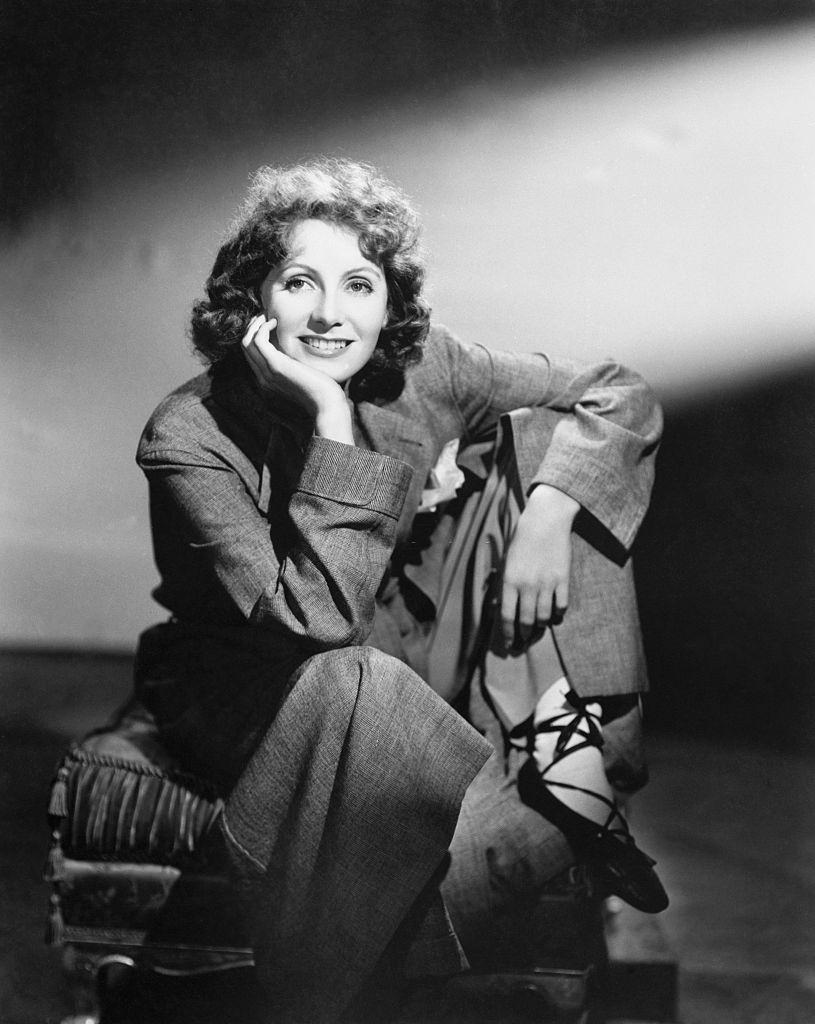

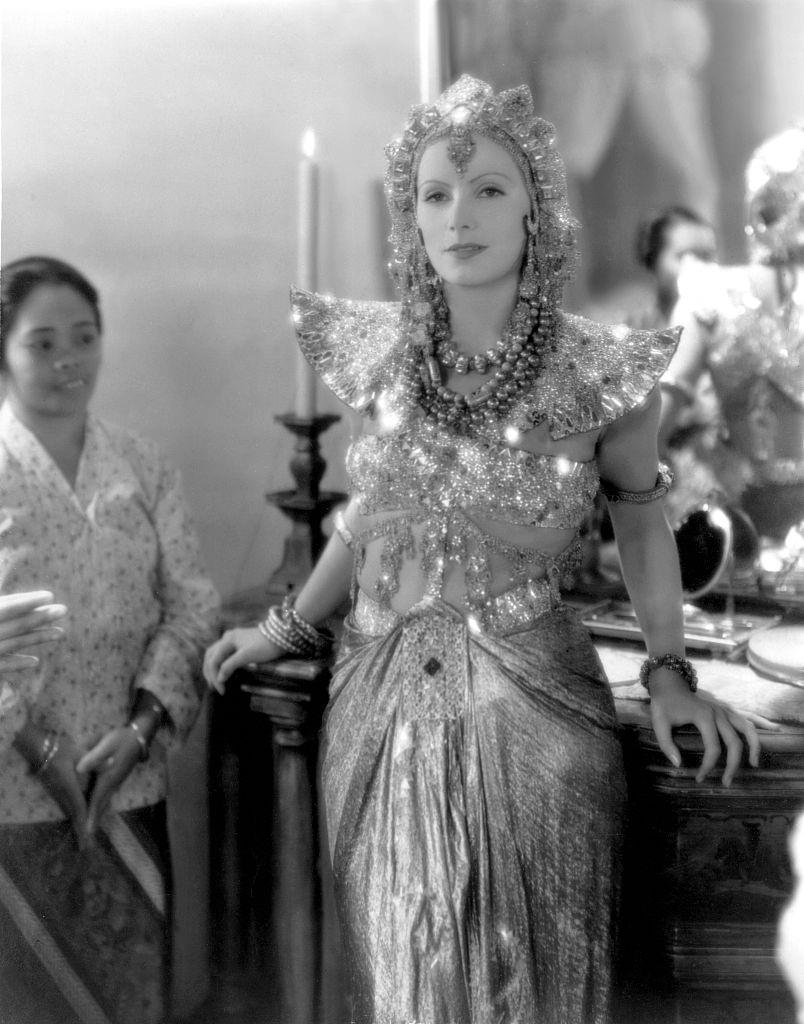
Garbo’s health declined in her later years. She was treated for breast cancer in 1984 and also dealt with gastrointestinal and periodontal problems over the following years. On April 15, 1990, she died in a New York hospital from pneumonia and renal failure. She was 84 years old. Her body was cremated in Manhattan, and in 1999 her ashes were interred at Skogskyrkogården Cemetery, located just south of Stockholm — the city where her story began.