
Gloria Estefan is one of the most recognized names in pop music history. As a singer, songwriter, and actress, she built a career that spanned decades and crossed language barriers. She earned three Grammy Awards and received the Presidential Medal of Freedom for her contributions to American music. Her rise from a local Miami band to global superstardom is a story built on raw talent, hard work, and an unshakable will to succeed.
Growing up, Gloria developed a love for the arts early. She studied poetry as a child and took guitar lessons, skills that would later shape her as a performer and songwriter. Those early years laid the foundation for everything that followed.
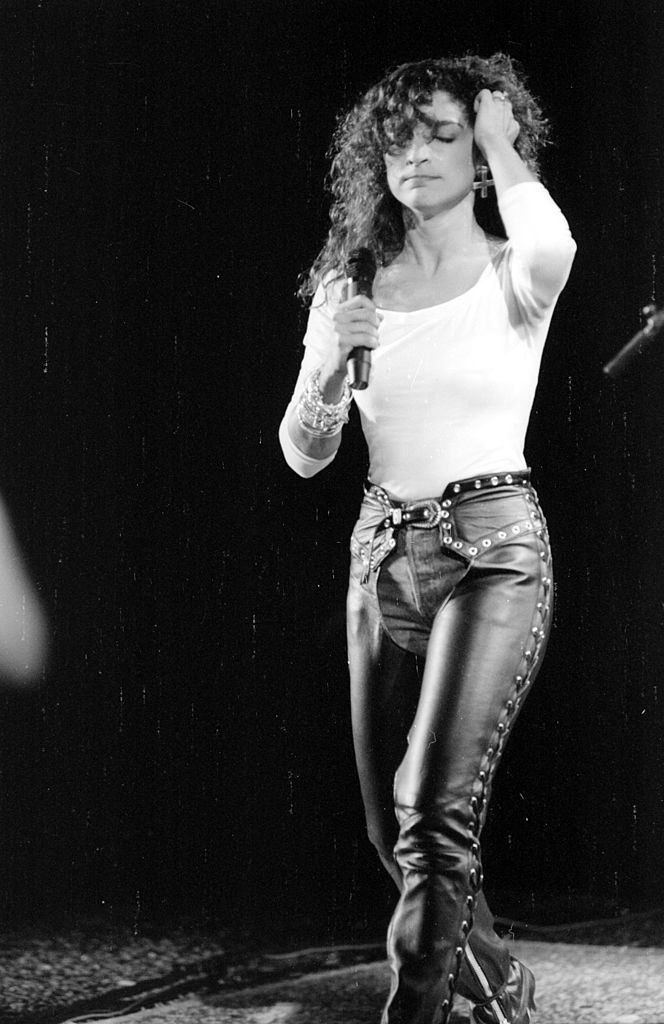
In 1975, a chance meeting changed her life. Gloria crossed paths with keyboardist Emilio Estefan, and the two joined forces to form a band called the Miami Latin Boys. The group recorded its first album on a local label and began playing at events around Miami. Their chemistry was immediate, both musically and personally. Emilio and Gloria married in September 1978, making their partnership official in every sense.
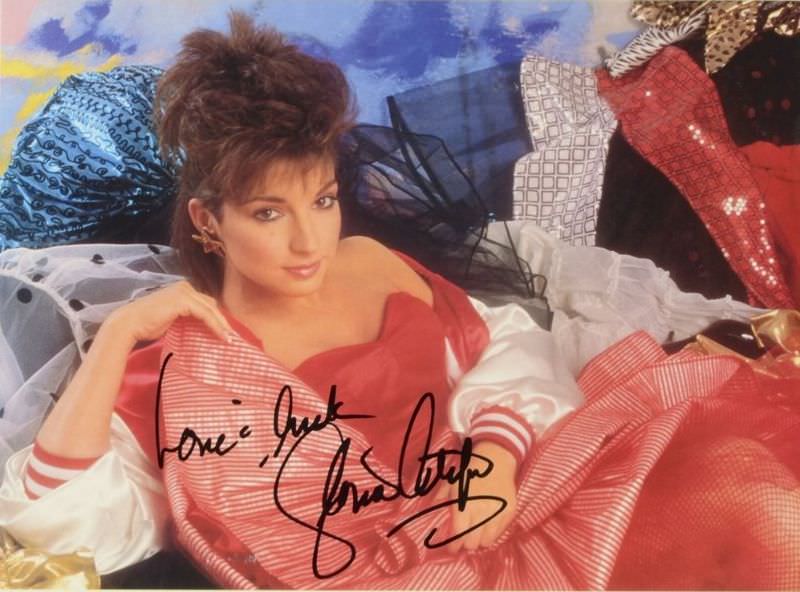
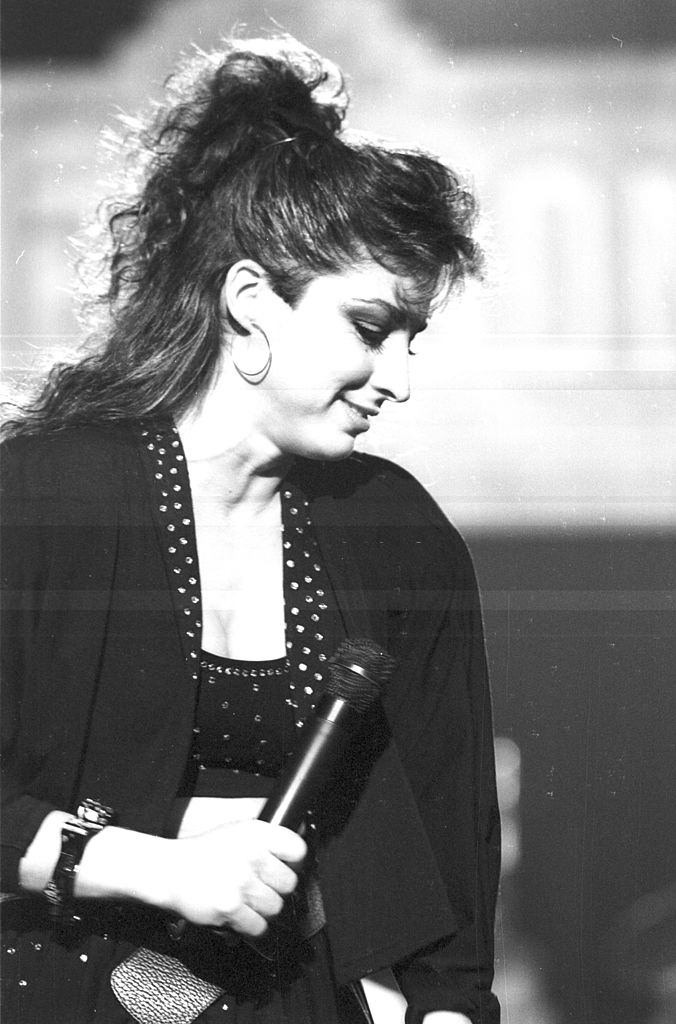
The band eventually renamed itself Miami Sound Machine. In the early years, the group focused on Spanish-speaking audiences, recording four Spanish-language albums that found real success in Latin markets. They toured Venezuela, Peru, Panama, and Honduras, building a devoted fanbase across South and Central America. The group’s energy on stage was electric, and Gloria’s voice set them apart from anything else on the circuit.
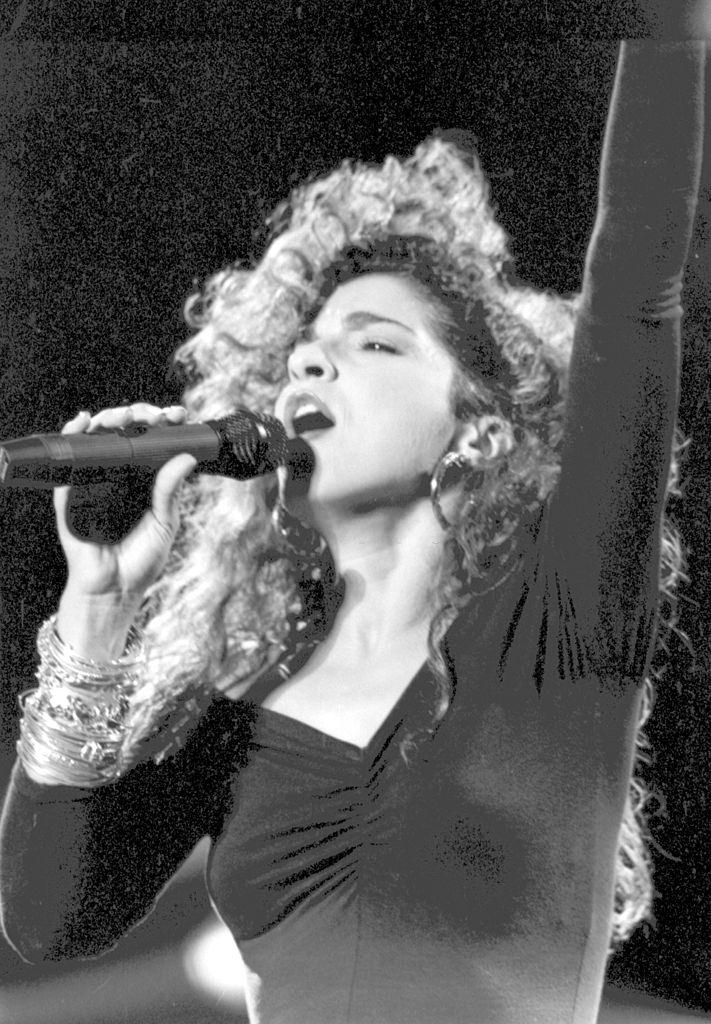
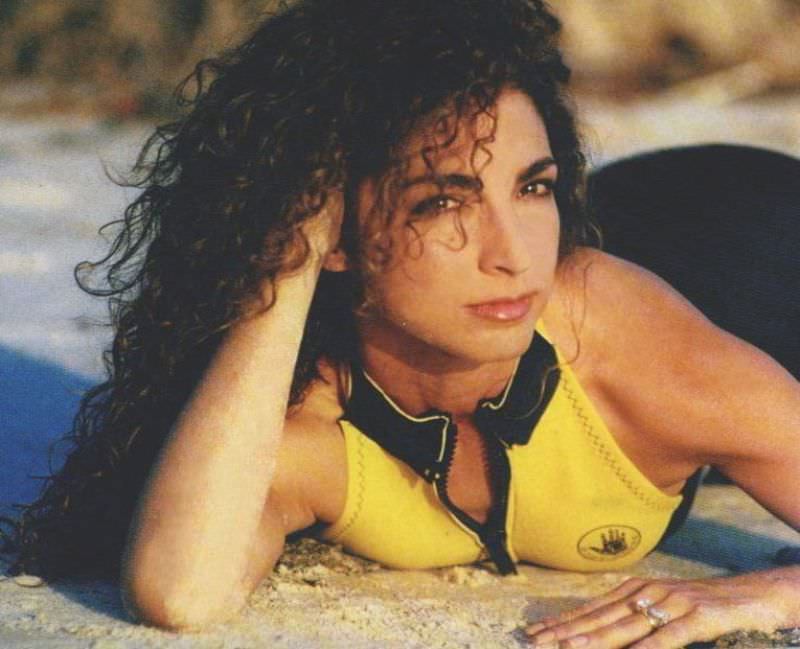
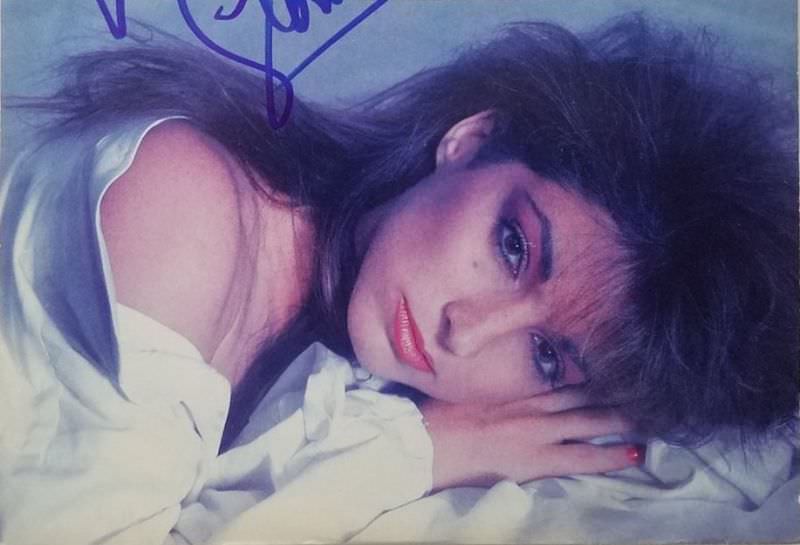
By 1983, the group had a strong regional reputation, but the next few years would take them far beyond Miami. Gloria’s stage presence was growing sharper with every performance, and the band was refining a sound that blended Latin rhythms with mainstream pop. The formula was nearly ready to go global.
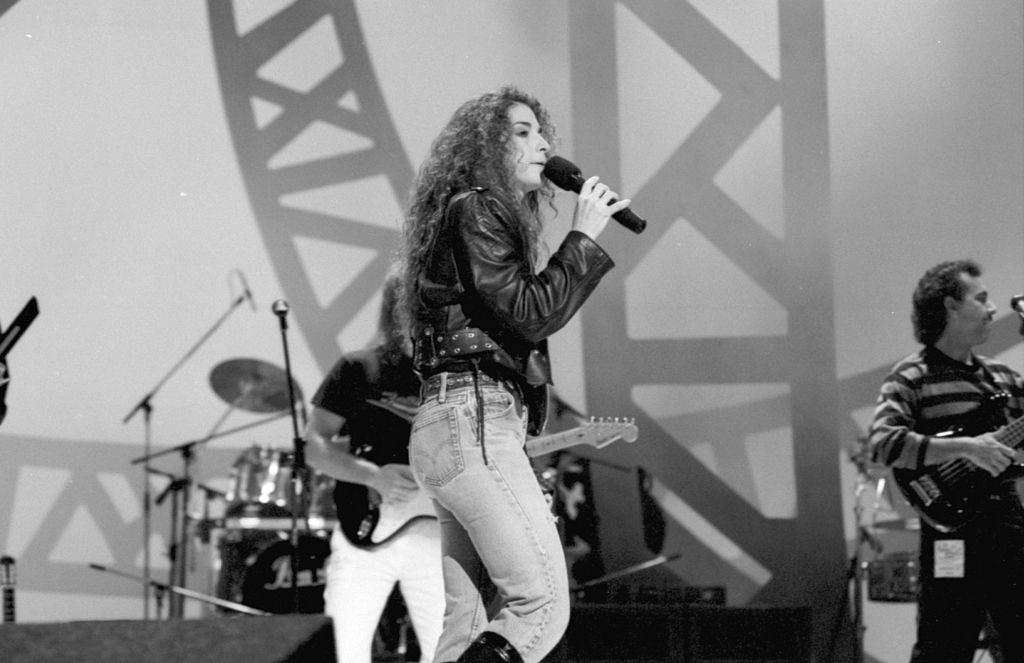
In 1984, Miami Sound Machine recorded their first English-language album, ‘Eyes of Innocence.’ The album’s single “Dr. Beat” shot to the top of the European dance charts. That success opened the door to a wider international audience. Around the same time, the group signed with a major record label, giving them the platform they needed to compete on the world stage.
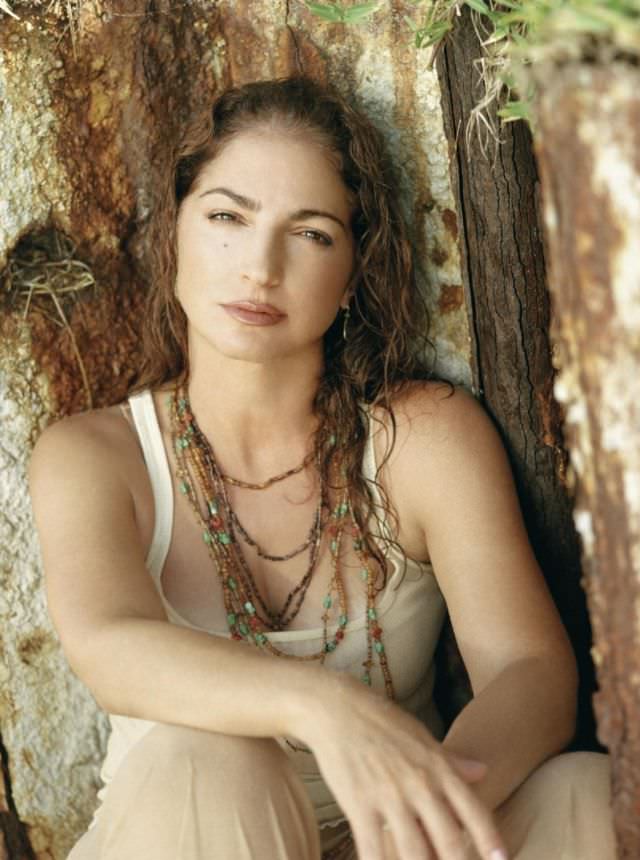
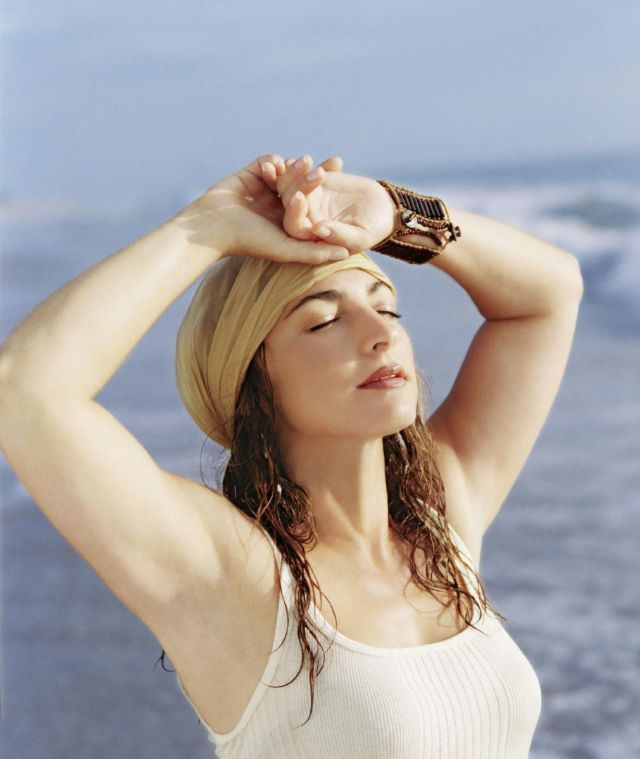
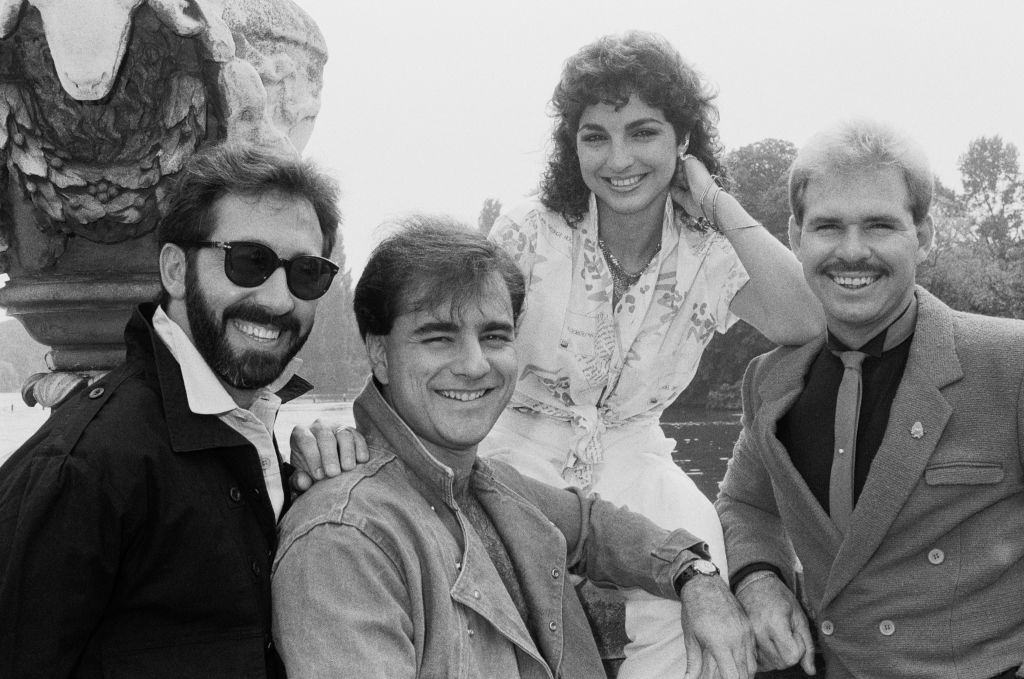
Then came ‘Conga.’ The rousing dance track became a worldwide hit and reached #10 on the U.S. Billboard Hot 100. It was the kind of song that filled dance floors and spilled out of radio speakers across the globe. No other song at the time sounded quite like it — equal parts Latin fire and pop polish. Music commentators began comparing Gloria’s appeal to that of Madonna, calling her a demure, Hispanic counterpart to the pop icon.
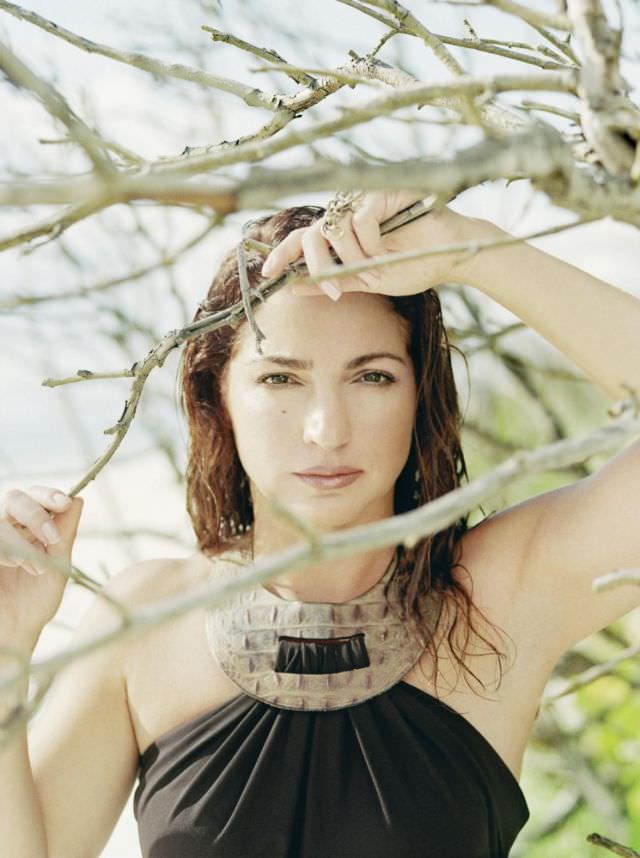
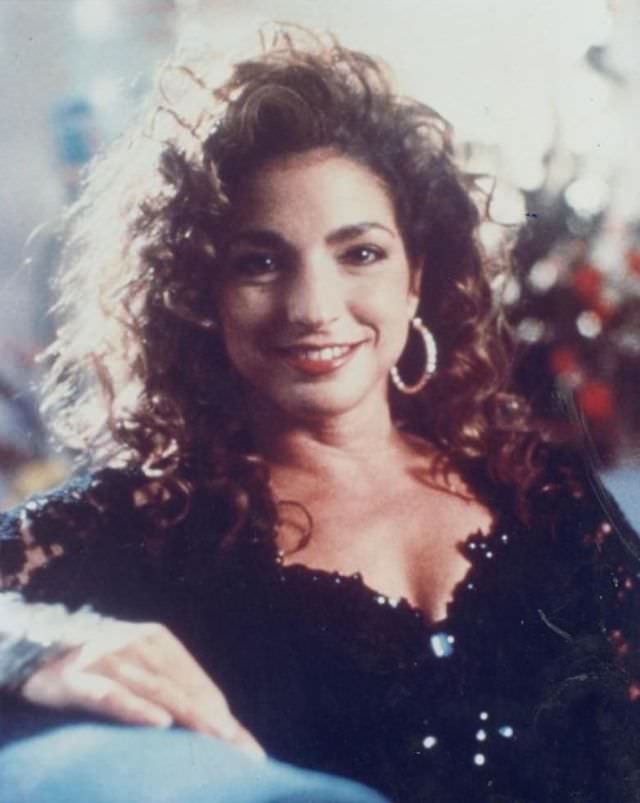

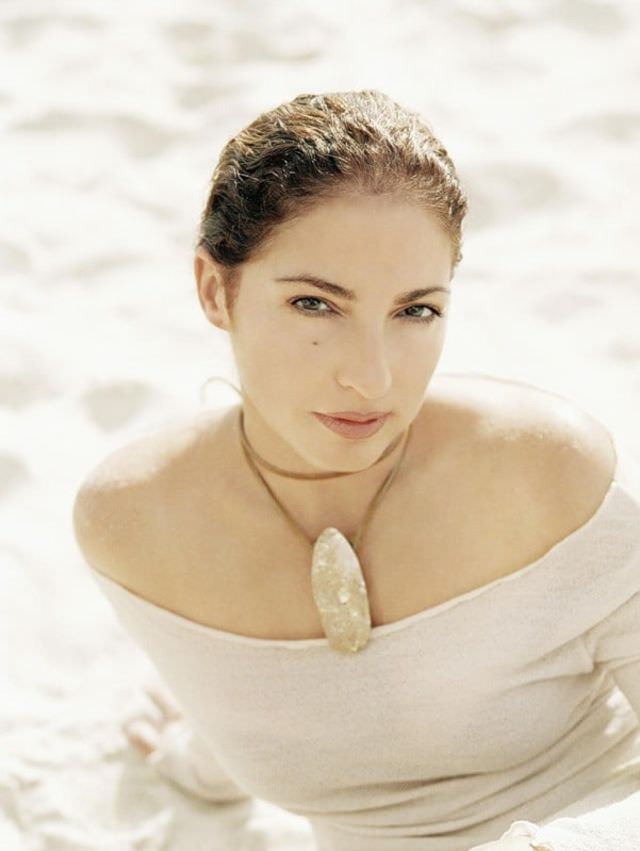
The momentum carried straight into 1985. Miami Sound Machine released ‘Primitive Love,’ and the album delivered hit after hit. ‘Bad Boys’ and ‘Words Get in the Way’ both climbed into Billboard’s top ten pop chart. The band was no longer just a regional act or a Latin crossover curiosity — they were a genuine pop force. Gloria was front and center, and audiences everywhere responded to her.
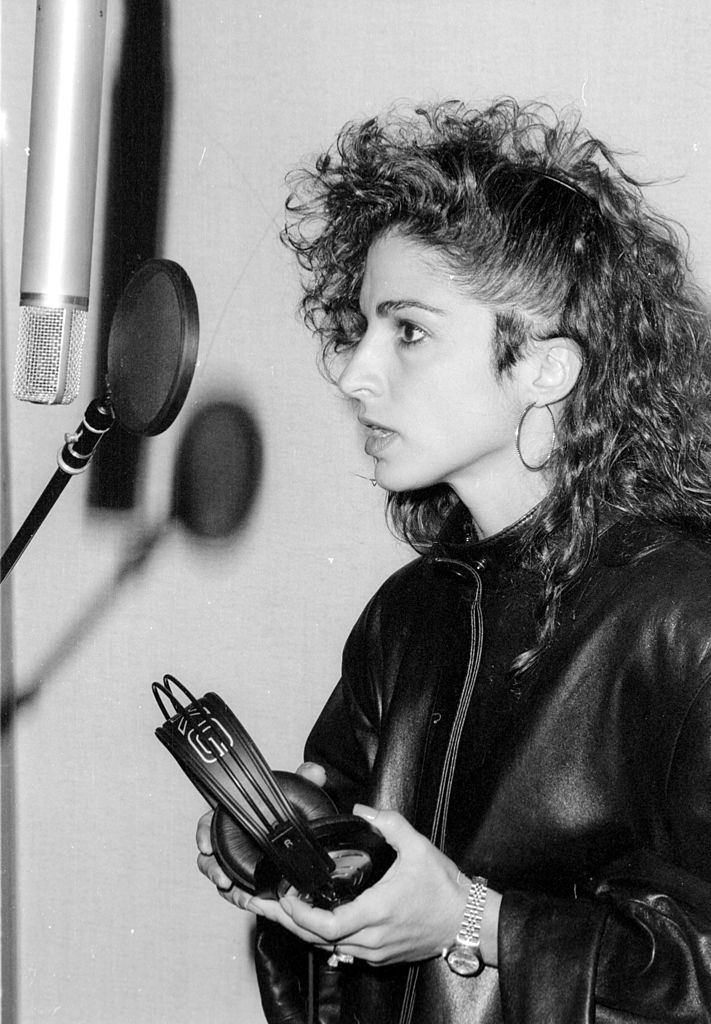
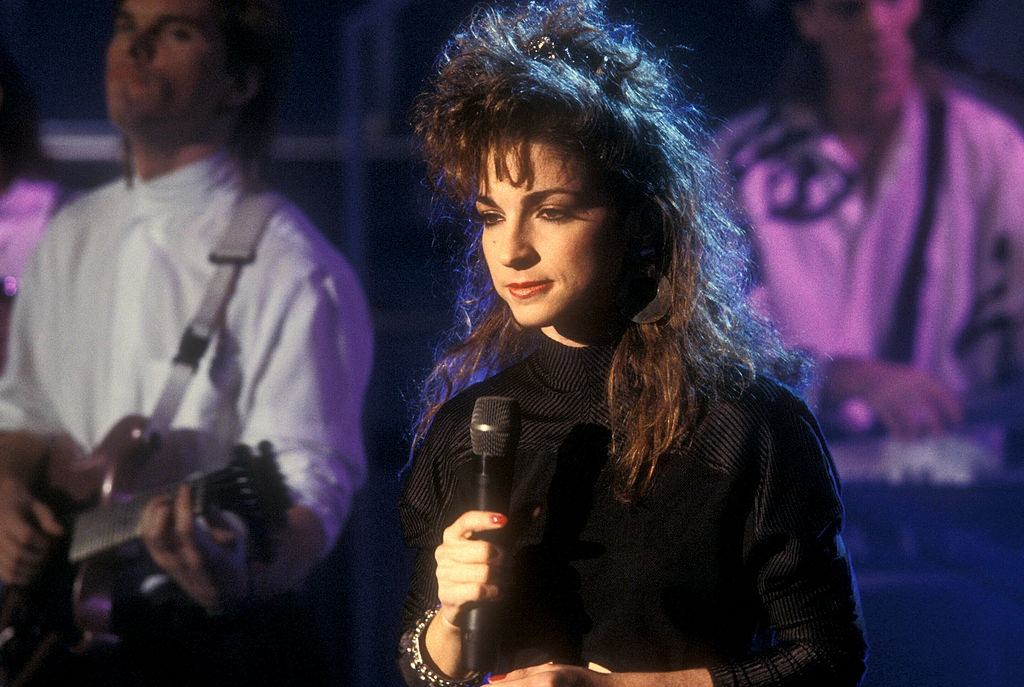
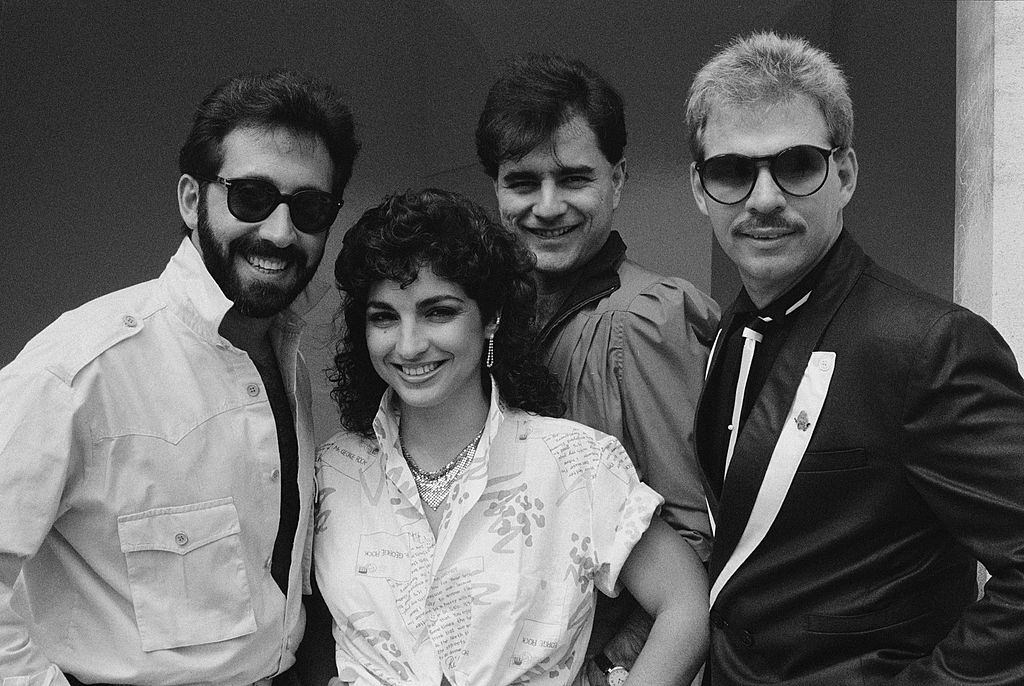
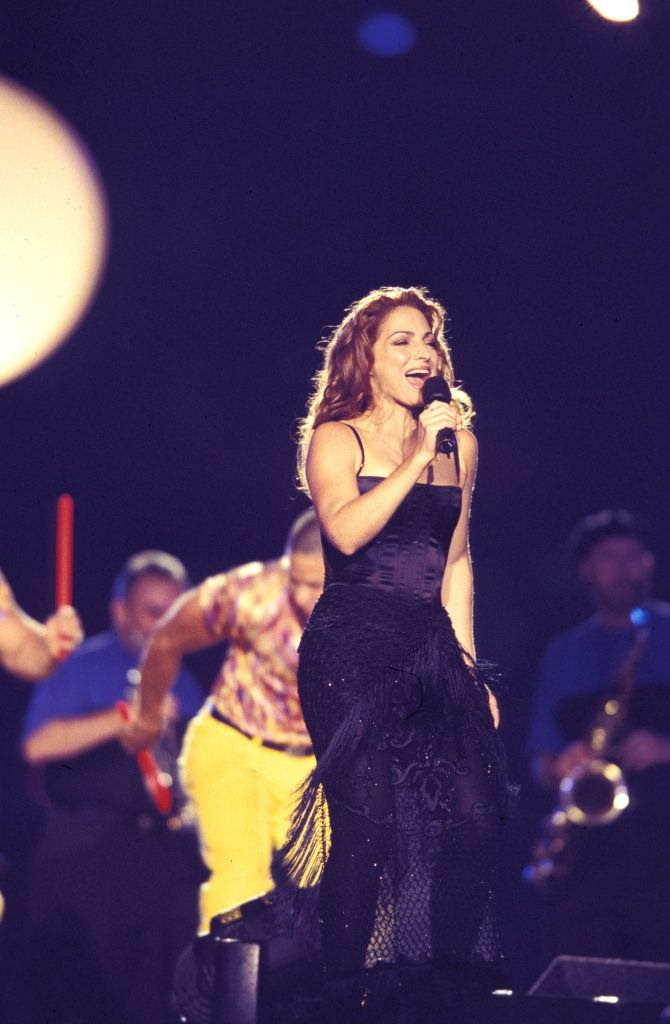
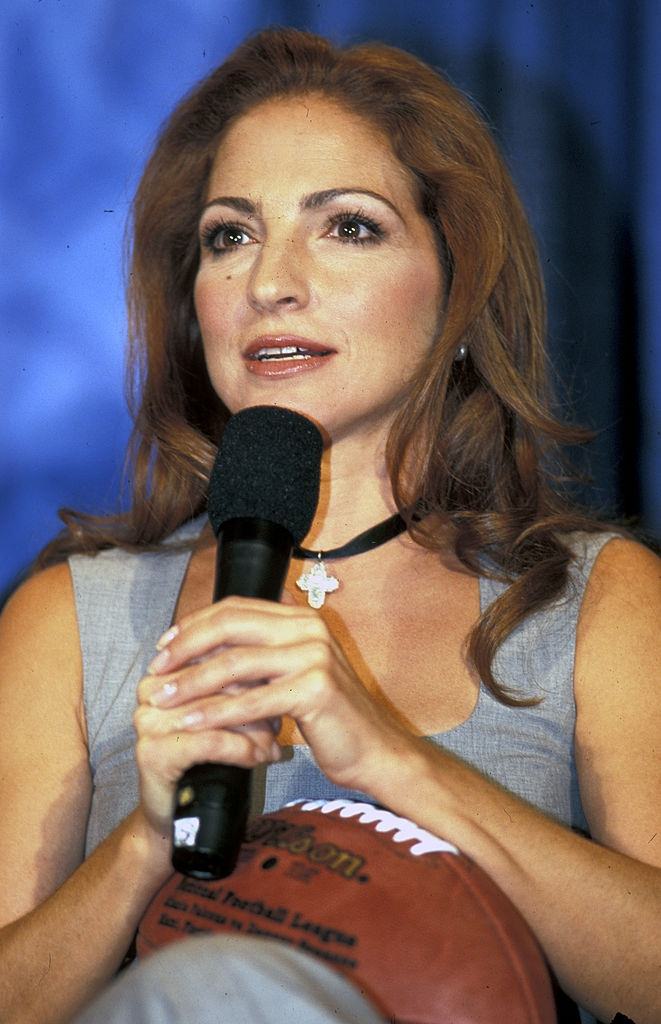
By 1986, Gloria was firmly established as the star of the group. She worked hard in the studio, continuing to sharpen her craft as both a singer and a musician. Her guitar skills, developed in childhood, were still part of her creative process during recording sessions.
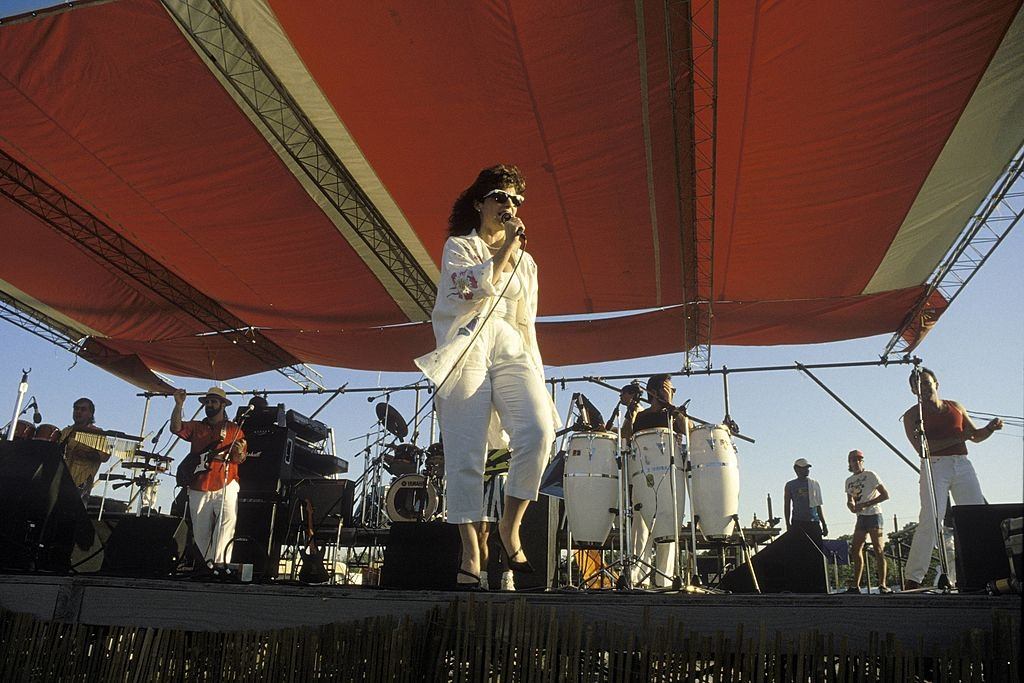
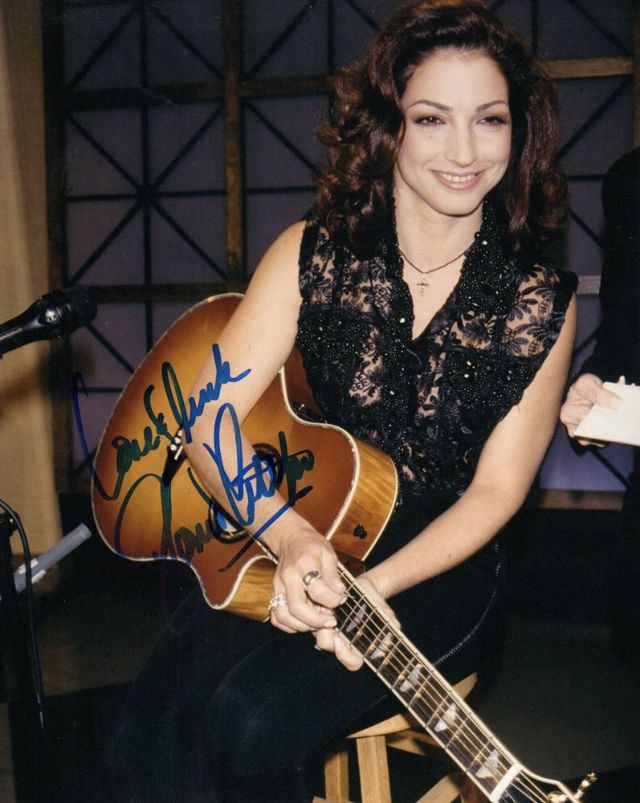
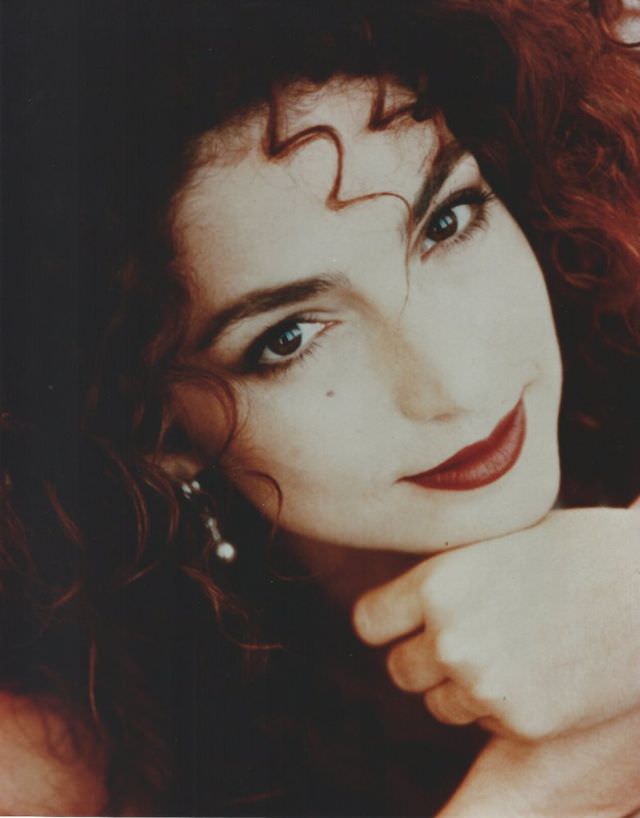
In 1987, the group performed at the Royal Gala for the Prince’s Trust in the United Kingdom, a high-profile event that put them before a prestigious audience. By this point, Miami Sound Machine was an international name, and Gloria’s star power was undeniable. Back home in Miami, she and Emilio balanced their careers with family life.
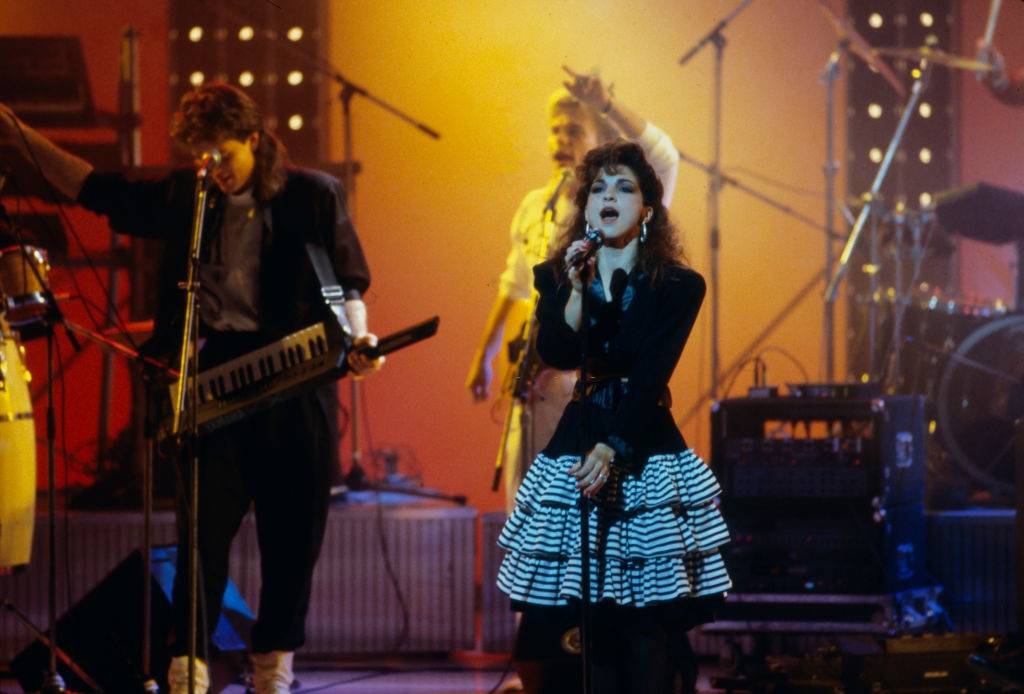
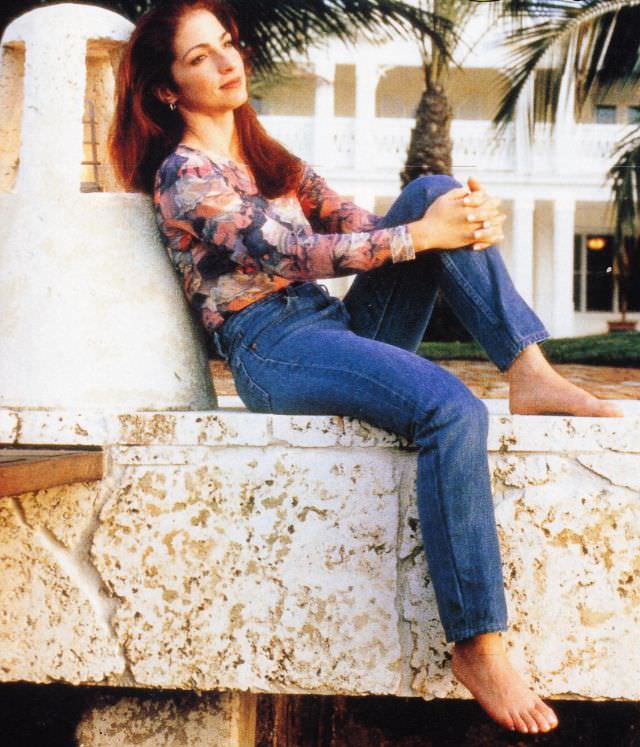
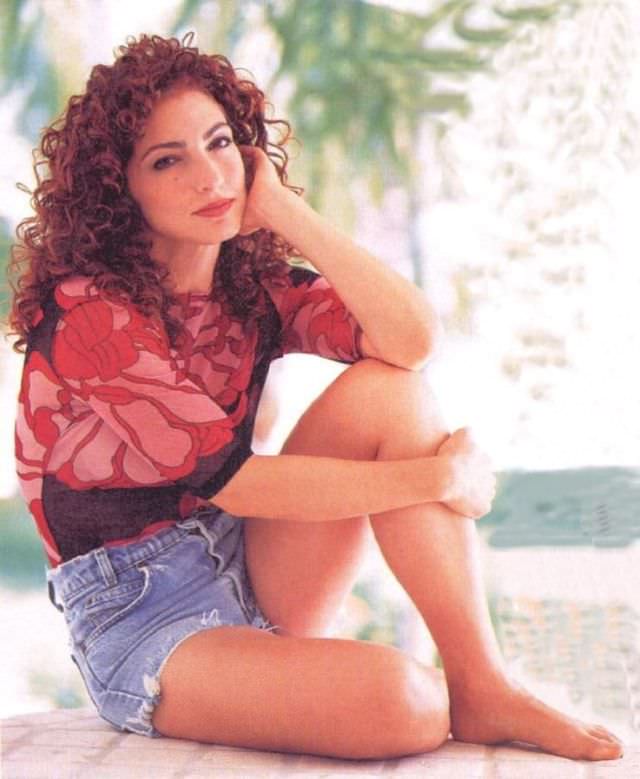
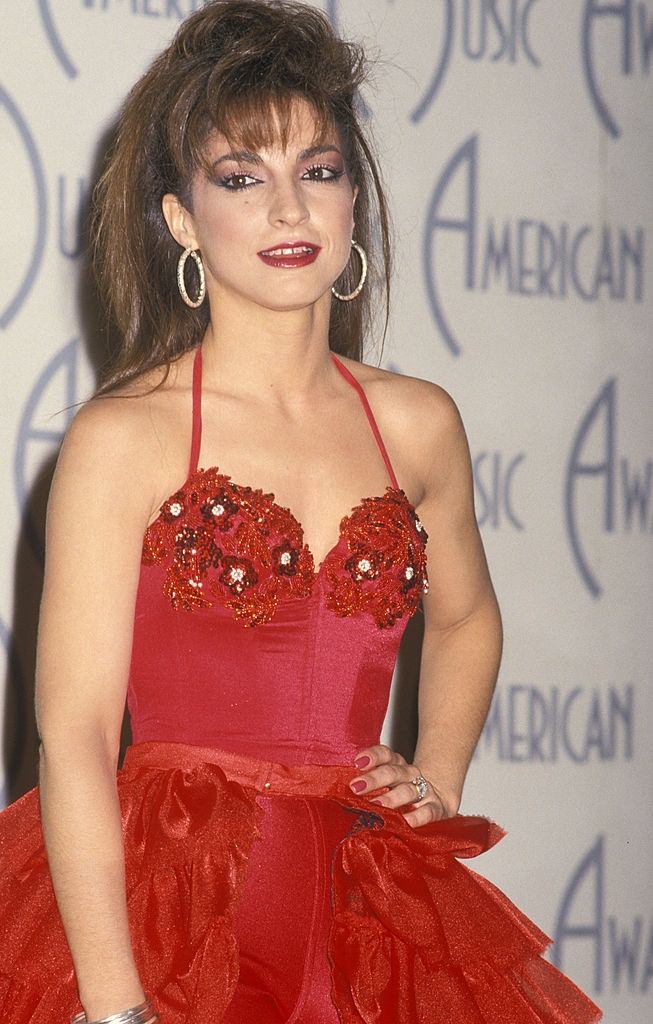
The year 1988 brought more public recognition. Gloria attended the 15th Annual American Music Awards in January and the 60th Annual Academy Awards in April. She also posed for album cover shoots as her solo profile continued to rise alongside the band’s ongoing success. Her daughter was born that year, adding a new dimension to her life outside music.
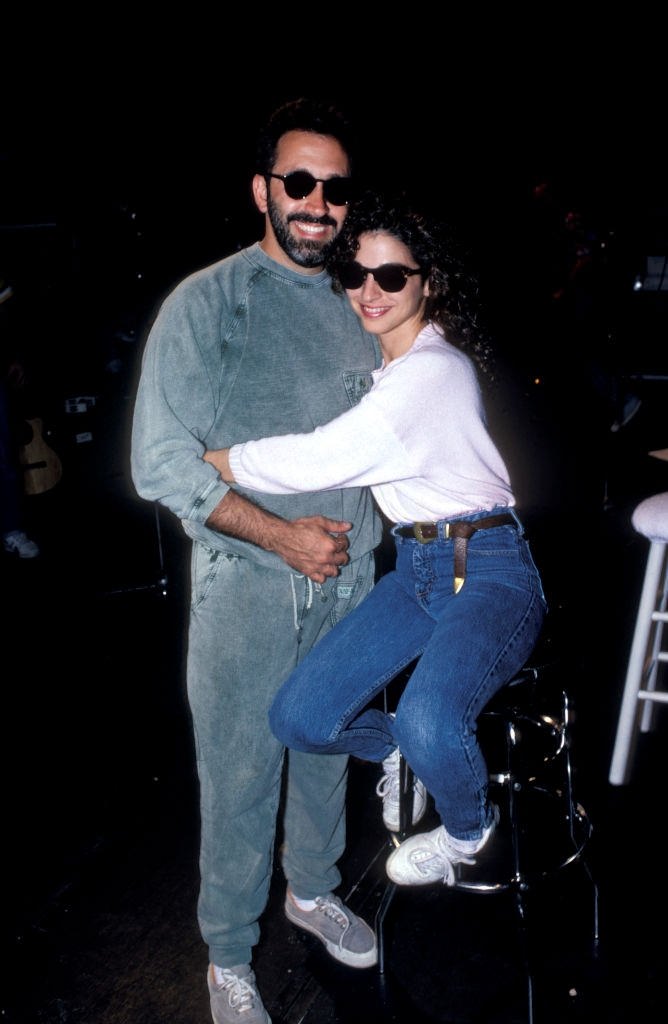
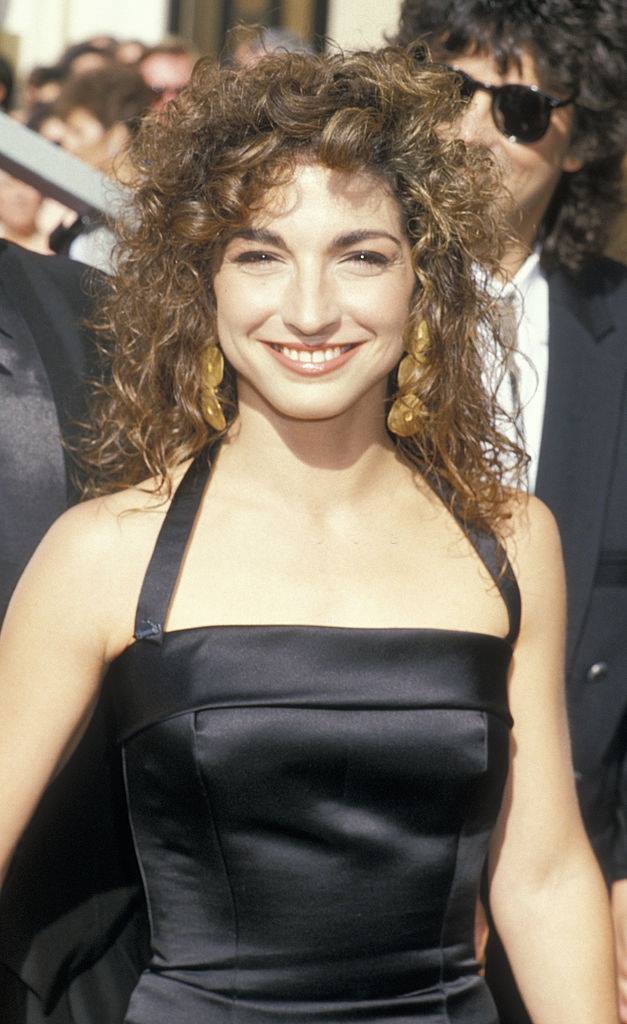
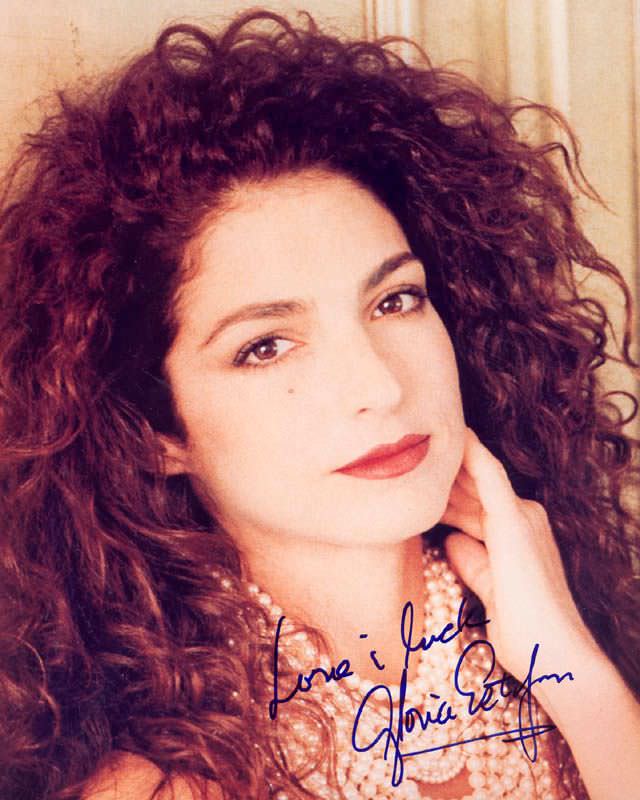
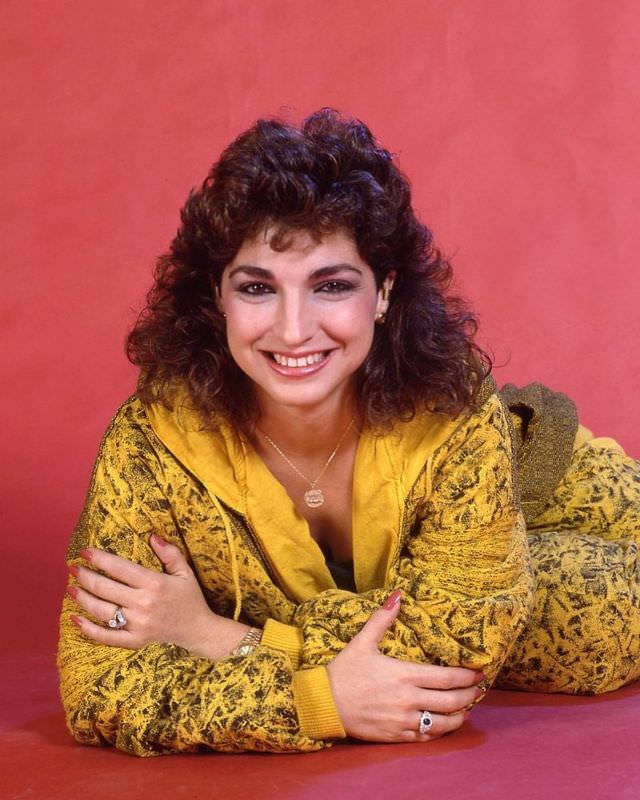
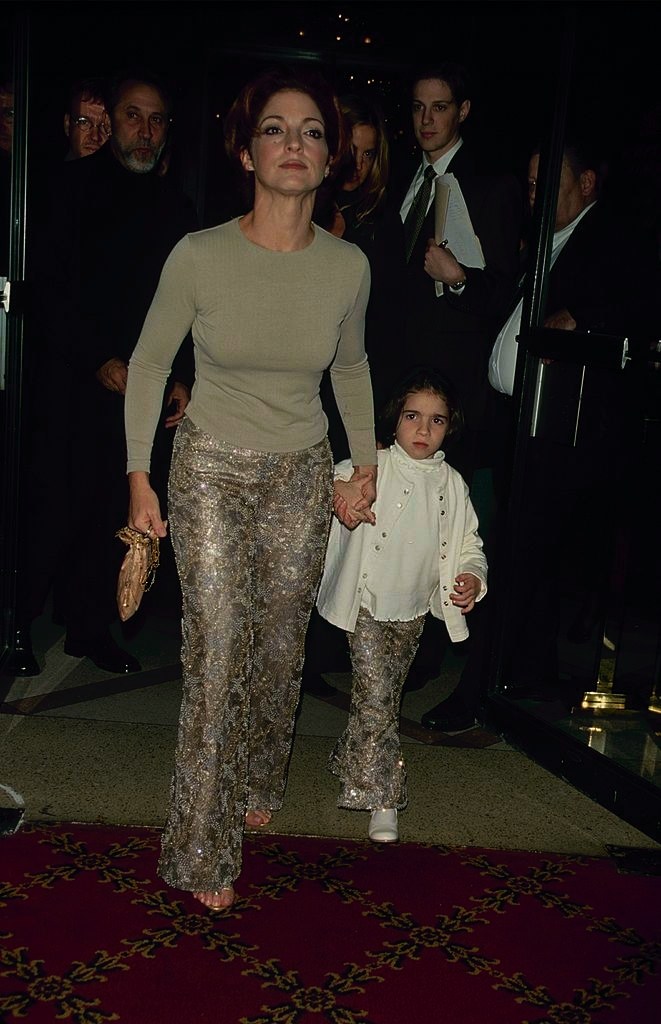
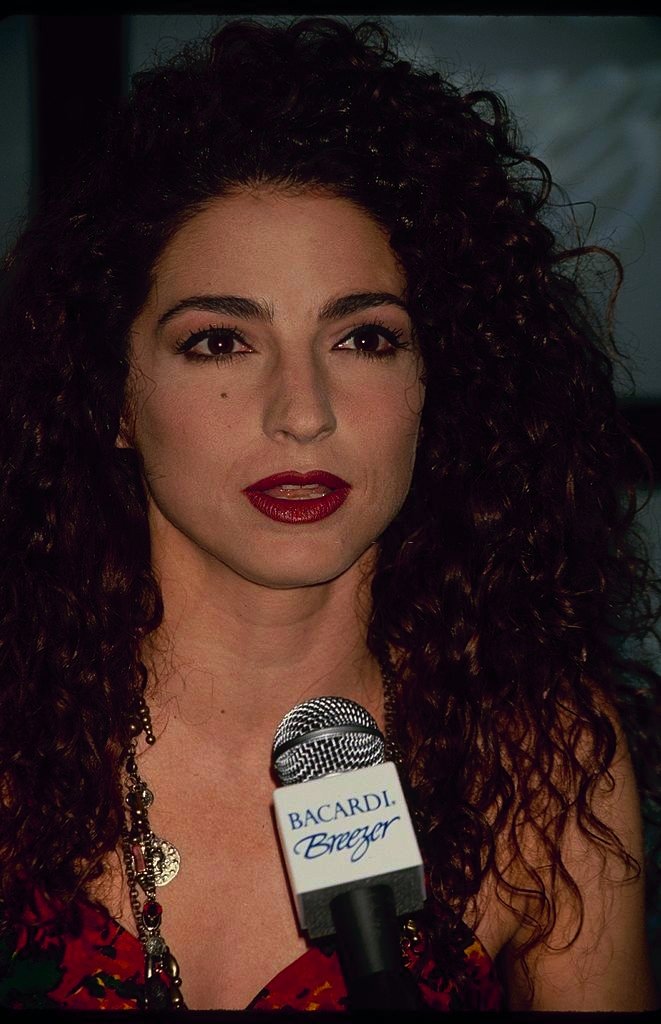
In February 1989, Gloria attended the 31st Annual Grammy Awards, a night that marked just how far she had come since those early Miami Latin Boys shows. Later that year, she was back on the road, performing across Britain and Europe. Her concert at Ahoy in Rotterdam, Netherlands in October 1989 drew a massive crowd, and a portrait session at the Hilton Hotel in Rotterdam captured her at the peak of her early-career confidence.
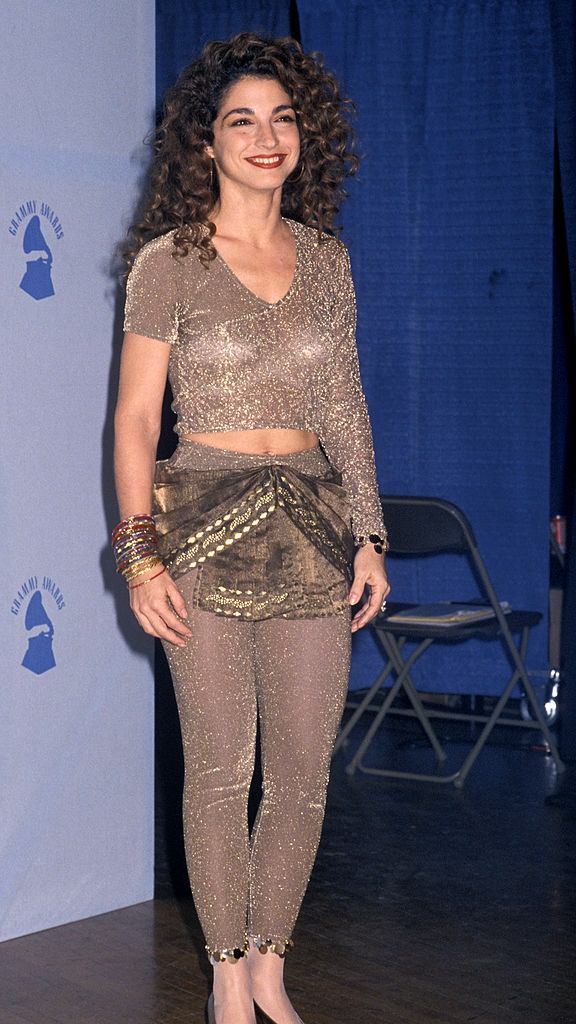
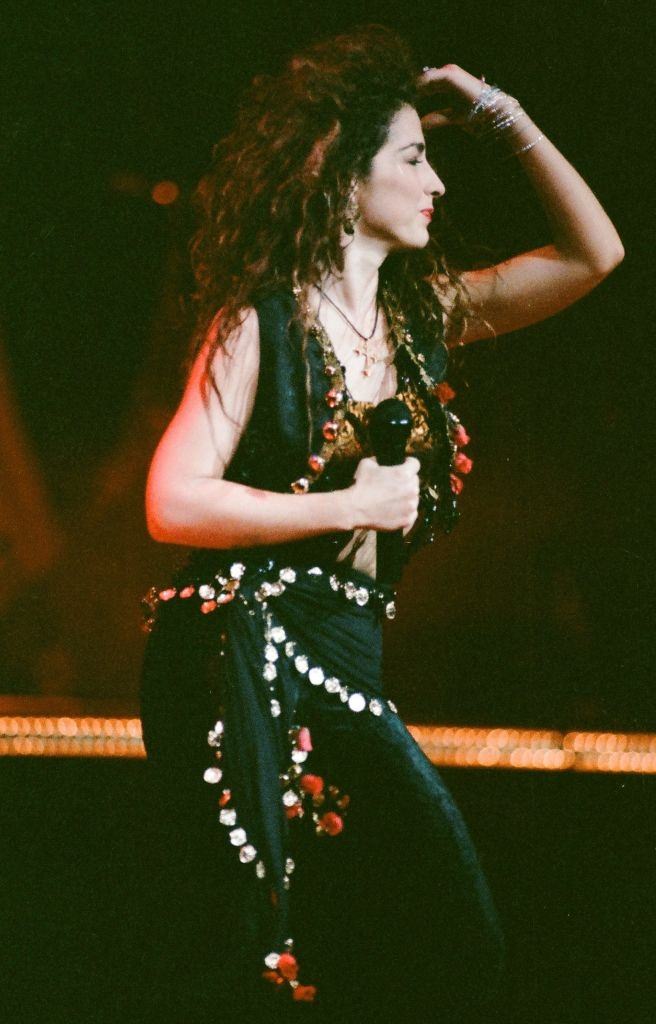
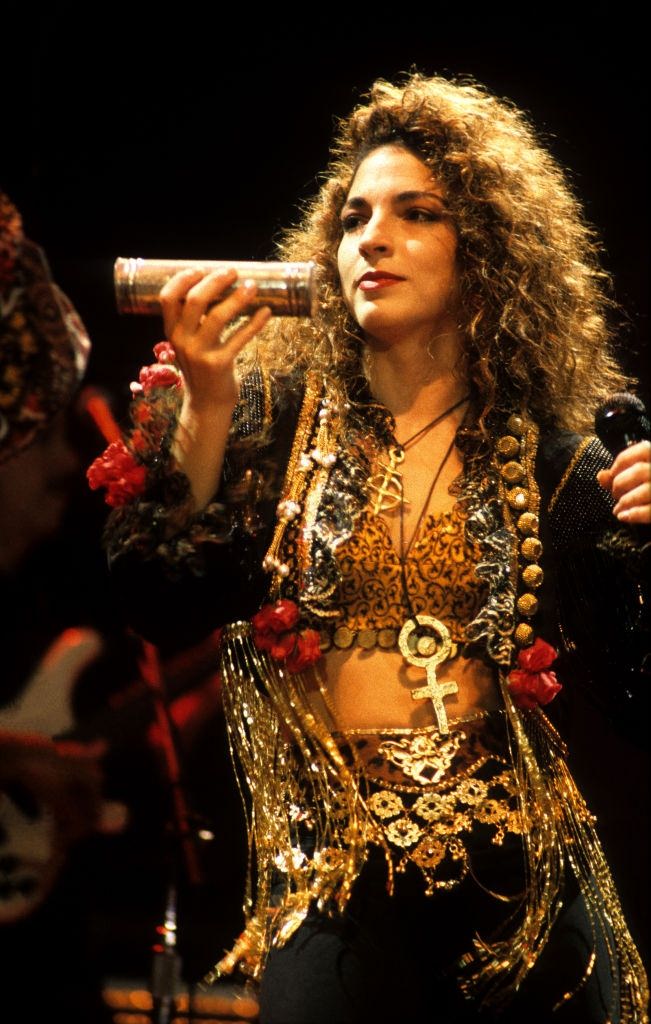
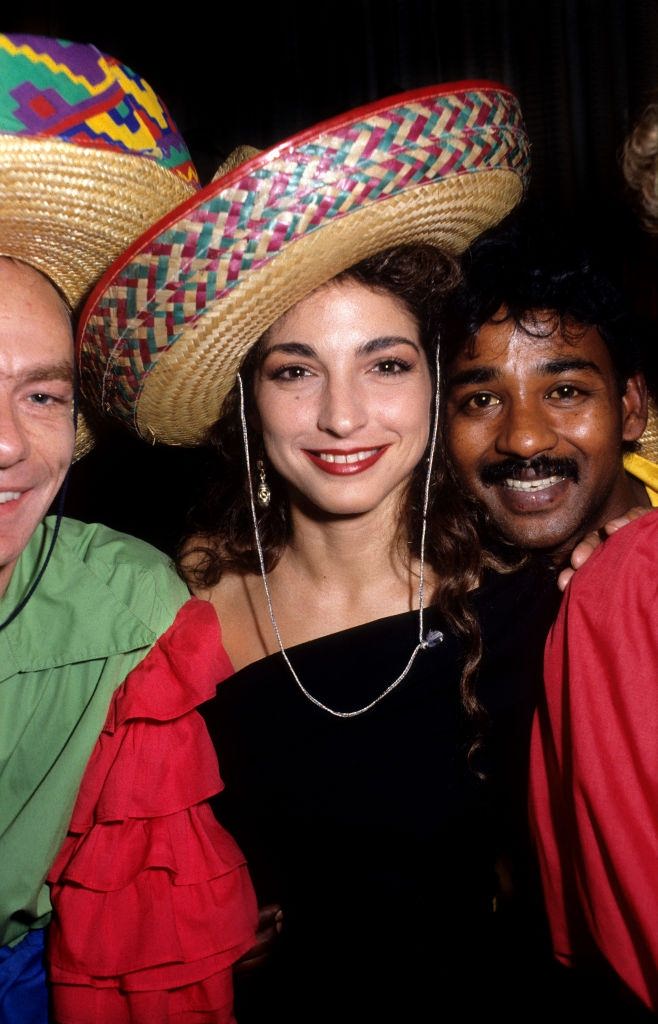
Then, on March 20, 1990, Gloria’s career was interrupted by a life-threatening accident. While traveling on the band’s tour bus with her son, the vehicle was rear-ended by a truck in Scranton, Pennsylvania. Gloria suffered a broken vertebra in her back — a severe spinal injury that required emergency surgery. She was airlifted by helicopter to the Hospital for Joint Disease at NYU in New York City, where surgeons implanted steel rods to stabilize the fracture.
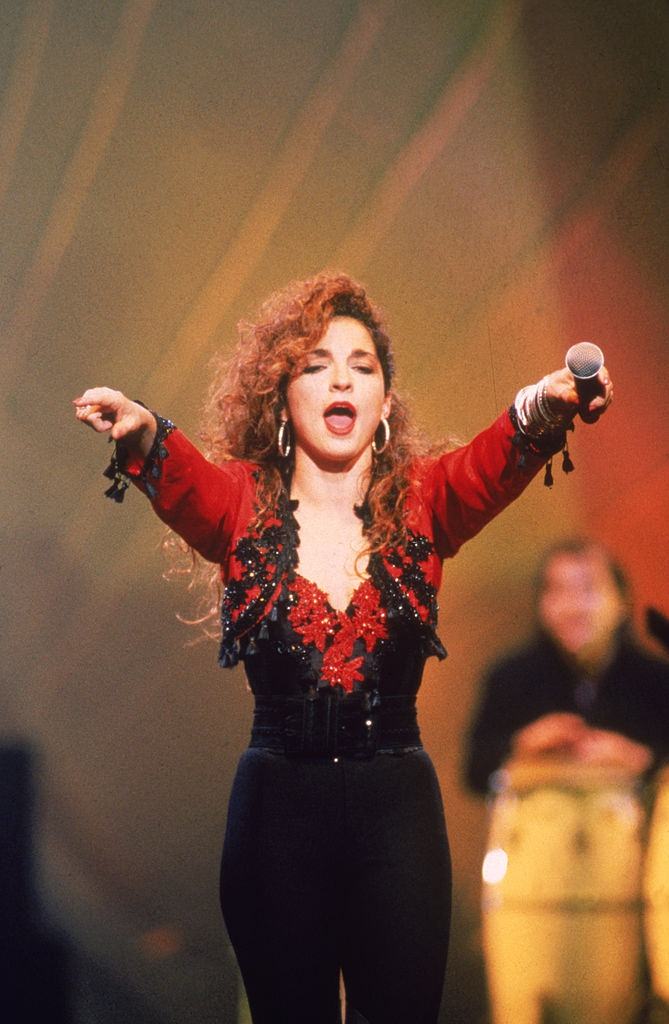
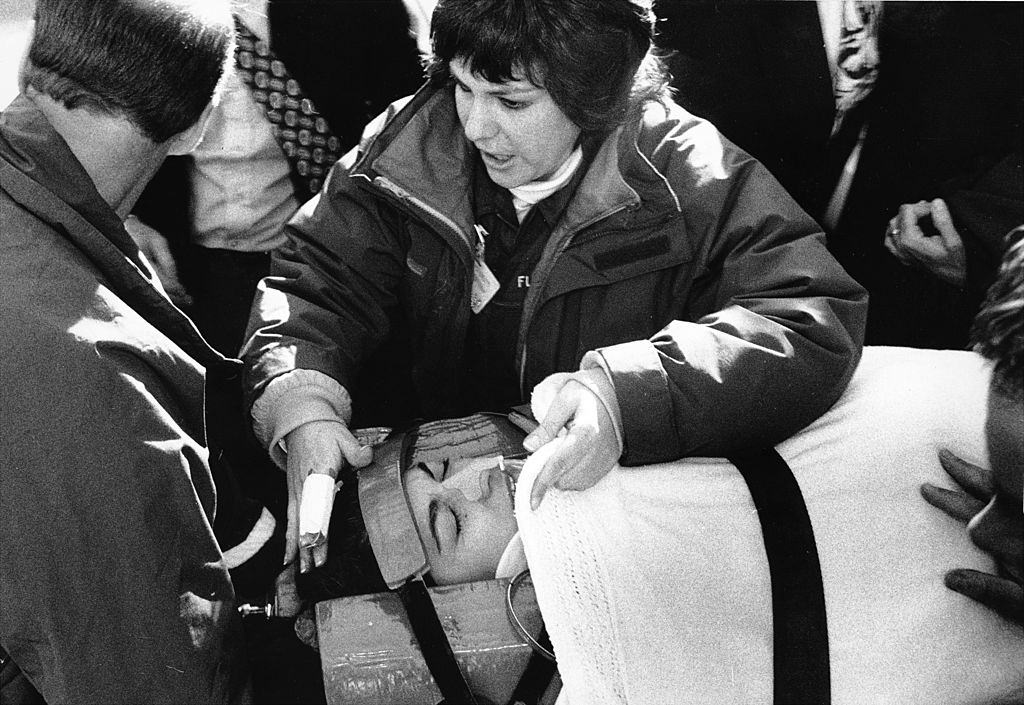
She was injured Tuesday when her tour bus was rear-ended by a truck in Scranton, Northern Pennsylvania.
The road to recovery was long and physically grueling. With determined rehabilitation and the support of her family, Gloria returned to performing. She released four albums after the accident and launched a full world tour — a comeback that stunned the music world. That same year, she appeared at the Crystal Globe Awards, marking one of her first public appearances during her recovery period.
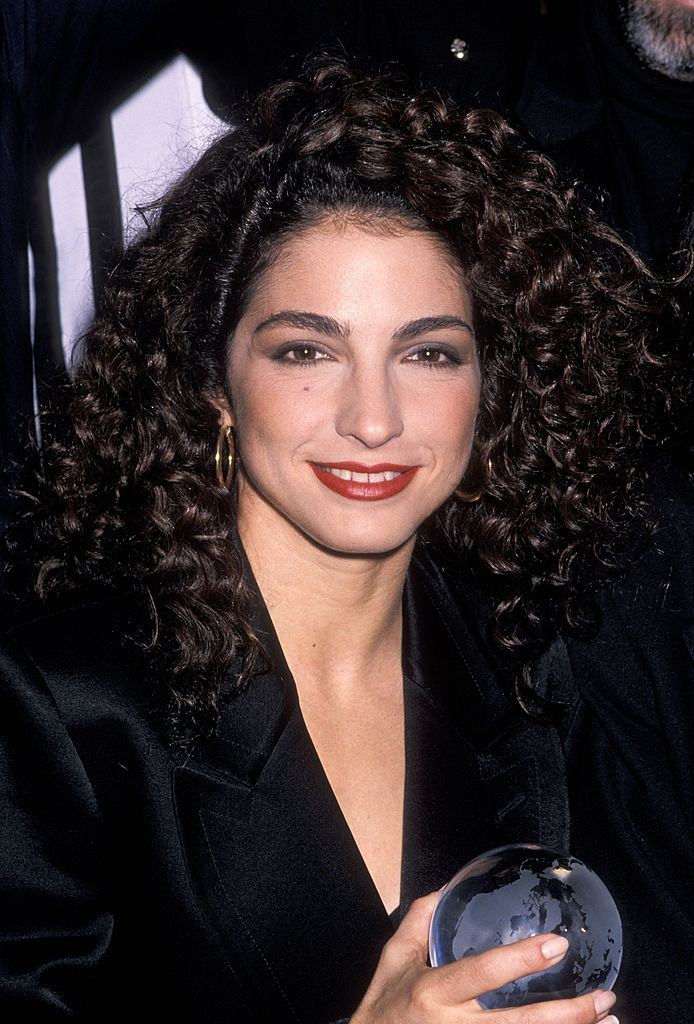
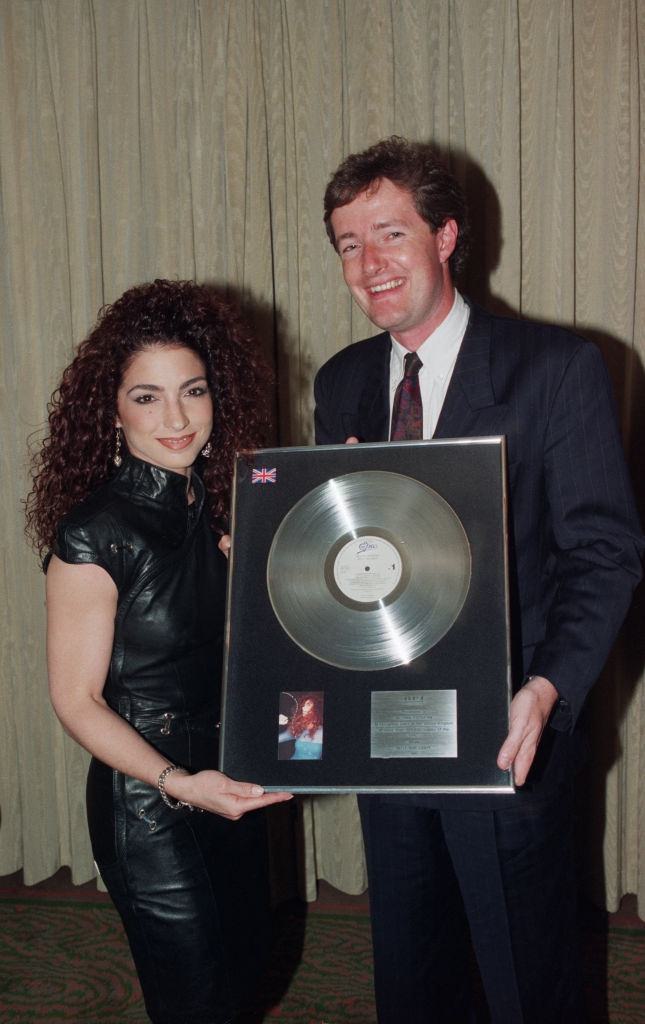
By 1991, Gloria was back in full force. Her album ‘Into the Light’ sold more than 300,000 copies in the United Kingdom alone, earning her a special sales recognition award from Epic Records. The numbers proved that the public’s connection to her music had only deepened during her time away.
95% of the years are wrong.
That’s exactly what I was going to say! I think they may have gotten a couple of the years right and the rest were wrong!