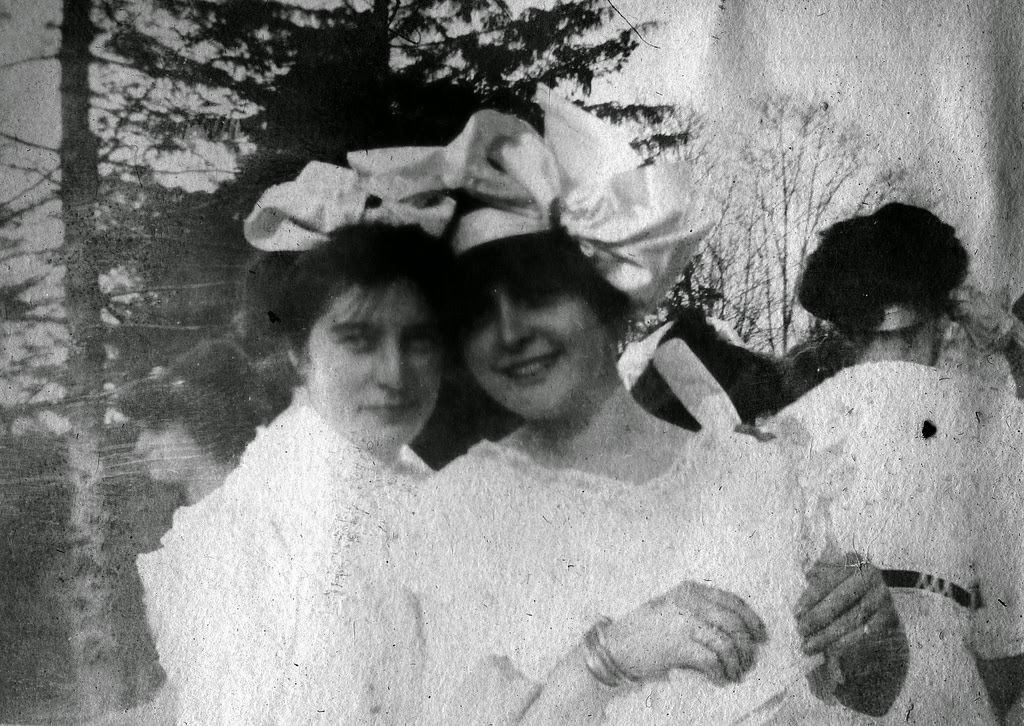
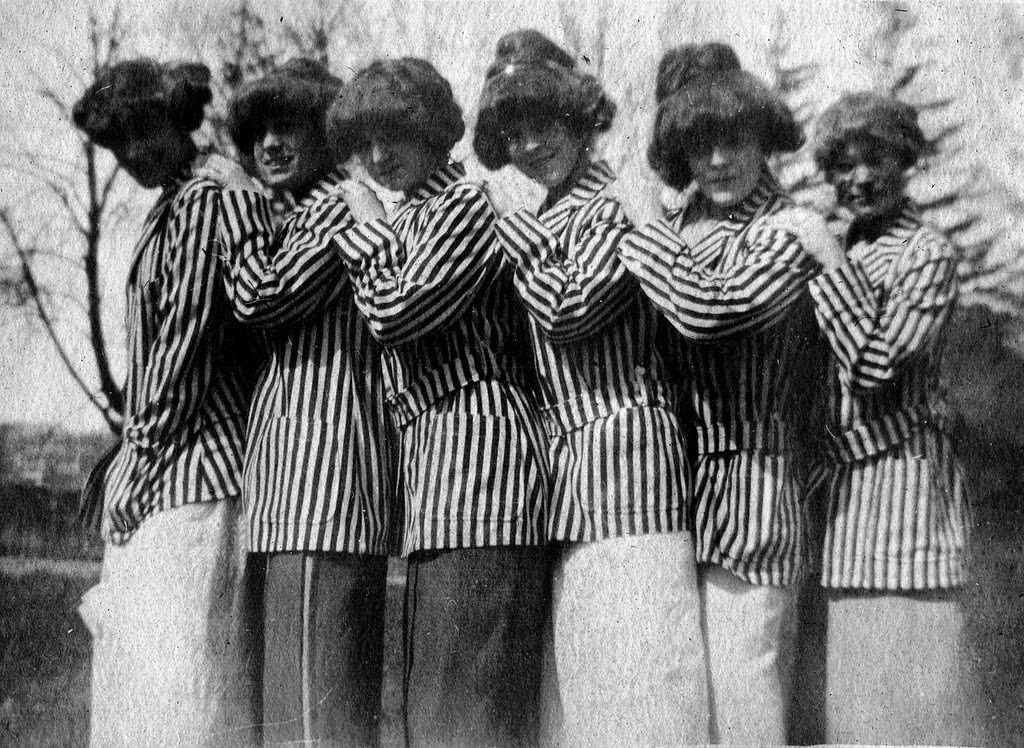
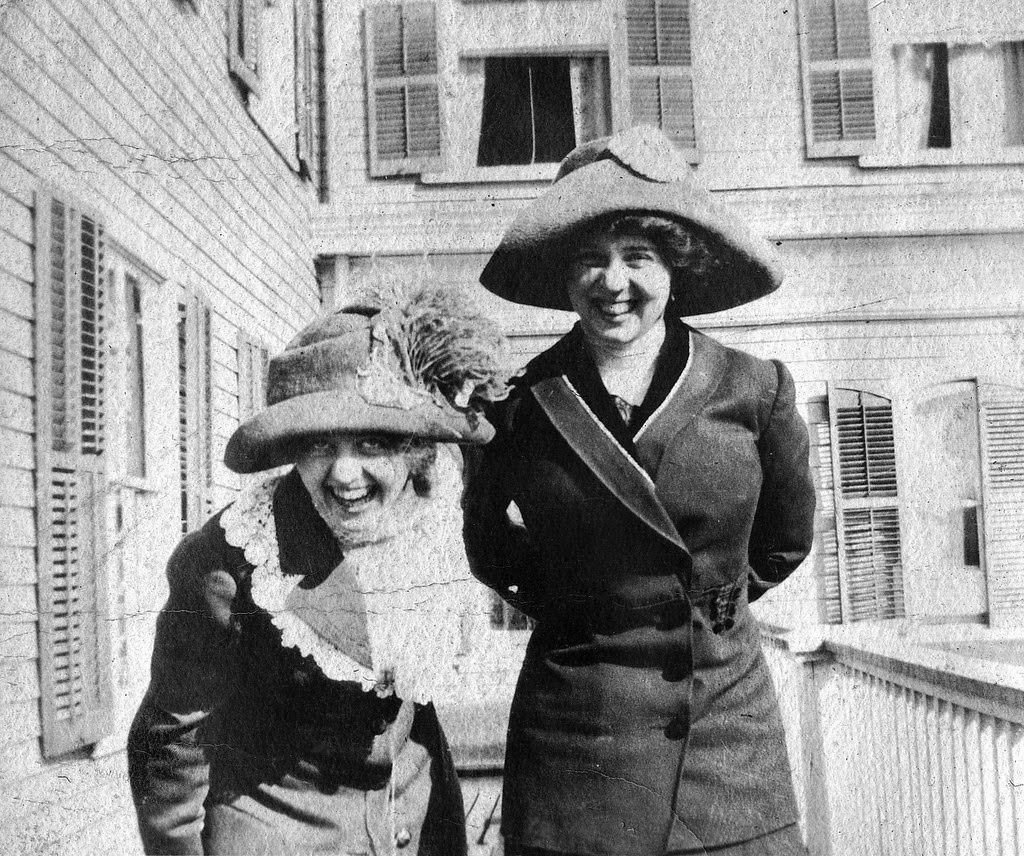
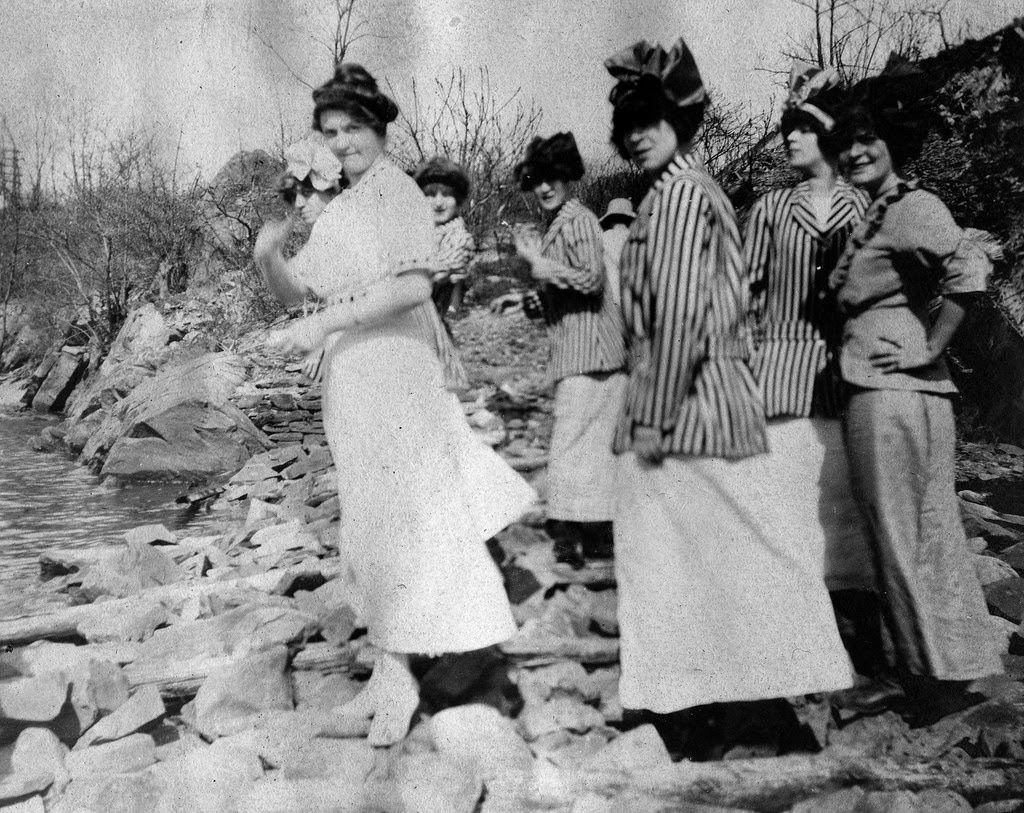
Girls arrived at Glen Eden Boarding School with heavy trunks packed by family maids. The year was 1911, and parents sent their daughters away to learn manners, French, and needlework. These students lived under strict schedules that dictated every hour from dawn until night.
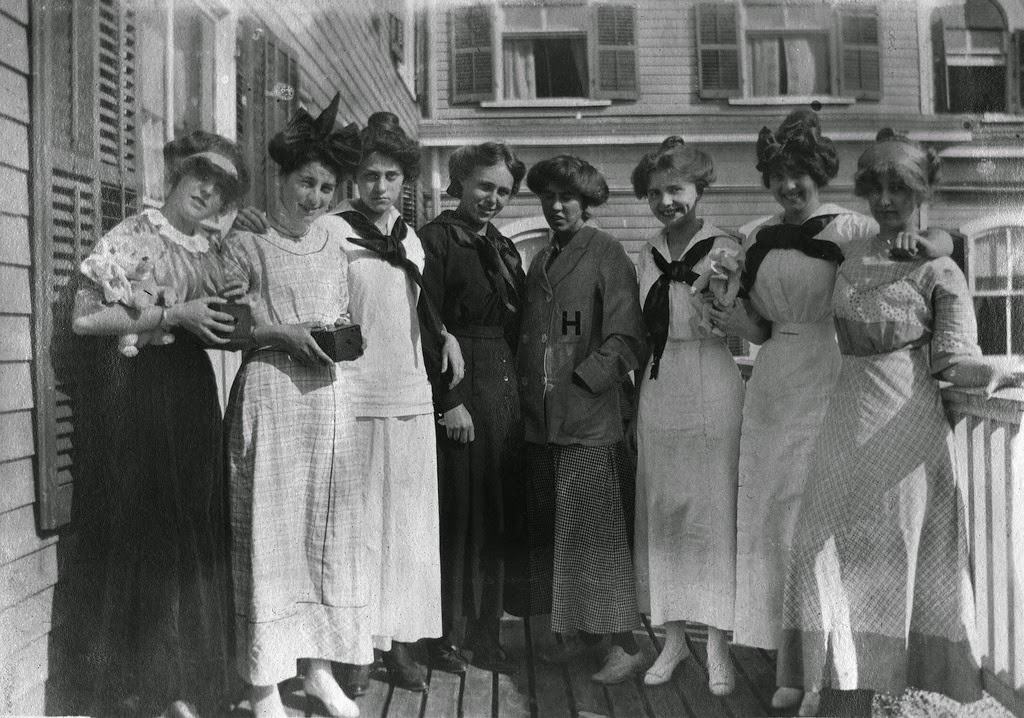
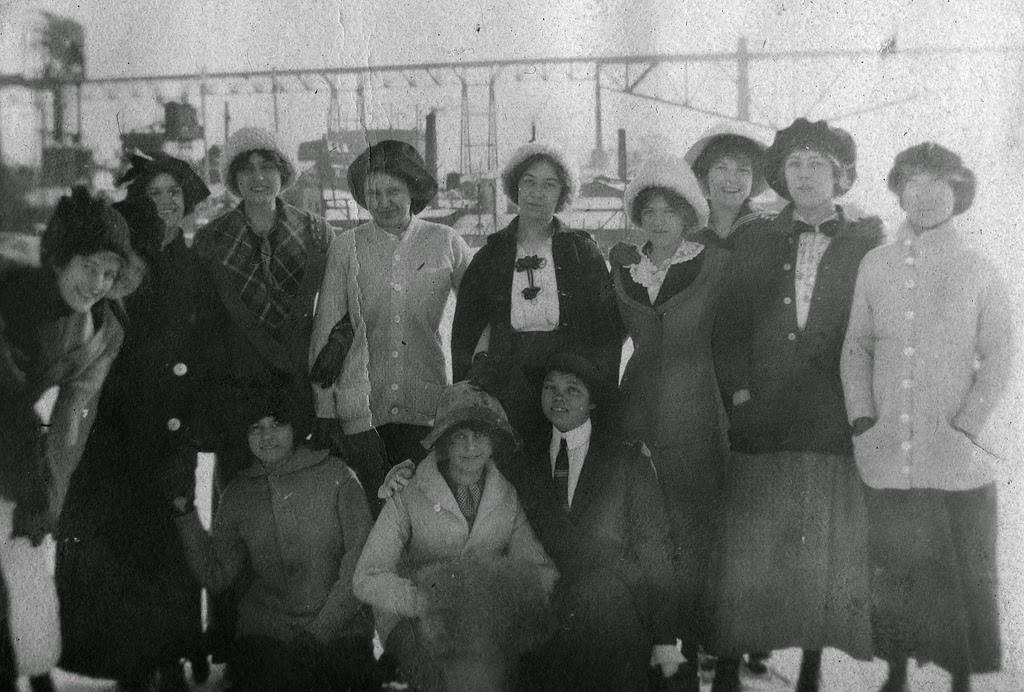
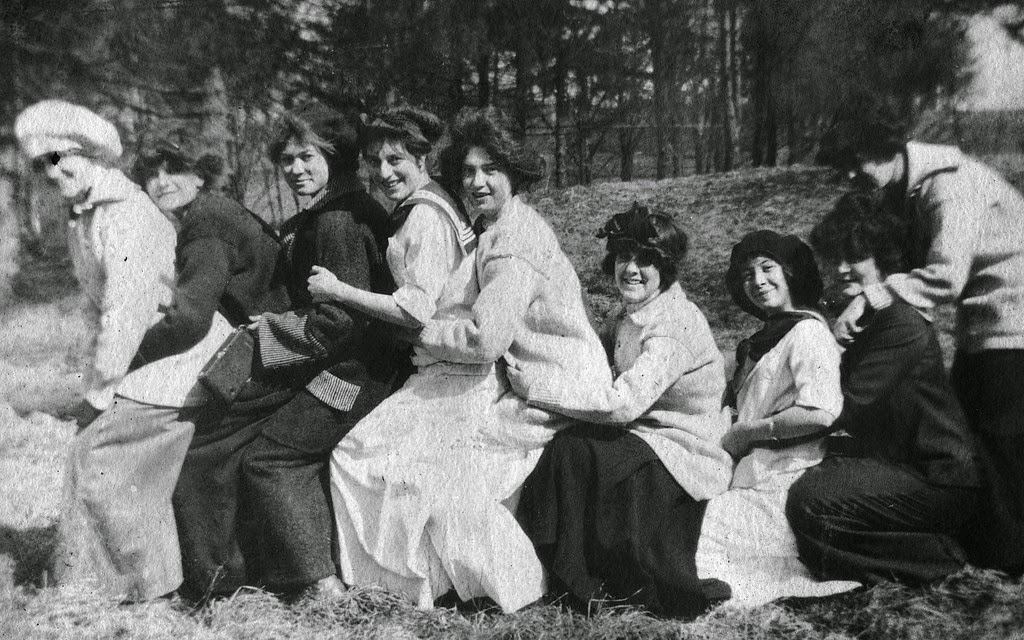
Dozens of teenagers shared drafty dormitories where windows stayed open for fresh air. Morning bells rang at six o'clock sharp. Cold water waited in ceramic basins for hasty wash routines before chapel.
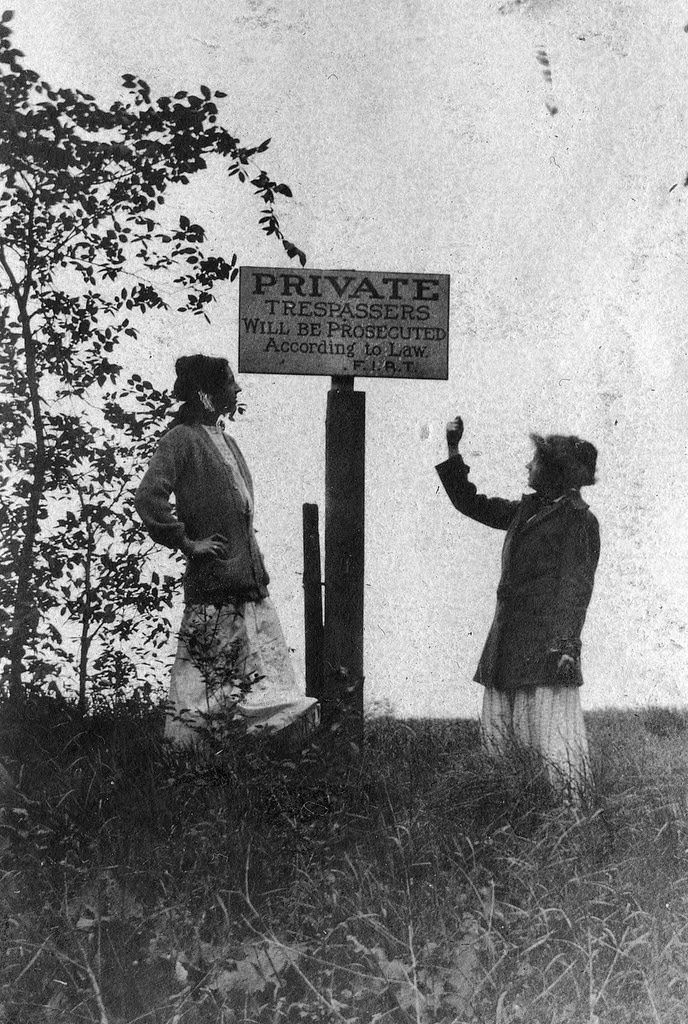
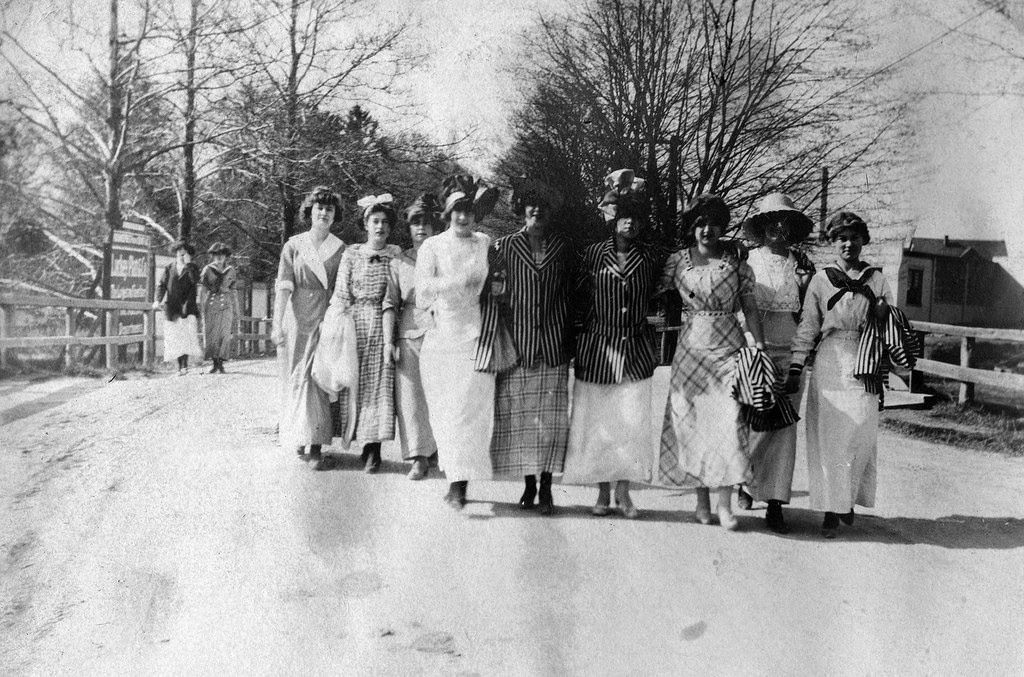
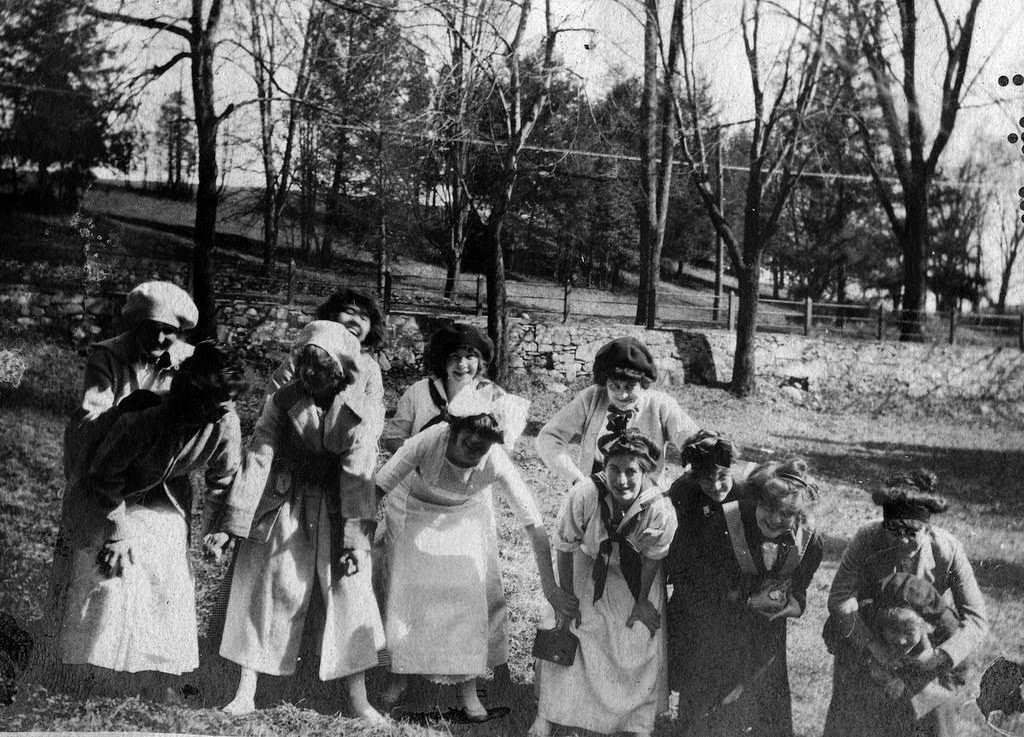
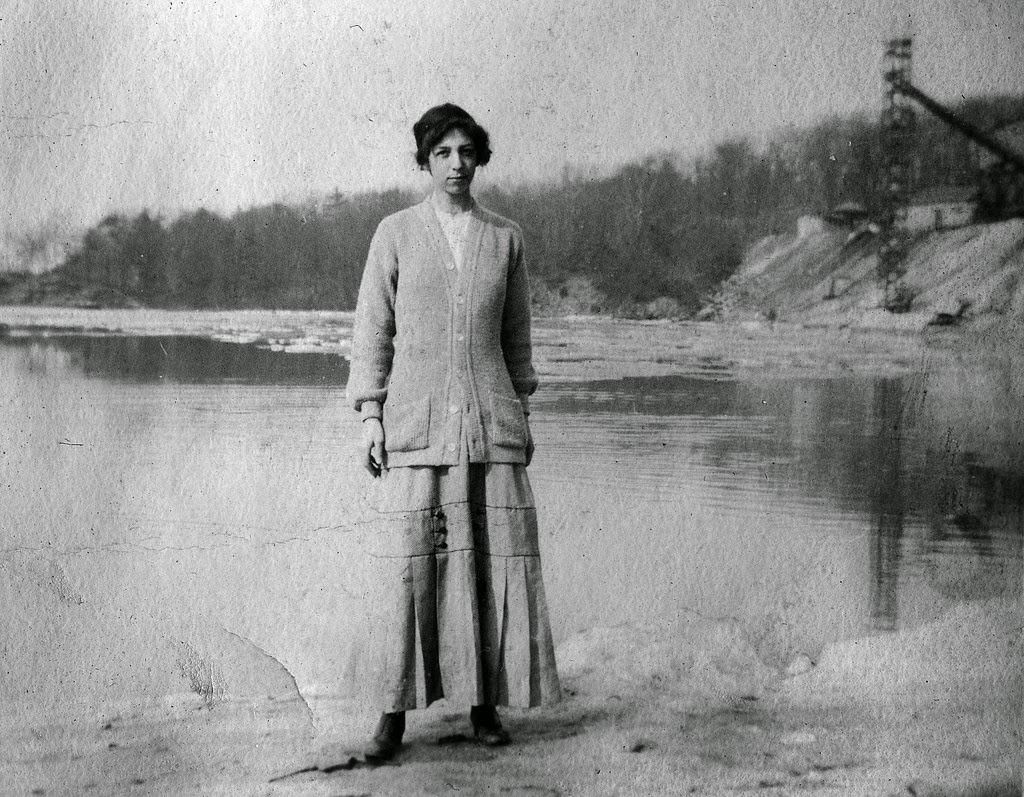
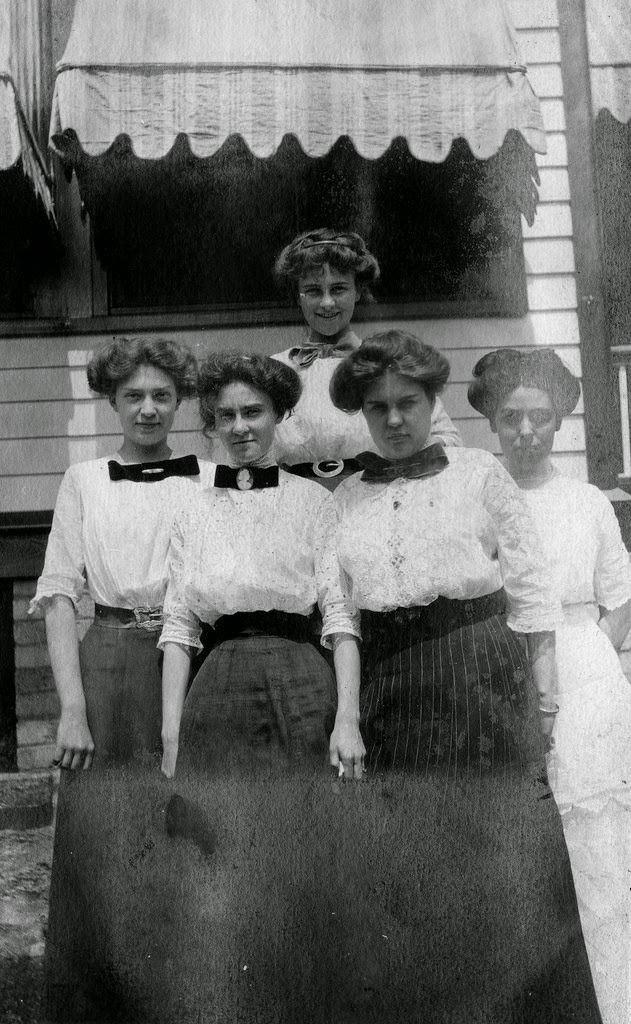
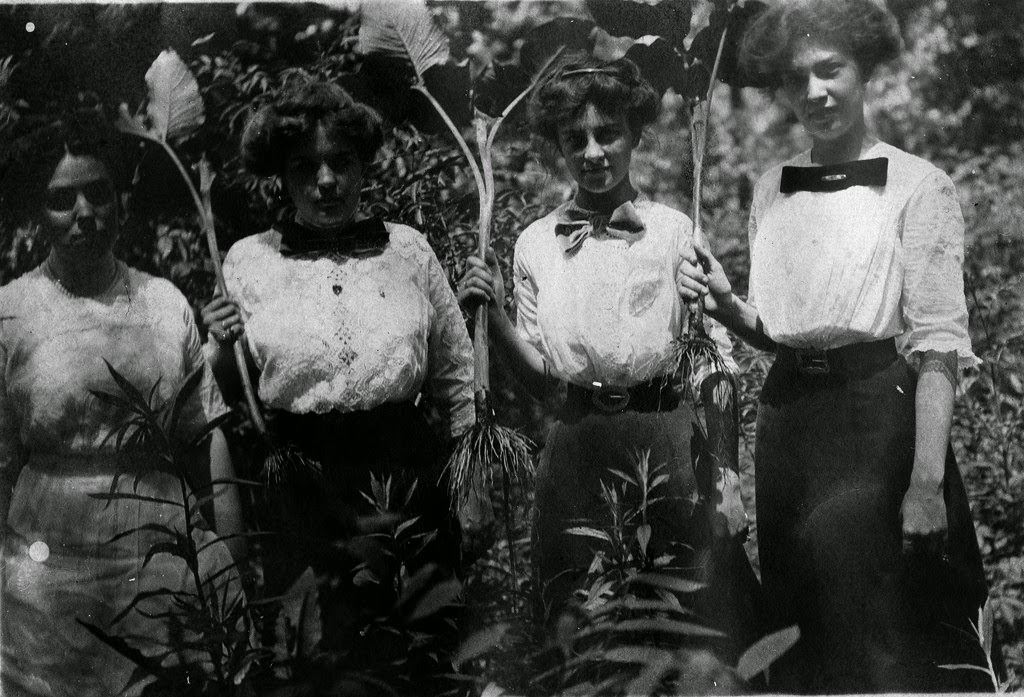
Uniforms were mandatory across all forms. Heavy wool skirts reached the ankles. White Peter Pan collars required starching every week. Hair had to be tied back with black ribbons at all times.
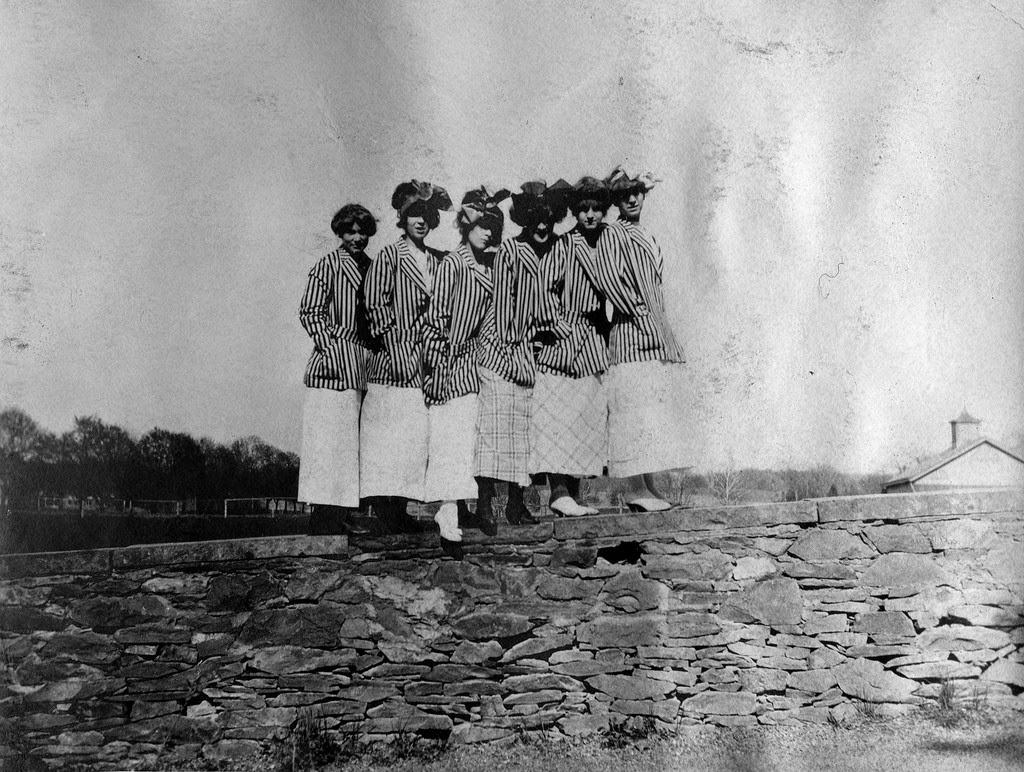
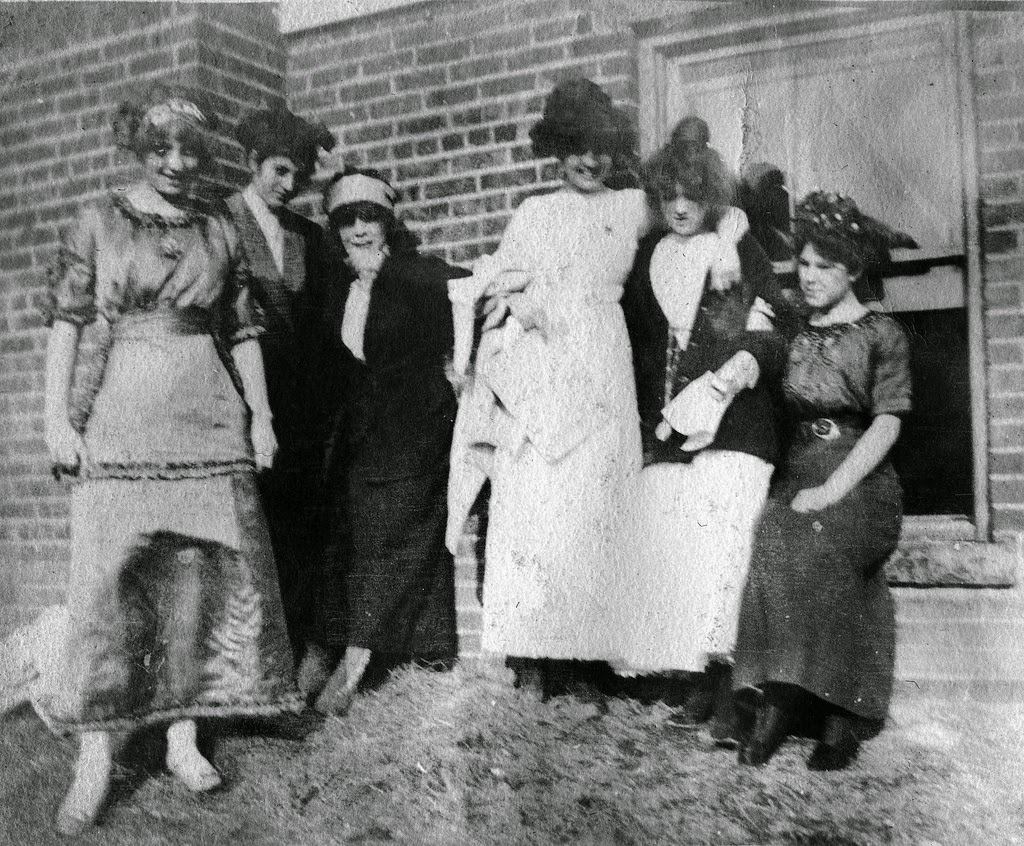
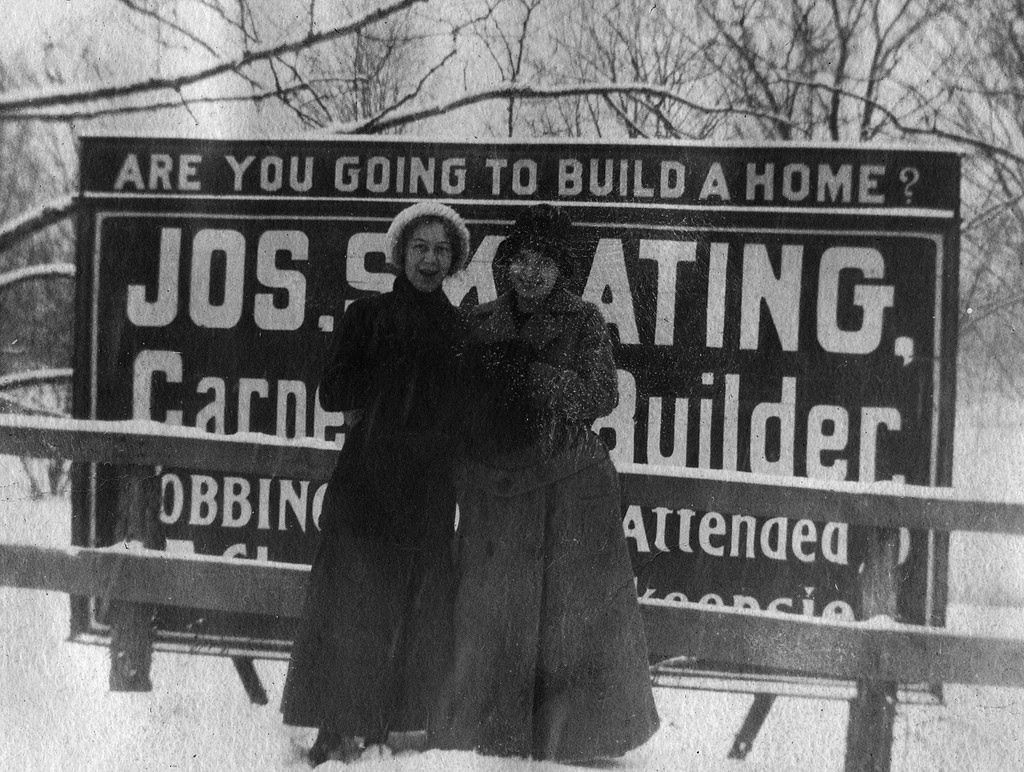
Classrooms smelled of chalk dust and floor wax. Teachers drilled students on European geography and Latin verbs. Mistakes brought swift reprimands from stern headmistresses who ruled the corridors.
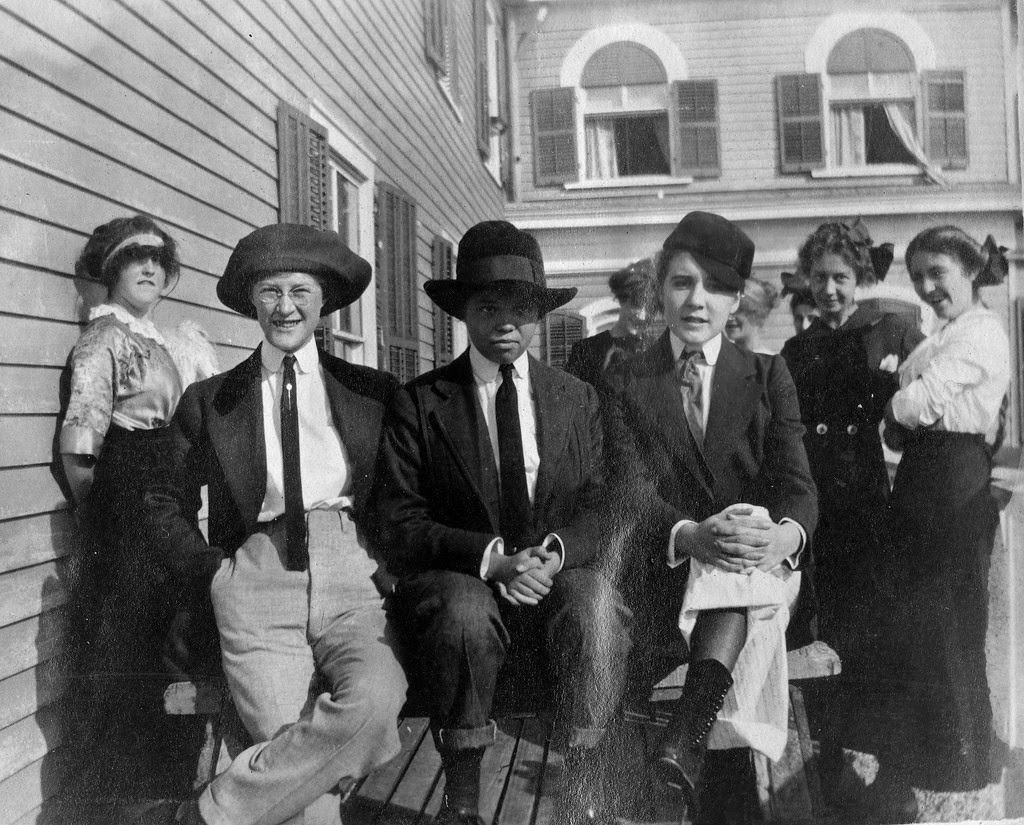
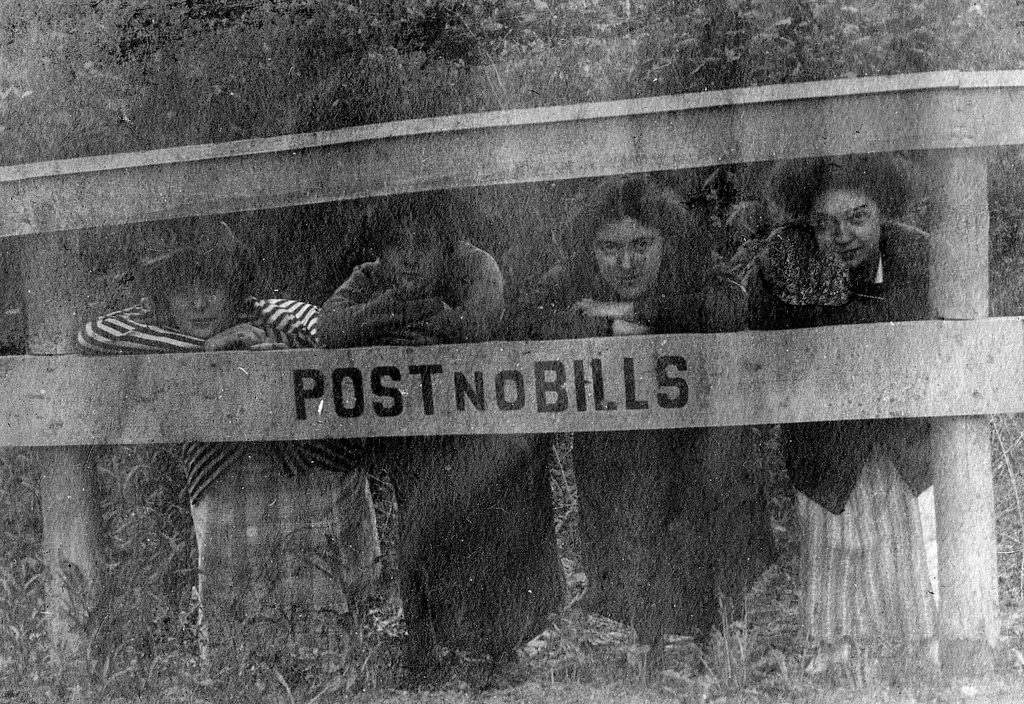
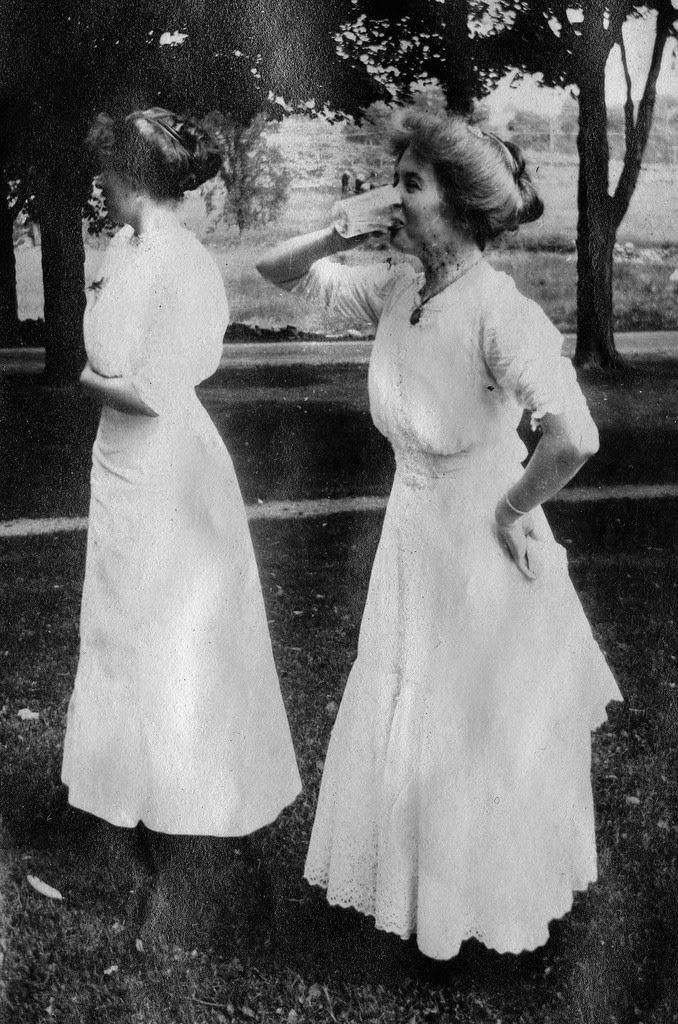
Recess offered brief relief in the gravel courtyard. Girls played field hockey in restrictive skirts or practiced piano duets in small practice rooms. Rules banned running indoors and talking during meals.
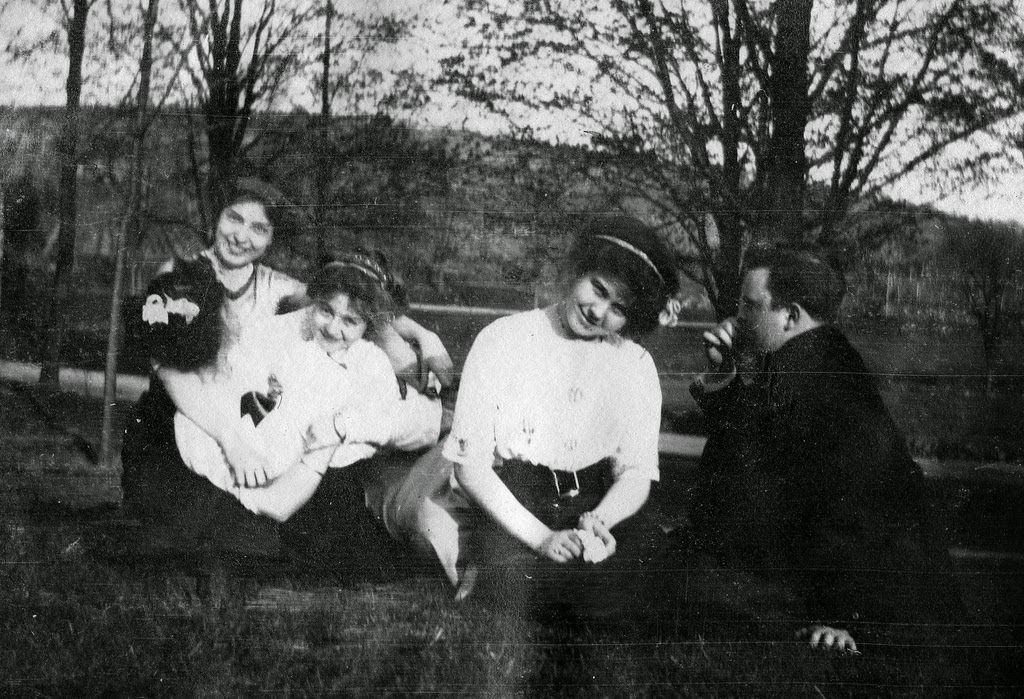
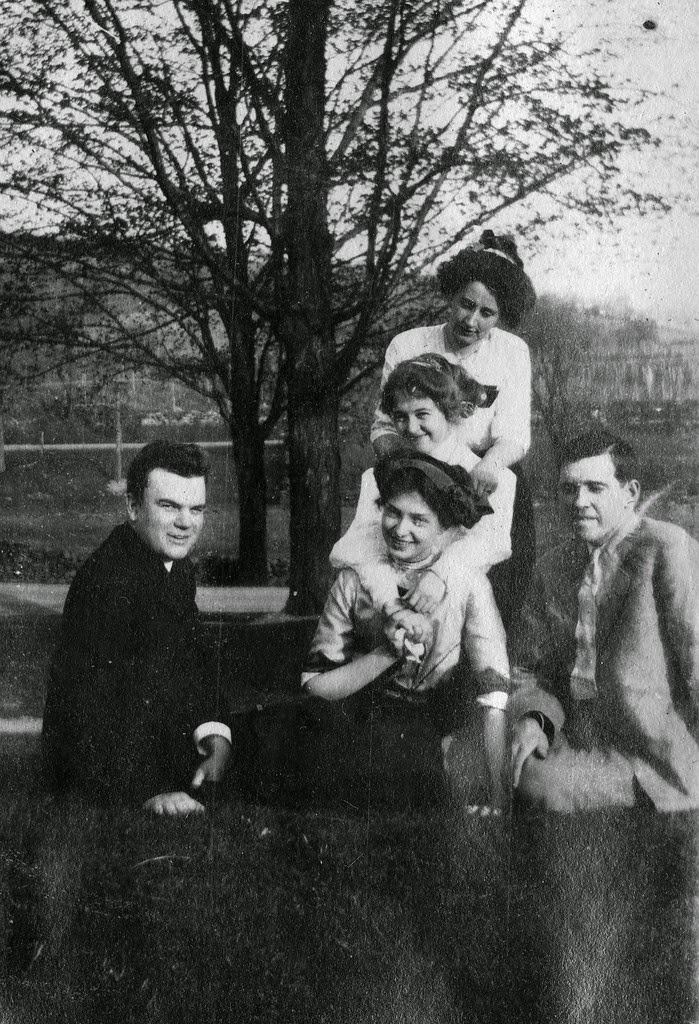
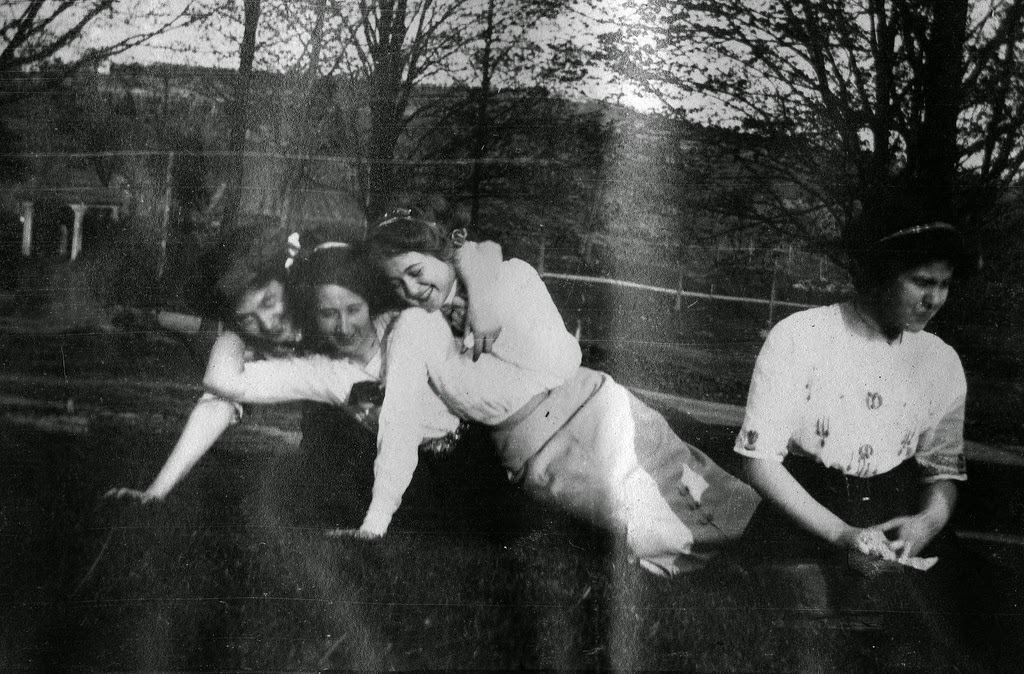
Letters home went out every Sunday afternoon. Censors read every page before stamps went onto envelopes. Families visited once a month on designated lawn afternoons under watchful eyes.
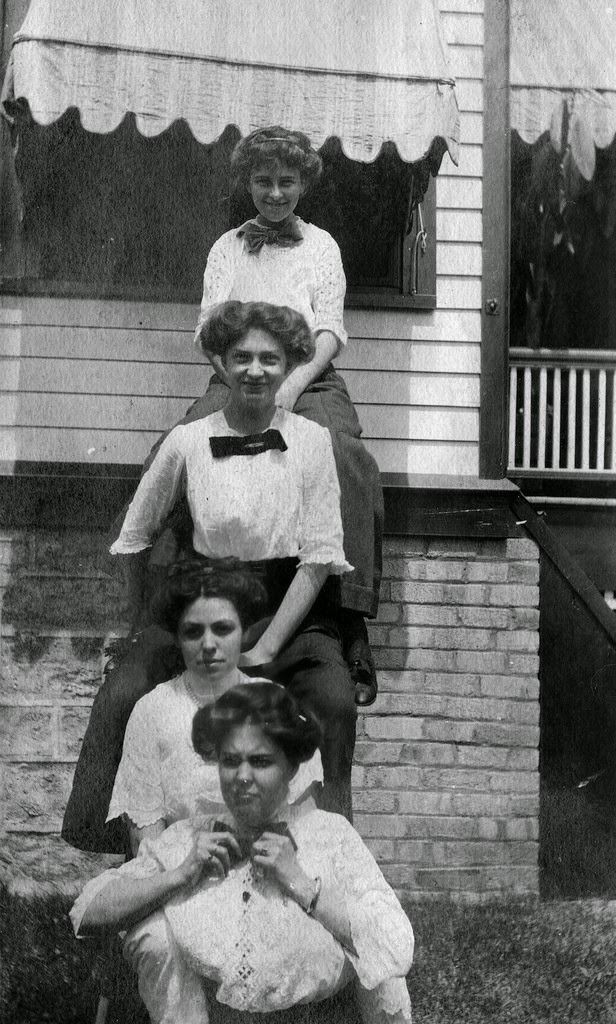
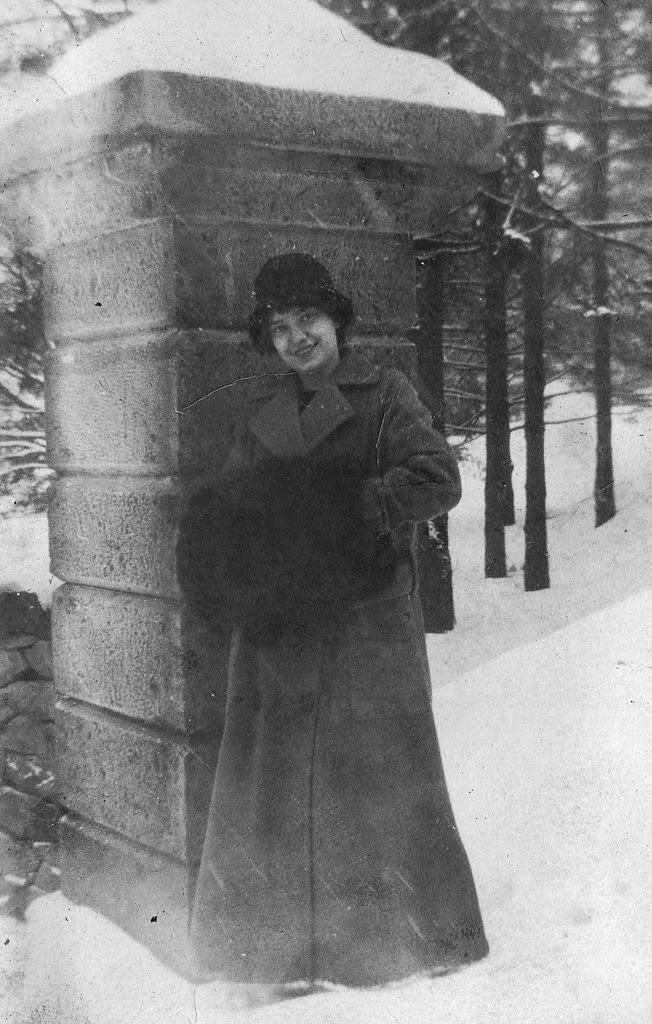
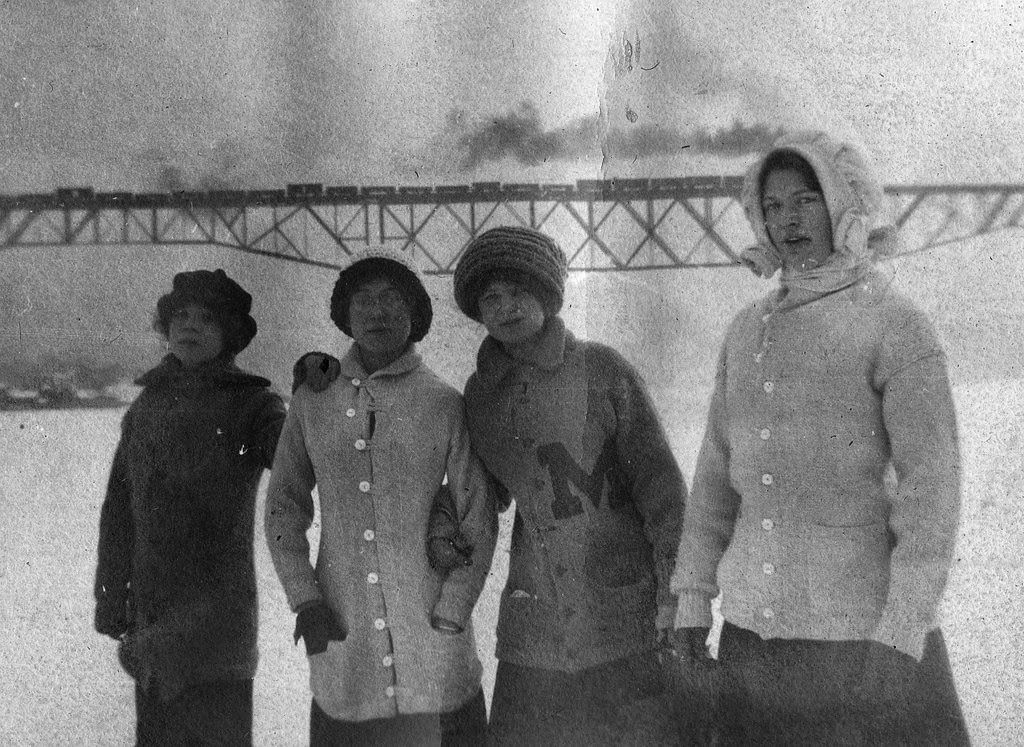
Winters brought freezing temperatures inside the stone buildings. Hot water bottles provided the only relief in unheated beds. Heavy woolen blankets did little against drafts from tall Victorian windows.
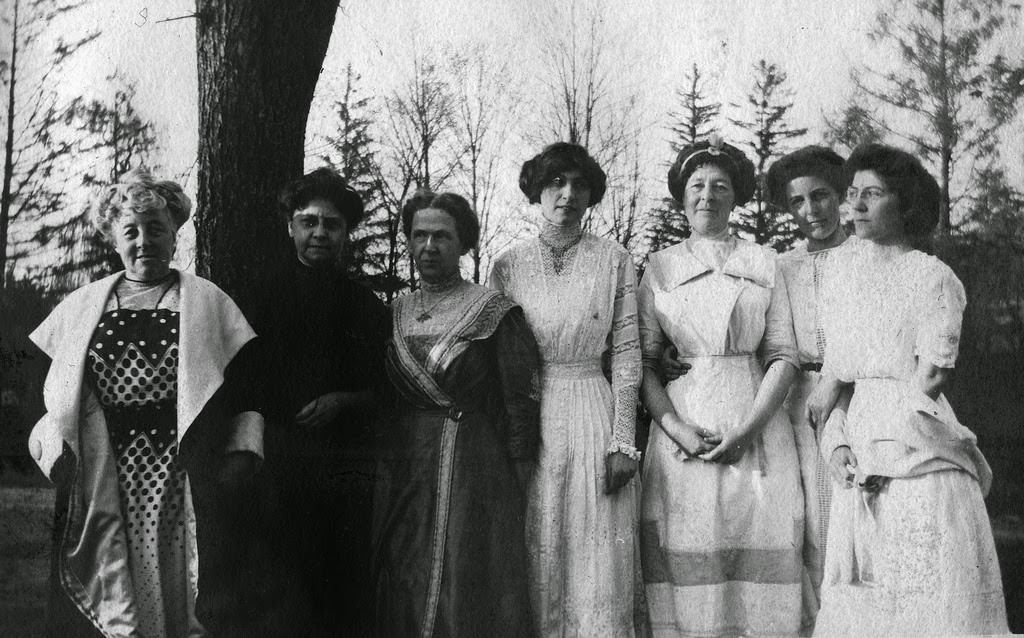
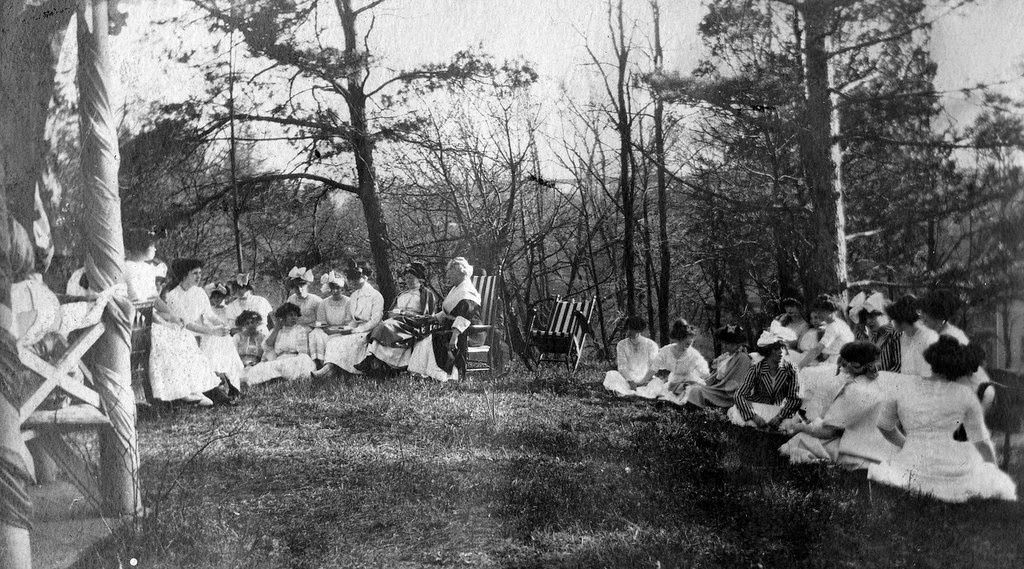
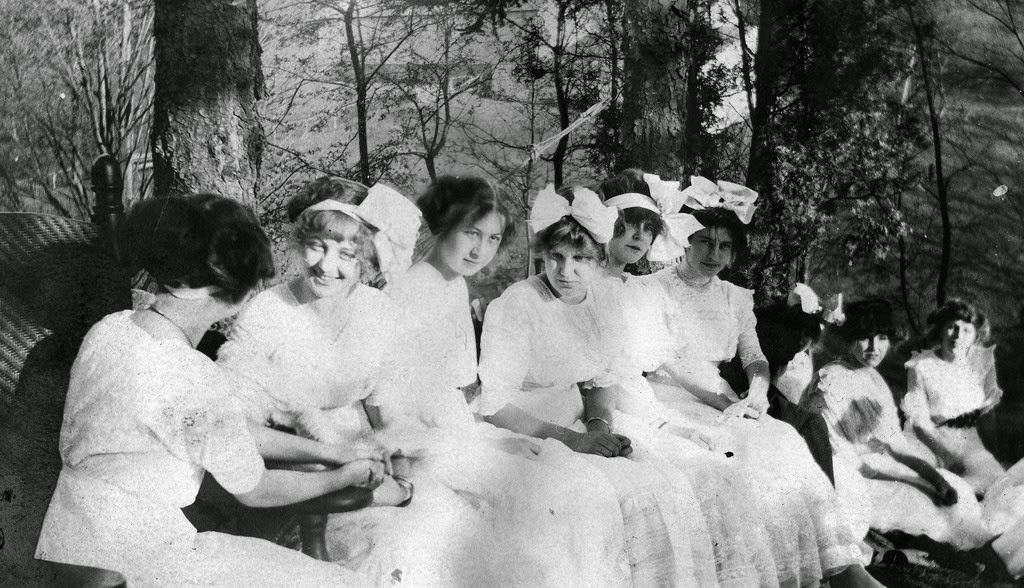
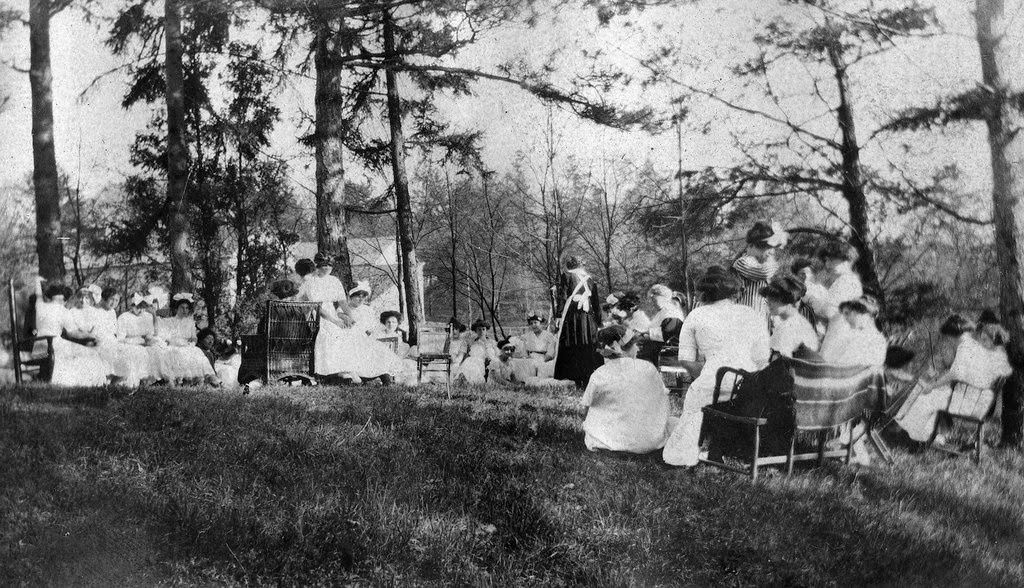
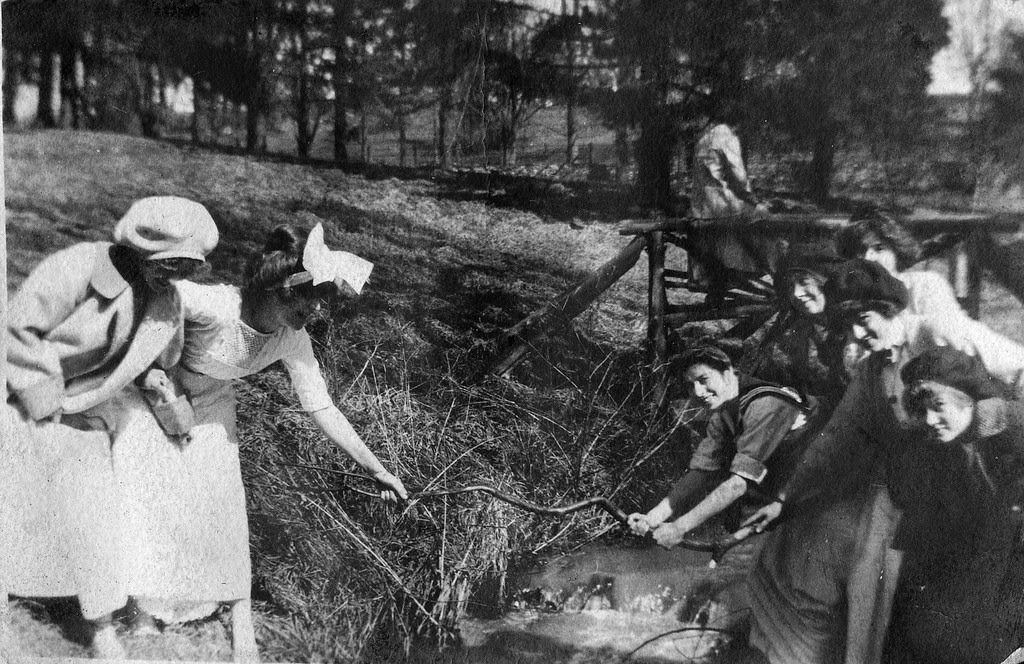
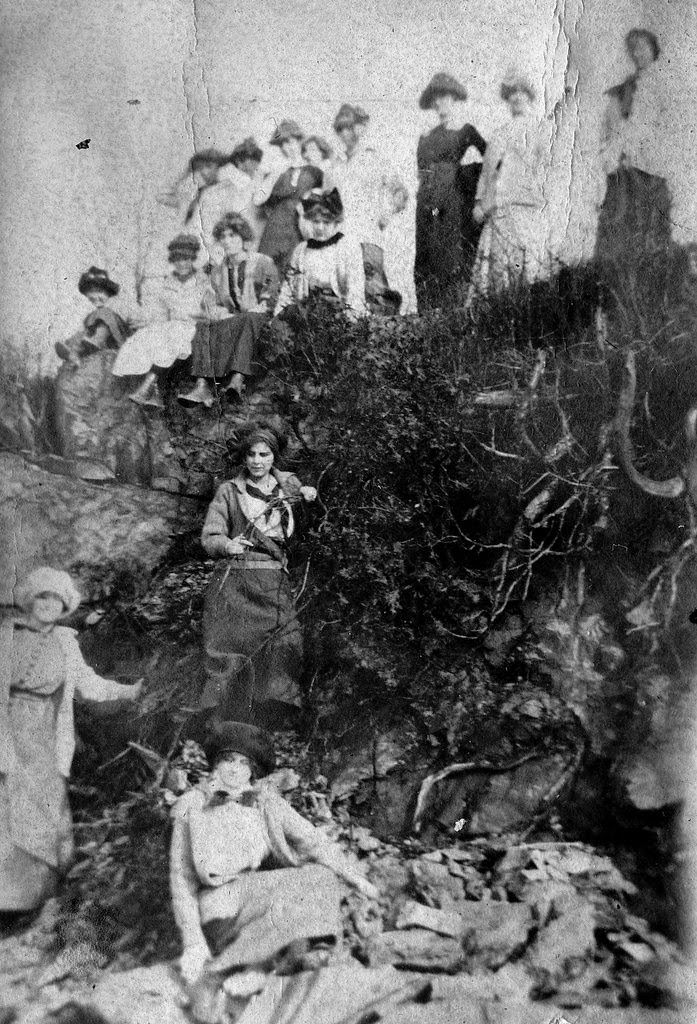
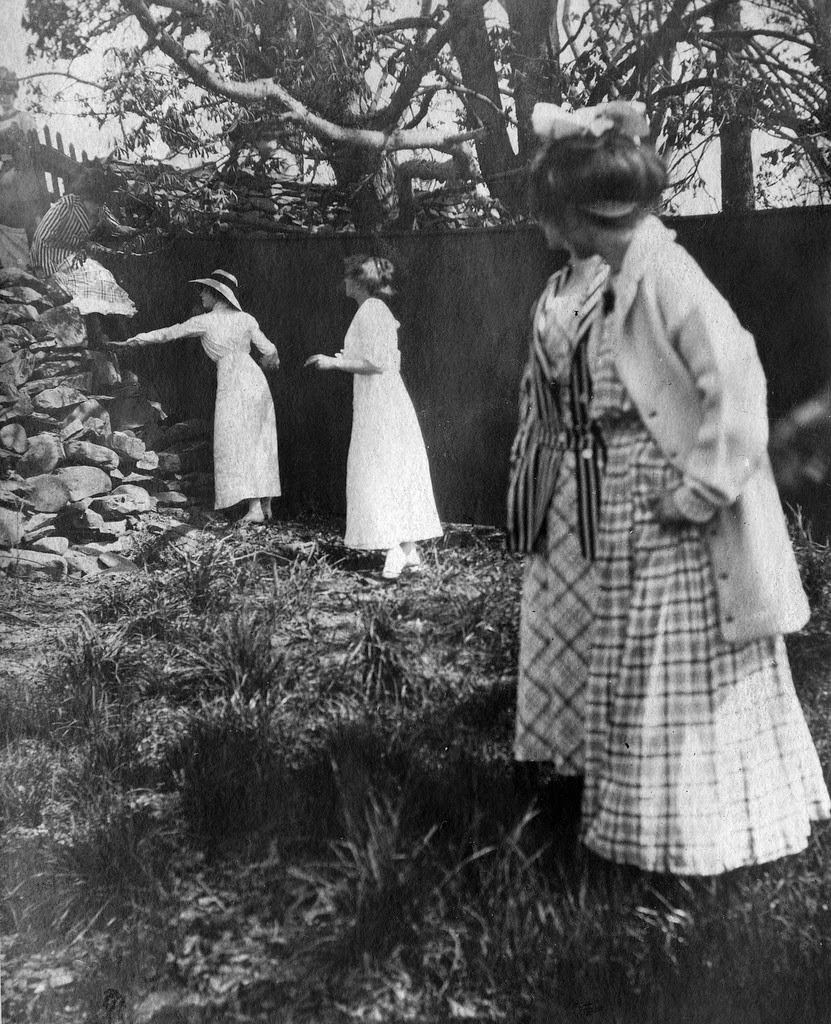
Spring terms brought tennis matches and botany walks in nearby woods. Teachers led crocodile lines of students through muddy lanes. Local villagers watched the uniform-clad teenagers pass by on their Thursday afternoon strolls.
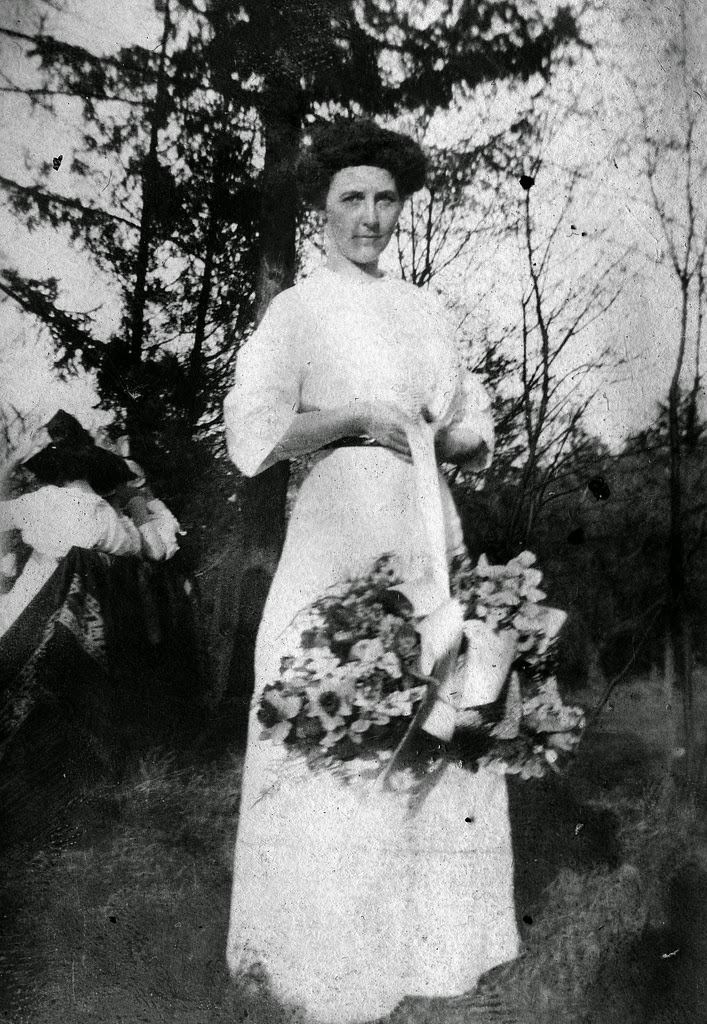
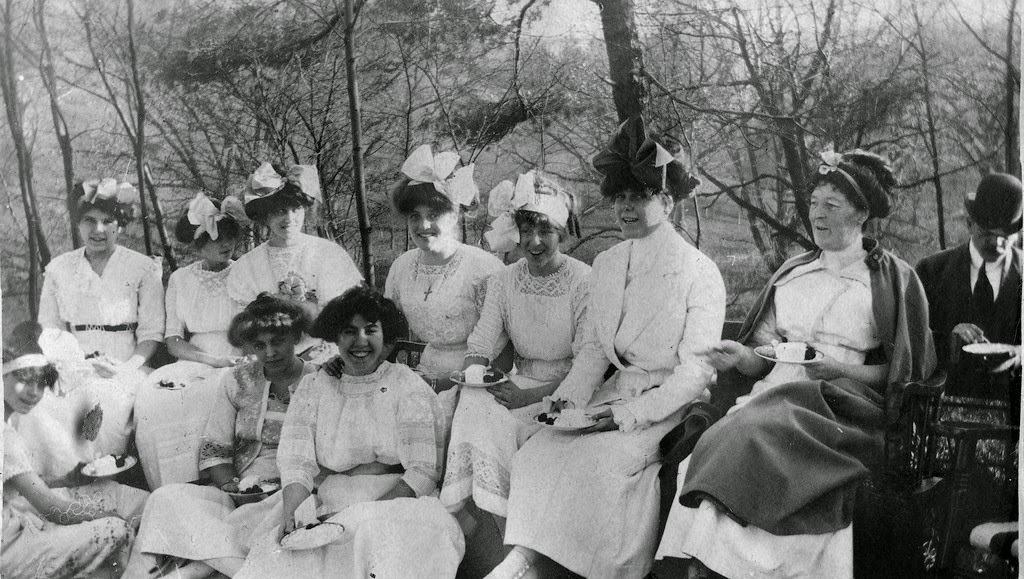
Dining hall meals followed rigid culinary traditions. Porridge started the morning, followed by mutton and boiled potatoes at midday. Supper consisted of bread, butter, and weak tea.
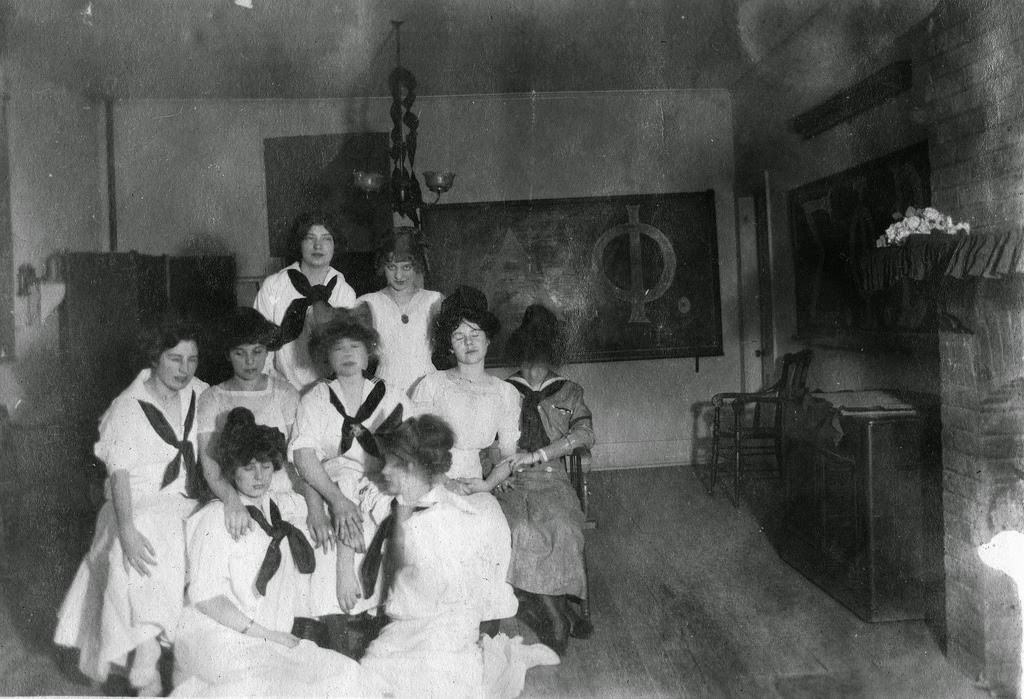
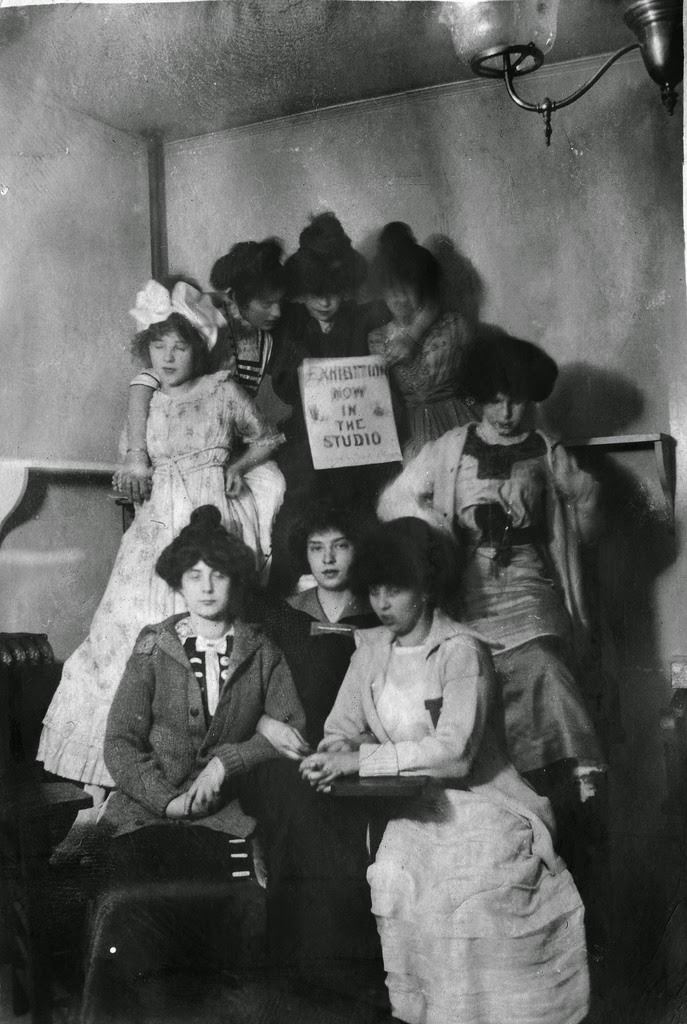
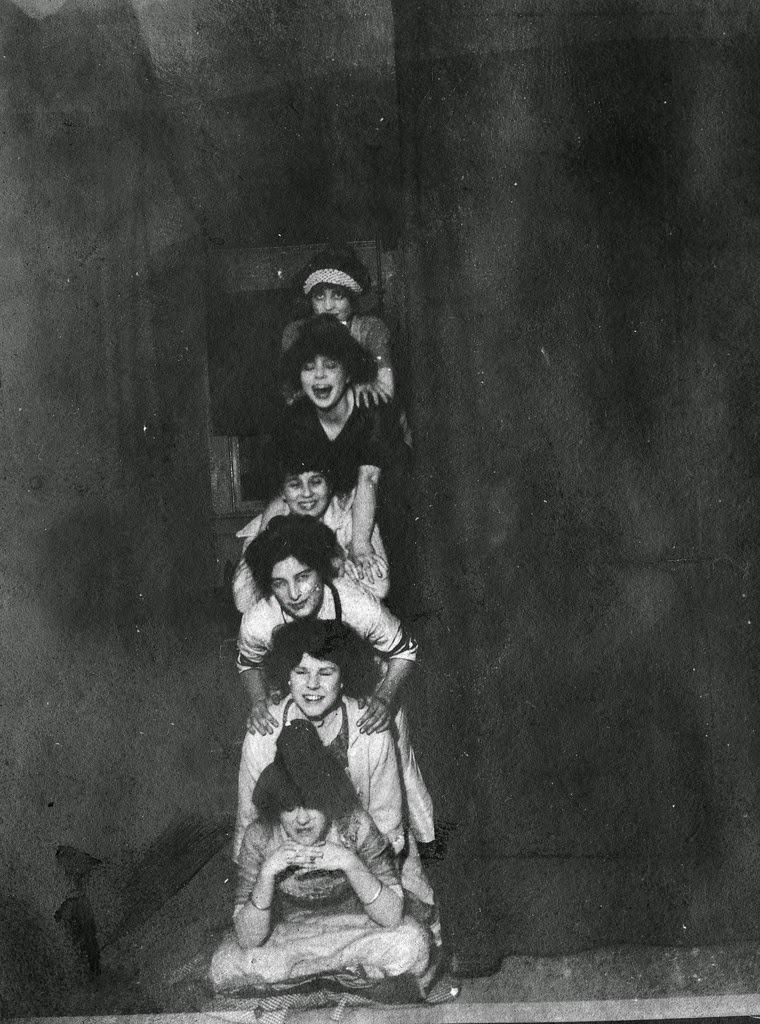
Exam periods tested memories and endurance in the main hall. Desks stood six feet apart to prevent cheating. Inkwells and steel-nib pens scraped across paper for hours on end.
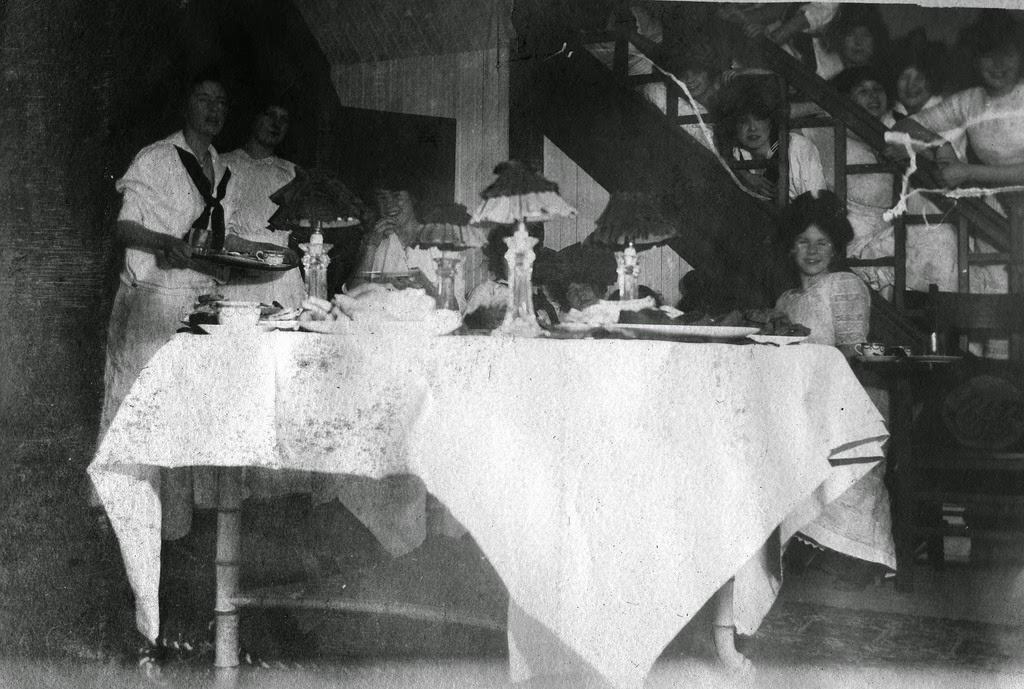
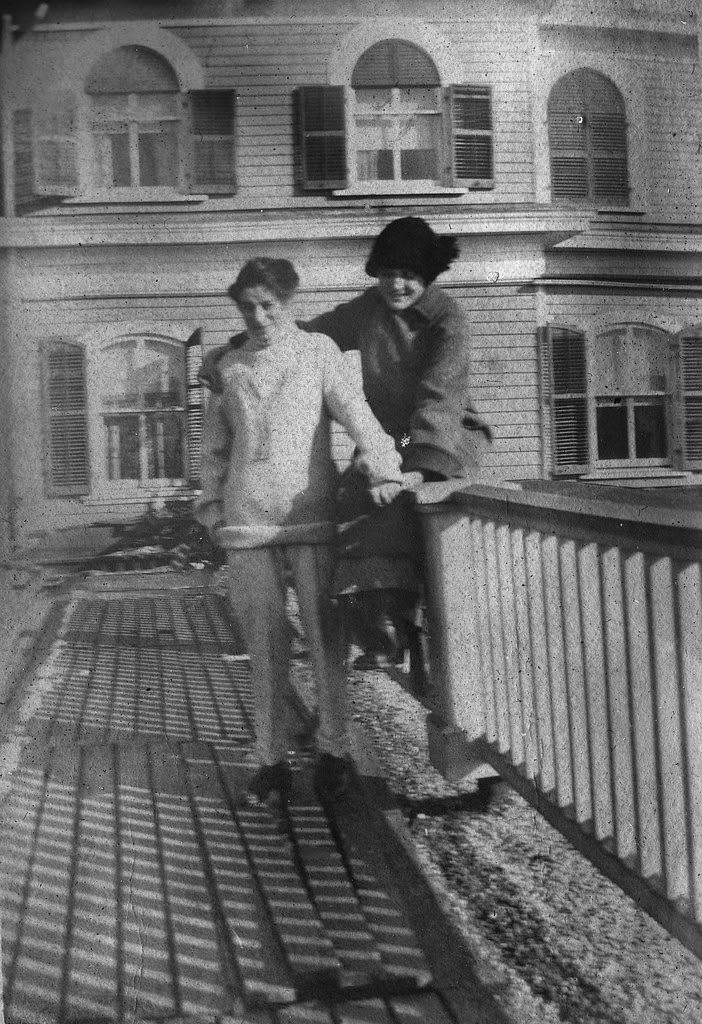
Graduating students left behind hand-stitched samplers and leather-bound notebooks. Many returned home to make formal debuts in local society. Others pursued teacher training certificates at universities.
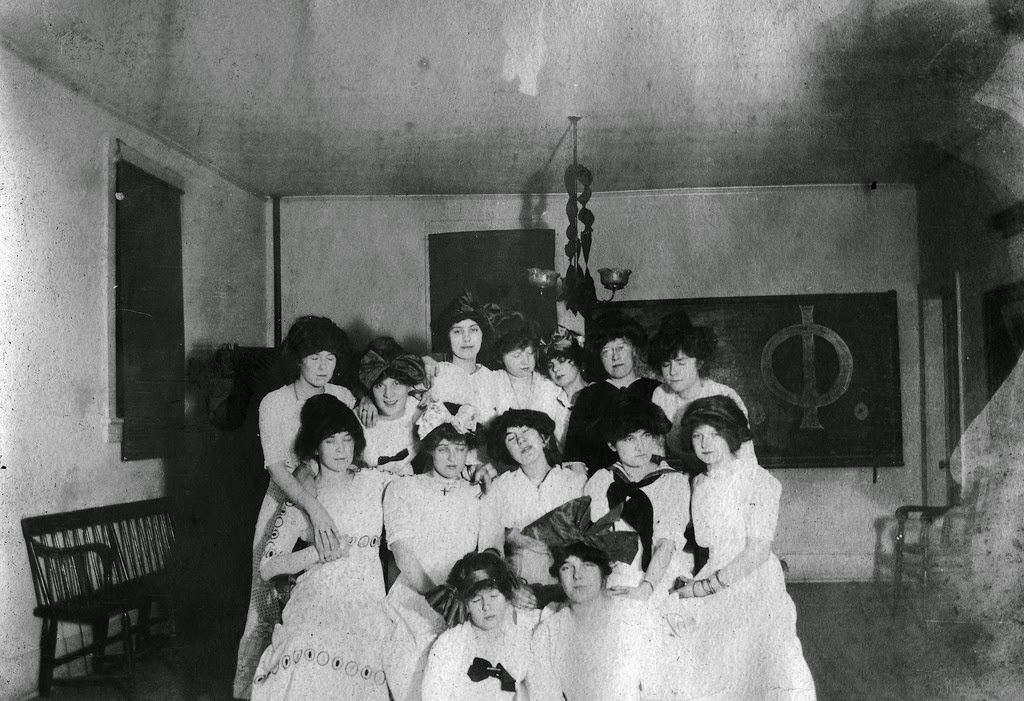
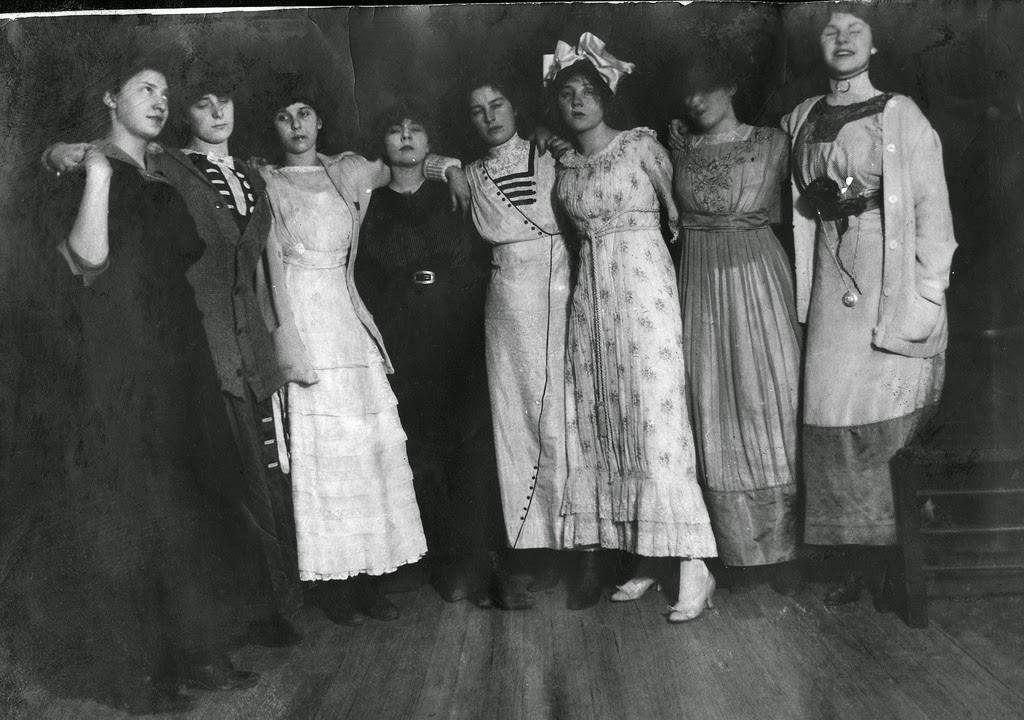
The 1912 term brought new faces to fill empty dorm beds. Younger sisters replaced older graduates who left in July. Daily routines continued without interruption despite changes in the student body roster.
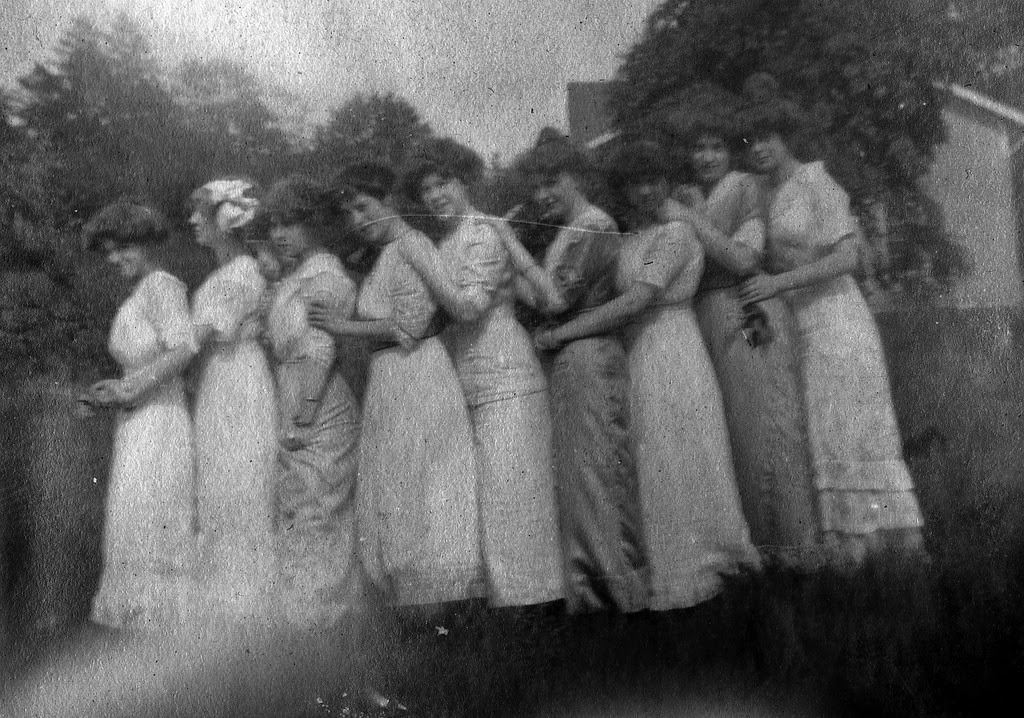
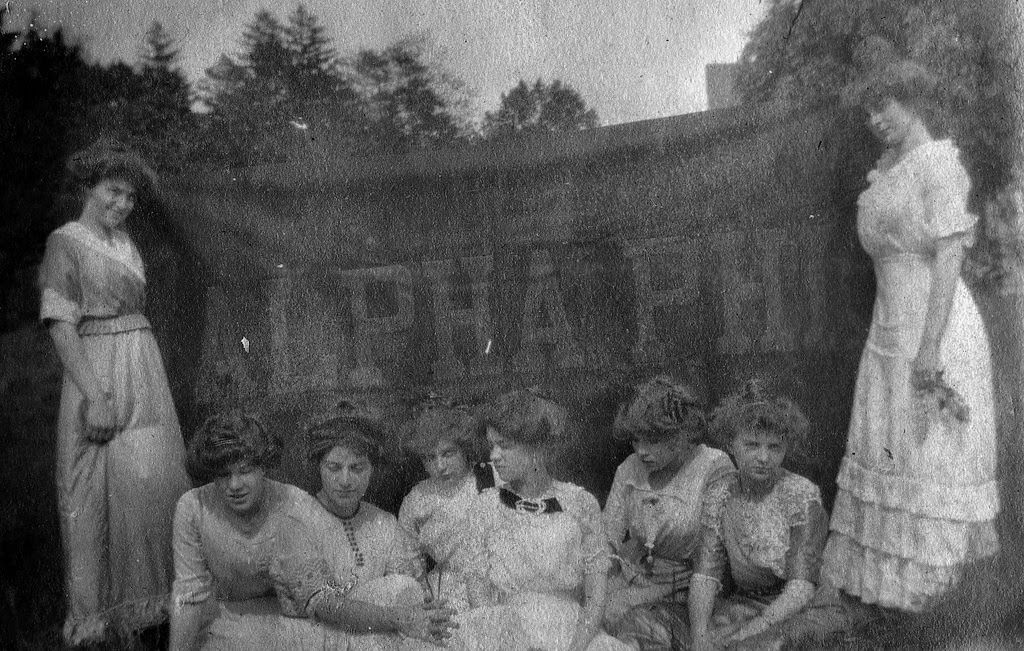
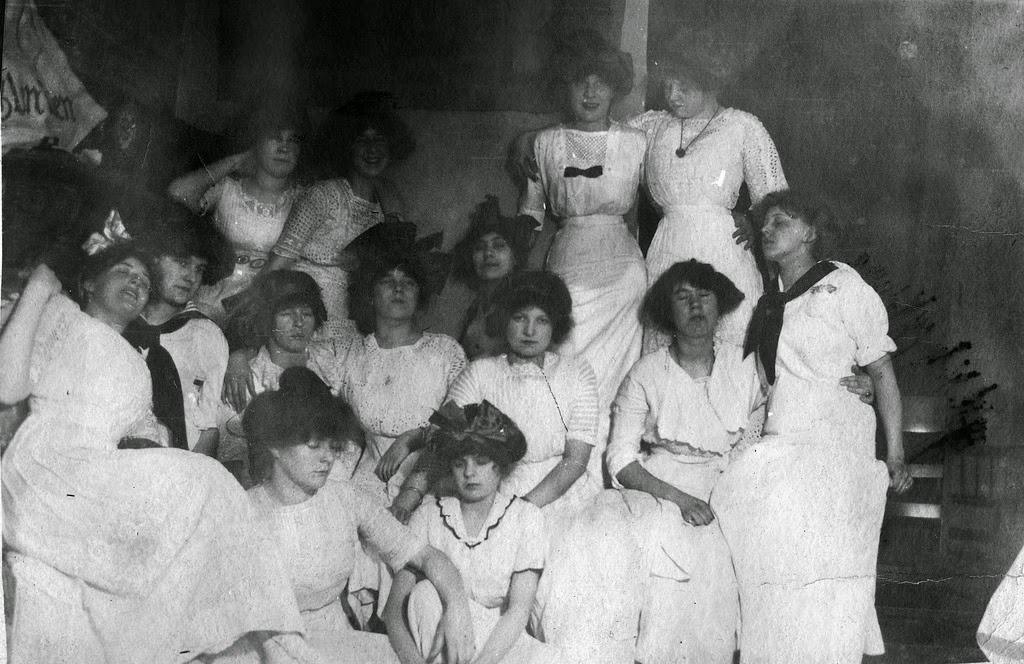
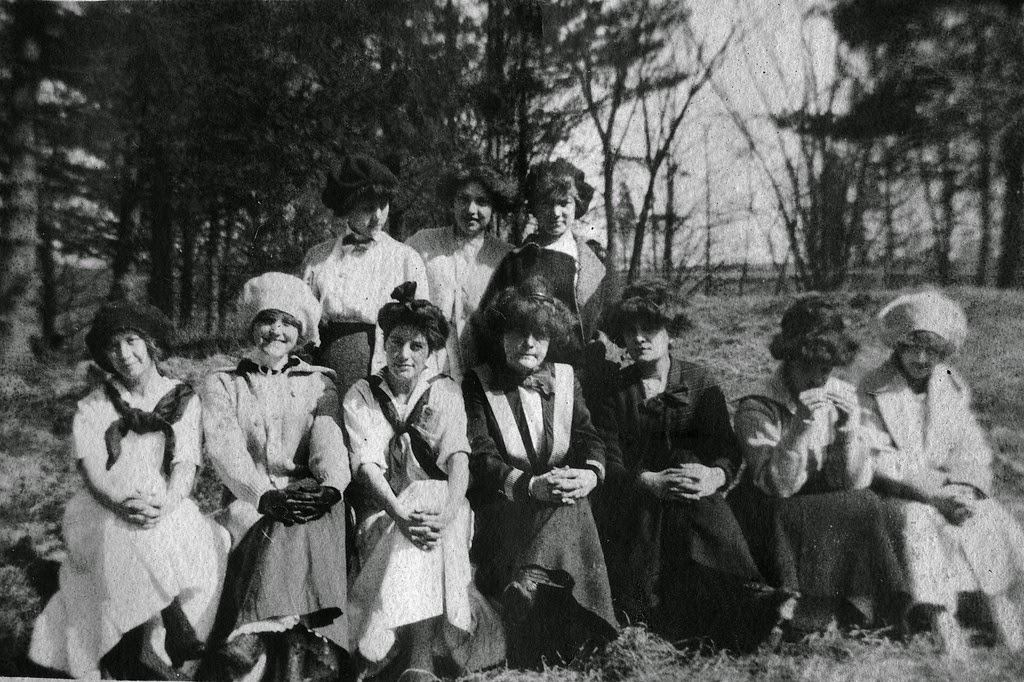
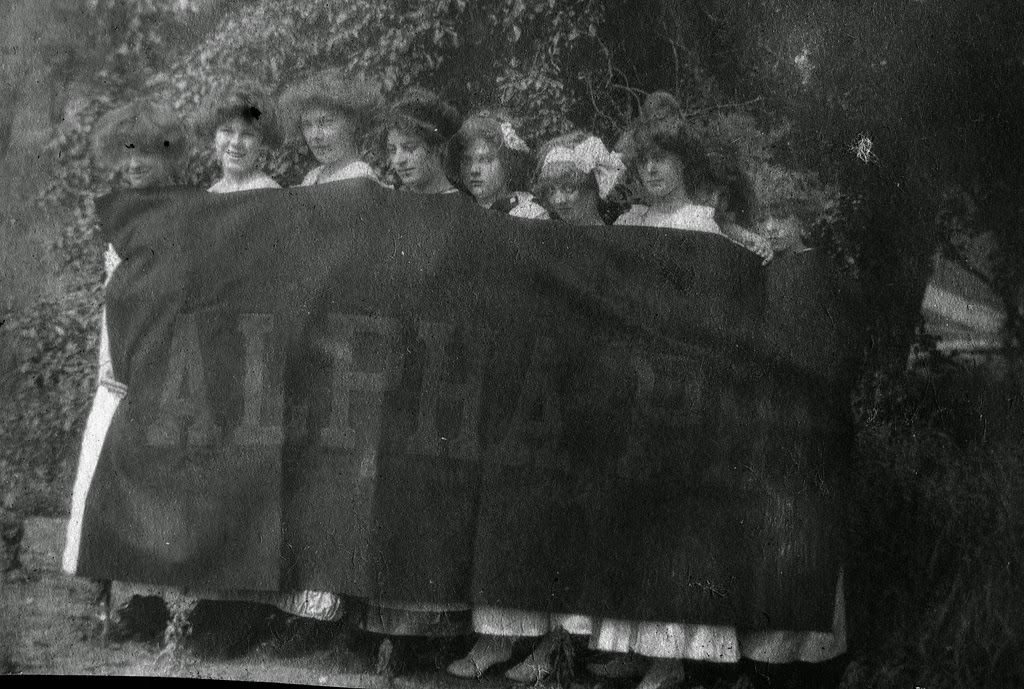
Photographers visited the campus during the summer term of 1912. They arranged rows of students on the front steps for formal portraits. Few girls smiled for the heavy glass-plate cameras.
Evening study hours required complete silence in the library. Gas lamps hissed overhead until nine o'clock arrived. Prefects patrolled the aisles to catch midnight readers hiding under covers with flashlights.
The institution changed ownership years later as modern education reforms swept the country. Old records ended up in regional archives after the final term concluded in December 1919.