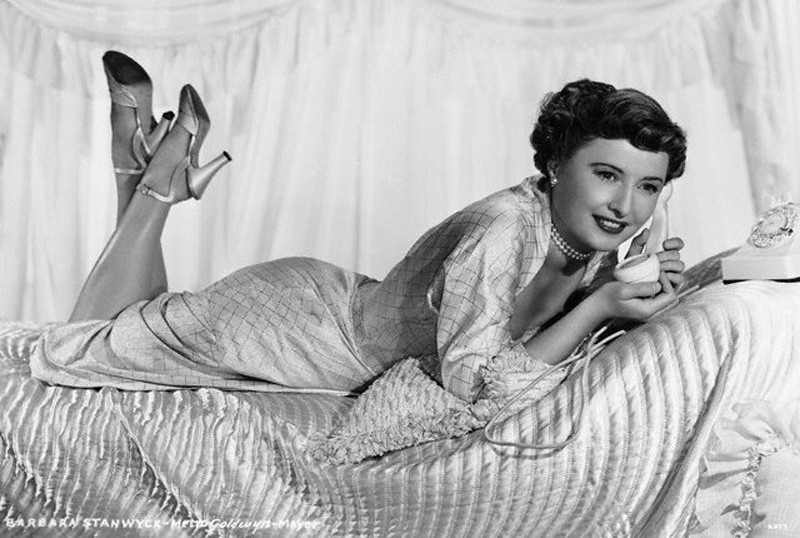
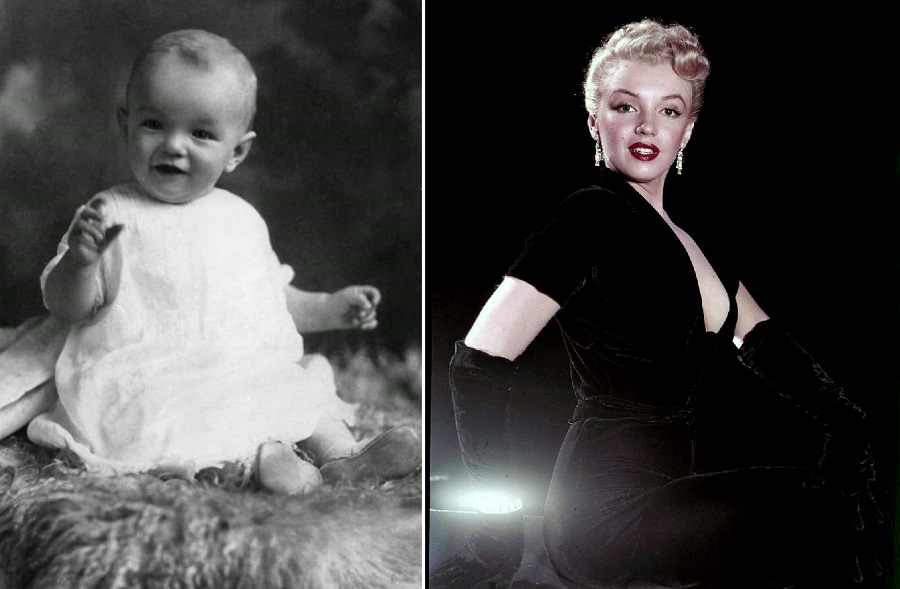
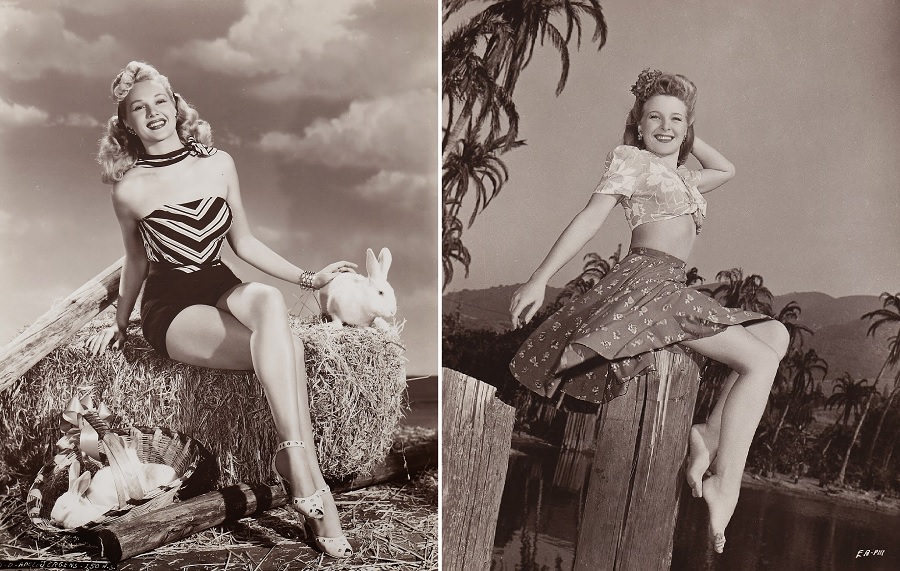
From the 1930s through the 1960s, cigarettes were everywhere — on film sets, in fashion shoots, and across magazine pages. Mass production kept them cheap. Aggressive marketing from tobacco companies made them a daily fixture in American and European life. But it was Hollywood that turned smoking into something more: a symbol of confidence, mystery, and style. The biggest stars of the era posed with cigarettes the way athletes pose with trophies today. For three decades, a lit cigarette in the right hand said everything about who you were.
The 1930s were the golden age of the studio system, and every major lot had a stable of actresses whose images were carefully crafted. Smoking fit naturally into that image-making machine. It projected ease and authority — qualities the studios wanted their leading women to project on screen and off. Stars like Ann Sothern, Bette Davis, and Carole Lombard were photographed with cigarettes as routinely as they were photographed in designer gowns.
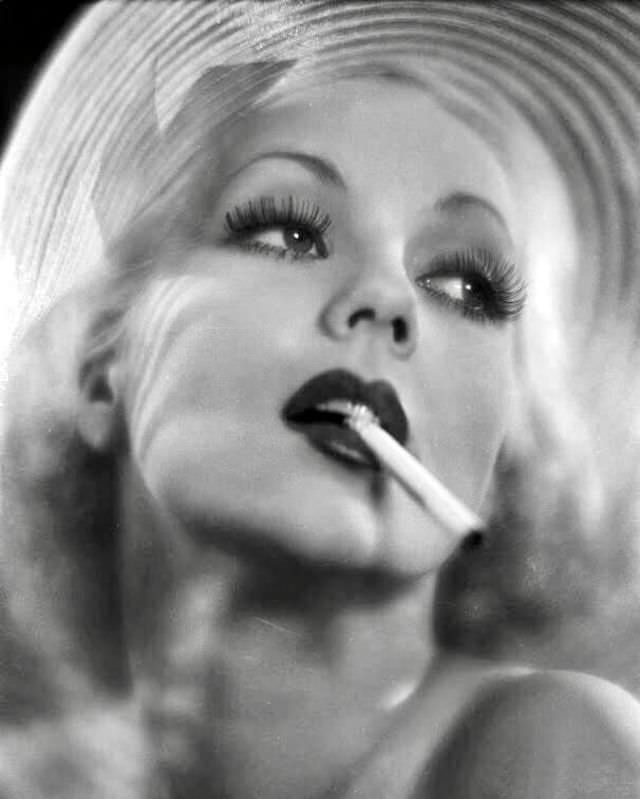
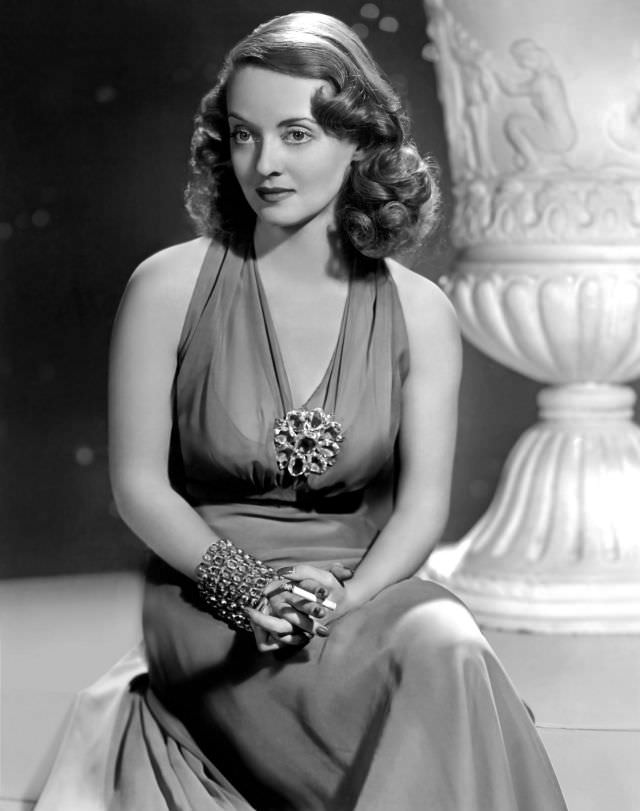
Bette Davis, in particular, became so associated with cigarette smoking that it was practically a character trait. She used it as a prop to punctuate scenes — a long drag before delivering a sharp line, or a slow exhale to signal tension. Off screen, it was no different. Her publicity photos from the decade show a woman entirely comfortable in front of the camera, cigarette in hand.
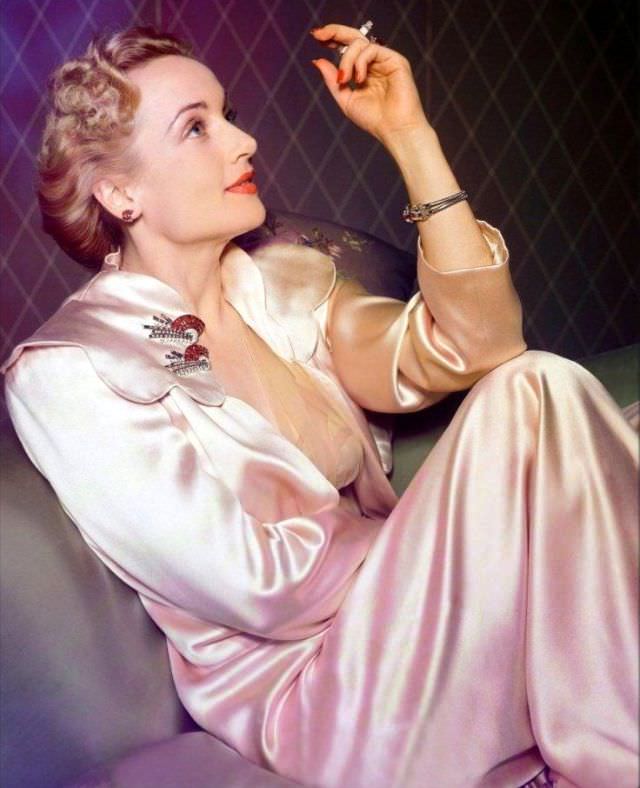
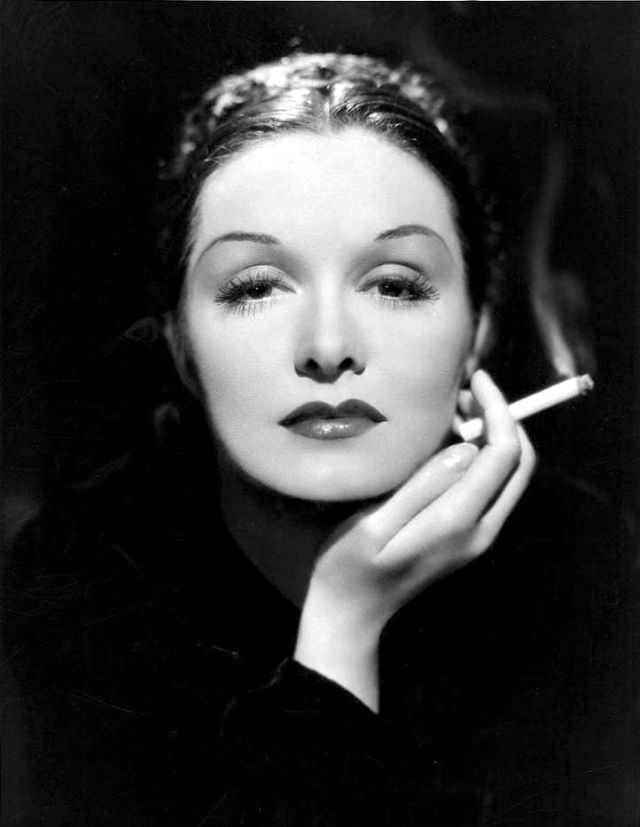
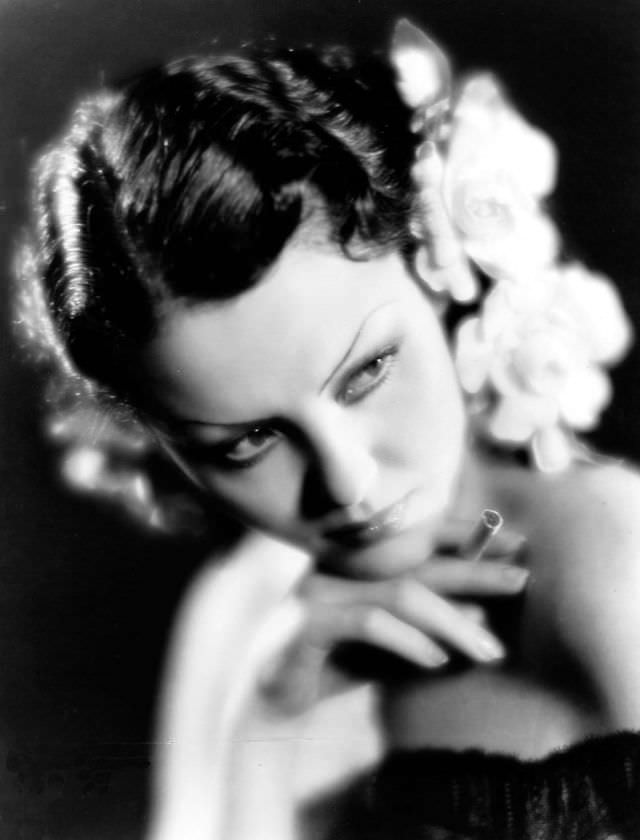
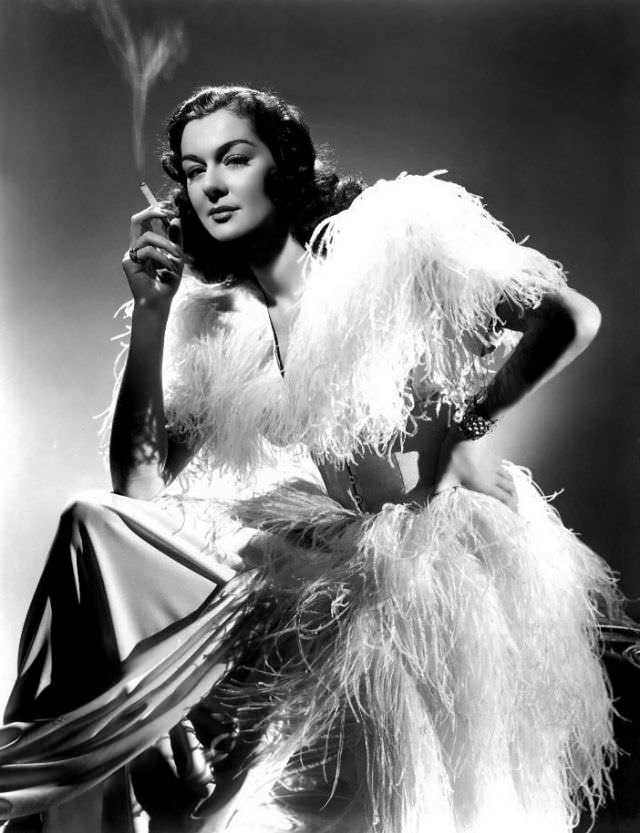
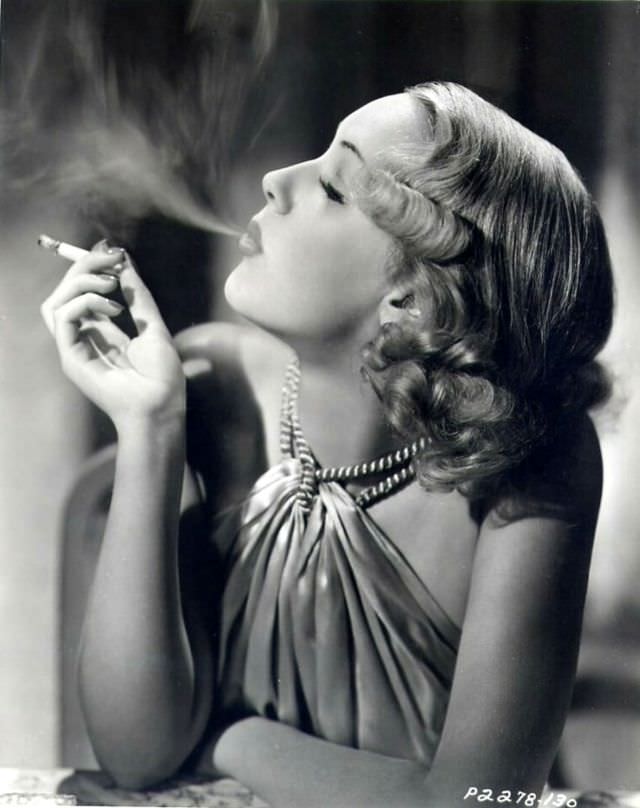
Tallulah Bankhead, photographed in 1932, embodied the rebellious edge that smoking could convey. She was loud, opinionated, and entirely uninterested in being ladylike in the traditional sense. Her image — cigarette included — was a deliberate statement. Around the same time, Marlene Dietrich was redefining femininity altogether. When Dietrich appeared in trousers and smoked on screen, she pushed the boundaries of what women were expected to look and act like.
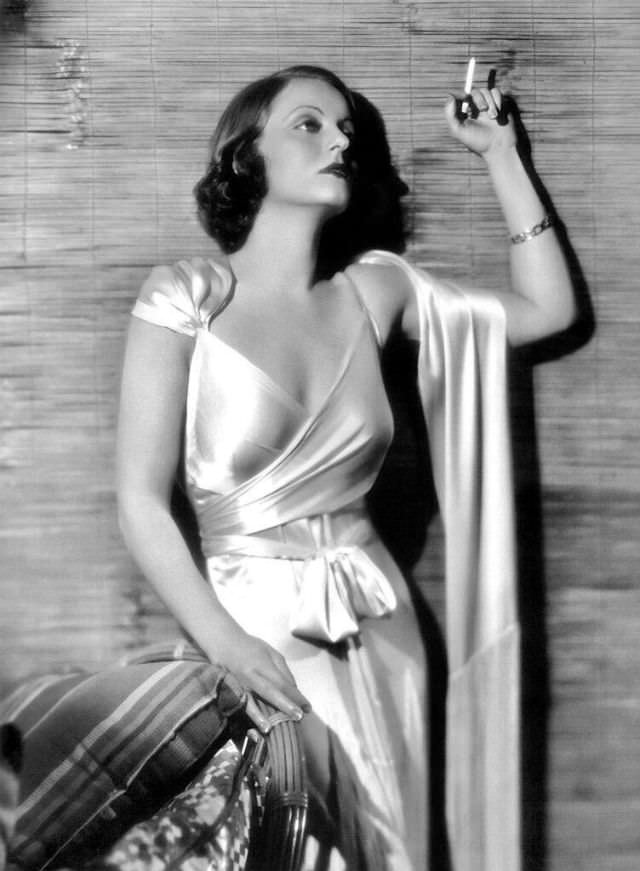
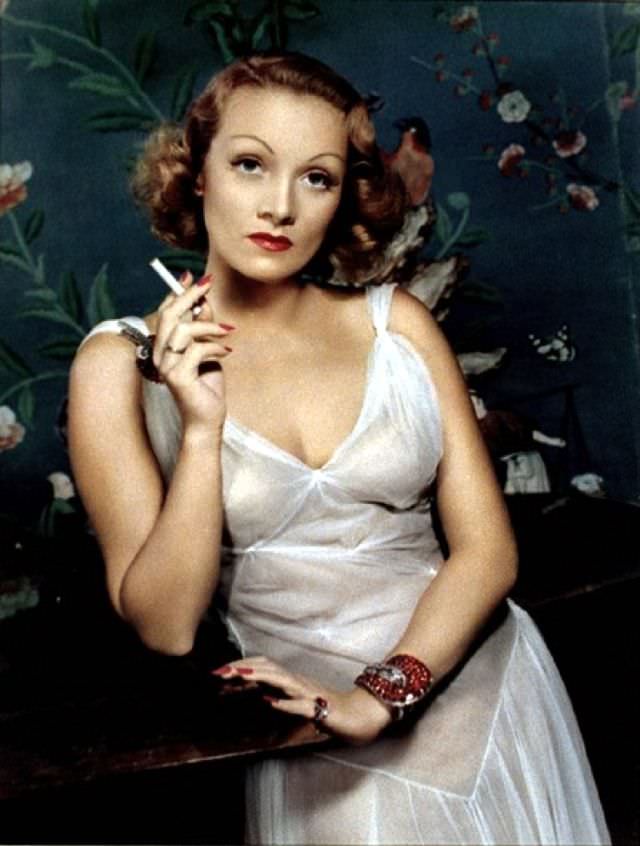
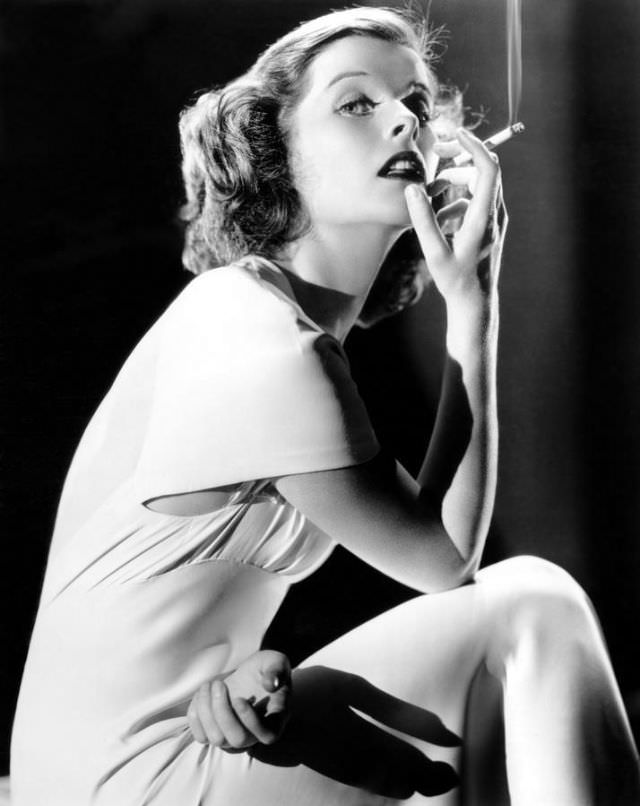
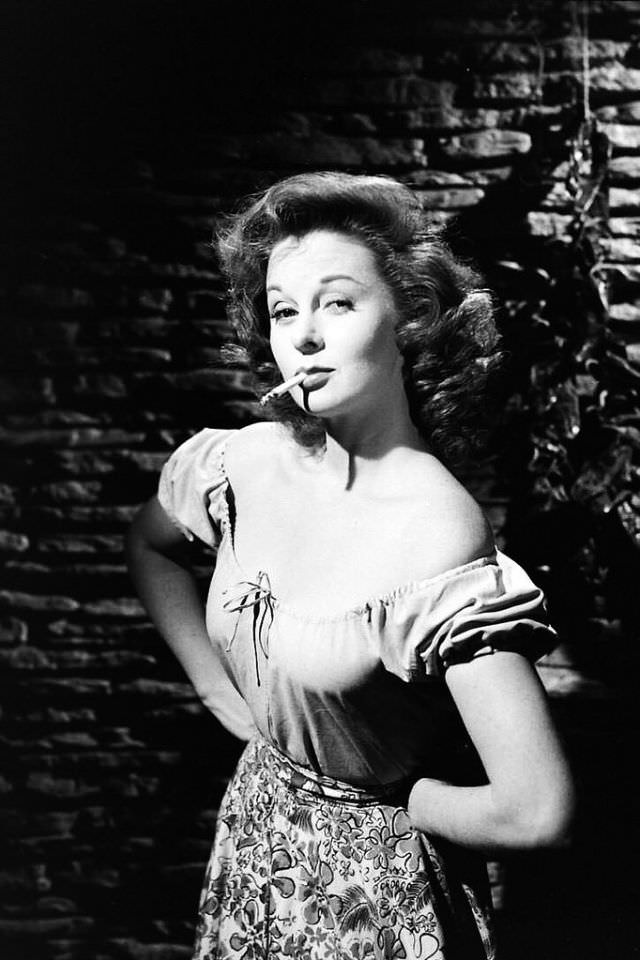
By the 1940s, smoking had cemented its place in popular culture. World War II saw cigarettes included in soldiers’ ration kits, and the image of a woman waiting at home — or working in a factory — with a cigarette between her fingers became common in photography and film. Actresses like Ingrid Bergman, Claire Trevor, and Linda Darnell appeared in photos that balanced glamour with a kind of wartime toughness.
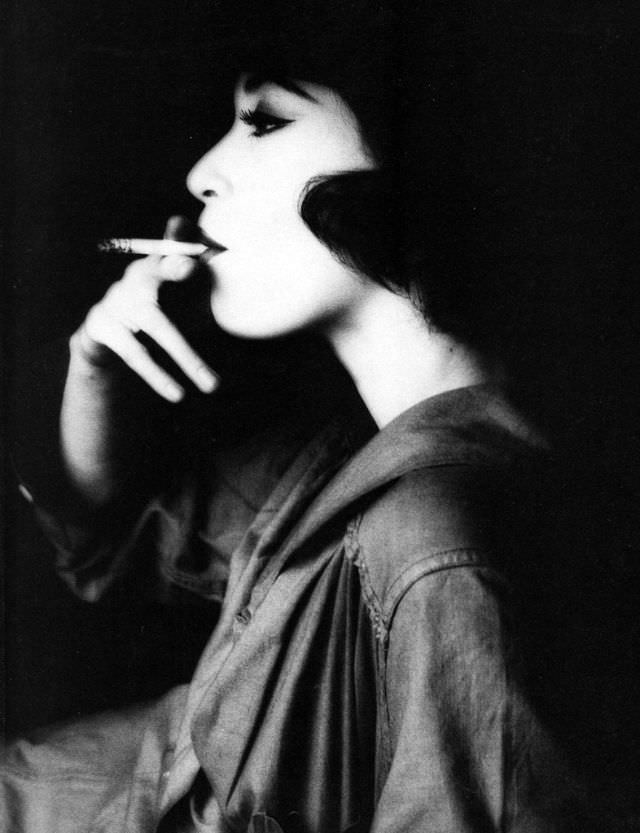
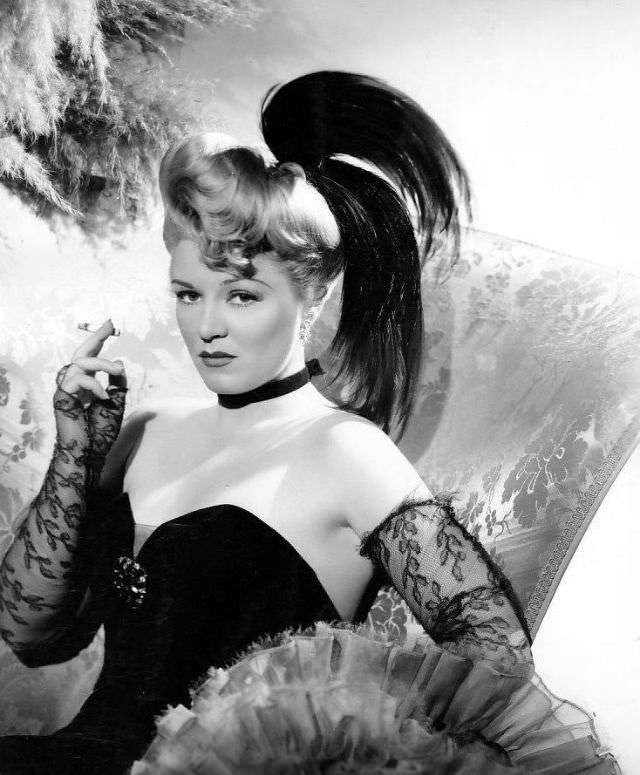
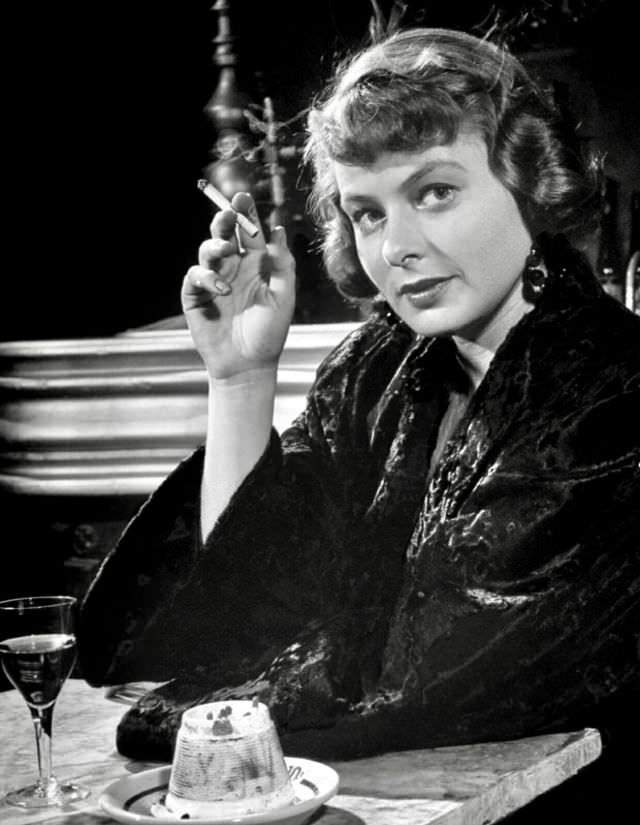
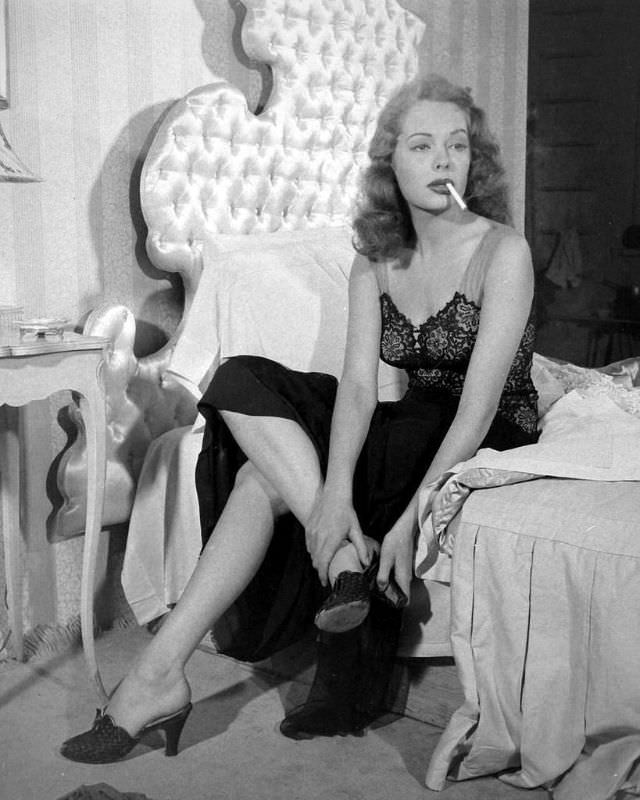
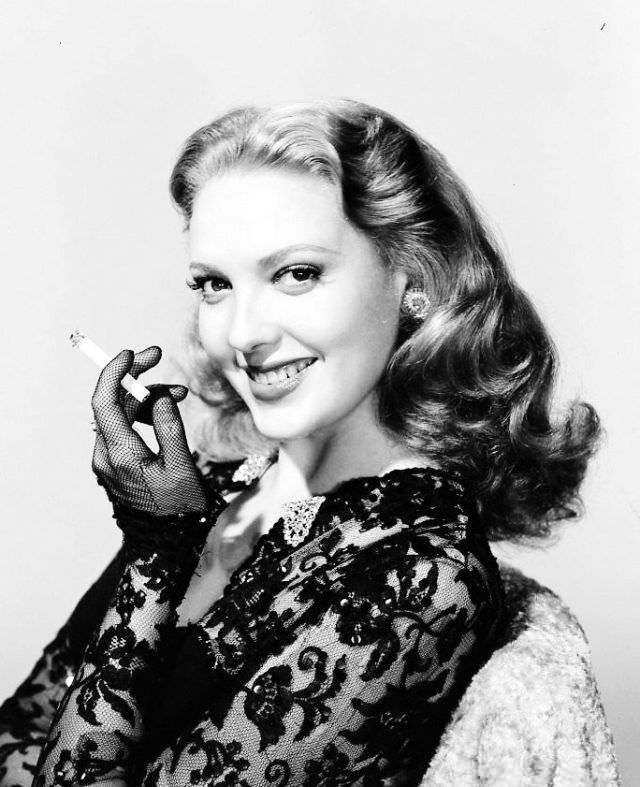
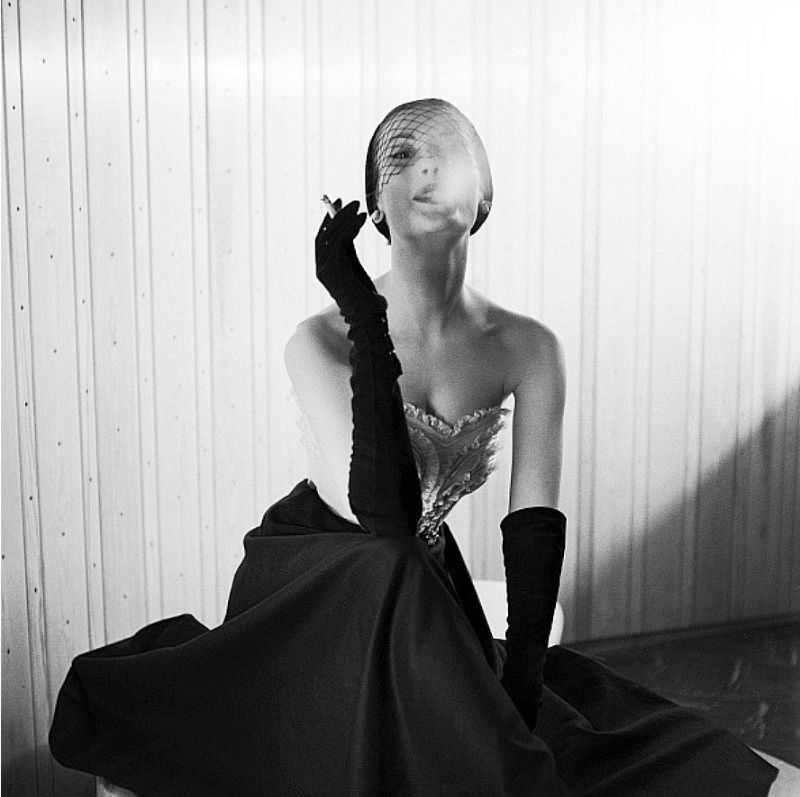
Fashion photography in the 1940s also embraced the cigarette as a visual tool. Lisa Fonssagrives, one of the most photographed models of the decade, appeared in shoots where the cigarette served as a carefully placed accessory — no different from a string of pearls or a silk scarf. It added an air of sophistication that was very deliberate.
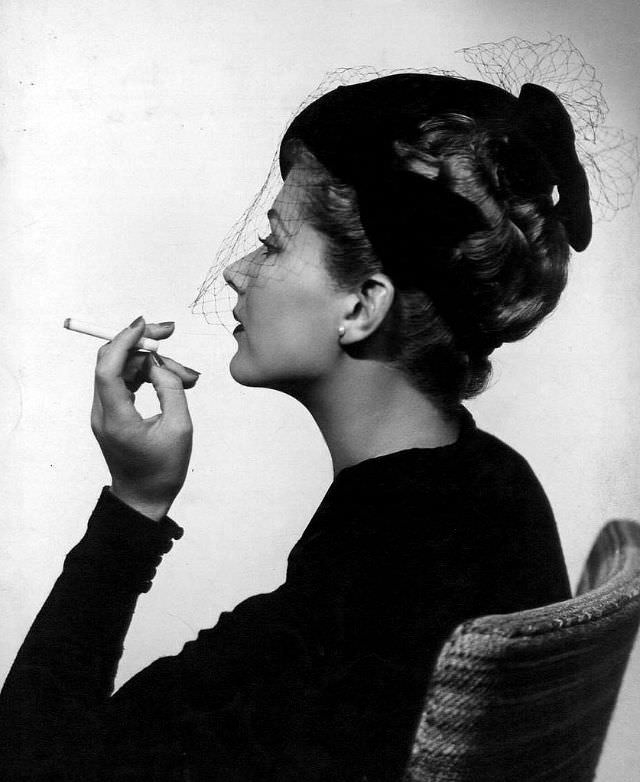
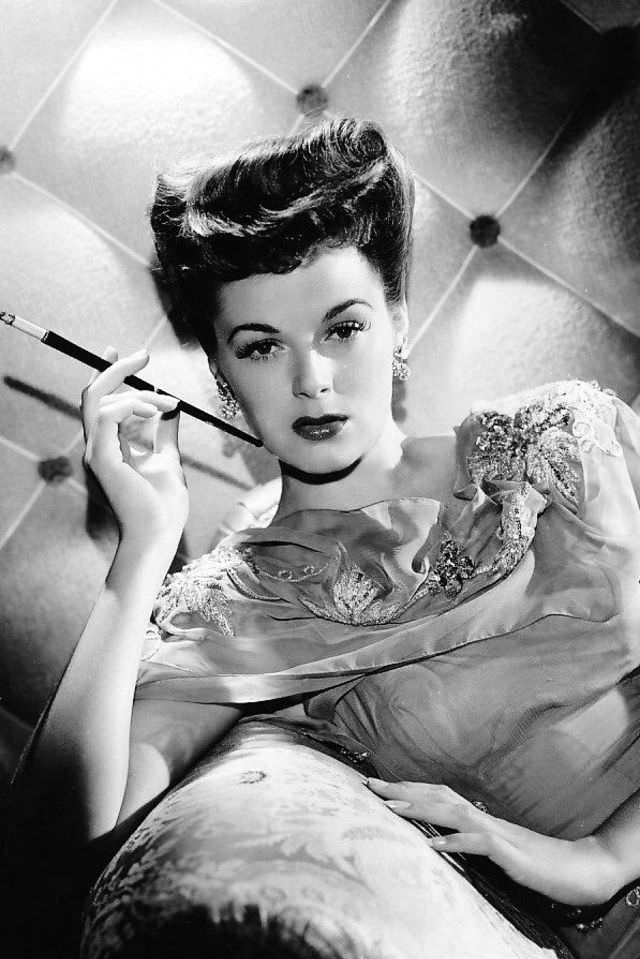
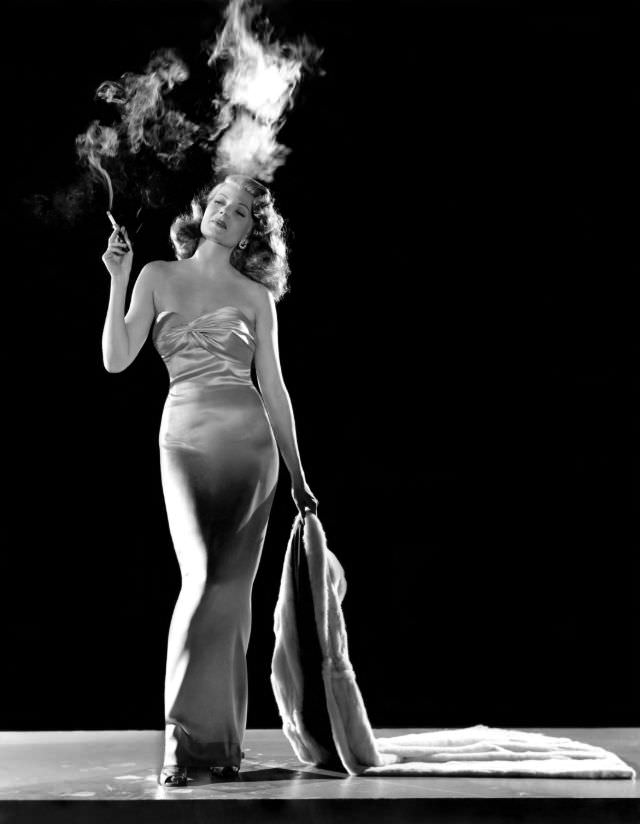
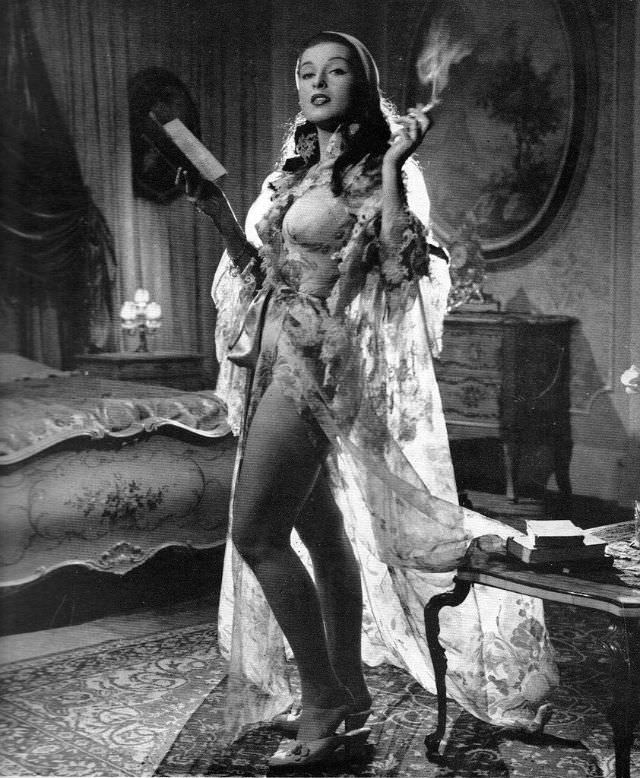
The mid-1940s produced some of the most iconic smoking imagery in Hollywood history. Lauren Bacall, photographed in 1945, had already made her film debut opposite Humphrey Bogart, and the two of them brought a smoky, low-lit sensibility to everything they touched. Joan Bennett and Joan Tetzel, also photographed that year, added to a portrait of an era in which a cigarette was simply part of a woman’s ensemble.
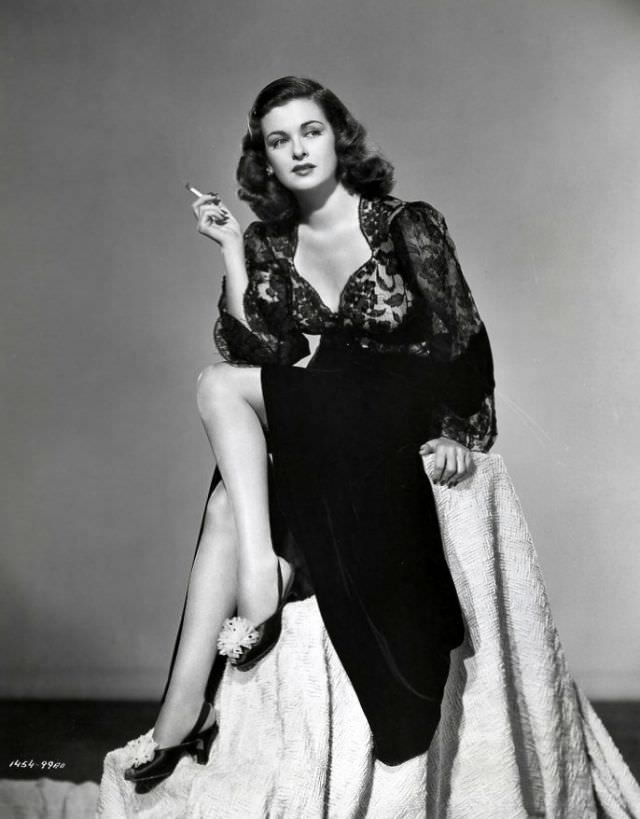
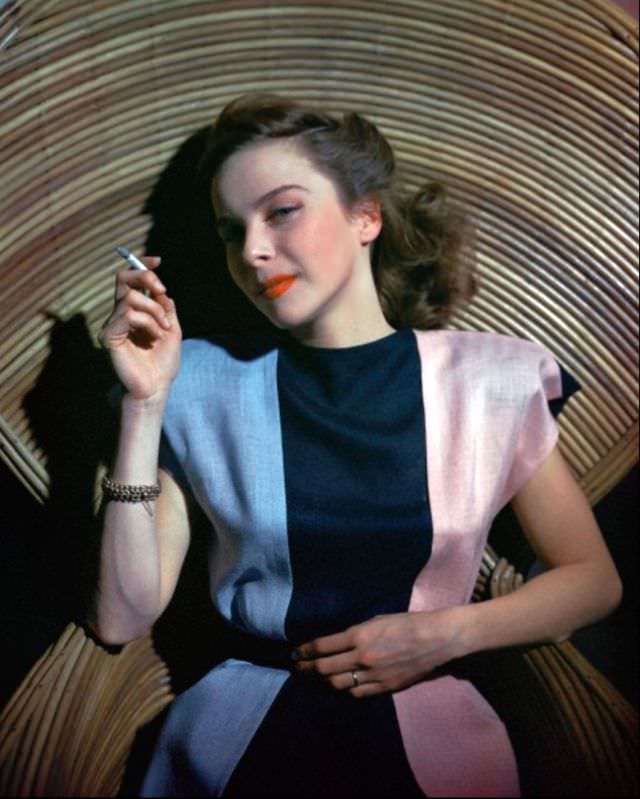
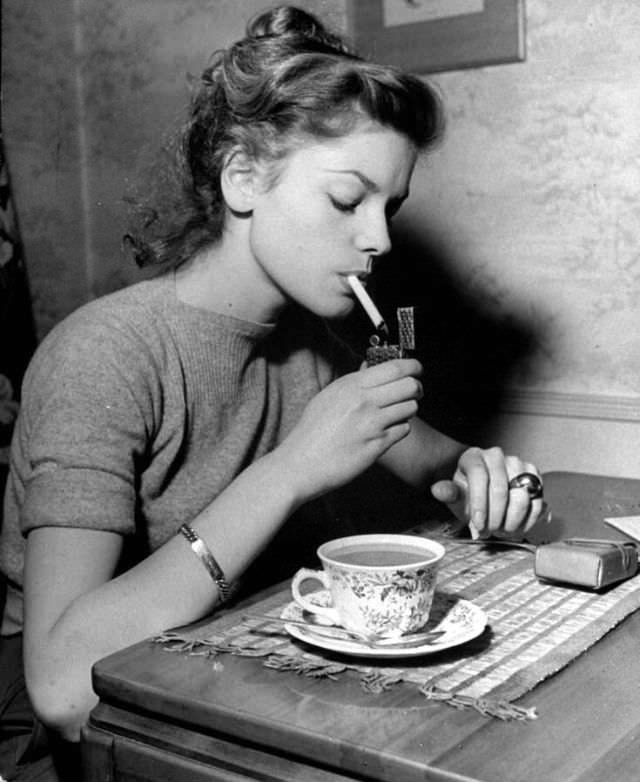
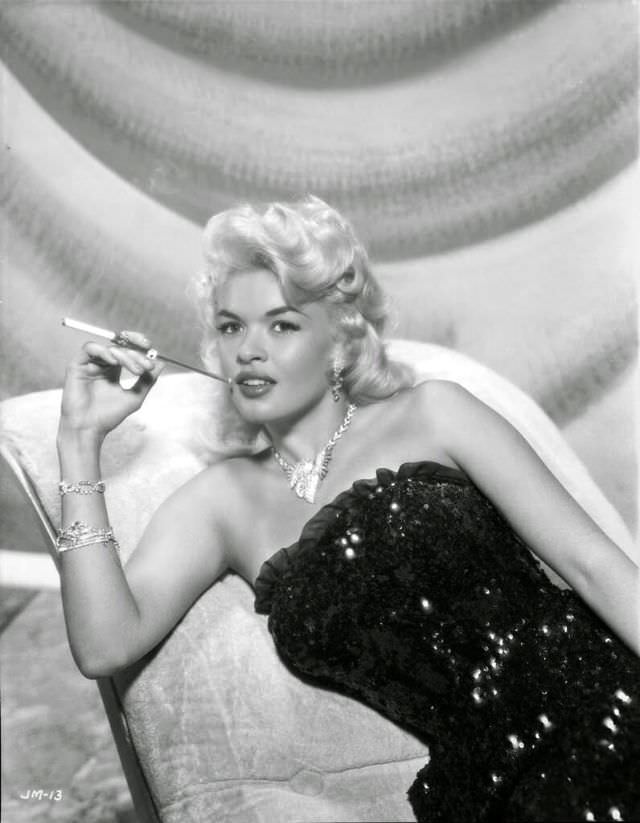
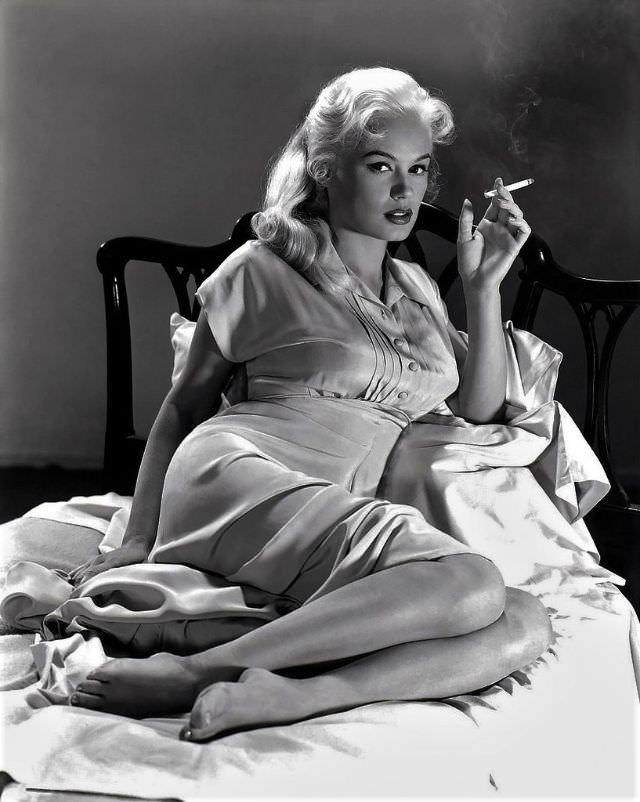
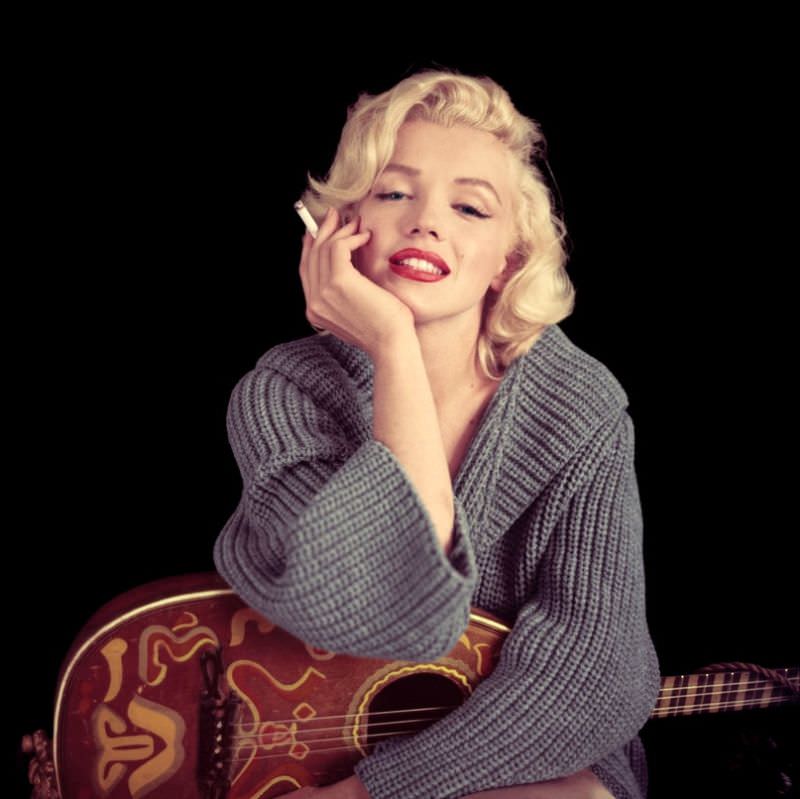
The 1950s brought a new kind of glamour — bolder, more playful, and increasingly tied to celebrity culture. Marilyn Monroe, Jayne Mansfield, and Mamie Van Doren represented an explosion of Hollywood femininity that the press couldn’t get enough of. Each of them appeared in photos with cigarettes, though the tone was often more playful than brooding. European stars like Anita Ekberg, Sophia Loren, and Gina Lollobrigida brought an international dimension to the era’s beauty standards.
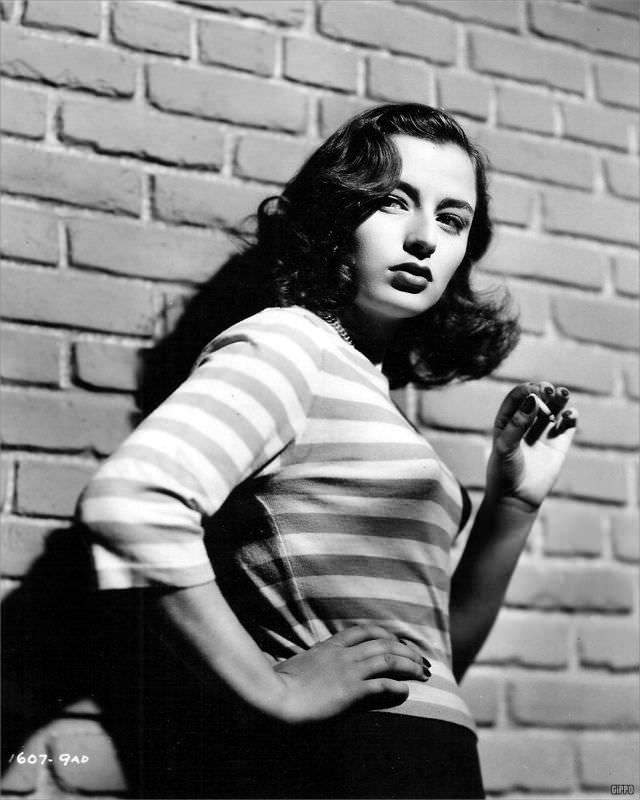
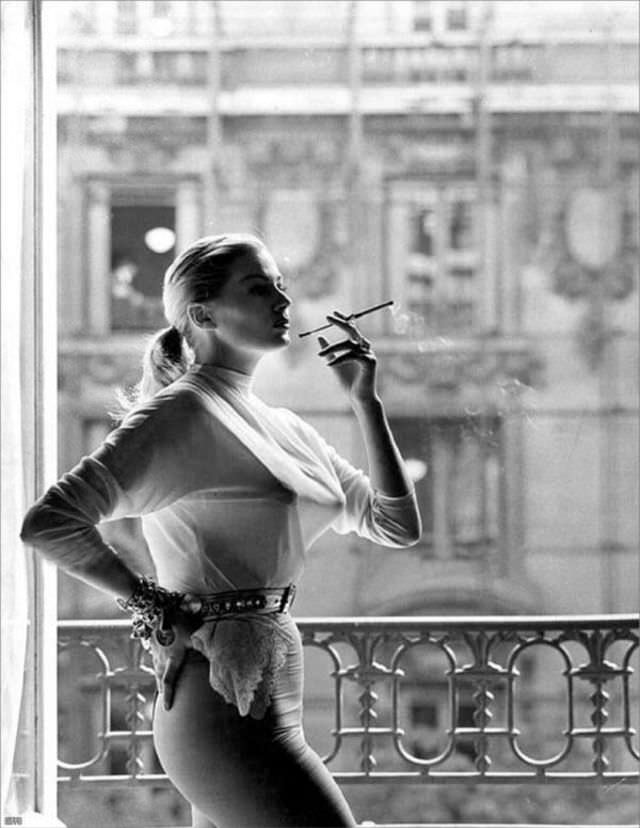
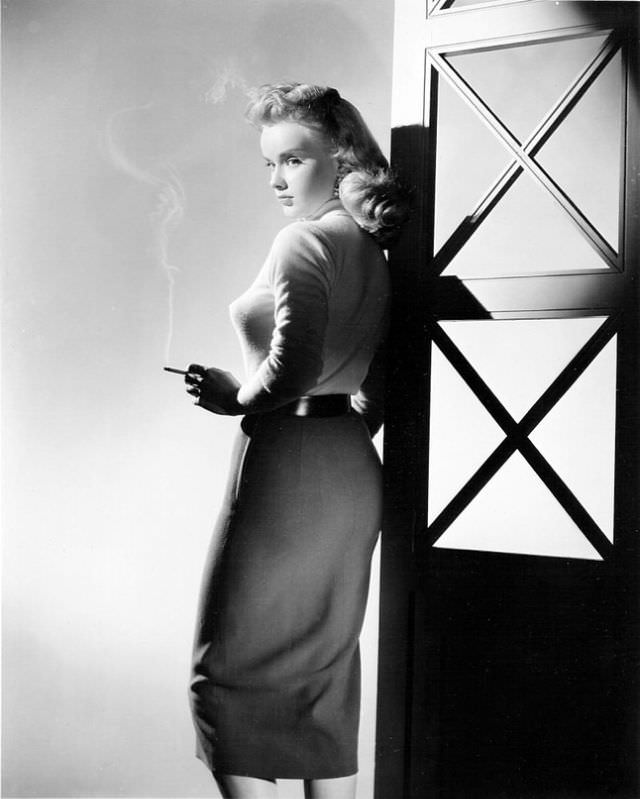
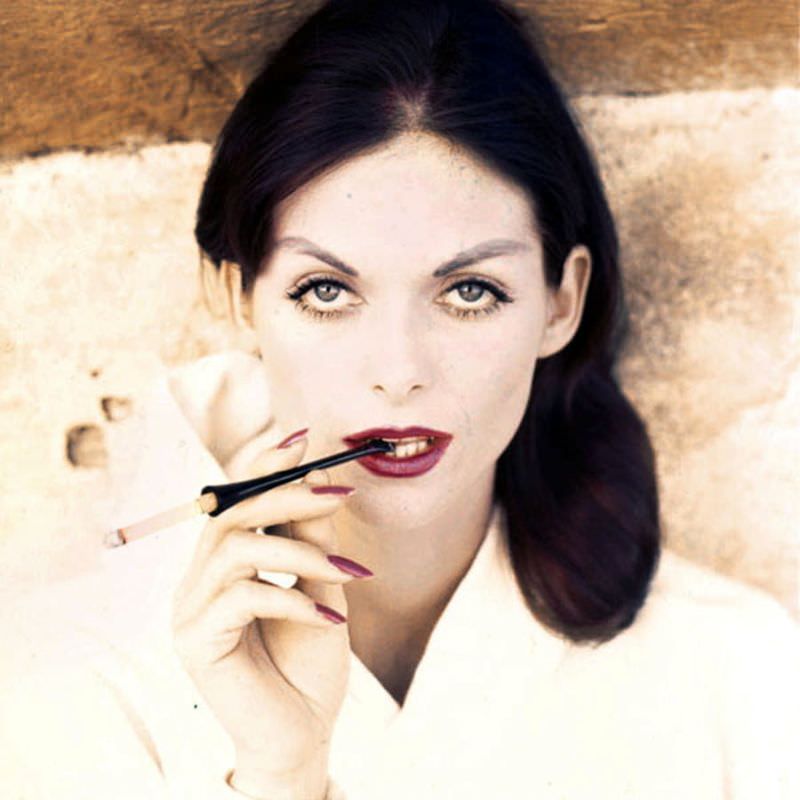
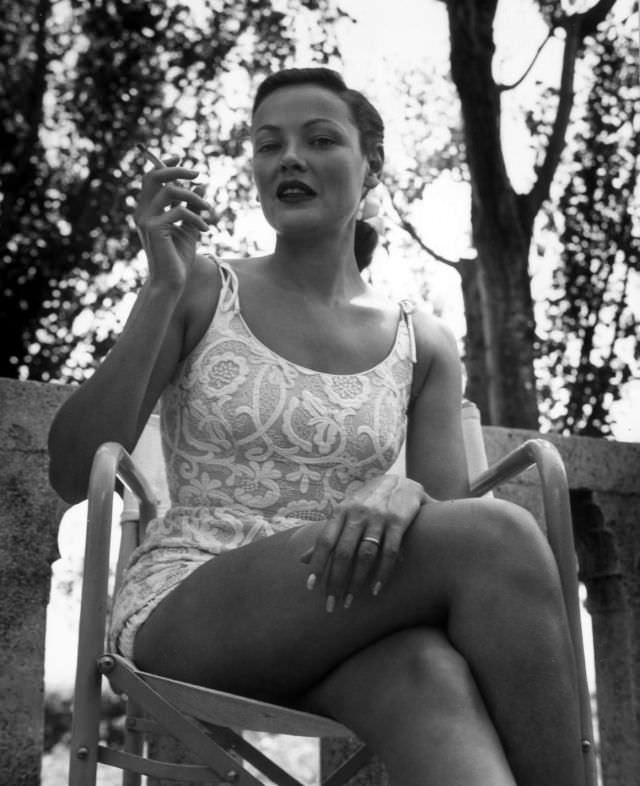
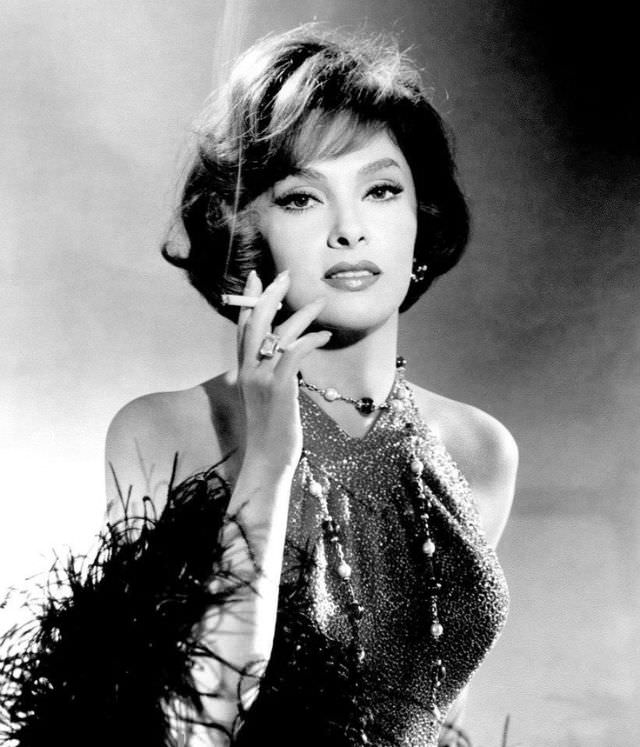
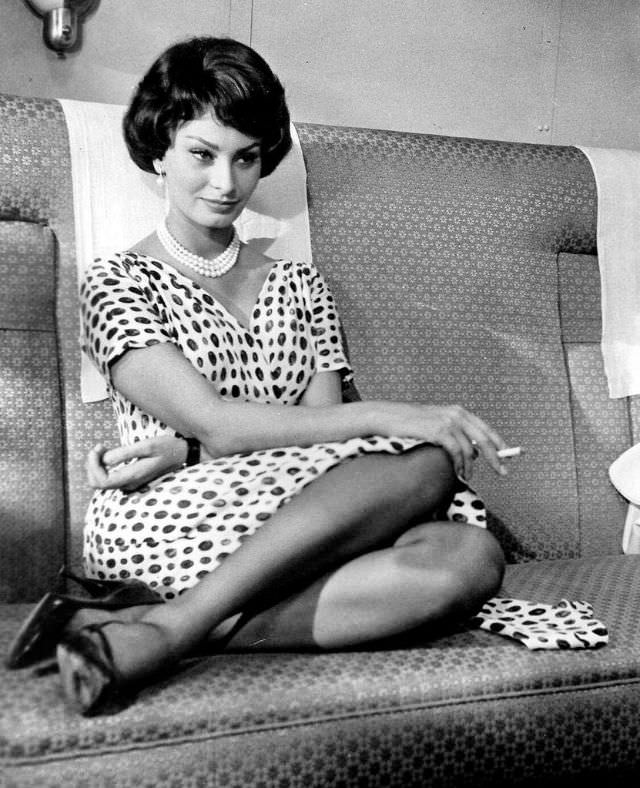
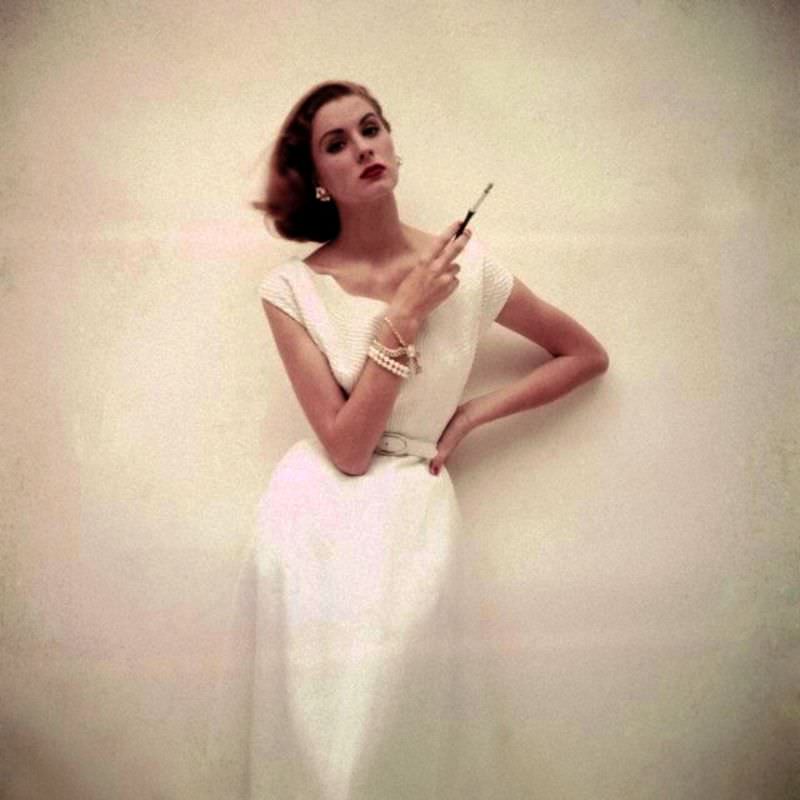
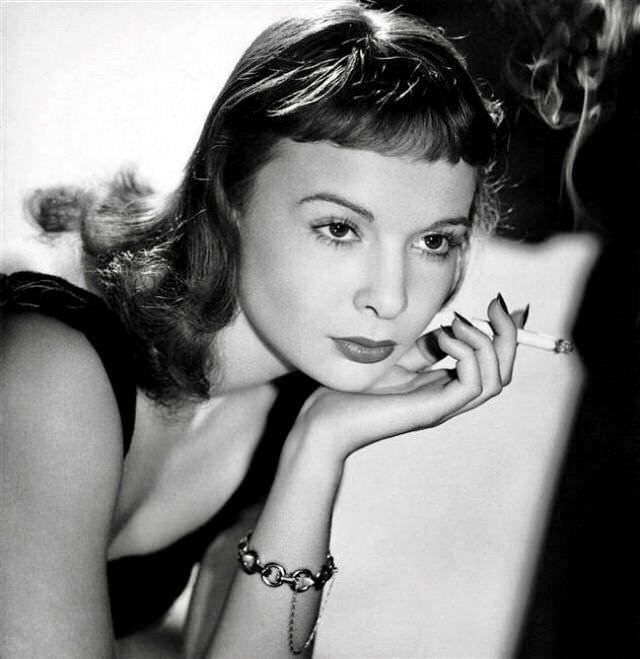
The 1960s marked a turning point in public awareness about health risks, but the cultural image of the glamorous smoker hadn’t faded yet. French actresses like Catherine Deneuve and Mylène Demongeot carried a distinctly European cool into their photographs. In America, Jane Fonda and Anne Bancroft represented a new generation of actress — more politically aware, more complex in their screen roles — yet still photographed in the same tradition as the decades before them.
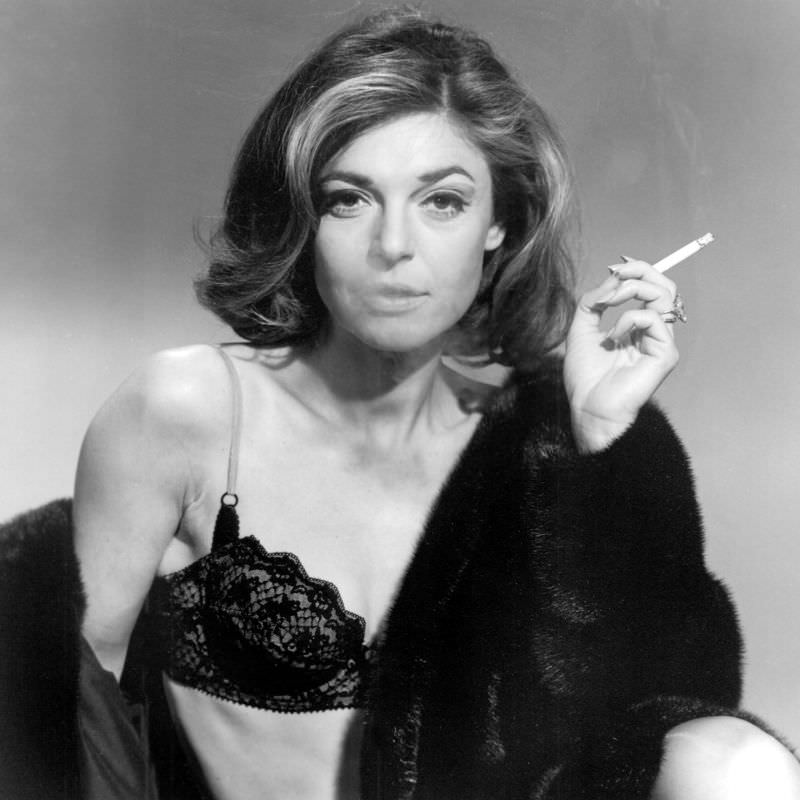
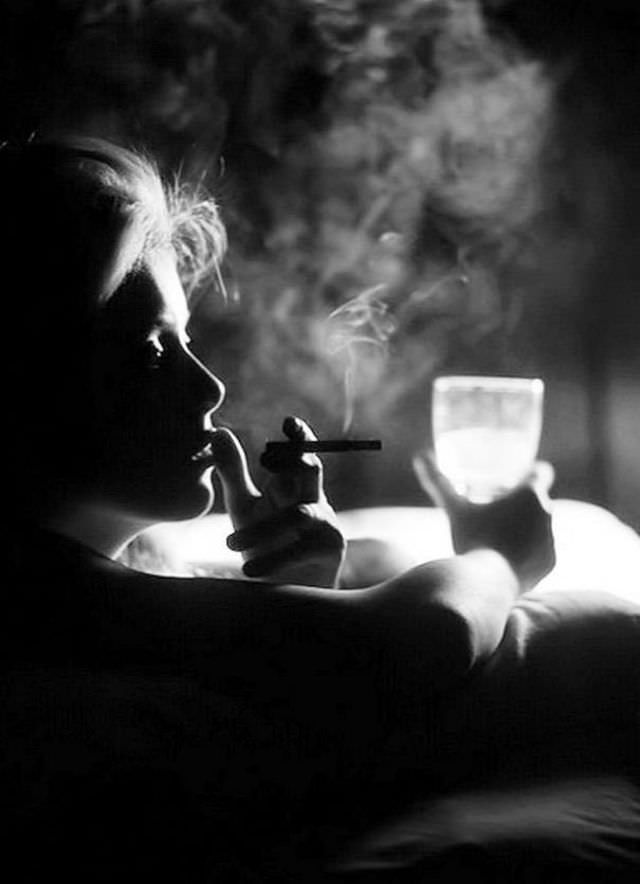
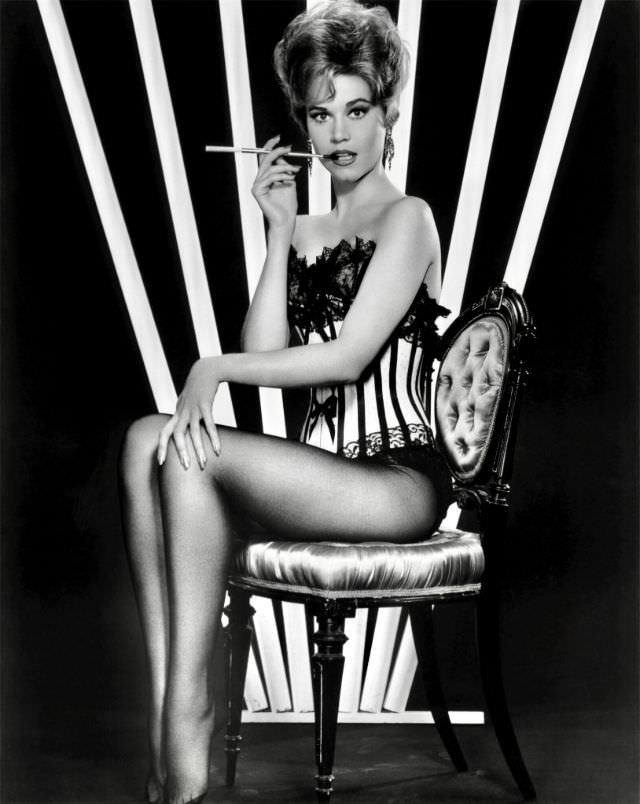
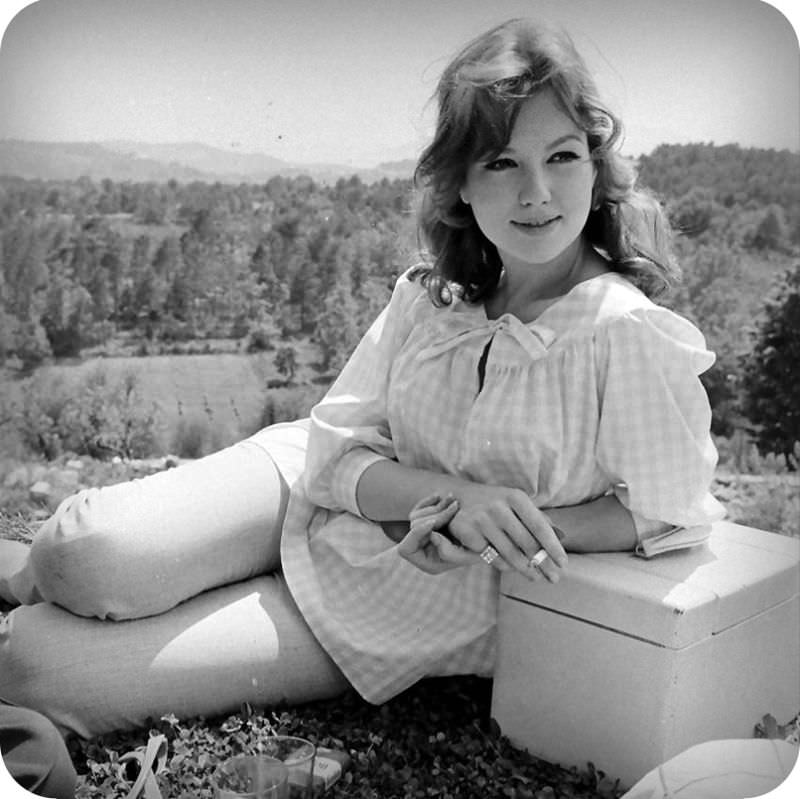
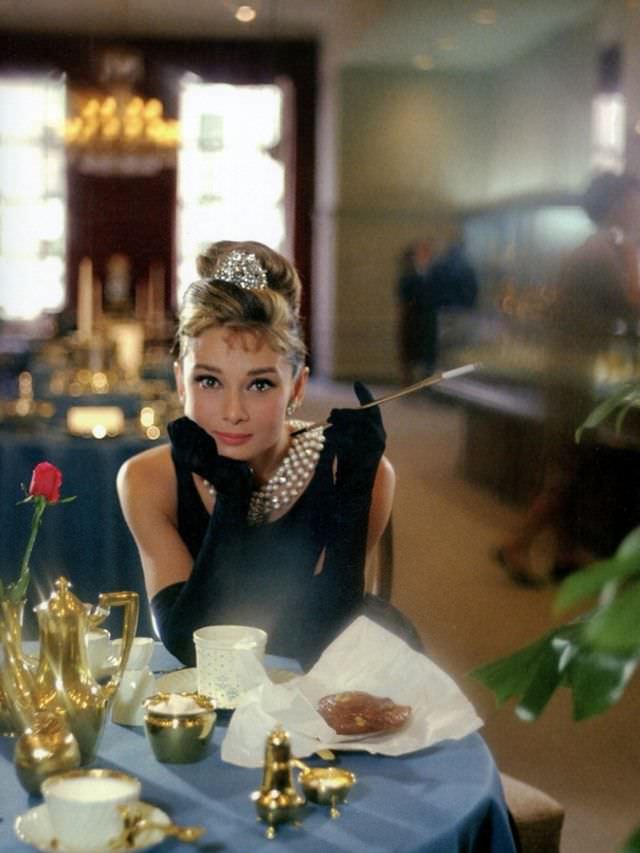
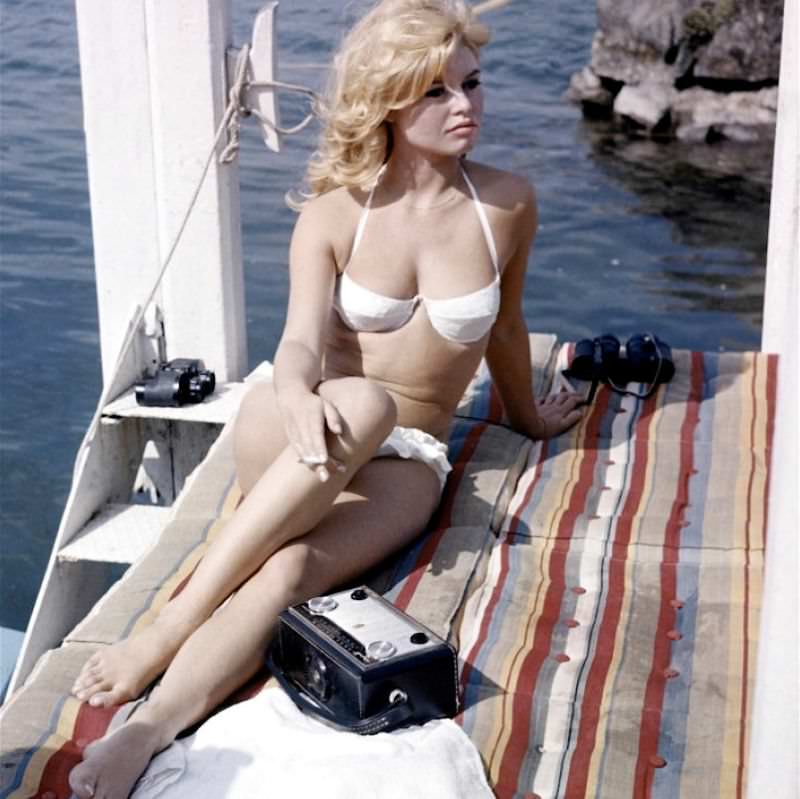
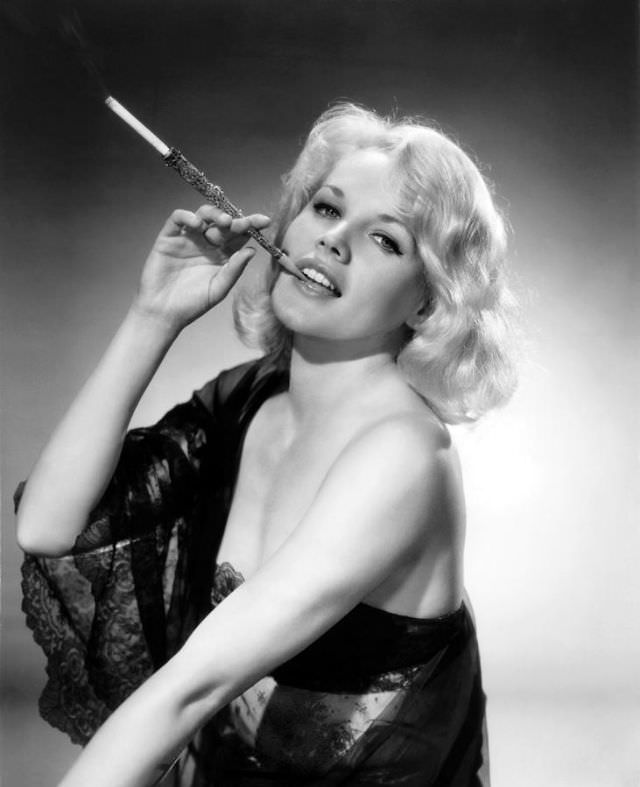
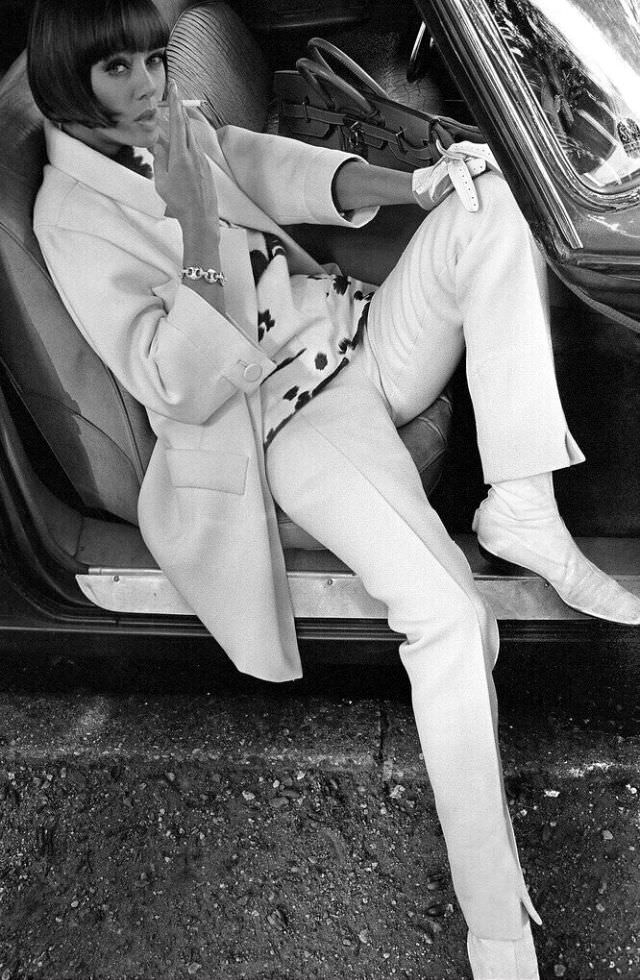
Audrey Hepburn’s 1961 photo stands as one of the most recognizable images from this era — elegant and effortless in the way only she could manage. Brigitte Bardot, captured in 1964, projected something different: a raw, untamed sensuality that had made her an international star. Carroll Baker and Ina Belka, also photographed in 1964, round out this collection with images that reflect just how embedded the cigarette had become in the visual language of beauty and stardom across three full decades.