Long before social media filtered every outfit choice, real style lived in the streets, on stages, and in the casual moments between. Photographers caught it all — the leather jackets, the bell-bottoms, the pompadours — and left behind a visual record of exactly how bold people were willing to be. These photographs aren’t just nostalgia. They’re proof of how fashion moved, shifted, and shocked with every passing decade.
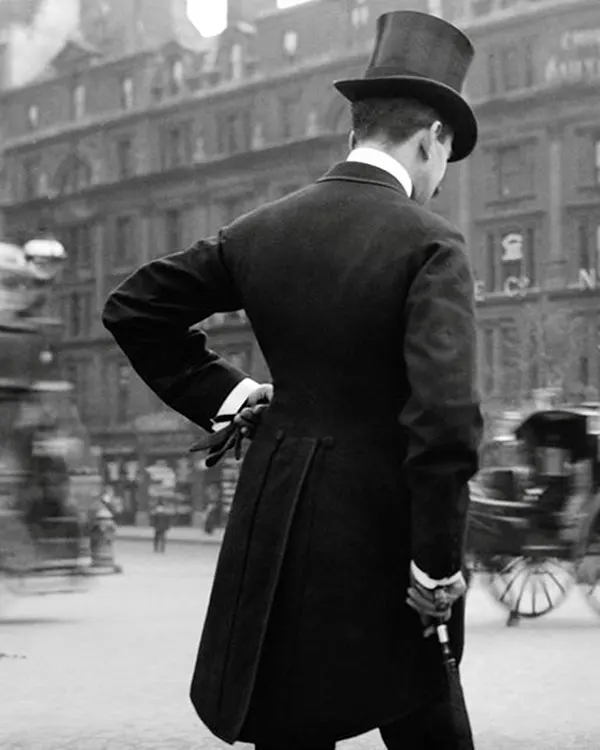
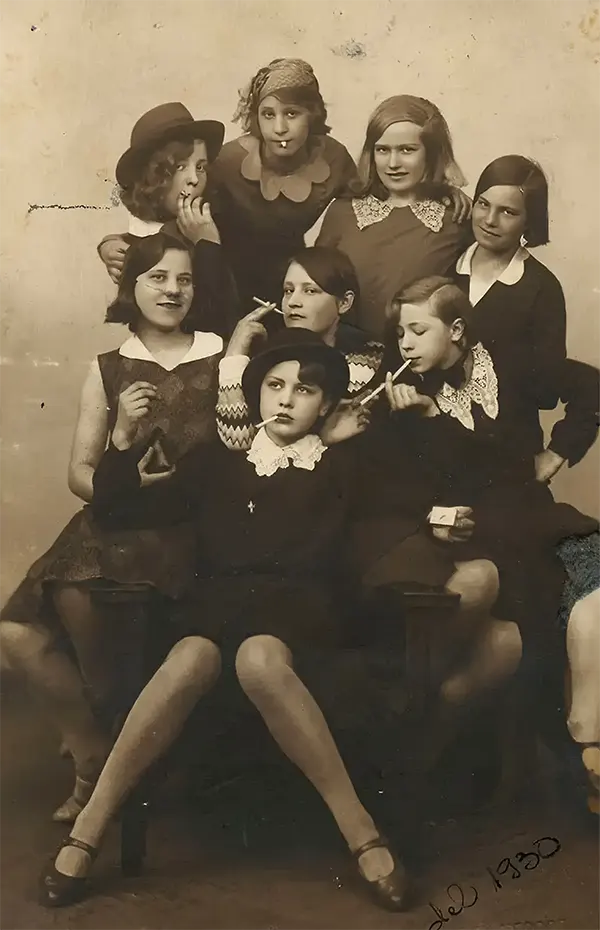
Even at the turn of the century, people dressed with intention. Structured silhouettes and formal wear were the standard, but individual flair still found its way through. By the 1930s, that formality began to loosen, and young people started carving out their own aesthetic space.
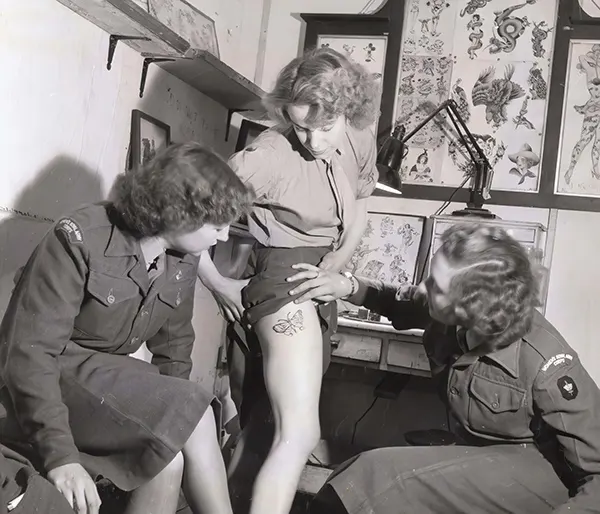
The 1940s brought wartime constraints, but style never fully surrendered. Women found ways to look sharp even under rationing, and a confident attitude carried as much weight as any garment.
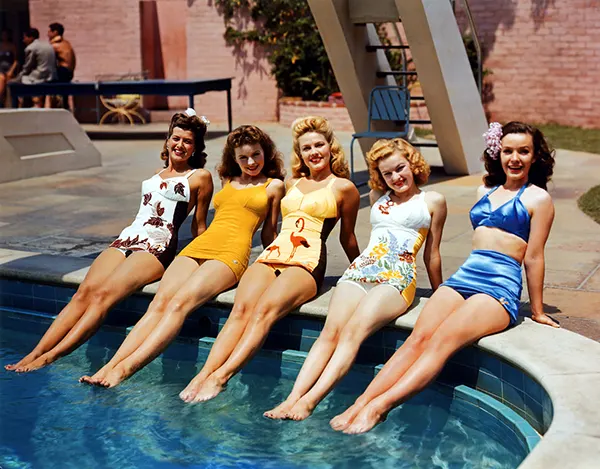
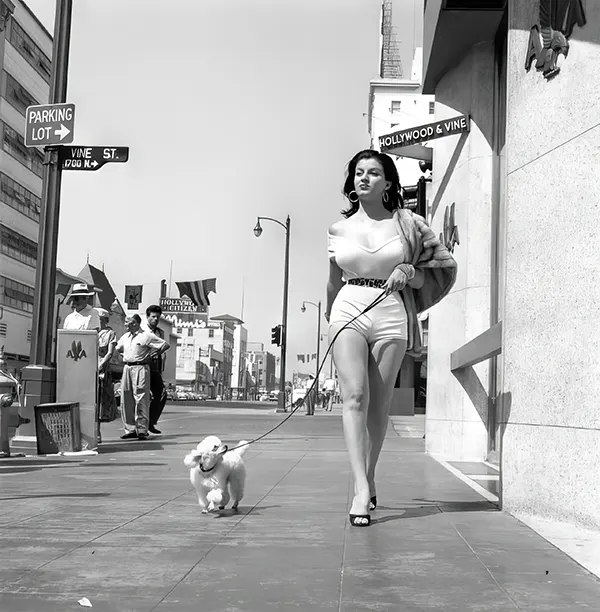
The 1950s gave the world rock ‘n’ roll and the teenager as a cultural force. Movie stars like Marilyn Monroe and James Dean pushed young people toward a more rebellious look. Poodle skirts, leather jackets, and pompadour hairstyles ruled the decade. On Hollywood Boulevard, turning heads was practically a sport.
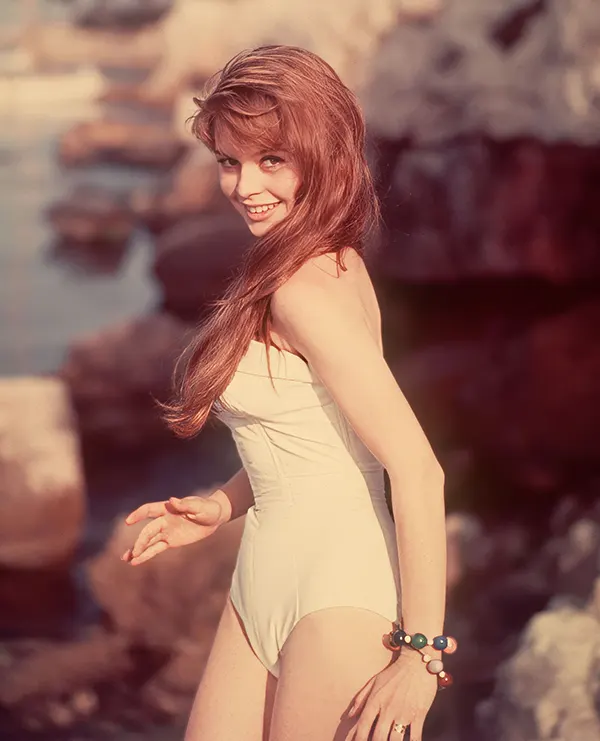
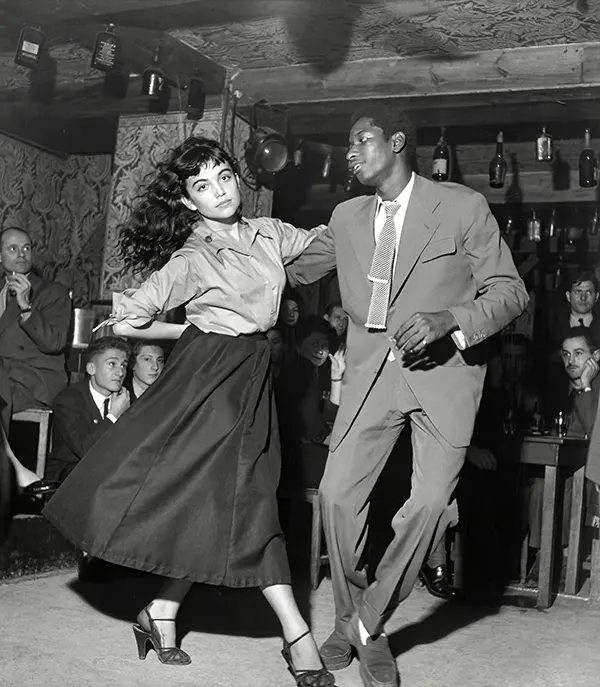
Dance halls and theaters brought people together, and how you moved was as important as what you wore. The “Be Bop” scene had its own dress code — sharp, energetic, unapologetic.
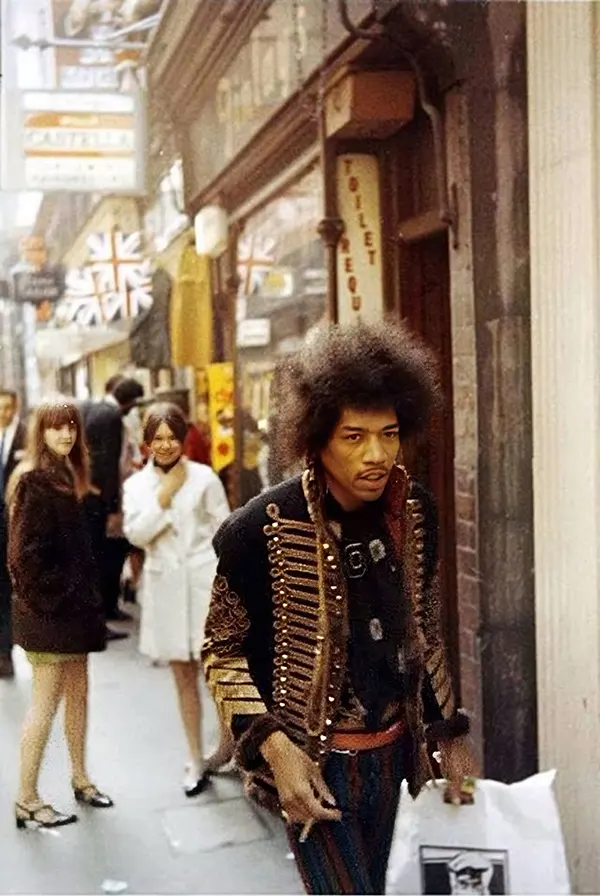
The 1960s exploded with social change, and fashion followed. Carnaby Street in London became a global fashion landmark, drawing rock stars and trendsetters from around the world. Jimi Hendrix walked those streets in 1967 wearing the psychedelic, layered style that made him as much a visual icon as a musical one.
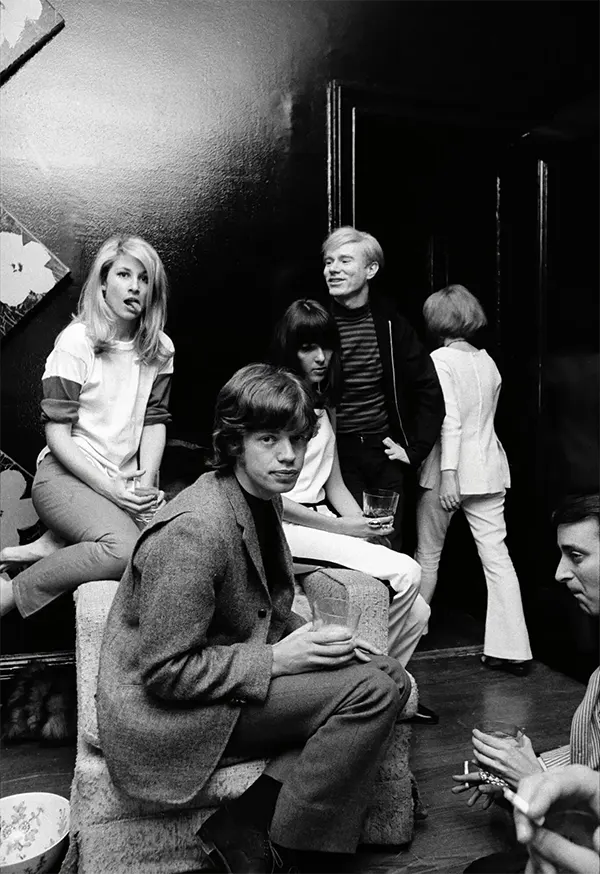
The art world and music world collided constantly during this period. When Mick Jagger, Andy Warhol, and Jane Holzer shared a frame around 1965, it captured exactly how blurred those lines had become. Style was now a statement about who you were and what you stood for.
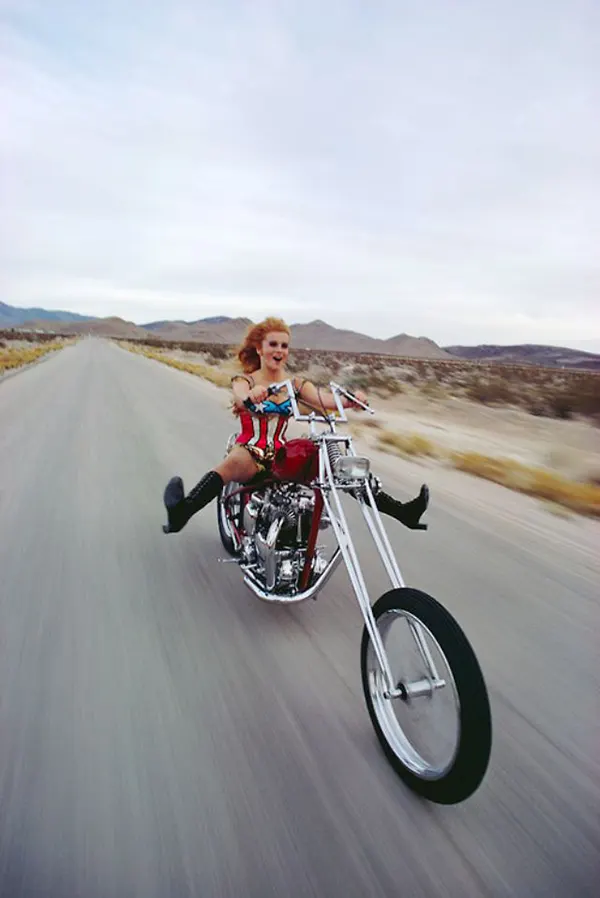
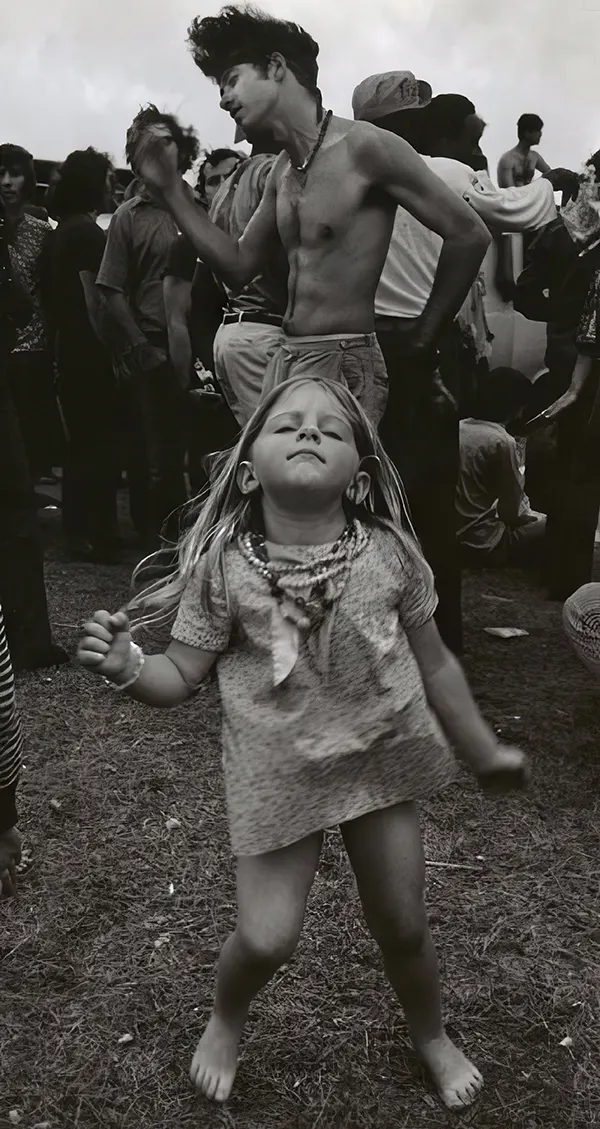
Woodstock in 1969 became a defining moment for counterculture fashion. Fringed vests, tie-dye, and bare feet weren’t just clothing choices — they were declarations. The festival drew hundreds of thousands of people who dressed like freedom itself.
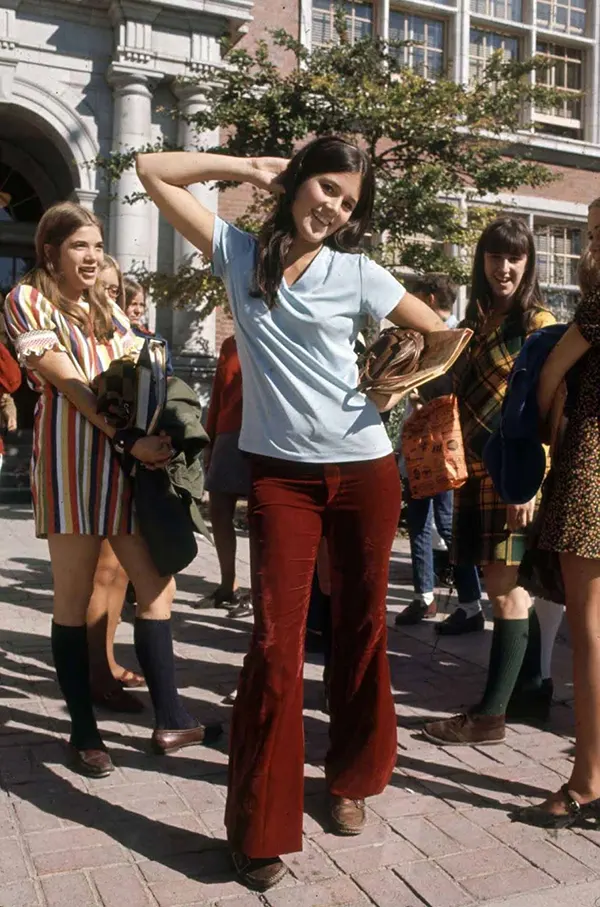
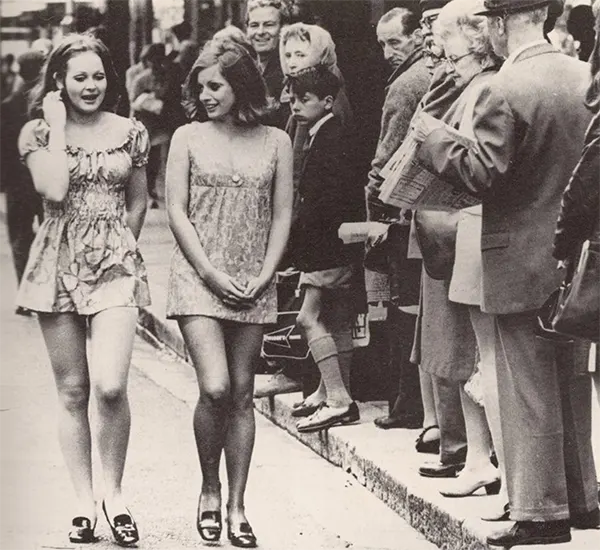
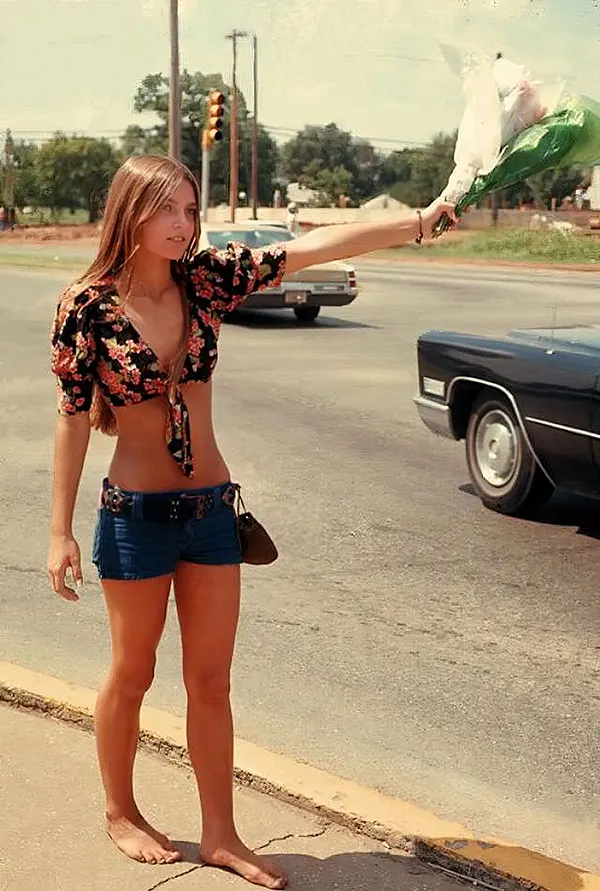
Into the 1970s, the style conversation went global. From Harlem to Oklahoma to Jamaica, people dressed with a confidence that photographs captured effortlessly. Wide lapels, platform shoes, and bold prints defined the decade, and no city had a monopoly on cool.
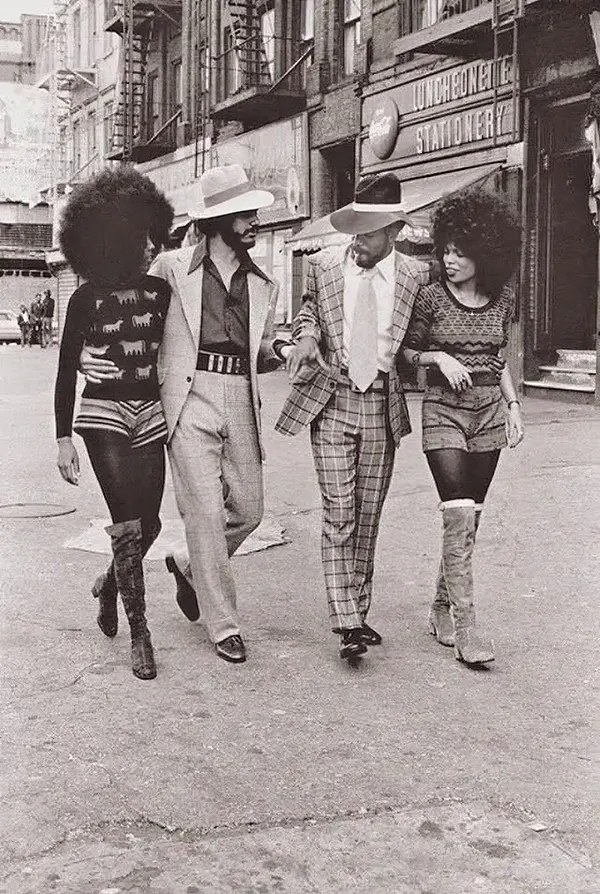
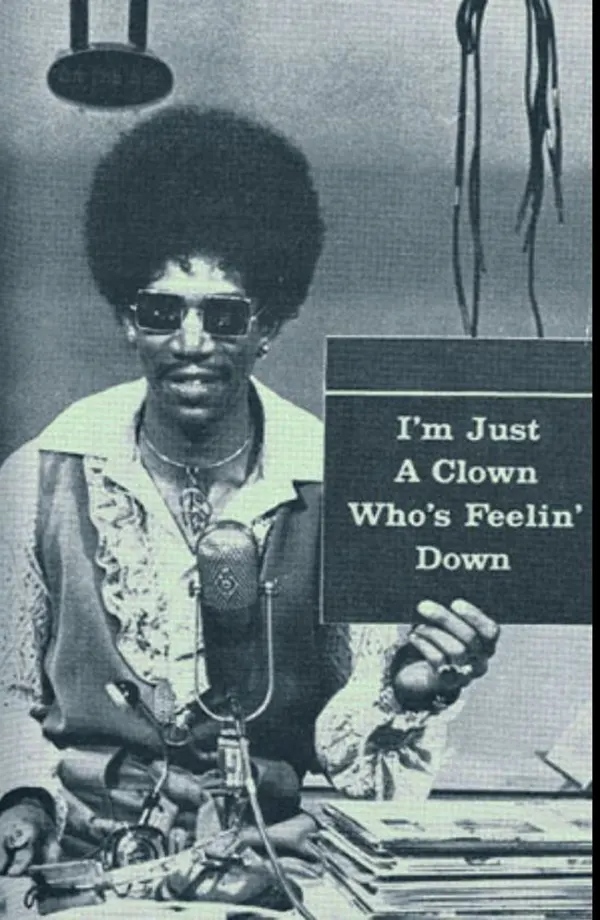
The afro became one of the most powerful style symbols of the decade — a statement of identity and pride worn by everyday people and celebrities alike. Morgan Freeman wore his with the same ease he brought to everything else.
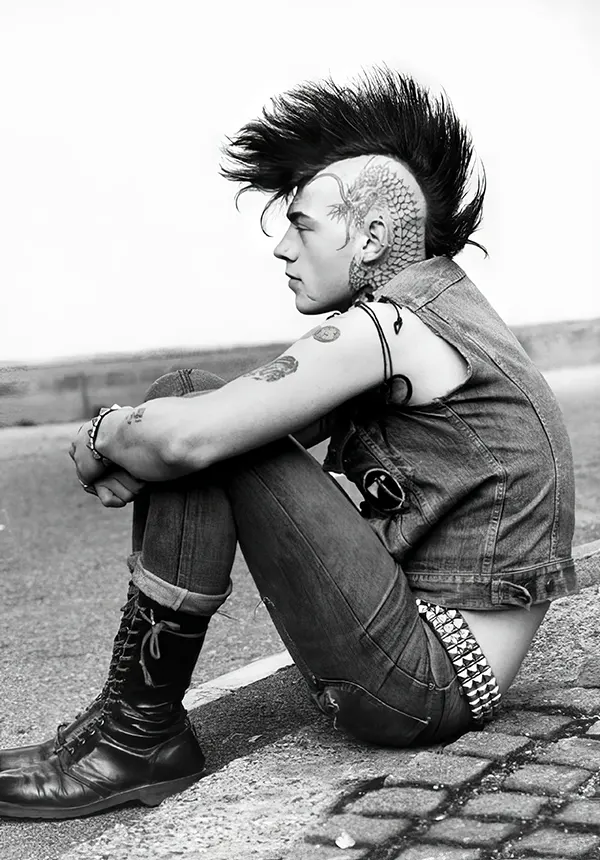
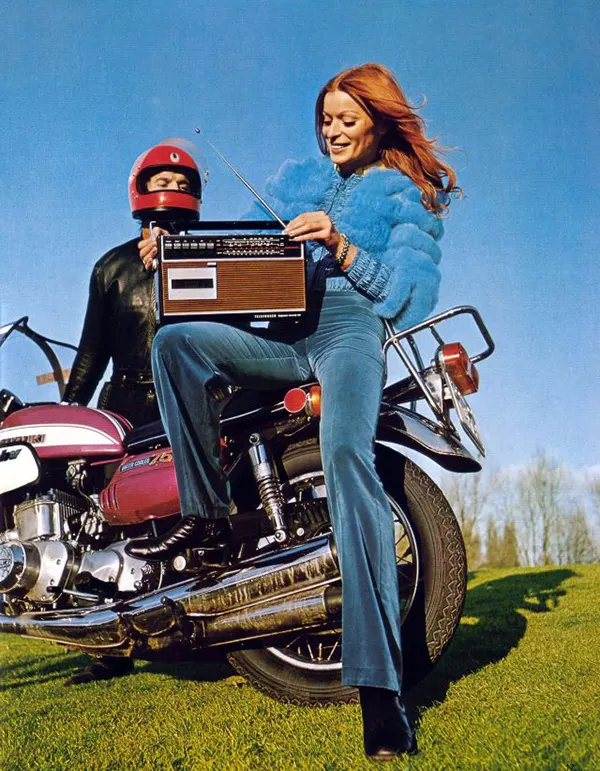
Punk hit hard in the early 1970s, rejecting the softness of the hippie era with mohawks, studs, and raw energy. At the same time, biker culture carried its own distinct look — leather, denim, and a don’t-care attitude that never fully went out of style.
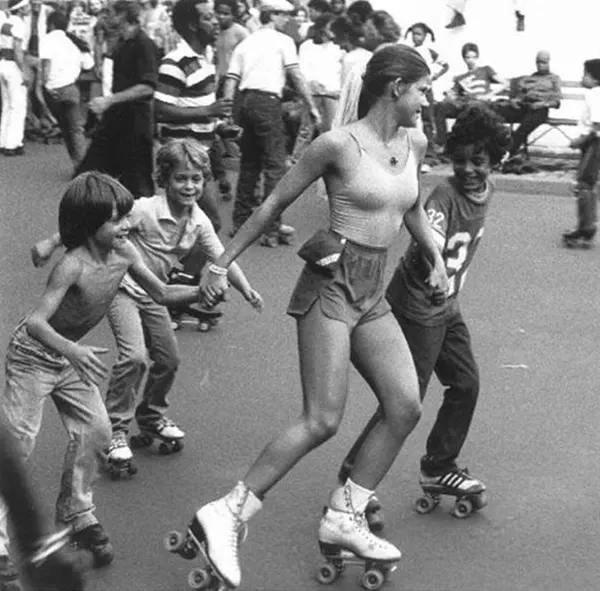
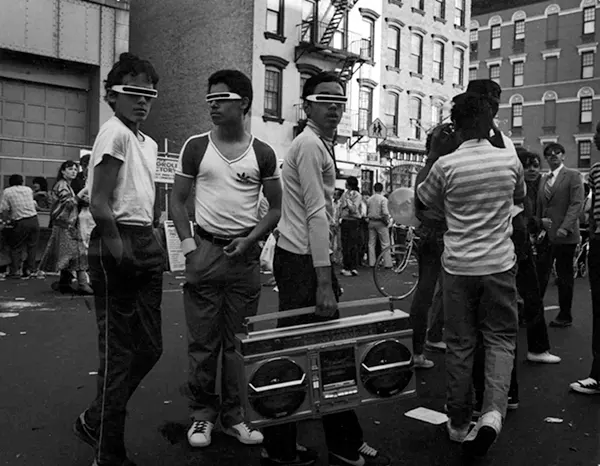
New York City in the 1970s was a fashion laboratory. Disco fever brought shiny fabrics and platform shoes. Studio 54 became the epicenter of nightlife glamour, where celebrities and everyday partygoers dressed to dazzle under mirrored disco balls.
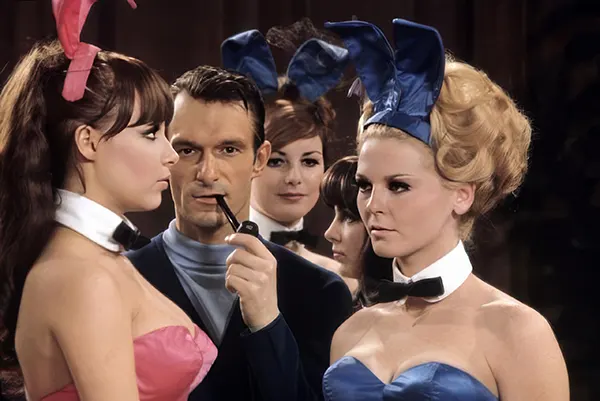
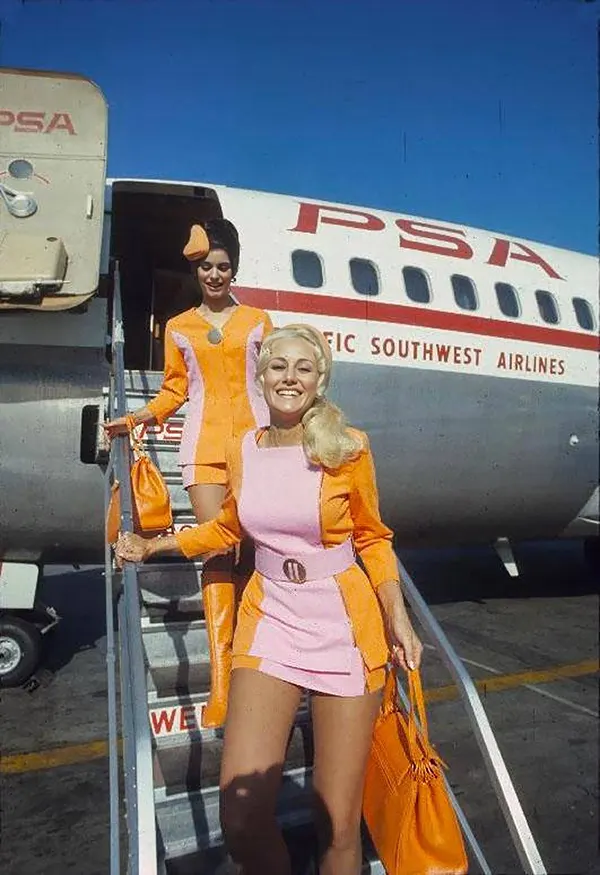
Uniforms in the 1970s weren’t exempt from the era’s flair. Airline stewardesses wore outfits that reflected the decade’s bright, optimistic energy. Even workwear had a sense of theater about it.
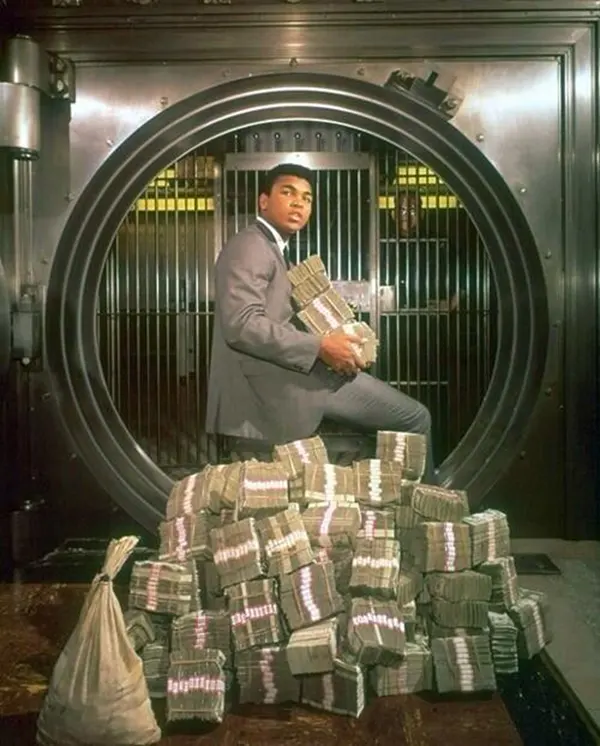

Celebrity style in the 1970s carried a certain swagger that went beyond clothing. Muhammad Ali in 1974 radiated confidence that no outfit could manufacture on its own. Arnold Schwarzenegger carried the same energy — relaxed, self-assured, and entirely aware of the camera.
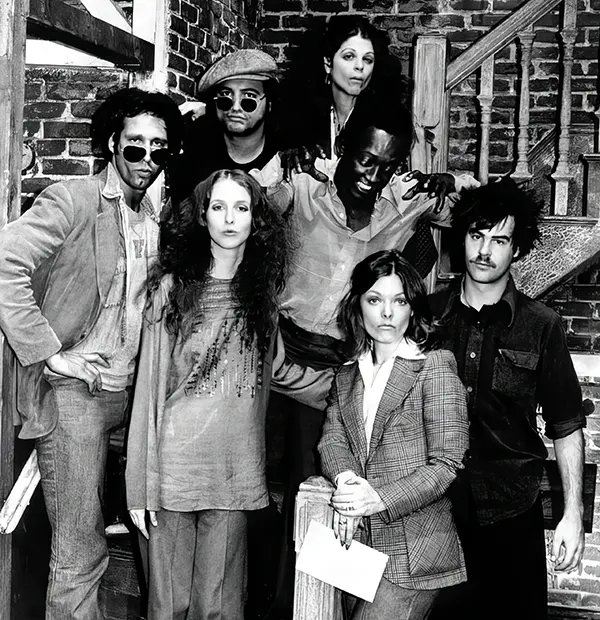
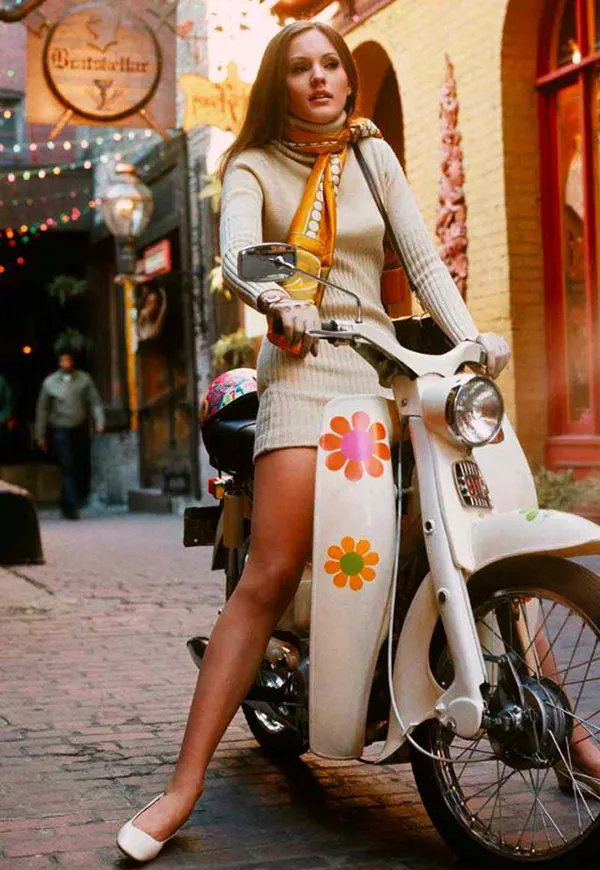
Television shaped fashion tastes in ways film never quite managed. When Saturday Night Live launched its original cast in 1975, their off-stage style was watched just as closely as their sketches. Meanwhile, on the streets, young women on scooters embodied a casual freedom that felt entirely new.
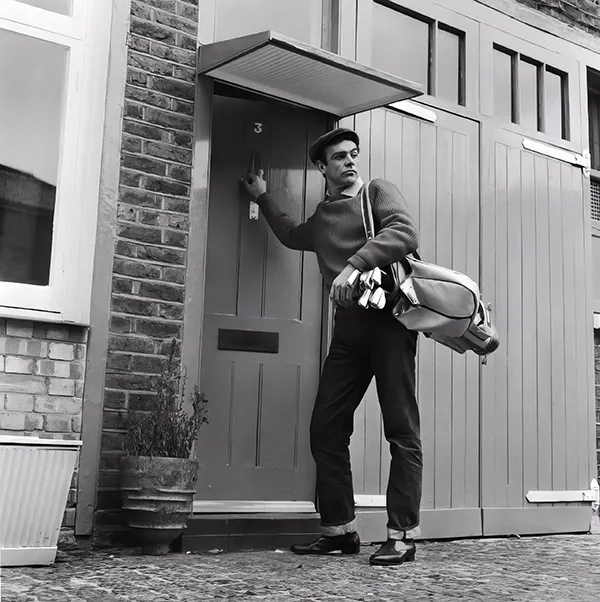
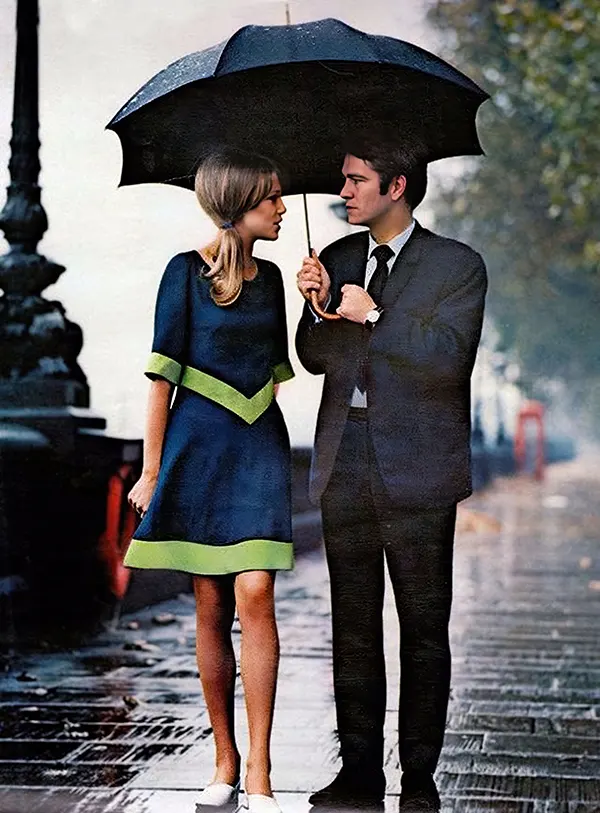
London in the early 1960s had a quietly elegant style running beneath the louder mod movement. A well-cut coat and a confident stride were all a person needed, as Sean Connery demonstrated simply by leaving his flat for a round of golf.
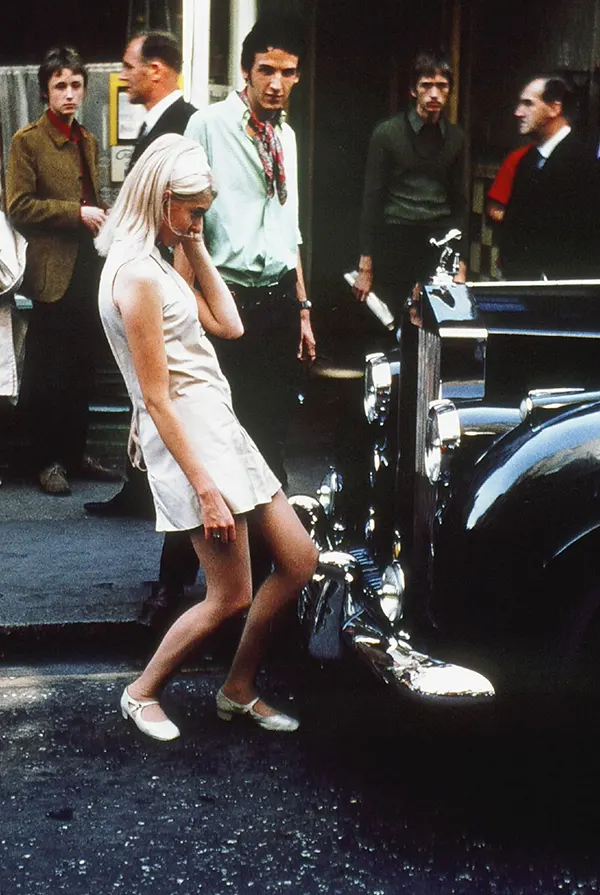
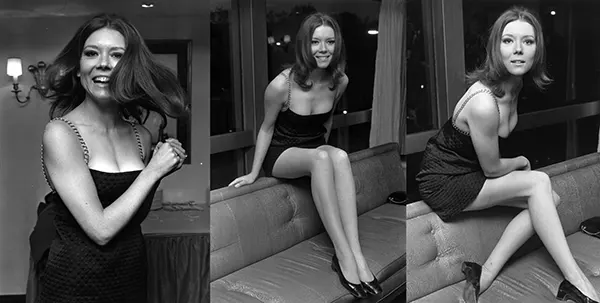
British actresses of the 1960s carried a particular kind of style authority. Diana Rigg in 1967 wore hers with a sharp elegance that matched her on-screen presence beat for beat. These women weren’t following trends — they were setting them.
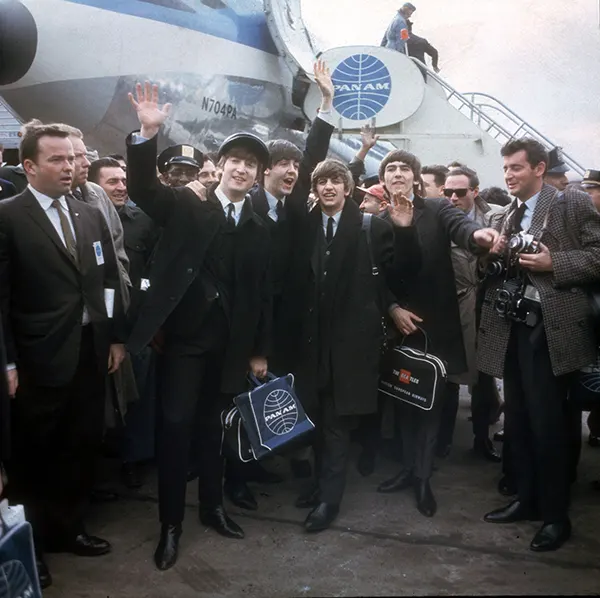
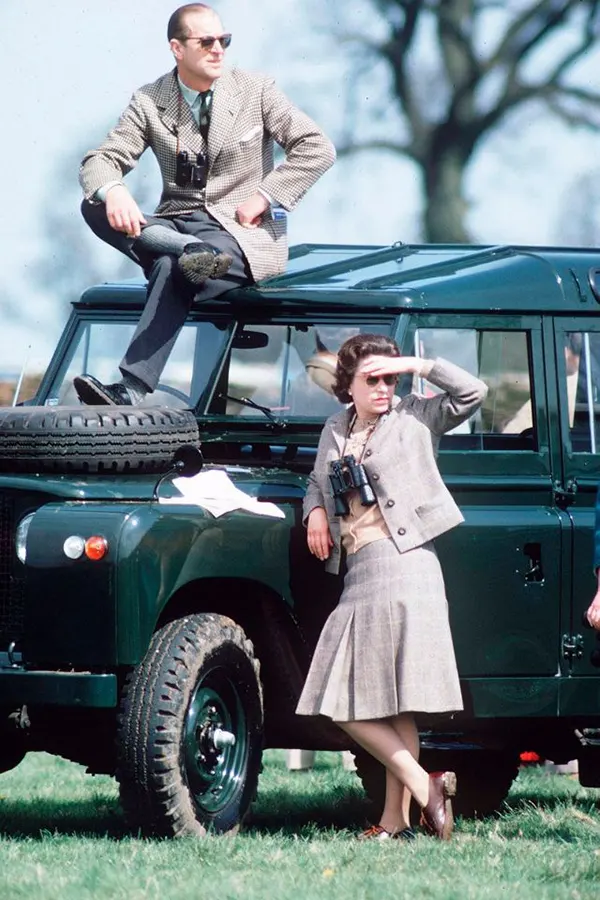
When The Beatles landed at JFK in 1964, their matching suits and mop-top haircuts triggered a fashion frenzy across America. On the other end of the spectrum, Queen Elizabeth II and Prince Philip at the races that same decade showed how traditional British style held its ground with quiet authority.
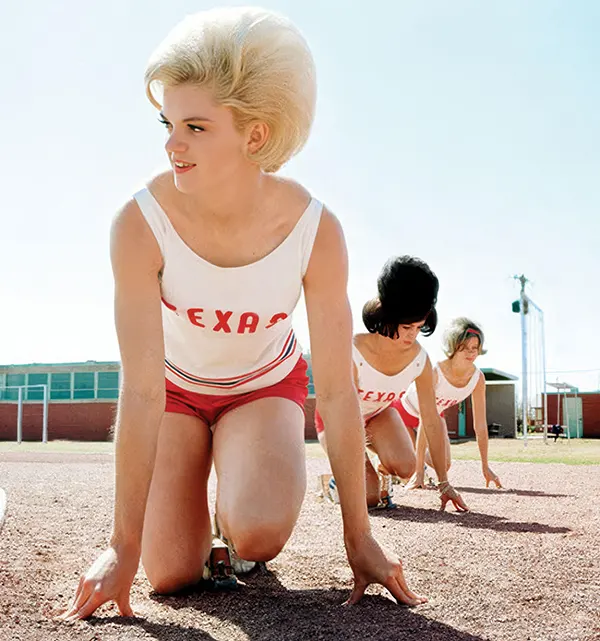
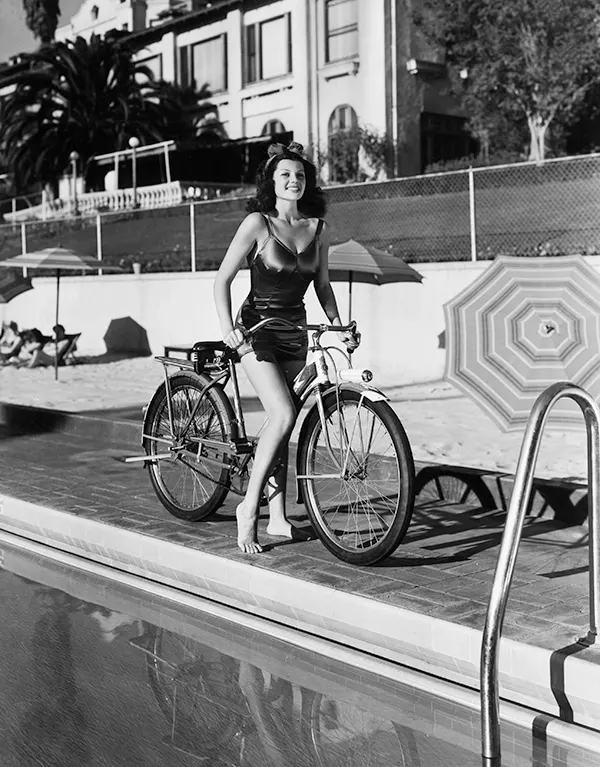
Athletic wear had its own evolution across the decades. From Rita Hayworth on a bicycle in the 1940s to university track teams in the 1960s, the way women dressed for movement shifted steadily toward function without sacrificing style.
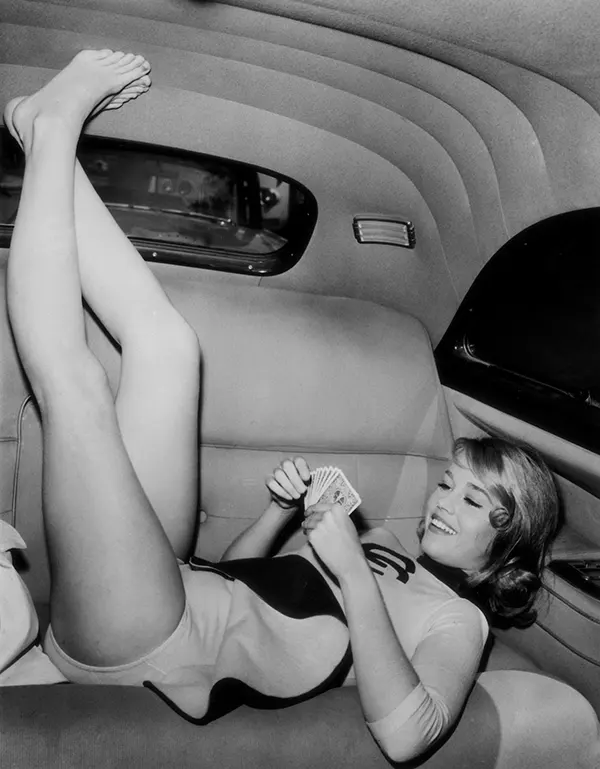
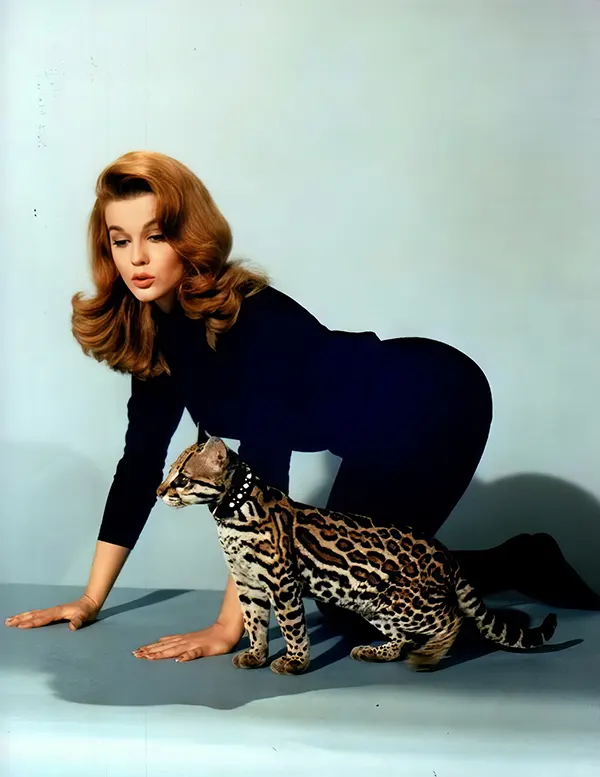
Hollywood actresses knew how to command a photograph. Jane Fonda at ease in a limousine in 1958, Ann-Margret beside a baby leopard in the 1960s — these weren’t accidents. Every frame was a statement about who these women were and how they chose to be seen.
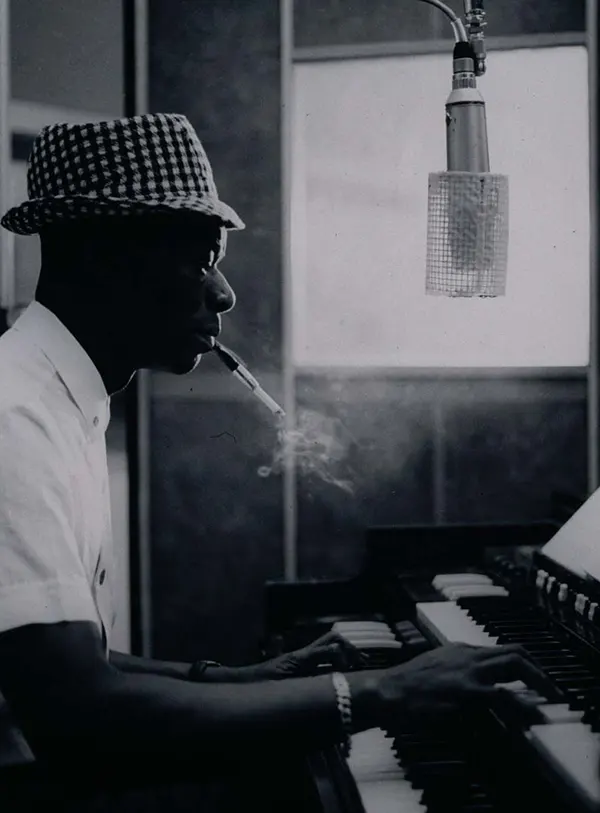
Musicians dressed the part long before image consultants existed. Nat King Cole at a piano, dressed sharp and unhurried, showed that elegance and artistic talent belonged in the same room. Jazz and R&B brought a tailored sophistication to American popular culture that still resonates.
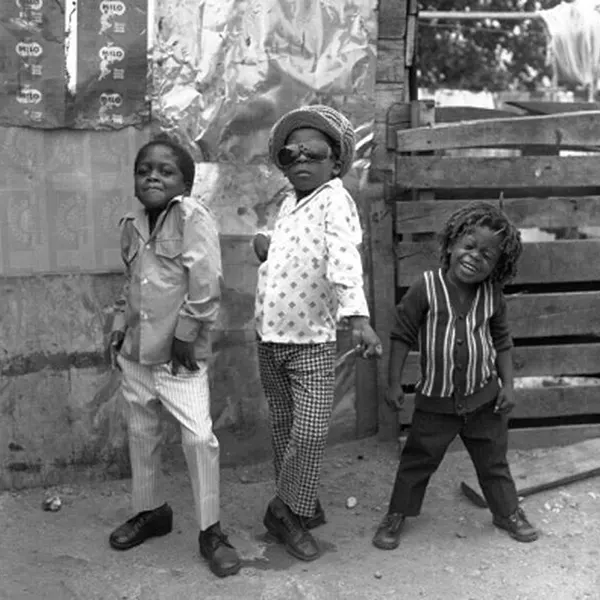
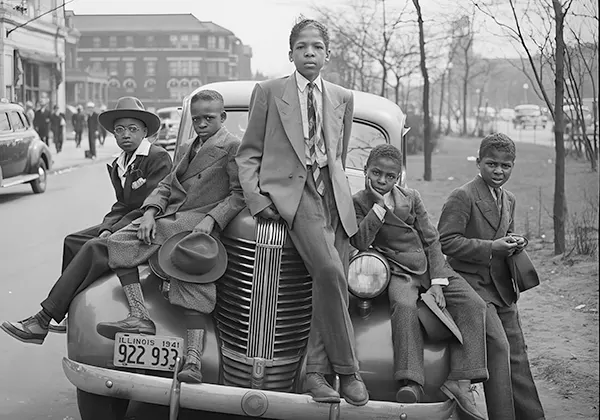
Street style has always existed outside the fashion industry’s spotlight. In Chicago in 1941, a group of young men on the Southside dressed with a sharpness that rivaled anything on a magazine cover. In Jamaica, boys posed for the camera with an ease that made the photograph feel timeless.
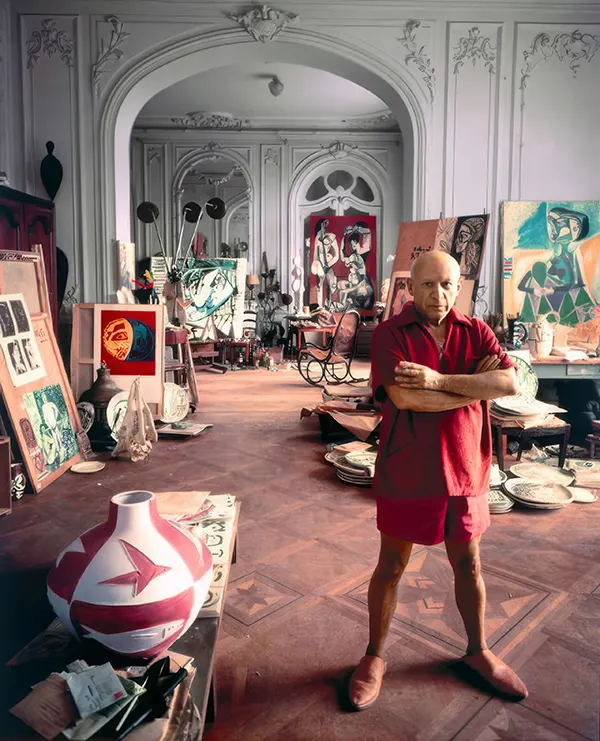
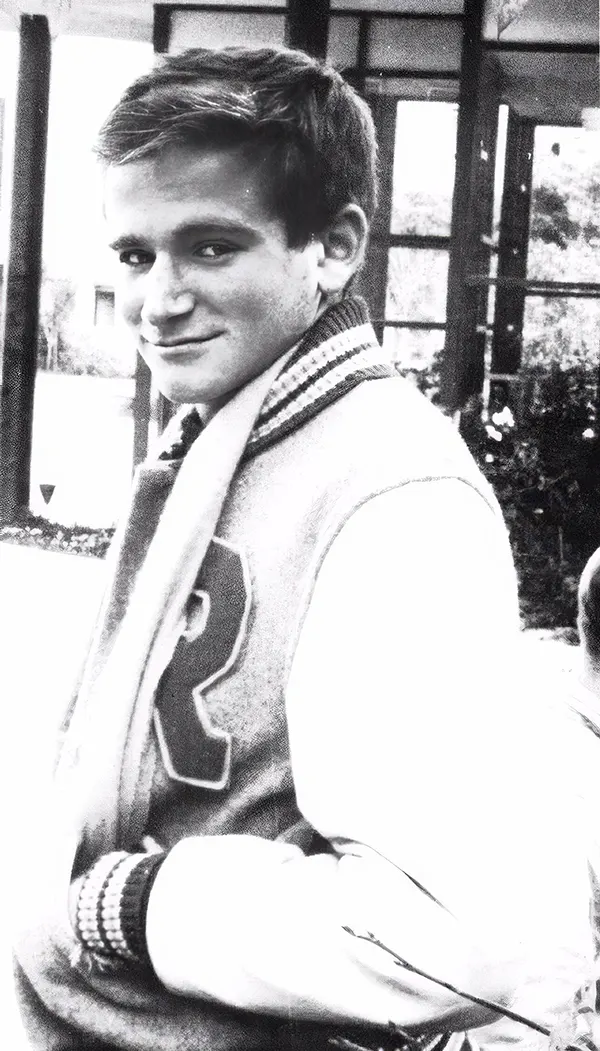
Artists dressed like themselves, which was always the most interesting option. Picasso in his studio in 1956 wore practicality like a badge. A young Robin Williams in 1969 wore something closer to pure personality — the kind of style that comes from not overthinking it.
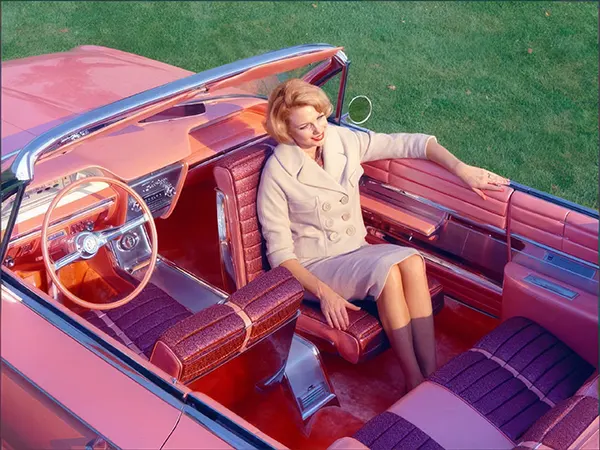
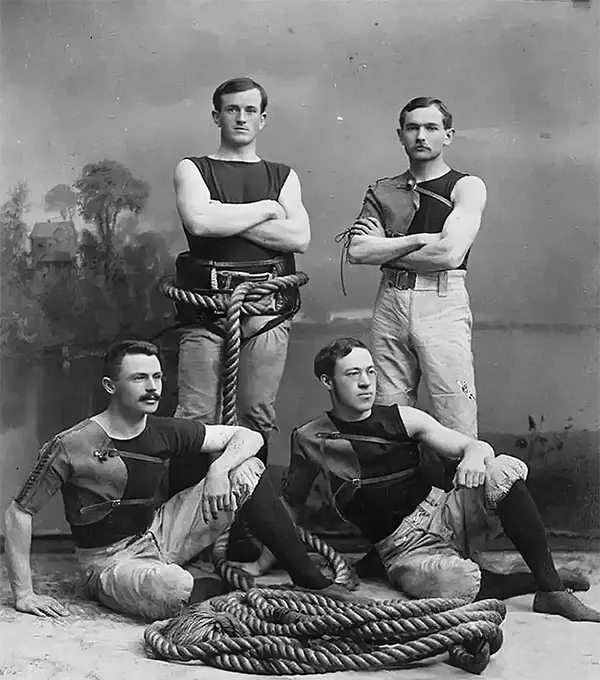
Fashion doesn’t exist in a vacuum — it lives alongside the technology, culture, and daily life of its time. A woman in a 1961 Buick Flamingo, a tug-of-war team in 1891, a punk with a mohawk in 1970 — each image is a specific moment frozen in time, dressed exactly as it should be.
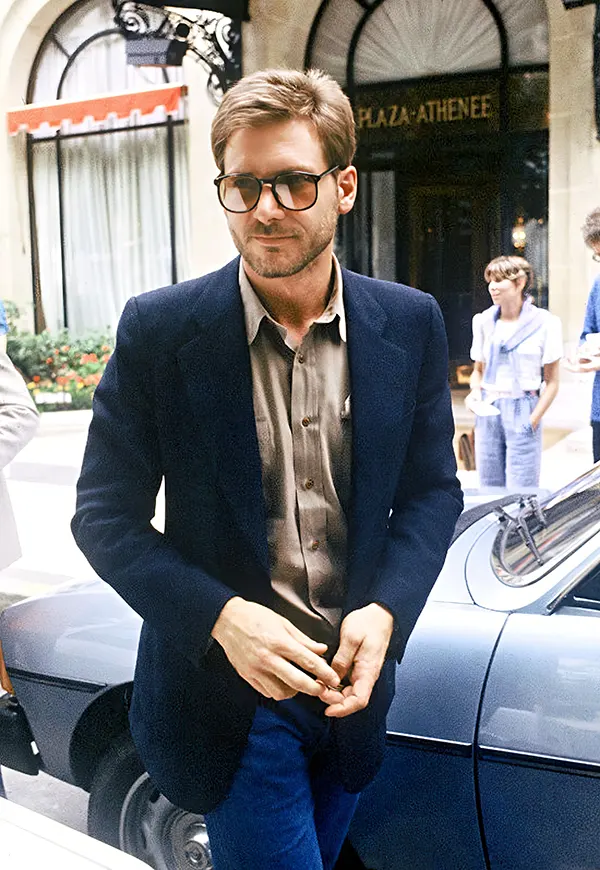
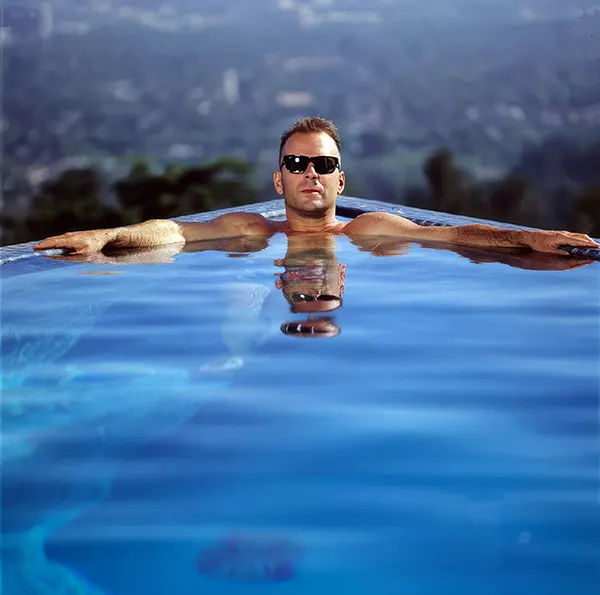
The 1980s pushed everything louder. Neon colors, oversized blazers, and teased hair dominated the decade. MTV made pop stars into fashion templates overnight. Harrison Ford in 1980 kept things understated while the decade raged around him. By 1989, Bruce Willis wore the relaxed confidence of a man who knew exactly where he stood.
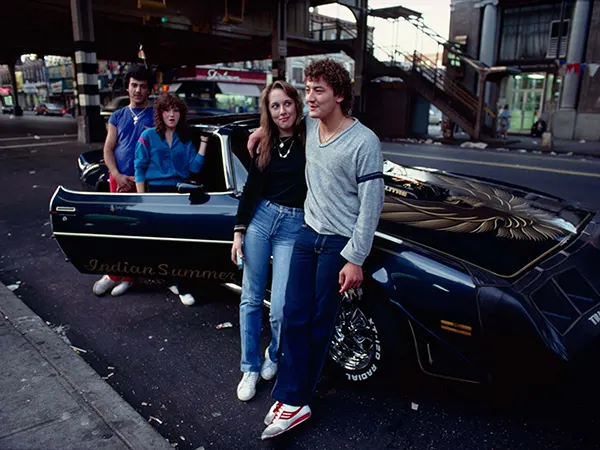
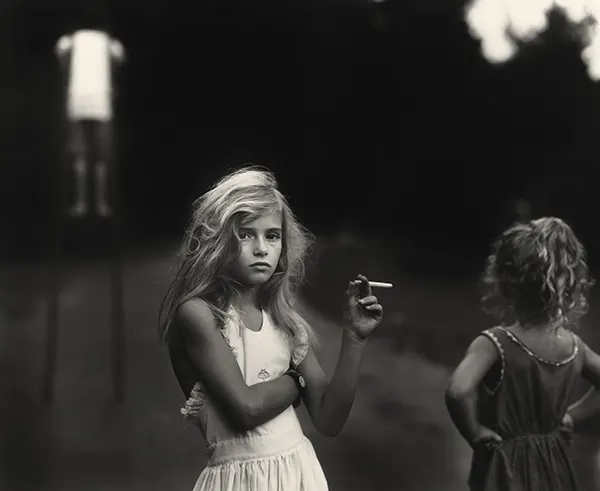
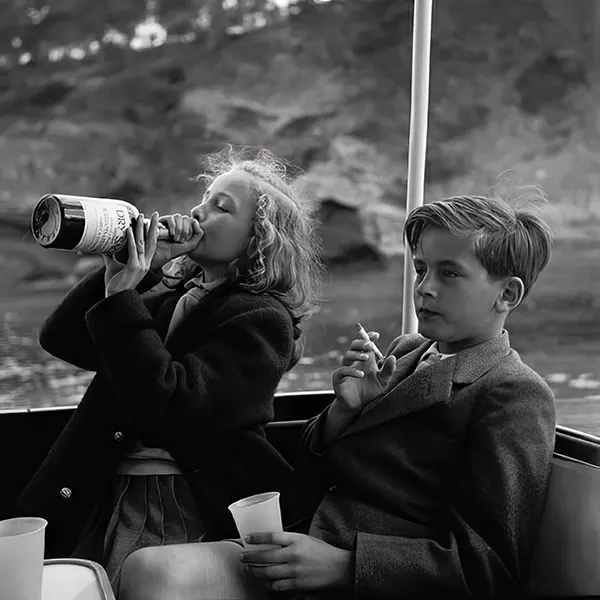
Brooklyn teenagers in the 1980s wore the decade’s attitude without apology. The streets were their runway, and confidence was the only accessory that mattered. Sally Mann’s 1989 photograph “Candy Cigarette” closed out the decade with something quieter — a single image carrying more weight than any trend chart ever could.