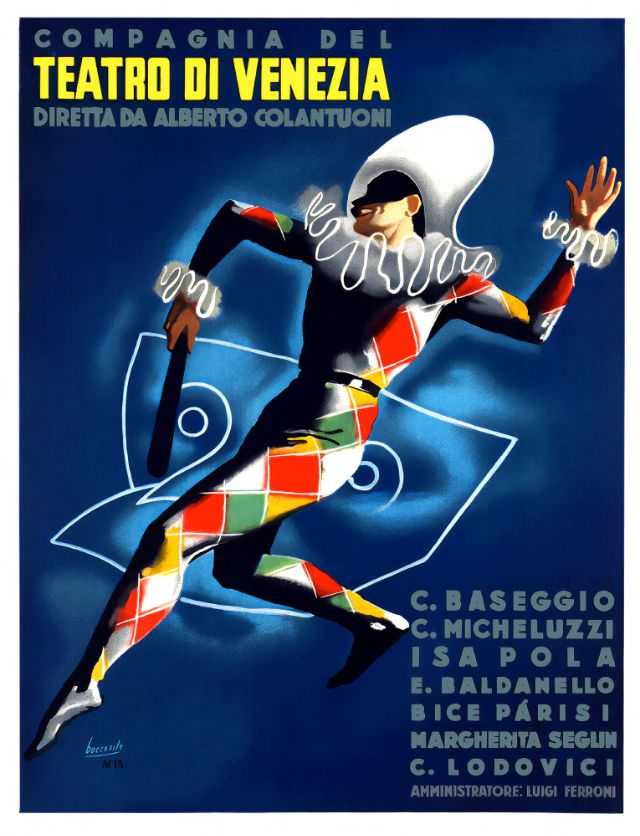
Gino Boccasile was born in Bari, Italy, and lost an eye in childhood. That loss did nothing to limit him. By age 14, his talent was already clear, and he would go on to become one of the most distinctive poster artists of the 20th century. His work defined the visual language of Italian commercial art across two of its most turbulent decades.
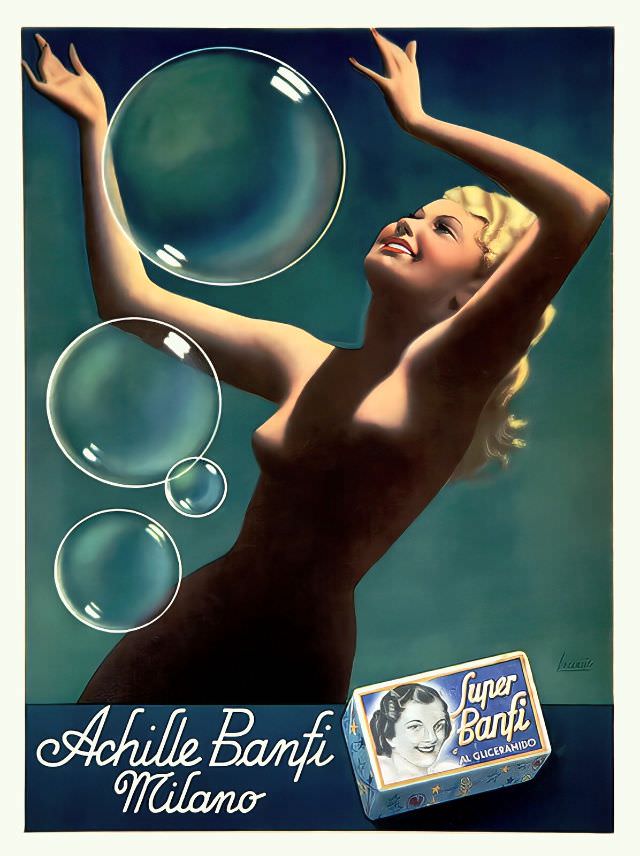
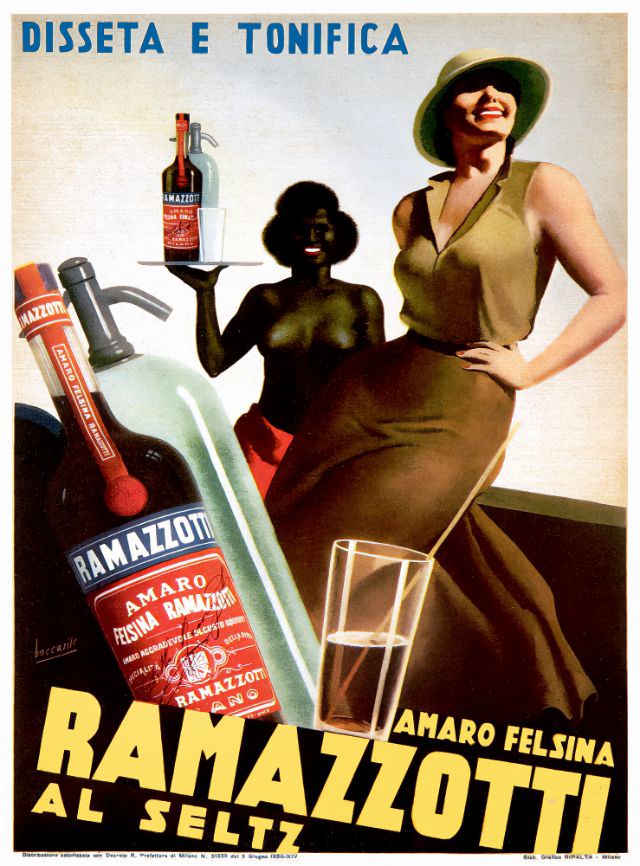
In the 1930s, advertising was not just about a product — it was about a feeling. Boccasile understood this instinctively. His posters for soap, coffee substitutes, and textiles used bold color, confident line work, and glamorous figures to make everyday goods feel desirable. Brands across Italy sought him out for exactly this reason.
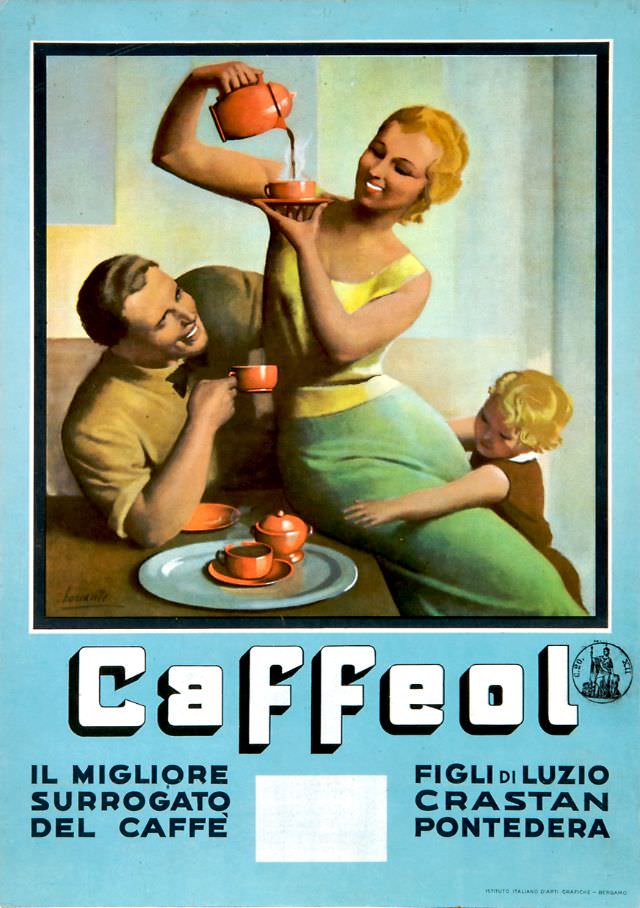
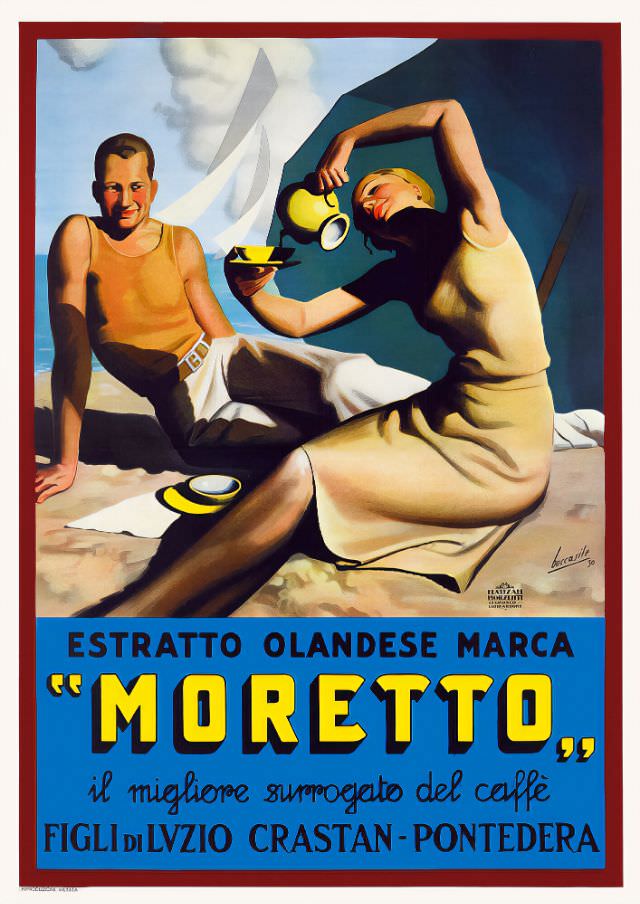
His style leaned heavily on idealized figures — women rendered with warmth and confidence, men dressed with sharp elegance. Whether selling flatware for Wellner or fabrics for La Tessile, Boccasile wrapped the product in aspiration.
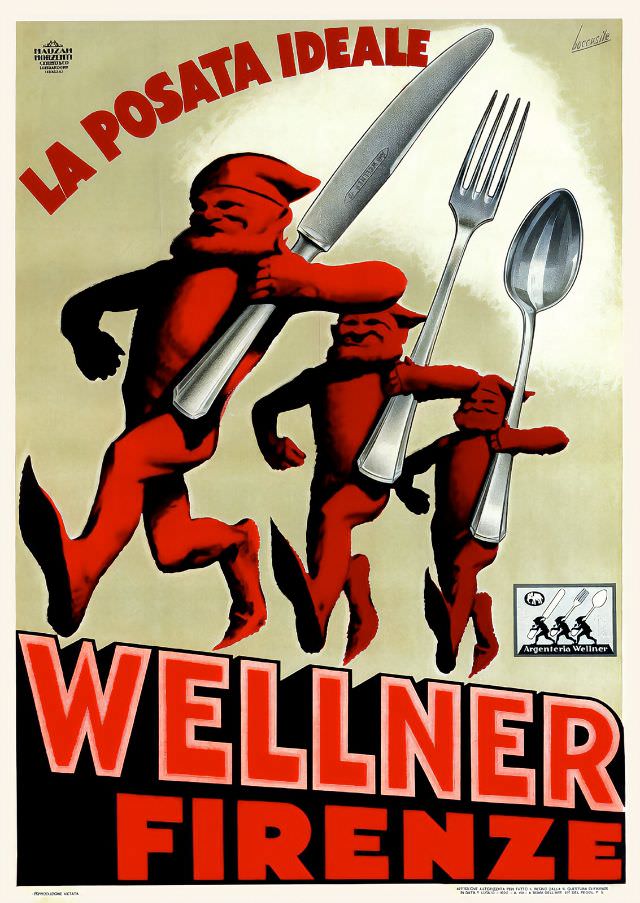
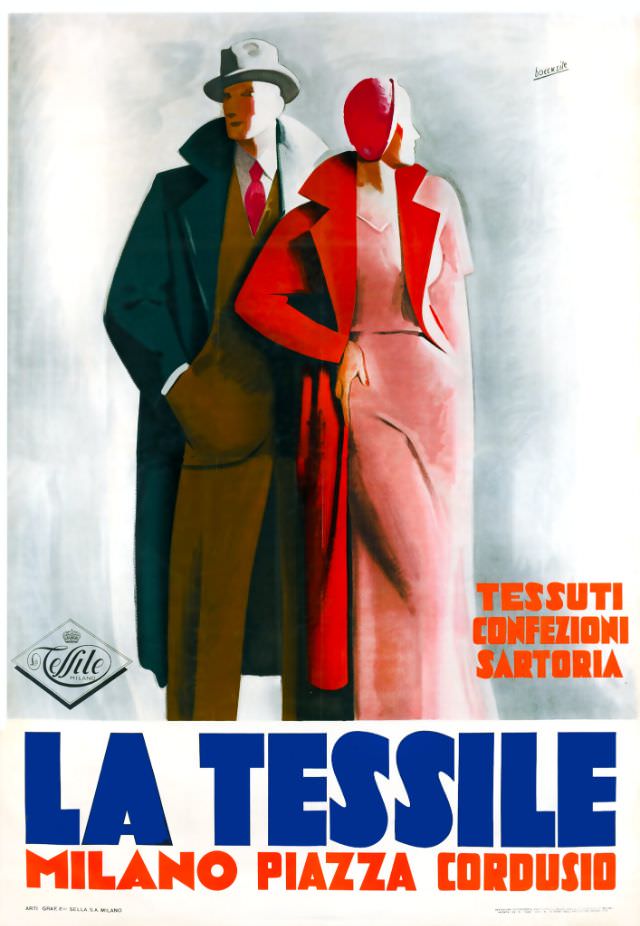
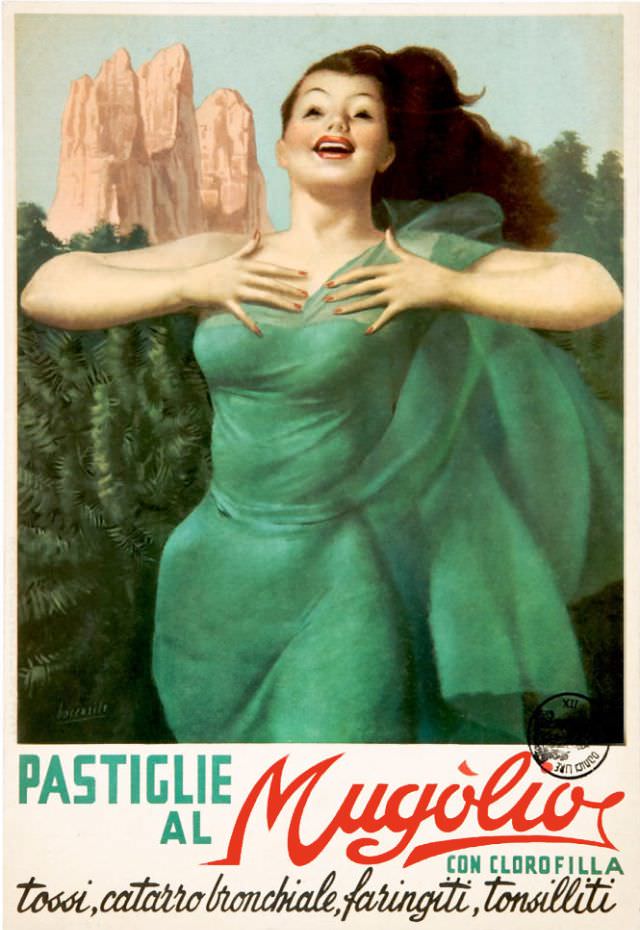
His range was wide. He produced travel posters for San Remo tournaments, film stock ads for Gevaert, and even a Ford automobile raffle poster aimed at Spanish-speaking markets. Each piece showed the same control: strong composition, vivid color, and figures that commanded attention.
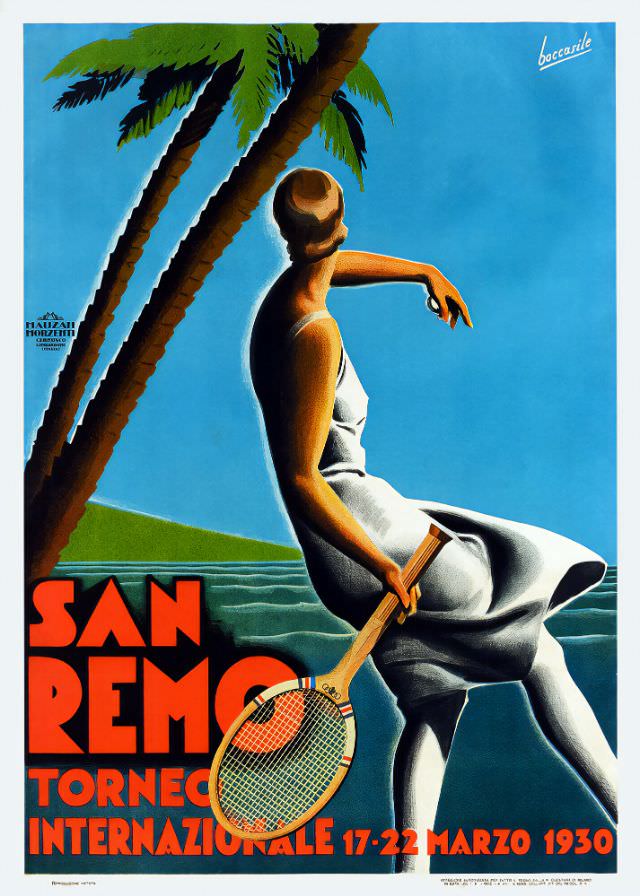
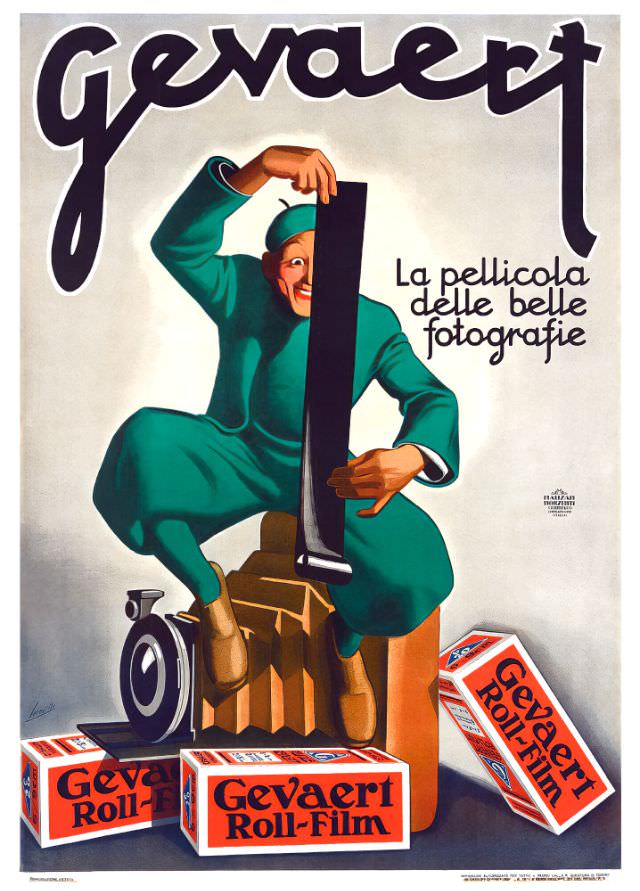
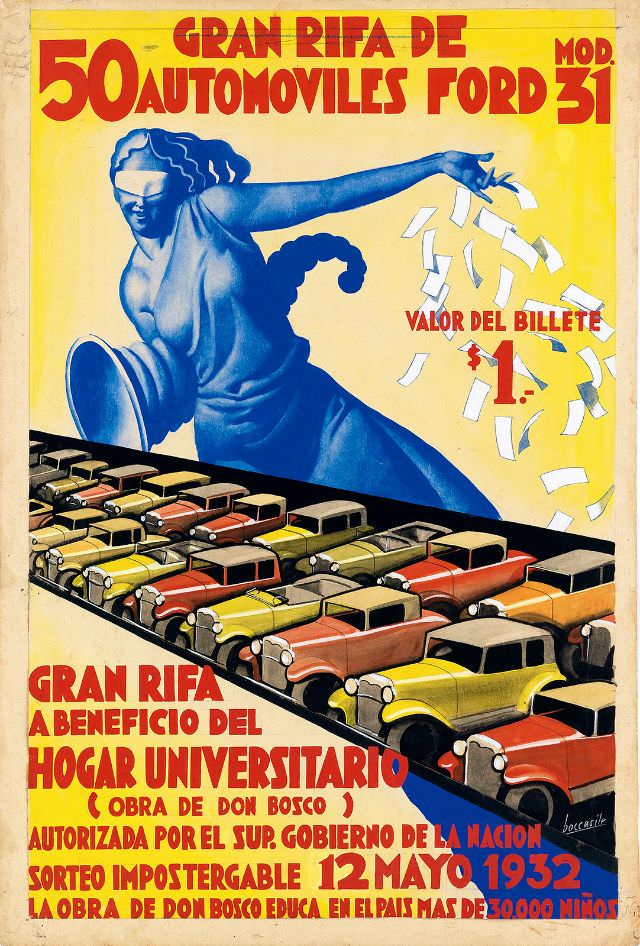
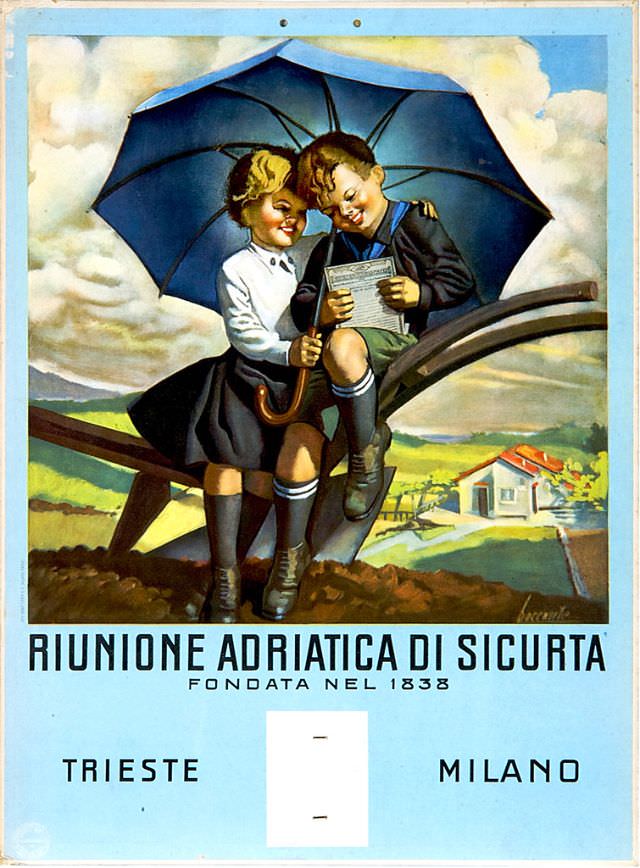
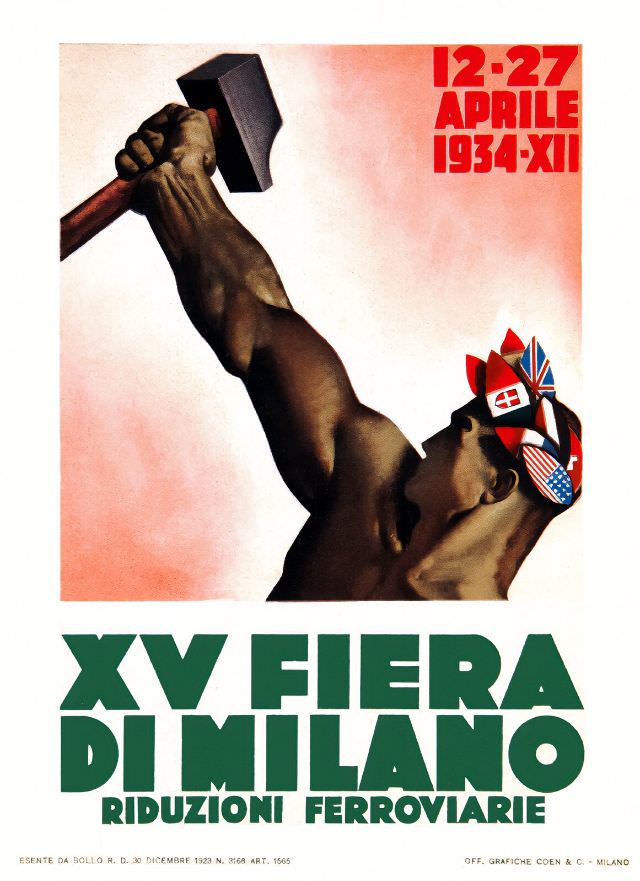
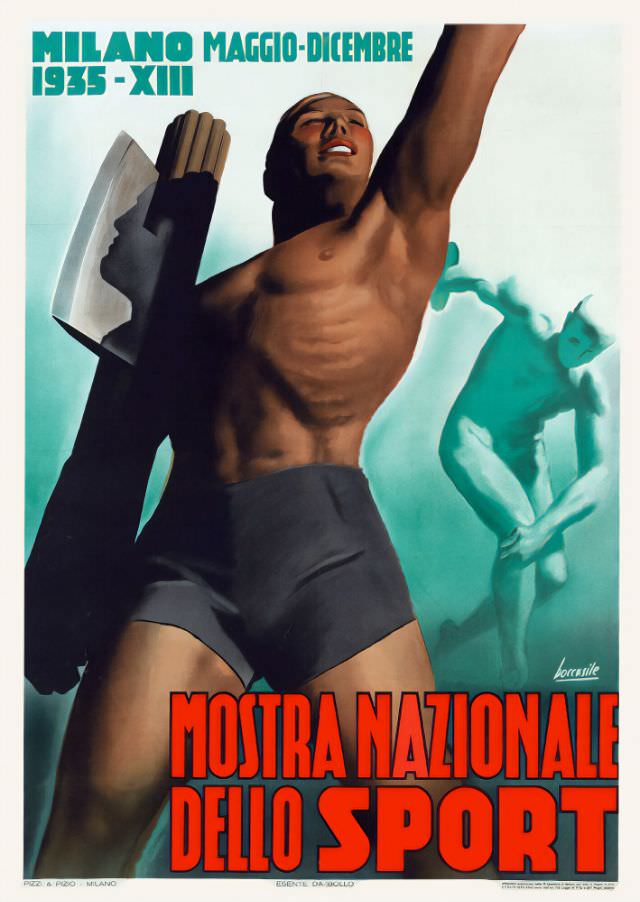
By the mid-1930s, Boccasile was working across an impressive spread of clients. Insurance companies, trade fairs, beverage brands, and sports federations all turned to him. His 1934 calendar for Riunione Adriatica di Sicurtà and his poster for the XV Fiera di Milano show how comfortably he moved between corporate prestige and public spectacle.
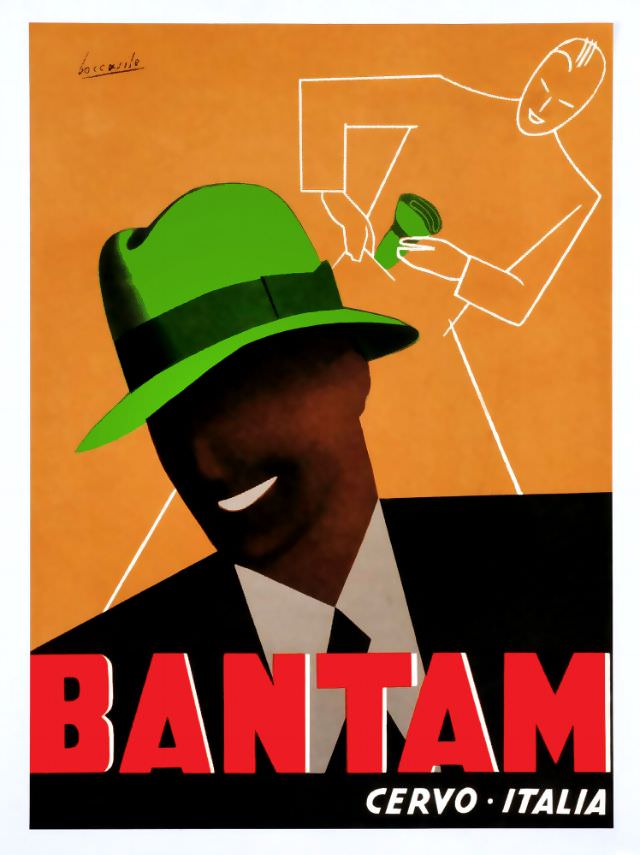
Sport was a recurring subject in Boccasile’s 1930s output. His three posters for the Federazione Italiana Nuoto — depicting a diver, a swimmer at the start, and a water polo match — show how effectively he captured movement and physical energy within a flat, graphic format.
![Federazione Italiana Nuoto [Diver], 1936](https://www.bygonely.com/wp-content/uploads/2023/08/Gino_Boccasile_posters_16.jpg)
![Federazione Italiana Nuoto [Start], 1936](https://www.bygonely.com/wp-content/uploads/2023/08/Gino_Boccasile_posters_17.jpg)
![Federazione Italiana Nuoto [Water Polo], 1936](https://www.bygonely.com/wp-content/uploads/2023/08/Gino_Boccasile_posters_18.jpg)
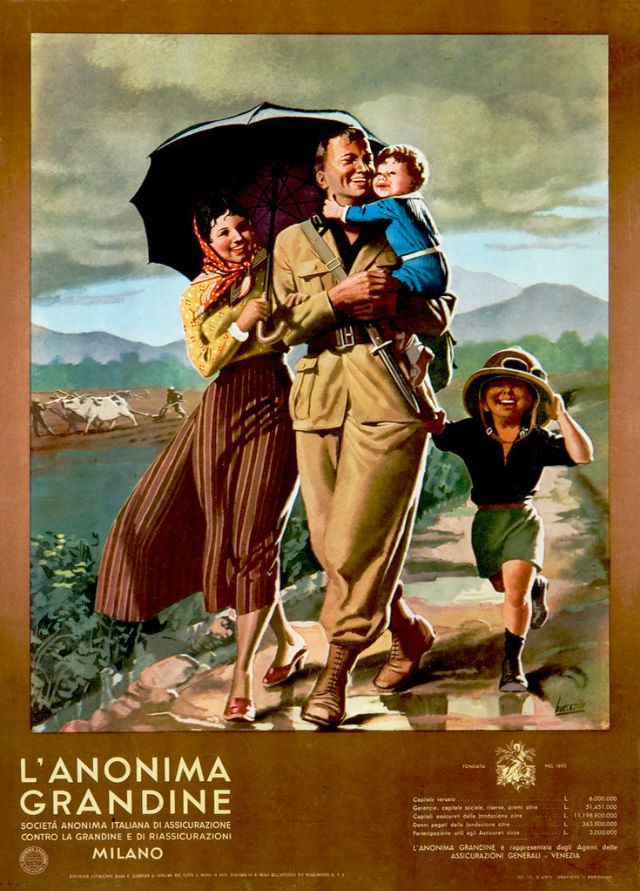
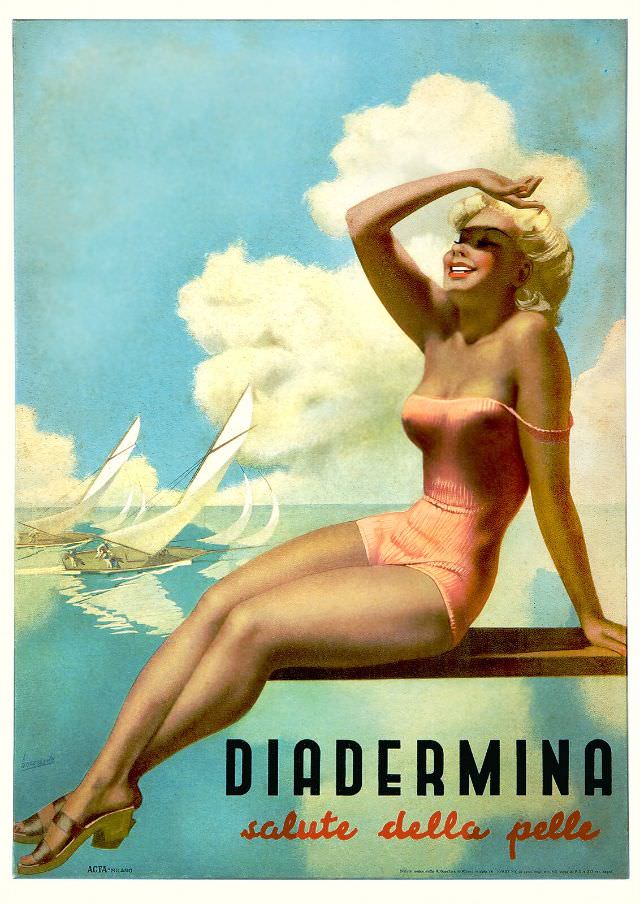
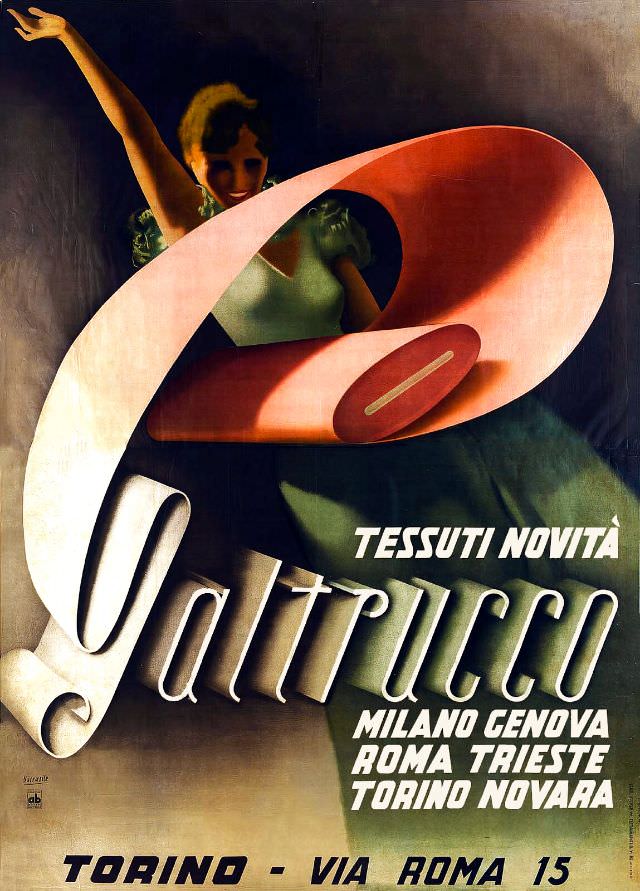
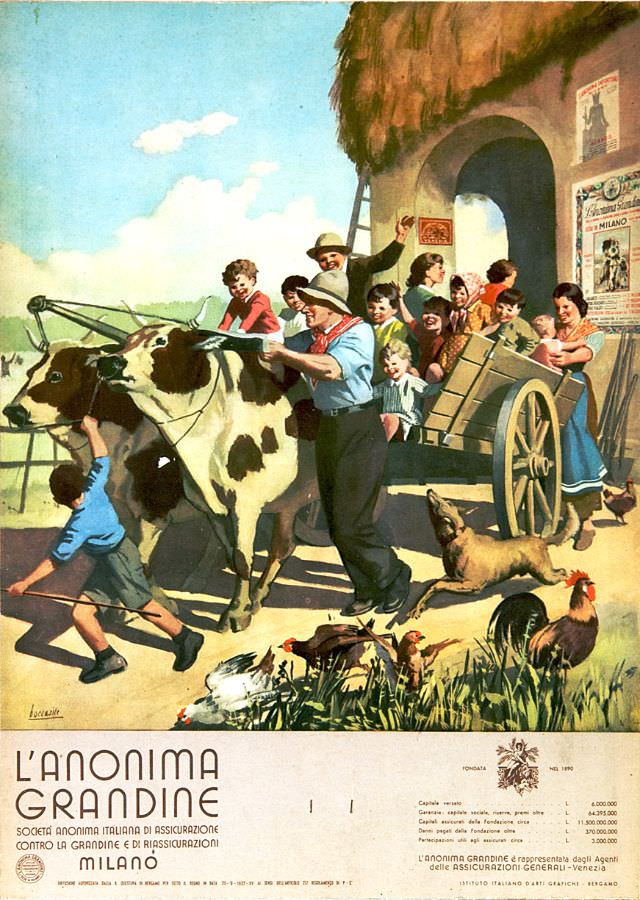
Insurance advertising was another consistent thread. His two posters for L’Anonima Grandine in Milan — one from 1936, one from 1937 — used his signature figurative style to give a dry financial product genuine visual appeal. Alongside these, his skincare ads for Diadermina and fashion work for Galtrucco show the breadth of his commercial reach.
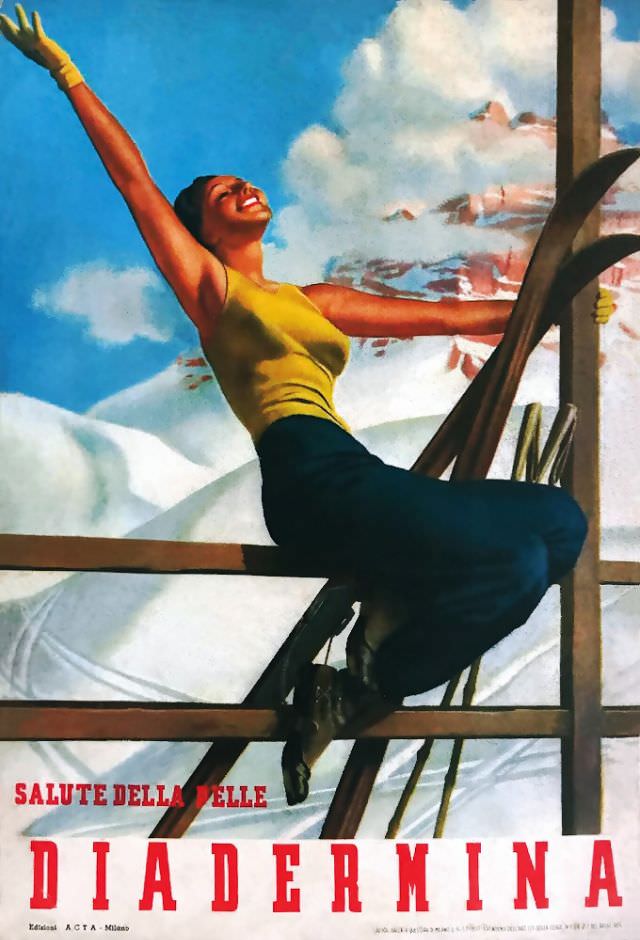
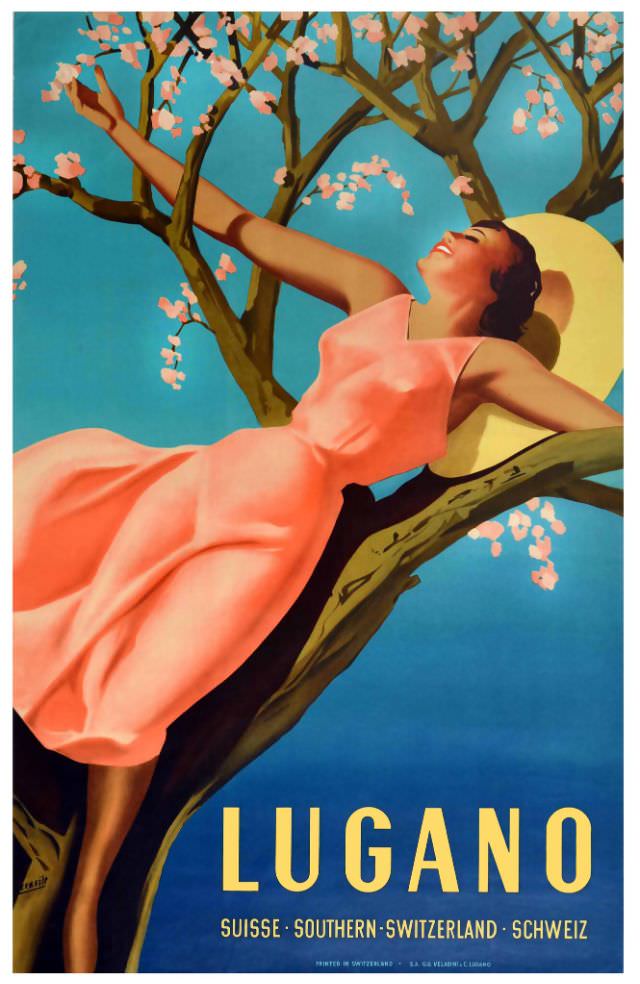
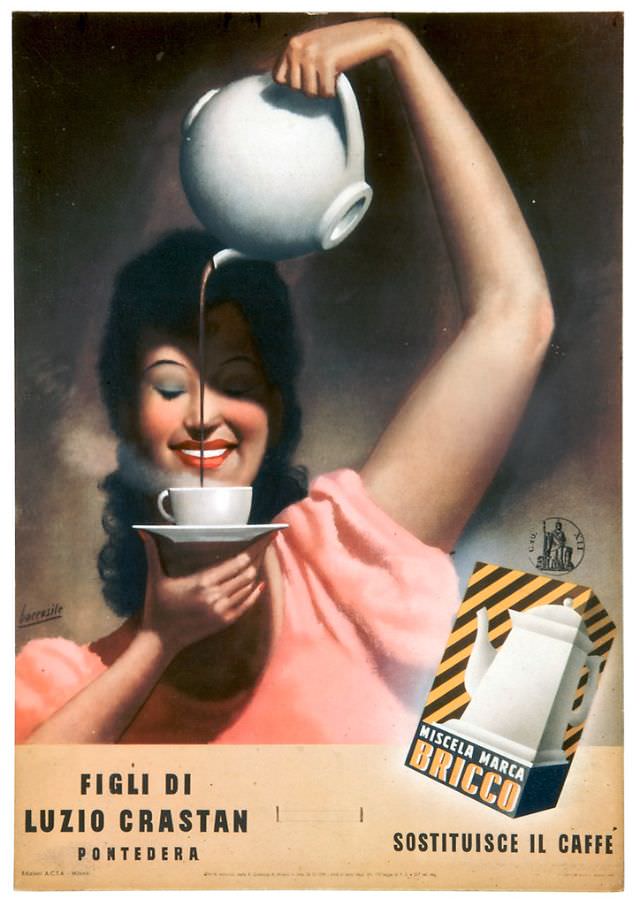
As the 1930s closed, Boccasile continued to produce travel and consumer advertising, including a 1939 tourism poster for Lugano and a coffee substitute ad for Miscela Marca Bricco. These late prewar works still carry the optimism and elegance that defined his decade of commercial output.
The 1940s brought war, and Boccasile’s output shifted alongside Italy’s political reality. He created propaganda posters aligned with the Fascist regime — work loaded with nationalistic imagery that served as a tool of morale and ideology. These posters are historically documented artifacts of that machinery, reflecting the prejudices and political goals of the period directly.
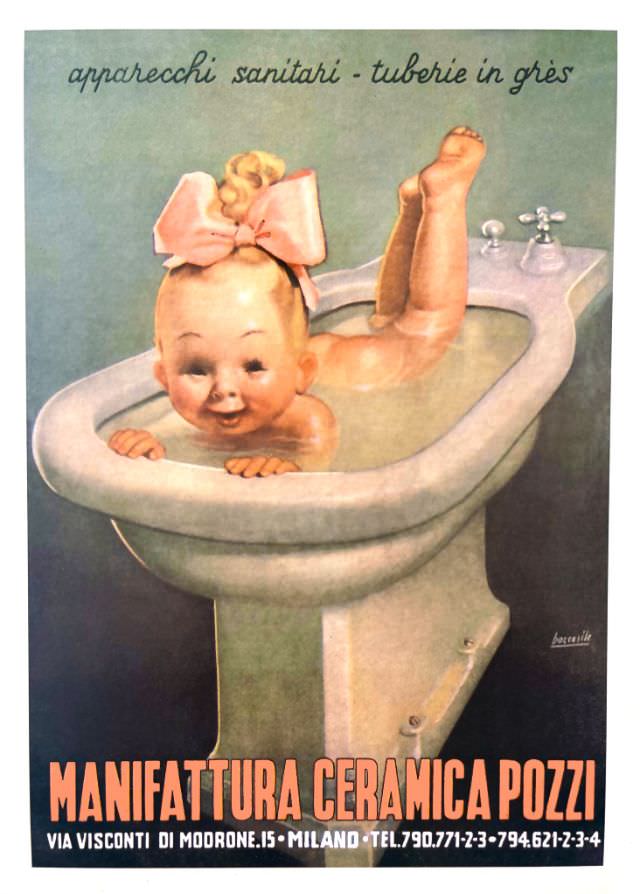
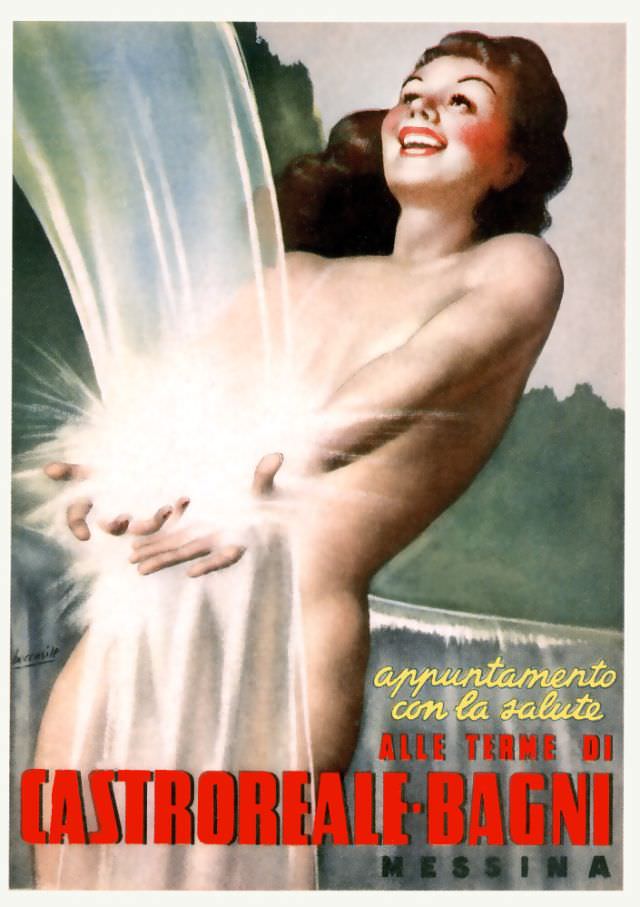
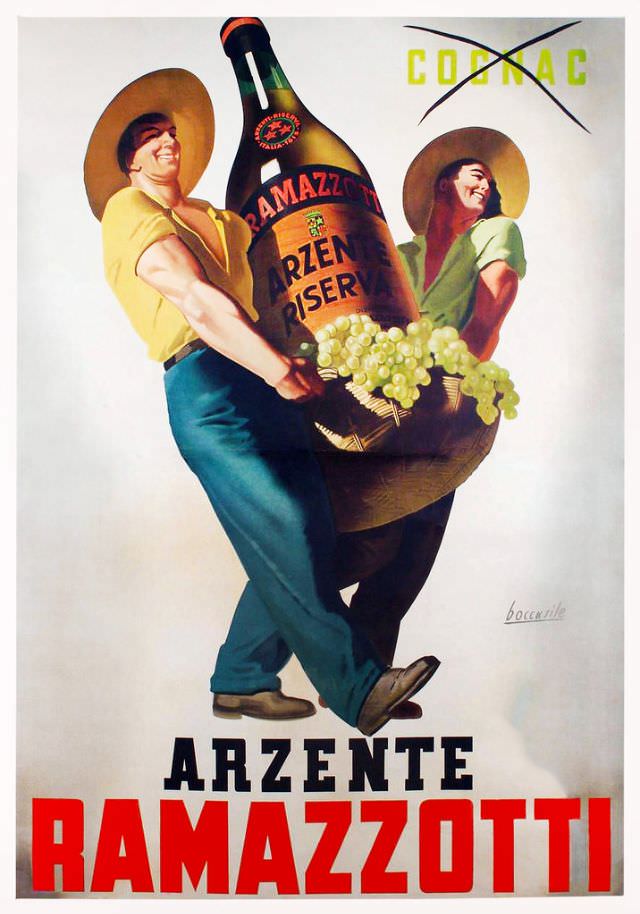
Even through the war years, Boccasile kept producing commercial work. Hosiery, toothpaste, panettone, springs — no category was too ordinary. His ads for Calze Fer stockings, Chlorodont toothpaste, and Manifattura Ceramica Pozzi sanitaryware show an artist who never stopped working, regardless of the political climate around him.
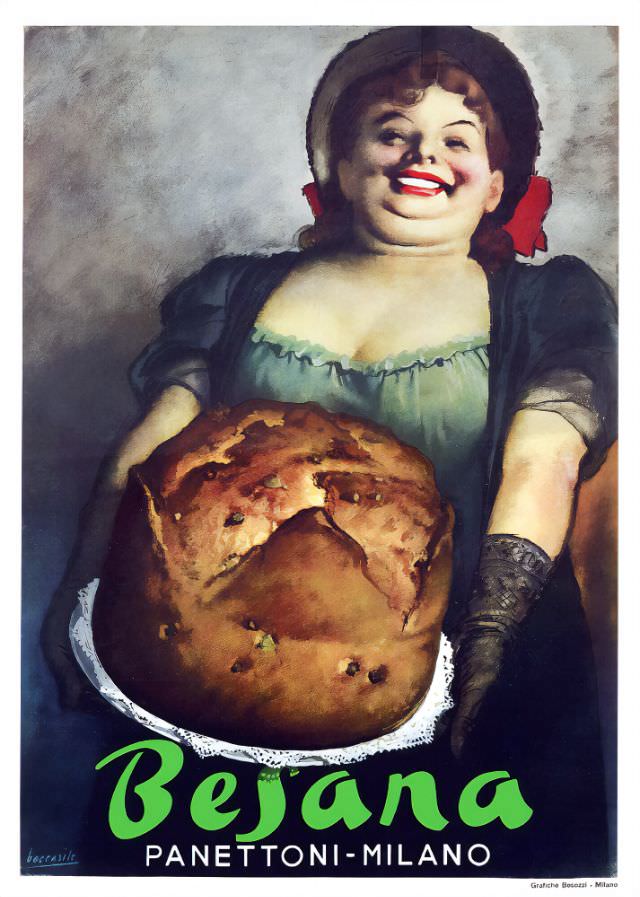
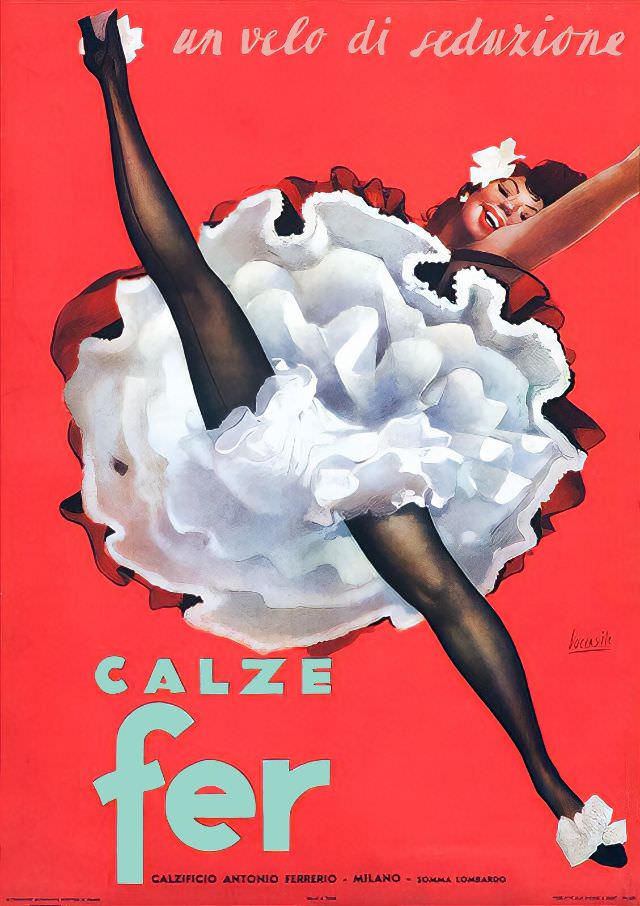
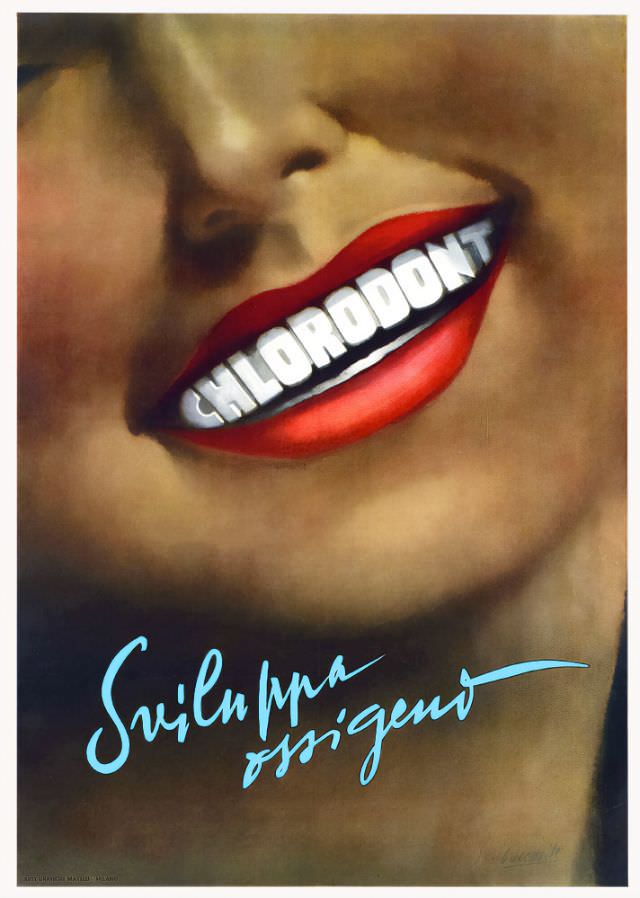
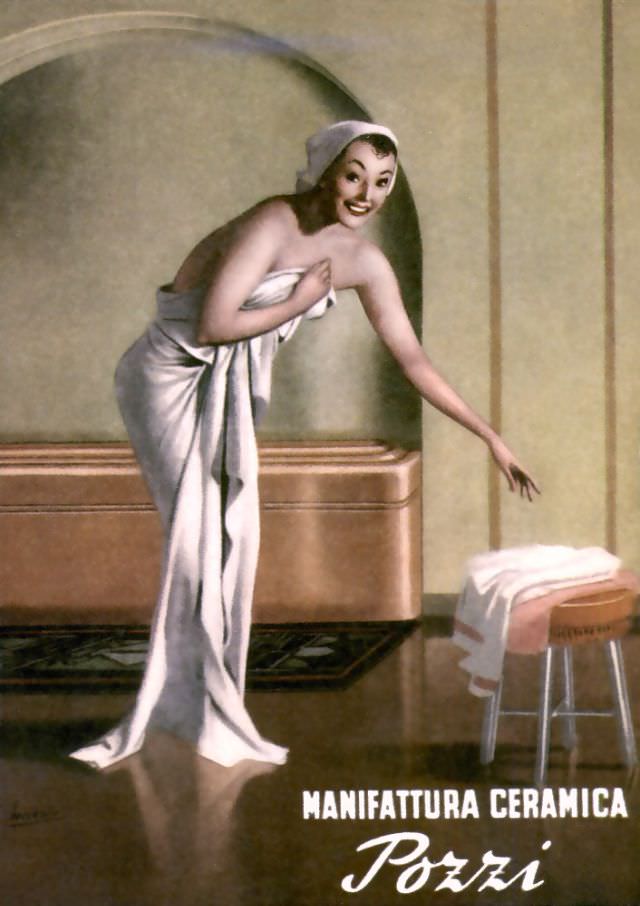
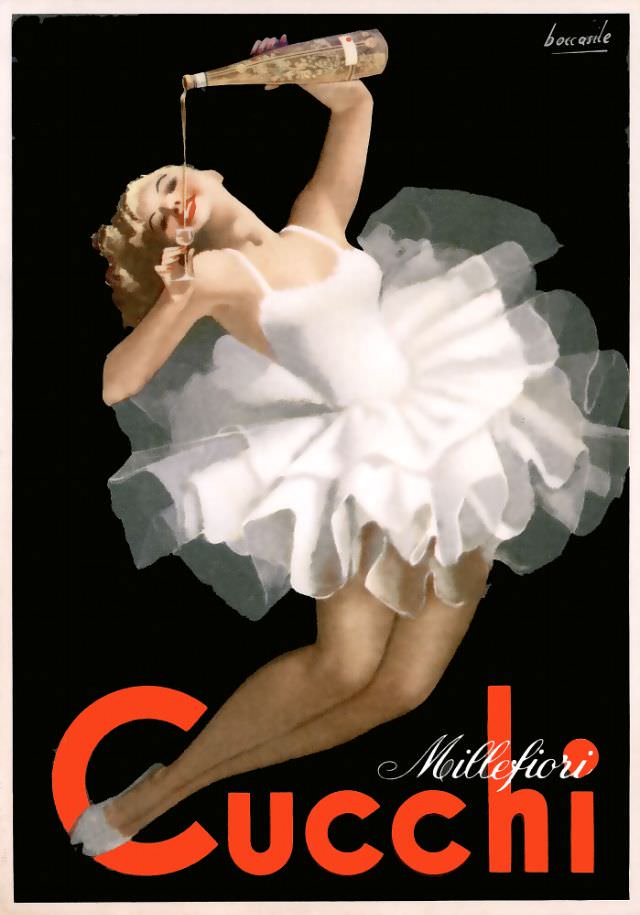
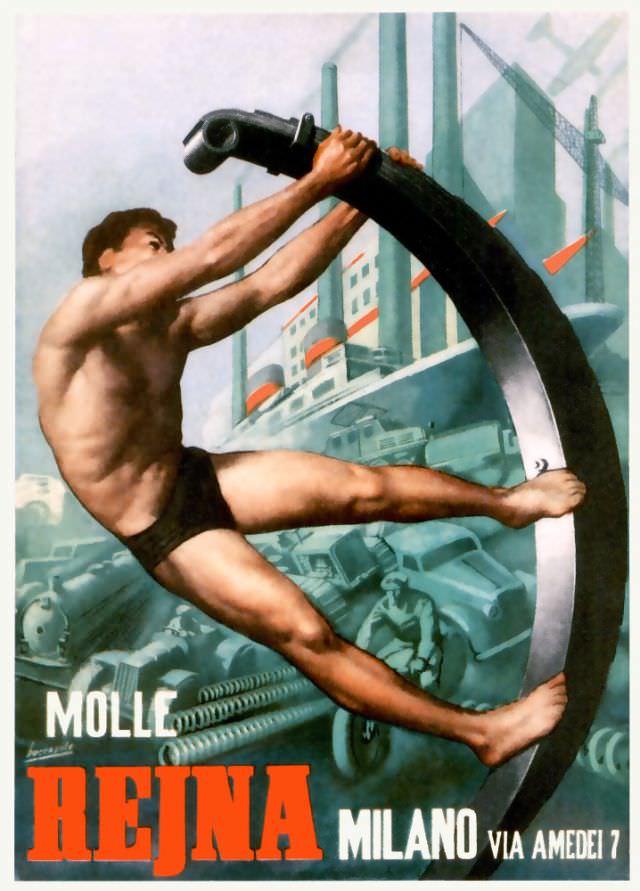
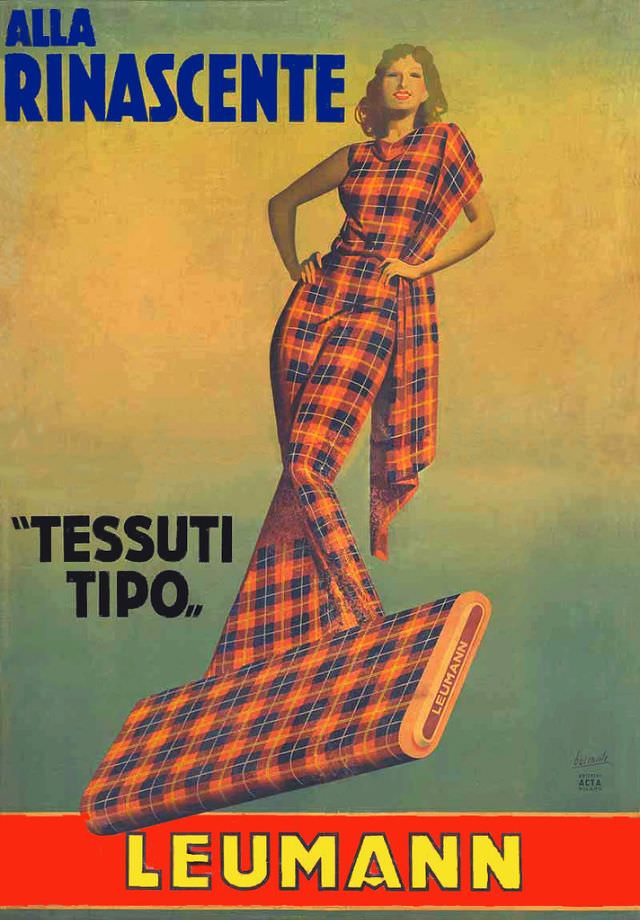
His 1941 poster for Alla Rinascente promoting Leumann-type fabrics captures the elegant consumer messaging that persisted even as wartime rationing tightened across Europe. The figure-driven format remained consistent — a hallmark of Boccasile’s approach throughout his career.
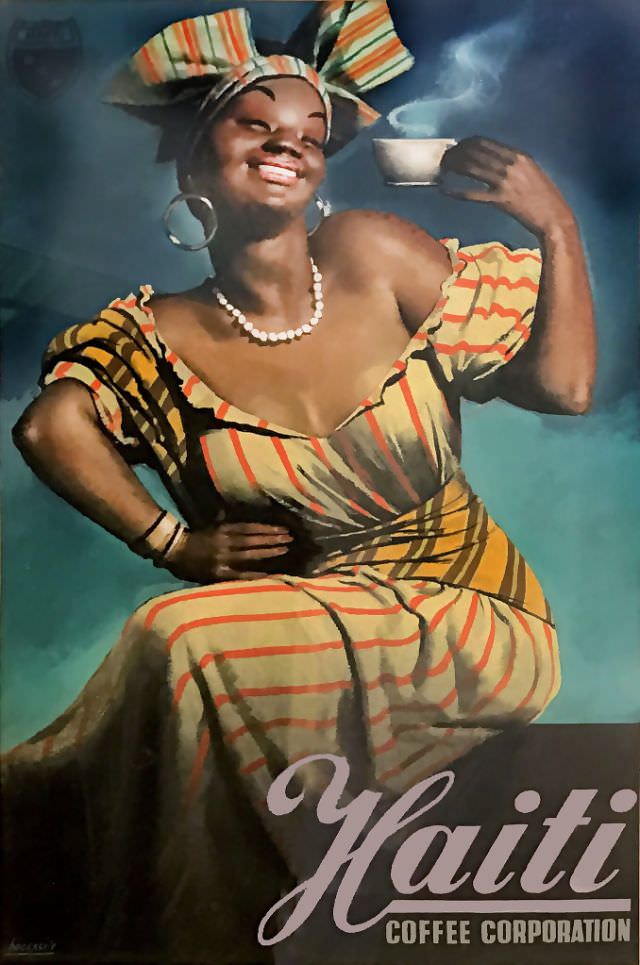
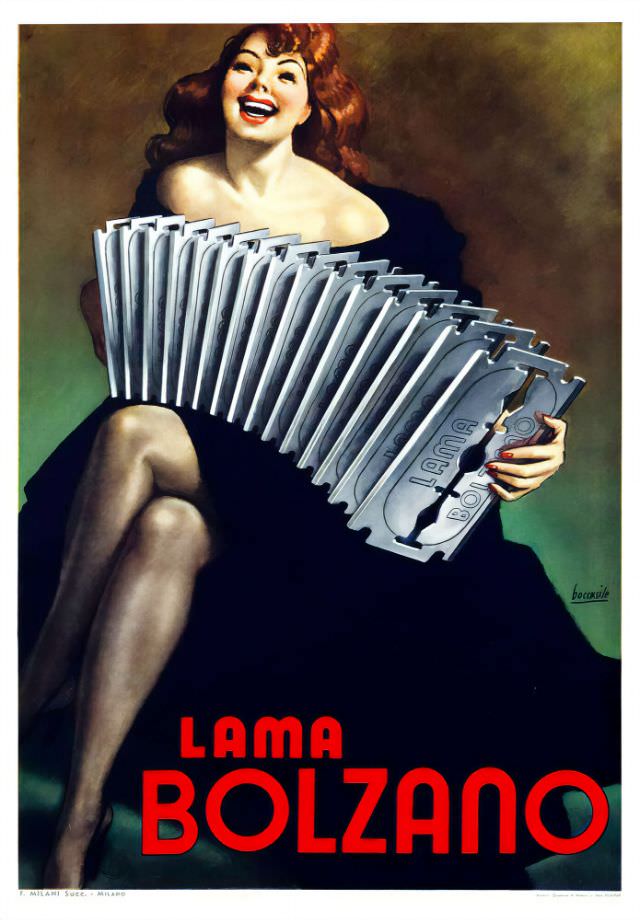
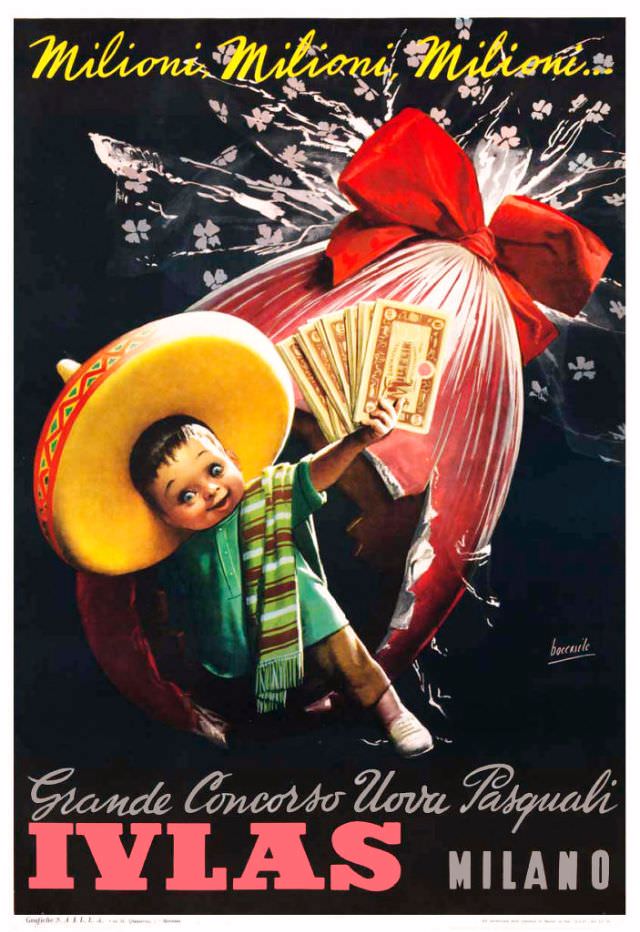
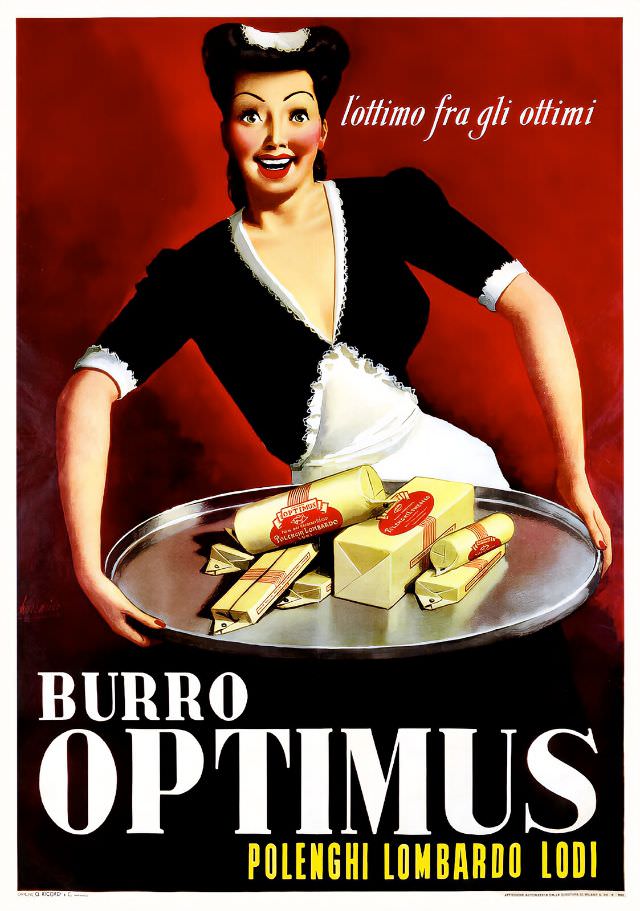
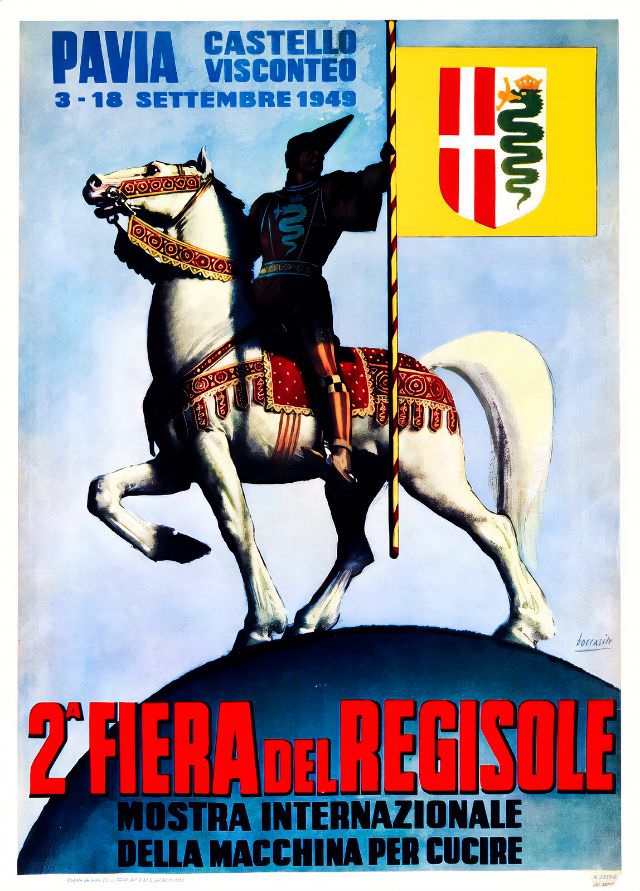
After the war, Boccasile returned fully to commercial work. His late-1940s output — coffee ads for Haiti Coffee Corporation, razor blade promotions for Lama Bolzano, Easter competition posters for Ivlas, and food advertising for Polenghi Lombardo — shows the same confident draftsmanship he had applied since the 1930s. A 1949 sewing machine fair poster for the Fiera del Regisole rounds out nearly two full decades of prolific, high-quality poster art.