Germany in the 1890s was a country moving fast. Kaiser Wilhelm II had taken the throne in 1888, and by the time the new decade arrived, he was steering the nation with aggressive ambition. He pushed hard to build up the German navy, aiming to match Britain’s dominance at sea. That drive would set off a chain of tensions across Europe that lasted well into the next century. At home, though, life looked very different depending on where you stood — whether in a booming factory city or a quiet rural village in Bavaria.
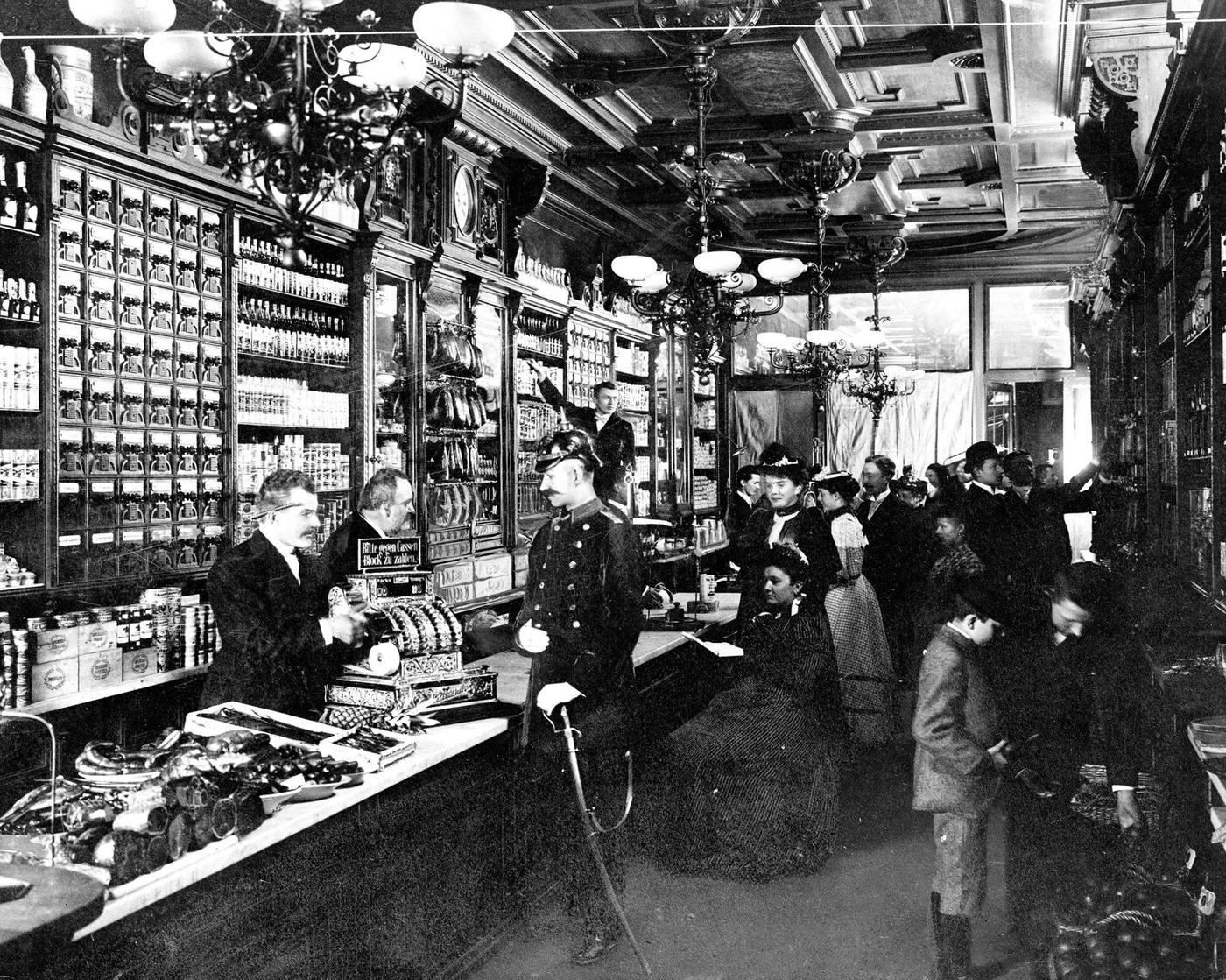
The industrial revolution was at full speed during this decade. Coal, iron, and steel production surged, drawing workers from the countryside into urban centers. Berlin, Hamburg, and Munich grew rapidly as factories multiplied and trade expanded. The cities buzzed with construction, commerce, and crowds. New buildings went up almost constantly, and the skylines of major German cities began to take shapes that, in some cases, still stand today.
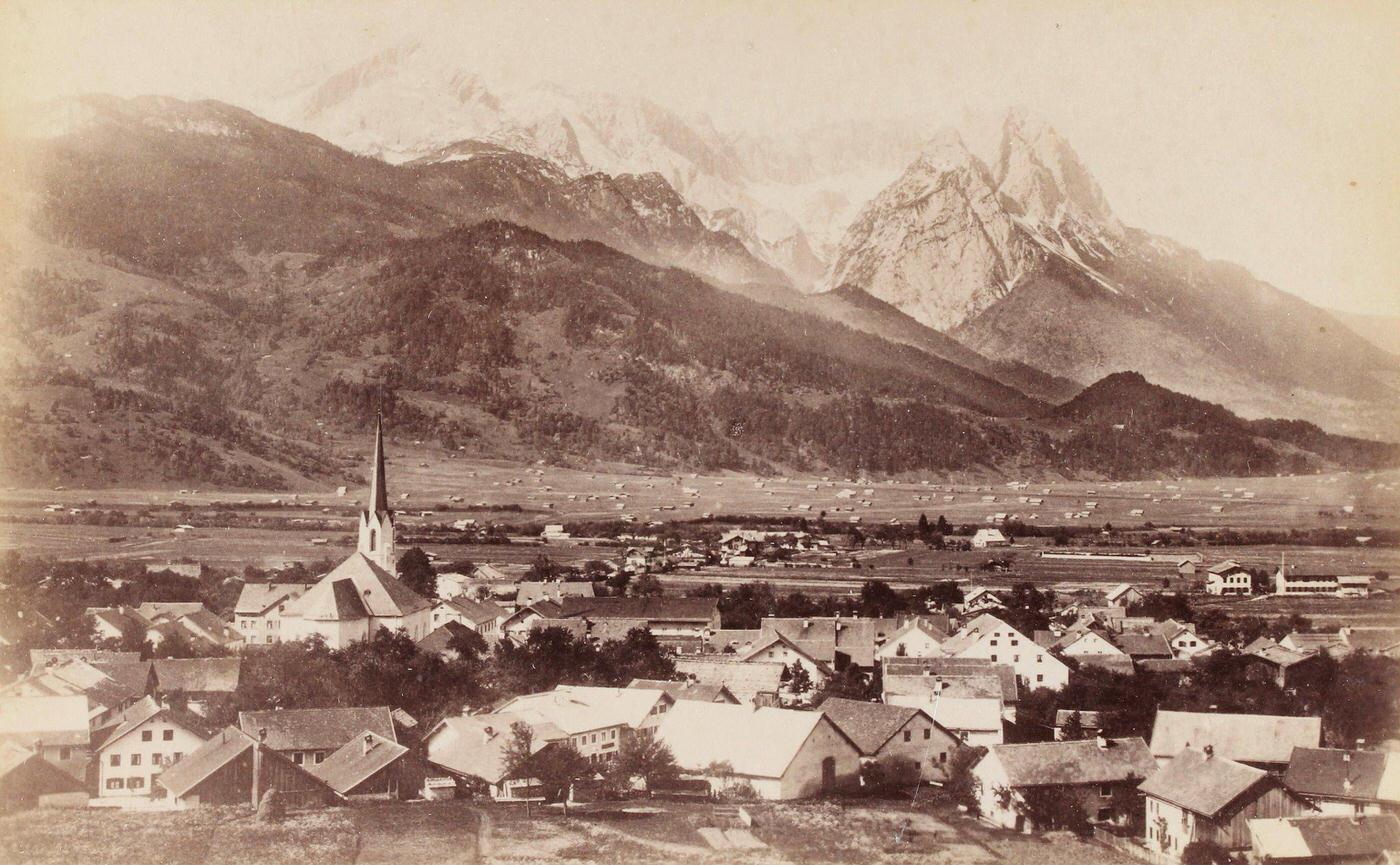
Not everything was urban growth and industry. Bavaria retained the character of an older Germany — mountain villages, religious processions, and landscapes that changed little from one generation to the next. Towns like Partenkirchen, nestled beneath the Zugspitze, stood in sharp contrast to the factory-filled streets of Berlin or Hamburg.
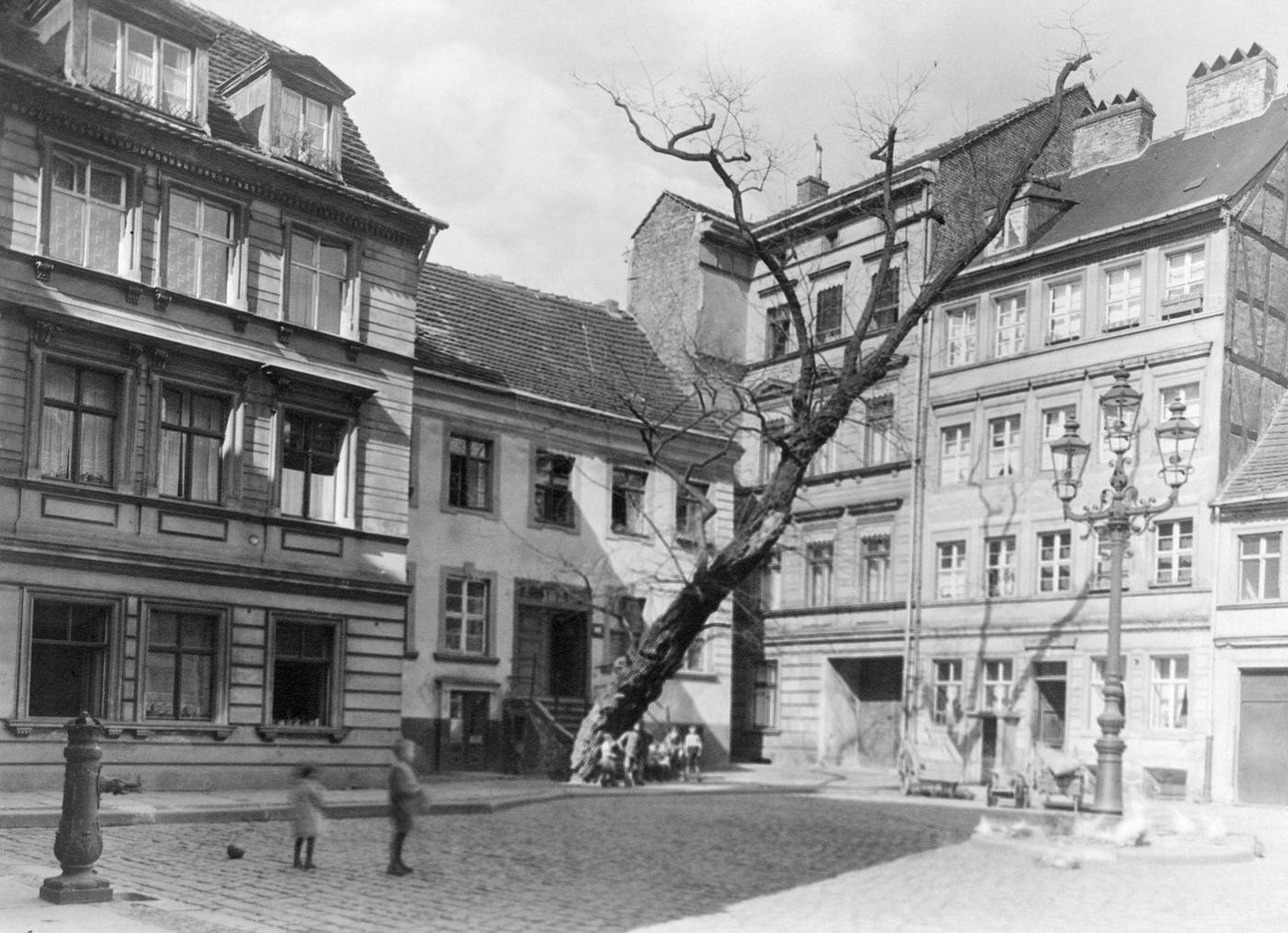
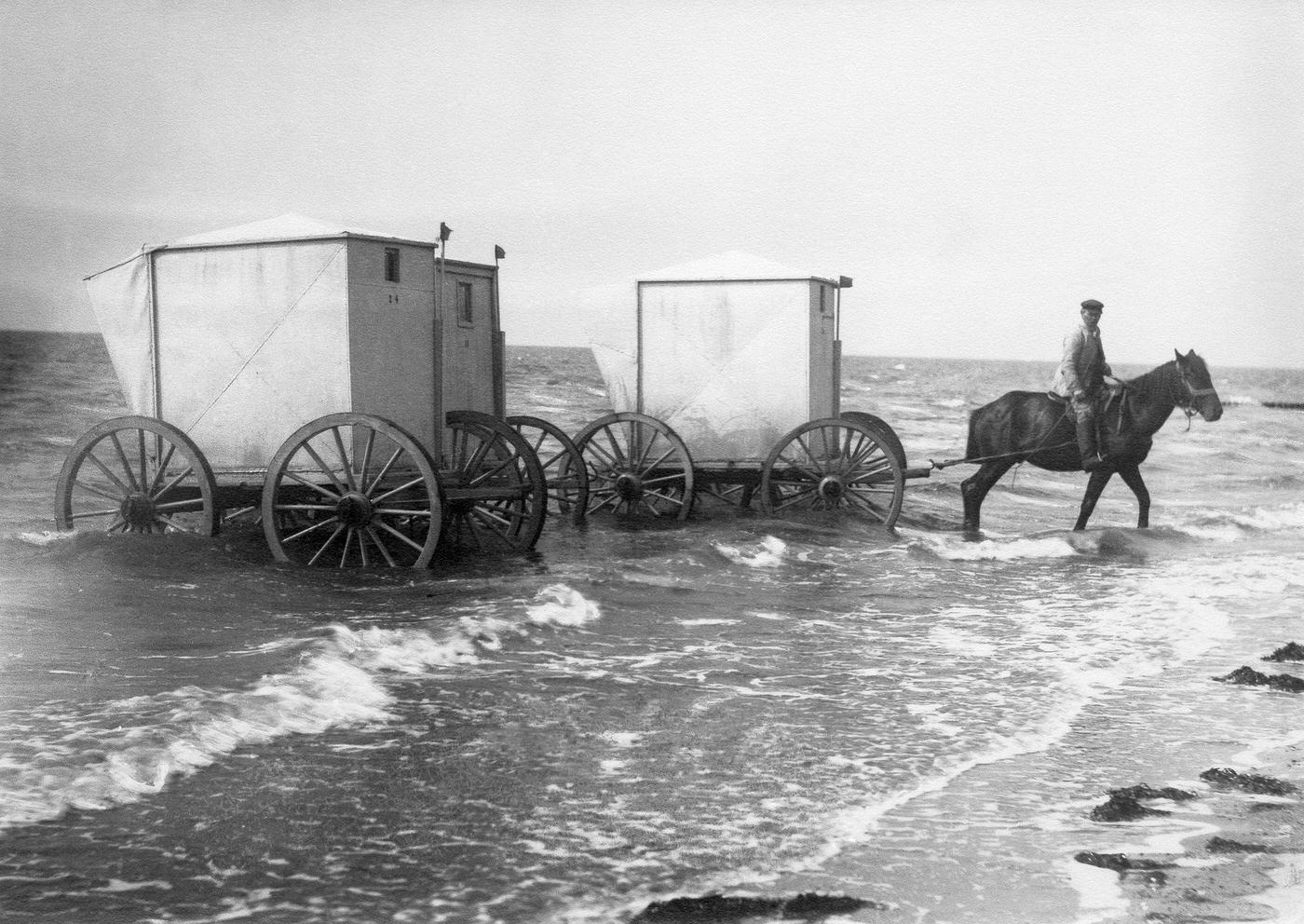
The economic prosperity of the 1890s did not reach everyone equally. Factory owners and industrialists accumulated wealth at a scale Germany had never seen before. Meanwhile, workers in low-wage jobs faced long hours and poor conditions. This gap between the classes fueled serious political tensions. The Social Democratic Party grew steadily throughout the decade, pushing for workers’ rights and a fairer share of Germany’s new wealth. Social reform was no longer a fringe idea — it was becoming a real political force.
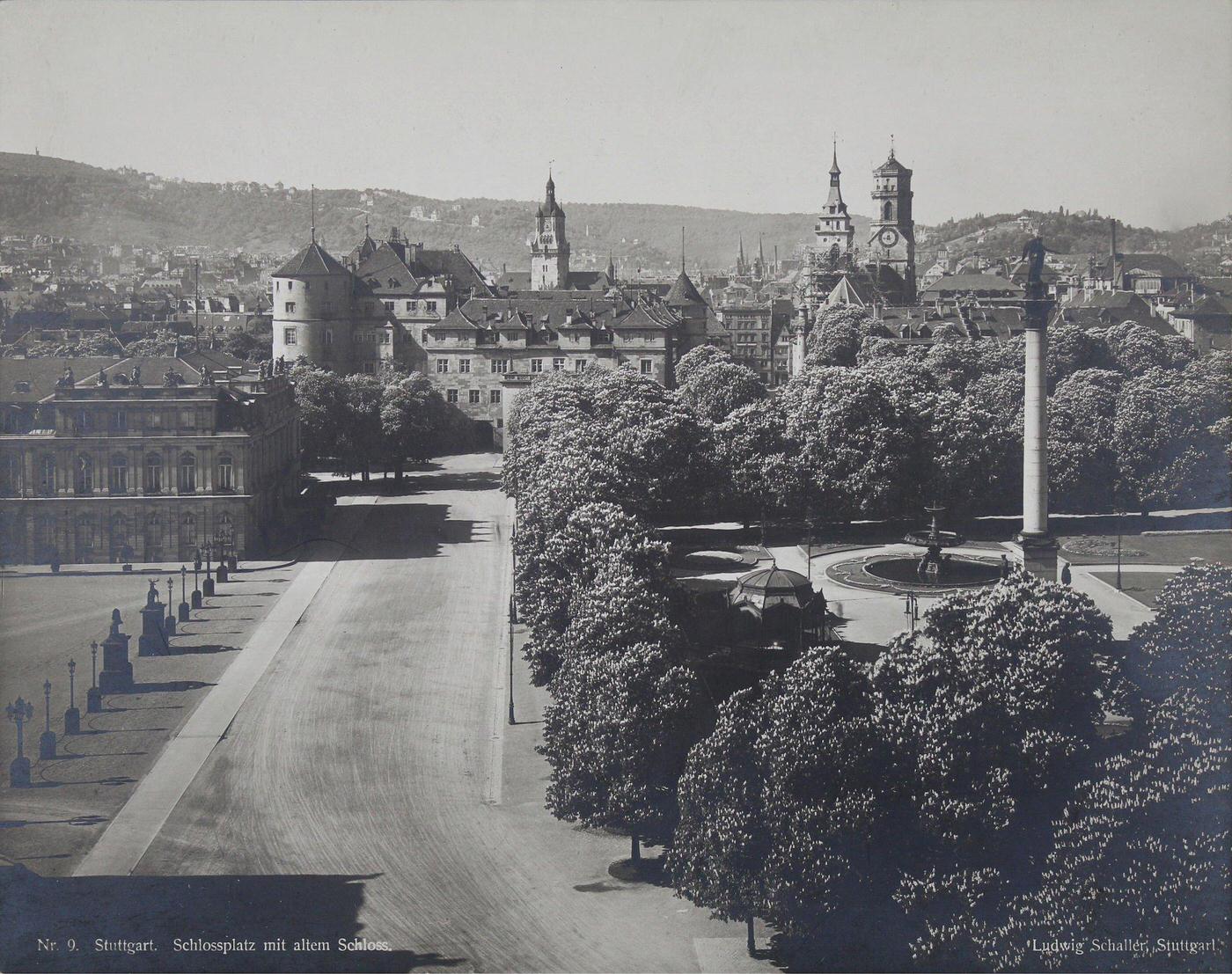
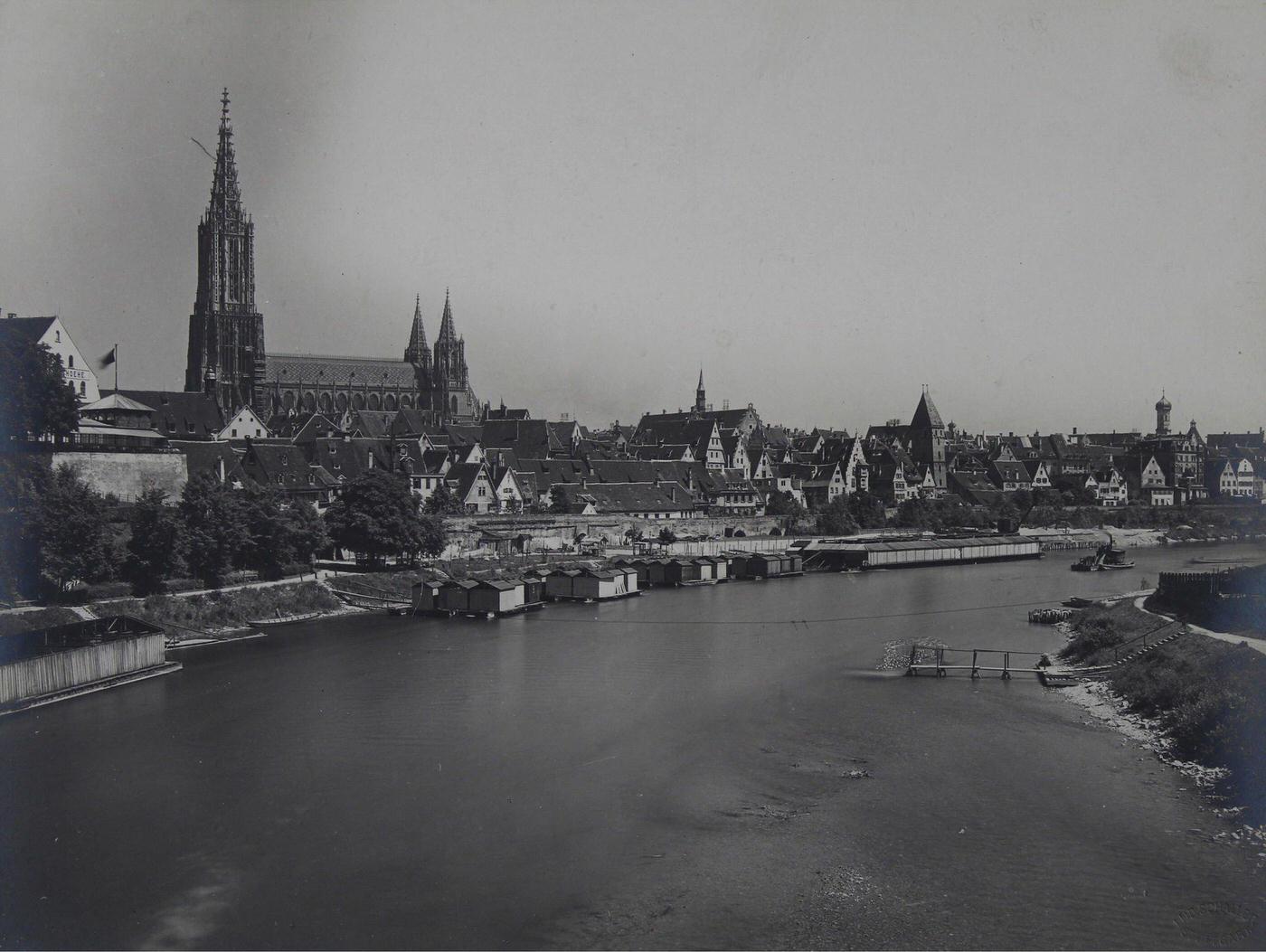
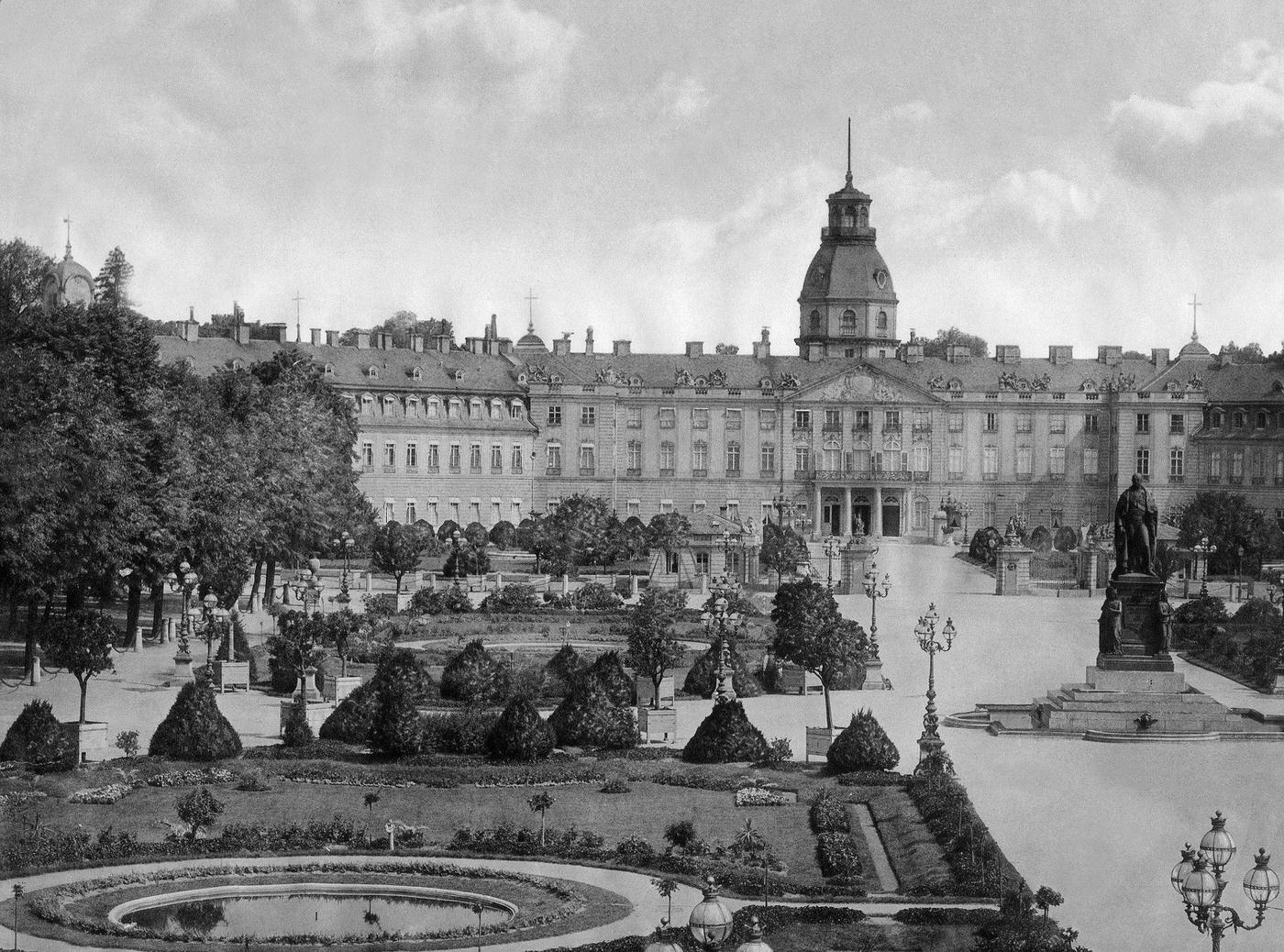
Cities like Stuttgart and Ulm captured both sides of 1890s Germany. Their old town centers — with castle squares, church spires, and cobbled streets — stood alongside signs of modernization. Horse-drawn carriages shared the roads with early electric trams. Markets and restaurants operated as they had for generations, even as telegraph wires and gas lamps appeared overhead.
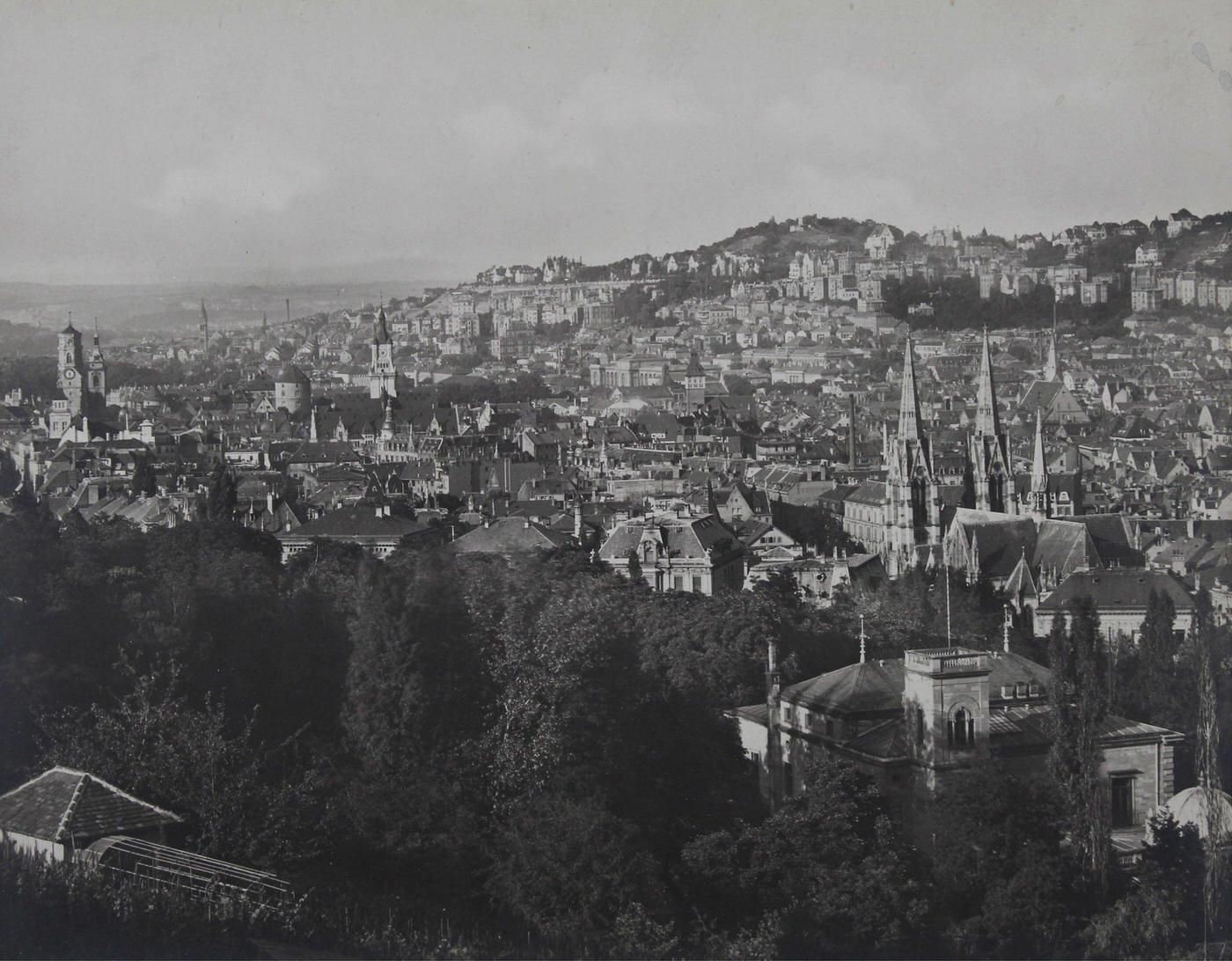
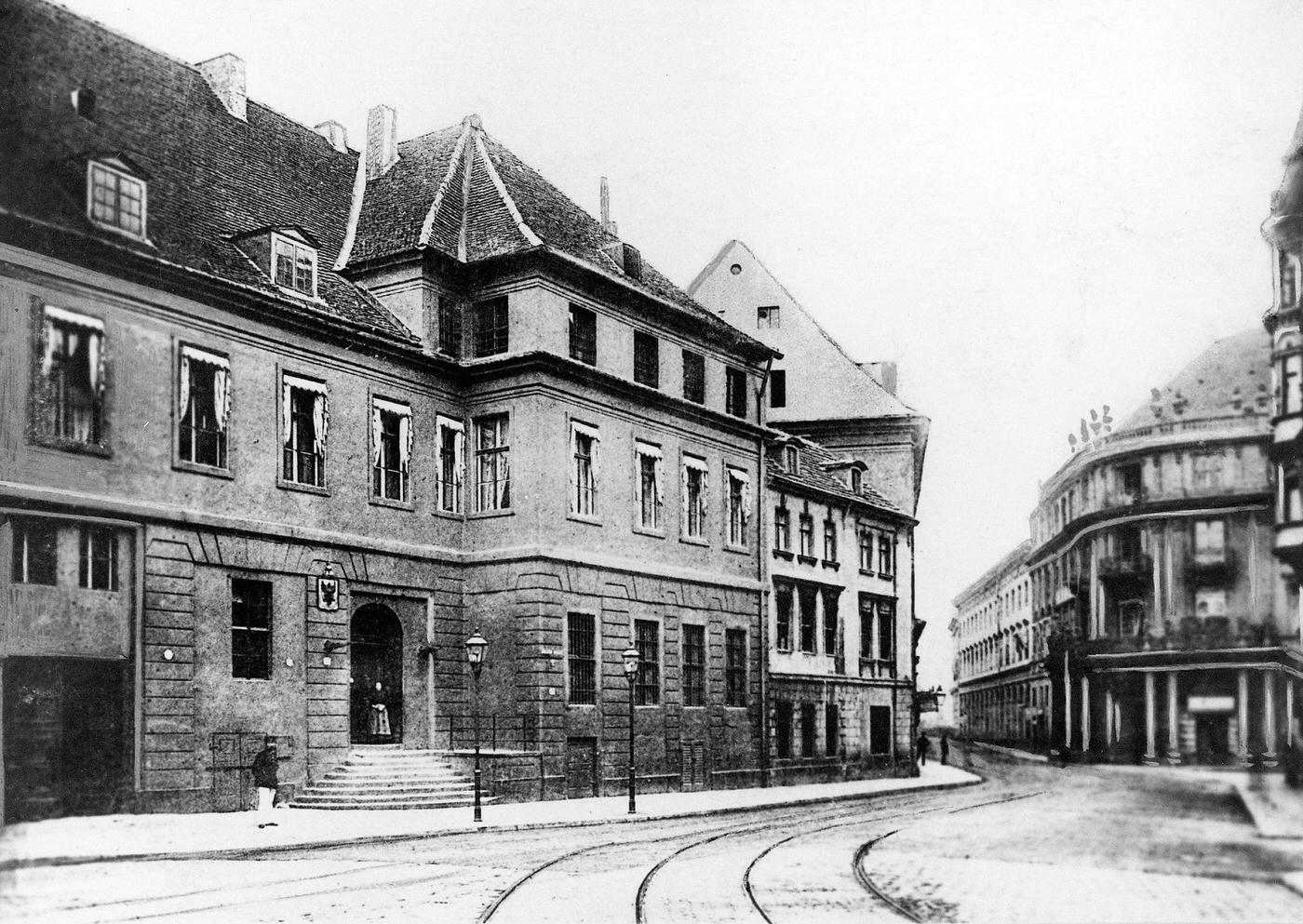
Berlin was the center of it all. As the imperial capital, it carried the weight of Germany’s national identity while also absorbing the pressures of rapid urbanization. The Molkenmarkt district in Berlin’s old city core showed streets lined with dense commercial buildings and constant foot traffic. Apartment blocks rose in neighborhoods like Tiergarten to house the growing population pouring in from smaller towns and rural regions.
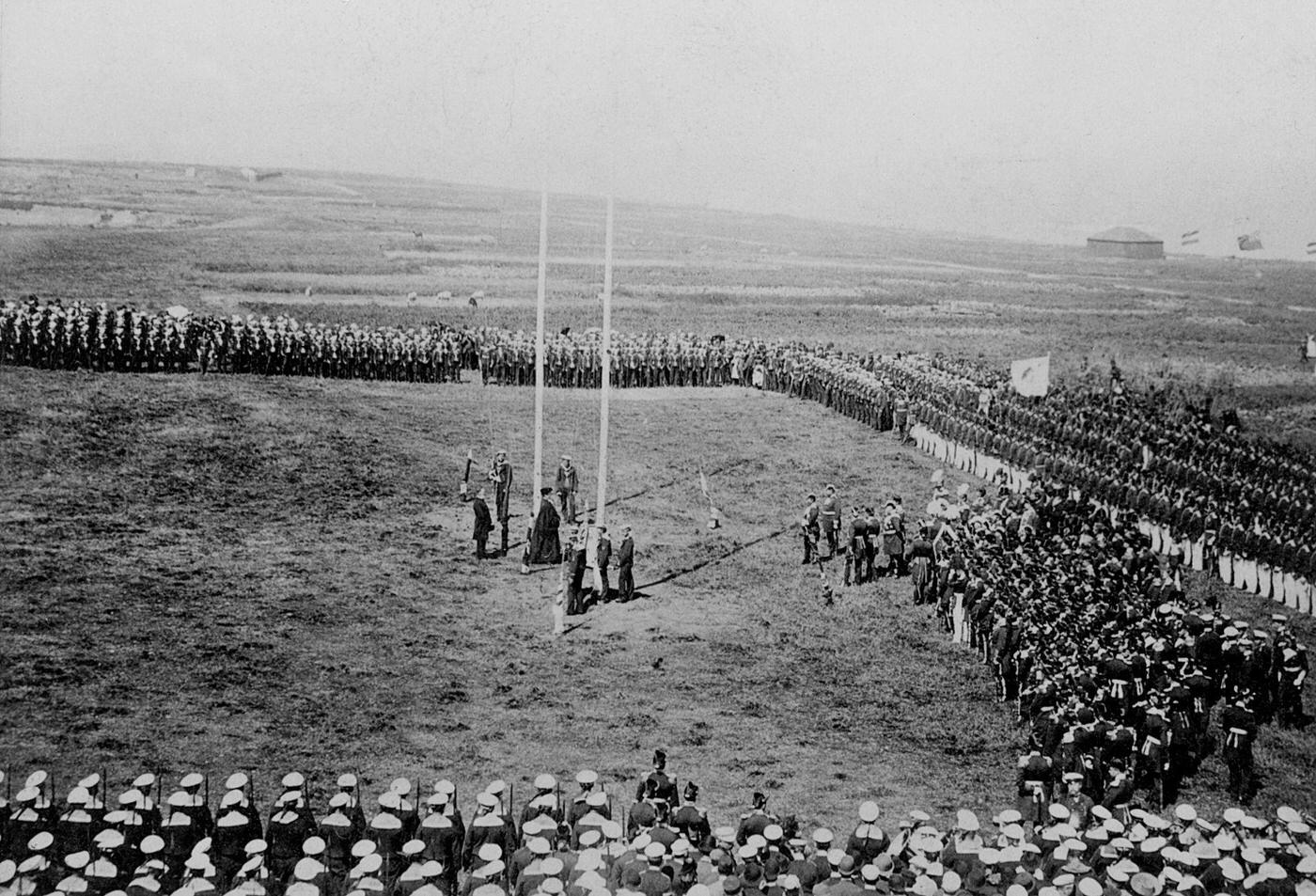
Kaiser Wilhelm II made public appearances a regular part of his rule. His visit to the island of Helgoland in 1890 was one of many such displays of imperial presence. He understood the power of visibility — being seen by his people reinforced the image of a strong, active leader. The island itself held strategic value, having been acquired from Britain that same year as part of a territorial exchange.
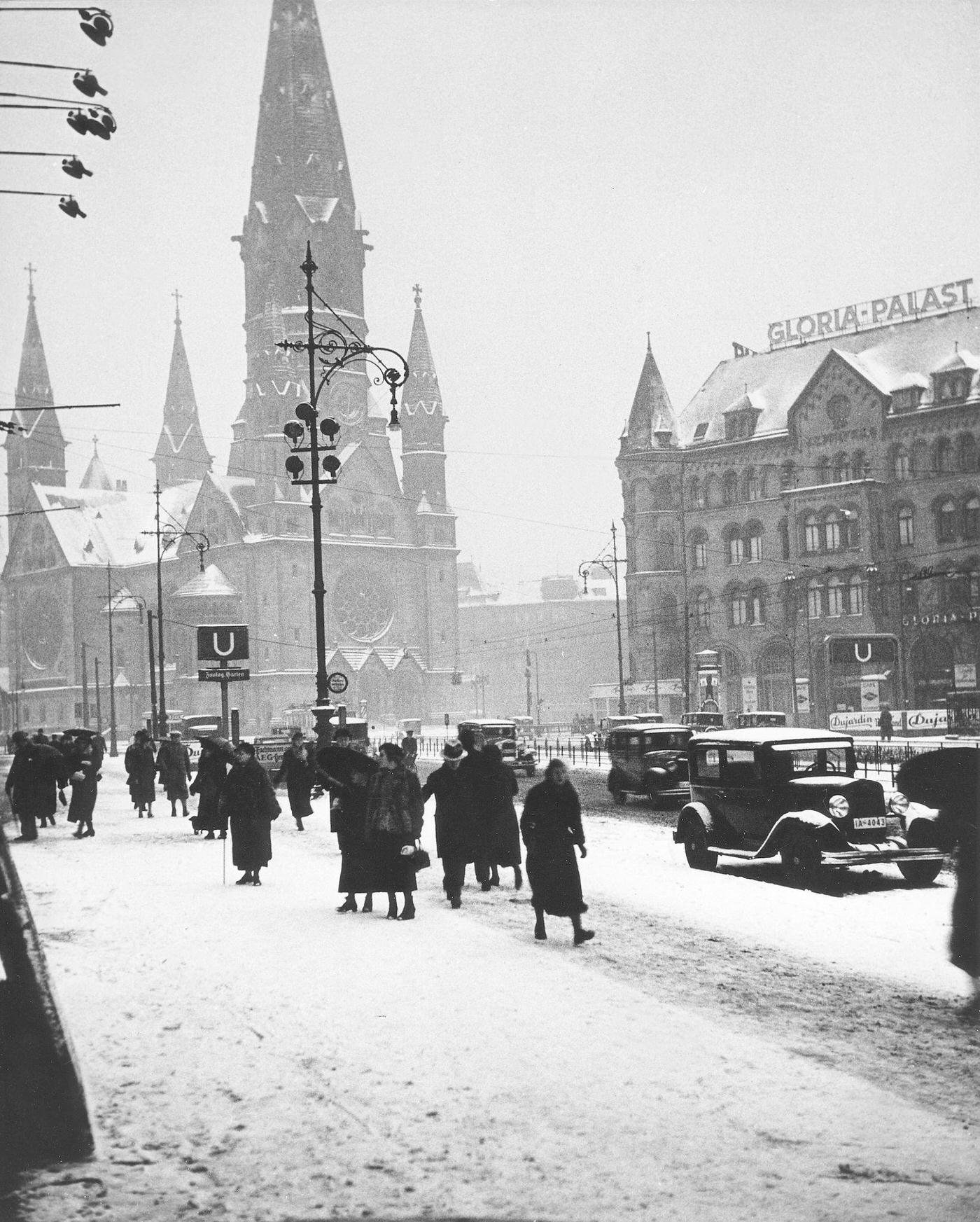
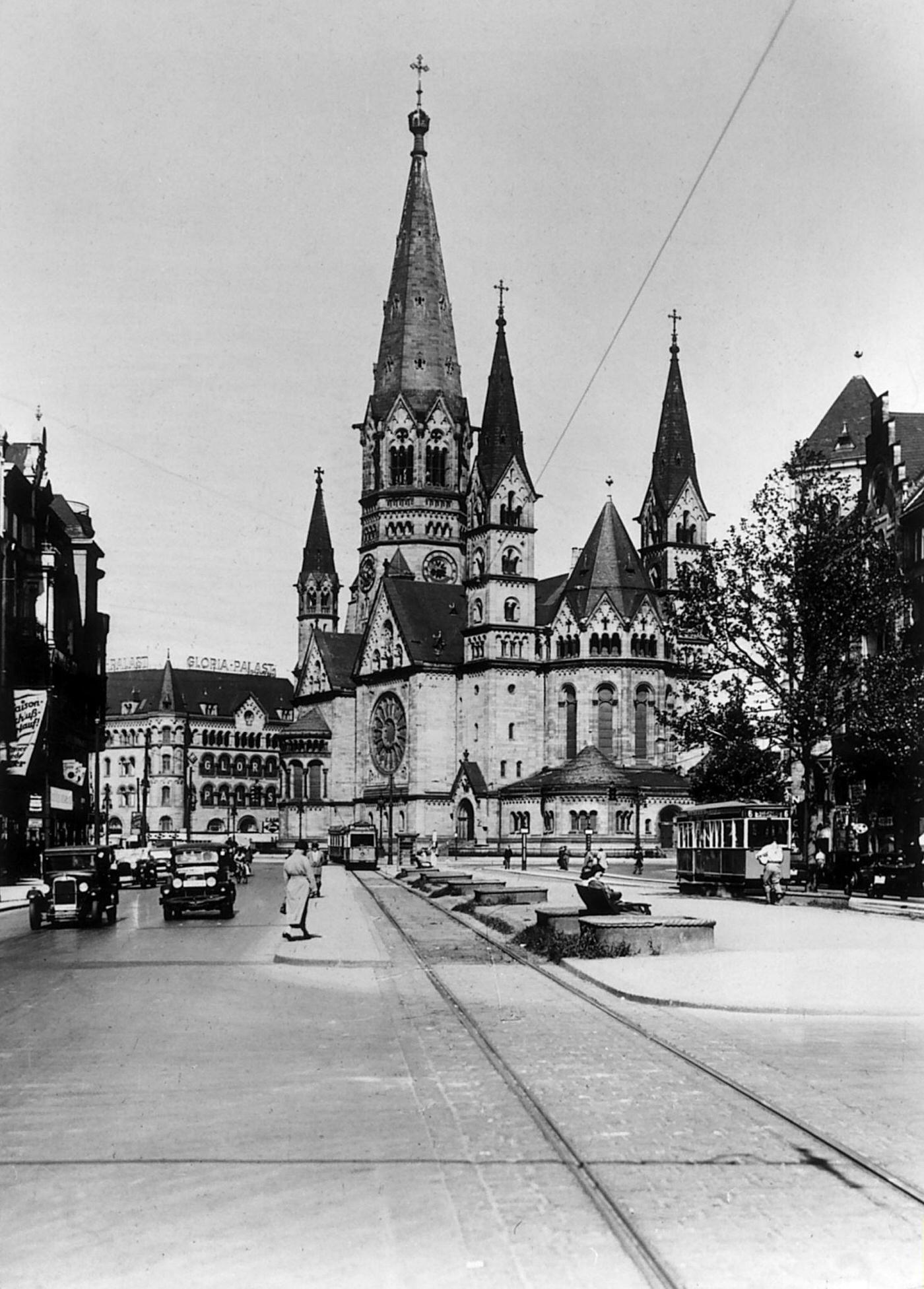
The Kaiser Wilhelm Memorial Church — the Gedächtniskirche — was one of the decade’s most significant building projects in Berlin. Construction began in 1891 and the church became a defining feature of the western part of the city. Photographs taken from both Hardenbergstrasse and Tauentzienstrasse show the church rising above its surroundings, a deliberate symbol of imperial power and Christian heritage combined.
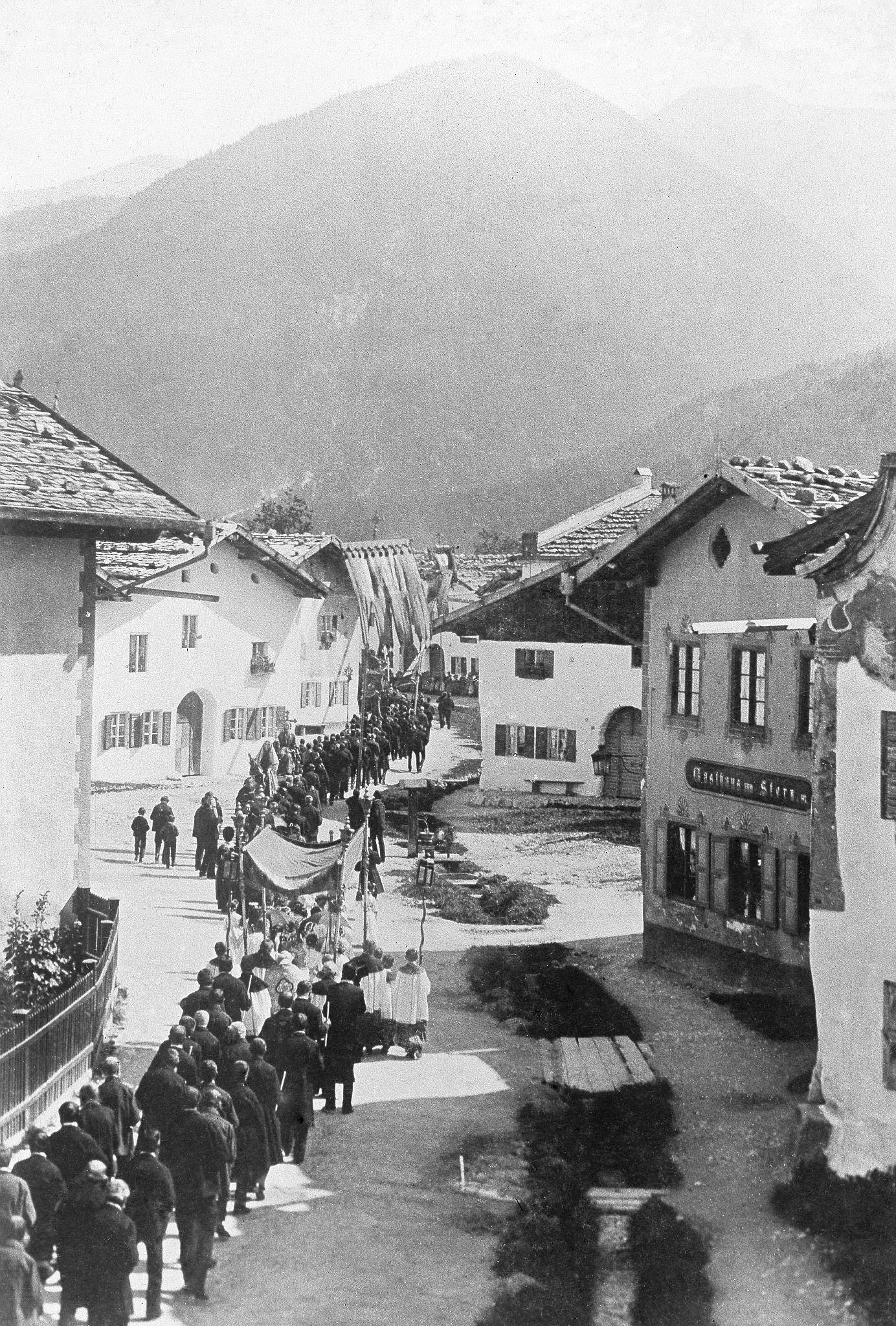
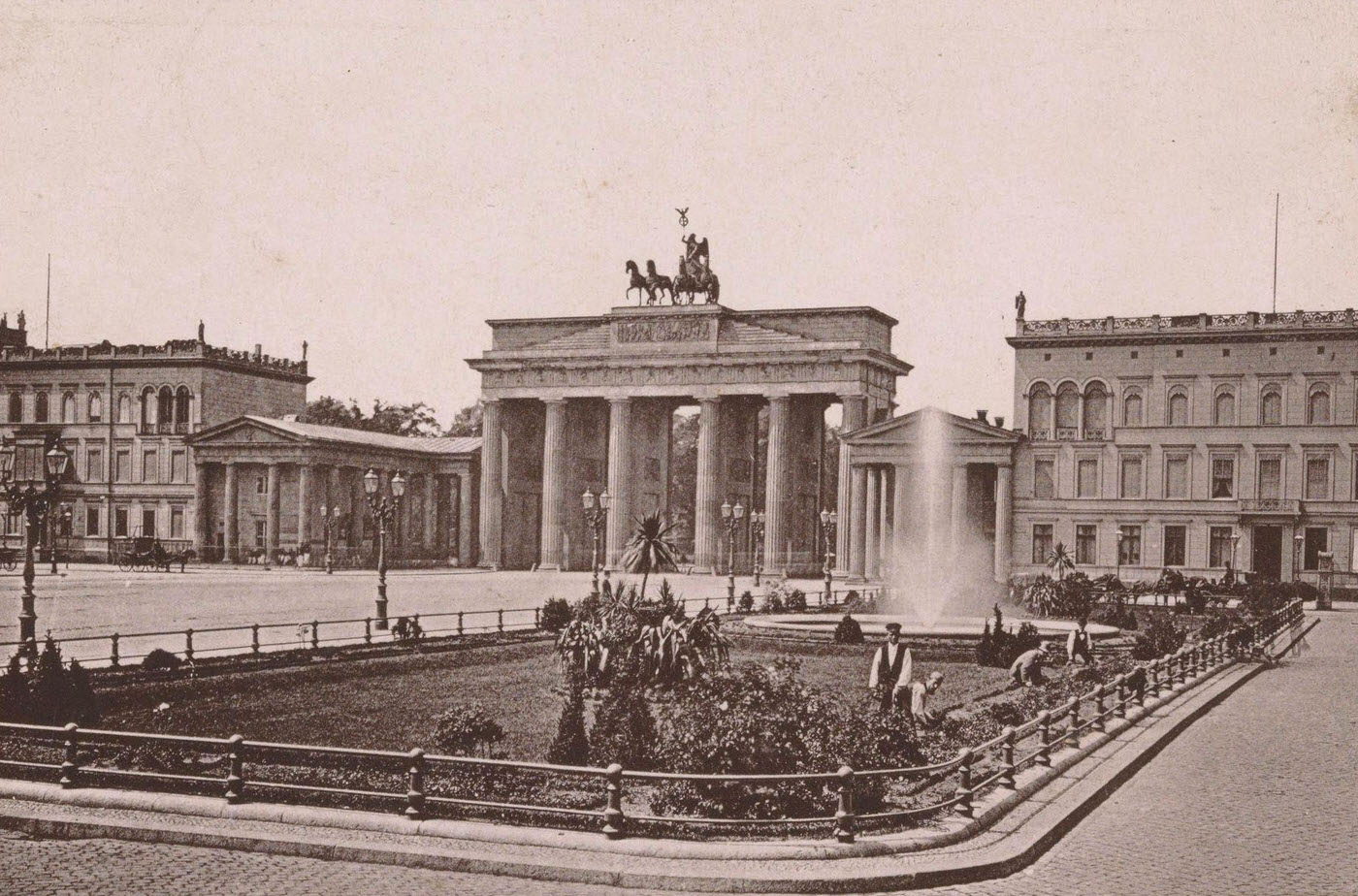
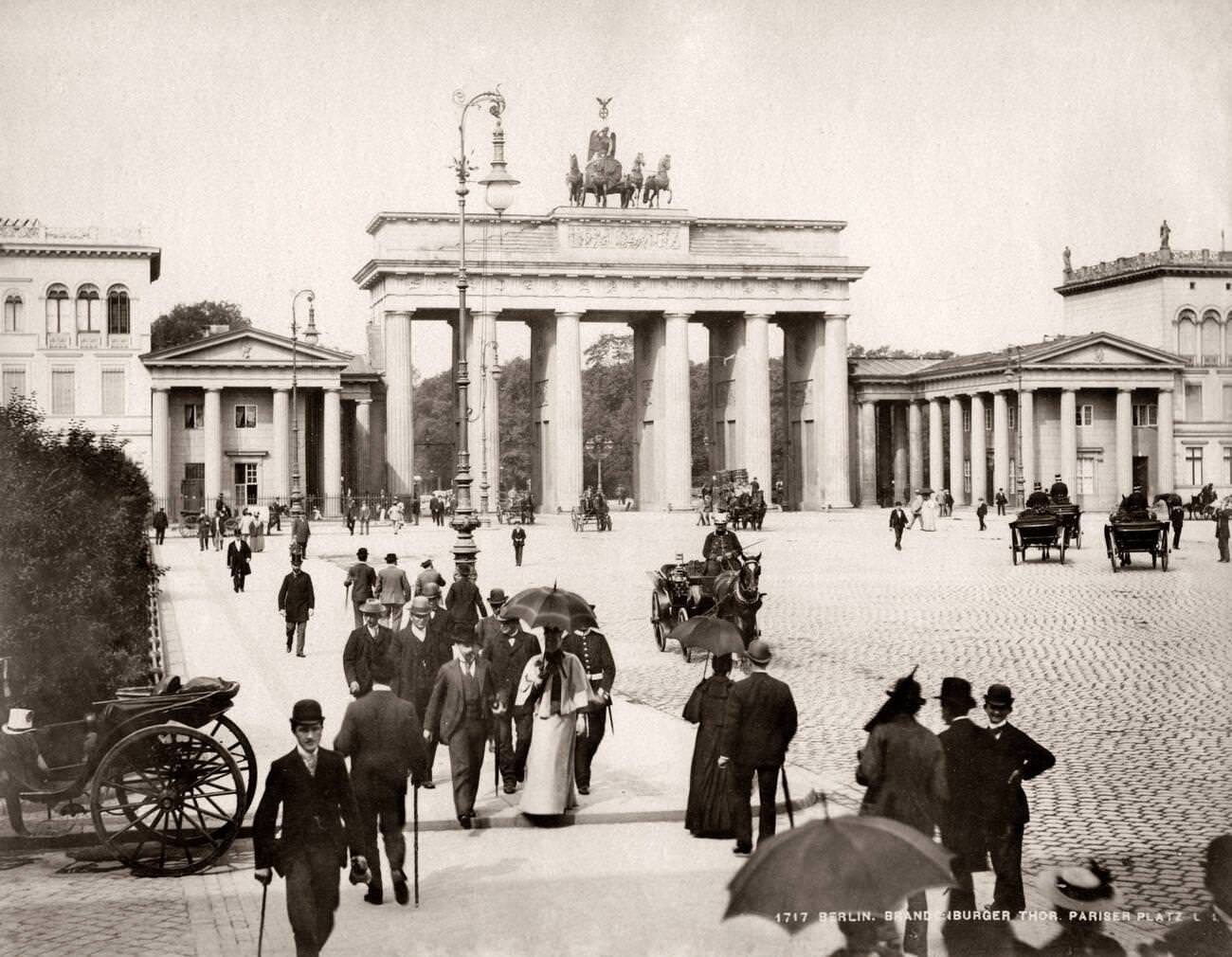
The Brandenburg Gate stood as the most recognizable landmark in Berlin. By 1891, it was already decades old, but it remained the symbolic heart of the capital. Photographs from this period show it flanked by horse-drawn carriages and pedestrians, a city scene that was both grand and ordinary at the same time. A few hundred miles south, Bavarian towns like Mittenwald held religious processions through the streets with the Alps looming in the background — a completely different world within the same empire.
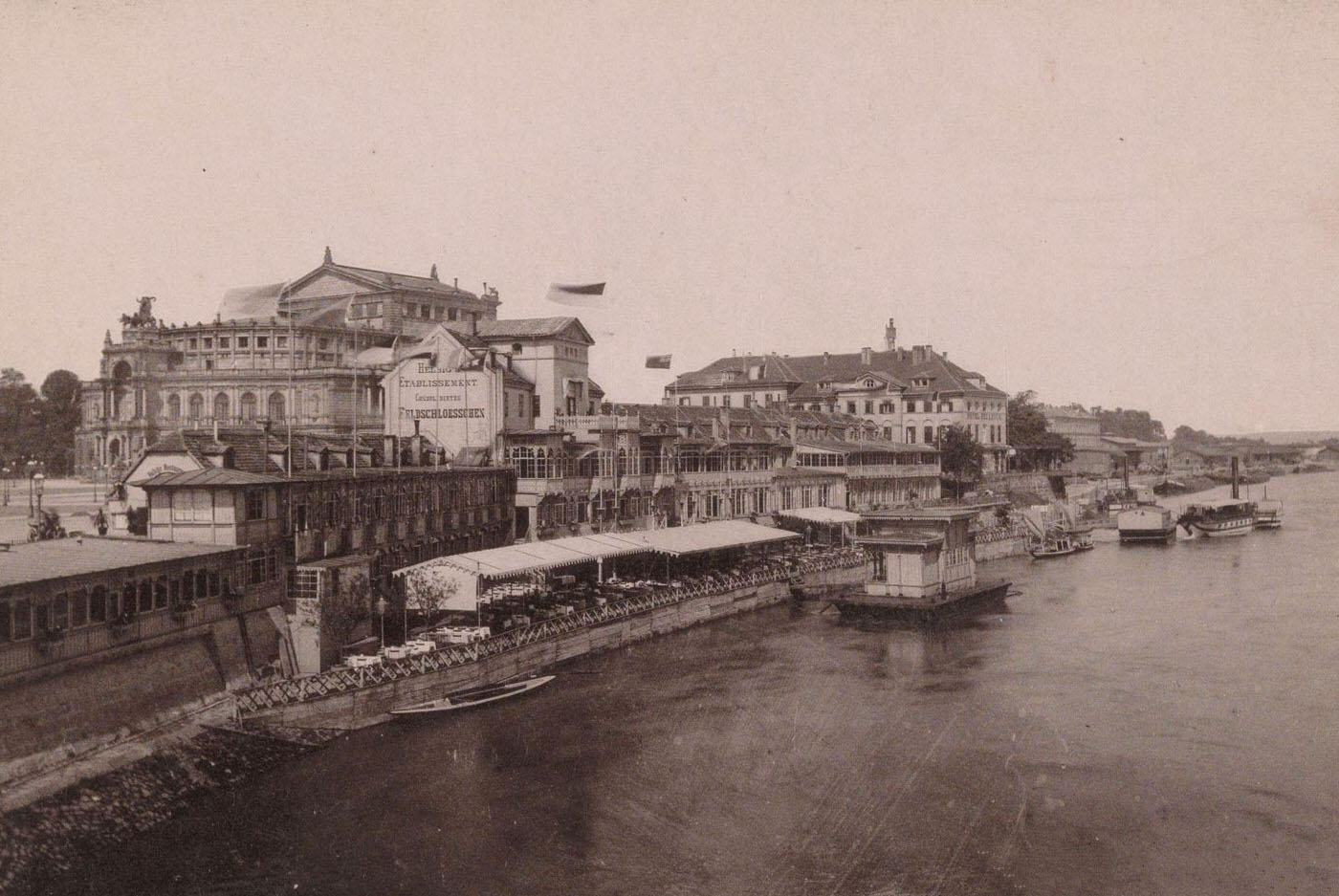
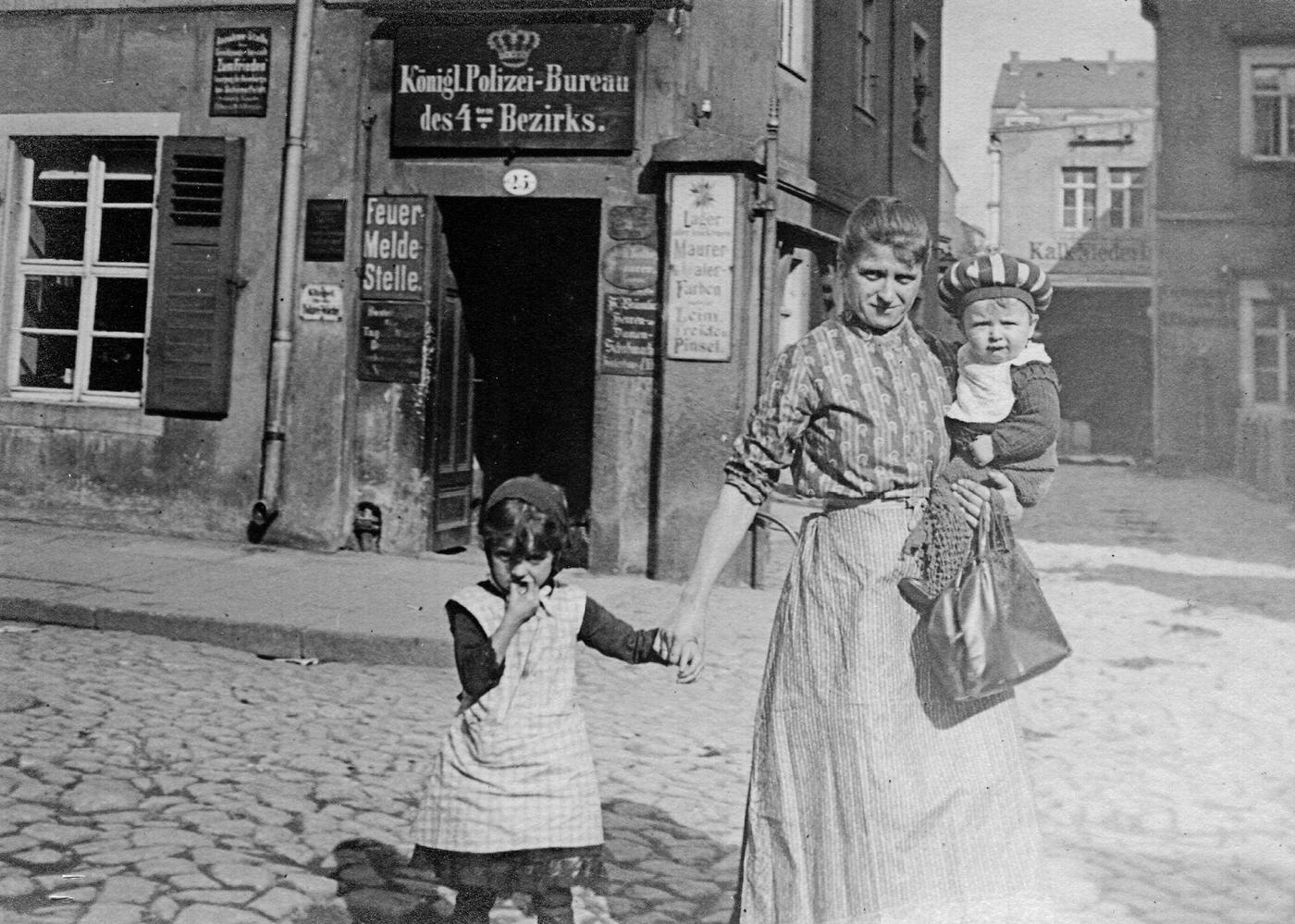
Everyday life in German cities played out in streets, markets, and public squares. A photograph outside the Royal Police Bureau in Dresden in 1892 captures a mother with her children — an unremarkable moment that reveals the texture of ordinary urban life. These are the scenes that formal history often skips over: people simply going about their day in a city that was changing around them.
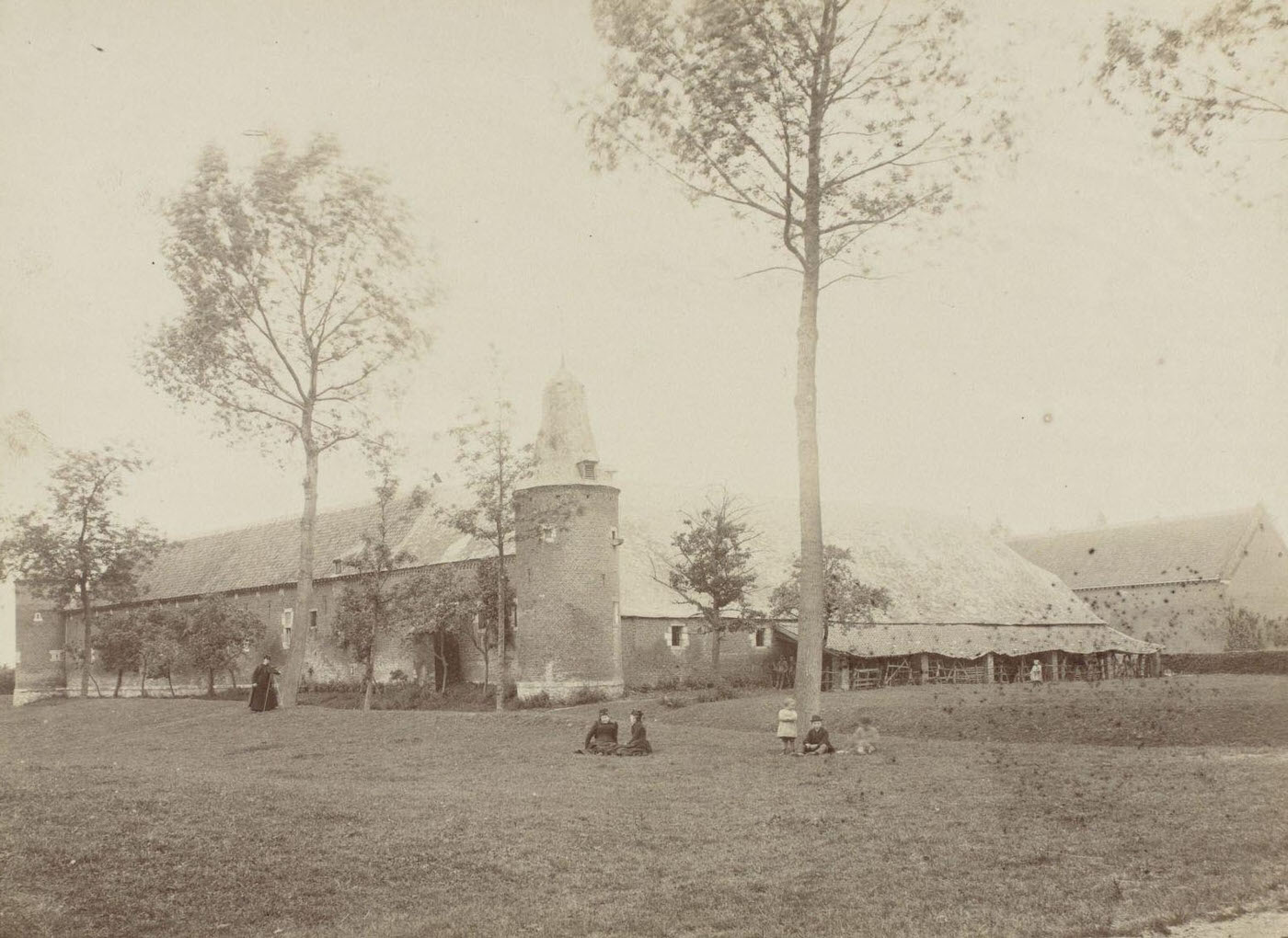
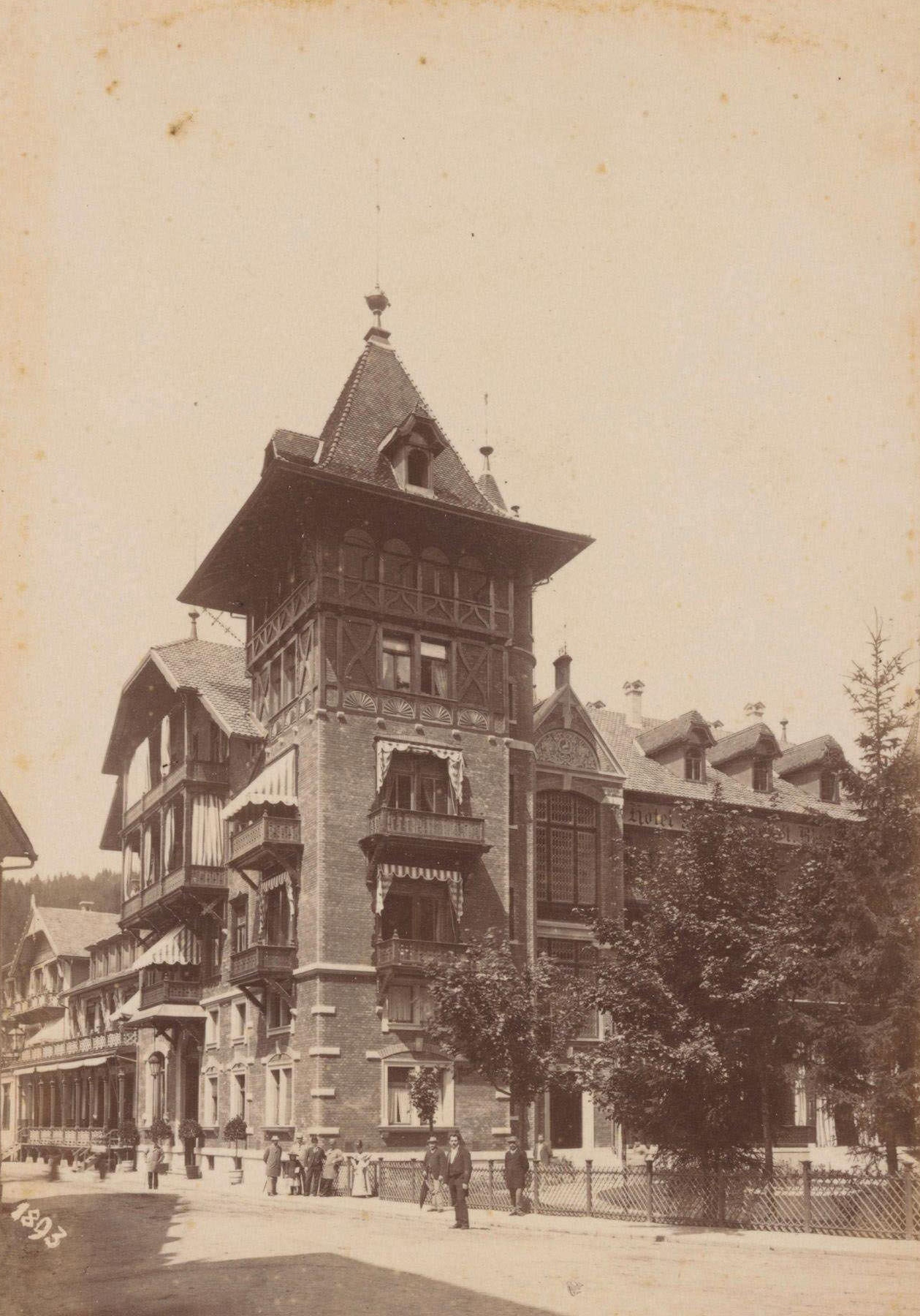
Rural Germany told a different story from the industrial cities. Farmhouses in places like Bunde and quiet streets winding through the Black Forest showed a pace of life that industry had not yet touched. Families still worked the land much as their grandparents had. The gap between rural and urban Germany was widening with every passing year of the decade.
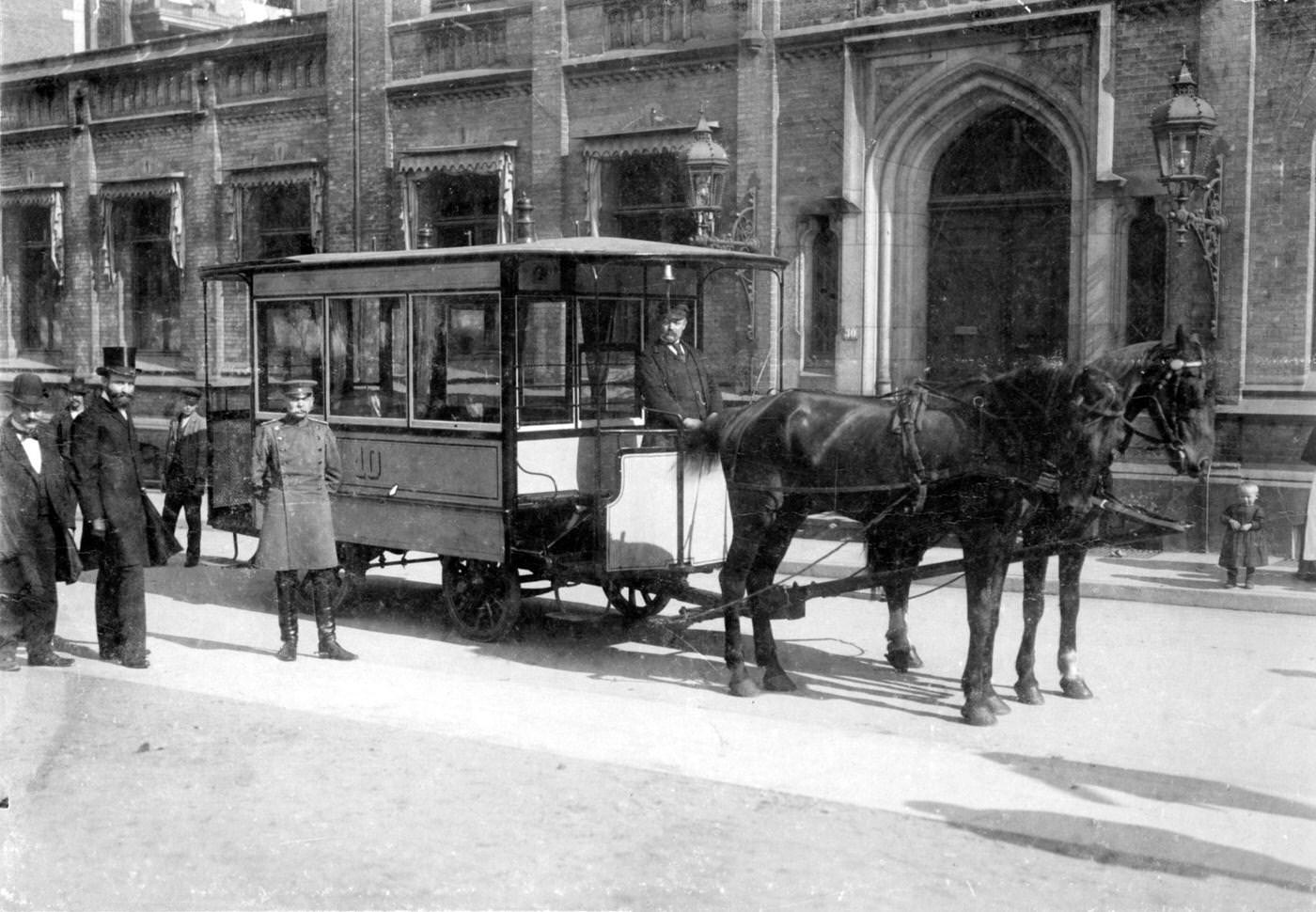
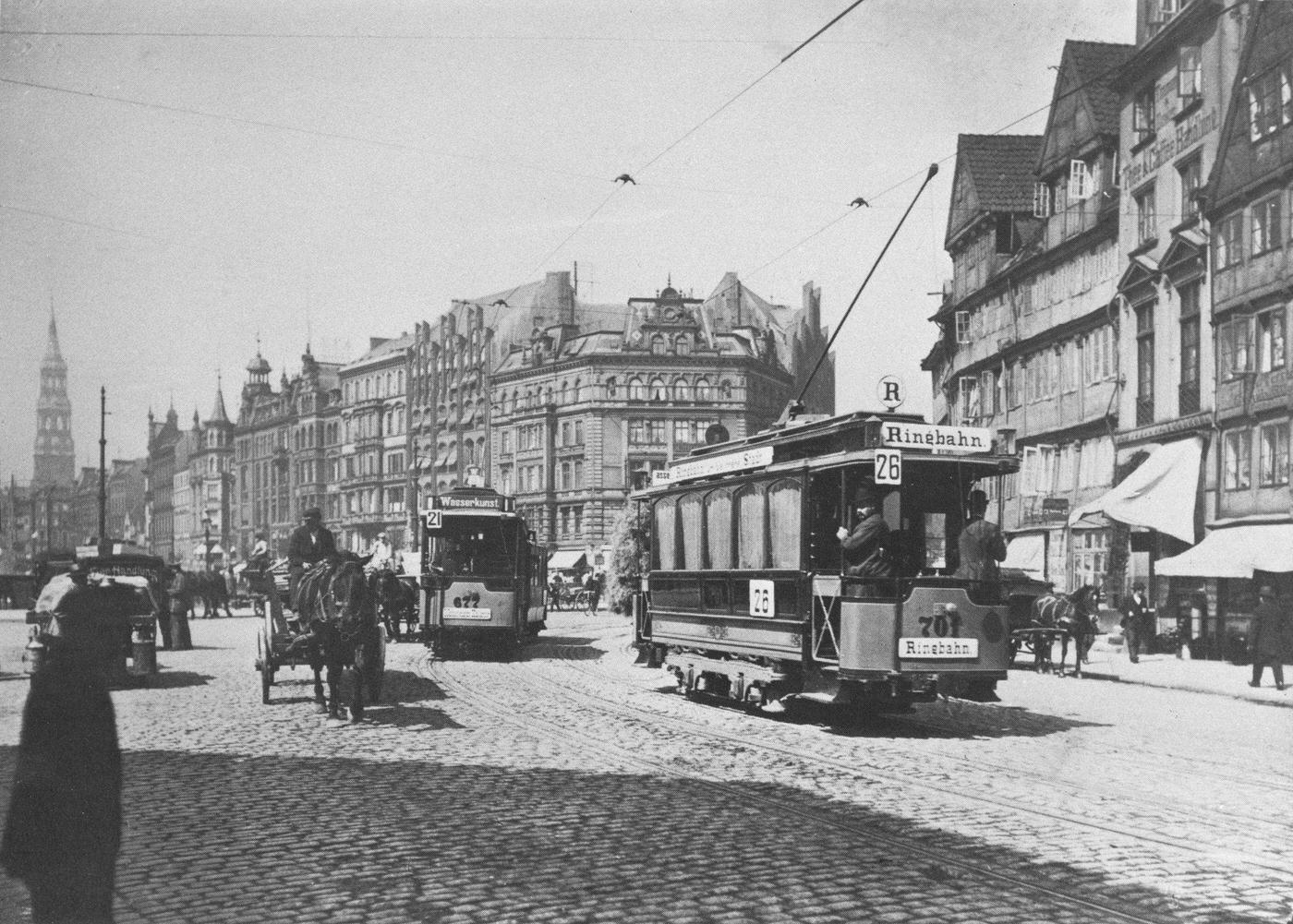
One of the clearest signs of Germany’s modernization was the arrival of electric trams. In 1894, Hamburg launched its first electric tram on Line 26, replacing the horse buses that had served the city for years. The transition was fast and visible — horses disappearing from the streets and electric cars taking their place. This shift was happening across Germany’s major cities, shrinking travel times and moving more people more efficiently than ever before.
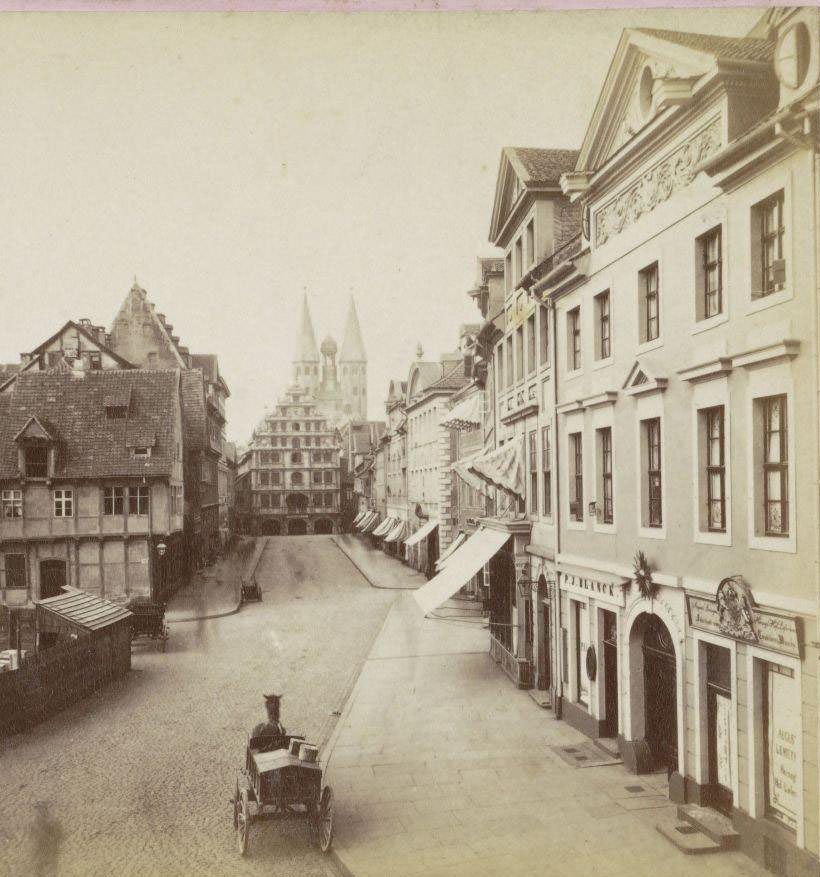
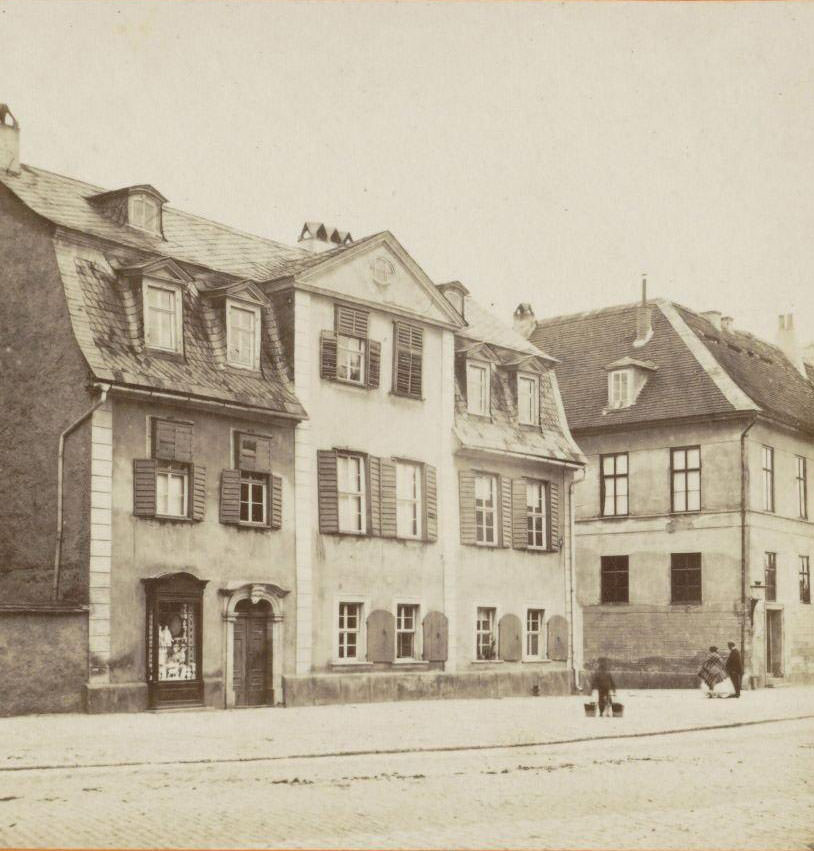
German cultural life in the 1890s was rich and varied. Weimar remained a city of deep literary and cultural significance — the home of Schiller, Goethe, and now a growing museum scene. Thomas Mann, Hermann Hesse, and Rainer Maria Rilke were all beginning their writing careers during this decade. The Jugendstil movement — Germany’s version of Art Nouveau — was emerging in the visual arts and architecture, favoring organic shapes, fine craftsmanship, and designs inspired by nature.
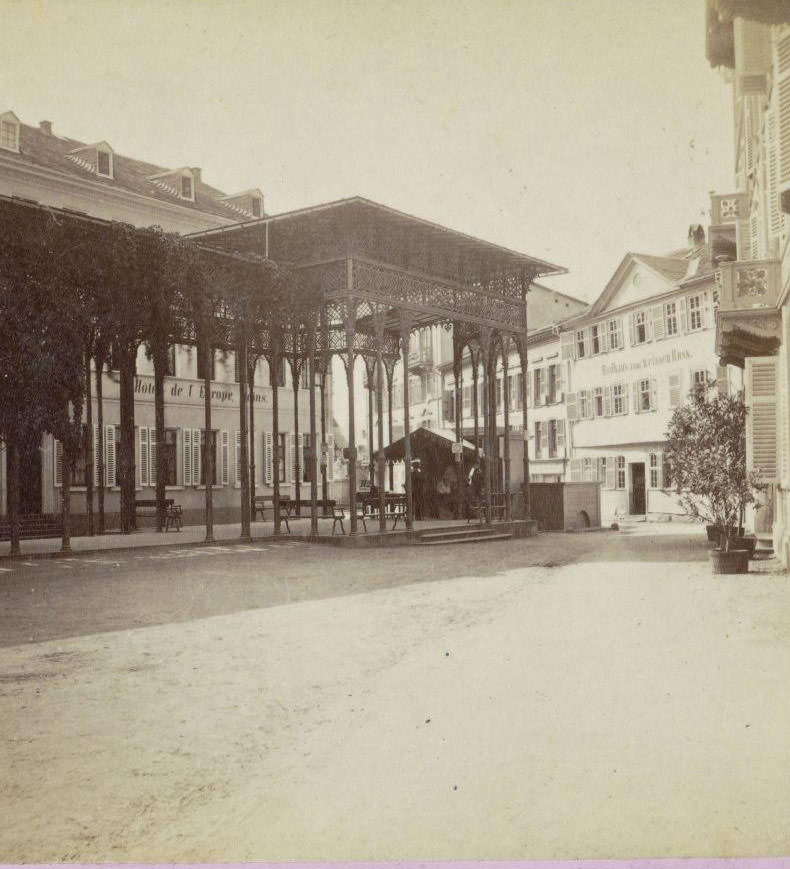
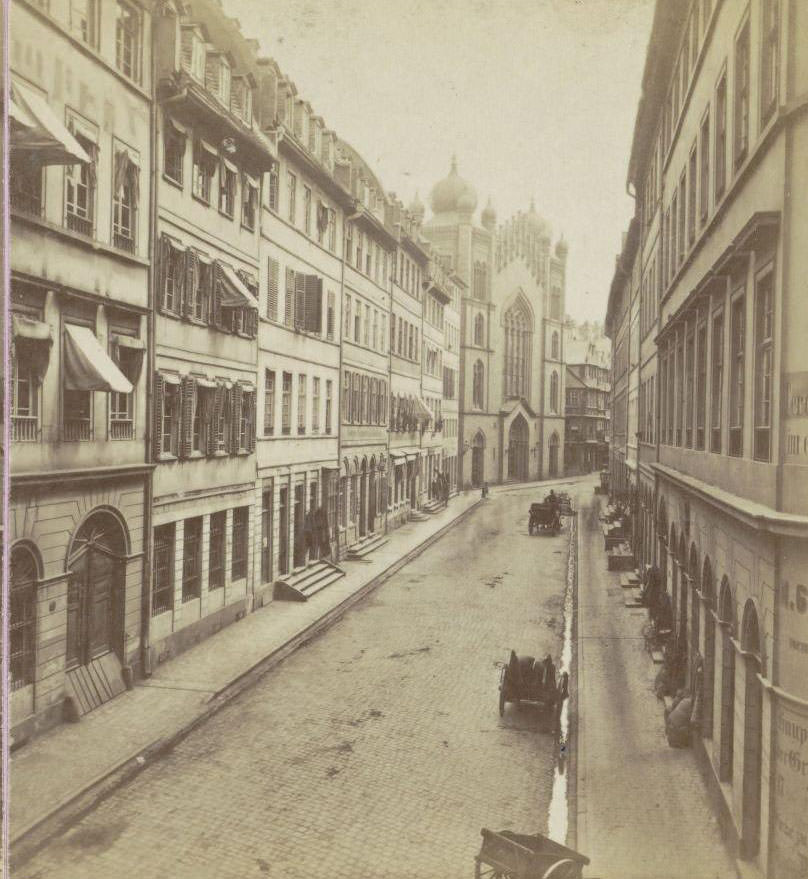
Frankfurt in 1890 was one of Germany’s most important commercial cities, and its Jewish community had long been woven into its financial and cultural fabric. The synagogue on Börneplatz stood as a major landmark of that community. Spa towns like Wiesbaden drew wealthy visitors from across Europe, their elegant architecture and mineral springs making them fashionable retreats for the upper classes.
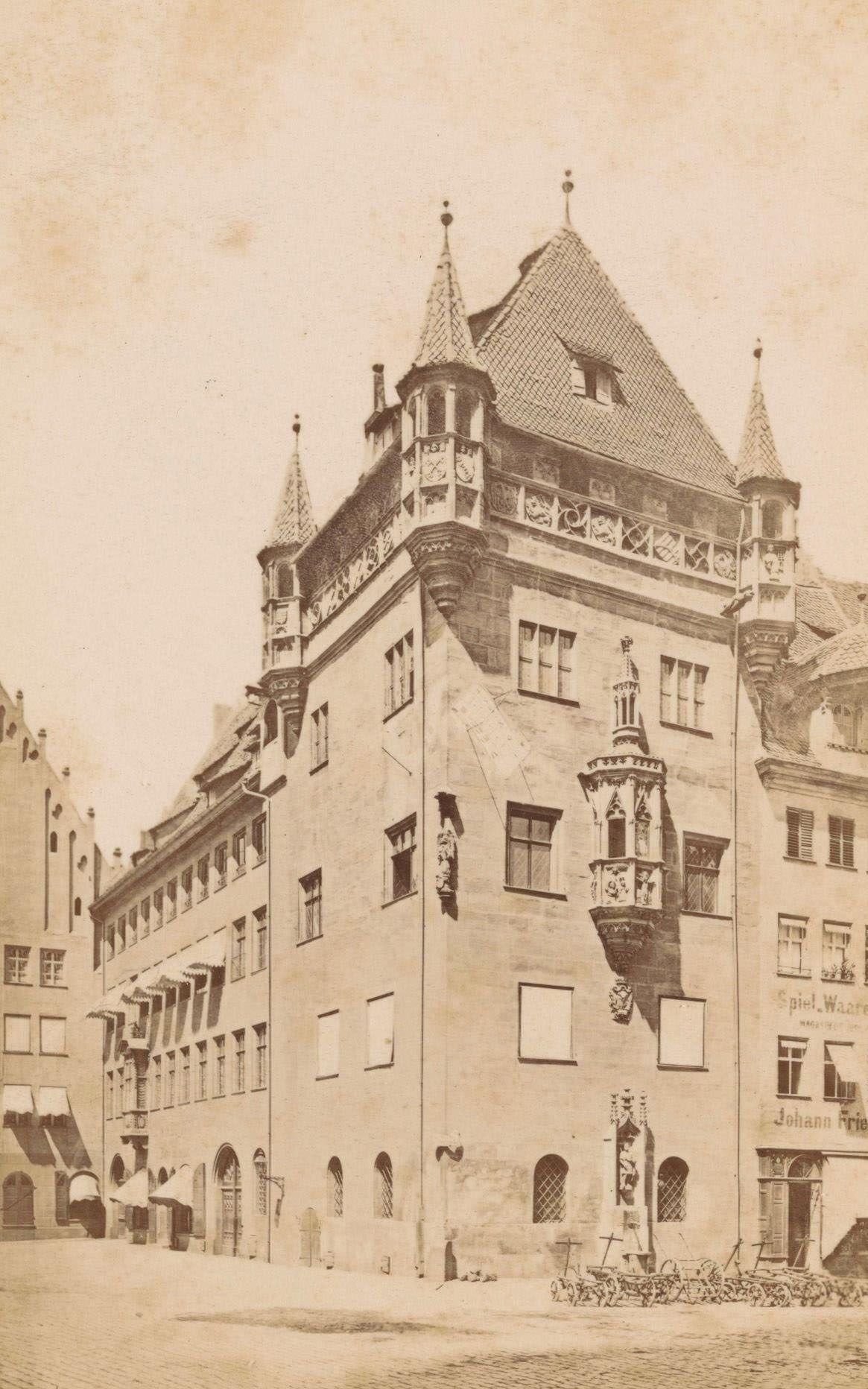
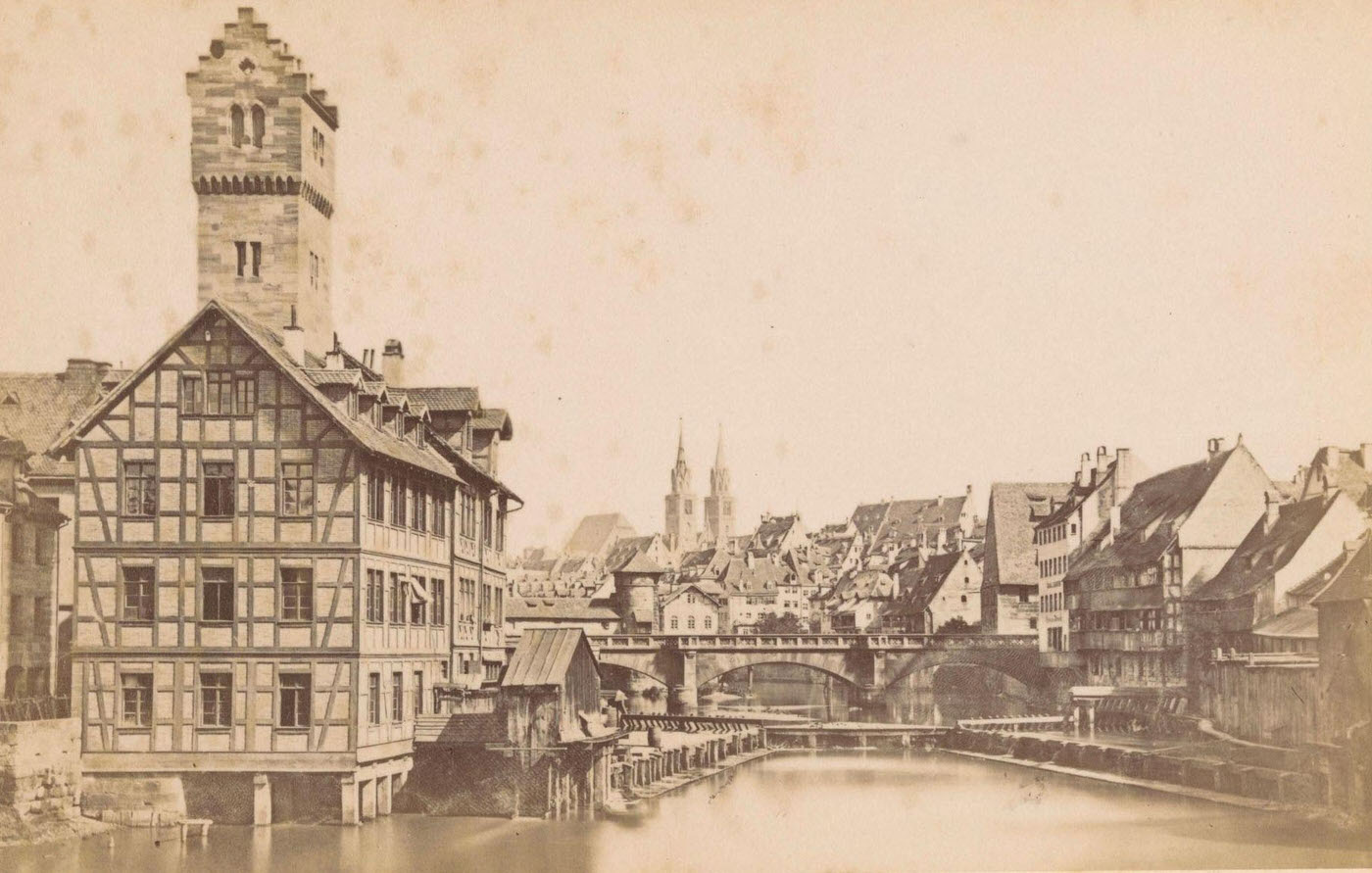
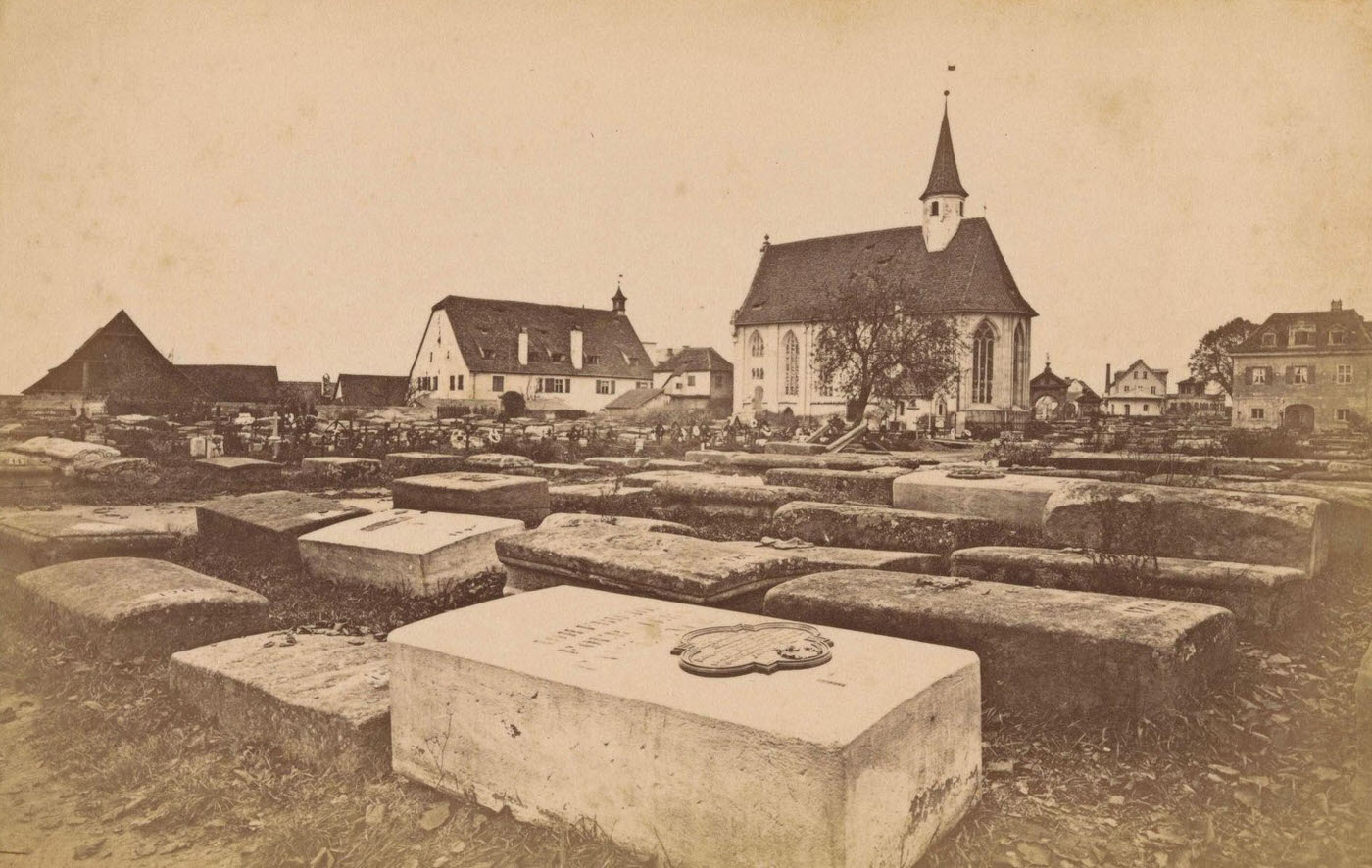
Nuremberg was a city steeped in medieval history, and photographs from the late 1890s show that heritage clearly. The Nassau House, the Maxbrücke, and the St. John’s Cemetery all reflect a city that took pride in its past even as the present pressed forward. The cemetery in particular was one of the oldest and most elaborate in Germany, the final resting place of craftsmen, artists, and merchants who had shaped the city over centuries.
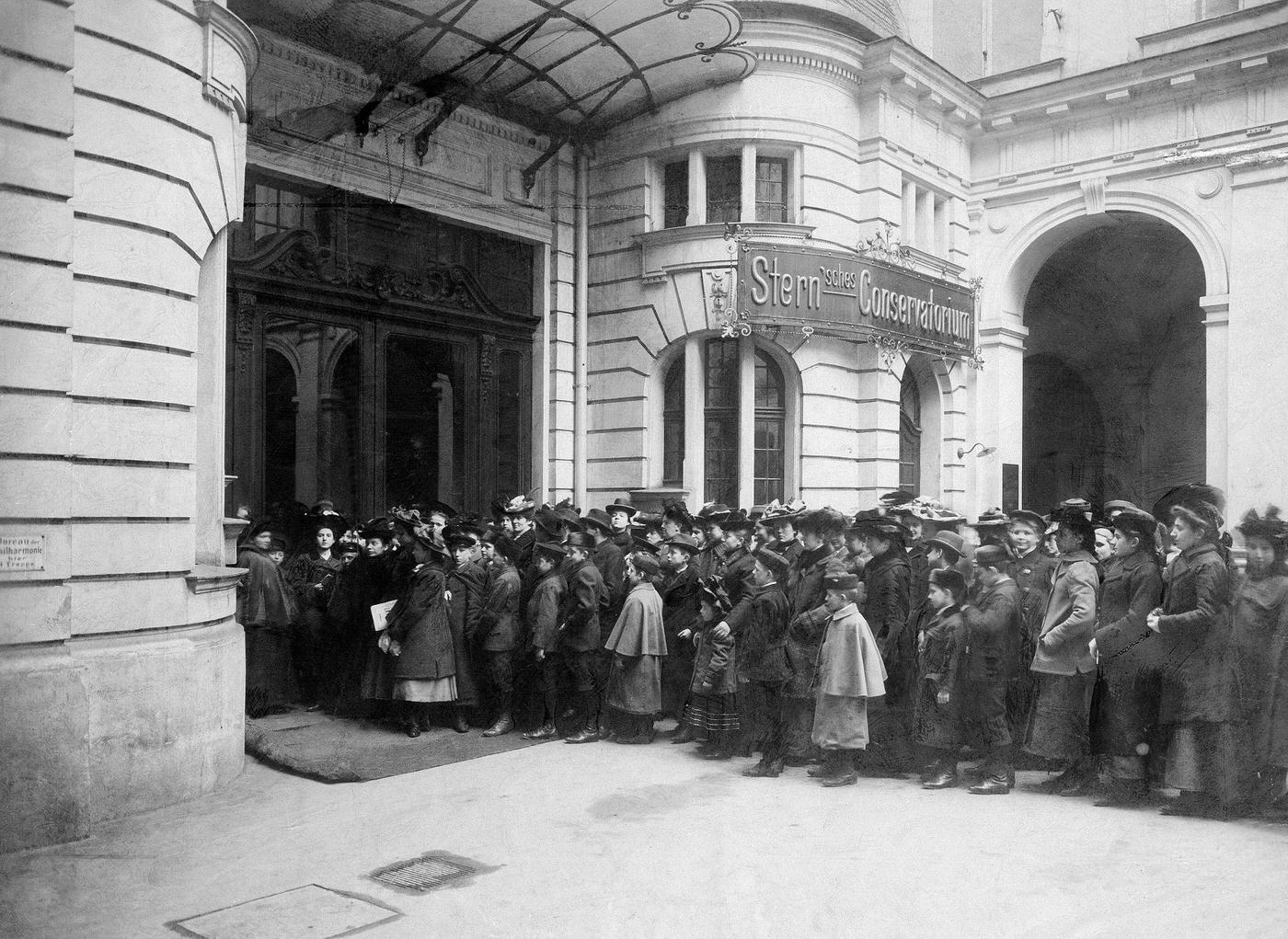
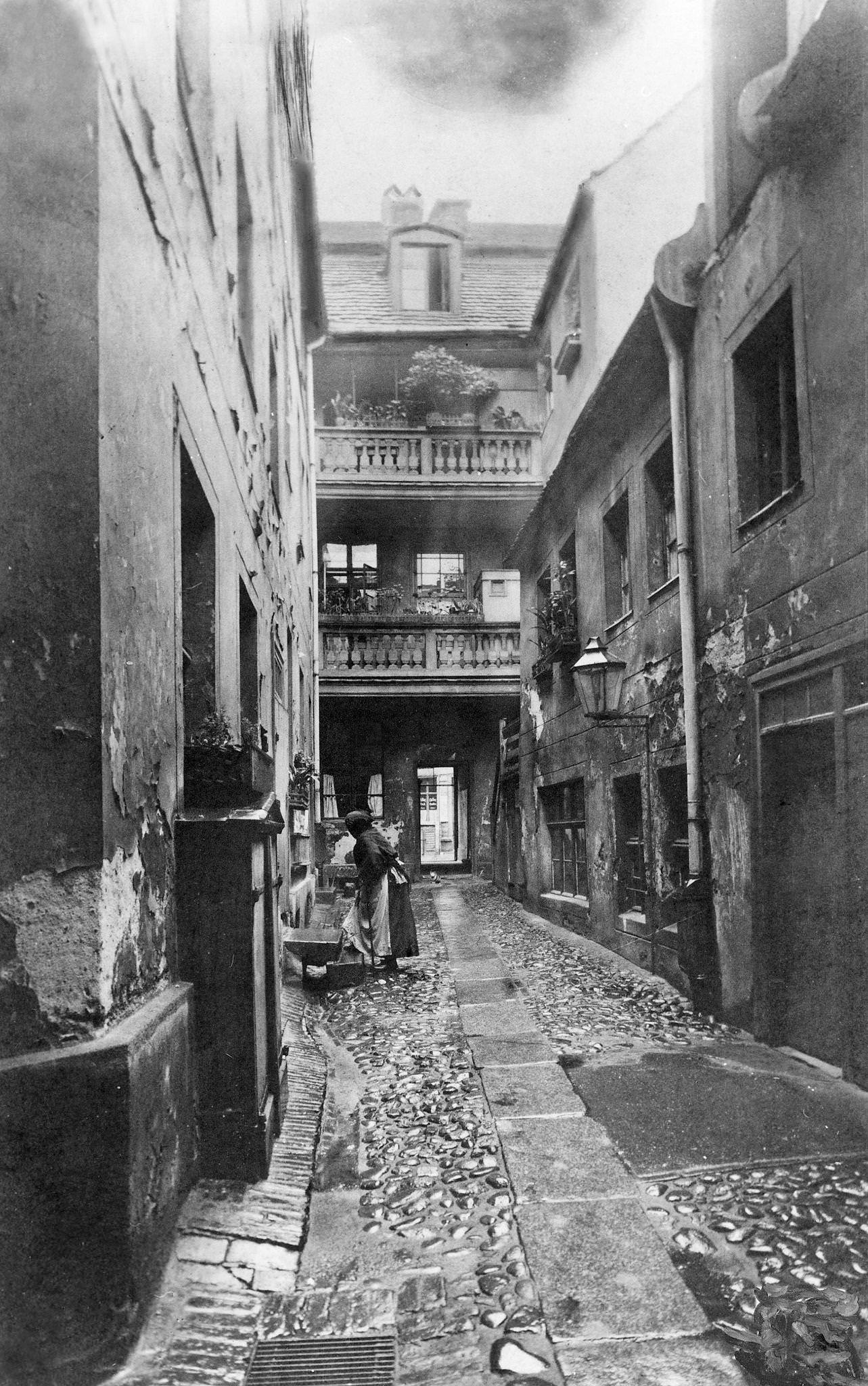
Berlin’s cultural institutions were growing alongside its population. The Stern Conservatory, which would later become the Philharmonie, was already an established part of the city’s musical life by 1890. Narrow alleys in the old city center existed just blocks away from grand public buildings — the contrast between old and new Berlin was impossible to ignore.
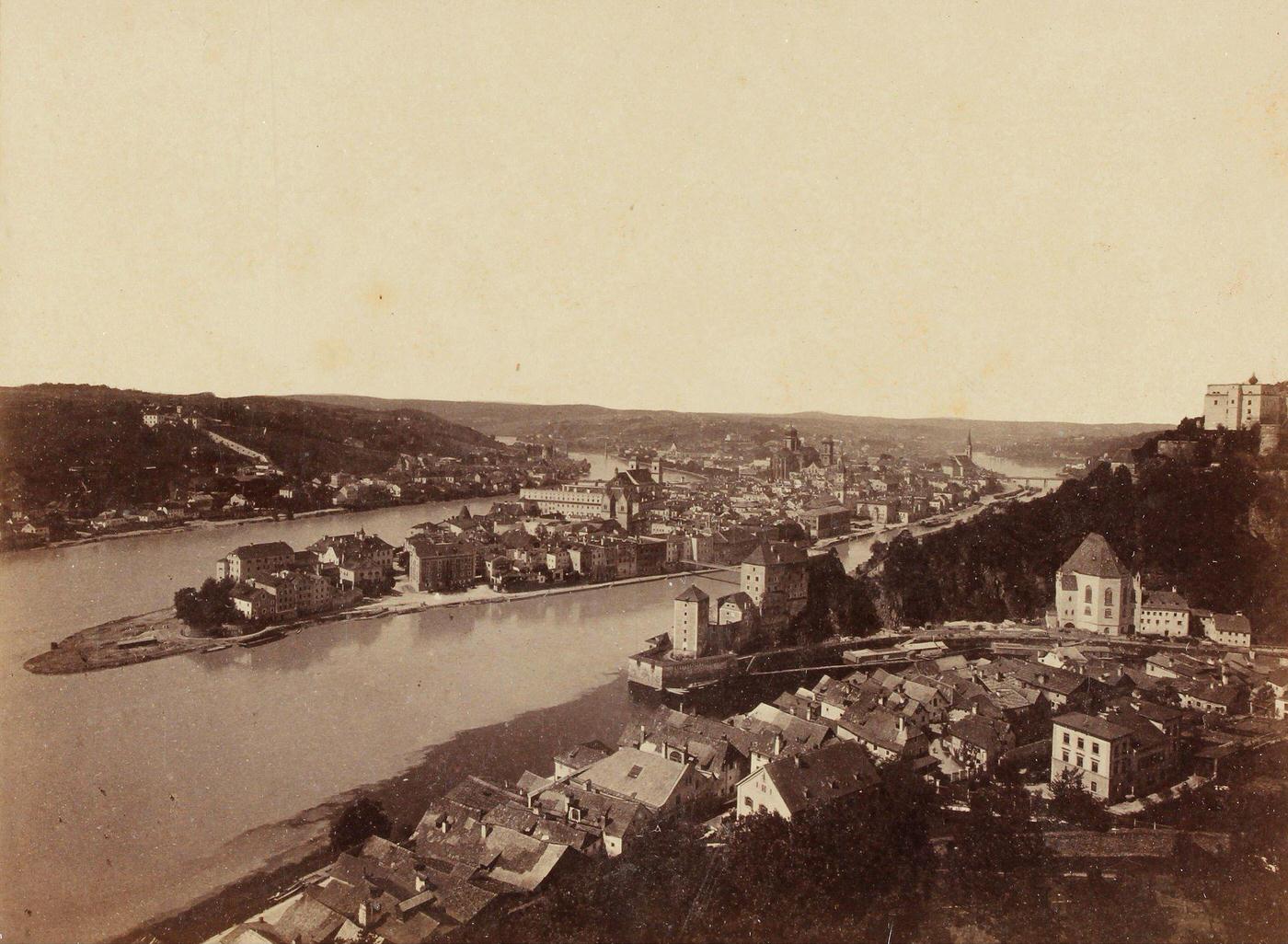
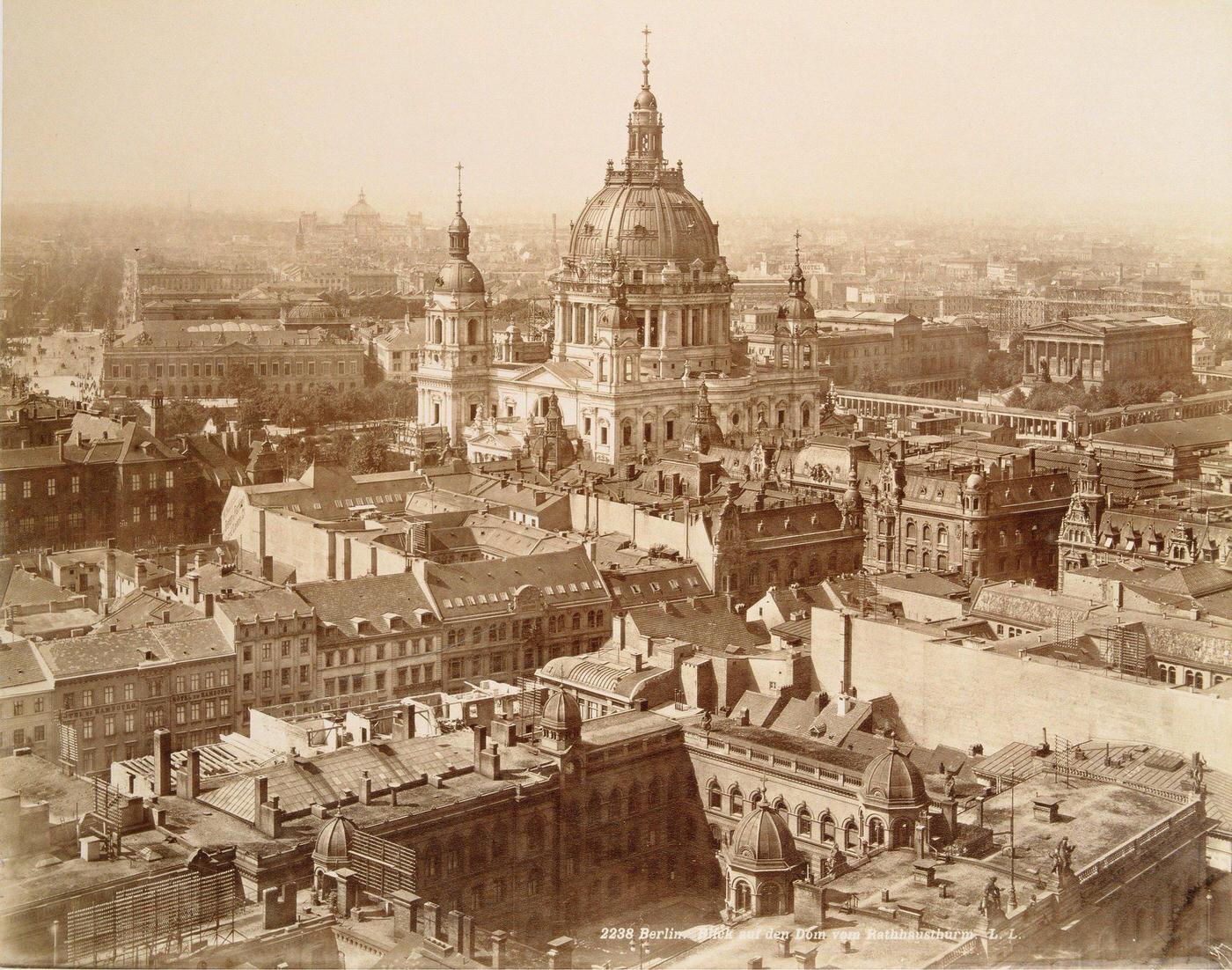
The Berlin Cathedral — photographed from the City Hall tower in 1890 — shows a city of grand ambitions laid out in stone and mortar. The view captures the density of the imperial capital, its rooftops and spires stretching toward the horizon. At the same time, Passau in Bavaria offered a completely different skyline: a city at the meeting point of three rivers, its baroque domes and church towers reflected in the water below.
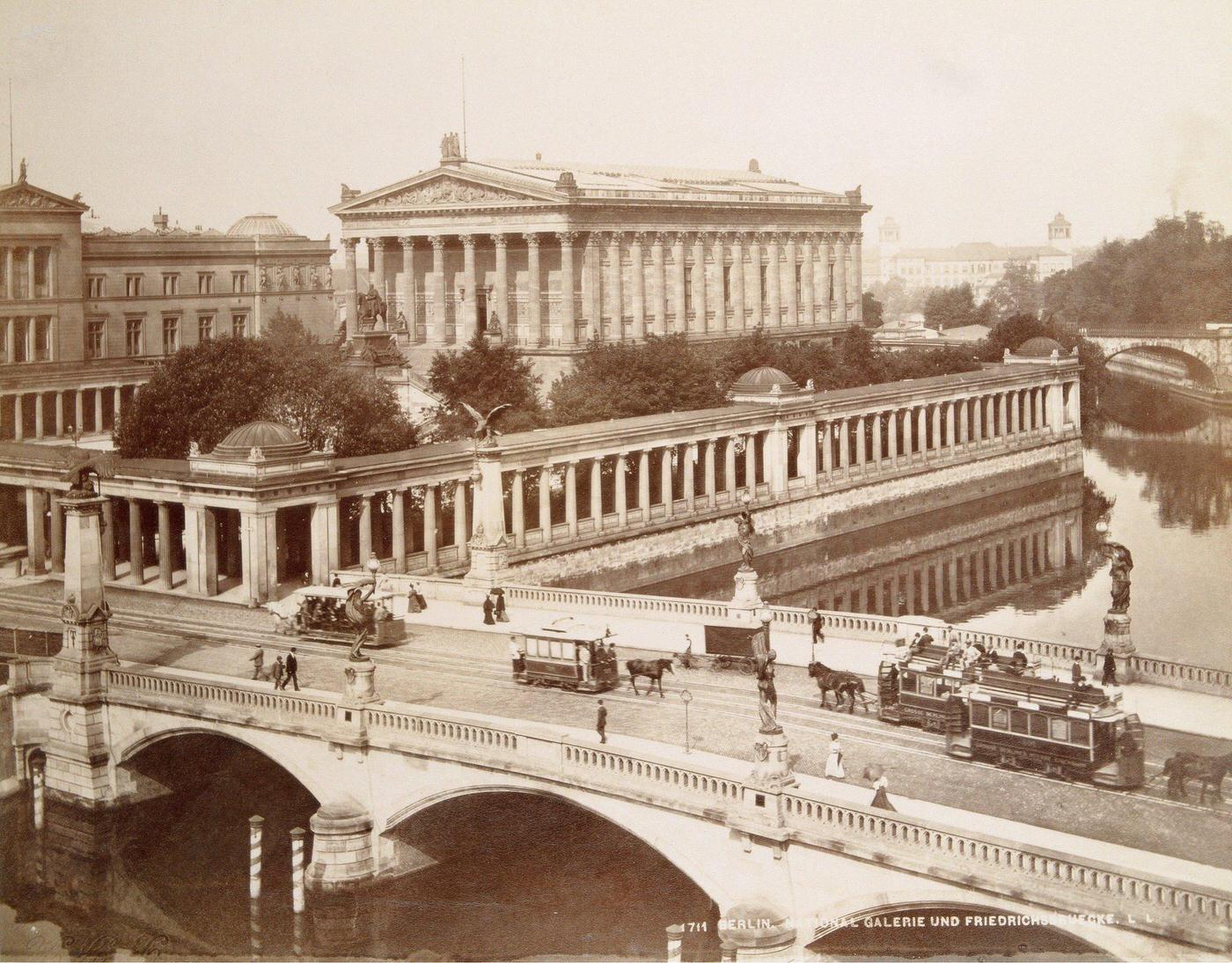
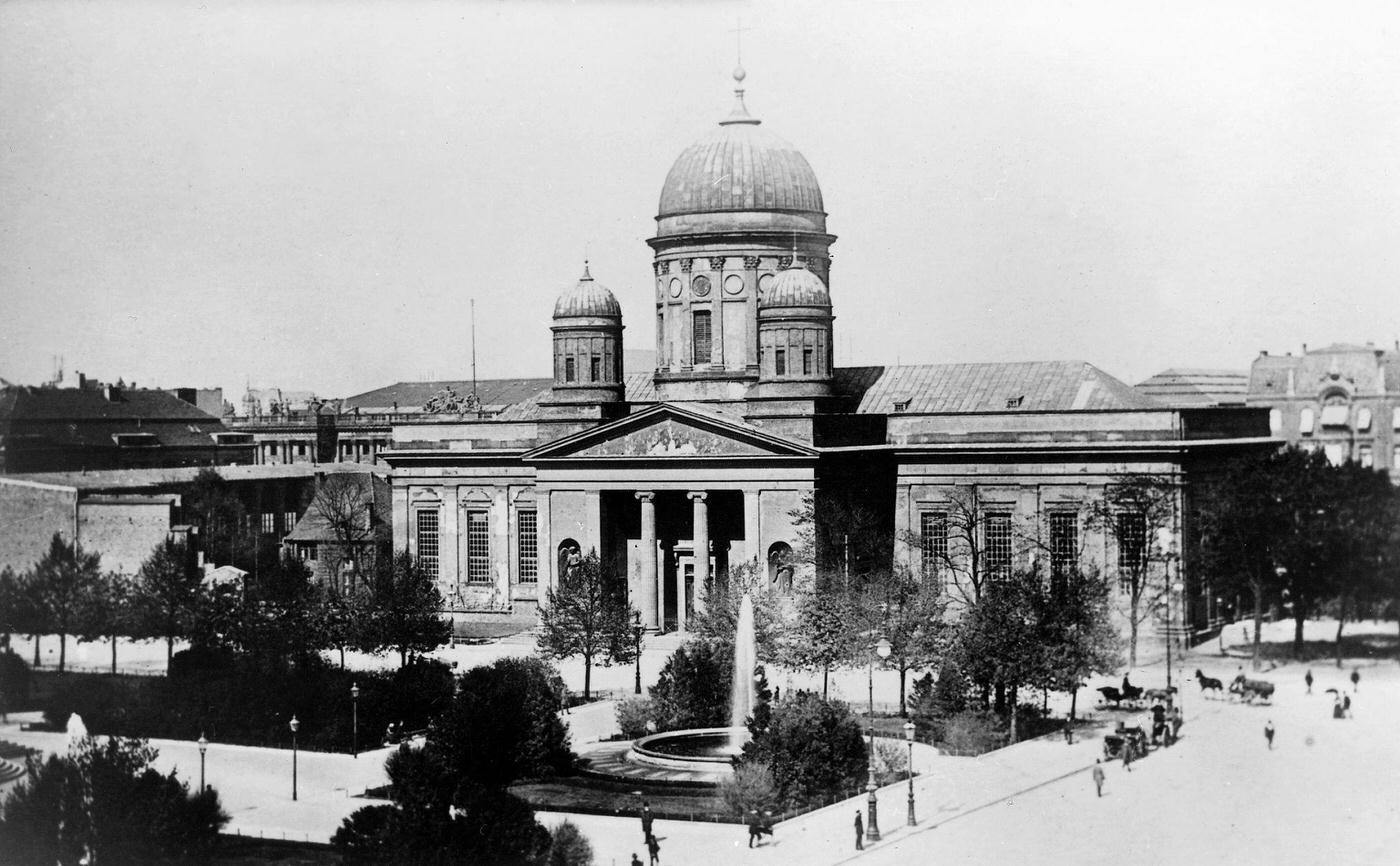
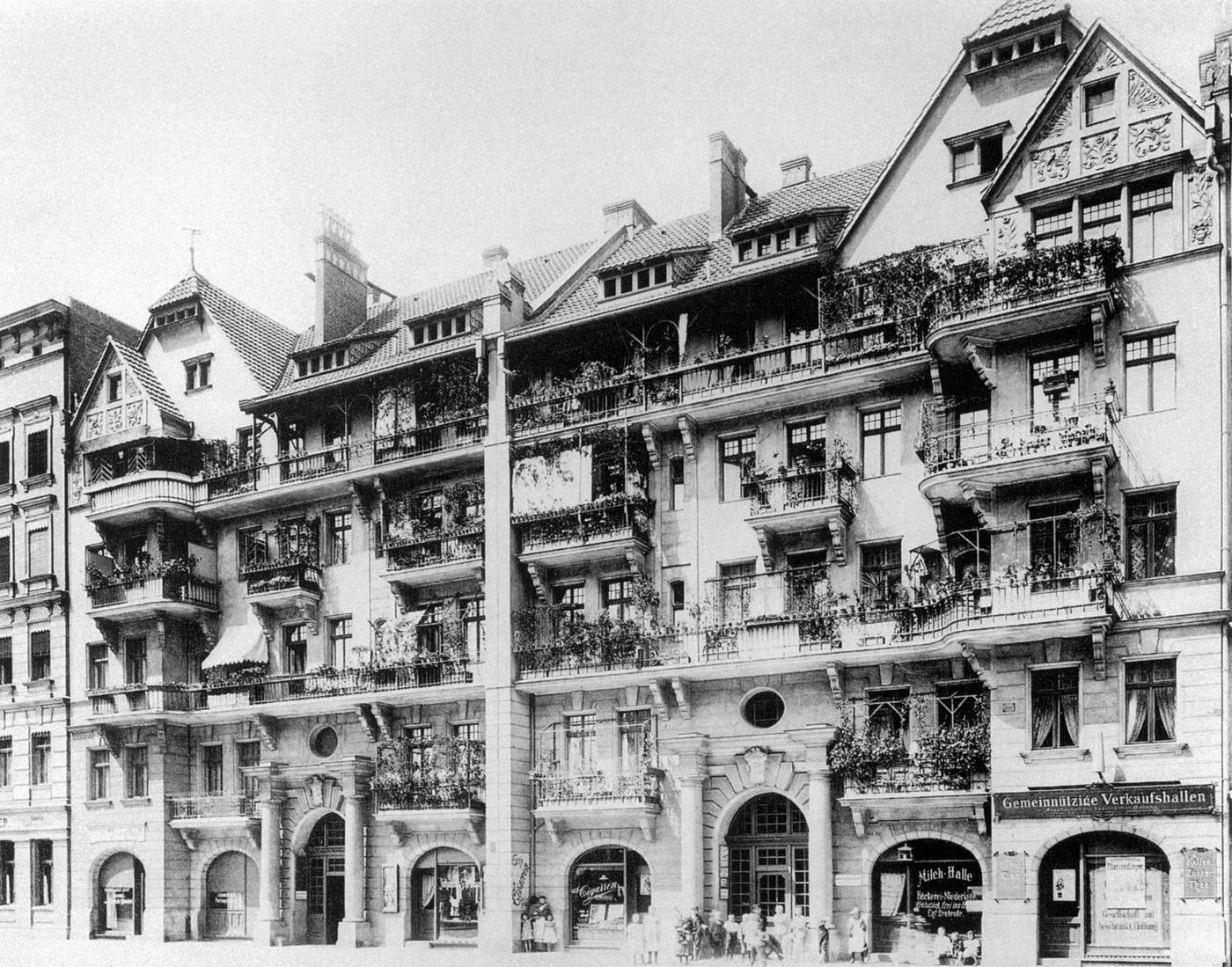
The Lustgarten and the old cathedral nearby anchored central Berlin’s civic identity. The National Gallery on Friedrichstrasse showed the state’s investment in art and culture as tools of national pride. Meanwhile, the apartment building on Sickingenstrasse in Tiergarten represented the housing reality for thousands of working and middle-class Berliners — large, solid, functional structures built to absorb the city’s growing population.
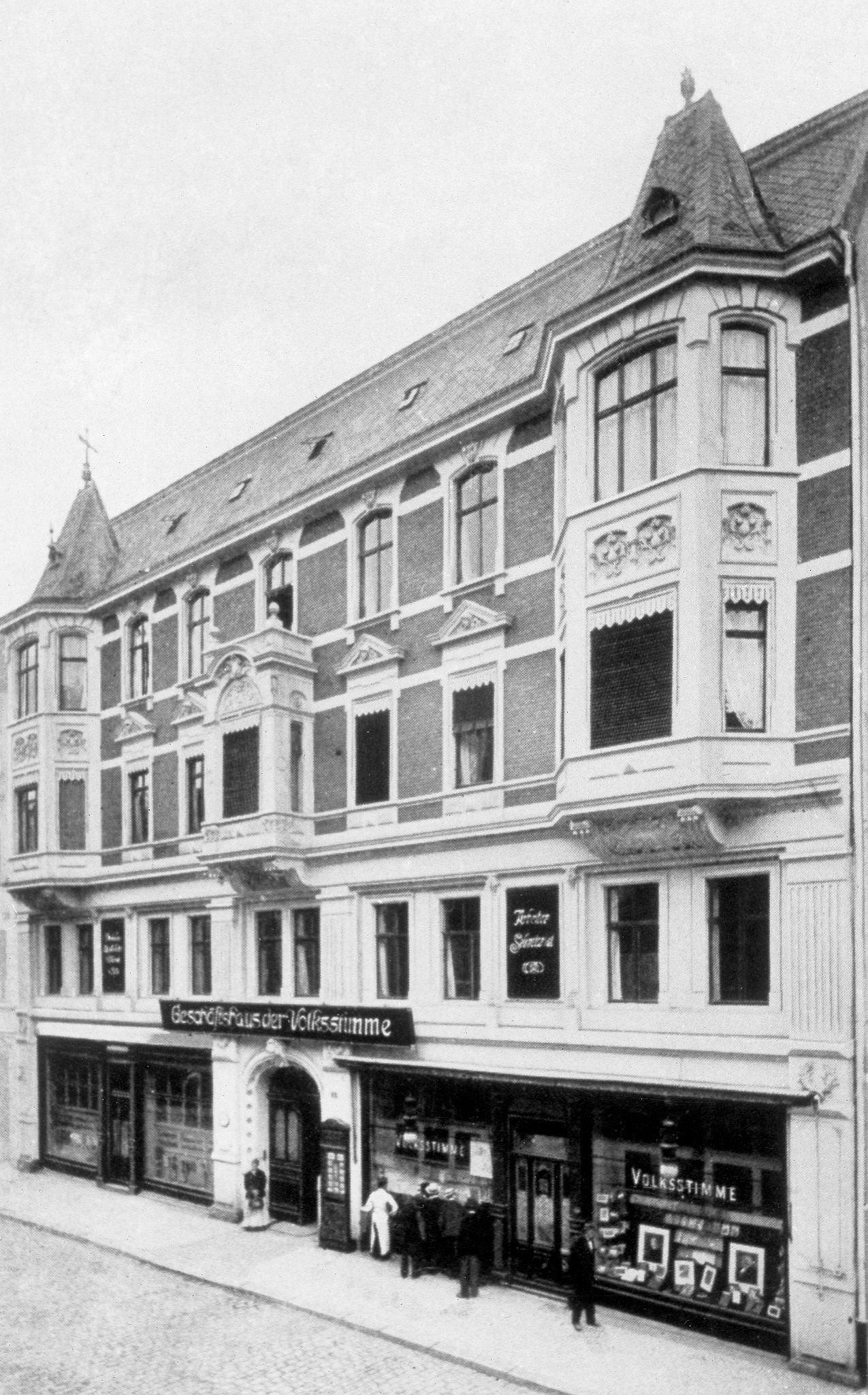
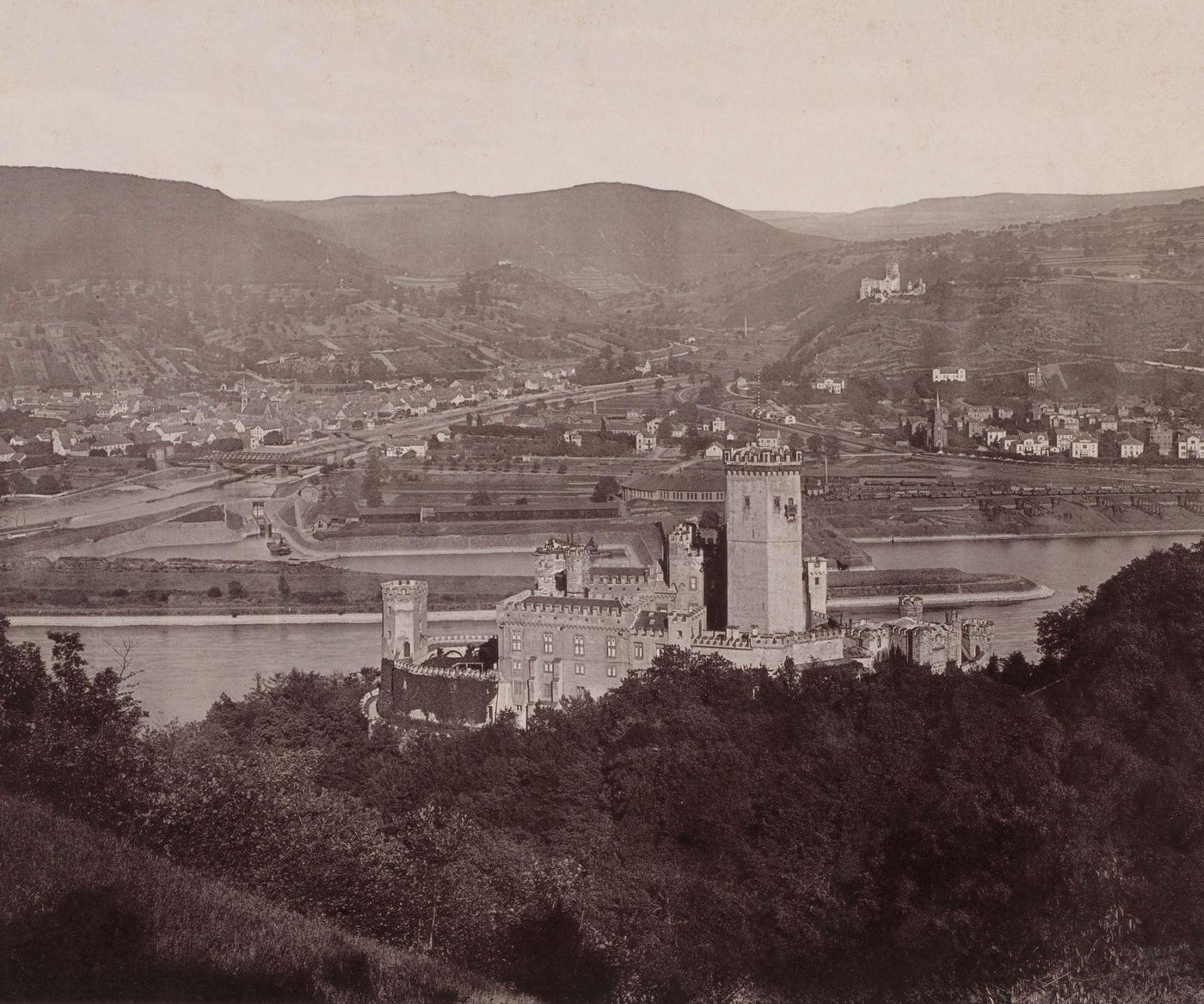
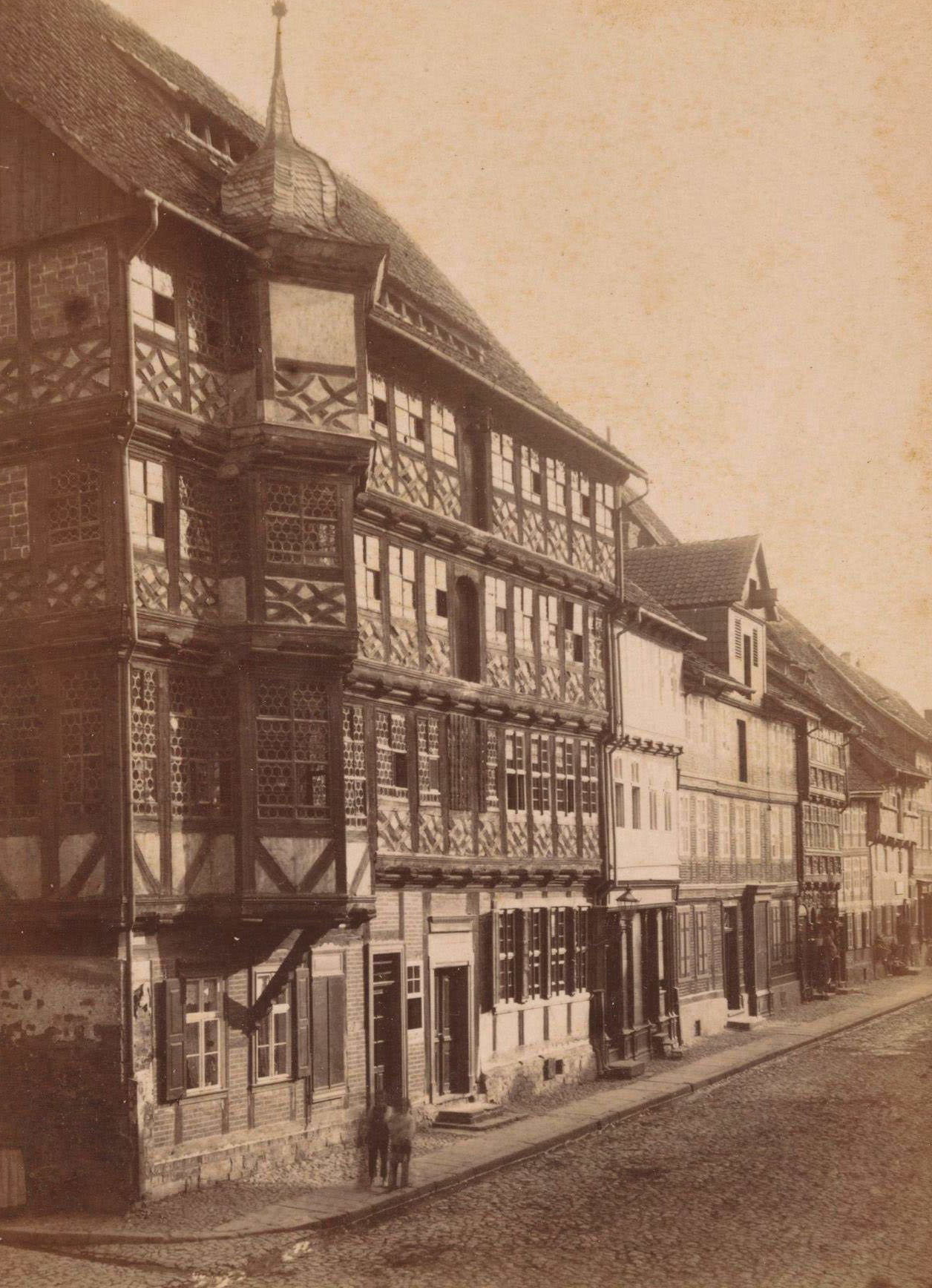
The press played a growing role in German public life during the 1890s. The Volksstimme, a Social Democratic newspaper, operated from its own office building in Prussian Saxony — a physical sign of how established the labor movement had become. Away from the political centers, the Rhine Valley towns like those near Koblenz retained their romantic, castle-topped character, drawing tourists and painters from across Europe.
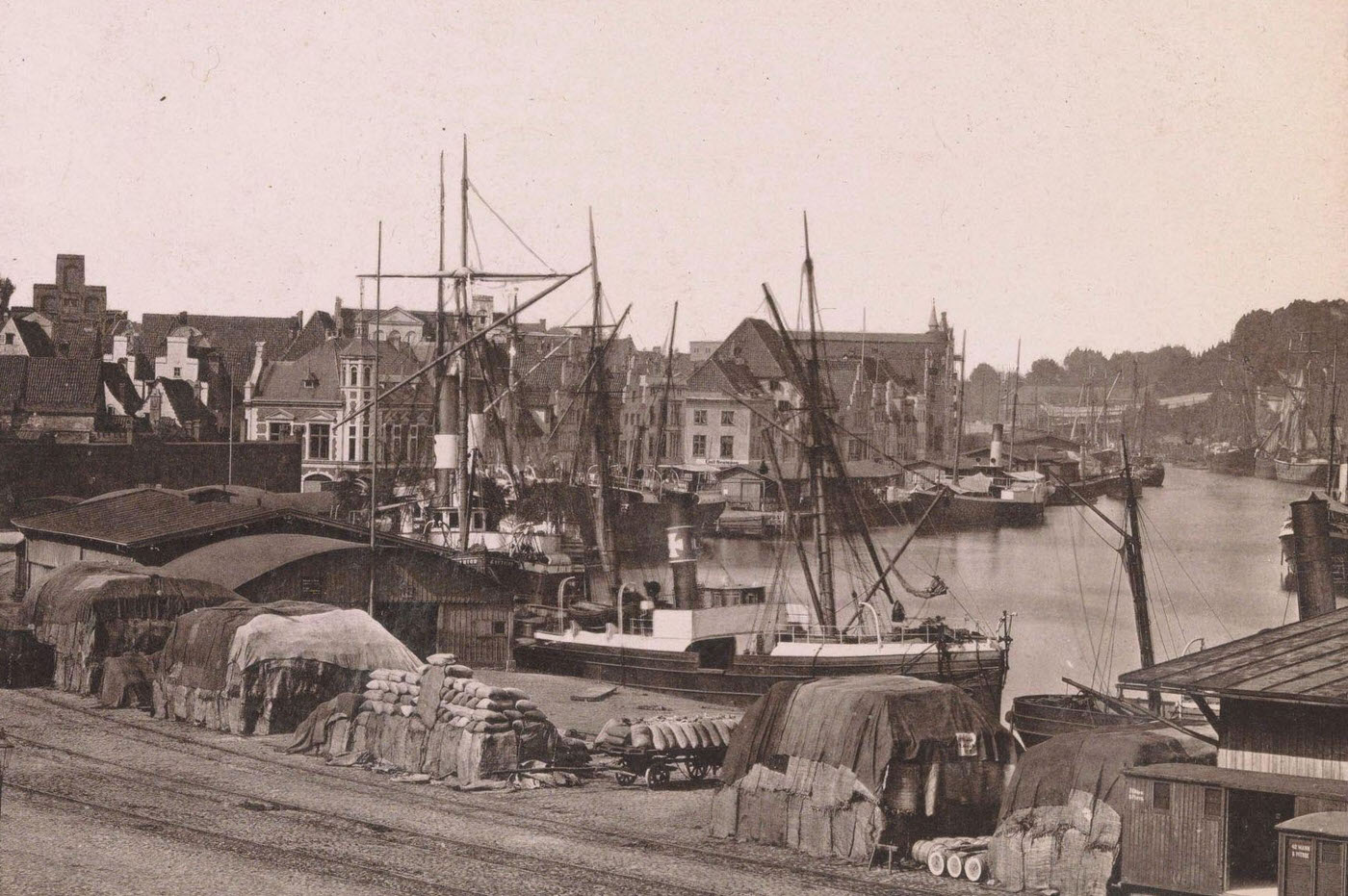
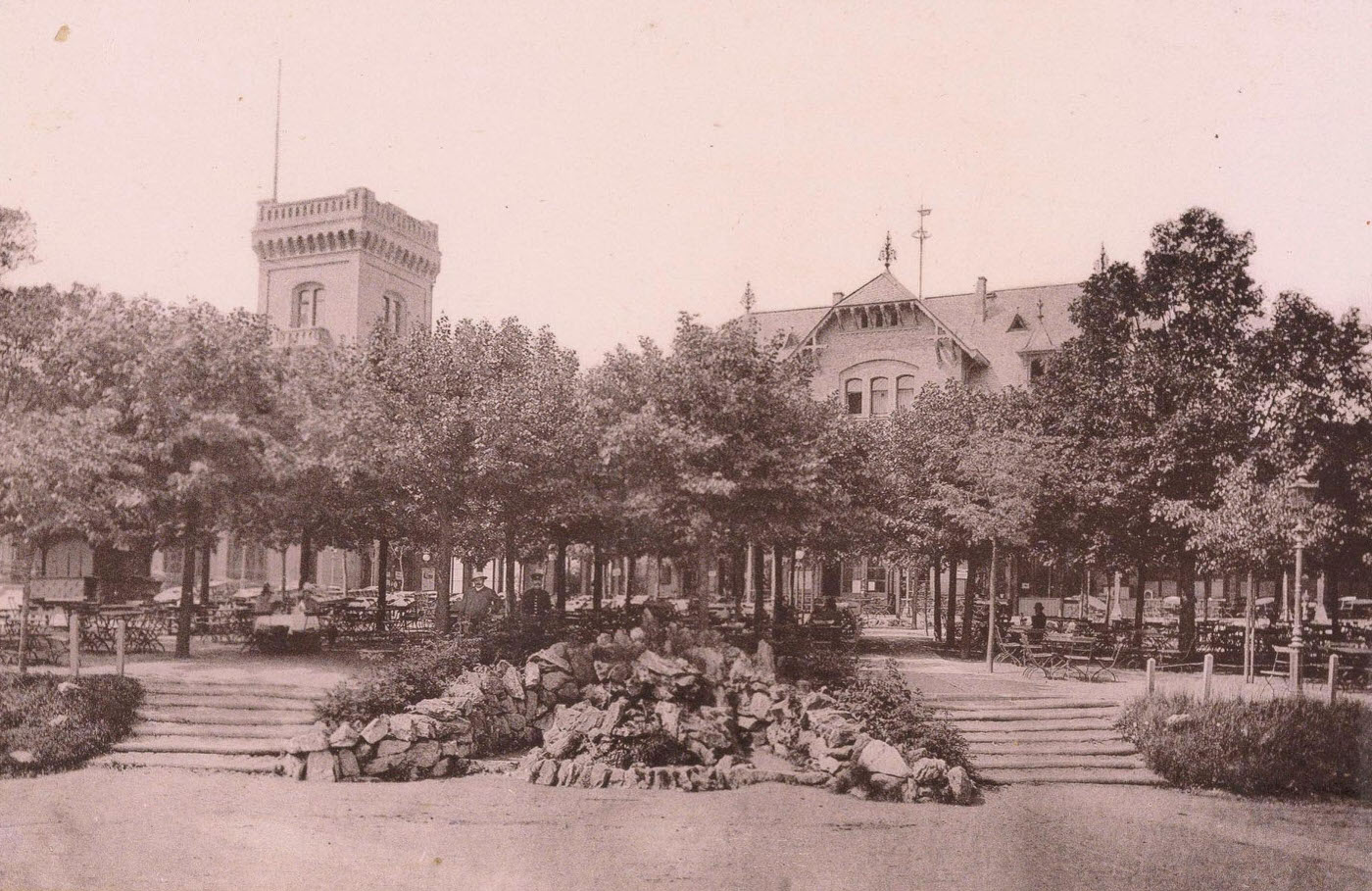
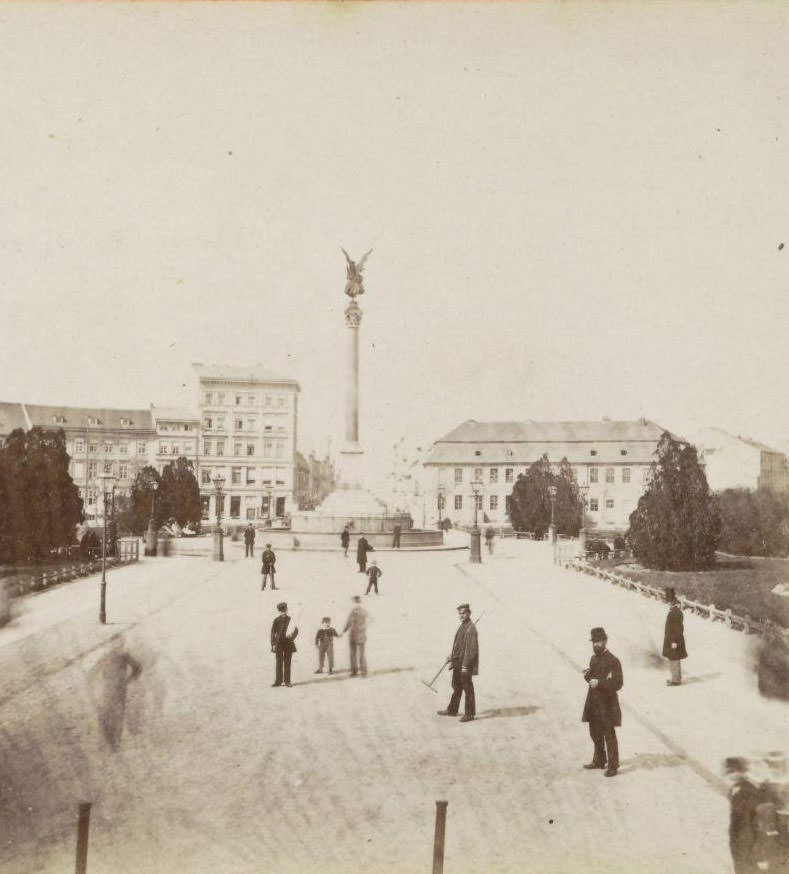
Lübeck’s harbor in 1890 was still a hub of Baltic trade, its brick Gothic churches and merchant warehouses lined along the water as they had been for centuries. In Berlin, the Victory Column — the Siegessäule — stood at the heart of the city’s triumphal geography. Built to celebrate Prussian military victories, it was a constant reminder of the military culture that ran through the German state.
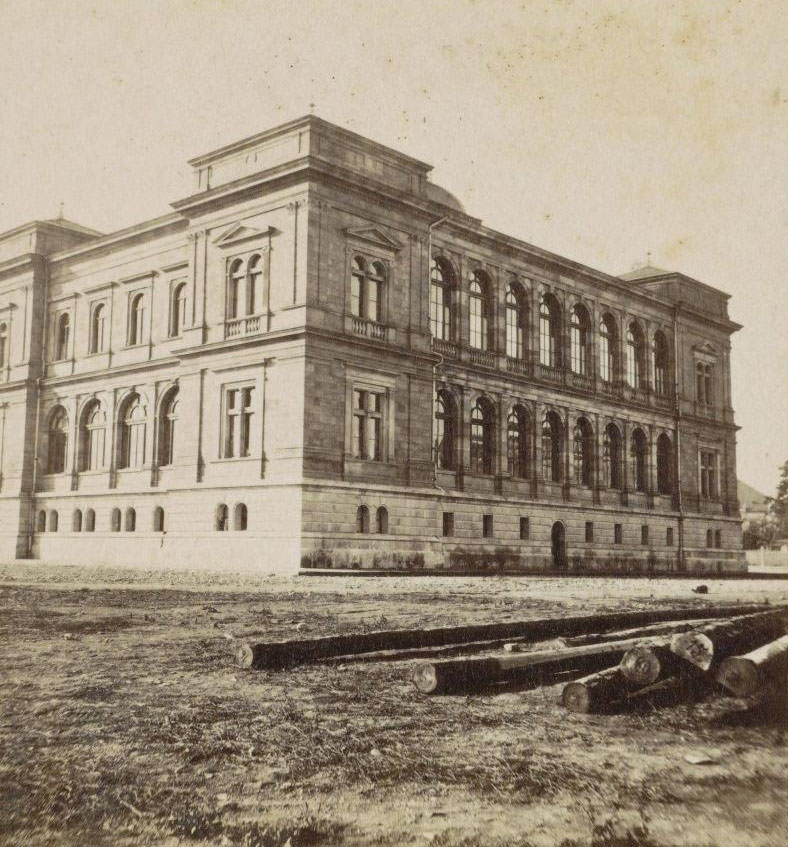
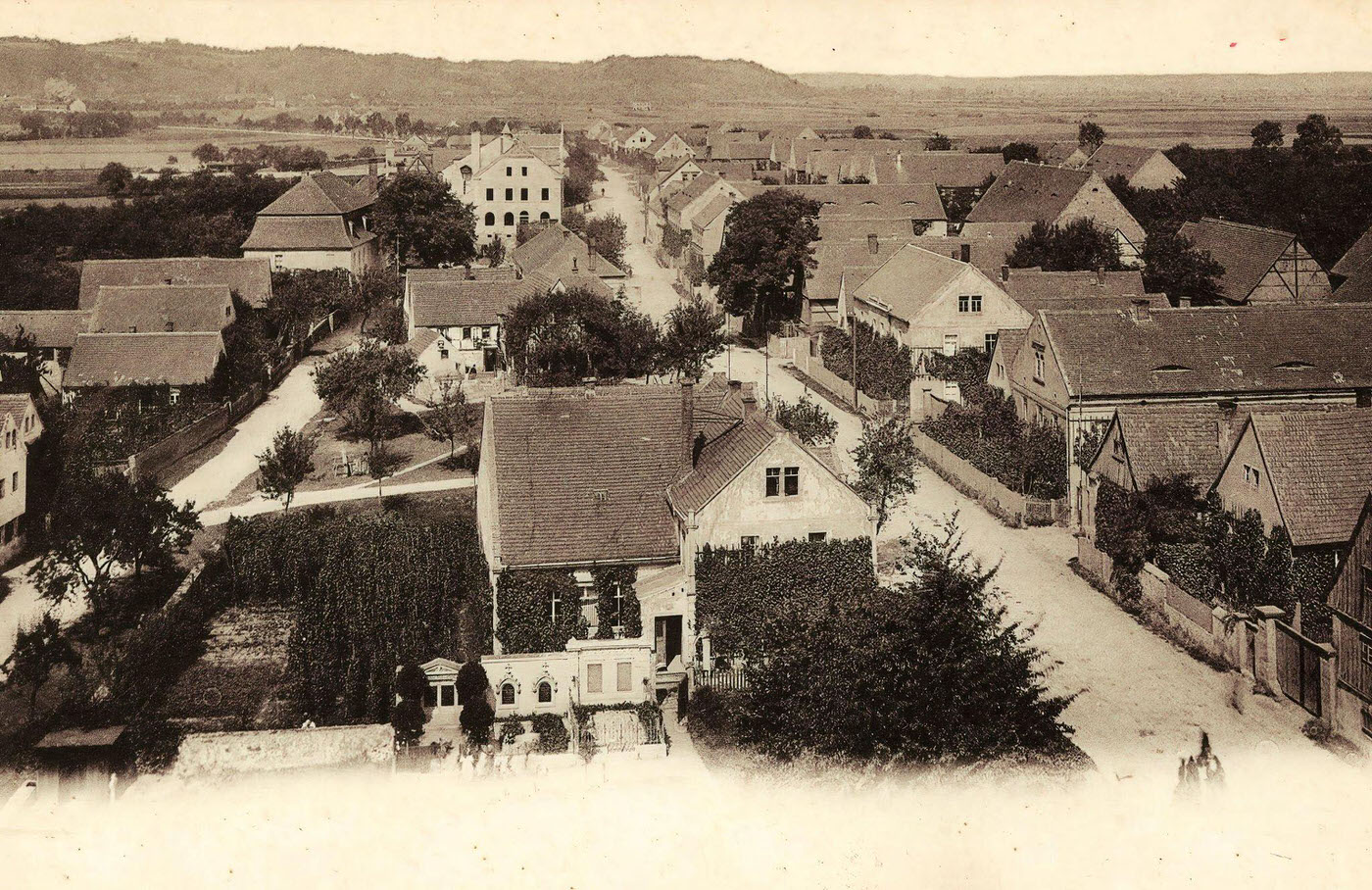
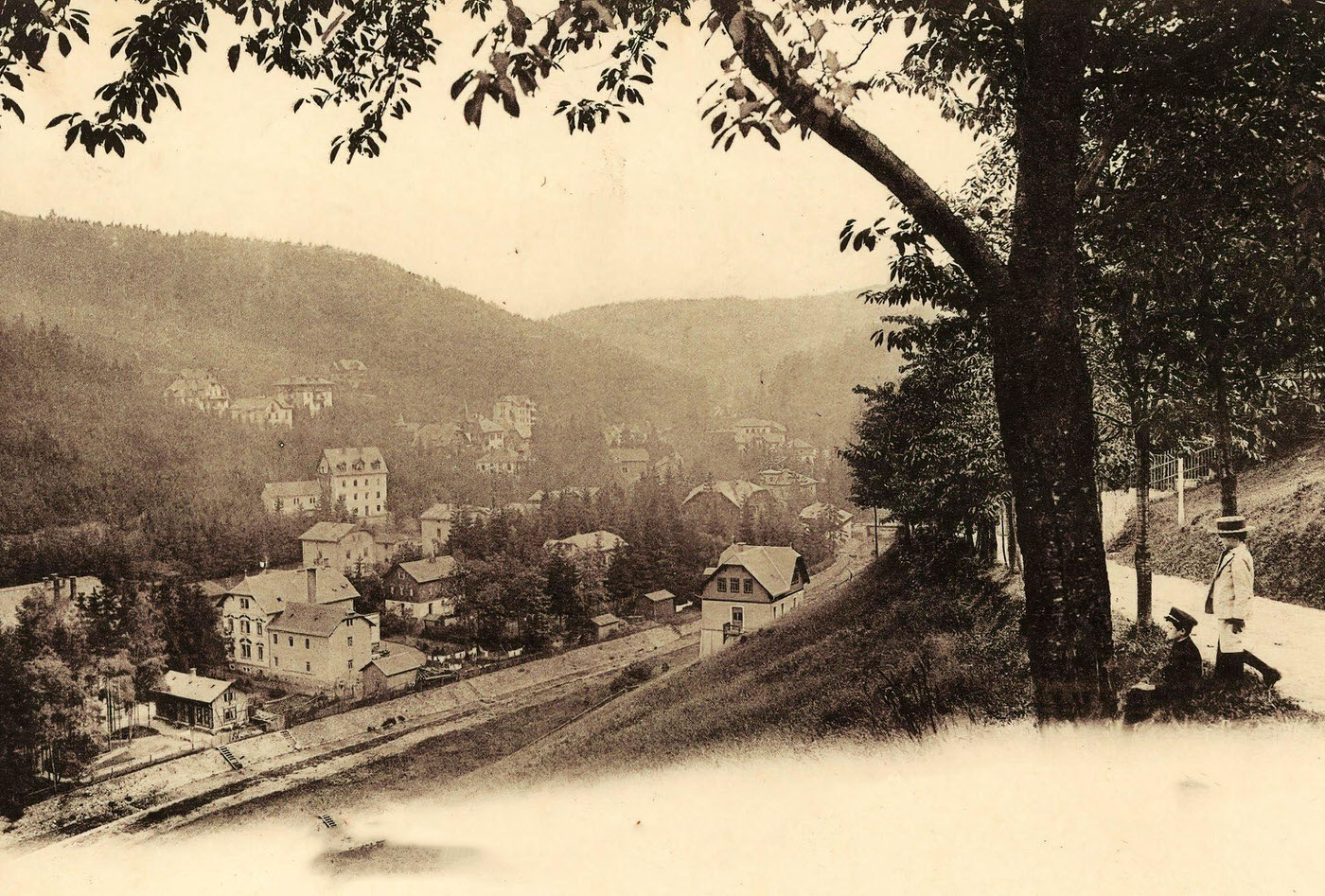
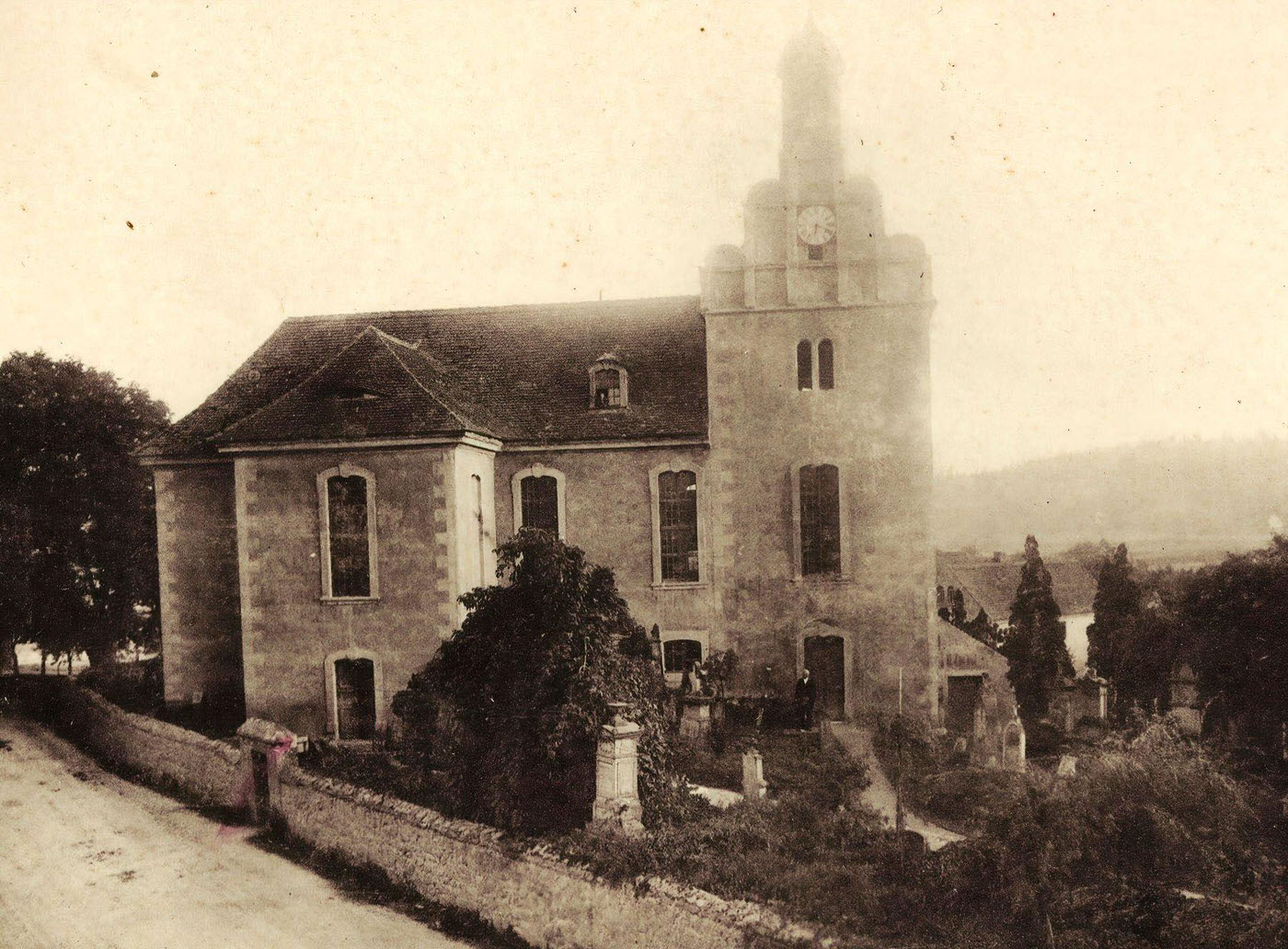
The Saxony region in the late 1890s was a patchwork of small towns, farms, and industries. Villages like Brockwitz and Kipsdorf sat quietly in the countryside, their buildings unchanged for generations. Saxony also had one of the highest concentrations of industrial workers in Germany, and that tension between old rural life and new factory life was felt acutely here.
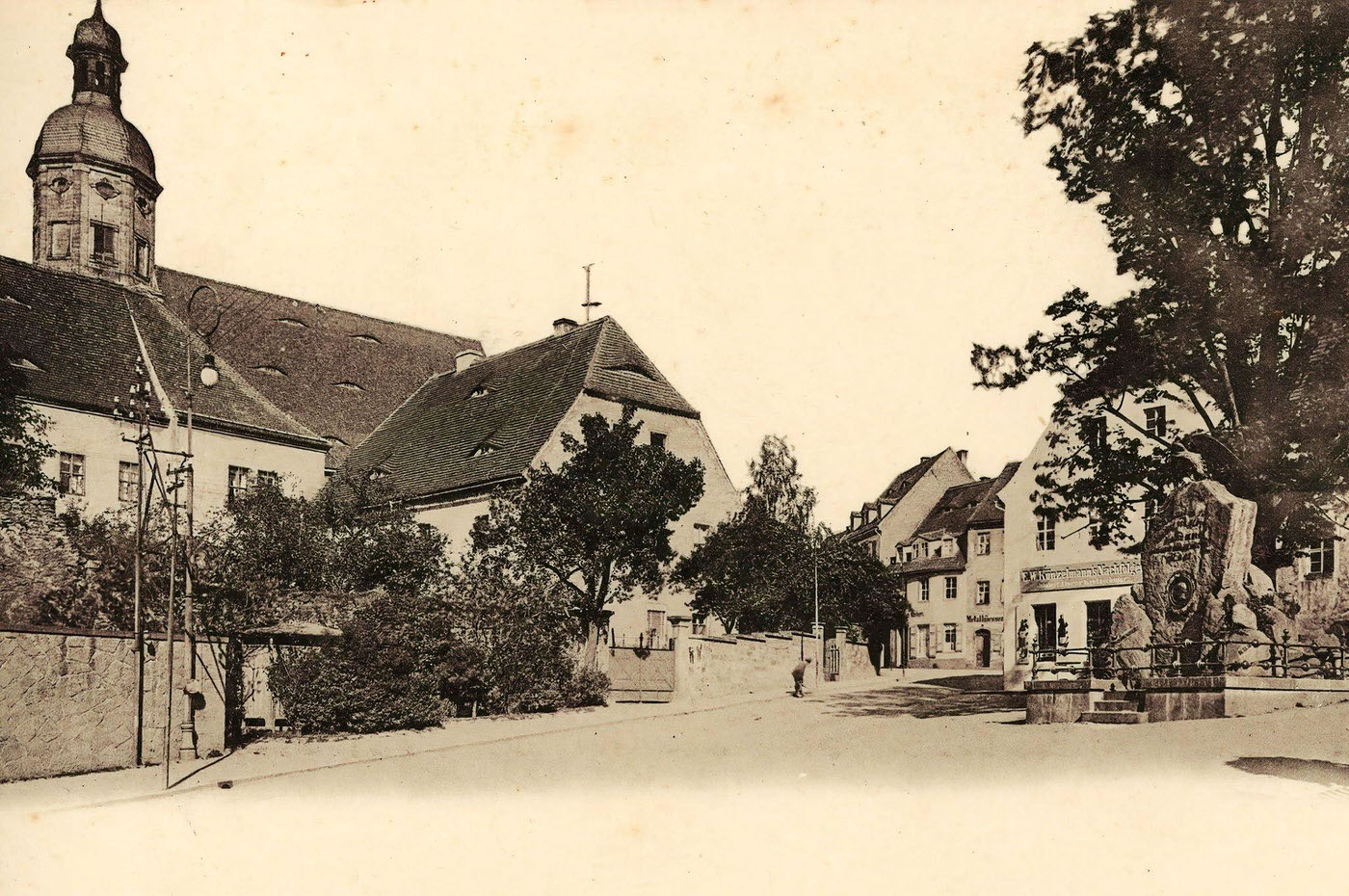
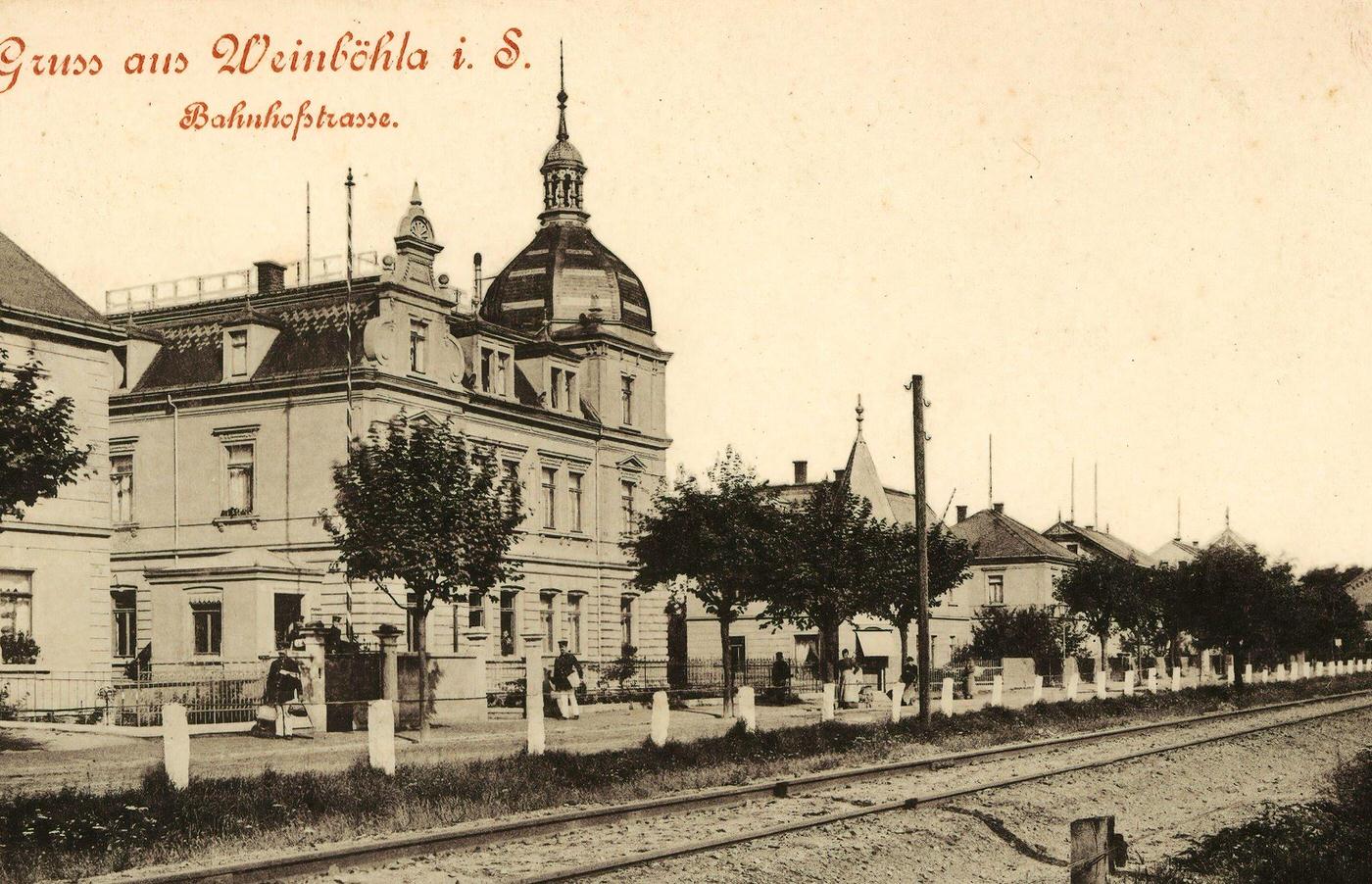
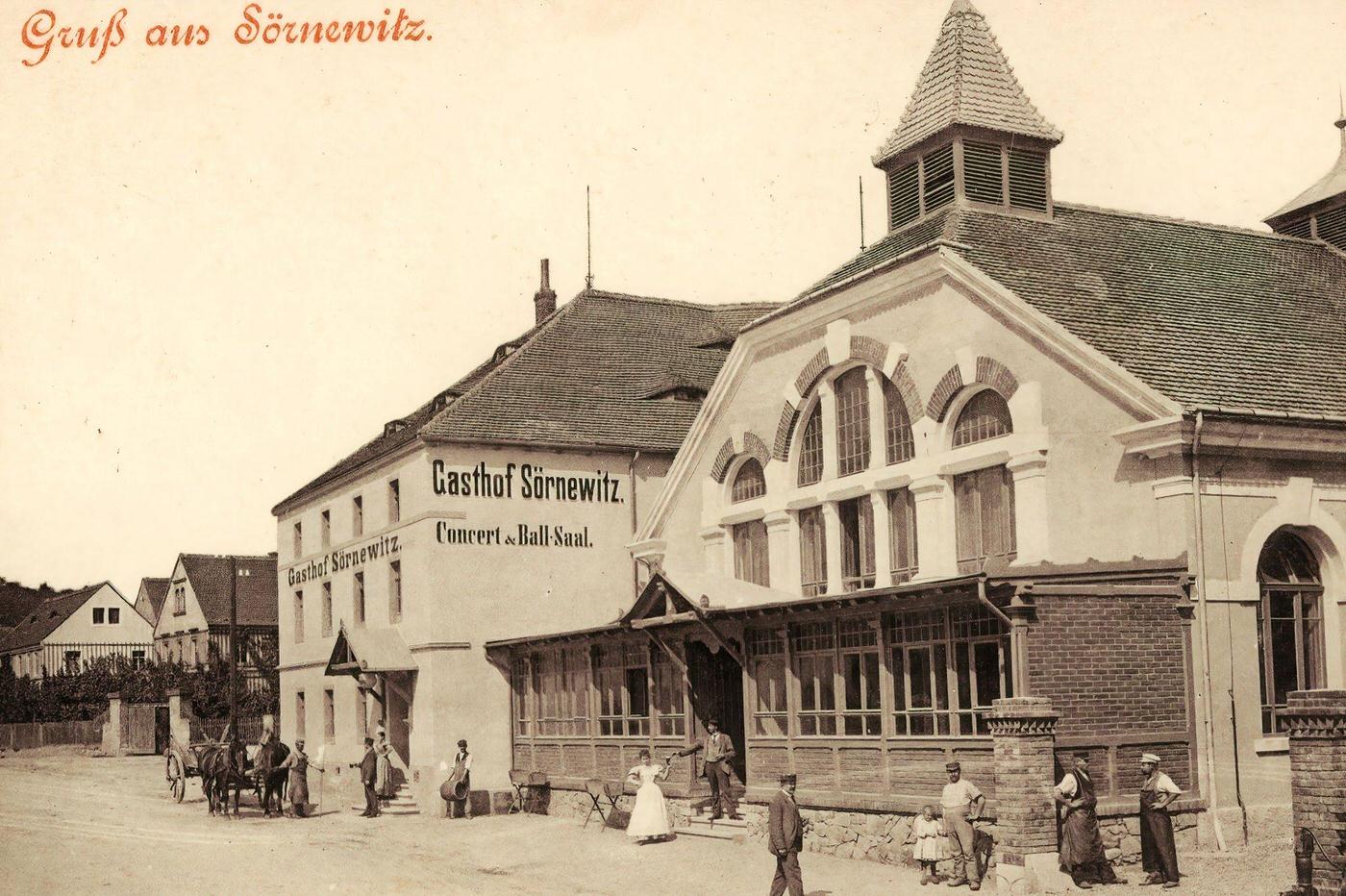
Monuments to Otto von Bismarck appeared across Germany throughout the 1890s. The Iron Chancellor had unified Germany in 1871 and remained a towering figure even after Kaiser Wilhelm II forced him out of office in 1890. Towns placed his likeness beside their churches and public buildings as a statement of national pride. The railway stations of Saxony, like the one at Weinbohla, were meanwhile quietly linking these small communities to the wider national economy.
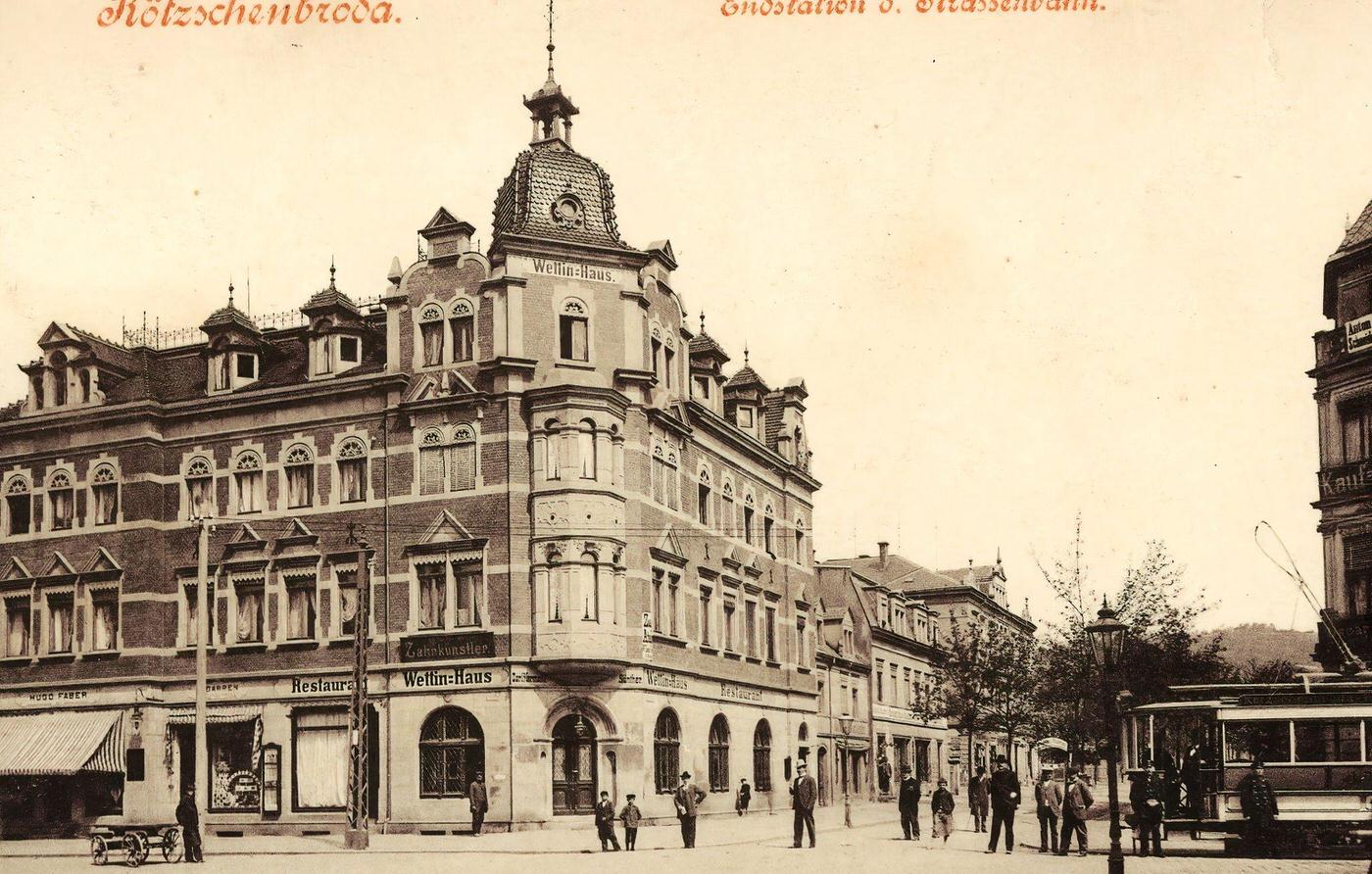
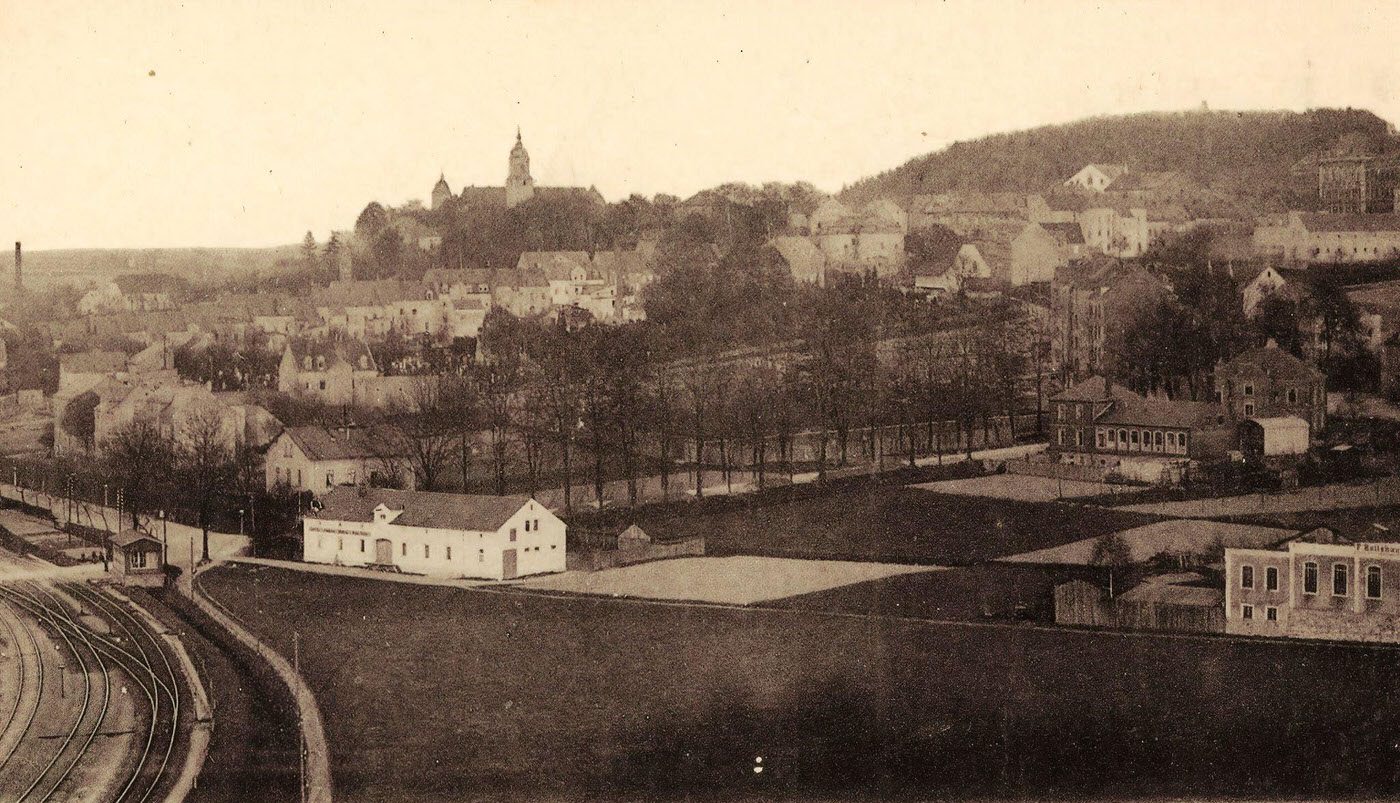
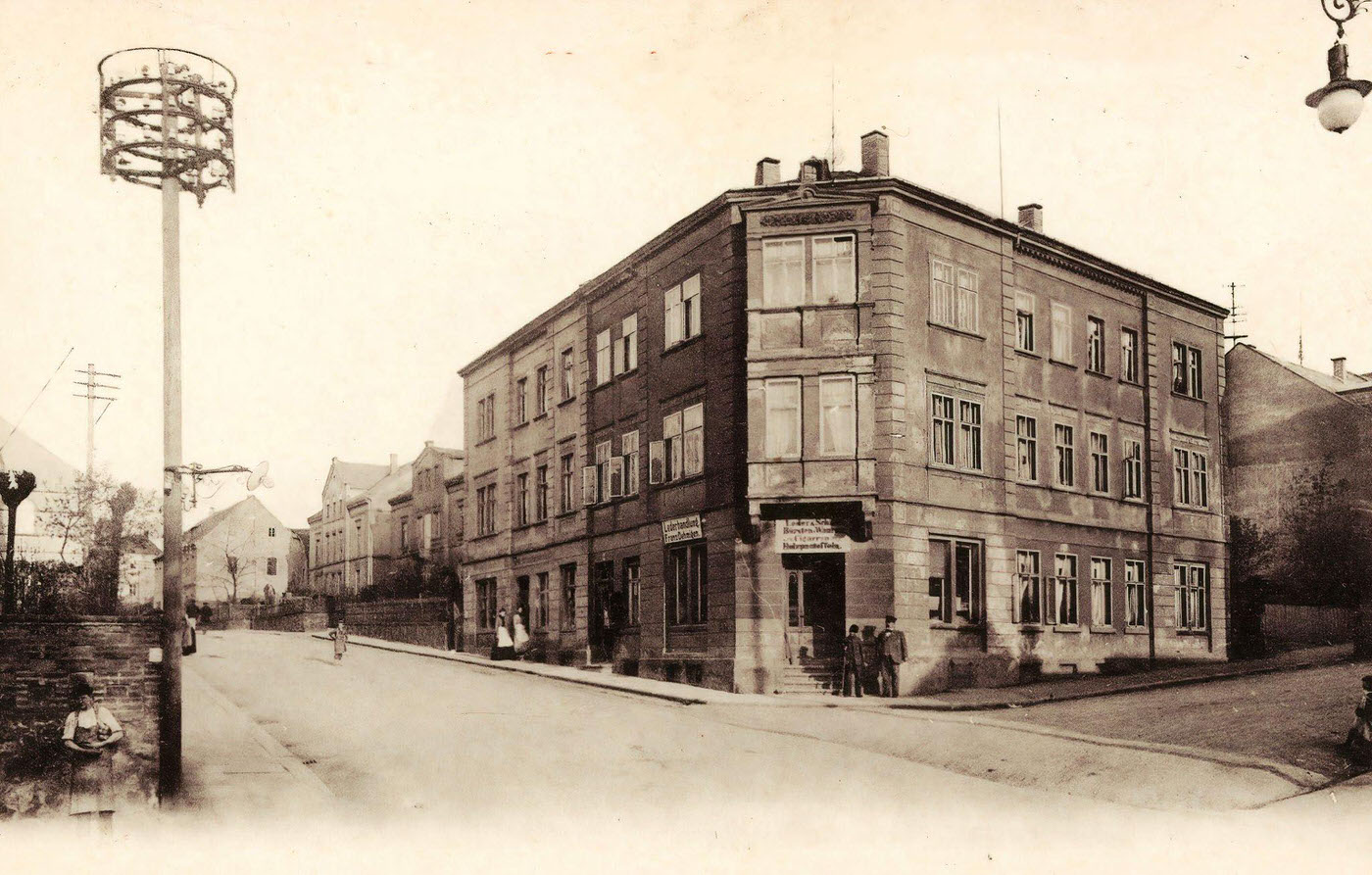
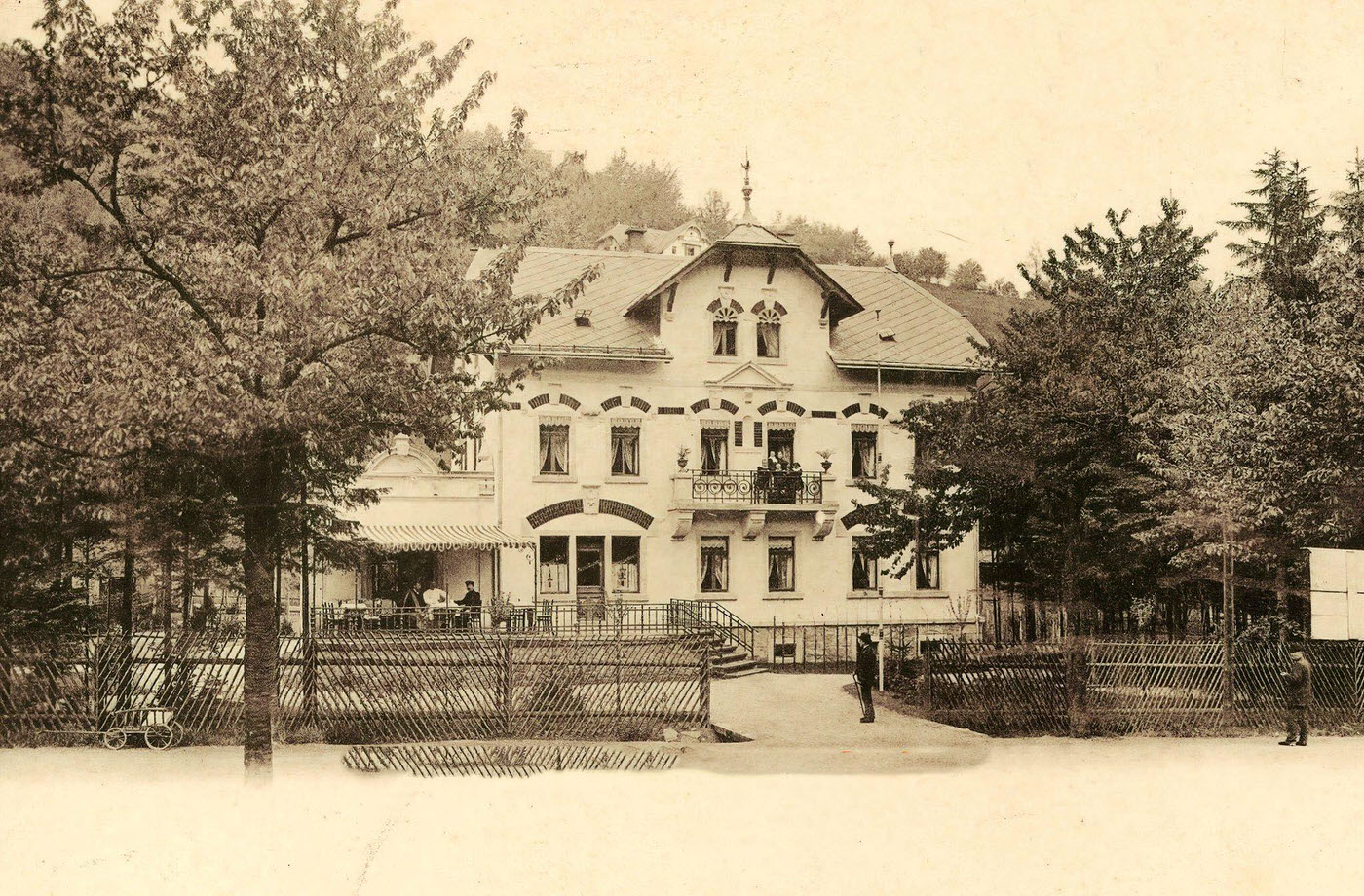
The Lößnitzbahn narrow-gauge railway in Radebeul was part of a broader network of local rail lines connecting Saxon towns and villages. At stations like Nossen, trains brought goods and passengers through communities that otherwise had little connection to Germany’s industrial heartland. The restaurants, hotels, and shops in these market towns served local populations who still lived at a rhythm set by agriculture and the seasons.
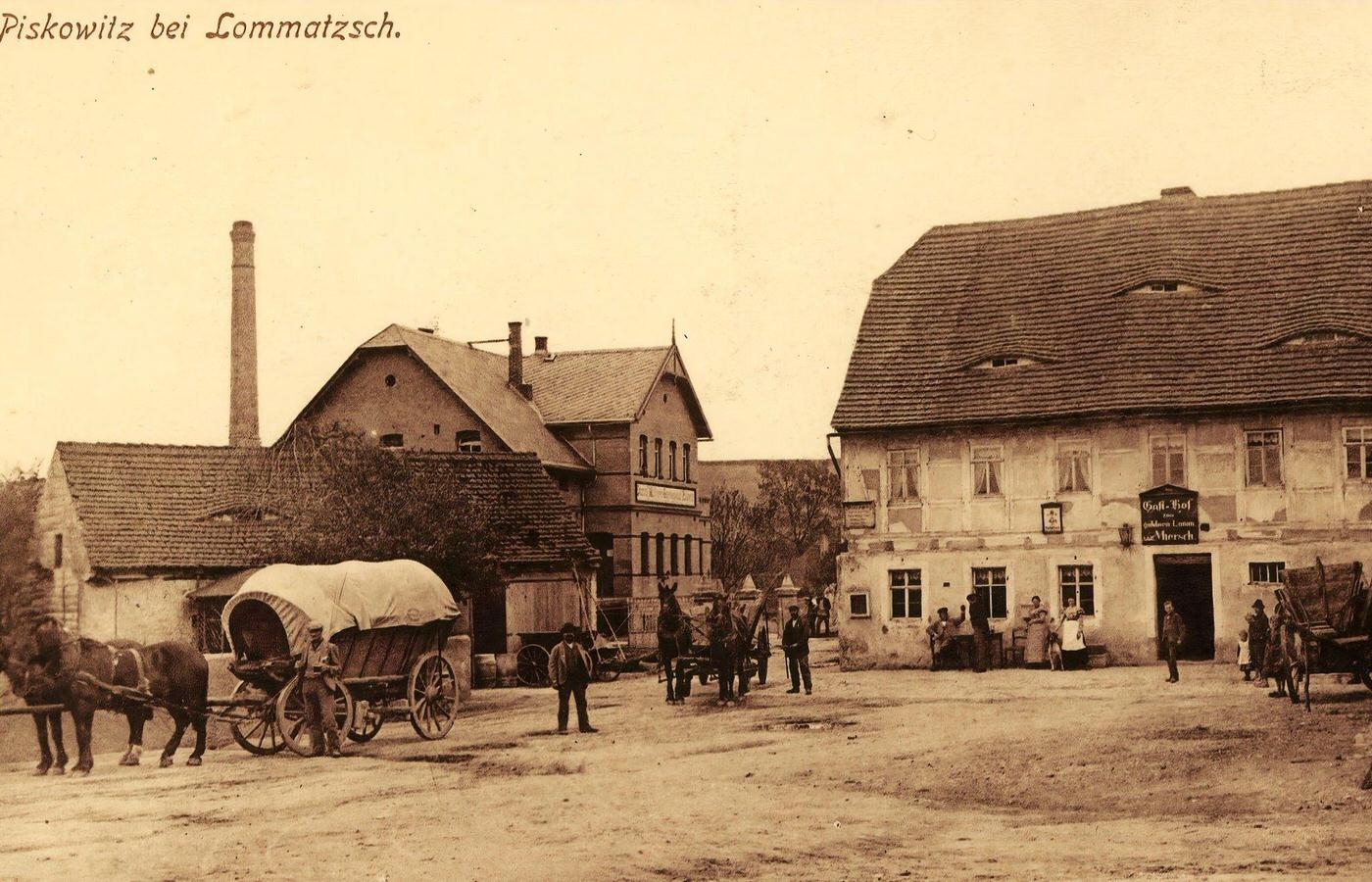
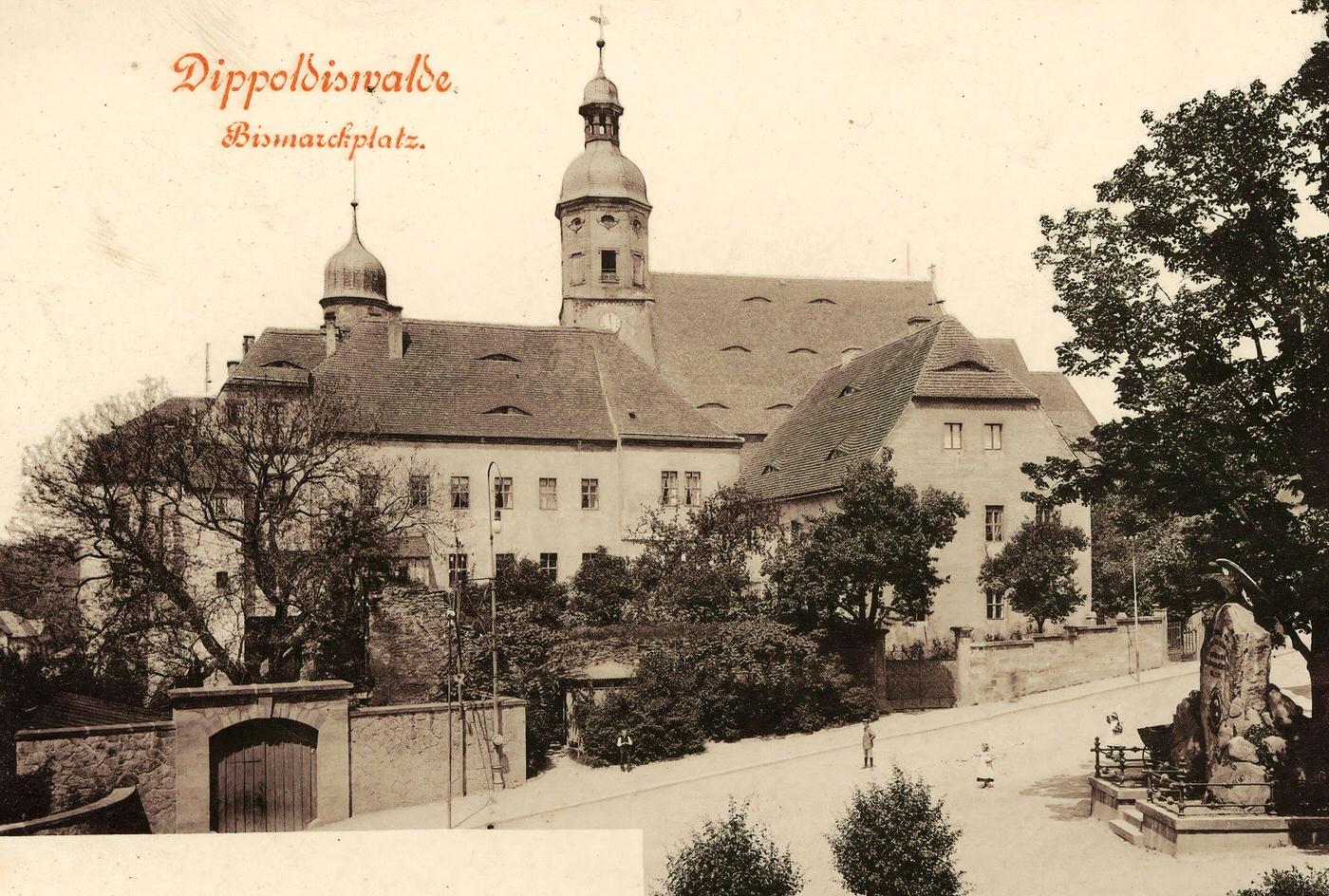
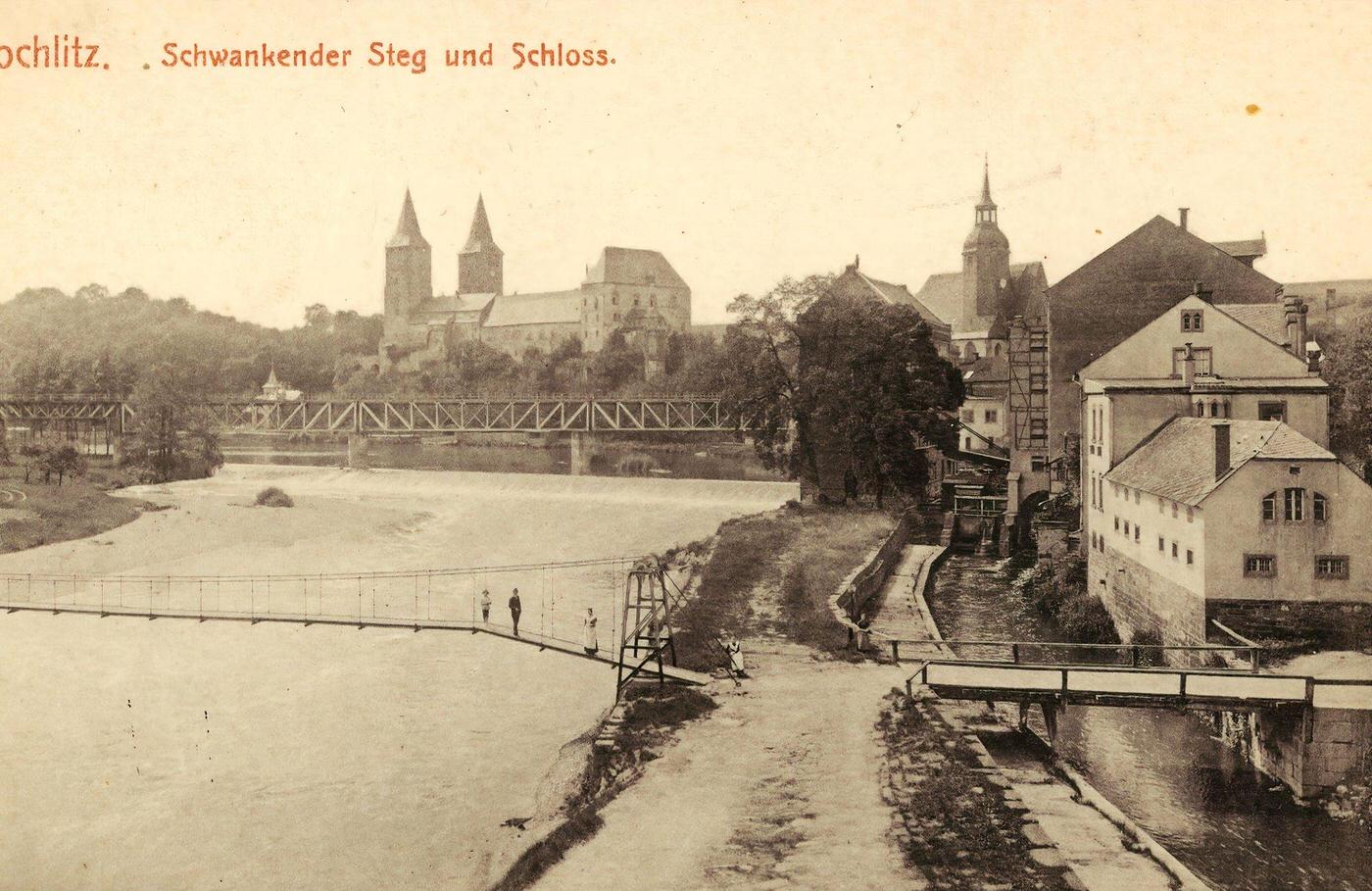
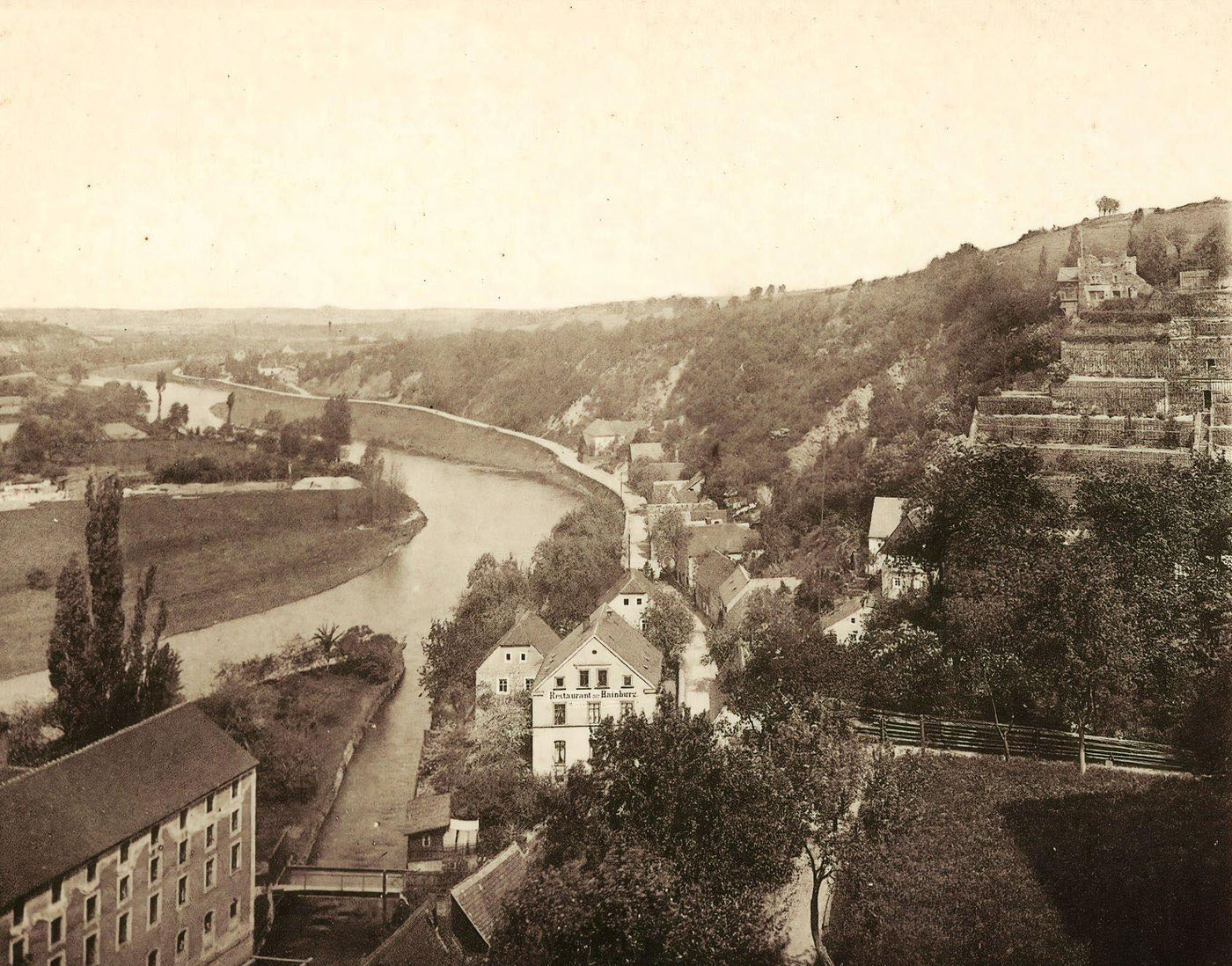
Rochlitz in 1899 shows the layered history of Saxony — a medieval castle overlooking the Zwickauer Mulde river, mills working along its banks, and bridges connecting the two sides of town. These landscapes had been working landscapes for hundreds of years. The mills processed grain and timber; the castle had long since ceased to be a fortress and served instead as an administrative landmark.
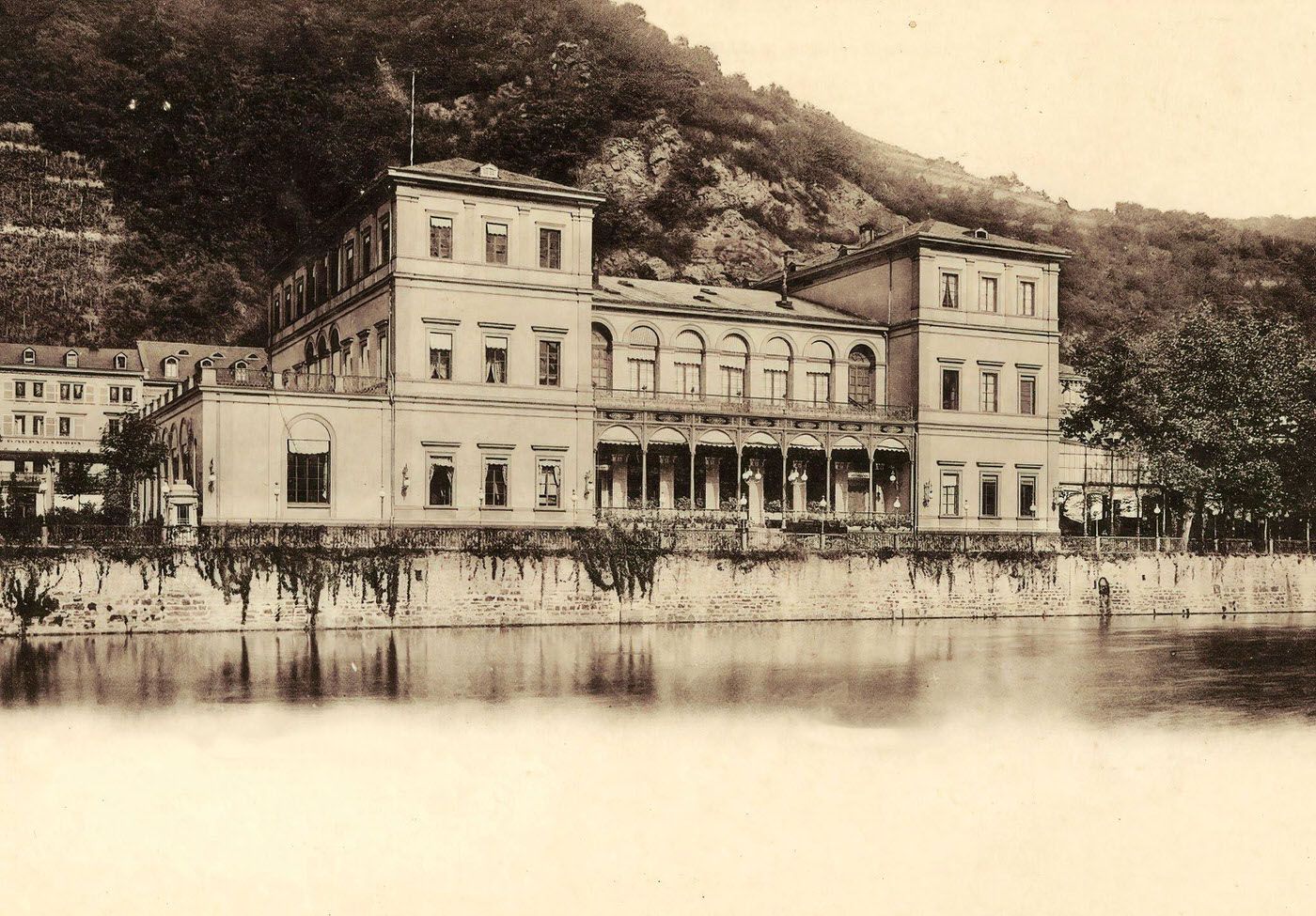
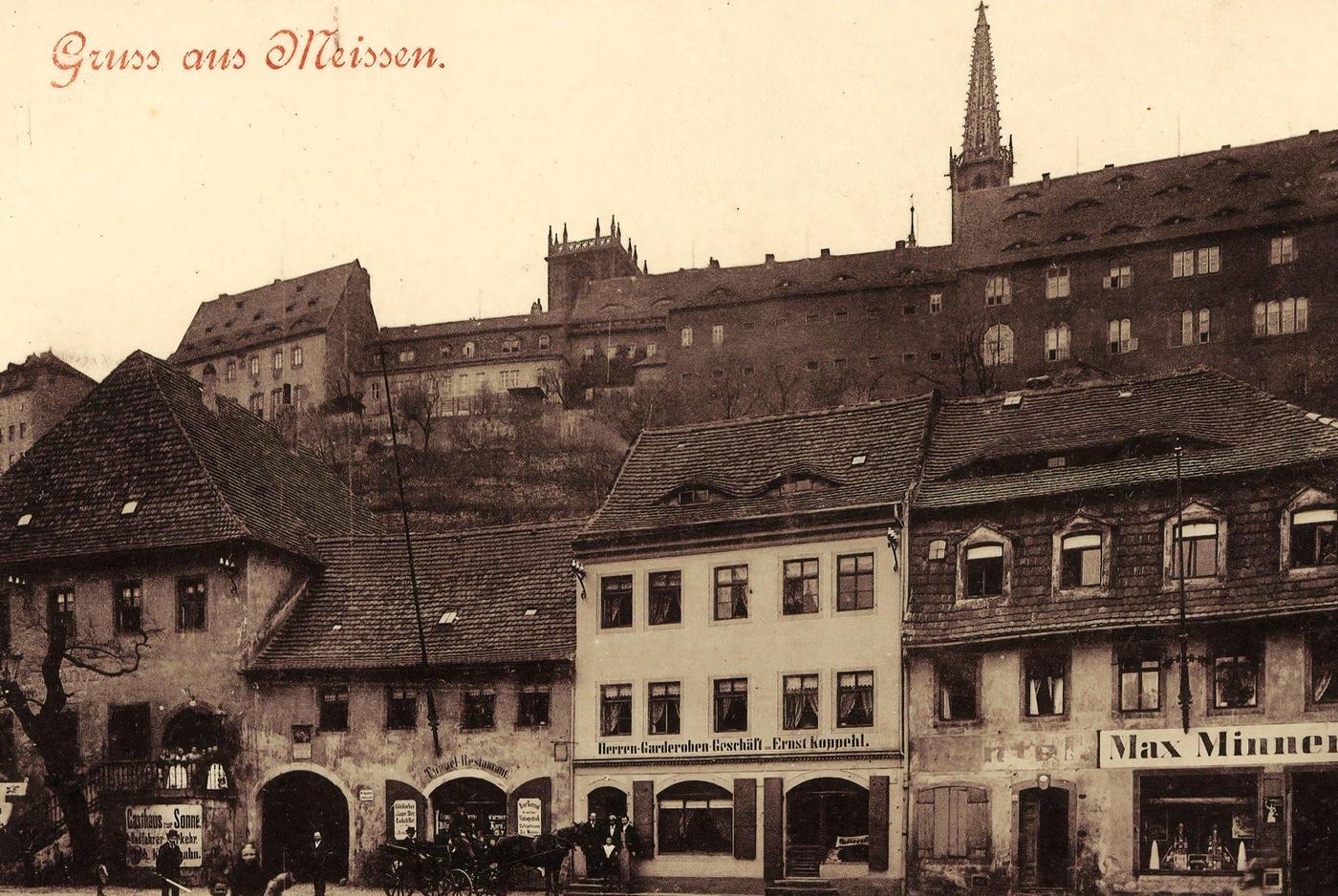
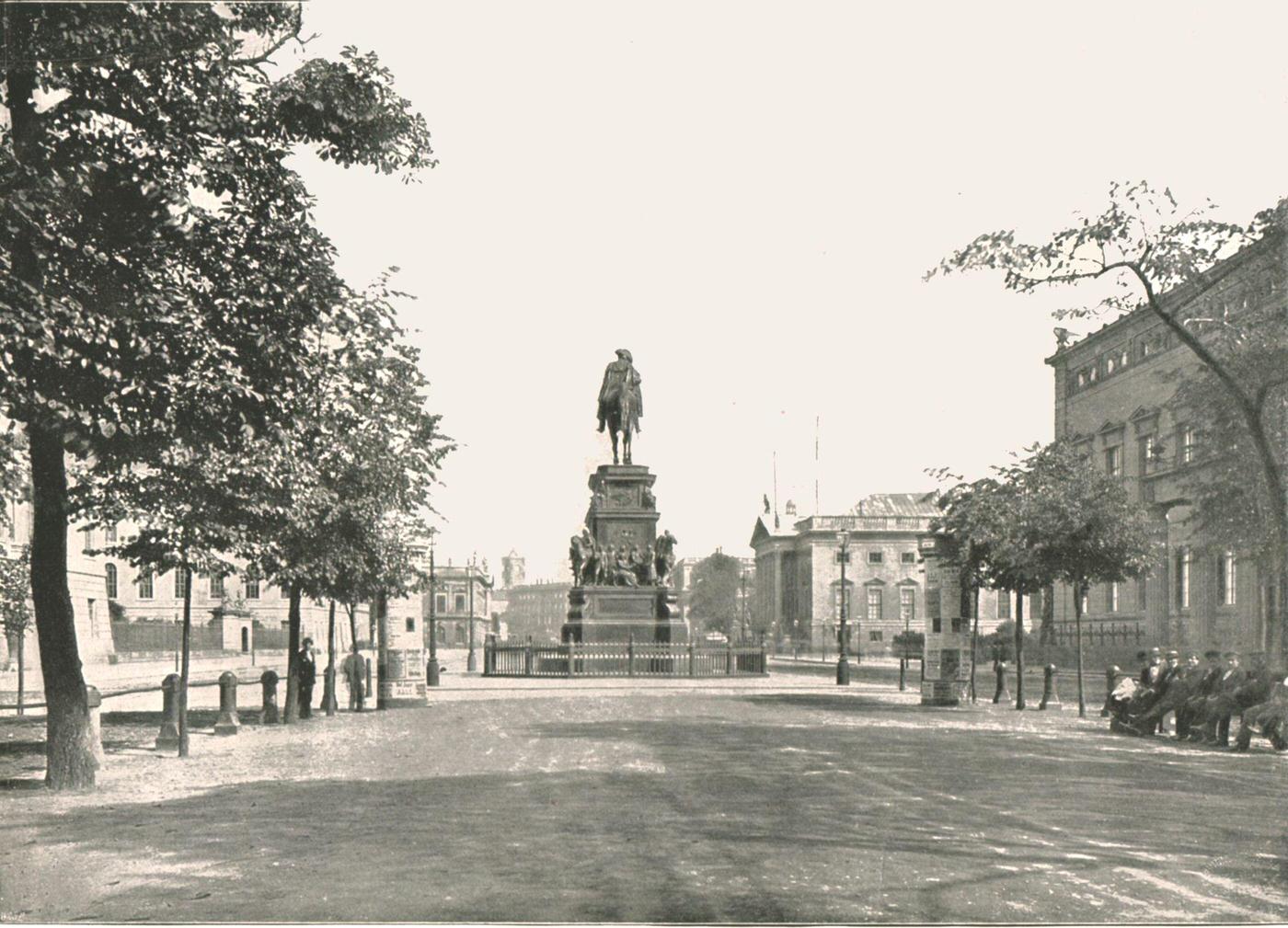
Bad Ems on the Lahn River was one of Germany’s most fashionable spa resorts. European royalty and aristocrats had been taking cures there for decades. By 1898, its colonnaded pump rooms and elegant hotels were still drawing a wealthy clientele. In Meissen, the Albrechtsburg — Germany’s oldest hill castle — looked down over a town still moving largely by horse-drawn carriage. In Berlin, the equestrian statue of Frederick the Great on Unter den Linden remained one of the city’s most prominent public monuments, a reminder of the Prussian military tradition that still defined German identity.
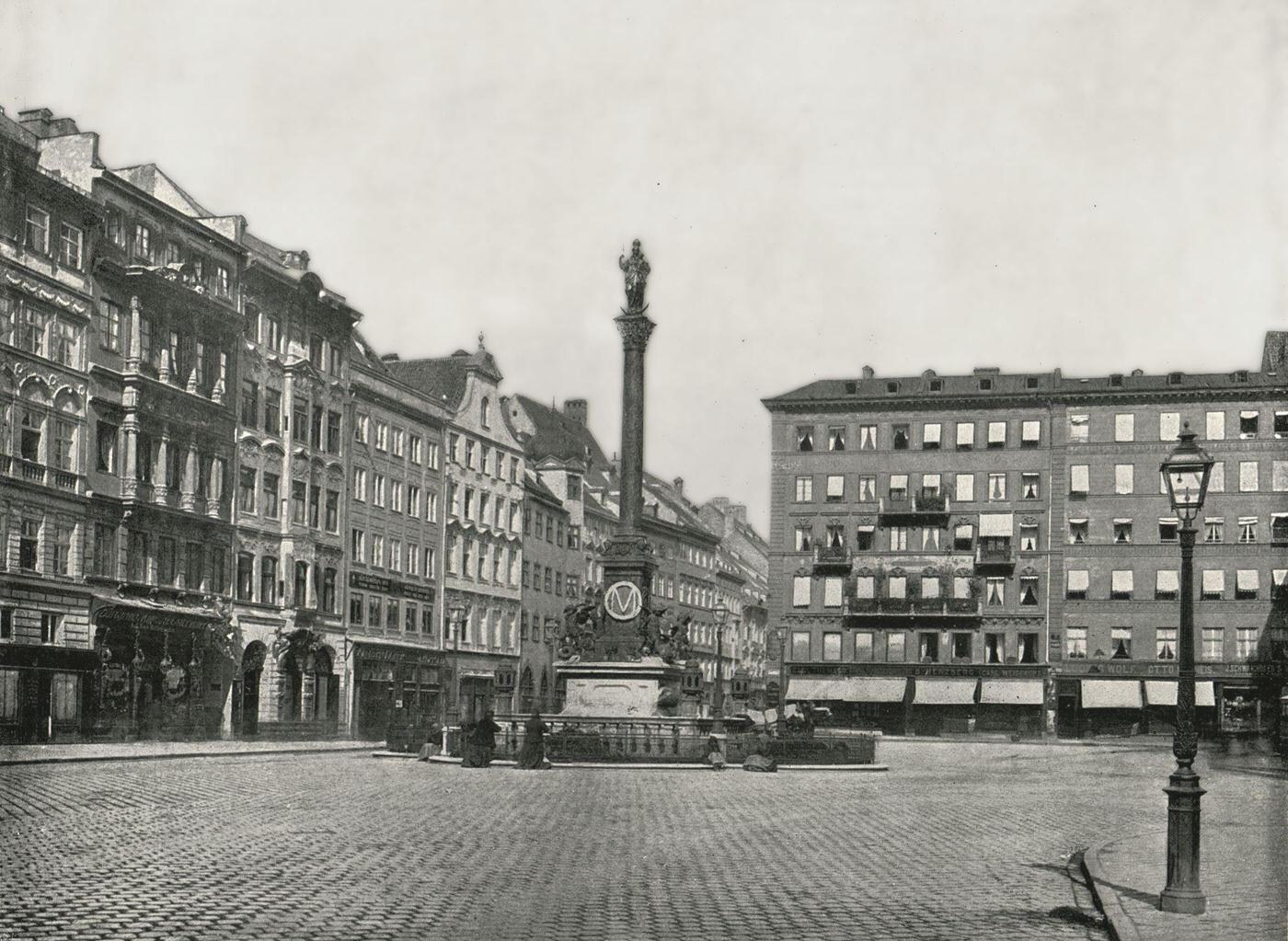
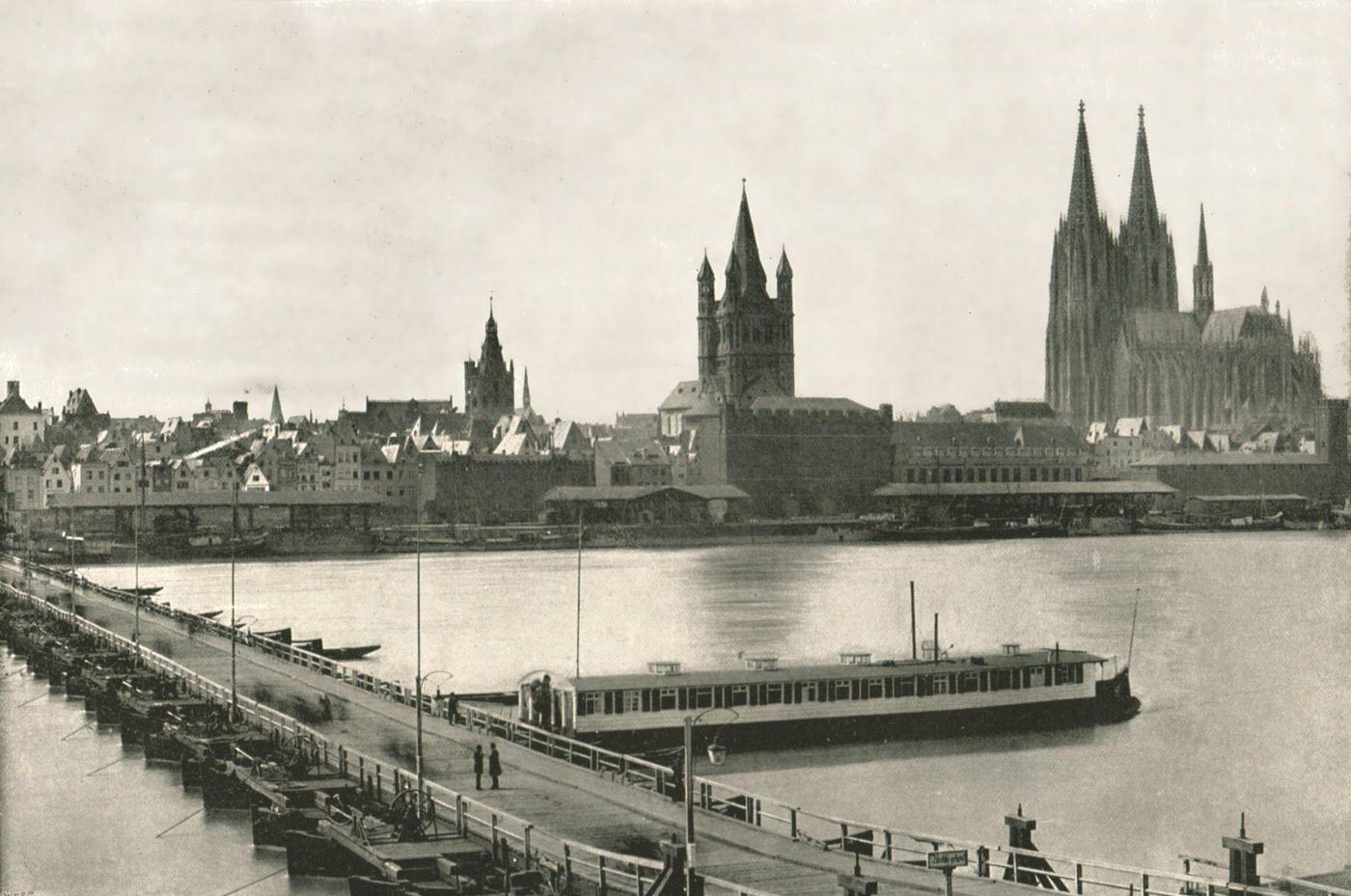
Munich’s Karolinenplatz, anchored by its Egyptian obelisk, served as one of the city’s key civic spaces. Munich was Bavaria’s capital and Germany’s third-largest city, home to a thriving arts scene and a distinct culture that set it apart from Berlin. Cologne, viewed from across the Rhine, was dominated by its massive Gothic cathedral — a building that had only been fully completed in 1880 after over 600 years of construction.
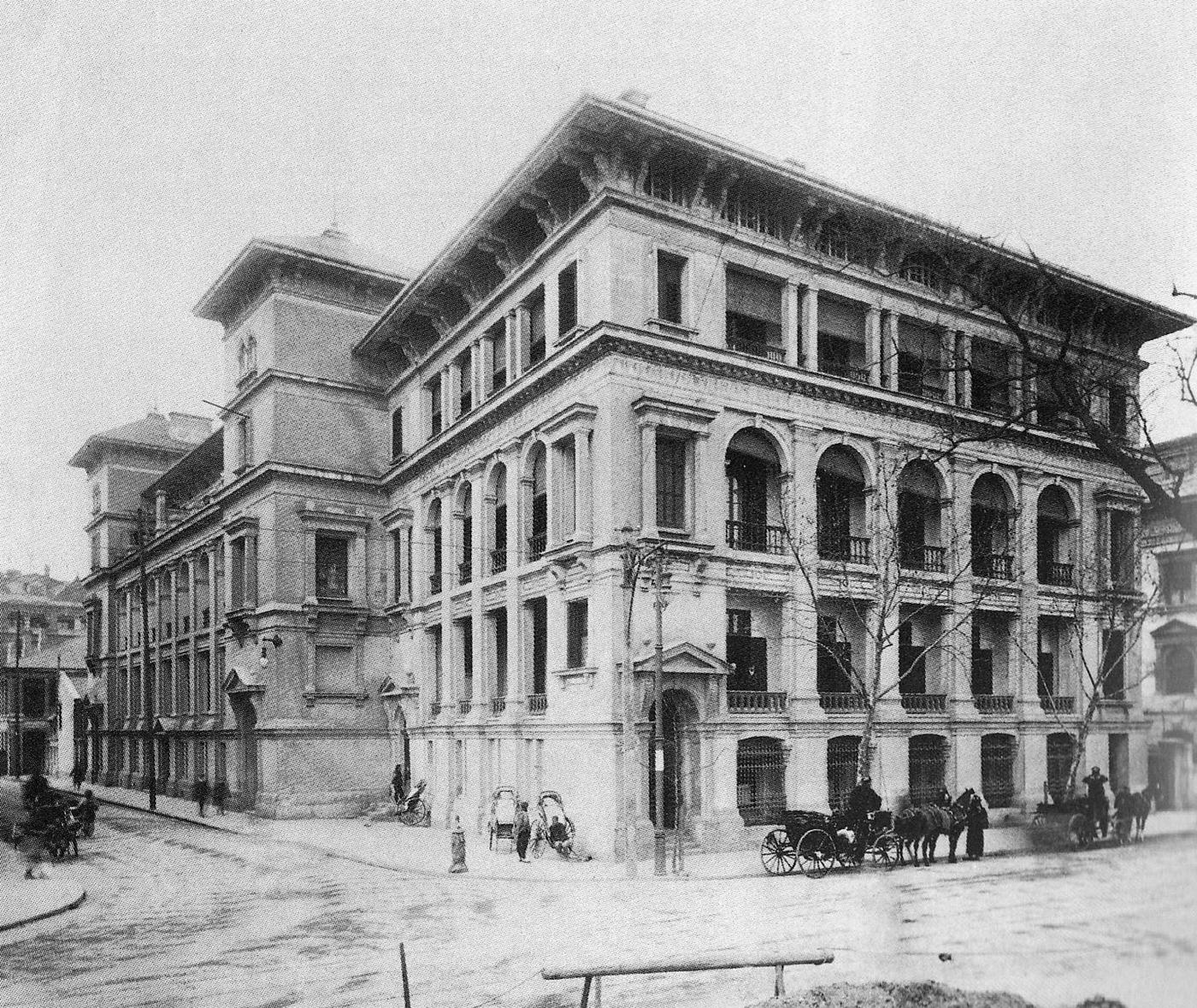
Germany’s imperial reach extended well beyond its European borders. The German Asiatic Bank in Shanghai — photographed in 1895 with horse-drawn carriages and rickshaws outside — was a direct expression of Germany’s growing economic presence in East Asia. Kaiser Wilhelm II’s government was actively expanding German commercial and colonial interests in Africa, the Pacific, and Asia during this decade. That photograph from Shanghai speaks to an ambition that stretched across continents.
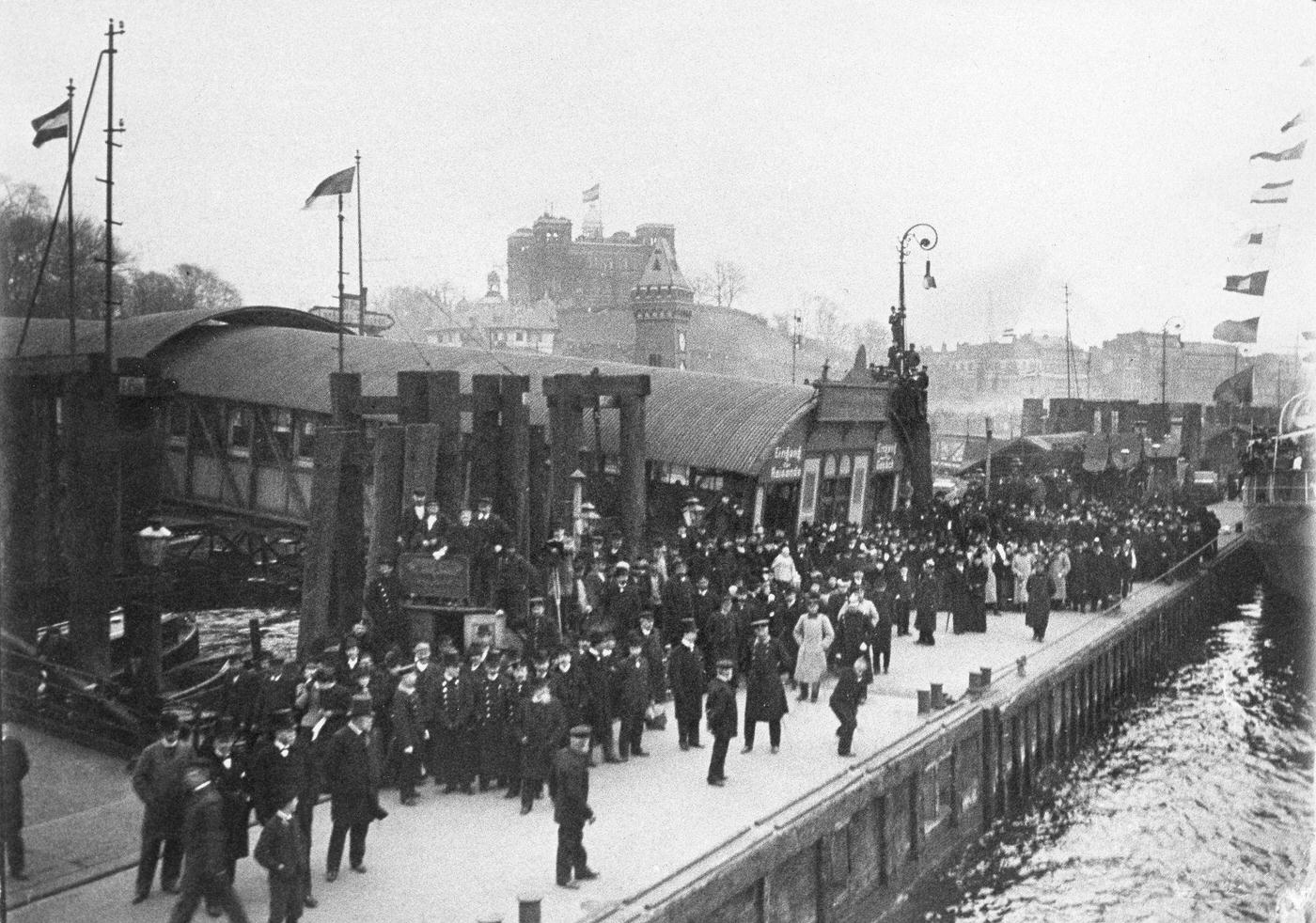
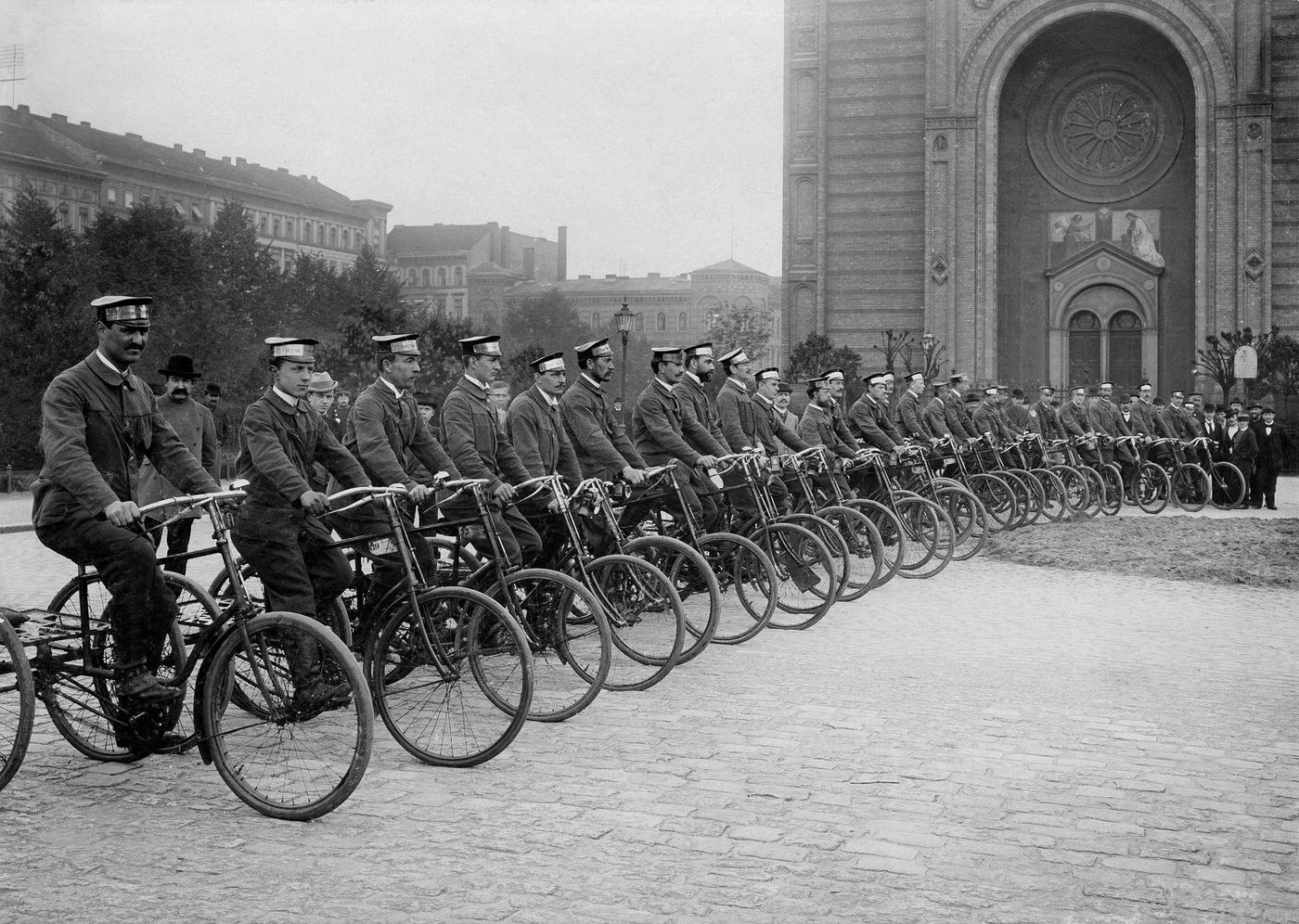
Hamburg’s St. Pauli waterfront was one of the busiest points of human movement in all of Europe. Millions of emigrants — Germans, Eastern Europeans, and others — passed through Hamburg’s port in the 1890s, boarding ships to America and other destinations. The port district was crowded, loud, and constantly in motion. In Berlin, a different kind of movement was on display: service workers on bicycles making deliveries across the city, a sign of how cycling had become a practical part of urban working life by 1897.
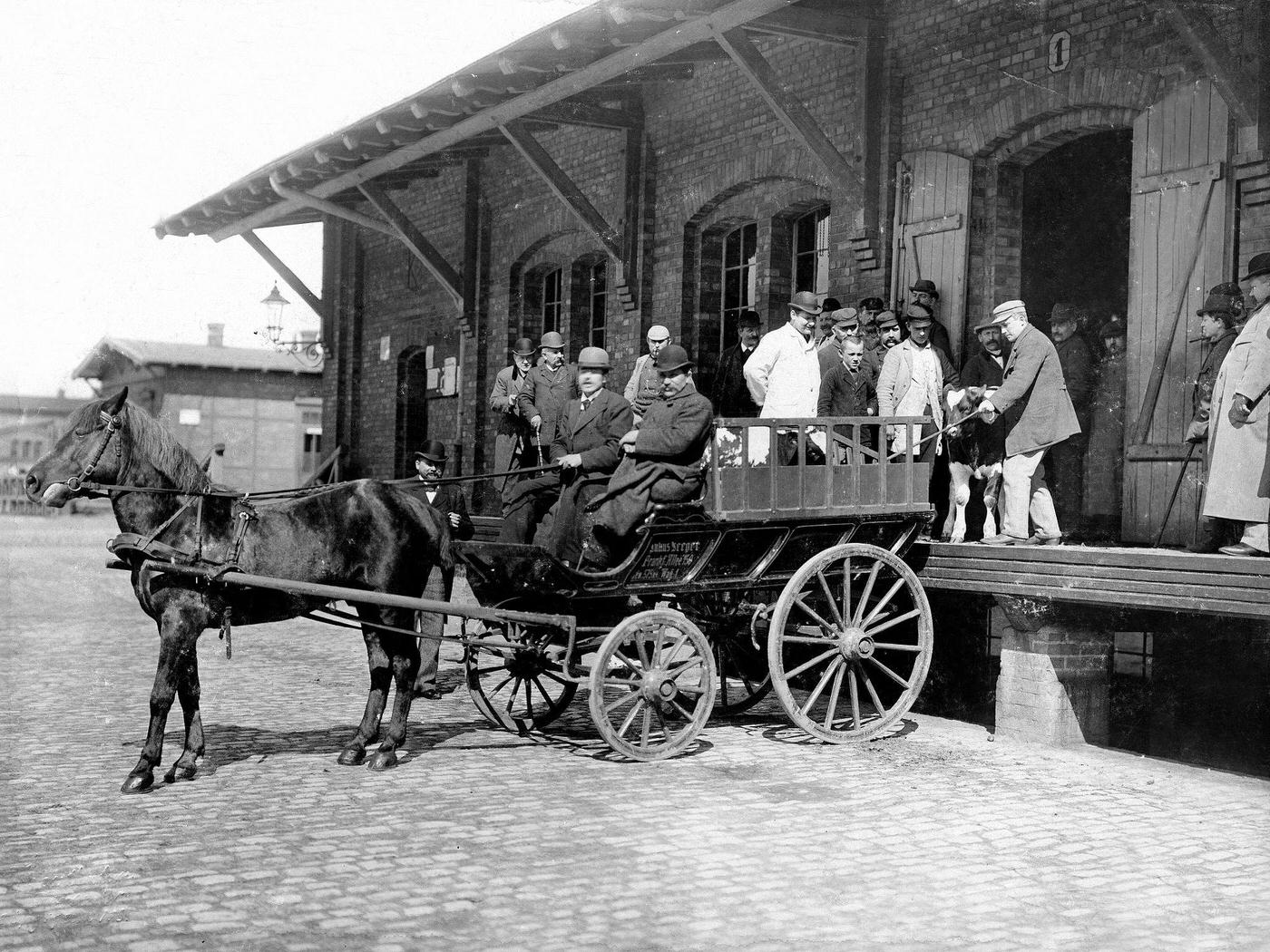
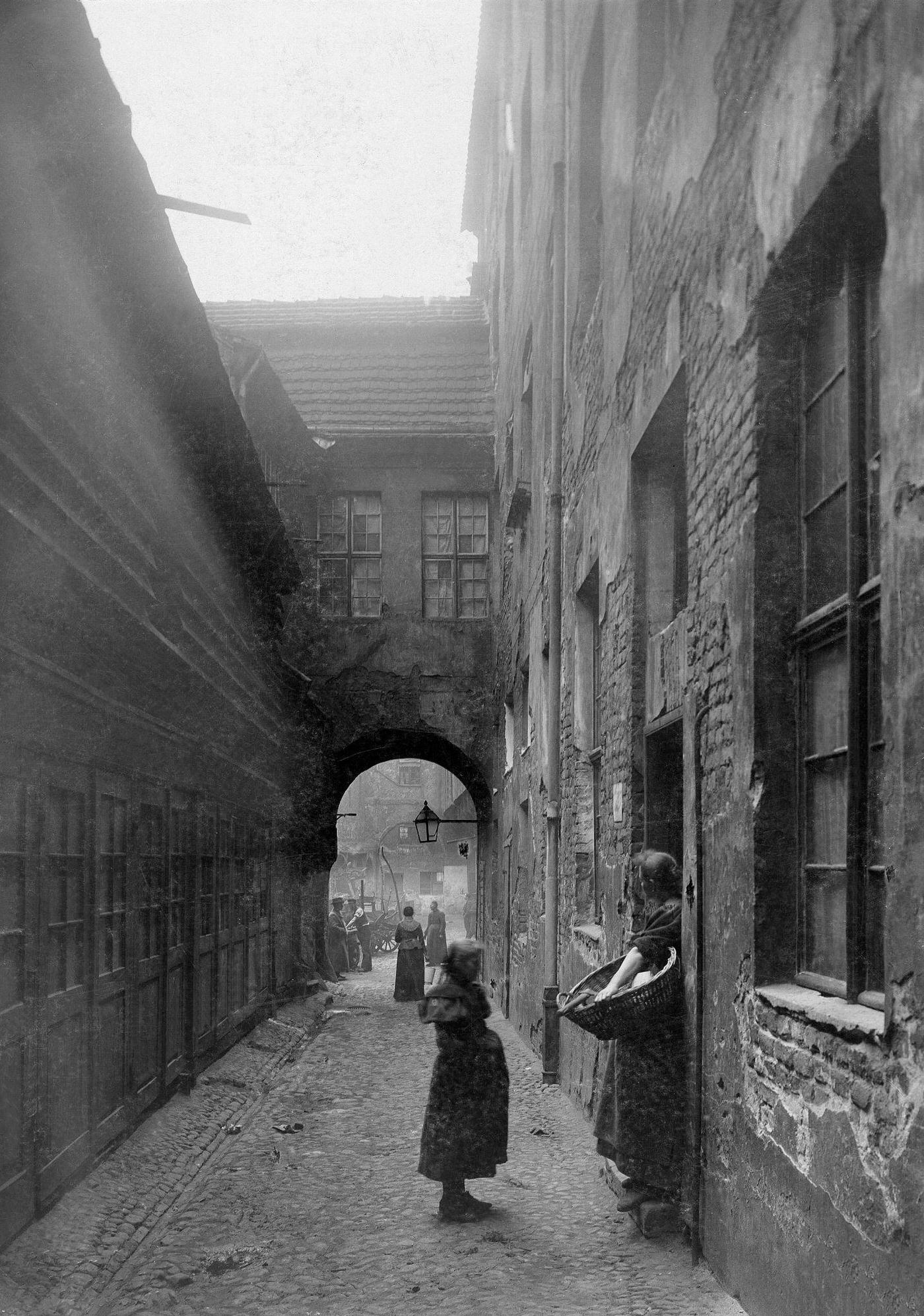
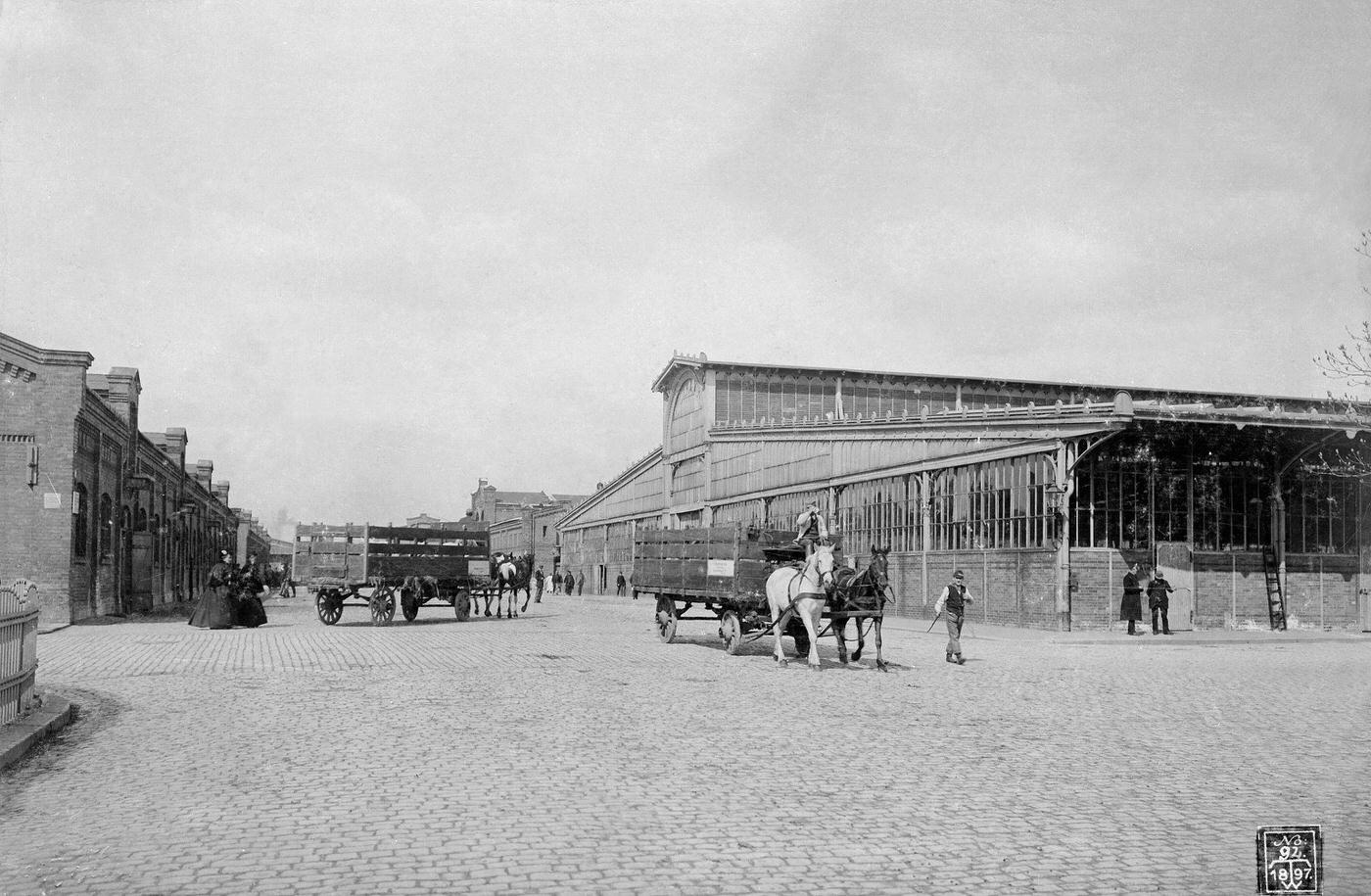
Berlin’s Zentralviehhof — the central livestock market in Friedrichshain — was a massive facility that supplied the city’s slaughterhouses and meat trade. Photographs from the late 1890s show calves being loaded and transport trolleys moving through the corrals. The scale of the operation reflected just how large Berlin had become. Elsewhere in the city, quieter scenes played out in the courtyards of Berlin-Mitte apartment buildings, where women gathered and children played.
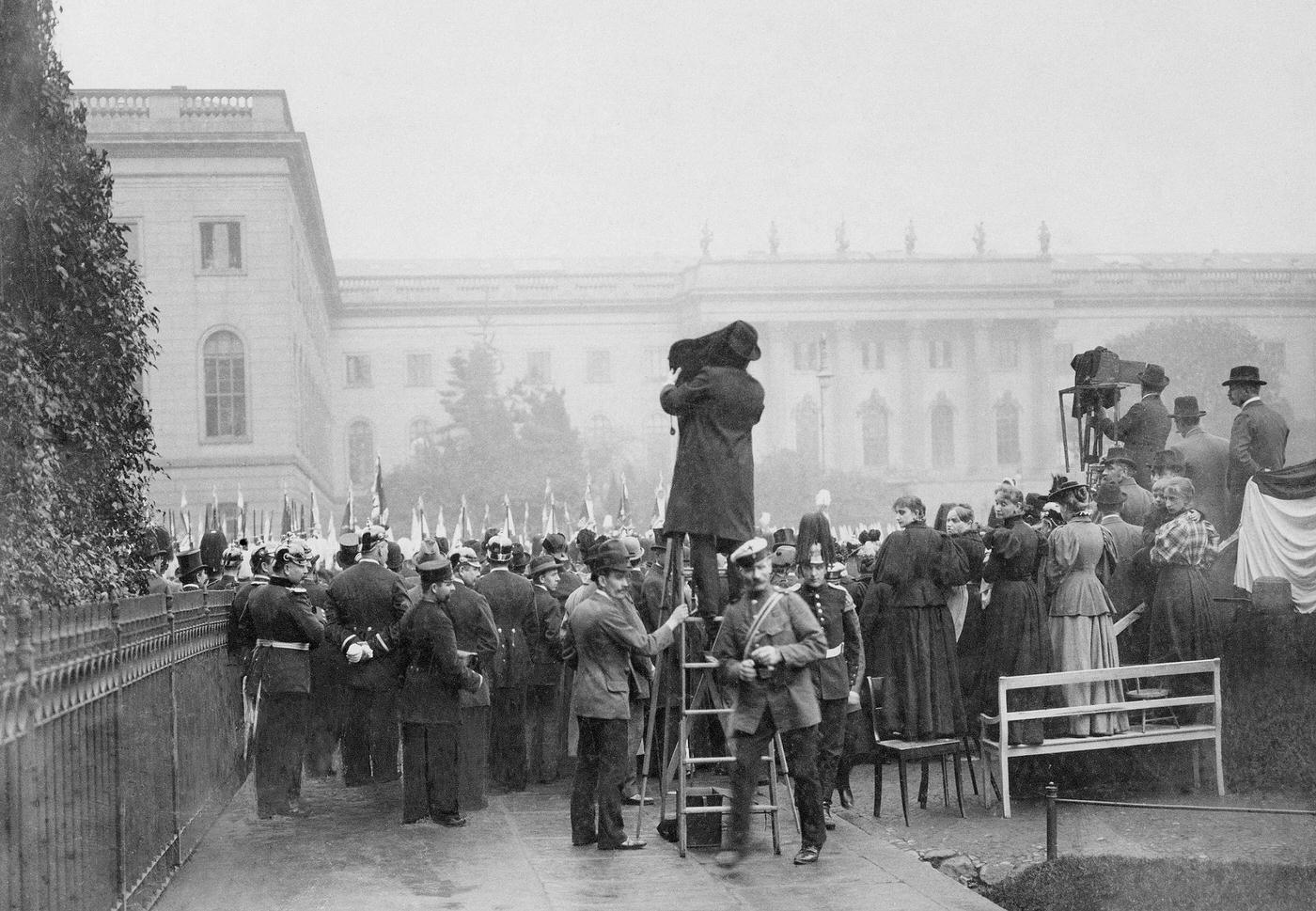
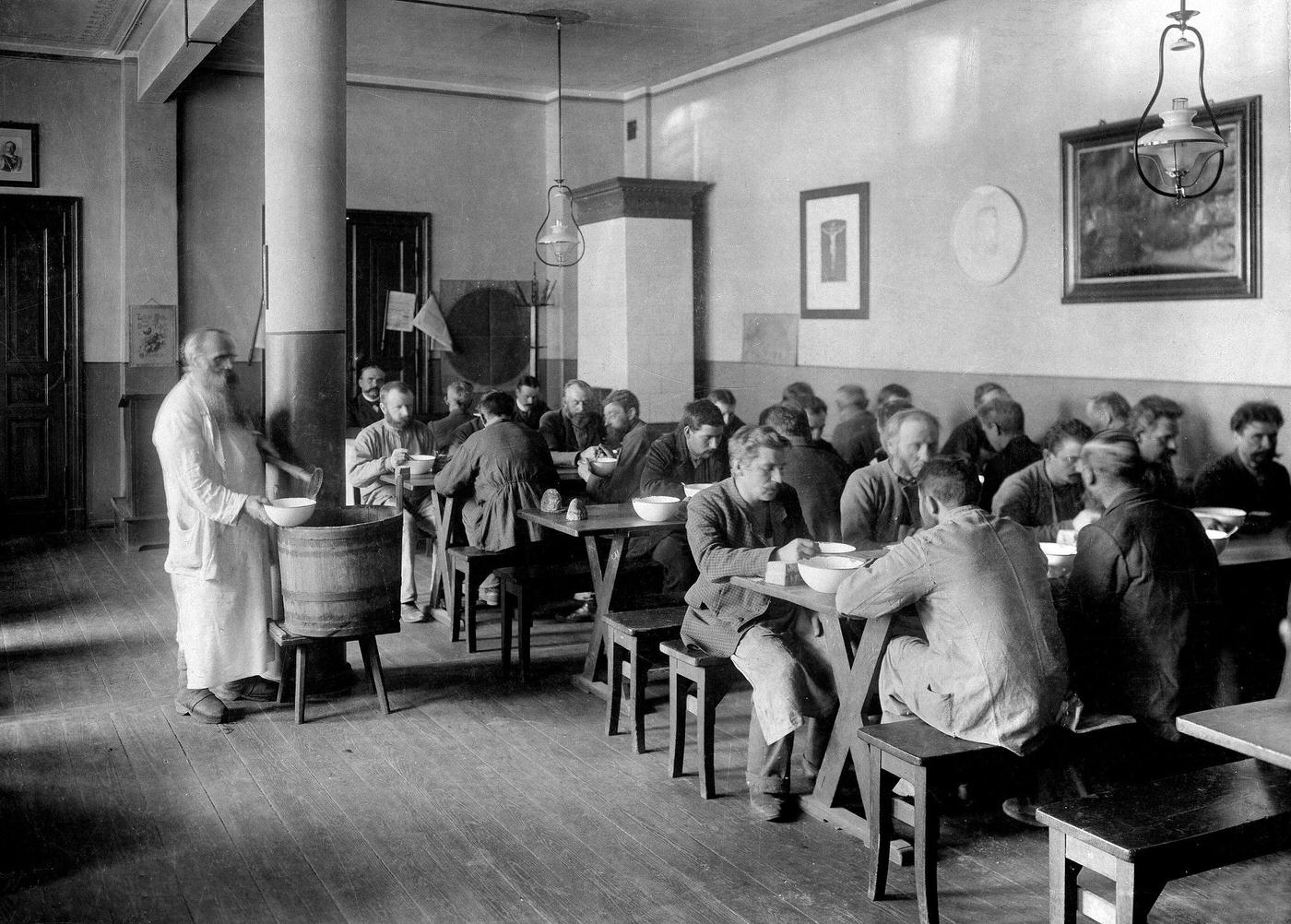
Flag consecration ceremonies on Unter den Linden drew crowds near Humboldt University, blending nationalist ritual with academic prestige. At the same time, the Berliner Arbeiterkolonie — a workers’ colony providing food and shelter for the poor — served hot meals to men with nowhere else to go. These two images from the same year capture the sharp divide in 1890s Berlin: military pageantry for the powerful, basic survival for the working poor.
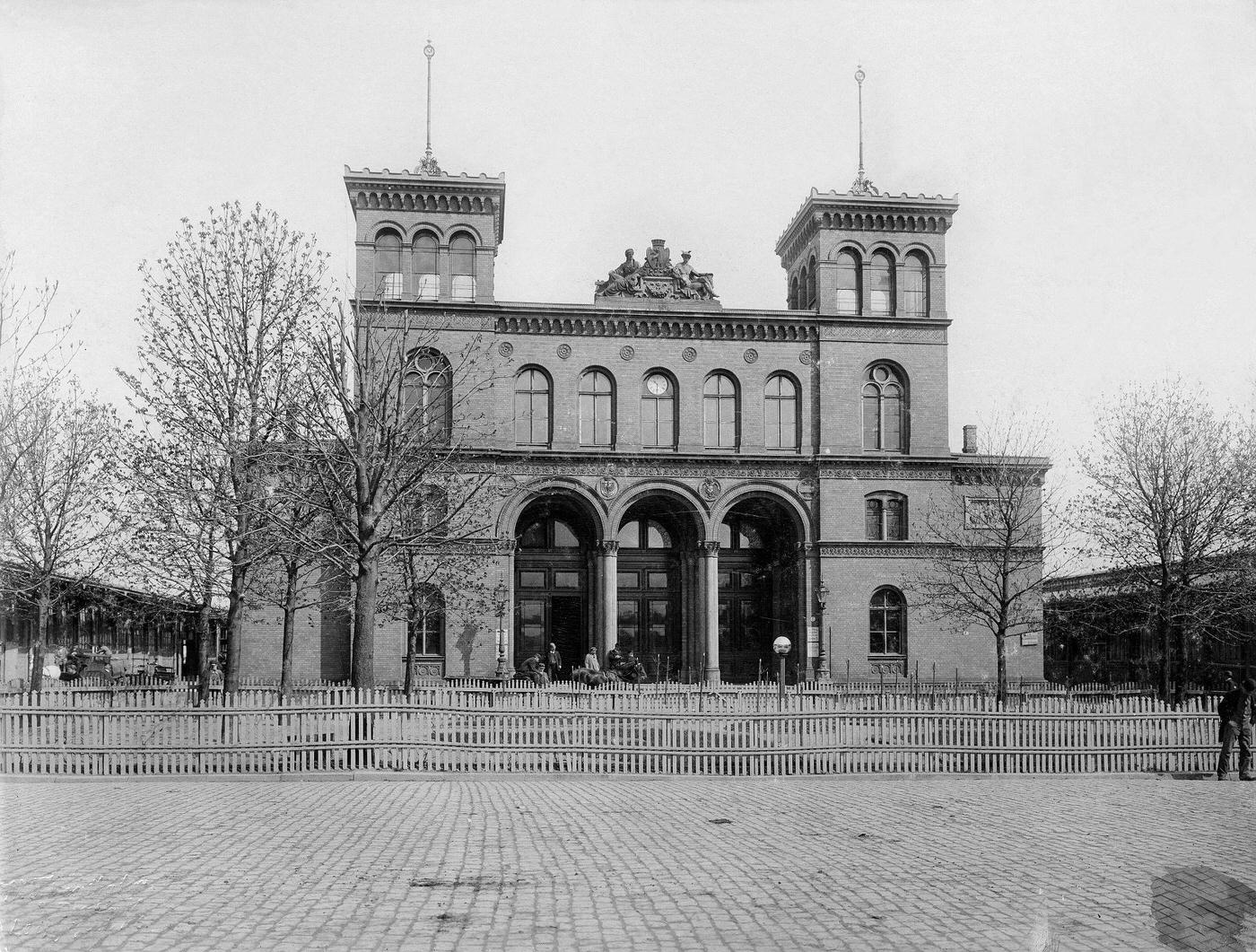
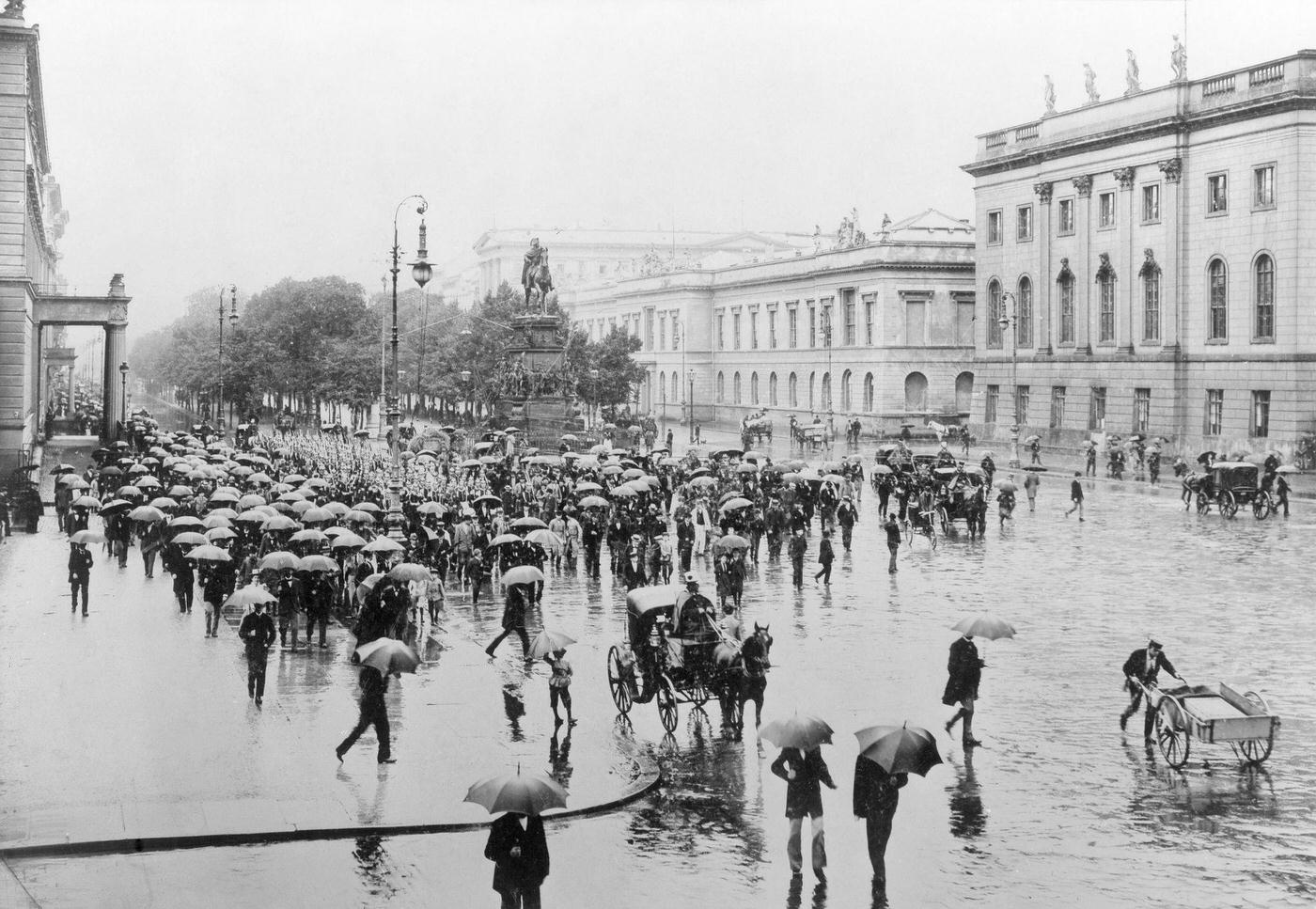
The Schlachtvieh-Börse — the livestock exchange building in Friedrichshain — was part of Berlin’s large-scale food distribution infrastructure. The city’s growth demanded organized systems for feeding its millions of residents. That same year, flooding hit Unter den Linden, one of Berlin’s most prestigious boulevards, showing that even the grandest streets were not immune to the practical realities of weather and infrastructure strain.
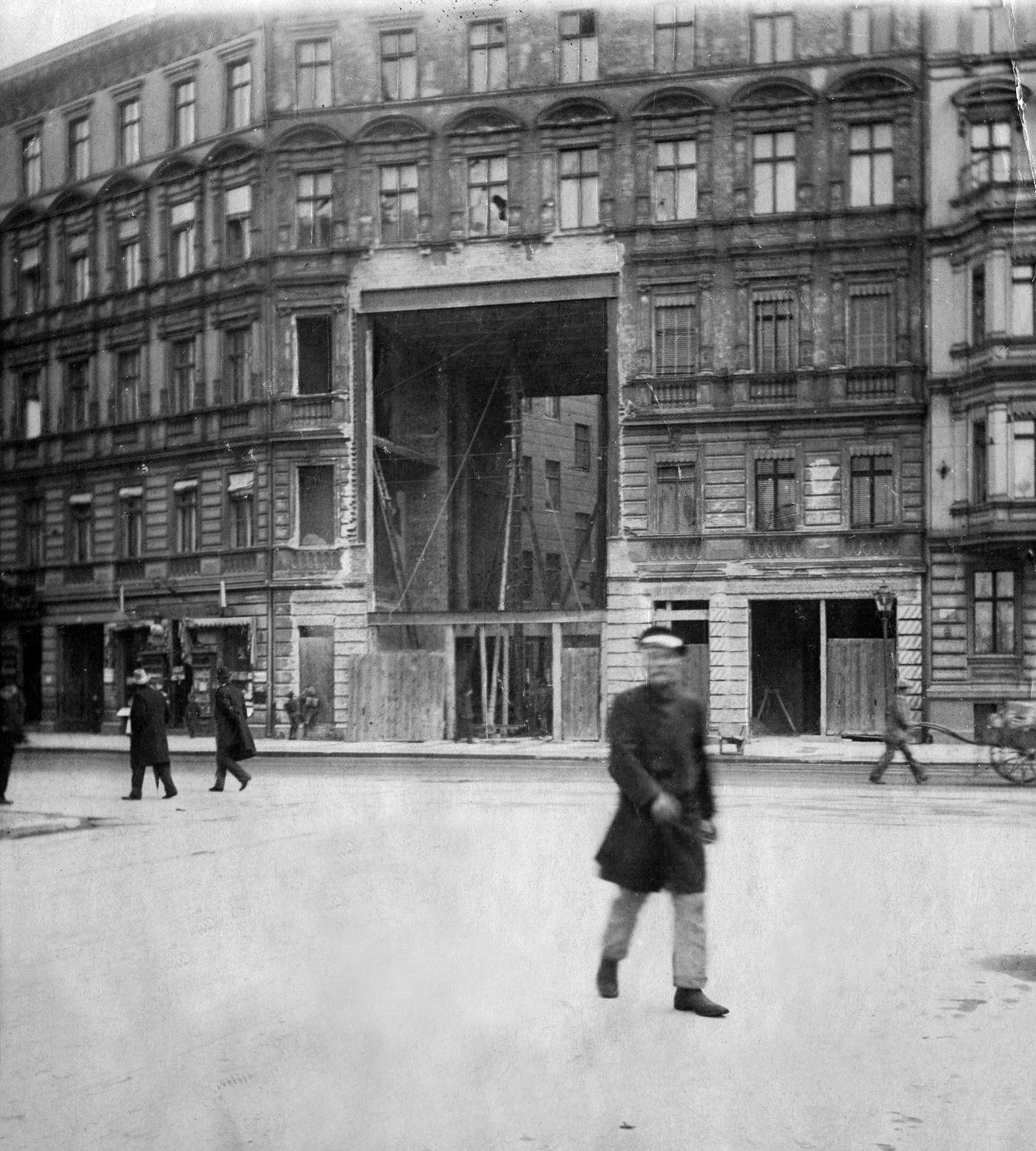
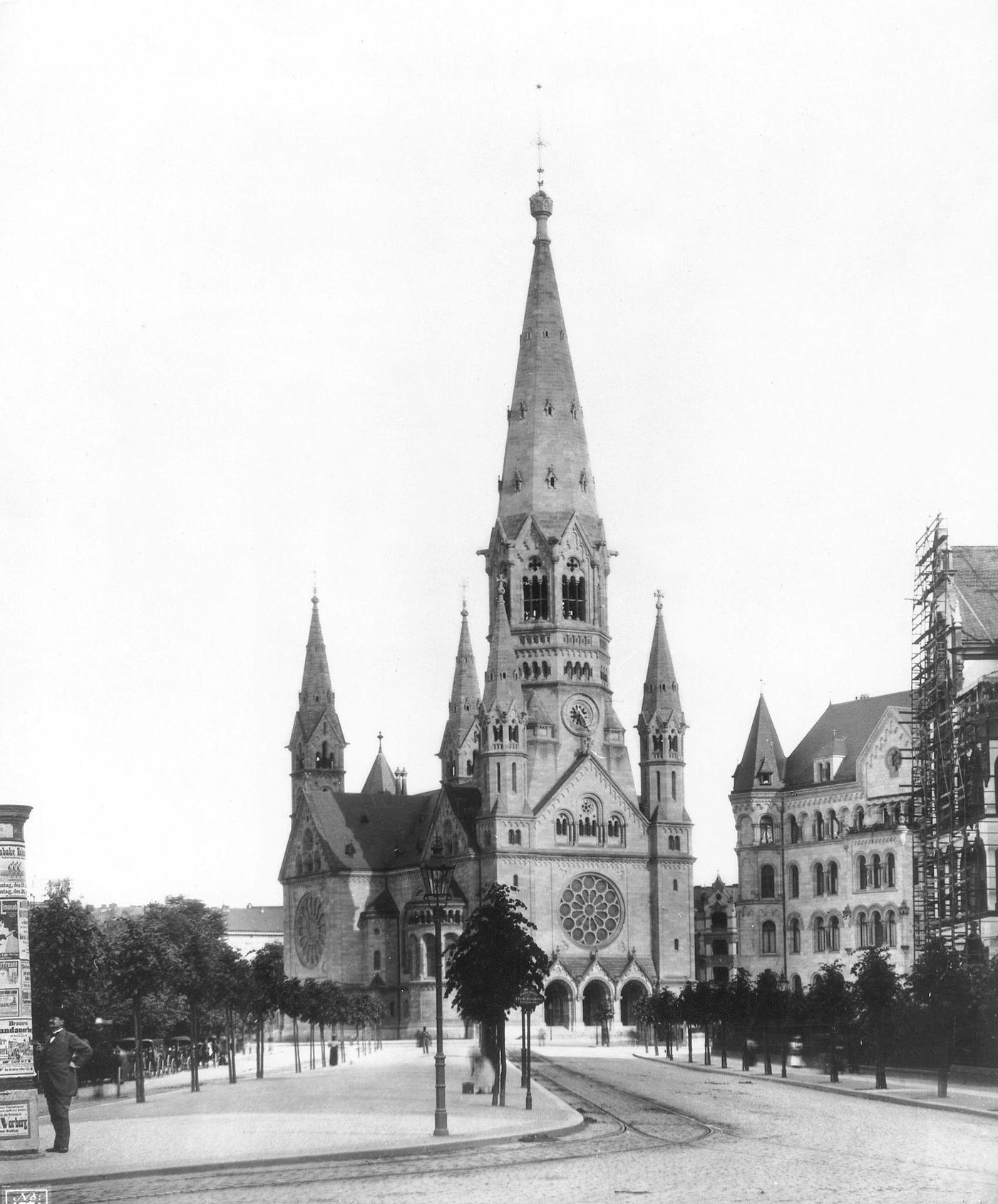
Berlin’s underground railway was under construction in the final years of the 1890s, with the elevated sections of the line crossing directly alongside apartment buildings on Bülowstrasse. It was a striking sight — modern engineering cutting through the established urban fabric of the city. The U-Bahn would open officially in 1902, but its physical presence was already reshaping the city’s neighborhoods before the decade ended.
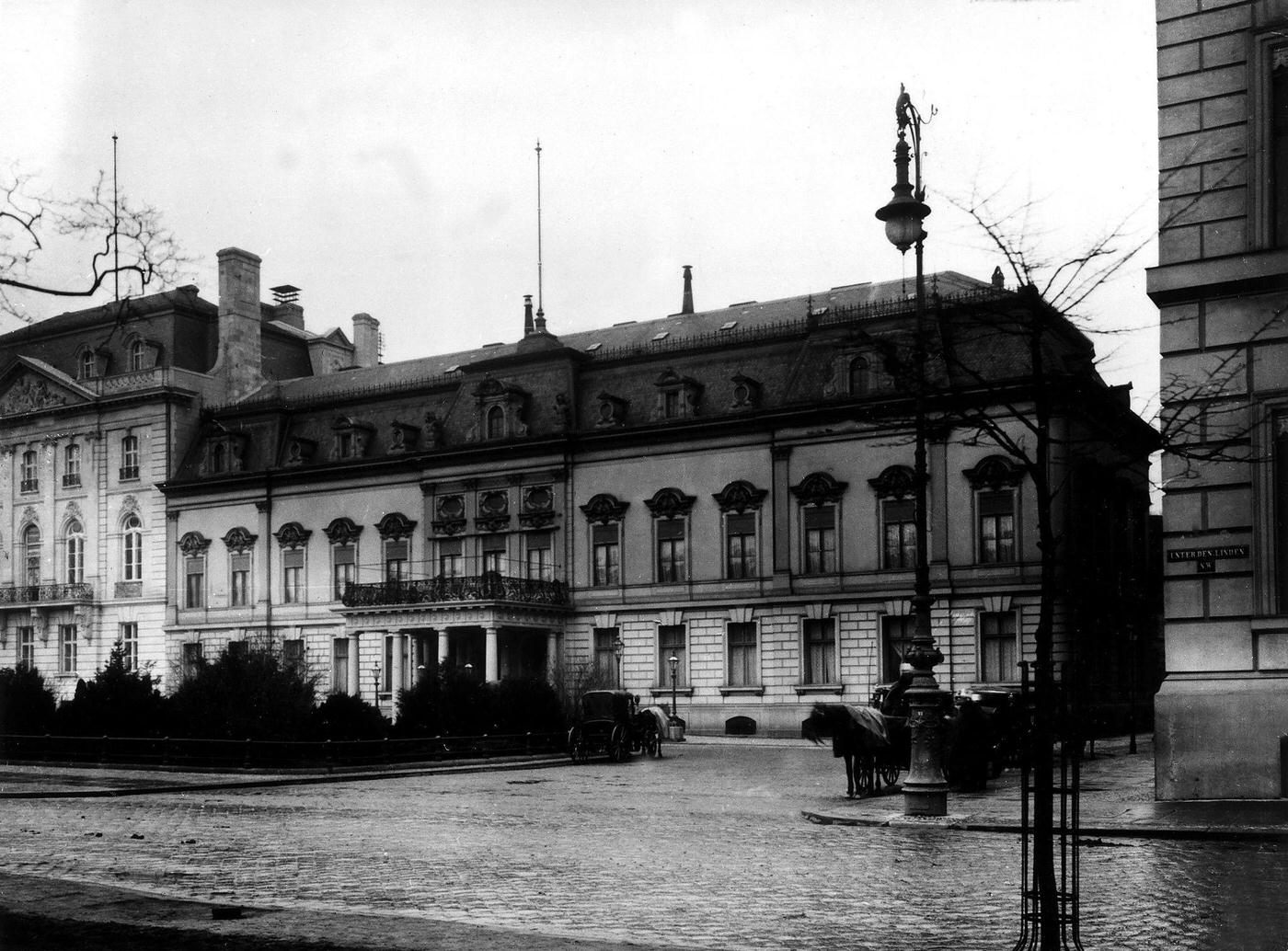
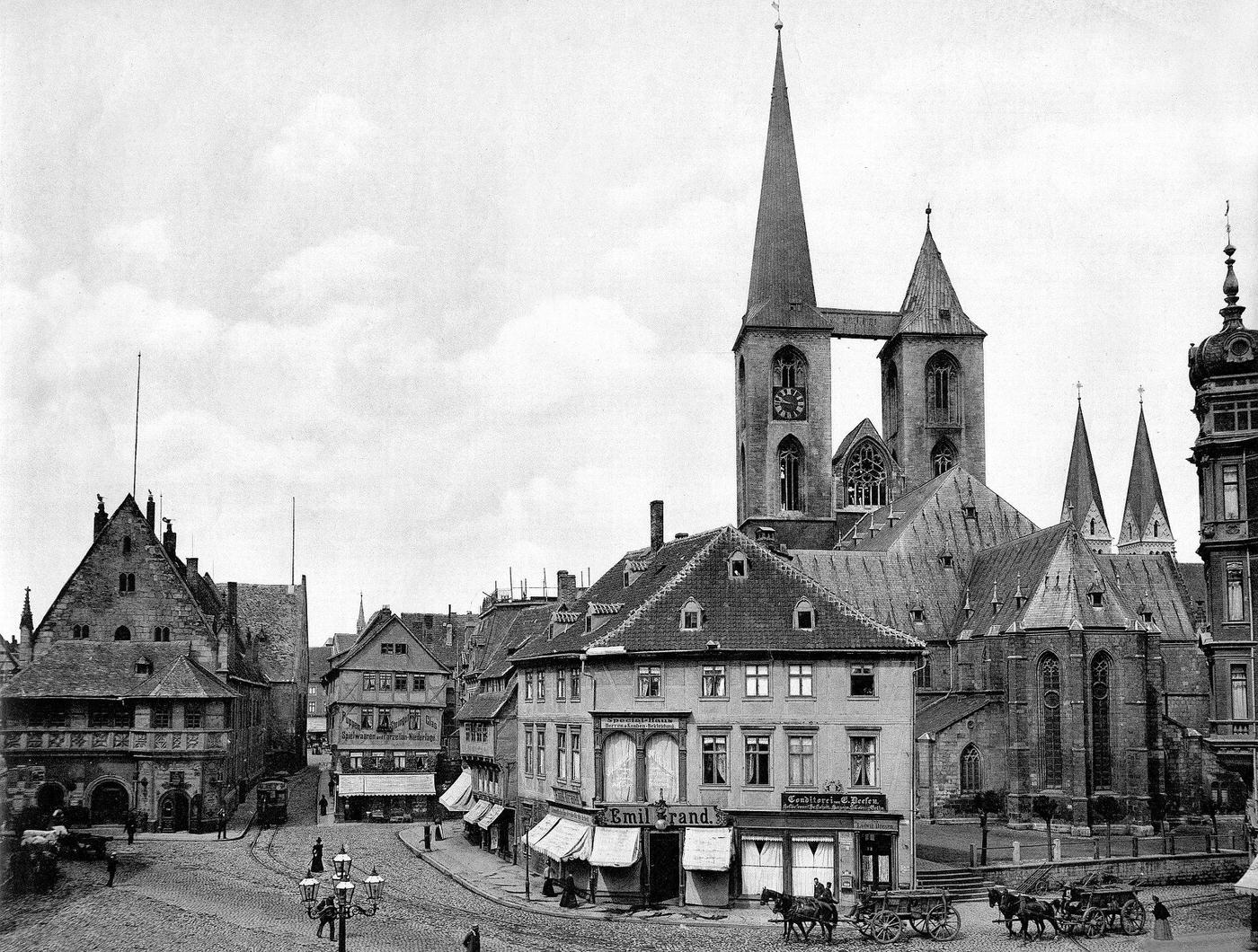
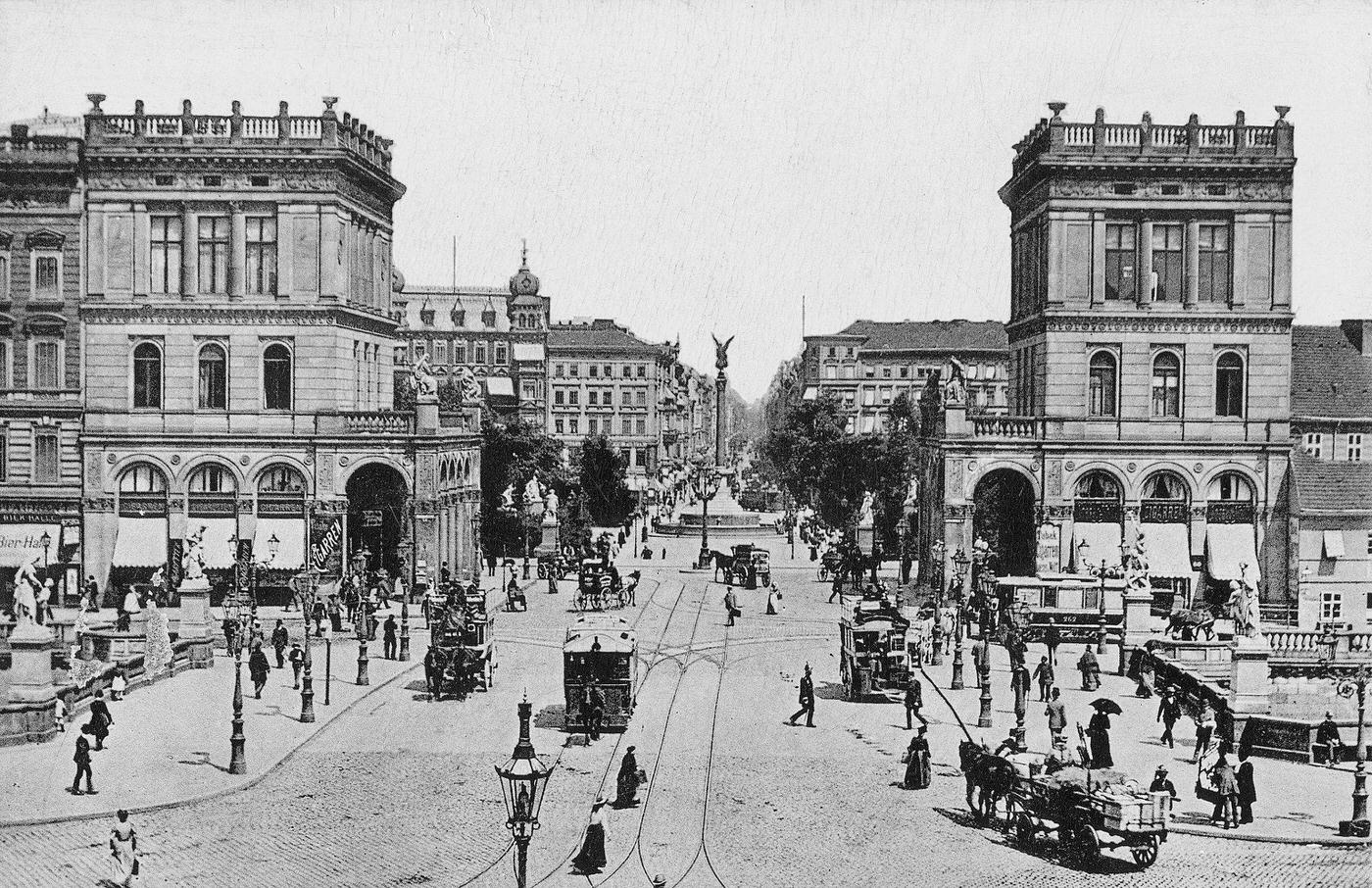
Pariser Platz in Berlin, home to the French Embassy and the Brandenburg Gate, was one of the most diplomatically significant squares in Europe. The presence of foreign embassies here reflected Germany’s growing importance on the international stage. In smaller cities like Halberstadt, life revolved around the fish market and the Martini Church — local institutions that had organized daily routines for centuries.
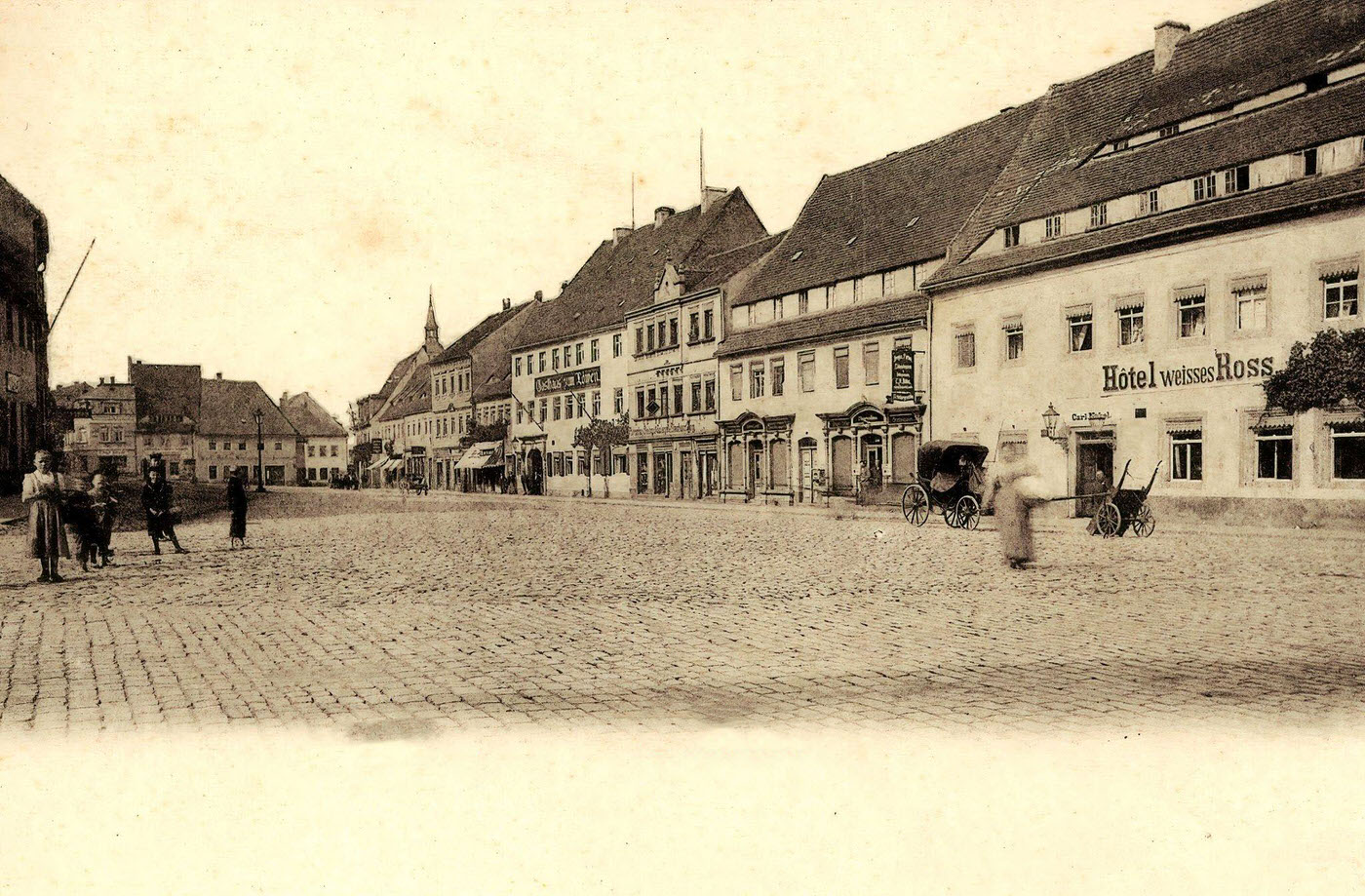
Saxon market towns like Oschatz were the commercial hubs of their surrounding regions. The Altmarkt in Oschatz shows horse-drawn carriages, hotels, and shops operating around a central square — the same basic pattern these market towns had followed for hundreds of years. Hand carts and bicycles moved bread from bakeries to customers across the region, while bridge crossings at towns like Colditz carried goods and people between communities.
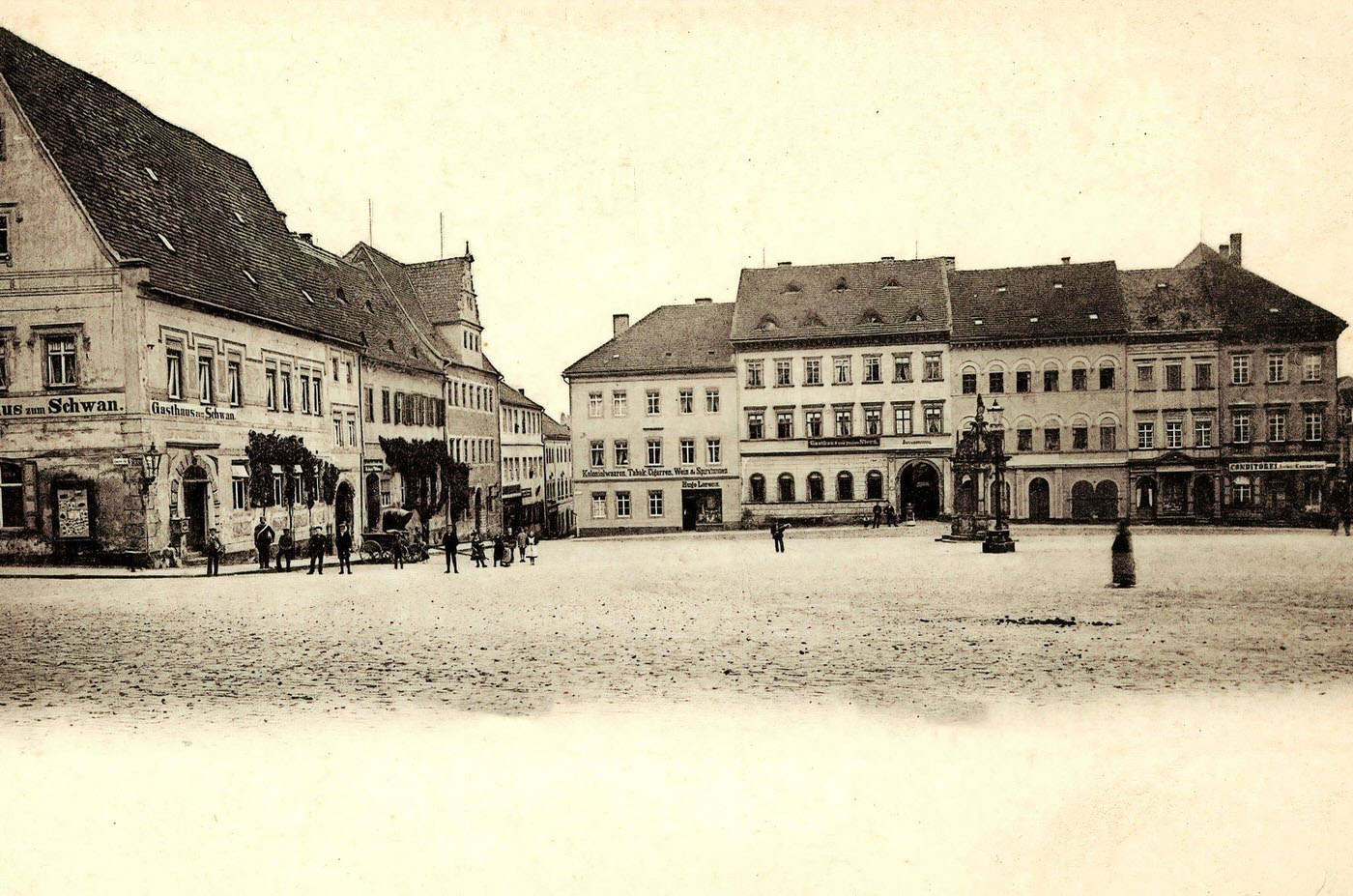
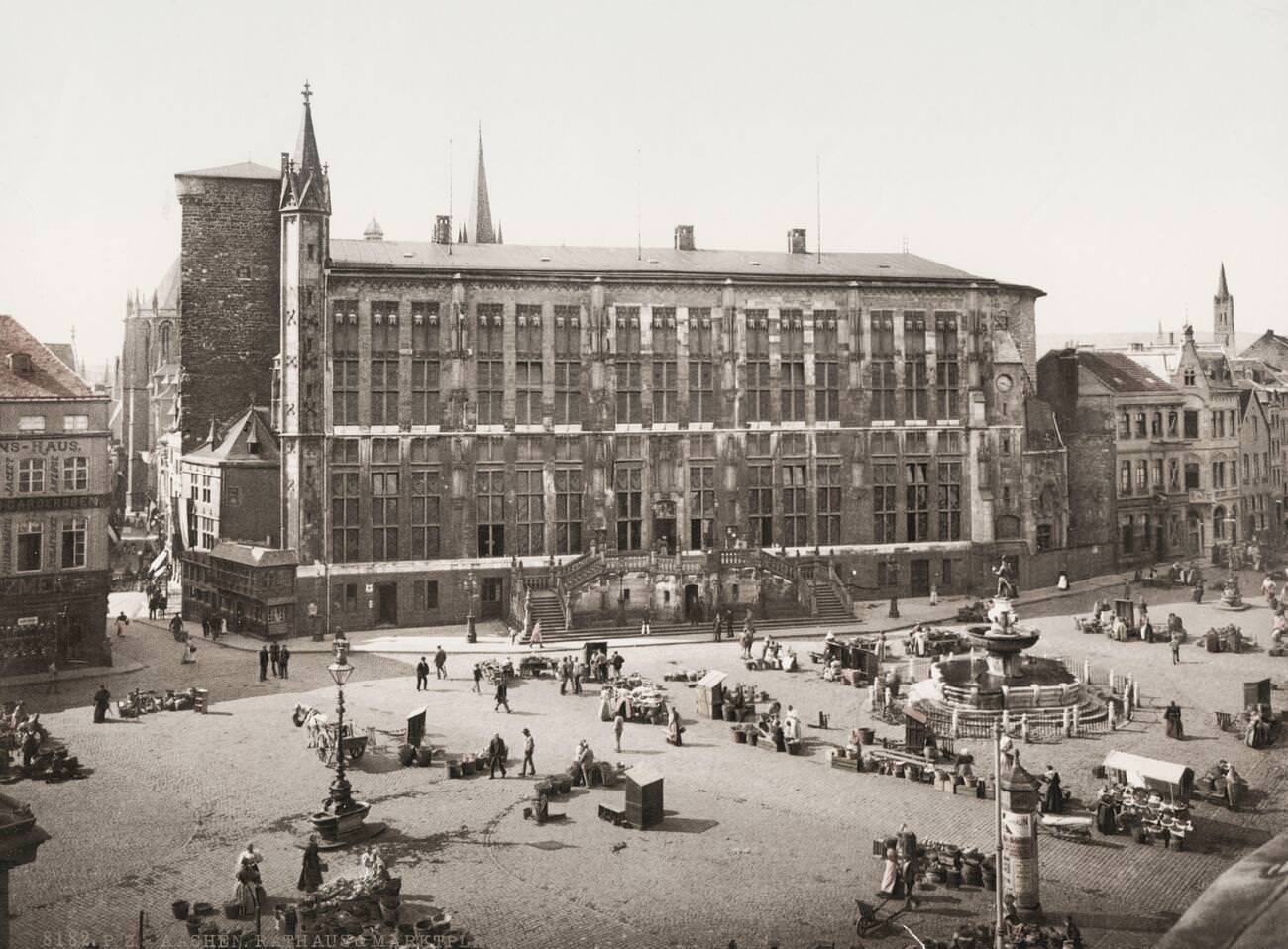
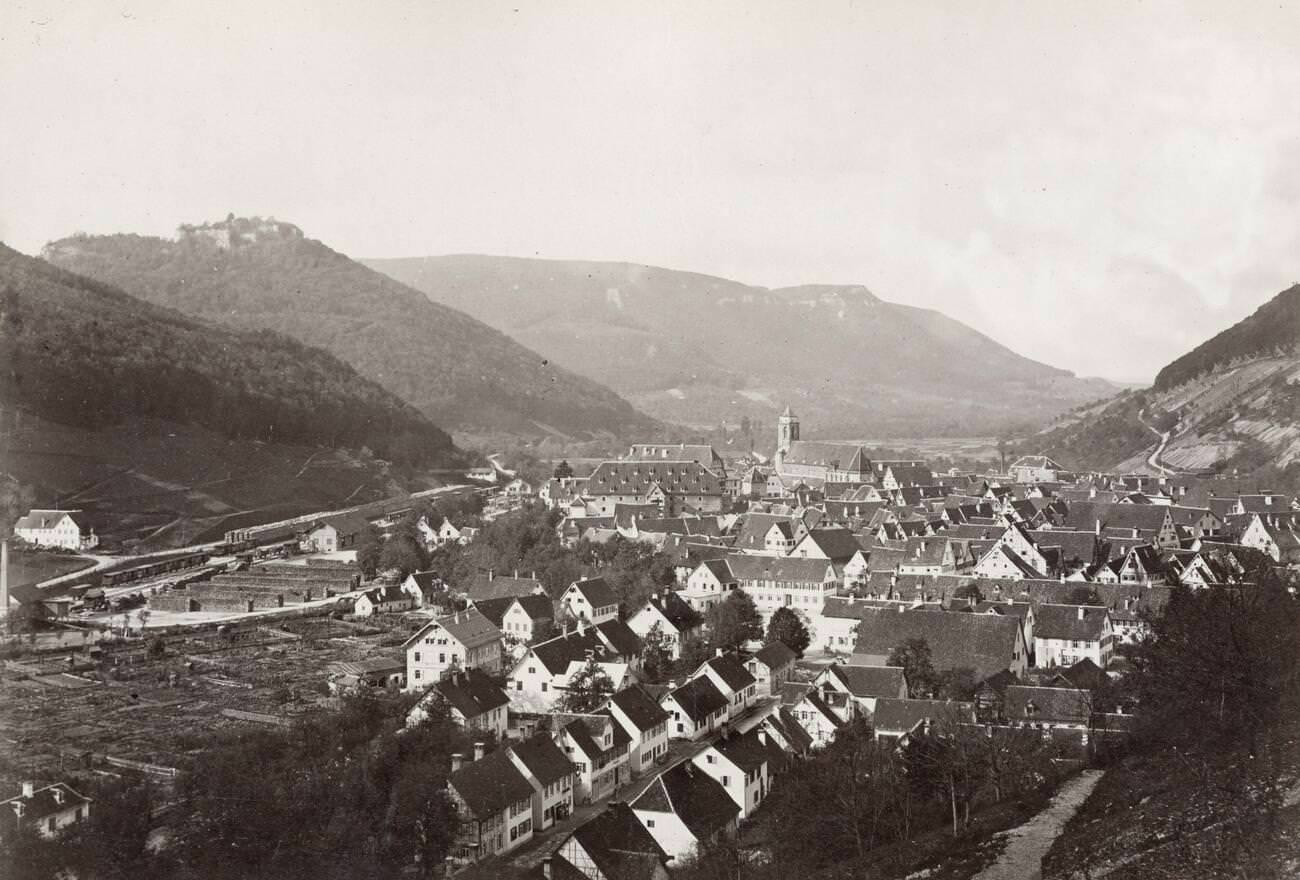
Markets were the social and commercial lifeblood of German towns. In Aachen, street markets filled the squares with vendors, shoppers, and noise. Bad Urach in Baden-Württemberg showed the quieter face of small-town Germany — a half-timbered town sheltered beneath the Swabian Alb, its streets unhurried and its buildings centuries old.
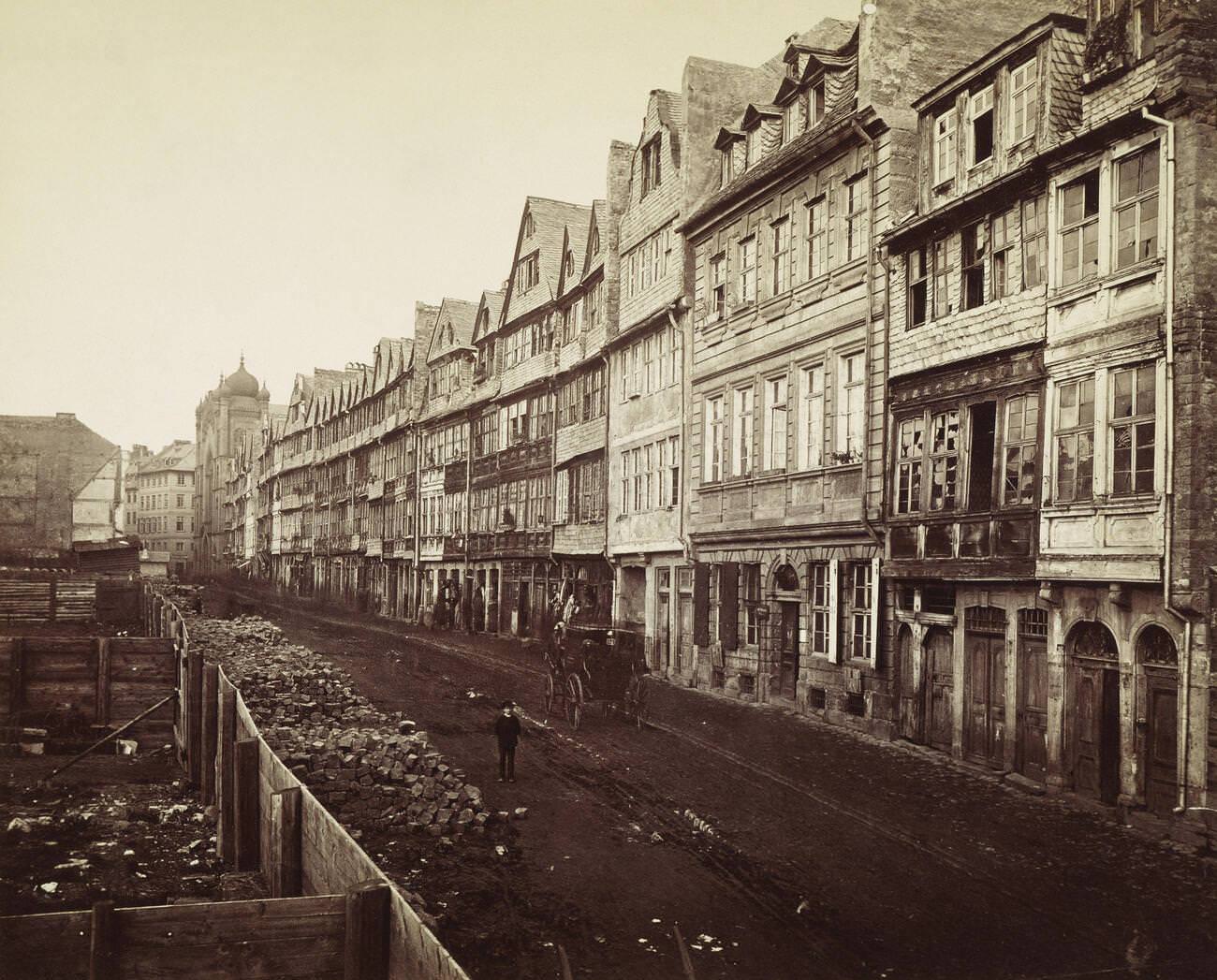
The Rothschild House on Judenstrasse in Frankfurt was one of the most famous addresses in European financial history. The Rothschild banking family had operated from Frankfurt for generations, and their original home on this street stood as a landmark of the city’s Jewish commercial heritage. By the 1890s, Frankfurt was a major financial center, and its Jewish community contributed significantly to banking, trade, and the arts.
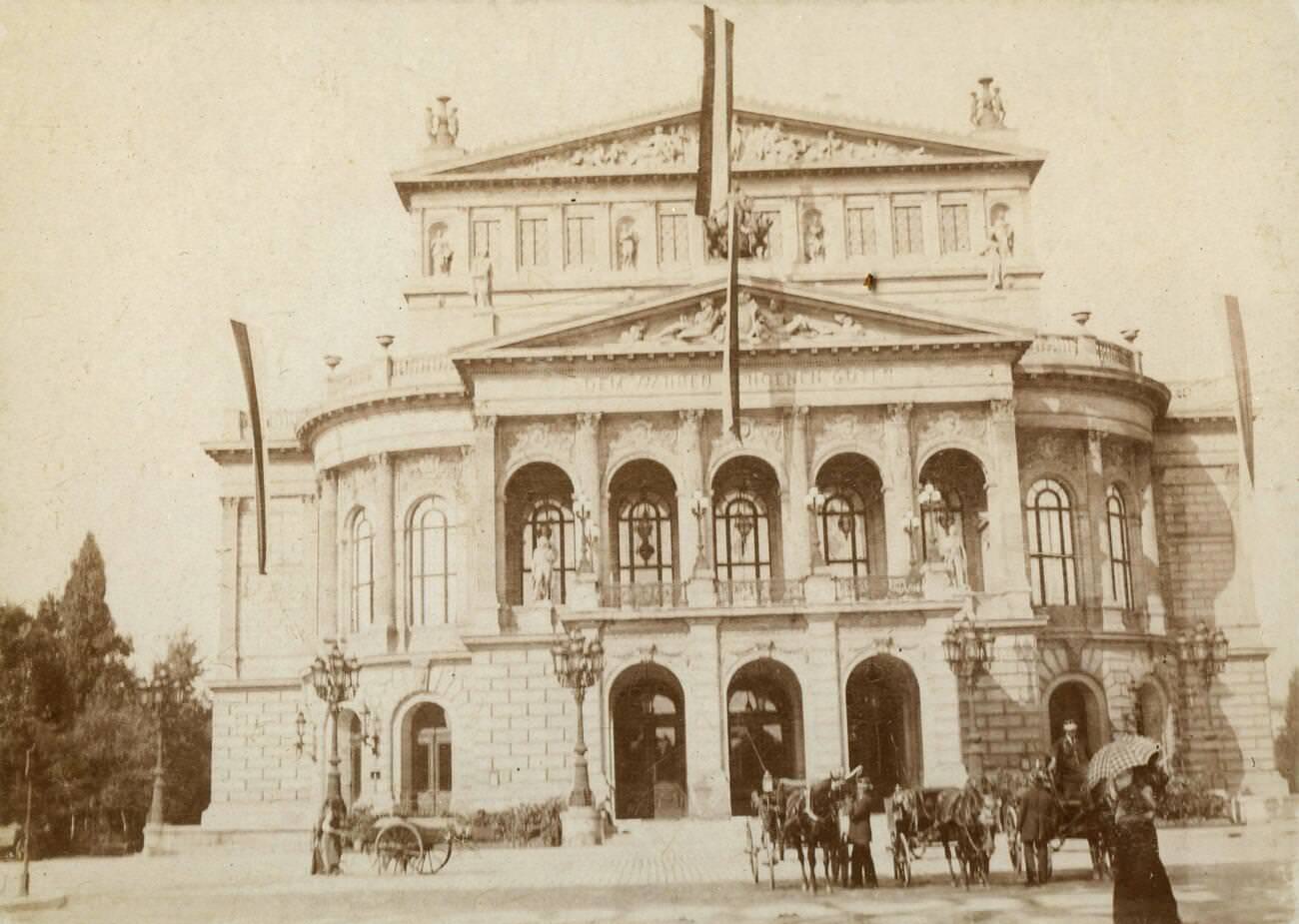
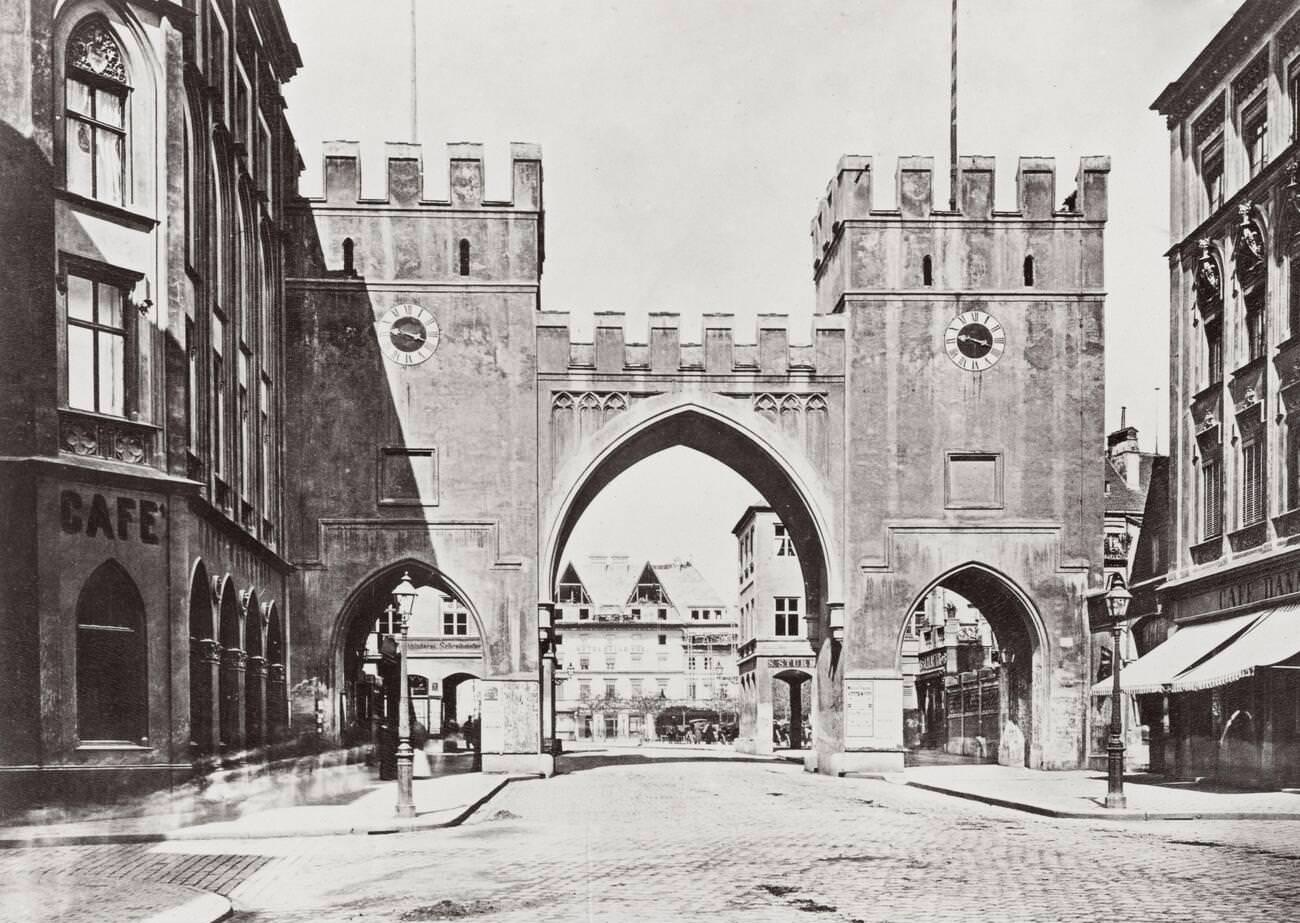
Frankfurt’s opera house — the Alte Oper — had opened in 1880 and by the 1890s was firmly established as one of Germany’s premier cultural venues. Munich’s medieval city gates still stood at the edges of the old town, reminders of a time when city walls and towers defined the boundary between urban and rural life. These historic structures coexisted with gas-lit streets and tram lines that the 1890s had brought to the city’s doorstep.
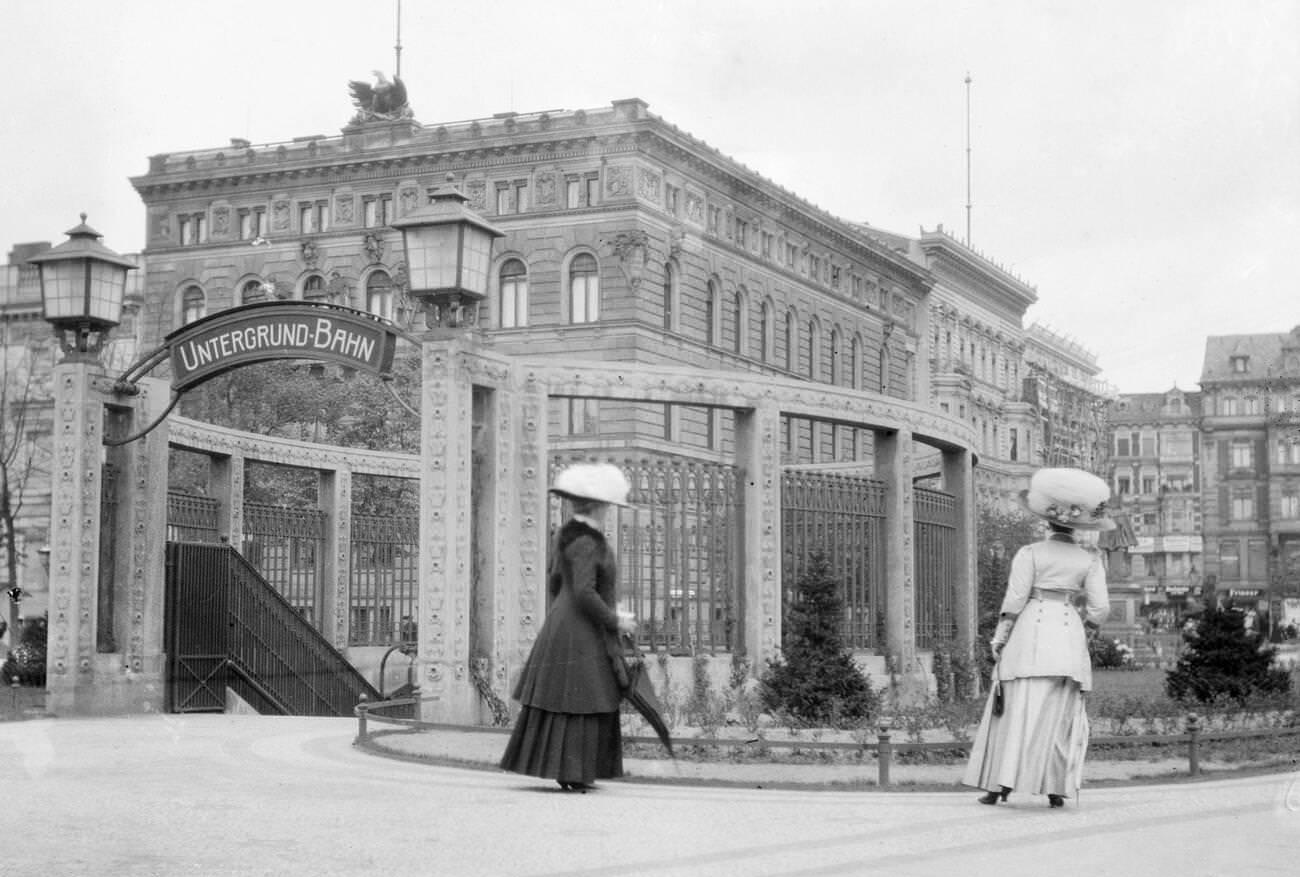
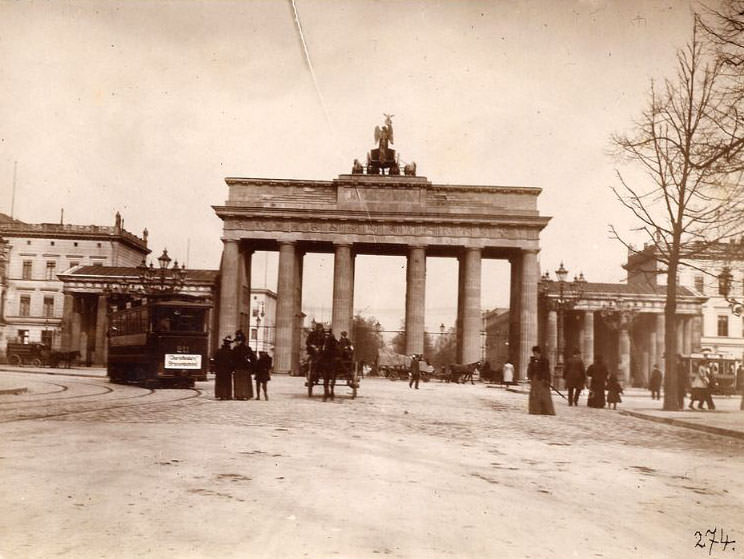
The subway entrance in Berlin — one of the first of its kind in Germany — stood as a marker of just how much the city had transformed in a single decade. Underground rail, electric trams, bicycles, and telegraphs all arrived in rapid succession. The Brandenburg Gate, photographed again from yet another angle, anchored all of this change to something permanent — a monument that had watched Berlin grow from a Prussian city into the capital of a unified German empire.
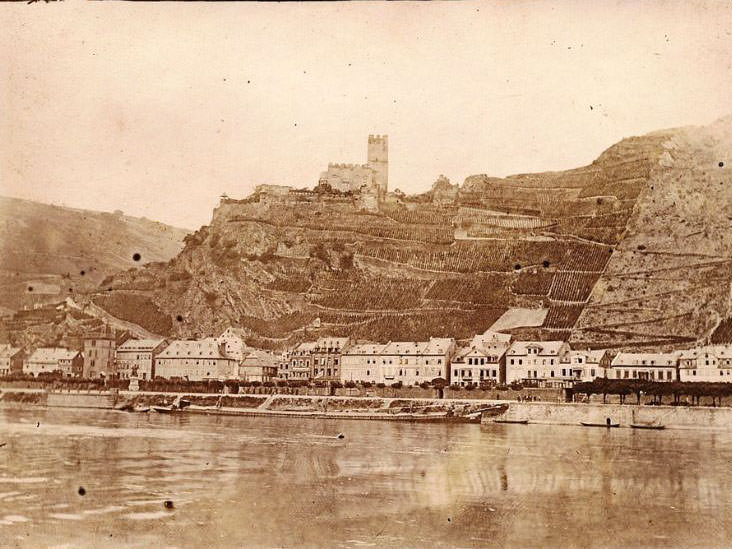
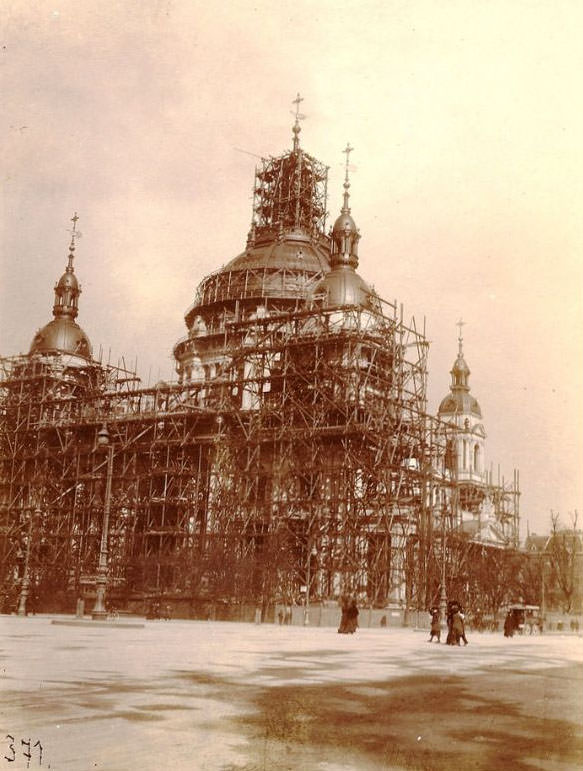
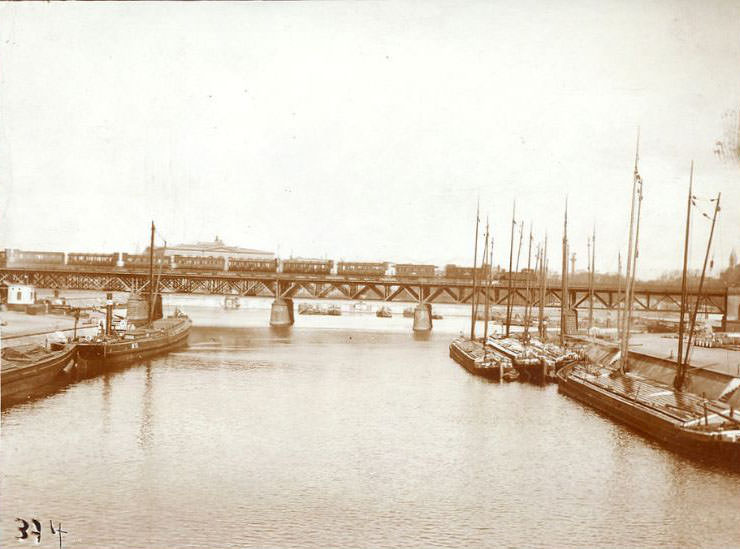
Construction cranes and scaffolding were a familiar sight in Berlin throughout the 1890s. Churches, public buildings, and infrastructure projects rose across the city at a pace that matched its ambitions. The Berlin harbor channeled goods in and out of the capital along the Spree and connecting waterways. On the Rhine, medieval castles like Gutenfels perched above the river, drawing a growing number of tourists traveling by steamboat through one of Europe’s most scenic river valleys.
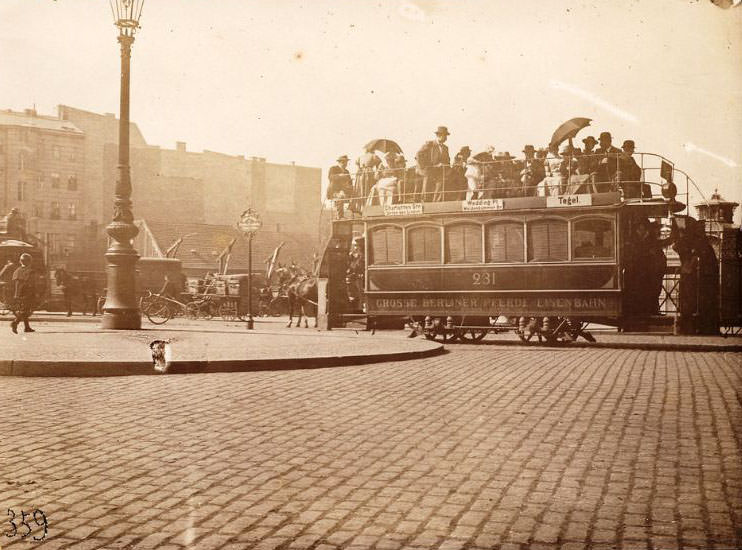
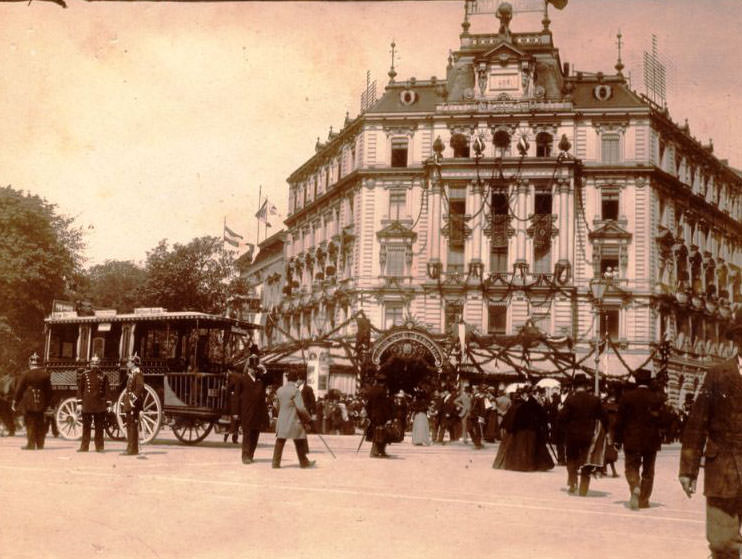
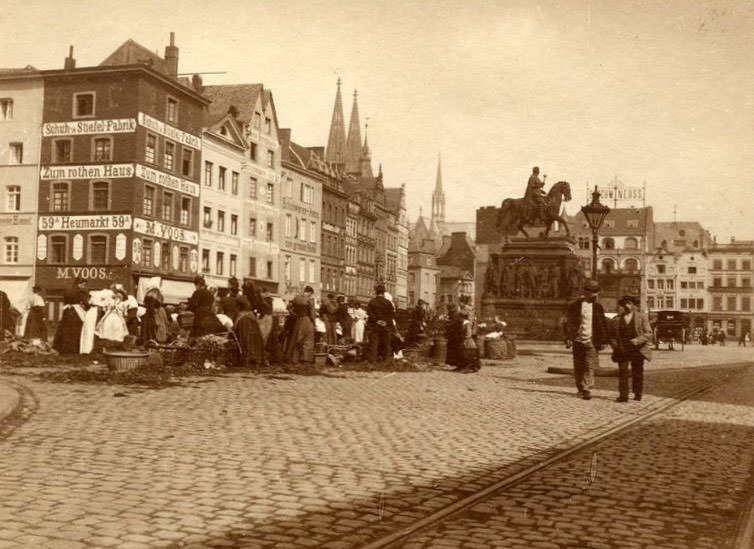
Horse trams were still a fixture on Berlin’s streets even as electric trams began to replace them. The Hotel Bellevue, one of Berlin’s prestigious establishments, catered to wealthy travelers and business visitors arriving in the capital. In Cologne, the marketplace beneath the cathedral’s twin spires drew traders and shoppers from the wider Rhineland region, the Gothic towers of the Dom forming an impossible backdrop to the ordinary business of commerce.
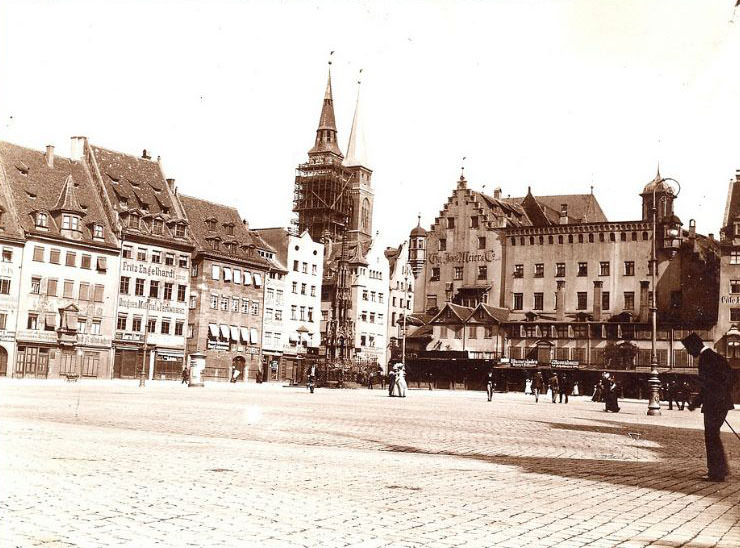
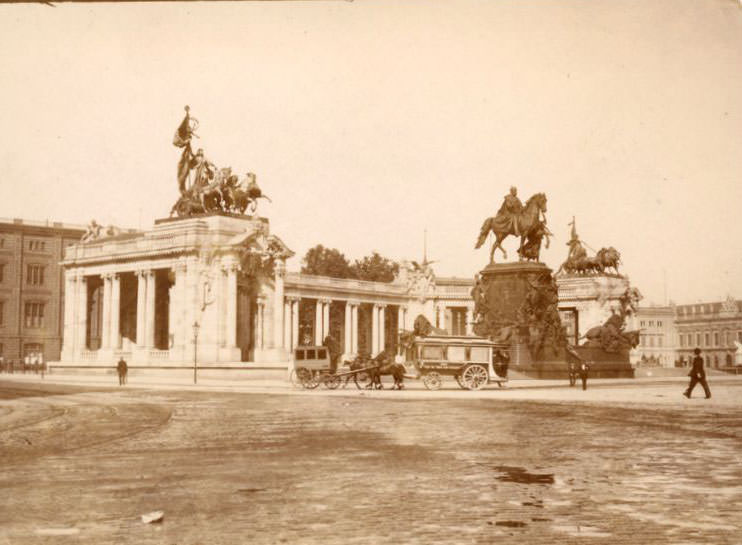
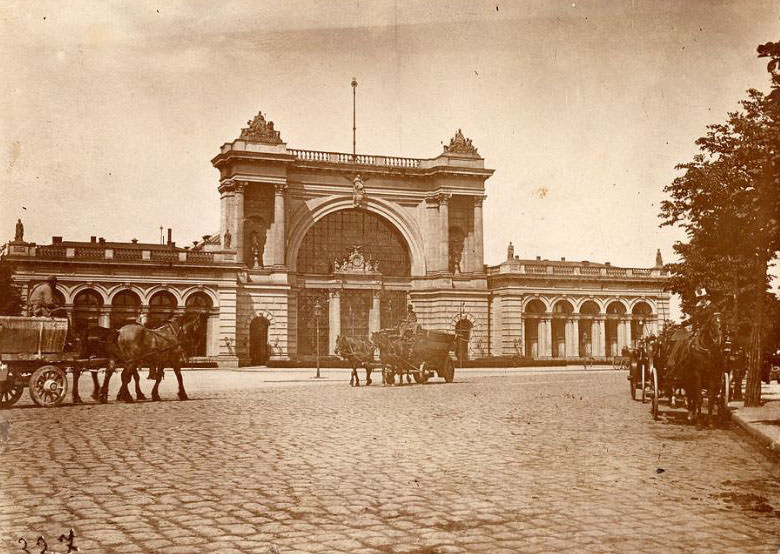
Nuremberg’s marketplace was one of Germany’s oldest and most active, operating in the shadow of the Frauenkirche church since the medieval period. Berlin’s railway stations in the 1890s were enormous structures, handling the massive flow of passengers and freight that a city of over two million people required. The national monuments that lined Berlin’s public spaces reinforced a clear message: Germany had arrived as a great power, and its capital was built to show it.
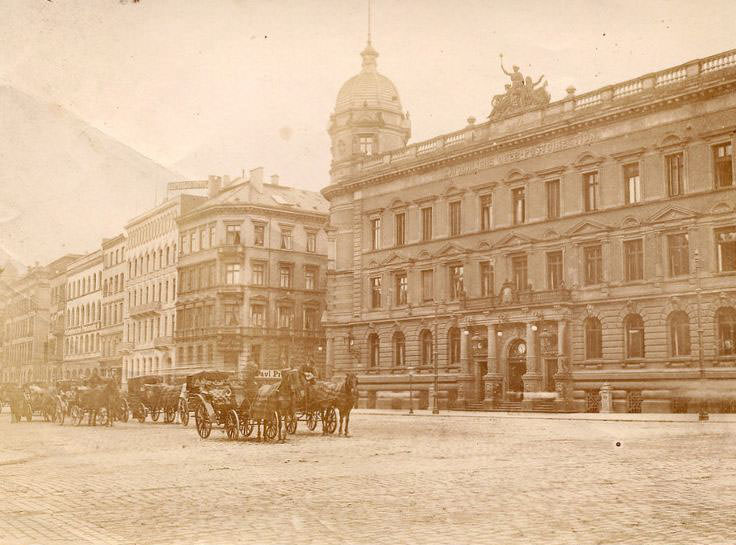
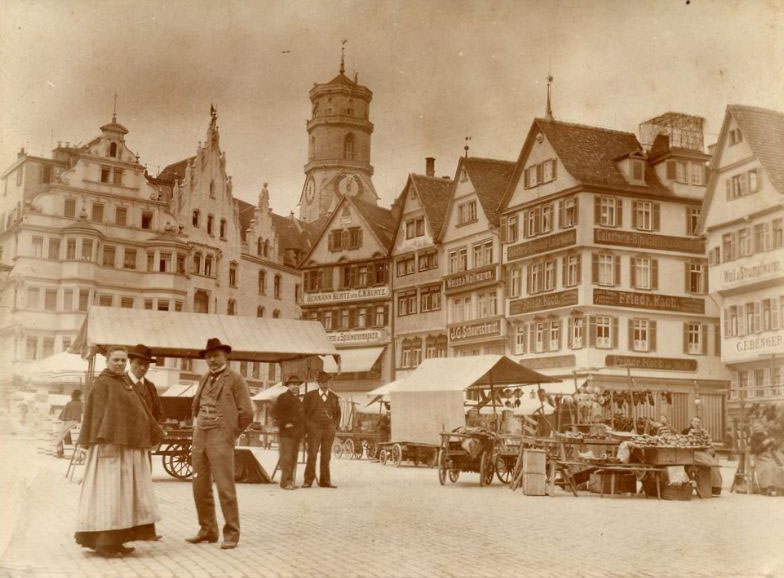
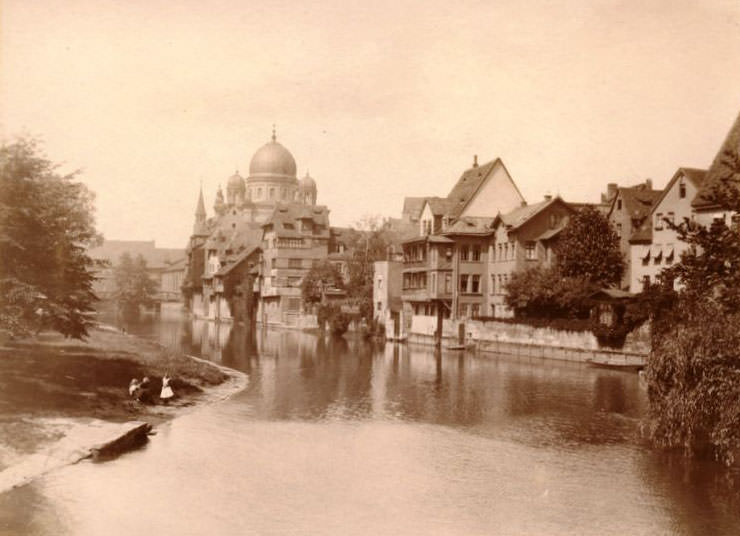
Street scenes from Hamburg and Stuttgart capture the texture of daily urban life in the 1890s — pedestrians, shop fronts, delivery wagons, and the particular light of gas lamps beginning to give way to early electric lighting. Nuremberg’s synagogue, like Frankfurt’s, served a Jewish community that had been part of the city’s life for centuries. Jewish Germans participated across all levels of commerce, academia, law, and culture throughout the decade.
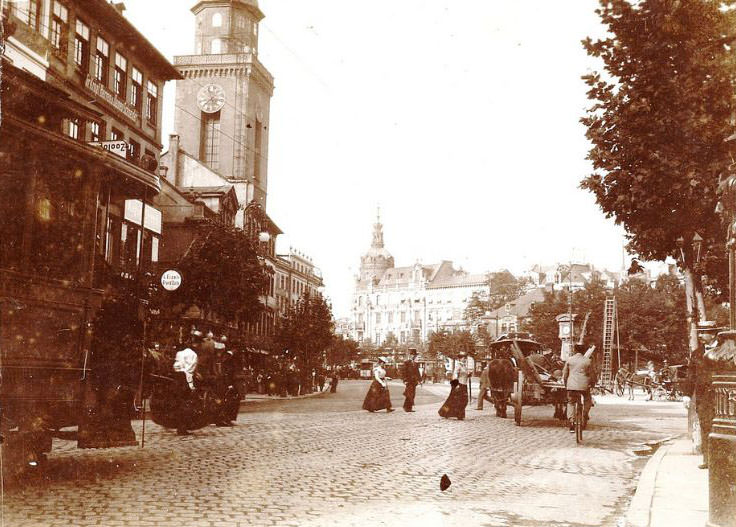
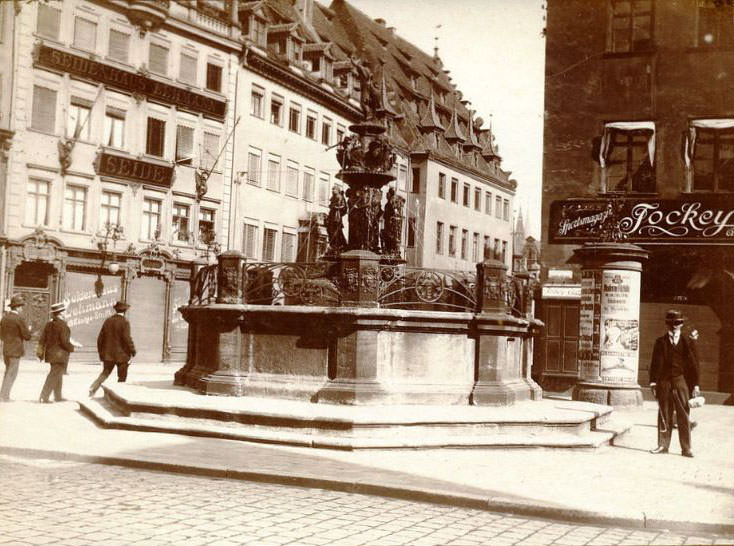
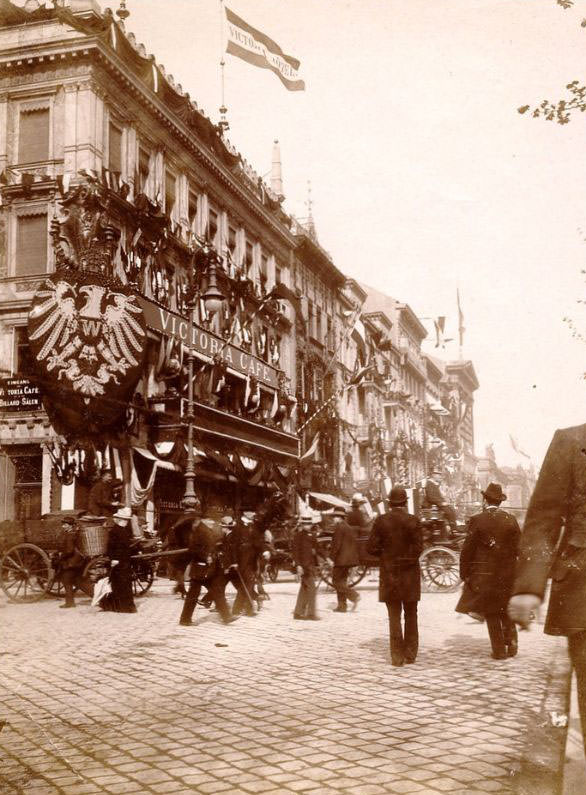
Frankfurt’s Zeil was already one of Germany’s busiest shopping streets in the 1890s, lined with merchants and foot traffic from morning to evening. Nuremberg’s Tugendbrunnen — the Fountain of Virtue — stood at the heart of the old city, its bronze figures representing the cardinal virtues that civic life was supposed to embody. And in Berlin, the Victoria Café offered a glimpse of the social world of the German middle class: a place where newspapers were read, coffee was drunk, and the business of the day was discussed. These cafés were as much a part of German public life as the monuments and the markets, places where ordinary people gathered and the city’s energy concentrated itself, table by table, conversation by conversation.