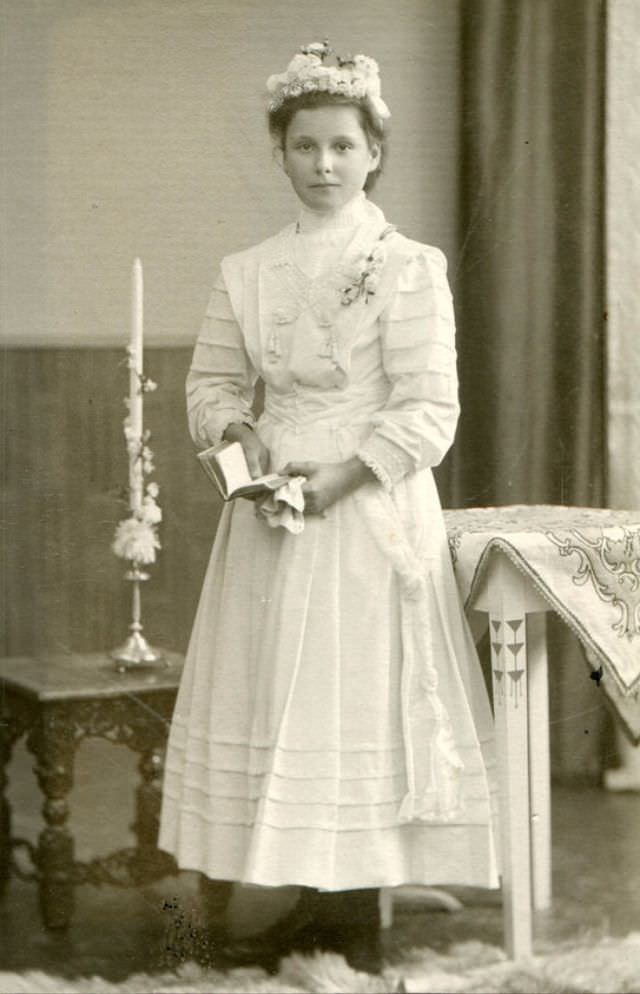
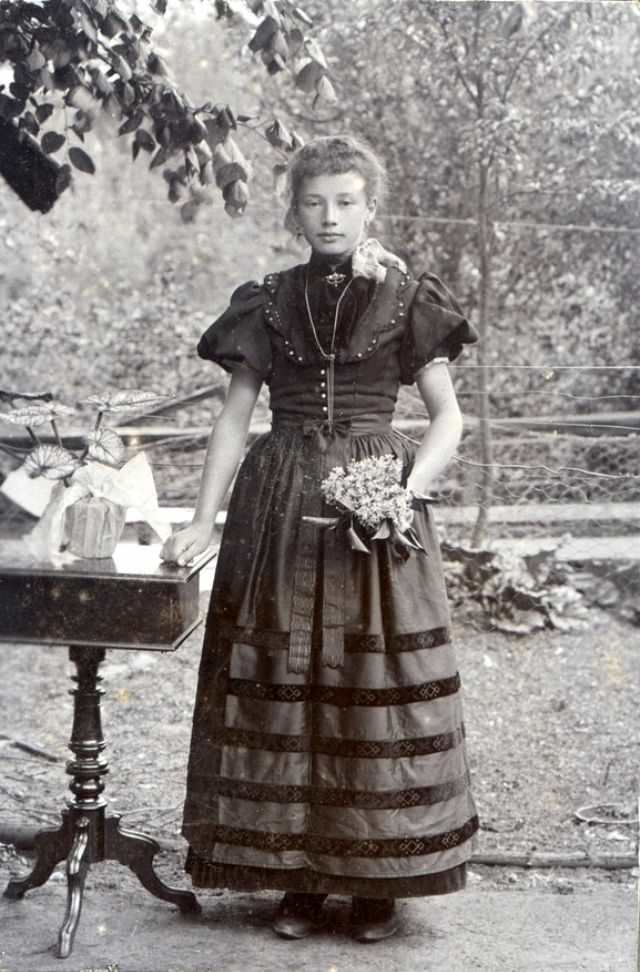
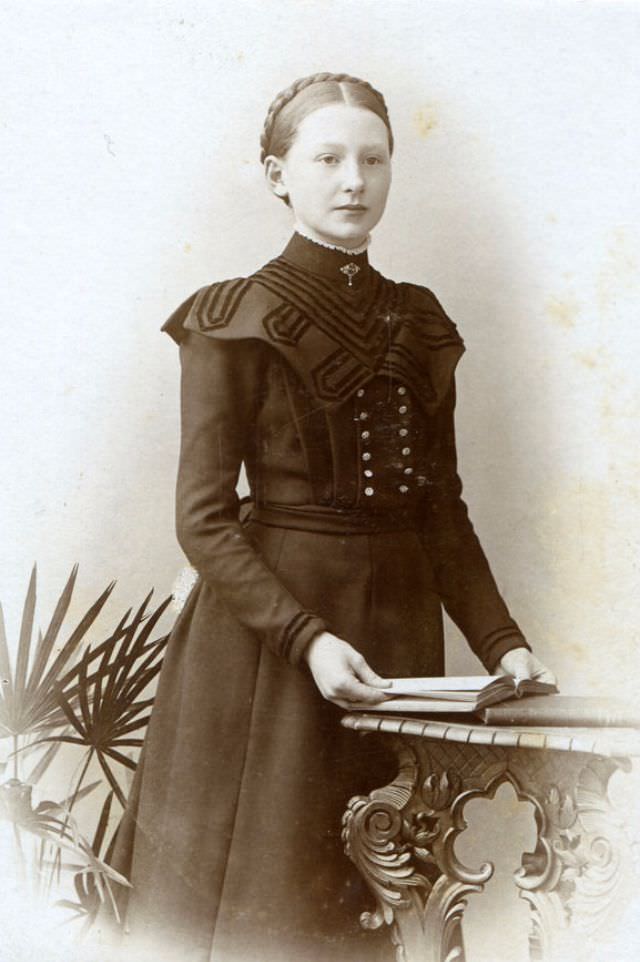
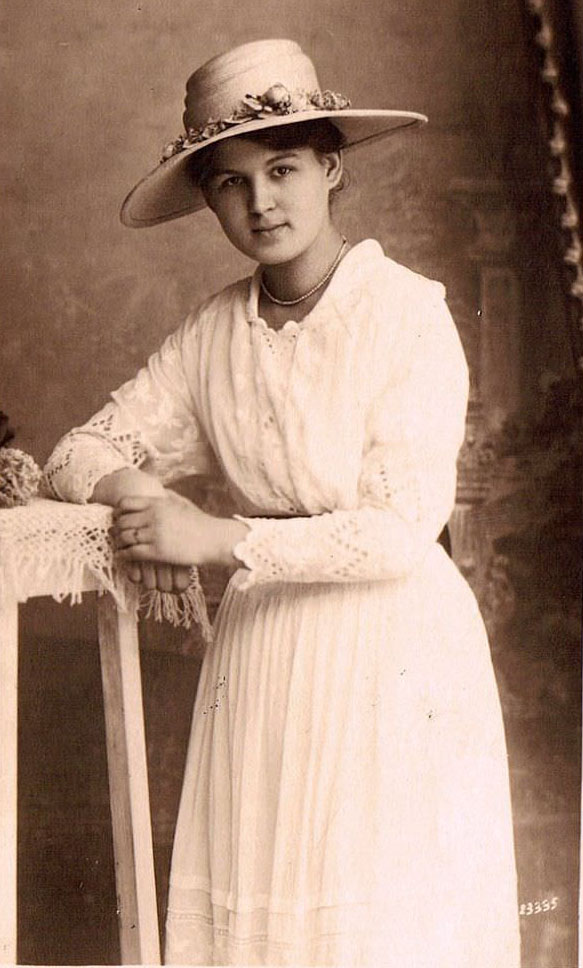
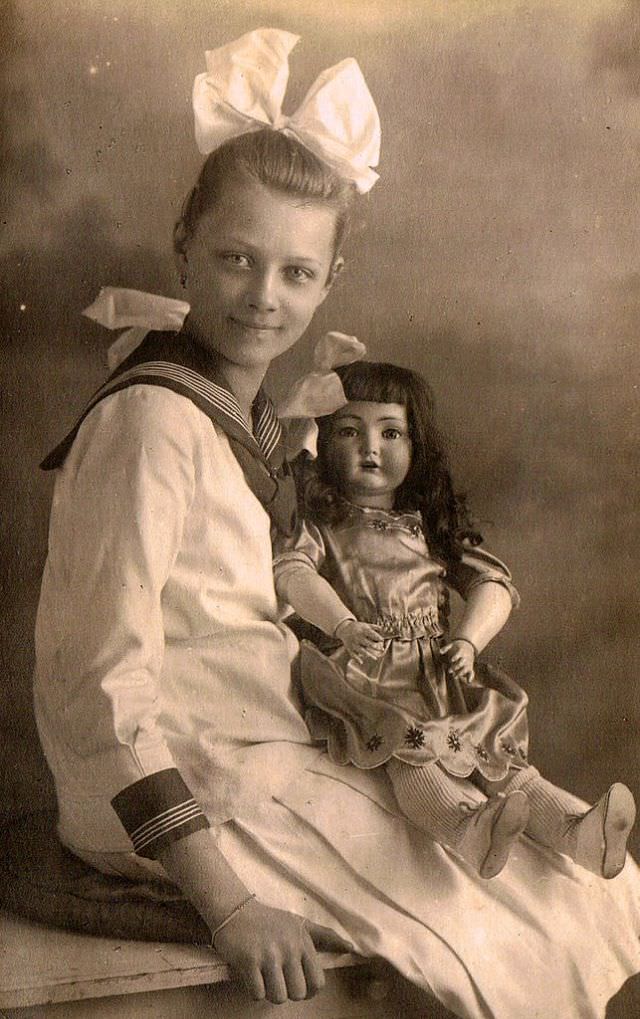
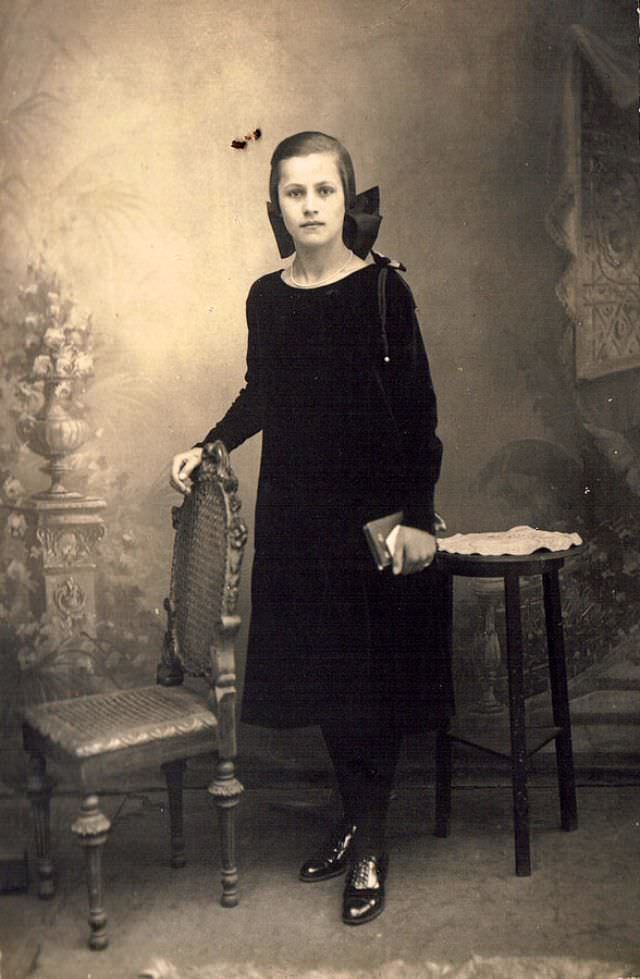
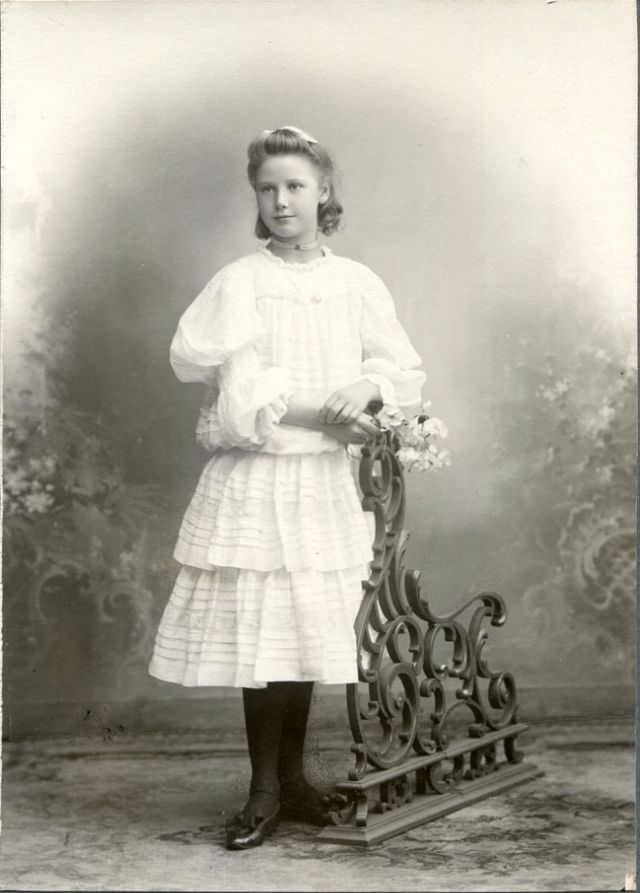
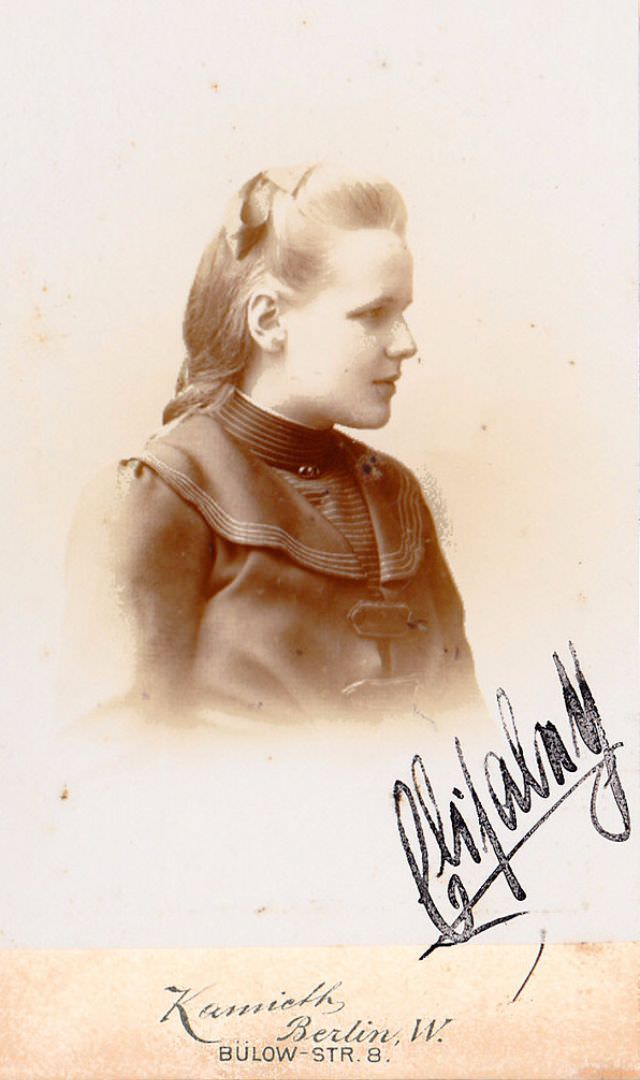
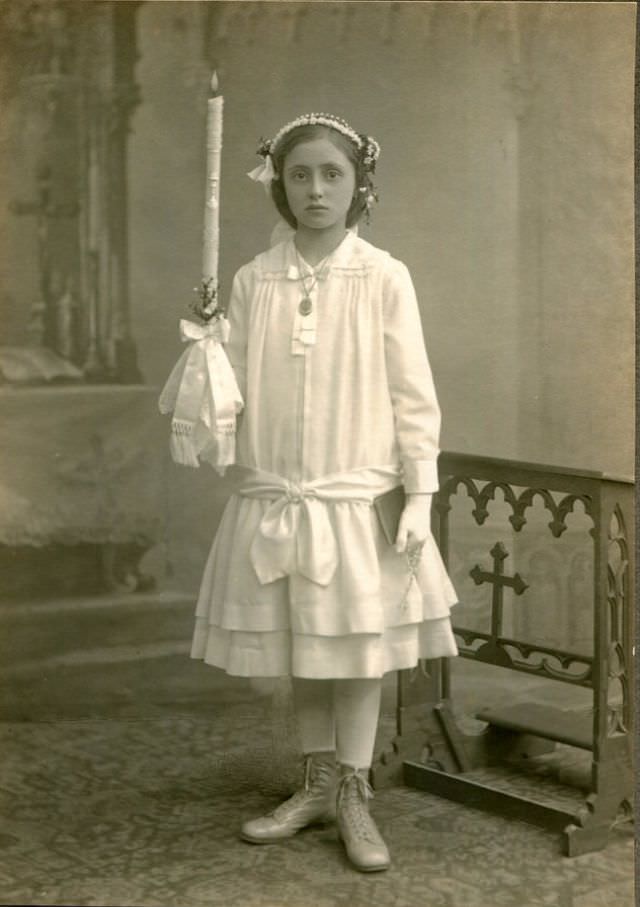
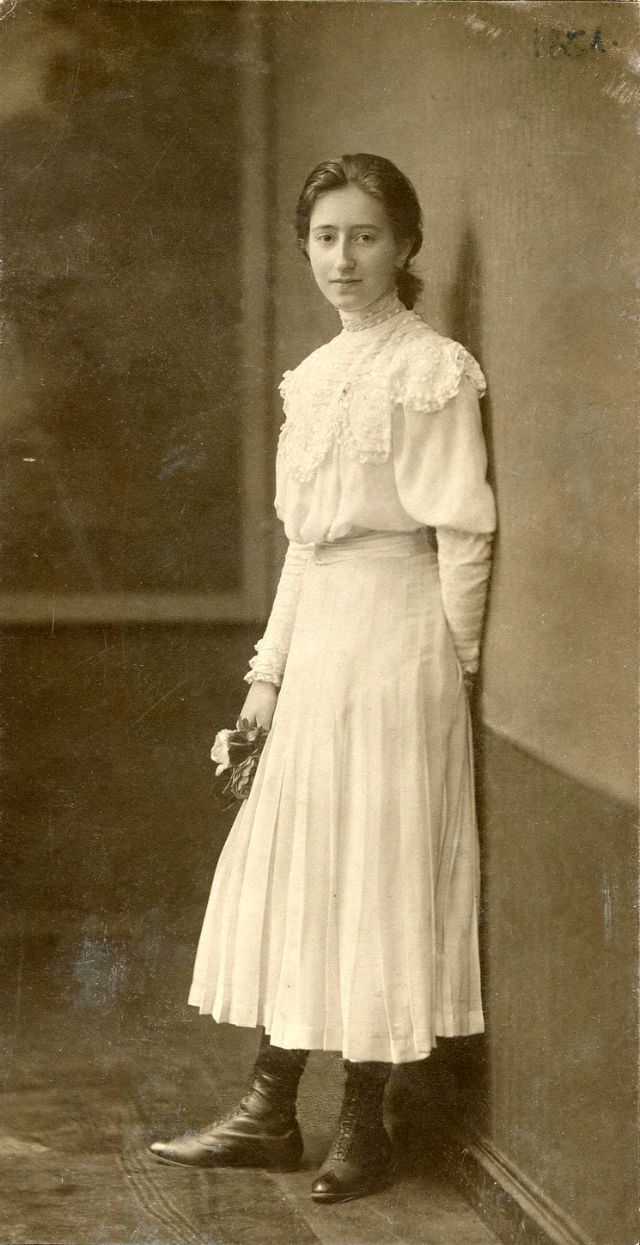
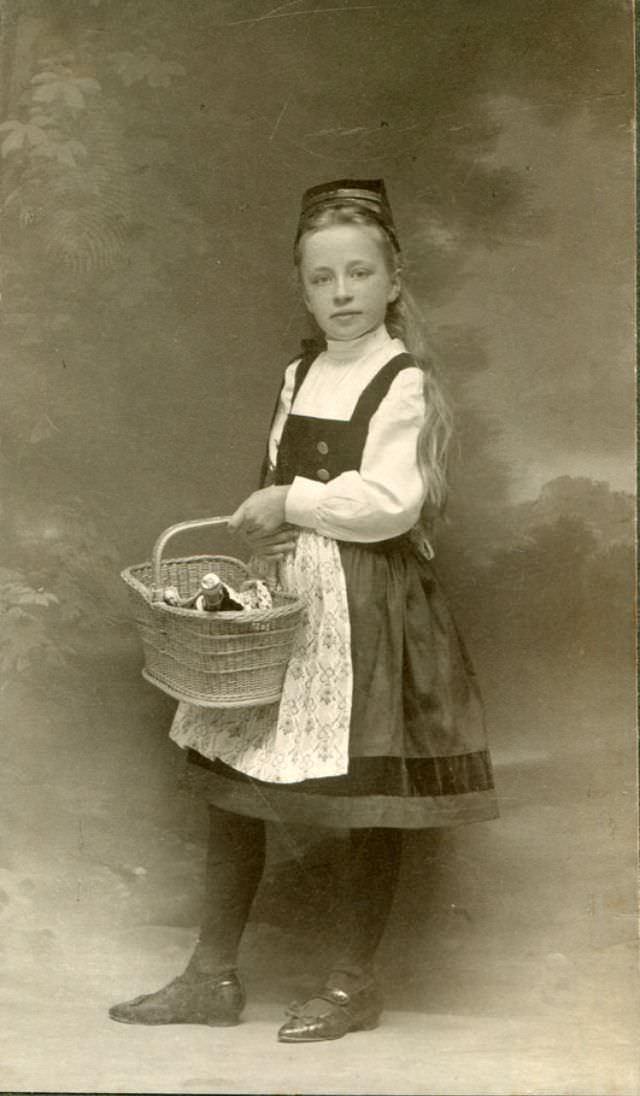
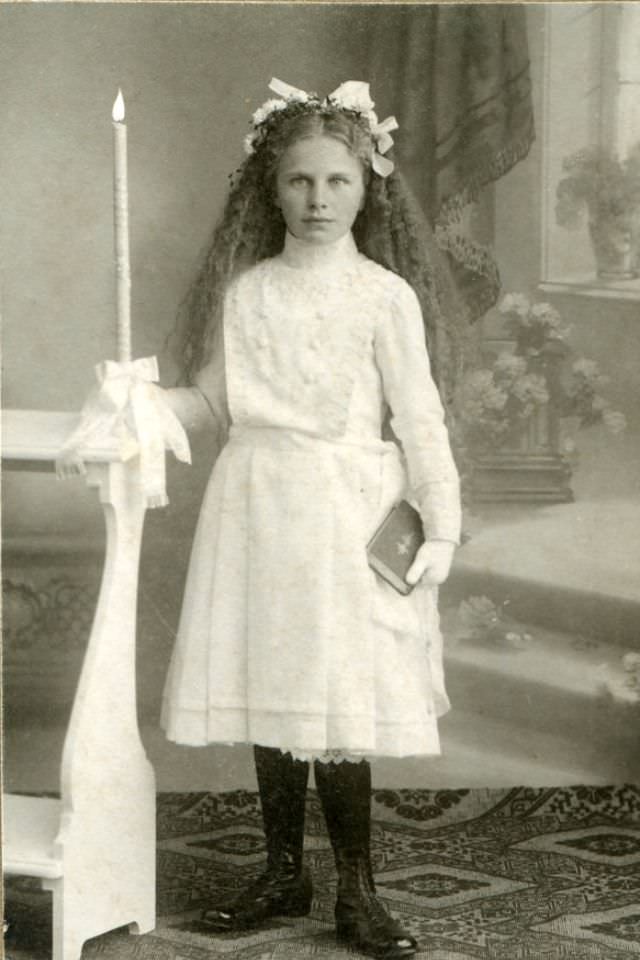
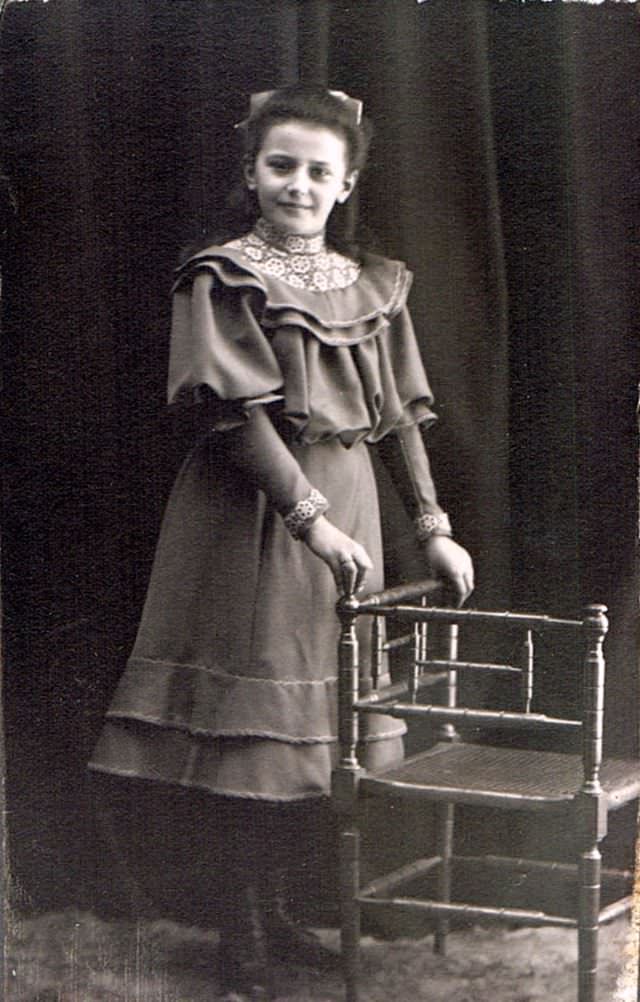
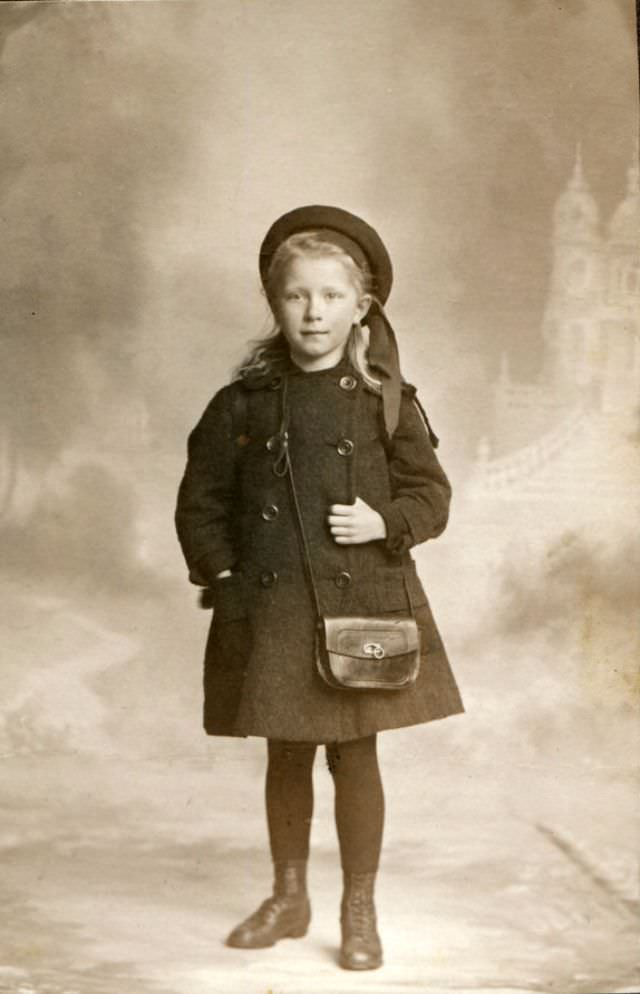
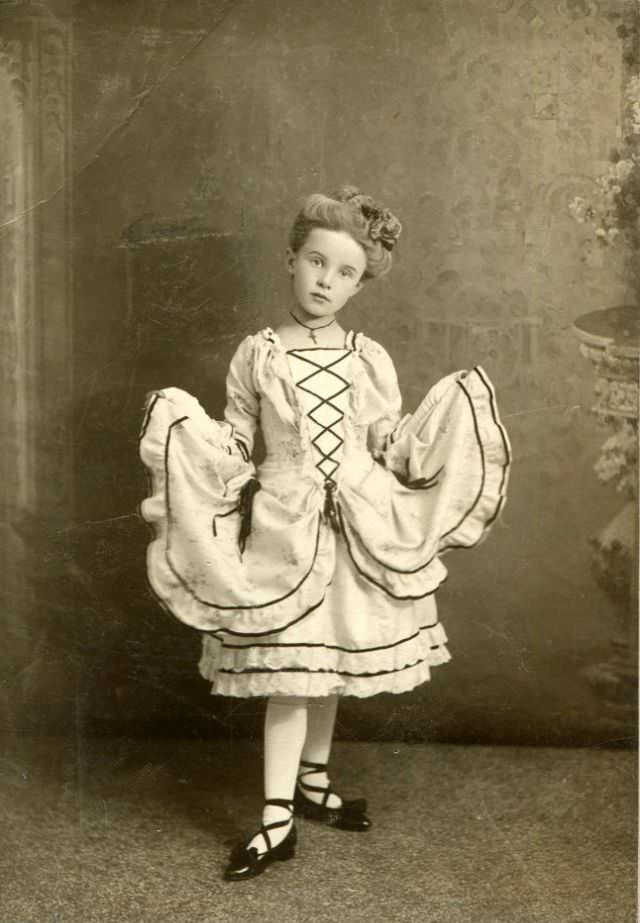
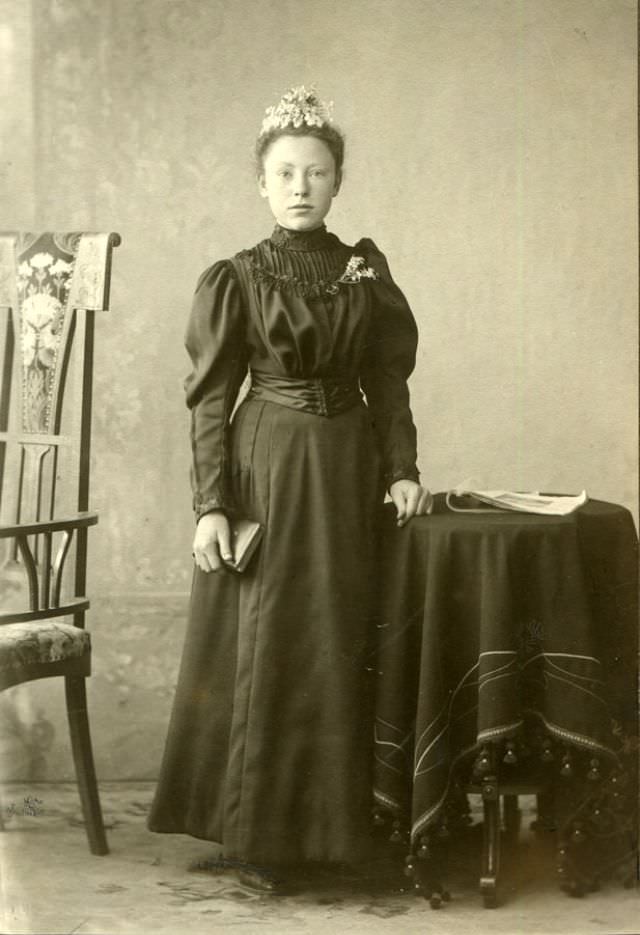
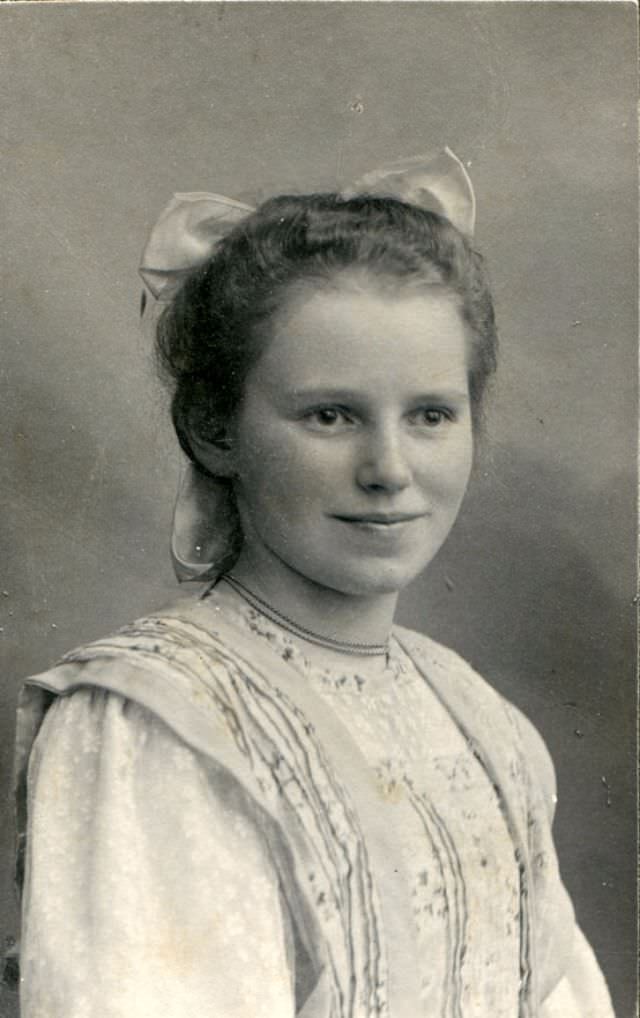
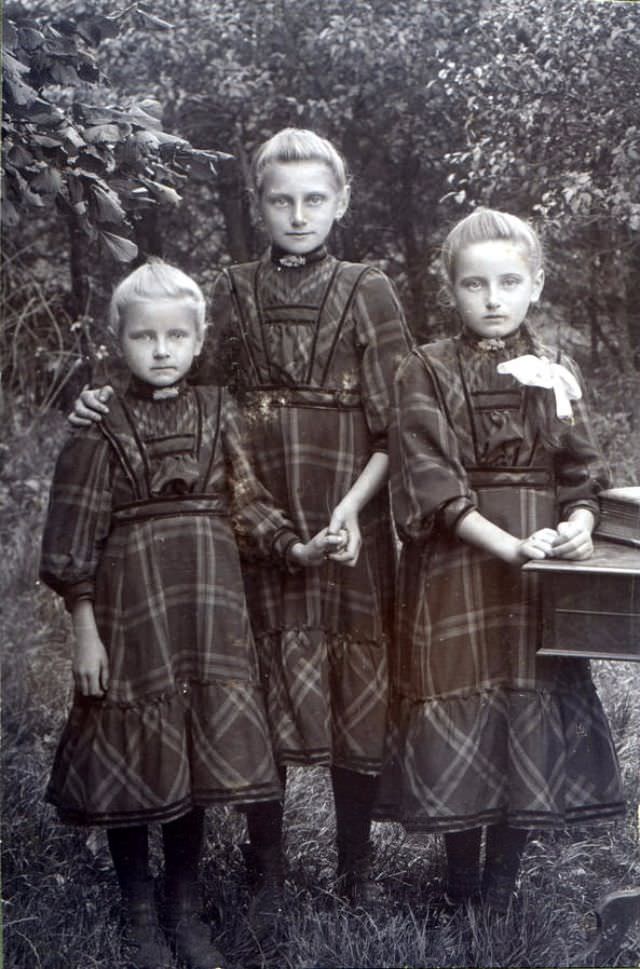
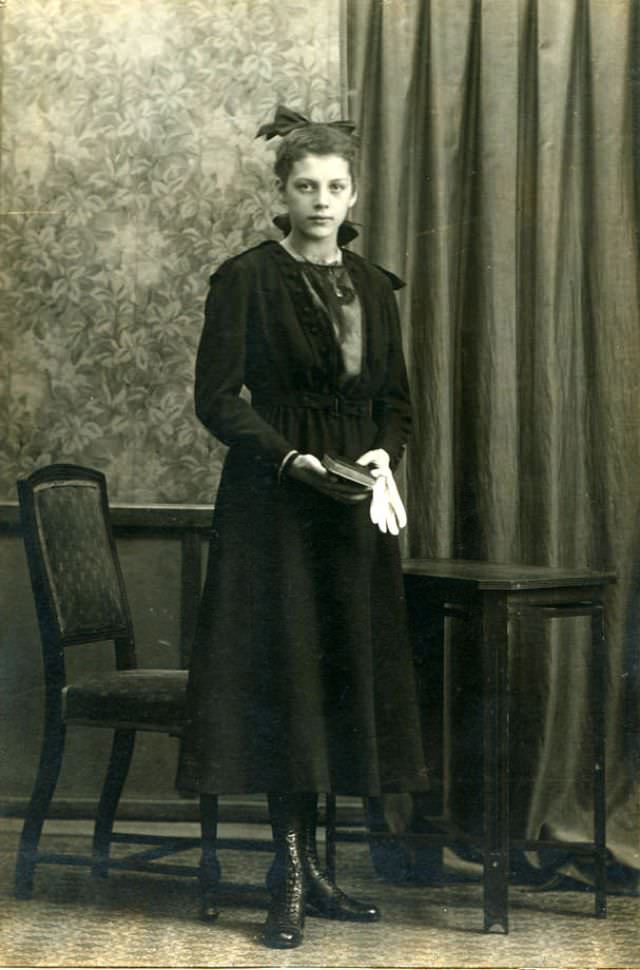
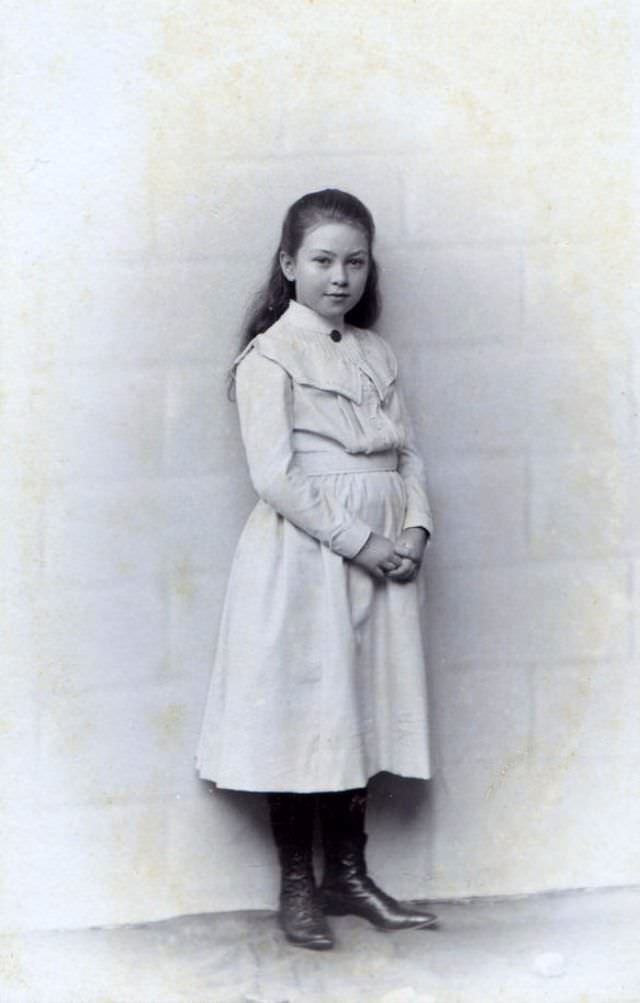
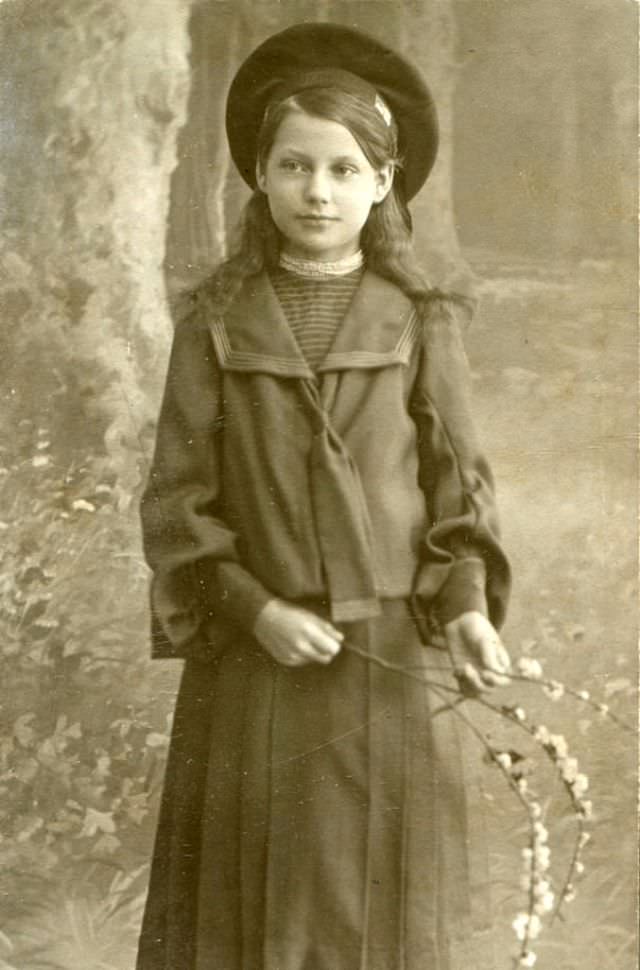
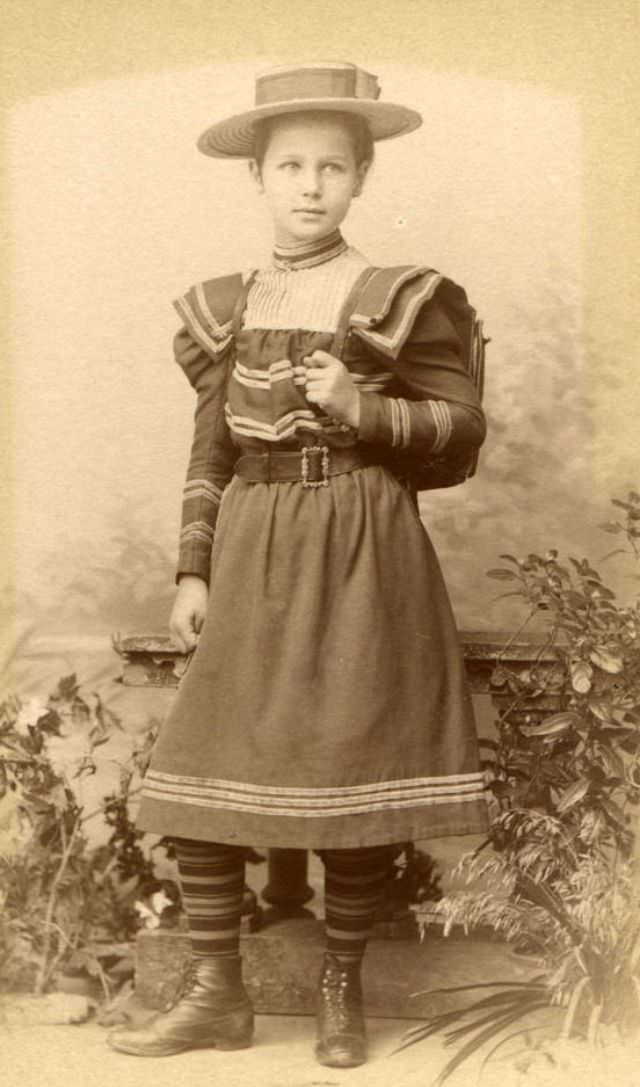
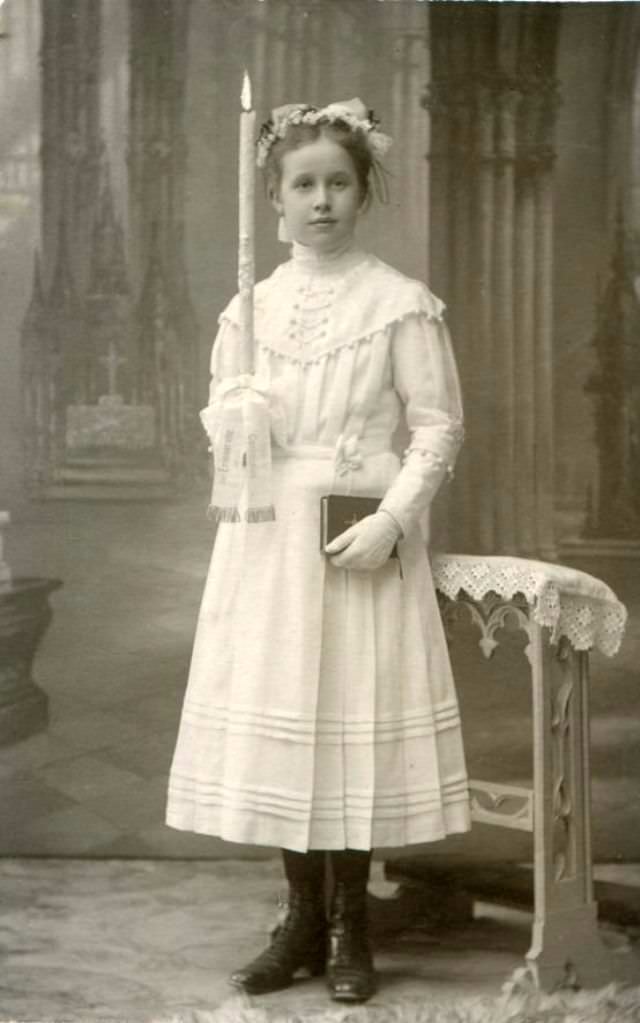
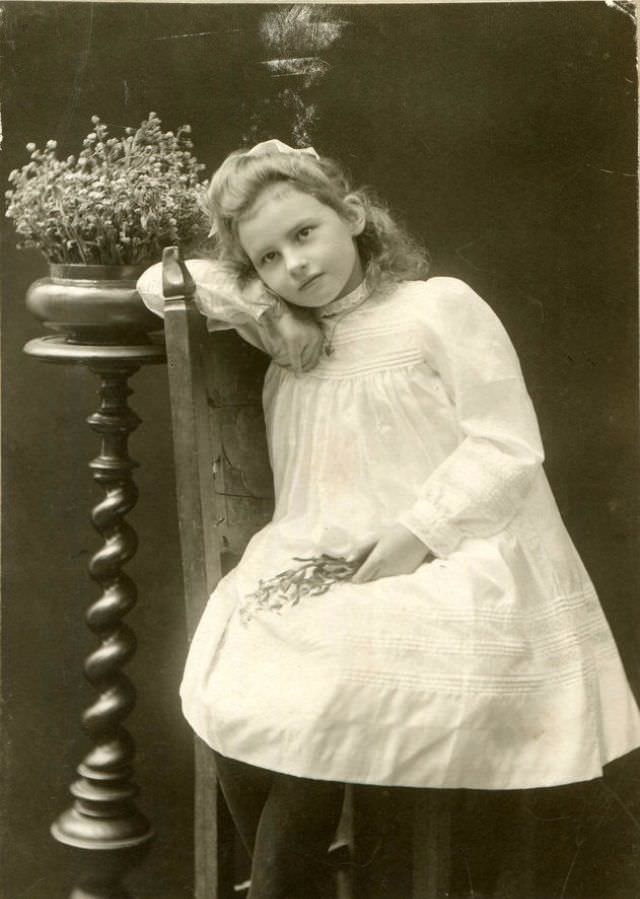
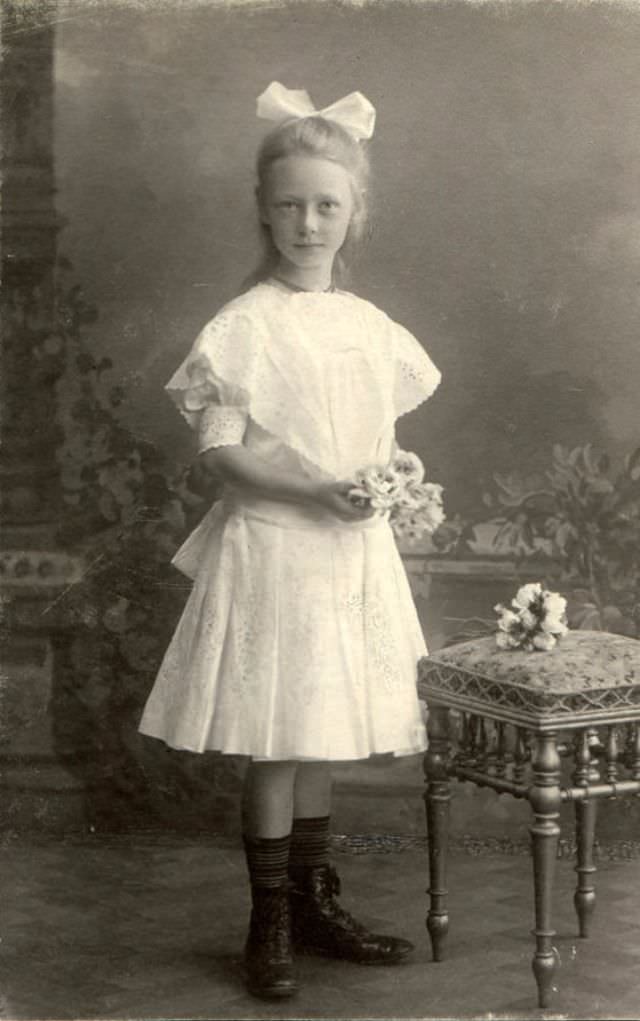
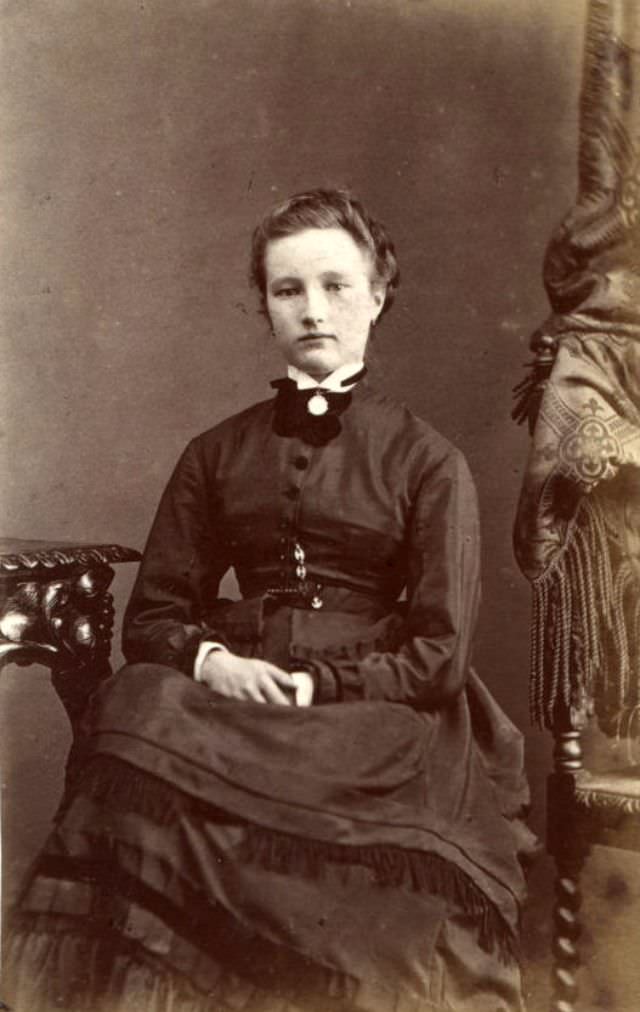
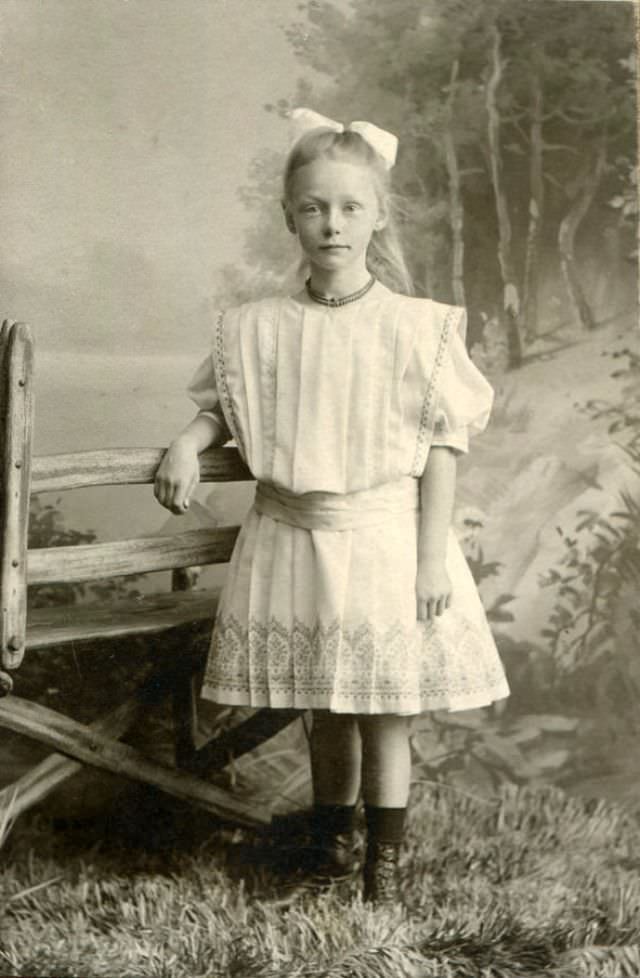
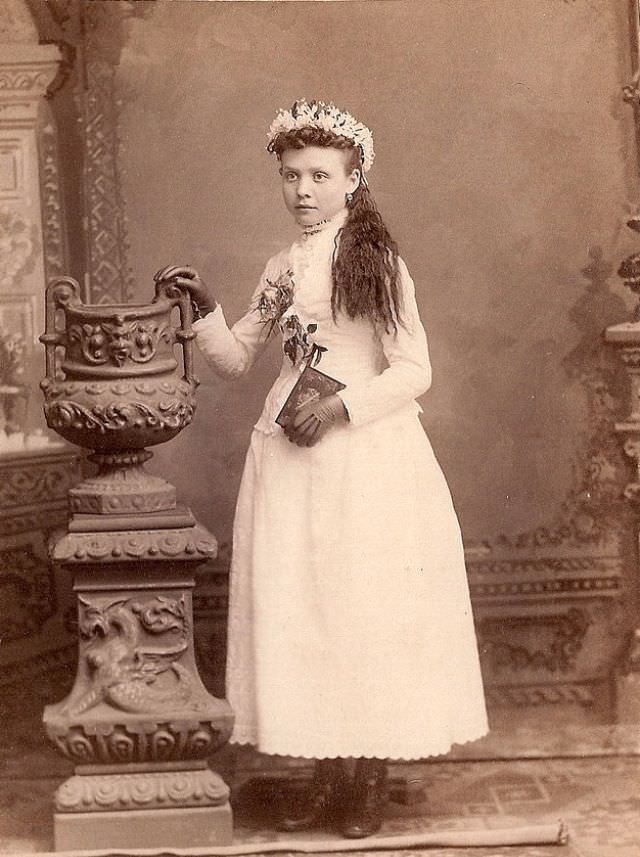
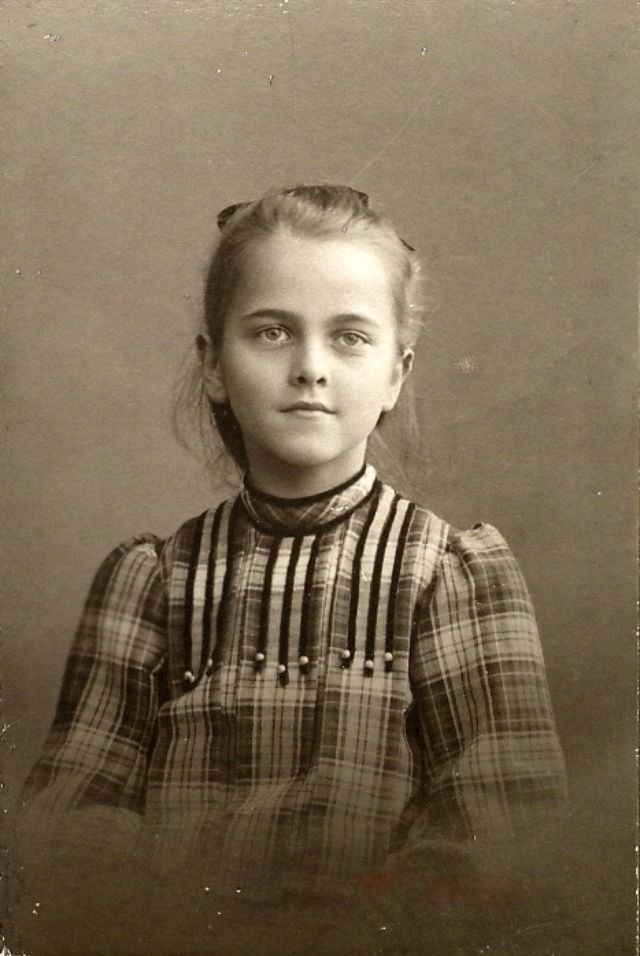
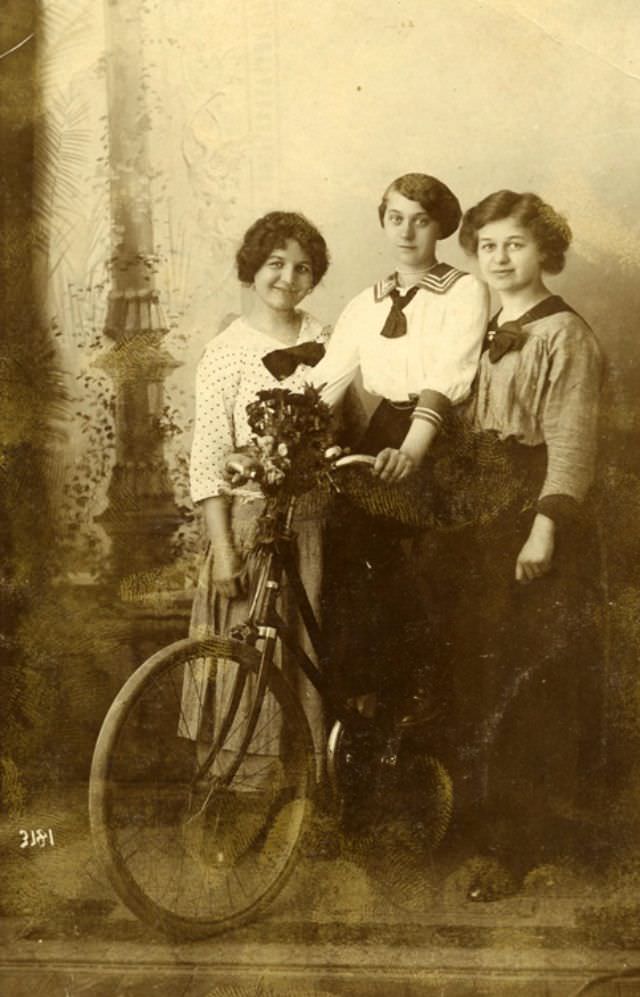
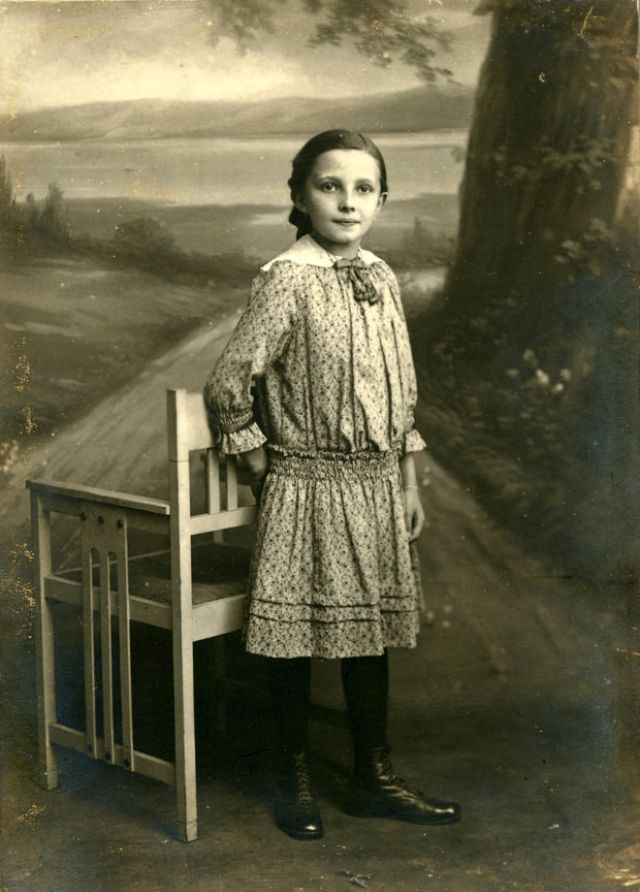
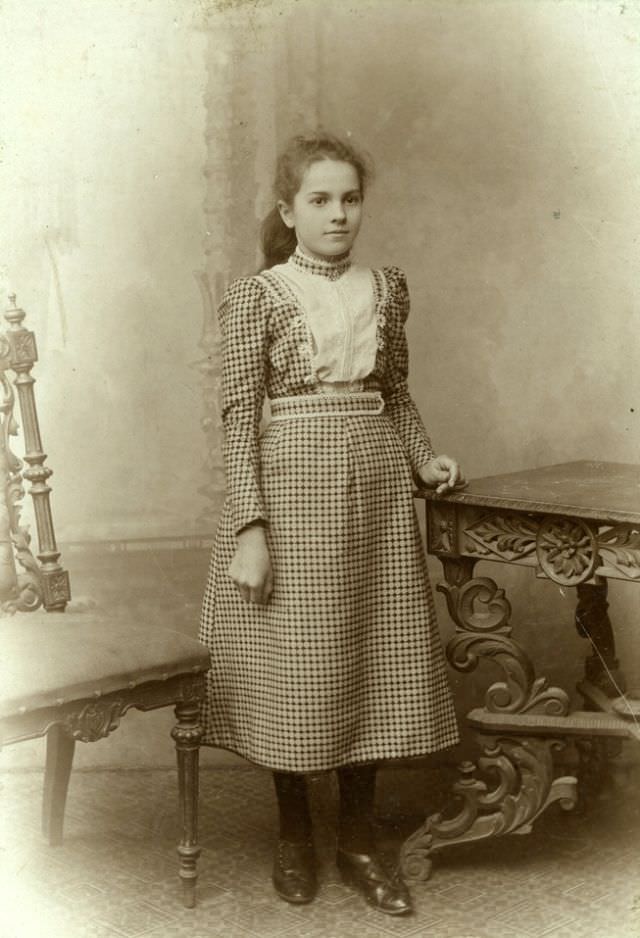
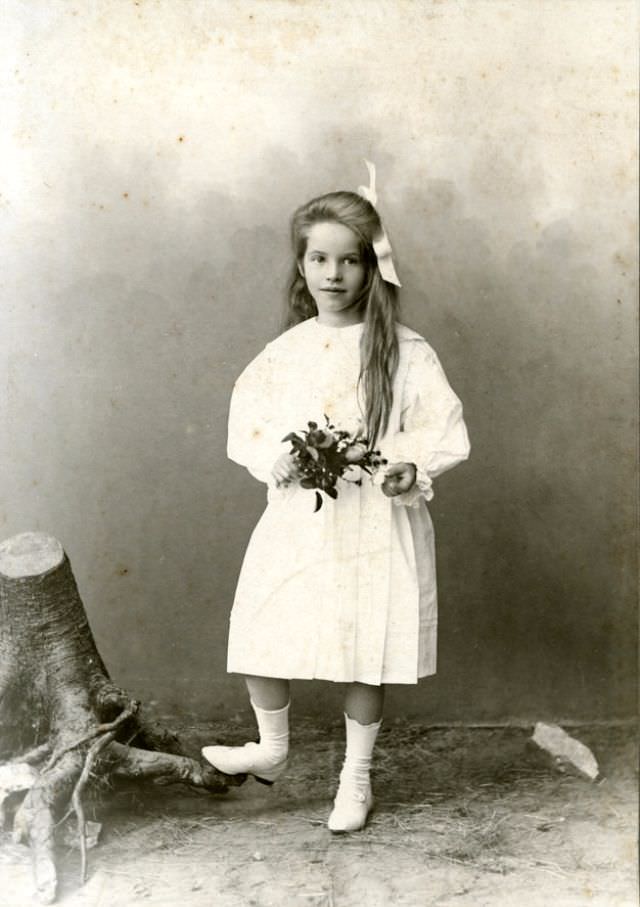
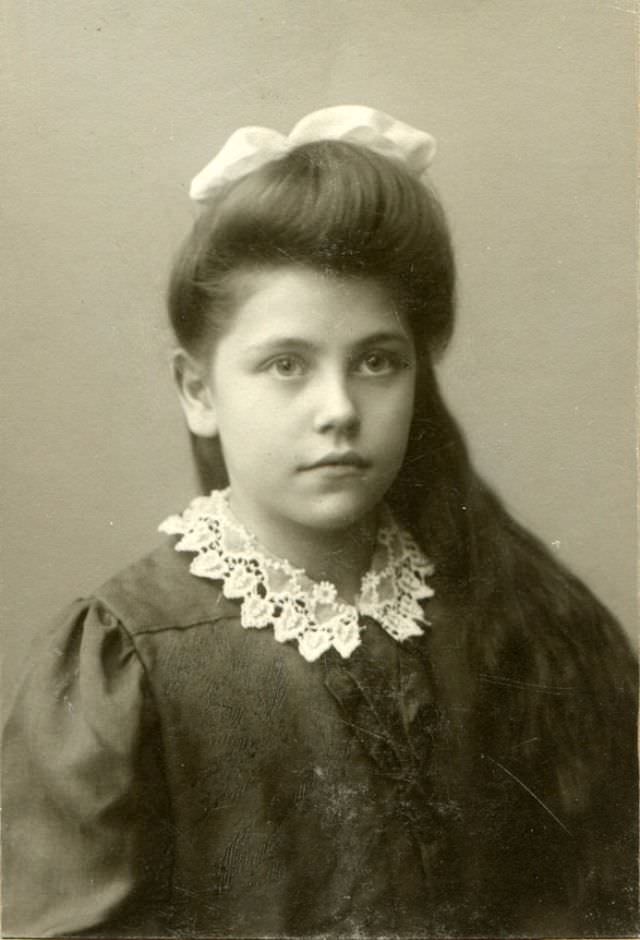
These photographs are more than old pictures — they are windows into a world that no longer exists. Taken in the early 1900s, they show teenage girls in Germany at a moment when daily life was structured, expectations were clear, and change was quietly building beneath the surface.
Family was the center of a young girl’s life. Most households were multi-generational, meaning grandparents, parents, and children all lived under the same roof. Girls were expected to cook, clean, sew, and care for younger siblings. These were not optional tasks — they were daily responsibilities that began early and continued into adulthood.
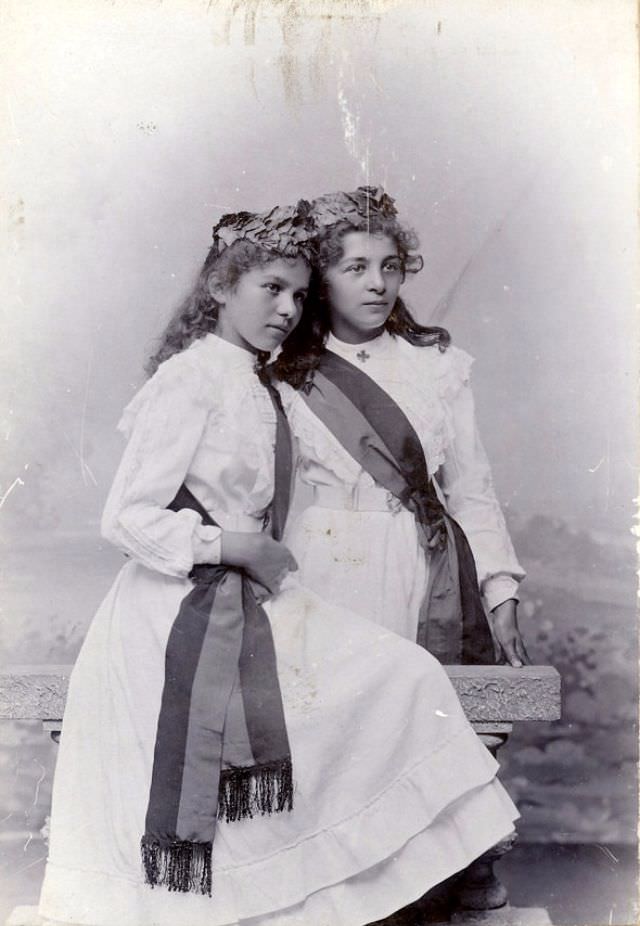
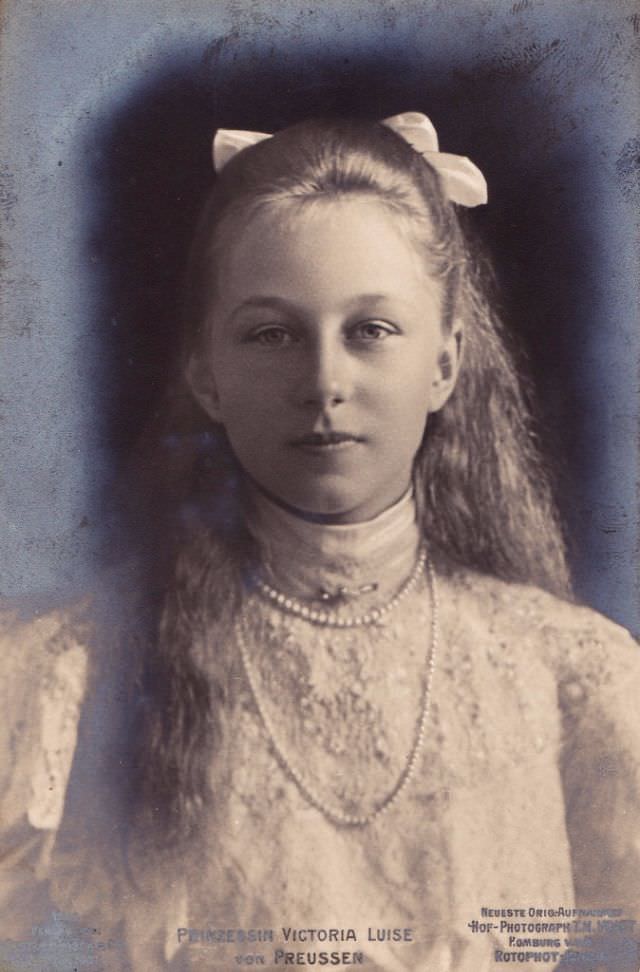
Education for girls was slowly changing. The old belief that women belonged only in the home was losing ground. More girls began attending school in the 1900s, though the curriculum still leaned heavily on domestic subjects — cooking, needlework, and housekeeping. Academic subjects like literature, mathematics, and languages were being introduced, but they remained secondary.
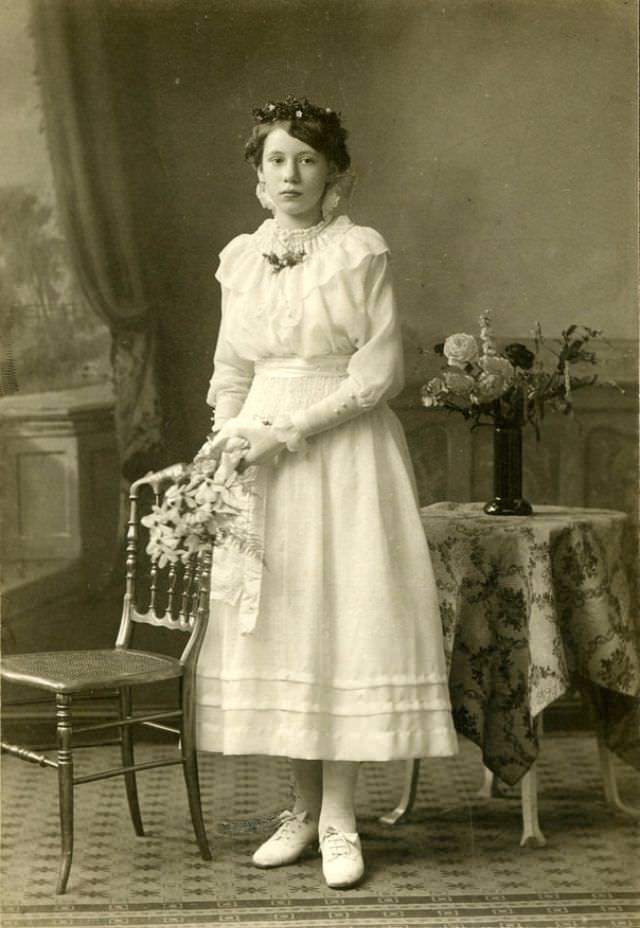
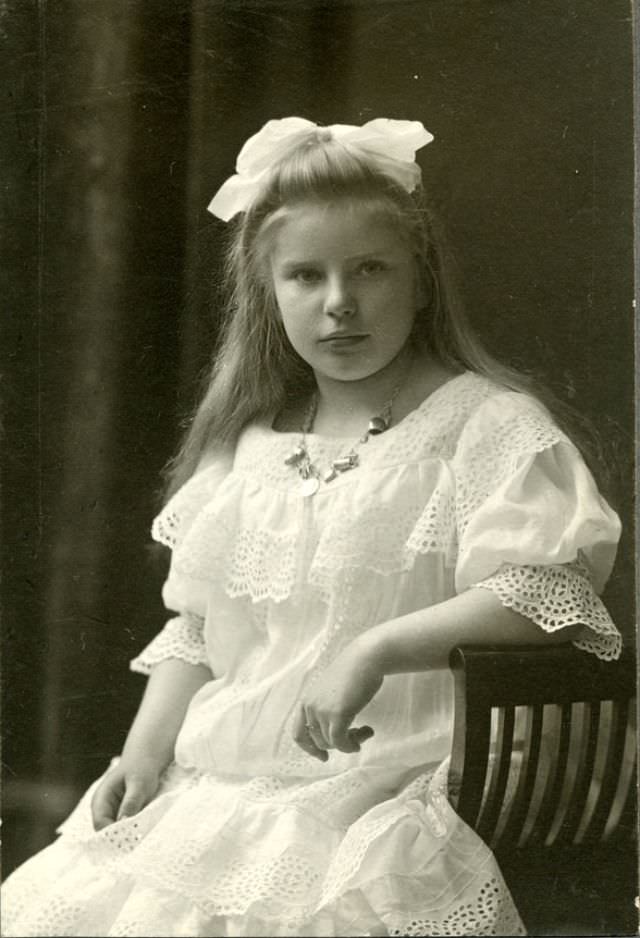
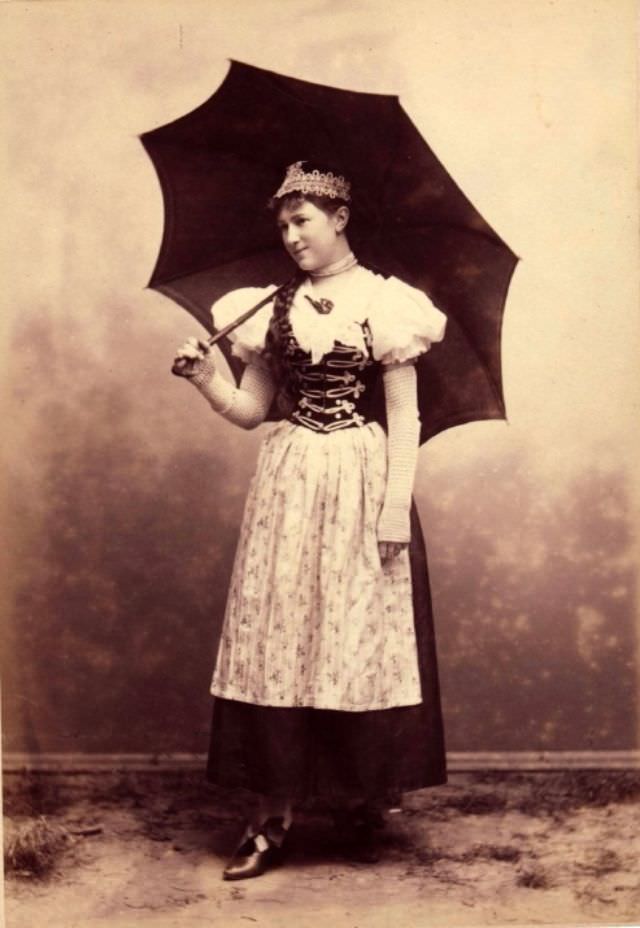
Fashion in this era followed the Edwardian style, which was widely worn across Europe, including Germany. Teenage girls dressed in long skirts that reached the ankle, high collars, and large decorative hats trimmed with ribbons or flowers. Corsets were still worn to achieve the fashionable S-shaped silhouette — a look that defined the period.
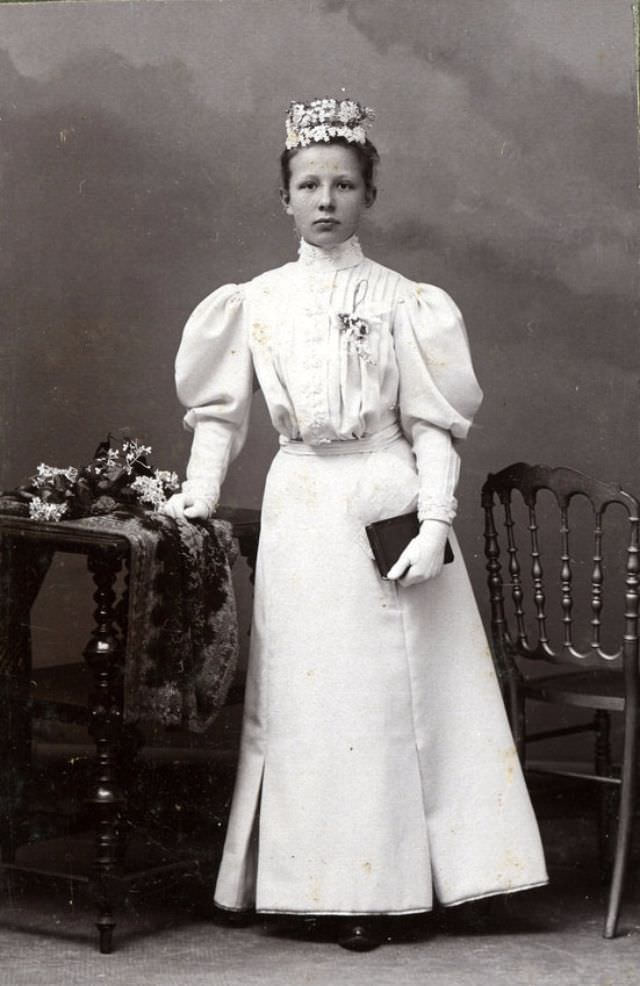
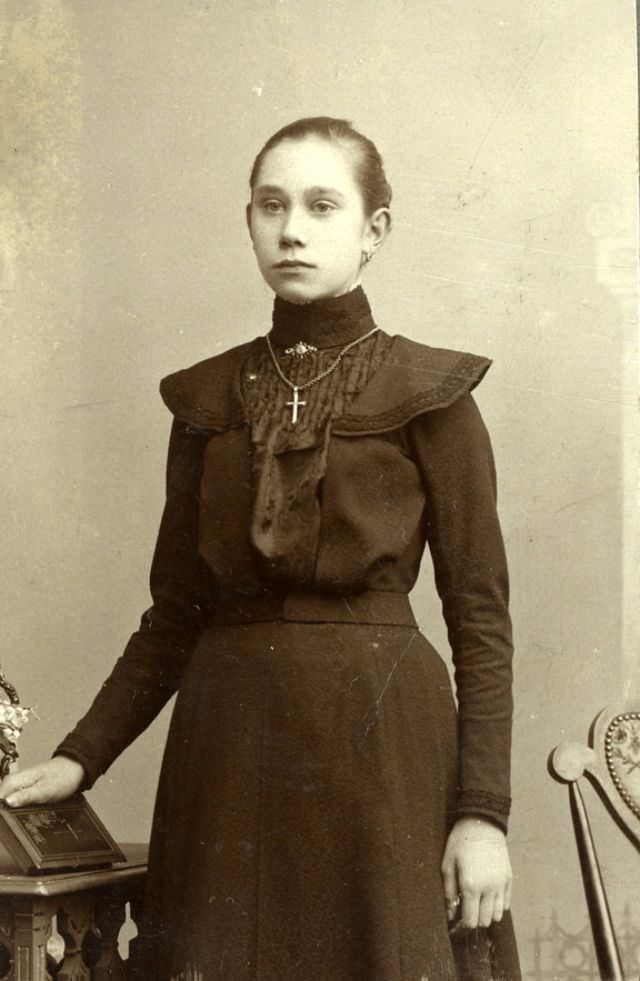
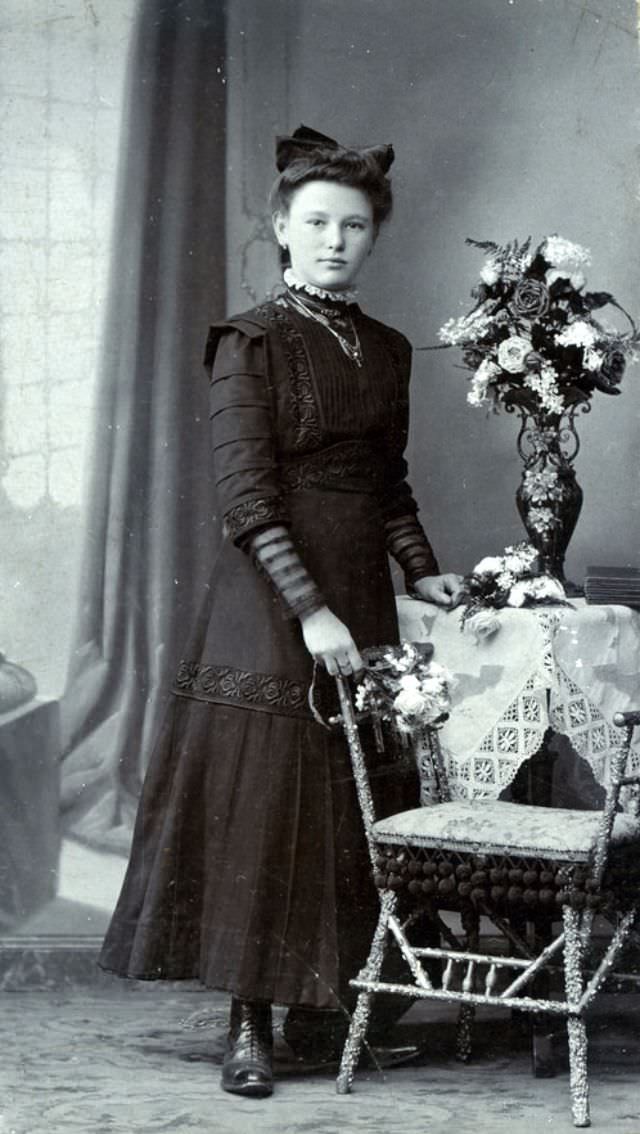
Social life centered on family and community events. Dances and debutante balls were among the most important gatherings a young woman could attend. These events served a dual purpose — they were enjoyable outings, but also carefully supervised settings where young people met potential suitors under the watchful eyes of their elders.
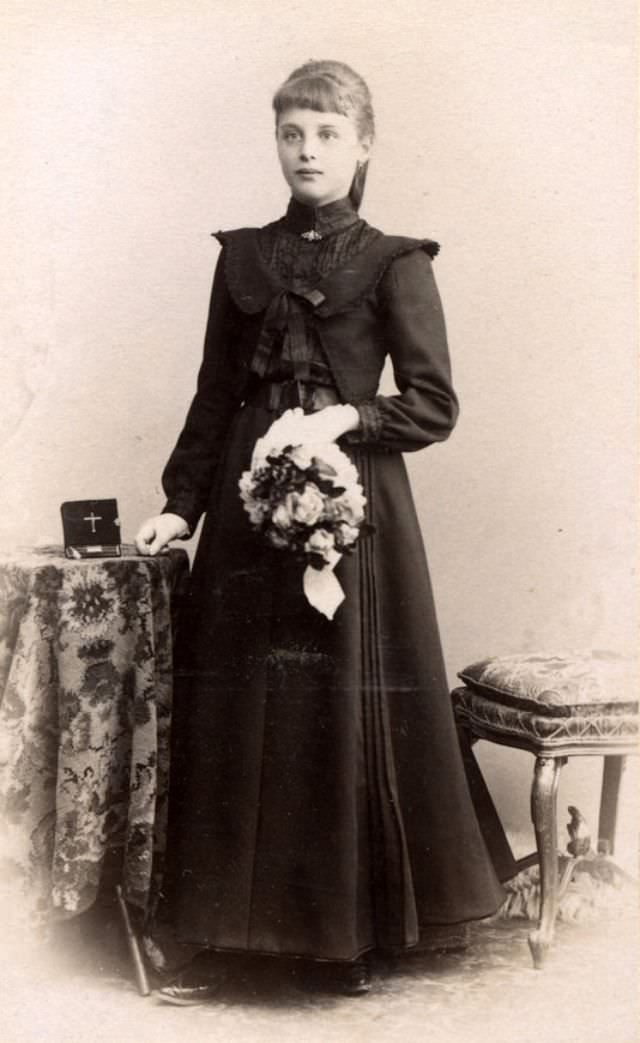
Outside of formal events, girls filled their free time with reading, embroidery, and bicycling. Novels and women’s magazines were shared among friends and discussed at length. Embroidery was considered an essential skill for any young woman. Bicycling, on the other hand, was newer and seen by many as a genuinely liberating activity — a small but meaningful freedom.
The political landscape was shifting too. In 1908, women in Germany were legally permitted to join political parties for the first time. The women’s rights movement was gaining real momentum, and while most teenage girls were not directly involved, the changes taking shape around them were setting the stage for a very different future.