General Motors was founded in 1908 by William C. Durant, a man who had already made his name building carriages. He recognized early that the automobile was the future, and he moved fast. Within a few years, Durant had acquired Buick, Oldsmobile, and Cadillac, giving GM a lineup that covered everything from workhorse transportation to high-end luxury. Chevrolet joined the GM family in 1918, added specifically to challenge Ford’s wildly popular Model T in the mass market.
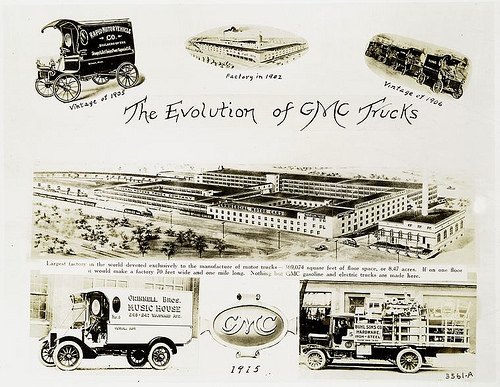
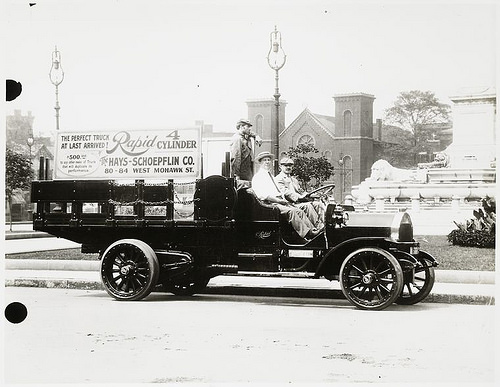
GM’s truck story began almost as early as its car story. The Rapid Motor Vehicle Company was one of the first commercial truck makers absorbed into the GM orbit, and its early models set the tone for what working vehicles in America would look like for decades.
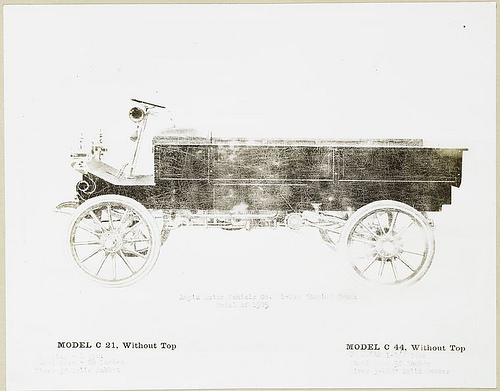
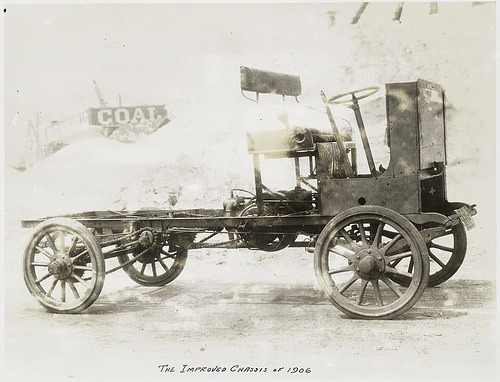
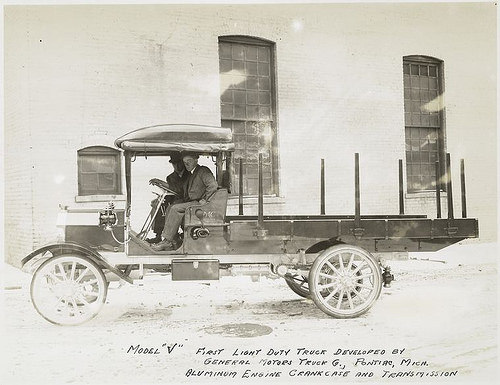
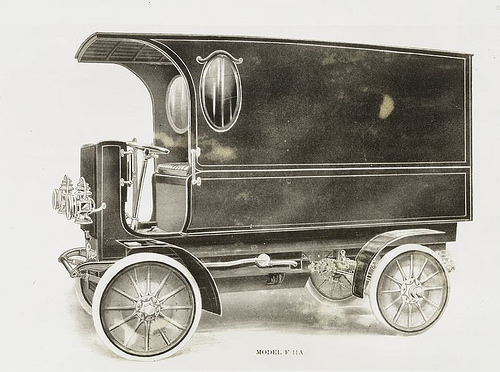
By the mid-1900s and into the 1910s, GM’s truck division was already refining its chassis designs and experimenting with different drive systems. The General Motors Truck Company, based in Pontiac, Michigan, pushed out a series of models targeting different load capacities and commercial needs.
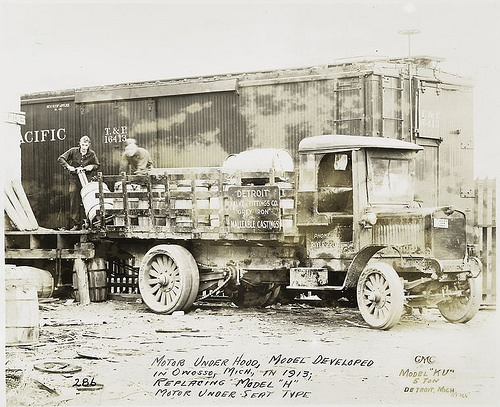
Heavier-duty hauling demanded bigger machines. The GMC Model KU, a 5-ton truck developed at the Reliance Plant in Owosso, Michigan in 1913, represented a serious leap in capacity. It placed the motor under the hood — a design shift that would become standard across the industry.
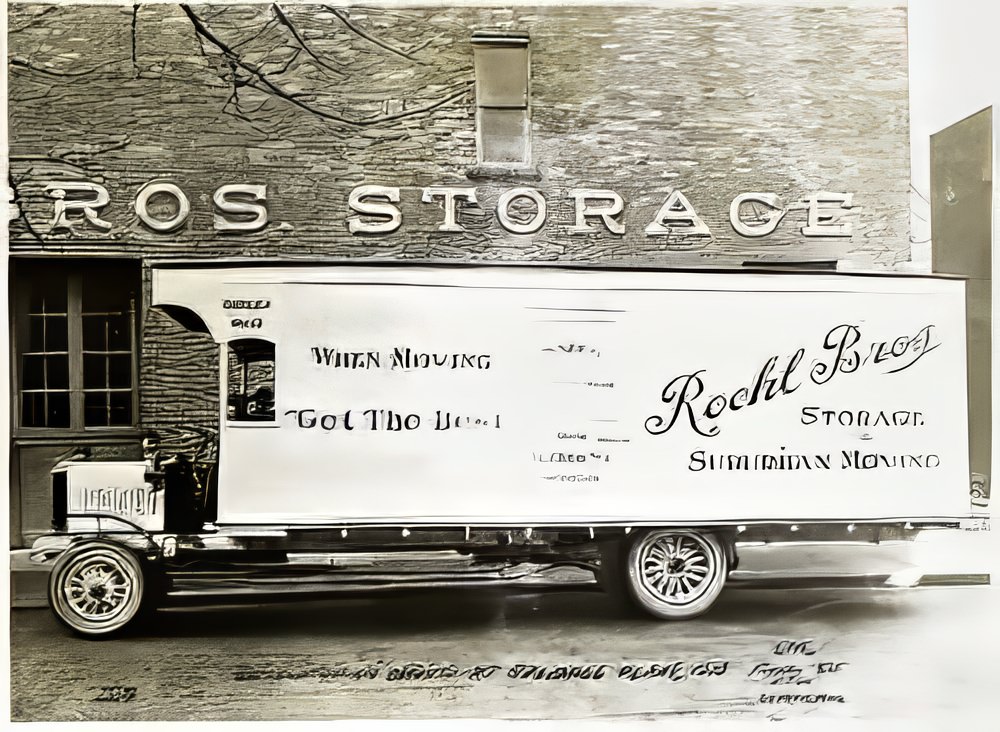
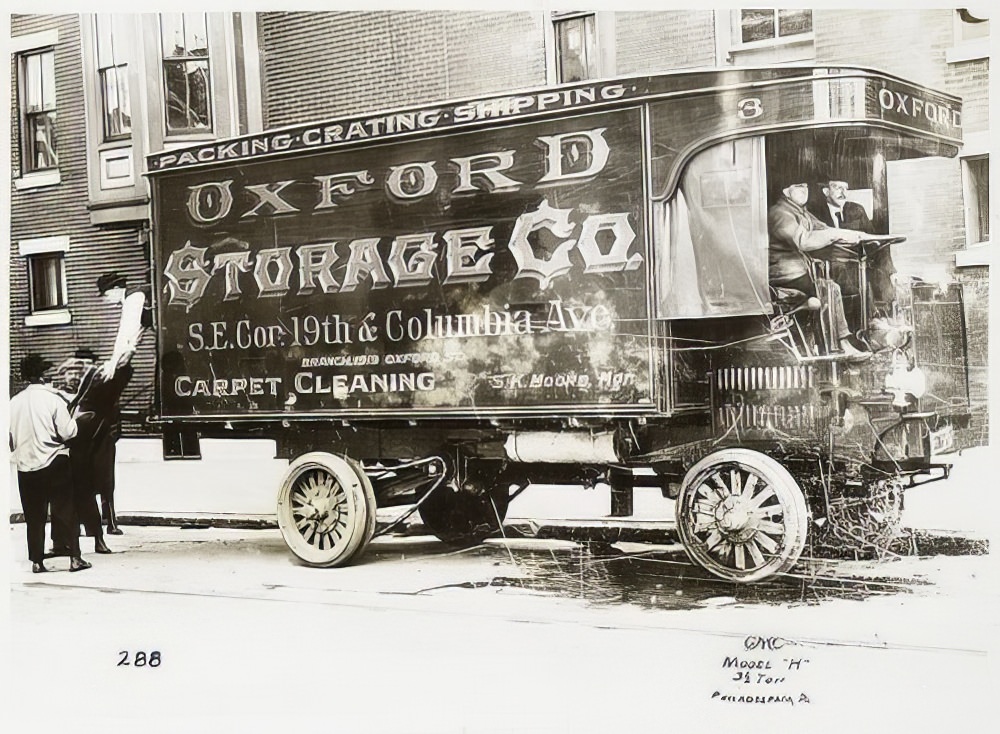
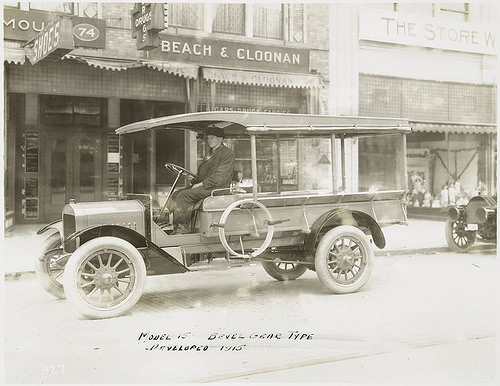
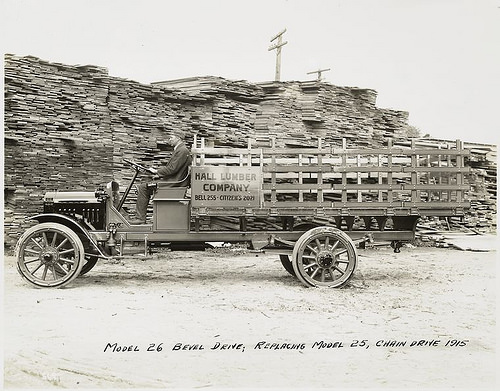
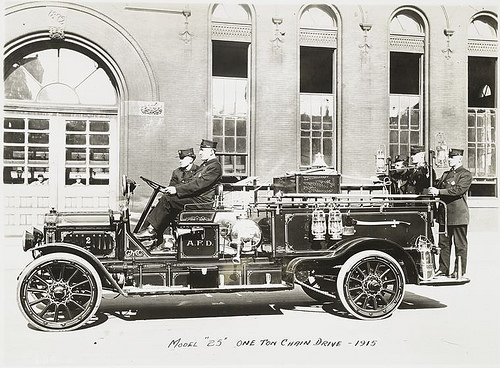
The mid-1910s saw GM experimenting with drive systems. Chain drives, bevel drives, and worm drives were all tested across different models, each offering trade-offs in power delivery and durability. The Model 15, developed in 1915, used a bevel gear system, while other models like the Model 25 stayed with the older chain drive format.
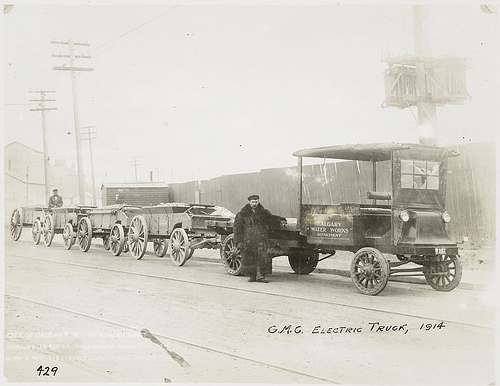
GM also built electric trucks during this era. The 1914 GMC electric truck was a practical urban hauler, suited for short delivery runs in city environments where gasoline engines were noisier and harder to manage. Electric commercial vehicles were not a novelty — they were a legitimate part of the commercial fleet landscape.
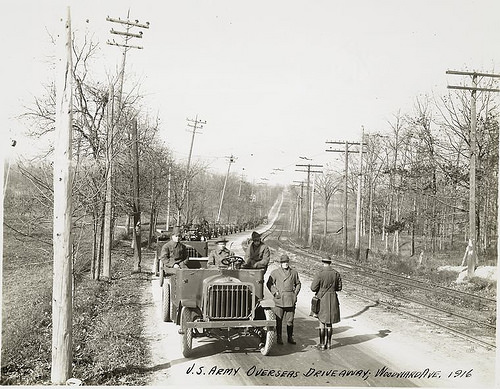
GMC trucks proved useful well beyond commercial deliveries. By 1916 and 1917, the U.S. Army had adopted the GMC Model 16 AA as its standard ambulance. The Army also used GMC trucks for overseas supply runs, with vehicle convoys photographed along Woodward Avenue in 1916 ahead of deployment.
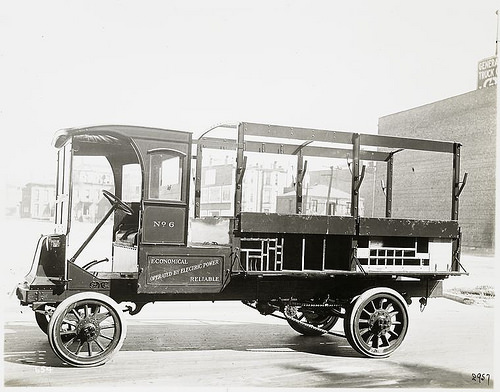
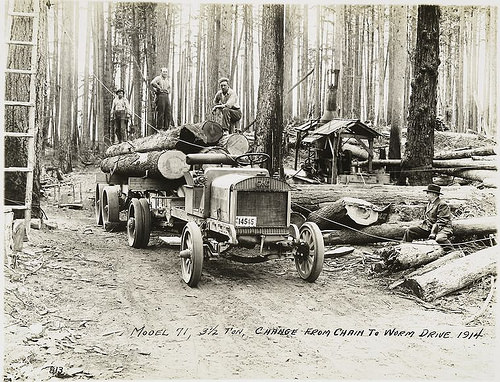
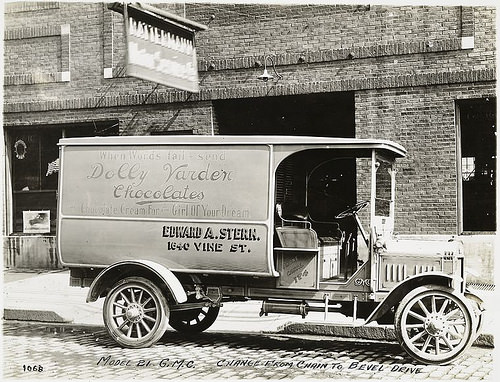
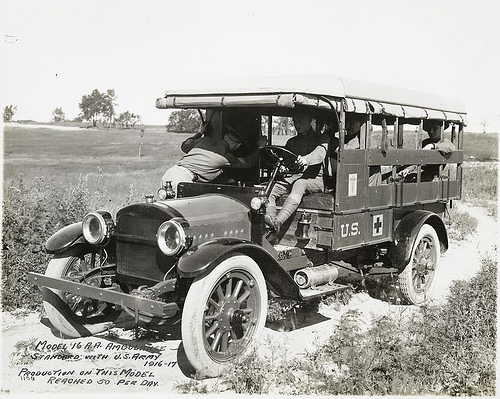
The Rapid brand had roots that went back to the very beginning of GM’s truck history. Early Rapid trucks carried drivers and passengers alongside their loads, a practical necessity on job sites where crew transport mattered as much as cargo capacity.
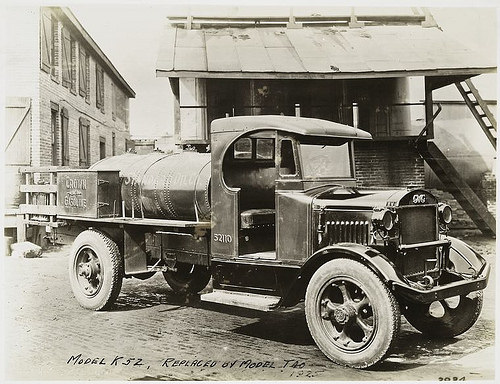
Through the 1920s, GM’s truck lineup continued to evolve. Model designations shifted and expanded as the company responded to market demand. Trucks were replaced by updated versions — the Model K 52, for example, gave way to the Model T40 in 1925.
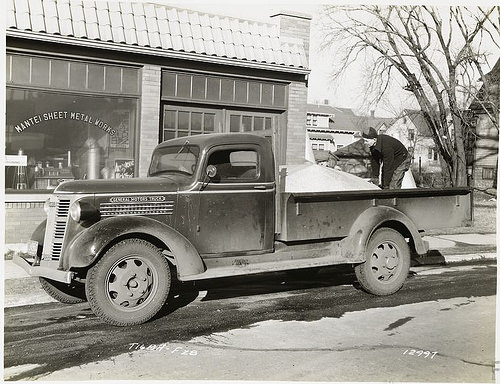
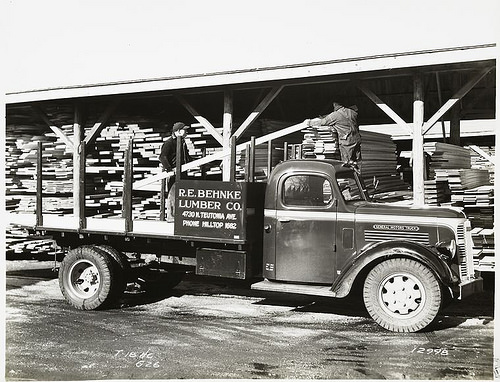
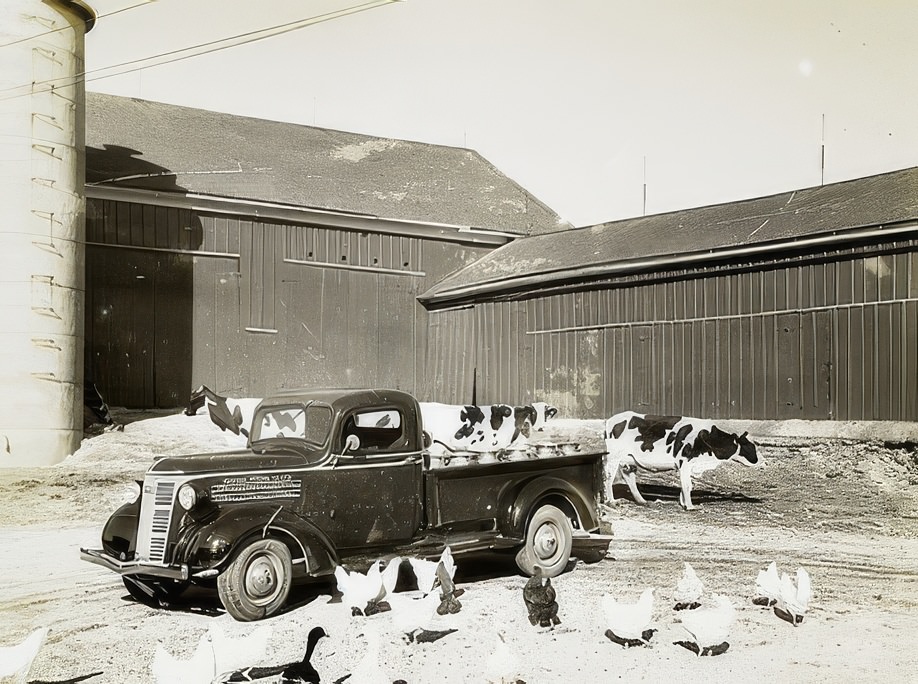
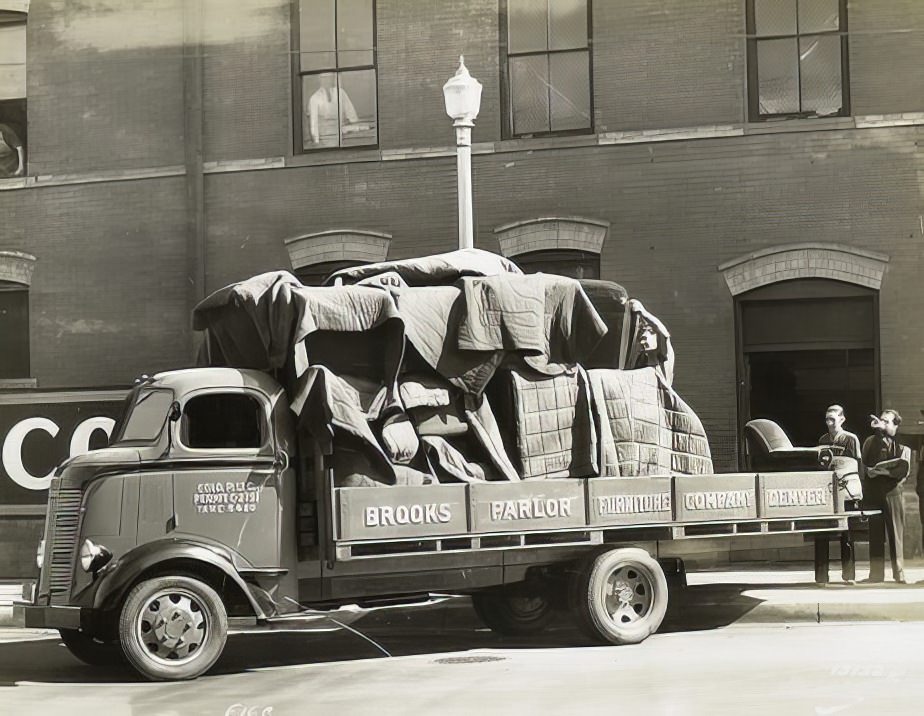
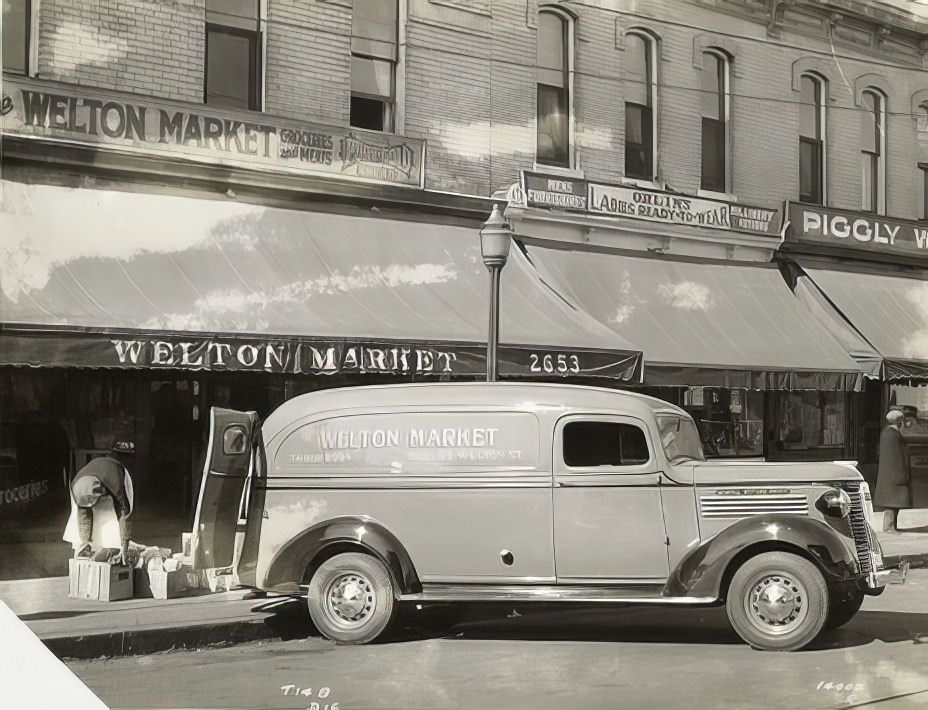
These trucks didn’t sit idle in showrooms. They went to work immediately across every trade imaginable — lumber yards, coal quarries, furniture haulers, and grocery warehouses all relied on GM trucks to keep their businesses moving.
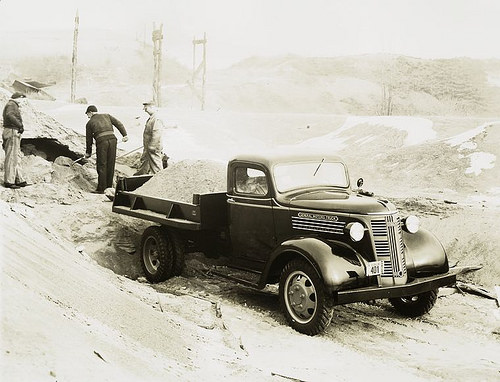
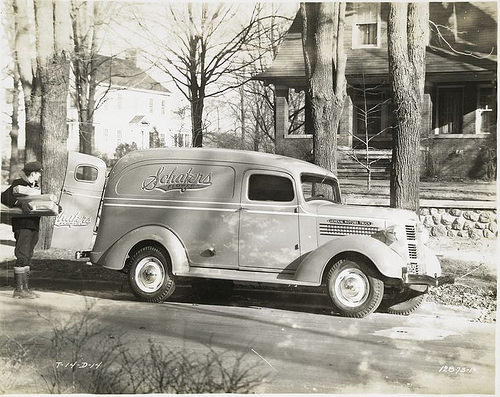
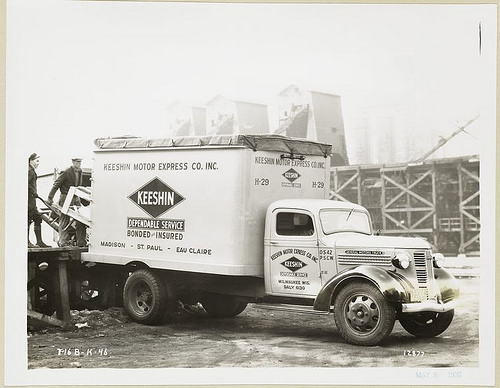
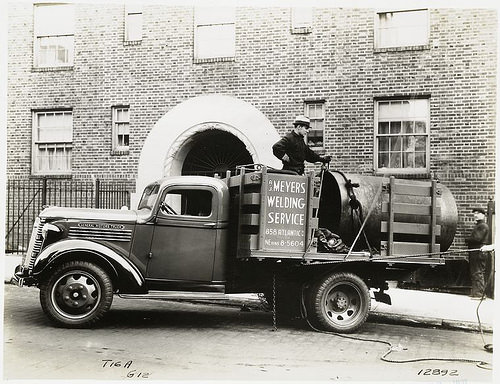
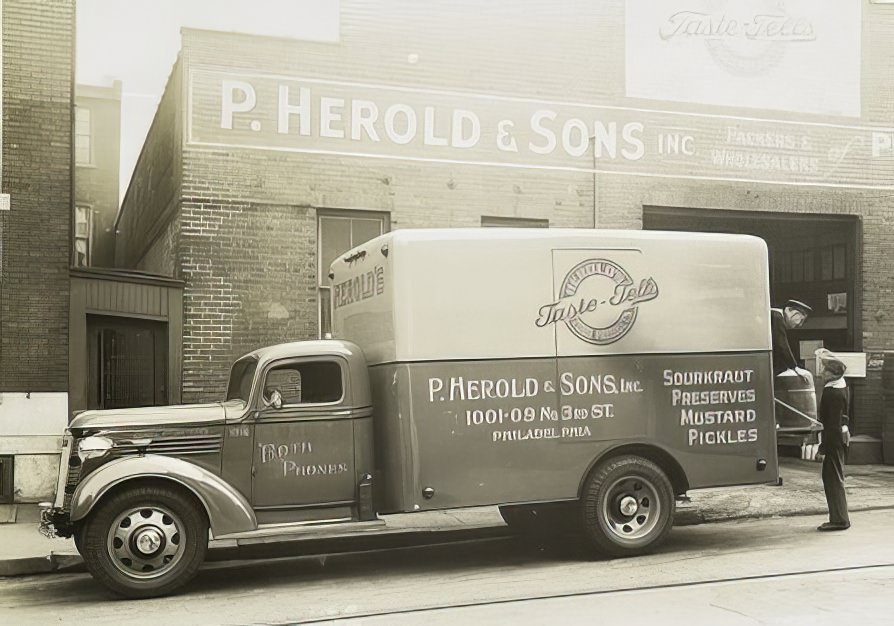
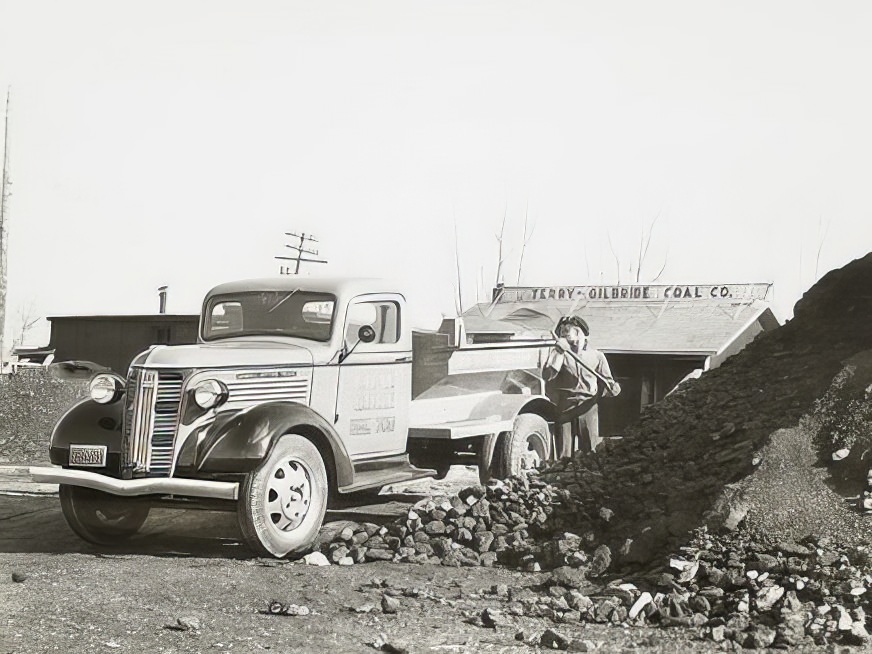
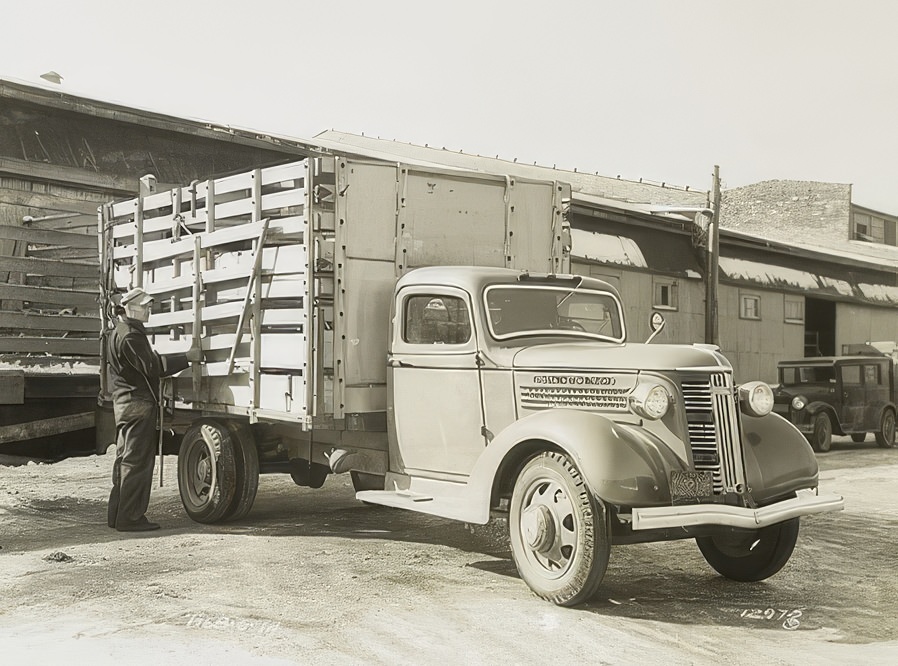
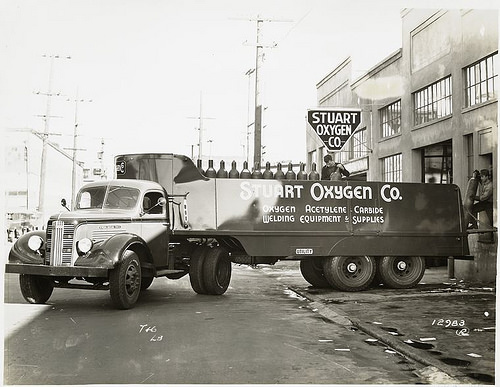
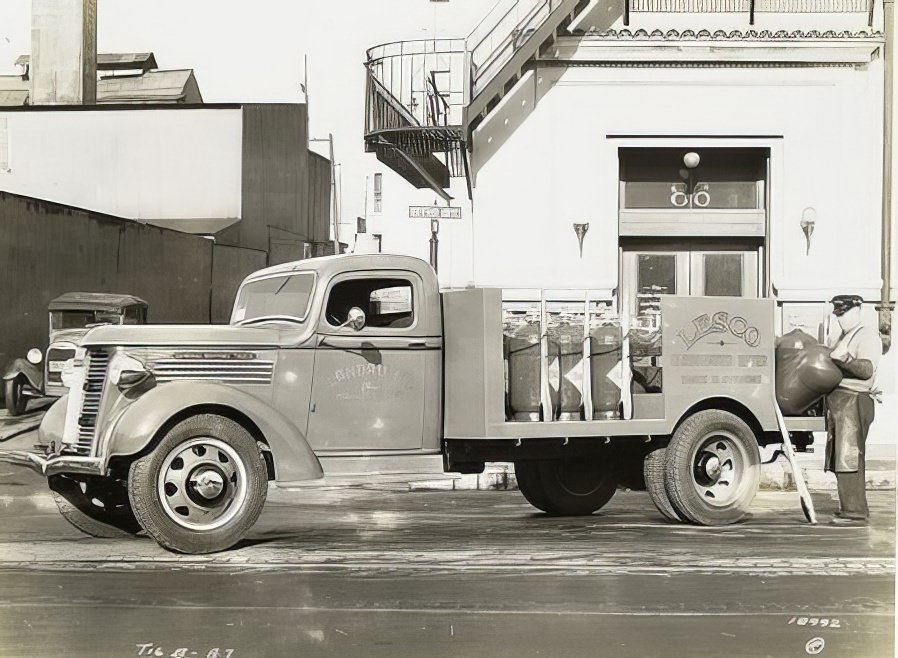
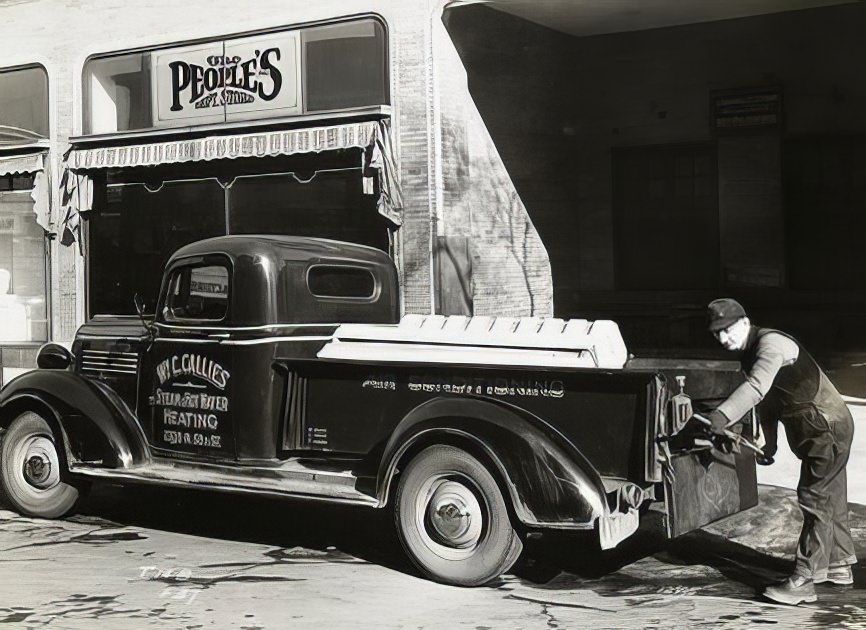
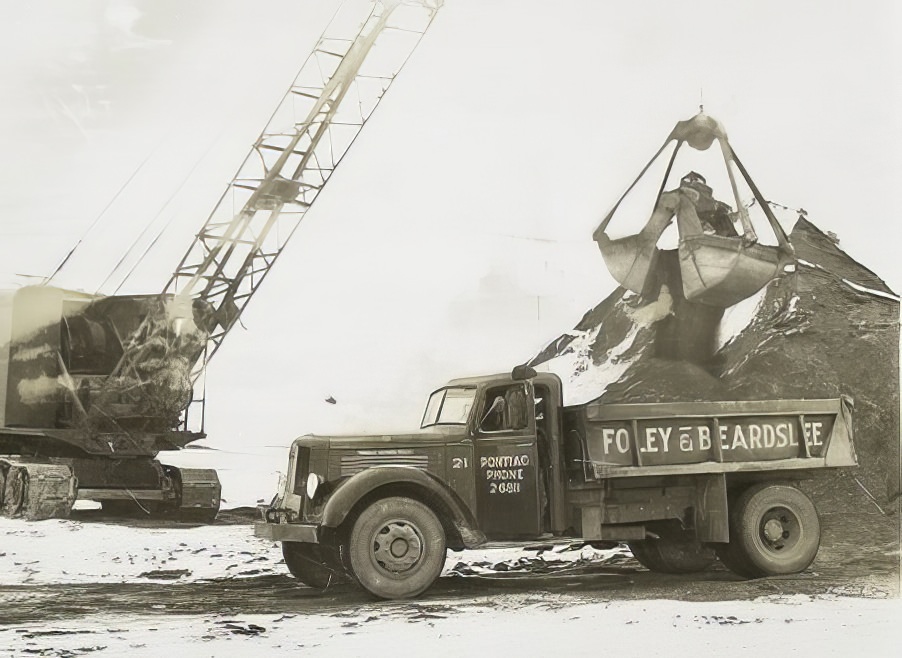
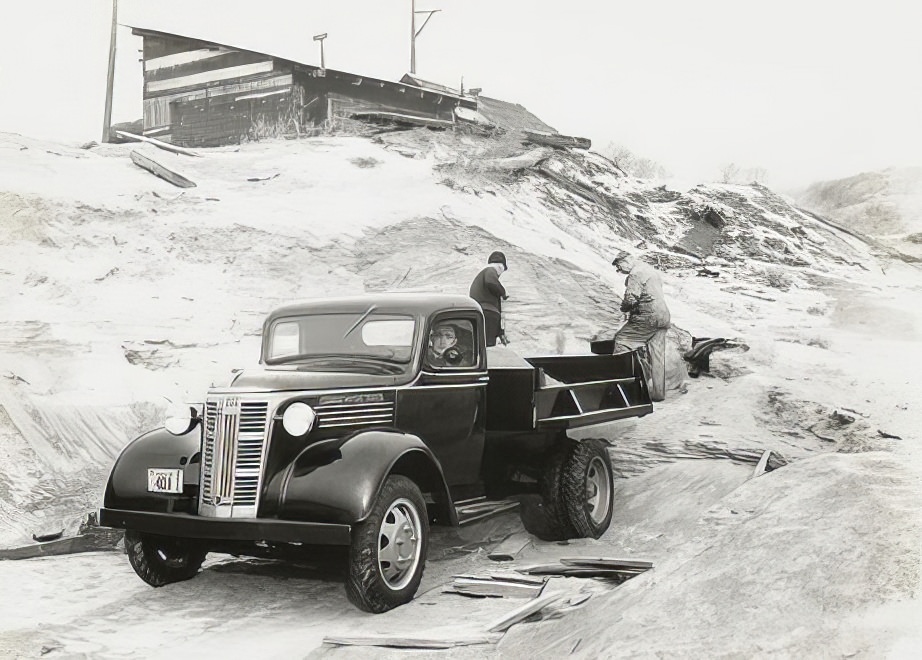
Beyond deliveries, GM trucks handled raw material transport at construction sites and industrial yards. Sand, gravel, and soil moved by the truckload as American cities expanded through the 1920s and into the Depression years.
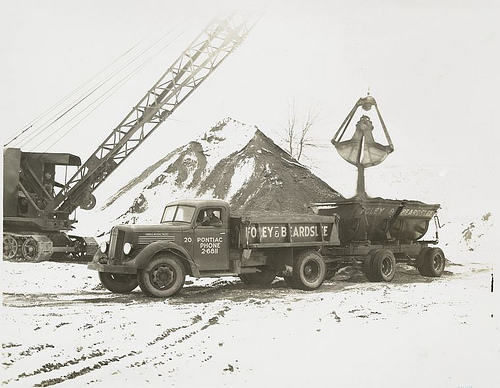
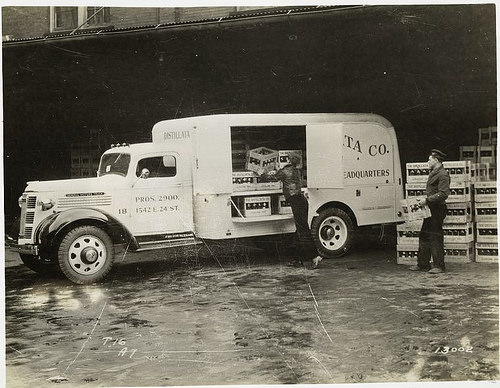
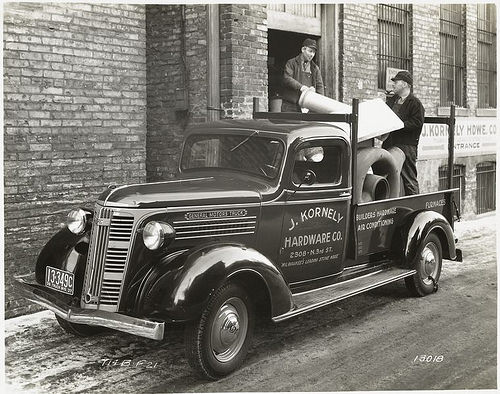
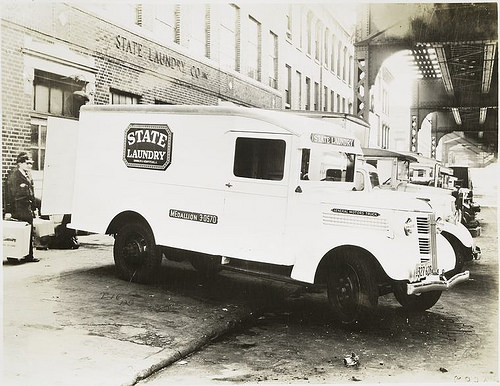
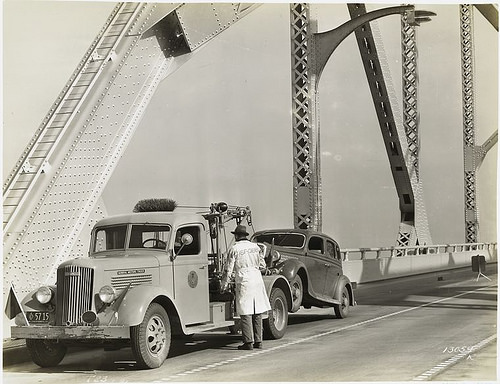
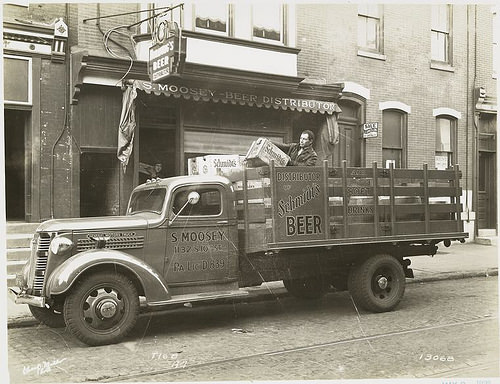
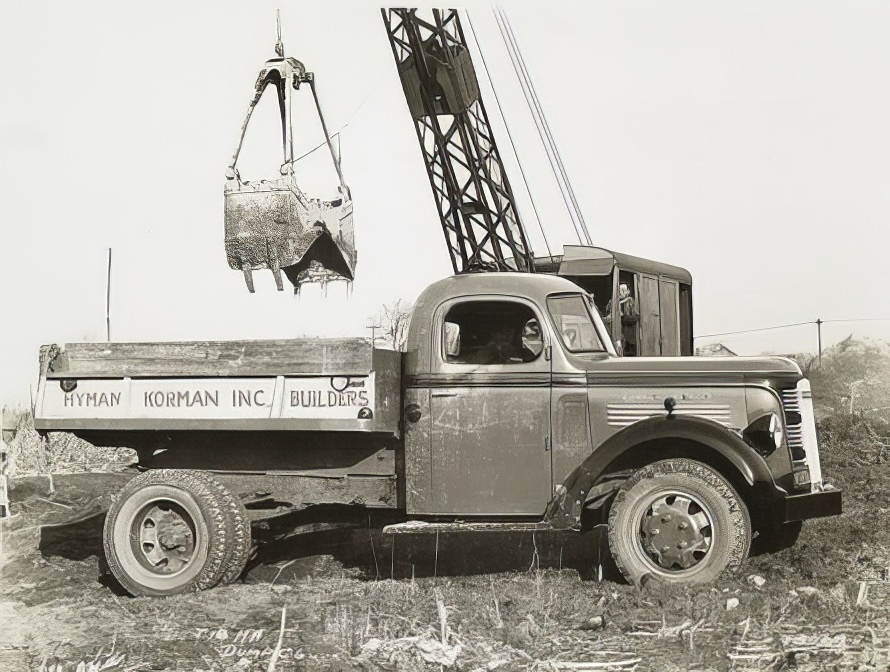
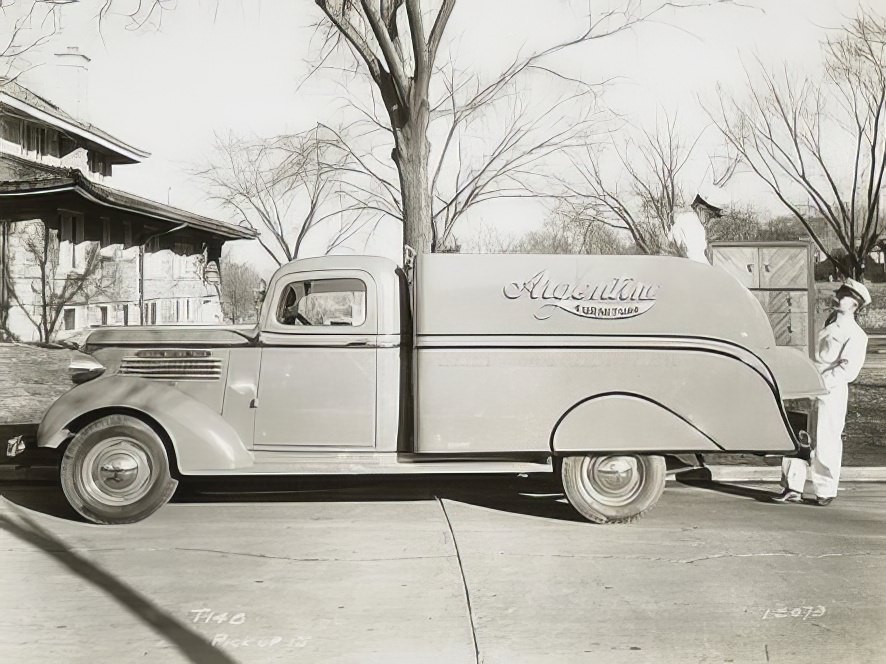
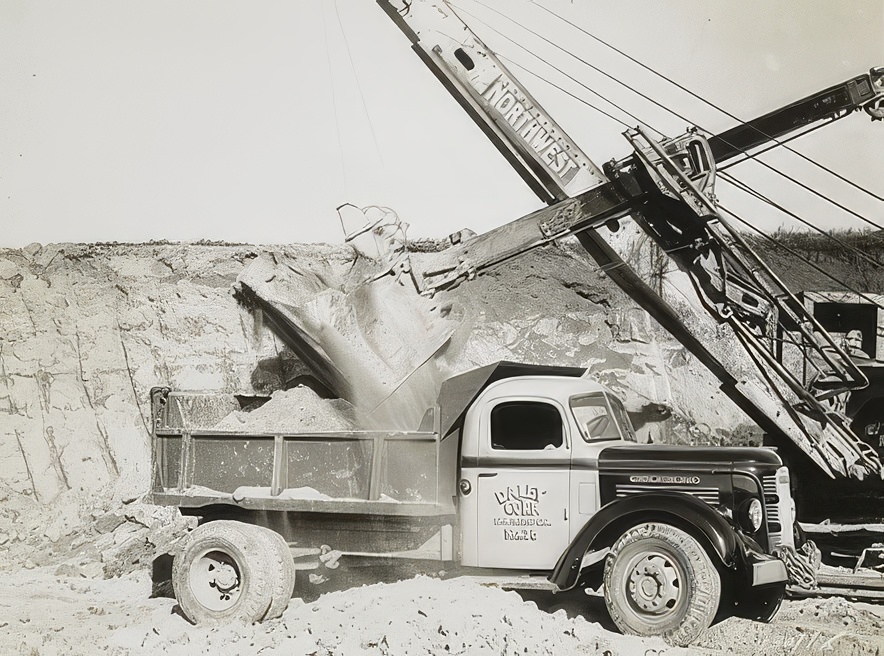
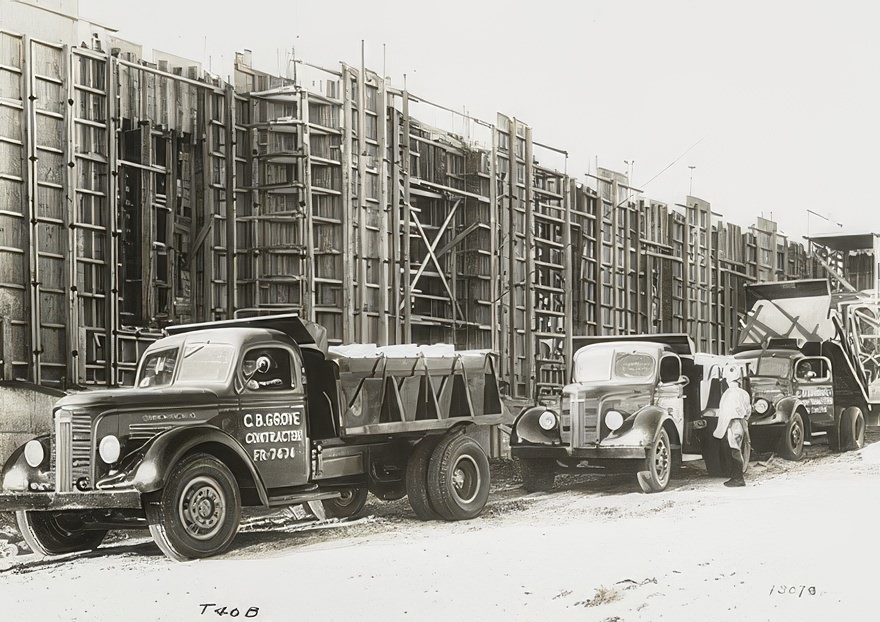
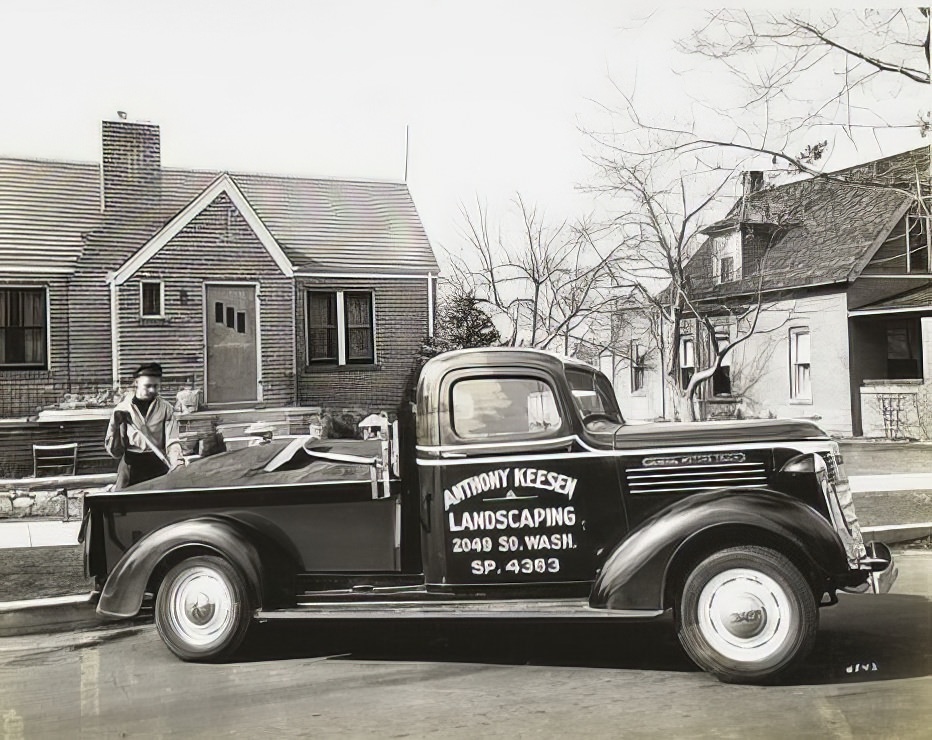
Food supply chains also ran on GM trucks. Produce, potatoes, milk, and groceries all moved through cities on GM flatbeds and vans. These photos capture the full range of that everyday commercial work.
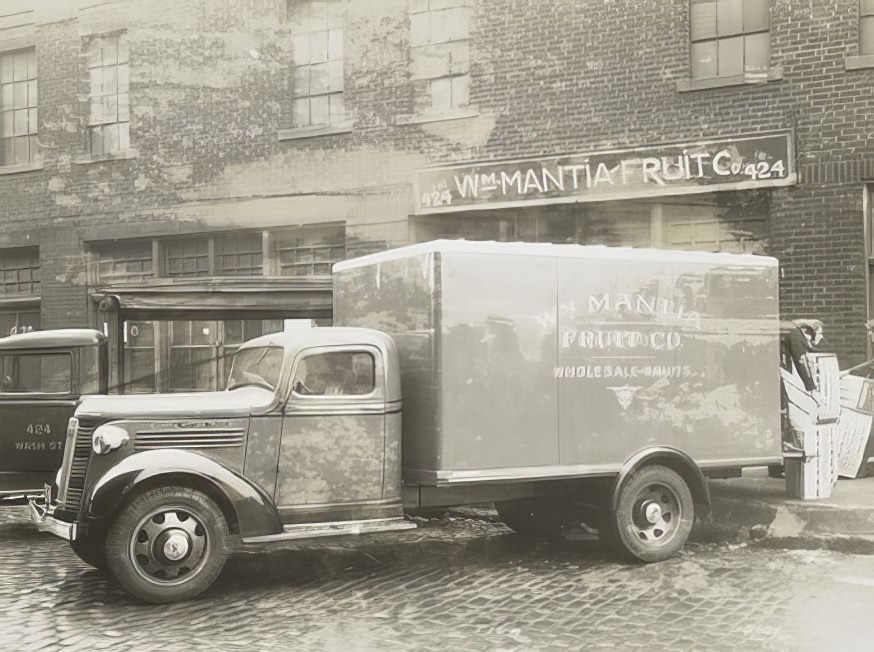
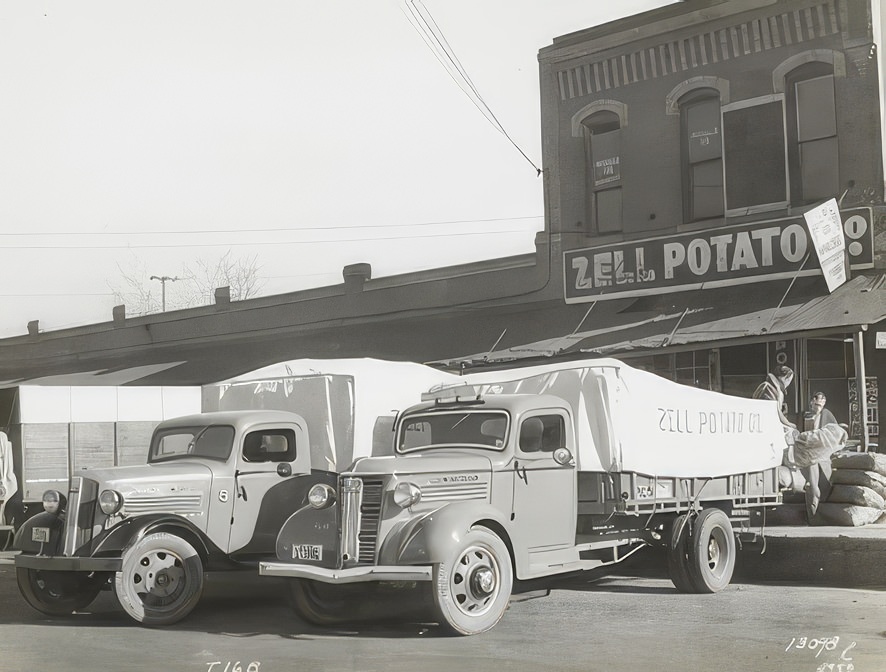
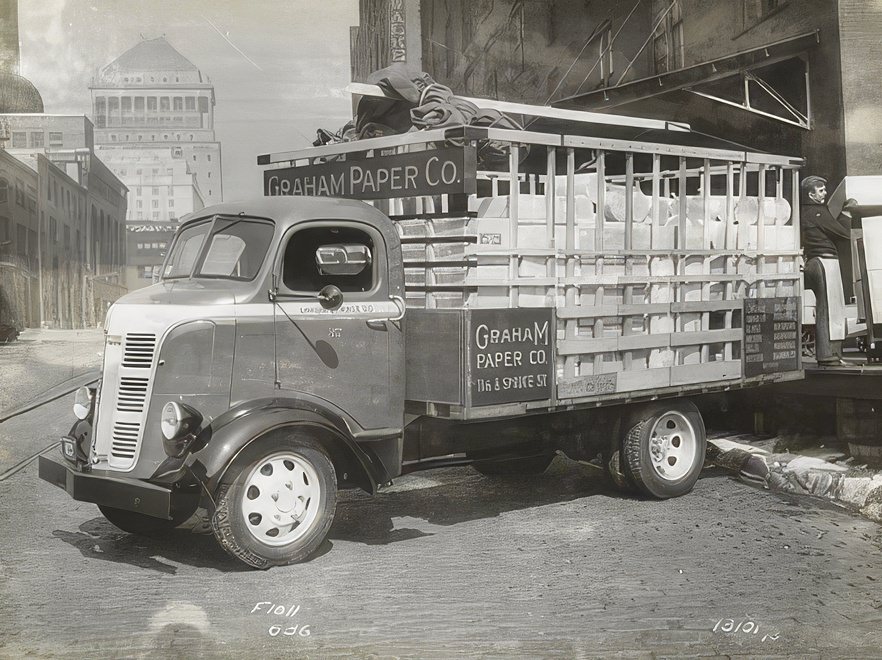
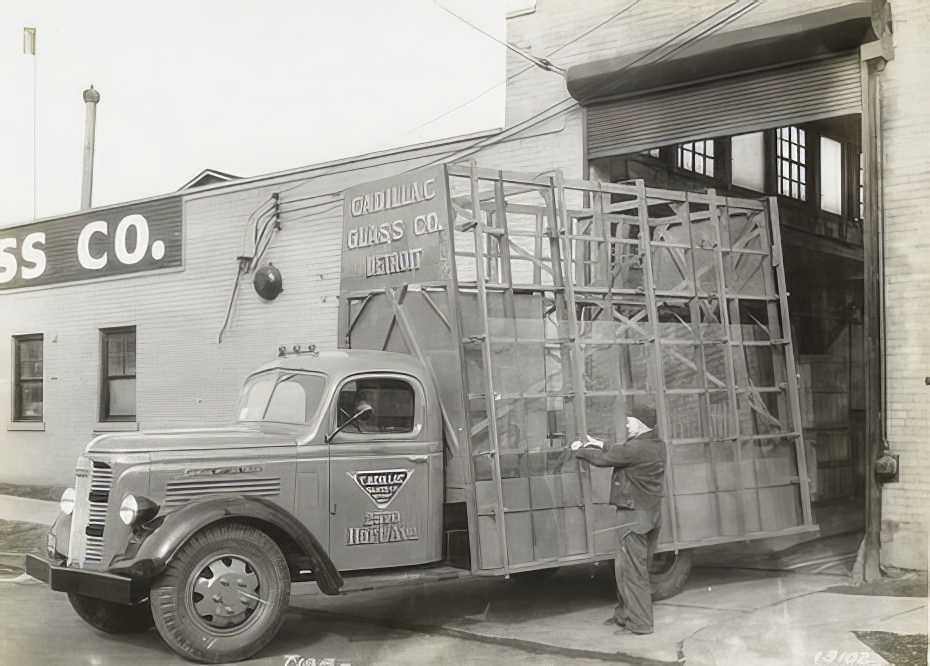
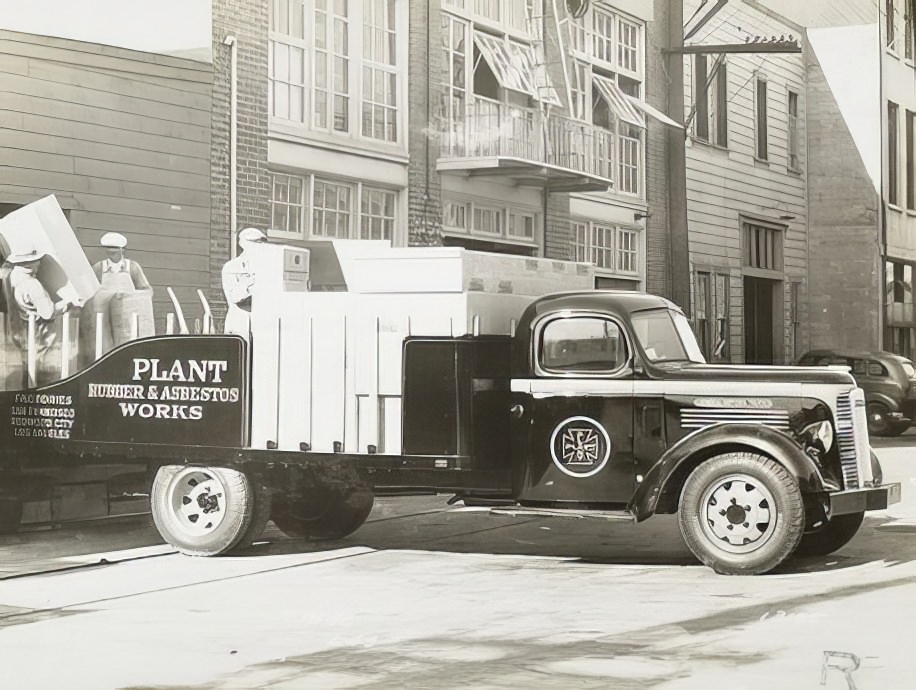
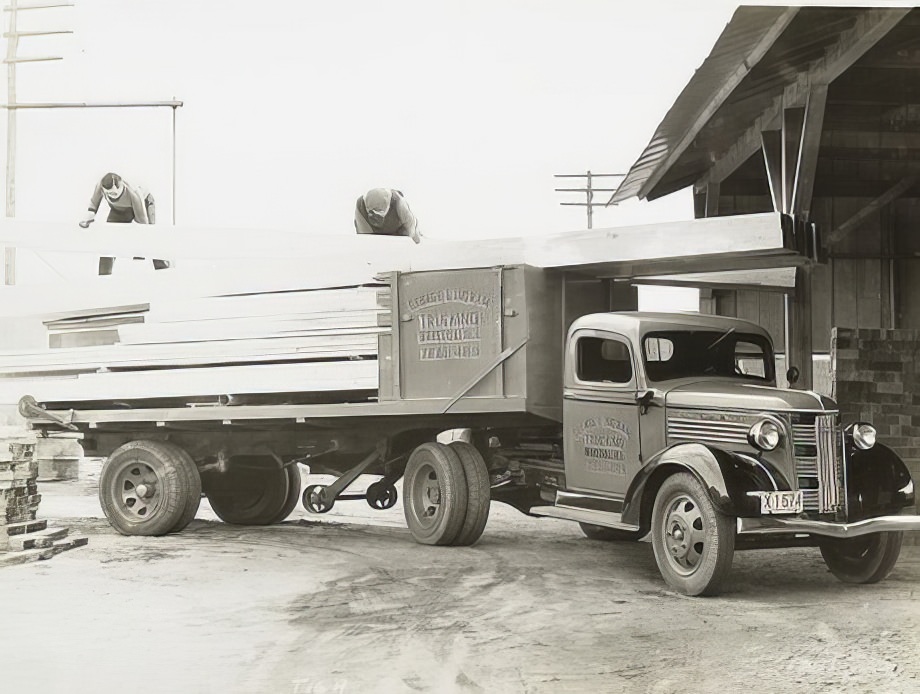
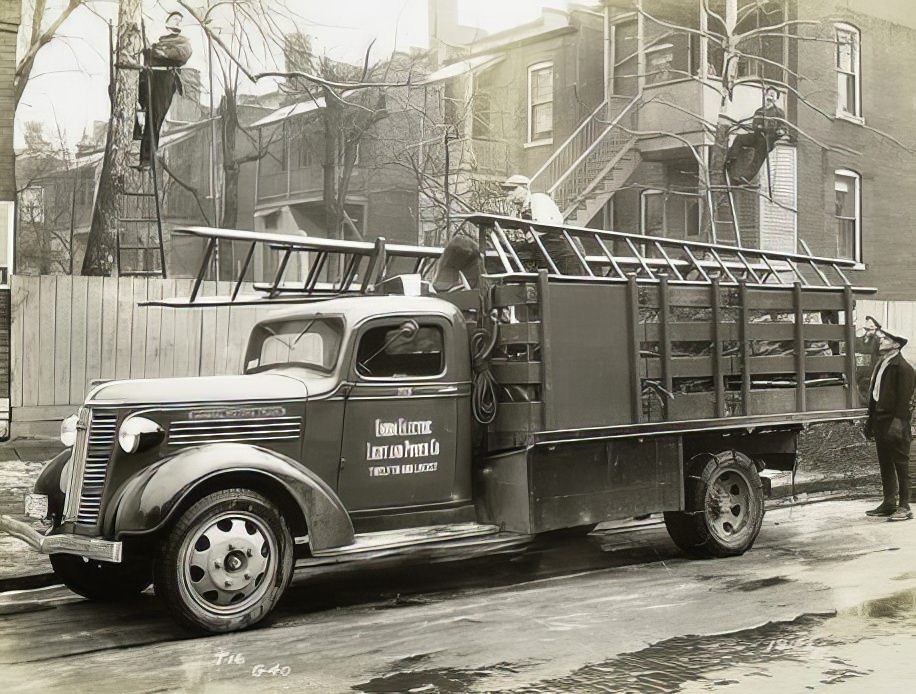
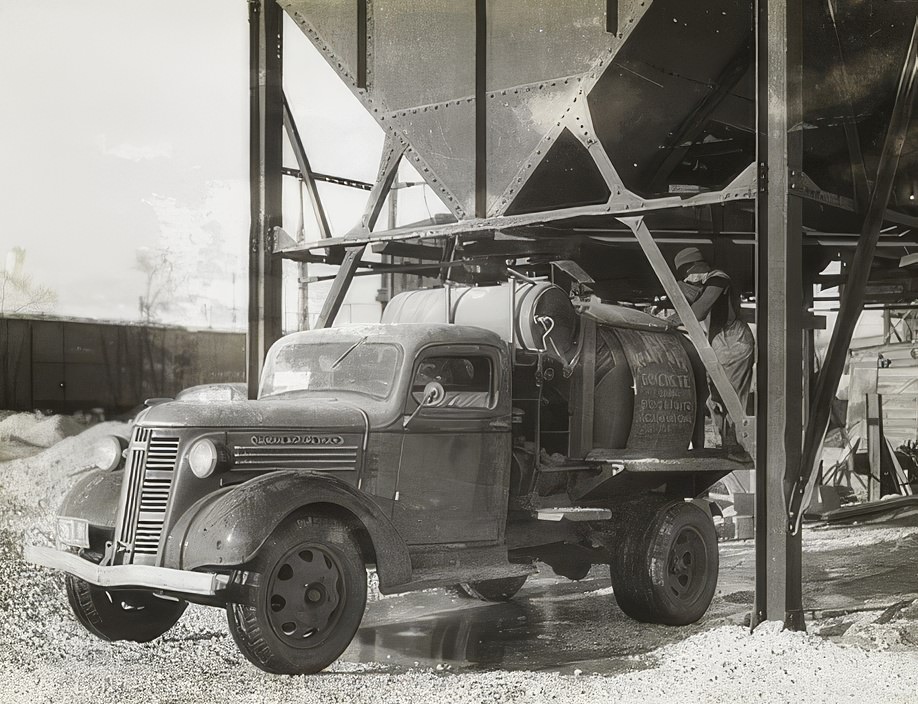
Heavy industry put GM trucks to the hardest tests. Quarry work, concrete mixing, and large-scale sand and gravel hauling demanded reliable, rugged vehicles. Companies like Foley & Beardslee and Hyman Korman Inc. trusted GM trucks with exactly that kind of punishing work day after day.