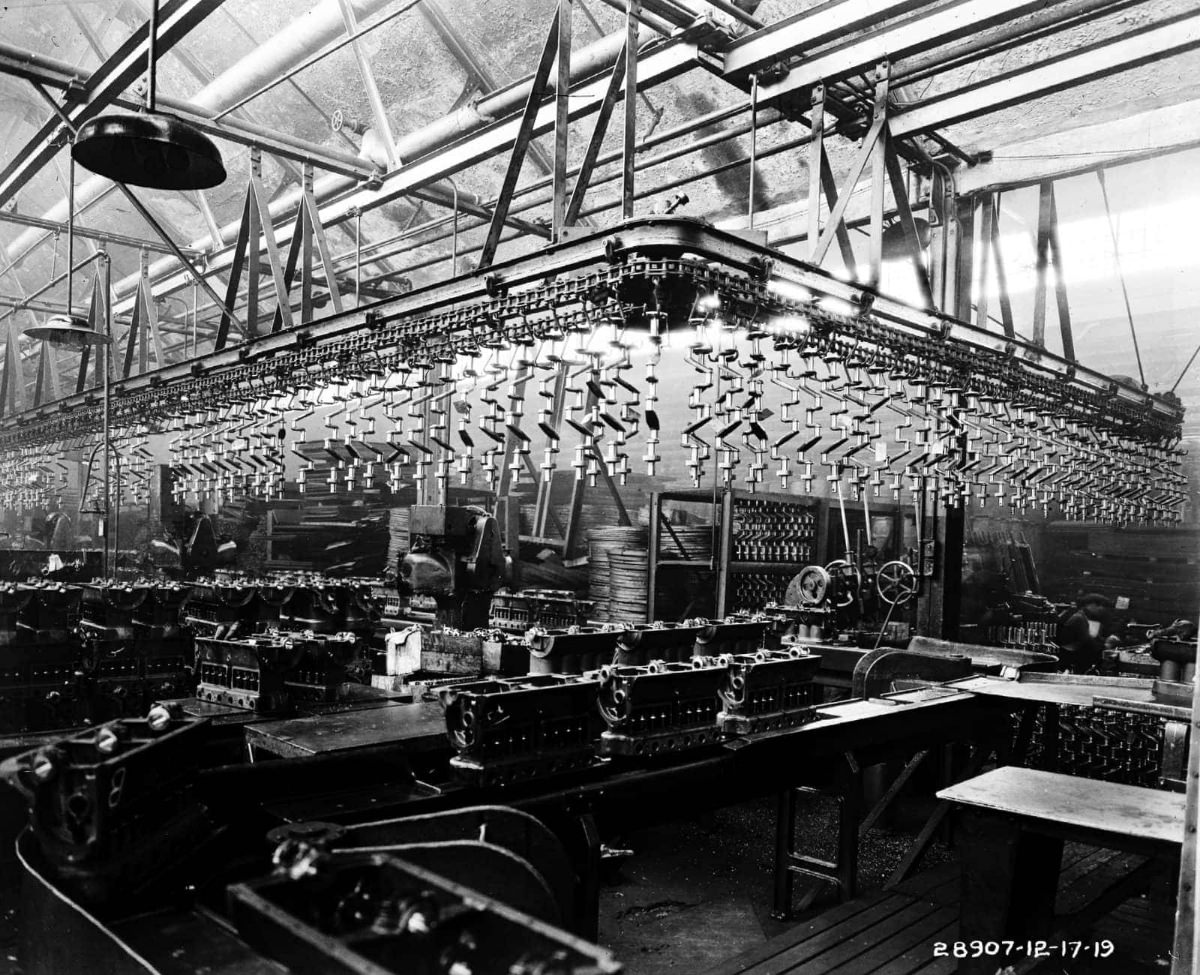
In 1913, Henry Ford introduced the moving assembly line at his Highland Park plant in Michigan. Before this, building a single Ford Model T took roughly 12 hours. One worker, or a small team, had to handle most of the process from start to finish.
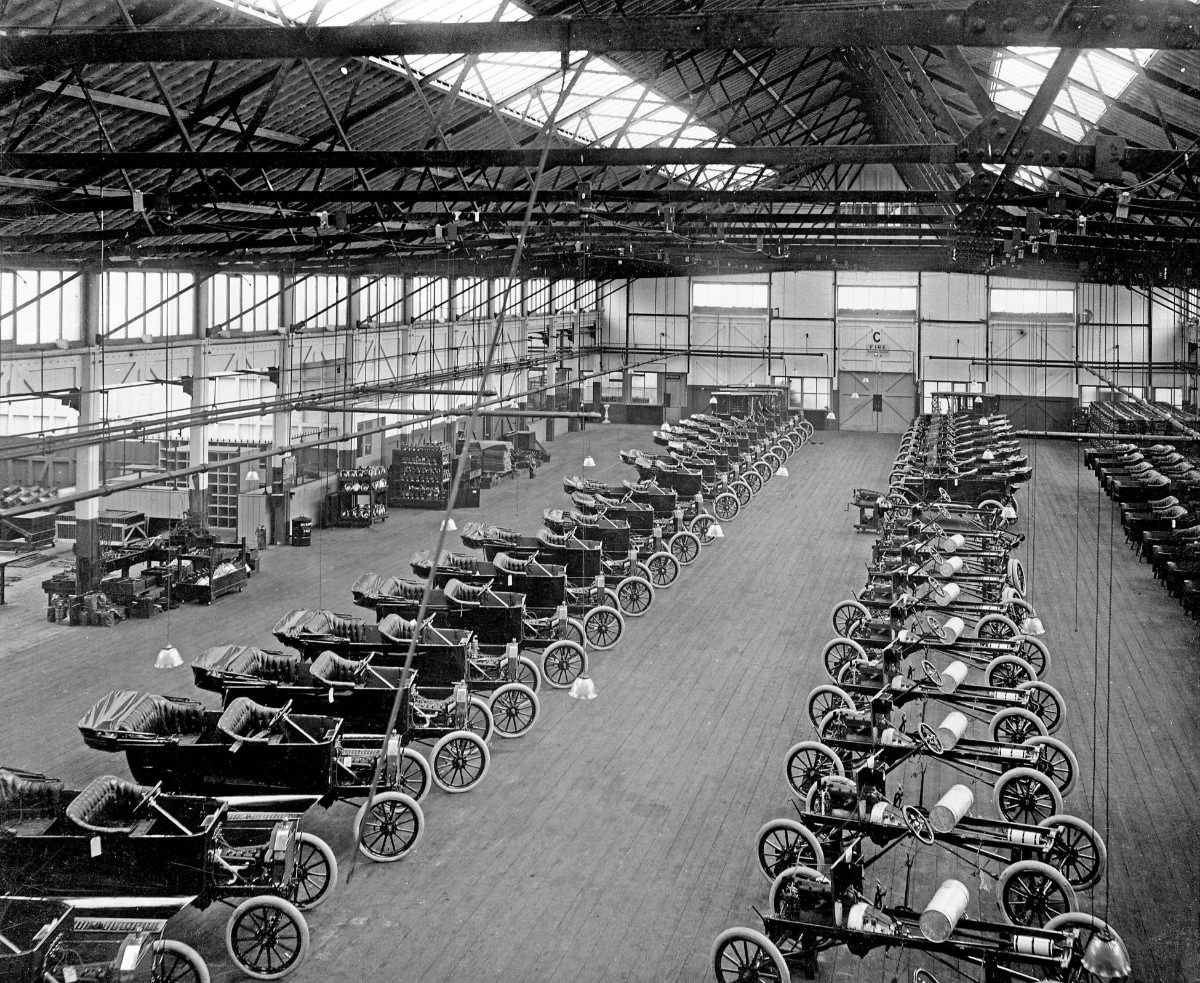
Ford’s new system broke production into dozens of small, repeating tasks. Each worker stood at a fixed station and did one job as the car frame moved along a continuous belt. That change cut assembly time from 12 hours down to just 93 minutes.
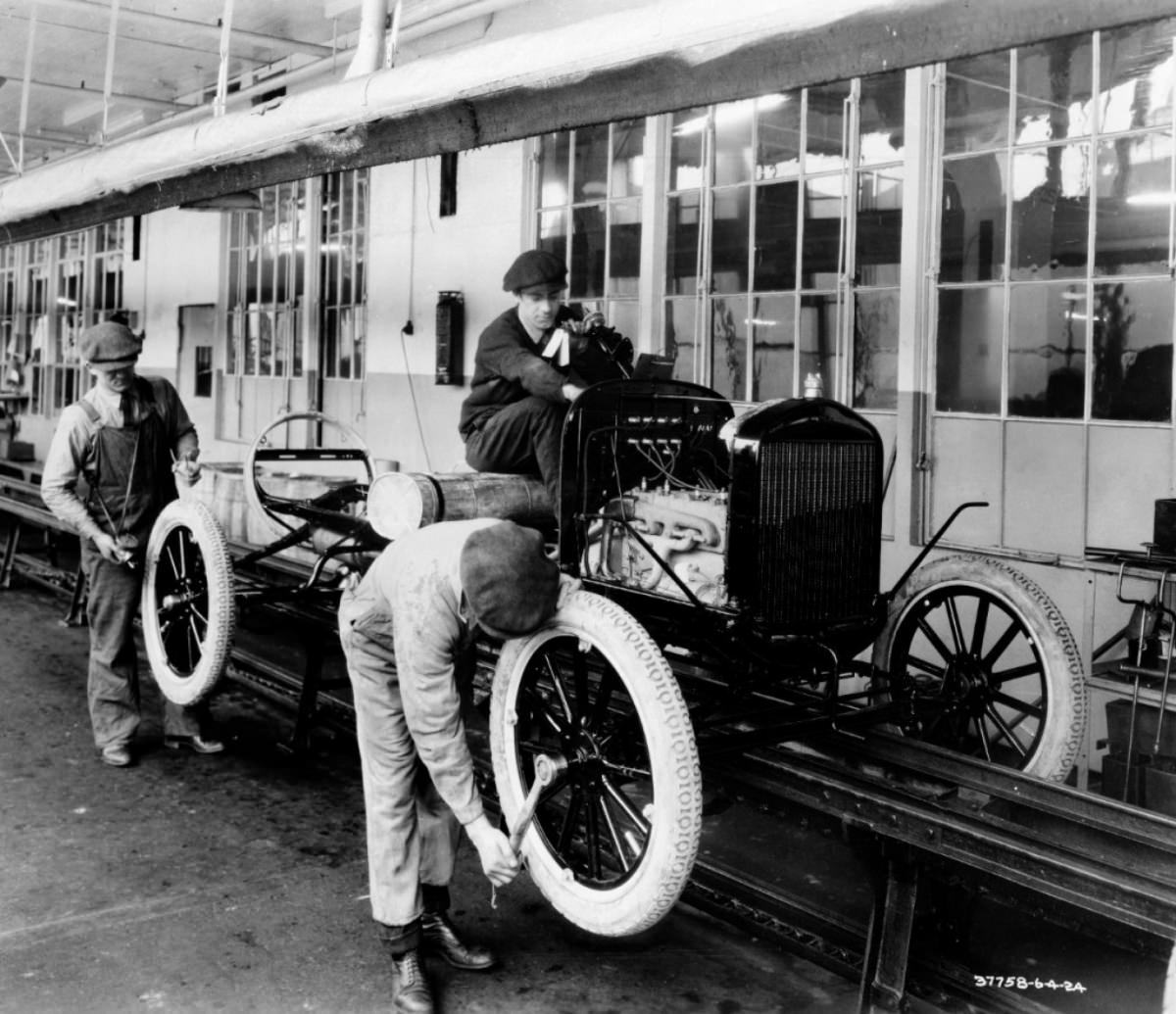
The speed increase meant Ford could build far more cars in the same amount of time. Output at the Highland Park plant climbed rapidly through the mid-1910s, making the Model T the most-produced car in the world.
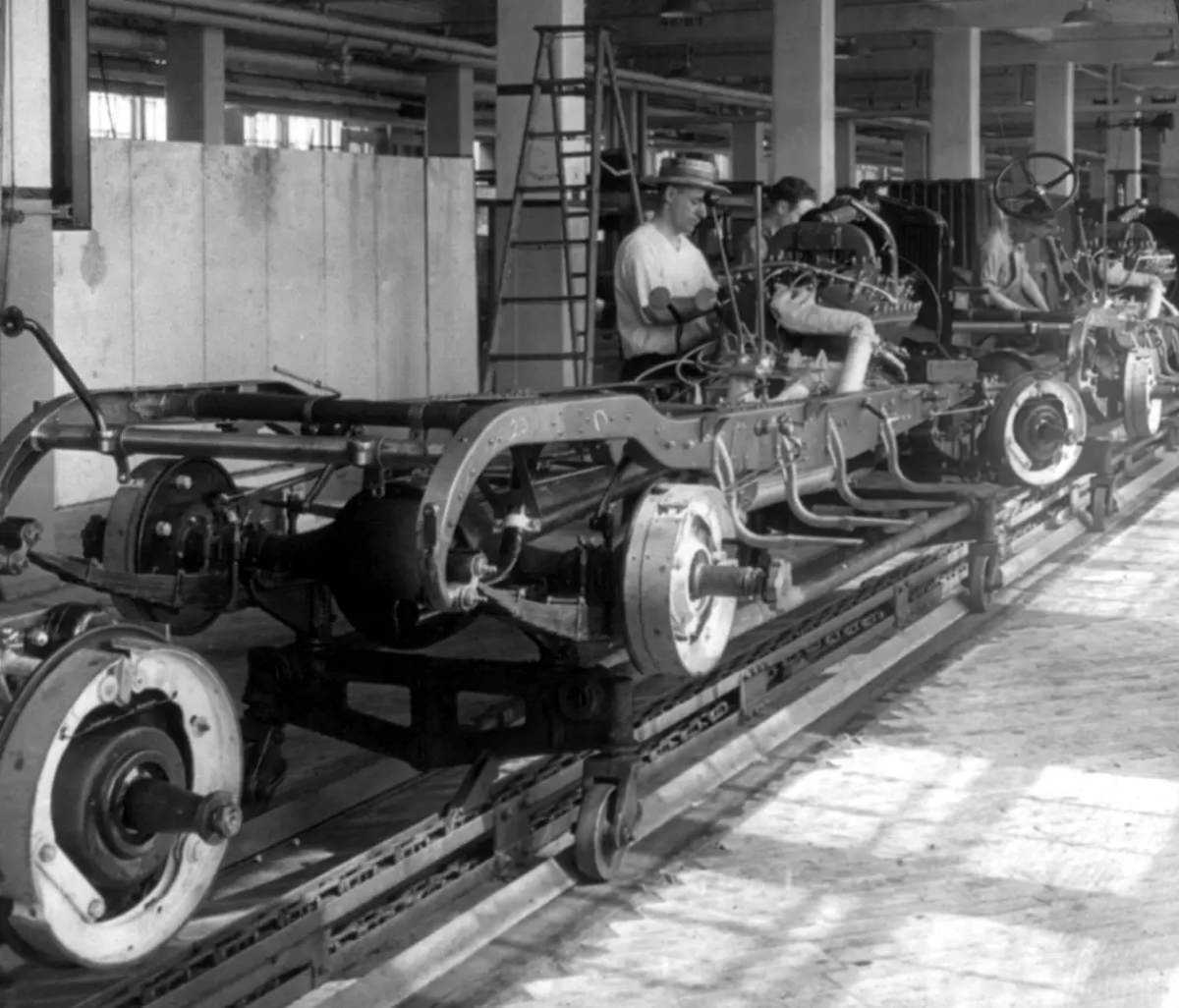
Higher output drove costs down sharply. By 1924, a new Model T sold for just $260 — roughly $3,800 in today’s money. A car had once been a luxury only the wealthy could afford. Now factory workers and farmers were buying them.
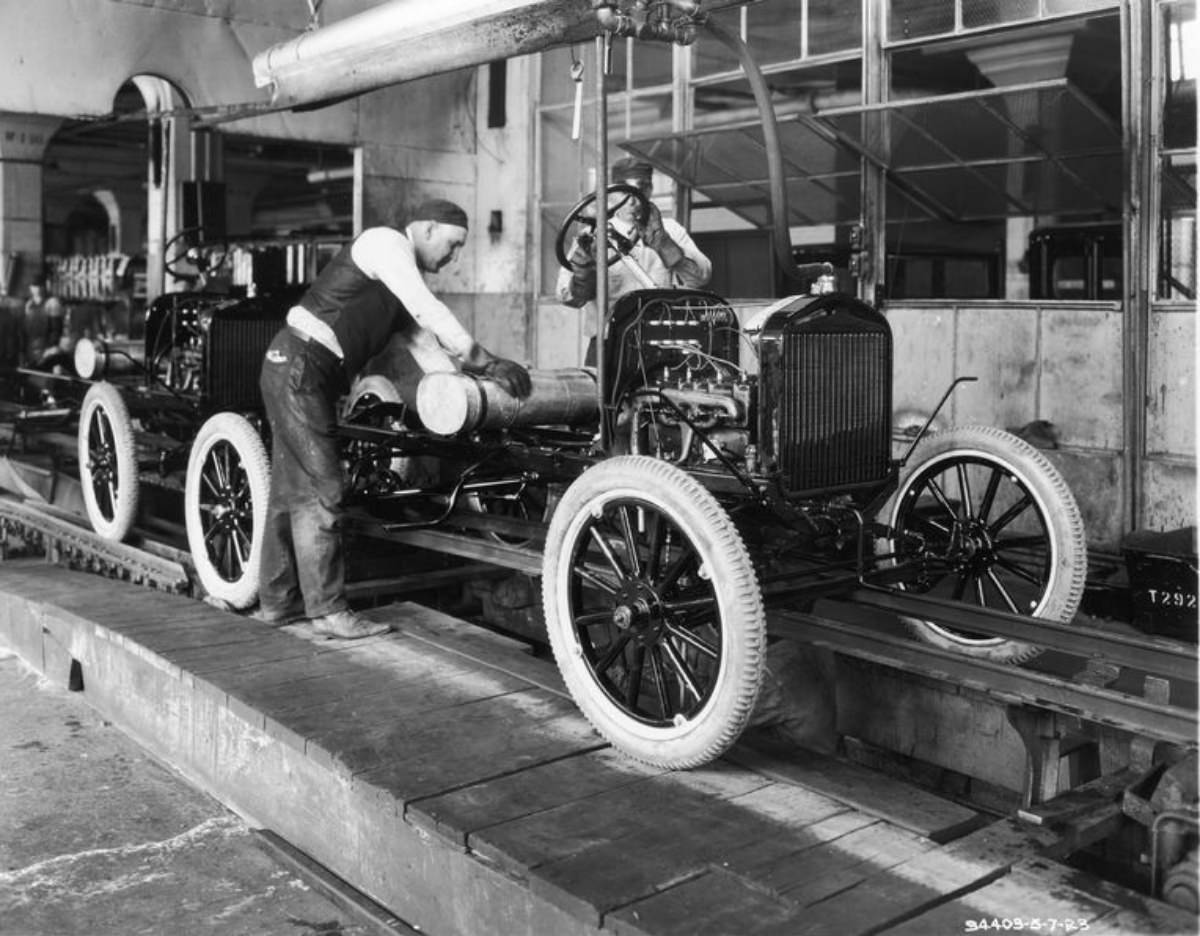
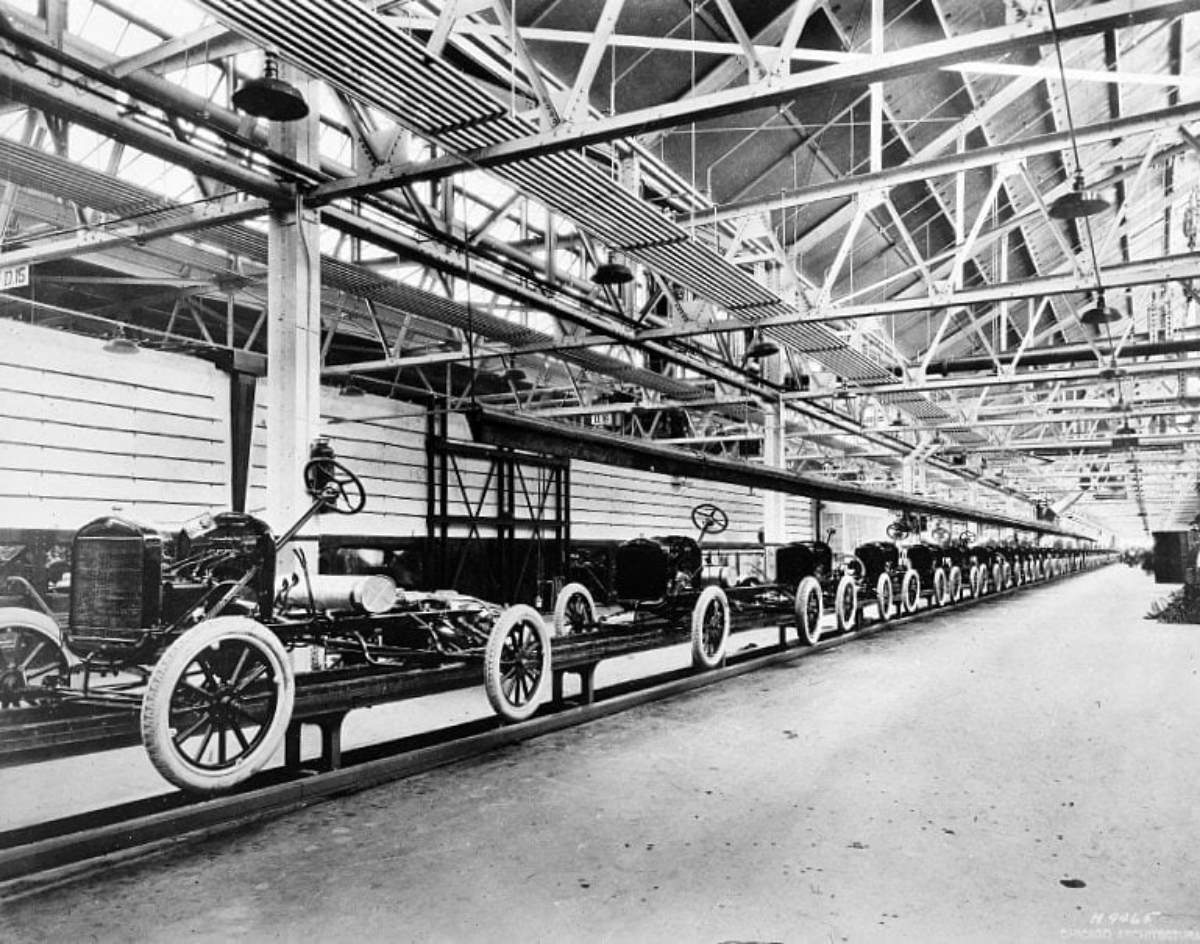
The assembly line changed who Ford needed to hire. Skilled craftsmen were replaced by workers who learned a single, repetitive motion. This opened thousands of jobs to people with little or no prior trade experience.
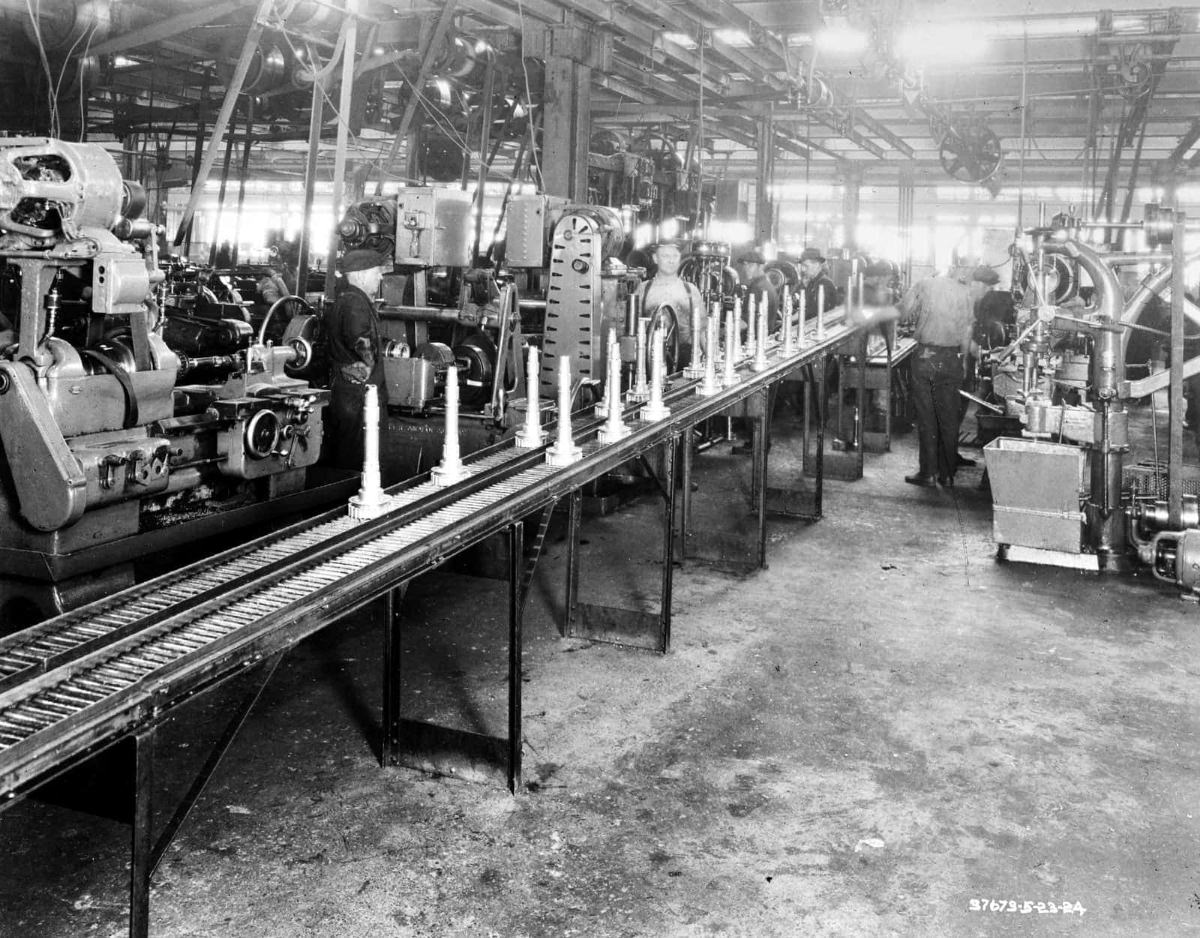
The repetitive nature of the work came with a serious problem: workers quit at extremely high rates. Turnover was so severe that Ford had to hire hundreds of extra workers just to keep each line fully staffed.
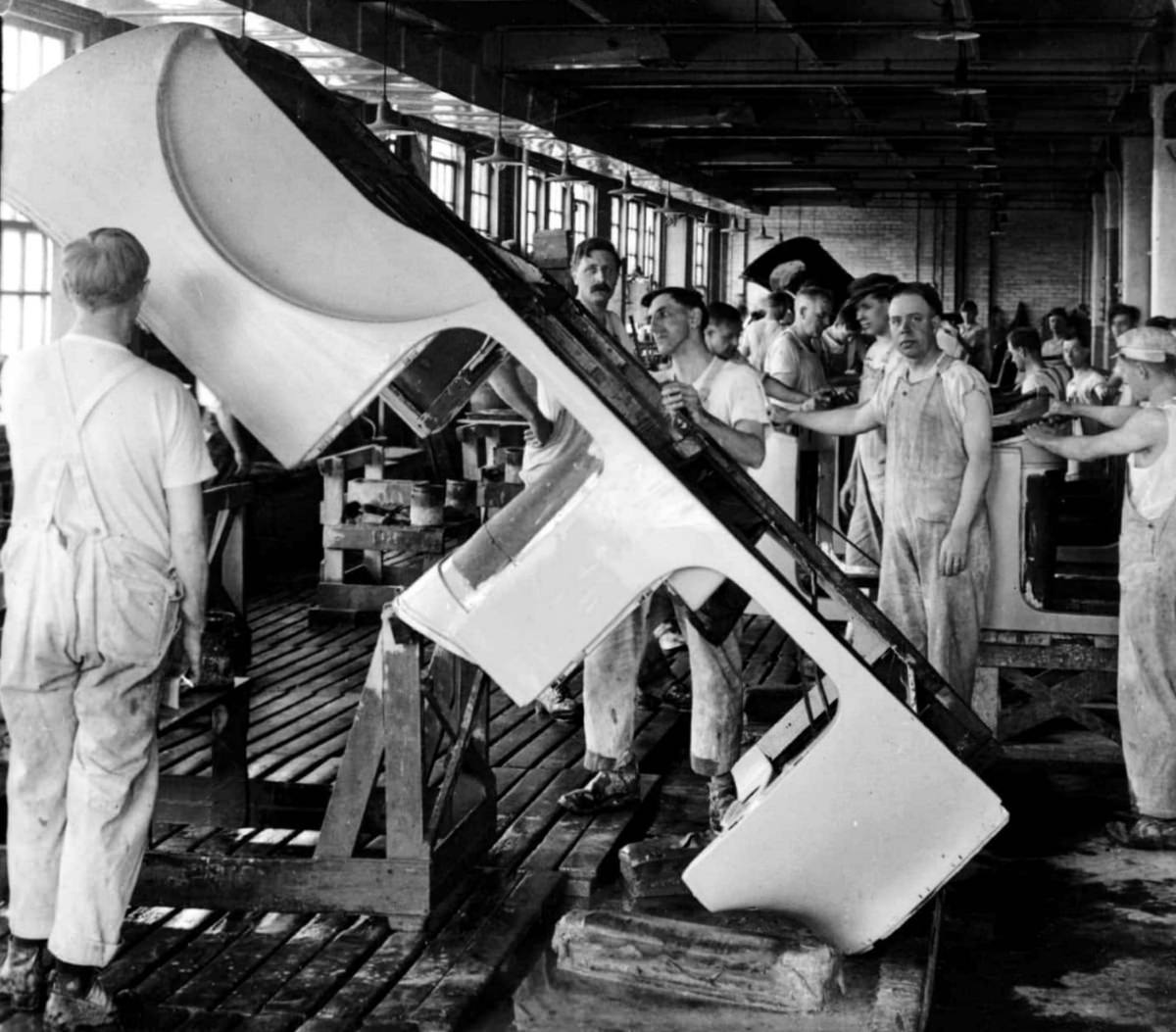
In January 1914, Ford responded with a dramatic policy change. He introduced a $5-a-day minimum wage — more than double the going rate for factory work at the time. The announcement drew thousands of men to the plant gates seeking jobs.
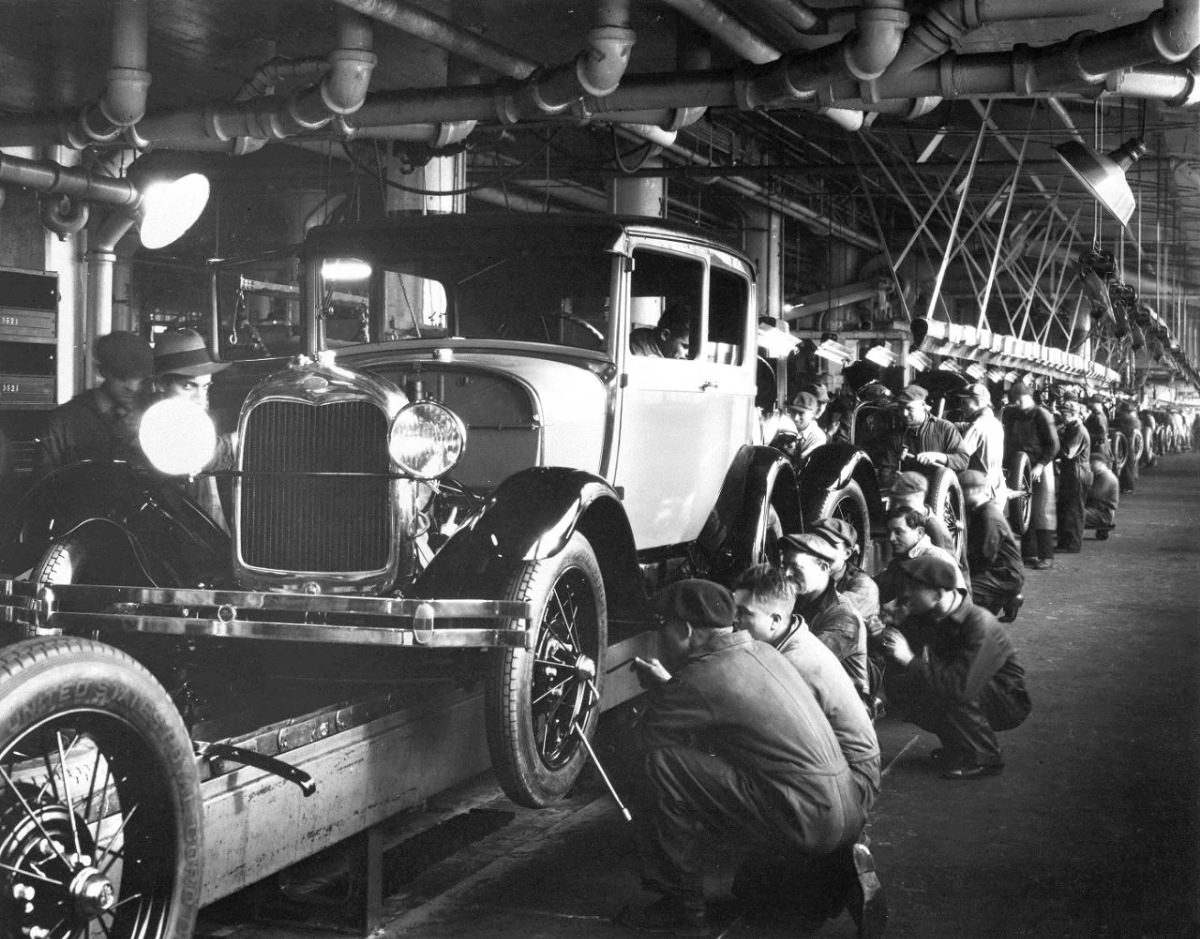
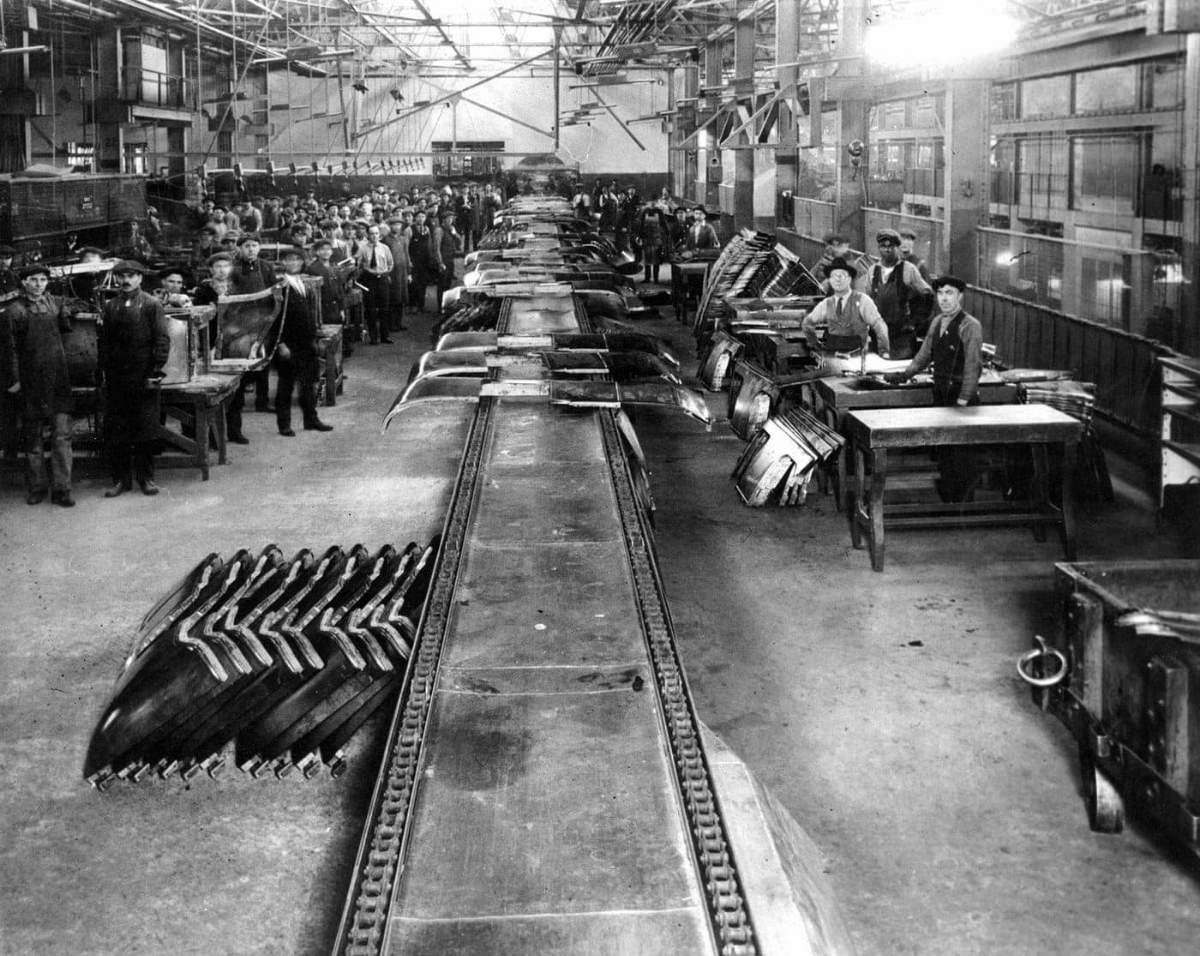
The $5 wage did more than reduce turnover. It put enough money in workers’ pockets that many of them could now buy the very cars they were building. Ford understood that well-paid workers were also potential customers.
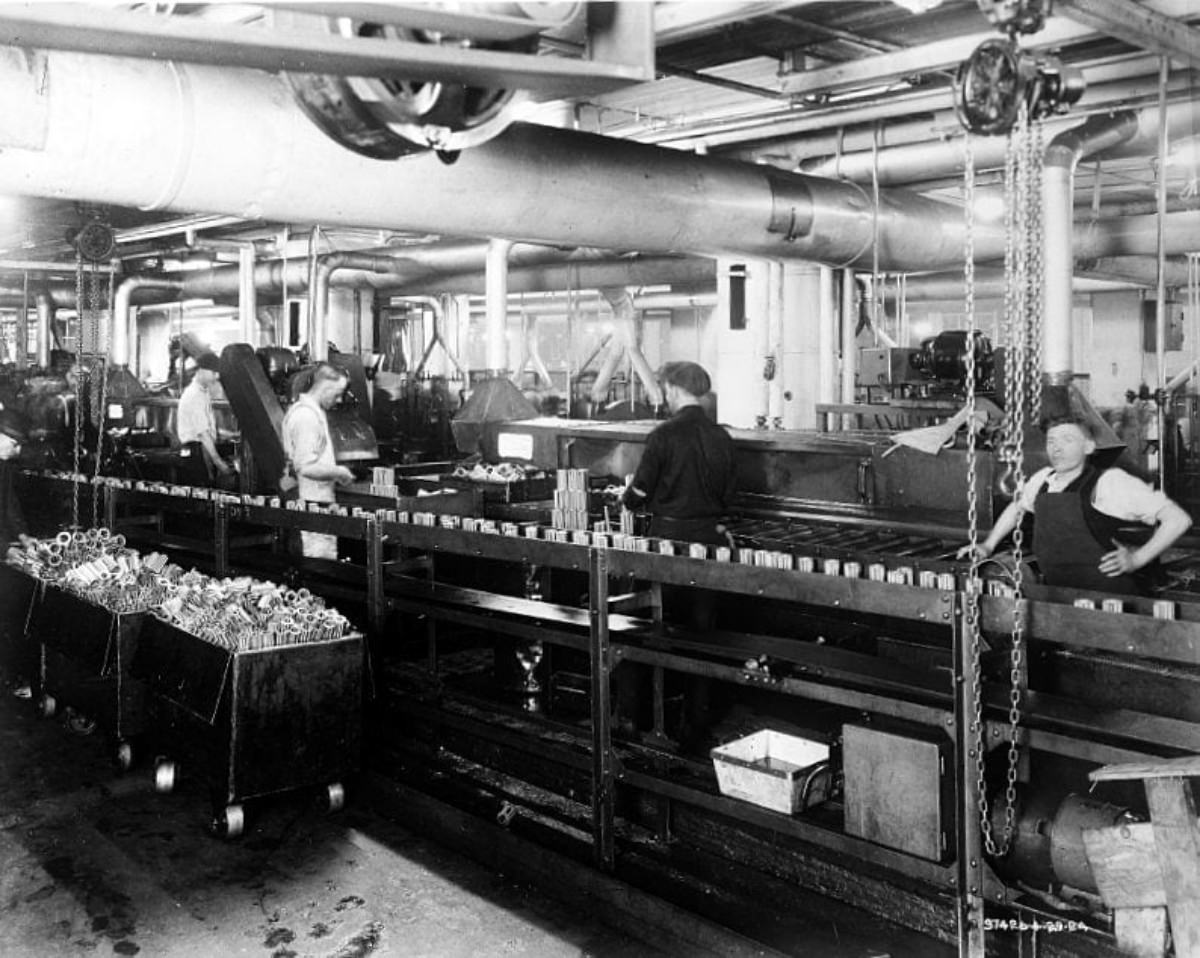
Ford also shortened the workday from nine hours to eight and moved to three shifts per day. The plant now ran around the clock, maximizing the use of every machine and every square foot of factory floor.
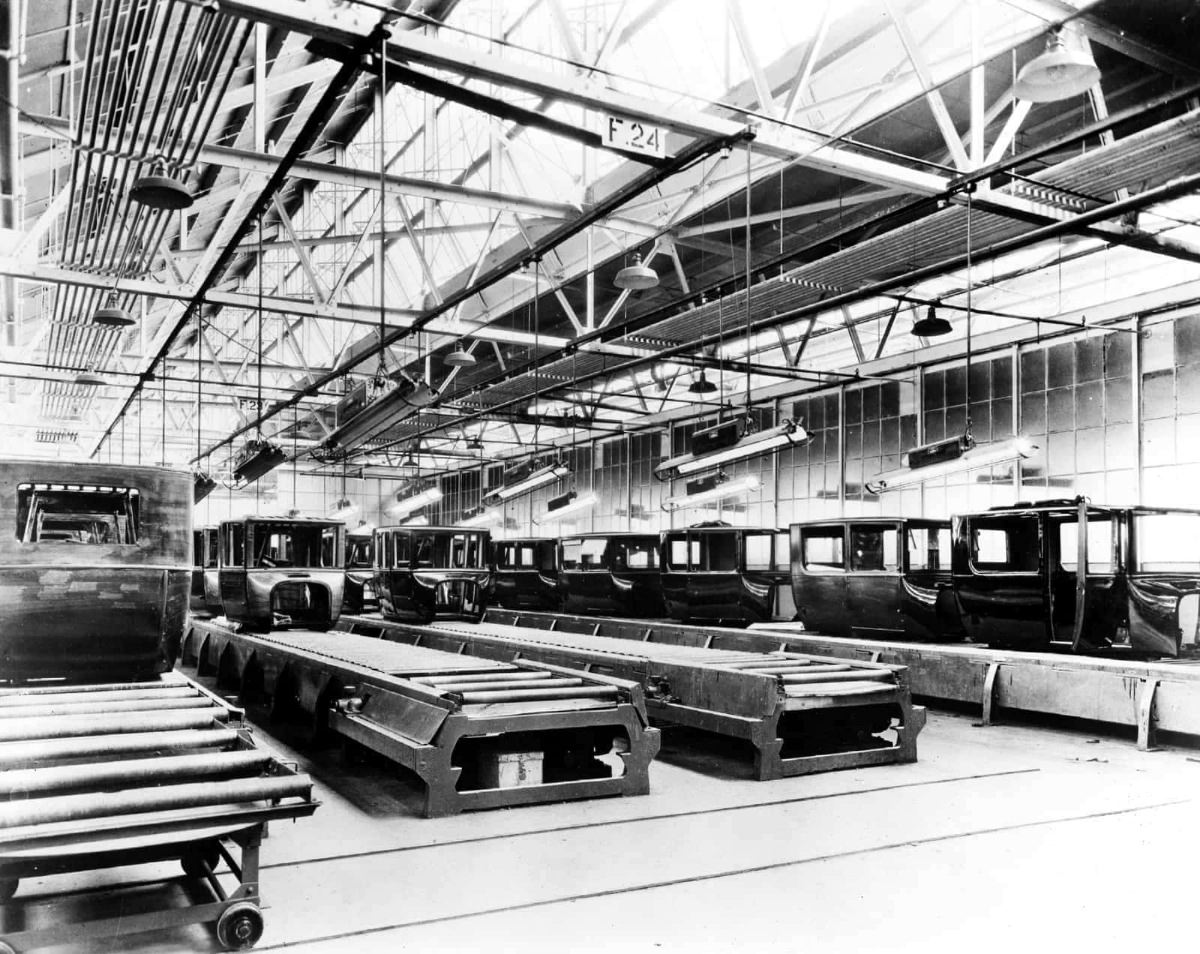
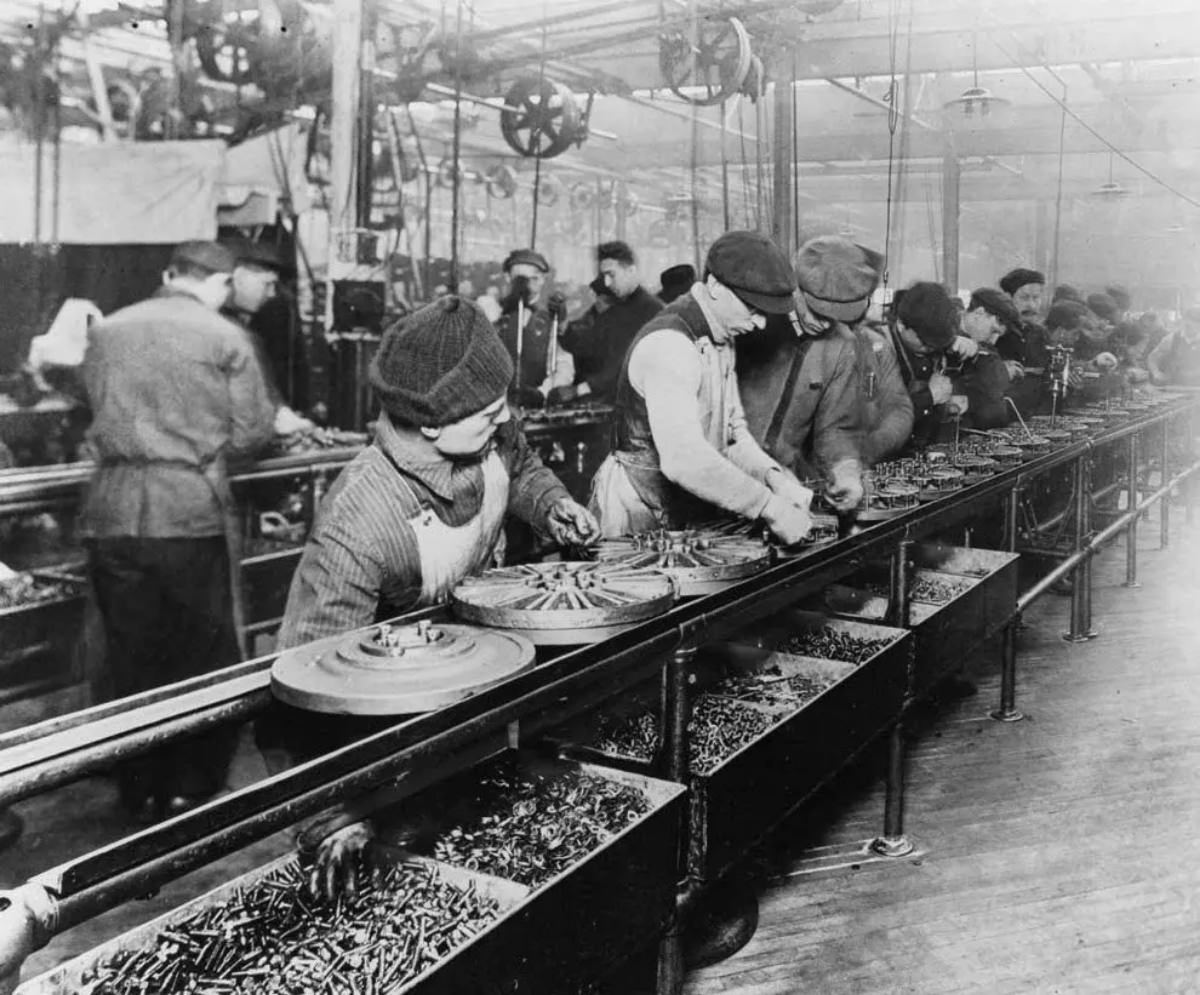
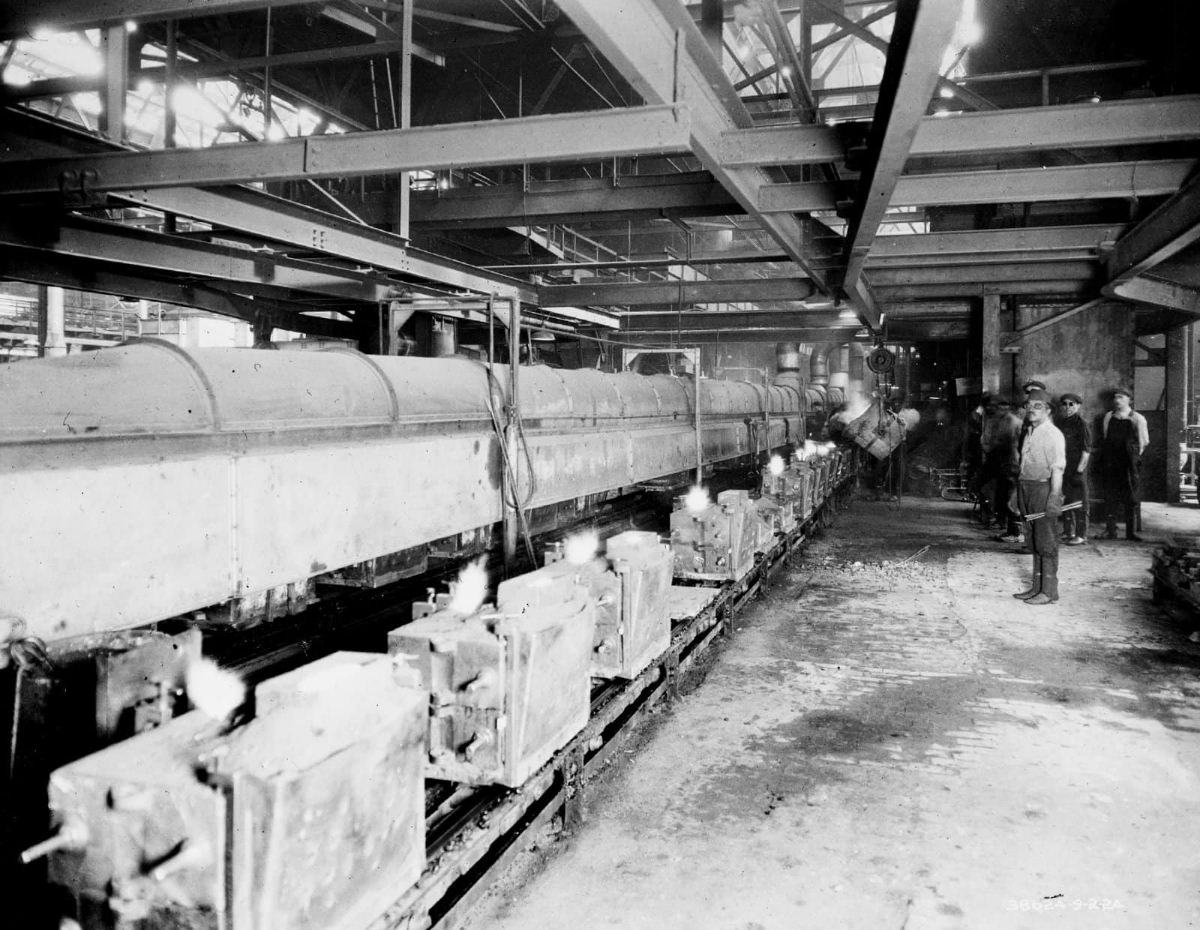
The River Rouge Complex, which began full operations in the early 1920s, pushed the assembly line concept even further. Raw materials — iron ore, coal, rubber — entered one end of the facility, and finished Model Ts rolled out the other.
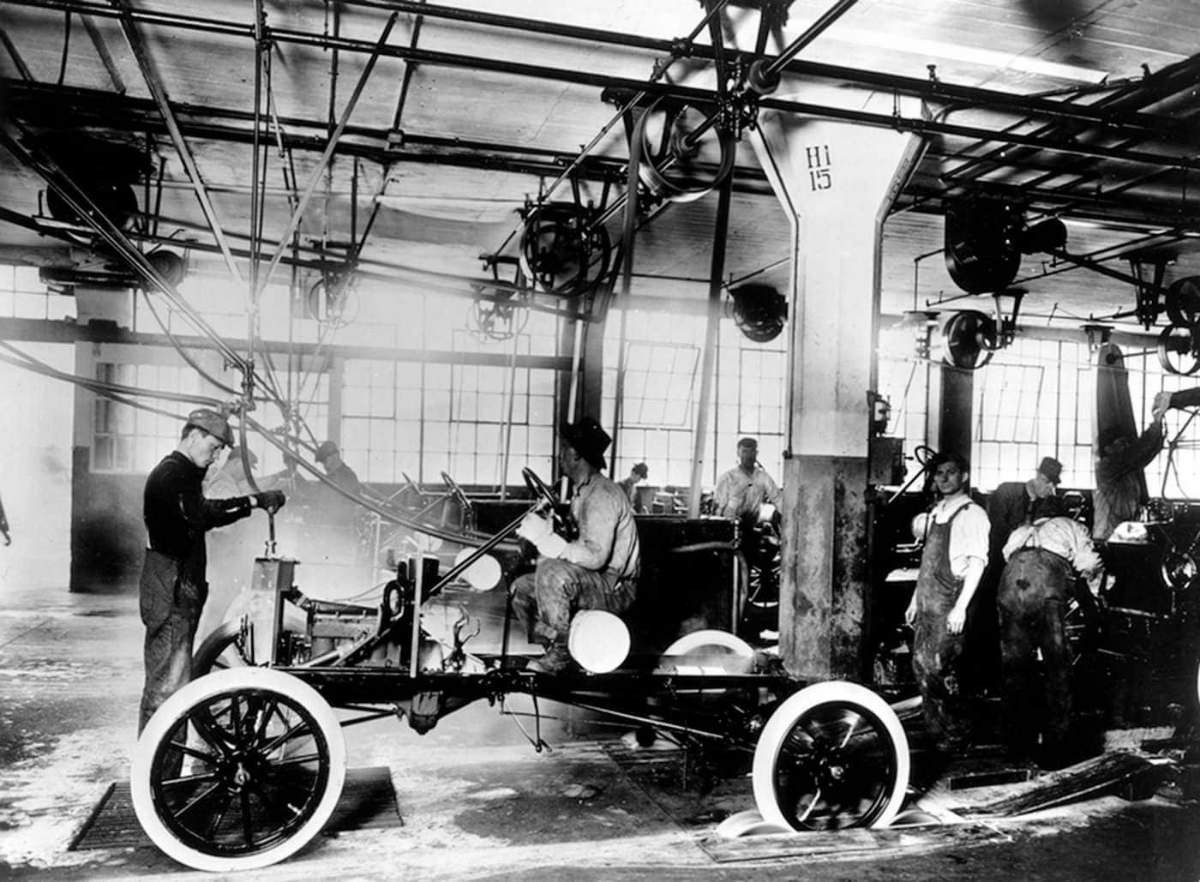
At its peak in the 1920s, River Rouge employed over 100,000 workers. It was the largest integrated manufacturing complex in the world, handling everything from steel smelting to final assembly under one roof.
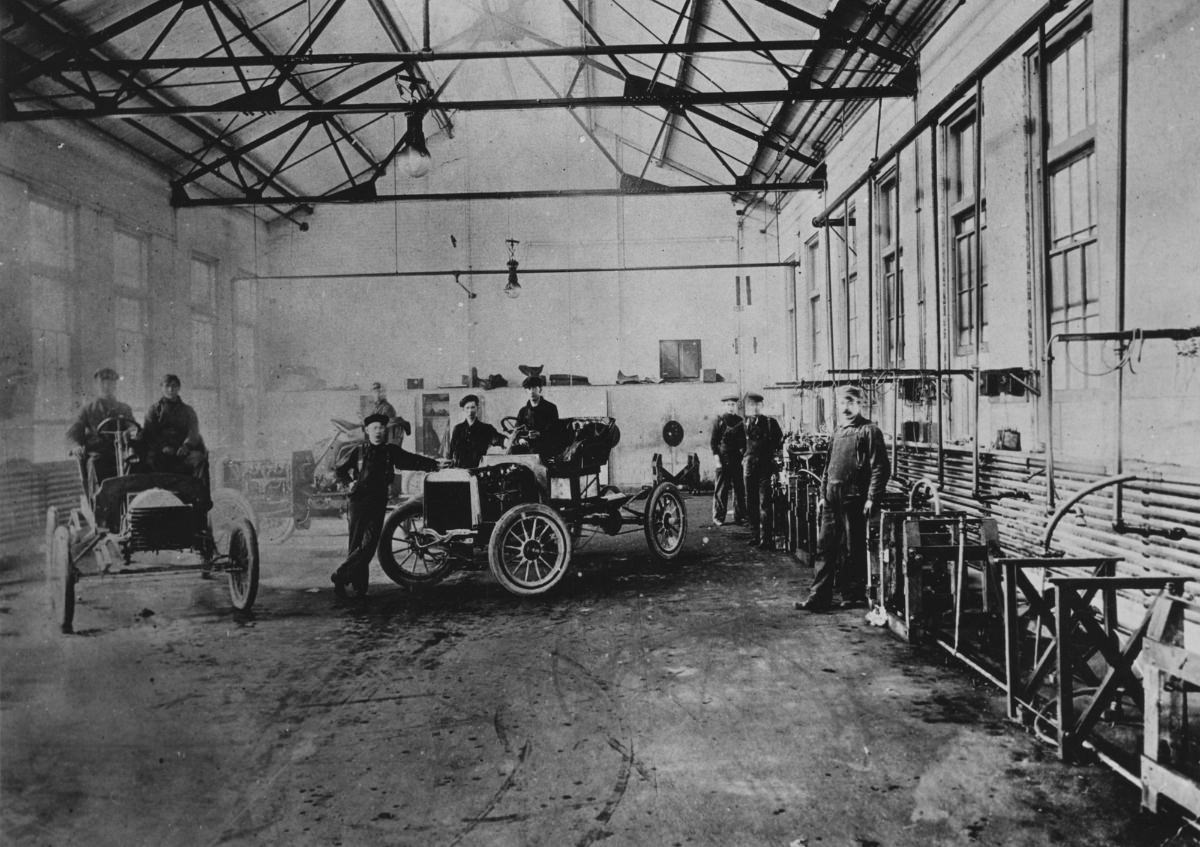
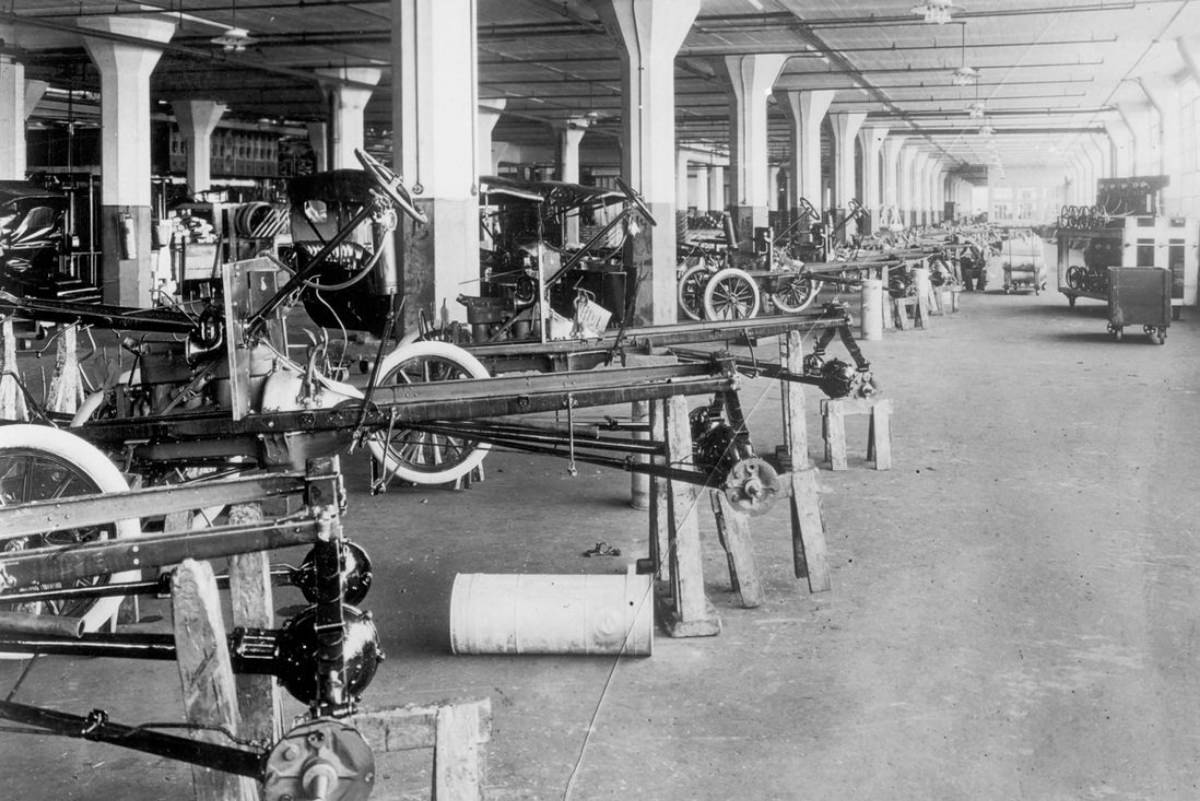
Ford’s methods were studied and copied by manufacturers across the United States and Europe. Companies making appliances, food products, and machinery all adapted the moving-line principle to their own factory floors.
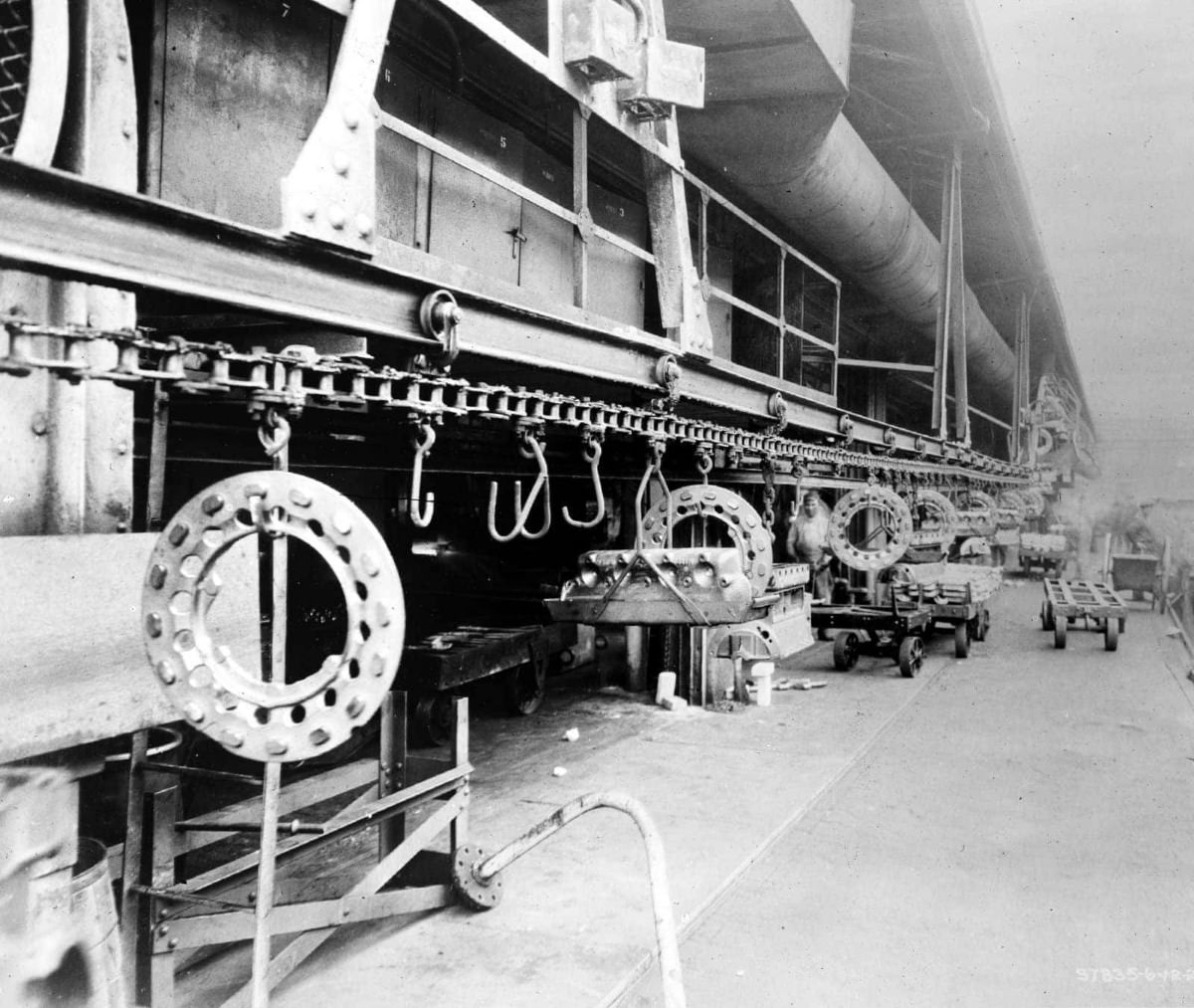
Throughout the 1920s, Ford continued to refine line speeds and station layouts. Engineers timed each task with stopwatches and repositioned workers to eliminate wasted motion. Every second saved per station added up to thousands of extra cars per year.
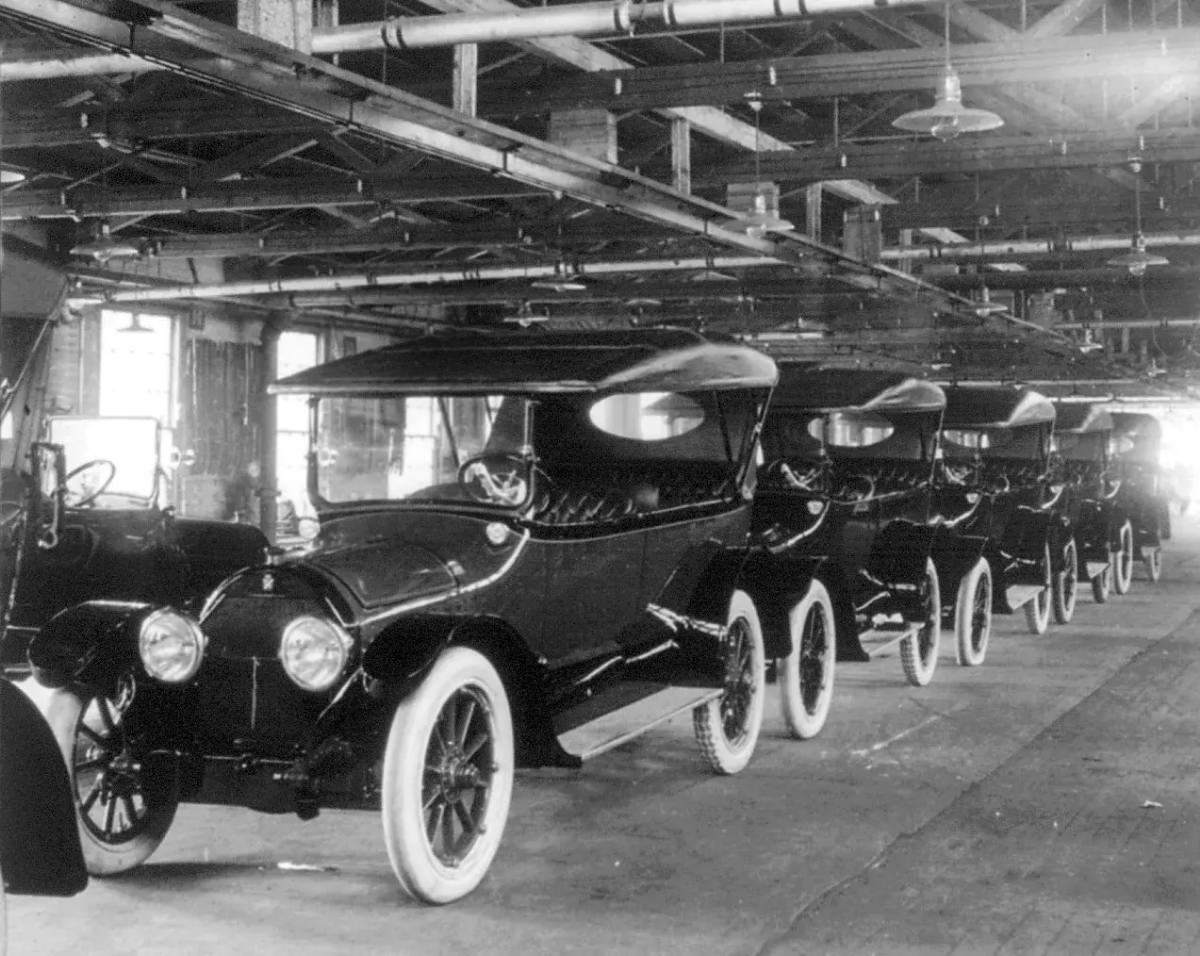
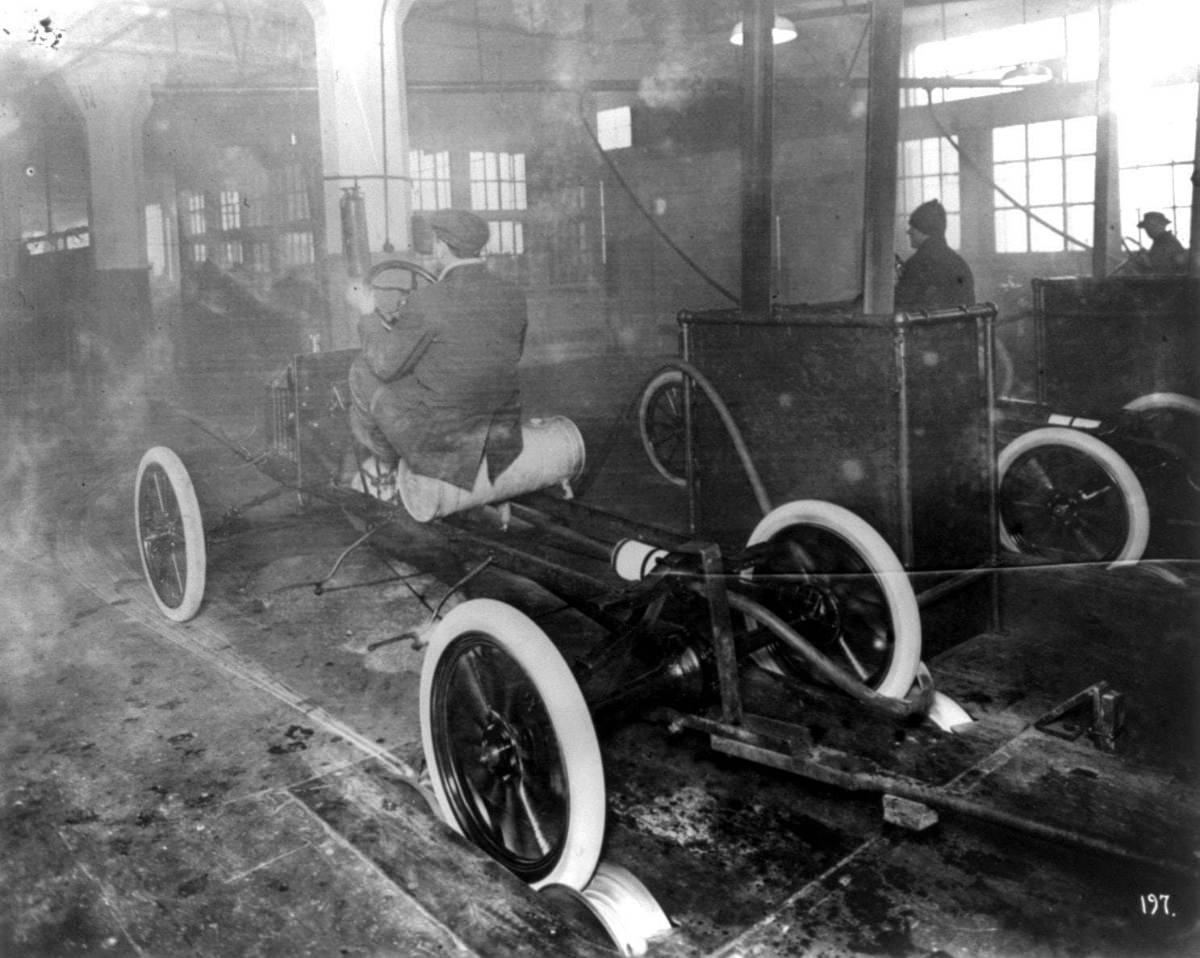
By the mid-1920s, Ford was producing a new Model T every 24 seconds. Total production of the Model T reached 15 million units before the model was discontinued in 1927 — a record that stood for decades.