On January 25, 1924, a new chapter in sports history opened at the foot of Mont Blanc in Chamonix, France. What began as the “International Winter Sports Week” became the first-ever Winter Olympic Games. Sixteen events across five sports were contested, and 16 nations sent athletes to compete on snow and ice in the French Alps.
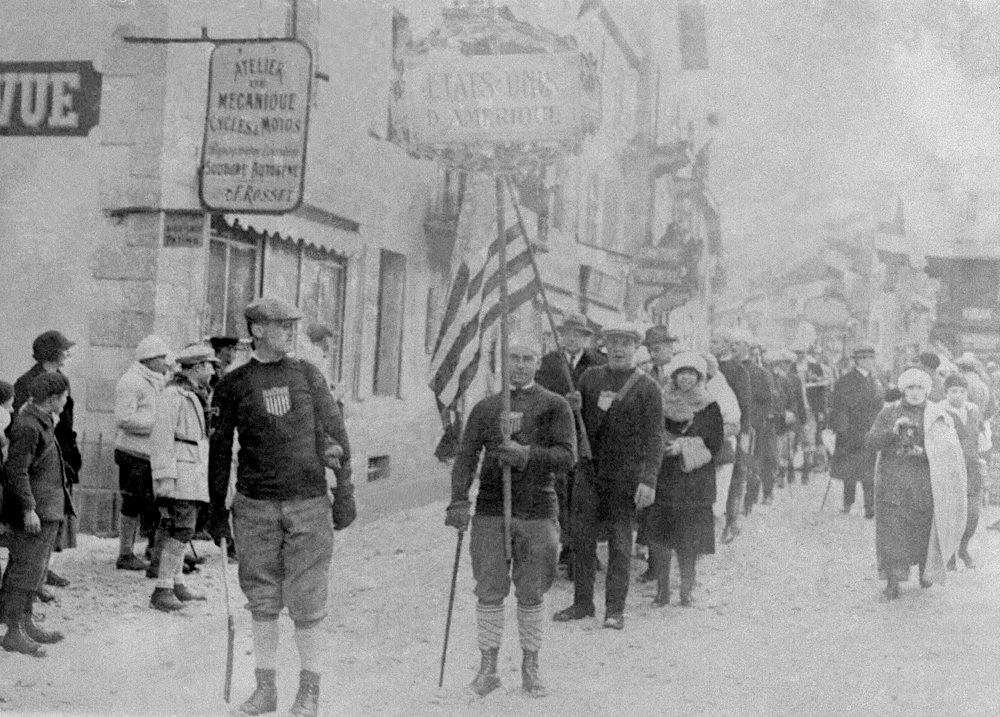
The road to Chamonix started in 1921, when the International Olympic Committee (IOC) met in Lausanne and called for winter sports to receive equal standing alongside summer events. Figure skating and ice hockey had already appeared at the Summer Olympics in London and Antwerp, but advocates wanted a dedicated winter competition. After debate, the IOC approved an international winter week for 1924.
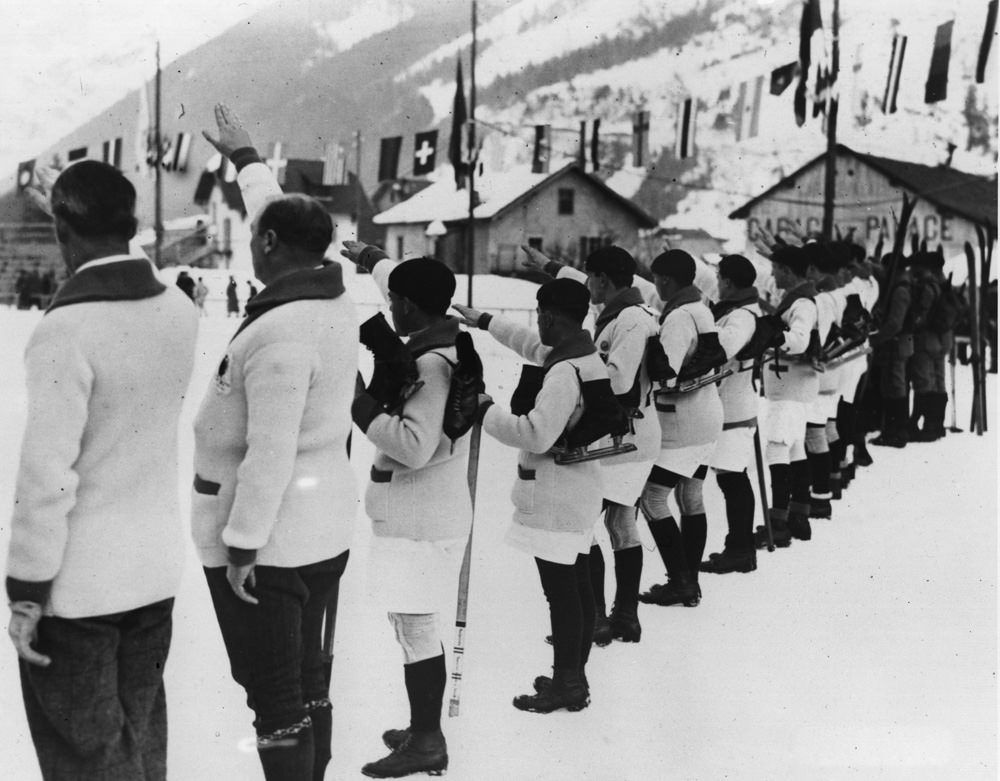
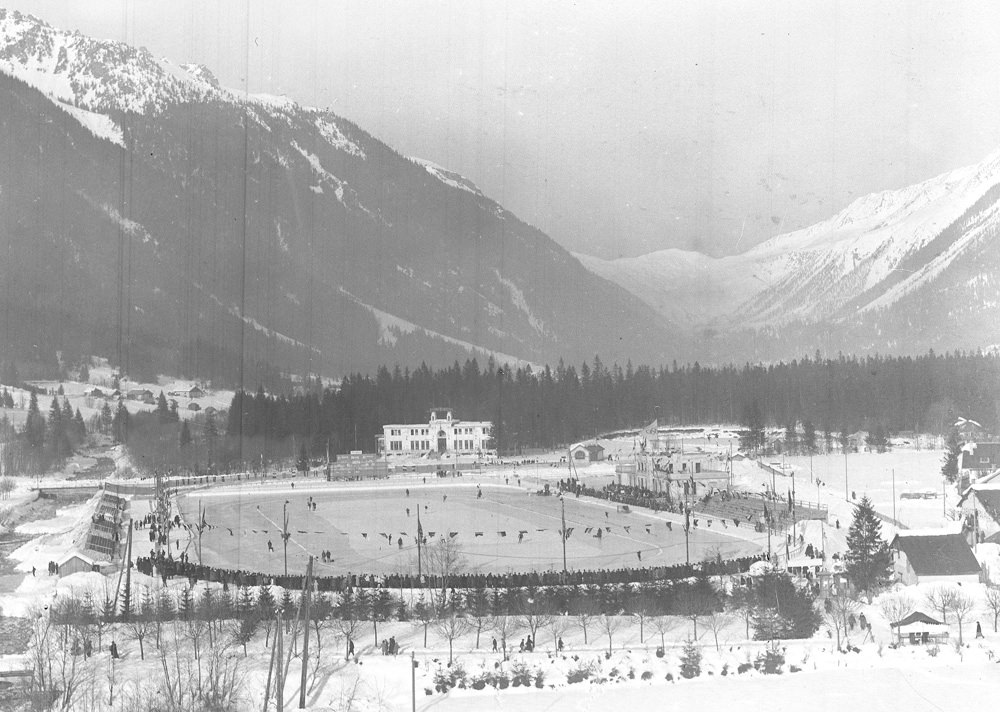
The Olympic Stadium in Chamonix served as the centerpiece of the games, hosting ceremonies and skating events against the dramatic backdrop of the Alps.
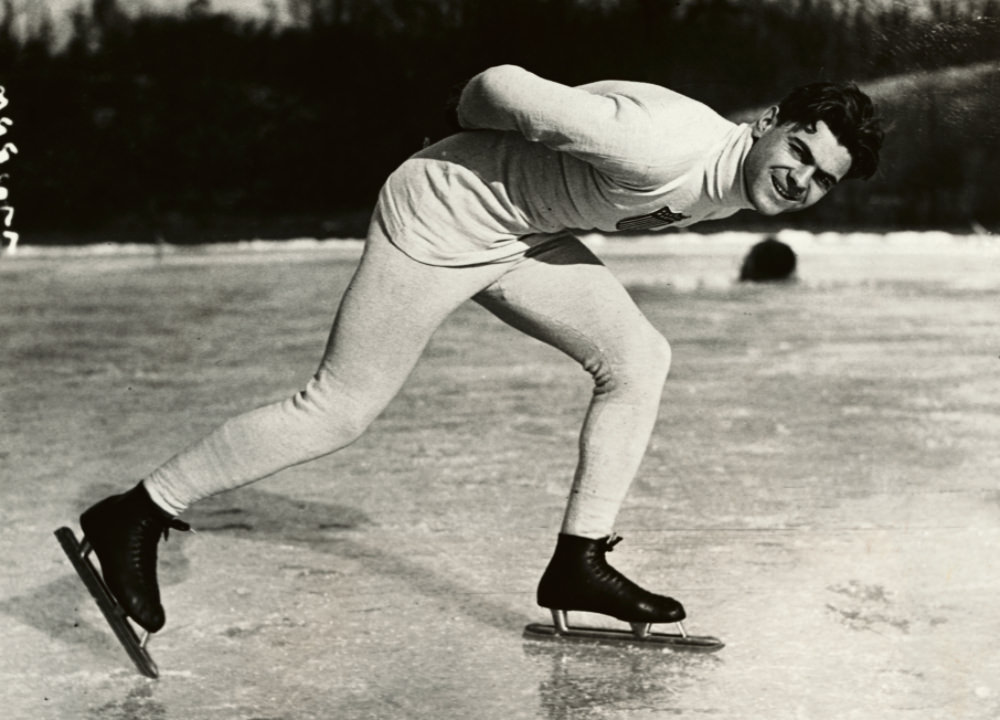
Speed skating produced the Games’ first-ever gold medalist. American Charles Jewtraw crossed the finish line first in the 500-meter event, claiming a place in history as the inaugural Winter Olympic champion.
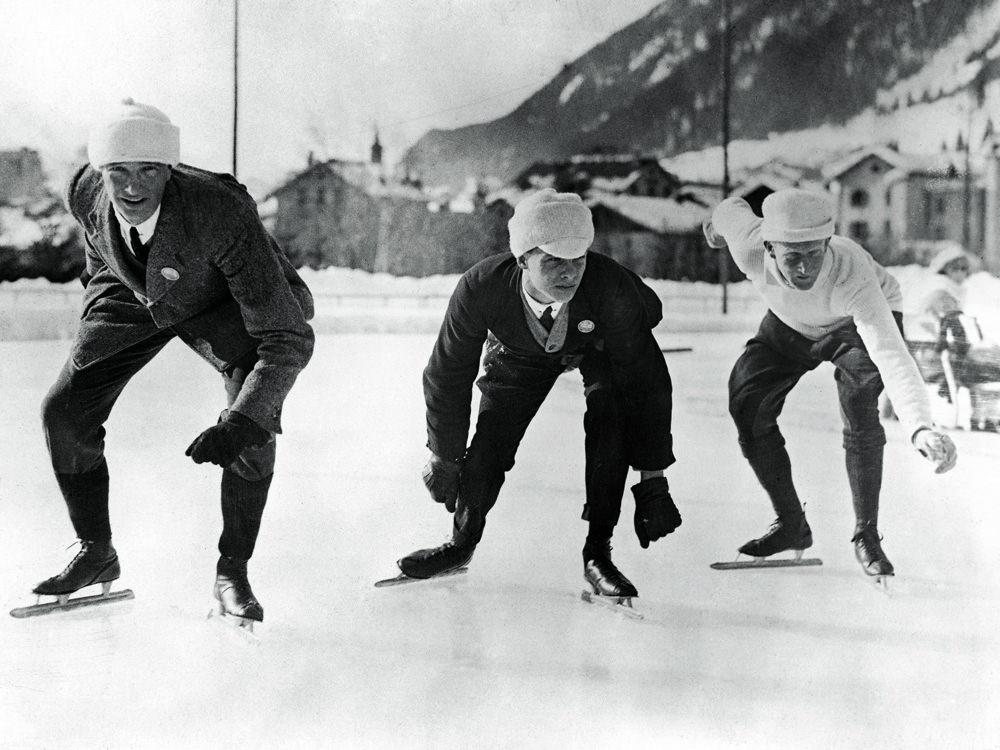
British speed skaters arrived early to prepare. B. H. Sutton, L. H. Cambridgeshire, and A. E. Tibbet were among those who hit the ice well before competition began, logging practice sessions as early as January 16.
American skaters also put in serious preparation time on the Chamonix ice, training in a group as they readied for their events.
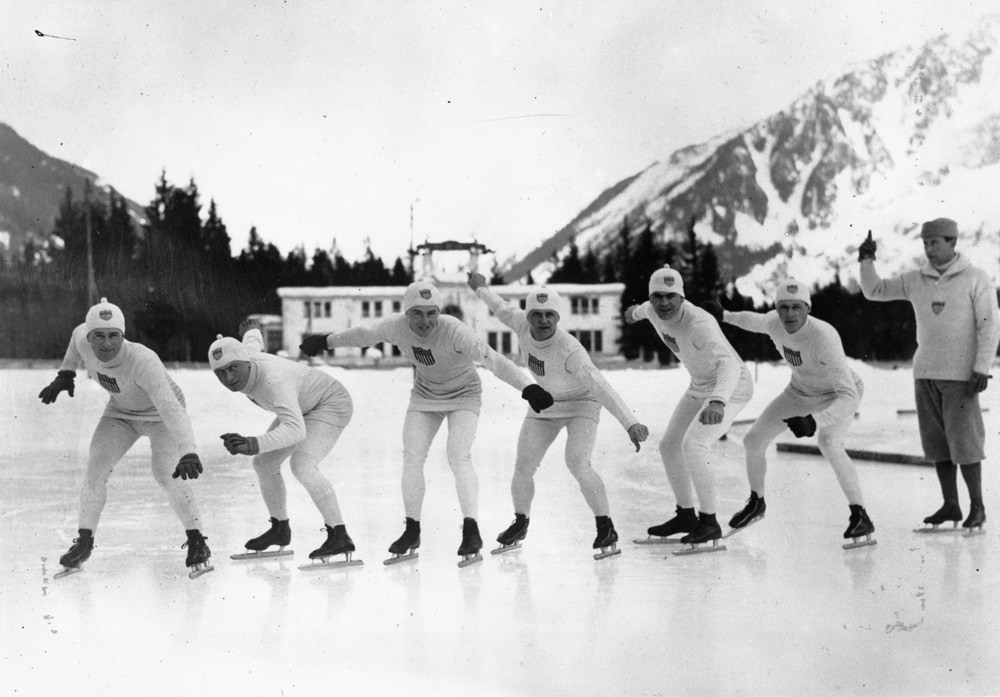
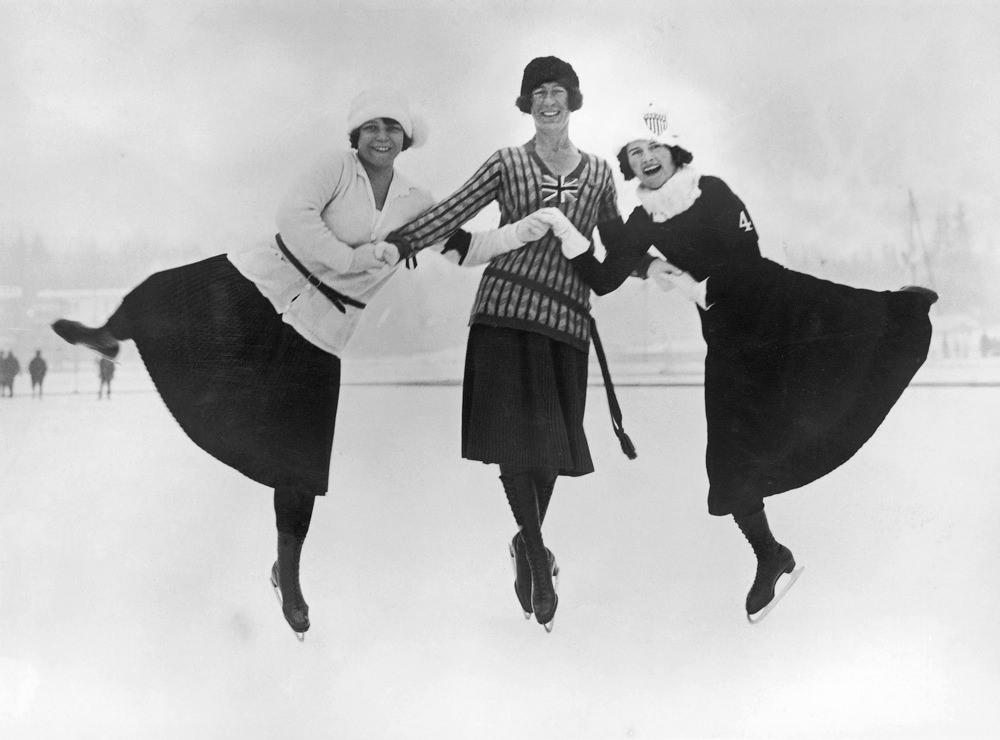
Figure skating drew some of the most memorable performances of the Games. Austria’s Herma Planck-Szabo captured gold in the ladies’ singles, while Beatrix Loughran of the United States took silver and Britain’s Ethel Muckelt earned bronze.
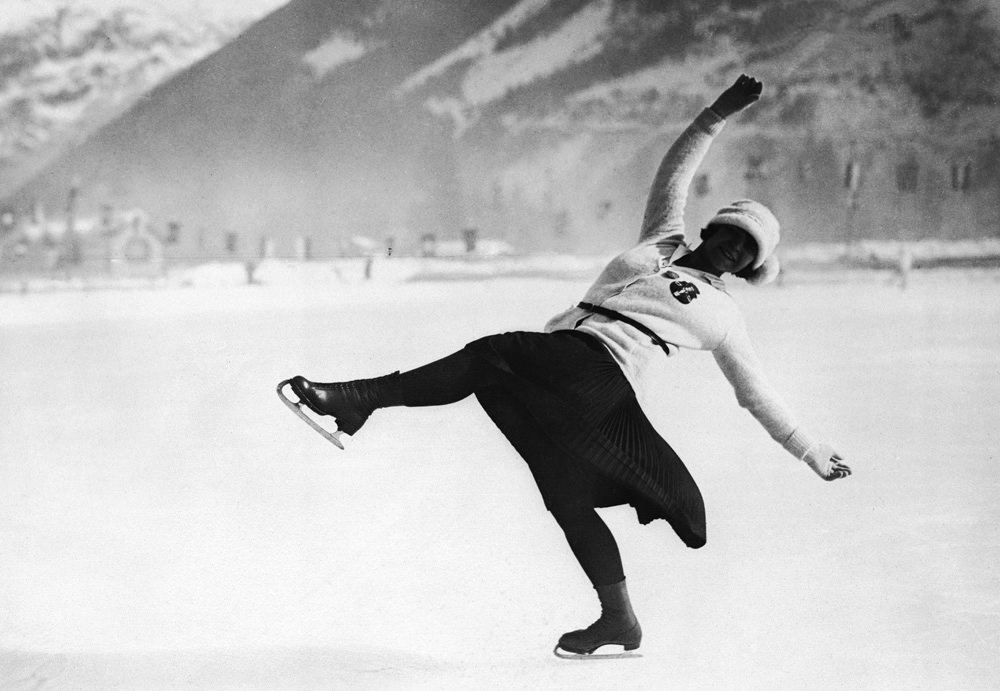
One of the most talked-about competitors in figure skating was not a gold medalist. Eleven-year-old Norwegian skater Sonja Henie took to the ice and finished eighth out of eight in the ladies’ singles. She was still learning her craft, but Chamonix was only the beginning.
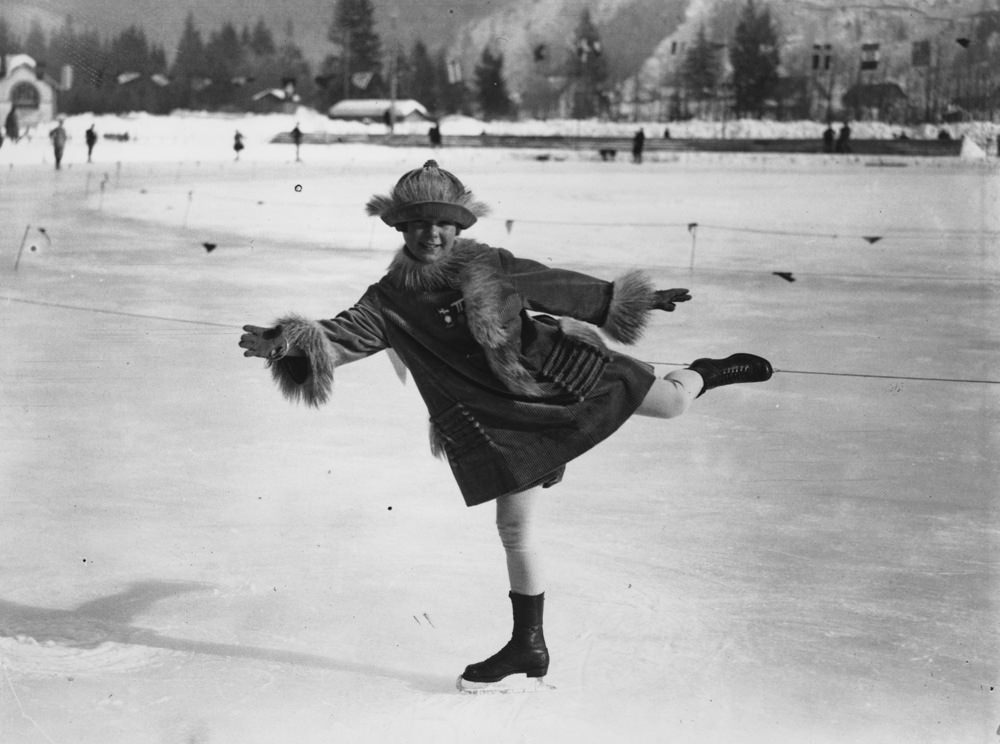
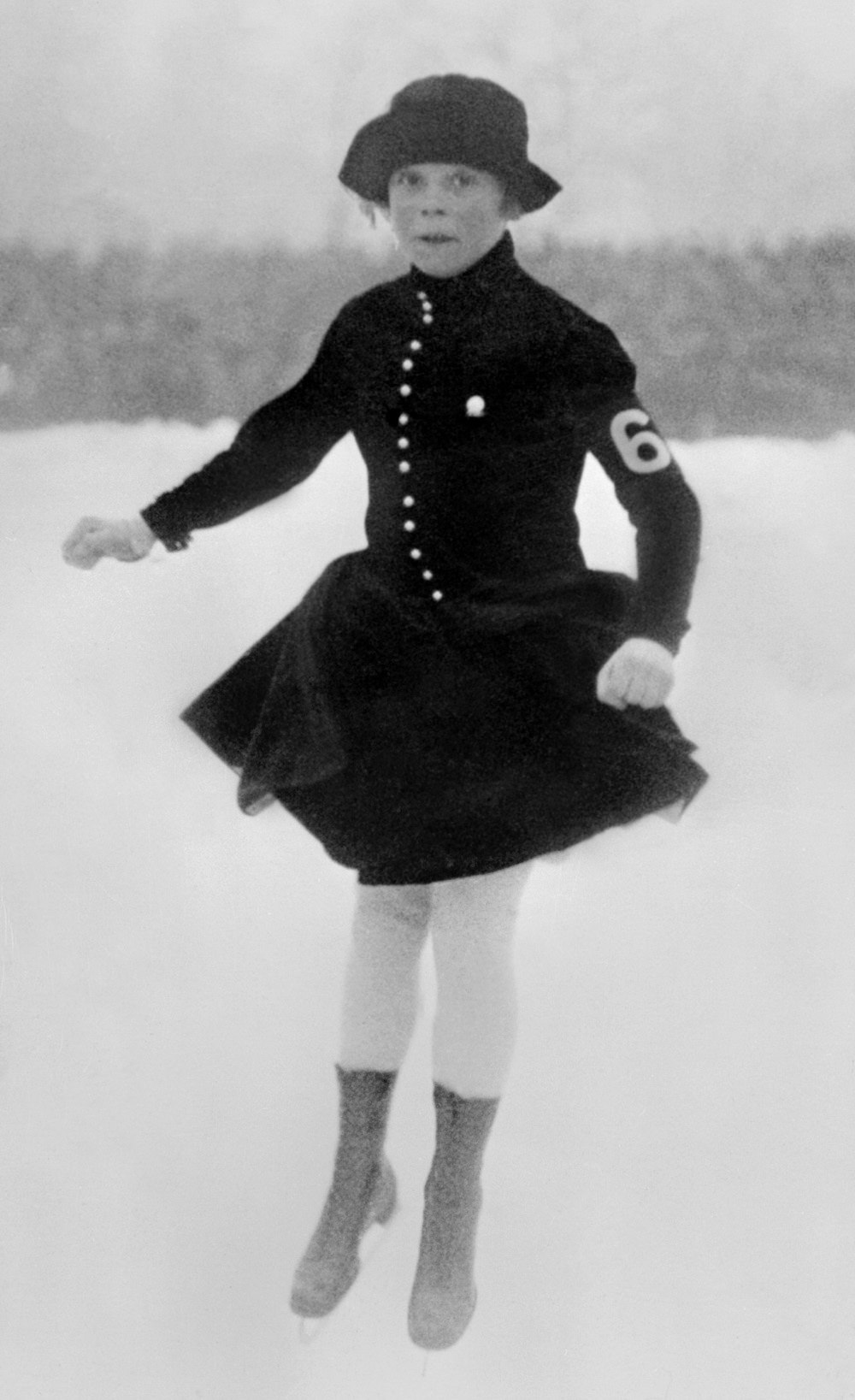
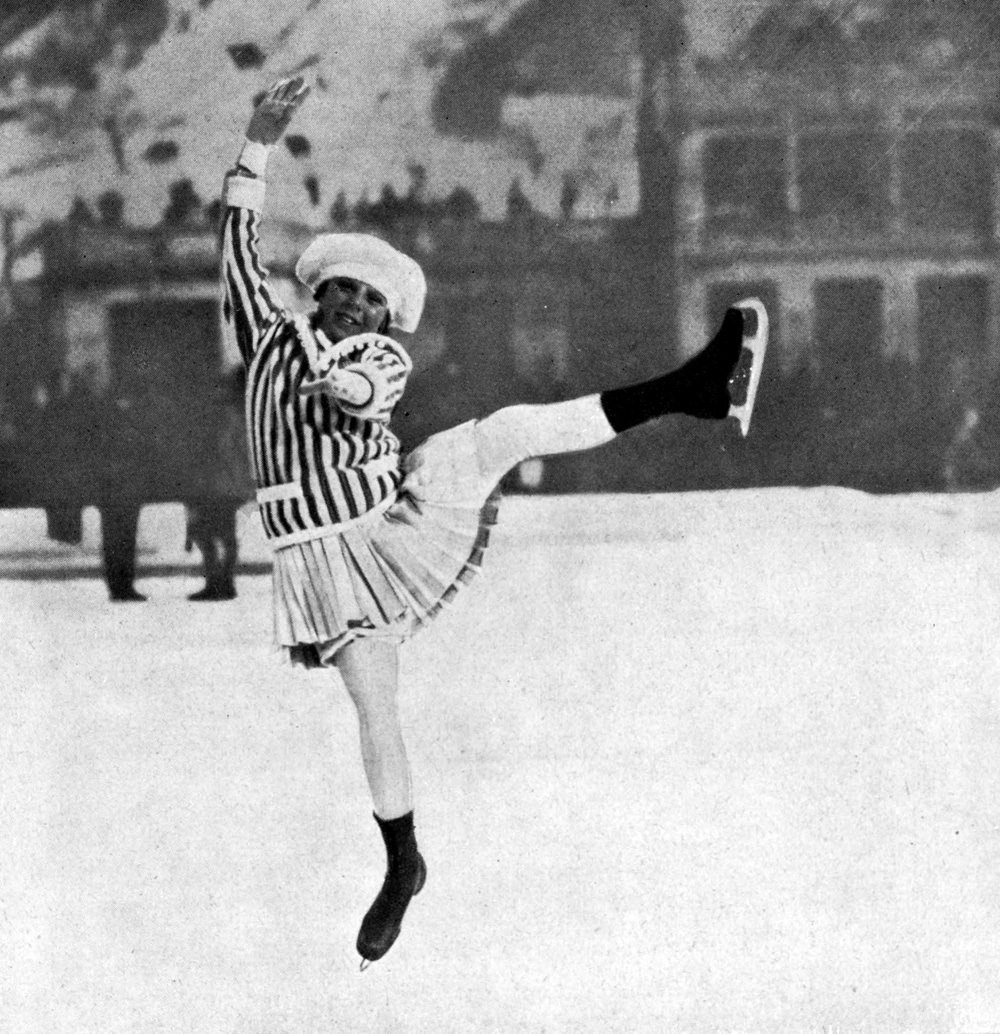
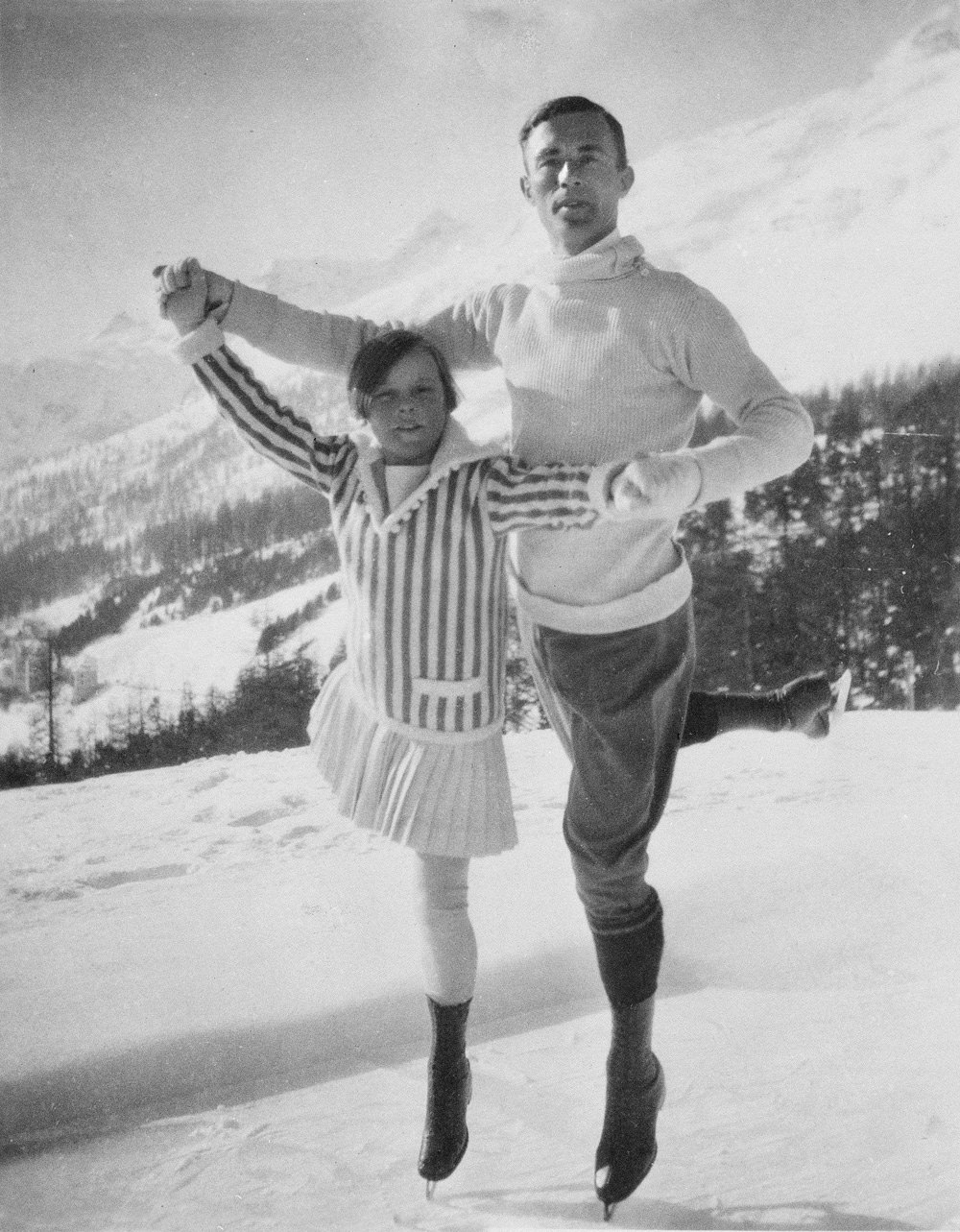
Henie posed for photos at Chamonix alongside Sweden’s Gillis Grafström, who won gold in the men’s singles. Grafström had already claimed gold at the 1920 Antwerp Games and would win again in 1928. The two skaters represented very different stages of their careers — one at the peak, the other just starting out.
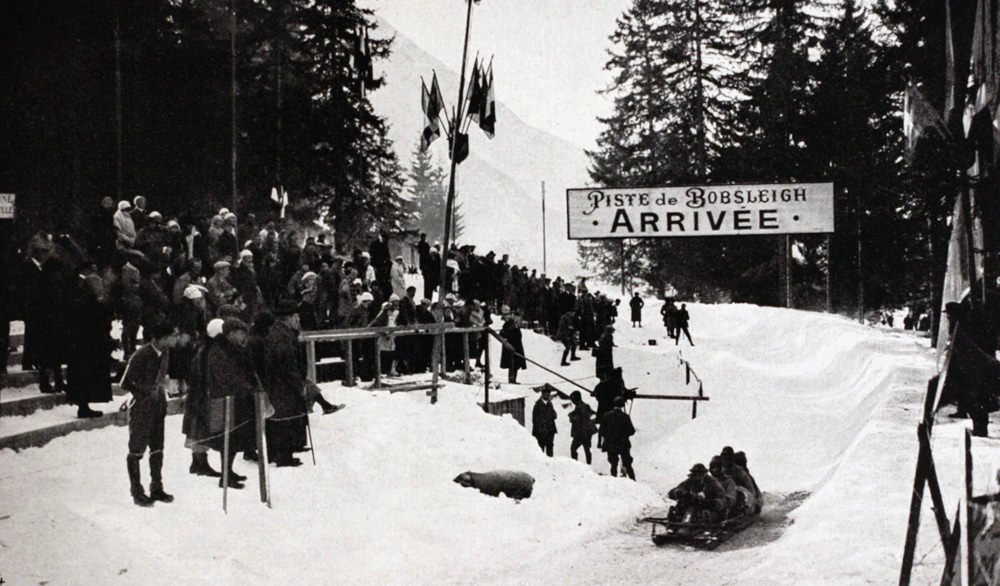
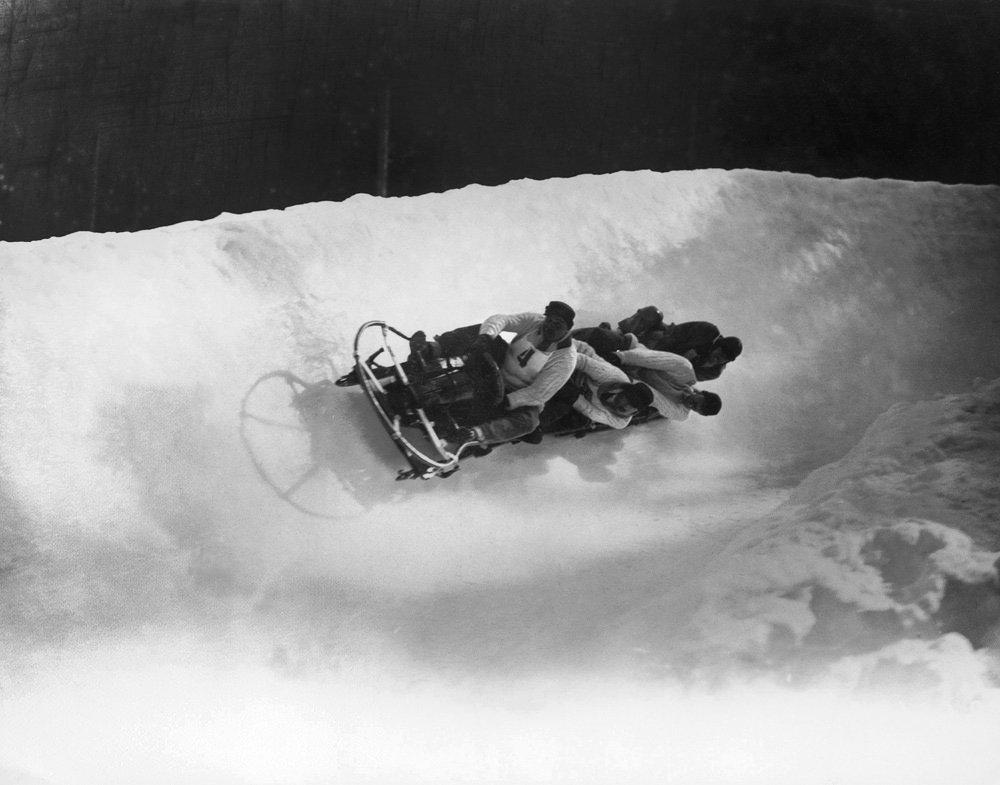
The bobsleigh track at Chamonix saw fierce competition. Italy’s four-man team navigated the course at speed, while the British squad — Ralph Broome, Thomas Arnold, Alexander Richardson, and Rodney Soher — pushed hard enough to take the silver medal.
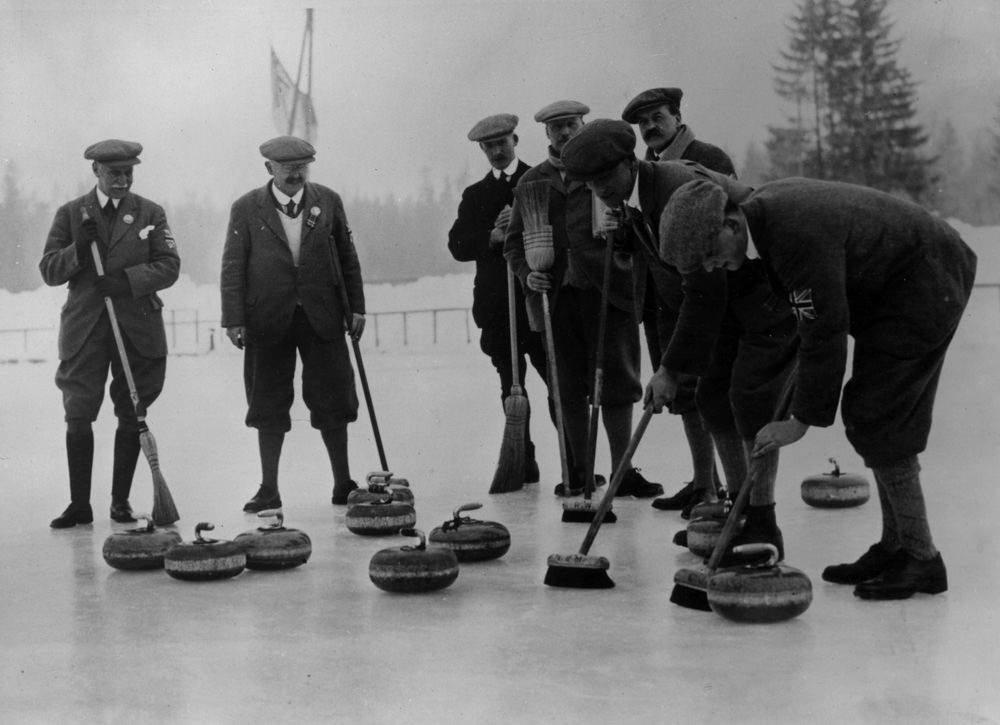
Curling was contested at Chamonix, though its official status was debated for decades. In February 2006, the IOC formally recognized curling as part of the 1924 Olympic program and added those medals to the official record. The British curling team was among those active on the ice during the games.
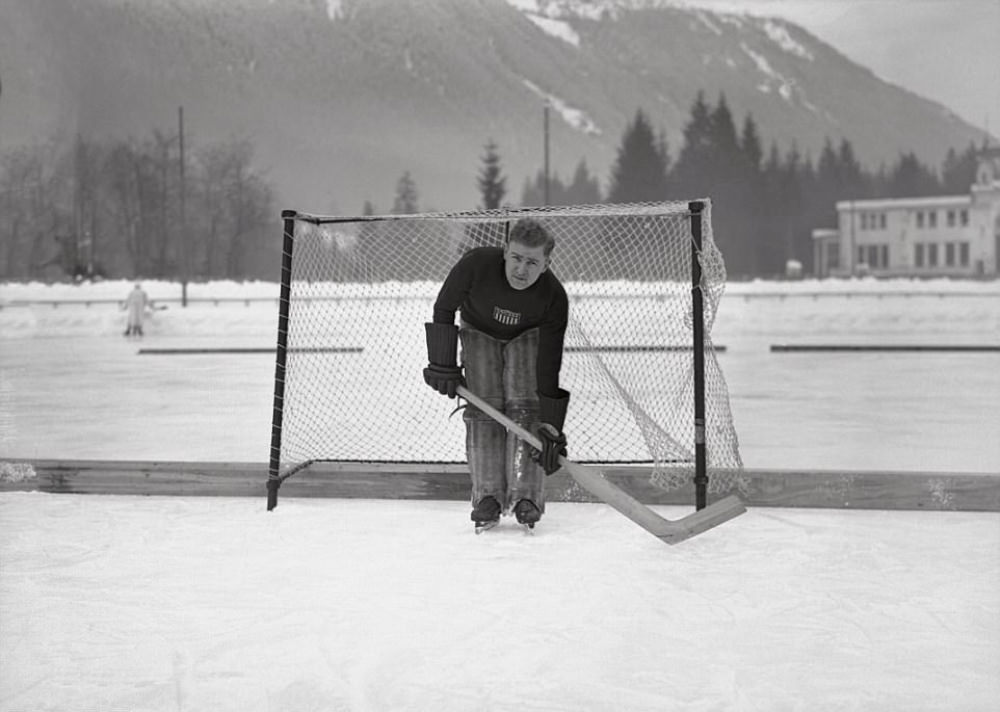
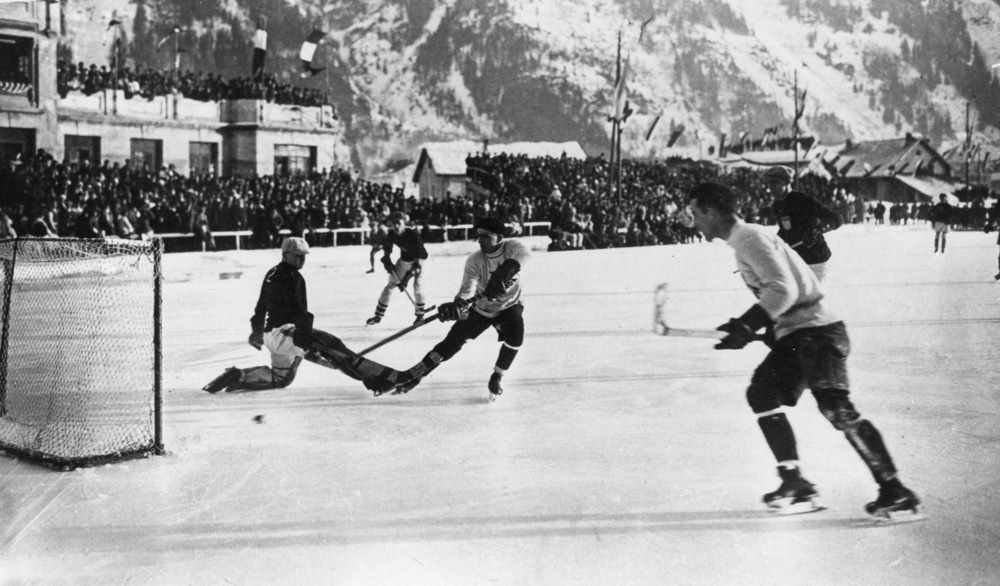
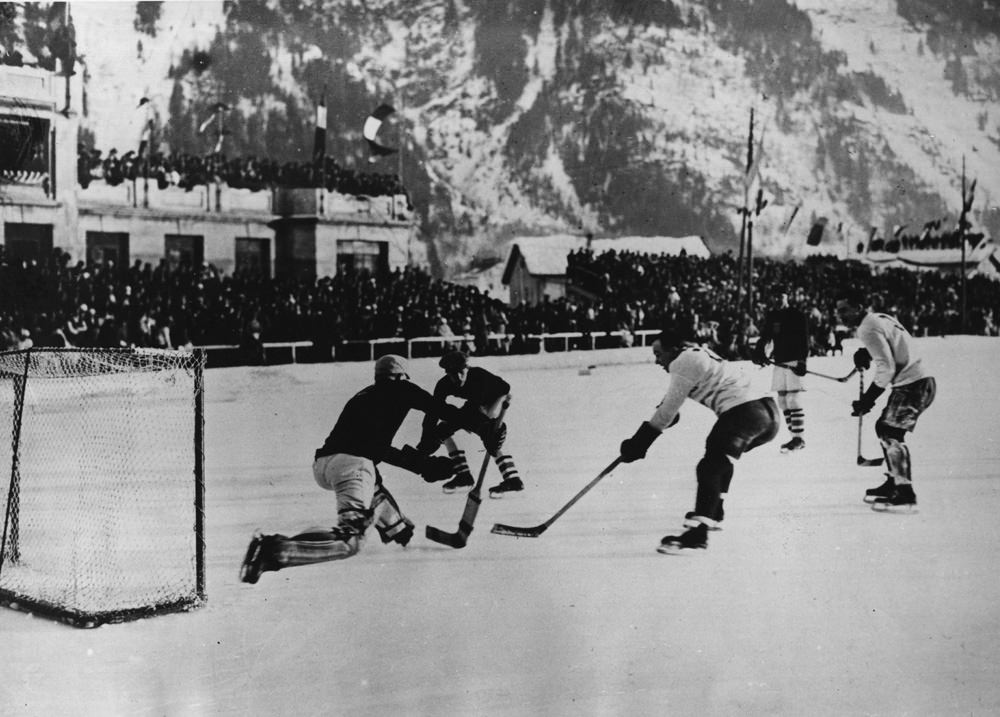
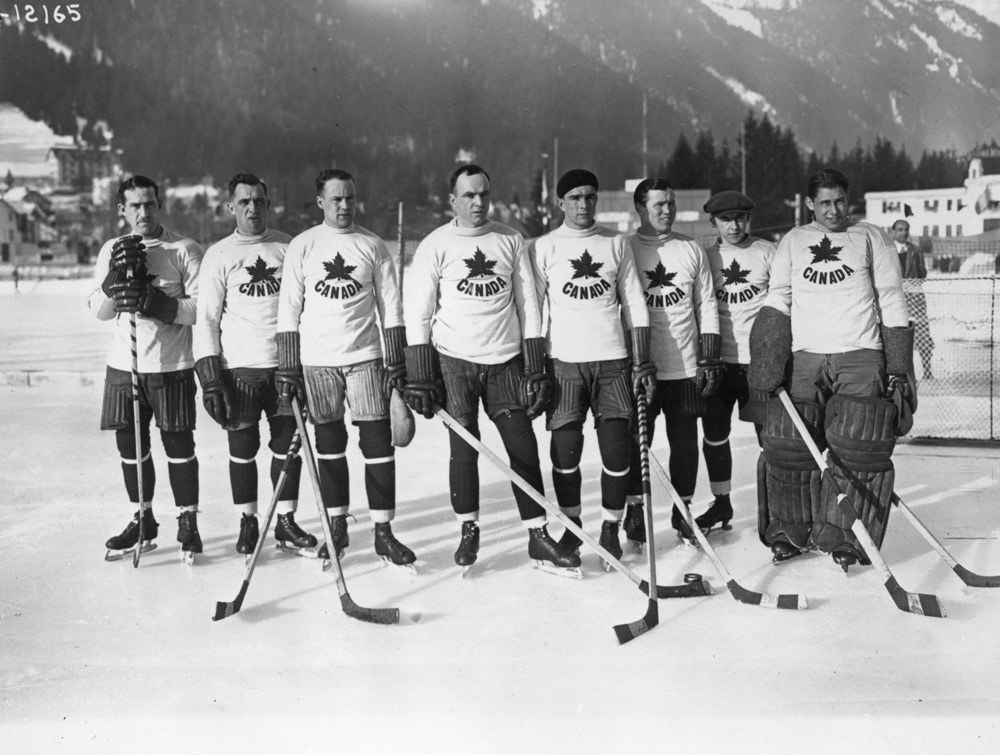
Ice hockey delivered one of the most dominant performances of the entire Games. Canada’s entry, the Toronto Granites, steamrolled their competition throughout the tournament. In the gold medal final on February 3, they defeated the United States 6–1 to claim the top prize. The American goalkeeper La Croix had practiced hard ahead of the tournament, but the Granites were simply unstoppable.