Old photographs do more than preserve faces — they document how society’s expectations shifted over time. Few subjects show this as clearly as images of women in law enforcement. From the late 19th century onward, cameras captured female officers at every stage of a slow but steady change in policing.
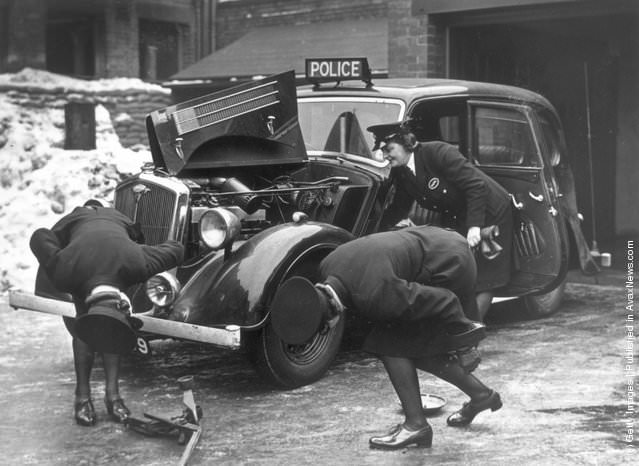
The earliest women officially tied to police departments held the title of police matron. Their work took place inside station houses and city jails, not out on the streets. They supervised female prisoners, managed cases involving juvenile detainees, and assisted female victims of crime. Welfare and morality work dominated their duties.
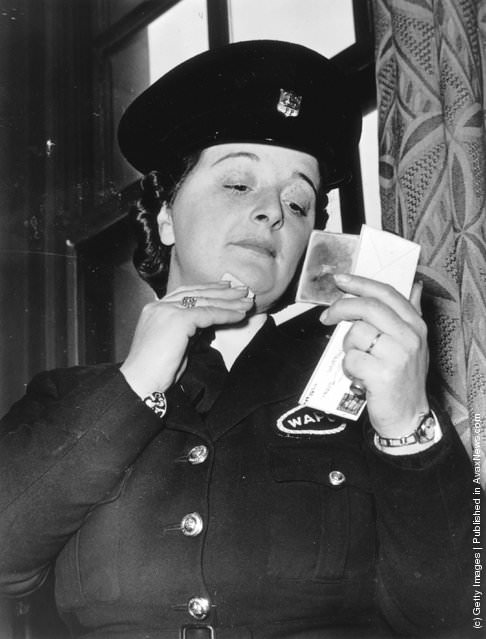
In photos from this era, matrons appear in practical, modest clothing — dresses, skirts, and blouses — rather than formal police uniforms. A badge or a specific style of hat was often the only visible marker of their official role.
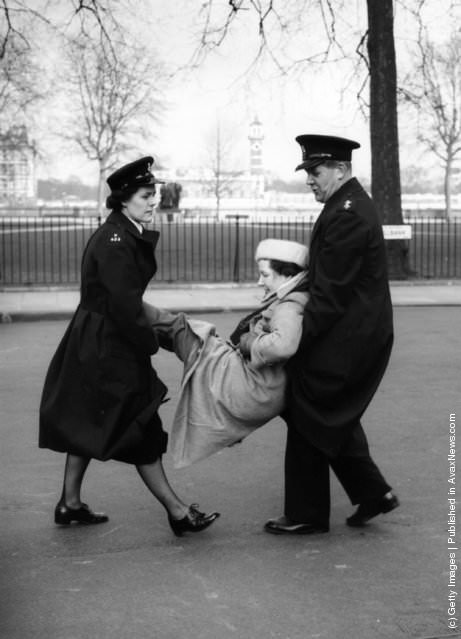
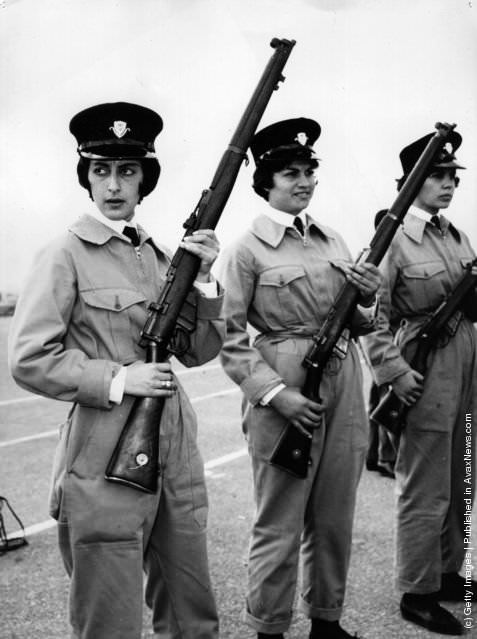
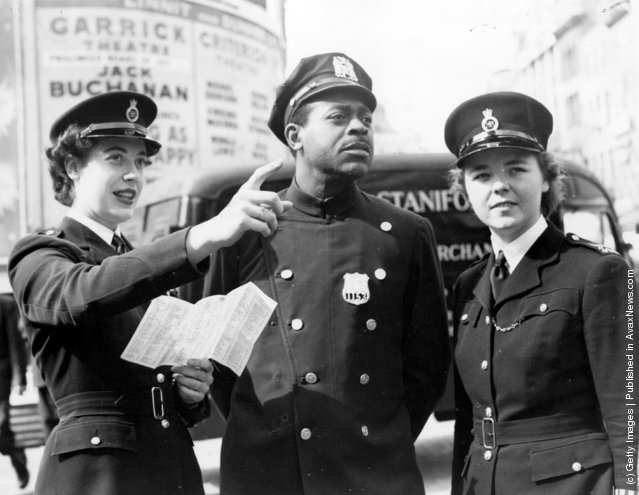
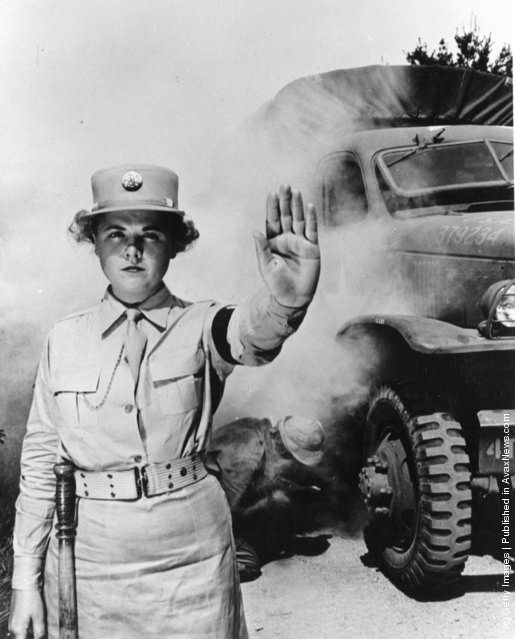
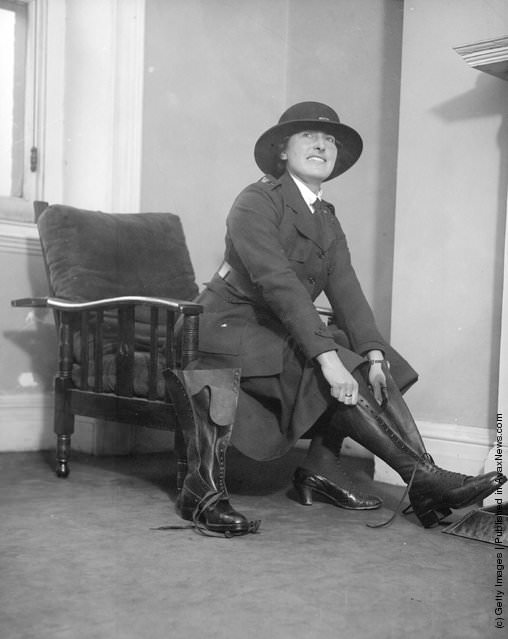
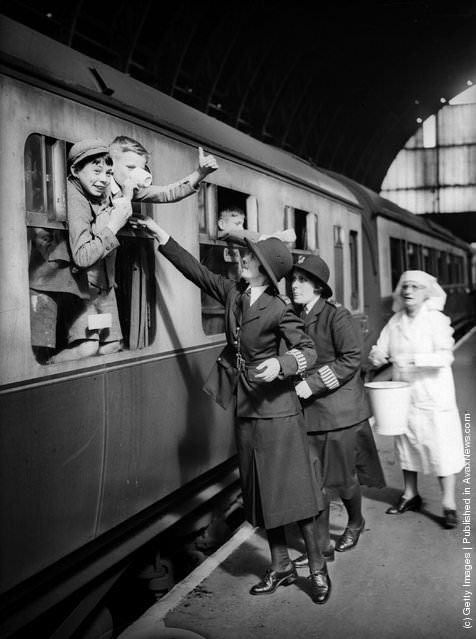
By the 1920s, tailored uniforms designed specifically for female officers began to appear. Photographs from this period show fitted jackets styled after male officers’ uniforms, paired with button-up blouses and skirts. The skirt length varied noticeably from one decade to the next, reflecting broader fashion changes of each era.
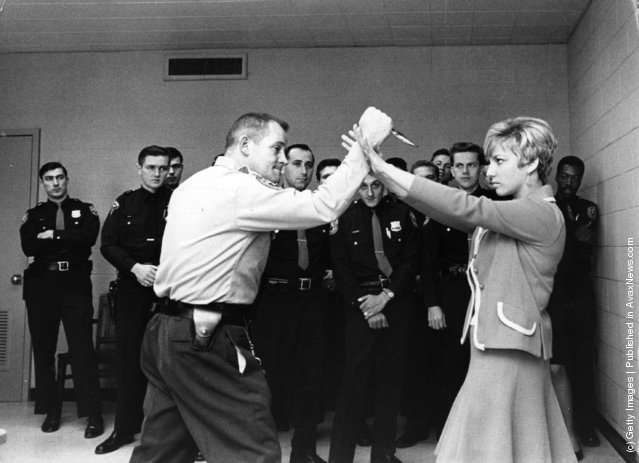
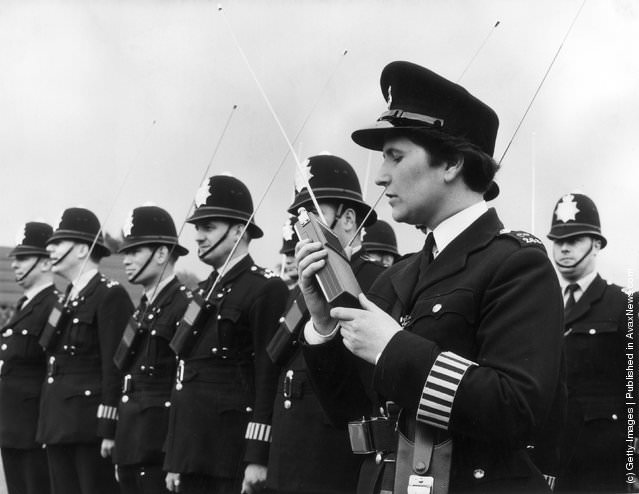
Official service caps designed for women became a standard part of the uniform, along with sturdy, sensible shoes built for long shifts. Visible badges remained a consistent fixture across all eras, making their authority clear.
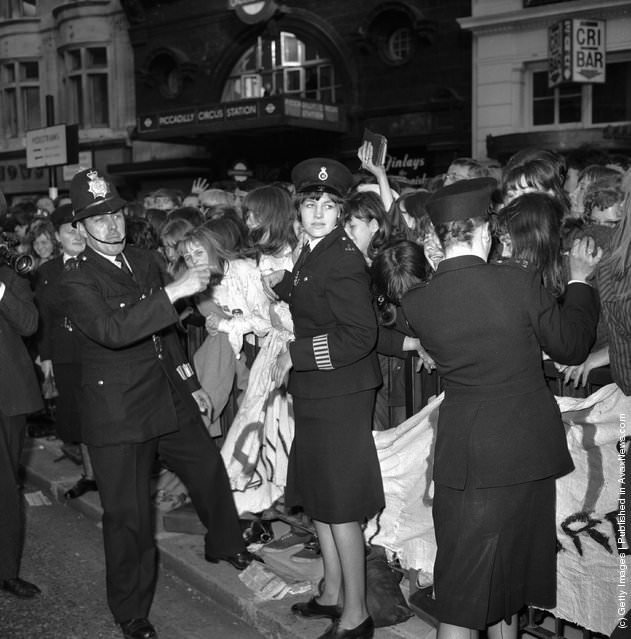
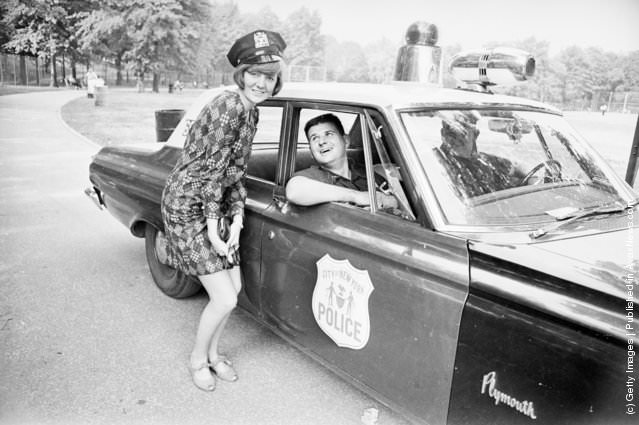
These photographs trace a uniform evolution that unfolded gradually over decades. Each image reflects the specific rules and expectations placed on female officers at the time it was taken — restrictions that differed sharply from those faced by their male counterparts.
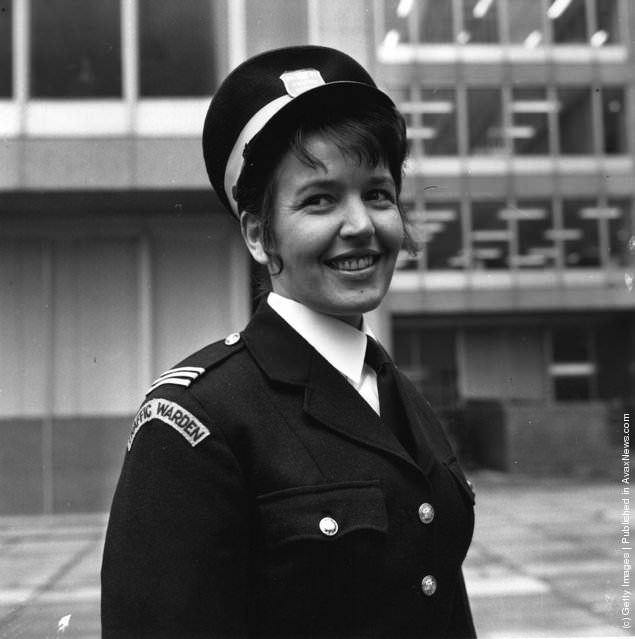
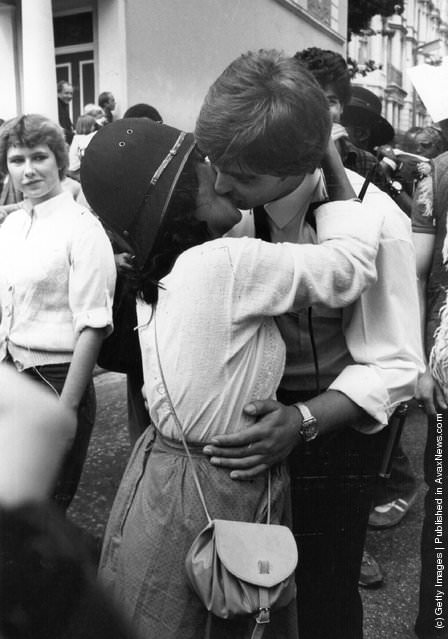
Trousers did not become a standard option for female officers until well after the vintage era ended. For decades, skirts were the required uniform — a detail that photographs make plain without a single word of explanation.
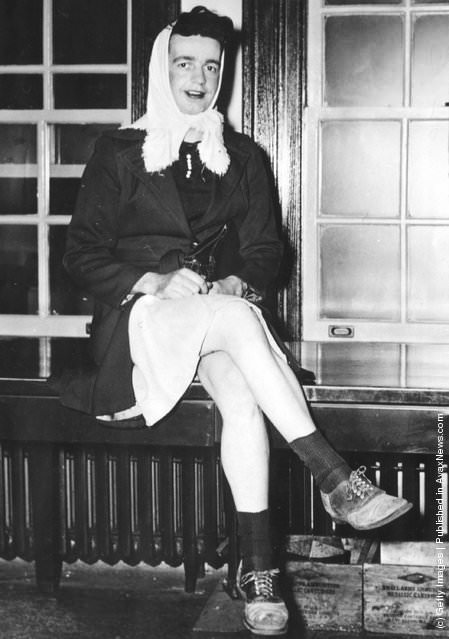
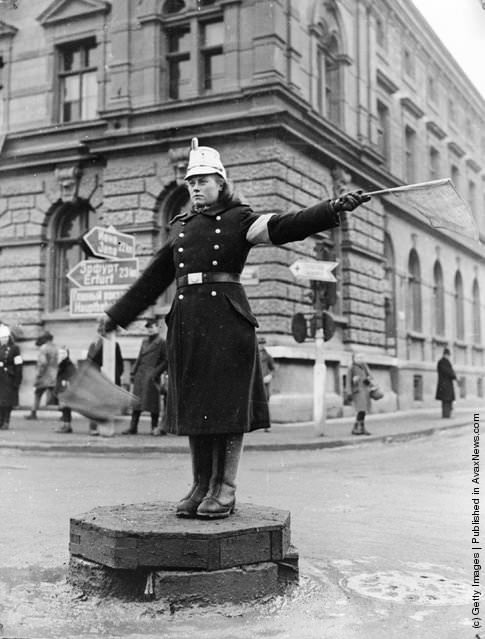
What stands out across this entire photo collection is the range of roles women held in policing long before the public widely recognized their presence on the force. Station duty, juvenile work, victim assistance — these were structured, official positions, not informal arrangements.