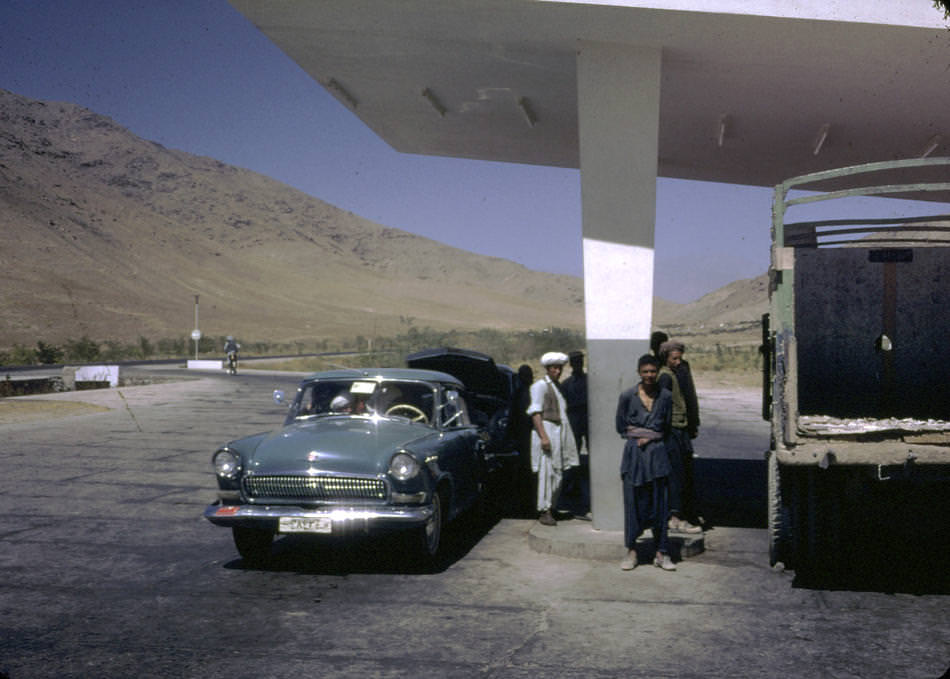
In 1967, Dr. William Podlich, an American educator, packed up his family and moved to Kabul, Afghanistan. He had been recruited by UNESCO to work at the Higher Teachers College, where his job was to train Afghan teachers and raise the standard of education across the country. His wife Margaret and their two daughters, Peg and Jan, came with him — and what they found was a city alive with energy, color, and possibility.
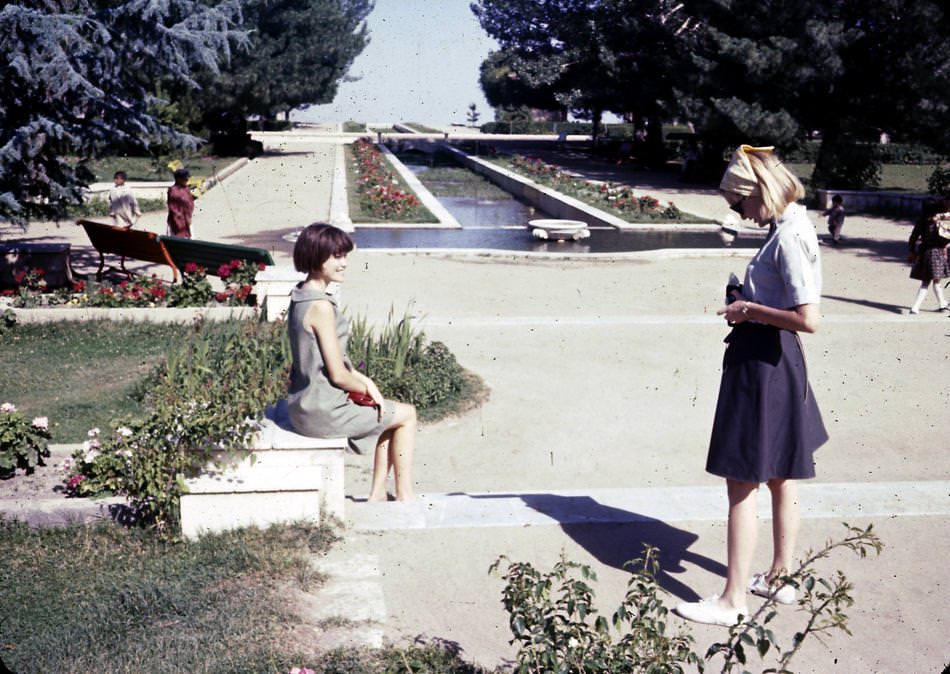
Dr. Podlich brought his camera everywhere. He photographed markets, schools, streets, and open landscapes — documenting a version of Afghanistan that most people today have never seen. The photos are vivid and specific. They show a Kabul that was modernizing without abandoning its deep cultural roots.
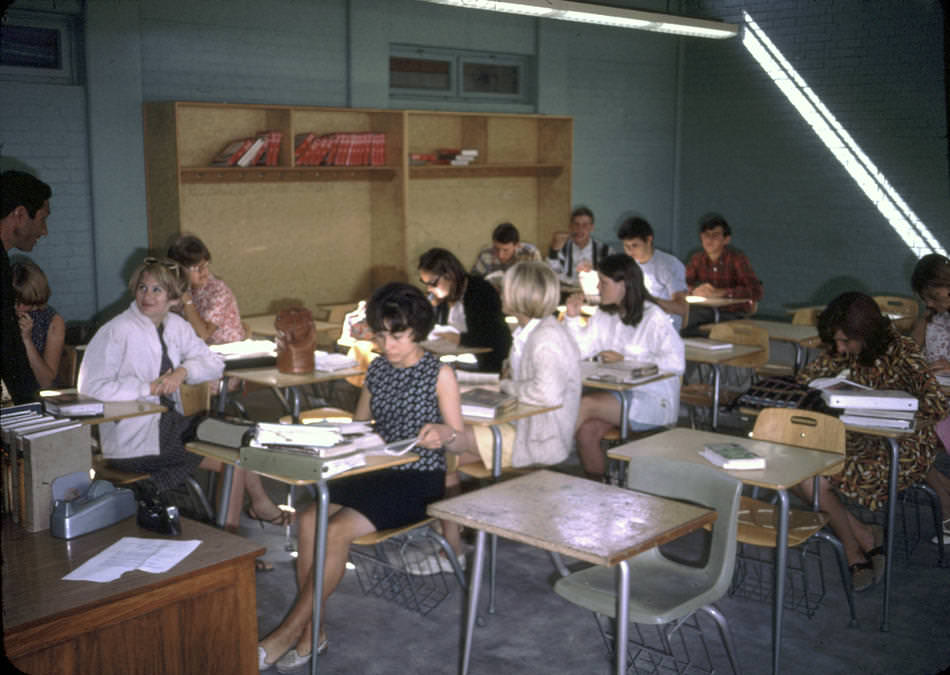
Peg and Jan attended the American International School of Kabul, which served the children of foreign diplomats, aid workers, and educators living in the city. The school offered a Western-style curriculum in the middle of Central Asia, drawing students from across the world.
Beyond the school walls, the family explored the country. Paghman Gardens, just west of Kabul, was a popular destination. Built during the reign of King Amanullah Khan, the gardens featured manicured lawns, arched gates, and a relaxed atmosphere where families spent their weekends.
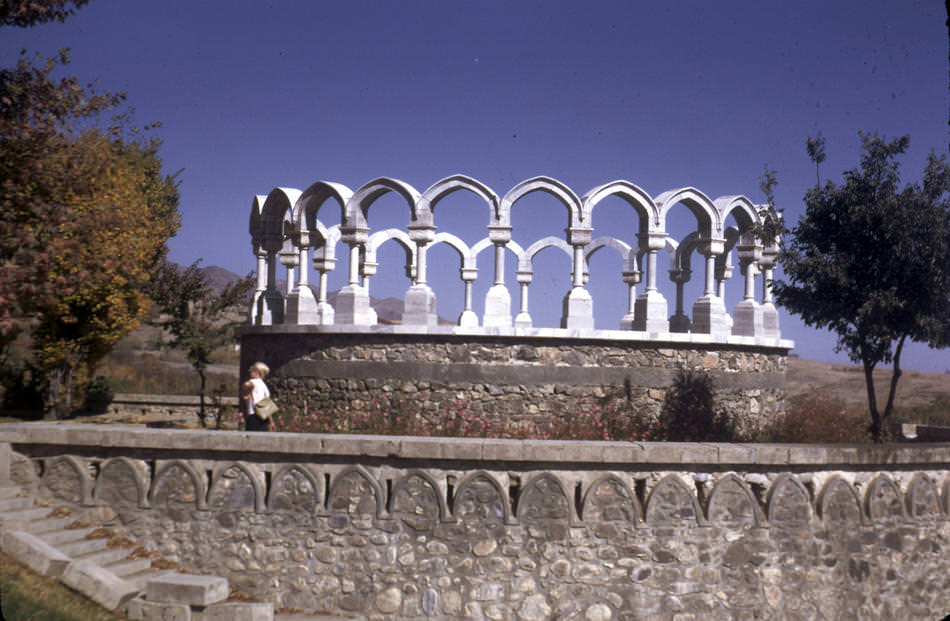
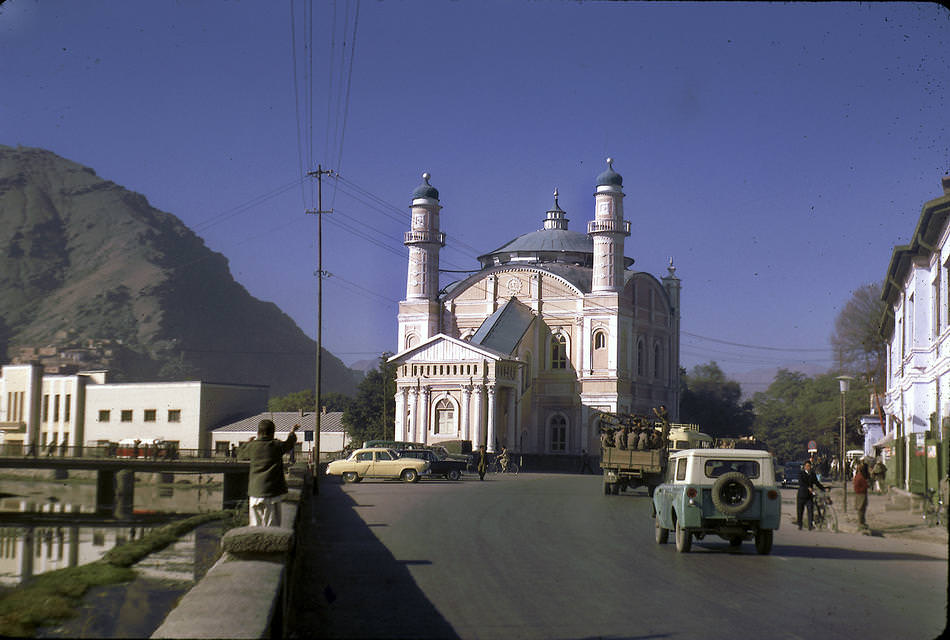
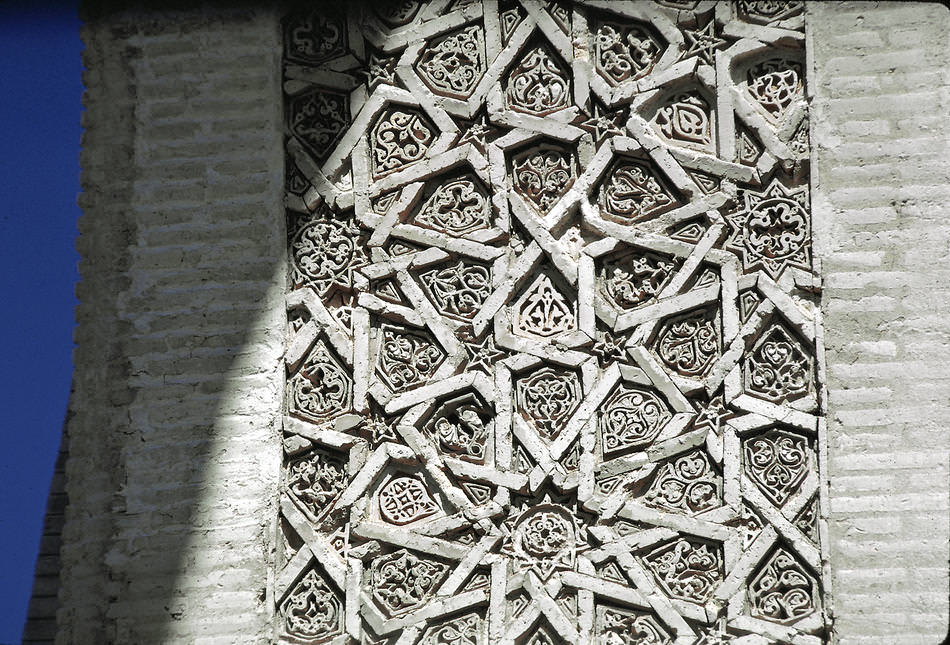
Kabul itself was a city of contrasts. Ancient mosques stood near modern government buildings. Historic royal structures shared the same neighborhoods as new construction. One striking example was the mosque near the mausoleum of King Abdul Rahman in what is now Zarnigar Park — a landmark originally built by King Habibullah.
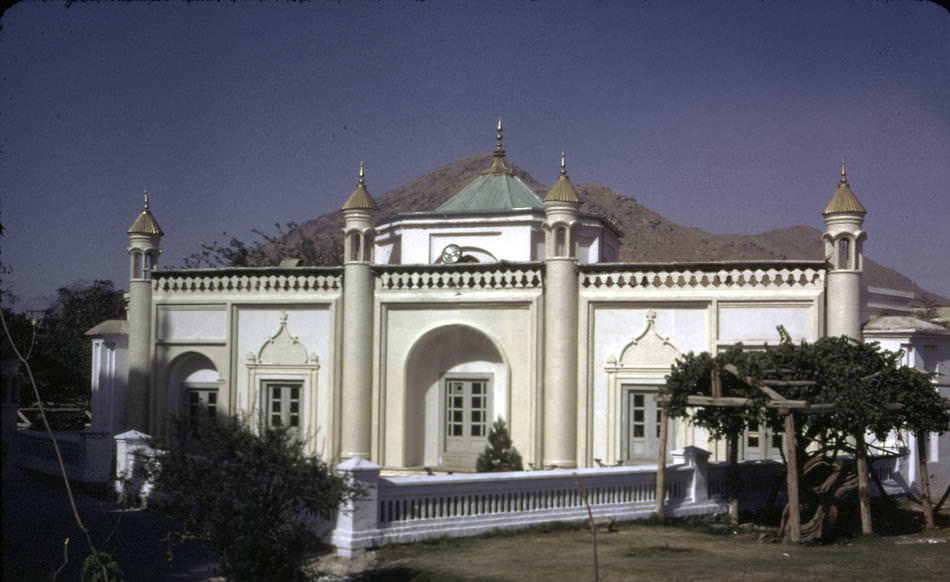
Today is stands as a store room for the Department of Preservation of Monuments, Ministry of Culture.
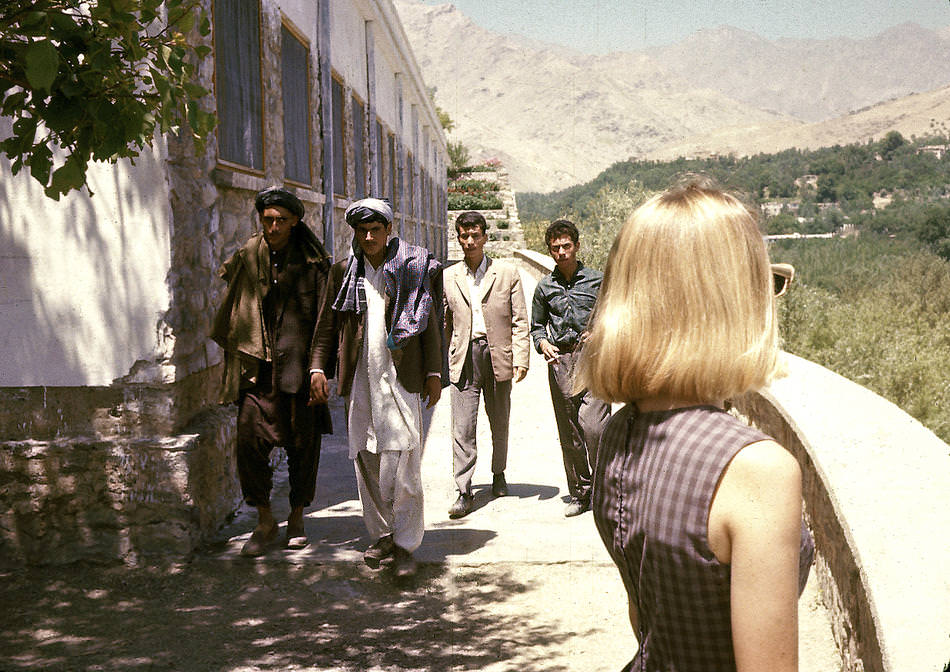
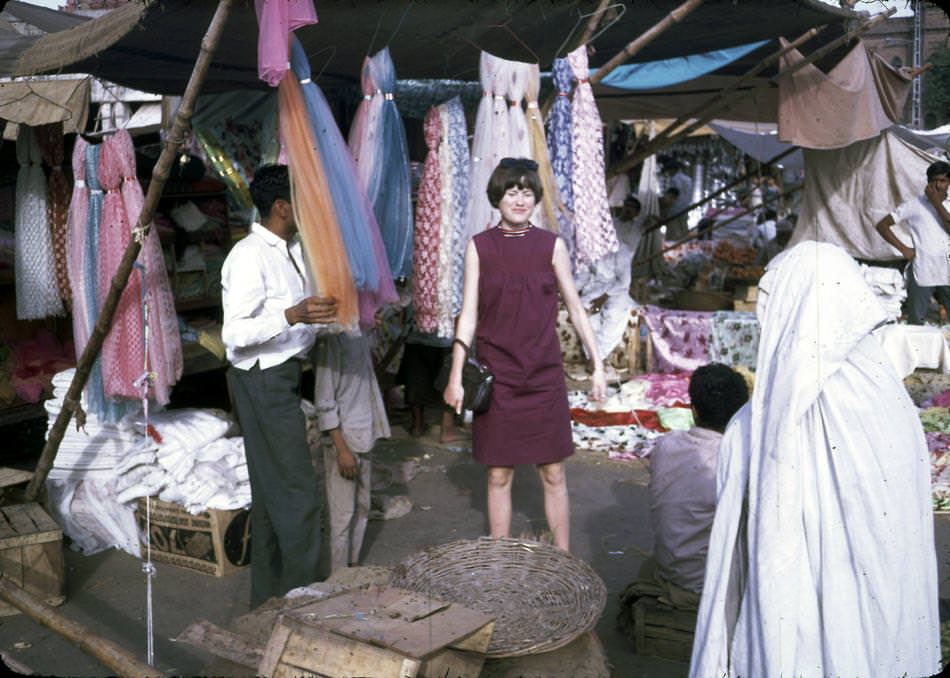
Clothing in 1960s Kabul reflected this same mix of old and new. On shopping trips to towns like Istalif — a pottery-making hub about 18 miles northwest of Kabul — you could see Afghan women in traditional chadri walking beside foreign visitors in sleeveless Western dresses. Neither was unusual. The city accommodated both without tension.
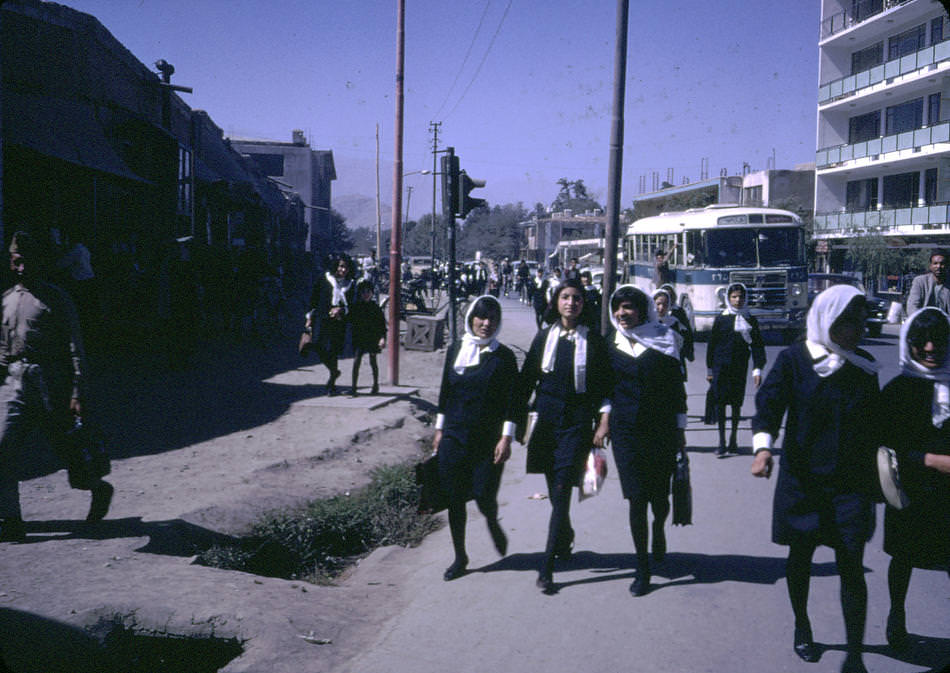
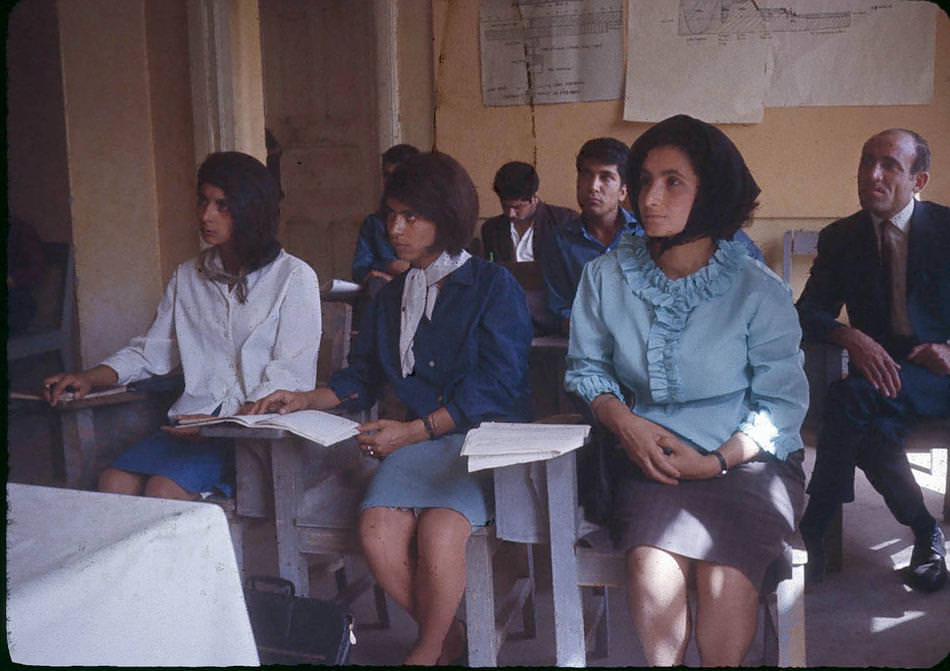
Education was expanding rapidly. Afghan girls attended school in growing numbers. Dr. Podlich’s work at the Higher Teachers College directly contributed to this push — better-trained teachers meant better outcomes for students across the country.
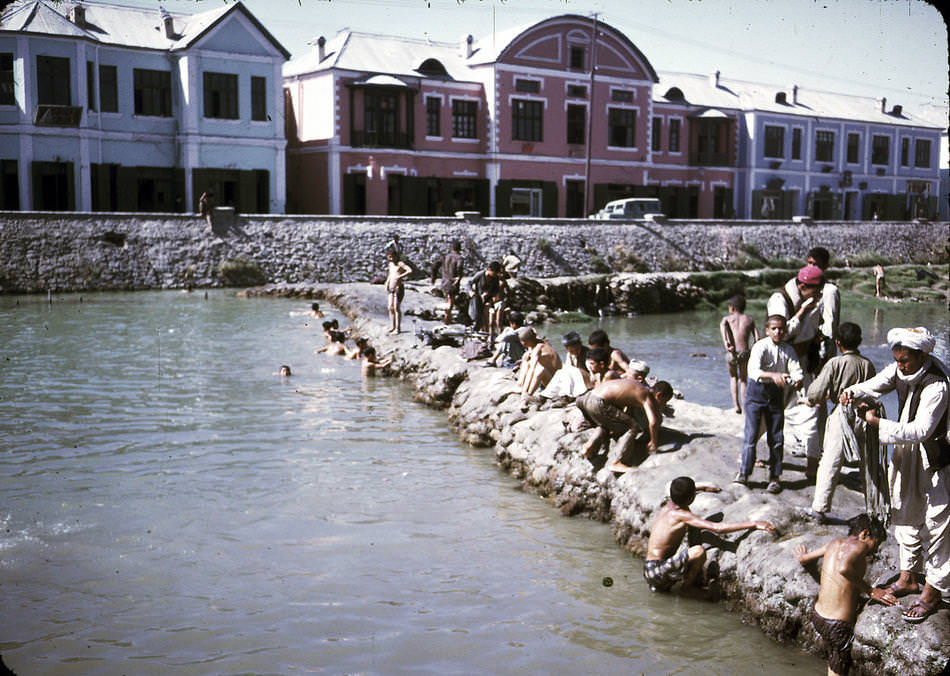
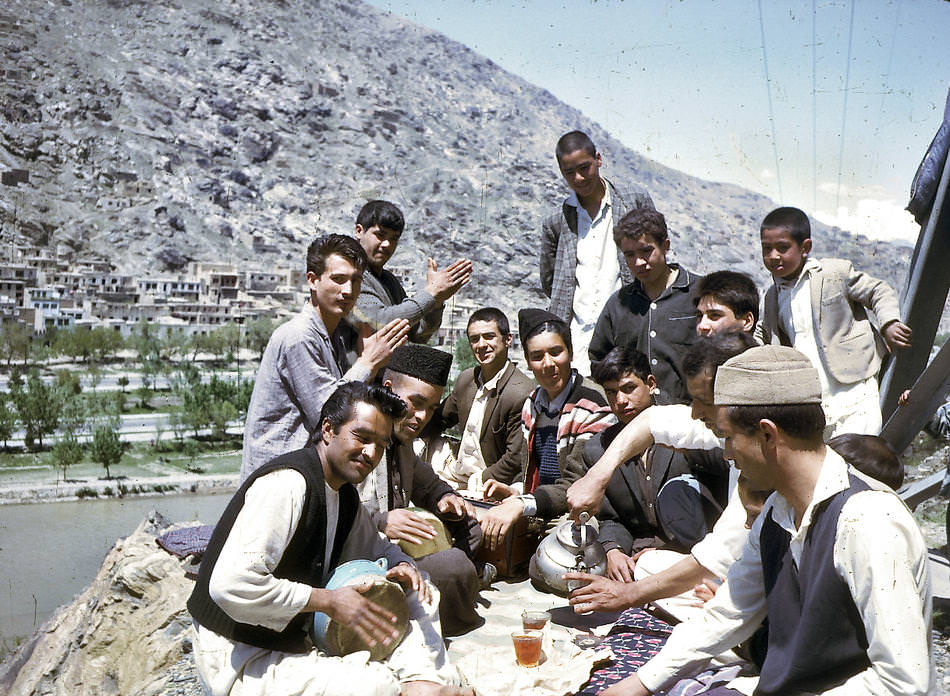
Daily life in Kabul had its own steady rhythm. Men and boys cooled off in the Kabul River on warm days. The river ran through the heart of the city and served as a gathering place for ordinary people going about their lives.
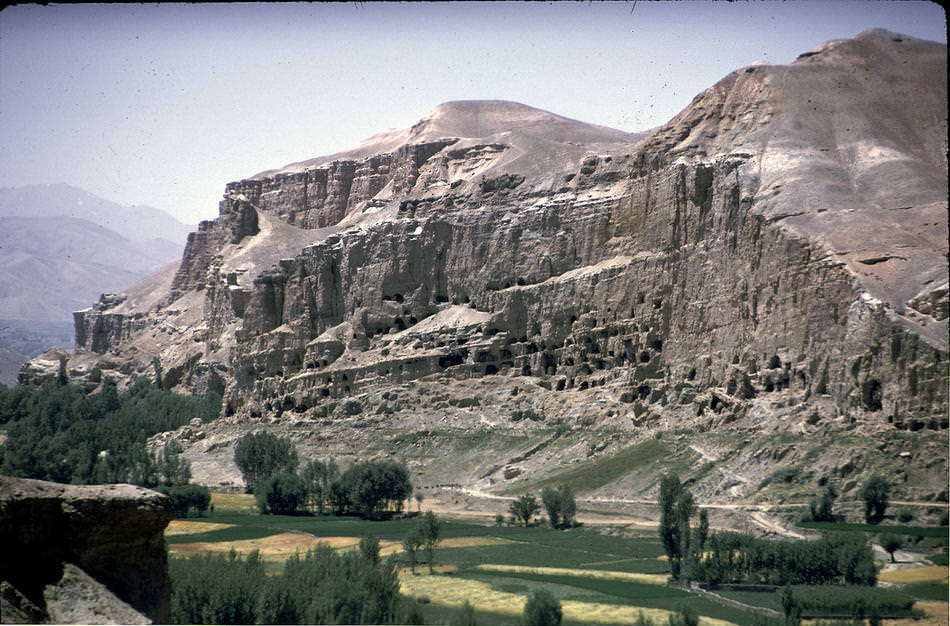
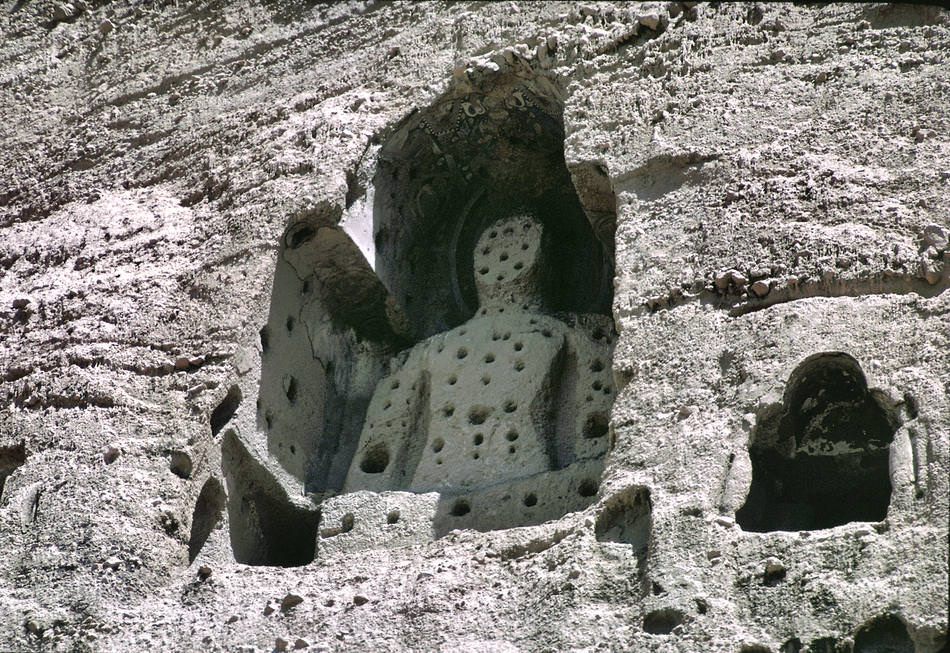
The Podlich family also traveled well beyond Kabul. Afghanistan’s ancient heritage stretched across the country. The Bamiyan Valley, located in the central highlands, held some of the most remarkable archaeological sites in the world — Buddhist art and architecture dating back to the 1st century, shaped by the Gandhara school that blended Greek, Persian, and Indian influences.
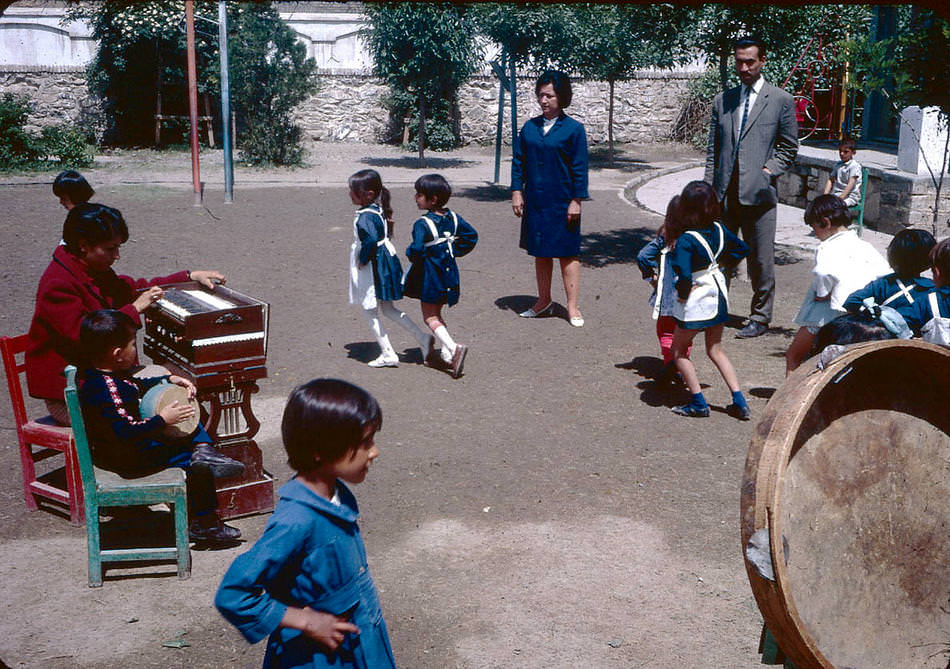
Back in the city, school life was active. Children danced on playgrounds, and classrooms buzzed with learning. The younger generation of Afghans was growing up in a period of national optimism.
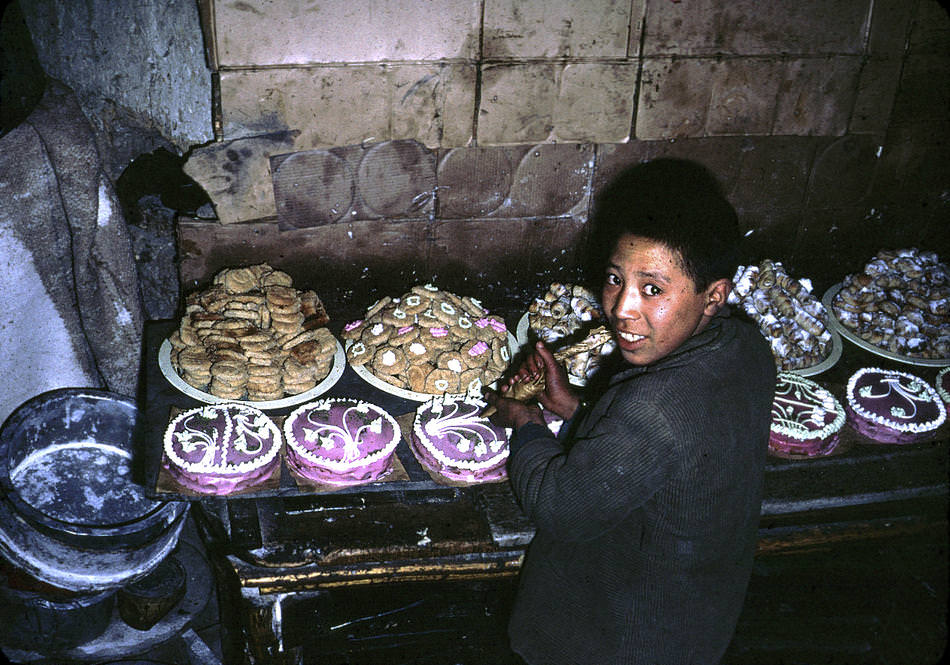
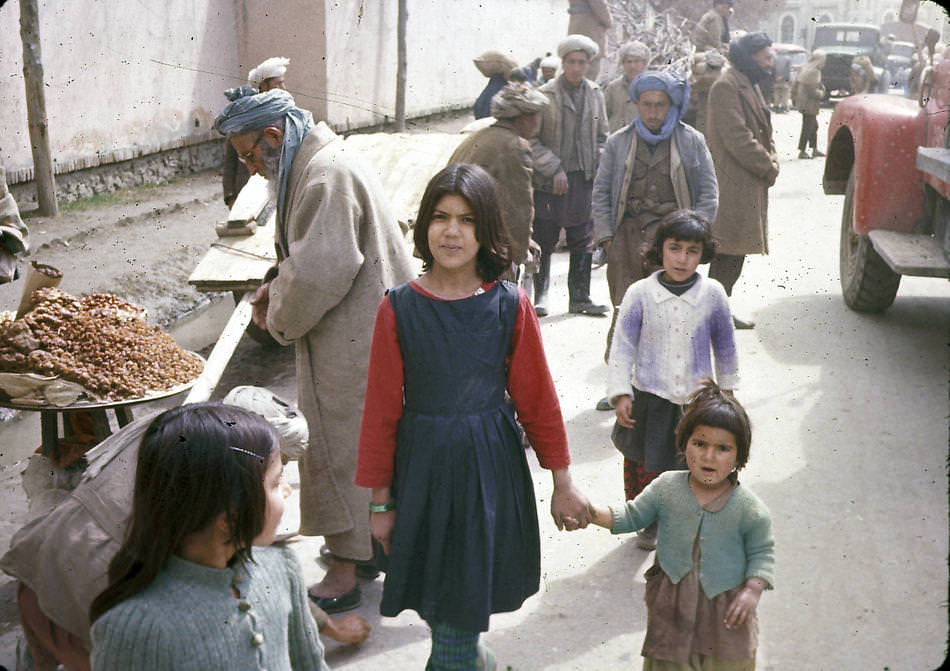
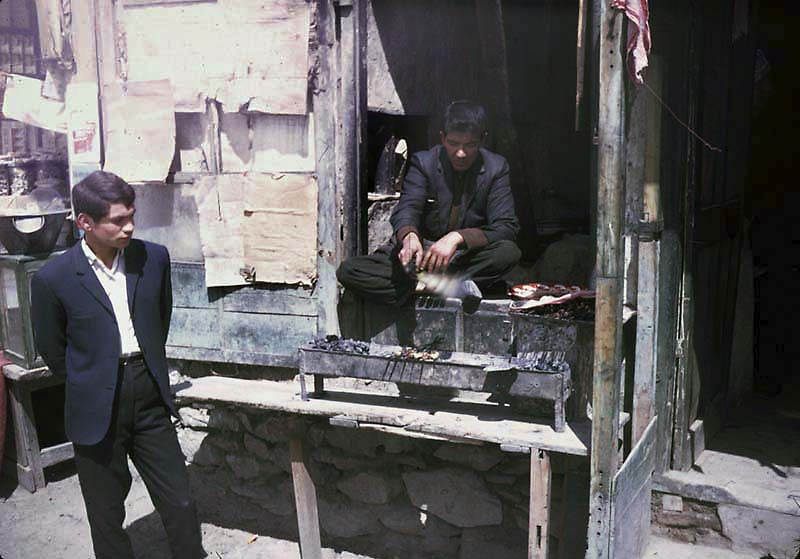
Street food and local crafts were central to daily life. Vendors sold sweets, kebabs, and fresh-cooked food throughout Kabul’s markets. Skilled workers — bakers, craftsmen, street repairers — kept the city running.
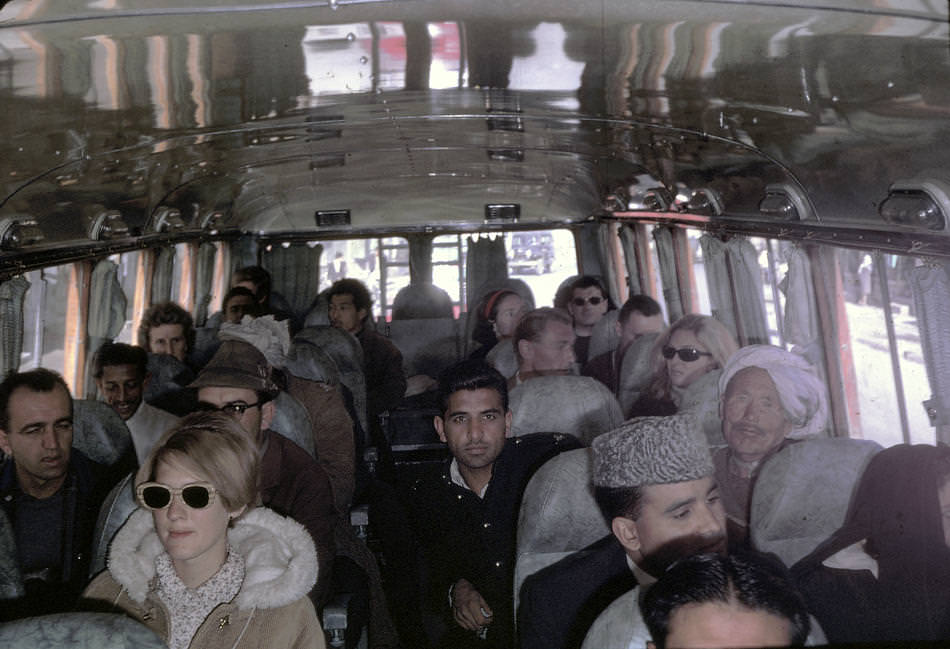
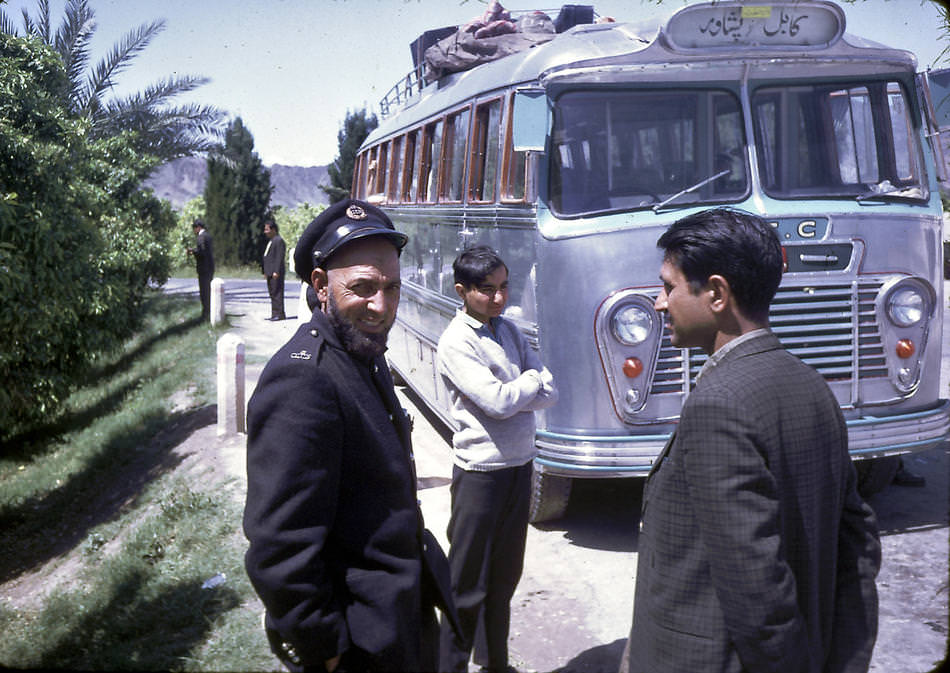
The Podlich family didn’t stay within Afghanistan’s borders. In the spring of 1968, they boarded a public Afghan bus for the trip through the Khyber Pass into Pakistan, visiting Peshawar and Lahore. It was the kind of overland journey that foreign families in Kabul regularly made during that era.
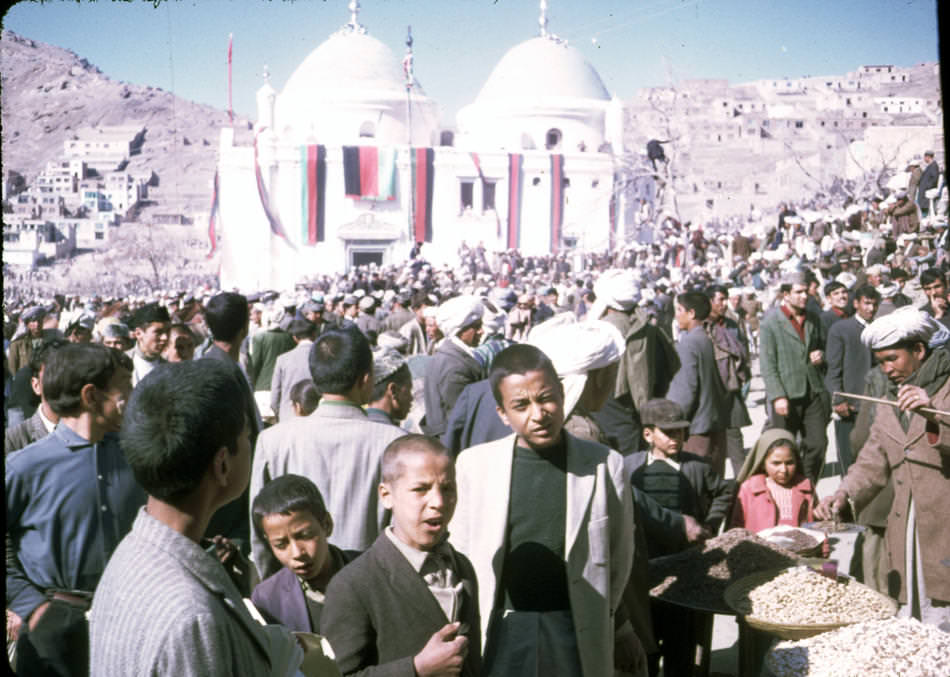
Social celebrations were part of life in Kabul too. New Year’s festivities brought people together with music, food, and shared joy. These were not small, private affairs — they were public expressions of a city enjoying a period of relative peace and growth.
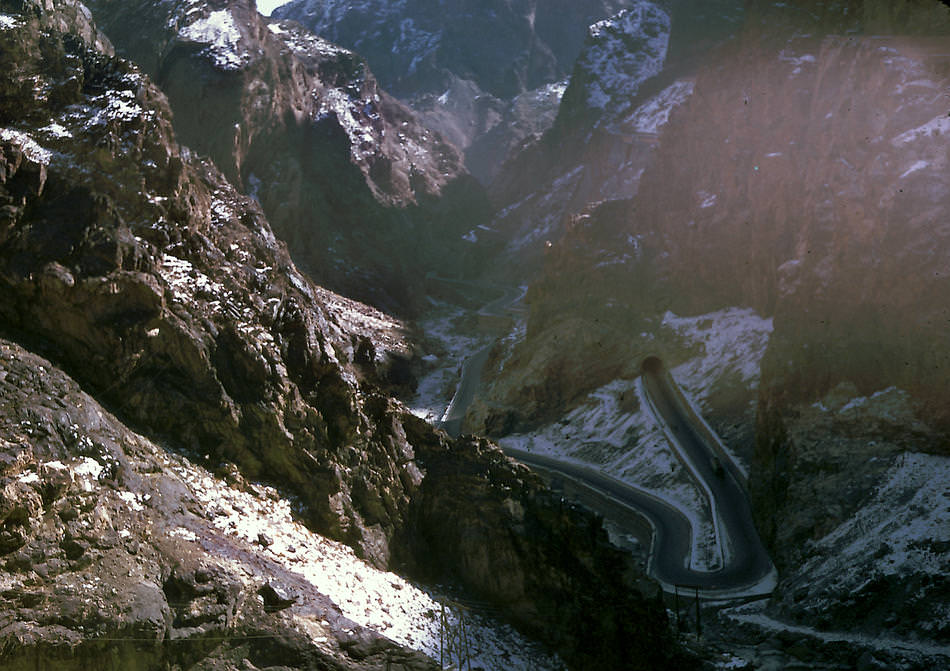
Afghanistan’s geography made every road trip an event. The highway connecting Kabul to Jalalabad cut through the Kabul Gorge — a dramatic stretch of rock and river known locally as Tang-i-Gharoo. The route was scenic and rugged in equal measure.
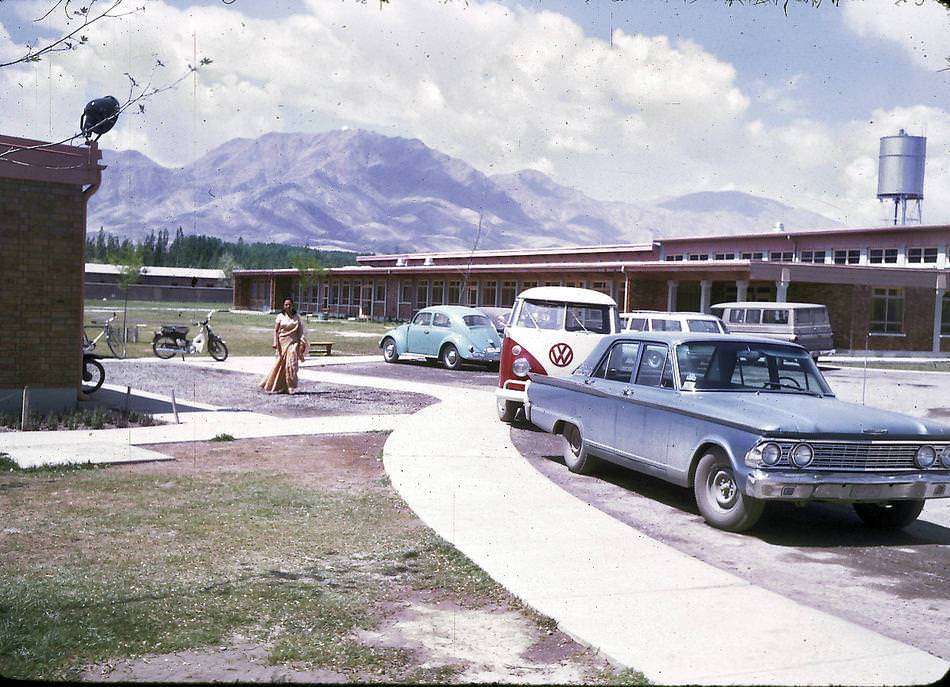
The American International School of Kabul had its own small community — a parking lot filled with the cars of parents from dozens of countries, all living and working in a rapidly changing Afghan capital.
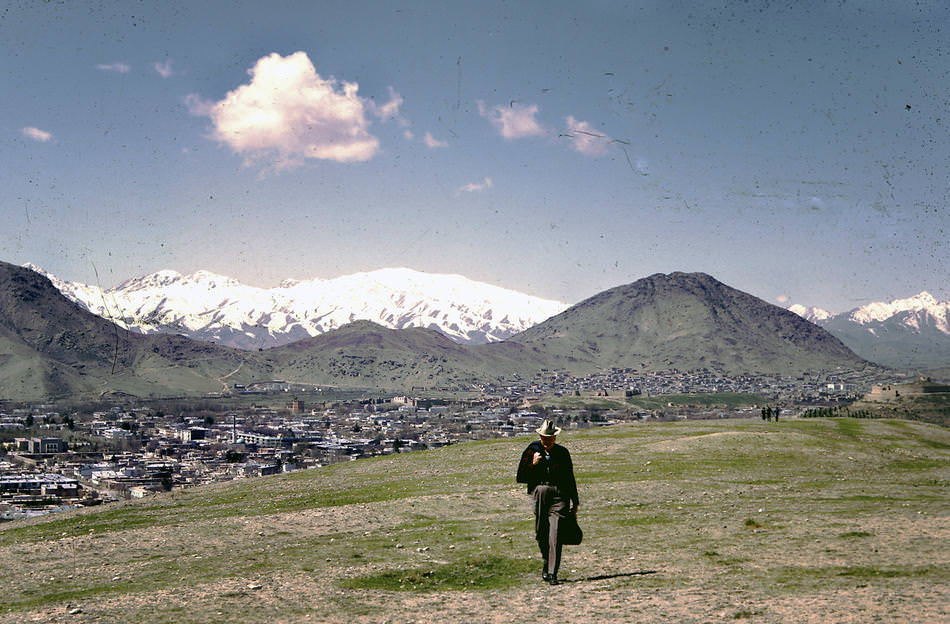
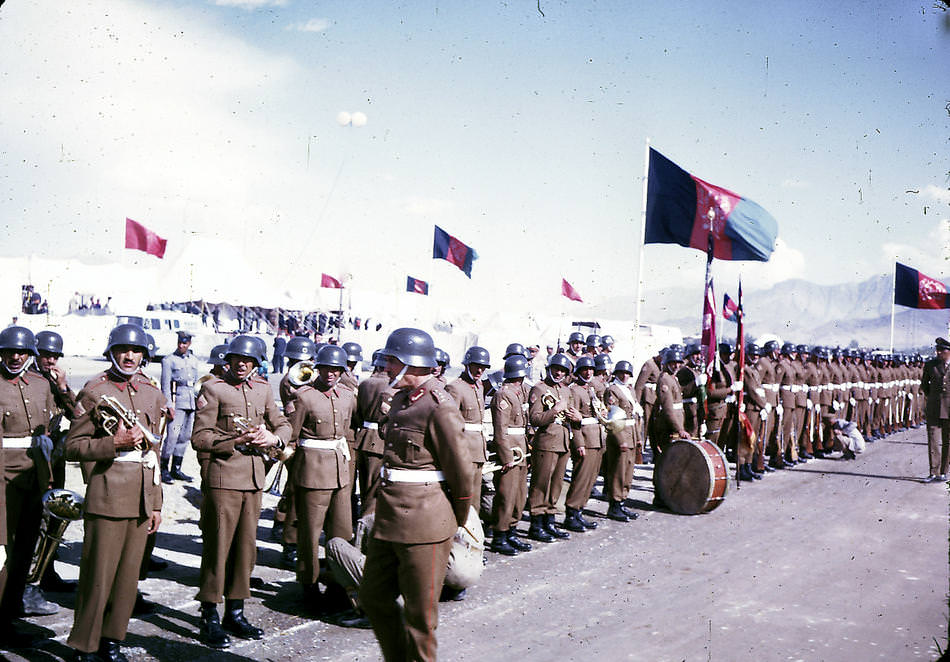
Dr. Podlich himself appears in several of the photos. He documented not just the country around him but his own experience of living in it — walking Kabul’s hillsides, observing Afghan military parades, and engaging with the communities his UNESCO work served.
Religious architecture was a constant presence across Kabul. The Masjid Shah-e-do Shamsheera, one of the city’s most recognized mosques, stood prominently along the Kabul River. Its yellow exterior and twin minarets made it one of the most photographed buildings in the capital.
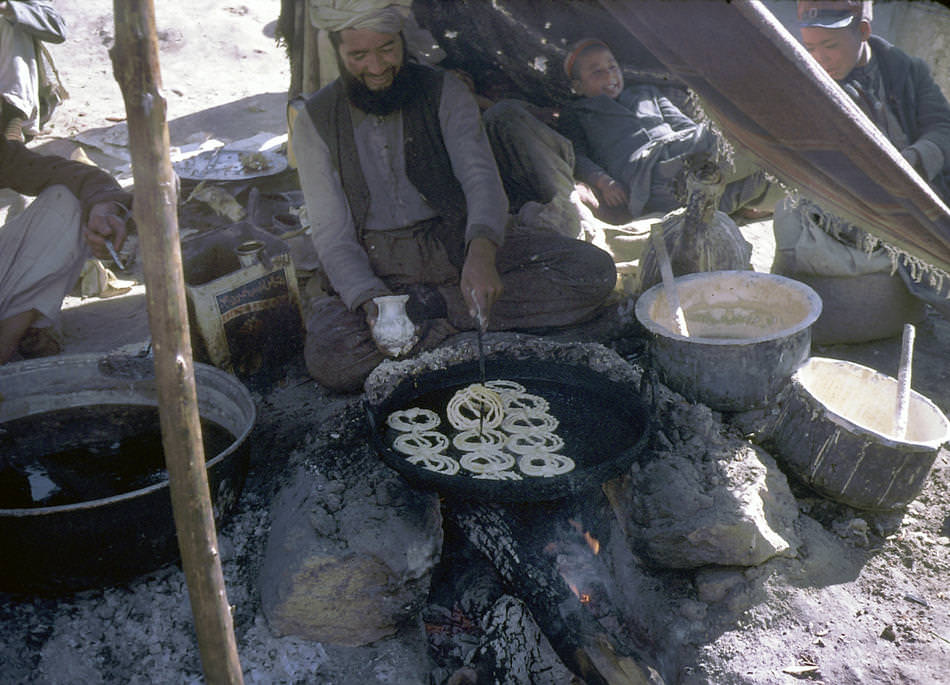
Food culture was rich and varied. Street vendors fried jilabee — a coiled, syrup-soaked sweet — while young men grilled kebabs over open flames in the markets. Eating in public spaces was a normal, everyday social act.
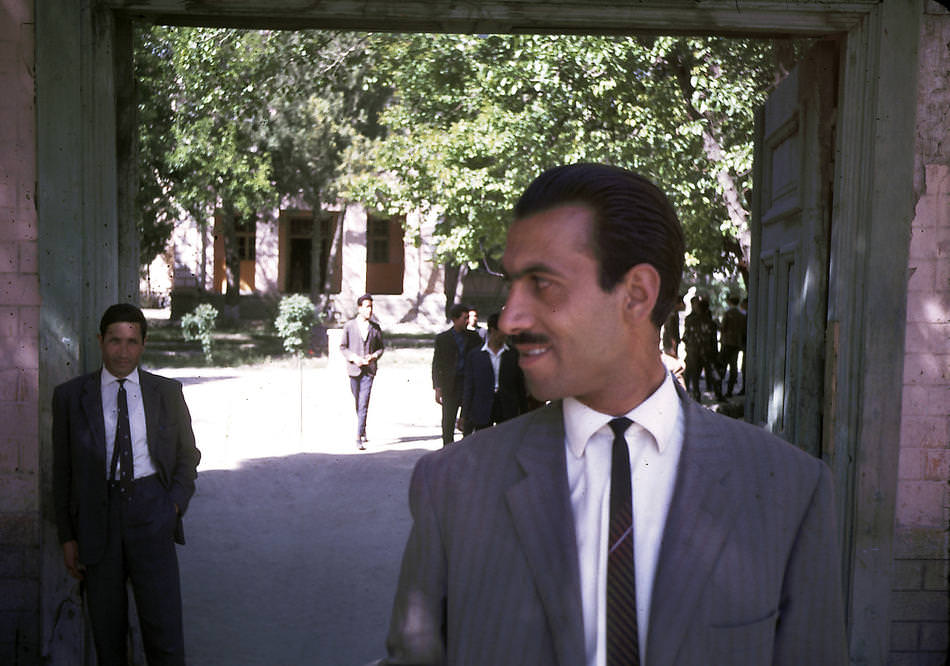
Dr. Podlich’s core mission — improving teacher training — is reflected directly in his photographs. The educators he worked alongside were dedicated professionals trying to bring quality instruction to a country that needed it urgently.
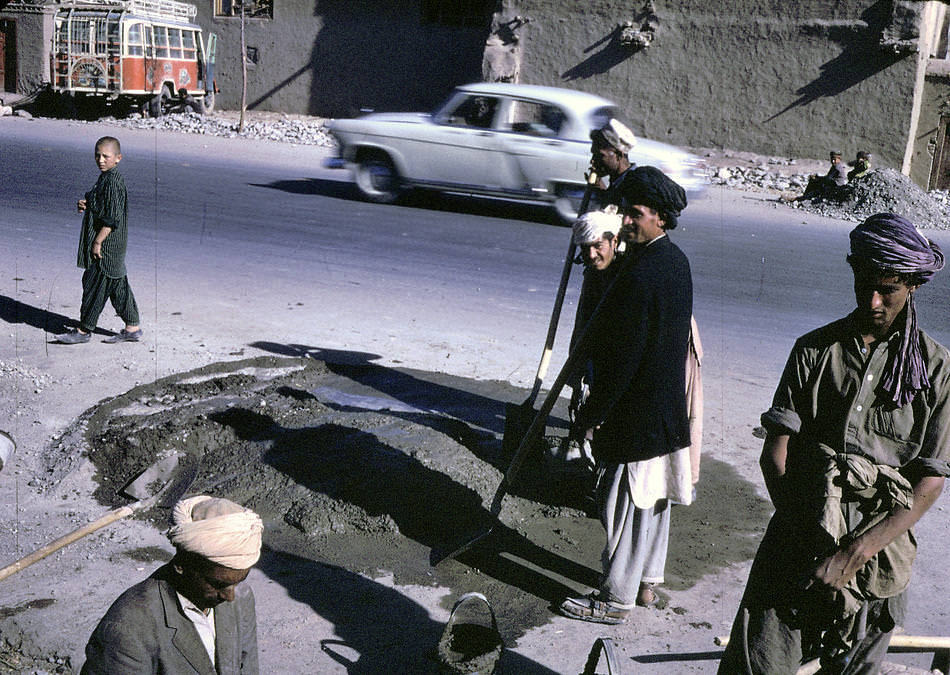
Infrastructure work was underway across Kabul. Workers repaired streets, construction crews raised new buildings, and the city’s road network was slowly being extended. Afghanistan in the late 1960s was a country actively investing in itself.
In Bamiyan Valley, the massive Buddha statues carved into the cliffs had stood for over a thousand years. They were among the most awe-inspiring ancient monuments in Asia, drawing visitors from around the world during the era when the Podlich family explored Afghanistan.
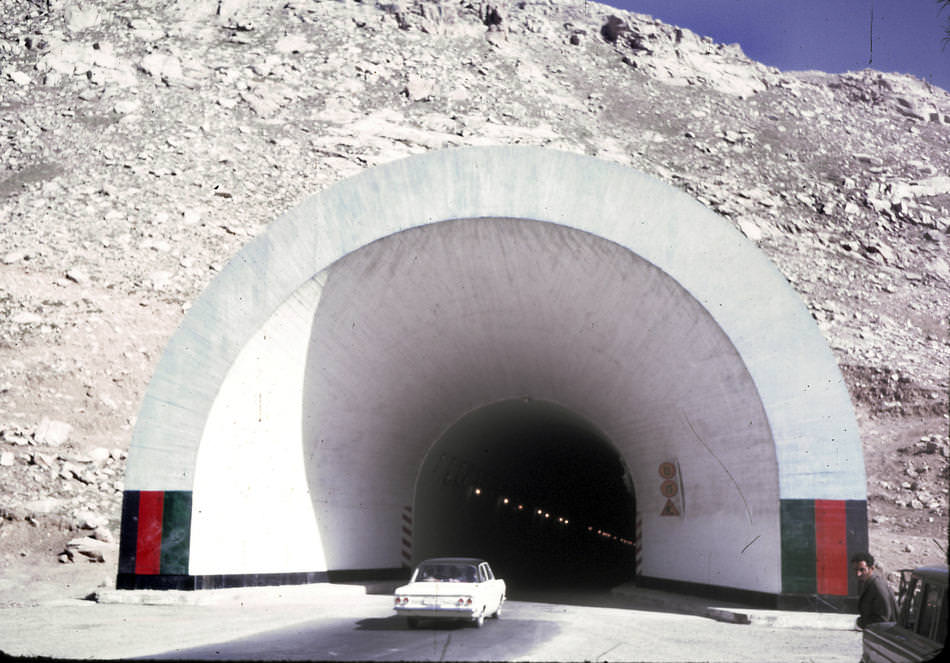
Engineering achievements of the era were equally striking. The Salang Tunnel, completed in 1964 with Soviet assistance, bored through the Hindu Kush mountains to connect northern and southern Afghanistan. It was a major infrastructure project that cut travel times dramatically and opened up trade routes that had previously been blocked by the treacherous Salang Pass.
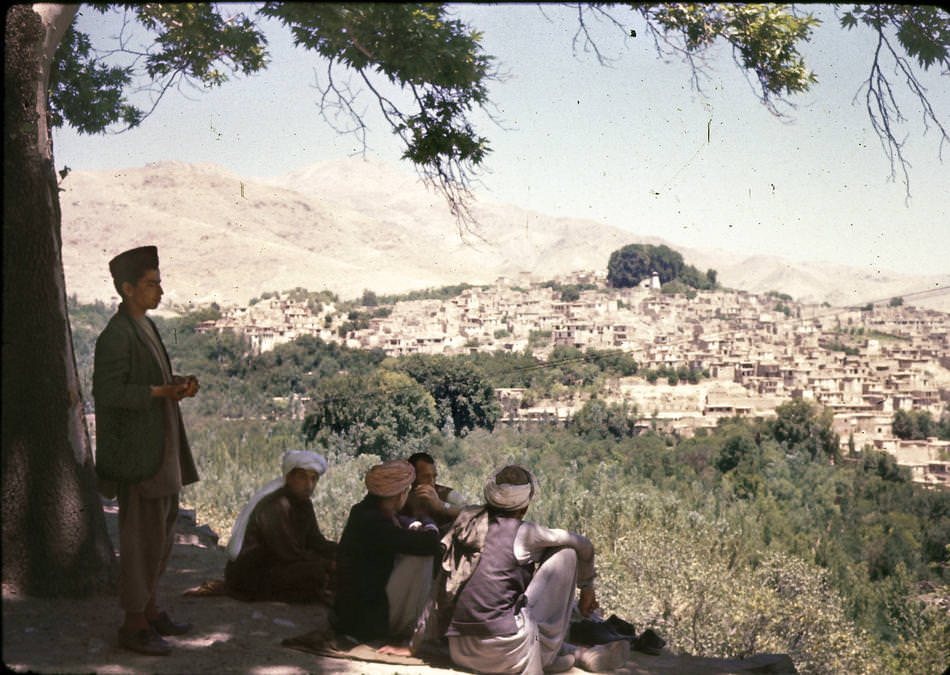
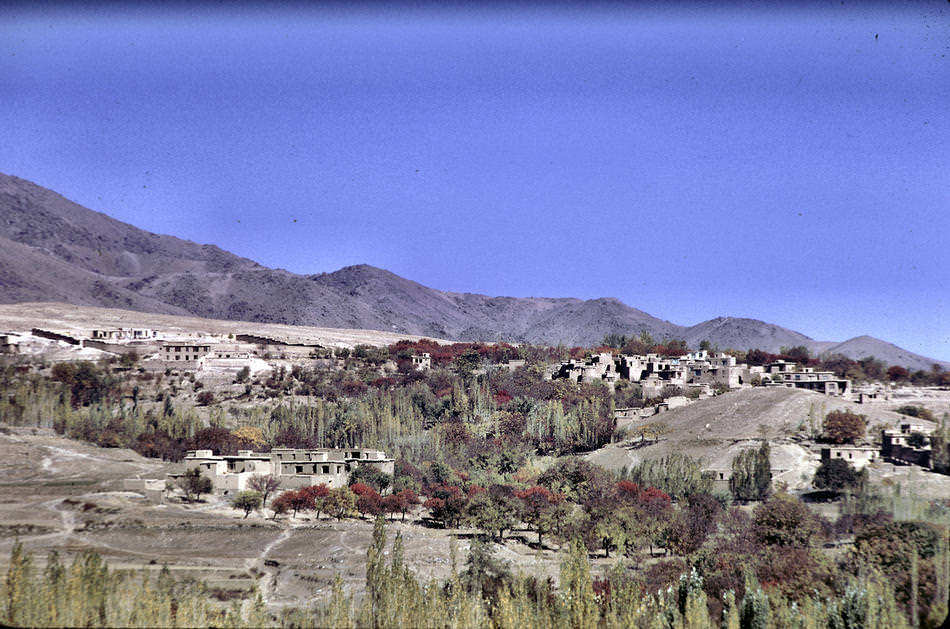
Istalif, the centuries-old pottery town the Podlichs visited, sat in the hills northwest of Kabul. Its craftsmen were known across the region for their distinctive blue-green glazed ceramics. Afghan men from the area would survey the valley from the hilltops, a view that had barely changed in generations.
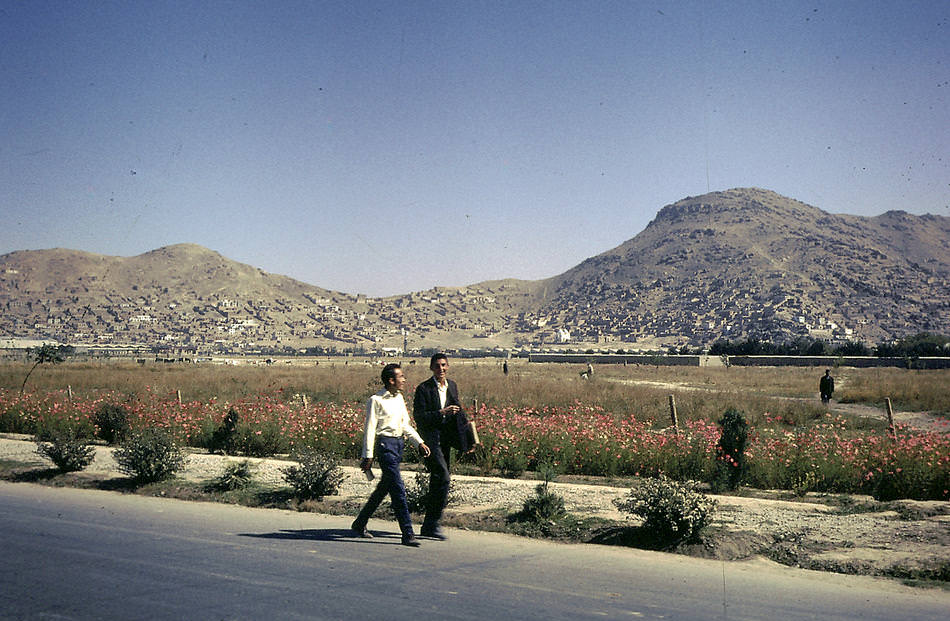
Ordinary moments fill the collection just as much as the landmarks. Sisters posing for a photograph. Young people walking home from school. Families gathered over tea and music. These were the textures of everyday Afghan life in the 1960s.
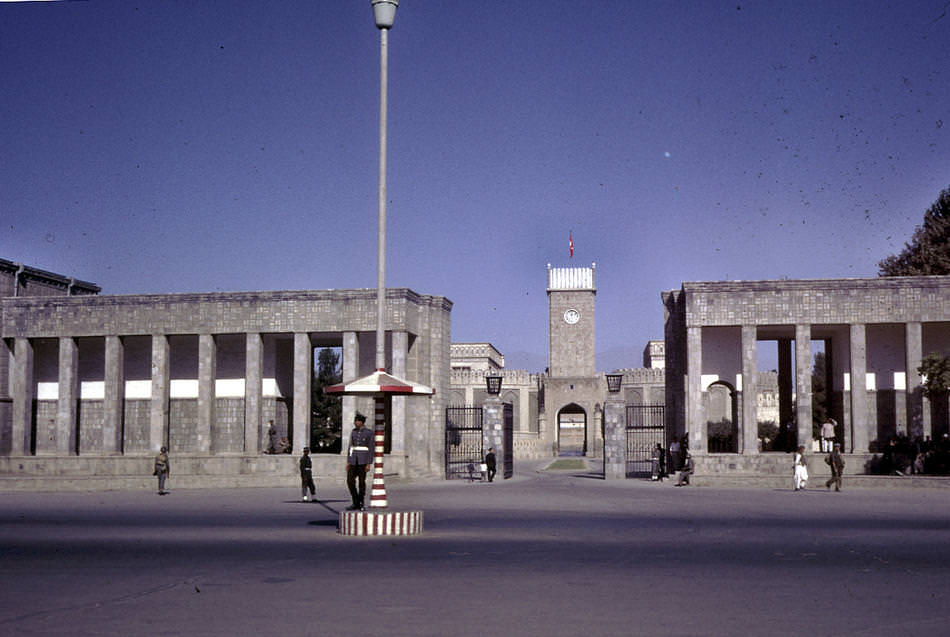
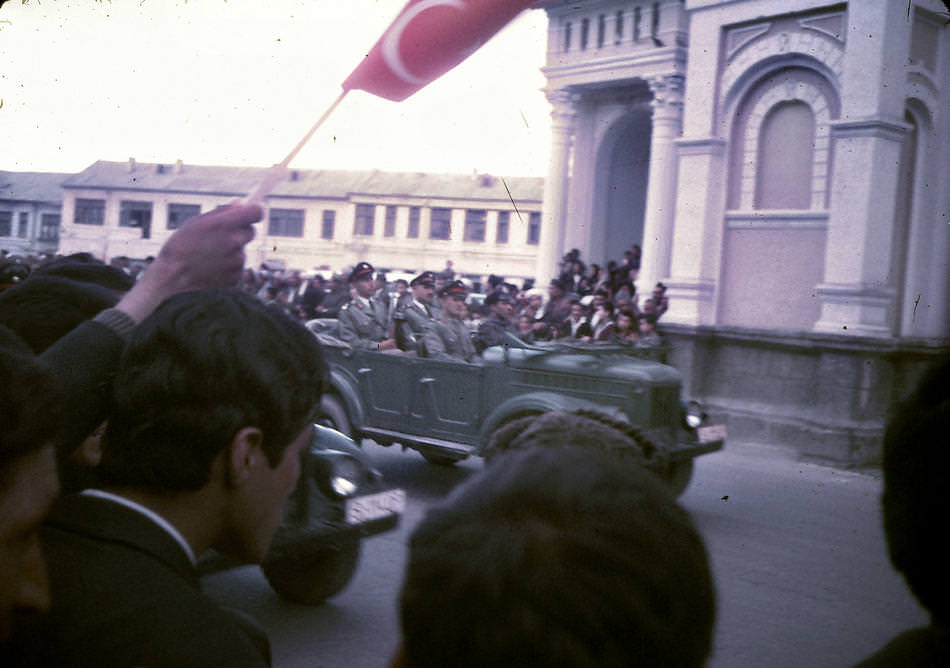
The Afghan military was a visible part of public life. Parades moved through Kabul’s streets with full ceremony — bands playing, soldiers marching in formation — while residents watched from the sidewalks.
The Higher Teachers College, where Dr. Podlich spent his two years in Kabul, was a serious institution with serious students. The young Afghans enrolled there were training to become the next generation of educators — people who would take what they learned into classrooms across the country.
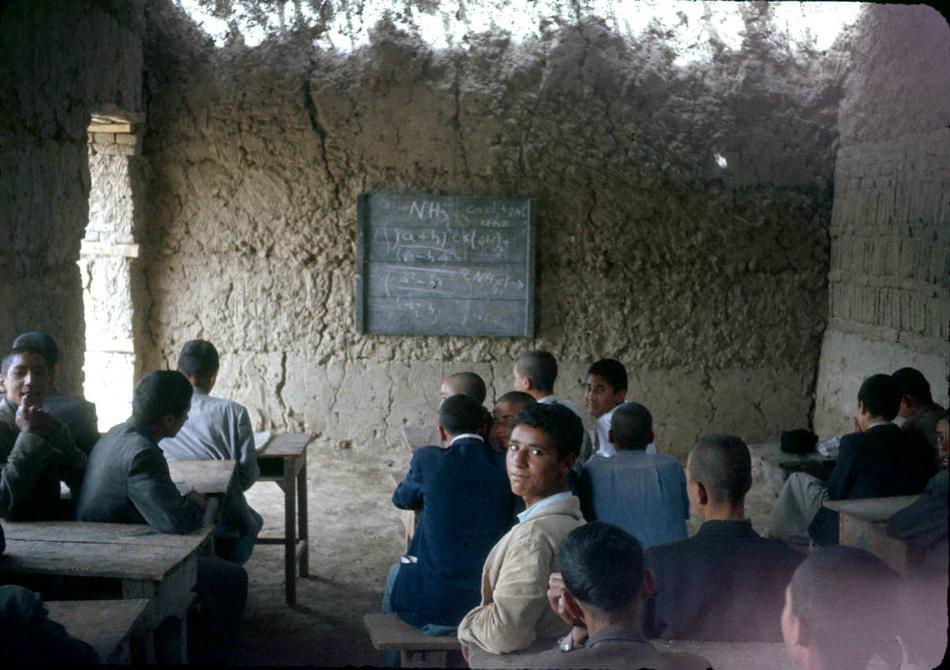
Not every classroom was built with modern materials. Some schools held lessons in mud-walled rooms — but the teaching inside was no less rigorous. A chemistry lesson in one of Dr. Podlich’s photos shows students at work in exactly those conditions, focused and engaged regardless of the setting.
By the time the Podlich family left Afghanistan, Dr. Podlich had captured hundreds of images. Together, they form one of the most detailed color records of Afghan daily life from that period — a country with functioning gas stations, busy schools, ancient monuments, and a population going about its life with quiet purpose.