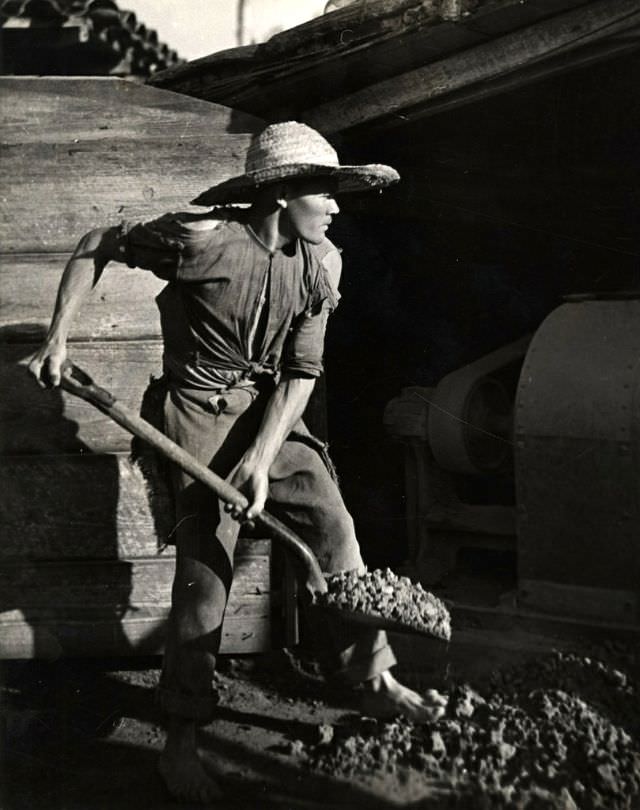
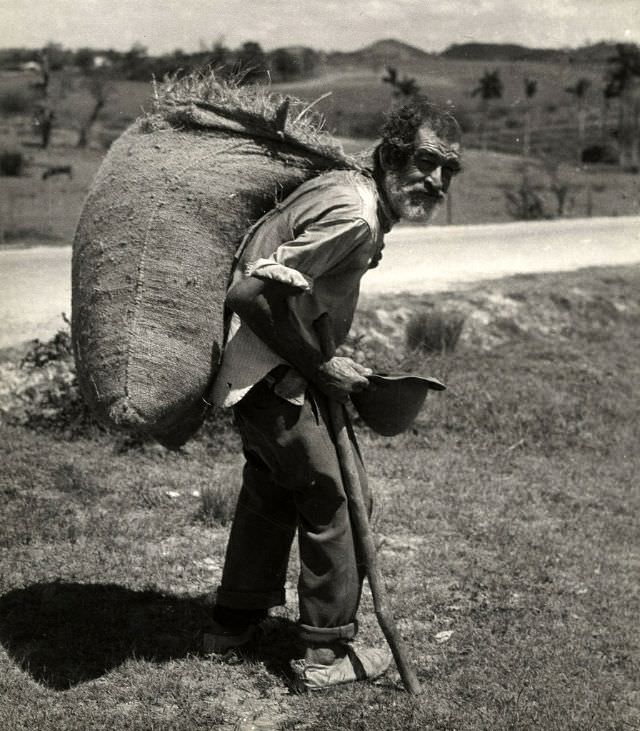
In 1933, American photographer Fay S. Lincoln traveled to Cuba and captured the island’s daily life in a series of striking black-and-white photographs. Cuba that year was a place of real tension — political unrest had been building for years under the Machado dictatorship, and the Great Depression had hammered the sugar-dependent economy. Yet Lincoln’s camera found ordinary people going about their lives with remarkable steadiness.
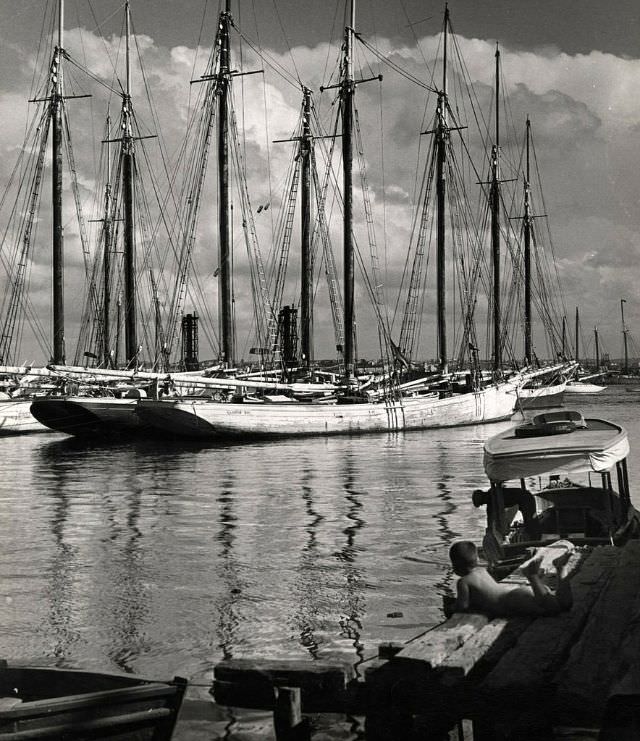
Havana was the beating heart of the island. The harbor was a constant hub of activity, with vessels moving goods in and out of the city. On the streets nearby, vendors worked narrow roads lined with architecture that mixed Spanish colonial arches, neoclassical columns, and art deco facades. Lincoln documented these scenes with a sharp eye for both the grand and the everyday.
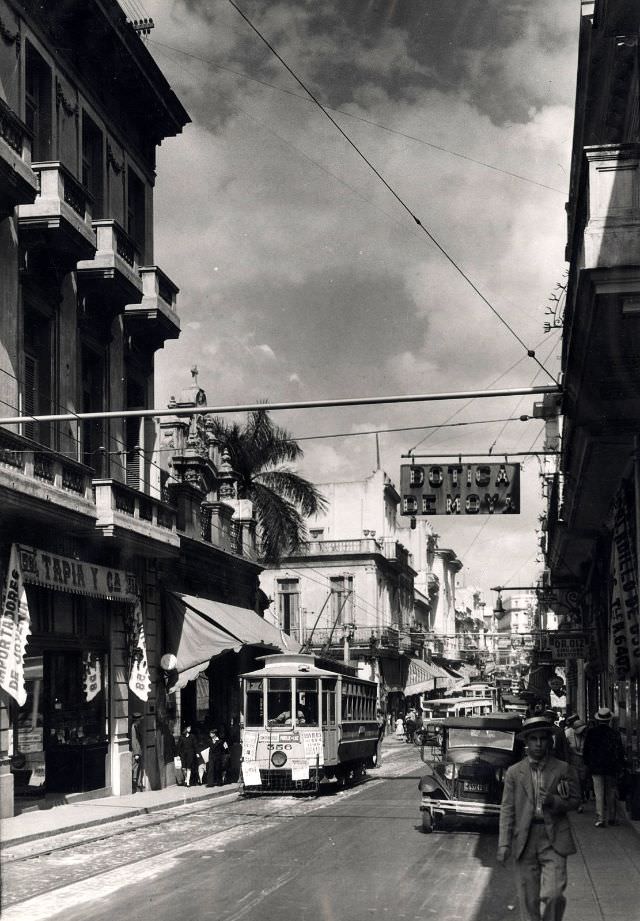
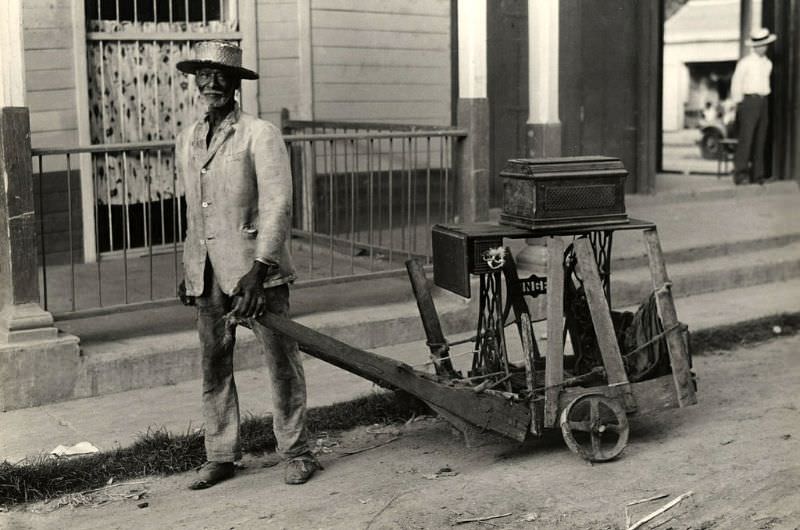
Street life in 1933 Cuba was vivid and busy. Workers, vendors, and children all shared the same crowded sidewalks. One of Lincoln’s images shows a man operating a portable sewing machine — a common sight for street tailors who set up shop wherever foot traffic brought customers.
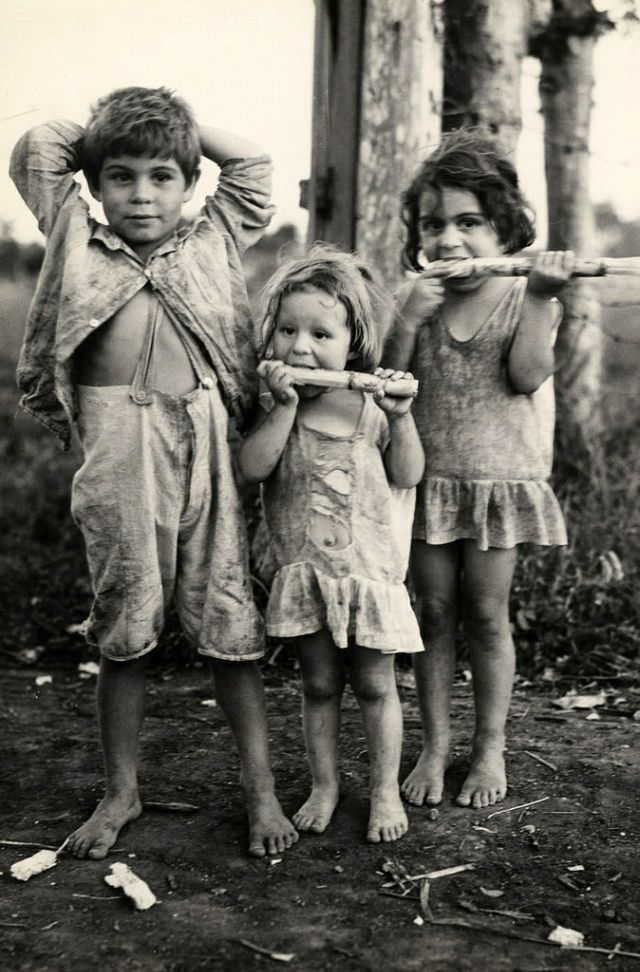
Sugarcane was the backbone of Cuba’s rural economy, and children grew up around it from an early age. Lincoln photographed kids holding stalks of cane — a reminder that agricultural labor touched nearly every family outside the cities. Tobacco was the other major crop, grown across the western provinces and central valleys.
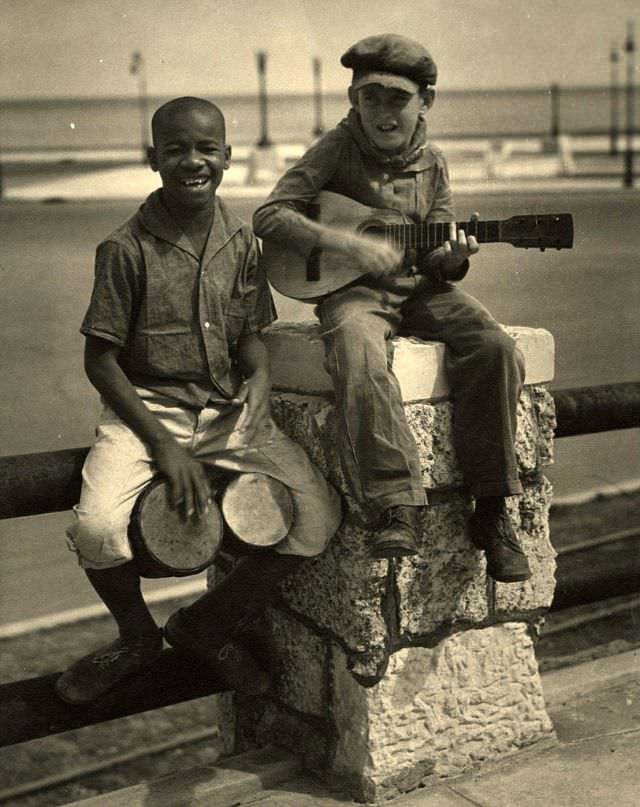
Music was woven into Cuban life at every level. Two boys photographed by Lincoln play instruments on their own, reflecting a culture where music was learned young and practiced everywhere — not just in formal settings. The rhythms of son, bolero, and rumba filled homes, streets, and gathering places across the island.
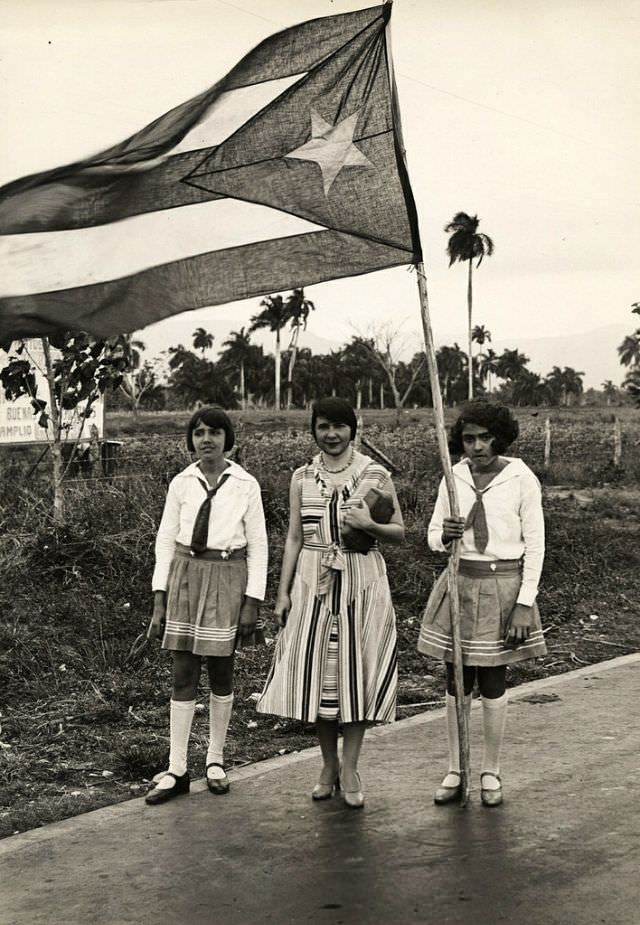
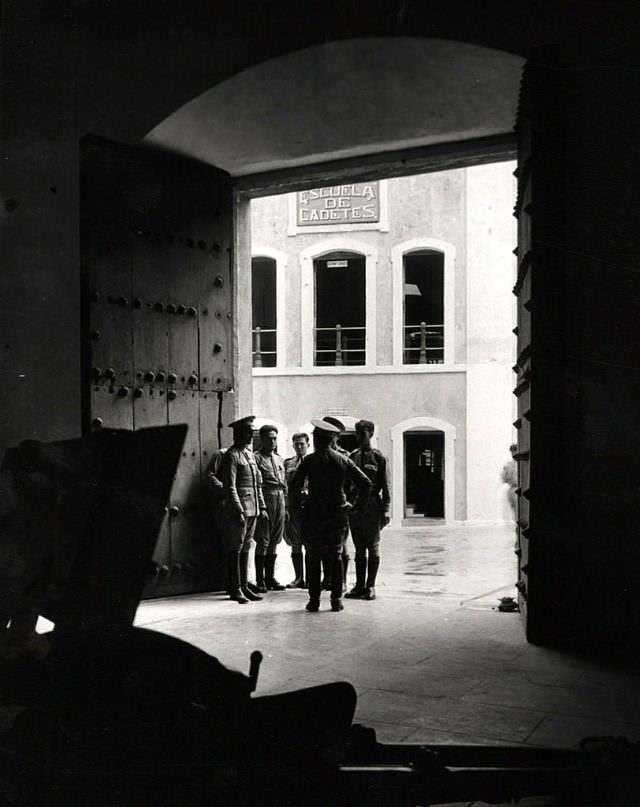
Education remained a priority even during hard times. Lincoln photographed a classroom scene with a teacher, students, and a Cuban flag — a deliberate image of national identity being passed down through formal schooling. The military cadet school he also visited showed another side of Cuban institutional life in 1933.
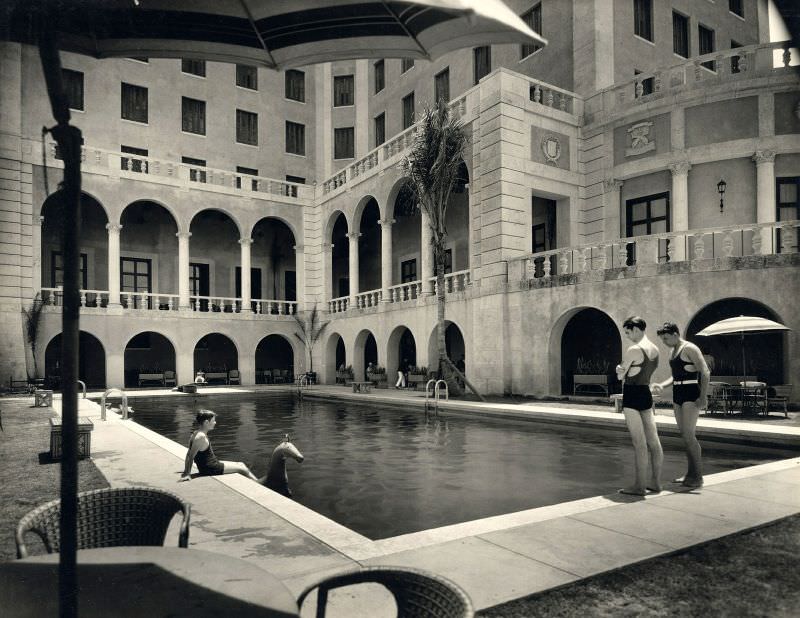
Not all of Lincoln’s subjects were caught up in labor or institutions. The Nacional Hotel’s swimming pool represented the wealthier, tourist-facing side of Havana — a city that catered to American visitors even as its own residents faced economic strain. The contrast between these two worlds appears throughout Lincoln’s collection.
Lincoln also turned his lens on individual faces. A man in a straw hat and an elderly man photographed alone each carry a quiet dignity. These portraits are some of the most direct images in the collection — no context, no action, just a person looking back at the camera in 1933 Cuba.