When World War II ended, Britain was left with deep scars. Bombed-out buildings, food rationing, and shattered communities defined daily life for millions. But by the 1950s, the country was pulling itself back together. Prosperity was spreading — not just to the wealthy, but to the middle class and large parts of the working class as well. Unemployment hovered at just two percent, a remarkable figure for a nation still healing from wartime damage.
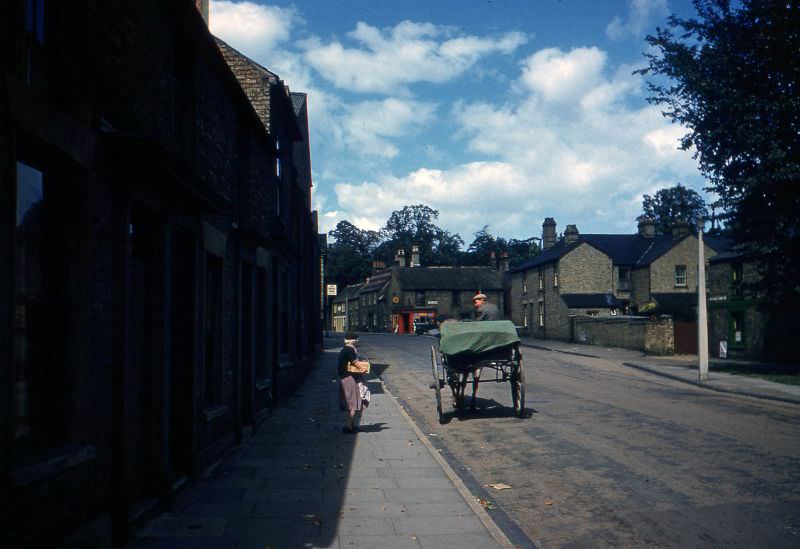
Manufacturing was booming. Oil refining, chemical industries, electronics, and engineering all expanded rapidly through the decade. At the same time, everyday life was changing in visible ways. Small neighborhood shops that had served communities for generations were giving way to chain stores and shopping centers. Cars were appearing on more streets. Televisions were finding their way into more living rooms. Britain was modernizing, and the pace of change was hard to miss.
One of the most significant social changes of the era was immigration. People from Commonwealth nations — primarily from the Caribbean and the Indian subcontinent — began arriving in Britain in growing numbers. They came to work, and many settled permanently, beginning a transformation of British society that would continue for decades.
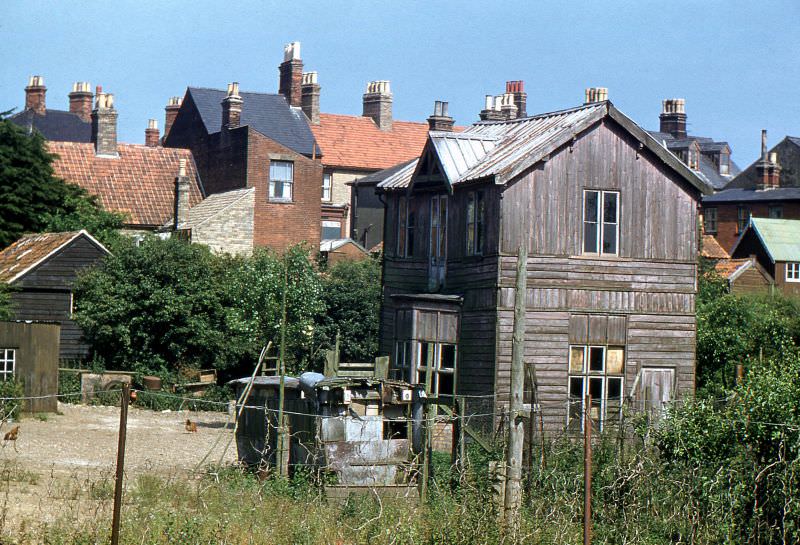
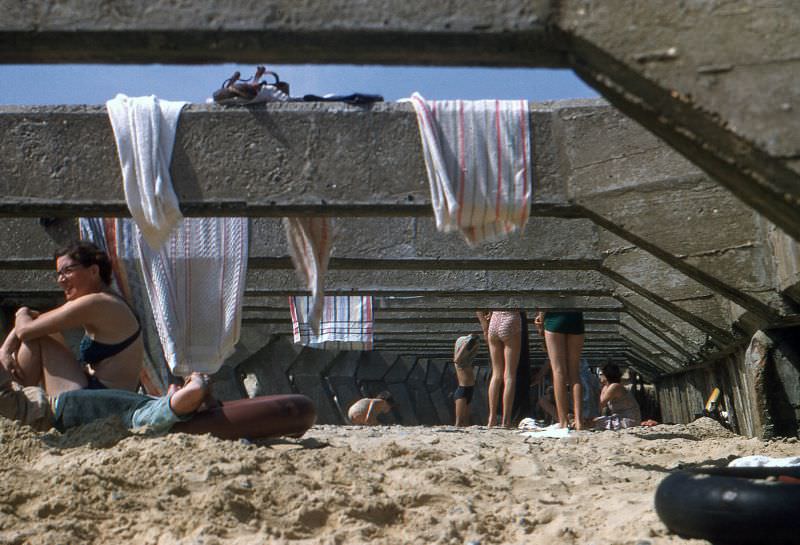
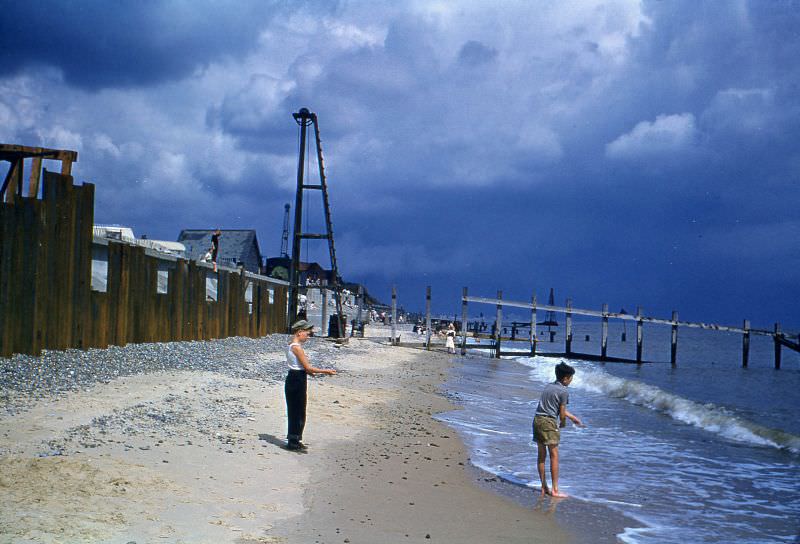
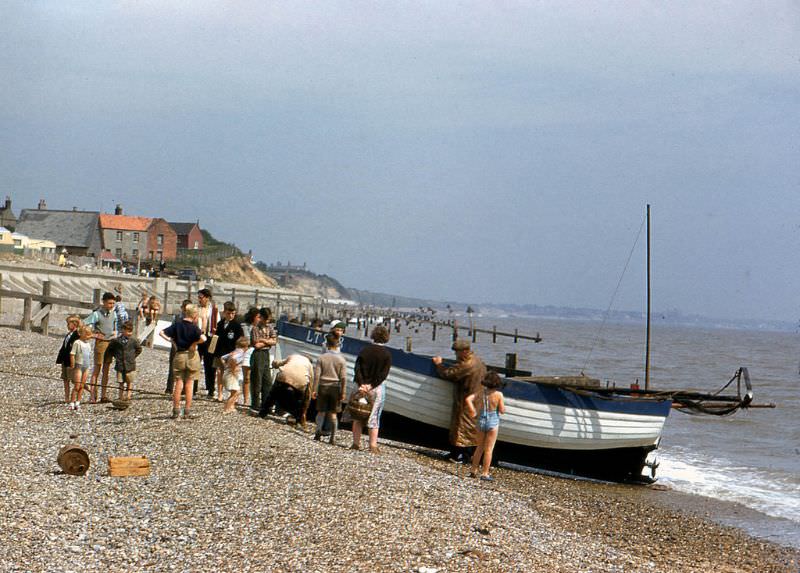
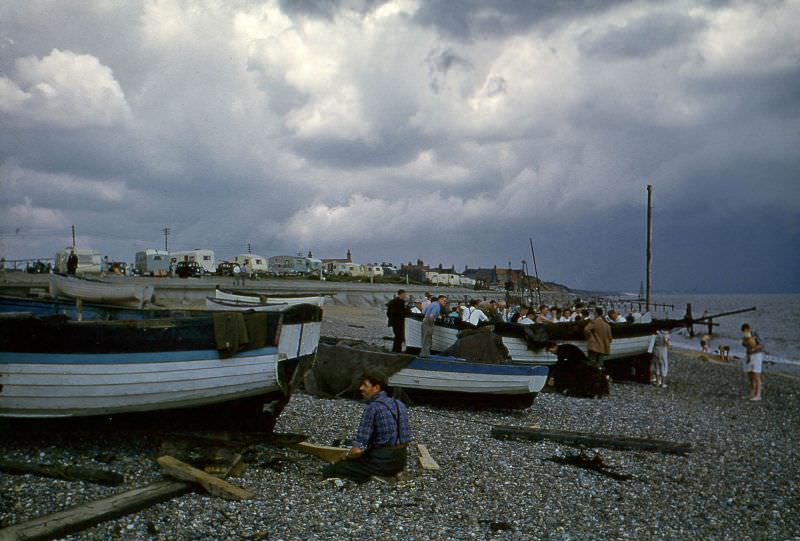
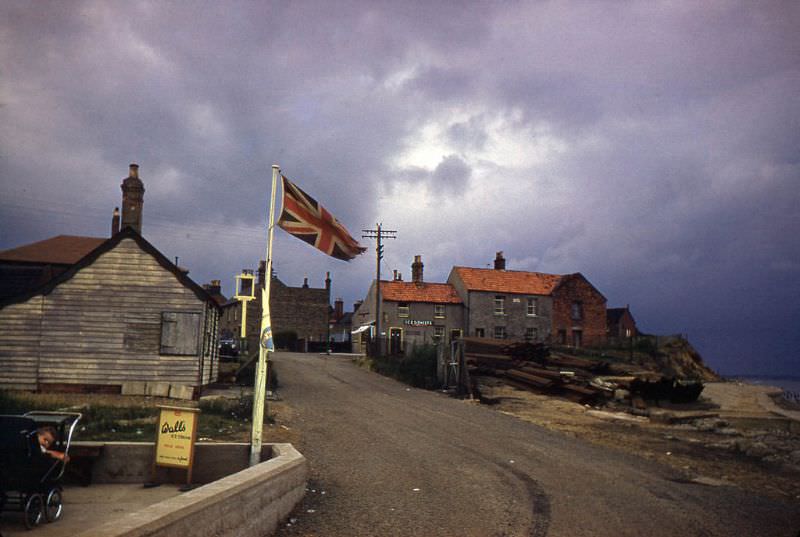
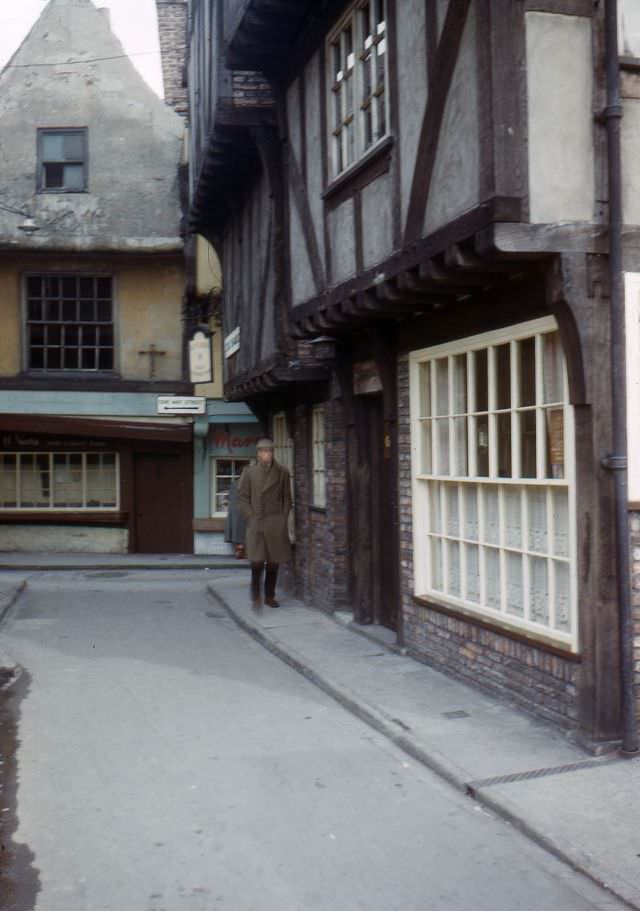
Against this backdrop of change, photographer, historian, and collector Hardwicke Knight was pointing his camera at the country around him. Based in London, Knight used Kodachrome film to capture England in full color — a format that was still relatively rare for everyday documentary photography at the time. His images stretch from the streets of central London to the remote fishing villages of Cornwall and the quiet countryside of Suffolk.
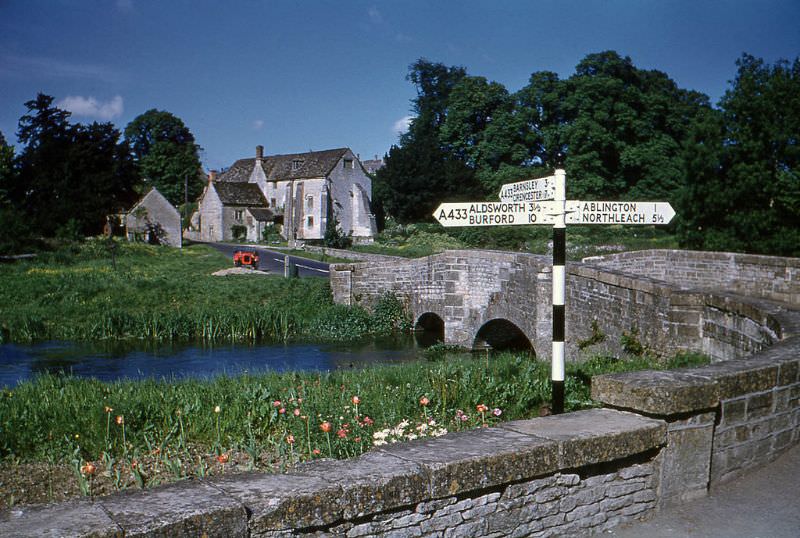
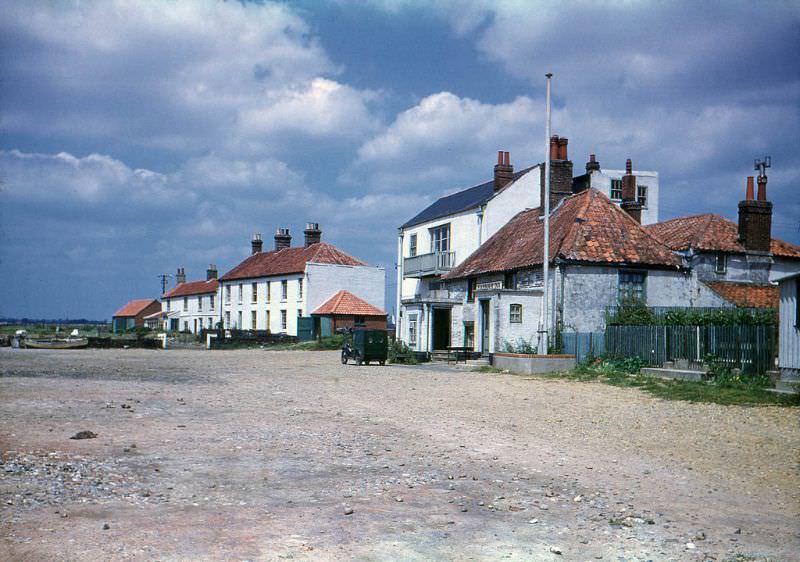
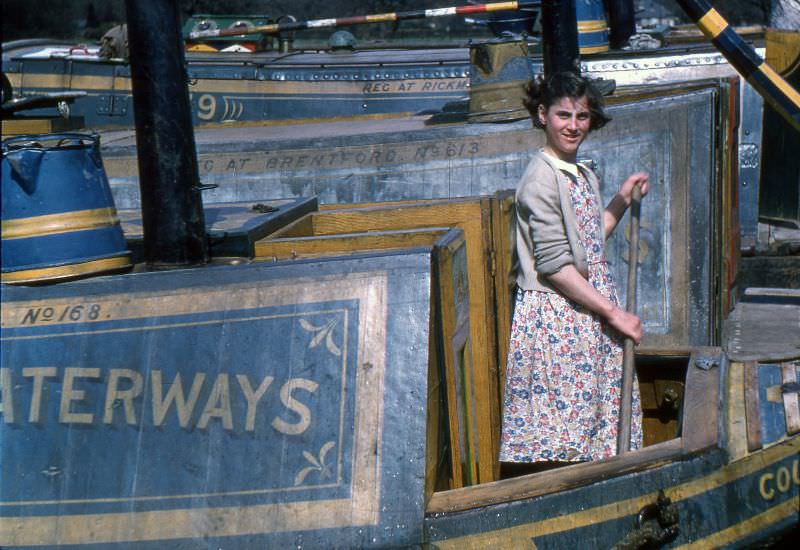
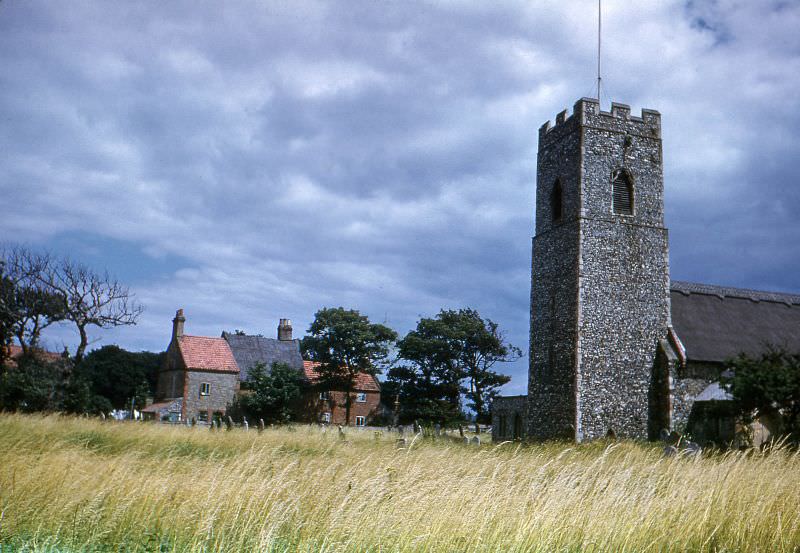
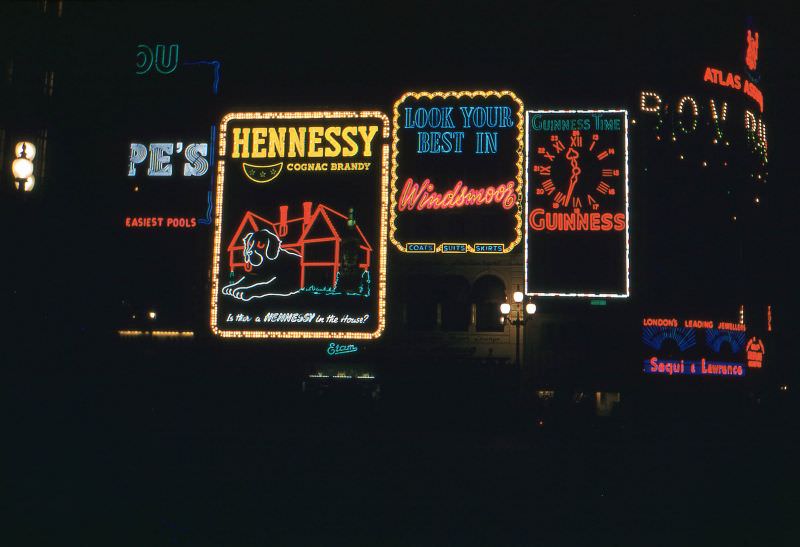
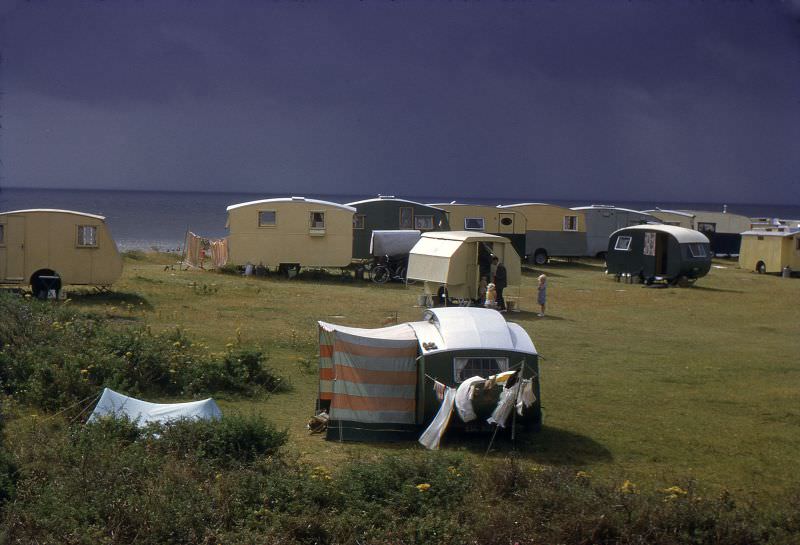
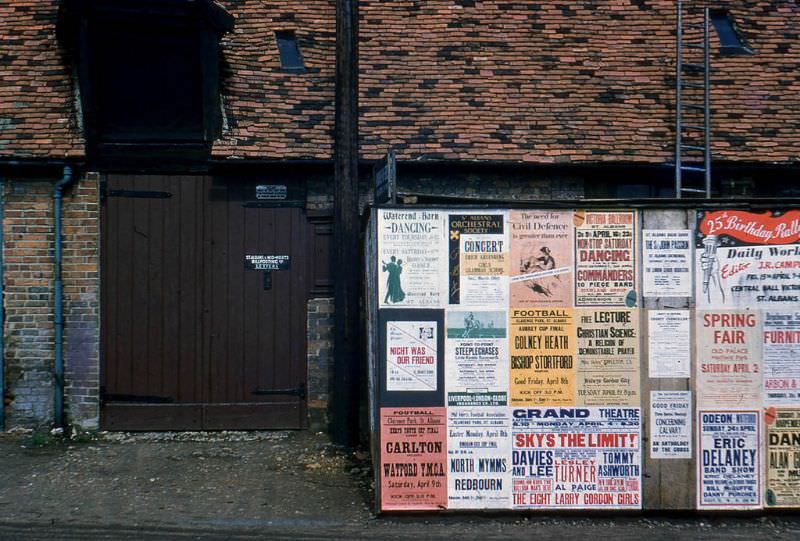
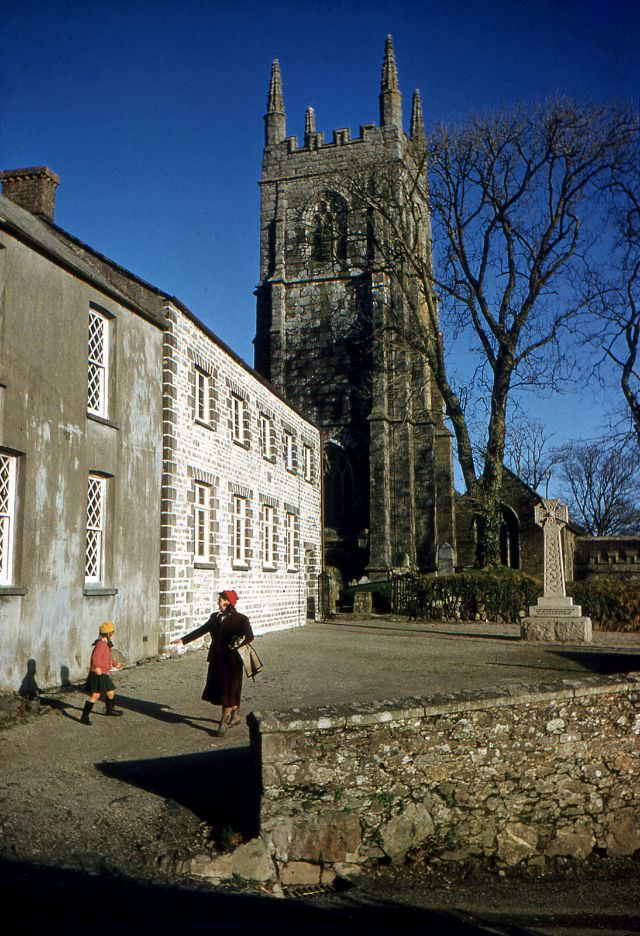
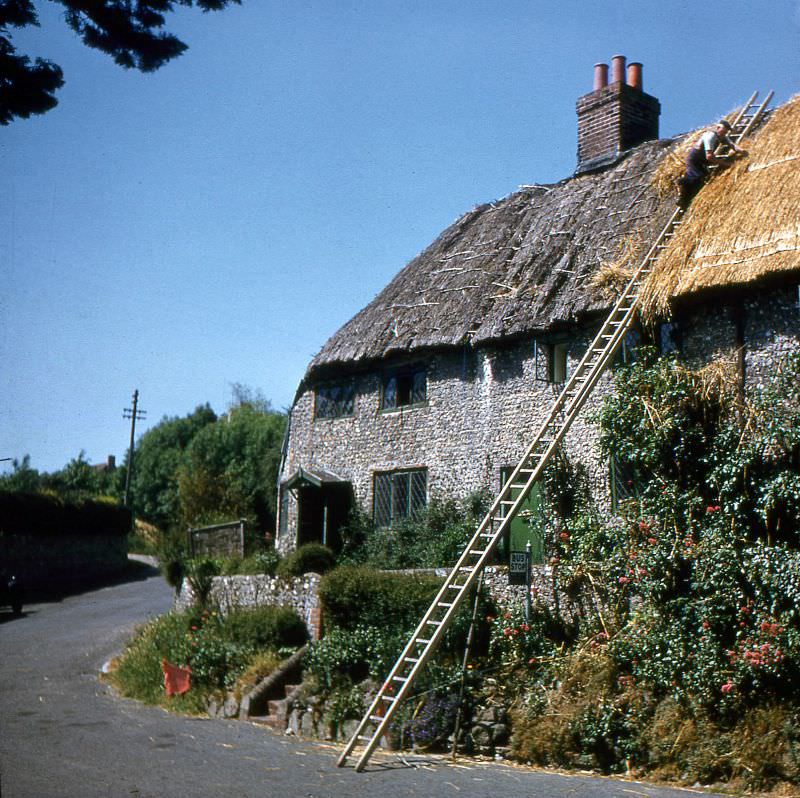
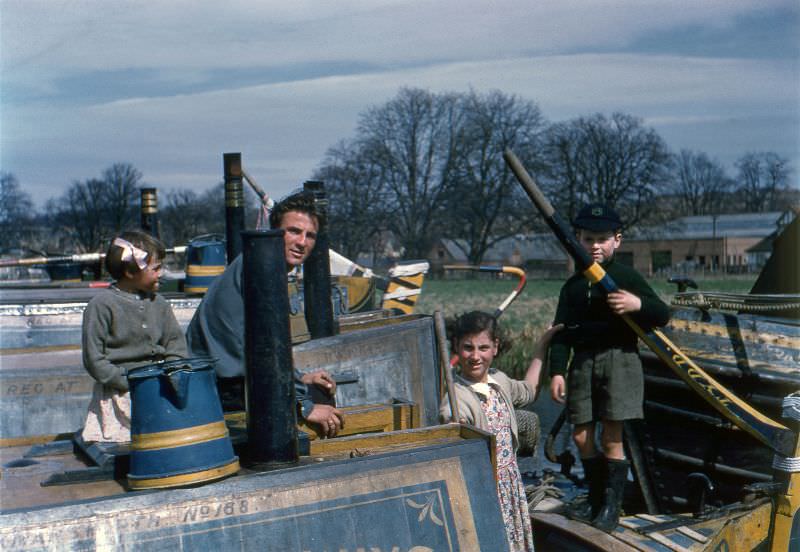
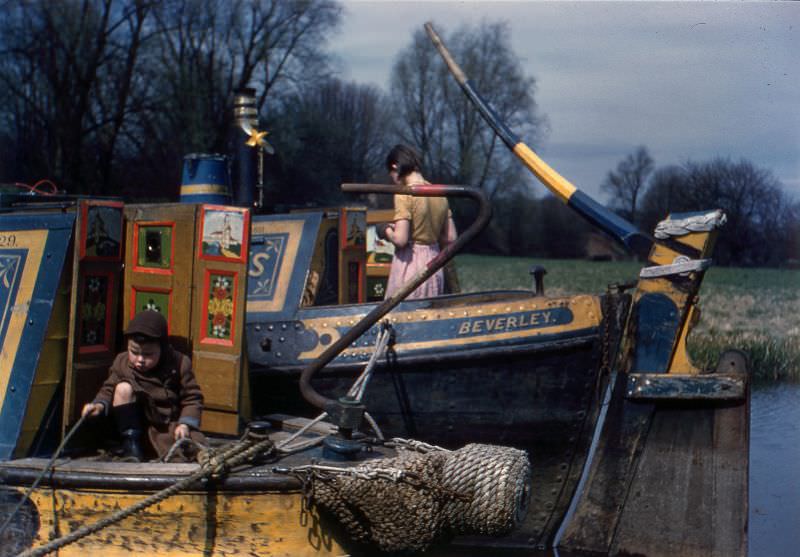
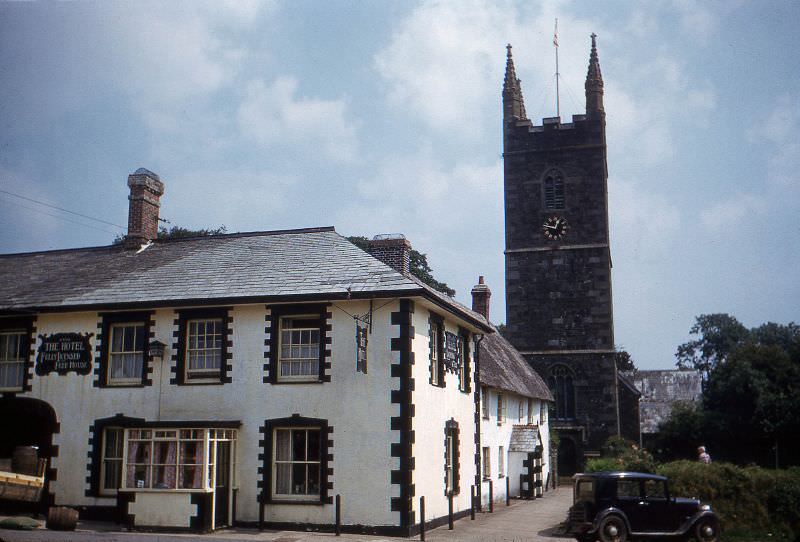
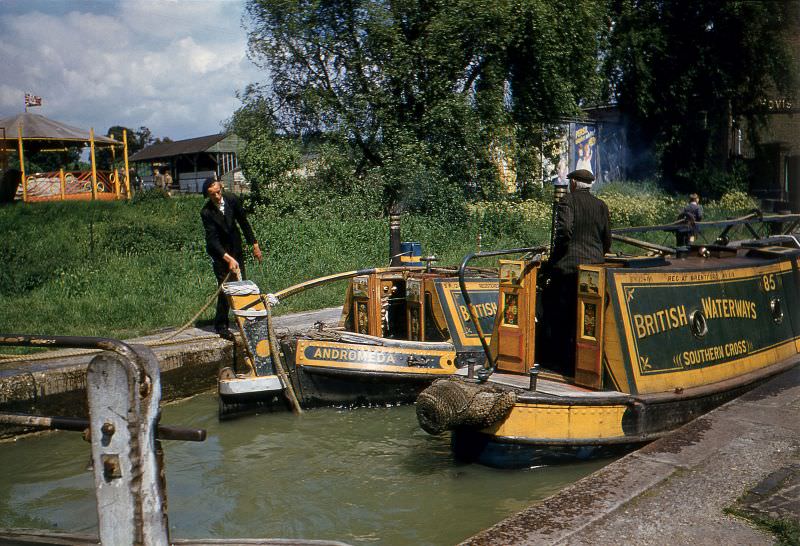
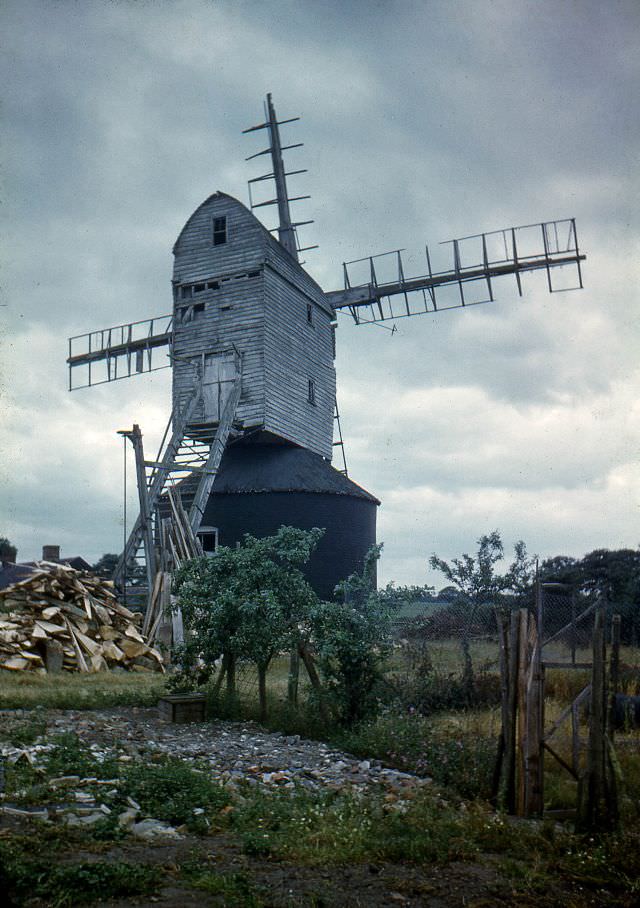
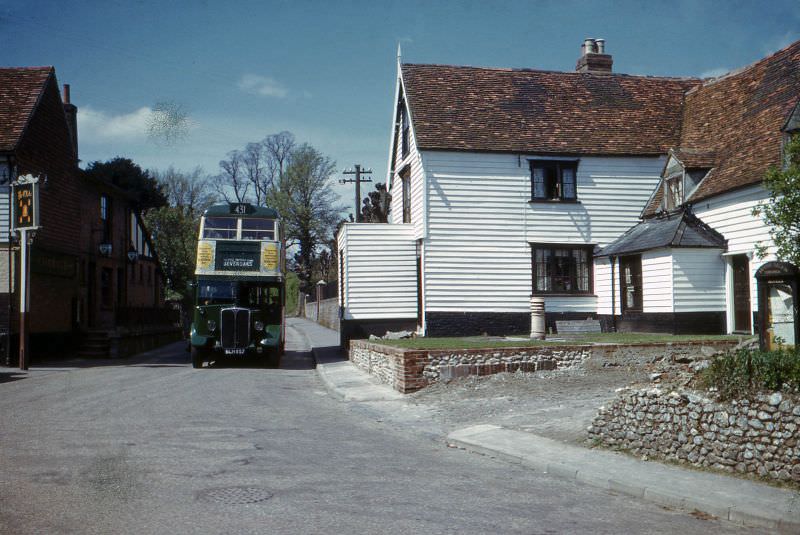
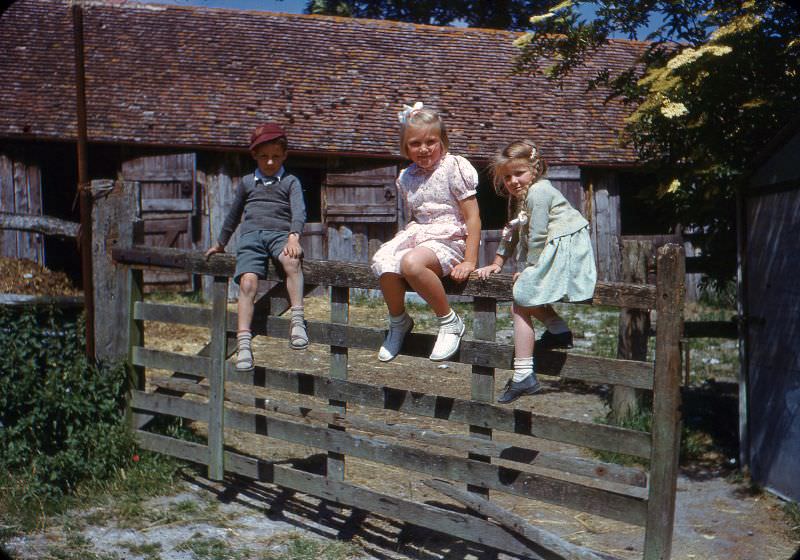
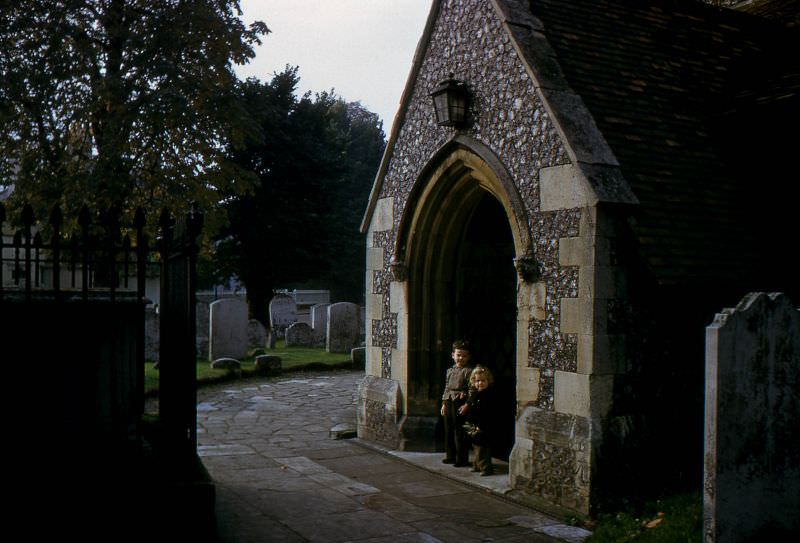
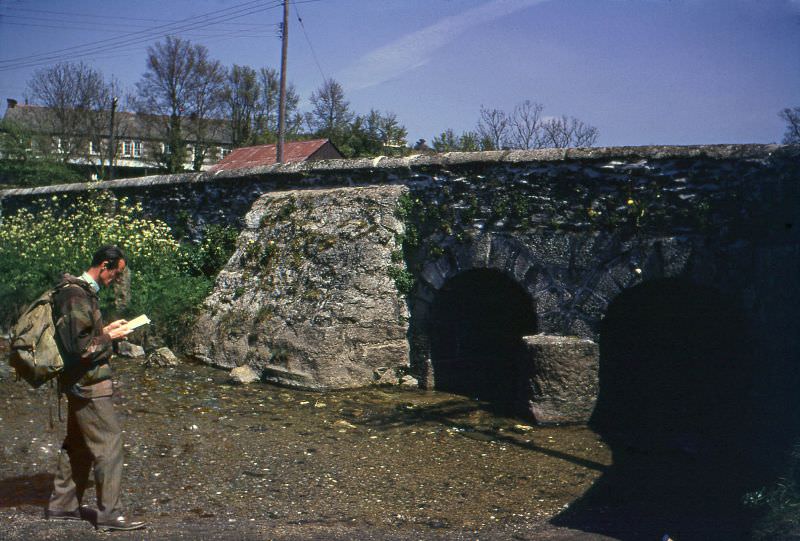
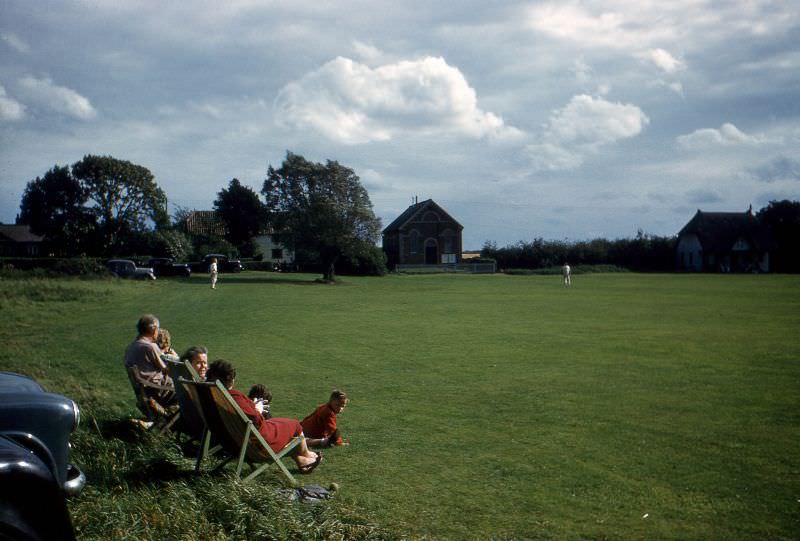
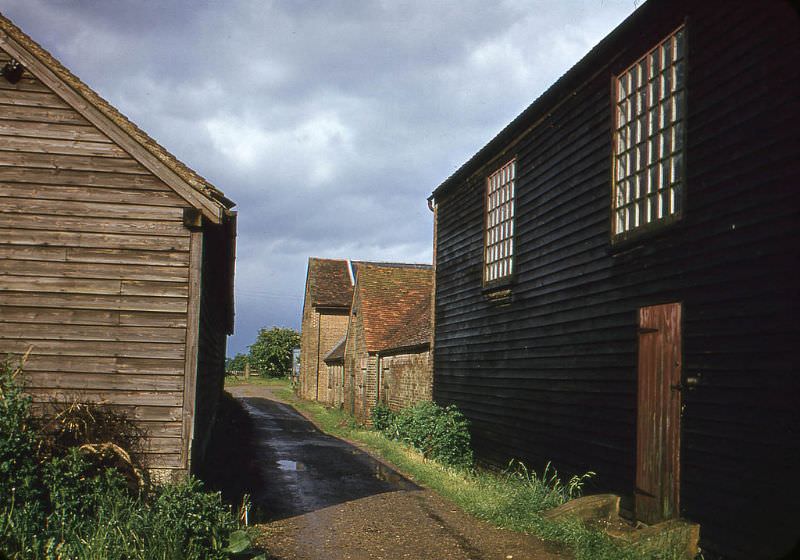
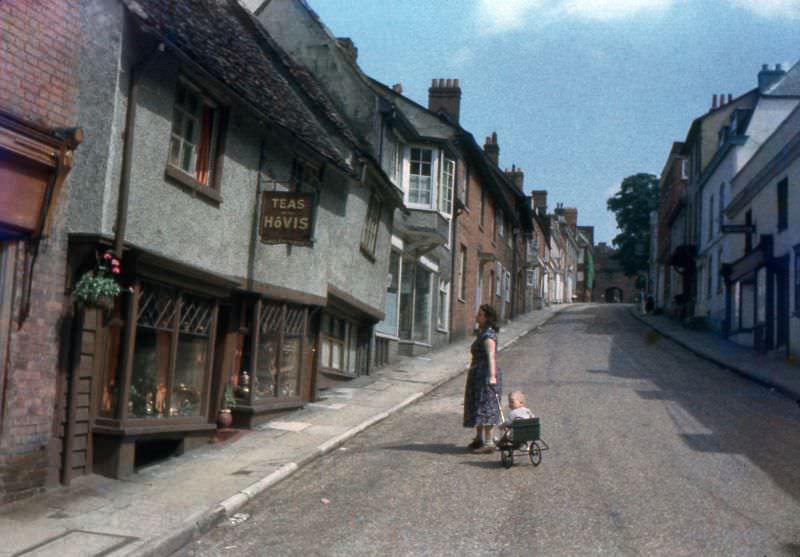
What makes Knight’s photographs so striking is how much they show two Englands existing side by side. Rural life carried on much as it had for centuries — thatched roofs, canal boats, ancient churches, and children playing near farm gates. Urban England, meanwhile, was rebuilding and buzzing with new energy. London’s famous streets filled with pedestrians, neon signs, and the bustle of commerce returning to a city that had endured years of bombing.
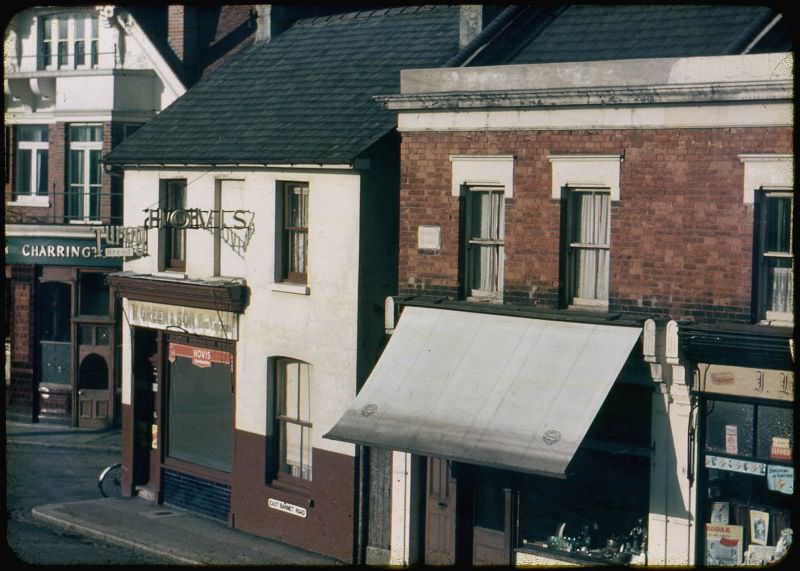
Some of Knight’s photographs document specific businesses and people. One image captures the shop of Claud Cecil Dunnill, a tailor who ran his business at 145 East Barnet Road in Barnet, London. Dunnill, who lived from 1879 to 1954, was likely among the last of his kind — a sole trader on a local high street, operating in a world that was rapidly favoring larger retail chains.
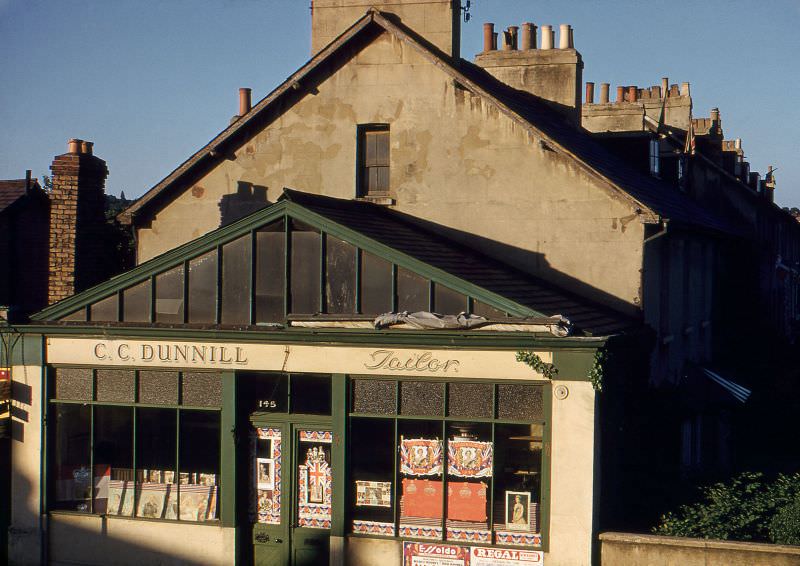
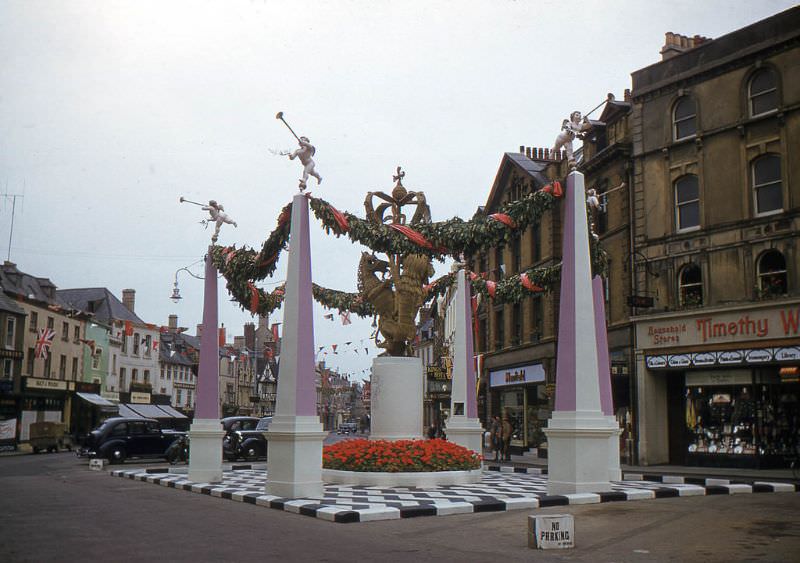
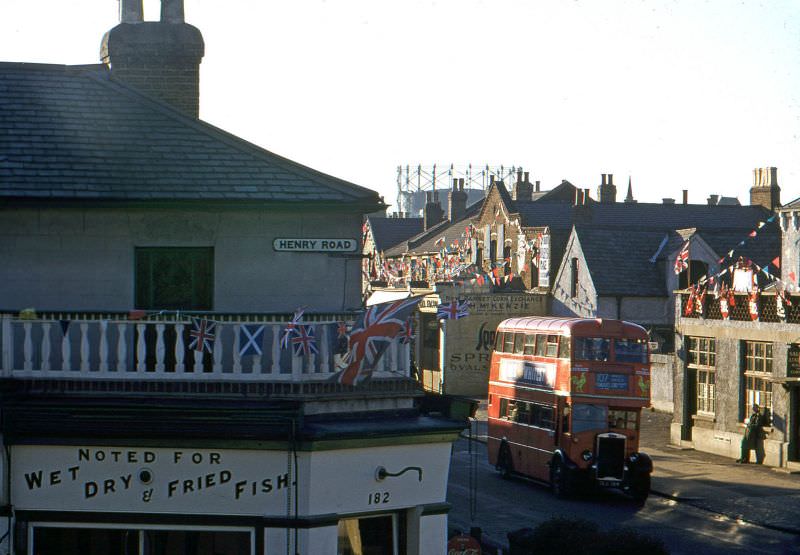
The early 1950s also brought a major national event: the coronation of Queen Elizabeth II in June 1953. Knight photographed the decorations that went up across London and beyond to mark the occasion. Streets in Cirencester and along East Barnet Road were draped in bunting and flags, showing how communities across England — from the capital to the countryside — came together to celebrate.
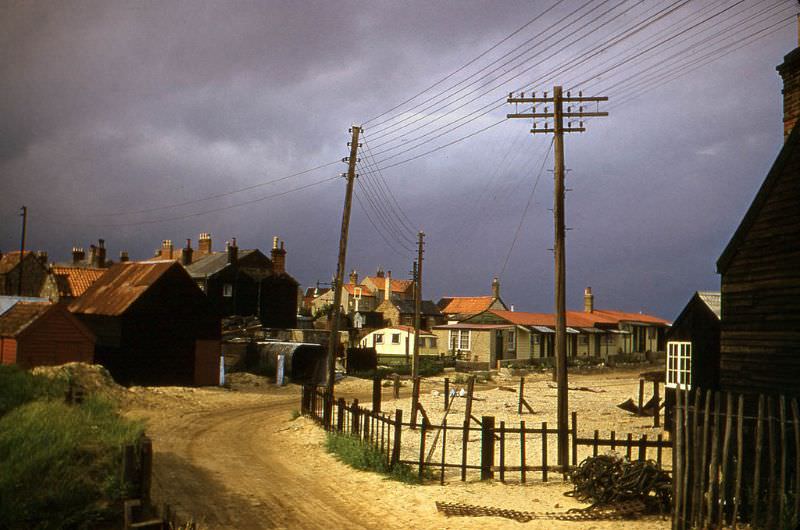
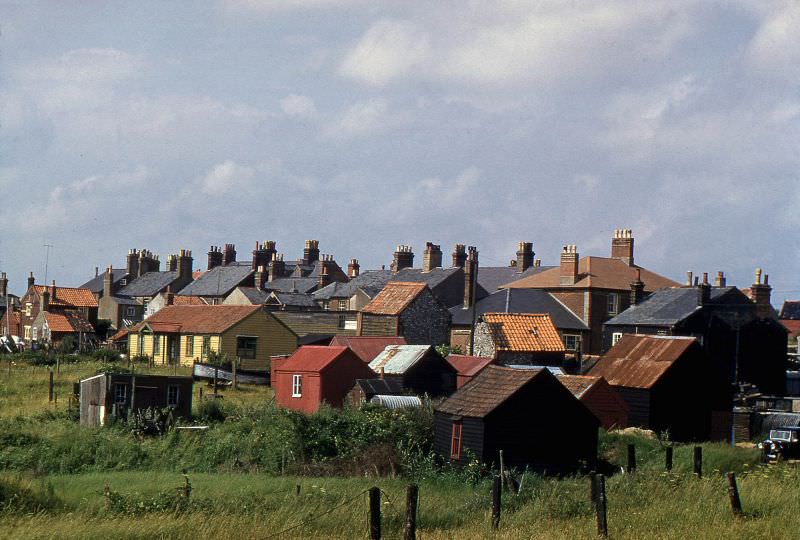
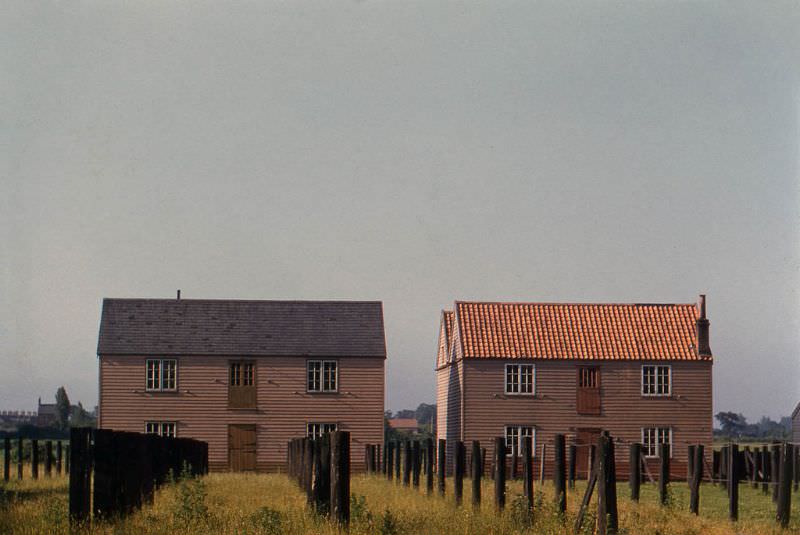
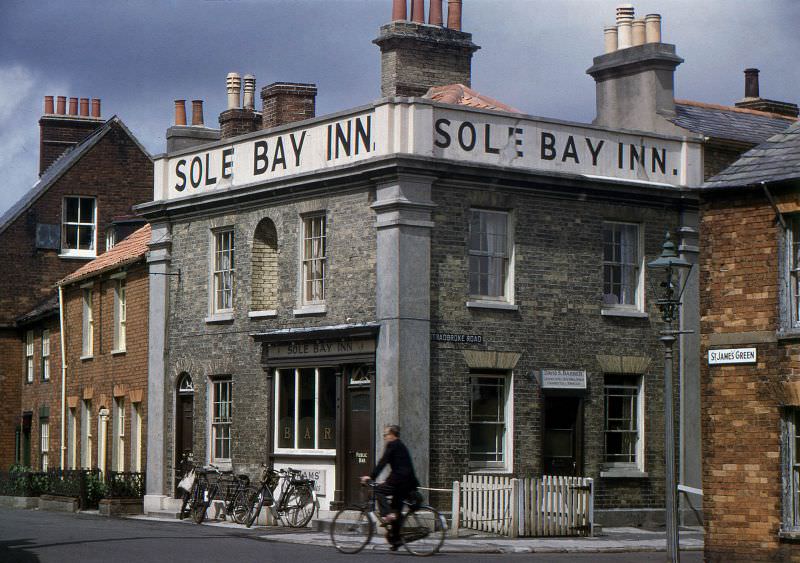
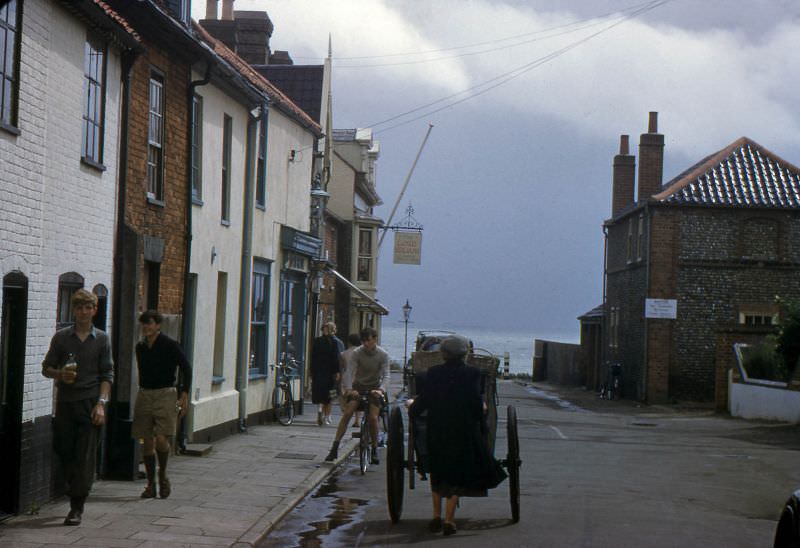
Knight had a particular fondness for the Suffolk coast. The villages of Kessingland, Southwold, and Walberswick appear repeatedly throughout his archive. Fishing net sheds, weathered timber houses, and quiet harbor scenes fill frame after frame. These were working communities, not tourist attractions, and Knight treated them with the same careful attention he gave to London’s most famous streets.
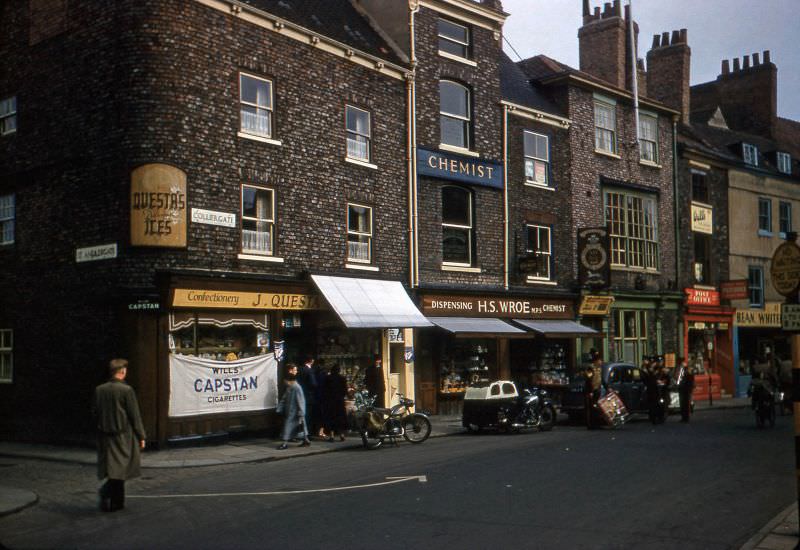
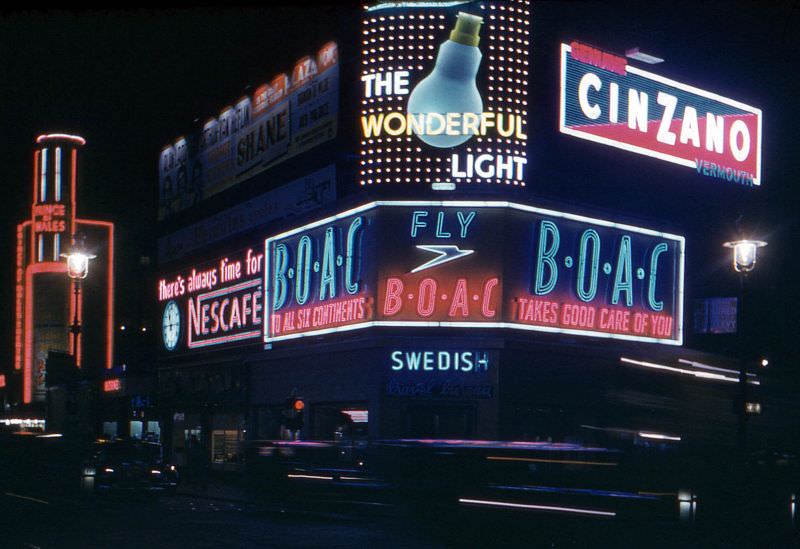
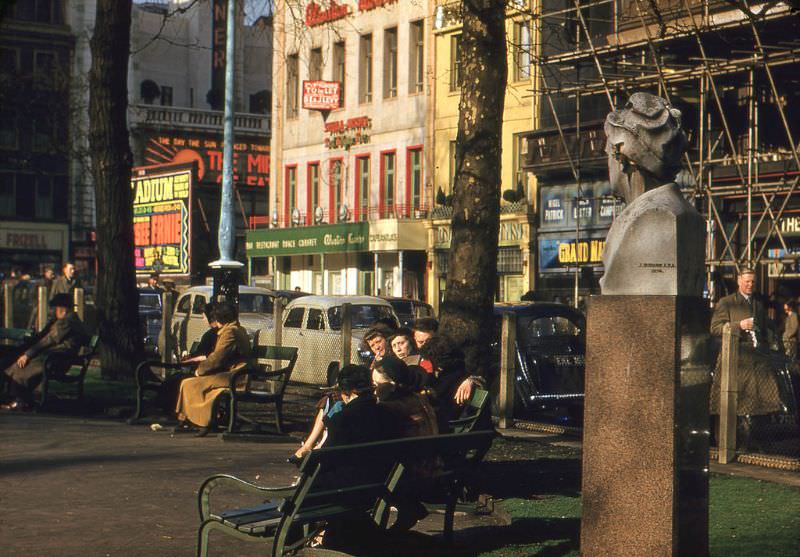
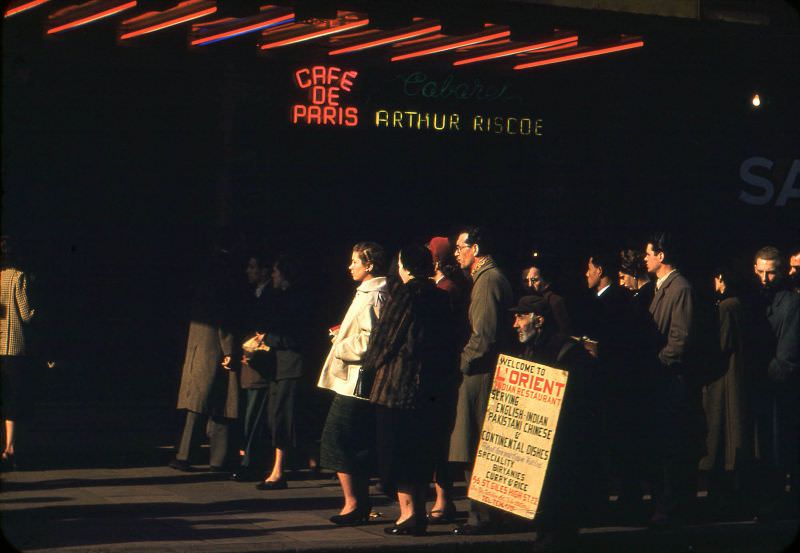
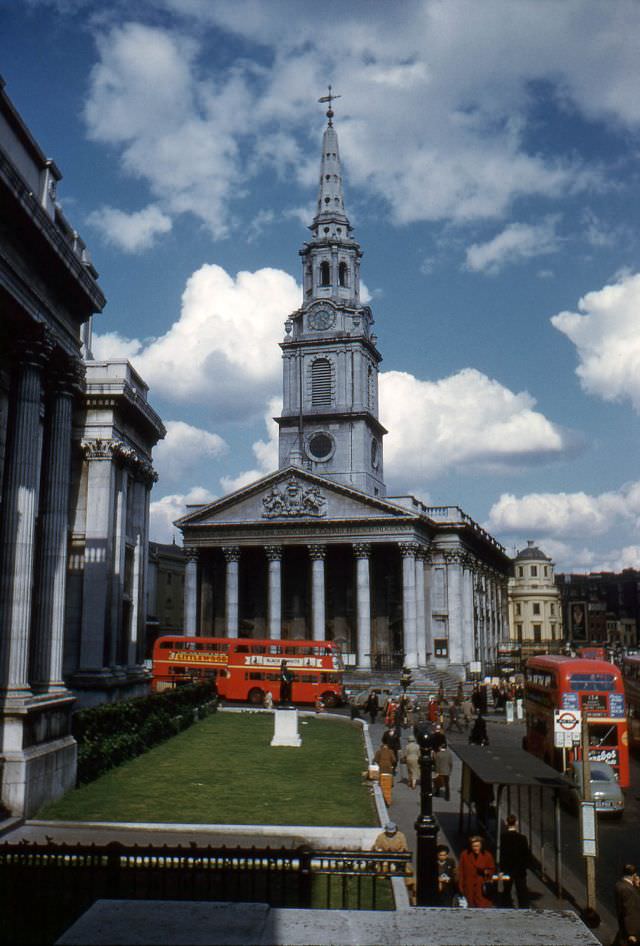
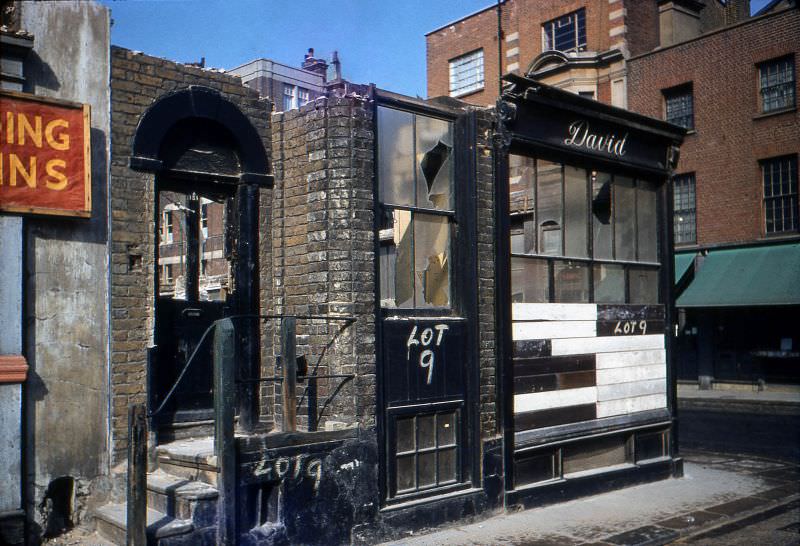
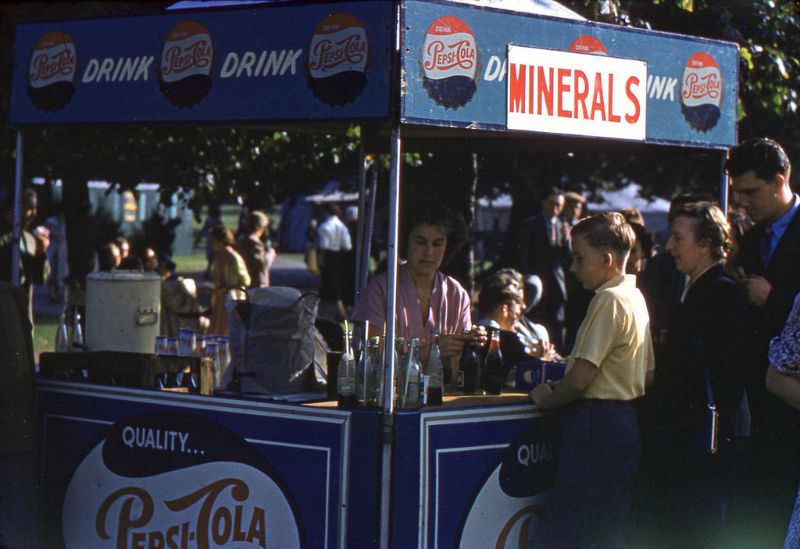
London itself appears in many forms across his collection. A demolition site shows the ongoing work of clearing wartime rubble. Piccadilly and Leicester Square pulse with city life. A drink stand on a London pavement, the exterior of the Café de Paris, and the grand façade of St Martin-in-the-Fields all make appearances. These images capture the texture of daily urban life in a way that formal photography rarely did.
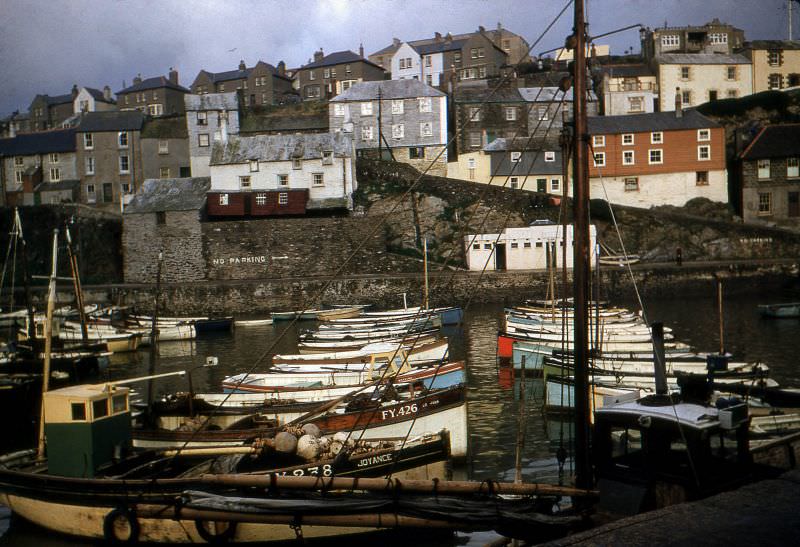
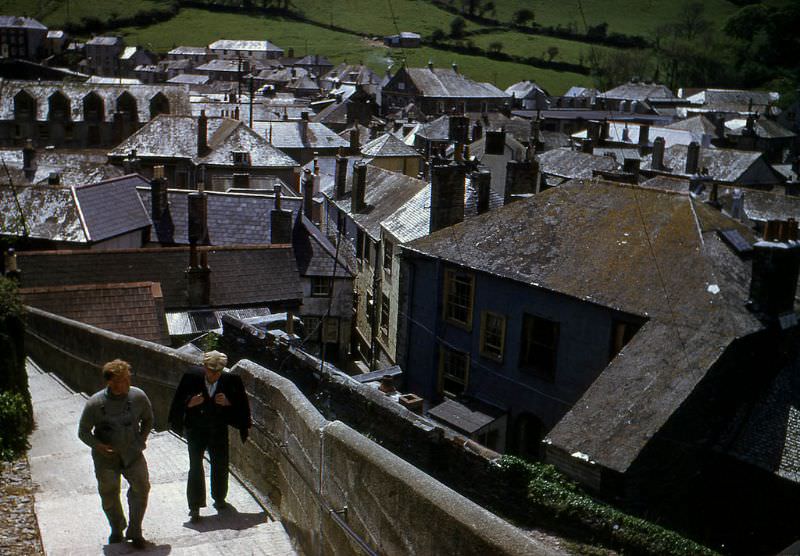
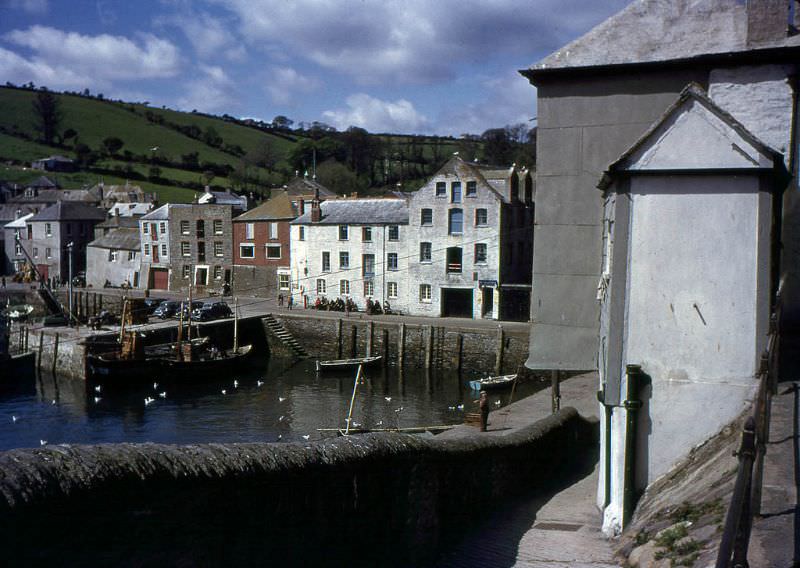
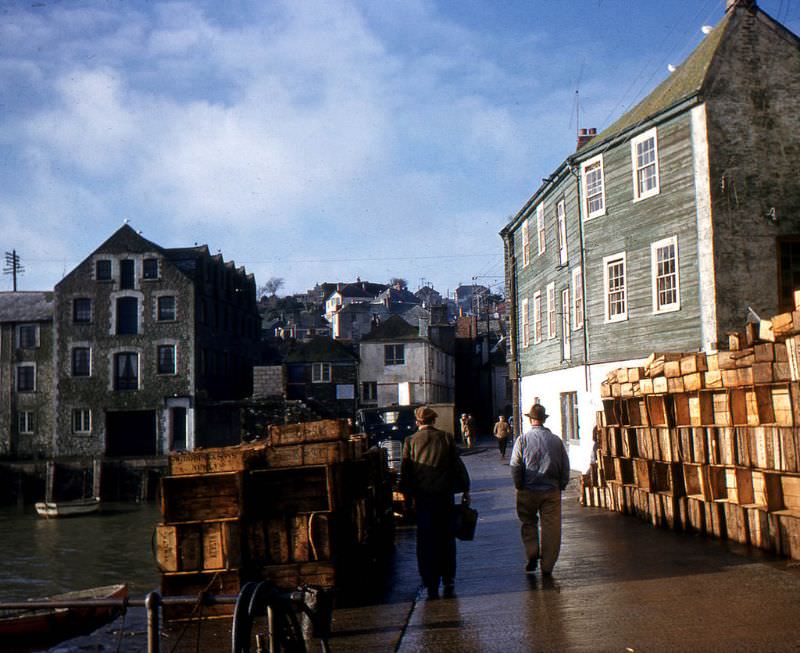
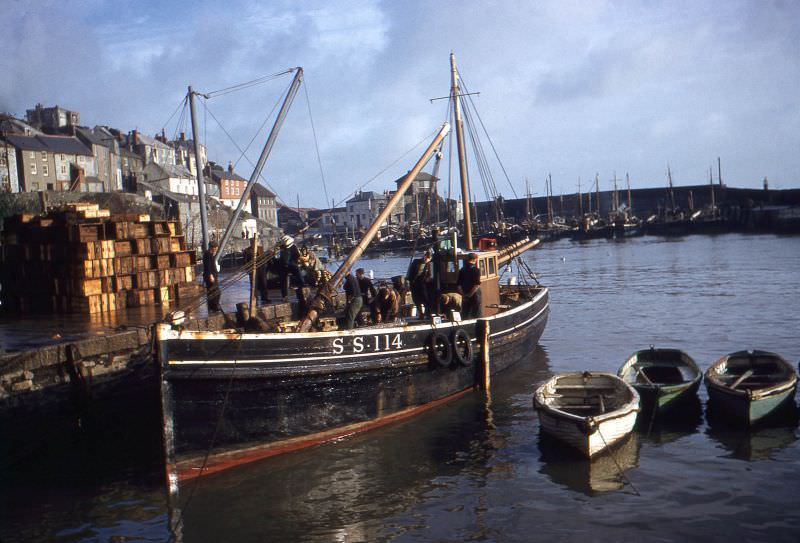
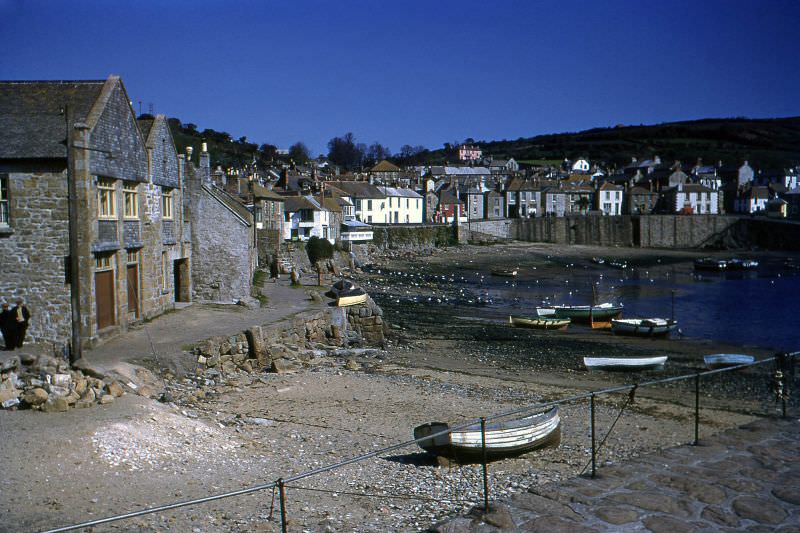
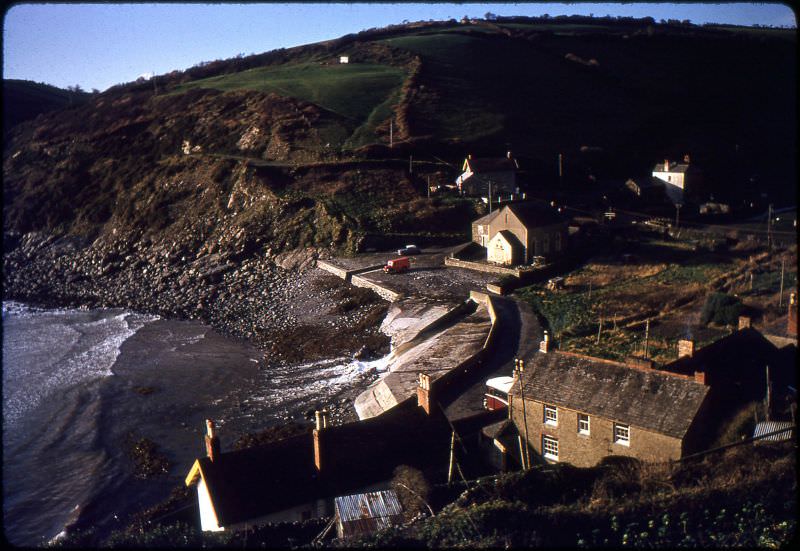
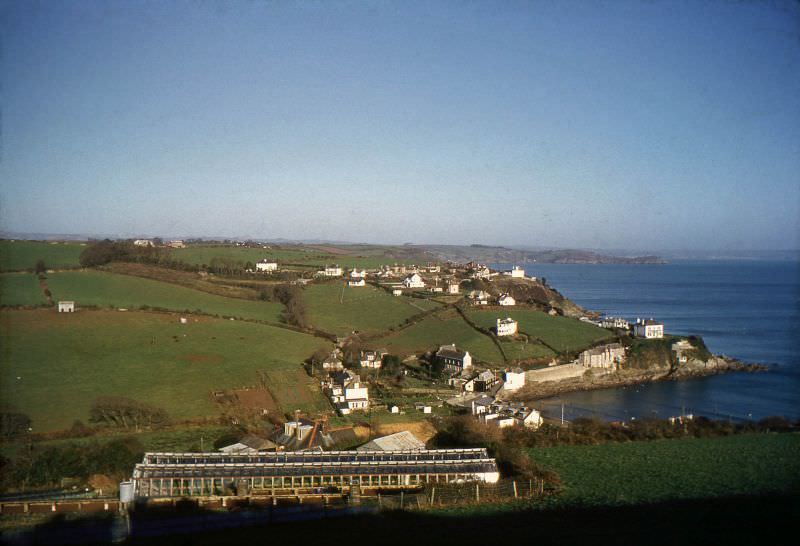
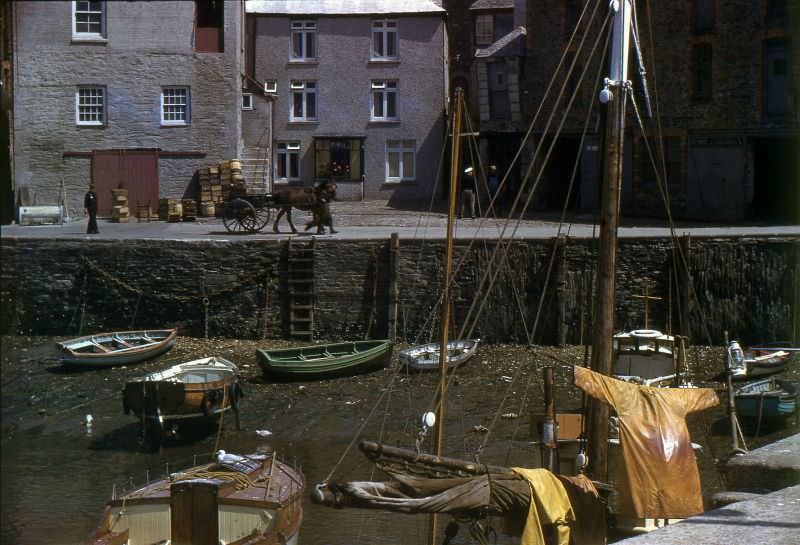
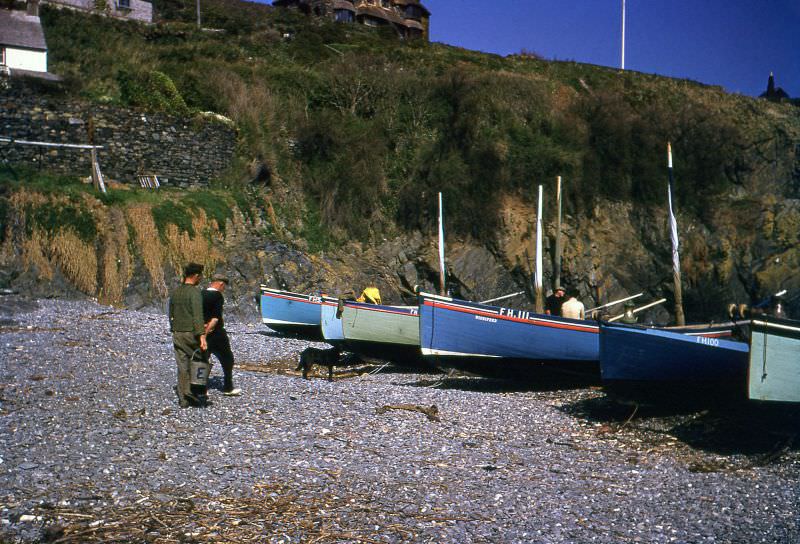
Cornwall drew Knight back more than almost anywhere else. He photographed the fishing villages of Mevagissey, Mousehole, Cadgwith, Portholland, and Portmellon Cove with great care. These tight-knit harbor communities had changed very little since the previous century. Boats sat in calm water, stone cottages lined narrow lanes, and fishermen worked as their fathers and grandfathers had done before them.