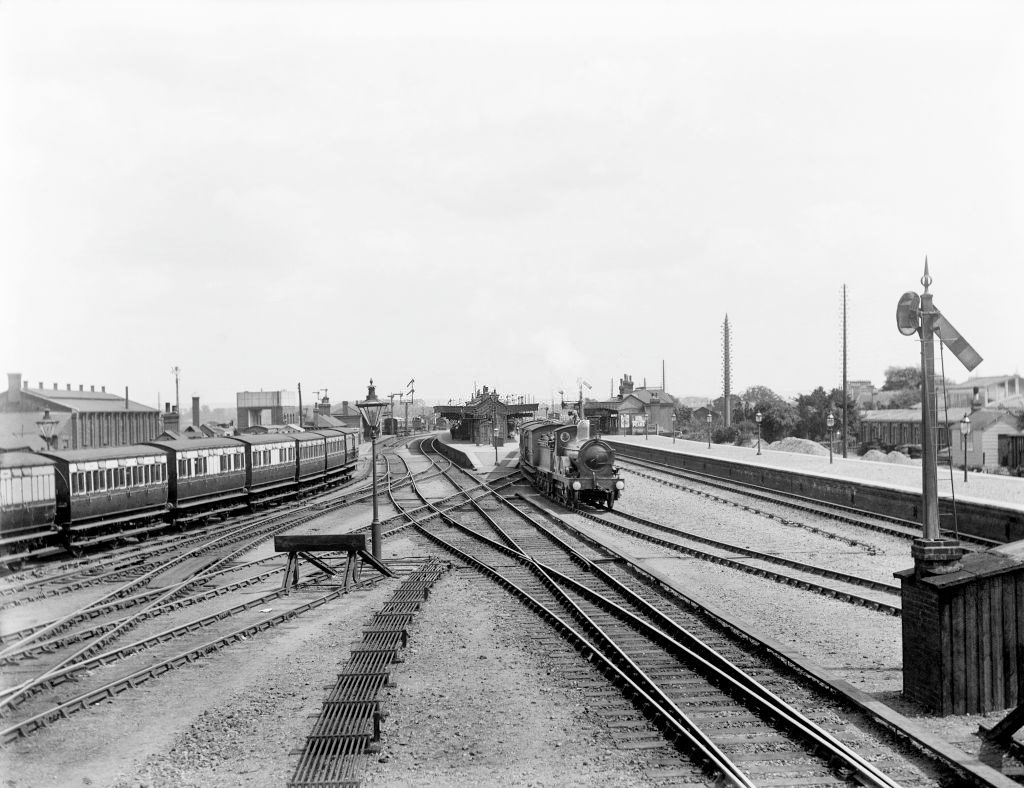
The first decade of the 20th century was one of the most turbulent and transformative periods in English history. Queen Victoria died in January 1901, bringing the Victorian era to a close after more than 63 years. The country she left behind was one of stark contrasts — grand universities and rowdy street markets, horse-drawn carts and early motor cars, imperial pageantry and grinding poverty.
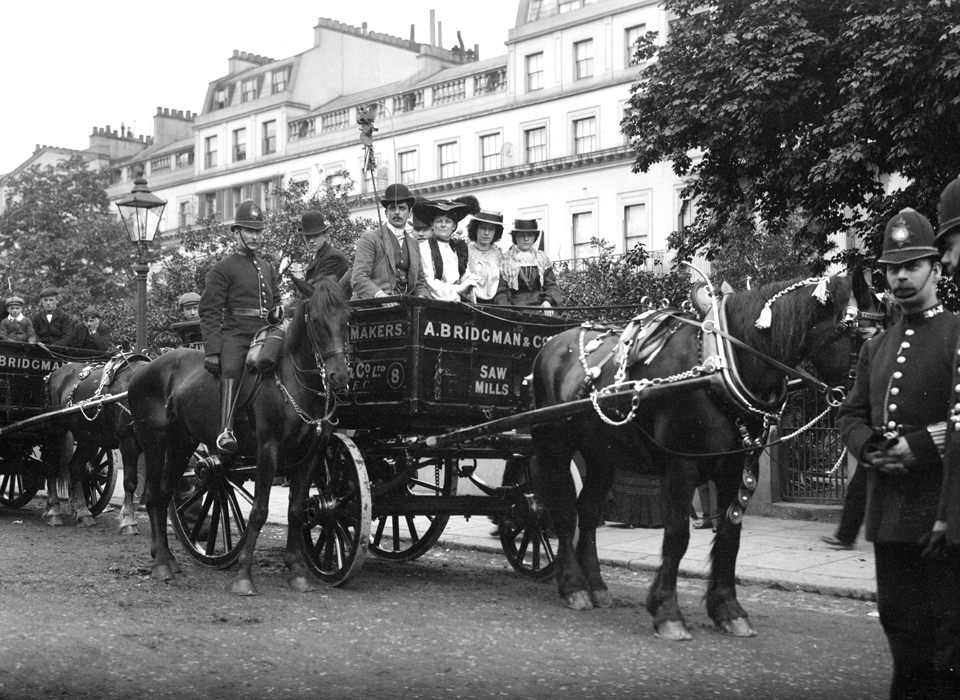
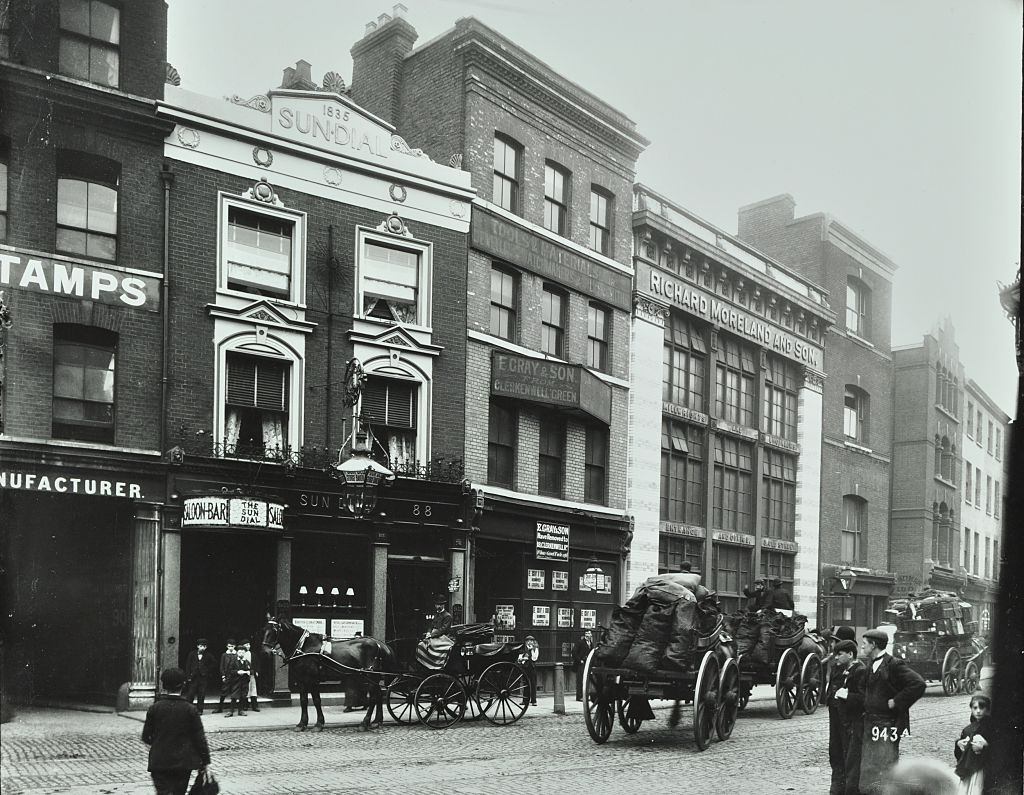
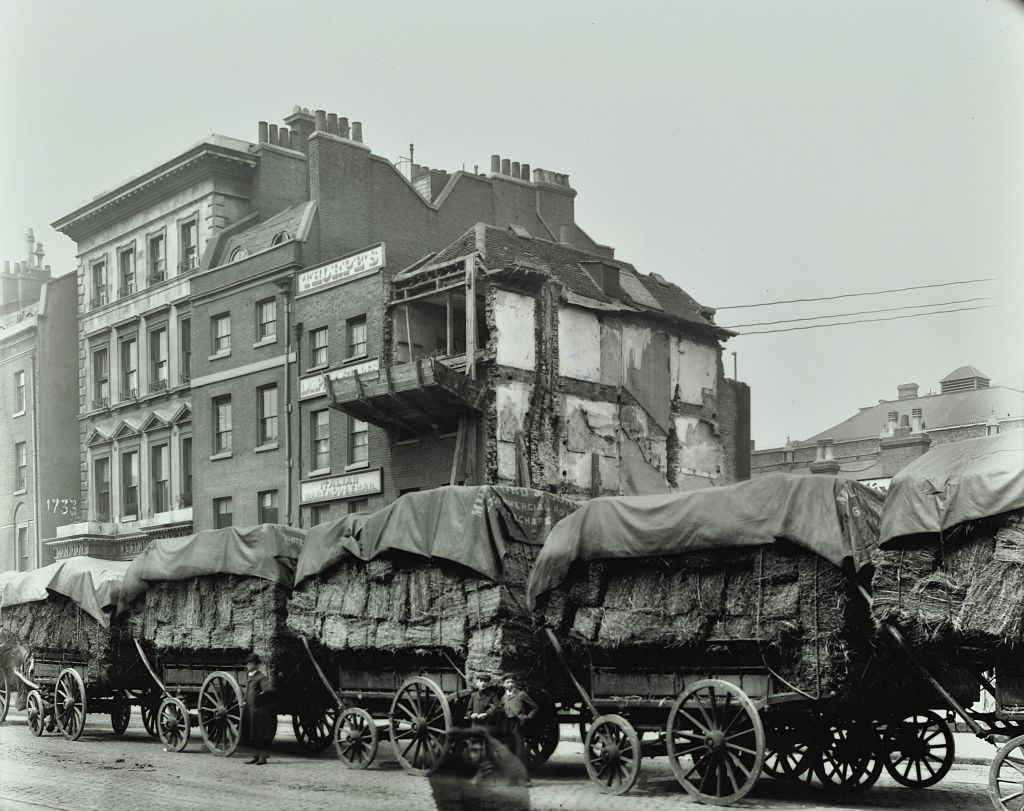
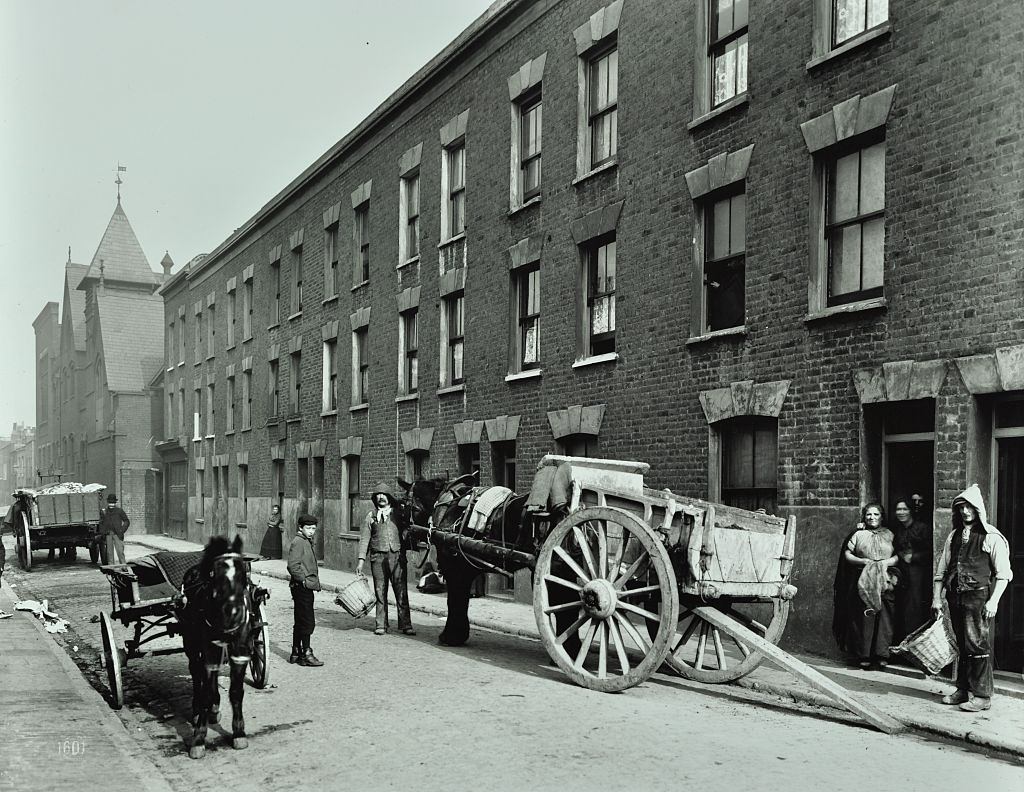
Surveys taken in 1900 found that between 15% and 20% of England’s population were living at subsistence level — meaning they had just barely enough to survive. For millions of working-class families, daily life meant long hours of physical labor, cramped housing, and little security in old age. The streets of London told that story plainly, with organ grinders, dustmen, hay wagons, and street vendors all sharing the same cobblestones as omnibuses and wealthy shoppers.
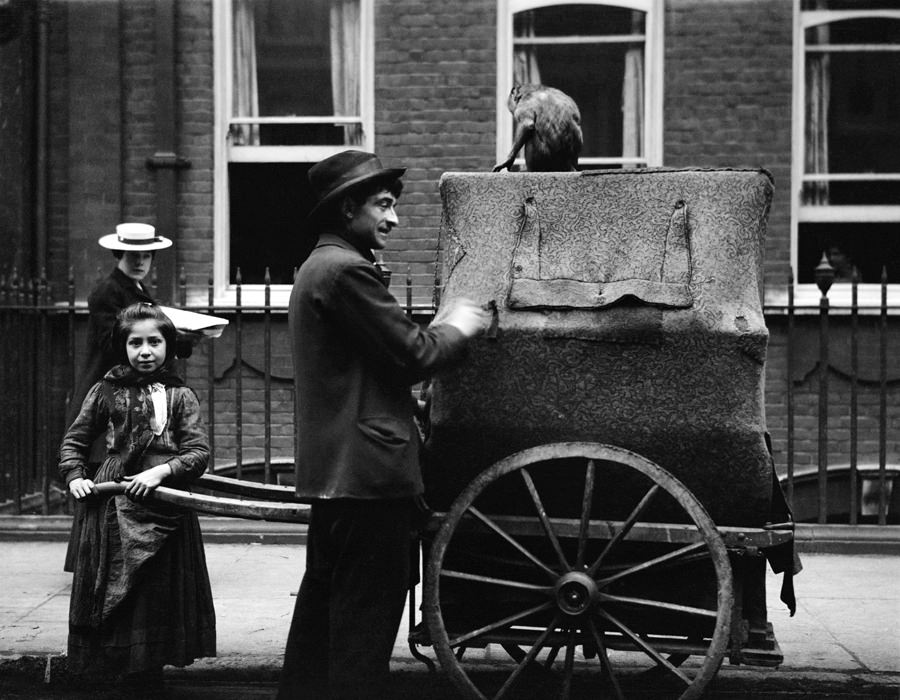
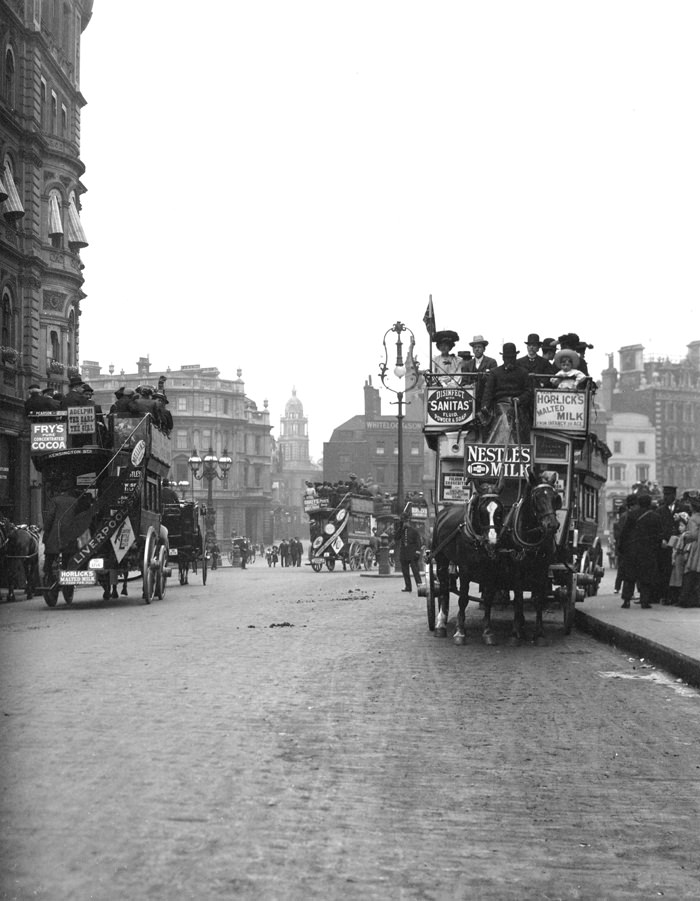
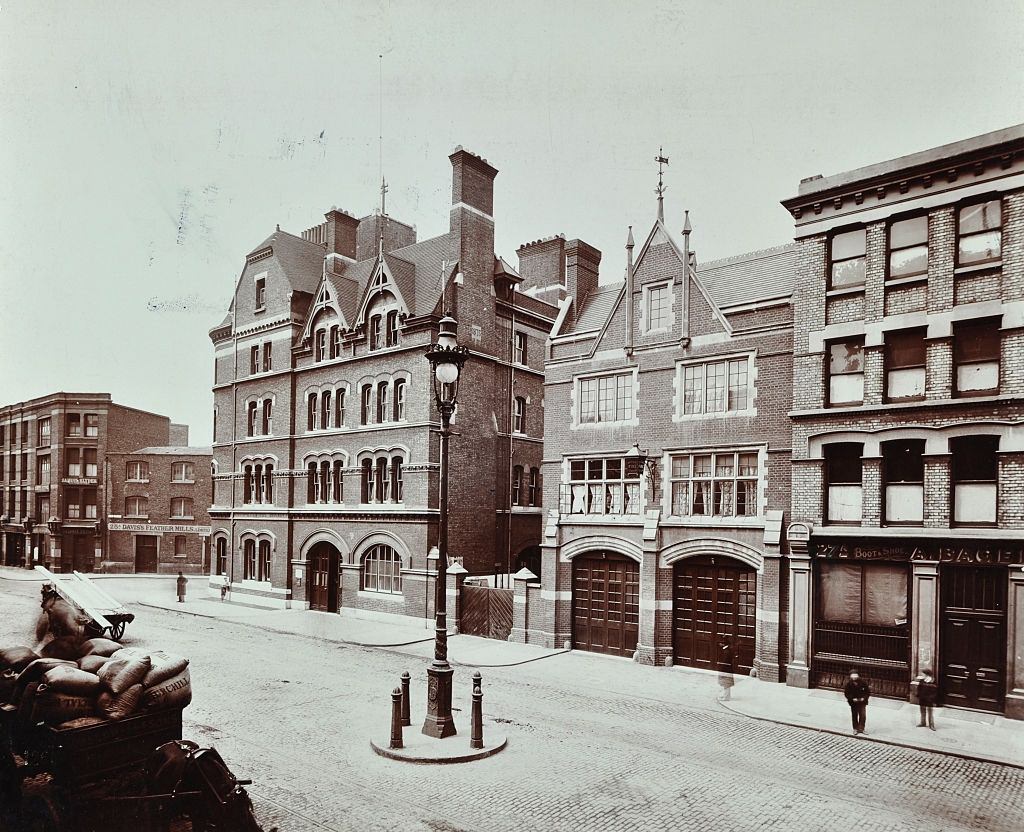
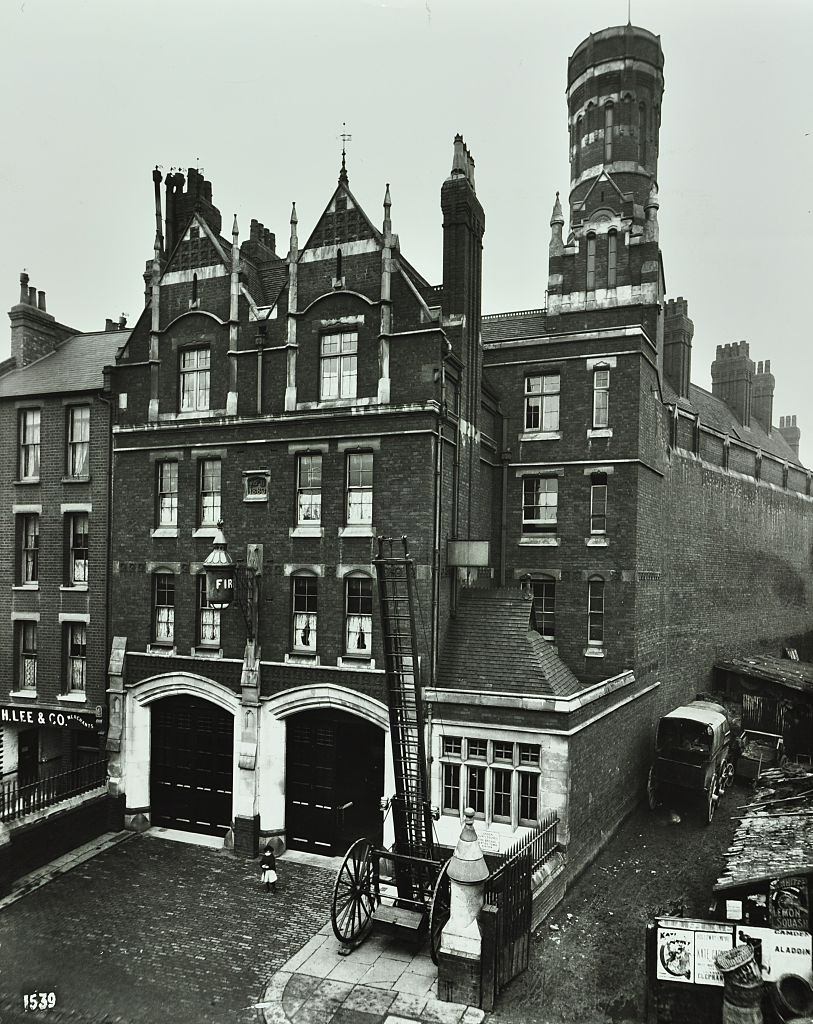
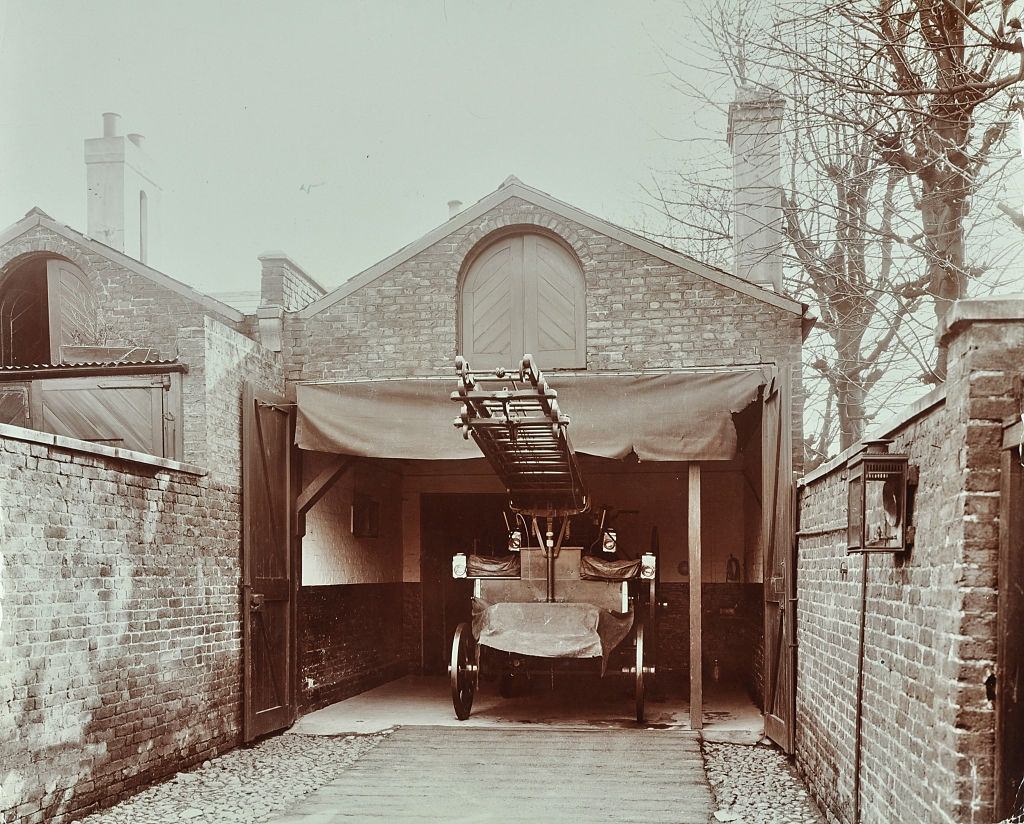
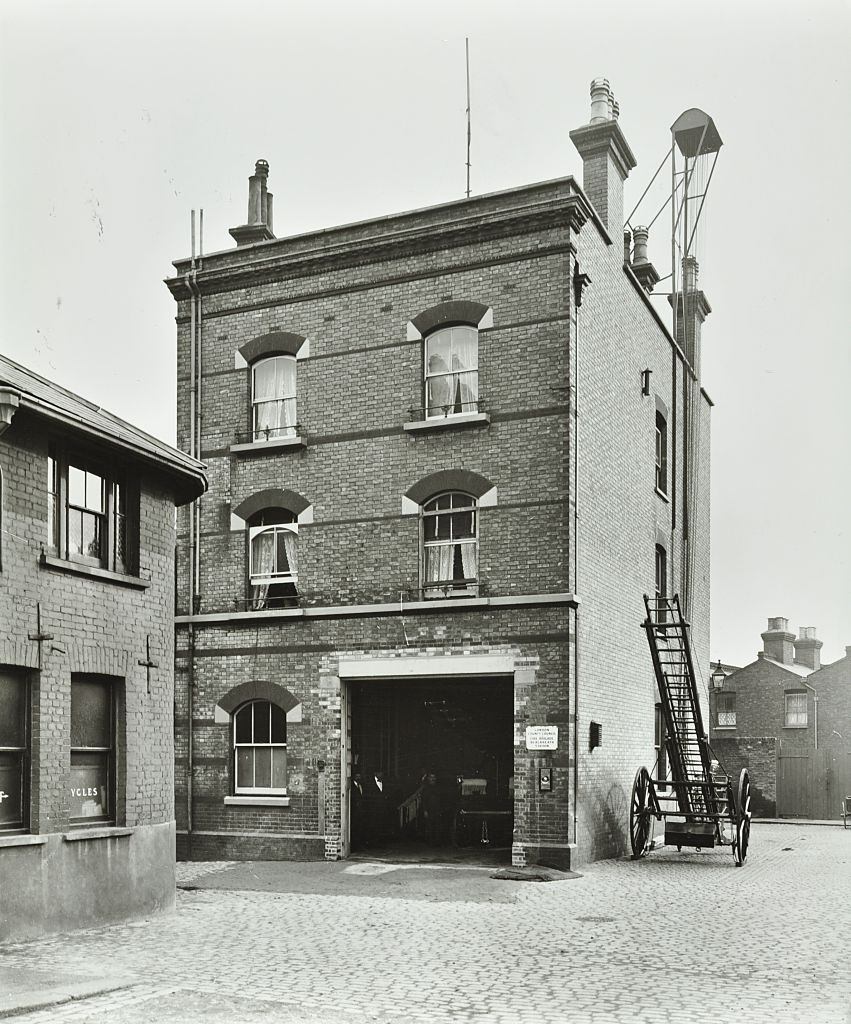
London in 1904 was a city of noise, motion, and density. Horse-drawn omnibuses crowded the main roads, while pedestrians navigated narrow pavements lined with traders and carts. The city’s fire stations were busy operations, with stations at Whitechapel, Kentish Town, Streatham, and Blackheath all photographed during these years — each one housing gleaming engines ready for rapid deployment across the growing metropolis.
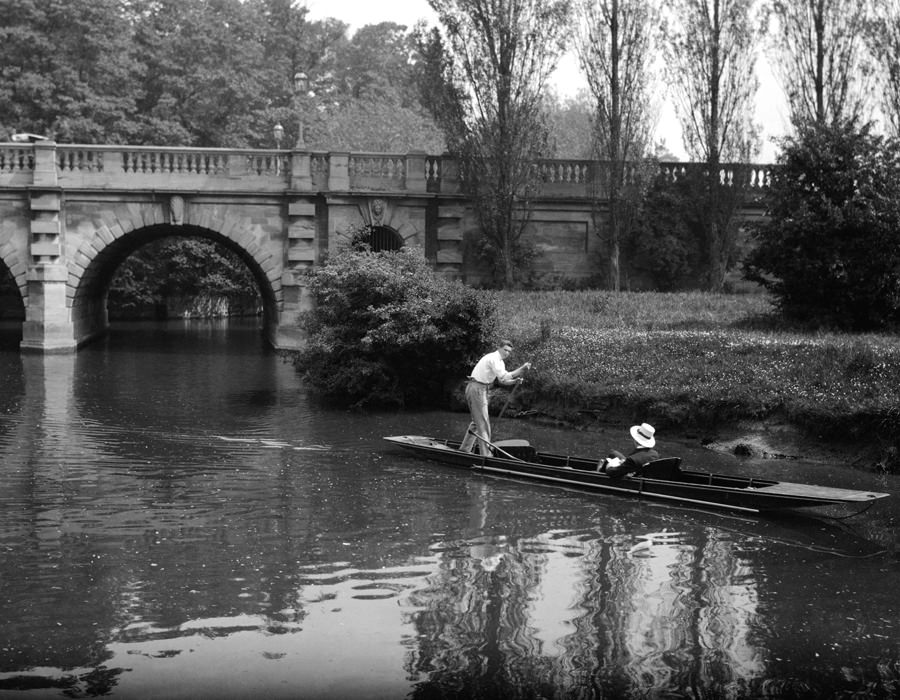
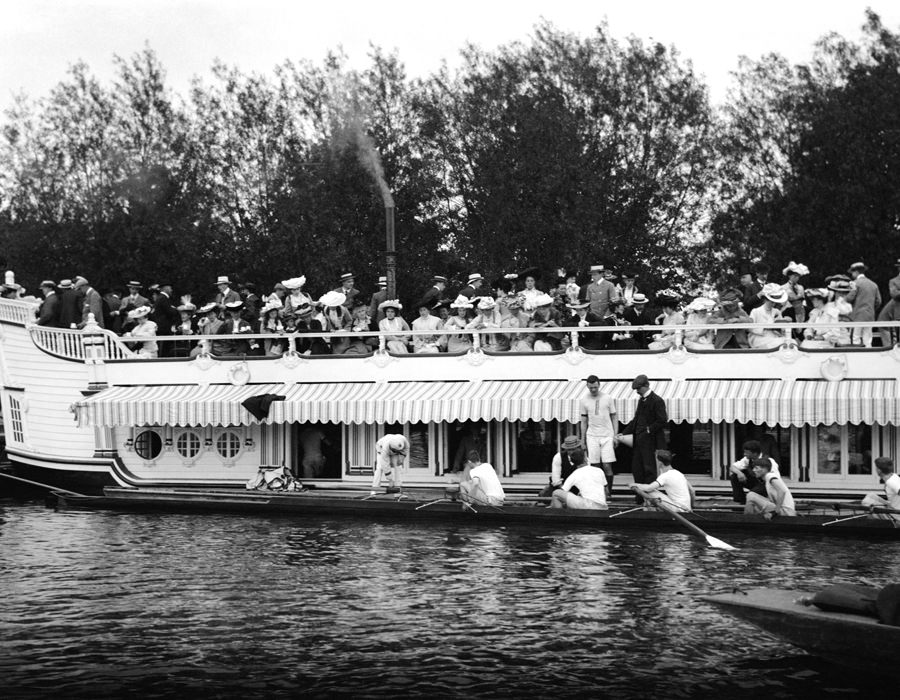
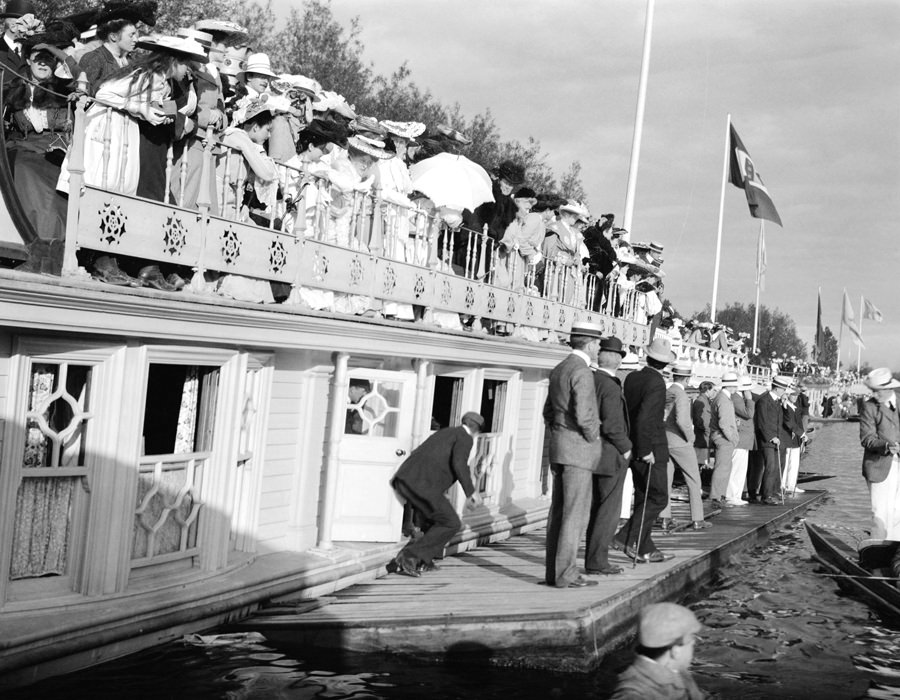
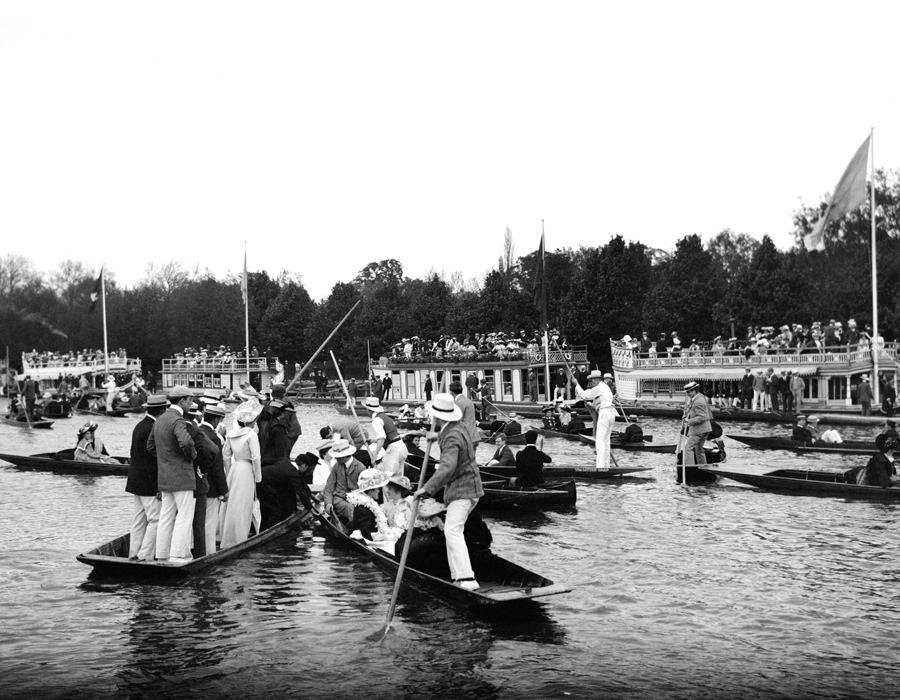
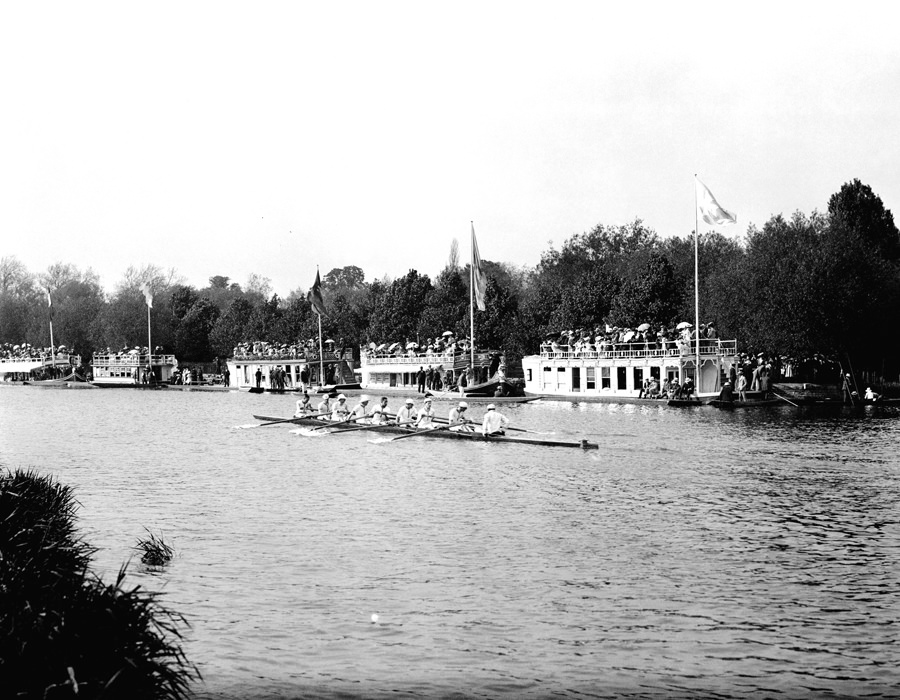
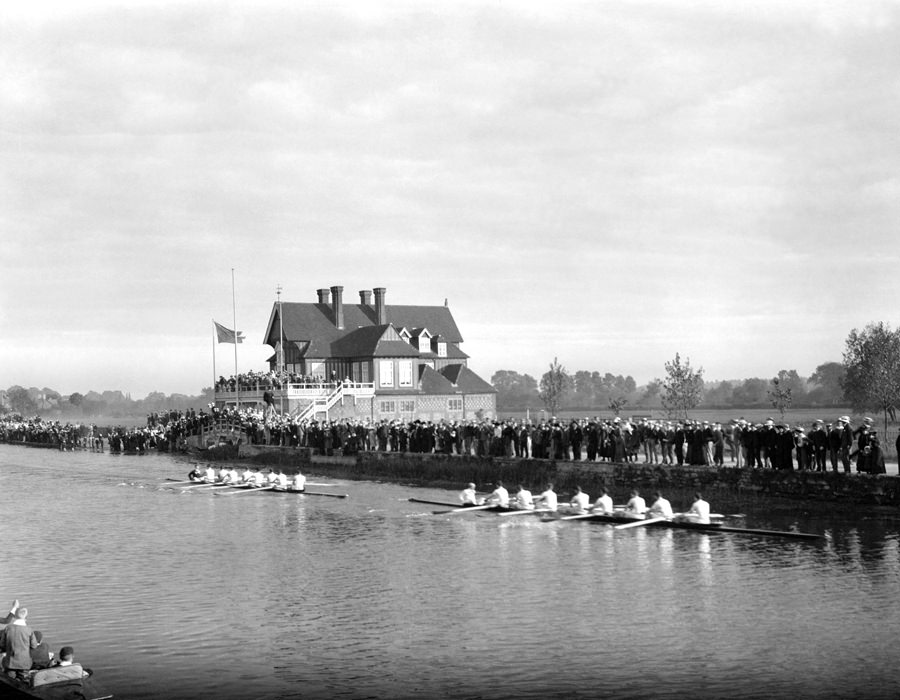
Oxford offered a very different picture of English life. The university city in 1904 was home to one of the rowing season’s most celebrated events — Eights Week — a multi-day competition where college crews raced on the River Cherwell. Spectators gathered along the riverbanks in considerable numbers, dressed formally and making a social occasion of it. The Keble College barge served as a floating grandstand, and the crush of boats on the water was a spectacle in its own right.
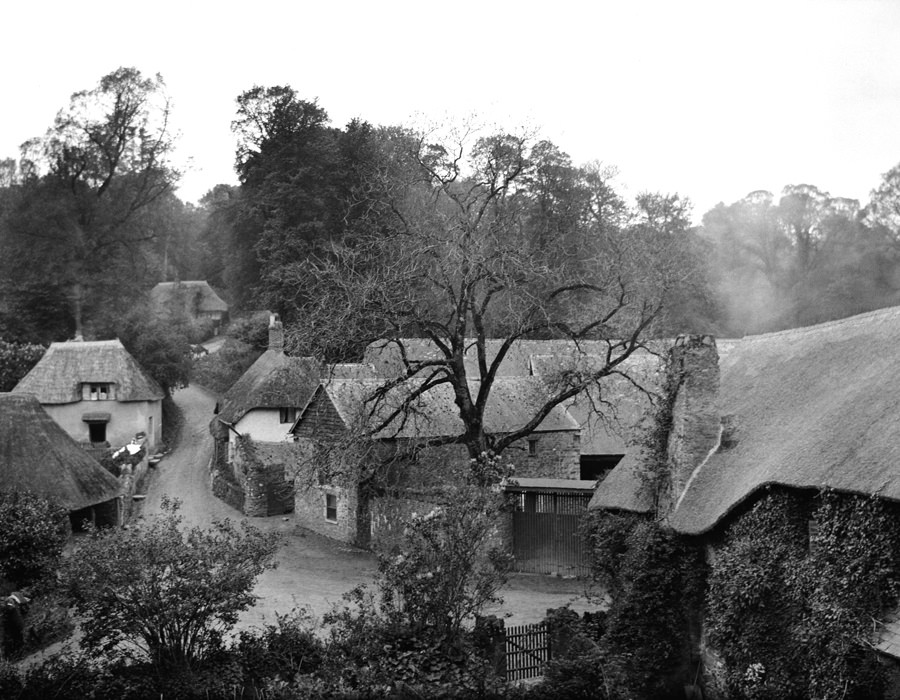
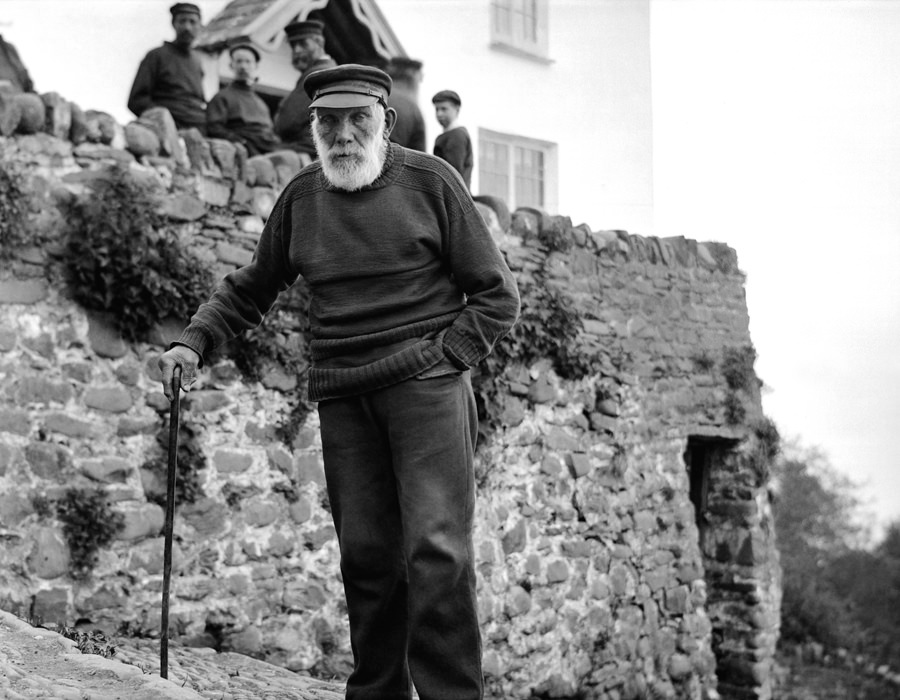
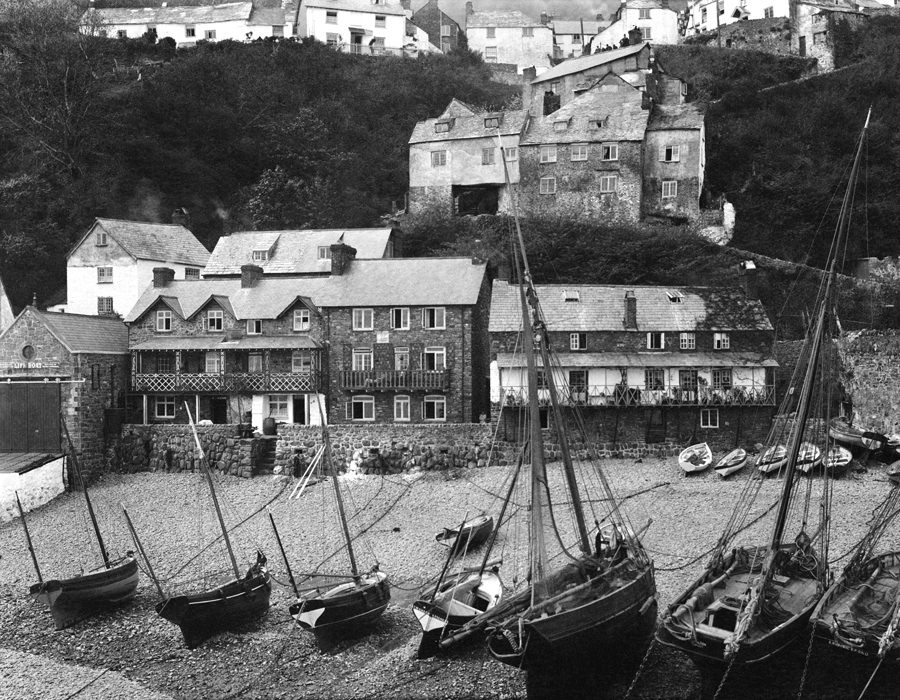
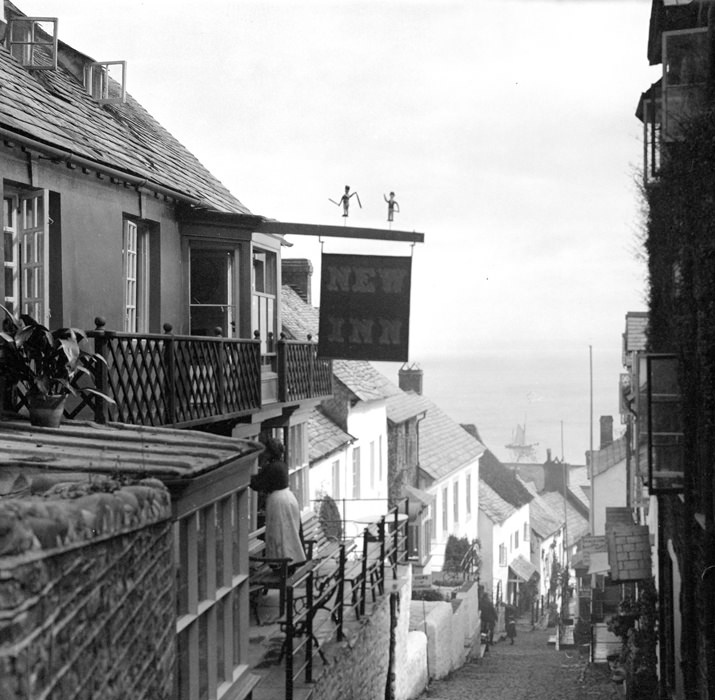
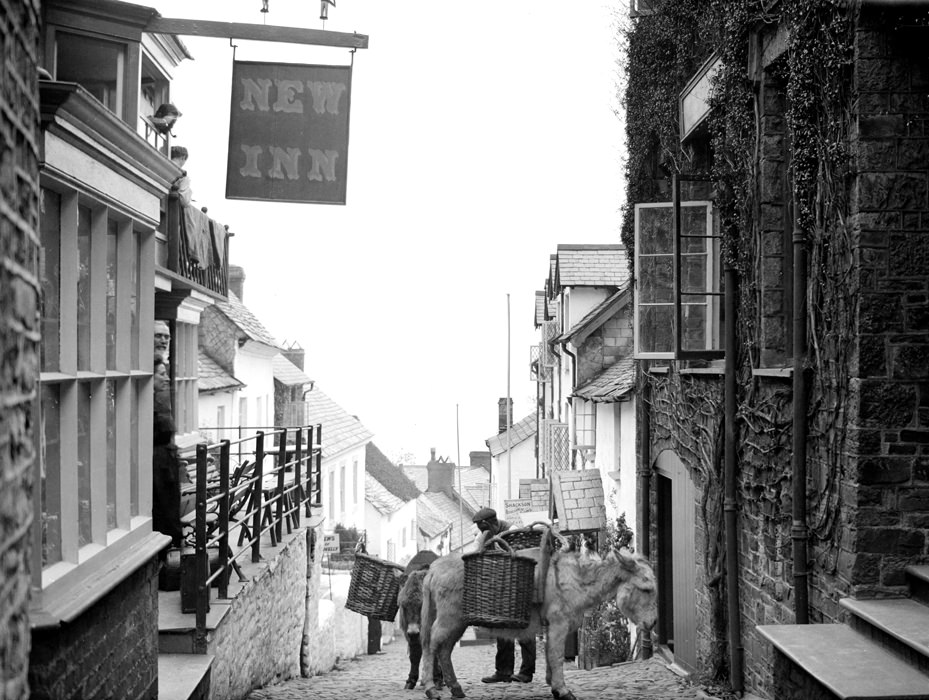
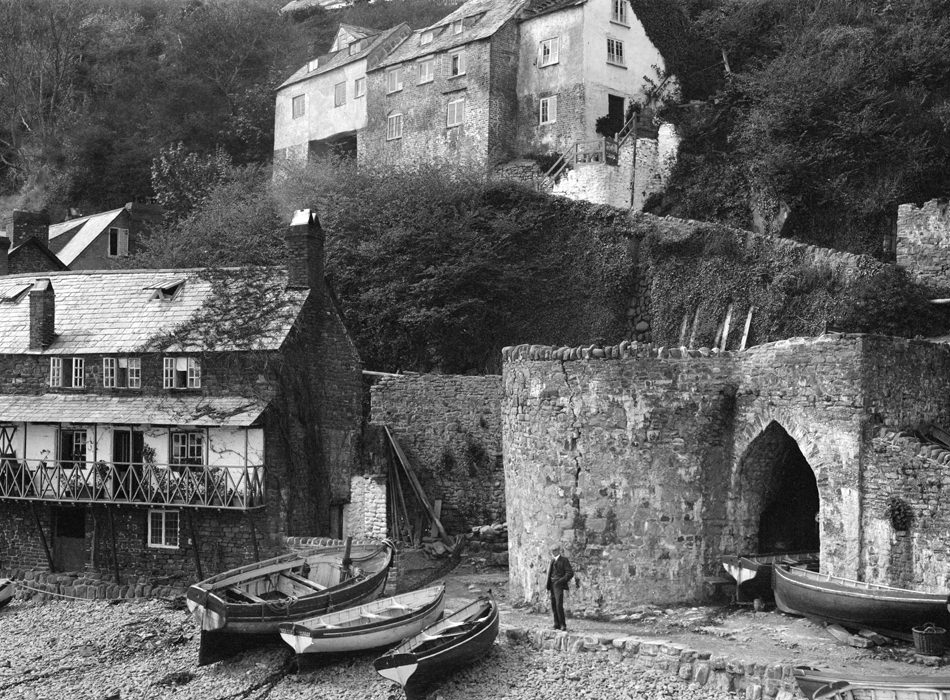
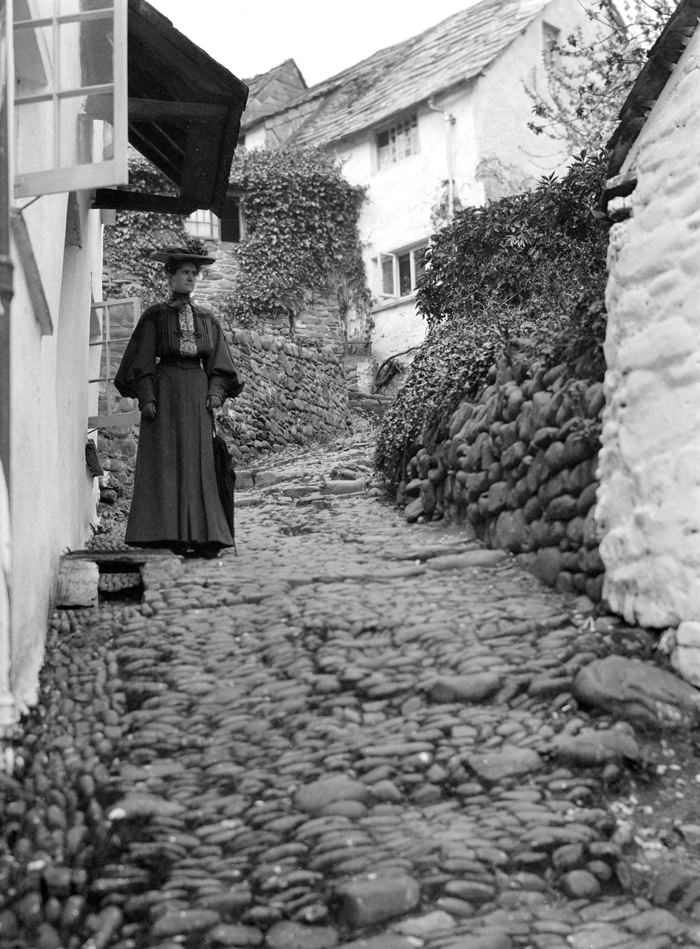
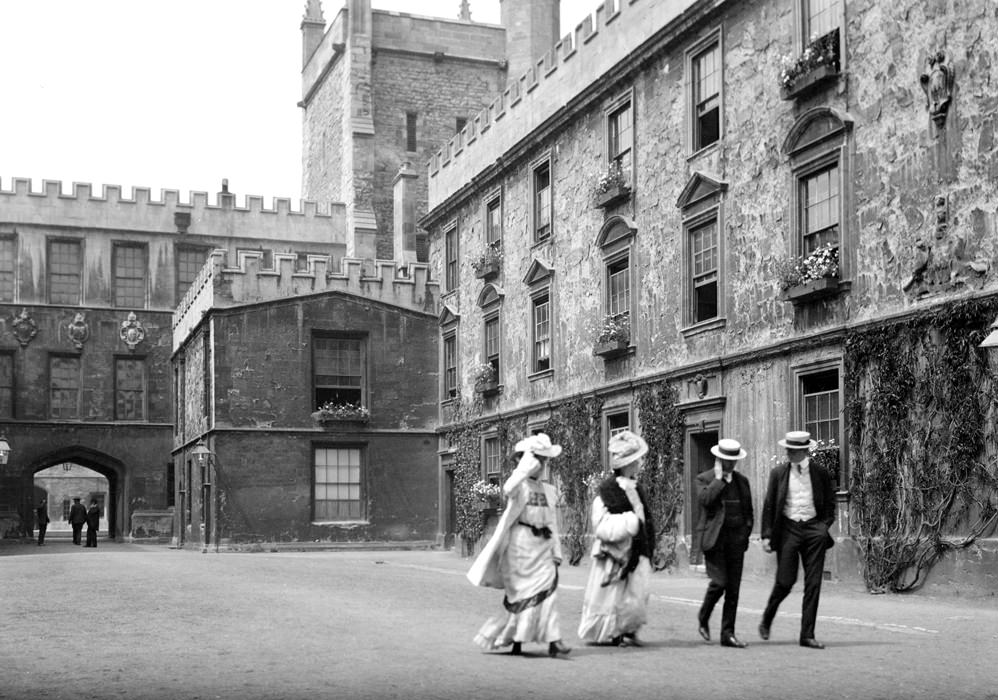
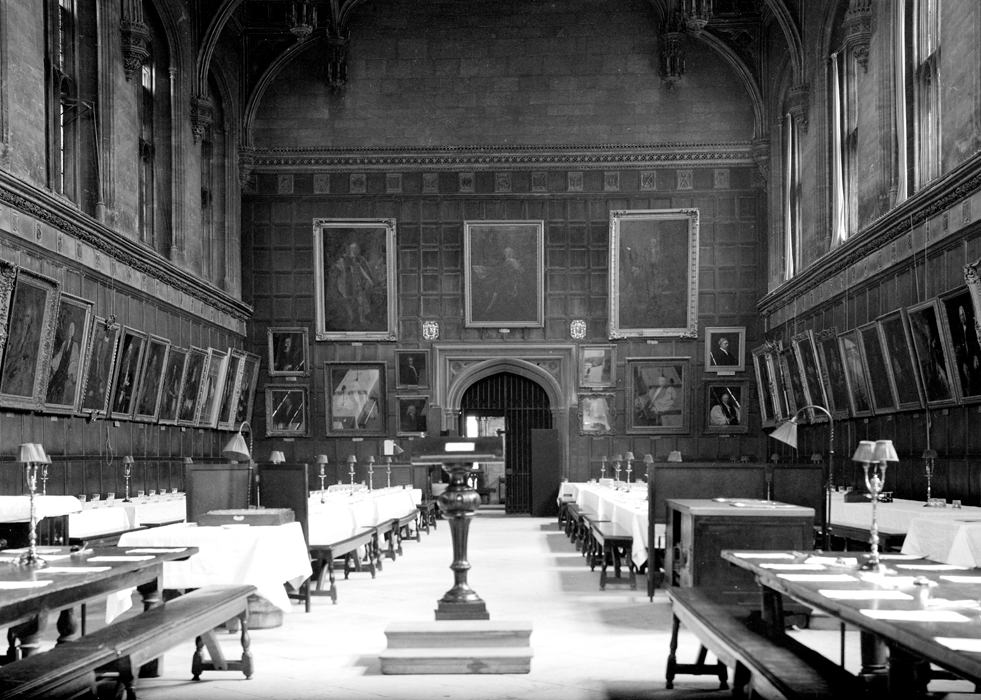
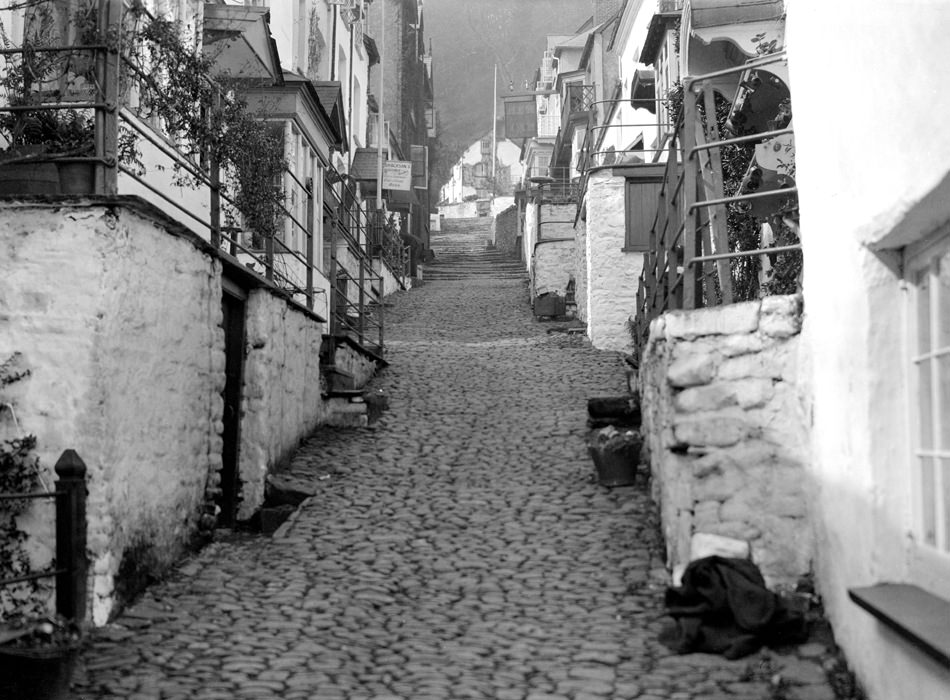
While Oxford’s elite rowed and dined in the Great Hall at Christ Church, rural England carried on at a slower pace. Devon’s coastal village of Clovelly was a world apart from London. Its steep, cobbled main street ran almost vertically down to the harbour, too narrow and too sharp for wheeled vehicles. Donkeys were the primary means of carrying goods up and down the hill. The quayside, the New Inn, and the fishermen who worked those waters all had the quality of a place largely untouched by industrial change.
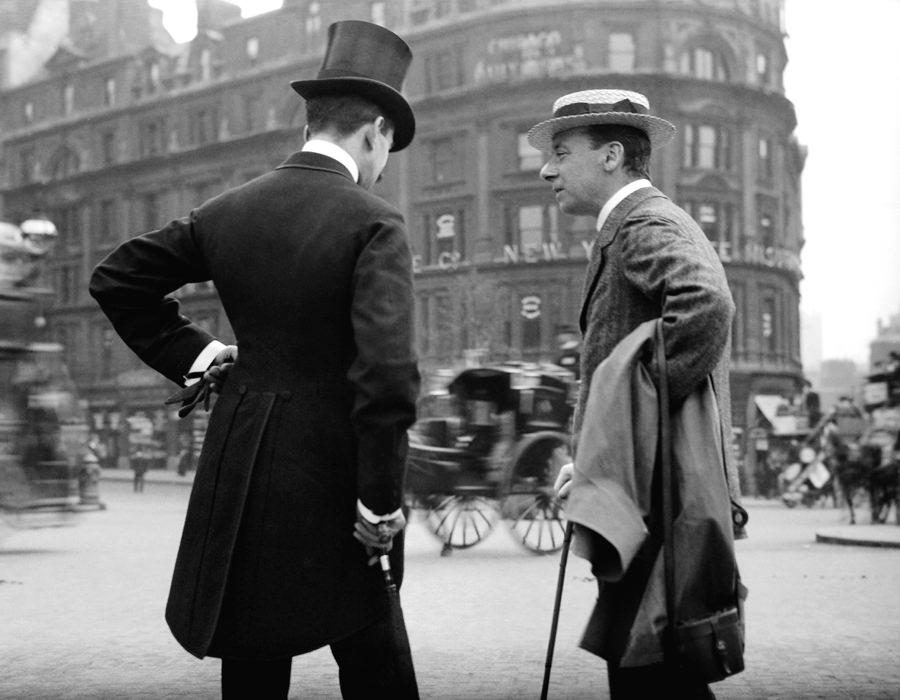
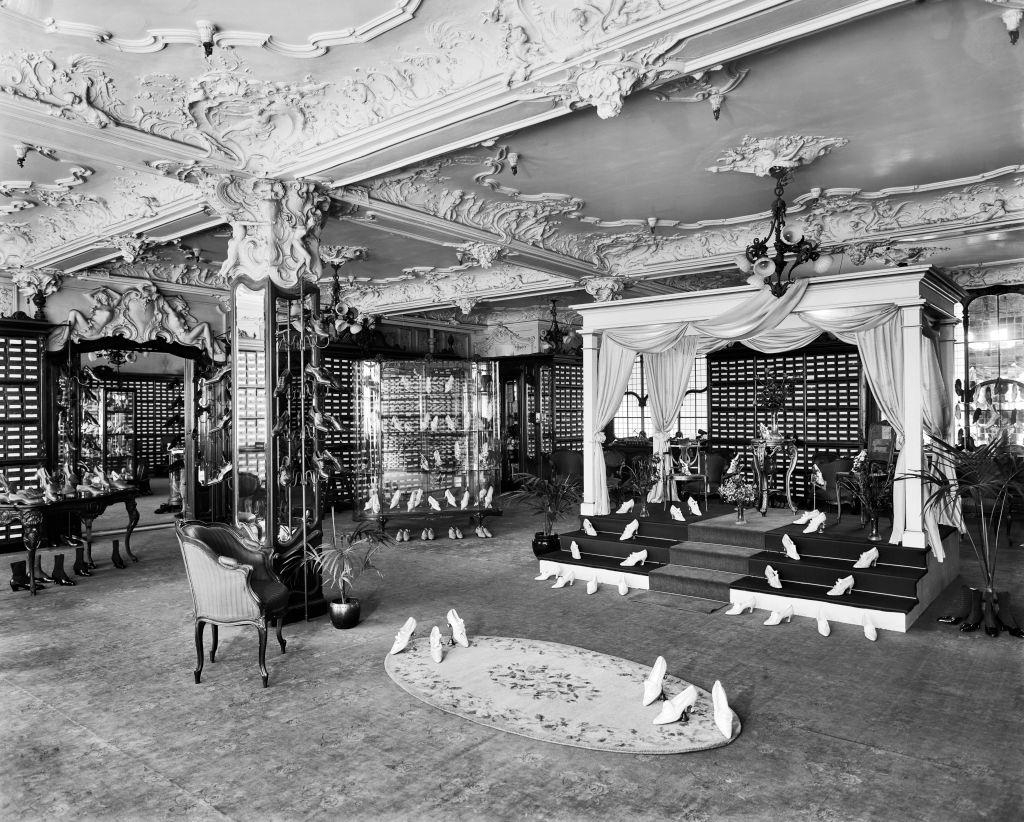
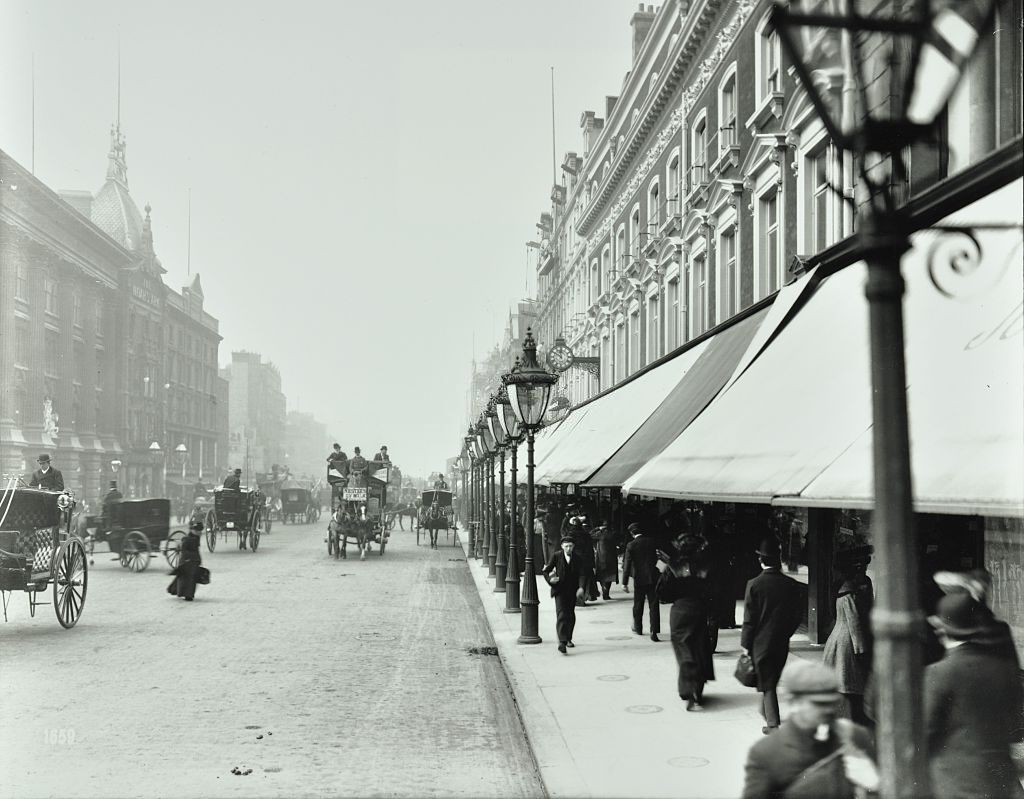
London’s streets in the early 1900s were a study in organized chaos. Hay wagons rolled down Whitechapel High Street alongside the city’s earliest motor vehicles. Outside D.H. Evans on Oxford Street, pedestrians in long coats and hats moved past shop windows stocked with the era’s finest goods. At Harrods on Brompton Road, the ladies’ shoe department catered to a clientele that had no shortage of money to spend — a sharp contrast to the East End streets just a few miles away.
Political change was gathering momentum during these years. In 1903, the Women’s Social and Political Union was founded, launching the suffrage movement that would define much of the following decade. In 1906, a Liberal government swept into power with a mandate to address poverty and inequality. That government laid the groundwork for the welfare state, and the Old Age Pensions Act of 1908 delivered small but meaningful pensions to people over the age of 70 — the first such provision in English history.
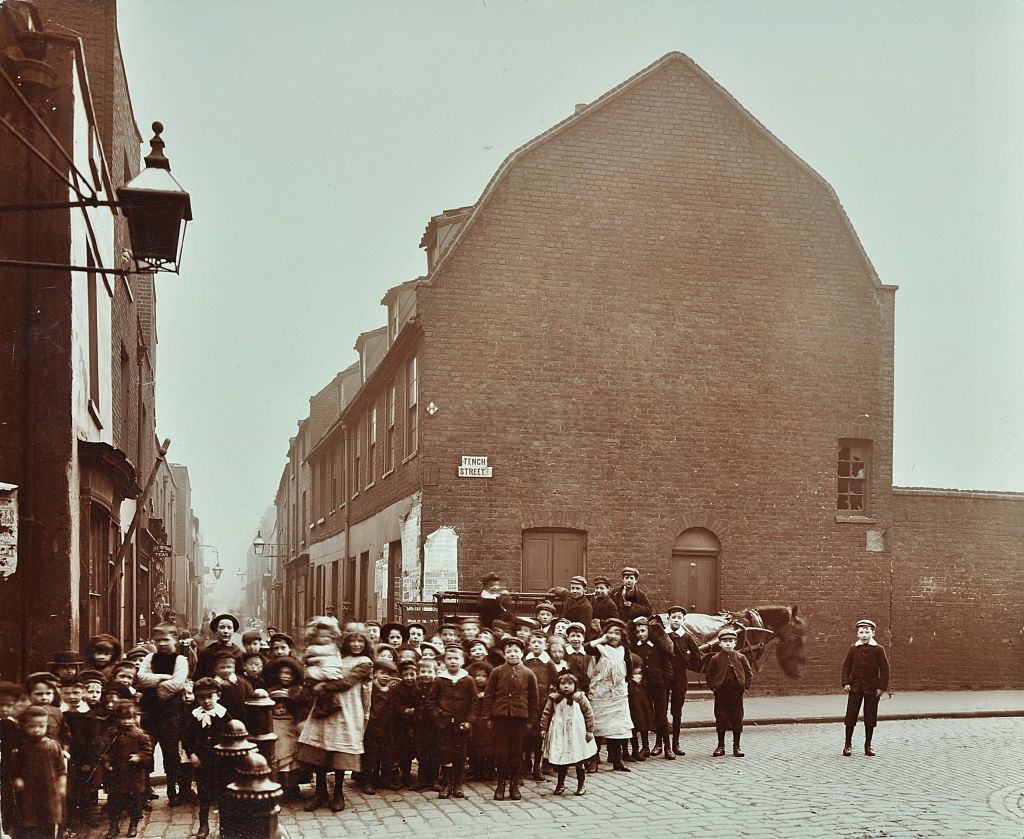
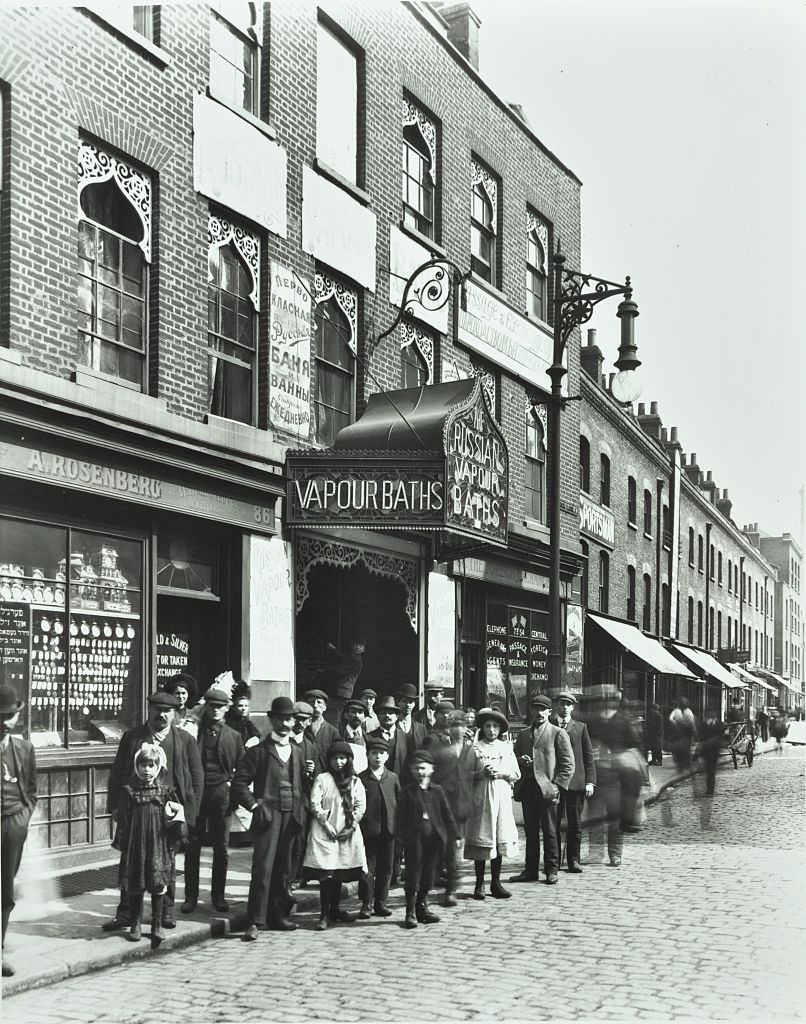
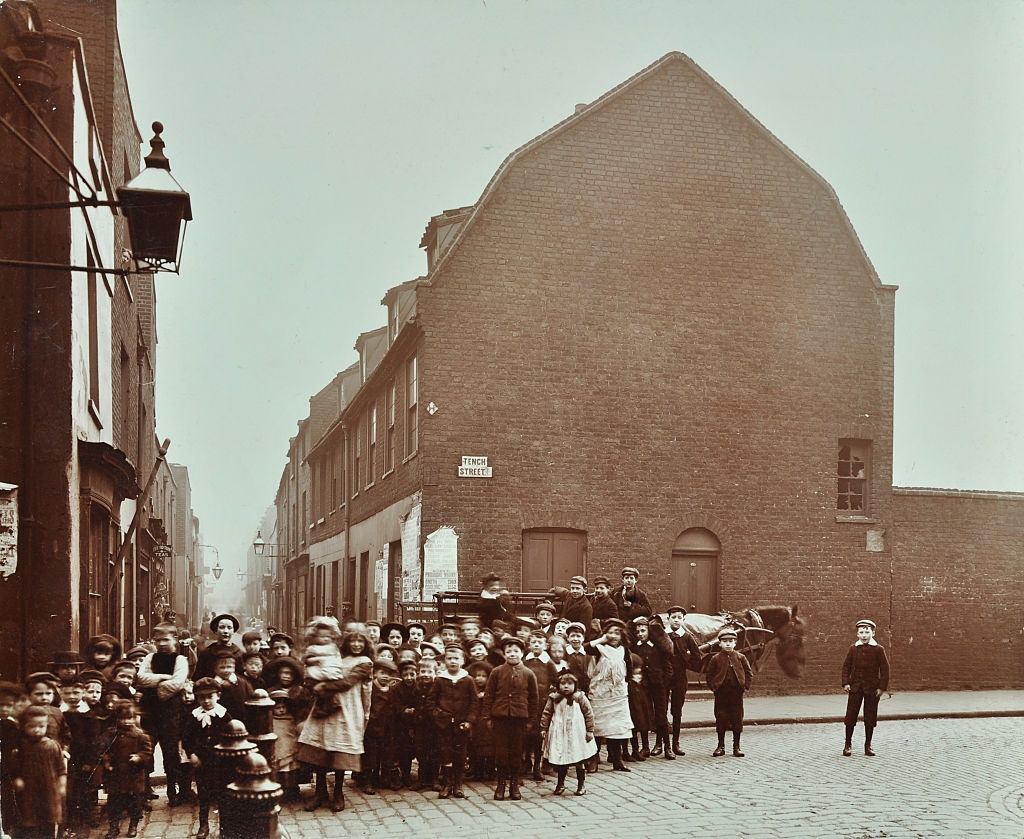
The streets of London’s East End told a different story from the drawing rooms and university barges of Oxford. Red Lion Street in Wapping was thick with children — dozens of them crowding together, many barefoot, staring at the camera with expressions ranging from curiosity to suspicion. Brick Lane’s Russian Vapour Baths drew crowds from the area’s large immigrant community. These were neighborhoods where space was scarce, work was hard, and entertainment was found on the street.
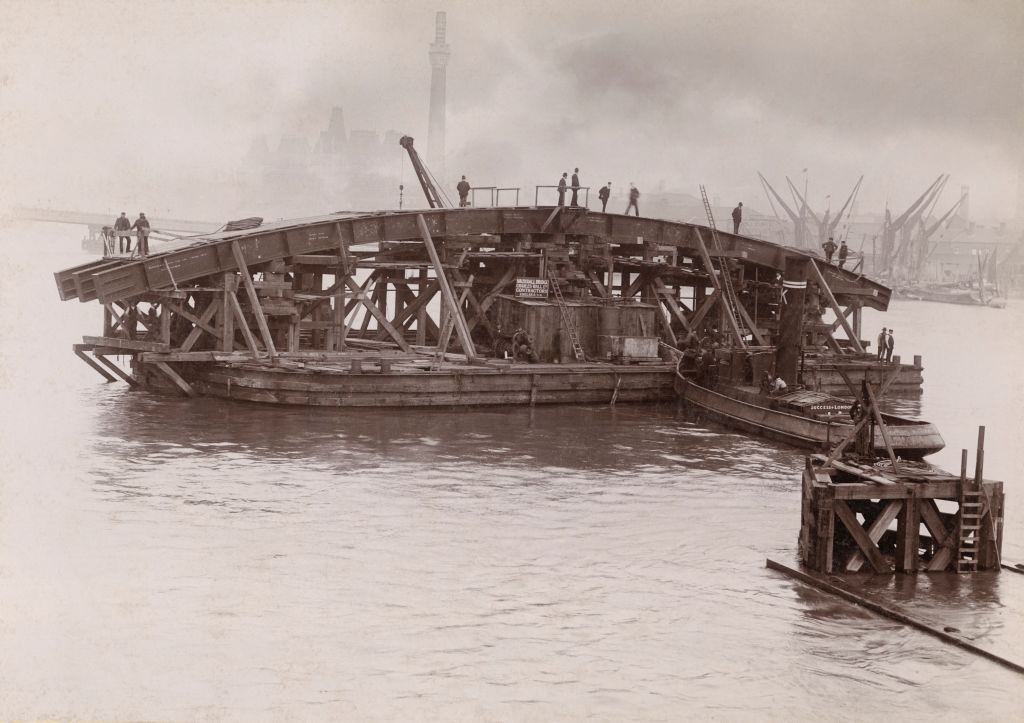
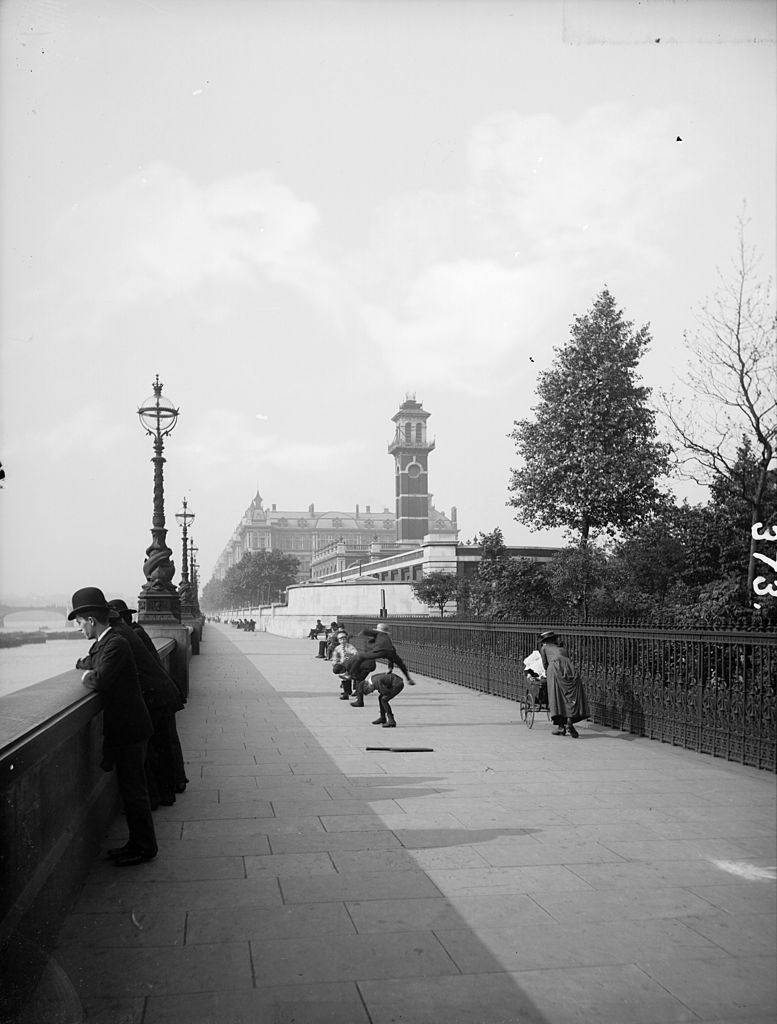
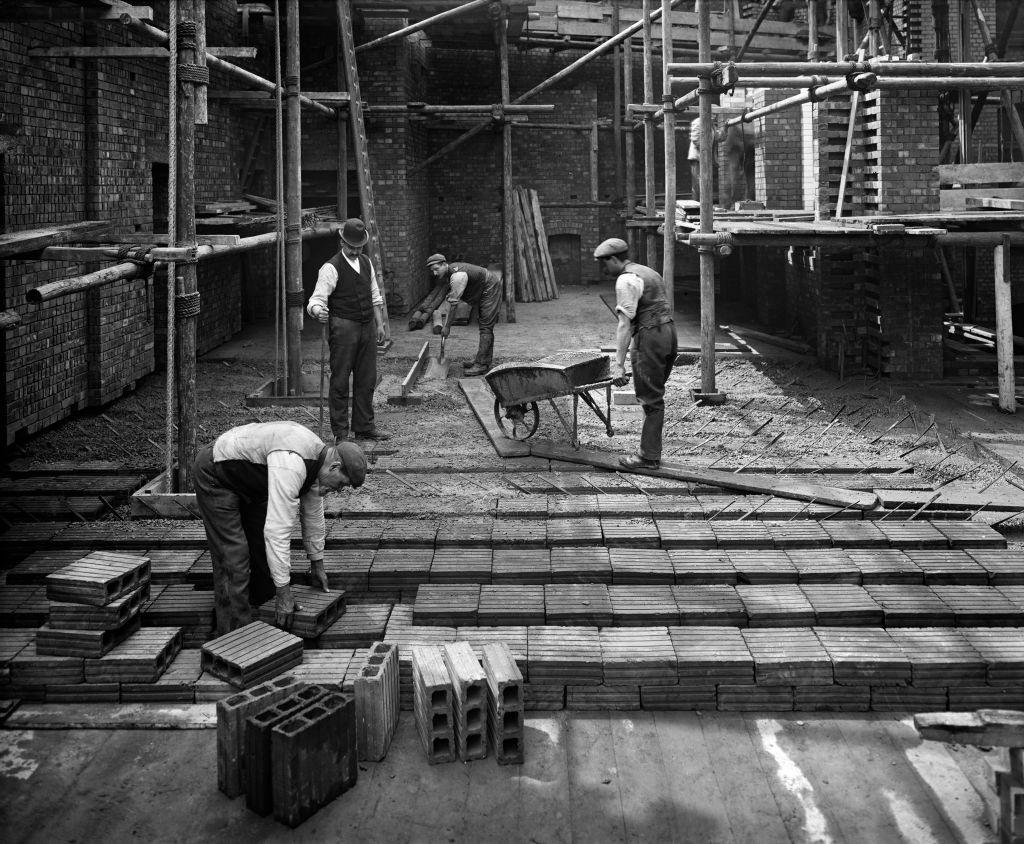
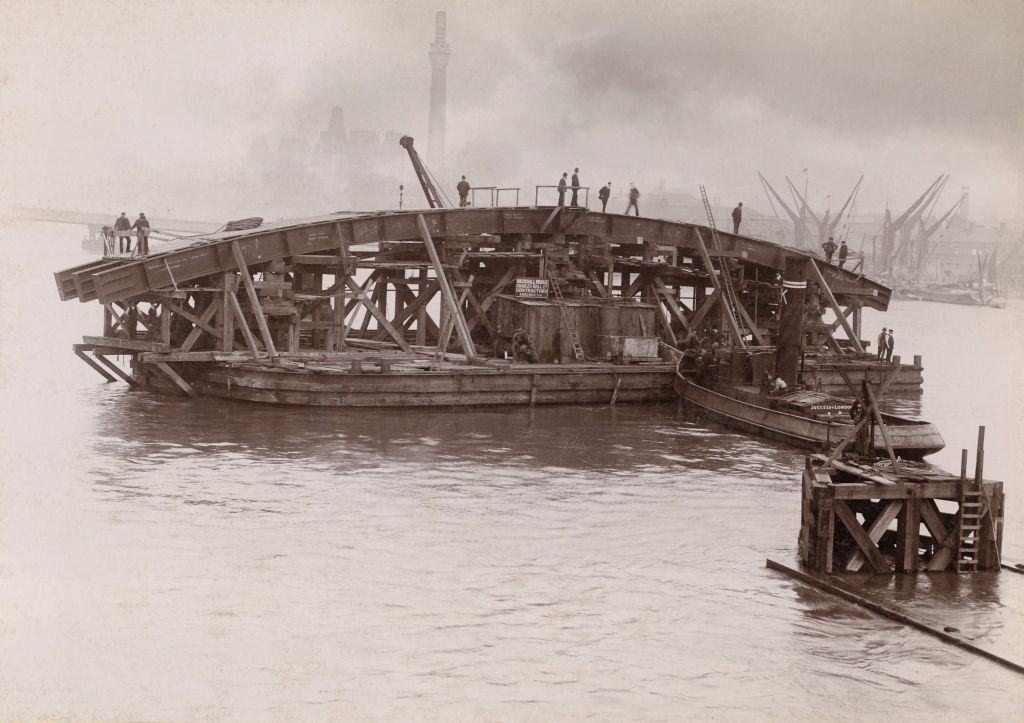
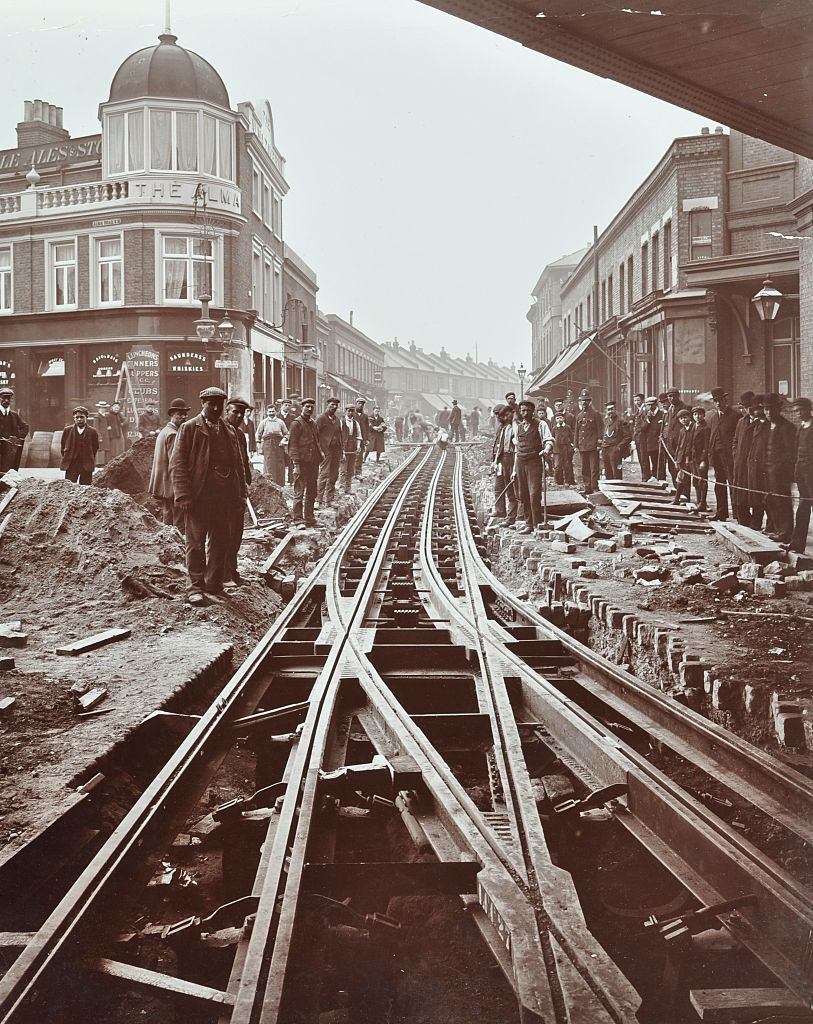
Infrastructure and public works were reshaping England’s cities. The construction of Vauxhall Bridge between 1903 and 1904 was a major engineering undertaking on the Thames. Workers in Wandsworth were busy electrifying tramlines in 1906, a project that would modernize urban transport across London. At 8 Lloyd’s Avenue in the City of London, construction workers laid hollow pot flooring in a new commercial building in 1907 — evidence of the building boom driven by finance and trade.
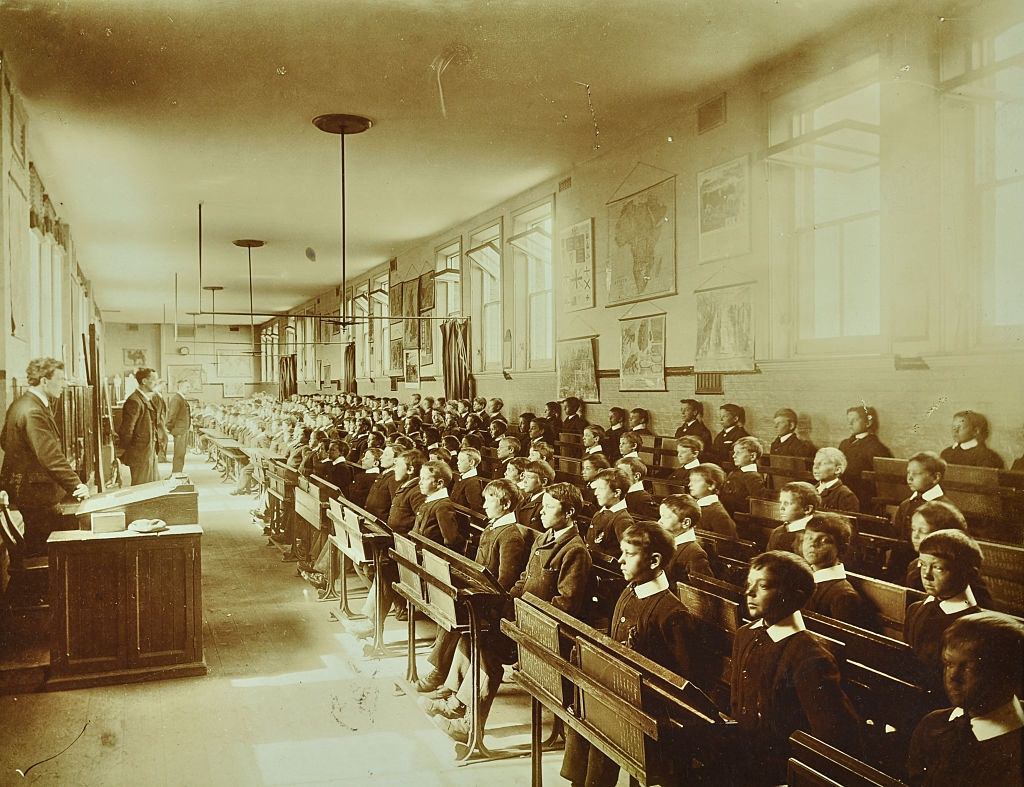
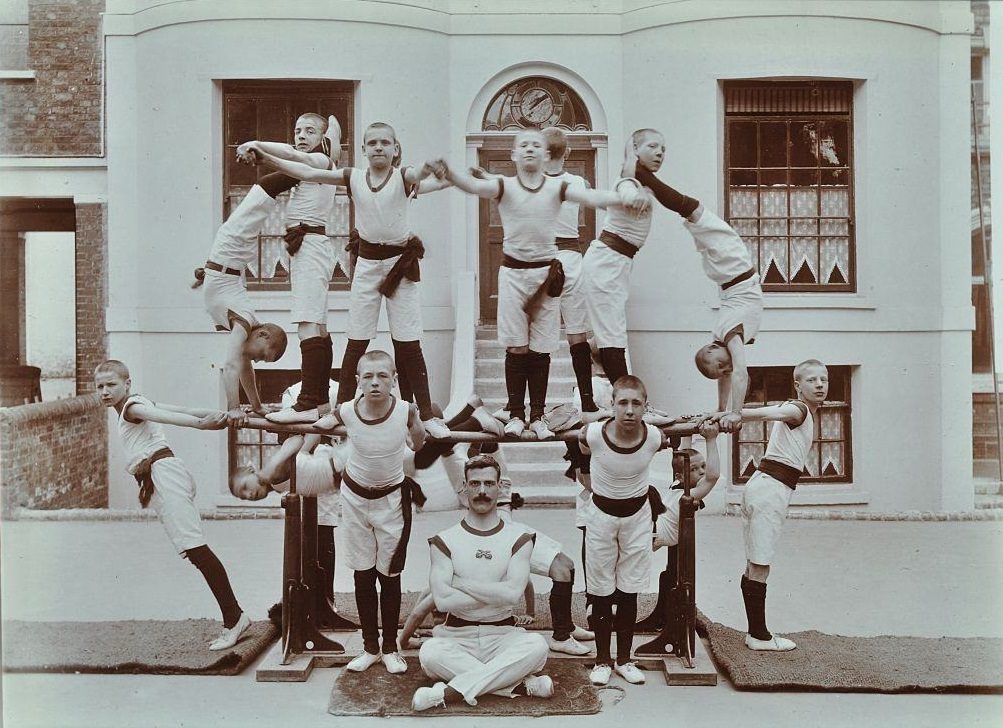
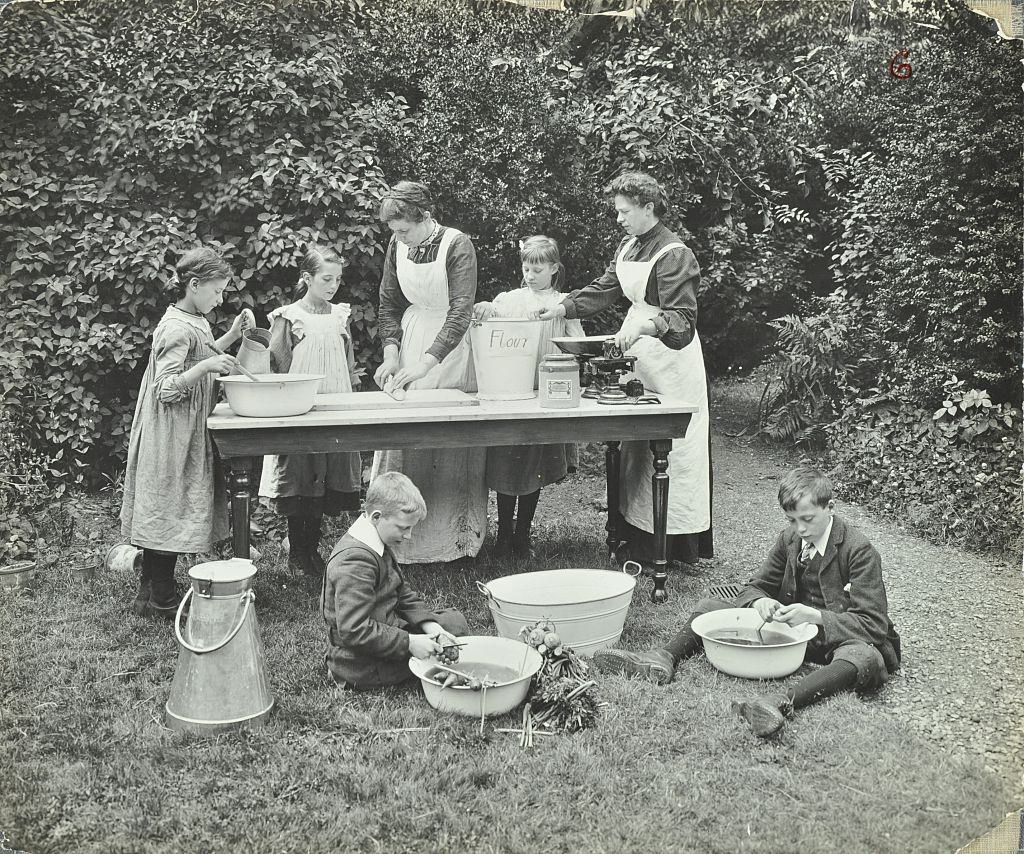
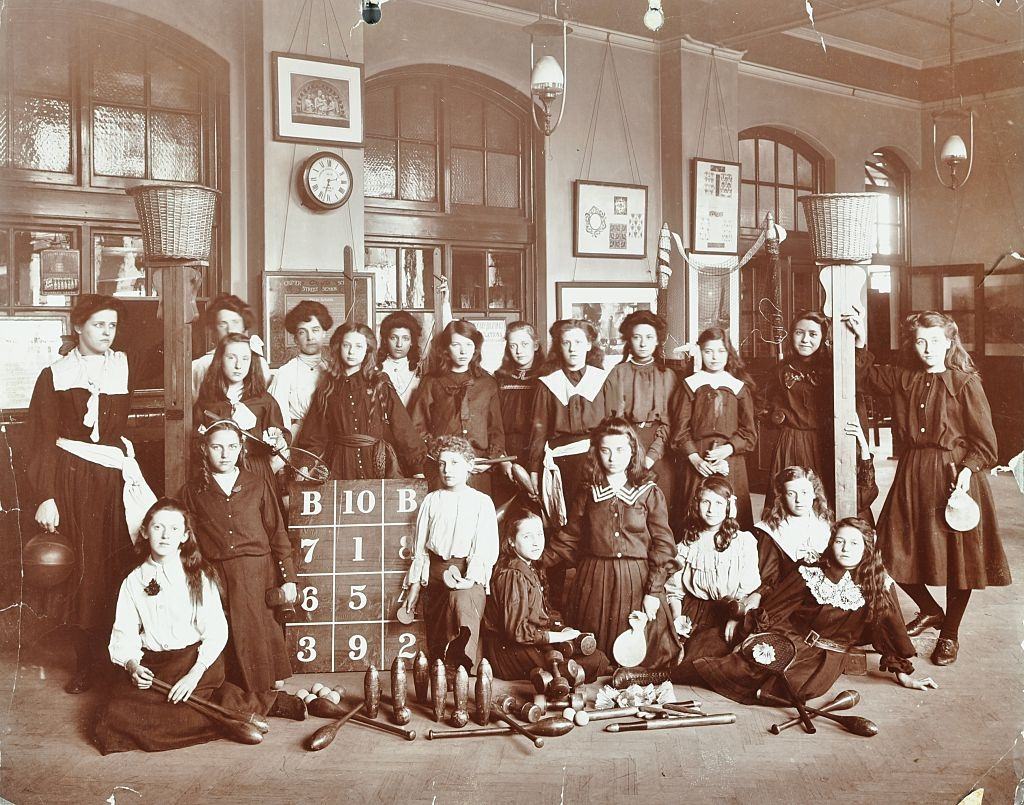
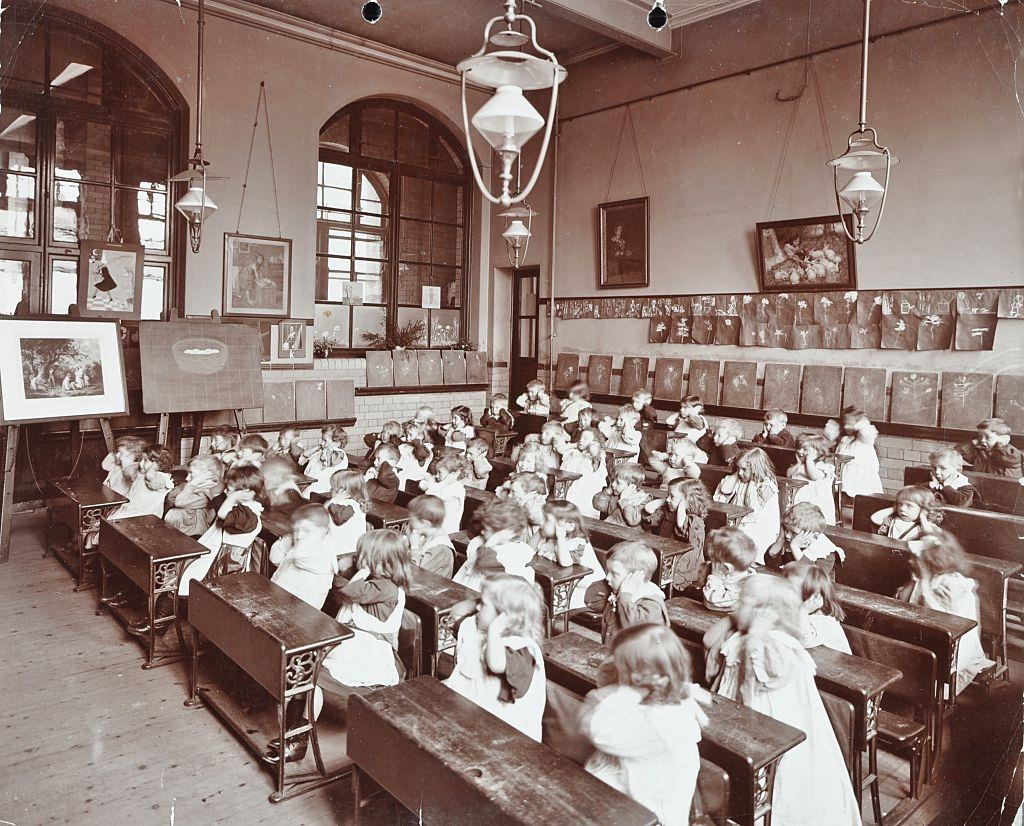
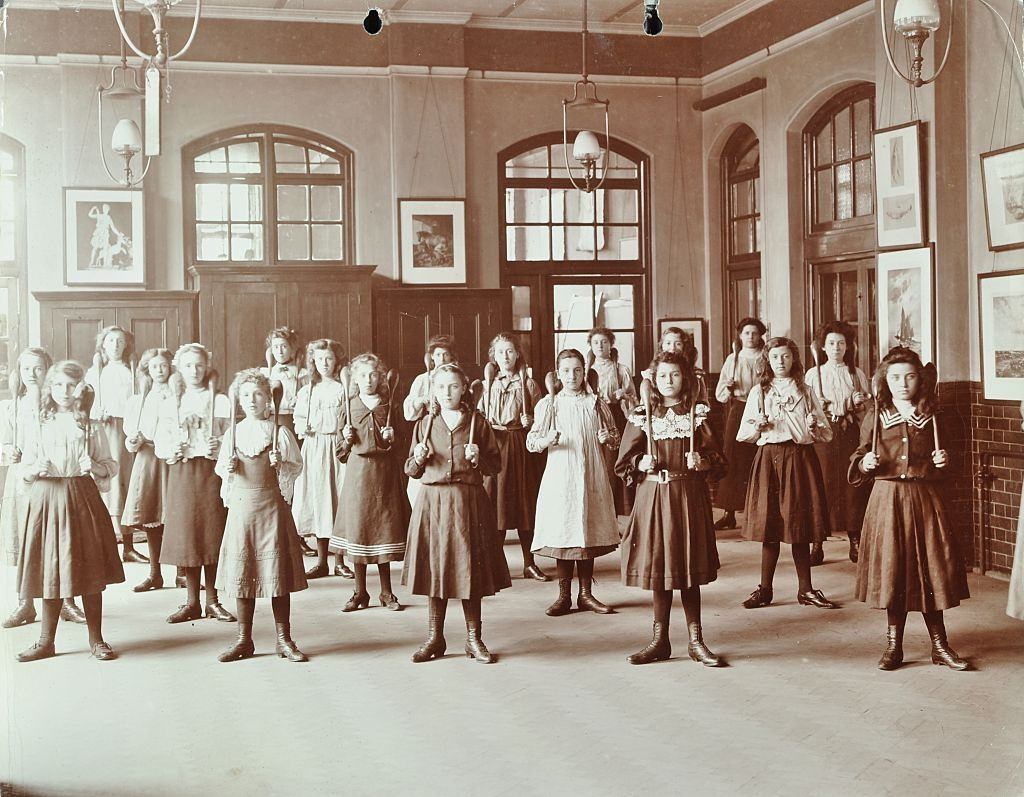
Schools in this era were places of discipline and practical training as much as academic study. At the Boys Home Industrial School on Regent’s Park Road, pupils performed gymnastic displays for the camera. Girls at Cromer Street School in St Pancras were photographed holding Indian clubs — wooden juggling pins used in physical education drills. At Birley House Open Air School in Forest Hill, children prepared food outdoors in 1908, part of a growing movement that believed fresh air improved children’s health and learning.
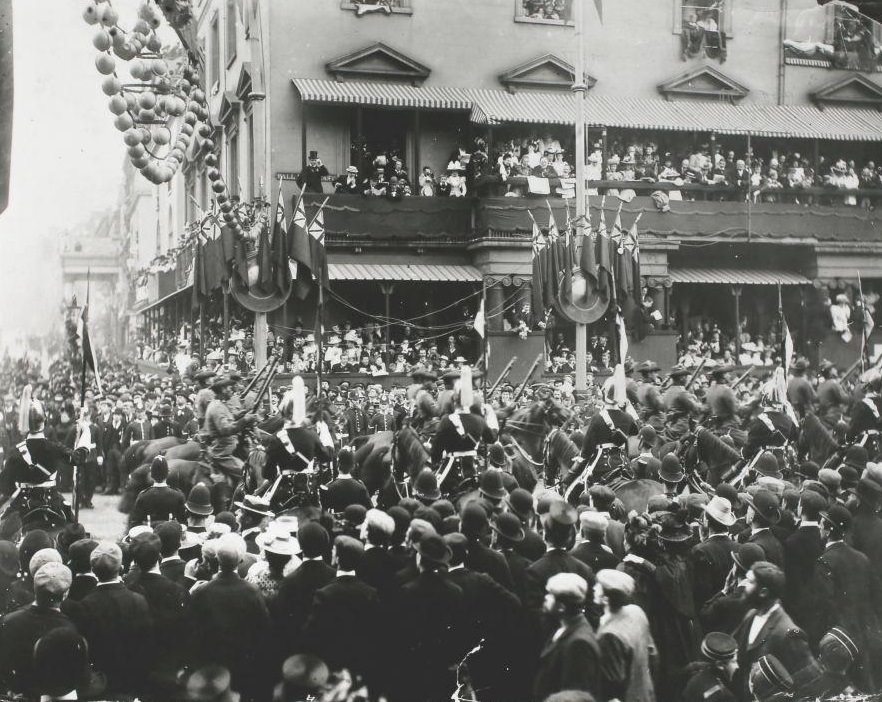
England in 1904 signed the Entente Cordiale with France, ending centuries of intermittent conflict between the two nations. It was a diplomatic turning point that set the stage for military cooperation just a decade later. Britain had only recently concluded the Boer War in South Africa, and a victory parade through London marked the end of that costly conflict. Soldiers, crowds, and flags filled the capital’s streets — a display of empire that few in the crowd could have known would be followed by a far larger war in just over a decade.
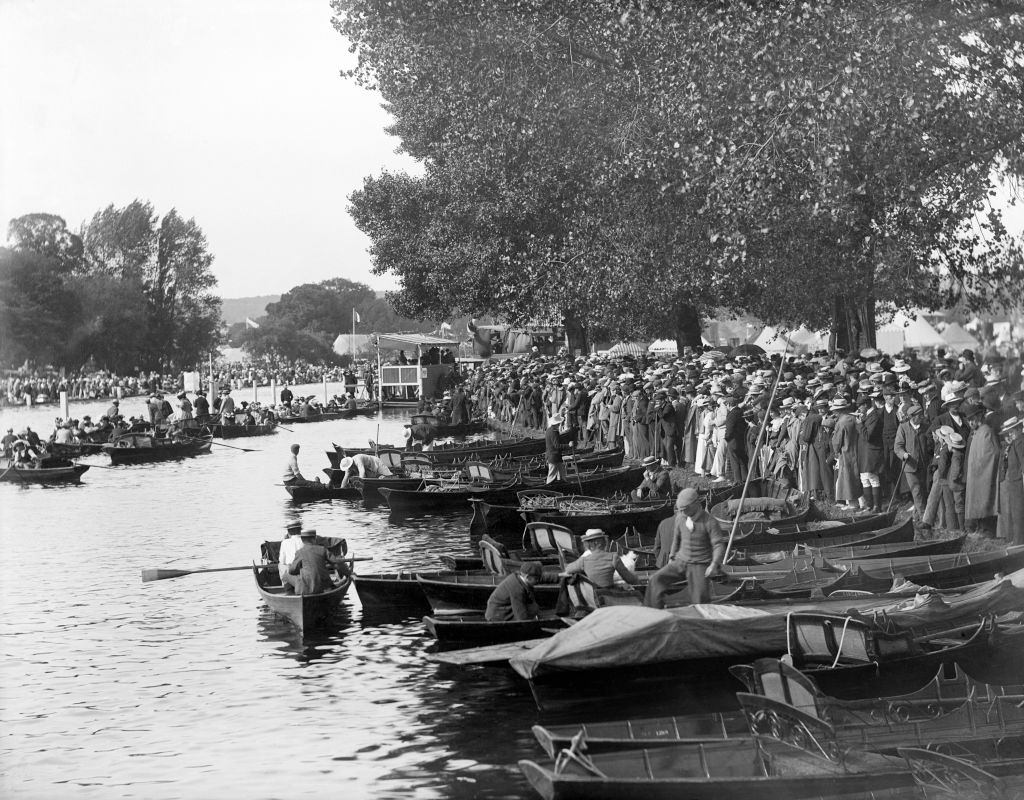
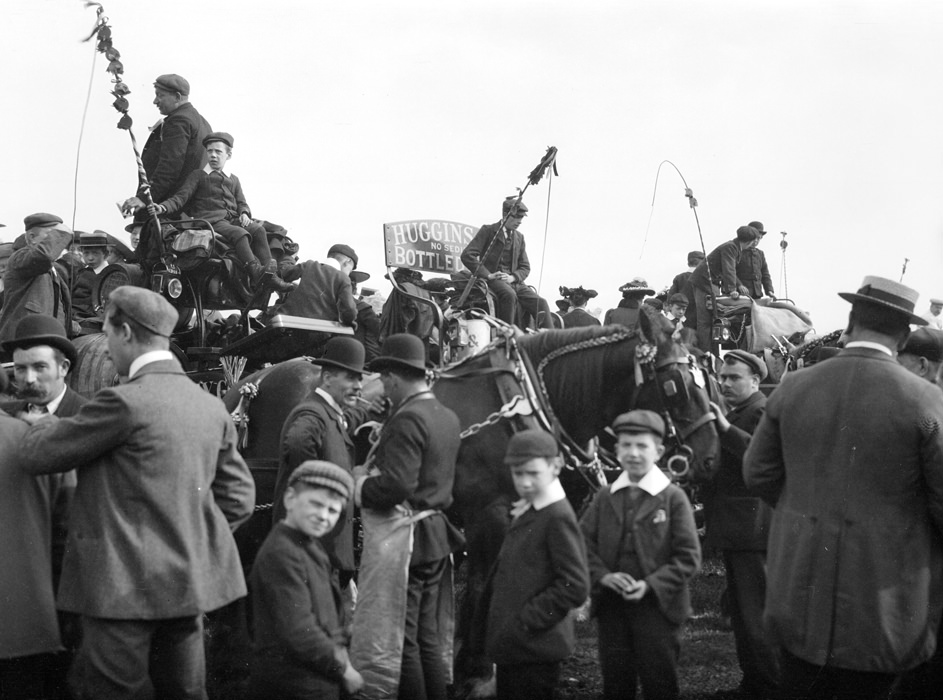
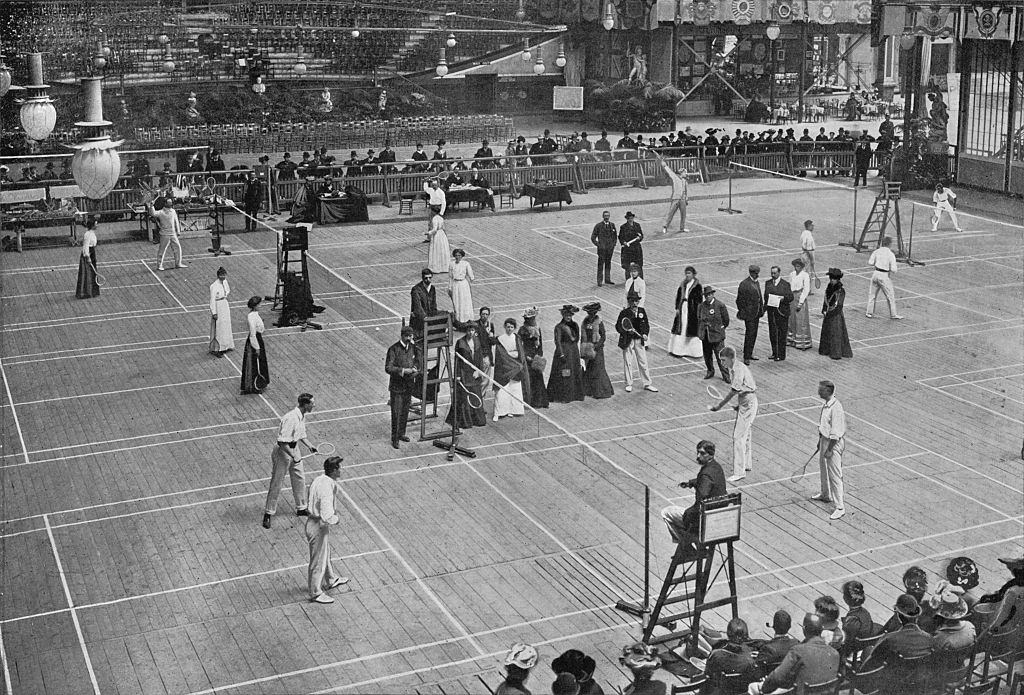
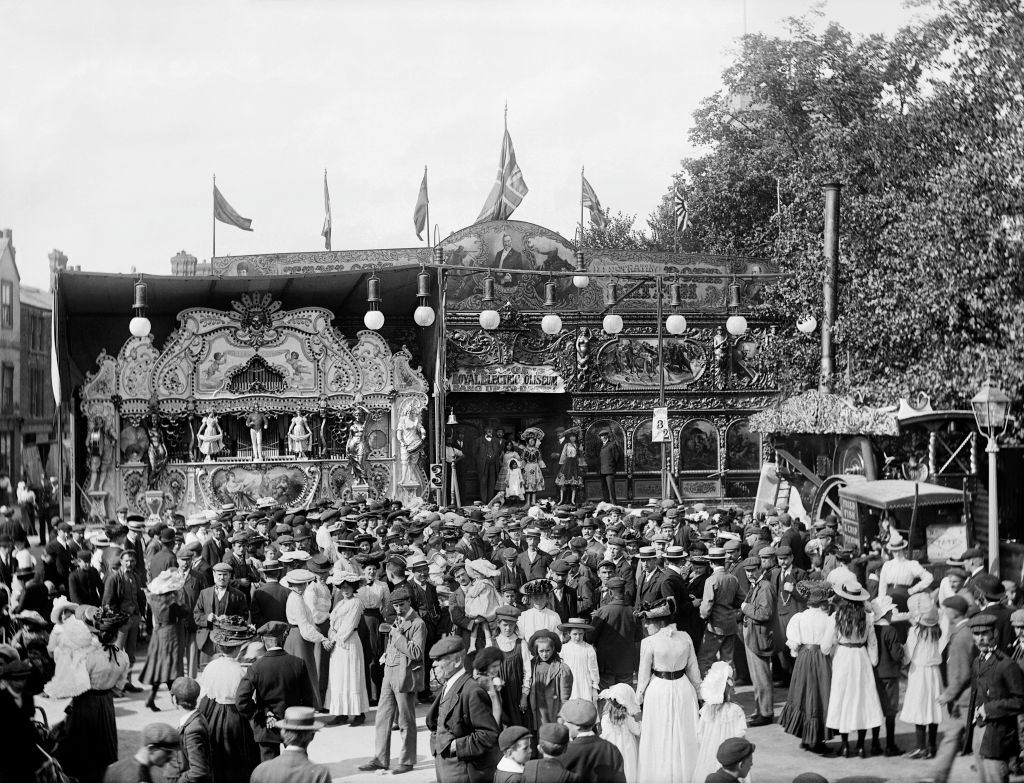
Leisure and sport occupied a clear place in English life even at the century’s turn. The Henley Regatta on the Thames at Oxfordshire drew spectators from across the country in 1902. At Crystal Palace, a badminton tournament was photographed the same year — an indoor sport still finding its formal footing in England. St Giles’ Fair in Oxford filled the streets of the city centre in September 1905, with rides and stalls drawing large crowds in a tradition that dated back centuries.
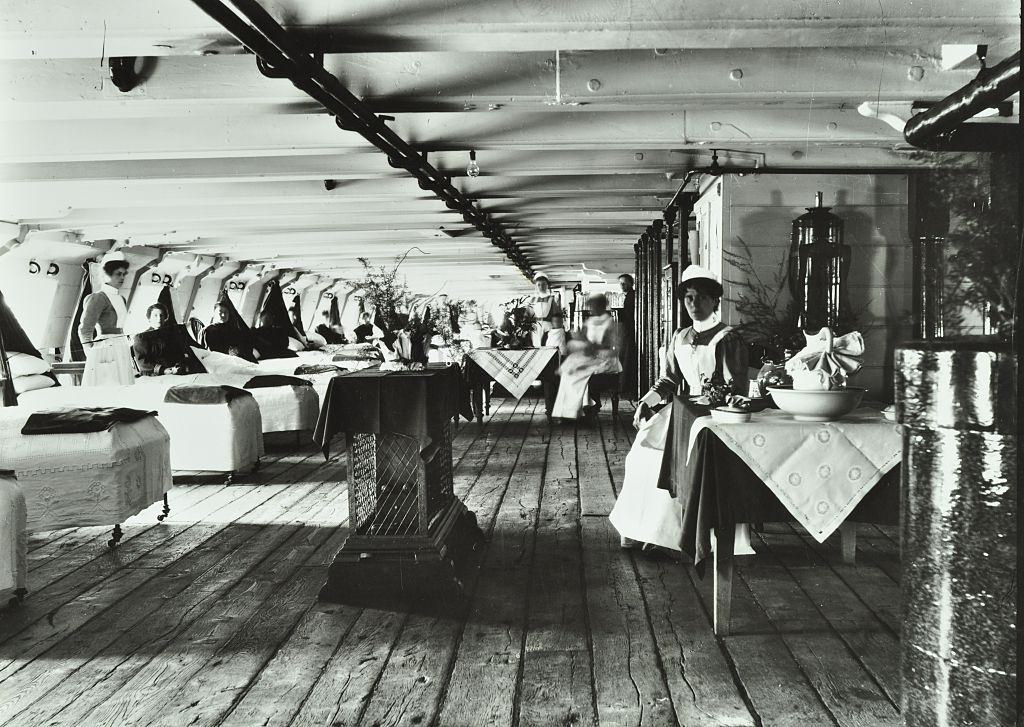
Public health was a serious concern during this period. The Atlas Smallpox Hospital Ship, photographed in 1903, was a dedicated floating ward used to isolate and treat smallpox patients away from London’s general population. Disease moved quickly through densely packed working-class neighborhoods, and the city’s medical infrastructure was constantly under strain. Heavy taxation on inherited wealth during this period began to erode the old landed aristocracy’s financial dominance, redirecting resources — however slowly — toward public services and reform.
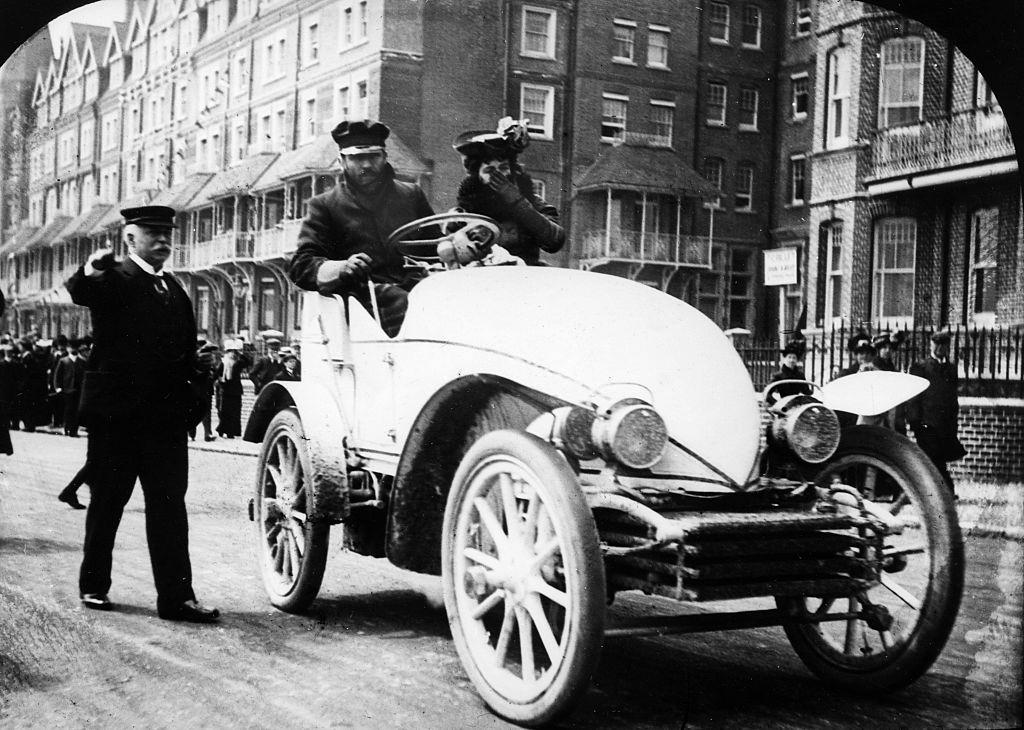
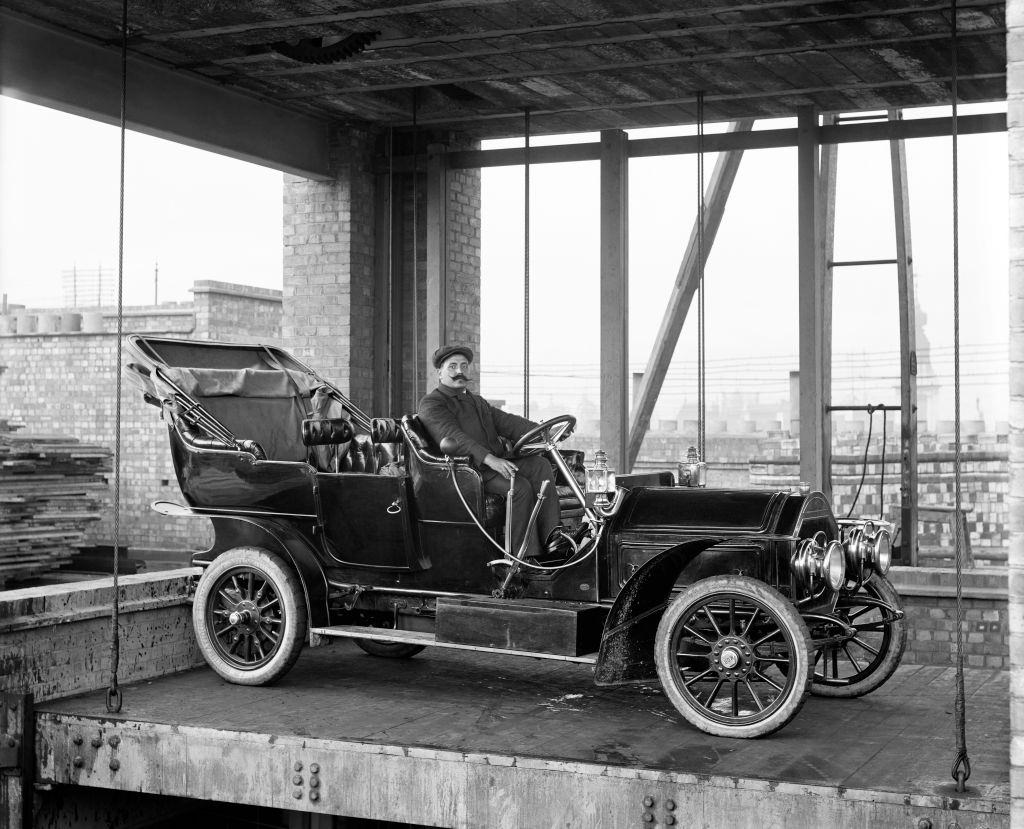
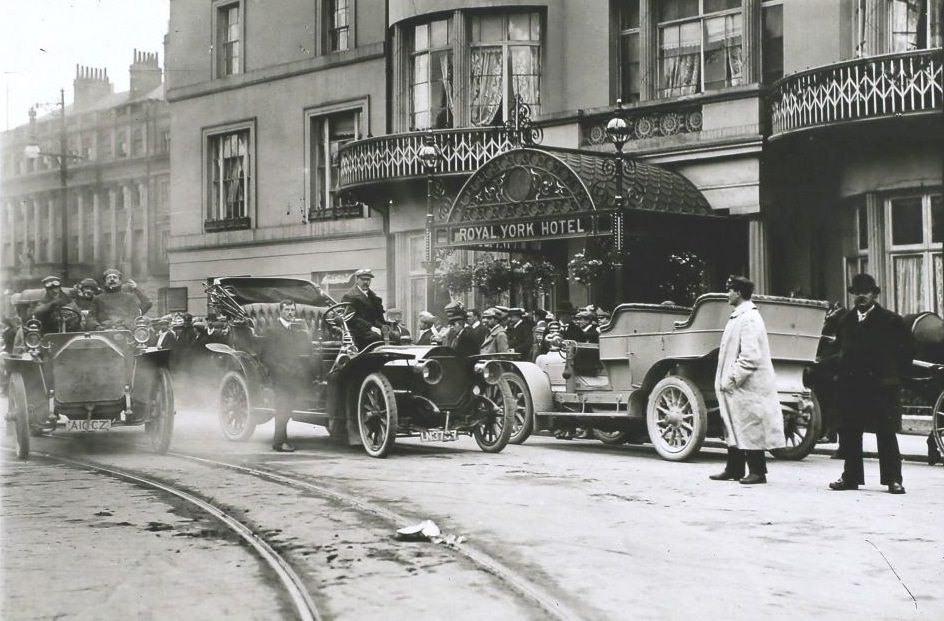
The motor car was beginning to appear on English roads, but it remained a novelty for most. The Serpollet steam car photographed at Bexhill in 1902 was an experimental machine at a time when the internal combustion engine was still competing with steam power. By 1907, Mitchell Motors Company on Wardour Street in Westminster had installed a car lift at its premises — a sign that the automobile trade was becoming serious business in London. The Motor Club’s inaugural run to Brighton that same year was another marker of motoring’s growing place in English life.
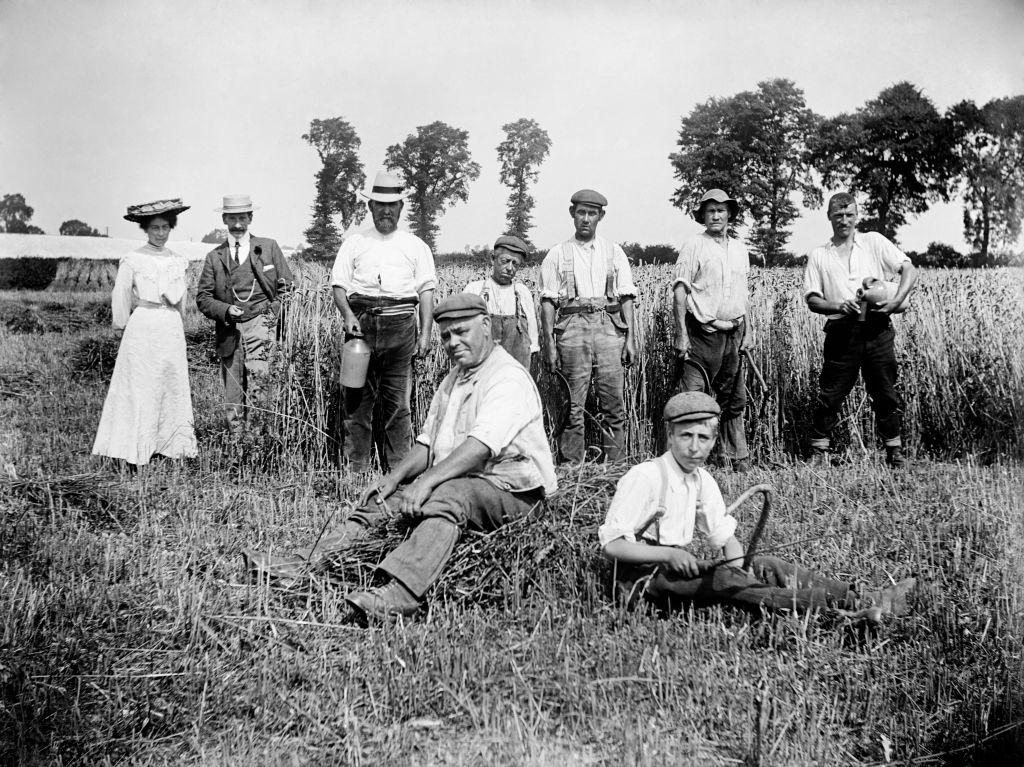
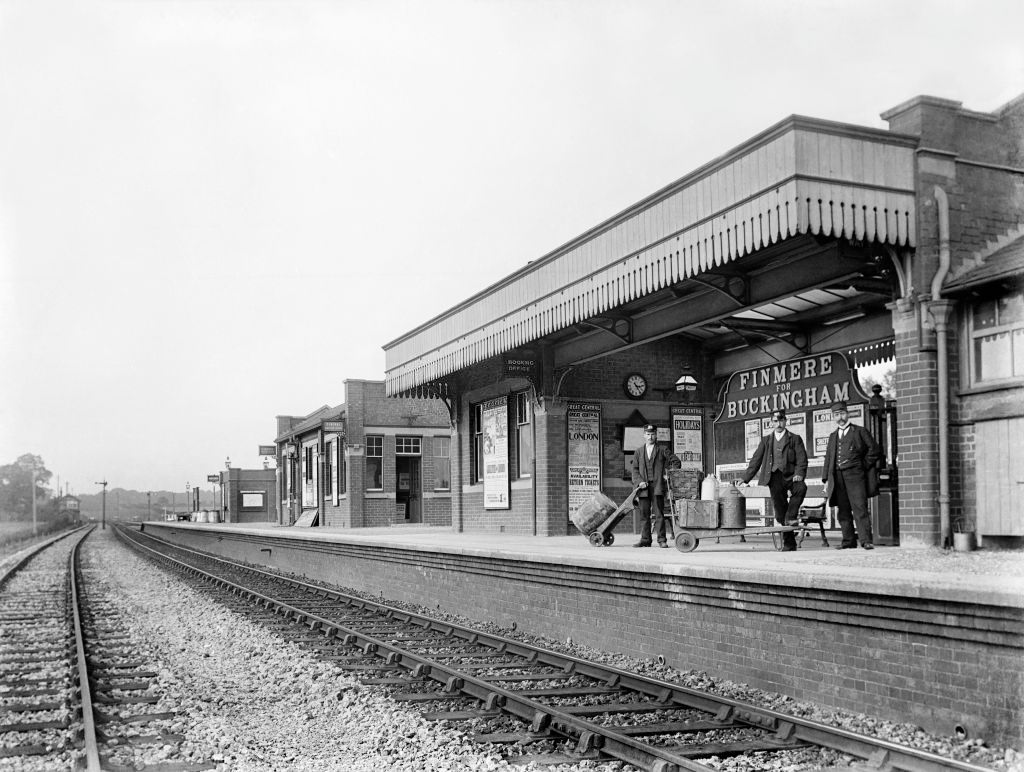
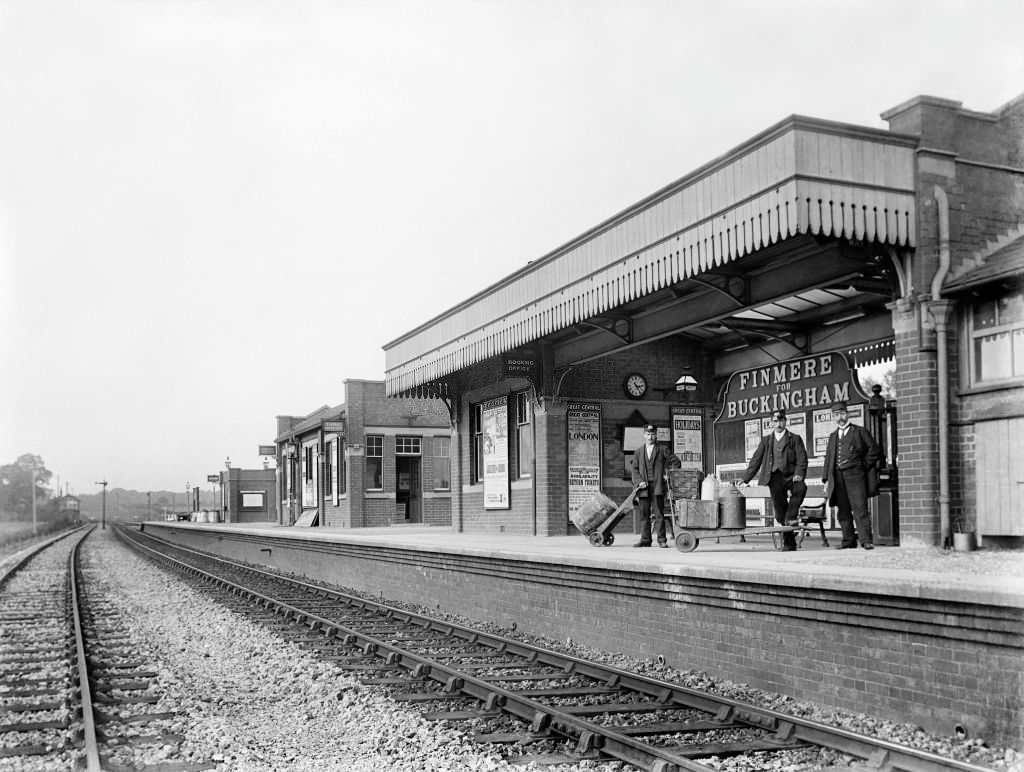
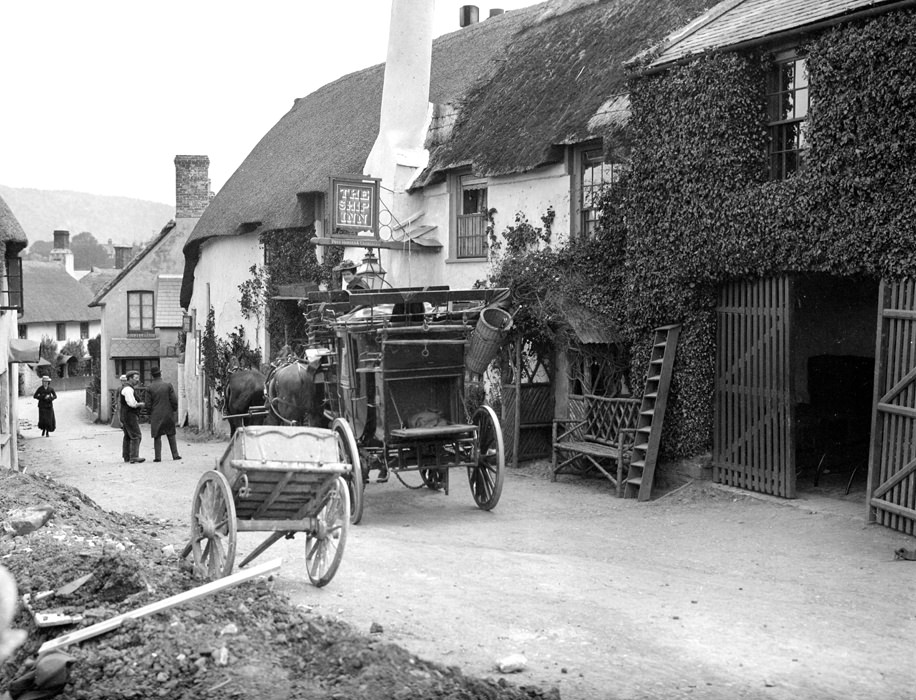
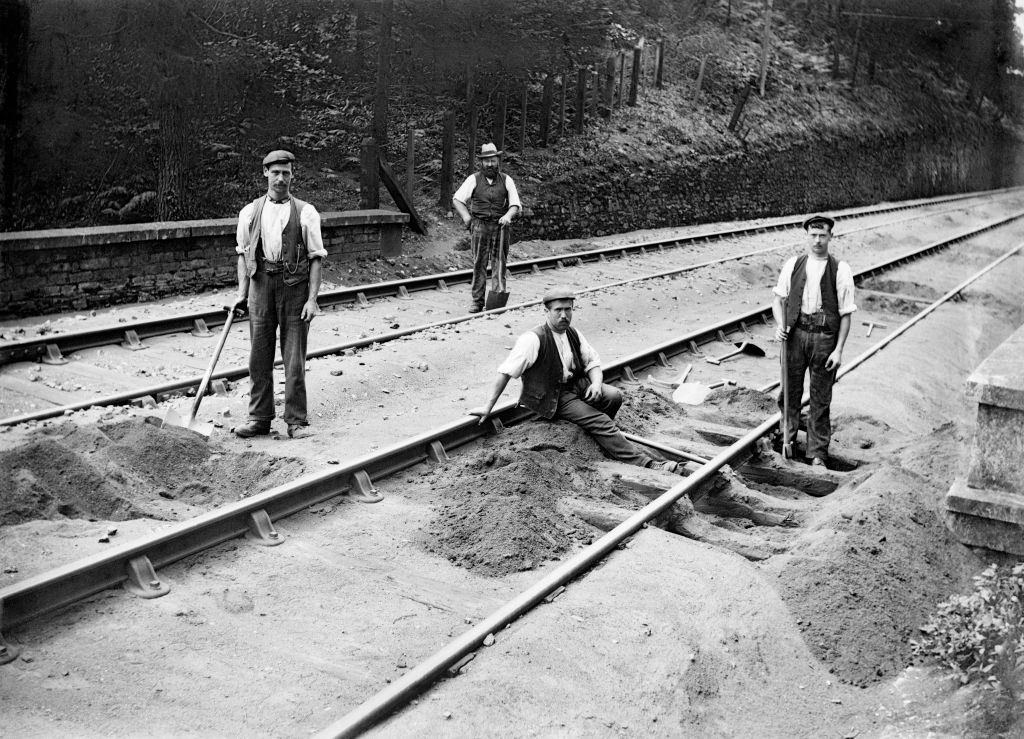
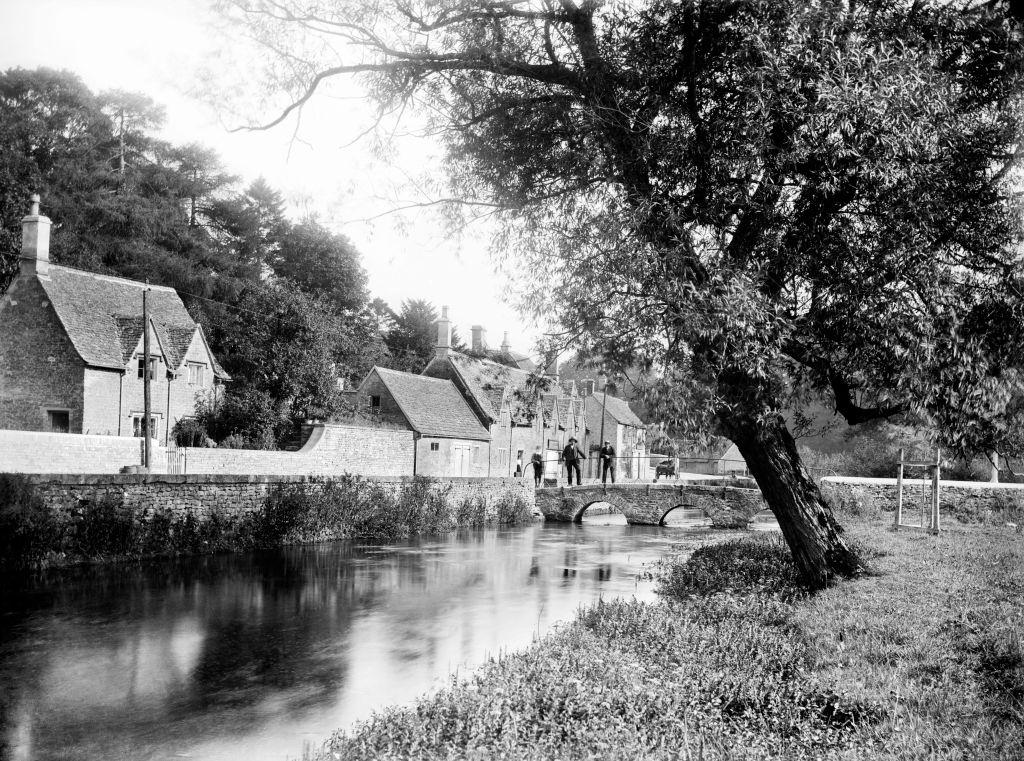
The countryside, meanwhile, carried on with rhythms that had changed little in generations. Harvest time in Buckinghamshire in 1903 showed workers in fields near Princes Risborough, gathering crops by hand. In Bibury, Gloucestershire, the stone cottages of Arlington Row sat quietly beside the river in 1906, unchanged in appearance from centuries past. Railway tracklayers worked at Bodmin Road Station in Cornwall in 1901, threading the rail network into corners of England that had previously been connected only by road and sea.
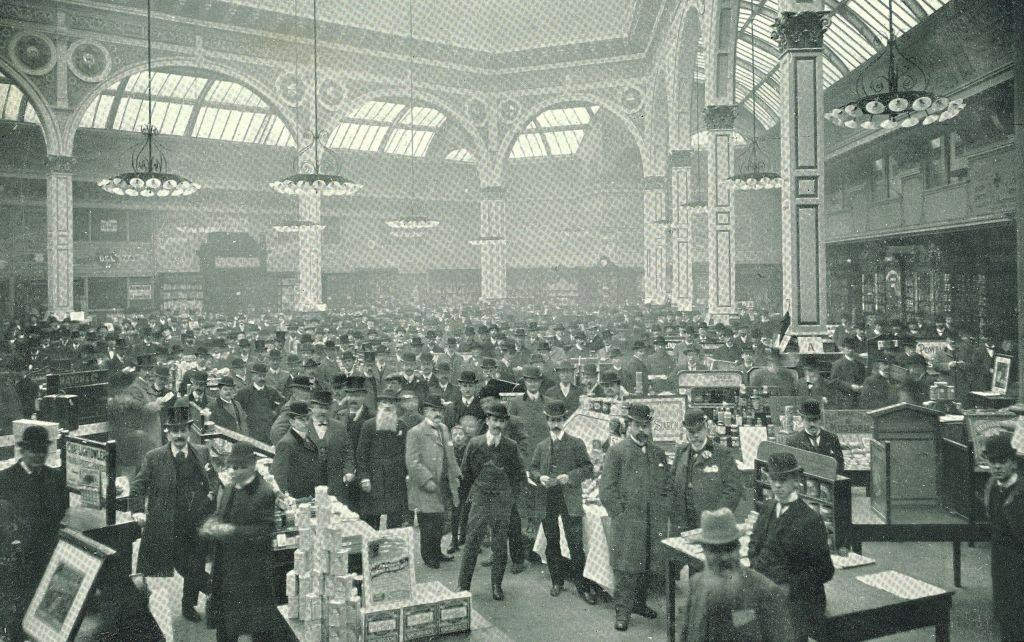
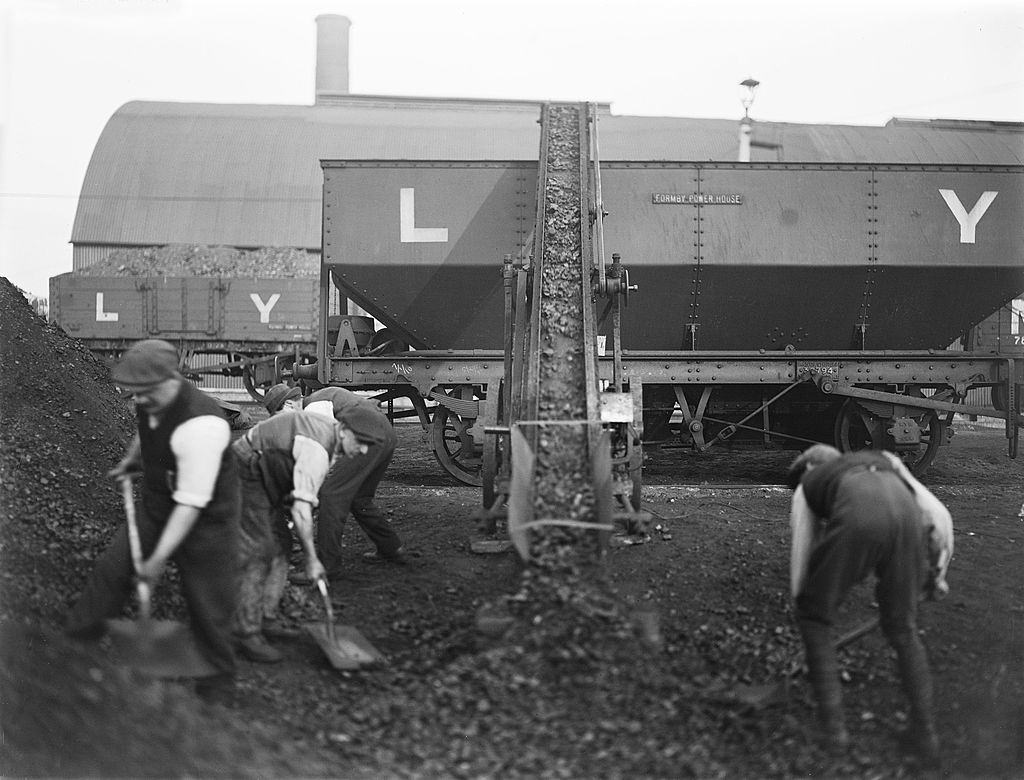
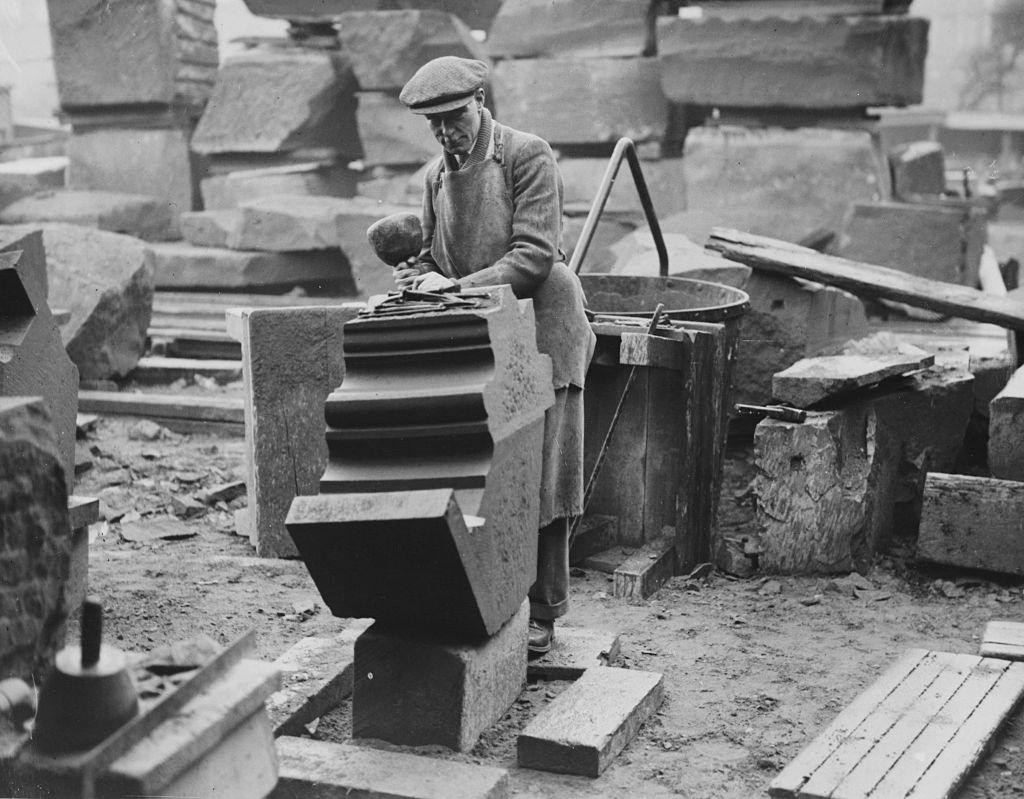
Energy production was transforming the industrial north. At Formby Power Station in Liverpool in 1909, workers shoveled coal into conveyor systems that fed the city’s growing electricity demand. Manchester’s Exchange was packed with businessmen in 1905, conducting deals that kept the north’s textile and manufacturing industries running. A stonemason chiseled stone on the Anglican Cathedral in Liverpool, one of the great construction projects of the Edwardian era — a building that would not be completed until 1978.
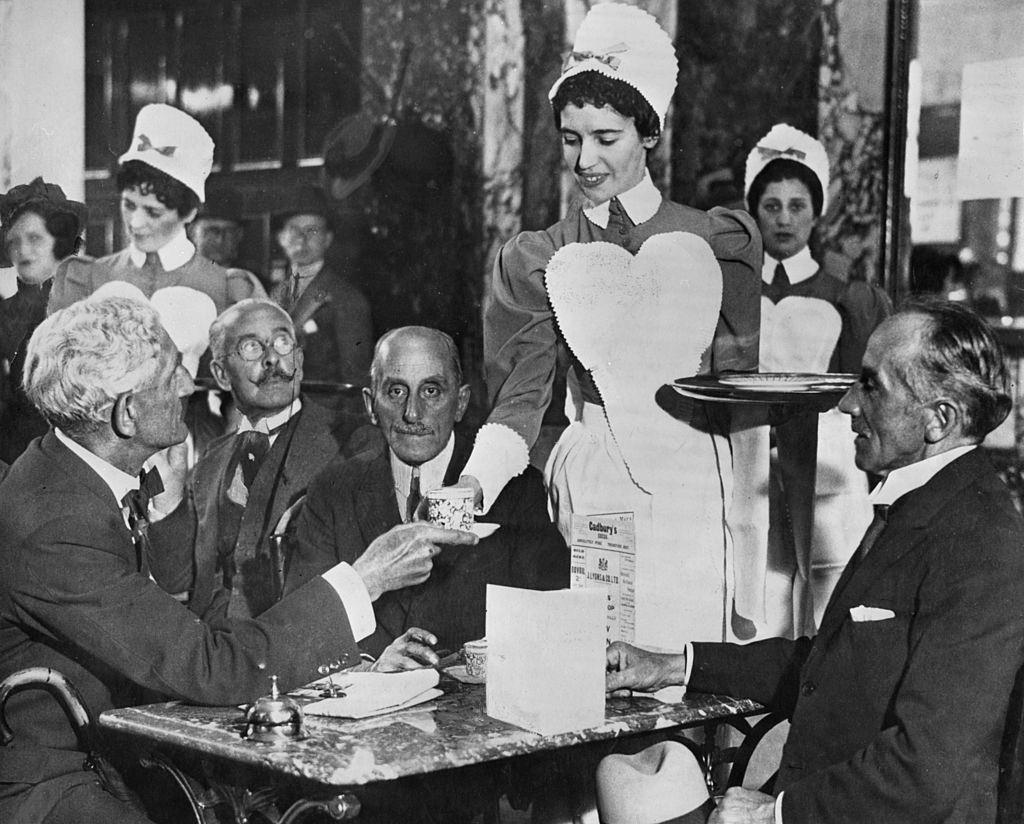
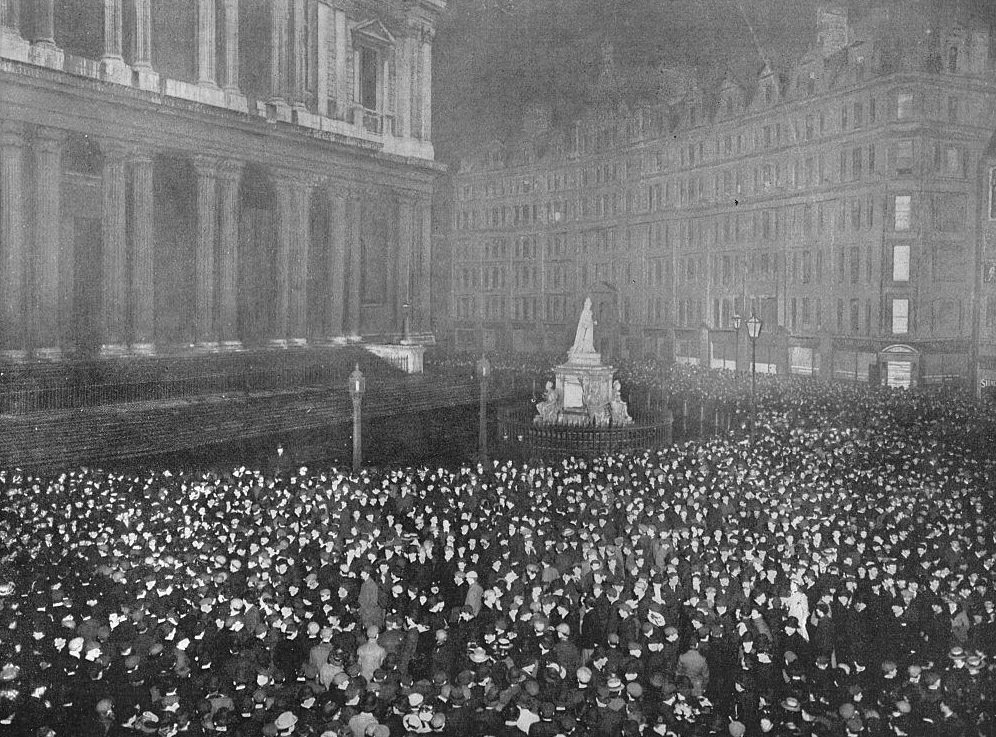
New Year’s Eve outside St. Paul’s Cathedral around 1902 drew a crowd that pressed together in the dark, waiting for midnight to strike above one of London’s most recognizable landmarks. At Lyons Tea Shop on Piccadilly in 1900, women and men sat at neat tables in one of the city’s first affordable restaurant chains — a place where a working person could sit down and eat without the cost of a formal dining room. These photographs, taken across England in a single decade, record a country living through one of its biggest transitions.