In 1946, photographer Alfred Eisenstaedt visited Howard University in Washington D.C. and documented the faces of its African-American students and teachers. Eisenstaedt was already one of the most respected photojournalists in America, and the portraits he produced on that campus are a vivid record of Black academic life at a time when racial segregation still shaped nearly every corner of American society.
Howard University was founded in 1867 in the years after the Civil War. By 1946, it had grown into the most prominent historically Black university in the United States, drawing students from across the country who were denied equal access to white institutions. The Washington D.C. campus sat in a city that was itself deeply segregated, where Black residents were turned away from restaurants, stores, and other public spaces.
Just two years before Eisenstaedt arrived, the university administration had asked its students to stop a campaign of protests and sit-ins against Washington diners and stores that refused to serve Black customers. The students had organized these actions on their own, pushing back directly against the segregated businesses surrounding their campus. The administration’s request to halt the campaign reflected the complicated position the university often found itself in — a Black institution operating within a system designed to exclude its students.
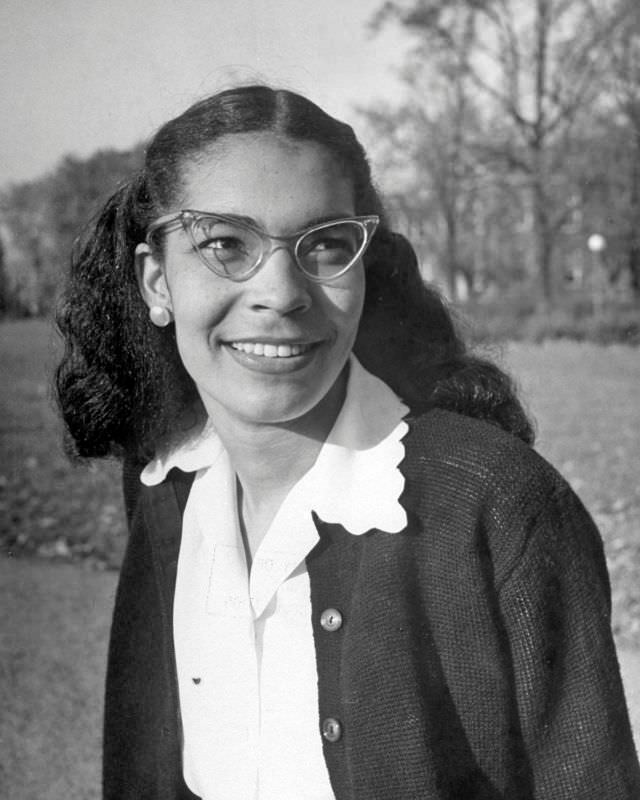
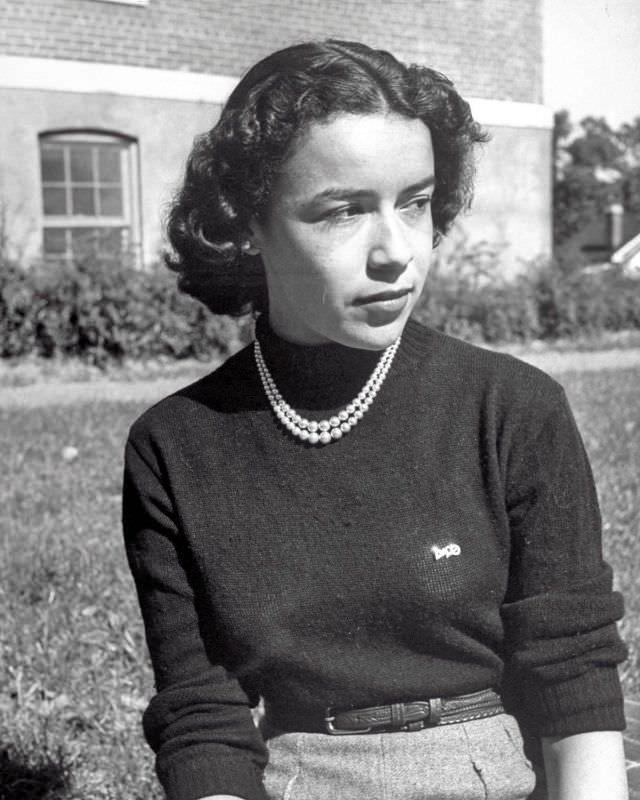
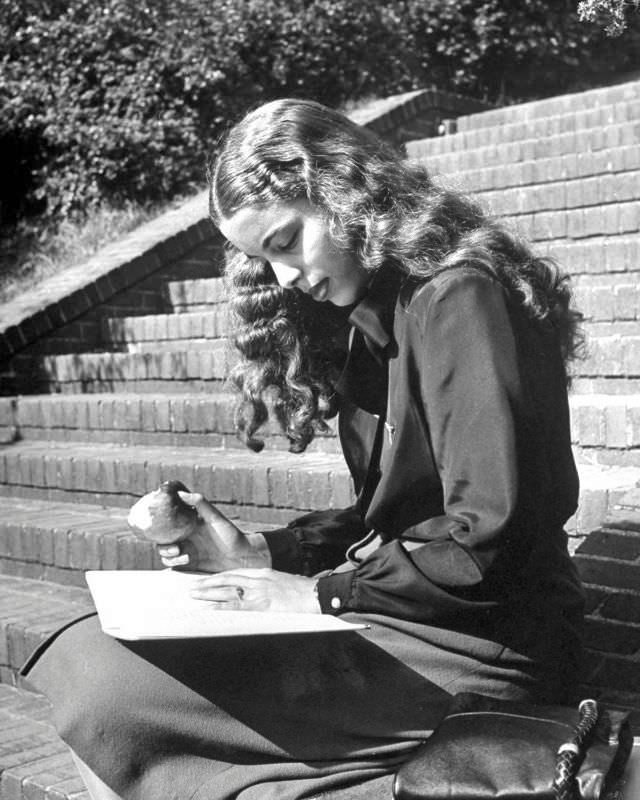
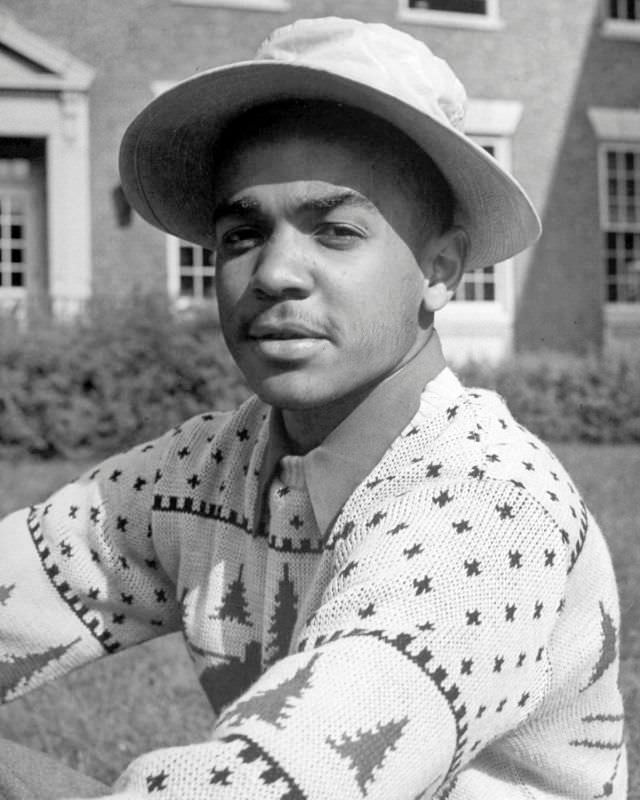
Eisenstaedt’s camera moved across the full range of campus life. He photographed students between classes, captured individuals studying and working in labs, and turned his lens on faculty members who were shaping the next generation of Black professionals. The portraits are personal and direct. These are not distant or staged scenes — they are close, human, and specific.
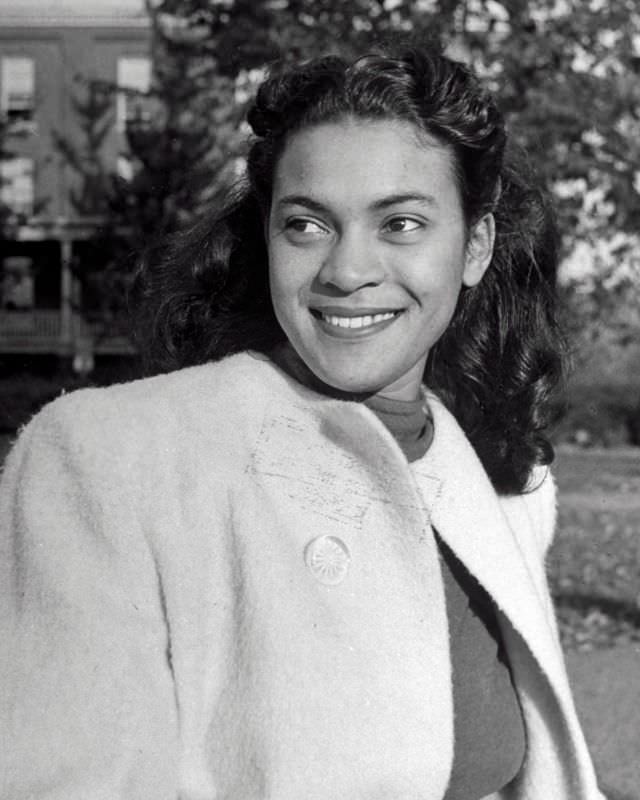
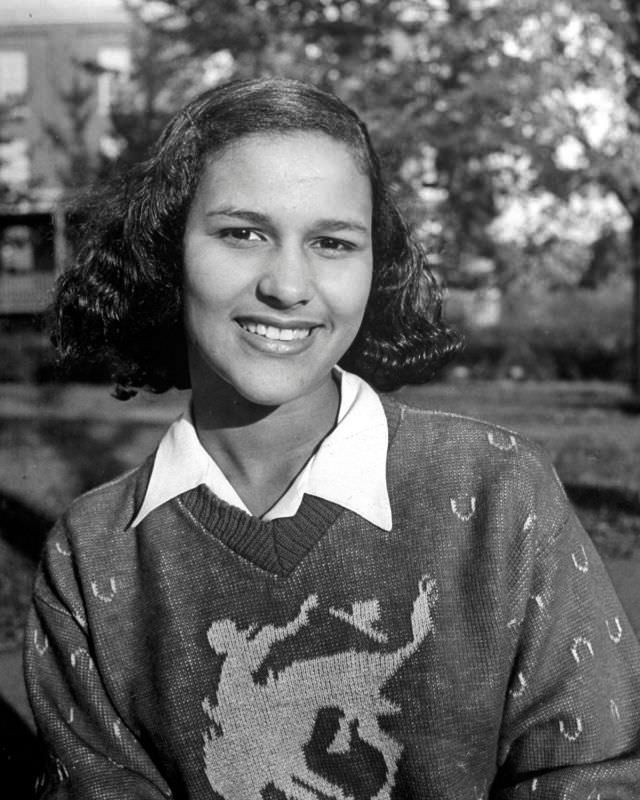
Among the university figures Eisenstaedt photographed was James Nabrit, who served as secretary of Howard University. Nabrit was a significant figure — he would later become a civil rights attorney and eventually president of Howard. His presence in these photos connects the 1946 campus to the broader legal and political battles that would reshape American society in the following decades.
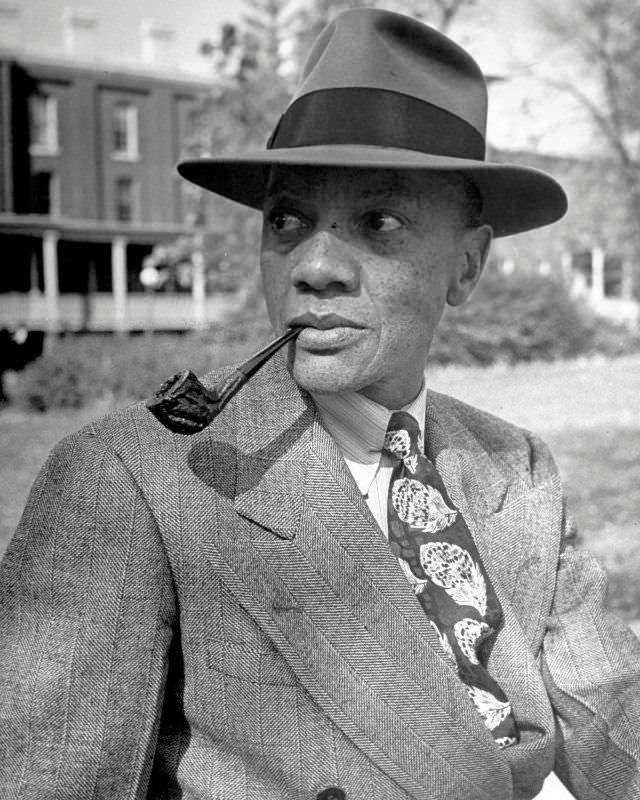
Academic work was a central part of what Eisenstaedt documented. Students appeared in laboratories conducting experiments, a reminder that Howard’s programs spanned science, business, the arts, and the humanities. The university trained doctors, lawyers, engineers, and teachers at a time when most American institutions would not accept Black applicants.
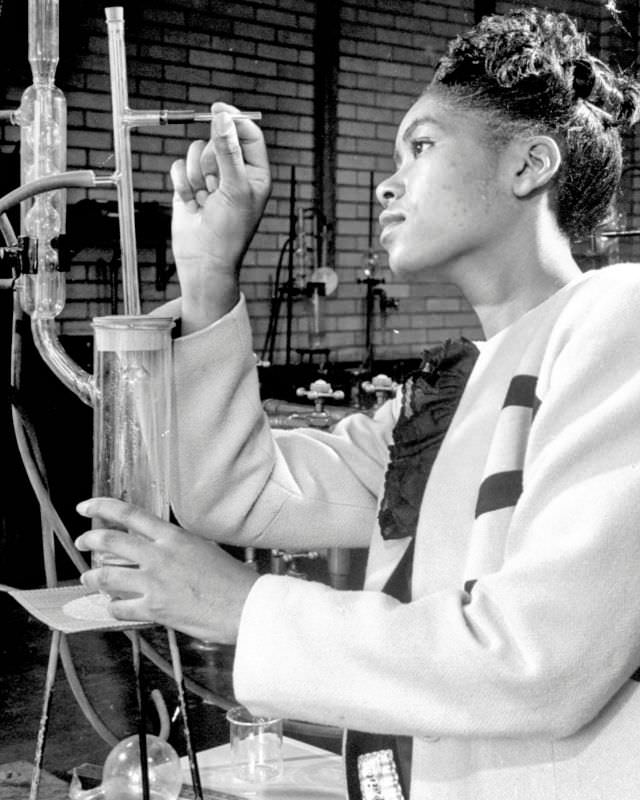
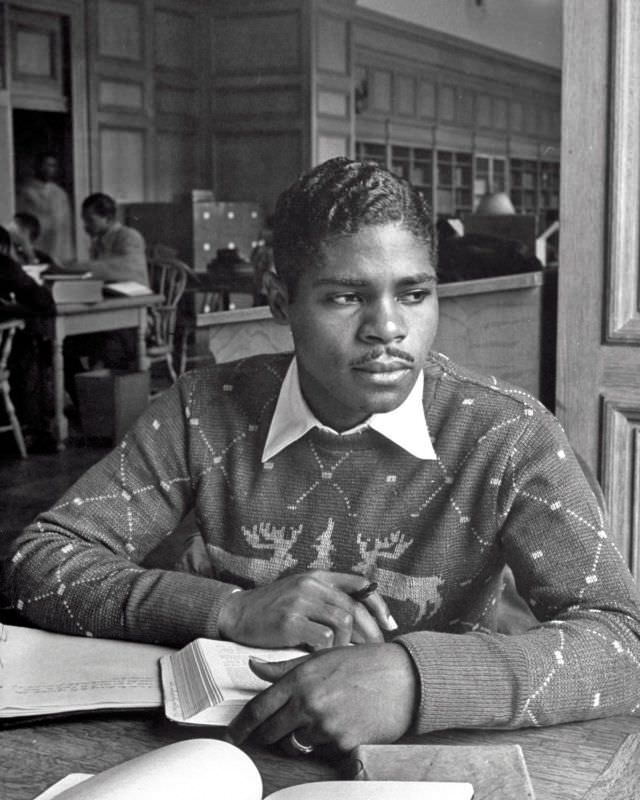
Faculty members like Gloria Hixon, a zoology teacher at Howard, appear in the photographs alongside their students. Hixon’s portrait places a Black woman in a scientific role at a time when that was rare to see documented in mainstream American photography. These images make visible a professional world that most Americans outside Howard’s community rarely encountered.
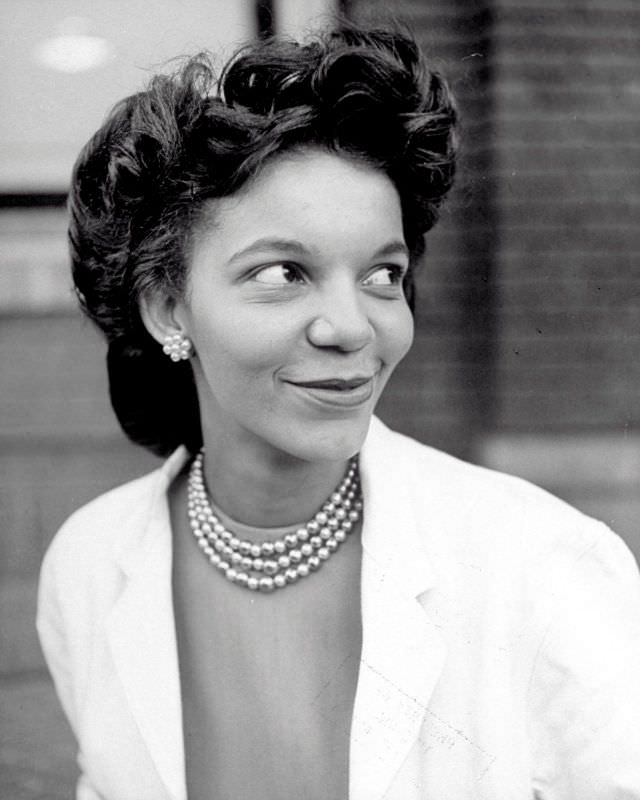
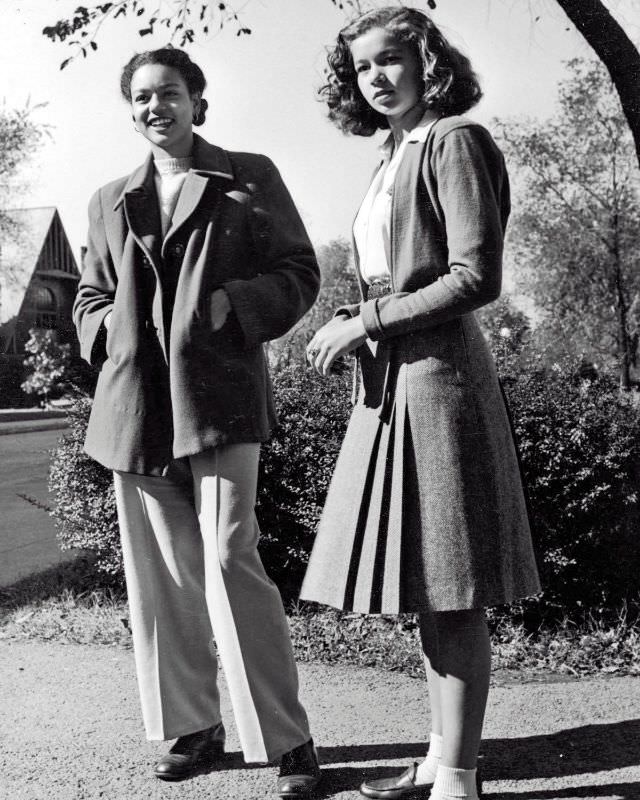
Eisenstaedt also photographed students together — pairs of friends, classmates walking across campus, and groups going about their day. These moments give the collection a sense of ordinary student life: the conversations, the routines, and the shared experience of being young and working toward a degree.
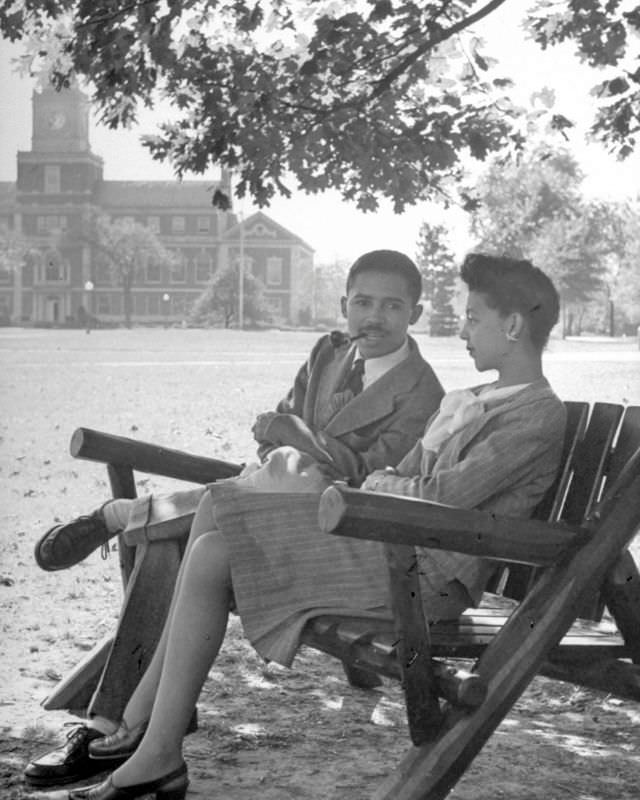
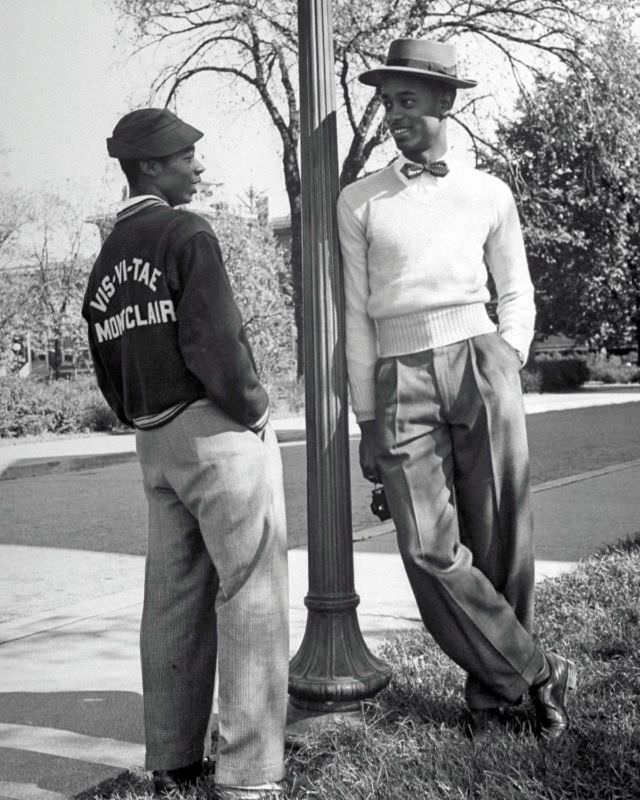
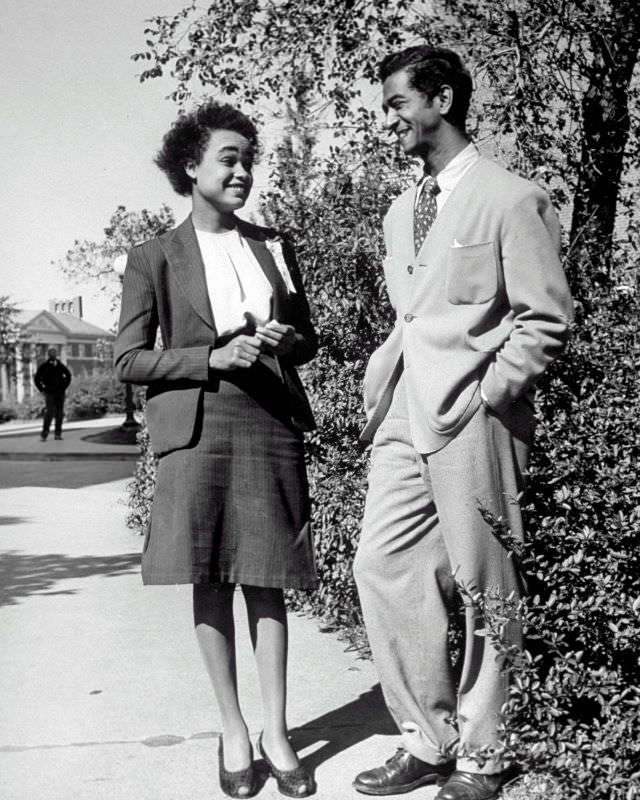
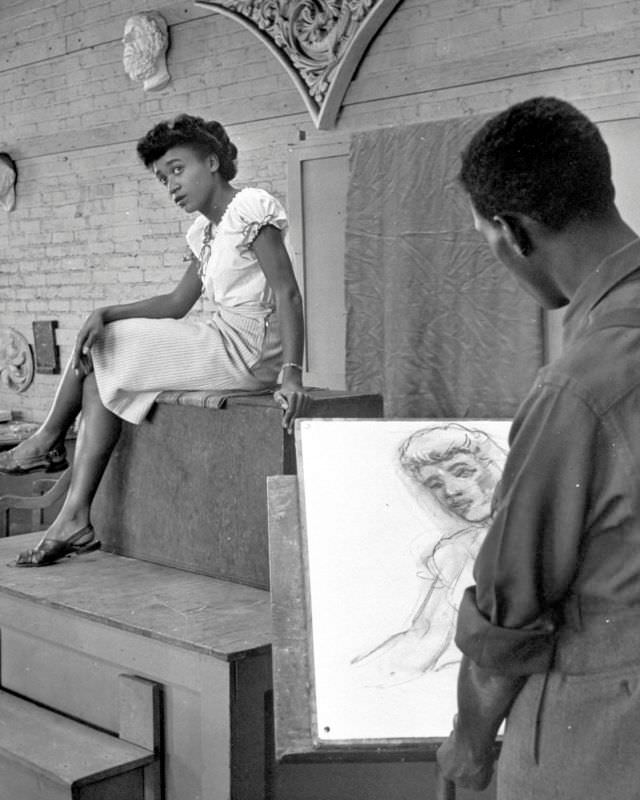
The arts were not left out of Eisenstaedt’s tour of the university. He photographed a student model posing for an art class, capturing the creative side of Howard’s curriculum. The scene is relaxed and focused, a small but telling detail of how wide-ranging the university’s academic life truly was.