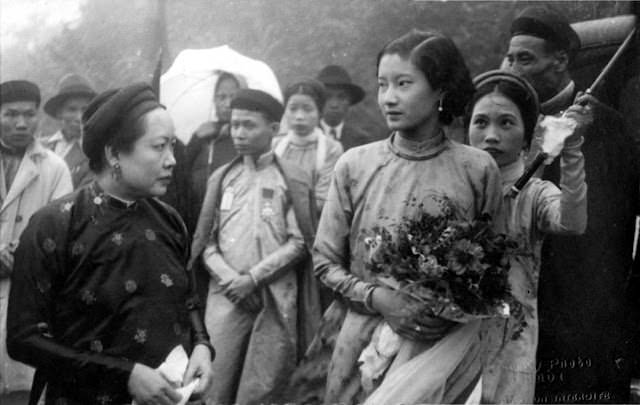
Empress Nam Phuong was born Marie-Thérèse Nguyễn Hữu Thị Lan on September 14, 1914, in Gò Công, southern Vietnam. She came from one of the most prominent Catholic families in the country. Her father, Pierre Nguyễn Hữu Hào, was a wealthy landowner and businessman. Her mother carried French descent, giving the family a foot in both Vietnamese and European worlds.
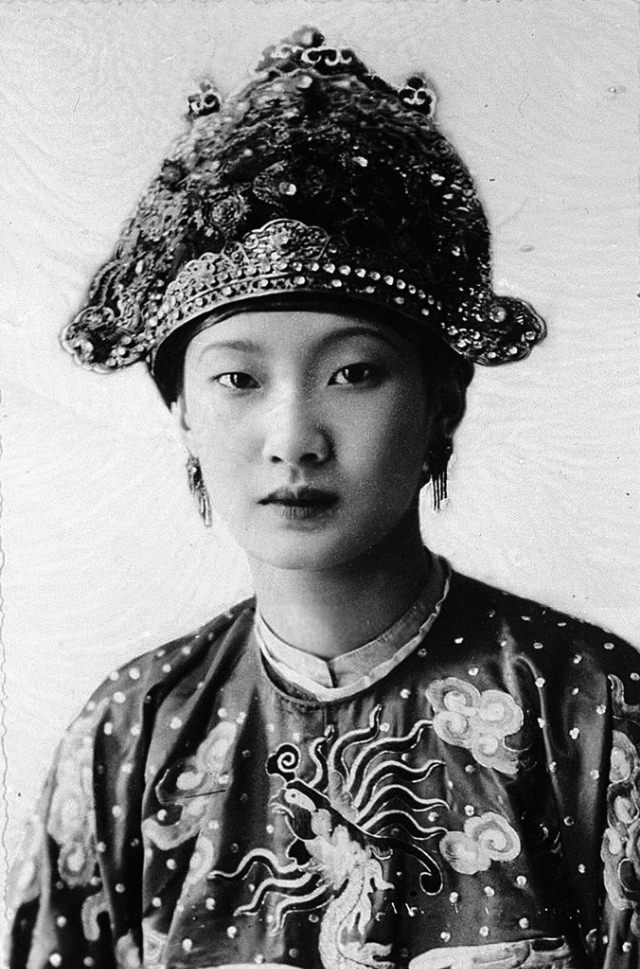
Growing up in this environment, Marie-Thérèse absorbed Vietnamese customs at home while also being exposed to French culture, language, and Catholic faith from an early age. Her family recognized her sharp intellect and made a decisive choice: she would be educated in France.
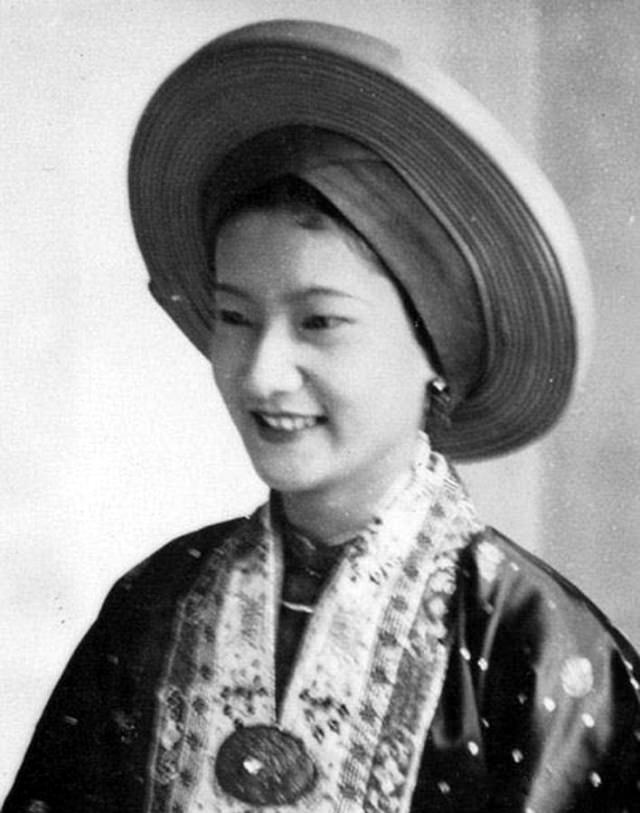
She enrolled at the Couvent des Oiseaux, a prestigious convent school in Normandy. The school placed a strong emphasis on literature, the arts, and languages. Her years there refined her into a poised, articulate young woman fluent in both French and Vietnamese, equally comfortable in two very different cultural settings.
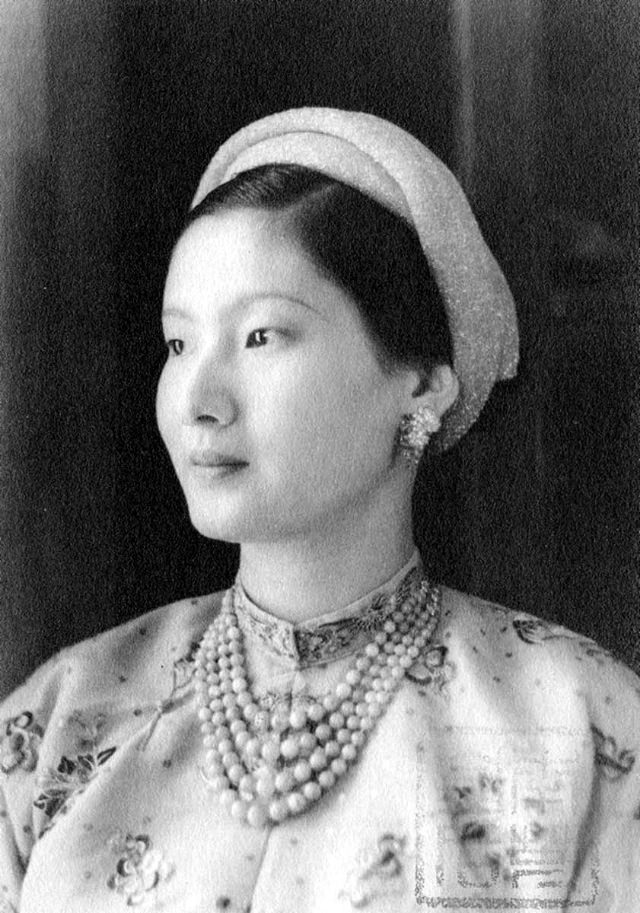
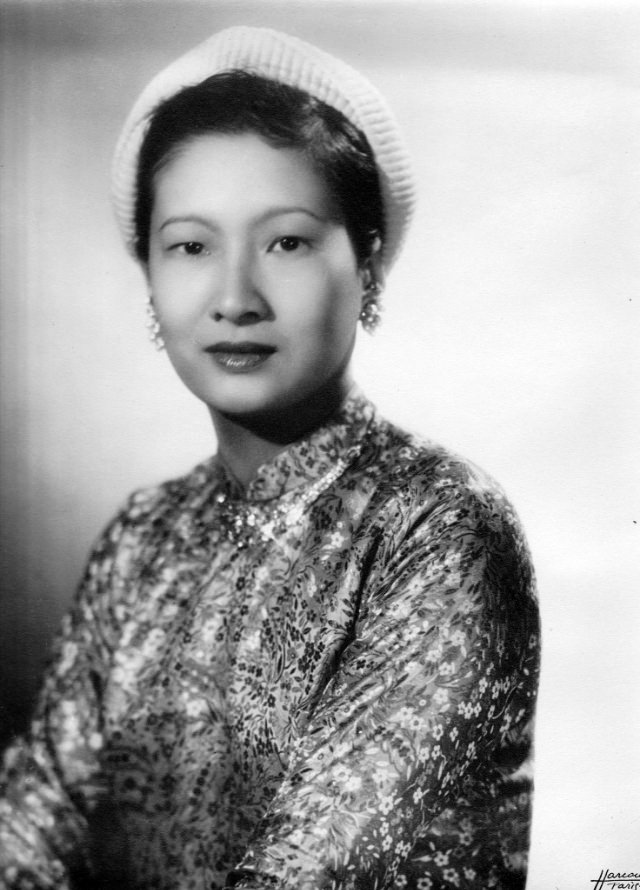
When she returned to Vietnam after finishing her studies, her reputation preceded her. She was known for her beauty, her education, and her quiet but commanding presence. It did not take long before she caught the attention of Bảo Đại, the reigning Emperor of Vietnam.
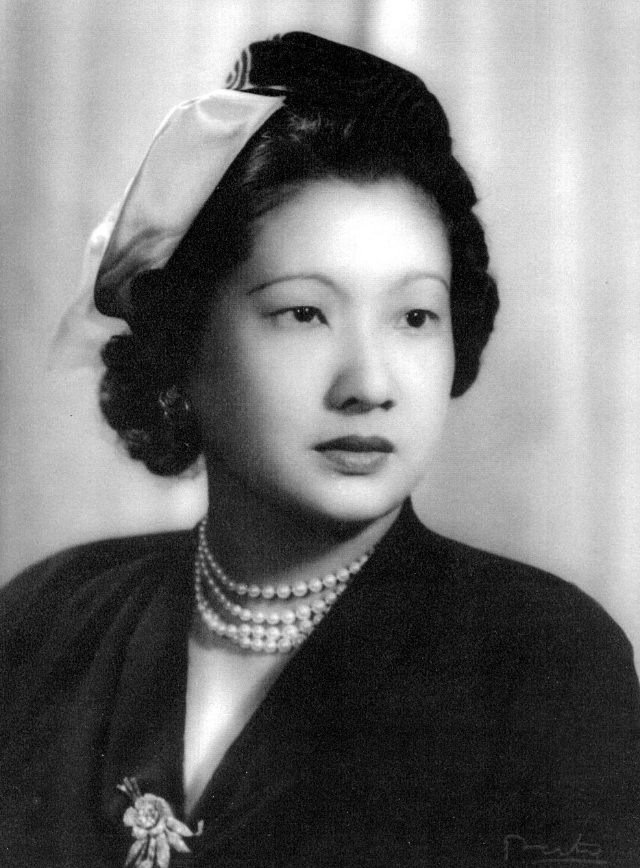
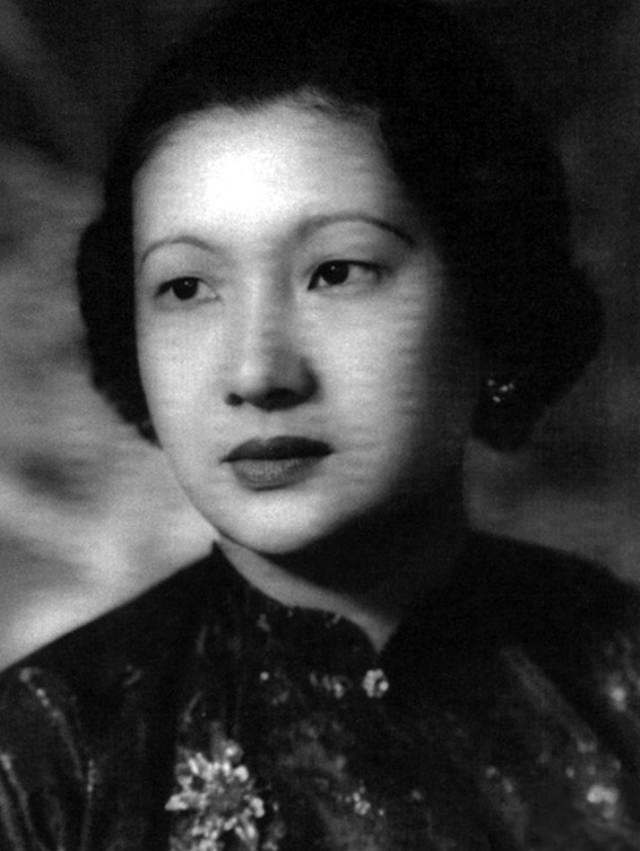
Bảo Đại and Marie-Thérèse married on March 20, 1934, in Huế. Upon marriage, she received the title Nam Phuong, meaning “Southern Fragrance.” Bảo Đại granted her the rank of Empress — a break from tradition, as previous emperors had not elevated their wives to that title. She was the first and last woman to hold that position in Vietnamese imperial history.
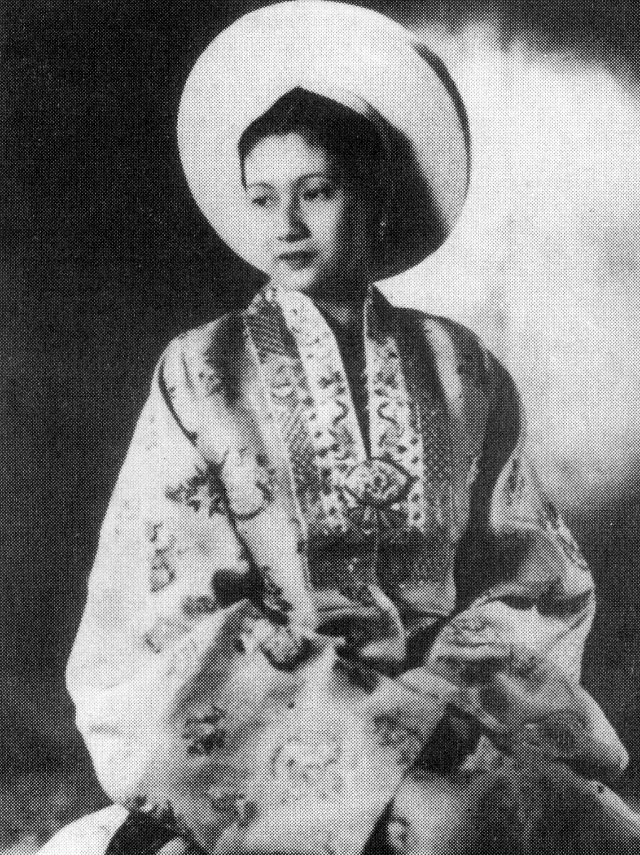
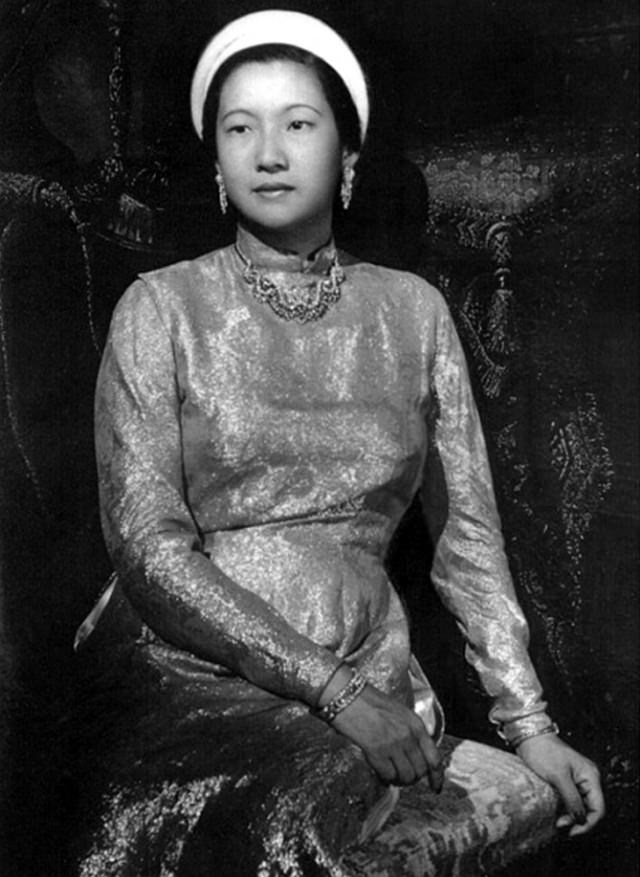
As Empress, Nam Phuong navigated the complicated demands of court life under French colonial rule. She maintained her Catholic faith, which she openly practiced — another distinction that set her apart from the Confucian traditions of the Nguyễn court.
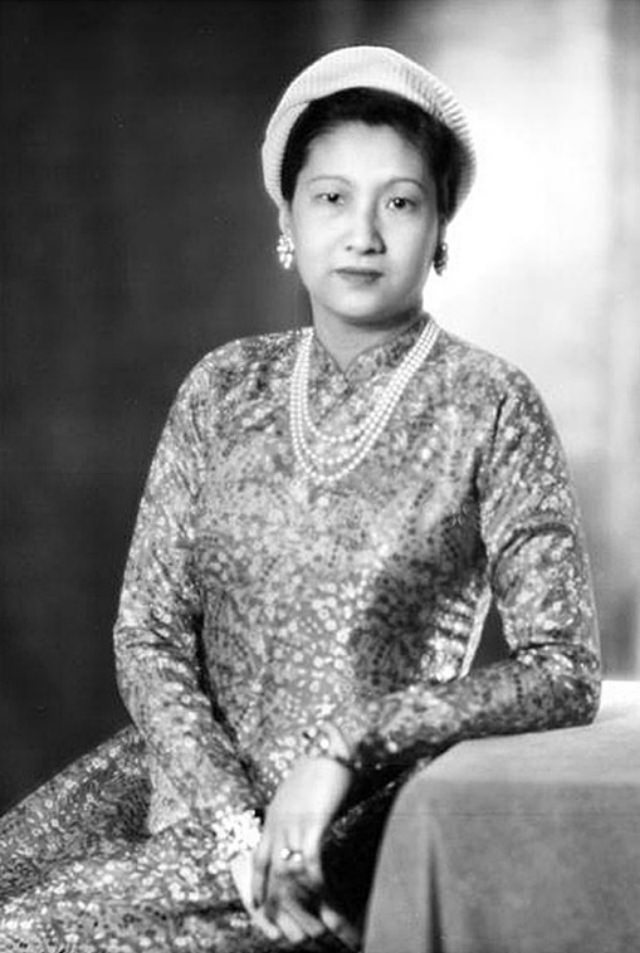
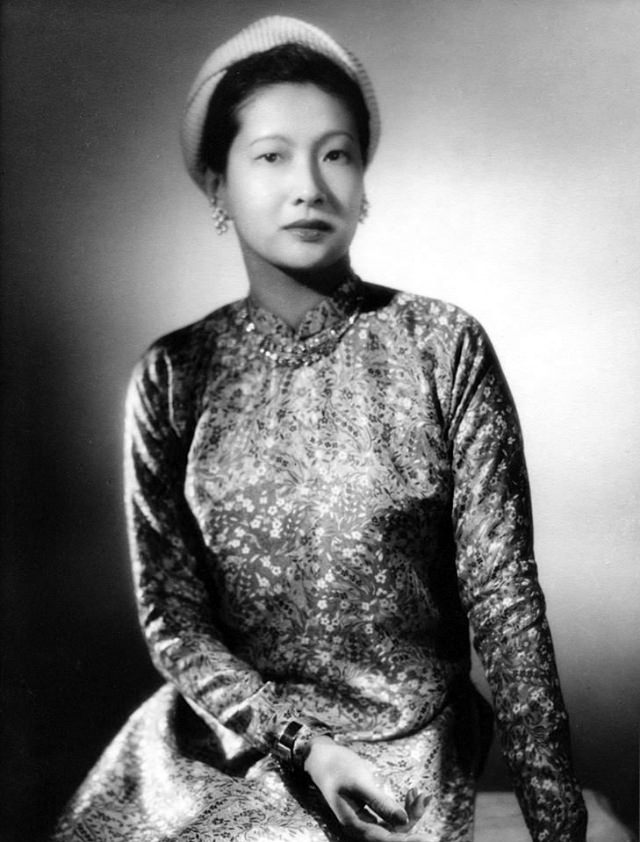
She directed much of her energy toward charitable work and education. She was particularly focused on expanding educational access for girls across Vietnam, using her platform to push for greater opportunities for young Vietnamese women.
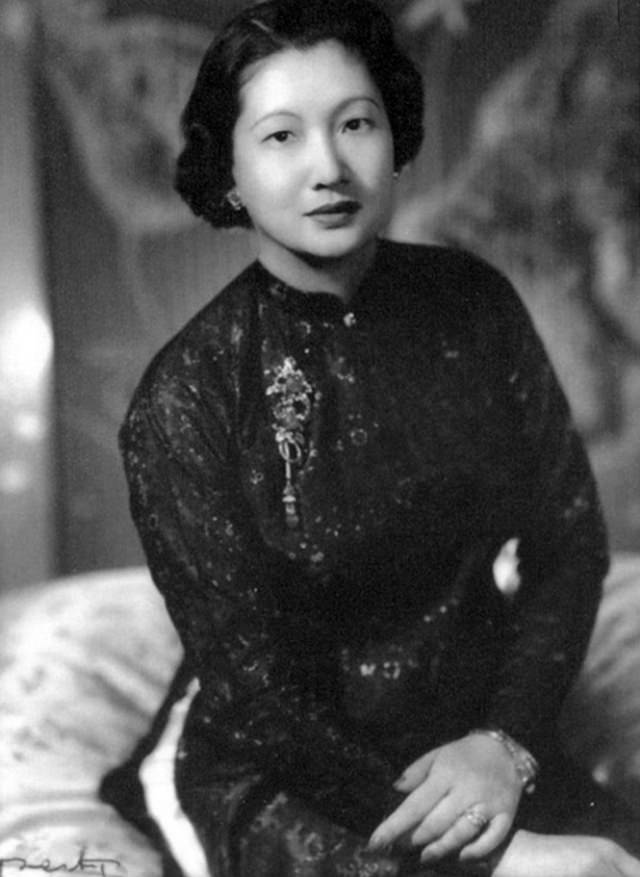
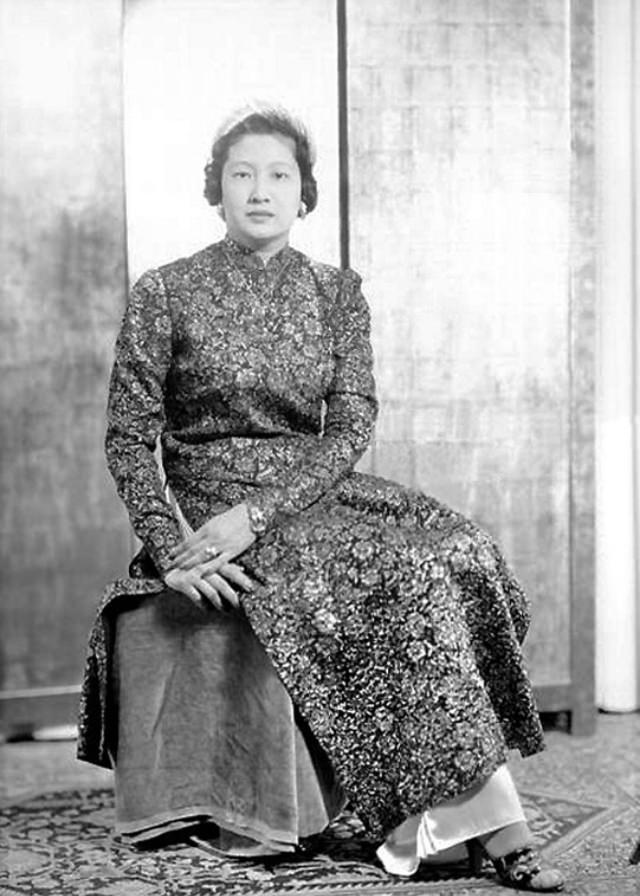
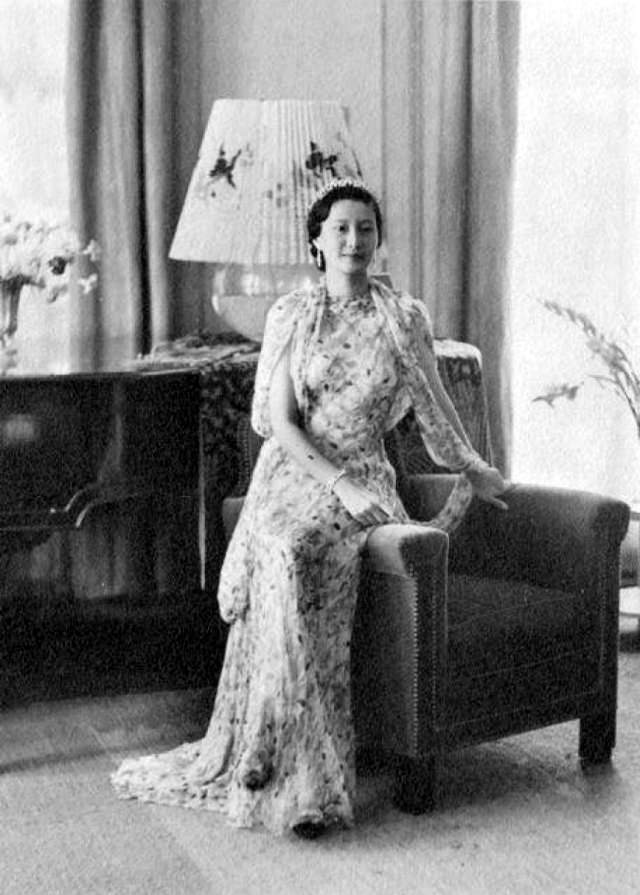
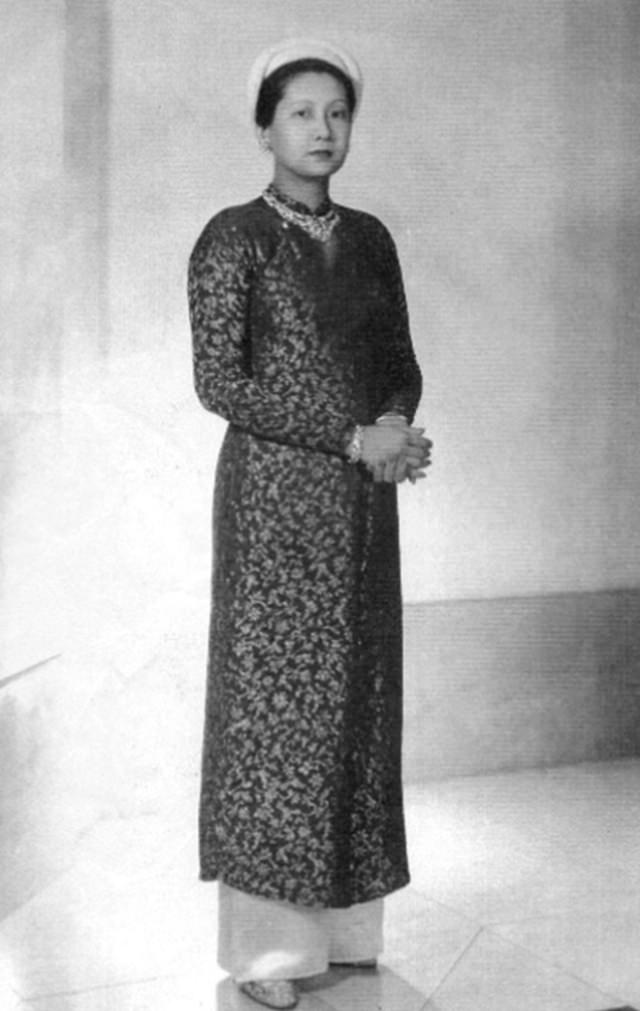
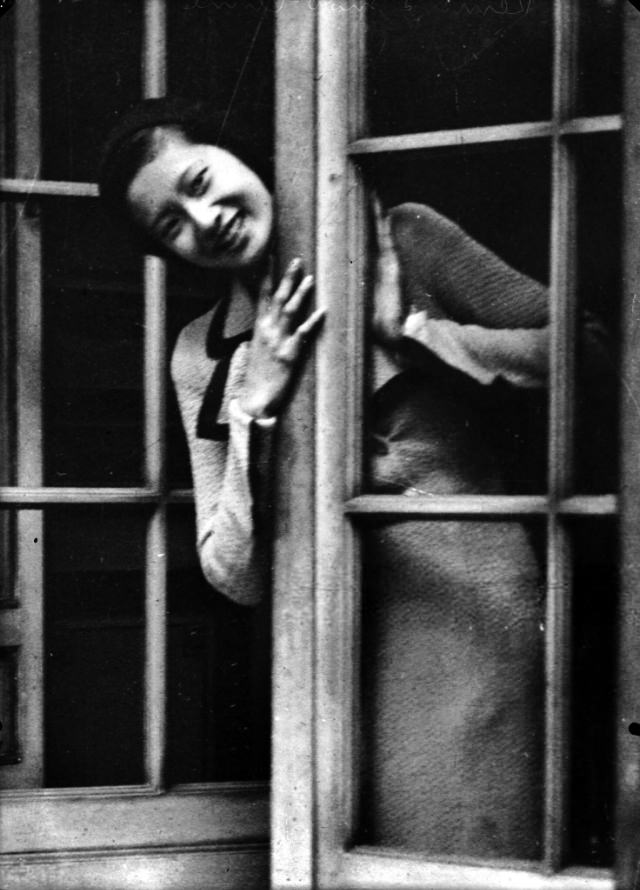
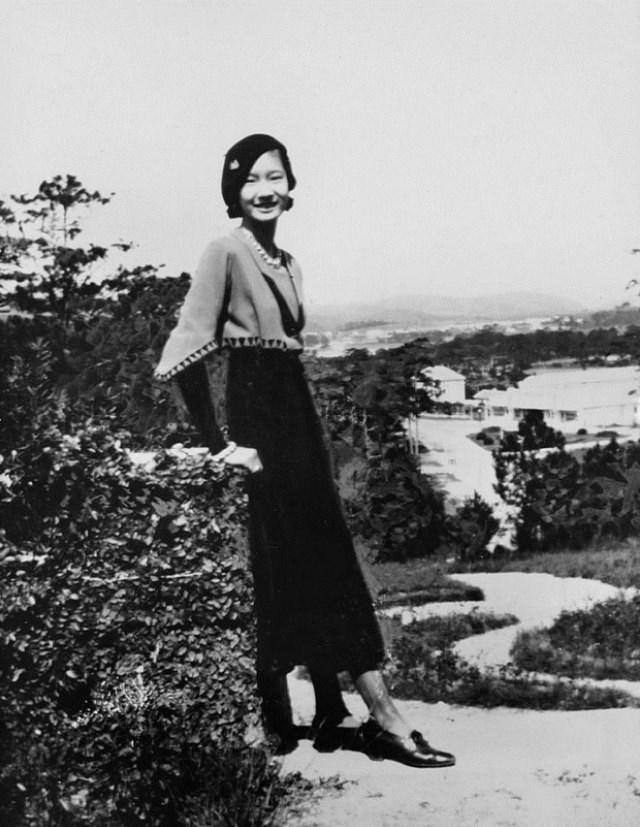
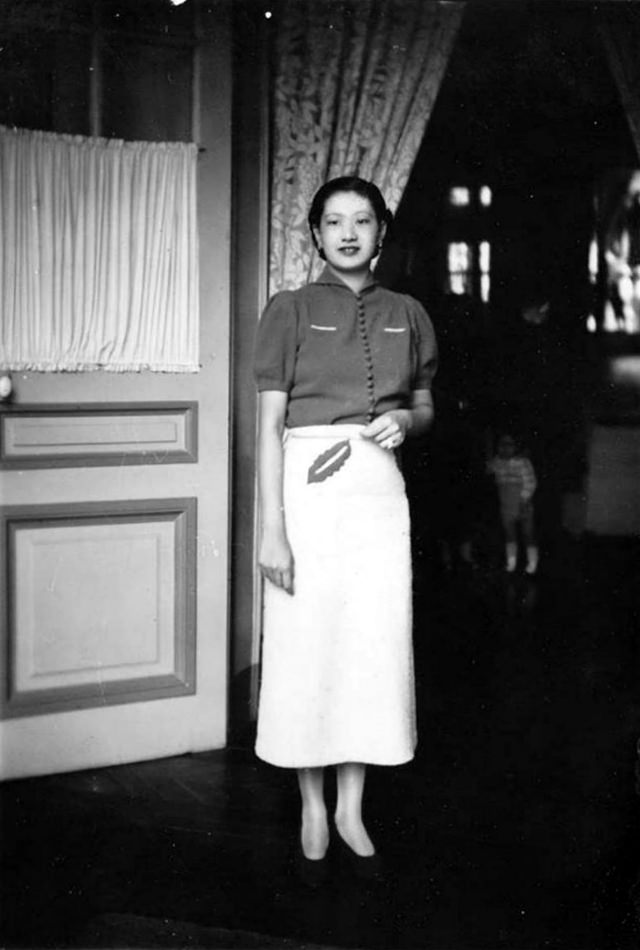
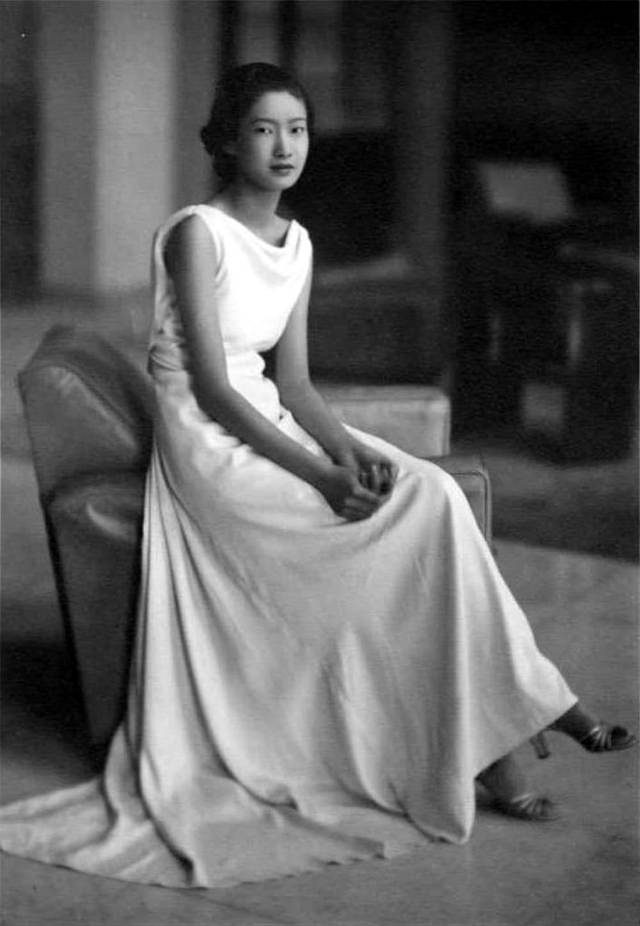
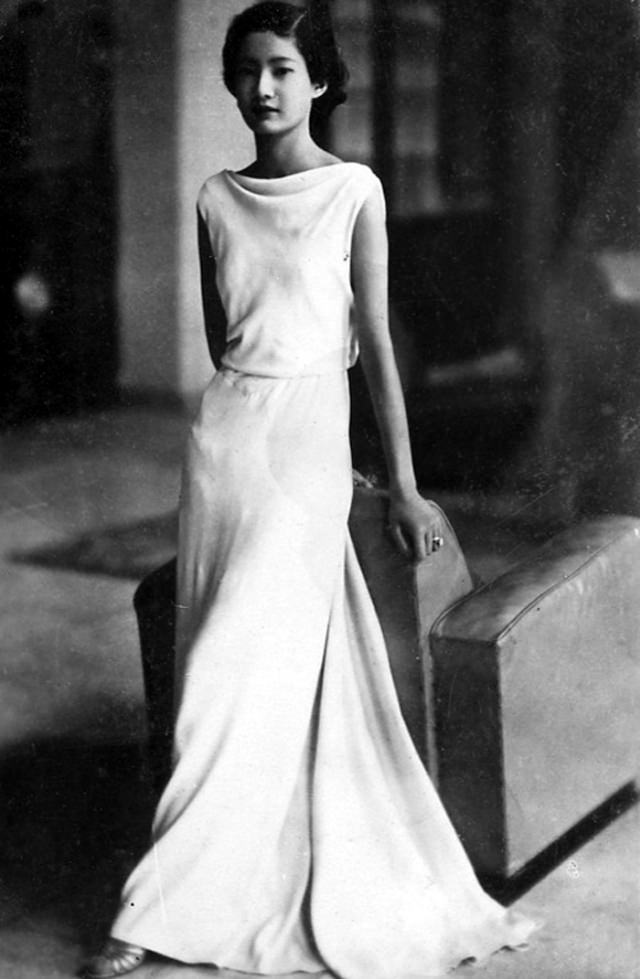
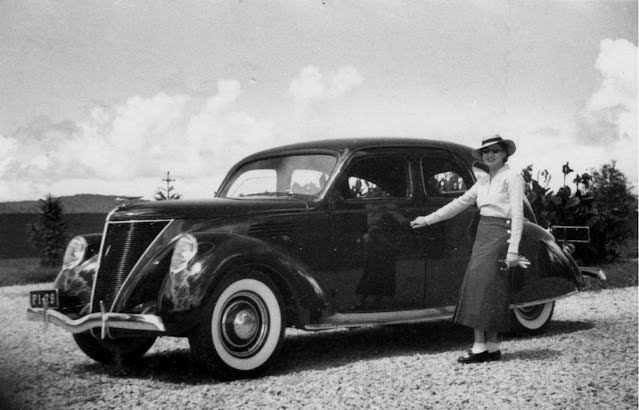
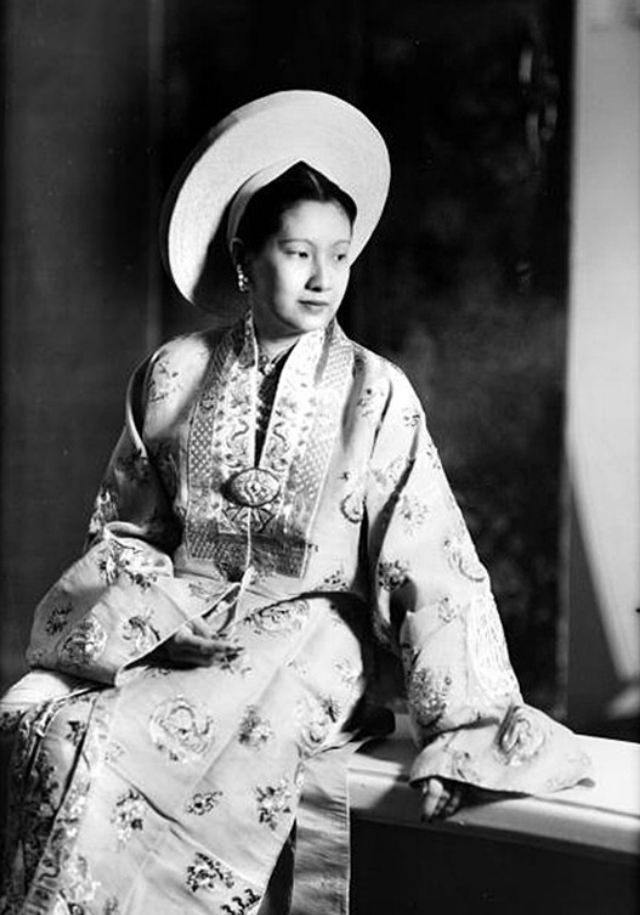
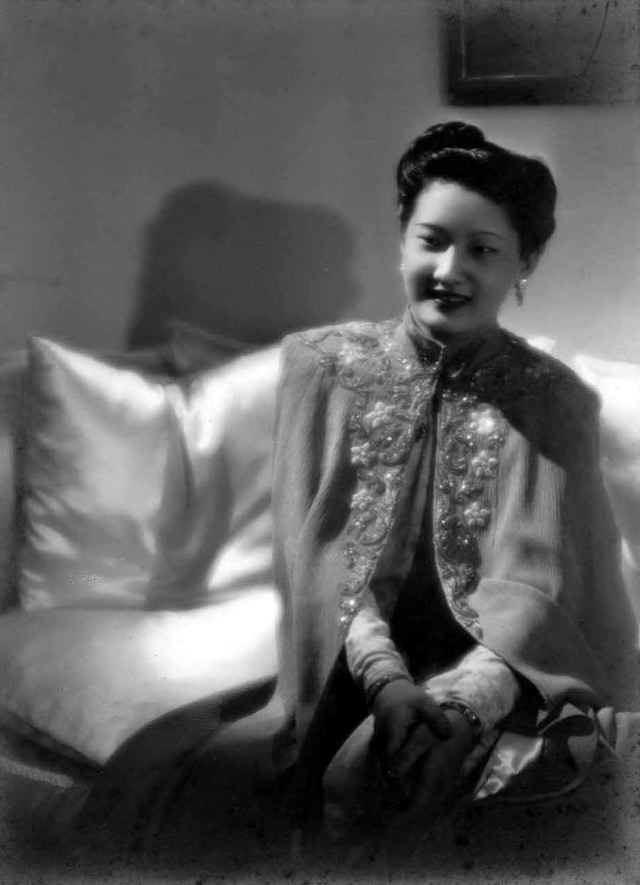
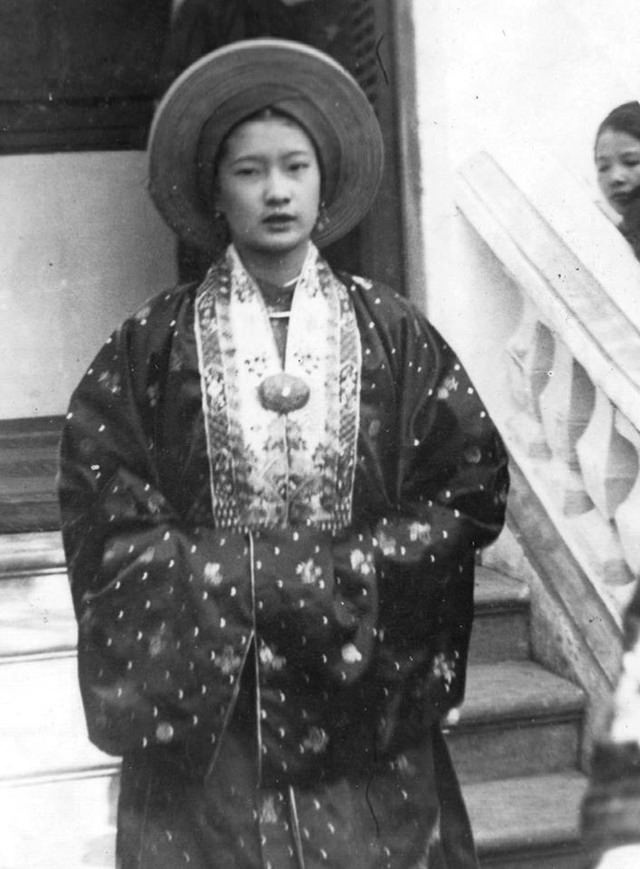
The photographs from the 1930s capture her in both Vietnamese áo dài and Western dress, a visual reflection of her dual cultural identity. She wore both with equal ease and confidence, something that made her a striking figure in the eyes of both Vietnamese subjects and French colonial officials.
Together, Bảo Đại and Nam Phuong had five children: Princes Bảo Long, Bảo Thắng, and Bảo Ân, and Princesses Phương Mai and Phương Liên. Nam Phuong was deeply devoted to their upbringing and education.
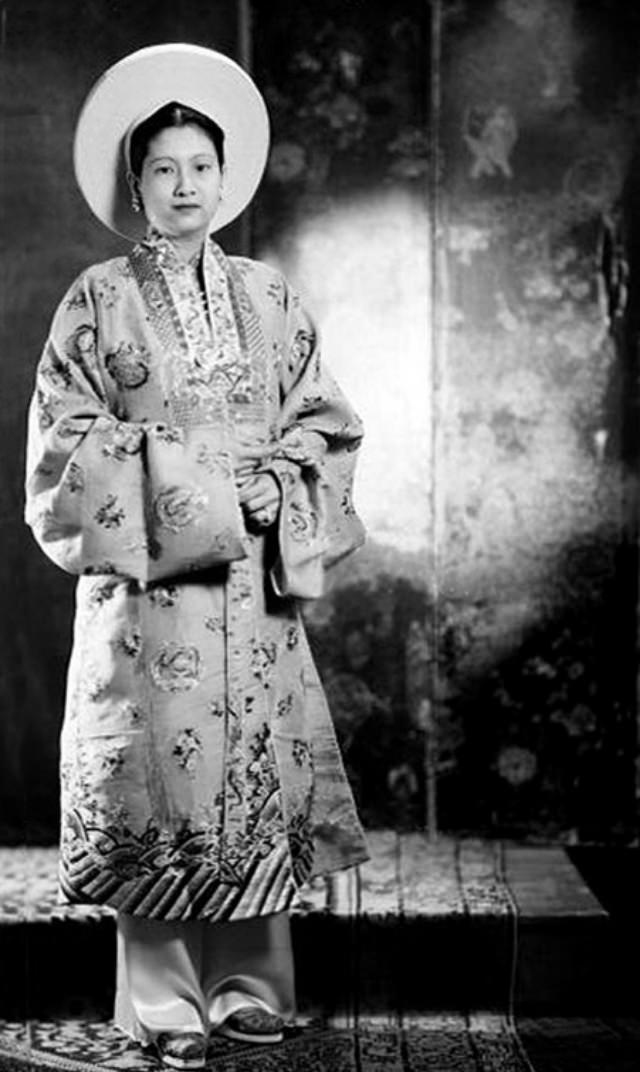
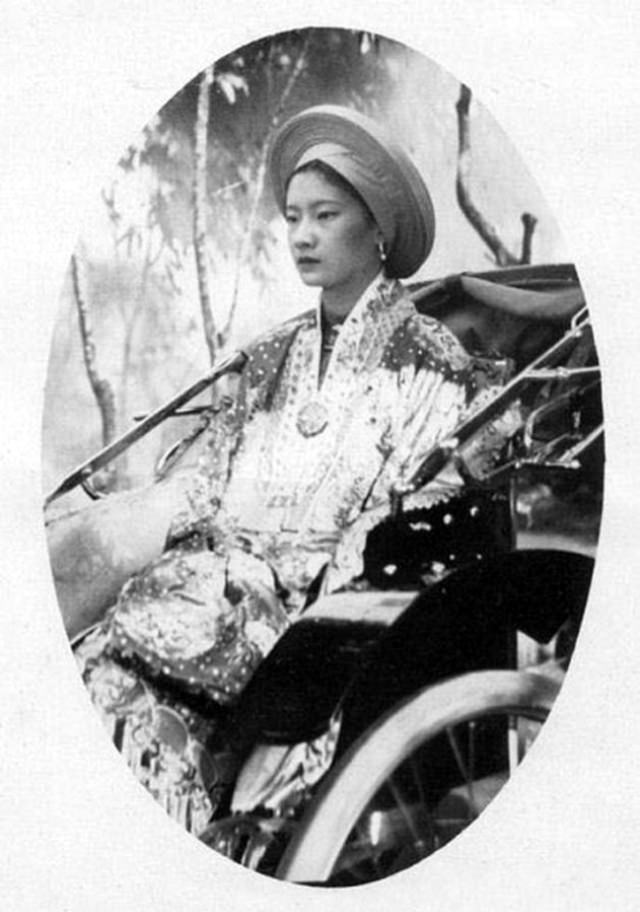
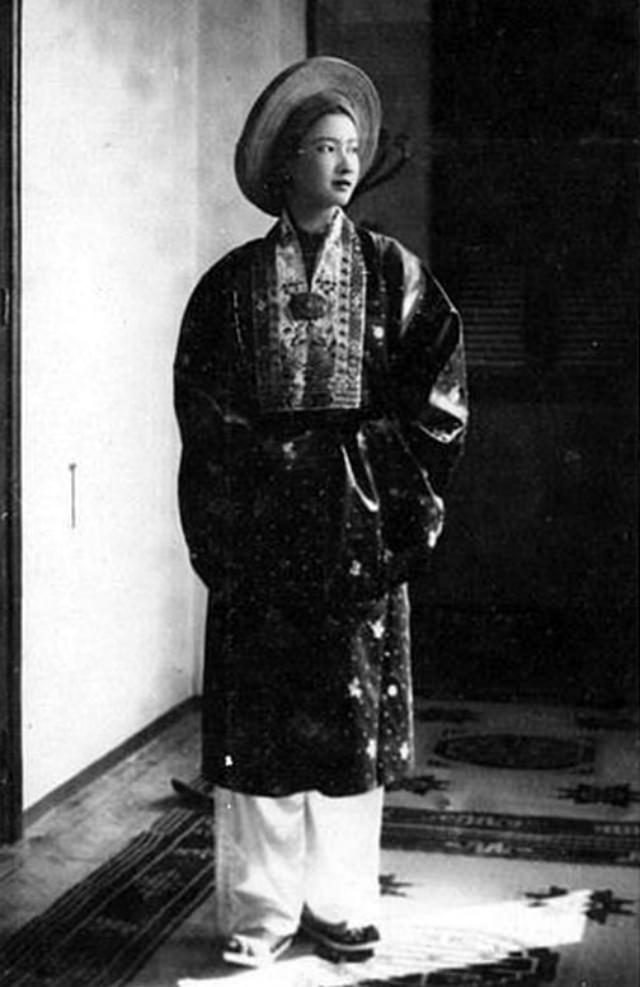
These early photos of Nam Phuong remain some of the most striking royal portraits of Southeast Asian history. They document a young woman at the center of a rare cultural crossroads — Vietnamese royalty shaped by French education, traditional values refined by a modern world.