In 1976, Elizabeth Taylor made her only trip to Iran. She was accompanied by Firooz Zahedi, a young photographer who had recently finished art school and was still building his craft. Together, they traveled through some of the country’s most storied cities — Persepolis, Isfahan, and Shiraz — capturing a world that would be transformed just three years later by the 1979 revolution.
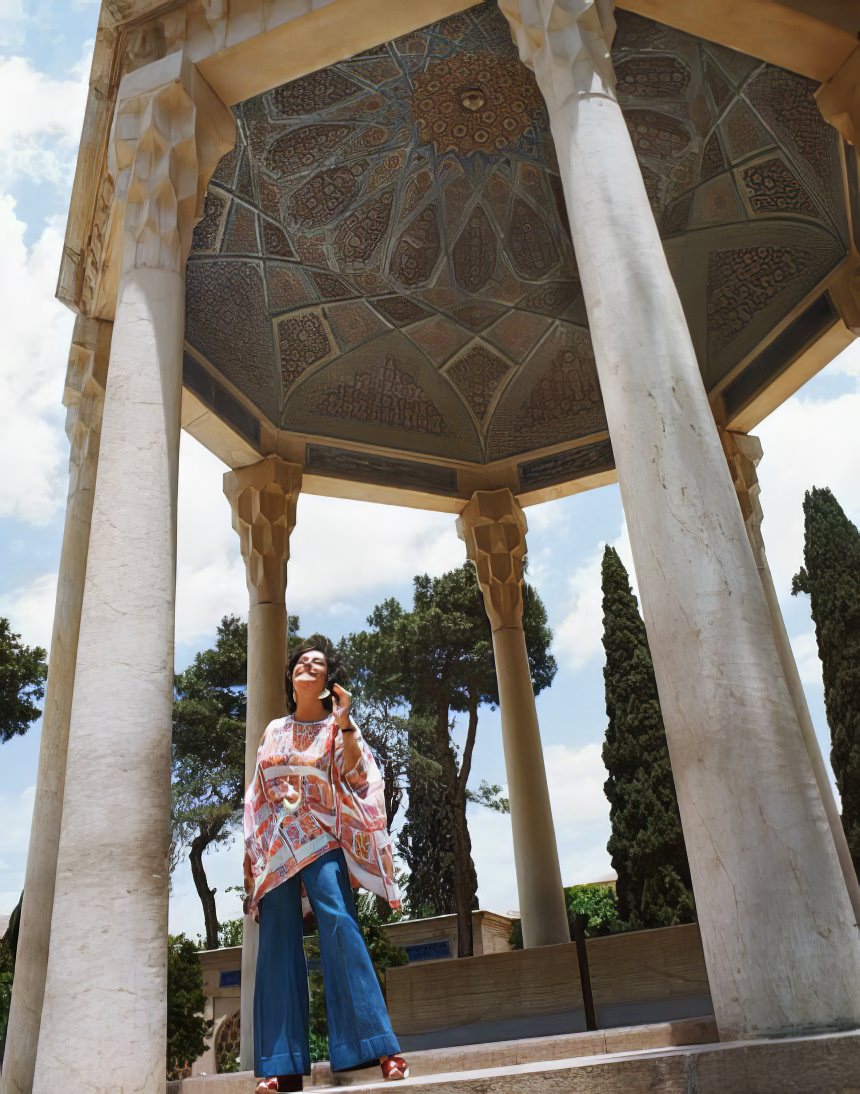
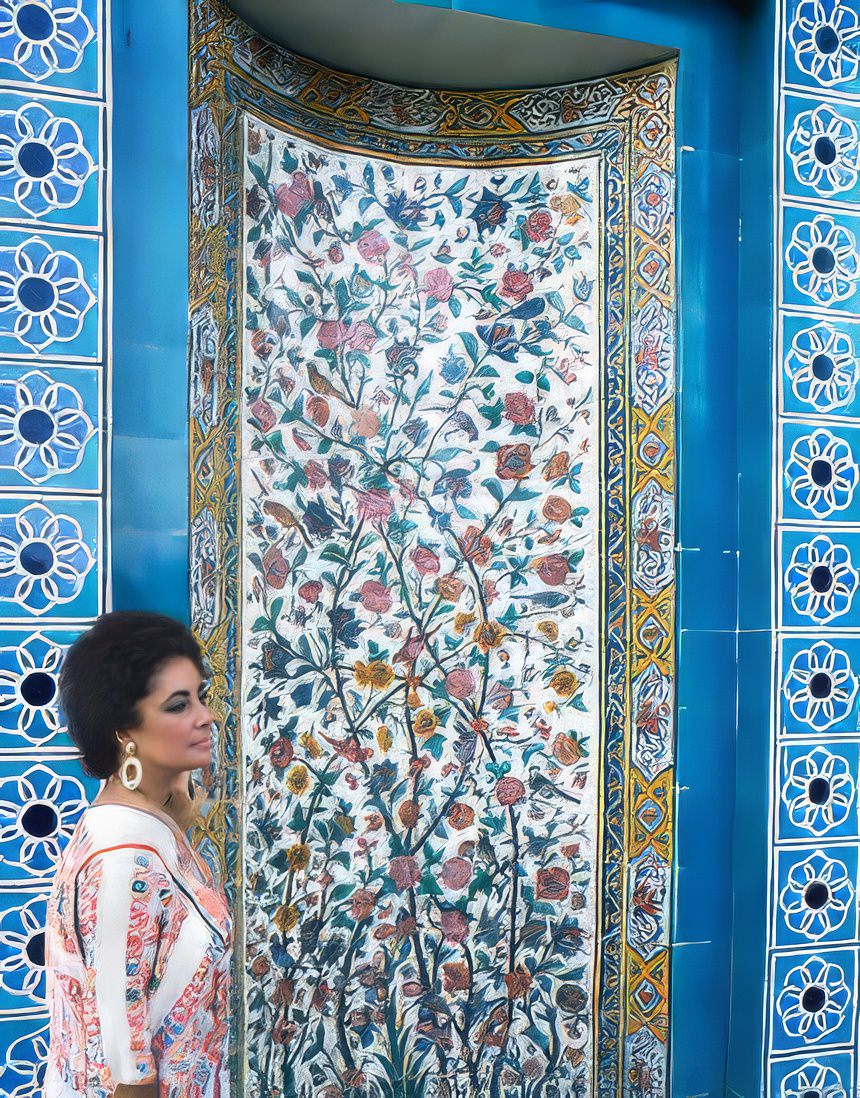
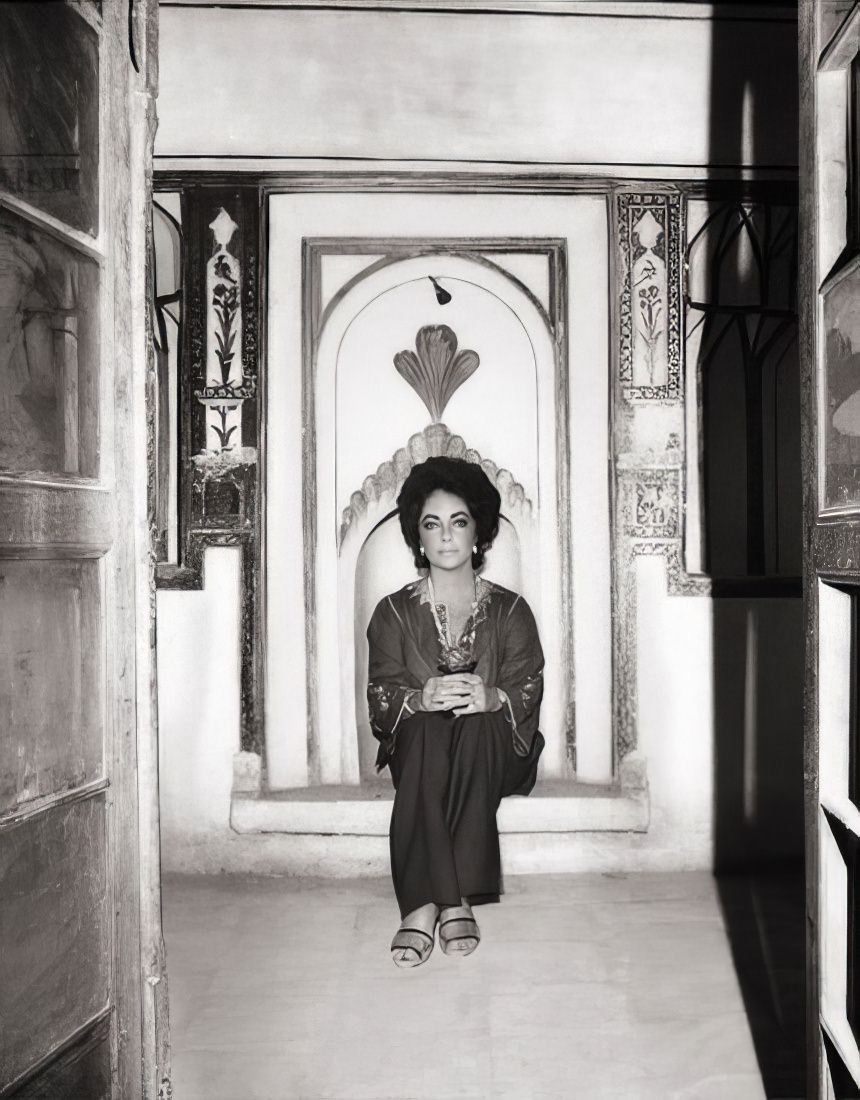
Shiraz was a city steeped in poetry and tradition. It is the birthplace of two of Persia’s most celebrated poets, Hafez and Sa’di, and their tombs remain major cultural landmarks. Taylor visited both sites, posing against intricate tilework and mosaic walls that had stood for centuries.
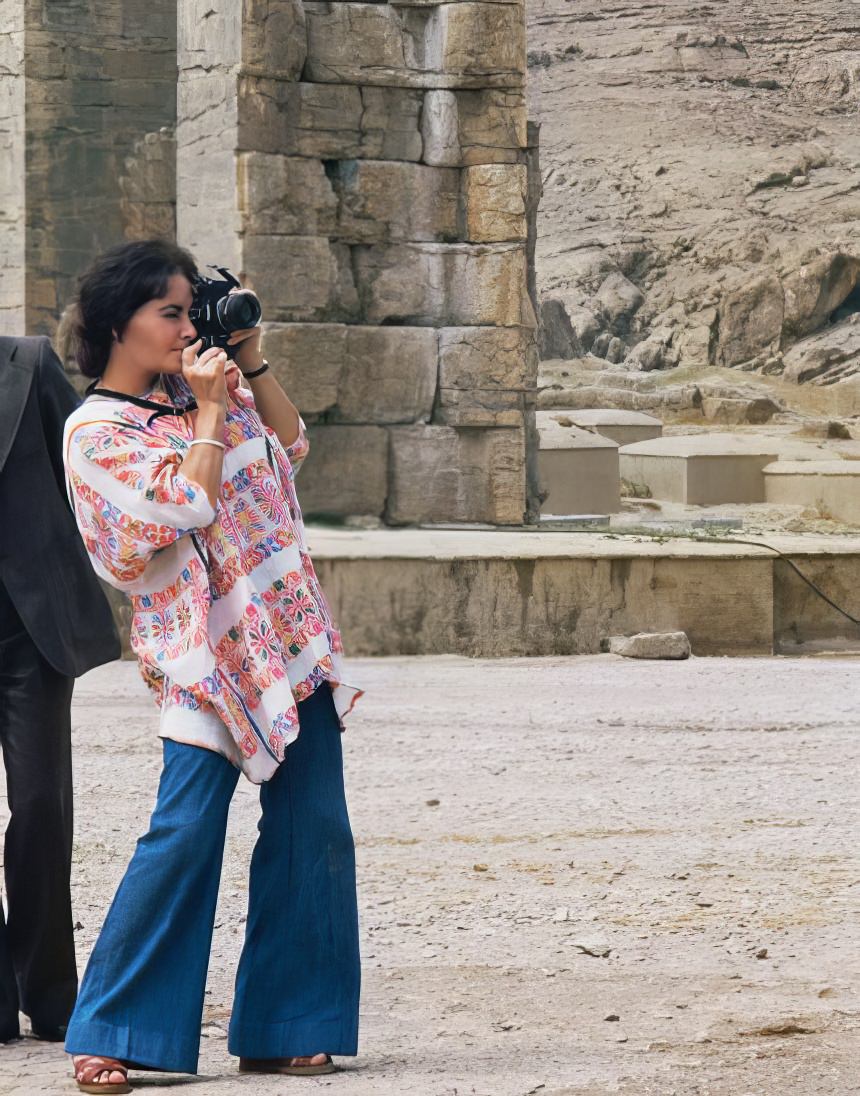
At Persepolis — the ancient ceremonial capital of the Persian Empire — Taylor stepped among towering stone columns and carved reliefs dating back to 550 BCE. The ruins stand as one of the ancient world’s most impressive monuments, and Zahedi photographed her there as a tourist as much as a star.
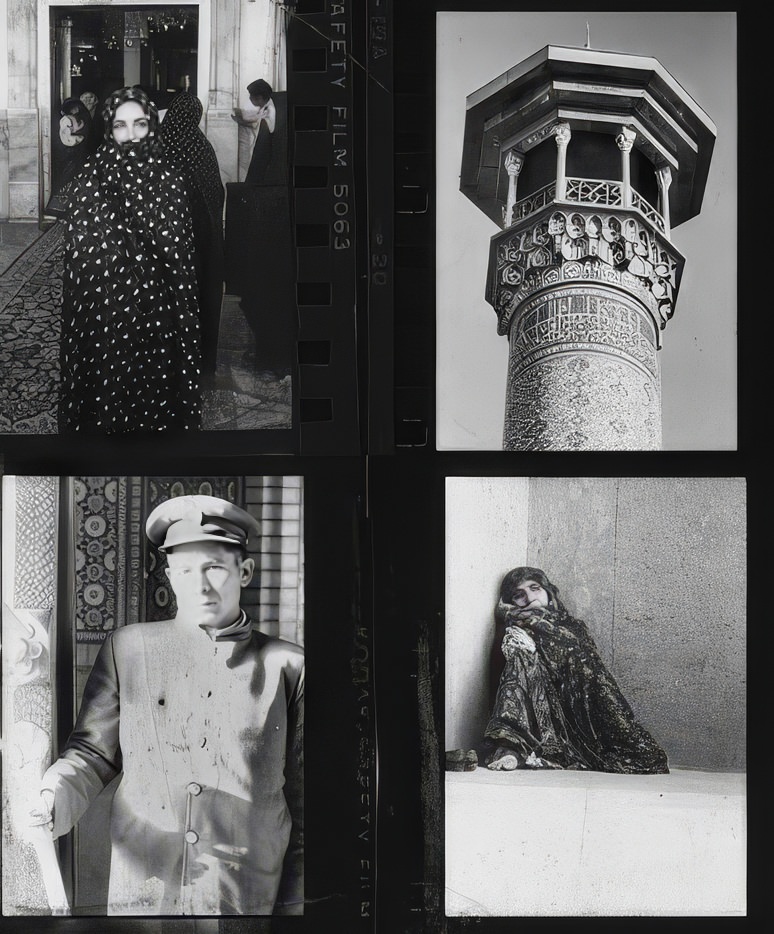
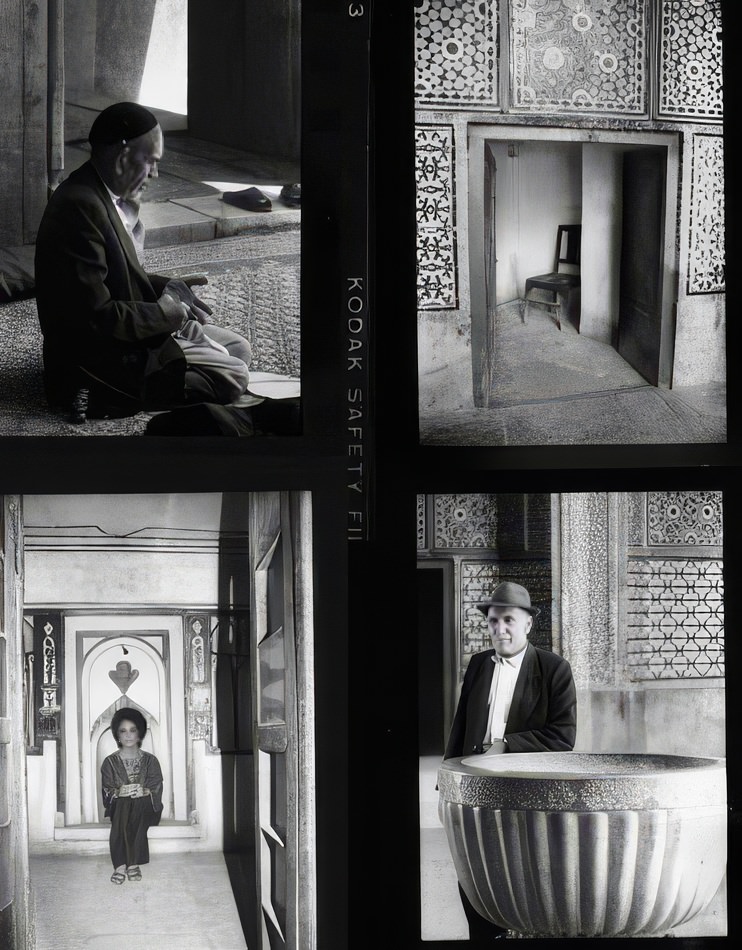
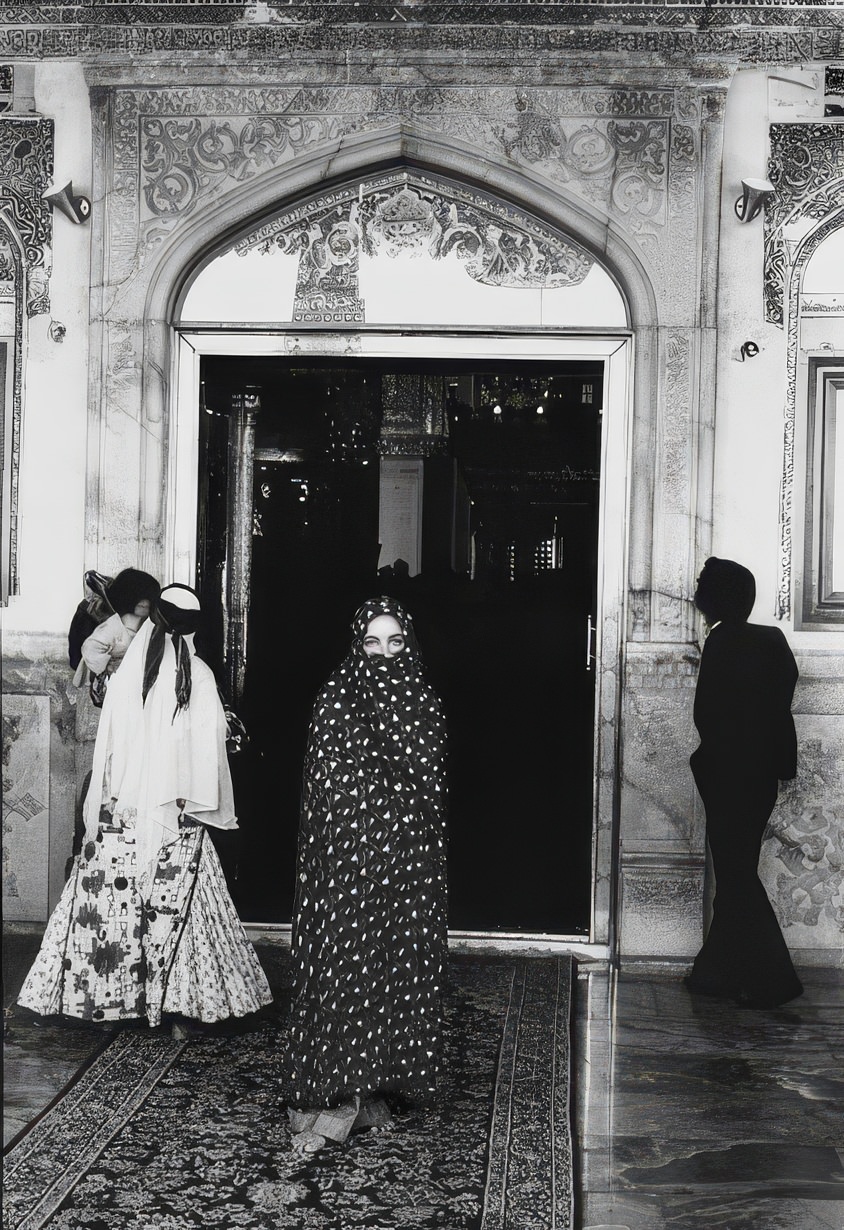
In Isfahan, a UNESCO World Heritage city and former Persian capital, Taylor stayed at the Shah Abbas Hotel — a converted royal palace known for its soaring decorative ceilings. Zahedi used the setting to full effect, contrasting the palace’s grandeur with intimate portraits of Taylor in quiet, everyday moments. She wore flowing caftans, colorful scarves, and at times adopted garments typical of Iranian tribal women.
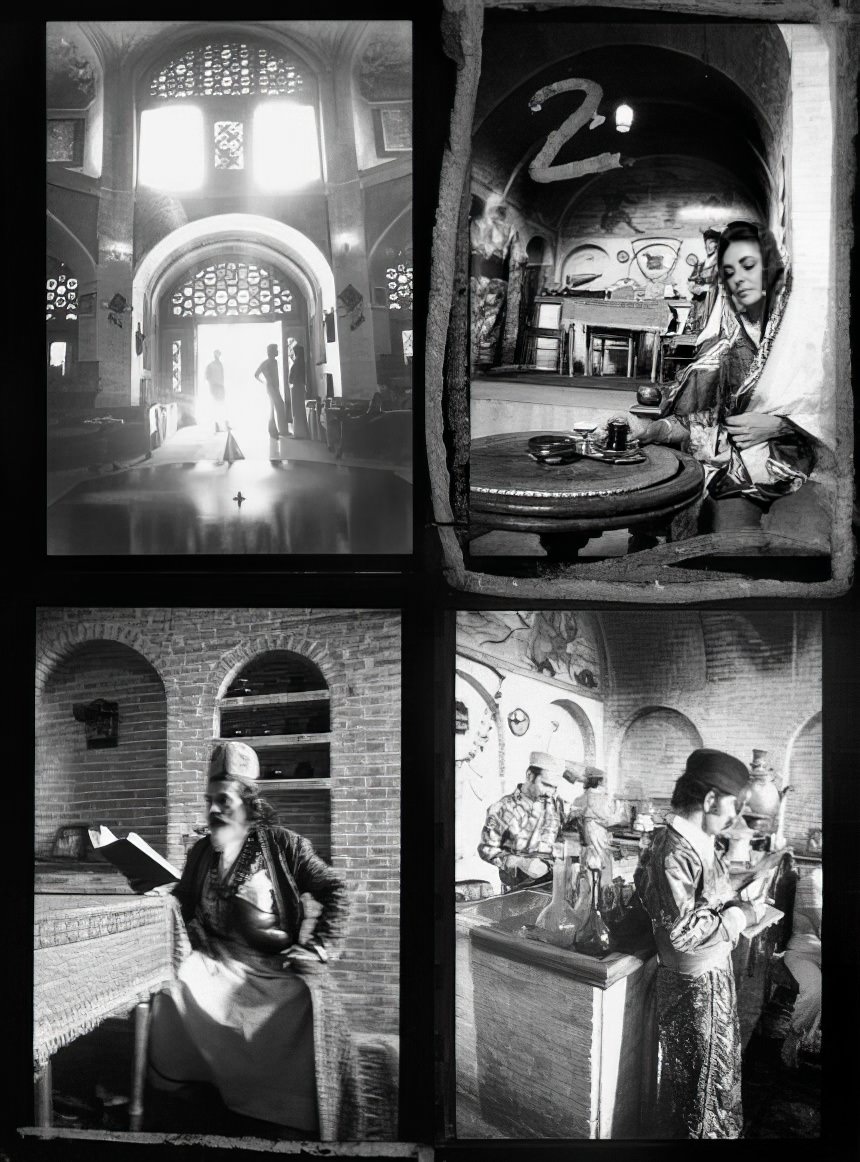
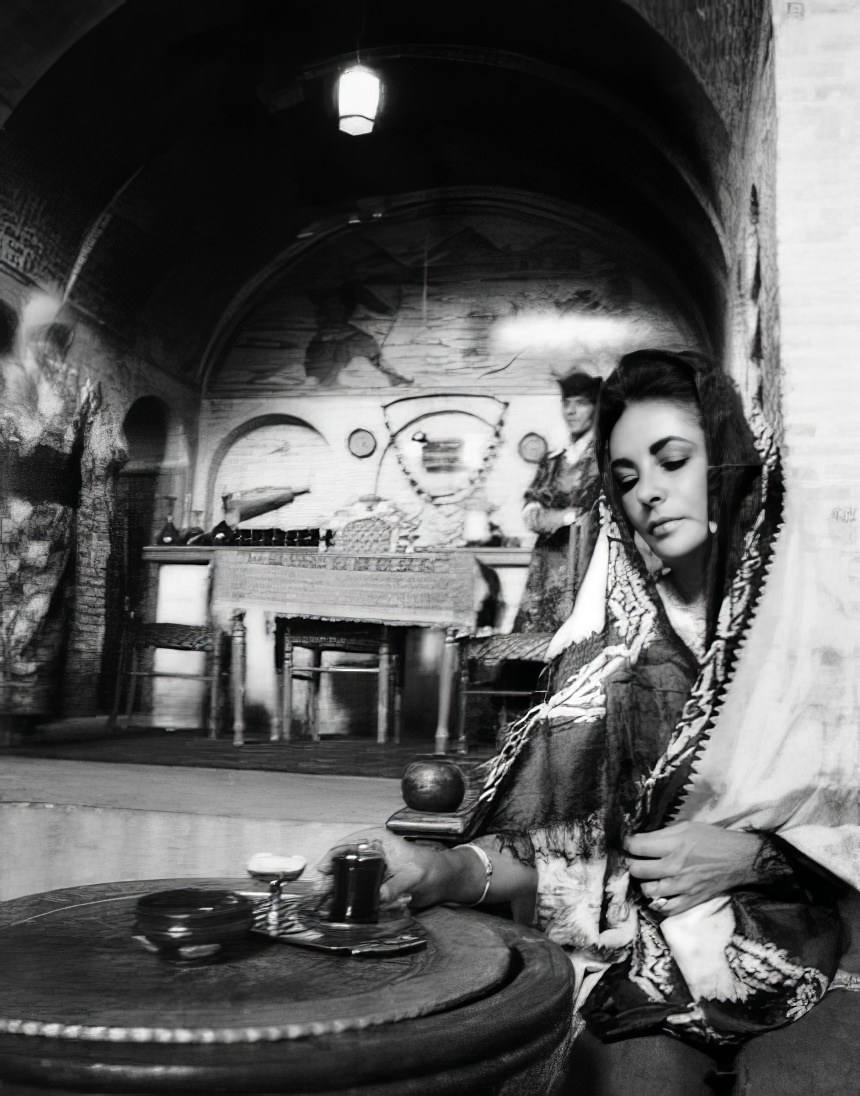
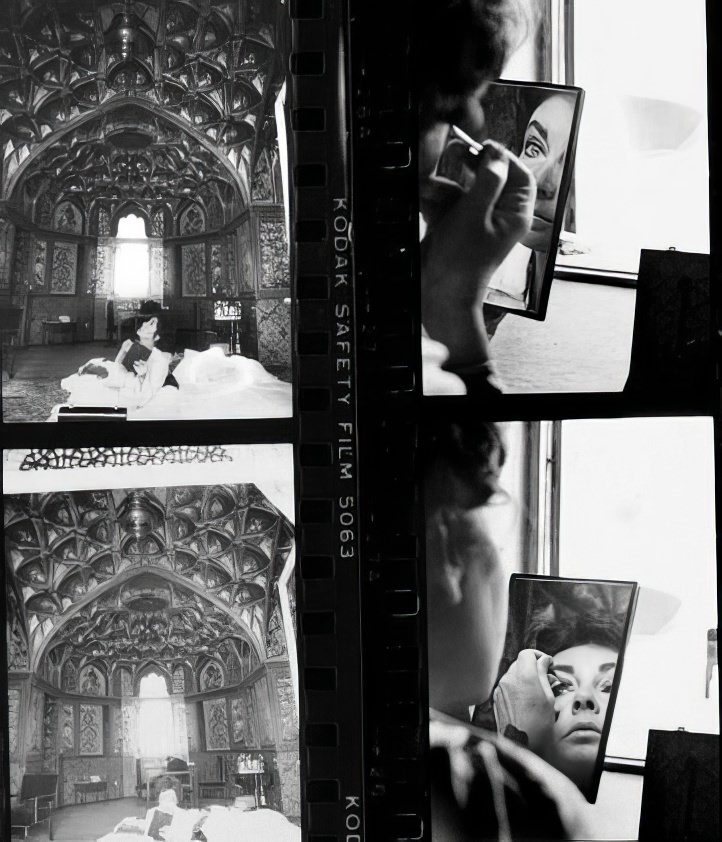
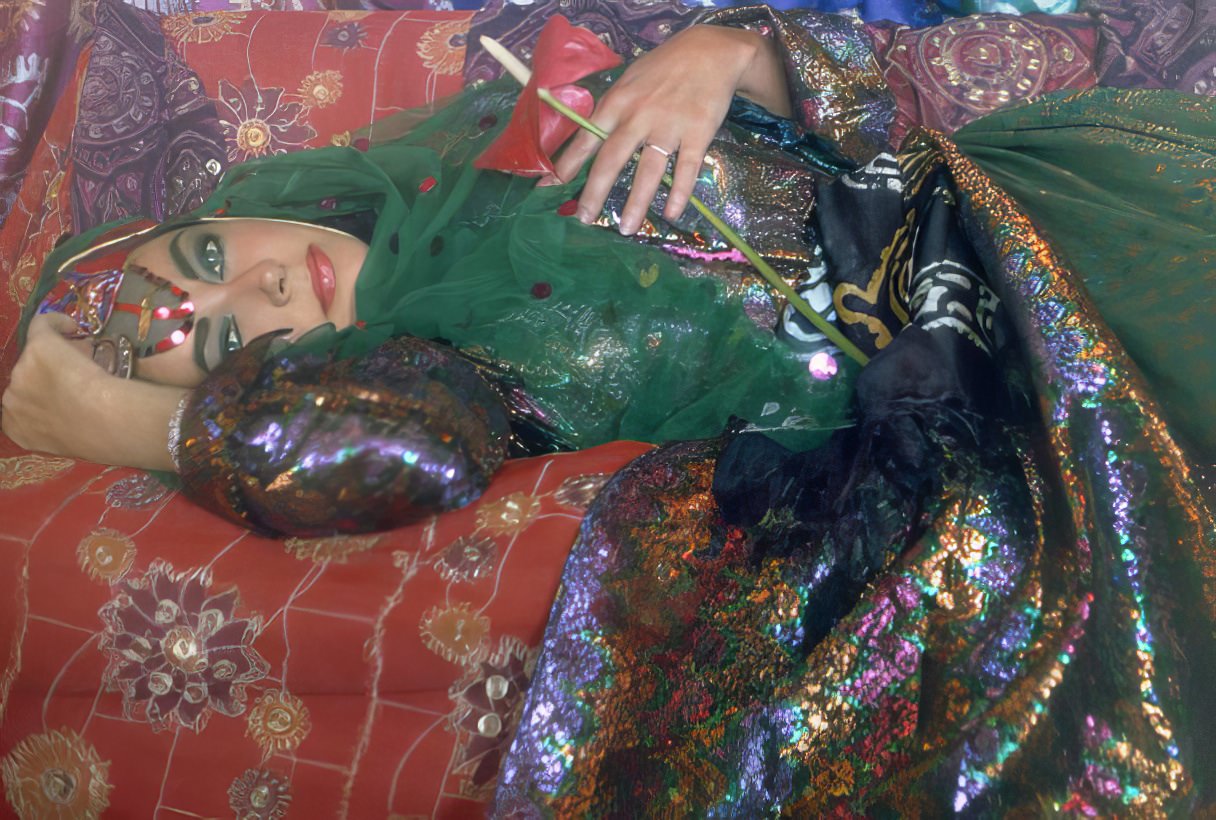
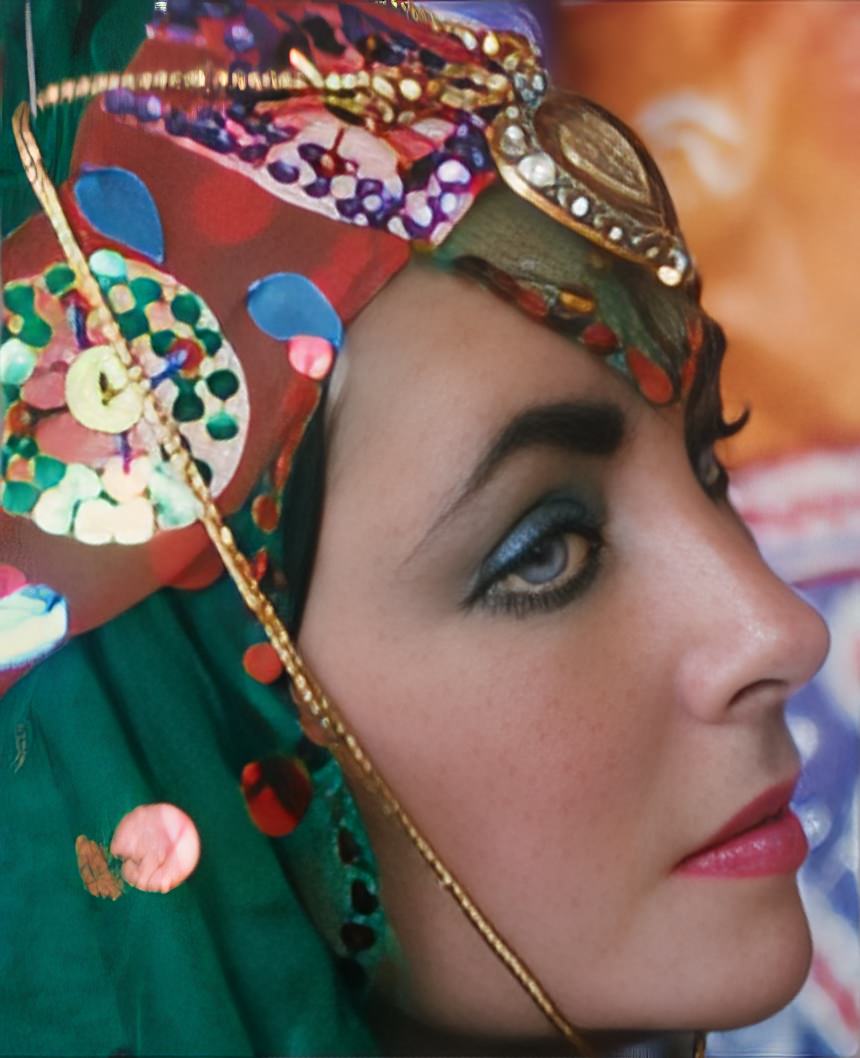
The photographs Zahedi produced blend Hollywood glamour with the textures of Persian history. They document a pre-revolutionary Iran — its architecture, sacred spaces, and daily rhythms — through the lens of one of the world’s most recognized faces.