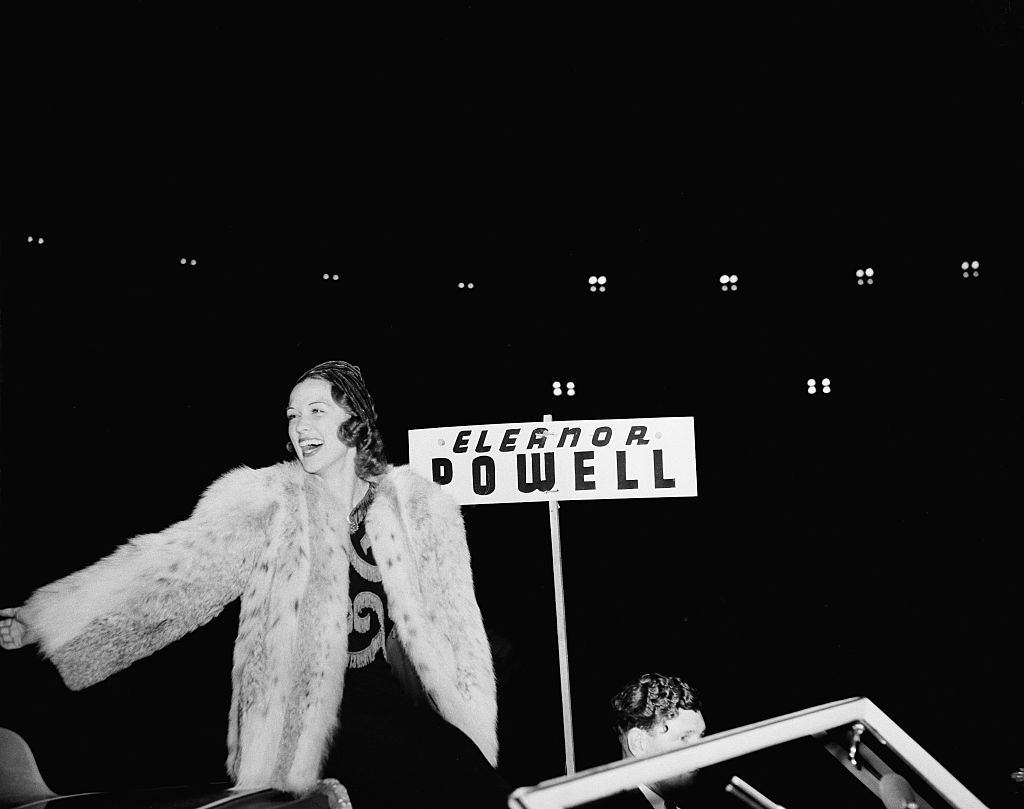
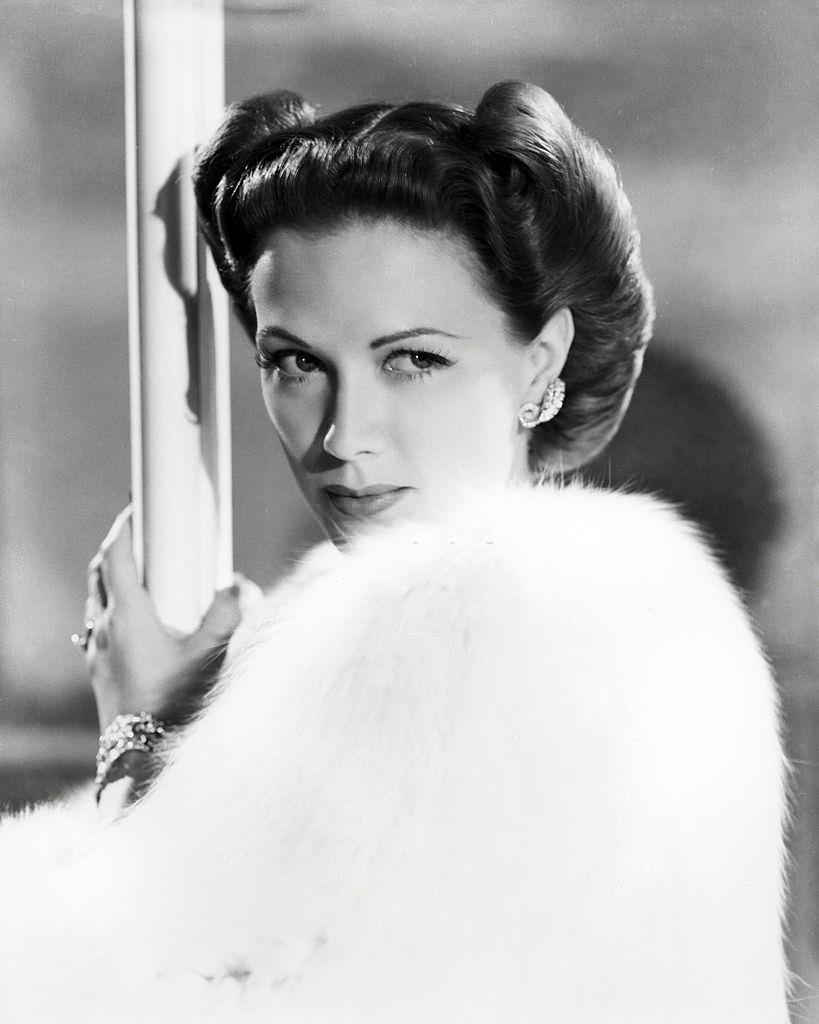
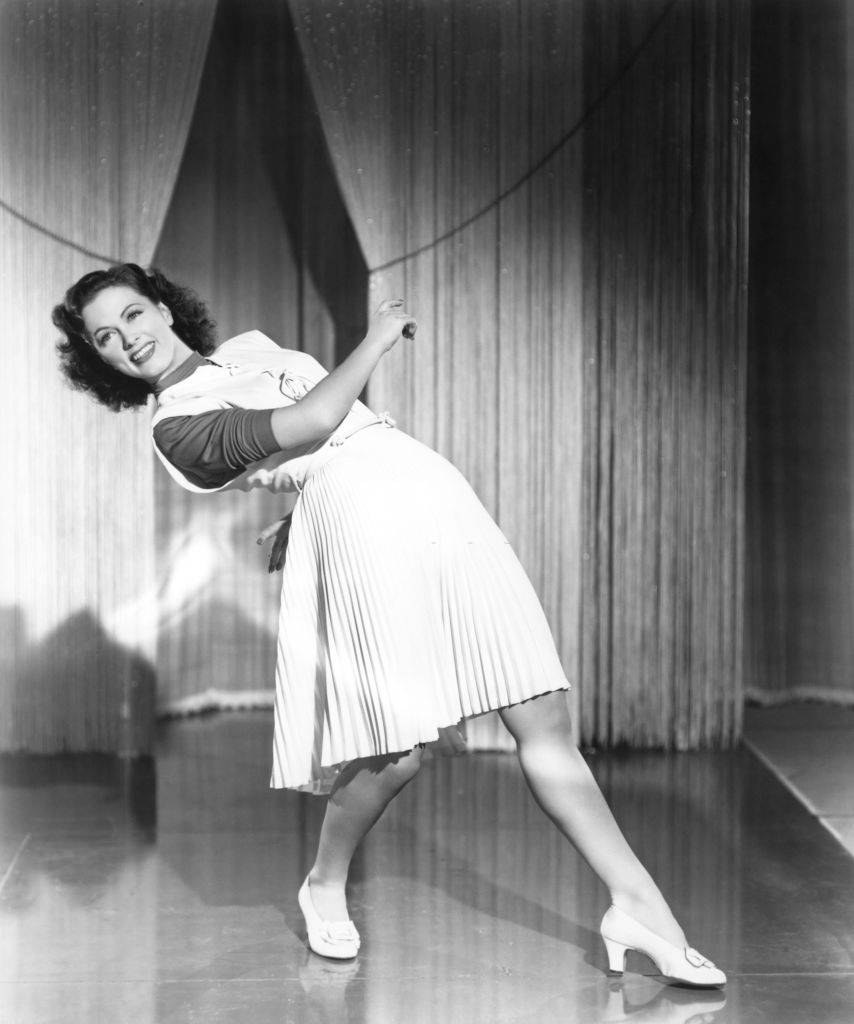
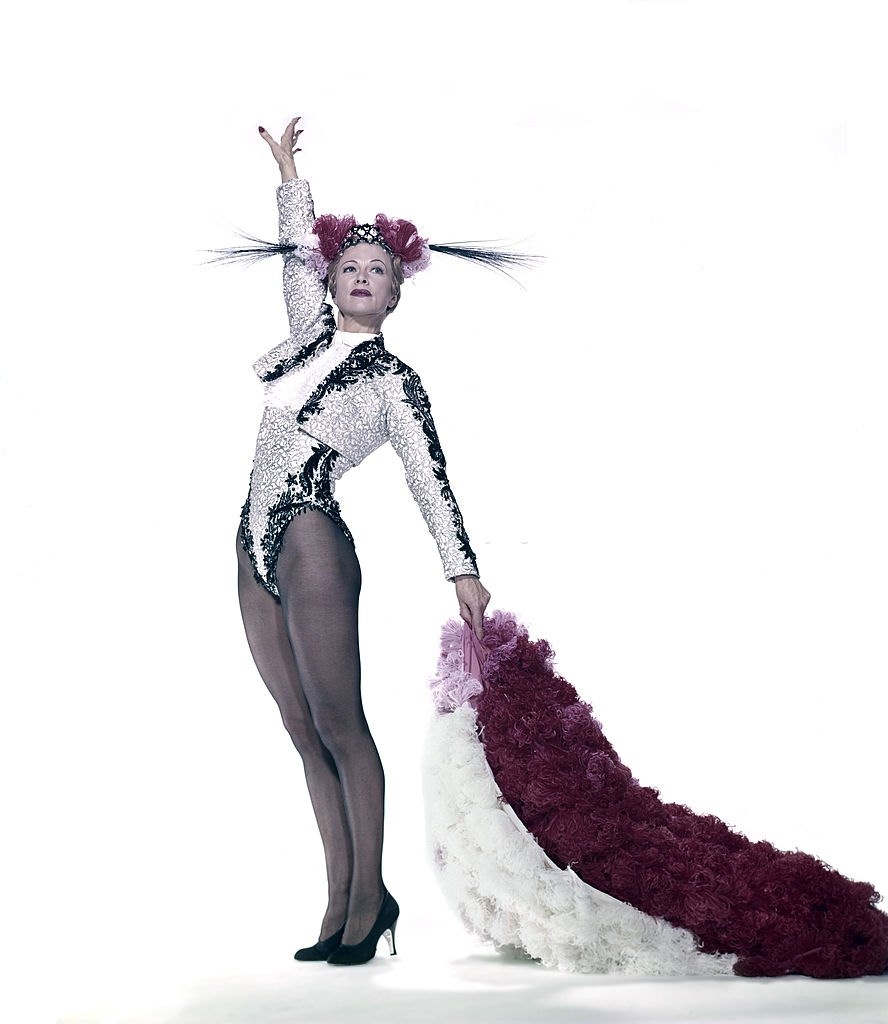
Eleanor Powell was one of the most technically gifted performers Hollywood ever produced. Her tap dancing was bold, precise, and physically demanding in a way that set her apart from nearly everyone else on screen. She did not glide or charm her way through routines — she attacked them. Her footwork was so fast and so clean that choreographers and directors built entire films around giving her space to do it. In 1965, Dance Masters of America officially named her the World’s Greatest Tap Dancer, a title that came decades after she had already proven it.
Eleanor Torrey Powell was born on November 21, 1912, in Springfield, Massachusetts. She started studying ballet at just six years old and was performing at nightclubs not long after. As a teenager, she danced at venues in Atlantic City, building experience in front of real crowds. When she turned 16, she learned tap dancing — a style that would define her entire career. She joined a revue called The Optimists at the Casino de Paris theater in New York City, and her powerful stage presence quickly drew attention. That Broadway exposure sharpened her skills and brought her to the notice of Hollywood scouts. By 1935, she had moved to Los Angeles.
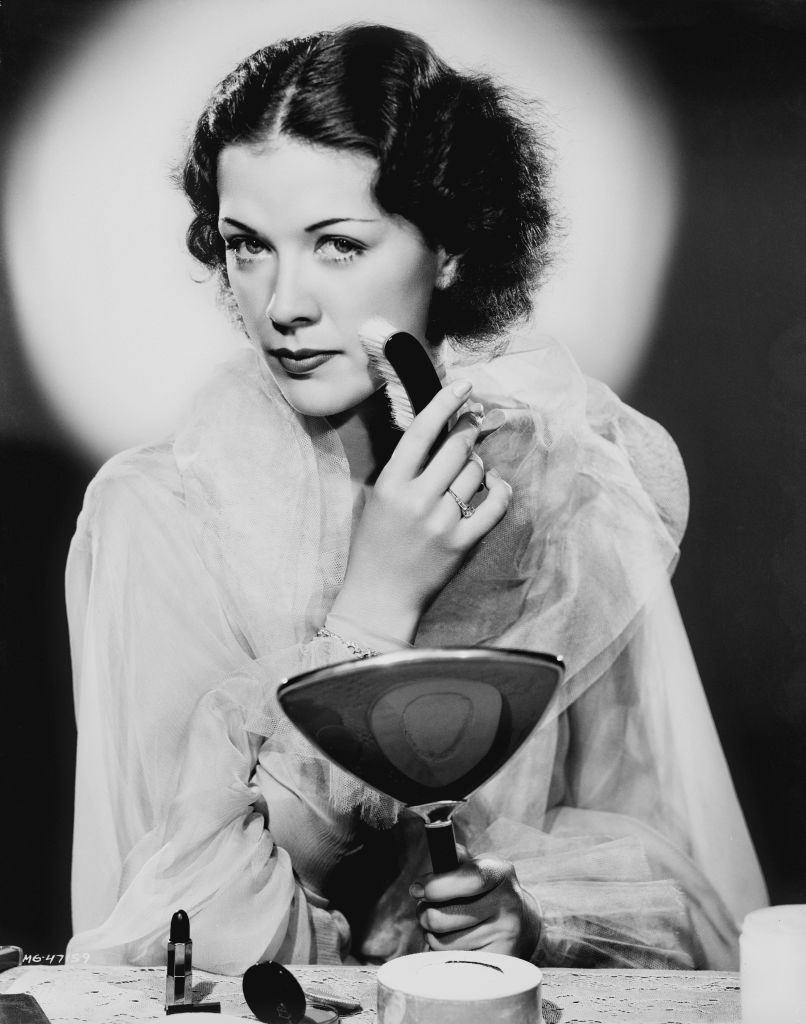
Once in Hollywood, Powell signed with Metro-Goldwyn-Mayer and became one of the studio’s biggest stars during the Golden Age. Her screen debut came in George White’s 1935 Scandals, released that same year she arrived in California. MGM recognized immediately what they had in her and wasted little time building films around her abilities. She was not cast as a love interest who happened to dance — she was cast as the dancer, full stop.
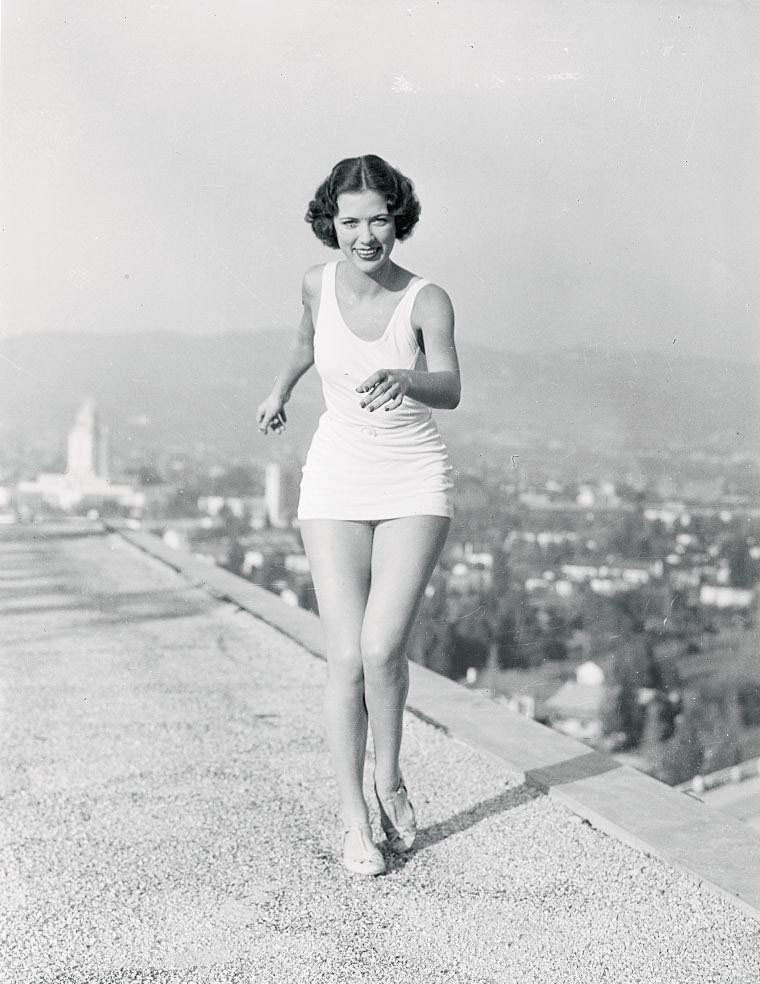
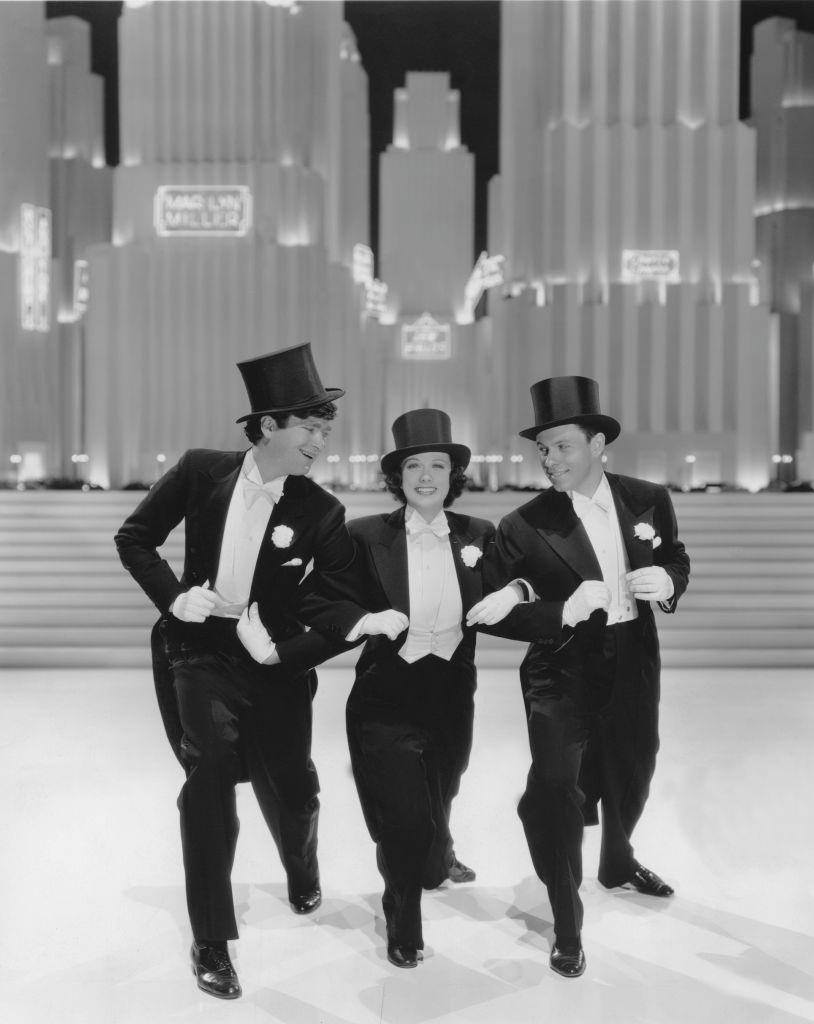
Her first major MGM vehicle was Broadway Melody of 1936, where she starred as tap-dancing sensation Irene Foster. The film was a commercial hit and showed audiences what Powell could do with a full production behind her. Robert Taylor co-starred alongside her, though the story existed largely to frame her dance numbers.
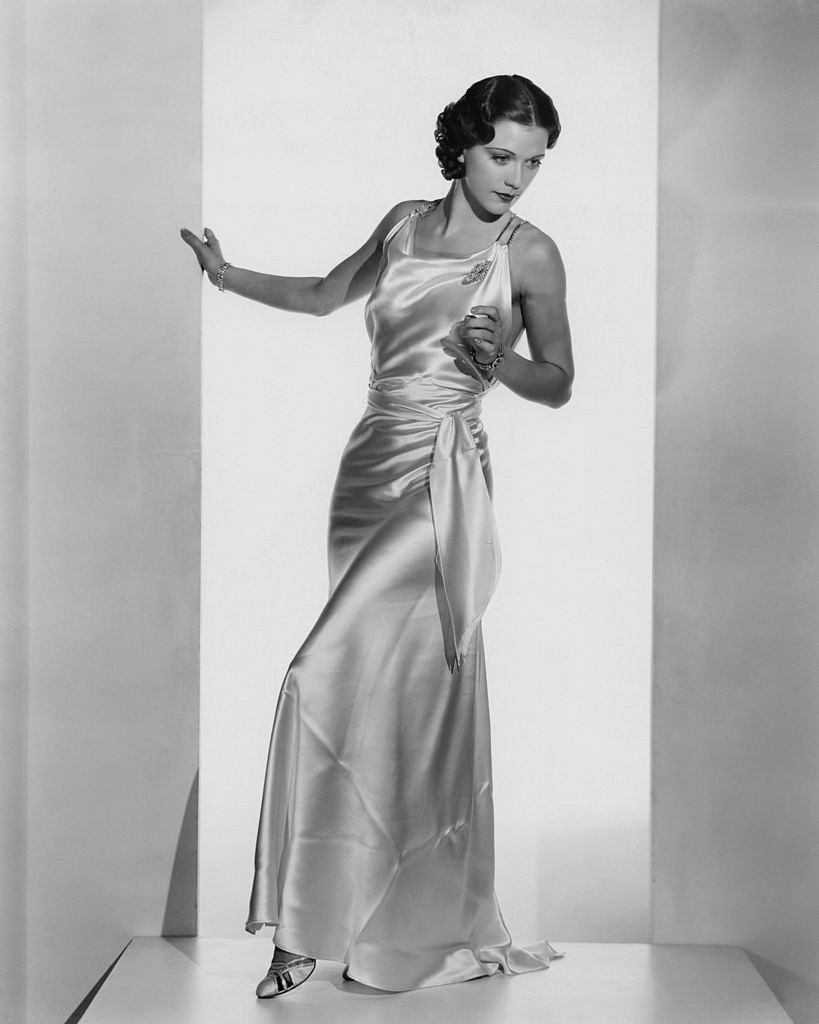
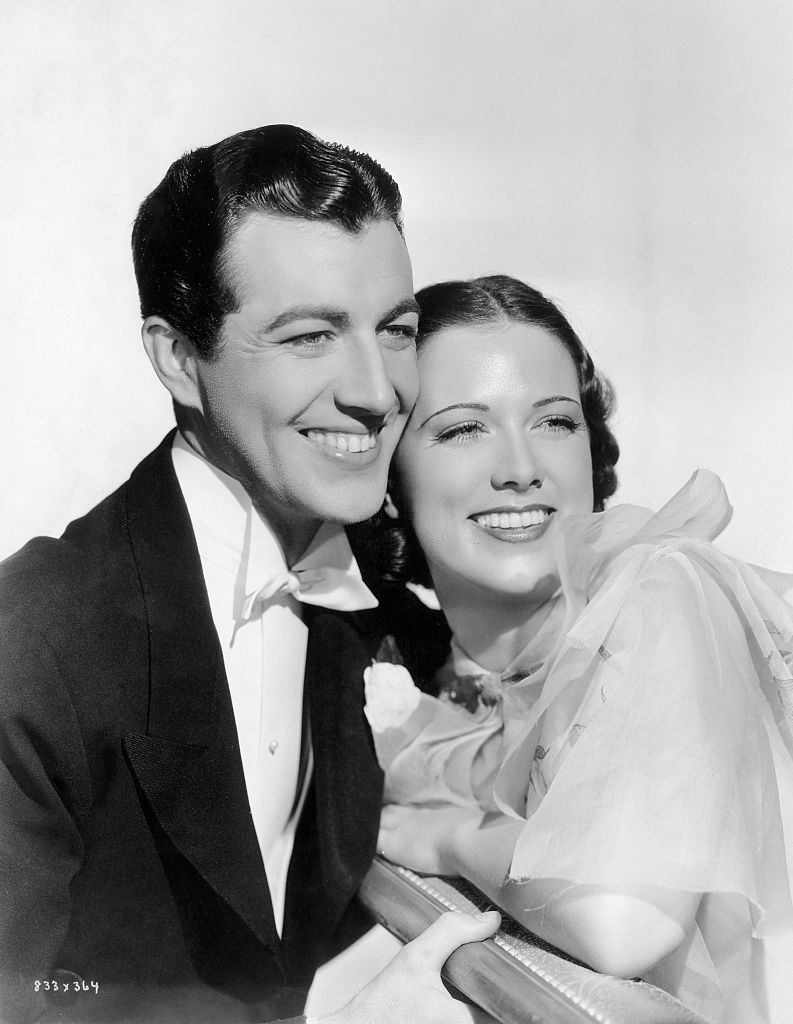
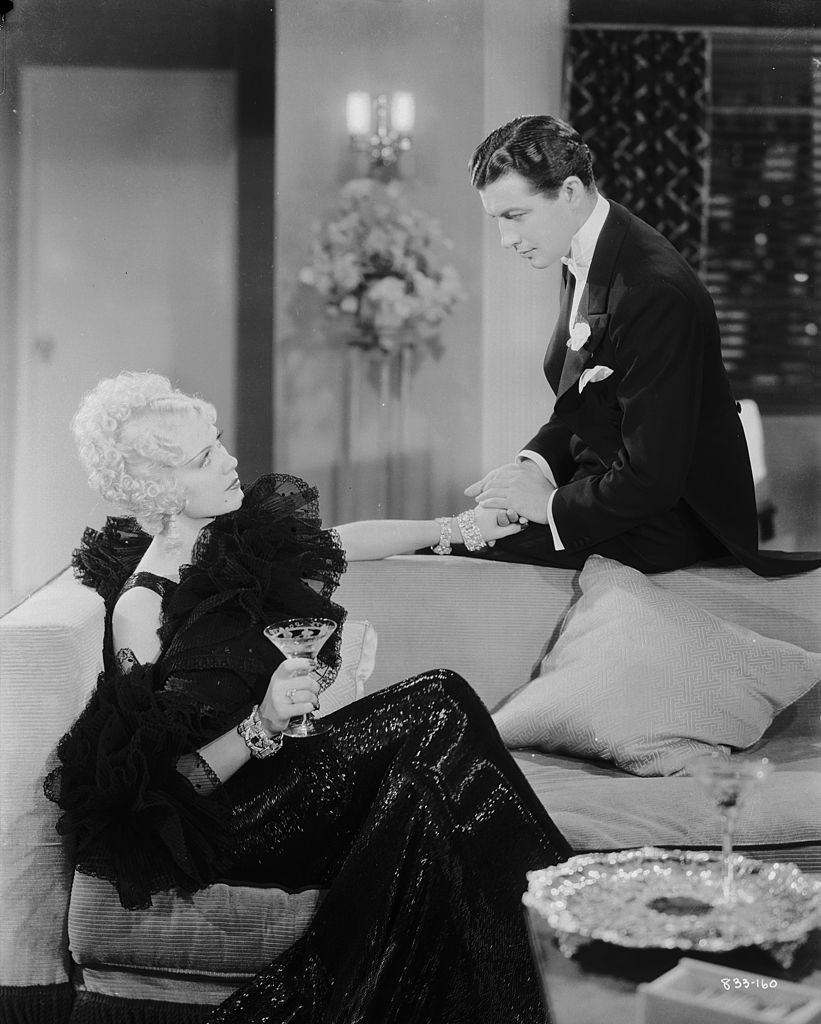
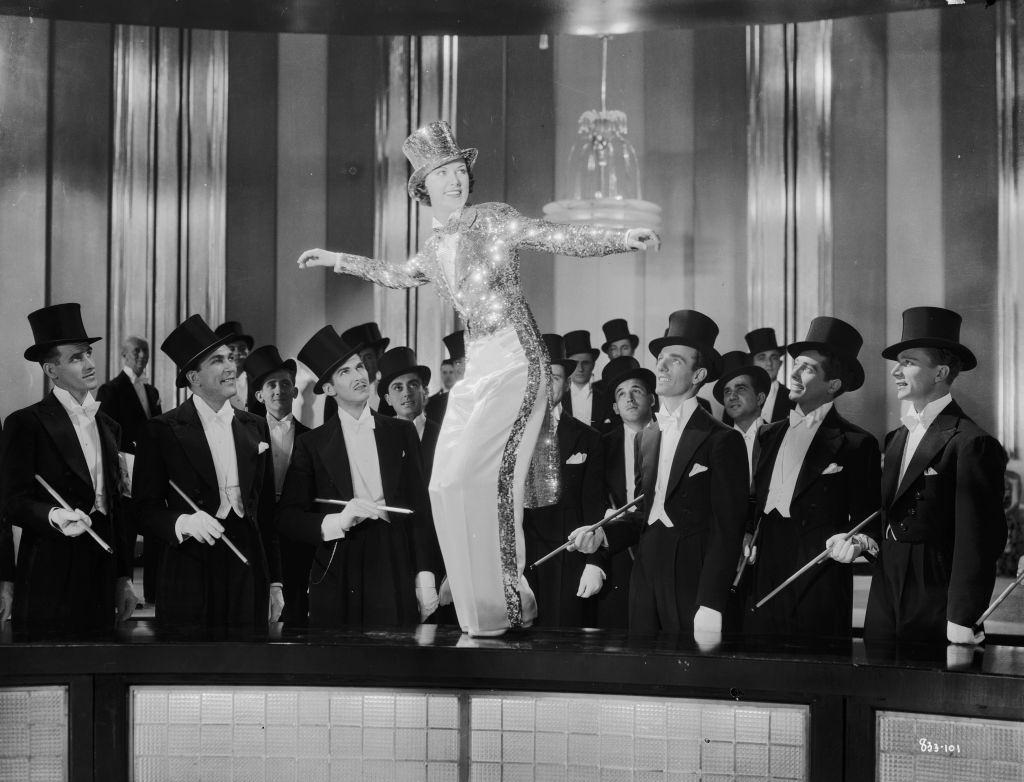
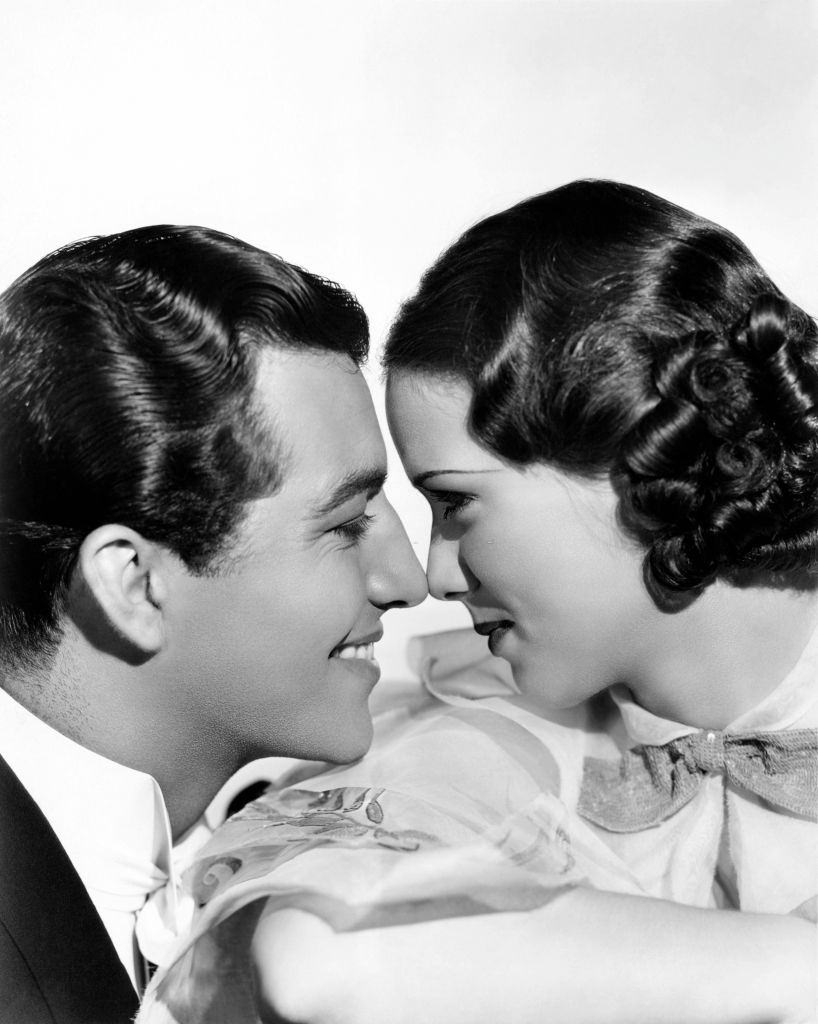
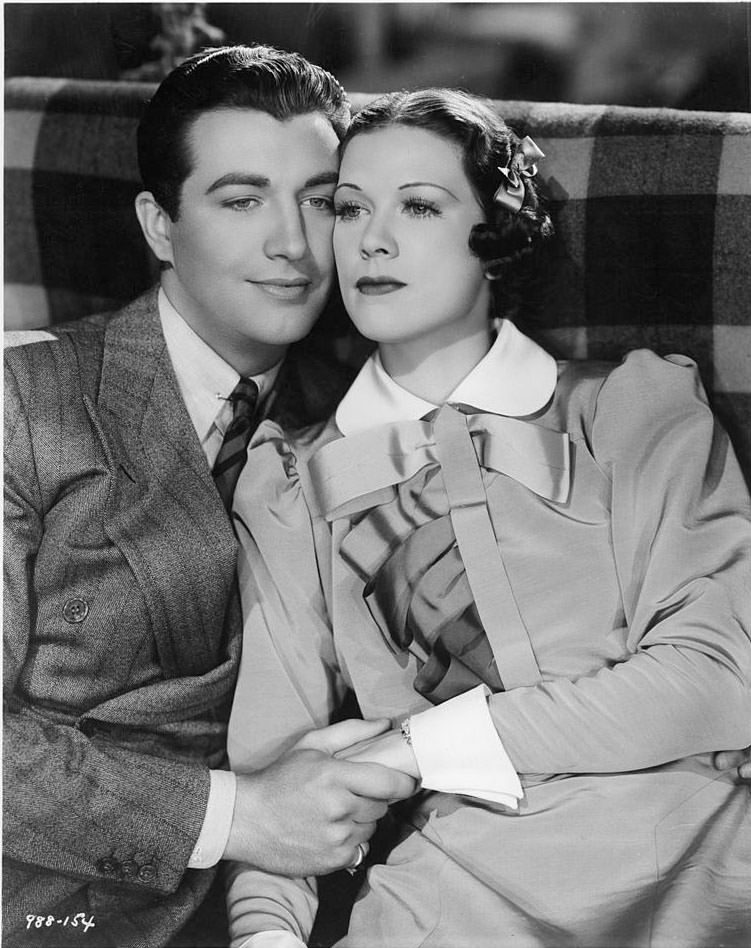
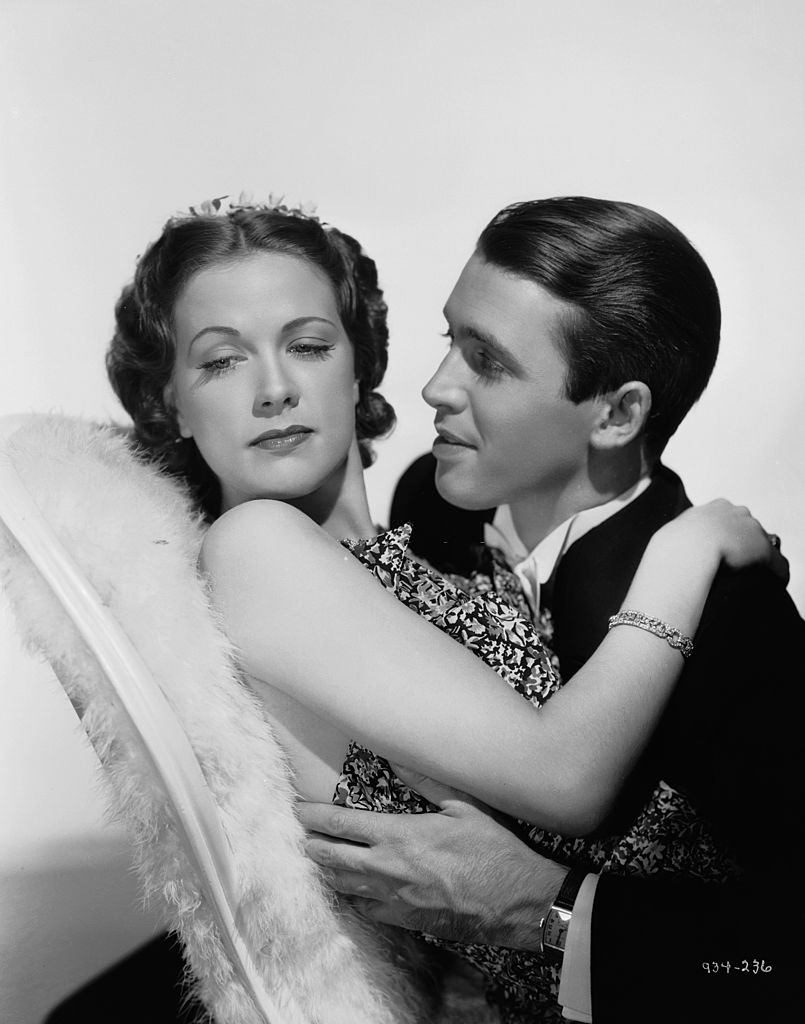
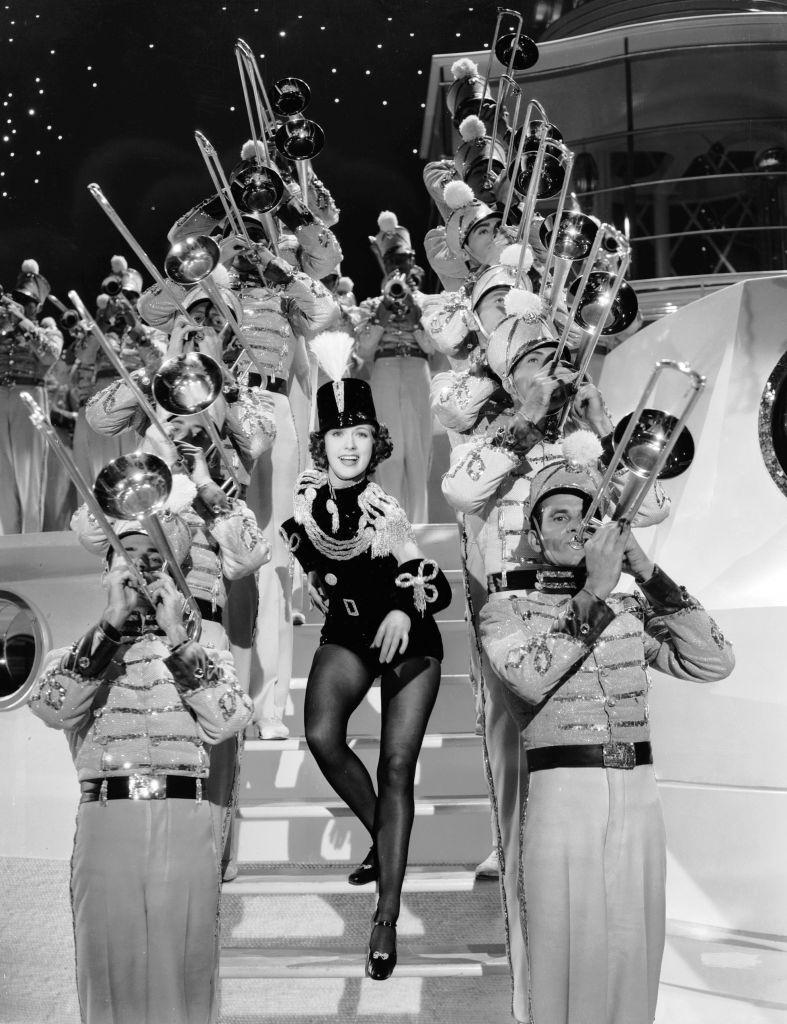
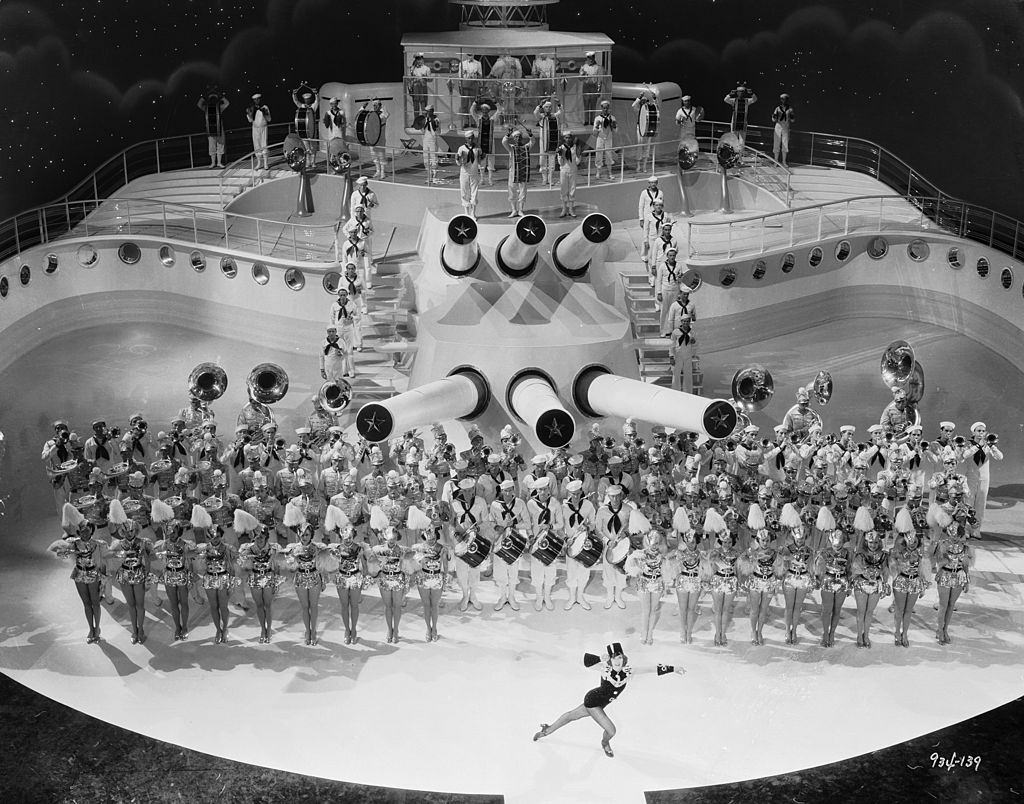
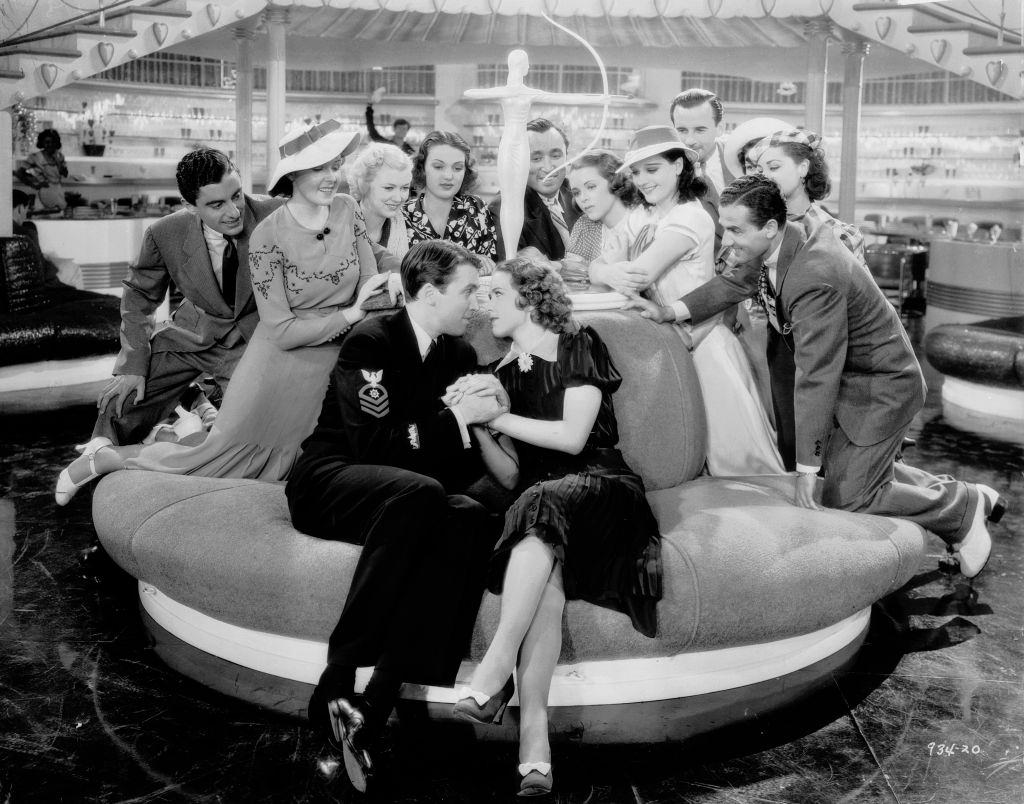
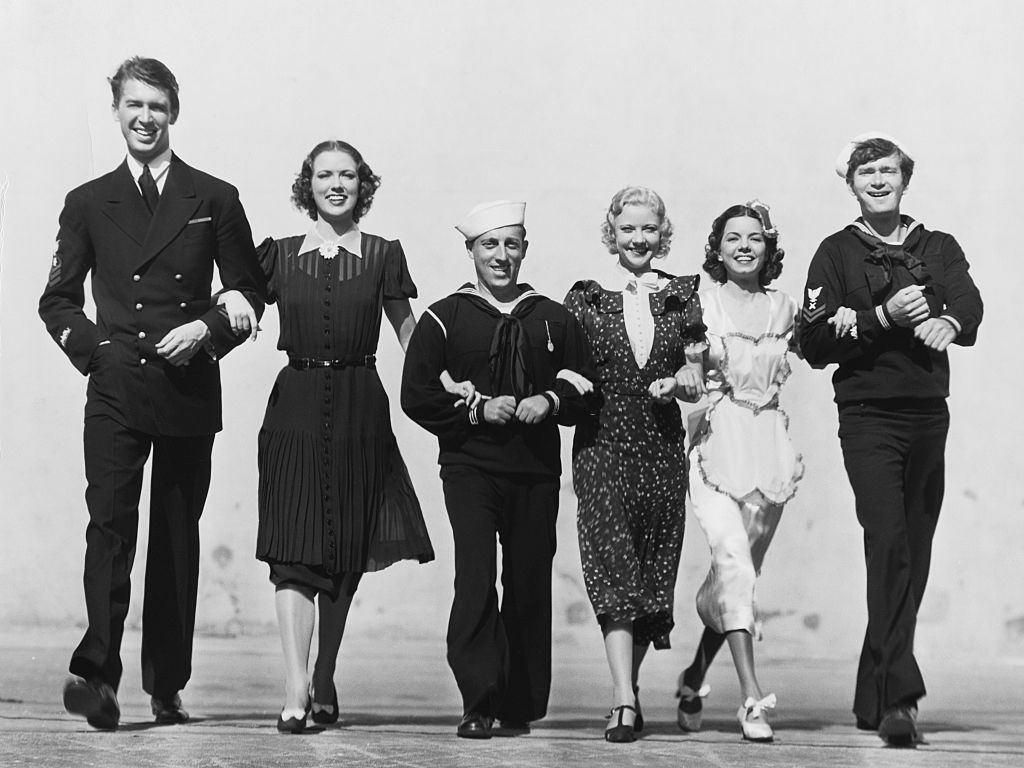
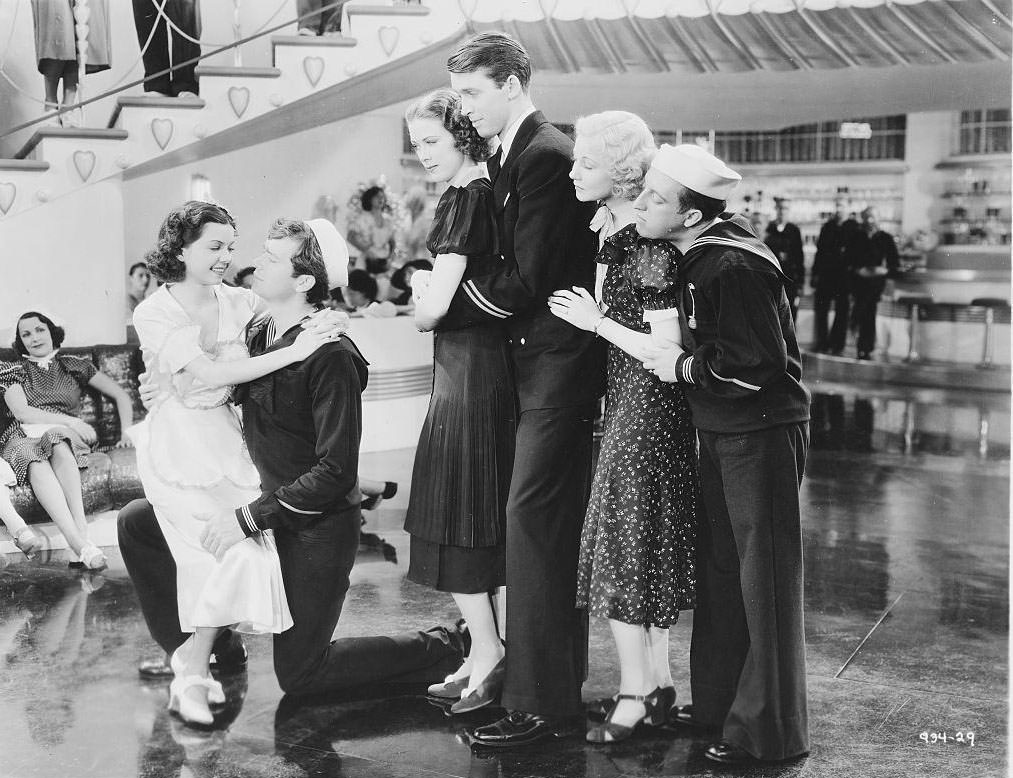
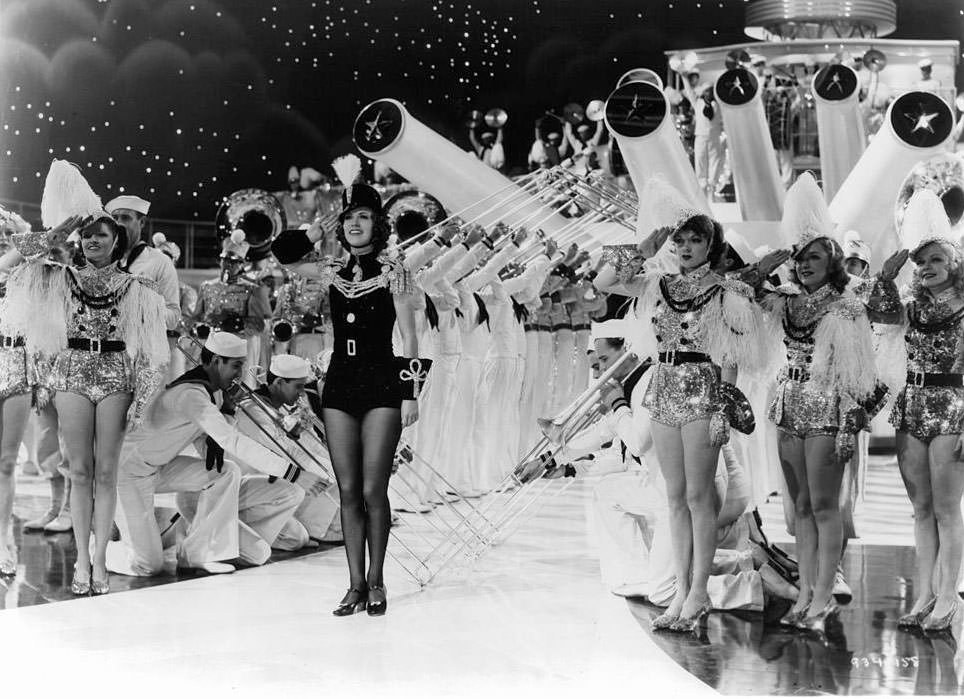
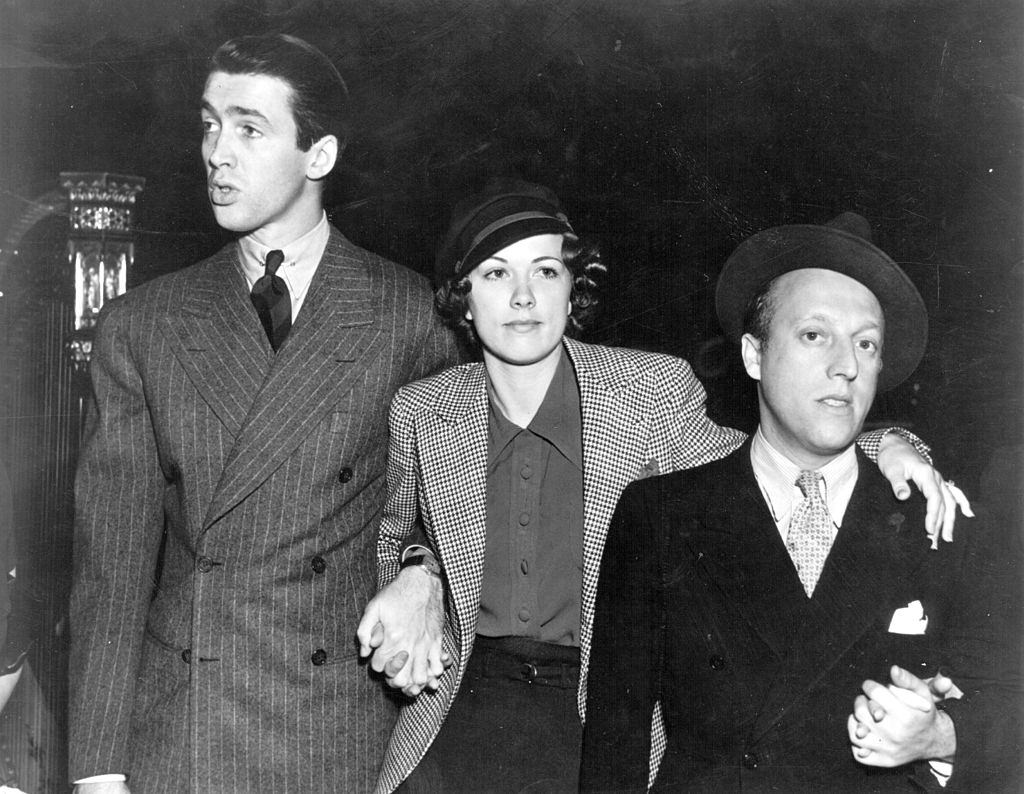
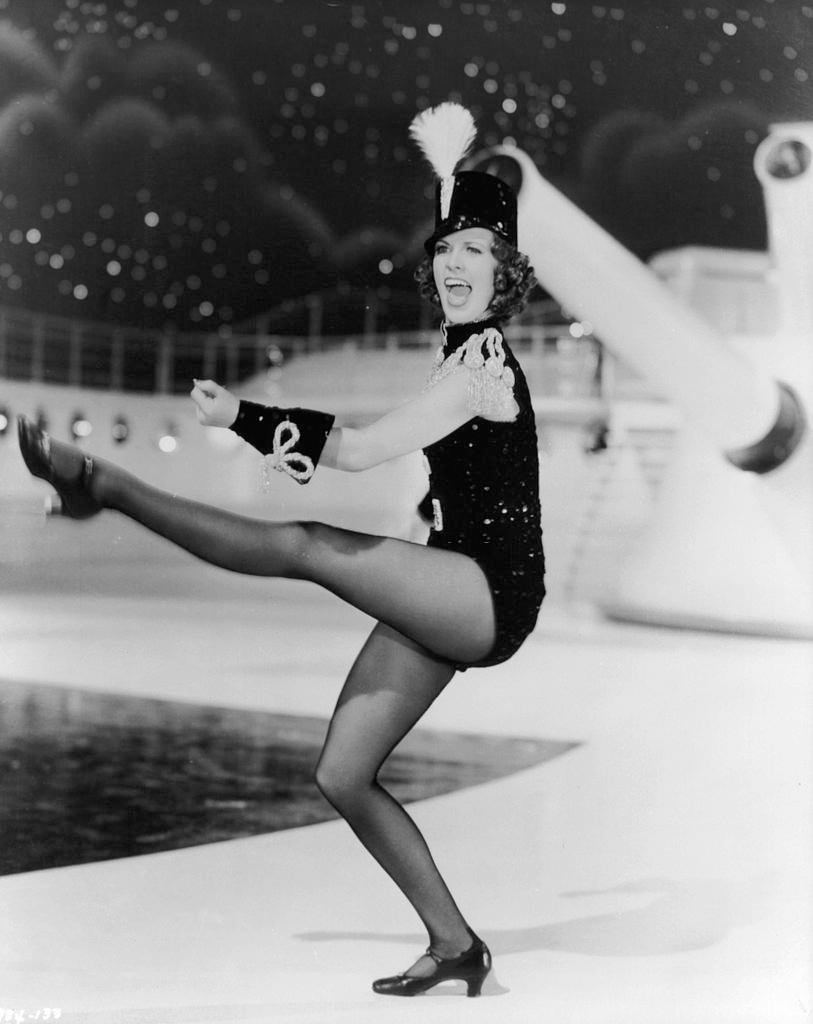
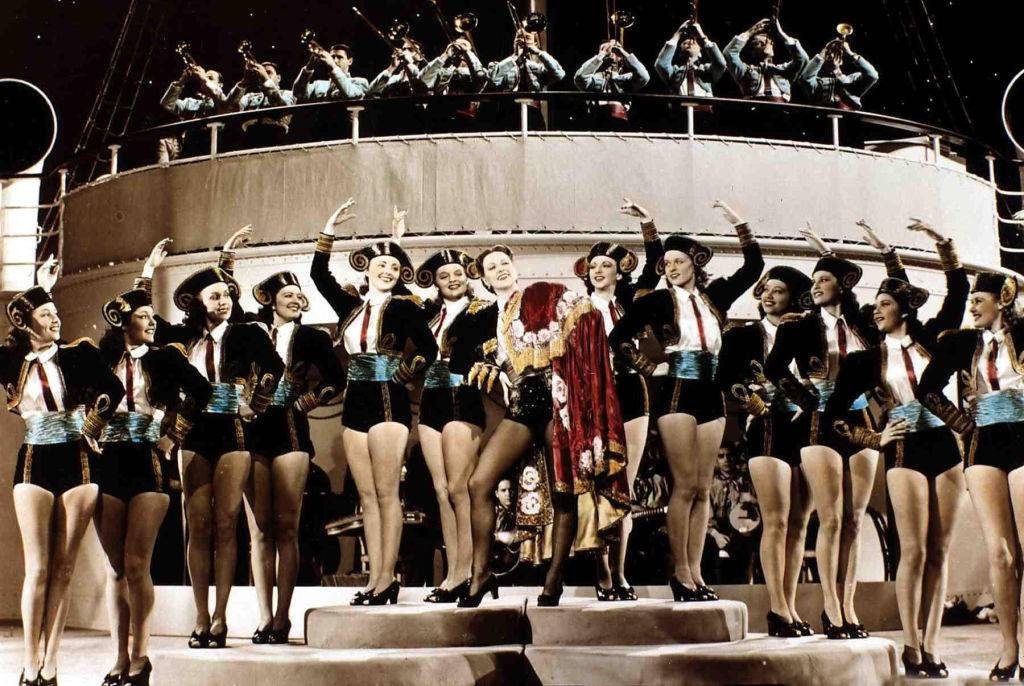
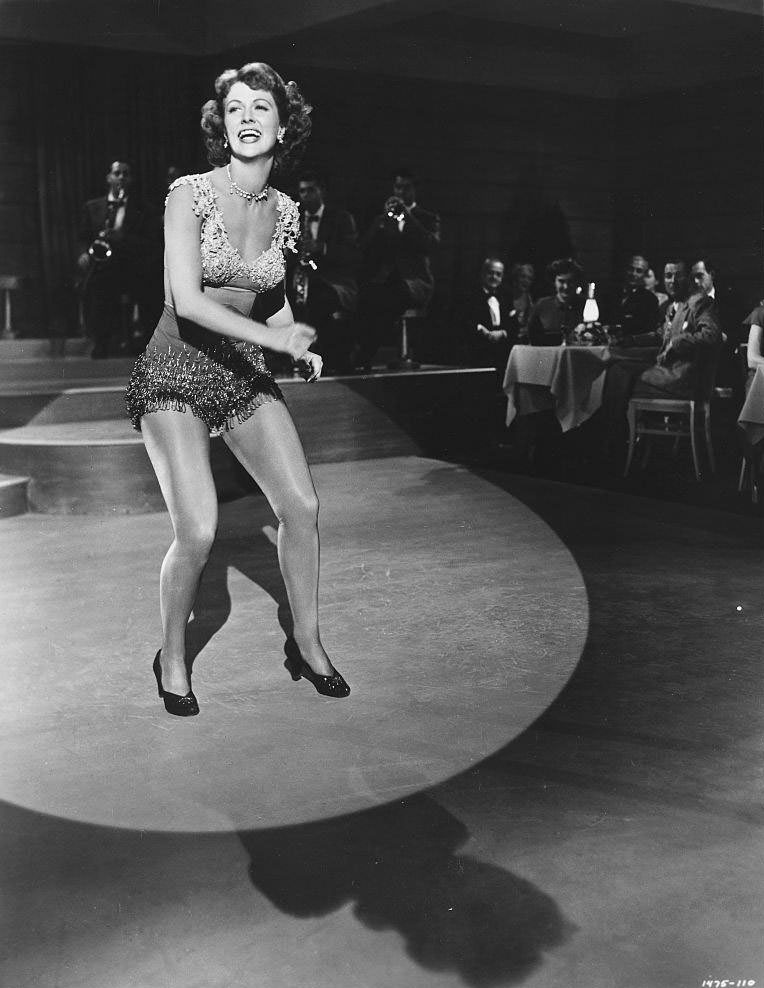
In 1936, Powell appeared in Born to Dance, one of her most celebrated films. She played nightclub hoofer Nora Paige, and the movie gave her an ideal showcase for her range. James Stewart co-starred, and the chemistry between them on screen worked well, even if the film’s real attraction was always Powell’s dancing. The production numbers were elaborate, from Powell descending a staircase lined with trombone players to performing on the deck of a ship in front of a full brass band.
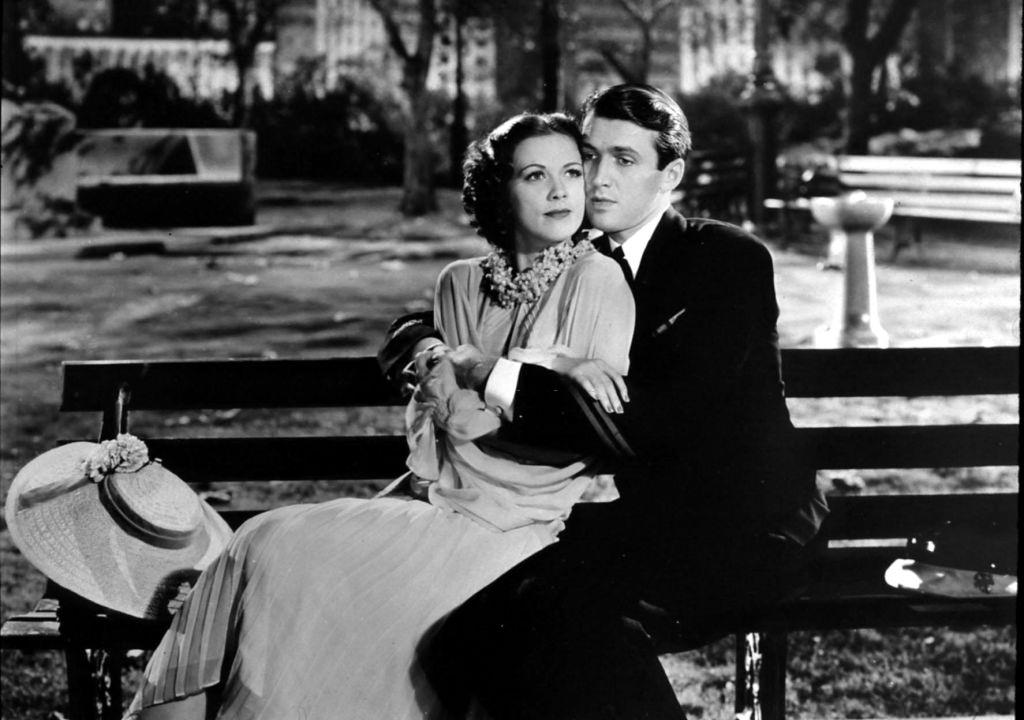
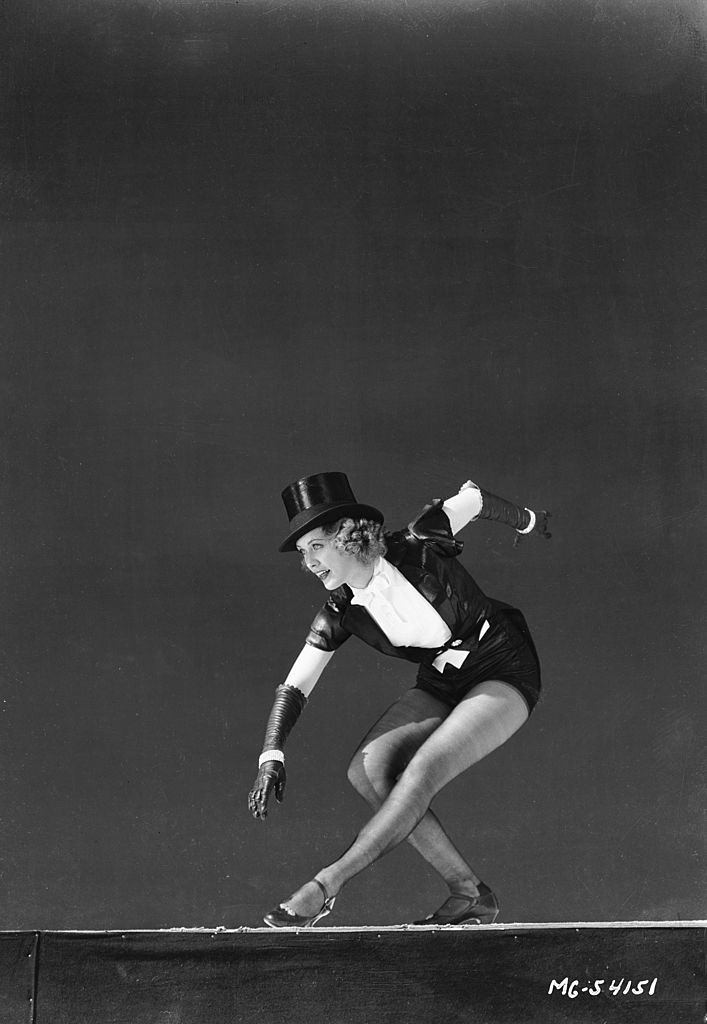
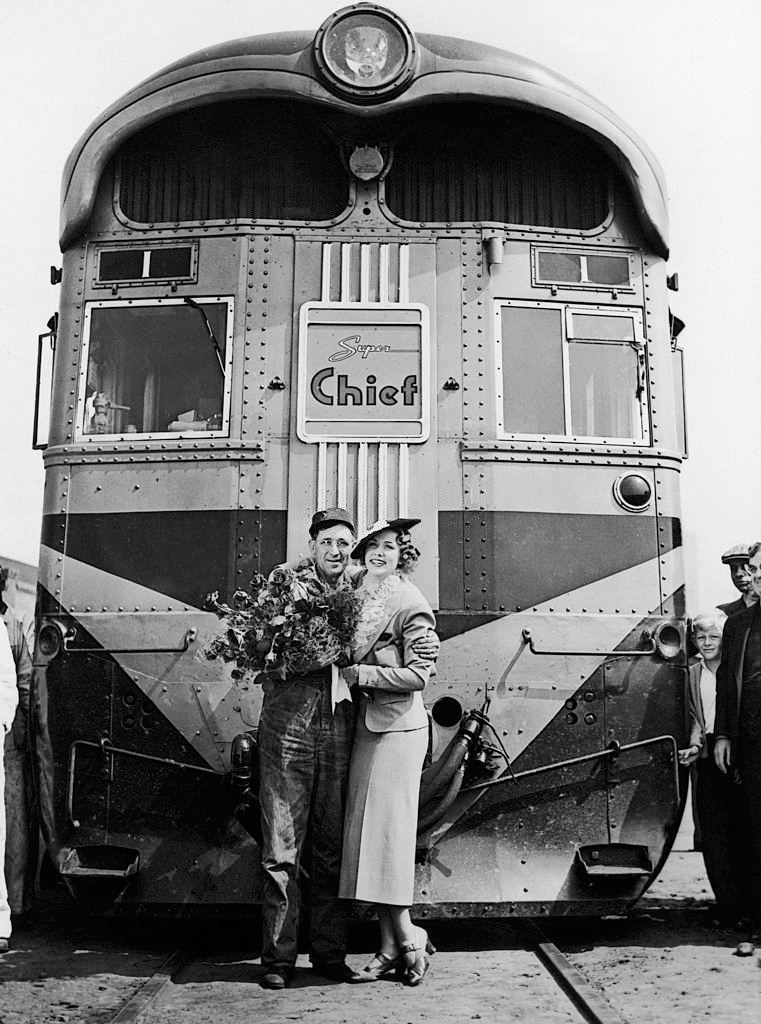
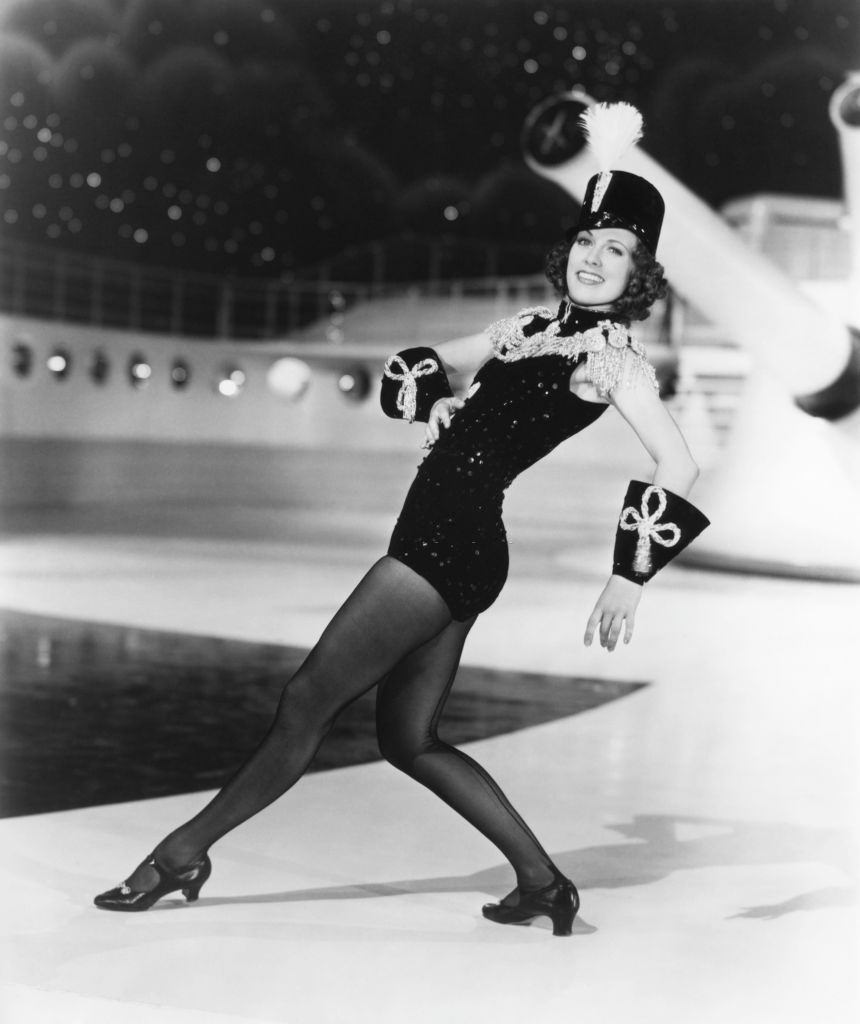
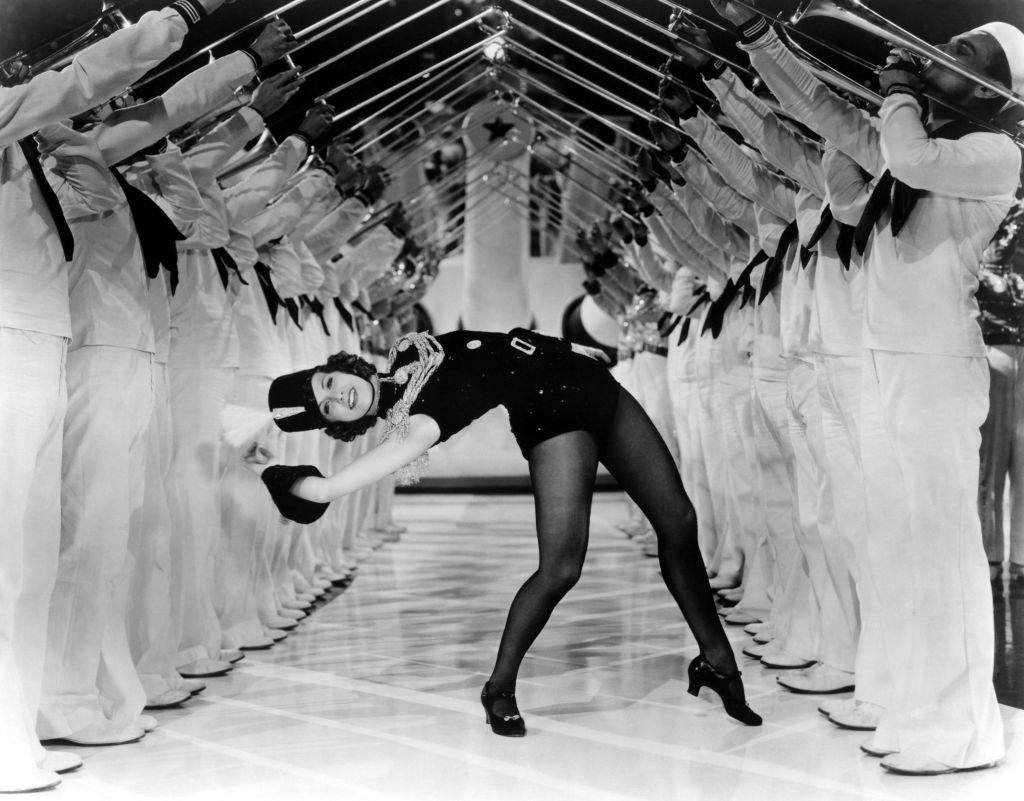
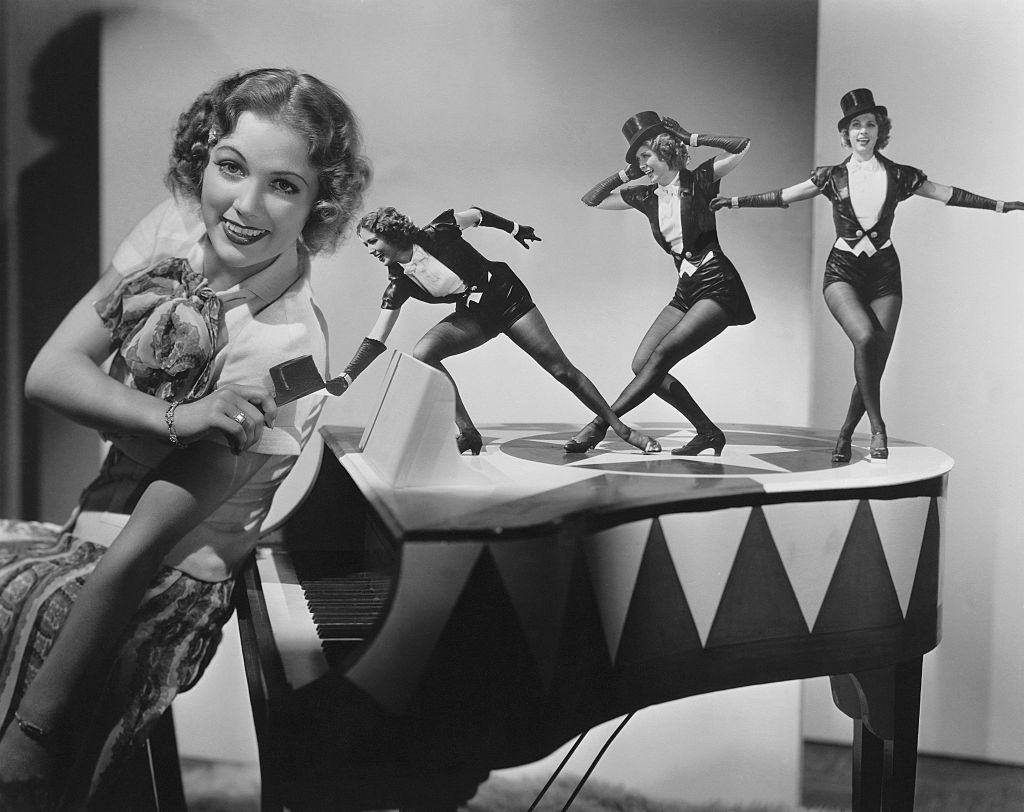
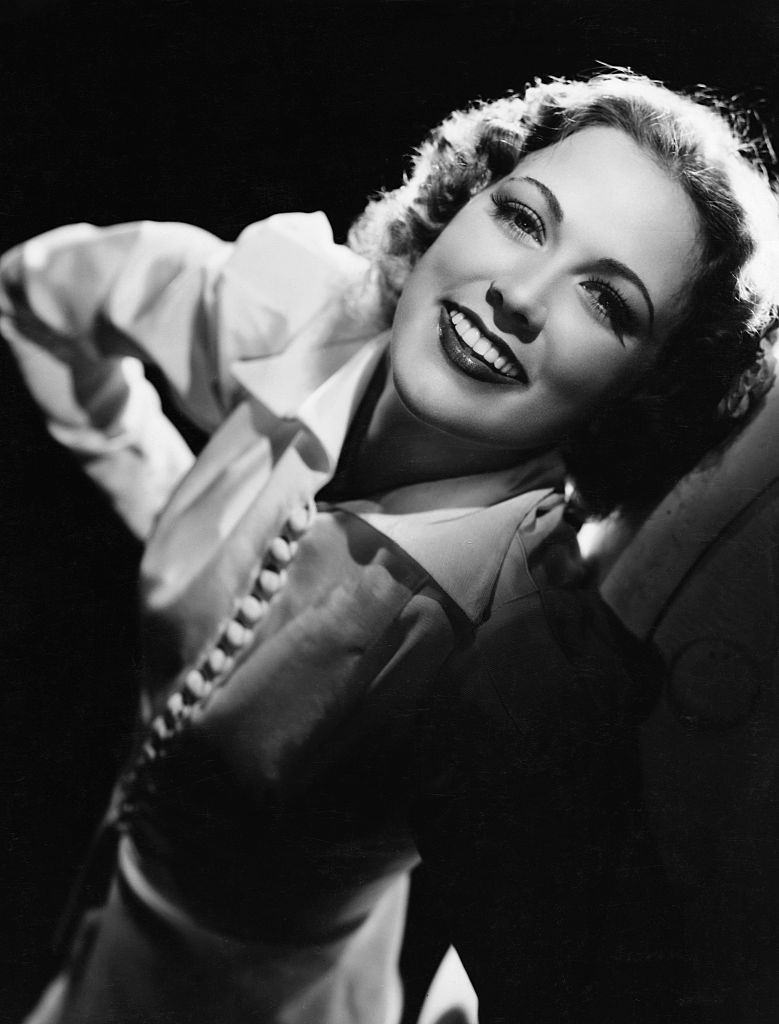
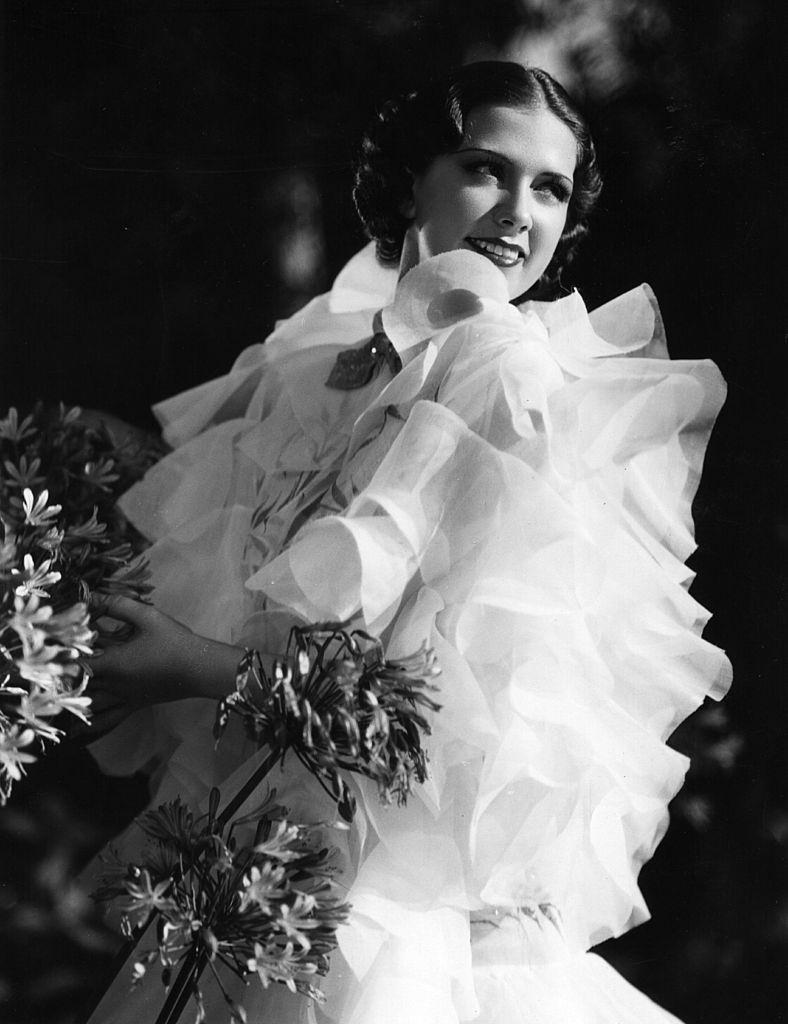
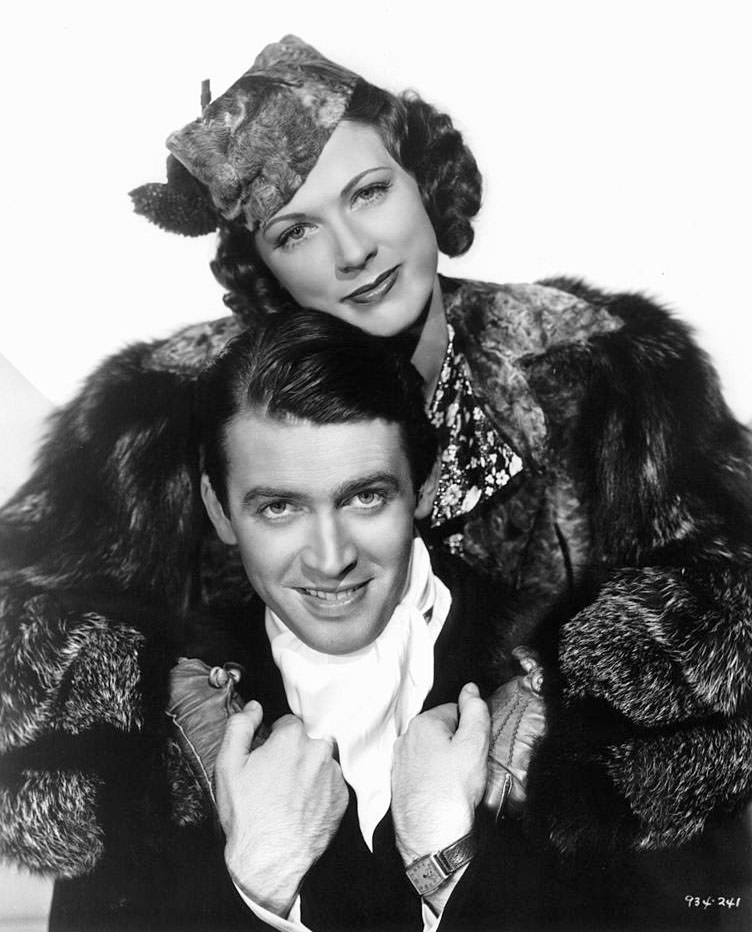
Powell returned to the Broadway Melody series in 1937 with Broadway Melody of 1938, and also appeared in Rosalie that same year. Both films were designed to highlight her talent, and both performed well at the box office. Her co-stars in Rosalie included Nelson Eddy and Ilona Massey, but the film’s biggest draw remained Powell’s athletic and commanding dance sequences.
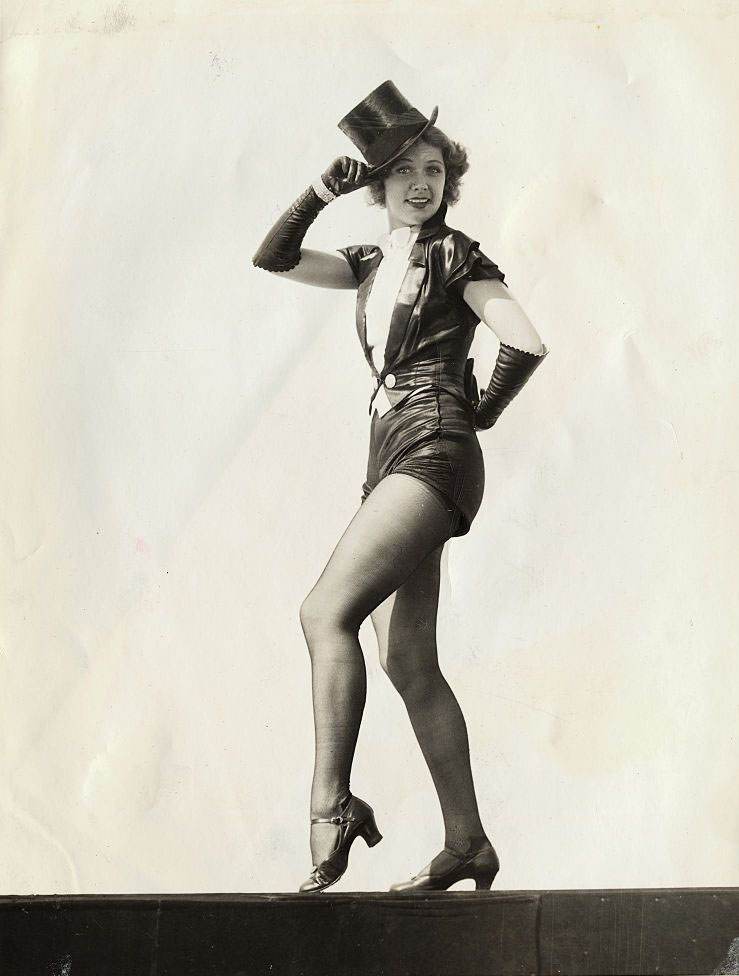
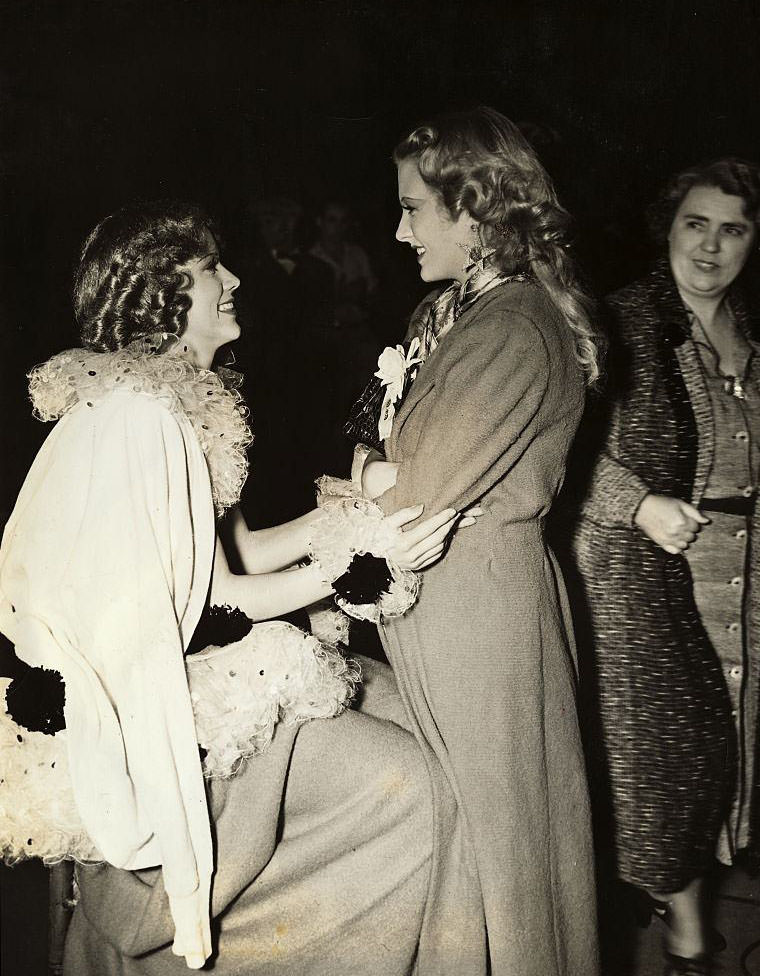
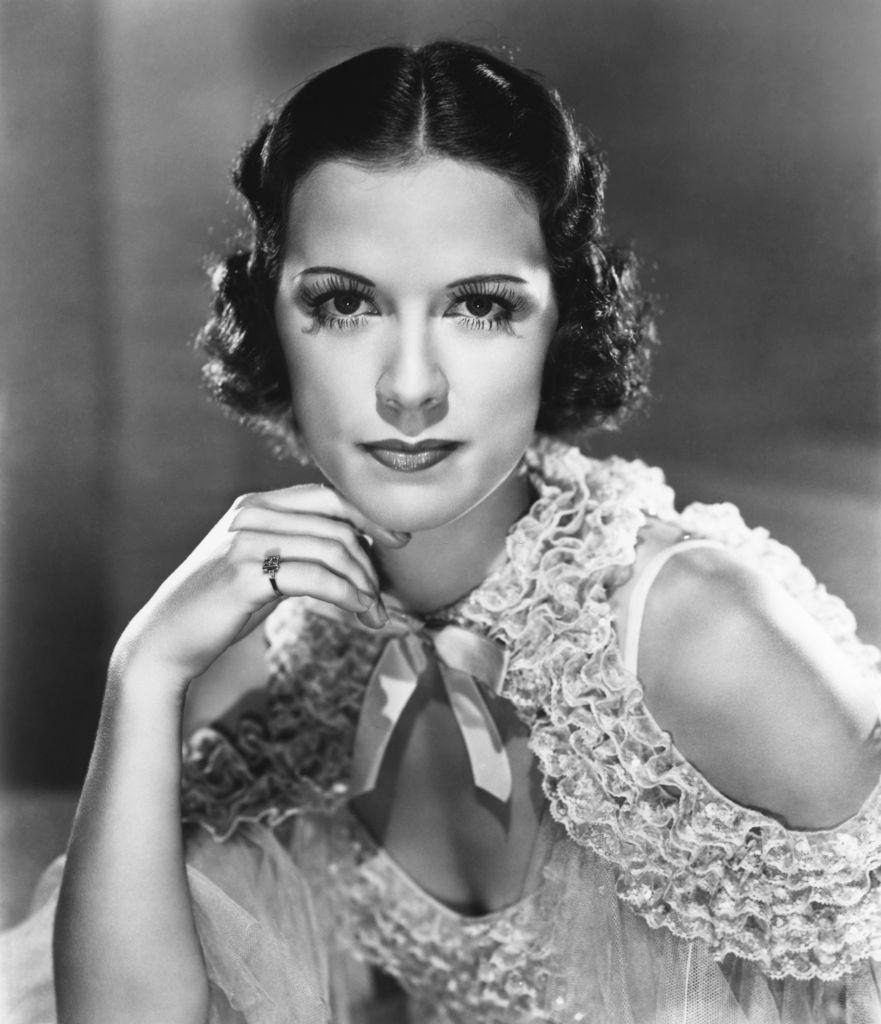
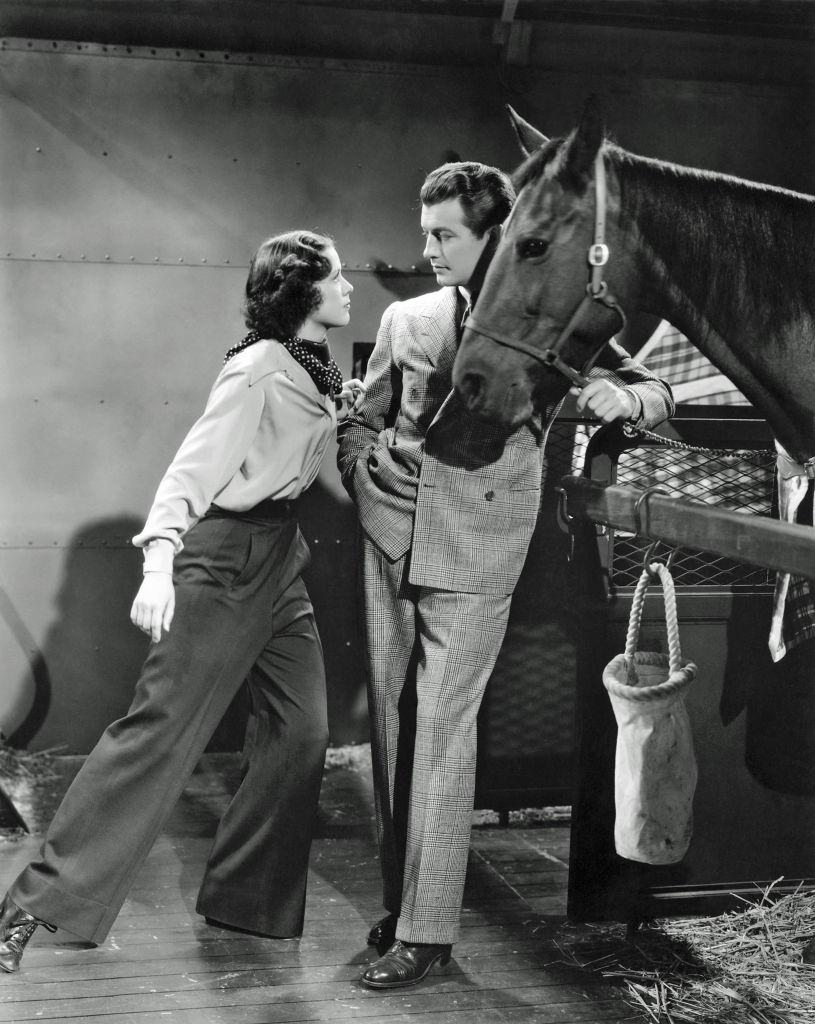
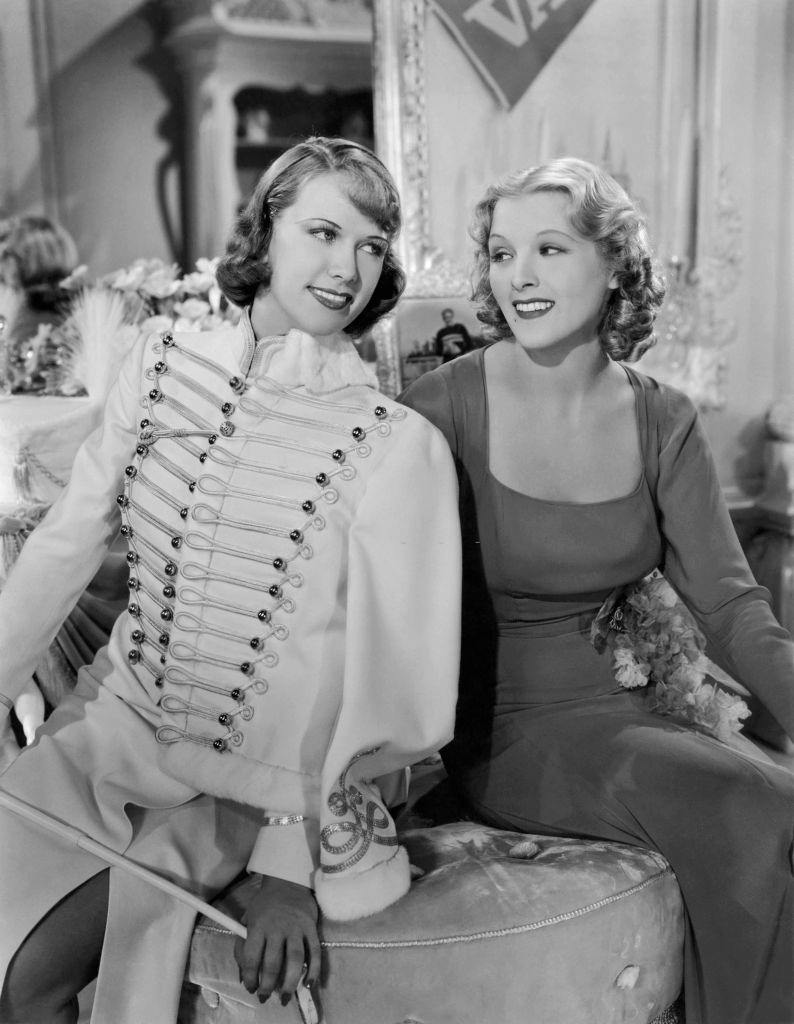
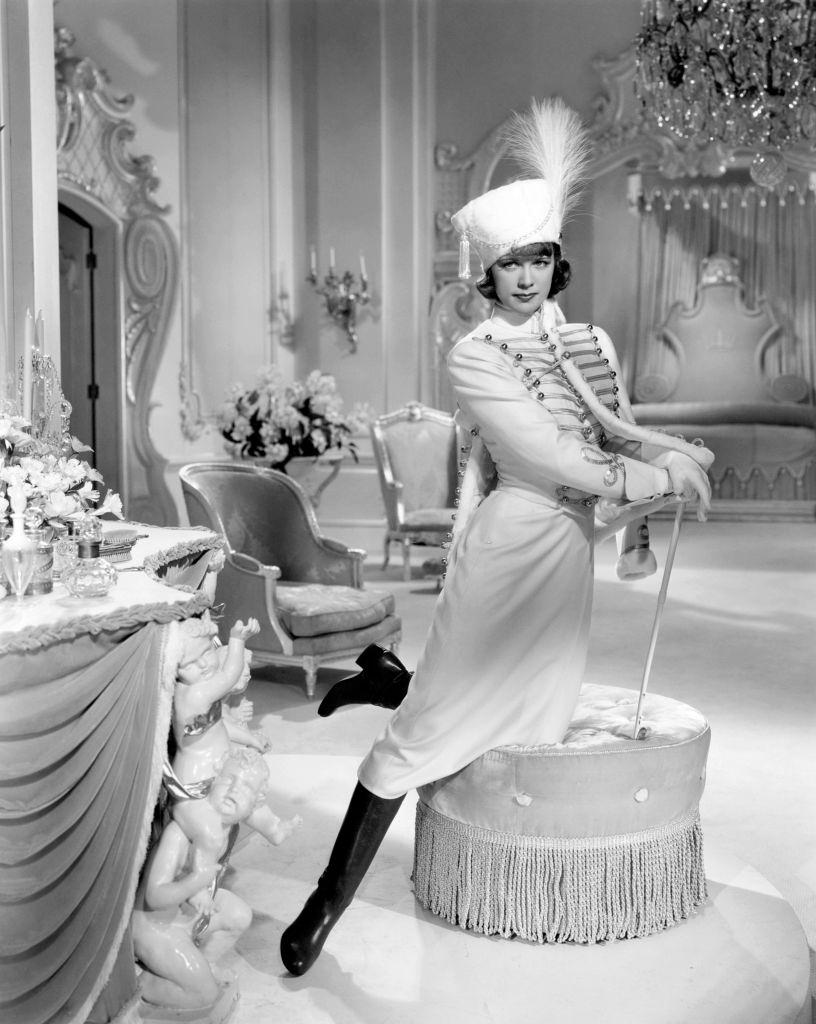
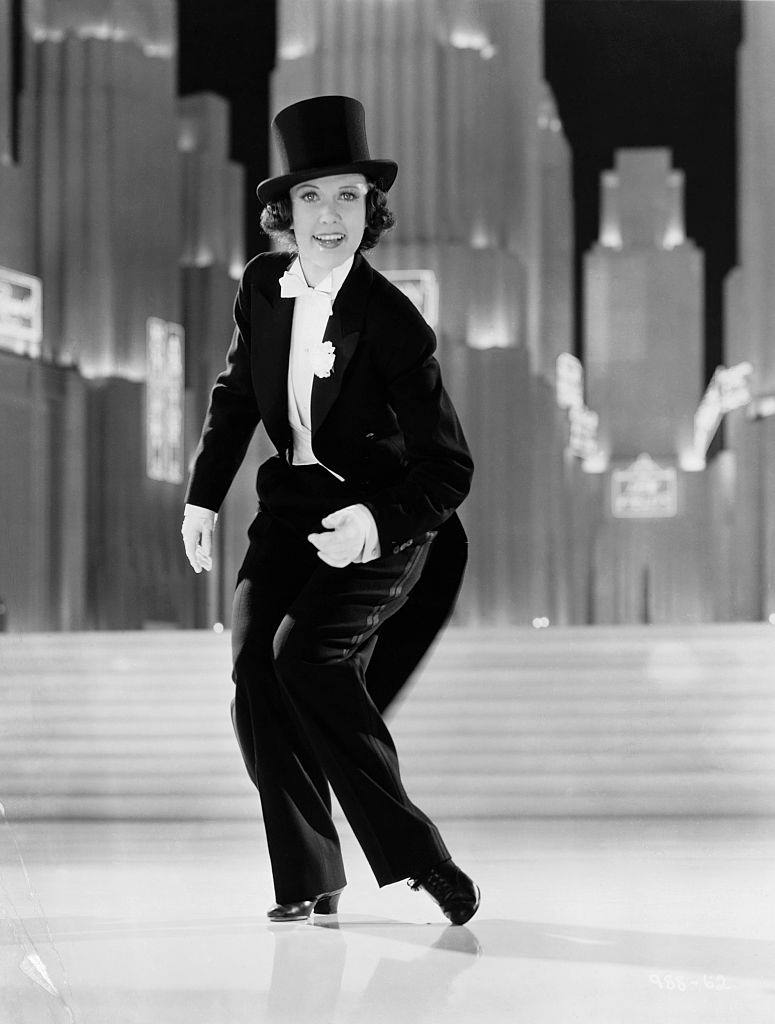
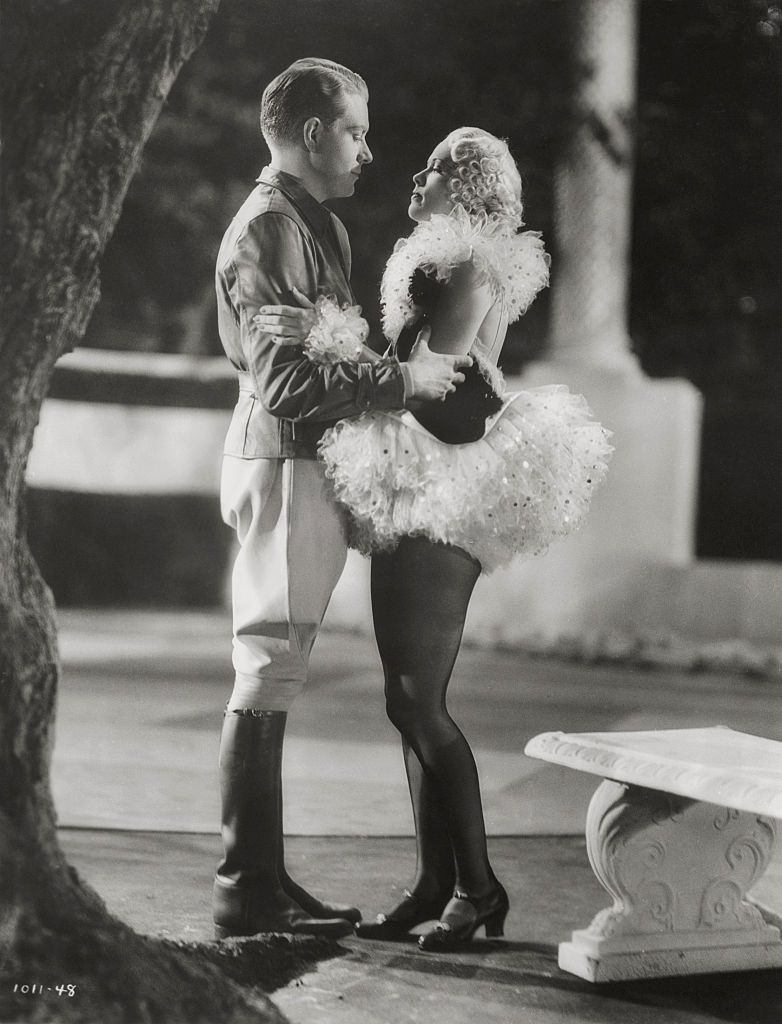
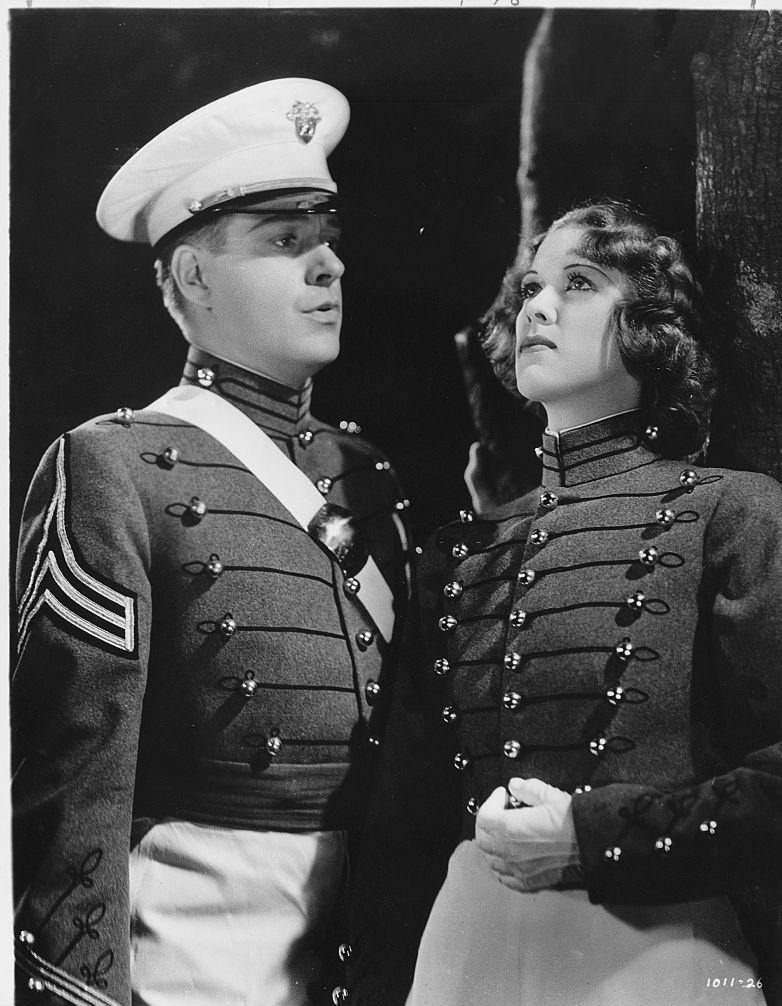
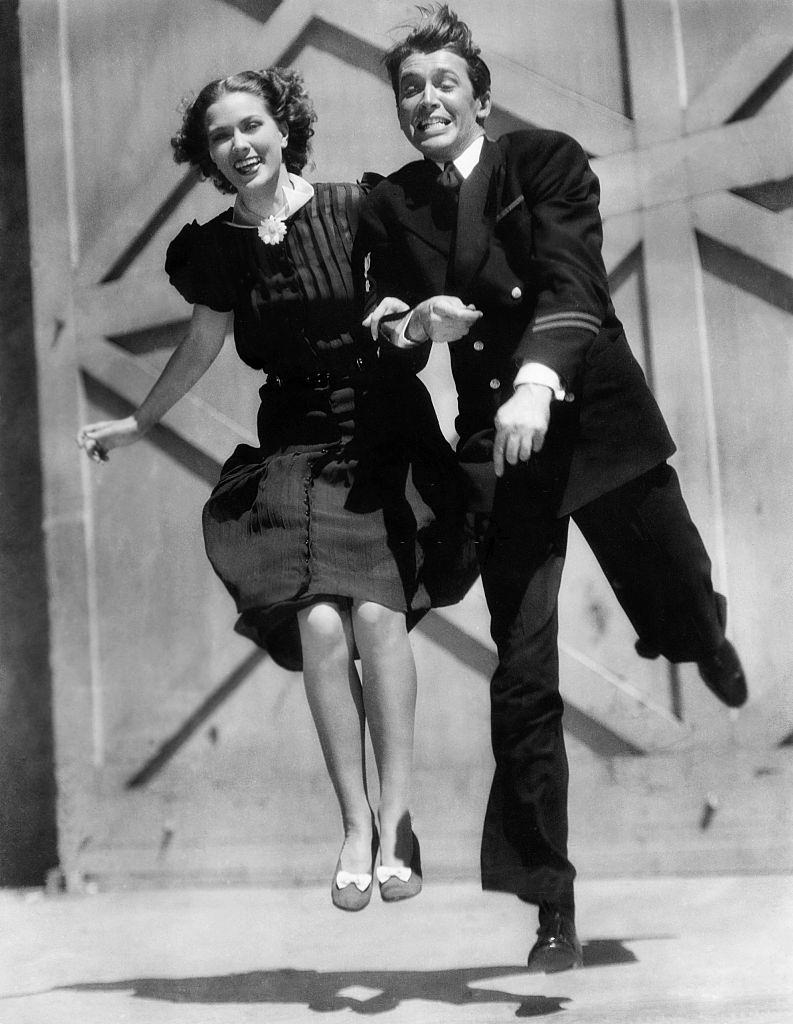
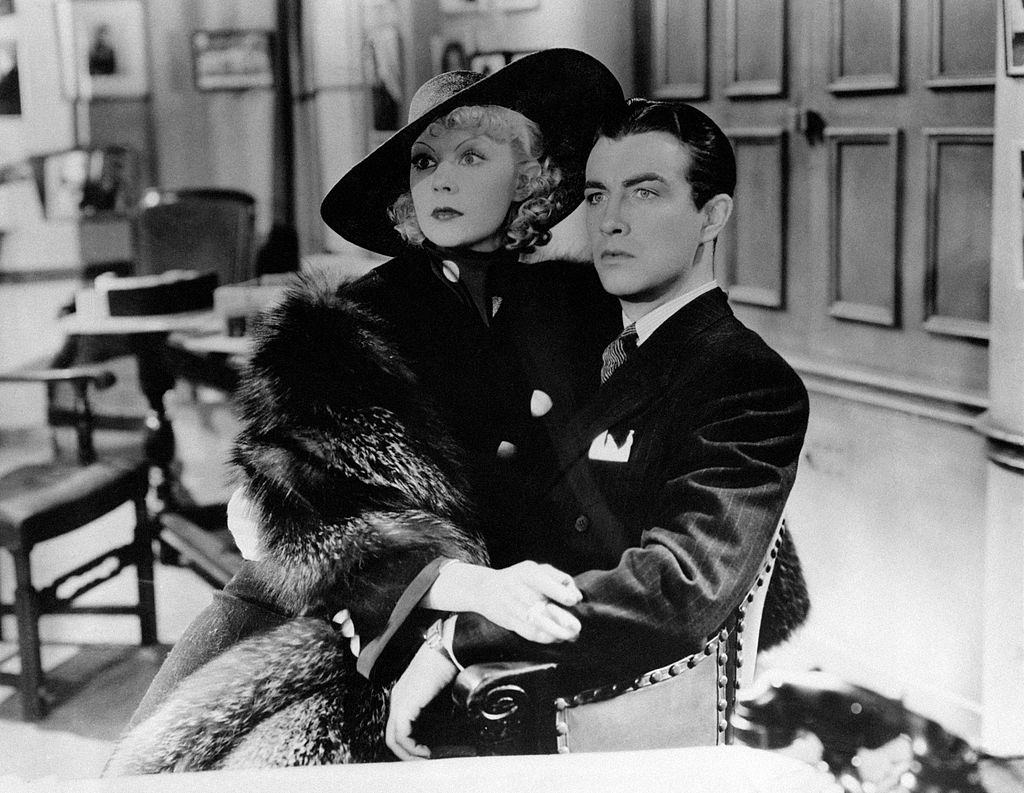
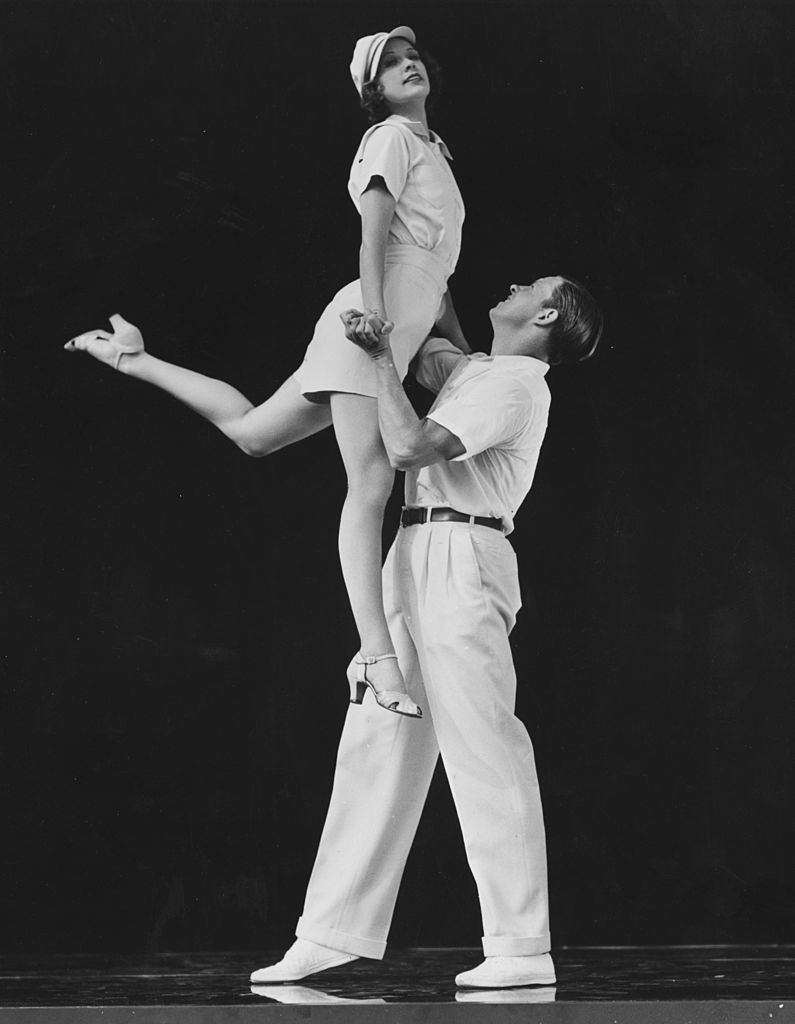
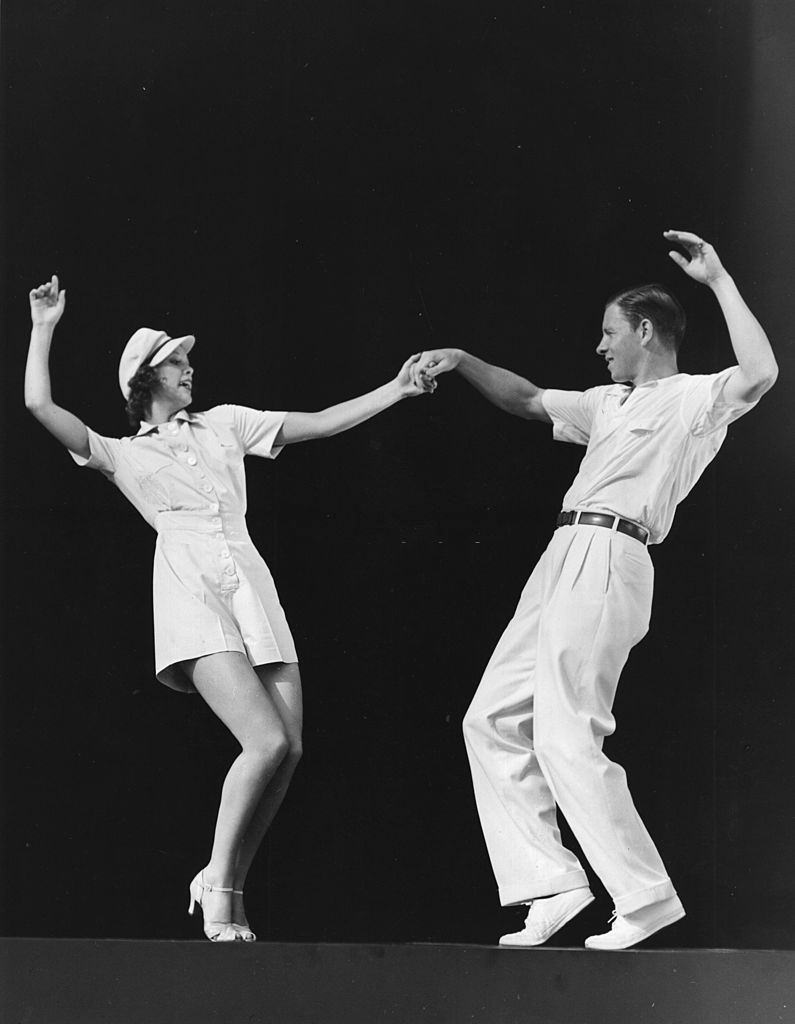
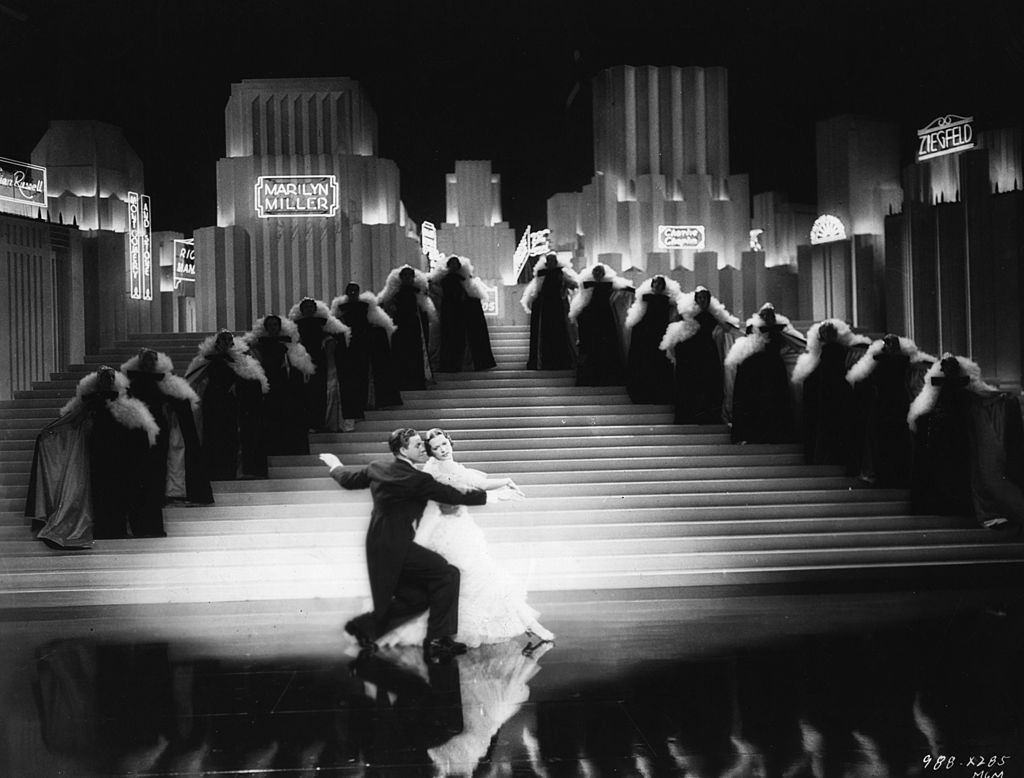
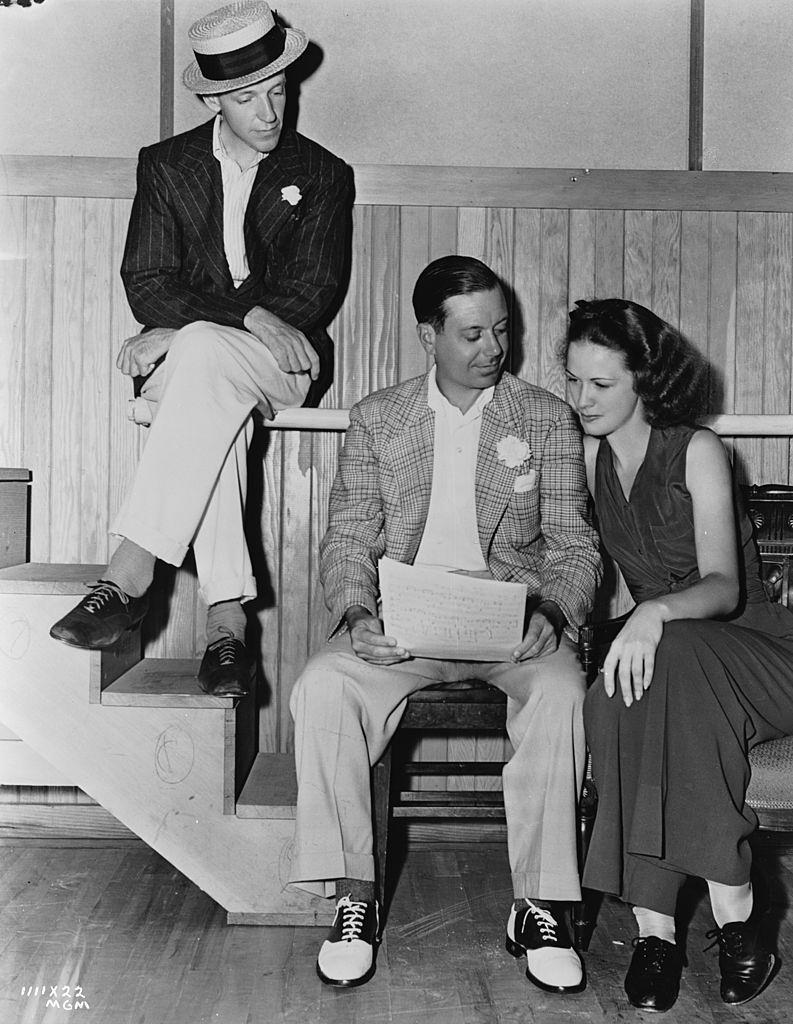
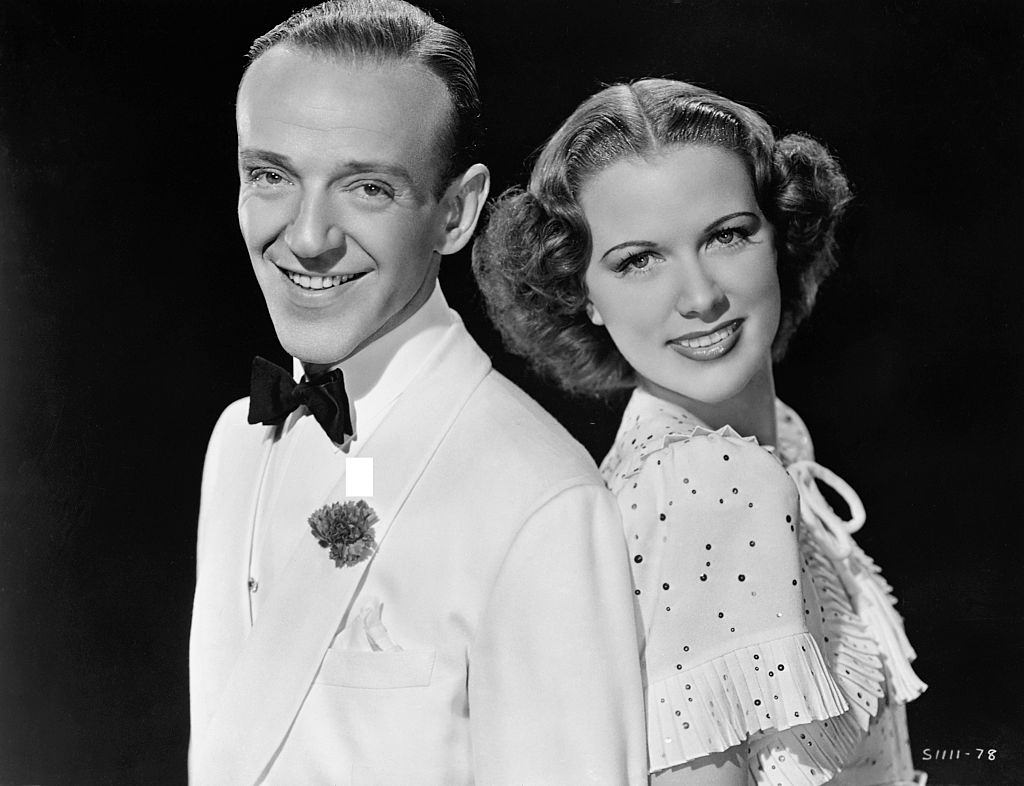
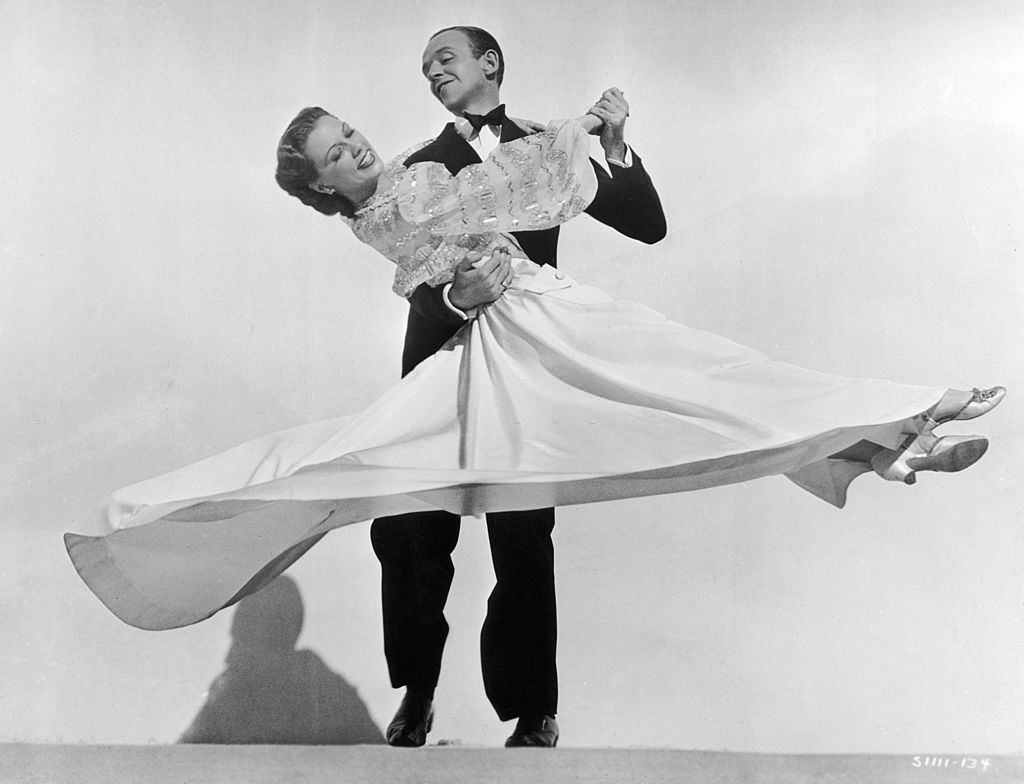
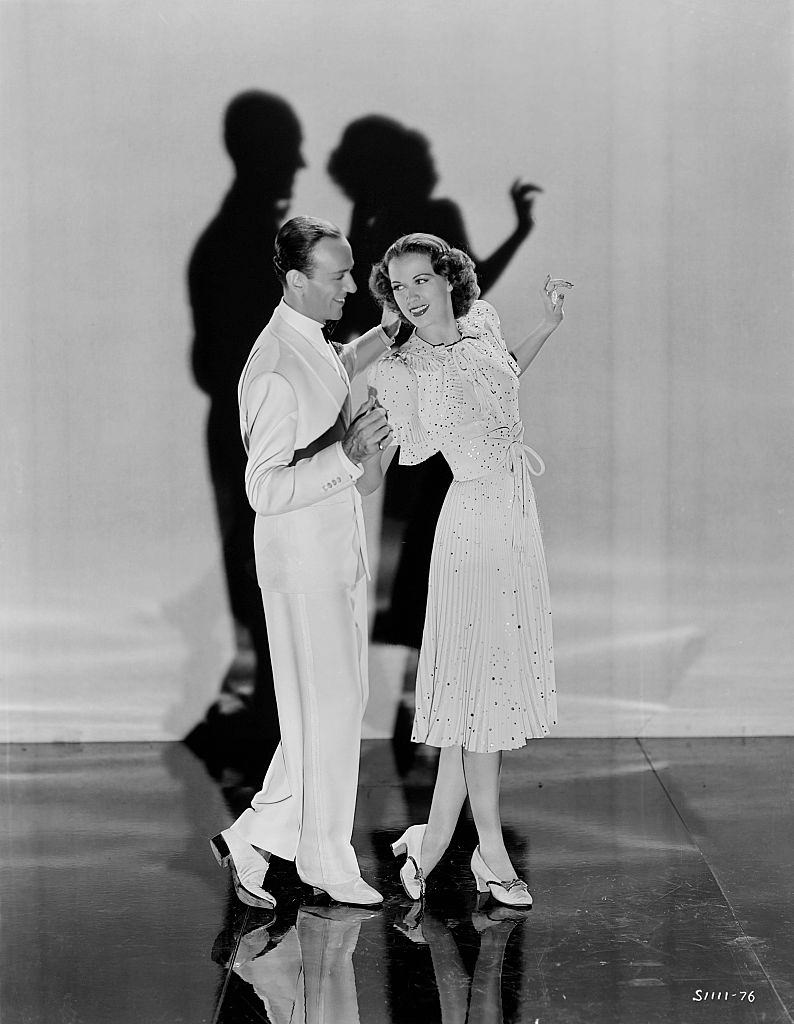
By 1939, Powell was working alongside some of the biggest names in entertainment. She was photographed with composer Cole Porter and Fred Astaire that year, and she rehearsed extensively with Astaire in preparation for what would become their most celebrated collaboration. Powell’s dominant style as a dancer was something that made pairing her with male co-stars complicated — her precision and force tended to overshadow partners. Astaire was one of the rare exceptions, and the two were evenly matched on screen.
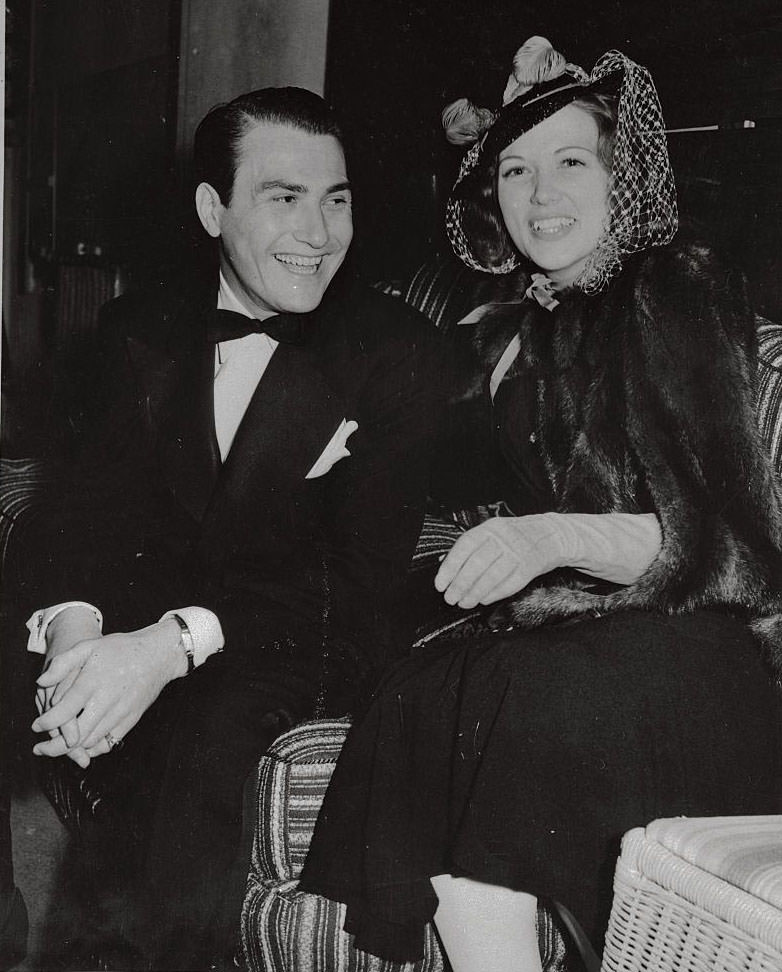
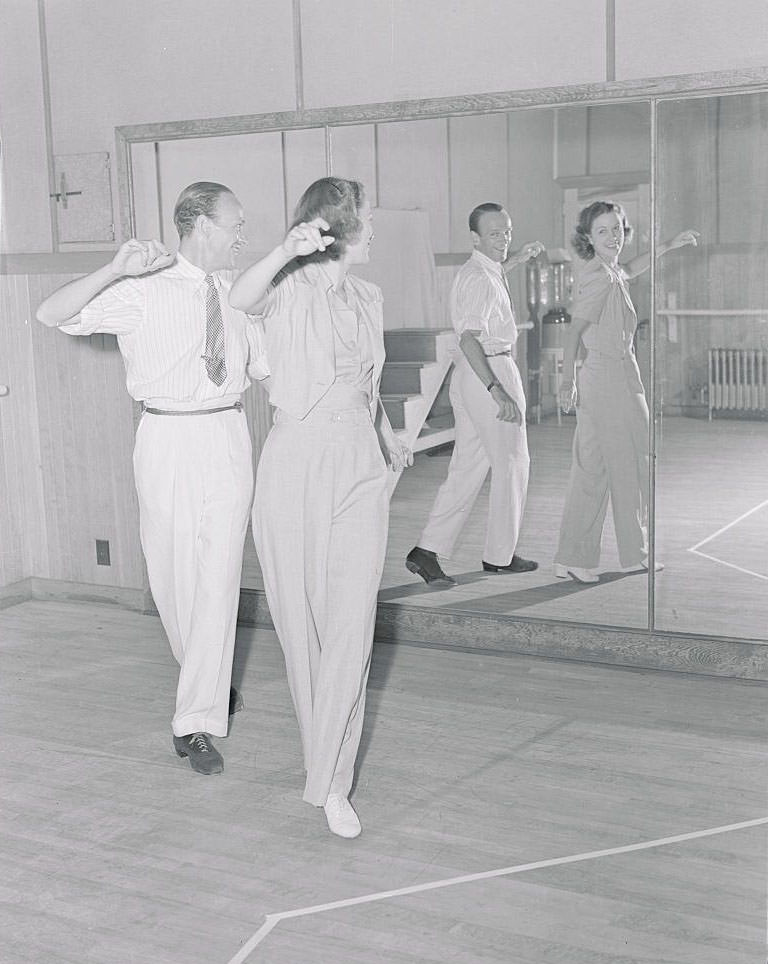
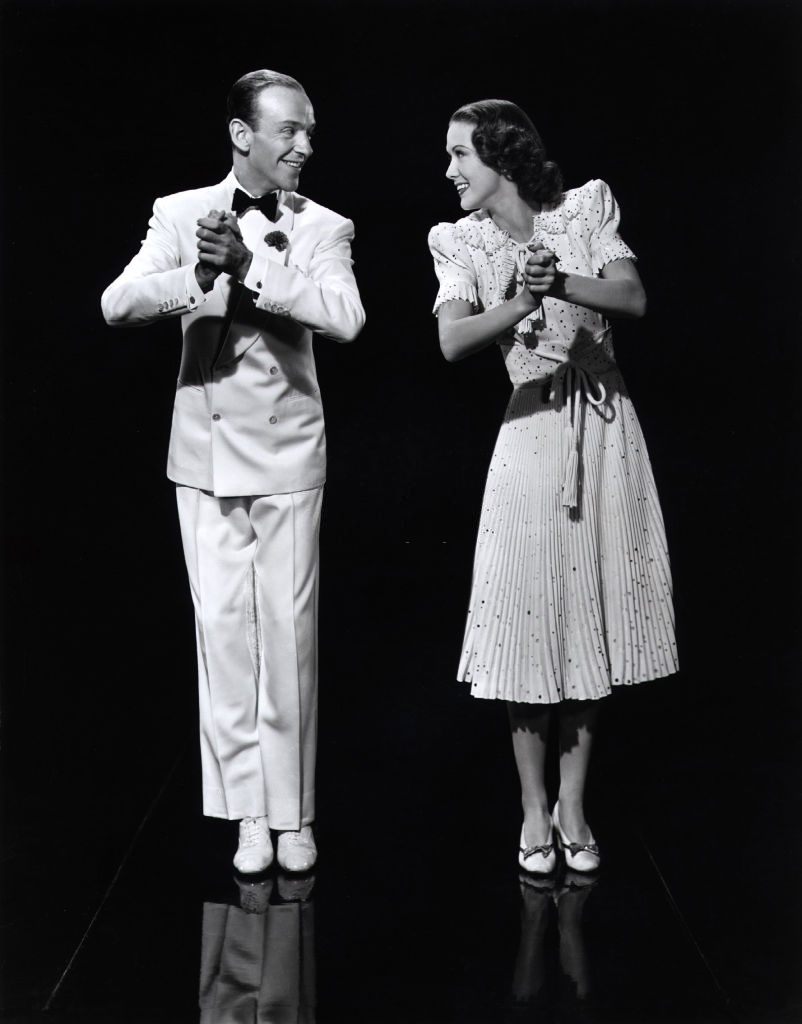
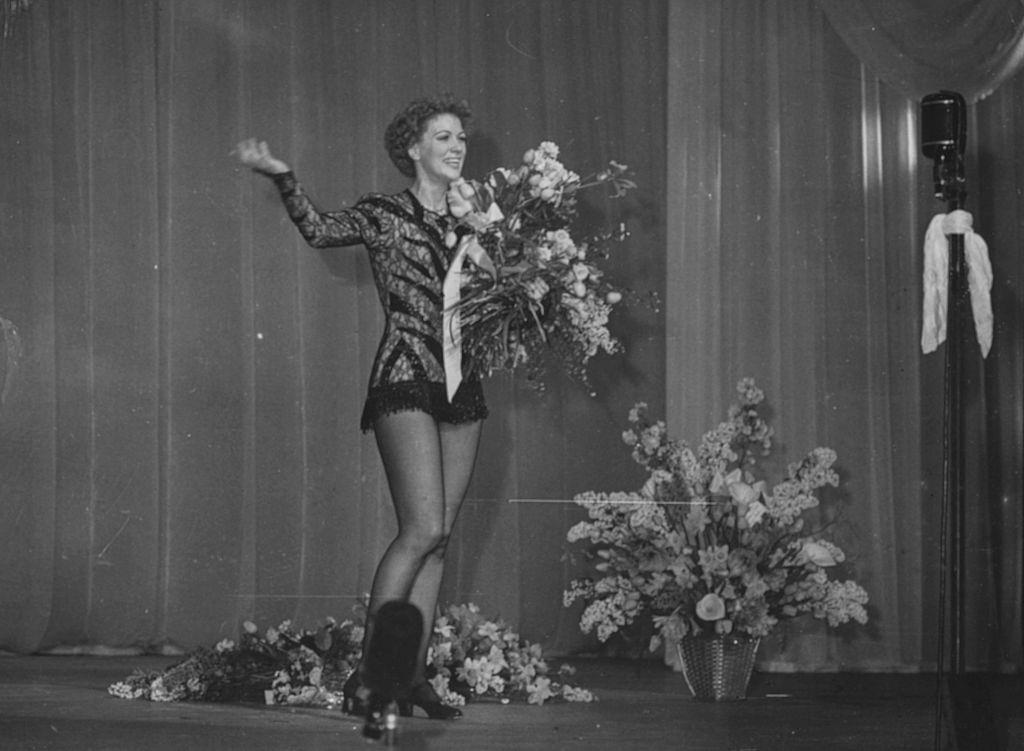
Broadway Melody of 1940 is widely considered the high point of Powell’s film career. The tap sequence set to Cole Porter’s Begin the Beguine, performed with Fred Astaire, became one of the most celebrated dance numbers in Hollywood history. The routine ran for several minutes without a cut, and every step was executed with a level of control that left nothing to chance. Powell trained obsessively for the number, working on it day after day until every beat was locked in.
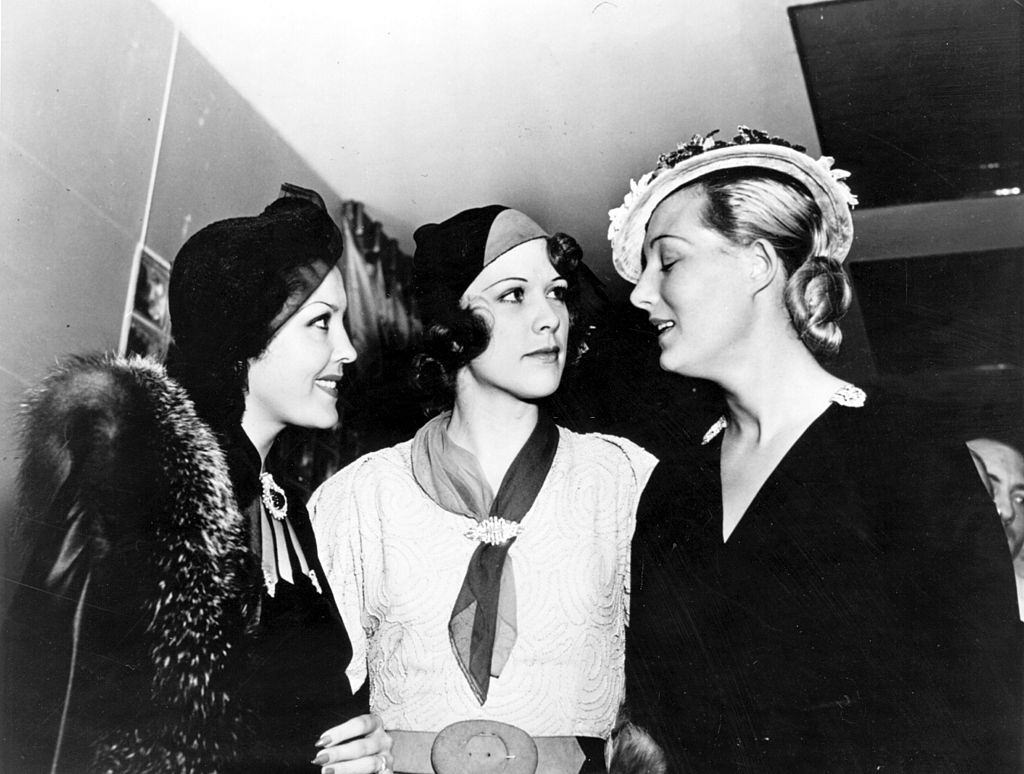
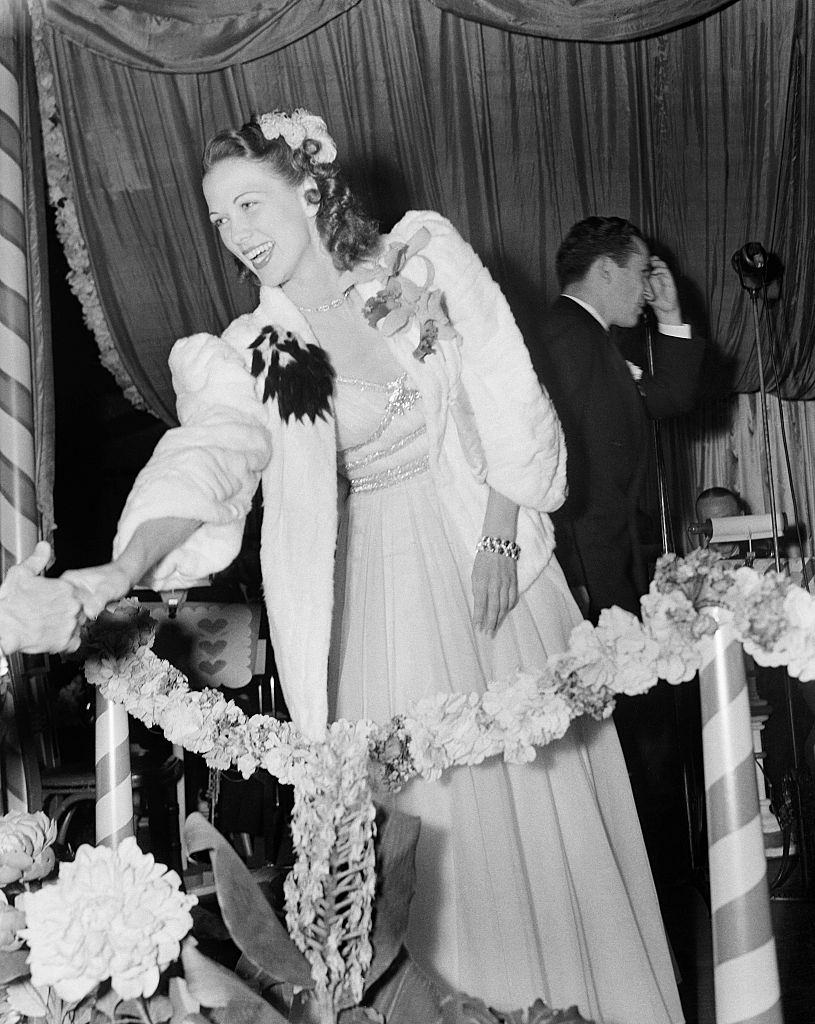
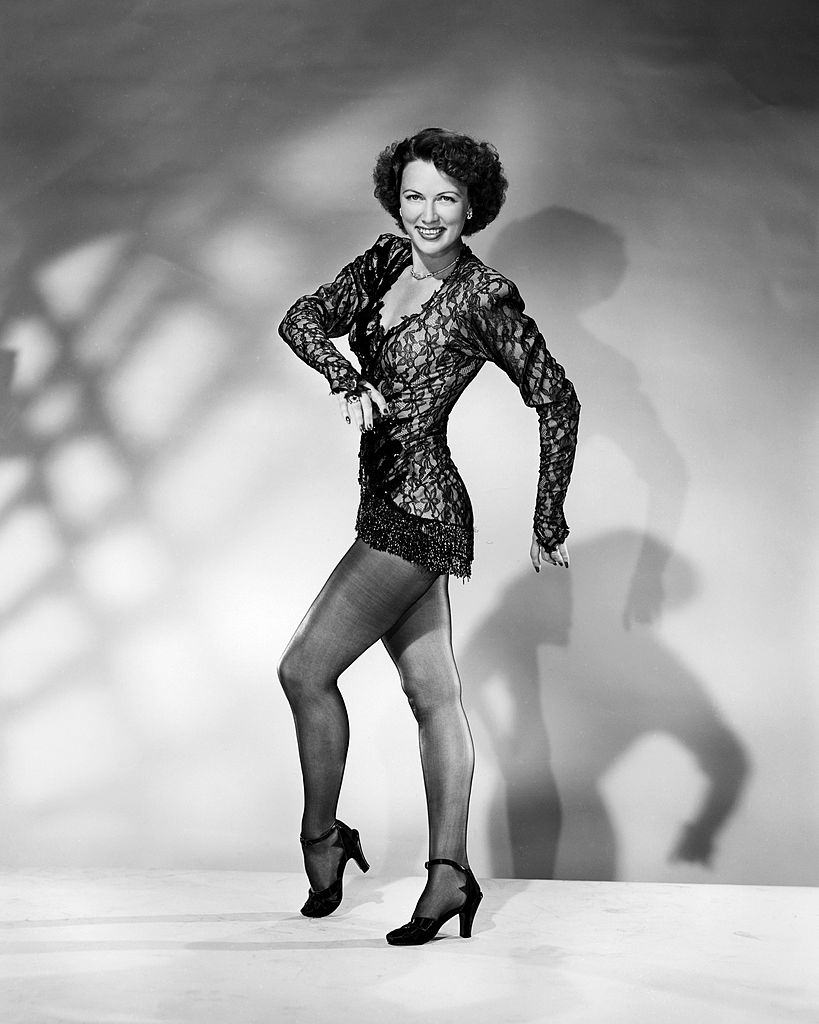
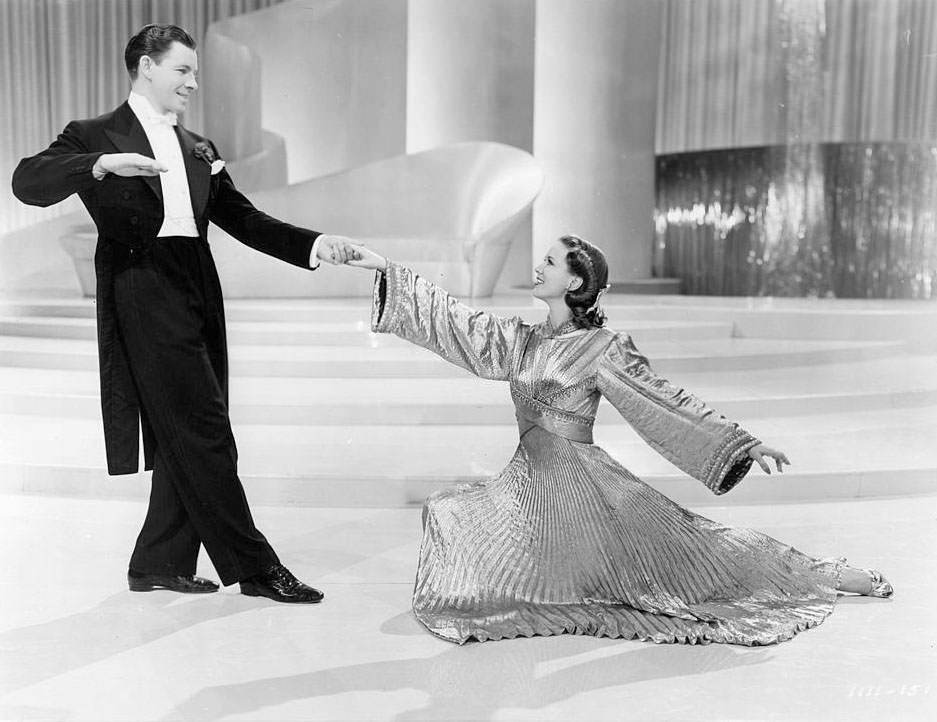
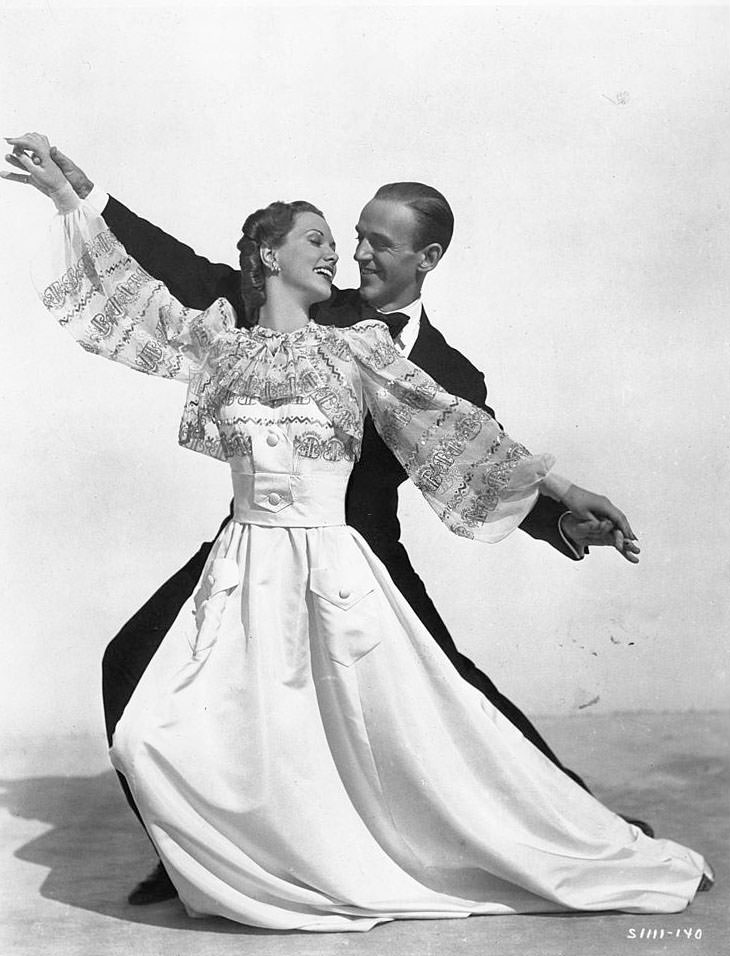
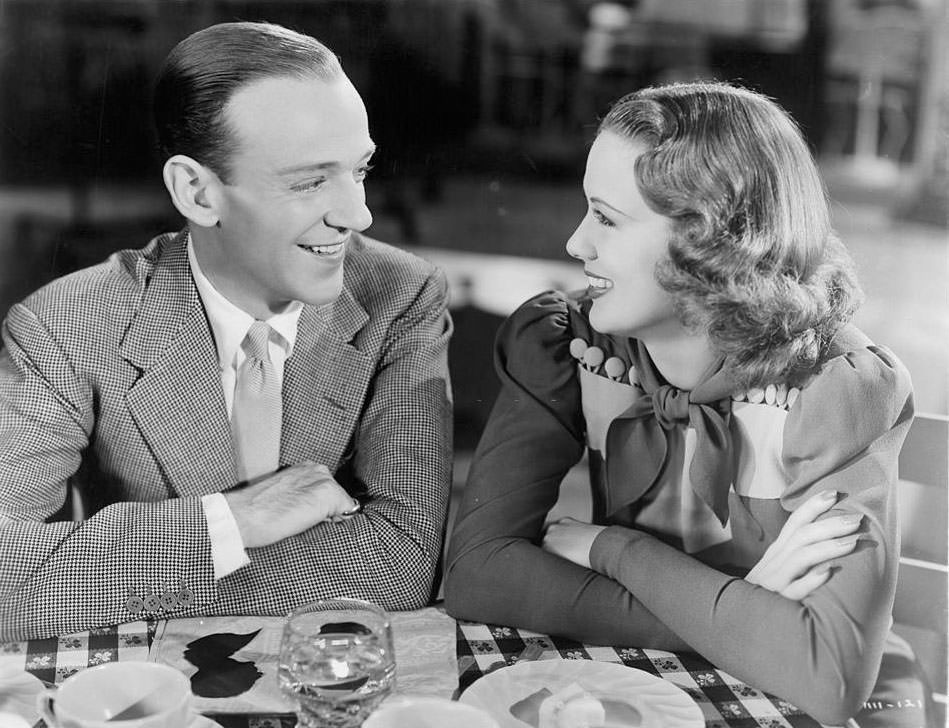
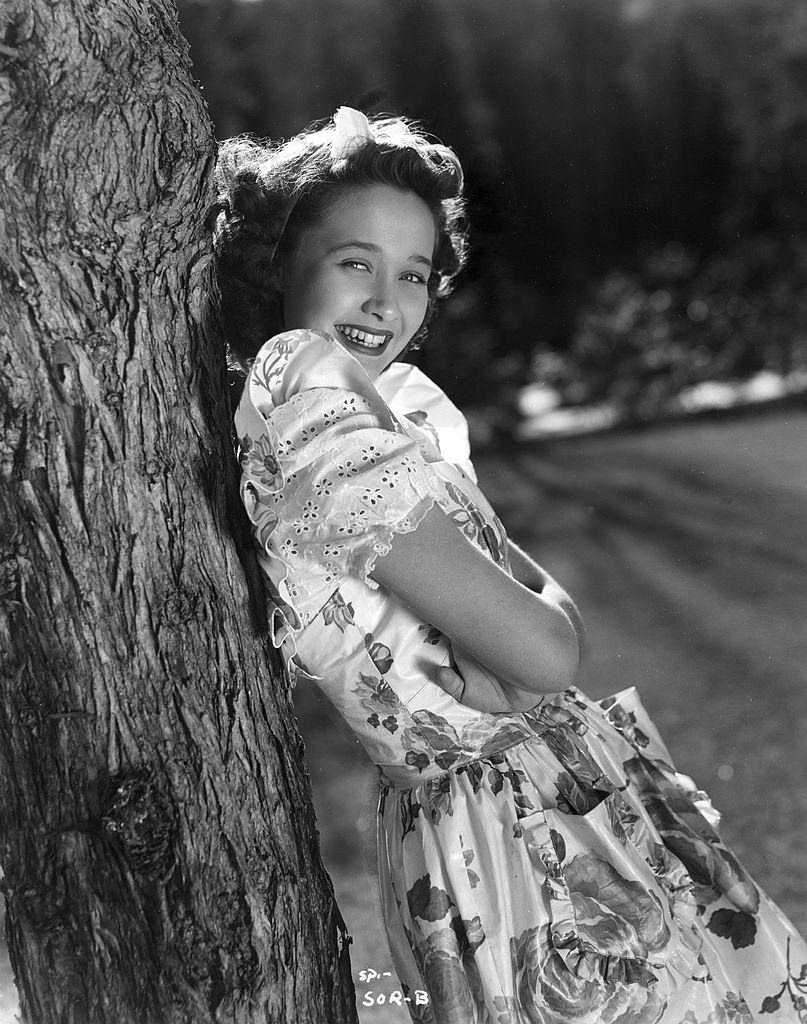
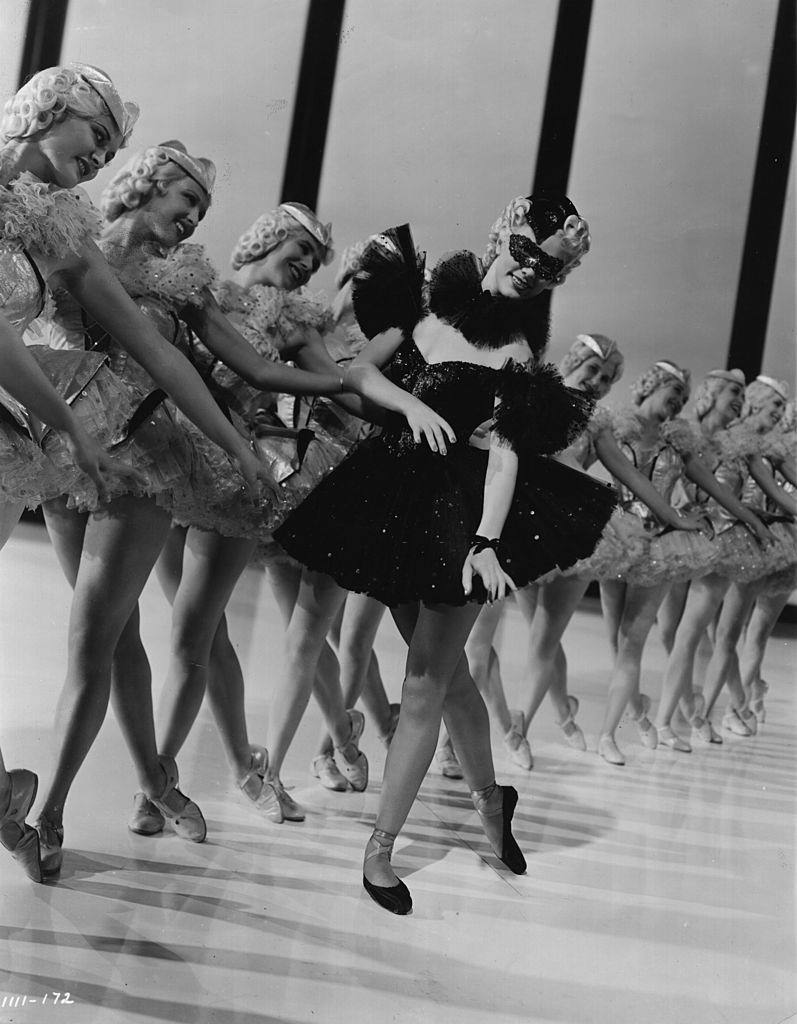
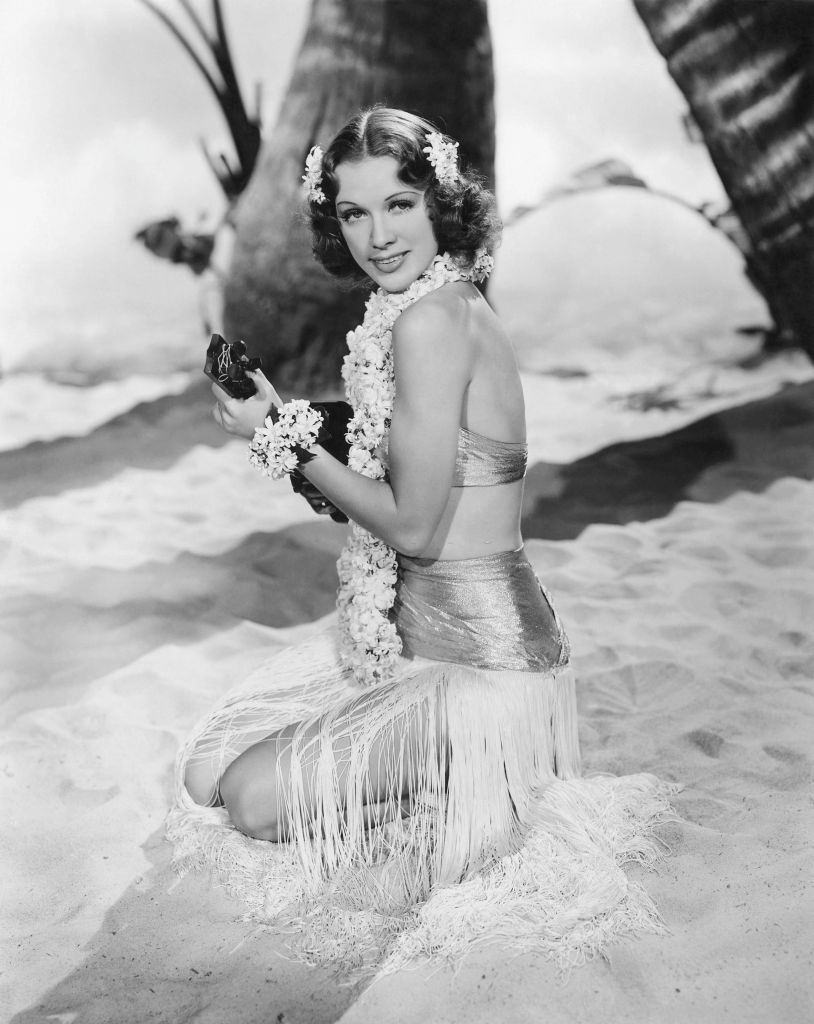
In 1941, Powell appeared in Lady Be Good, another MGM musical that featured her dancing alongside Ann Sothern. Her personal life also shifted significantly in 1943, when she married Canadian-American actor Glenn Ford. The couple had one son together, Peter Ford, who later became an actor and singer. That same year, Powell’s professional relationship with MGM began to wind down after she was given only a single specialty number in Thousands Cheer, a sharp reduction from the starring roles she had enjoyed throughout the previous decade.
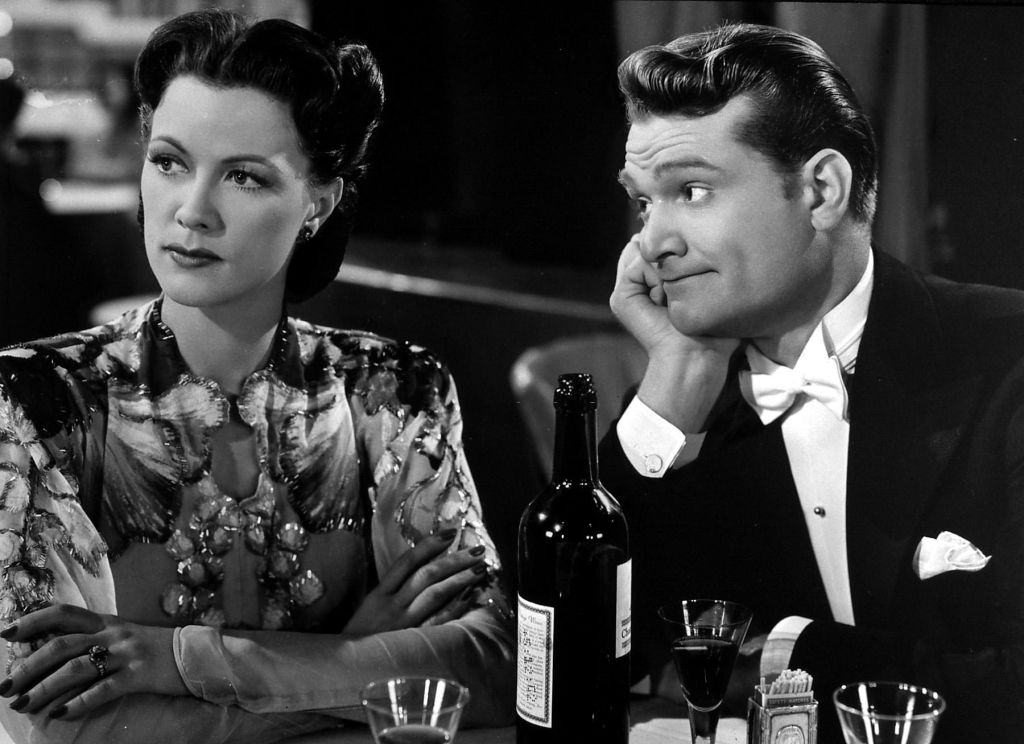
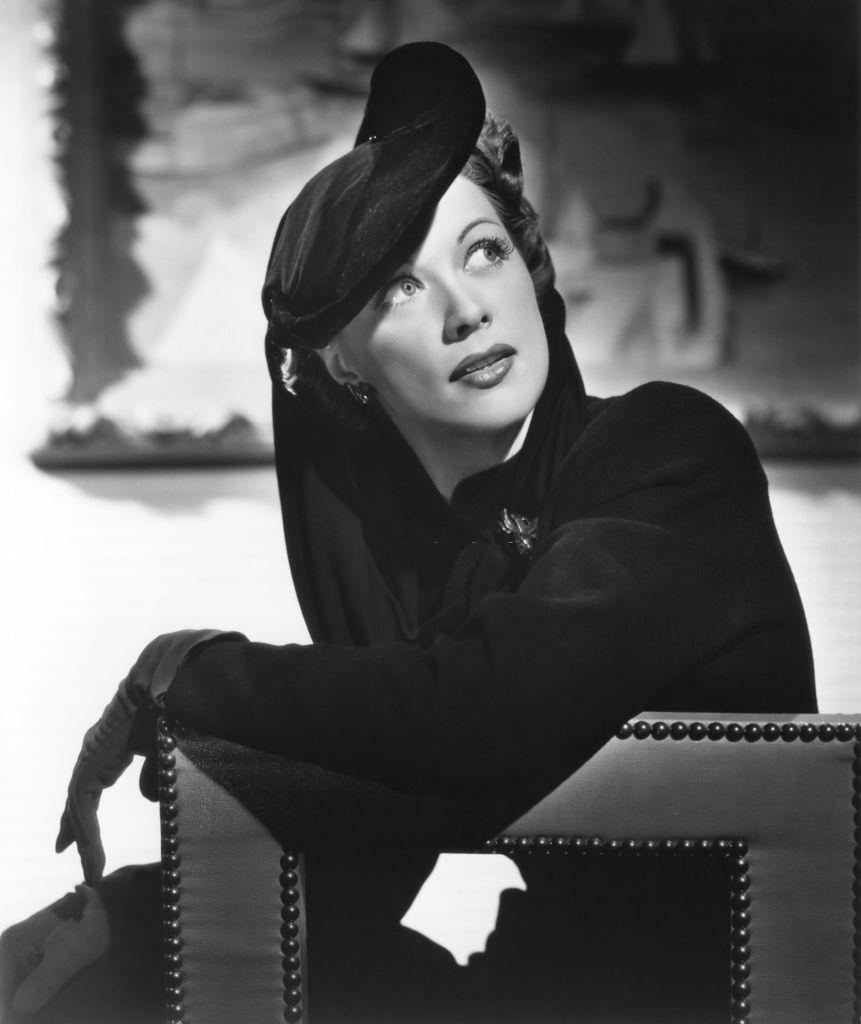
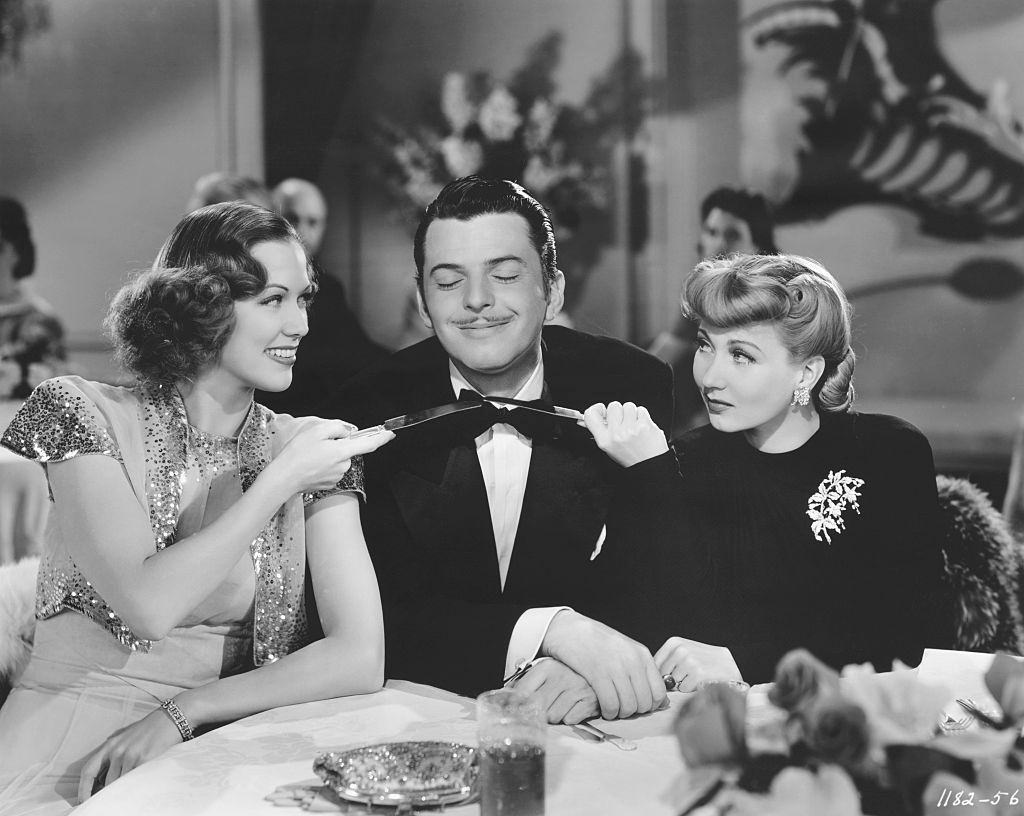
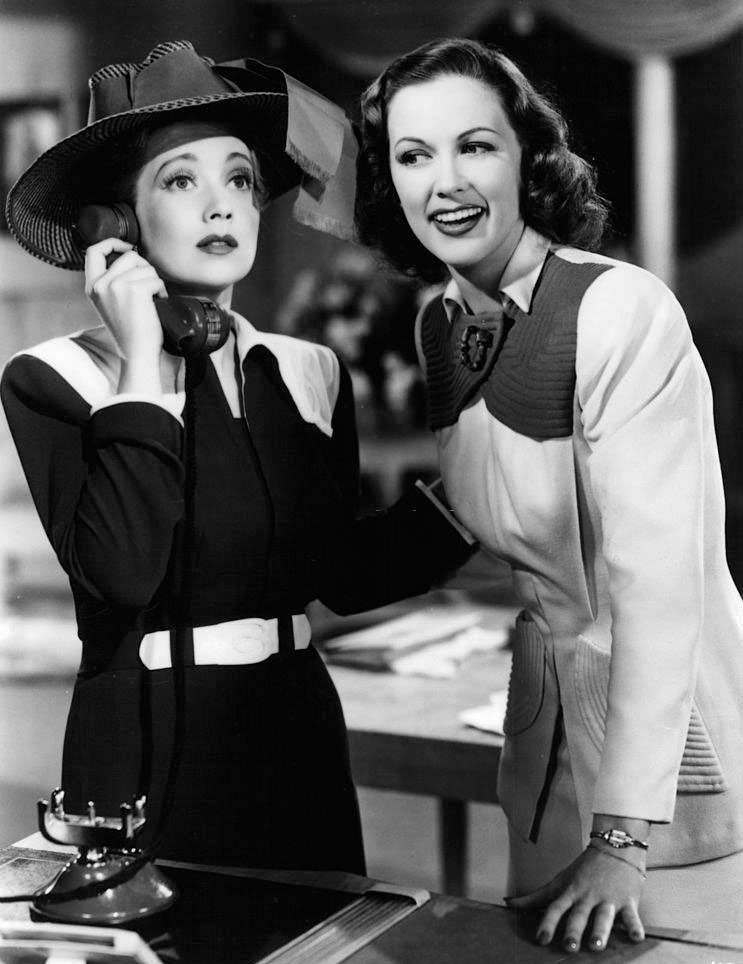
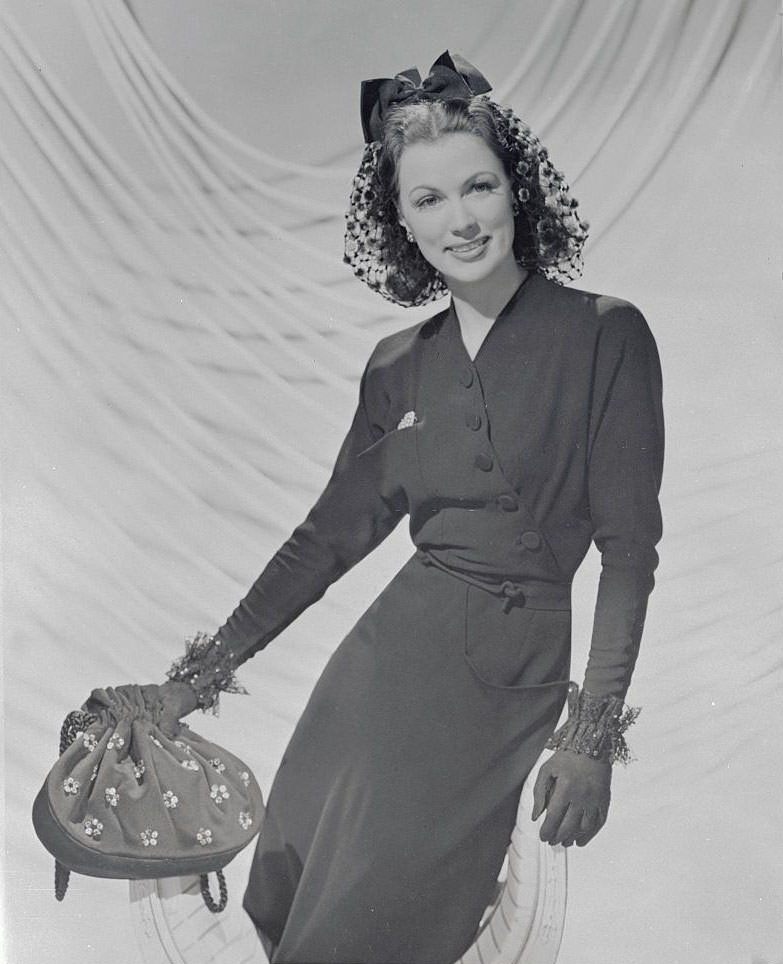
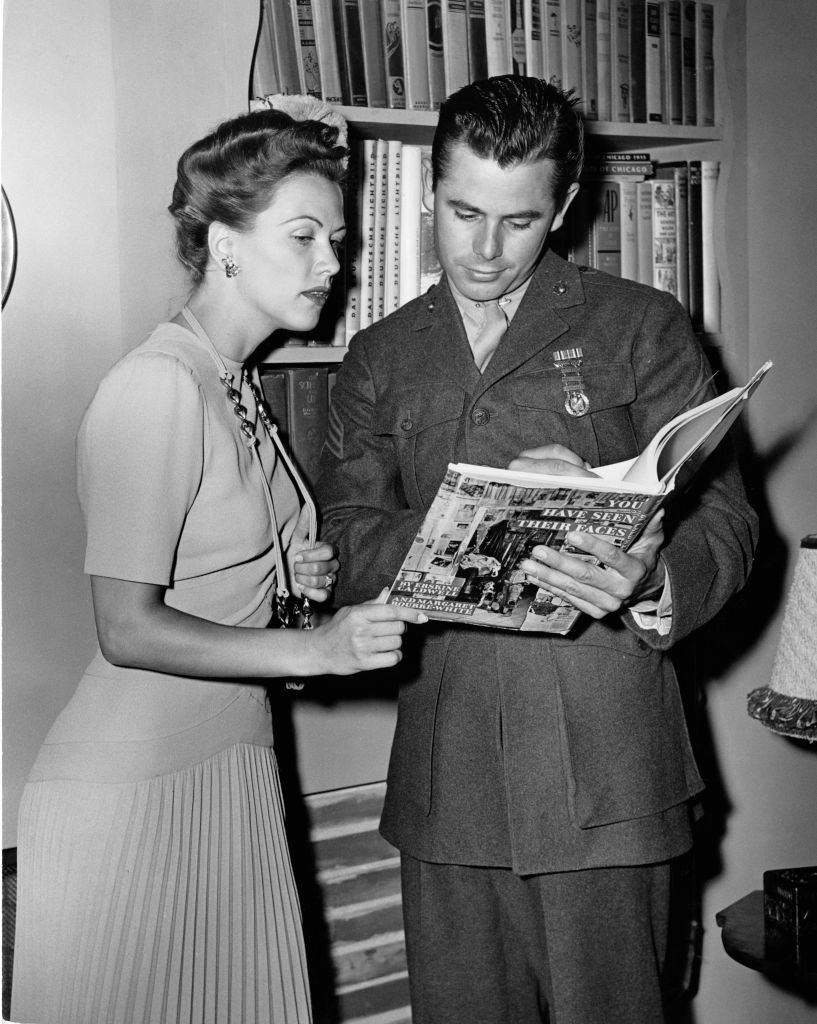
Powell’s film work in the mid-1940s moved outside of MGM. She brought her athletic dancing to Sensations of 1945, playing Ginny Walker in a performance that reminded audiences of her remarkable physical ability. The film struggled commercially. She later made a cameo in Duchess of Idaho, which marked her final collaboration with MGM. She trained hard for even that brief appearance, treating it with the same dedication she brought to full starring roles. Her final film credit came in 1955 with the short Have Faith in Our Children.
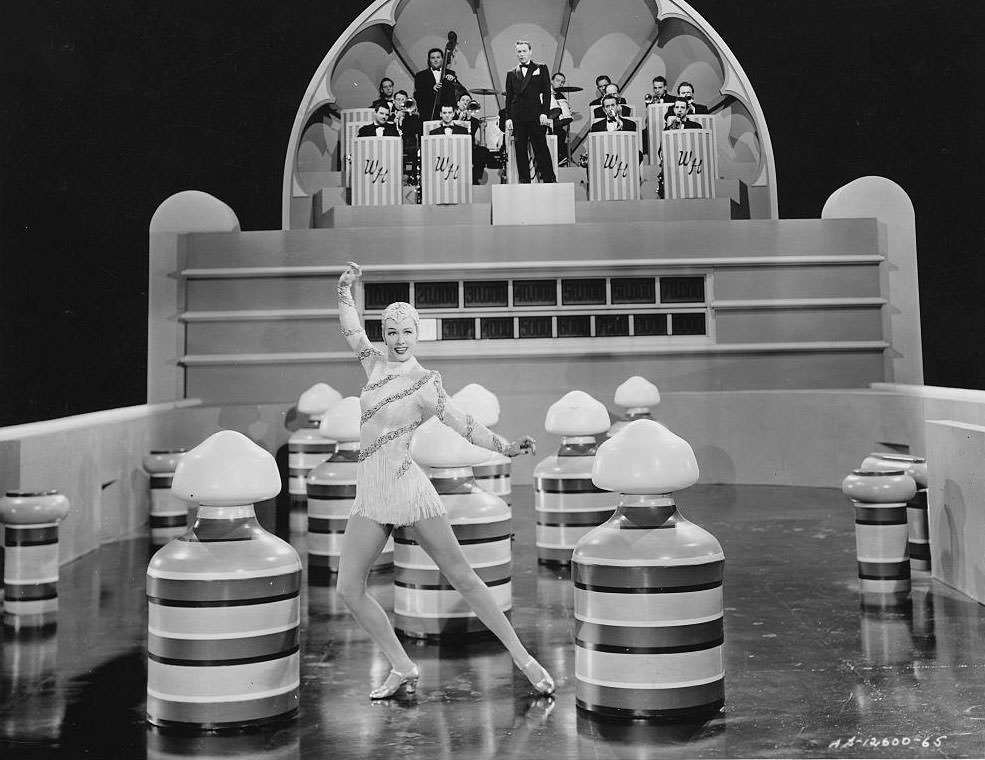
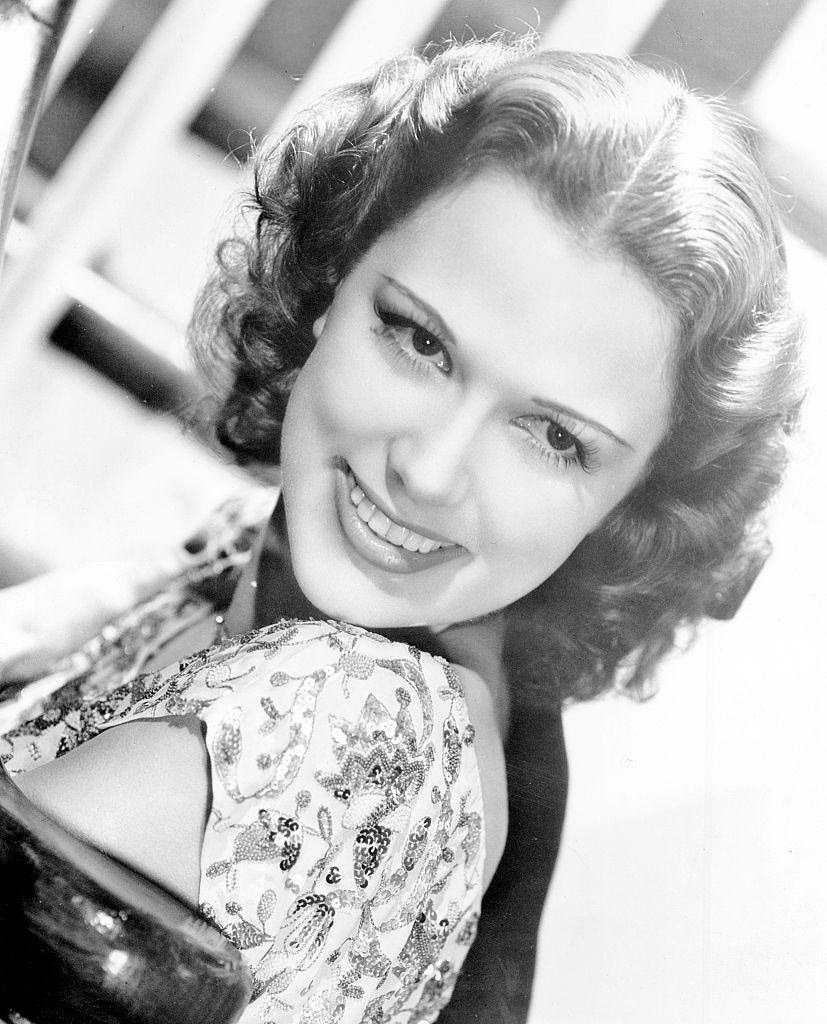
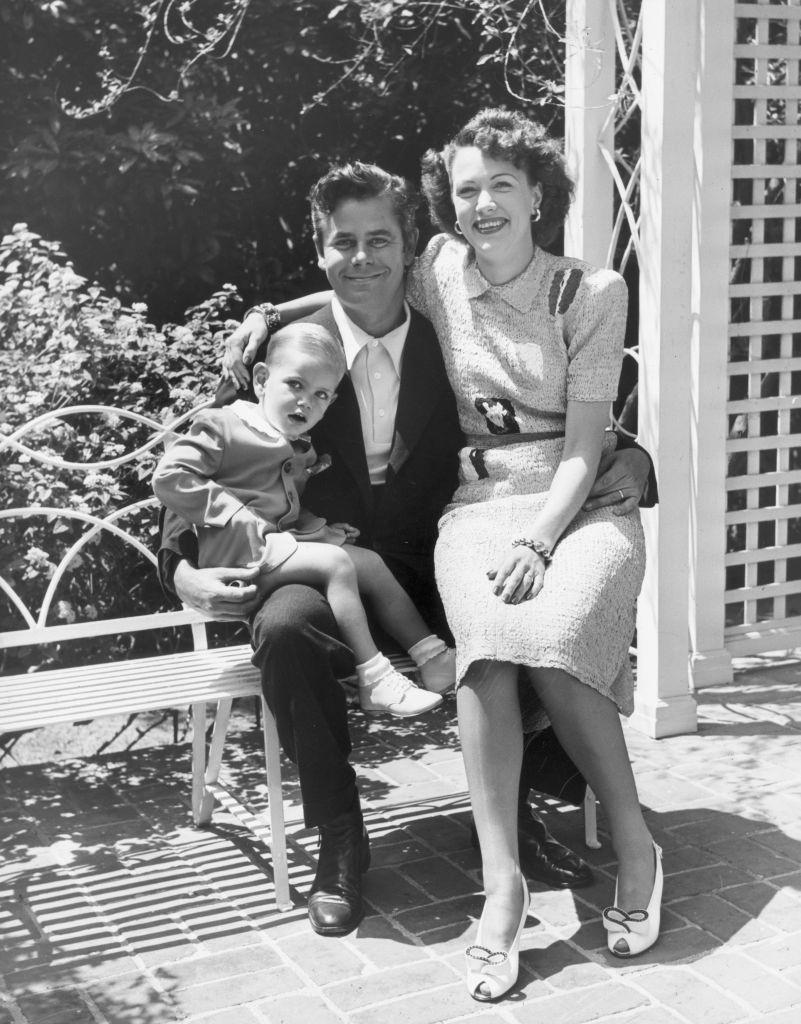
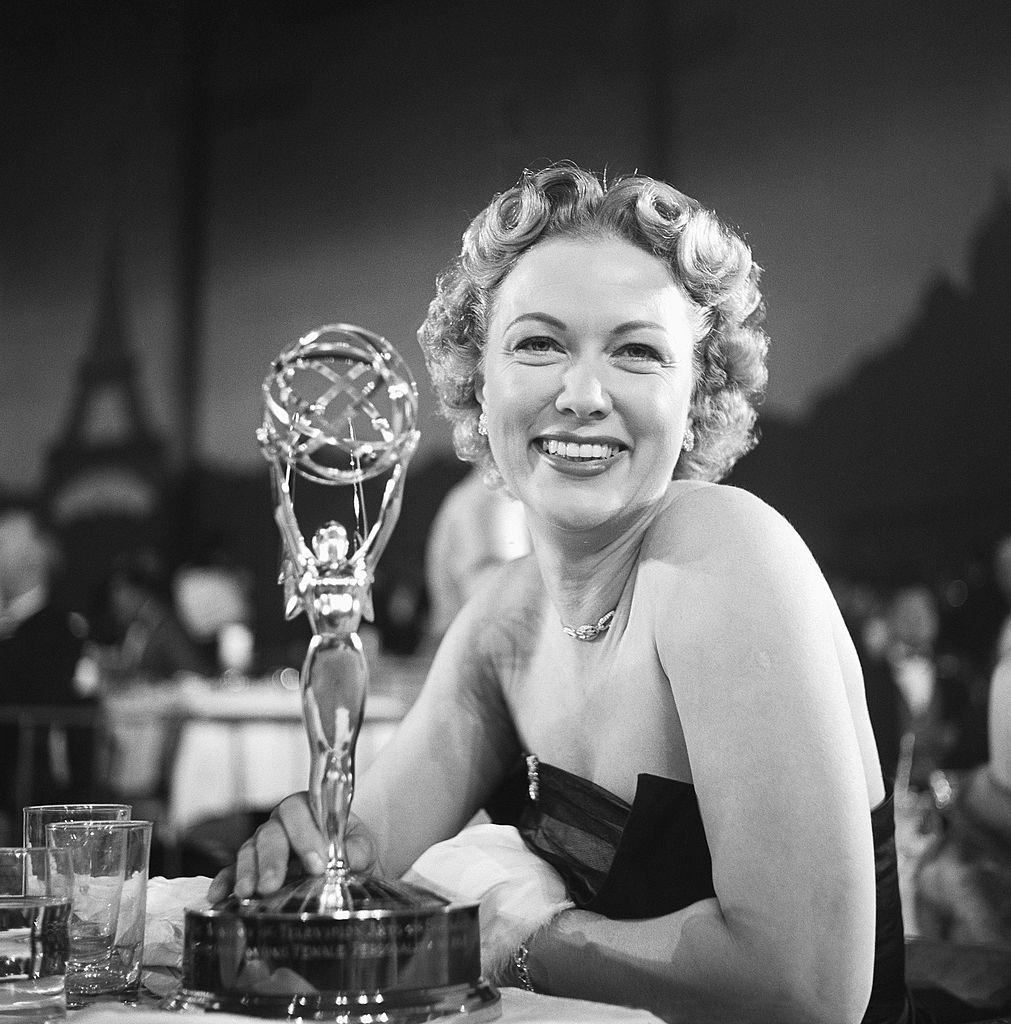
Powell’s television career brought her to new audiences. She appeared as a guest on the All-Star Revue in May 1952, and she hosted a television program called The Faith of Our Children, which won an Emmy Award. Her son appeared on the show alongside her. She also made appearances on The Hollywood Palace and The Ed Sullivan Show.
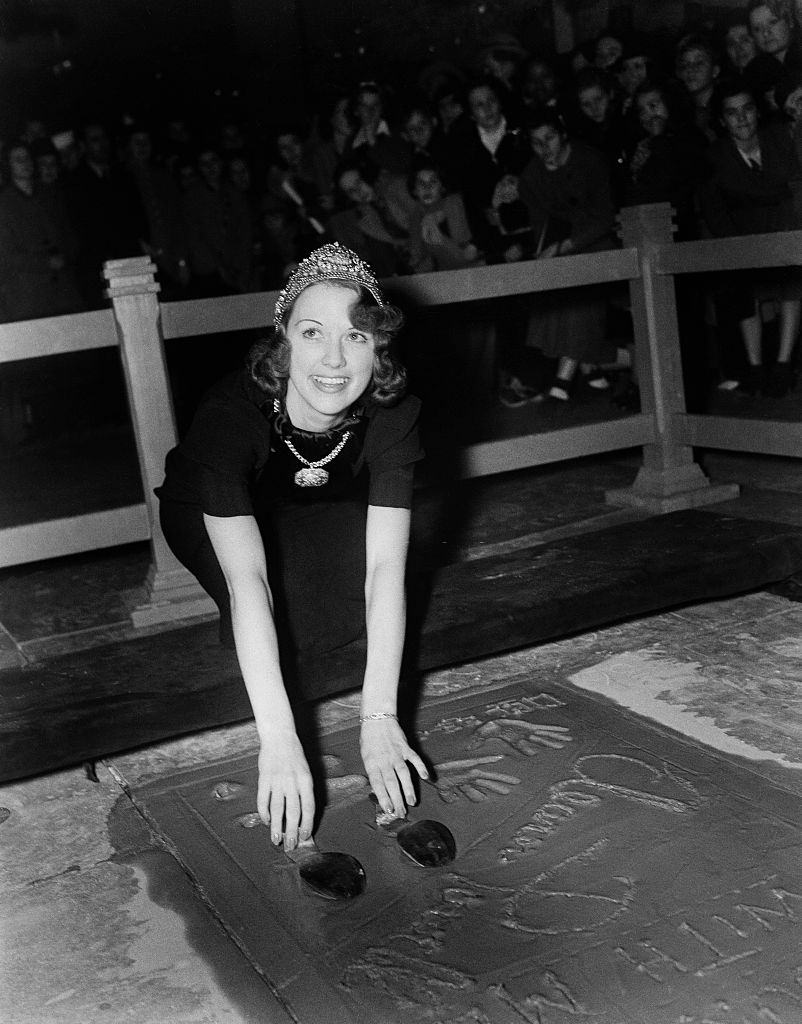
Powell and Glenn Ford divorced in 1959, after which she moved in with her son Peter. Despite stepping away from film and television, she was never entirely out of the public eye. In 1973, she had her handprints placed in cement at Grauman’s Chinese Theatre in Los Angeles. The following year, the 1974 documentary That’s Entertainment and its sequels brought her MGM performances back to theater screens, reintroducing her work to a new generation of viewers.
Her last public appearance came in 1981 at a televised tribute to Fred Astaire, where she received a standing ovation. Eleanor Powell died of ovarian cancer on February 11, 1982, at the age of 69. She was buried at Hollywood Forever Cemetery in Los Angeles, and is survived by her son, Peter Ford. Across a career that spanned just 14 films, she left a body of work that no one in Hollywood has matched for pure tap dancing power and precision.