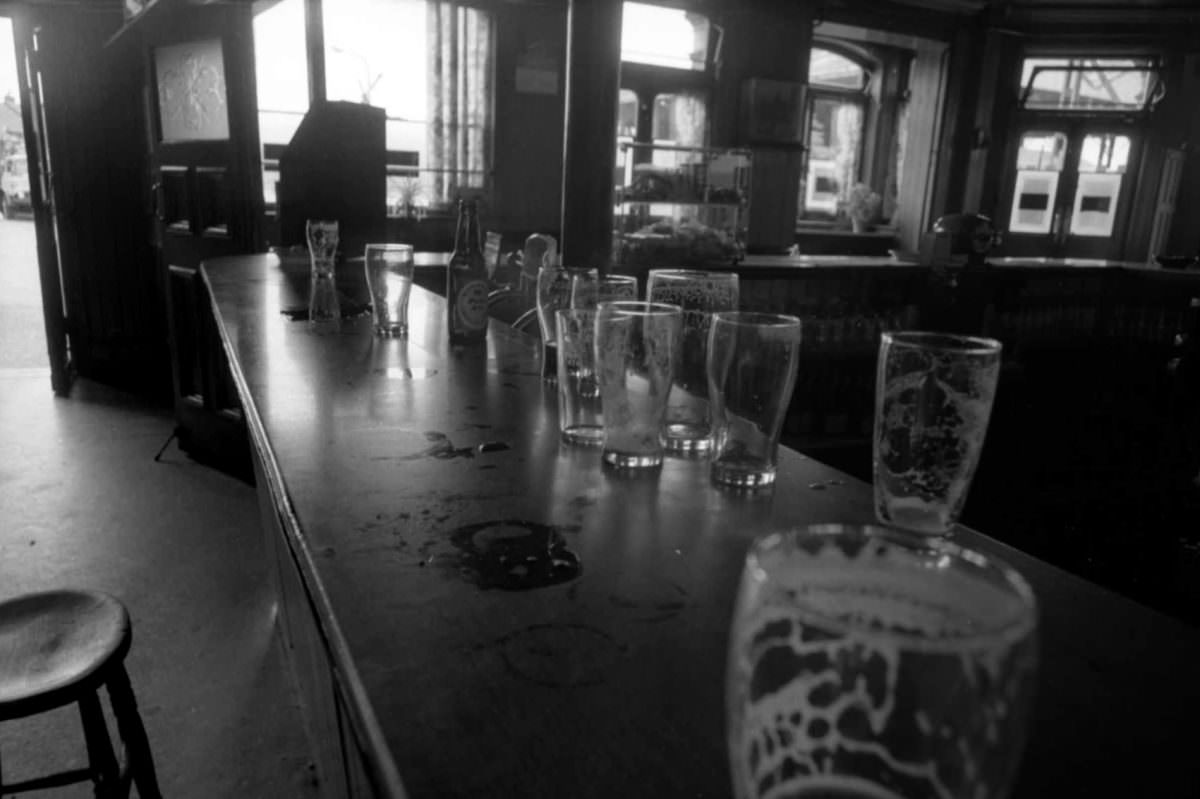
In the early 1960s, the East End of London ran on hard work and community. Factories hummed, the docks kept long hours, and when the shift was done, the local pub was the first stop. These weren’t grand establishments — they were small, close rooms with dark wood paneling, low light, and the smell of beer and cigarette smoke hanging in the air. But they were full of life.
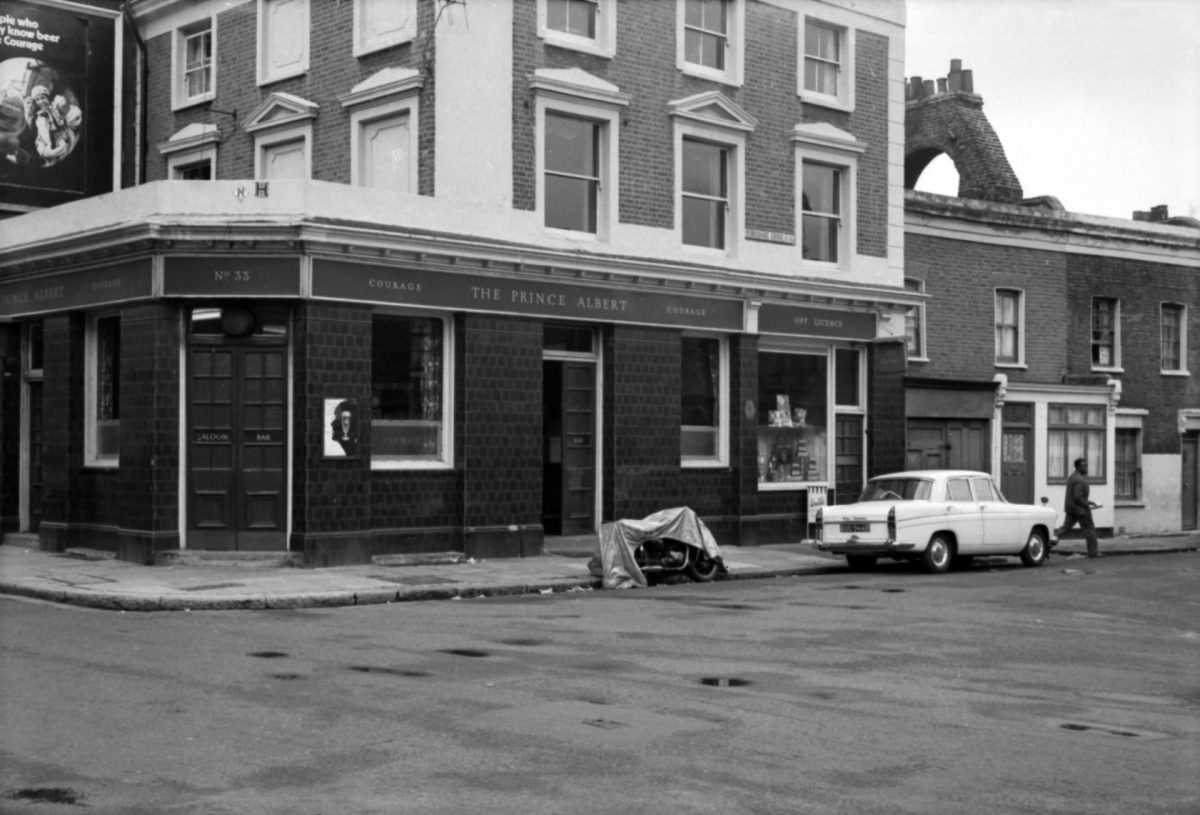
Working-class men and women made up the bulk of the evening crowd. Many had spent the day on factory floors or loading cargo at the docks, and the pub gave them somewhere to sit down, talk, and breathe. Regulars knew each other by name. Familiar faces claimed the same stools night after night.
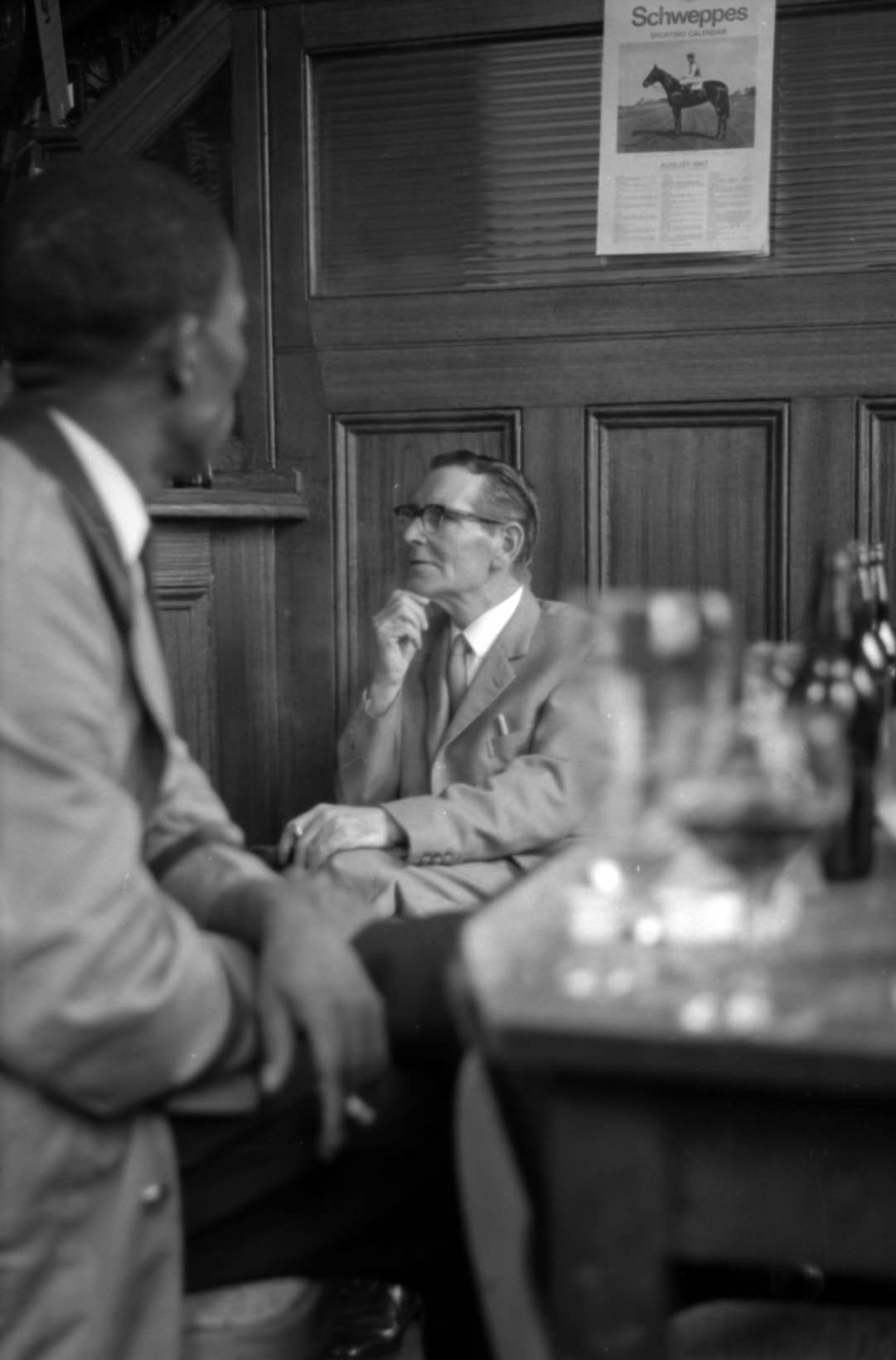
The East End was one of the most mixed areas in London at the time. Immigrants from the Caribbean, South Asia, and beyond had settled in the neighbourhood, and many pubs became natural meeting points for those communities. A shared pint crossed a lot of boundaries.
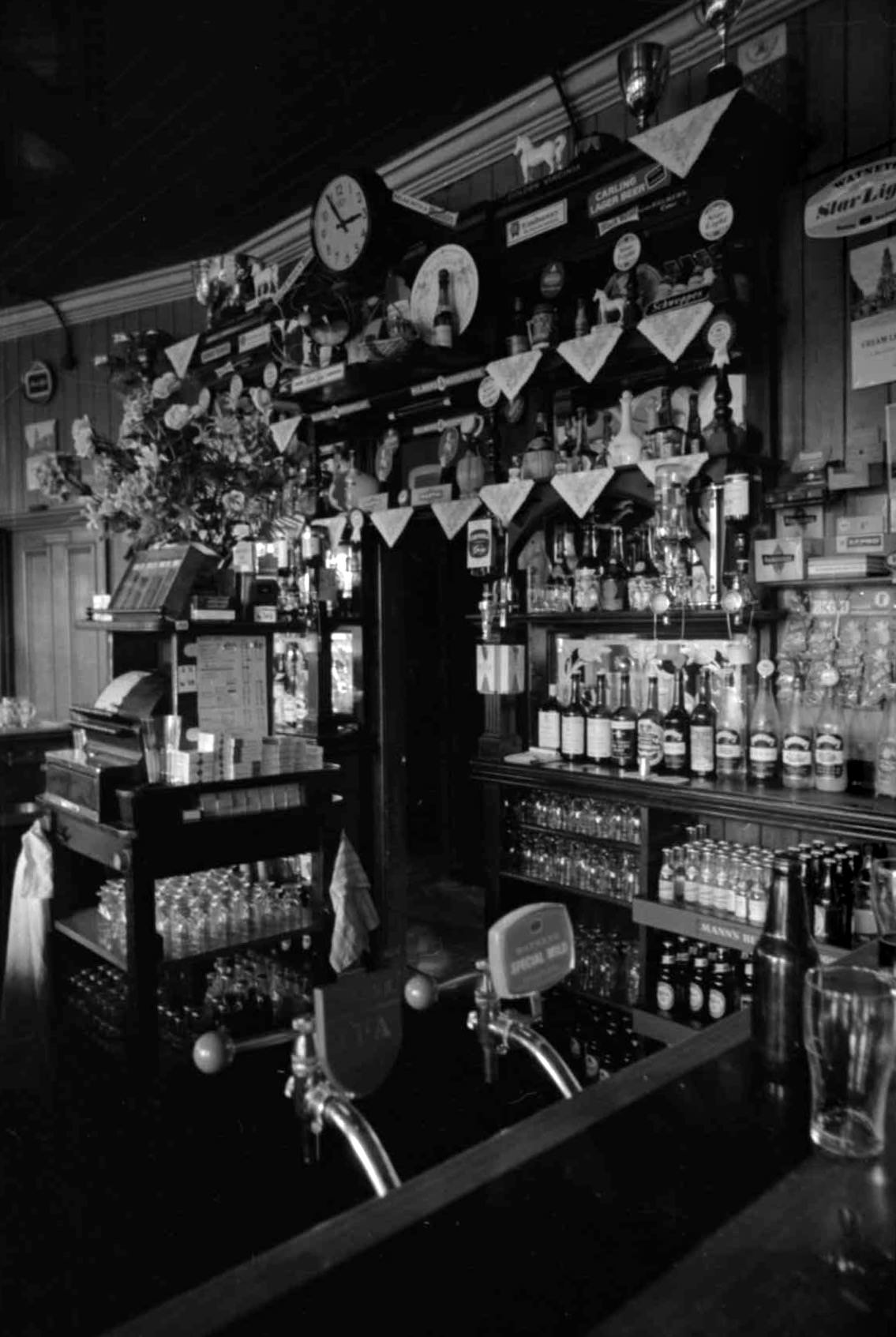
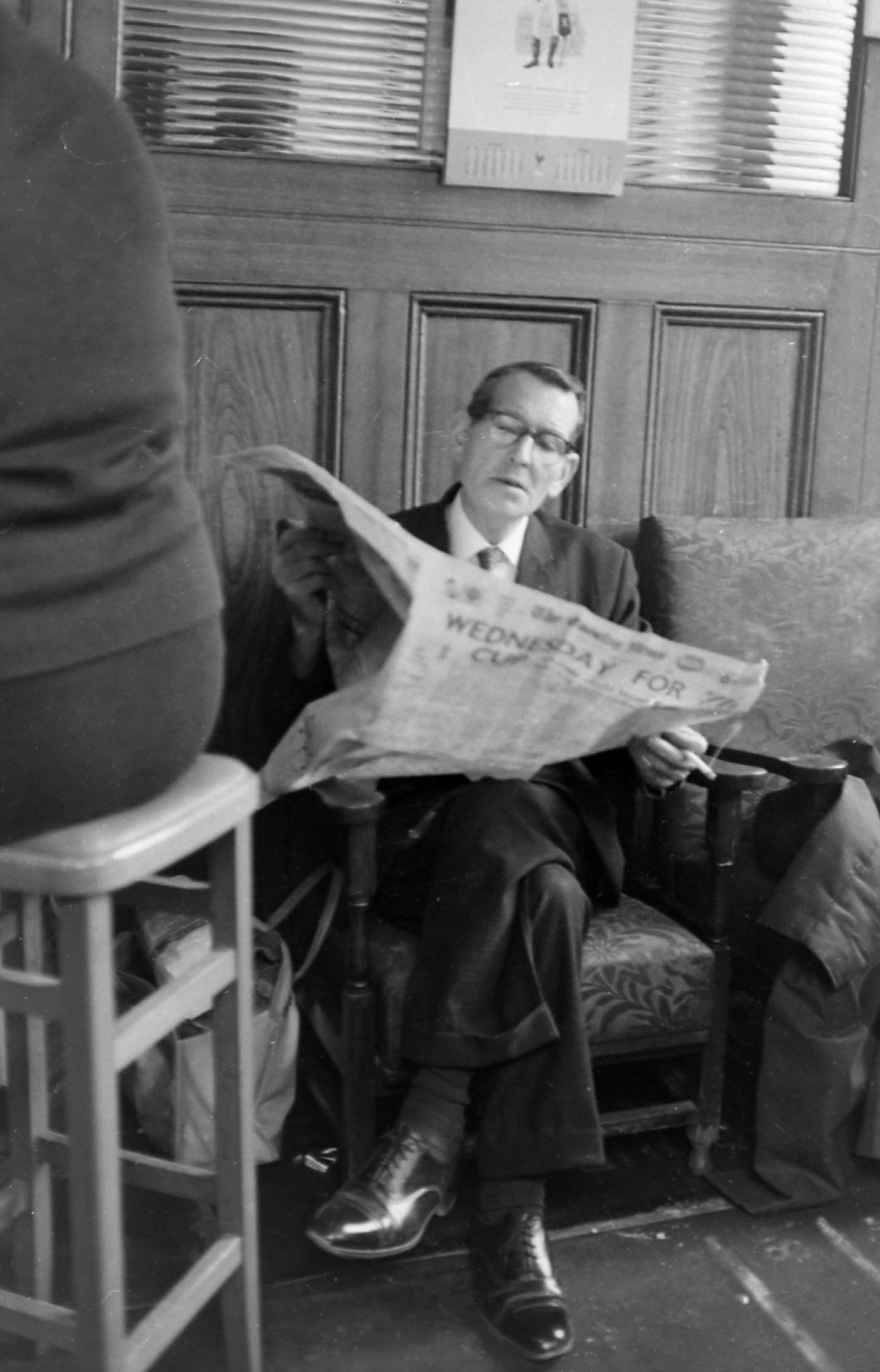
Entertainment was simple and live. Some pubs had a small stage tucked into the corner where local musicians played. Others kept a dartboard on the wall or a pool table in the back room. Nobody needed much more than that.
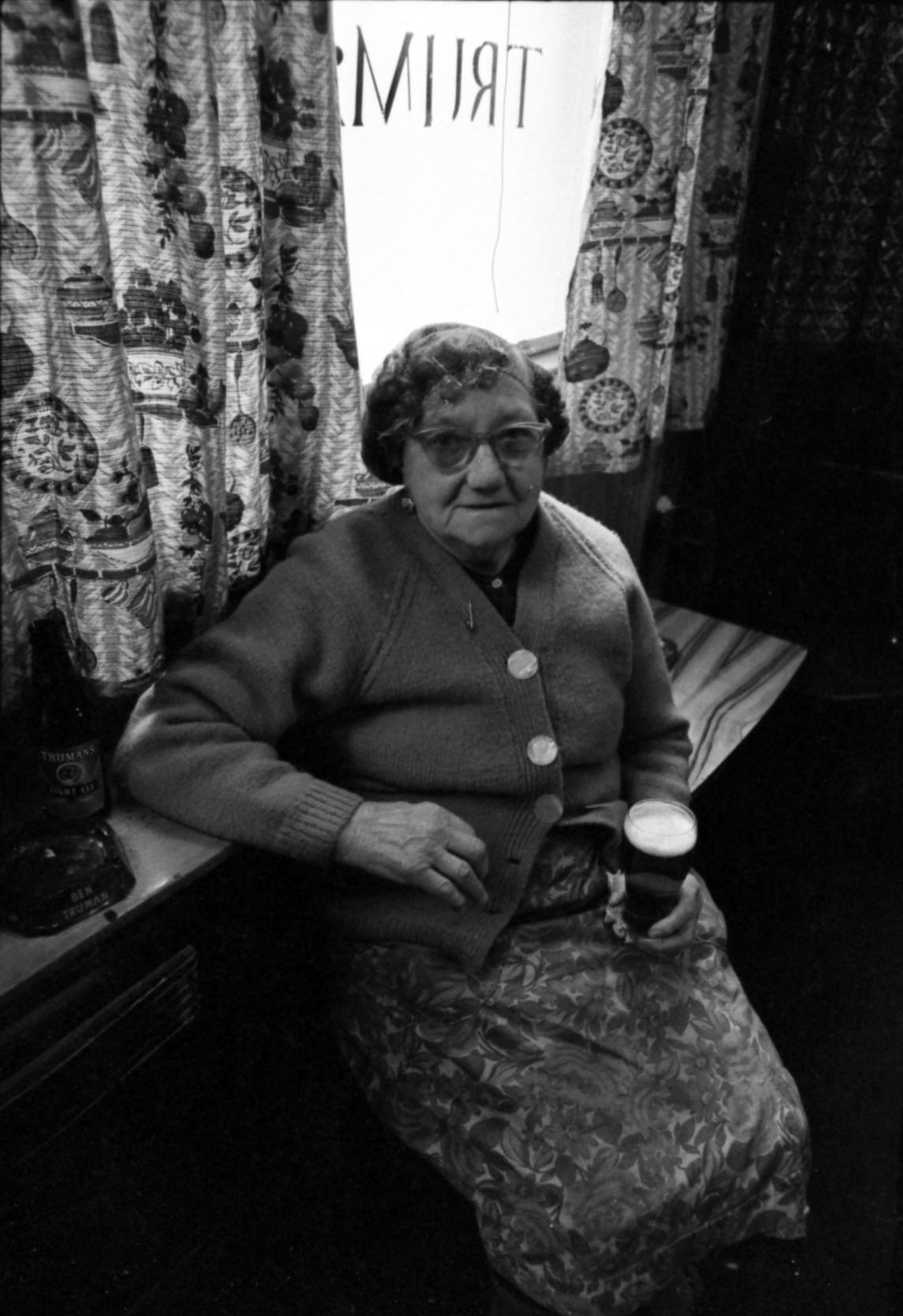
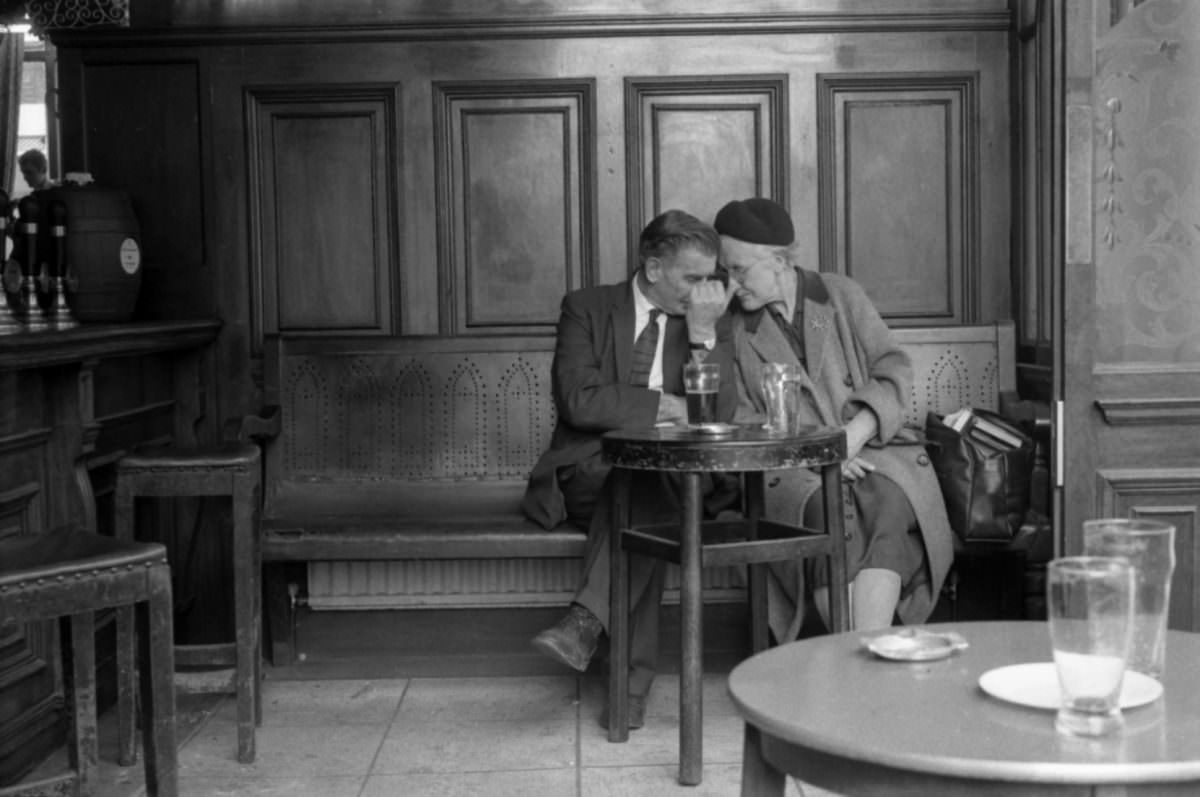
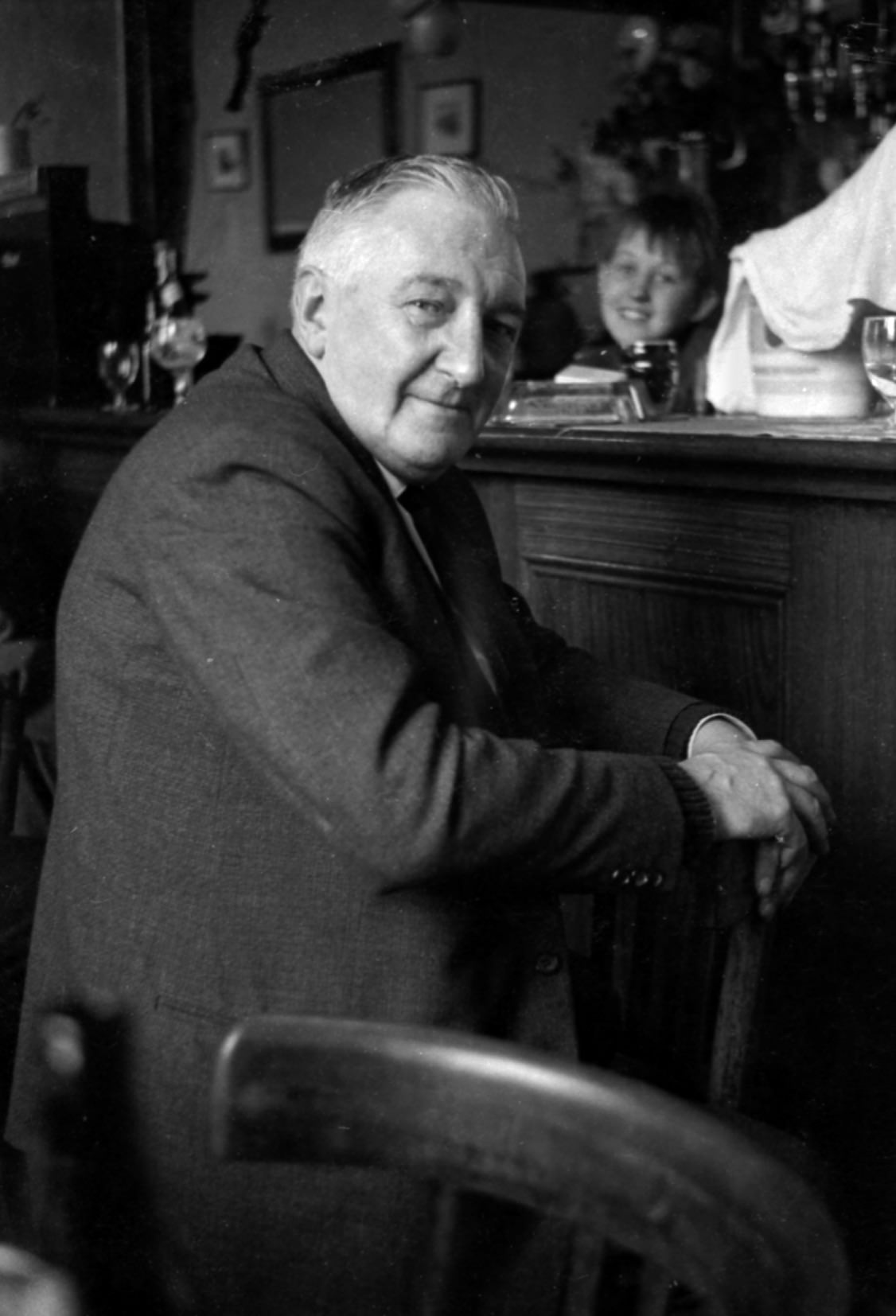
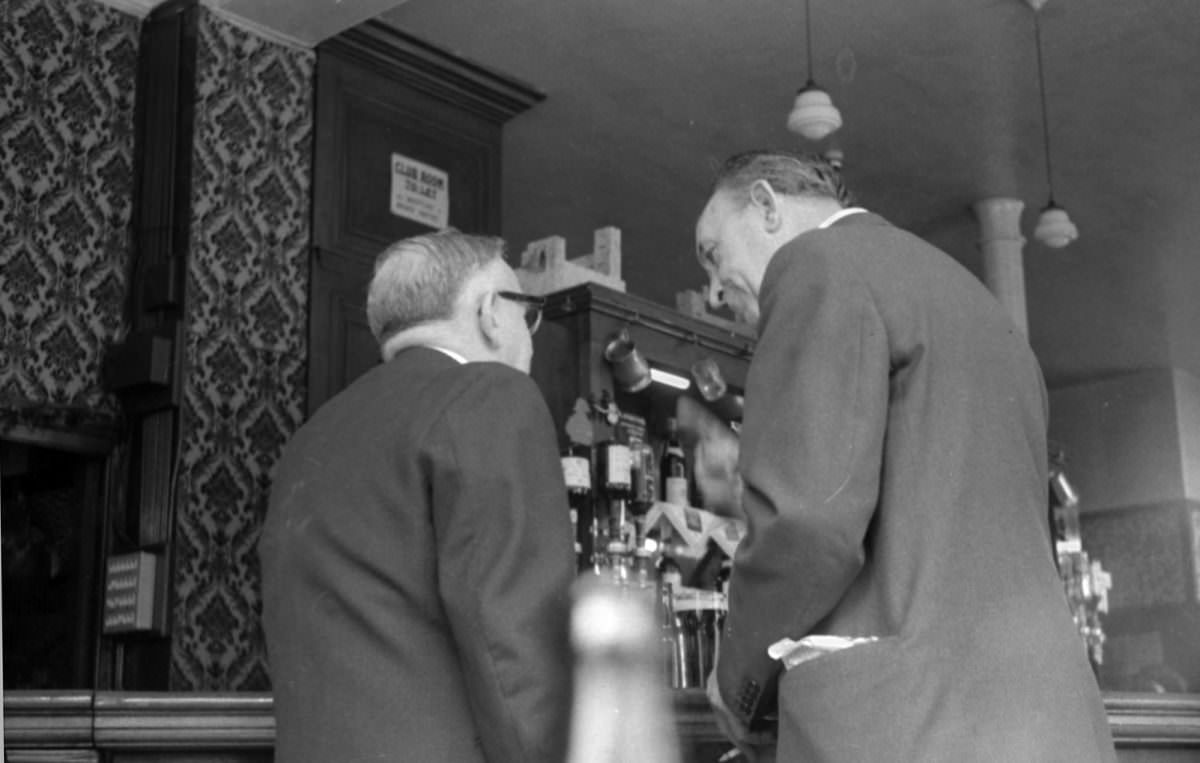
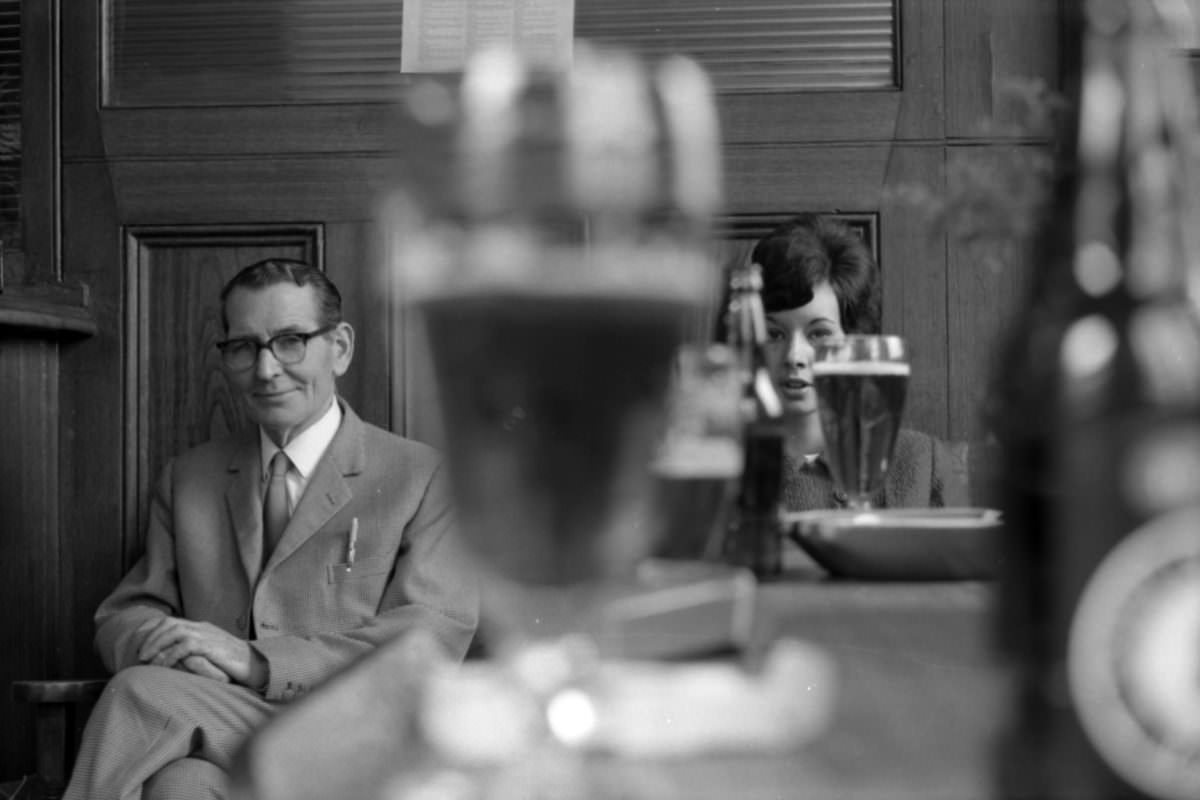
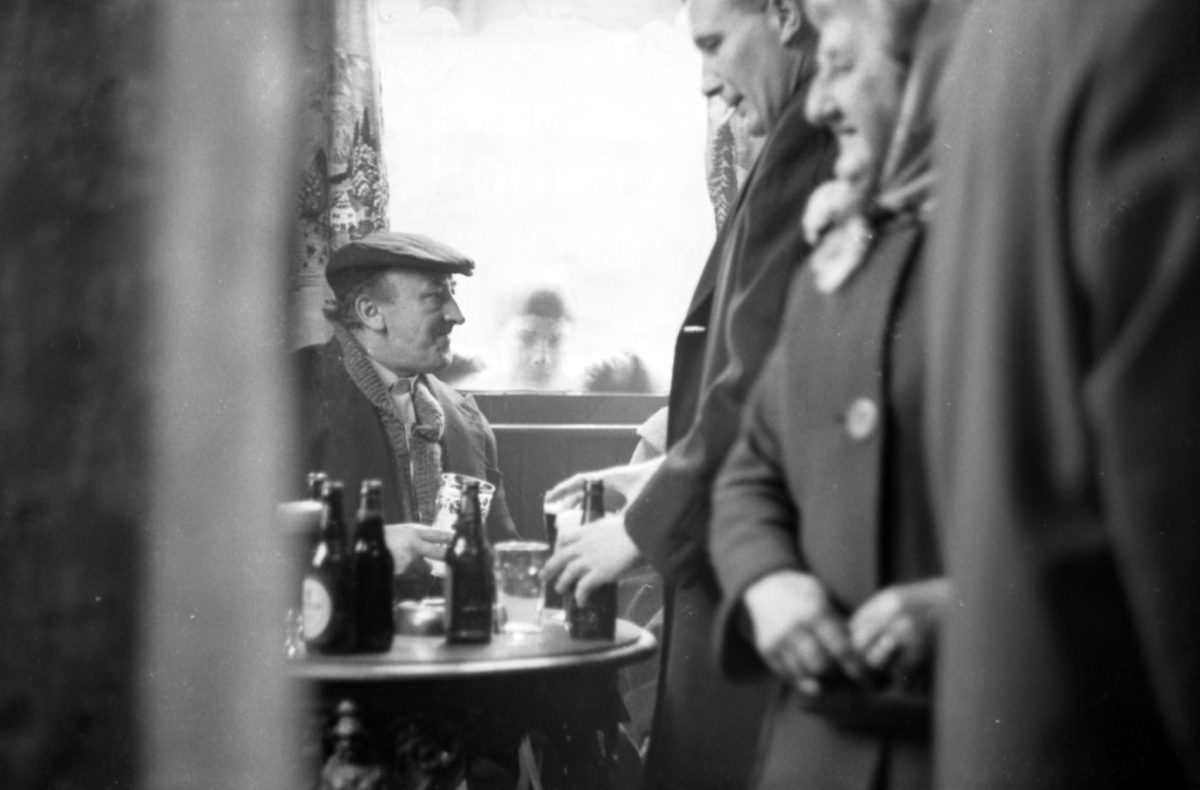
Photographer Tony Hall captured these scenes in the early part of the decade. His photographs show the people as they were — glasses raised, mid-laugh, leaning across the bar, or staring quietly into the middle distance. There’s nothing staged about them.
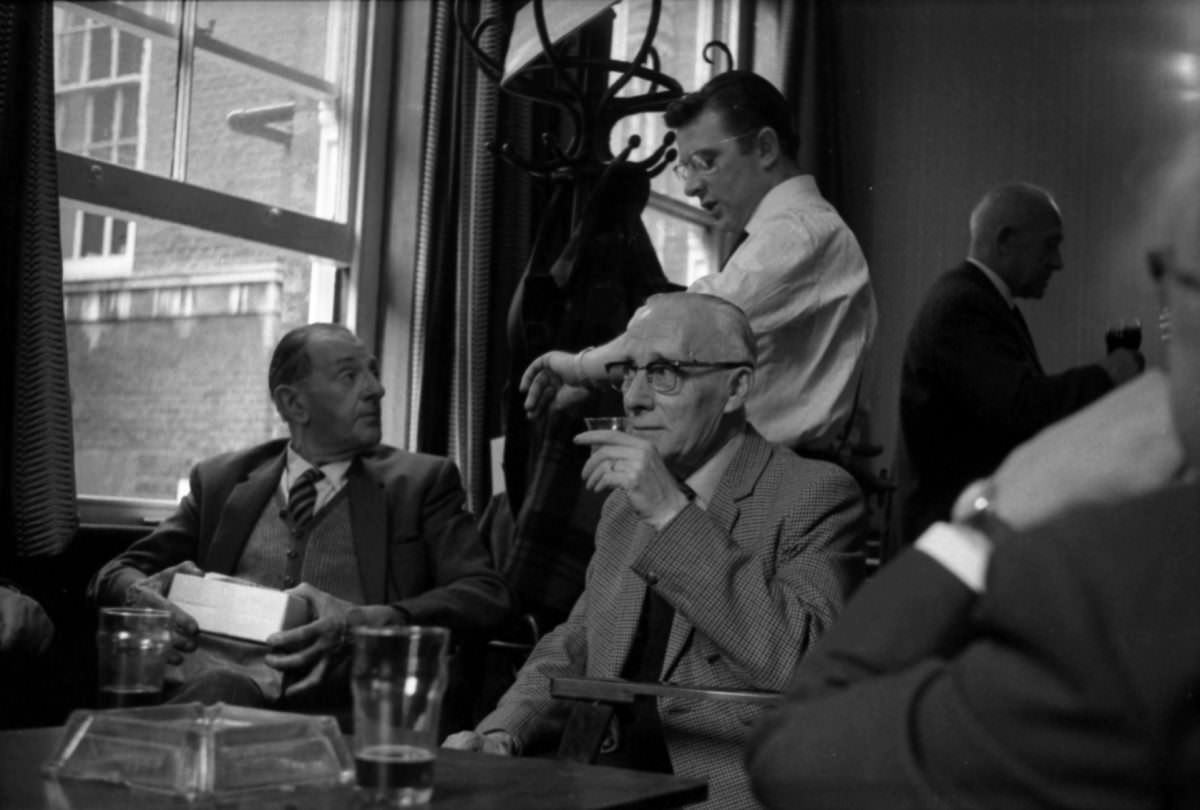
The noise of an East End pub in the 1960s was its own kind of music. Glasses clinked. Conversations overlapped. The occasional burst of laughter rose above everything else. These were loud, warm, packed spaces where the events of the day got talked to death.
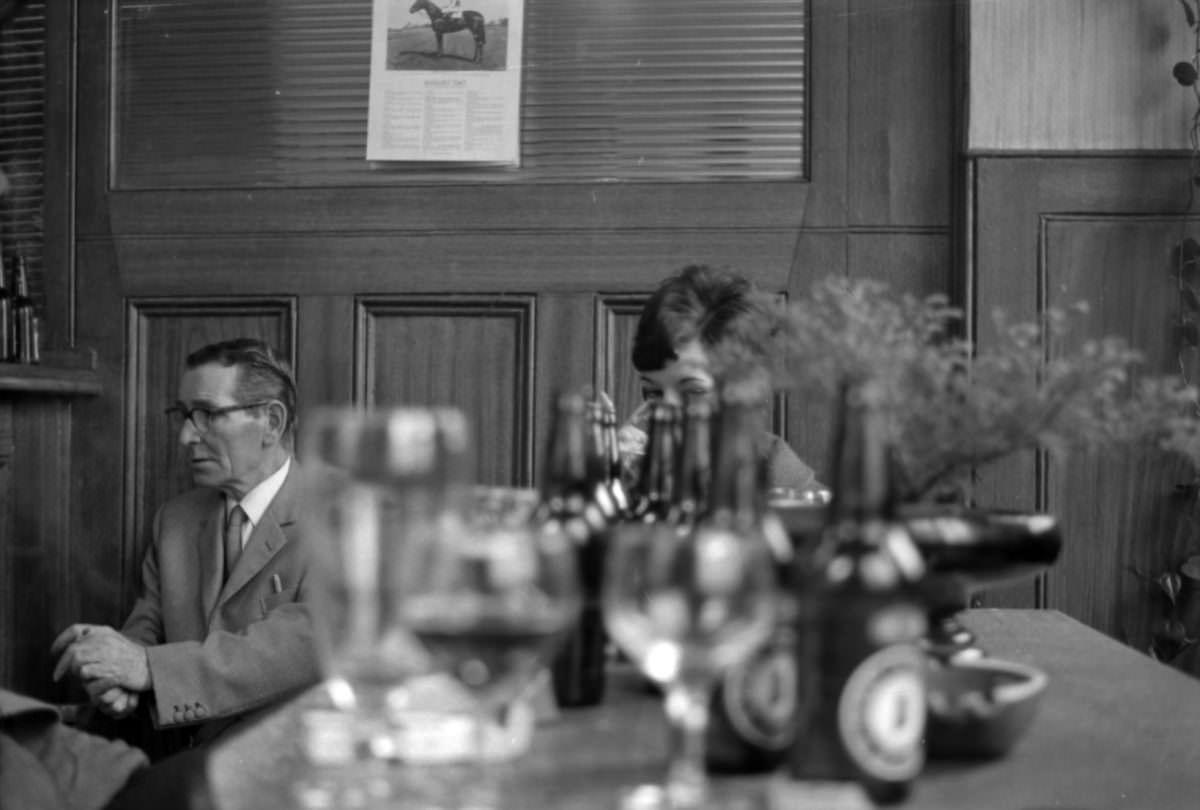
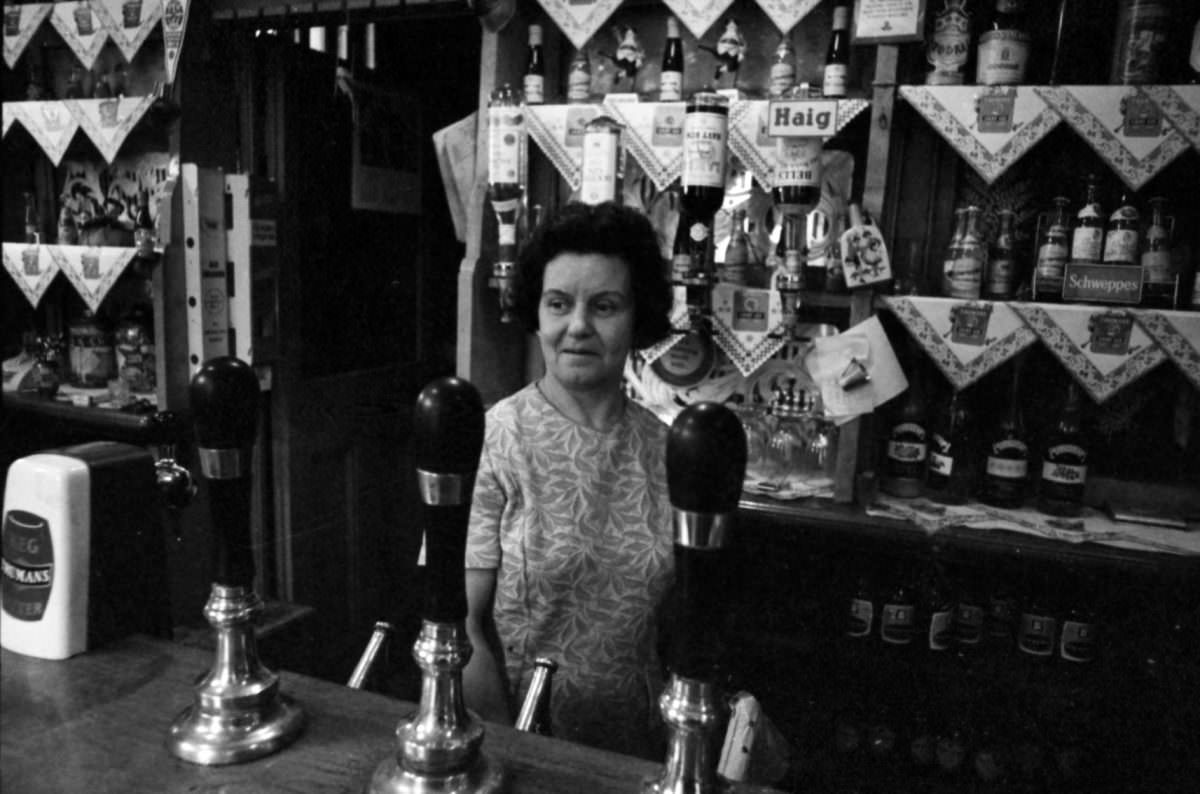
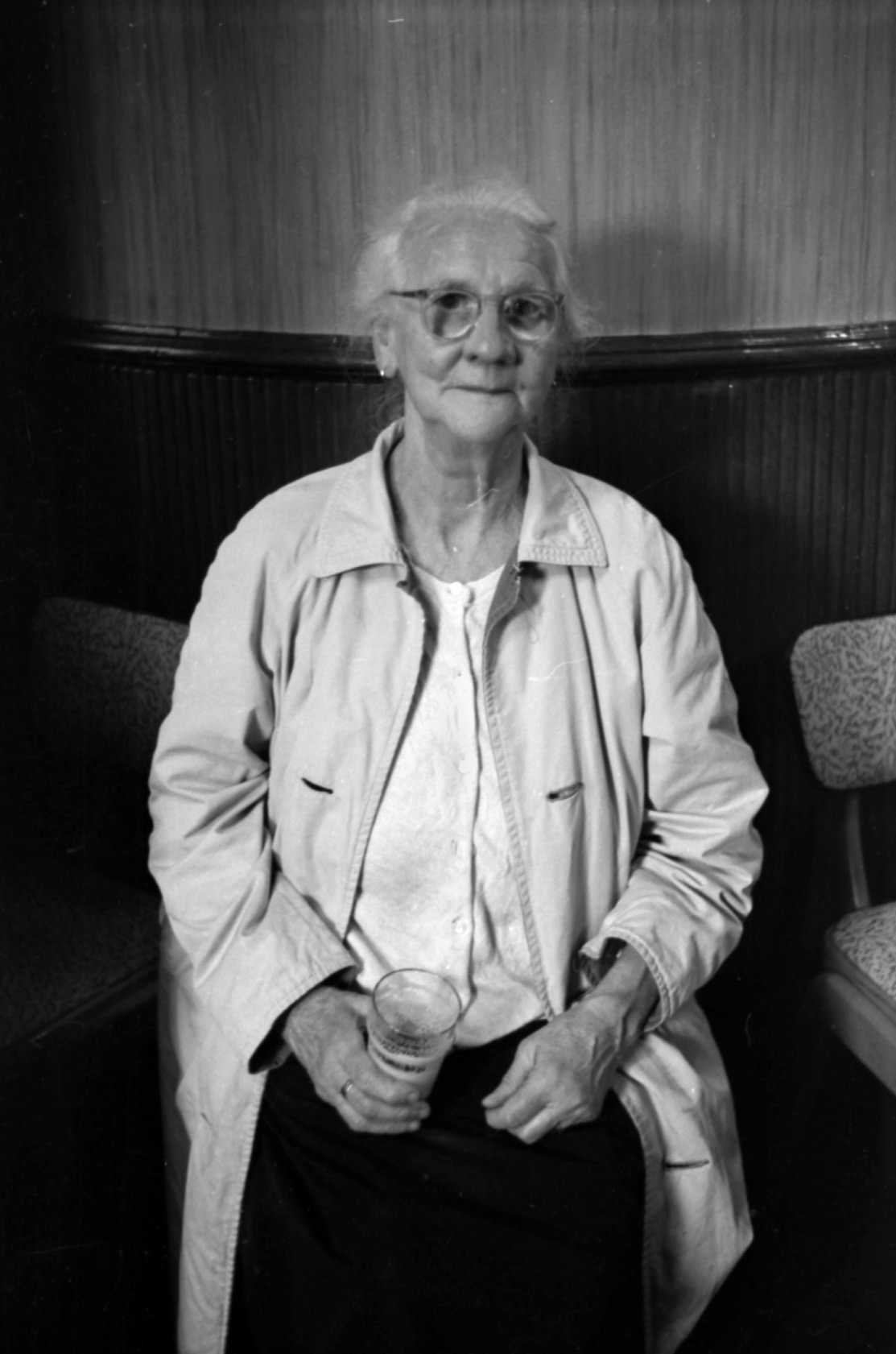
Women were a regular part of the pub scene too, despite what later nostalgia sometimes suggests. They drank alongside men, held their own conversations, and were as much a fixture of the evening crowd as anyone else.
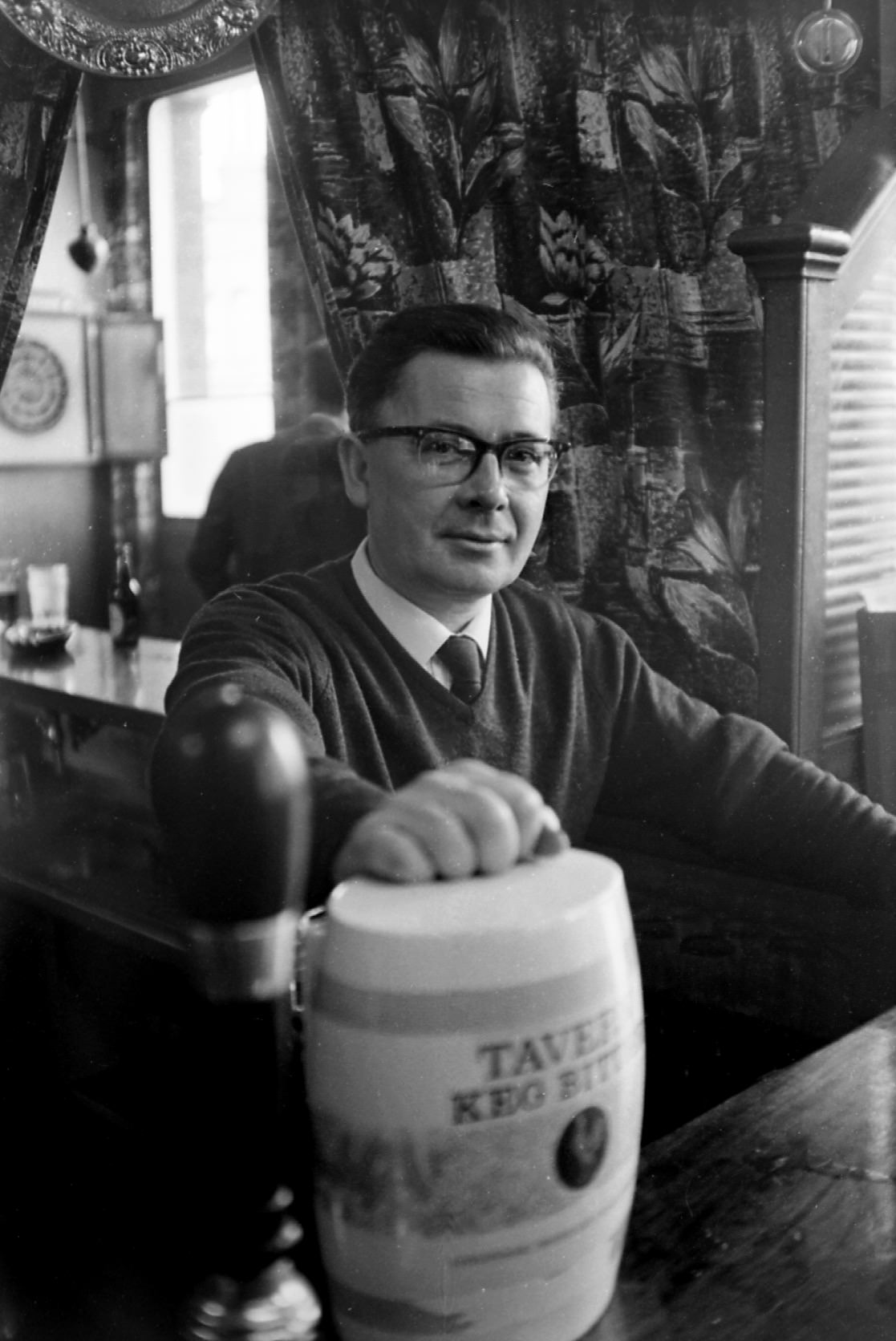
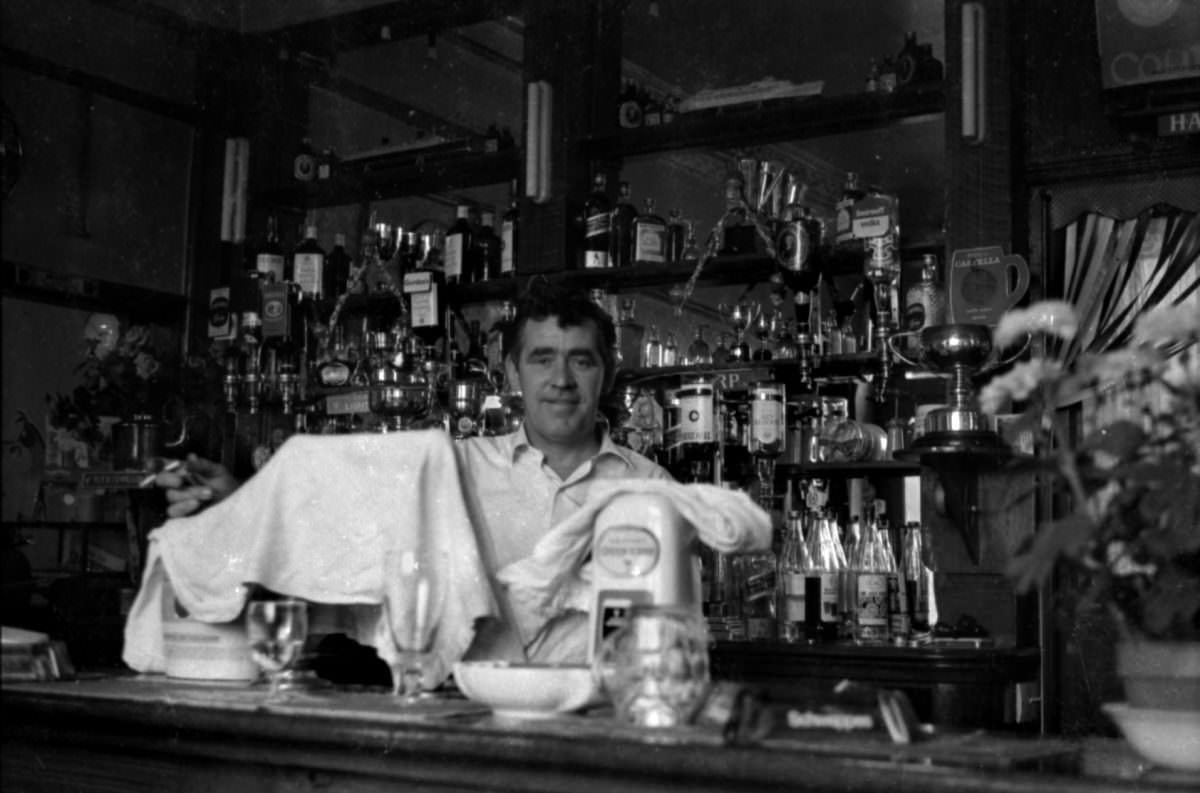
The bars themselves were functional. Shelves of bottles lined the back wall, and the barman knew what most people wanted before they asked. Pints of bitter were the standard order, though spirits and stout had their loyal drinkers too.
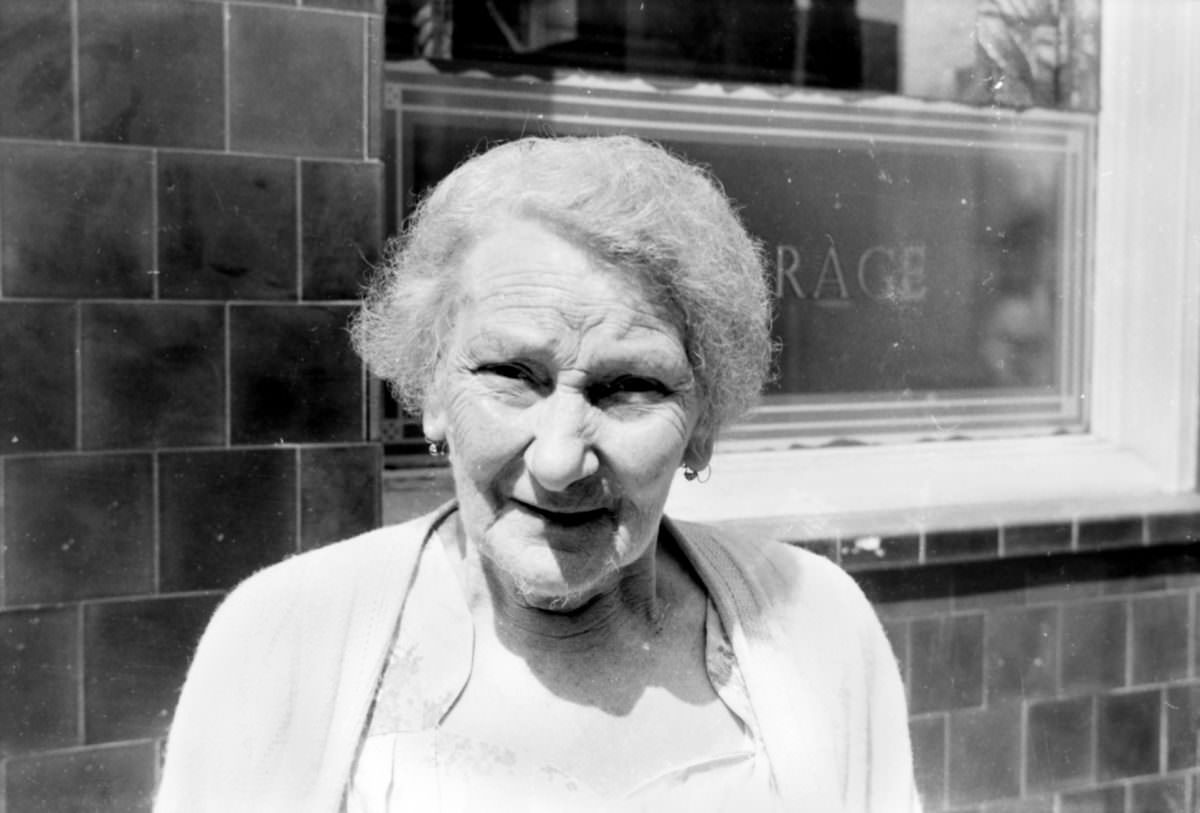
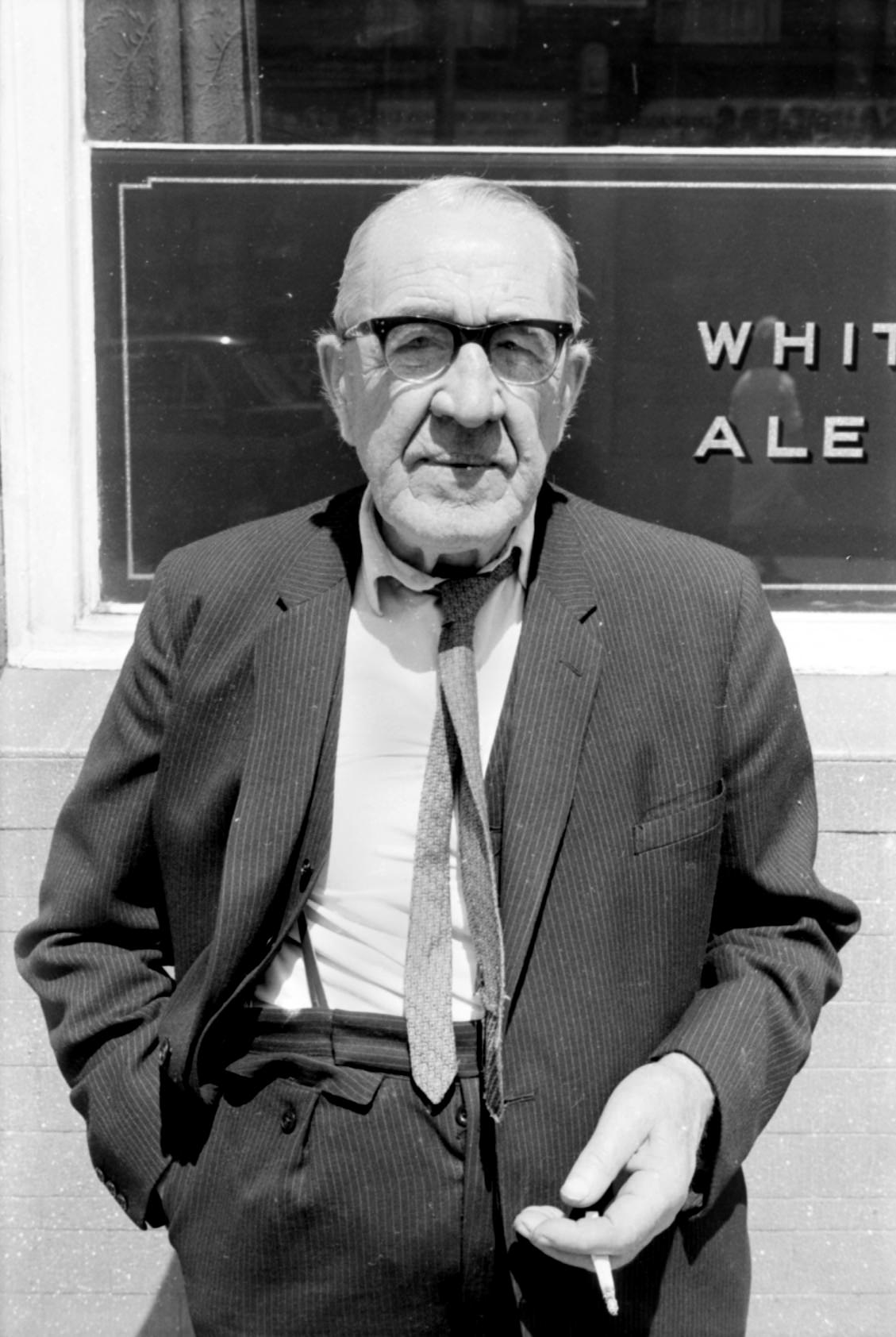
Hall’s lens caught the pub not as a glamorous place, but as an honest one. These were ordinary people at the end of ordinary days, finding relief in familiar company and a cheap drink.
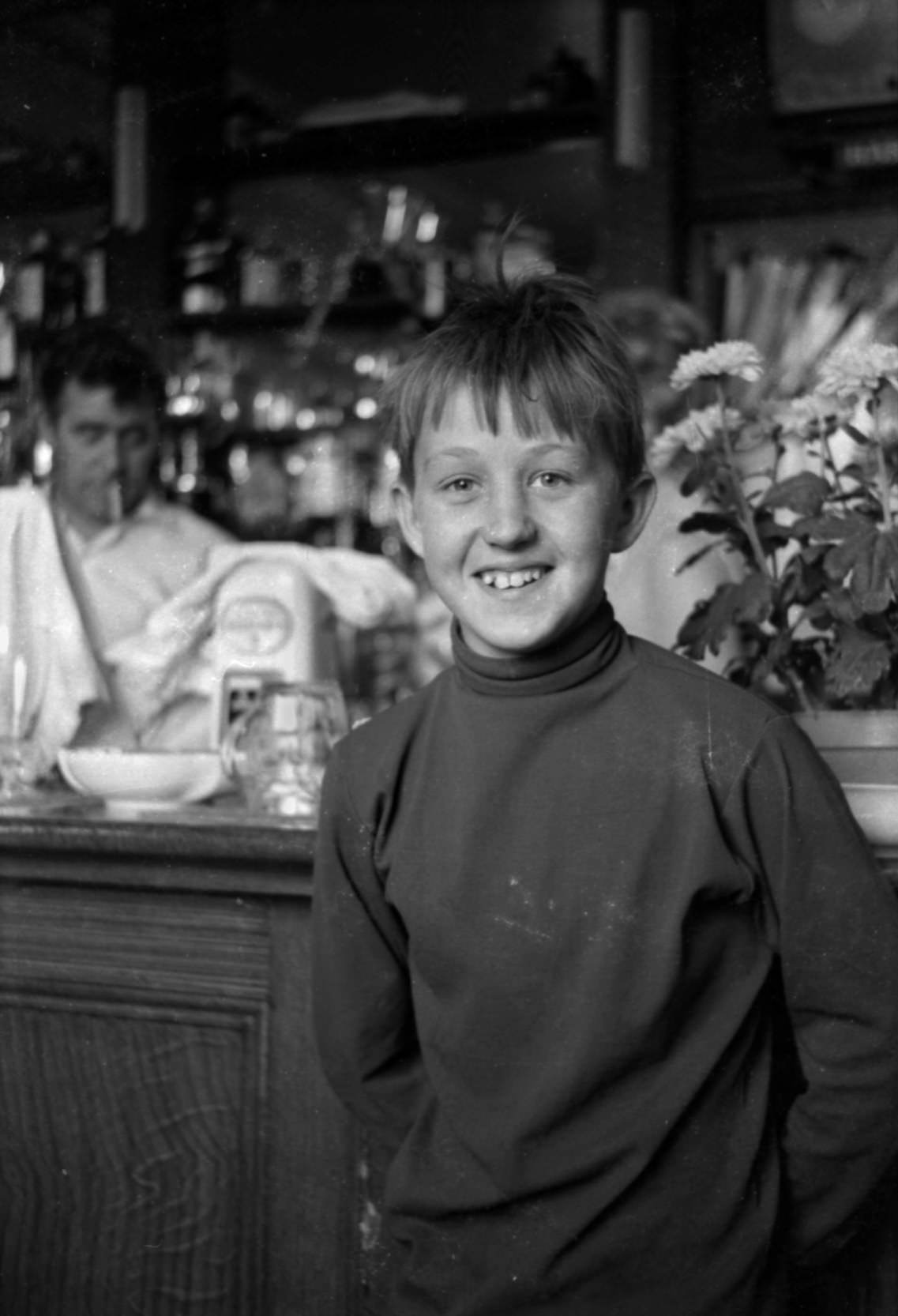
East London in the 1960s carried the weight of the post-war years. Bombed-out streets had been rebuilt, but money was still tight for most families. The pub offered something that cost very little — company, noise, and a few hours away from the pressures of home.
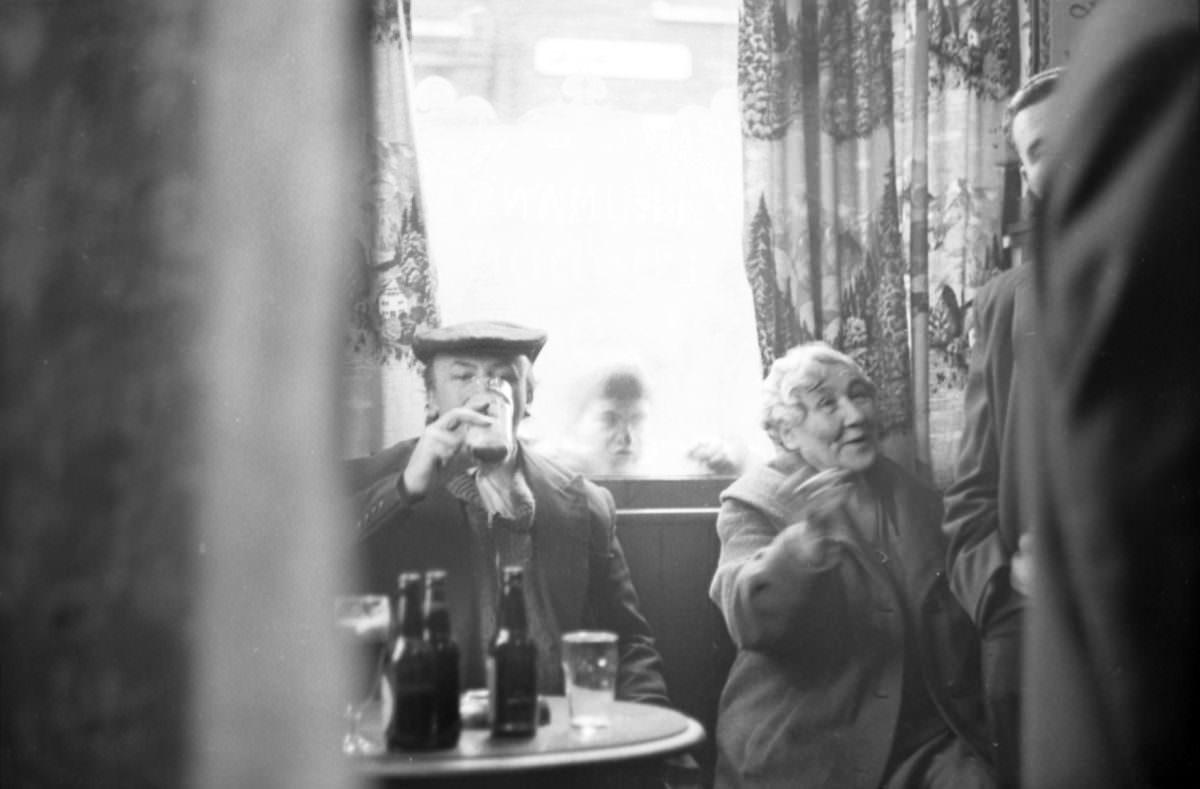
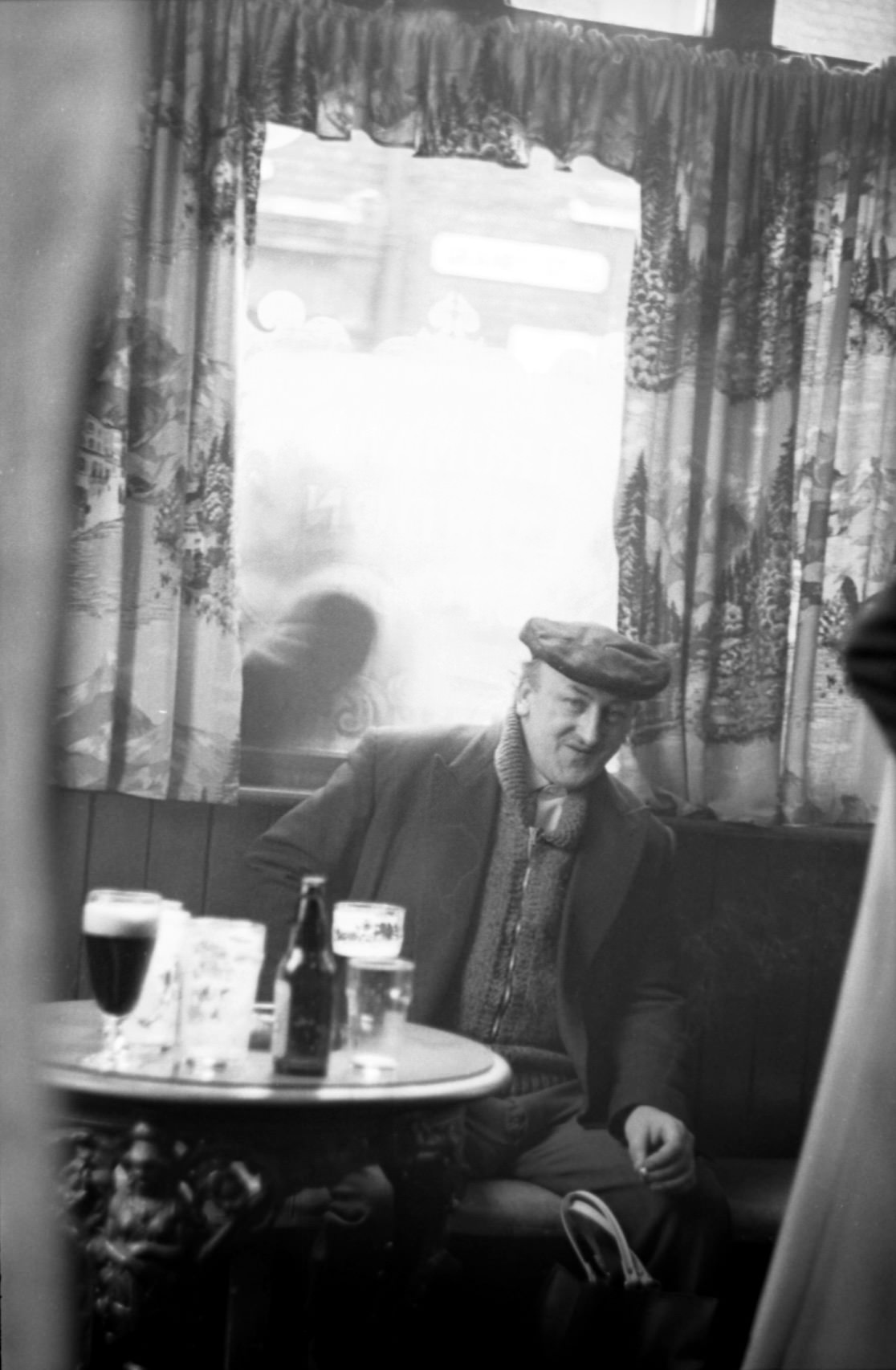
The clientele shifted by the hour. Early evening brought workers still in their coats. Later, the crowd loosened up, voices got louder, and the musicians — if there were any that night — picked up the pace.
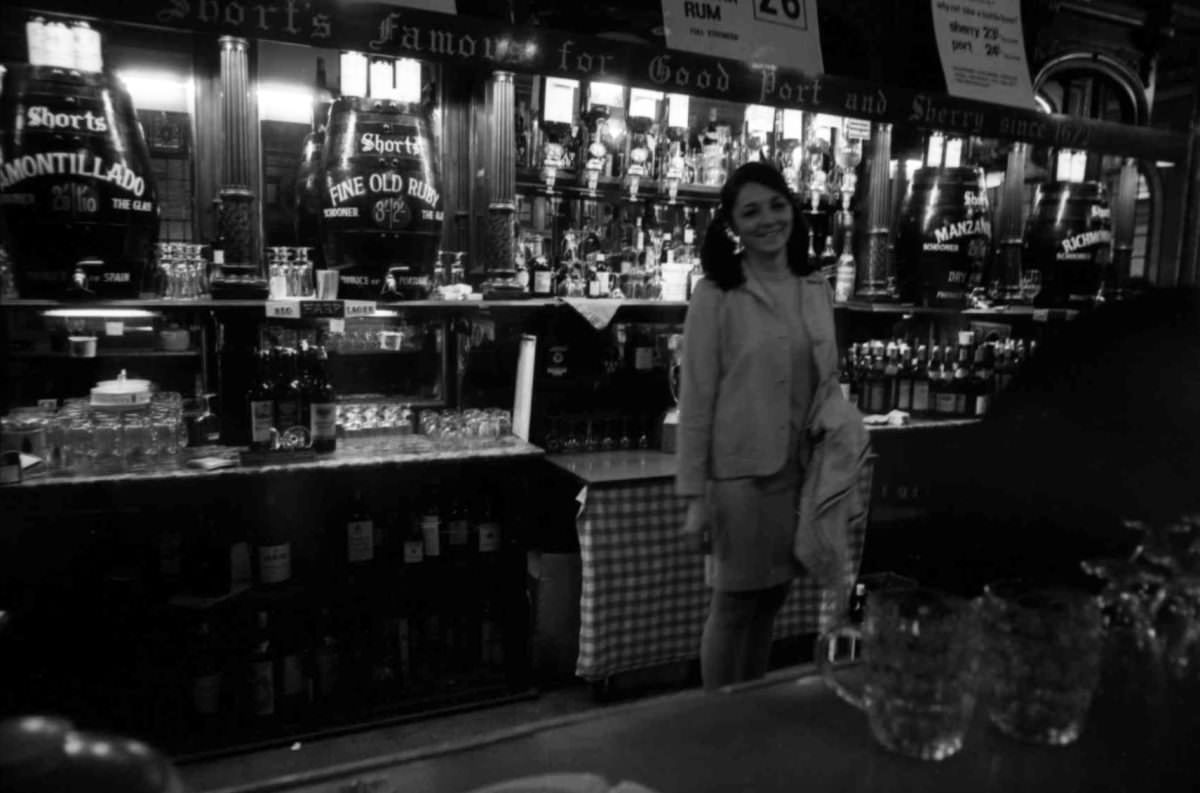
Loyalty to a local pub ran deep in the East End. People didn’t drift between bars the way later generations would. Your pub was your pub, and that was that. The landlord knew your name, your usual drink, and probably a fair bit of your business too.
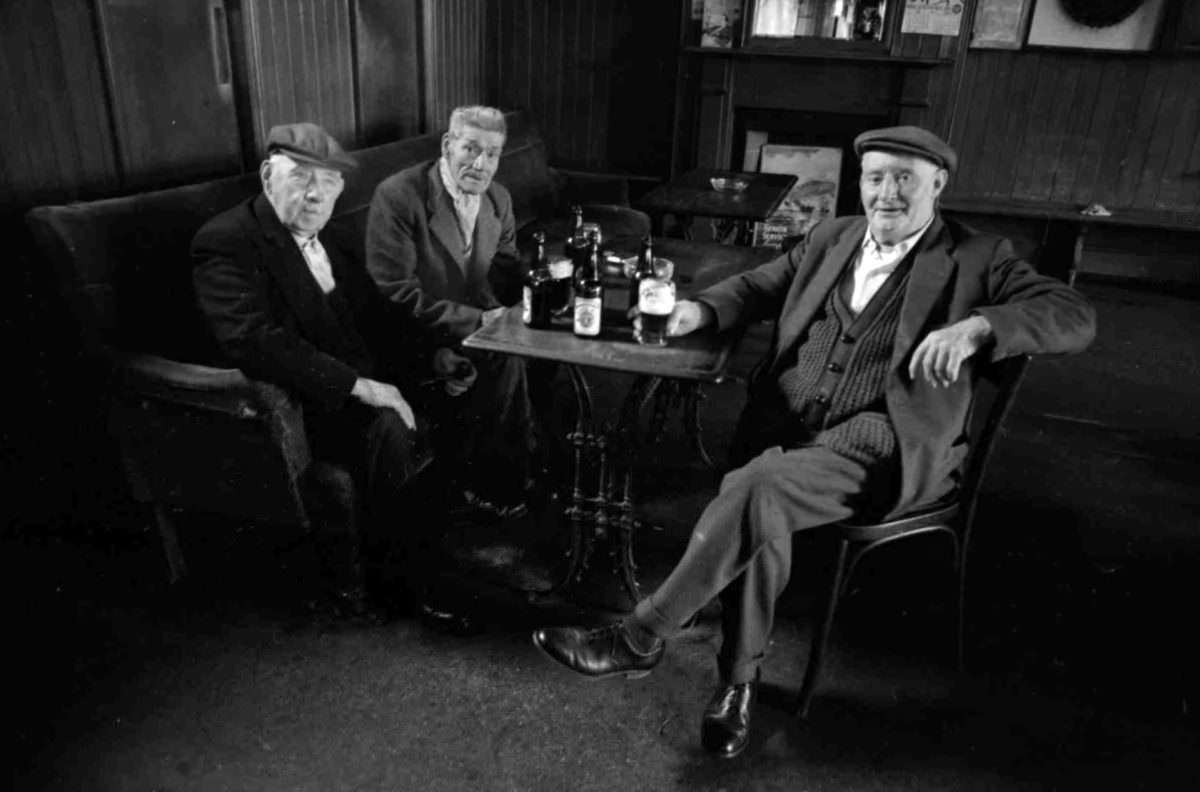
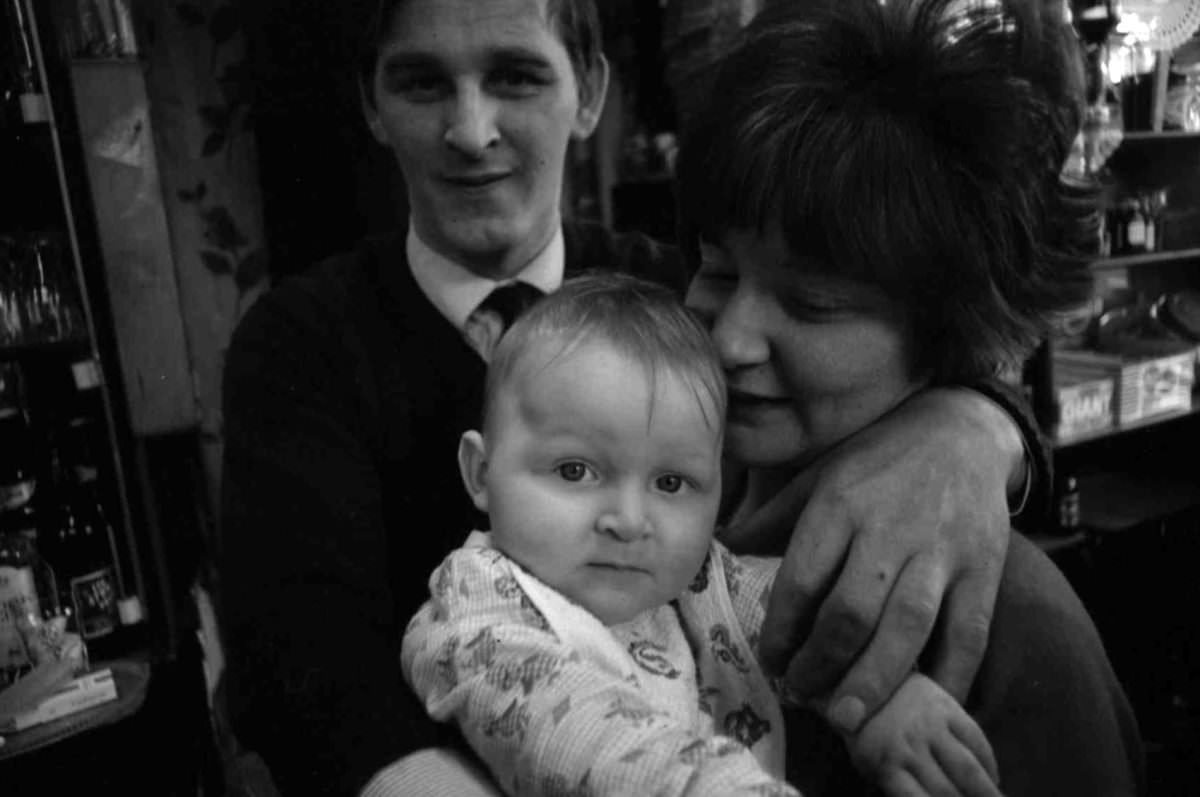
Tony Hall’s photographs preserve a version of East London that has largely disappeared. The specific pubs, the specific faces, the specific rhythm of those evenings — all of it fixed in black and white, exactly as it happened.