Eartha Kitt was many things at once — singer, actress, dancer, comedienne, and activist. Her voice alone was unlike anyone else in entertainment: a low, purring sound that could shift from playful to dangerous in a single breath. After breaking through in the Broadway revue New Faces of 1952, she became one of the most recognizable performers of her era. Her 1954 debut album, Monotonous, followed that success and introduced songs like “I Want to Be Evil” and “C’est Si Bon.” Then came the holiday classic “Santa Baby,” which cemented her as a pop culture fixture well beyond the stage.
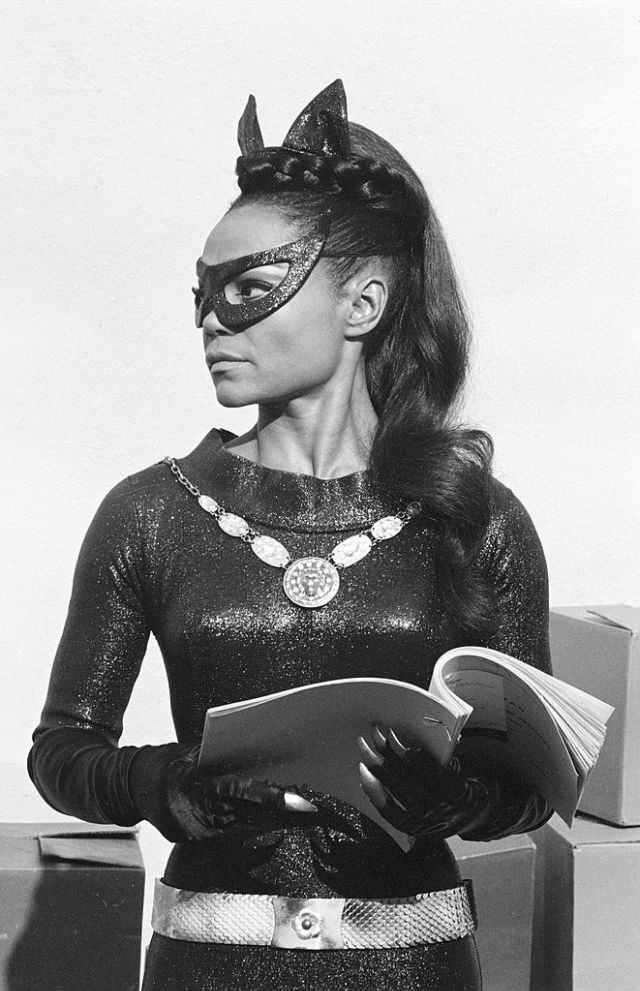
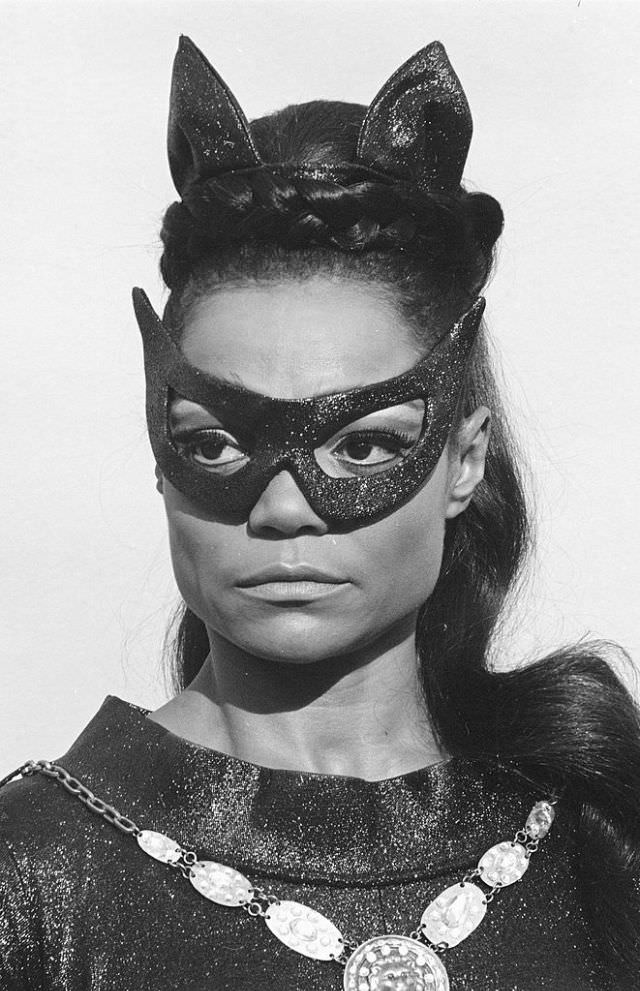
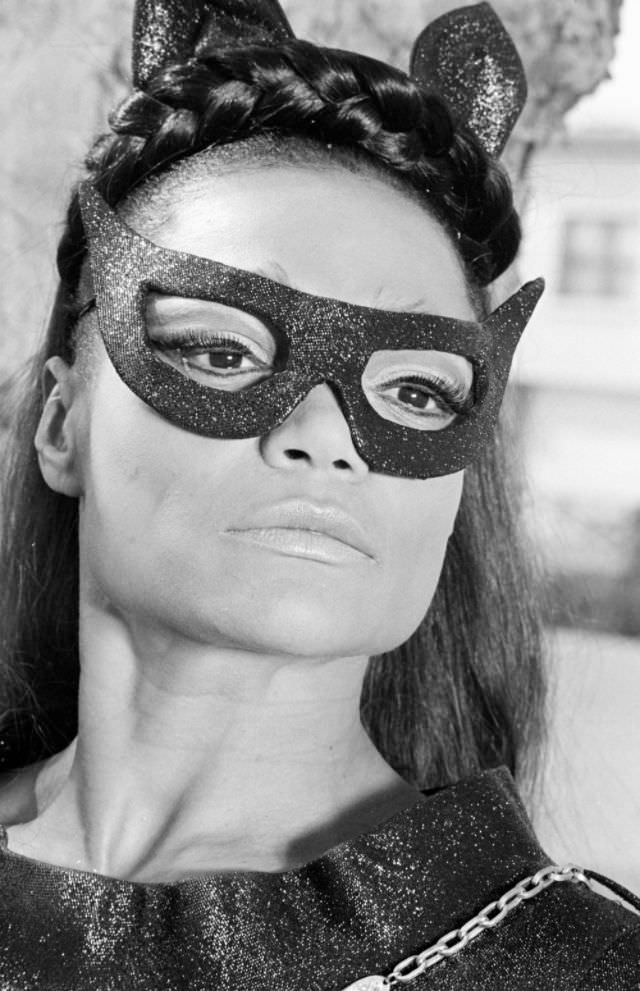
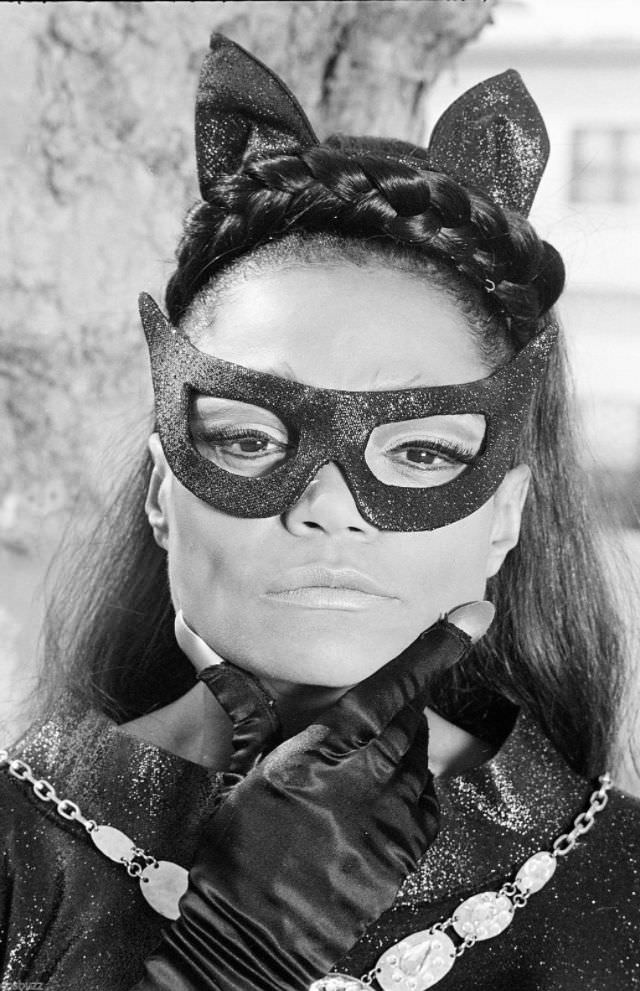
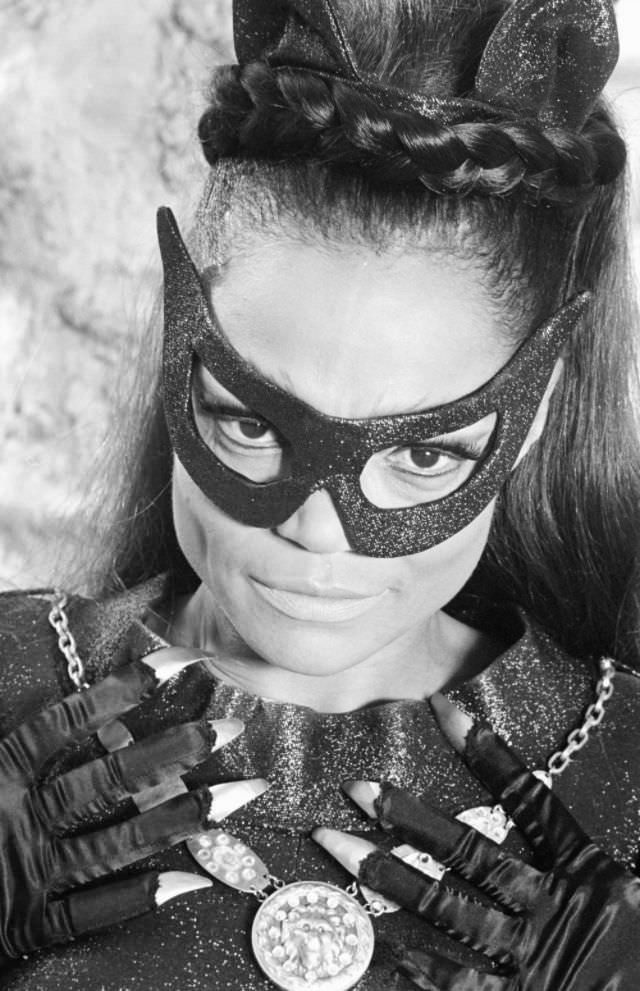
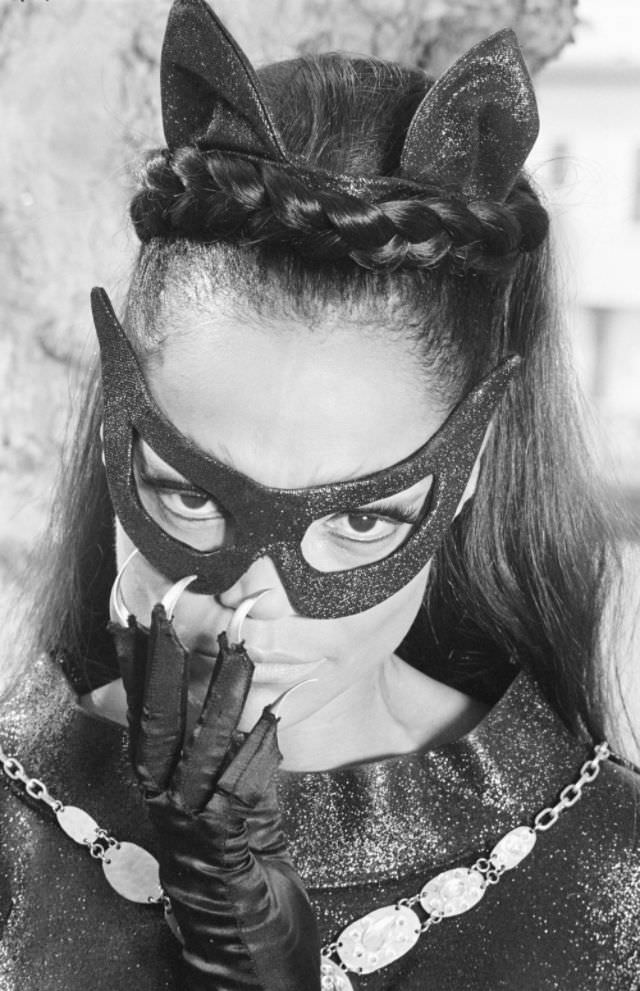
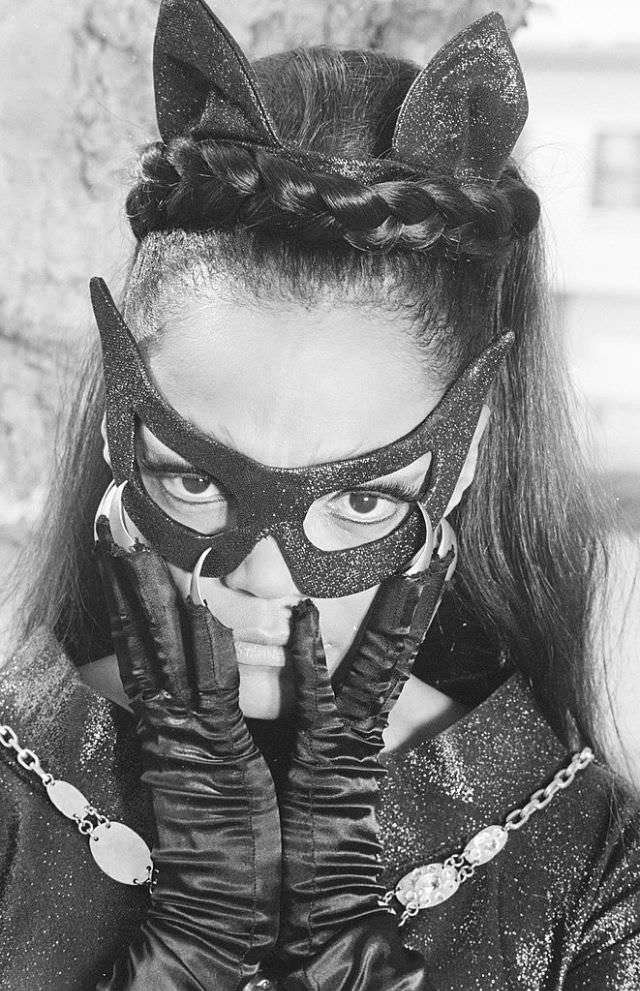
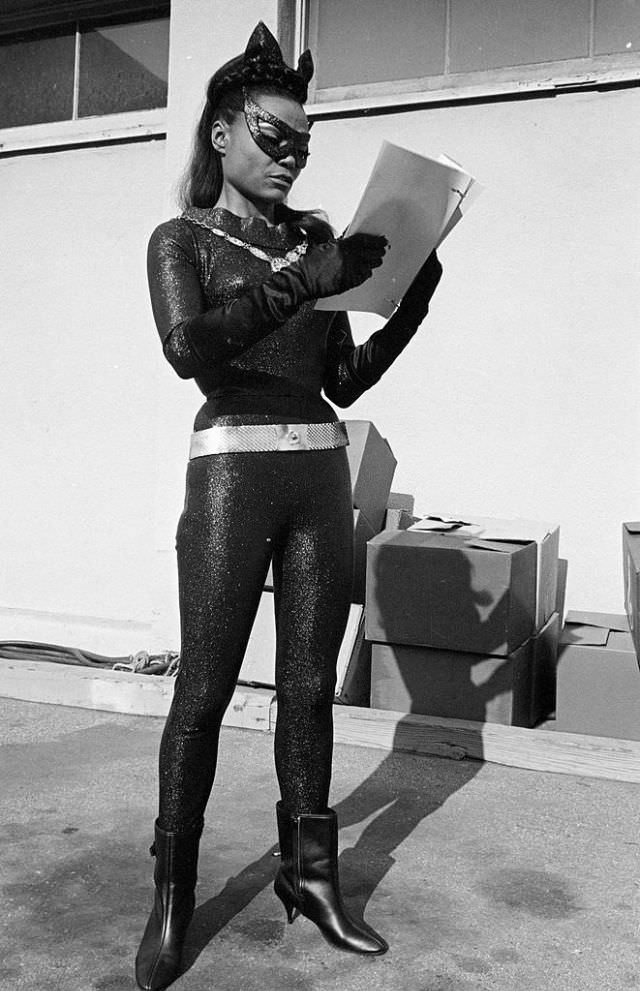
In the late 1960s, Kitt stepped into a role that fit her like a second skin. She was cast as Catwoman on the ABC television series Batman, taking over from Julie Newmar. The show starred Adam West as Batman, Burt Ward as Robin, and Yvonne Craig as Batgirl. Kitt’s version of Catwoman was sharp, confident, and completely her own.
Her arrival was not without controversy. Television affiliates in Southern states reacted with outrage when her casting was announced. A Black woman playing a seductive villain opposite a white male hero was a provocation to segregation-era sensibilities that many in those markets were unwilling to accept. The producers responded by pulling back the romantic tension between Catwoman and Batman that had defined Newmar’s run. Instead, they introduced a romantic subplot between Batman and Batgirl, effectively sidestepping the issue — but doing so at the cost of one of the show’s most electric dynamics.
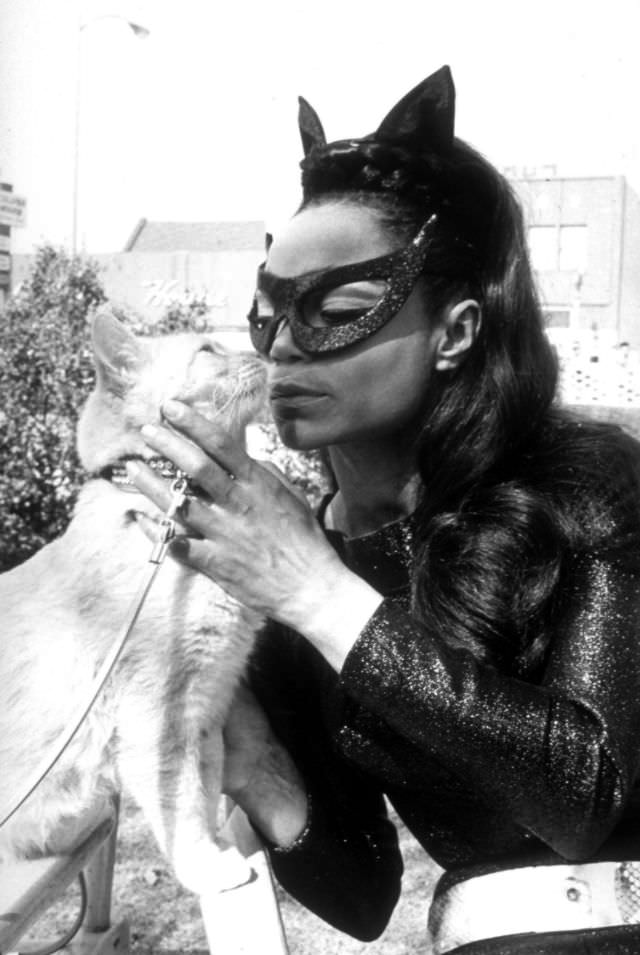
Despite that deliberate narrative shift, Kitt’s Catwoman was anything but diminished. She played the character as a bold crime boss with a sharp mind and an appetite for audacious schemes. In the episode “Catwoman’s Dressed to Kill,” she nearly succeeded in selling the Queen of Belgravia a stolen dress made of gold. That kind of elaborate, theatrical plotting was exactly what the show thrived on, and Kitt delivered it with full commitment.
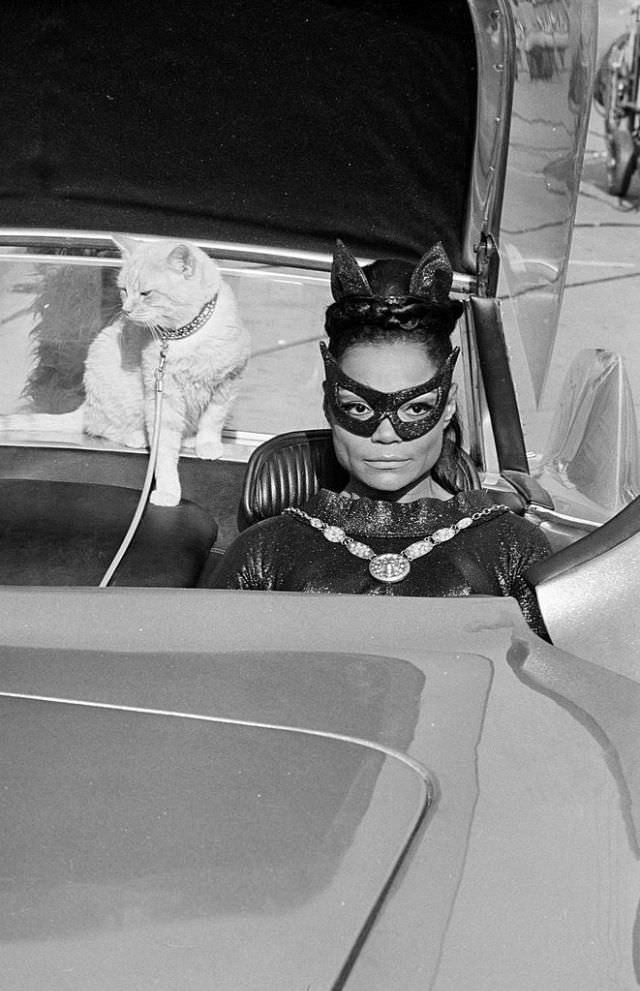
Her Catwoman also came armed with inventive gadgets. One standout was a rope made of cat whiskers that retracted automatically when it detected body heat — a trap she used against Batgirl. These details weren’t just quirky props; they reinforced the idea that Kitt’s Catwoman was a planner, not just a poser. She kept Batman, Robin, and Batgirl genuinely on edge.
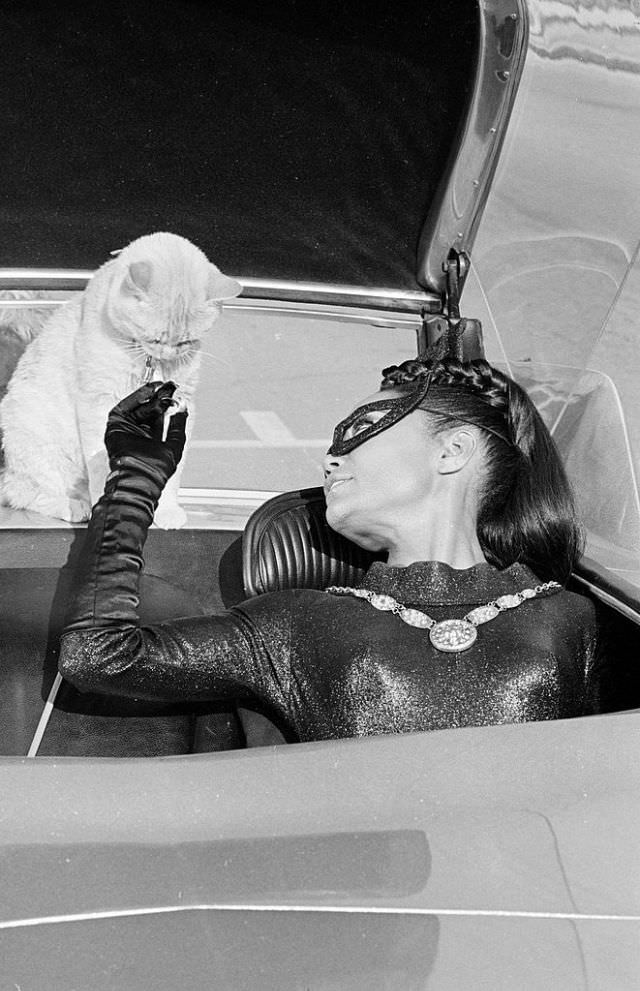
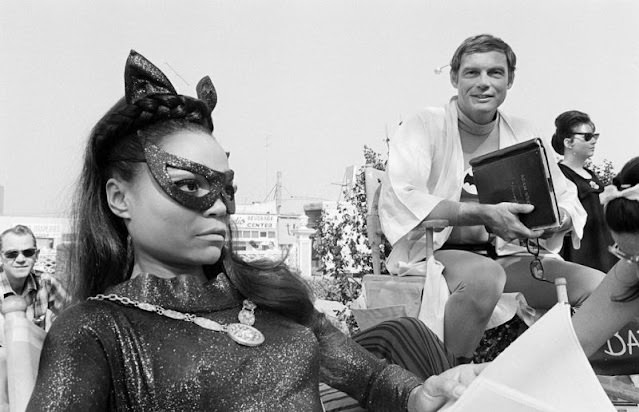
The Batman series itself had a complicated run. It was cancelled after its third season, but television reruns gave it a second life that stretched for decades. That extended reach is part of why Kitt’s portrayal of Catwoman has endured. Audiences who never saw the original broadcast discovered her performance through reruns and have continued to revisit it ever since.
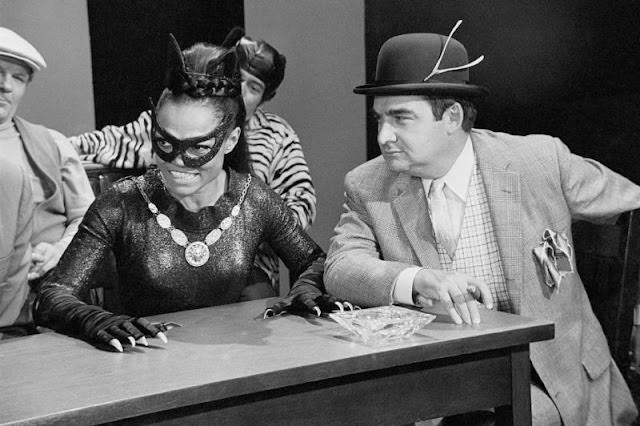
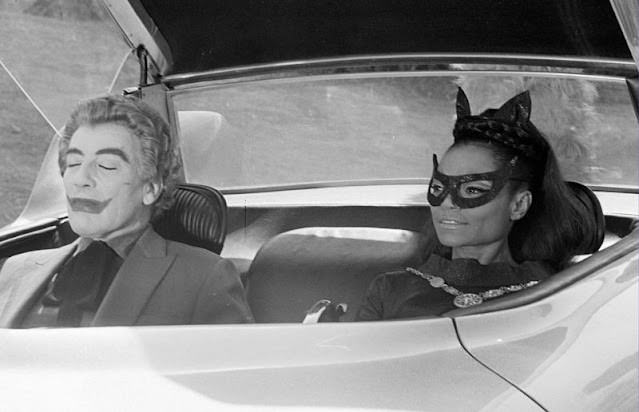
Kitt herself never had any doubt about why the role worked. In a 2006 interview with The Austin Chronicle, she said: “I probably would do it now as the mother of the cat. I love doing the character. I didn’t have to think about it: I didn’t try to be a cat; I am a cat.” That sense of total ownership is exactly what comes through on screen. She didn’t perform Catwoman from the outside — she inhabited the character completely.
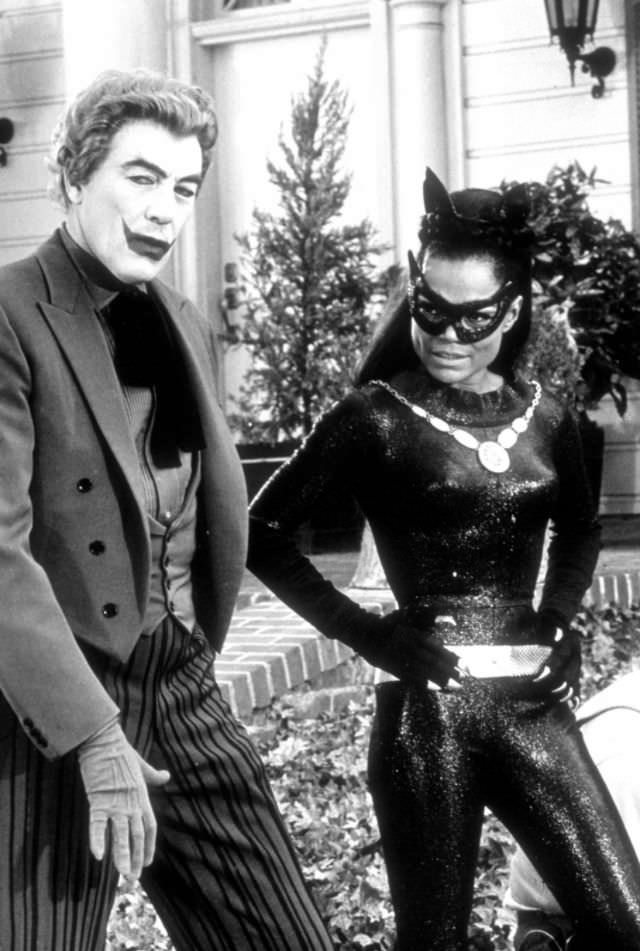
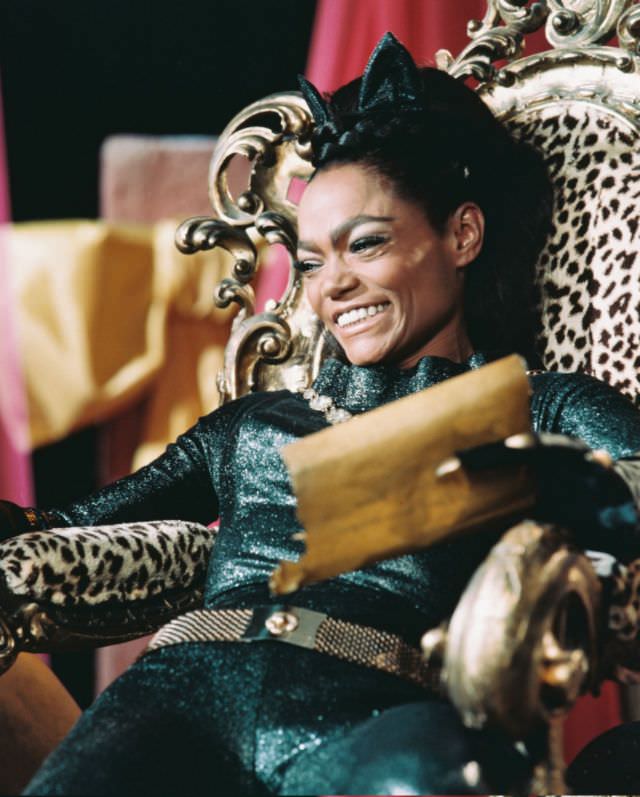
Catwoman, in Kitt’s hands, was never just a villain in a glittery jumpsuit. She was calculating, theatrical, and utterly self-assured. Every scene she appeared in carried a charge. The role drew directly on the qualities that had defined Kitt’s entire career — her magnetism, her precision, and her refusal to be anything less than fully present.
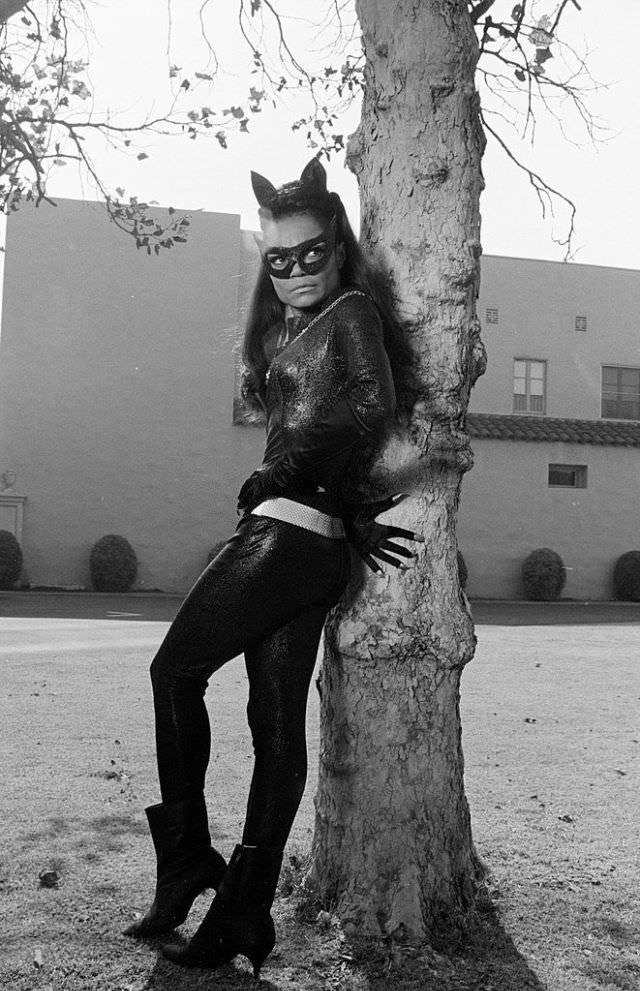
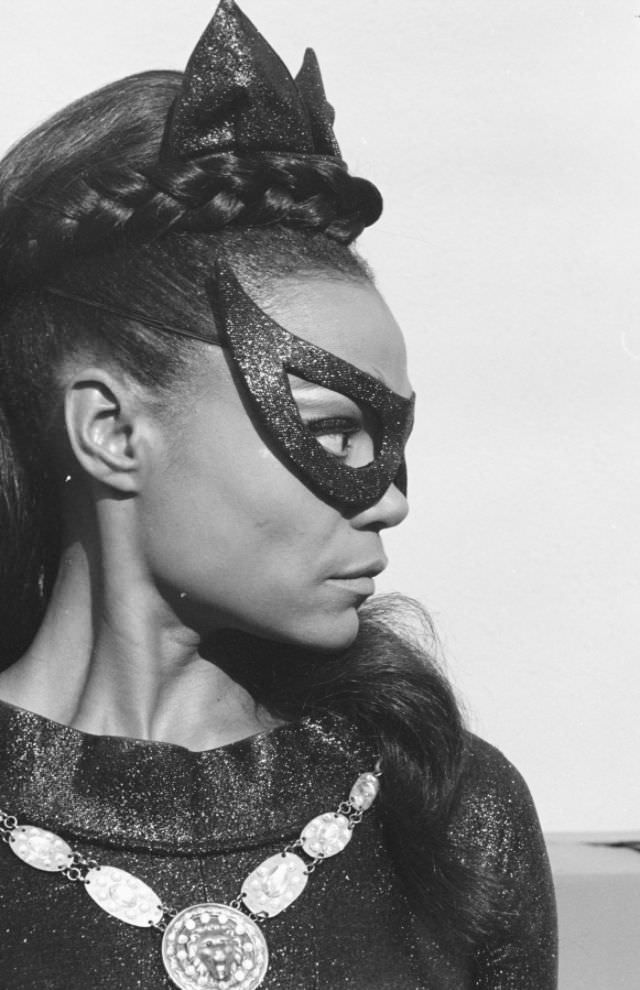
Below are some beautiful photos of Eartha Kitt as Catwoman.