Eartha Kitt was born on January 17, 1927, and from the very beginning, she defied easy description. Singer, dancer, actress, cabaret star — she was all of these things and more. Her voice was her most recognizable weapon: a low, velvety purr that stopped people cold. Orson Welles, who had worked with some of the greatest talents of the 20th century, called her “the most exciting woman in the world.” That was not a casual compliment.
Kitt’s rise began in 1945 when she joined Katherine Dunham’s celebrated dance troupe. Dunham was one of the most important figures in Black American dance, and her company gave Kitt both a stage and a passport. The troupe toured internationally, and Kitt used those years abroad to build her confidence as a performer. By the time she stepped out on her own as a cabaret singer, she had already performed across Europe and absorbed an artistic range that few American entertainers of her era could match.
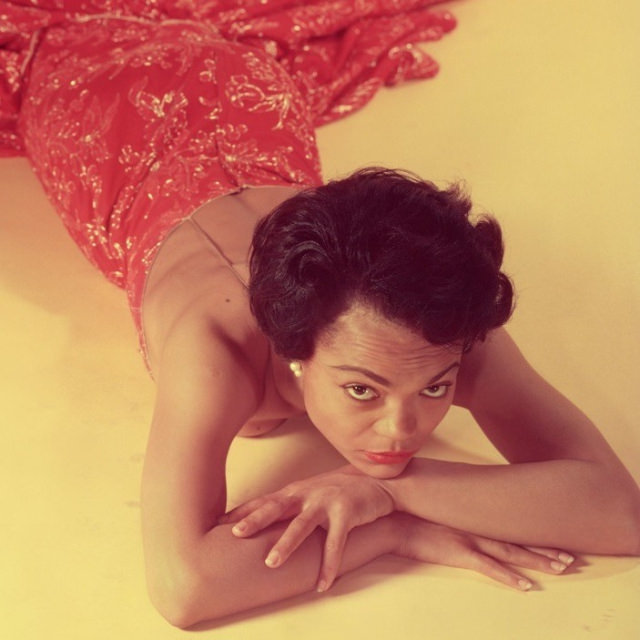
Her solo career caught fire in the early 1950s. She recorded “C’est si Bon” in 1953, a French-language song that she made distinctly her own, blending cheek and sophistication in a way that lit up American and European audiences alike. Then came “Santa Baby” in 1953 — a holiday song dripping with wit and flirtation that became one of the most recognizable recordings of the decade. By the mid-1950s, she was one of the hottest nightclub acts in the country, drawing crowds with her provocative stage presence and a persona that felt both worldly and dangerous.
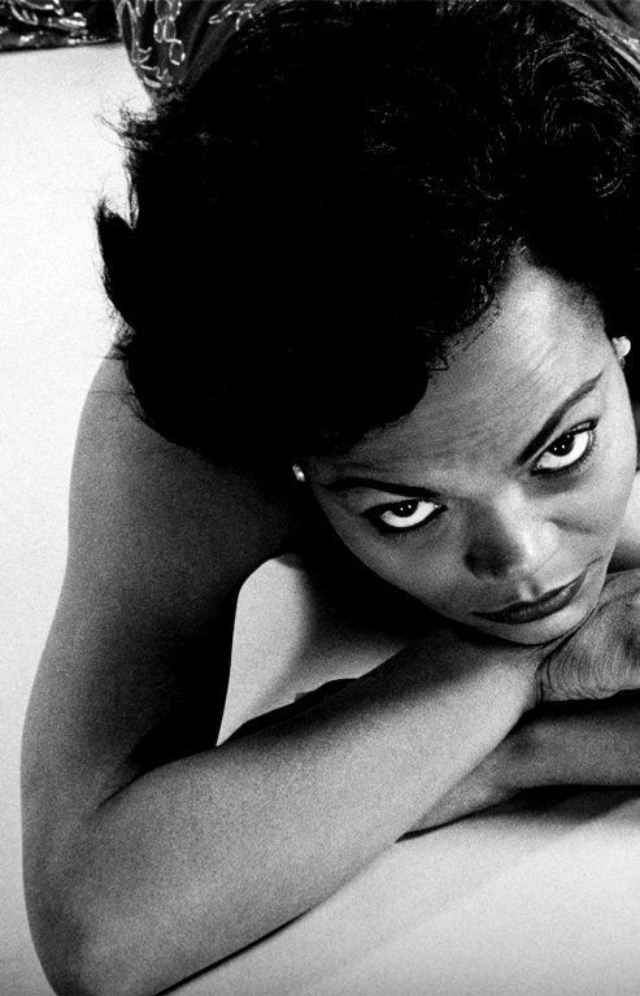
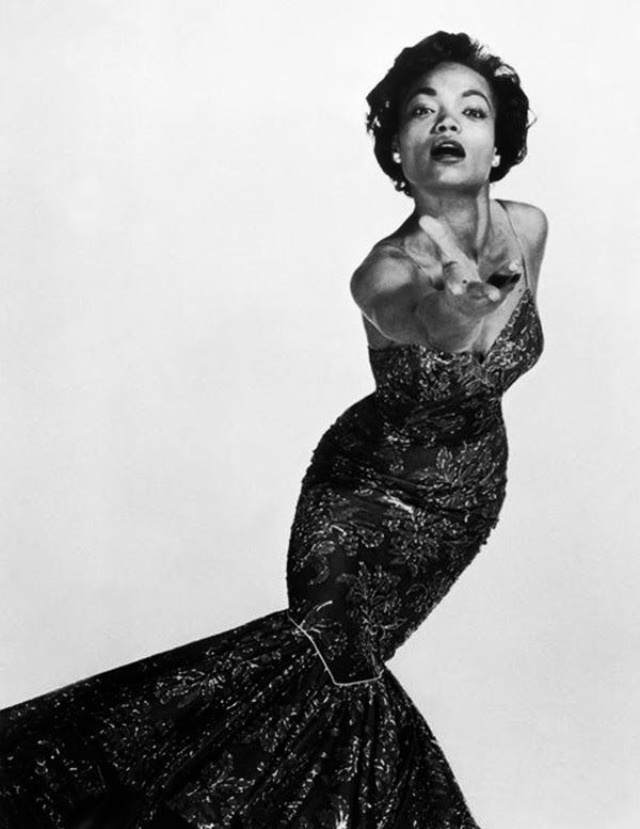
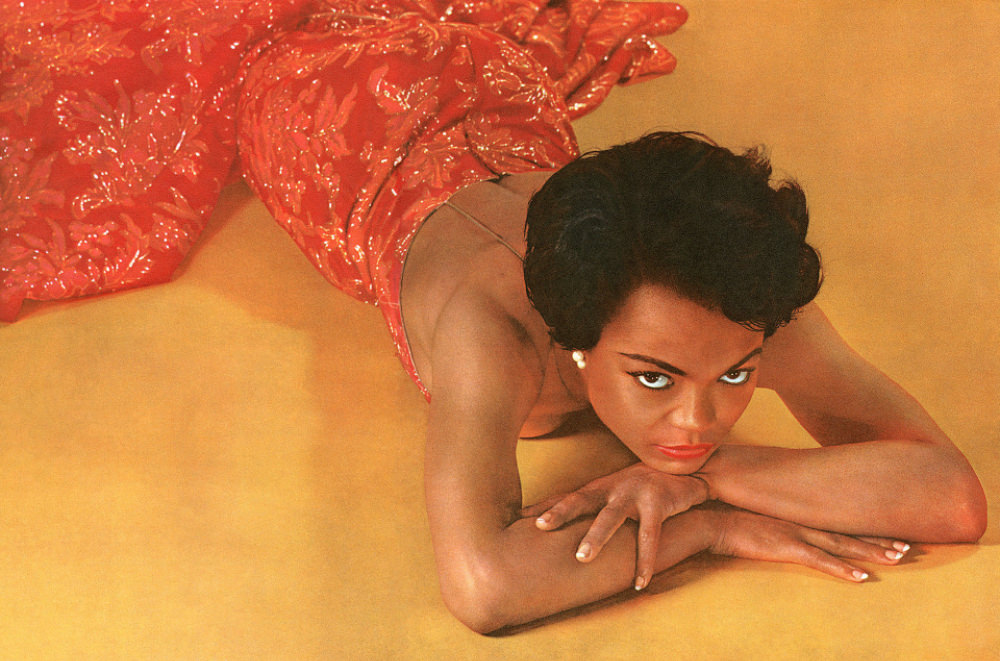
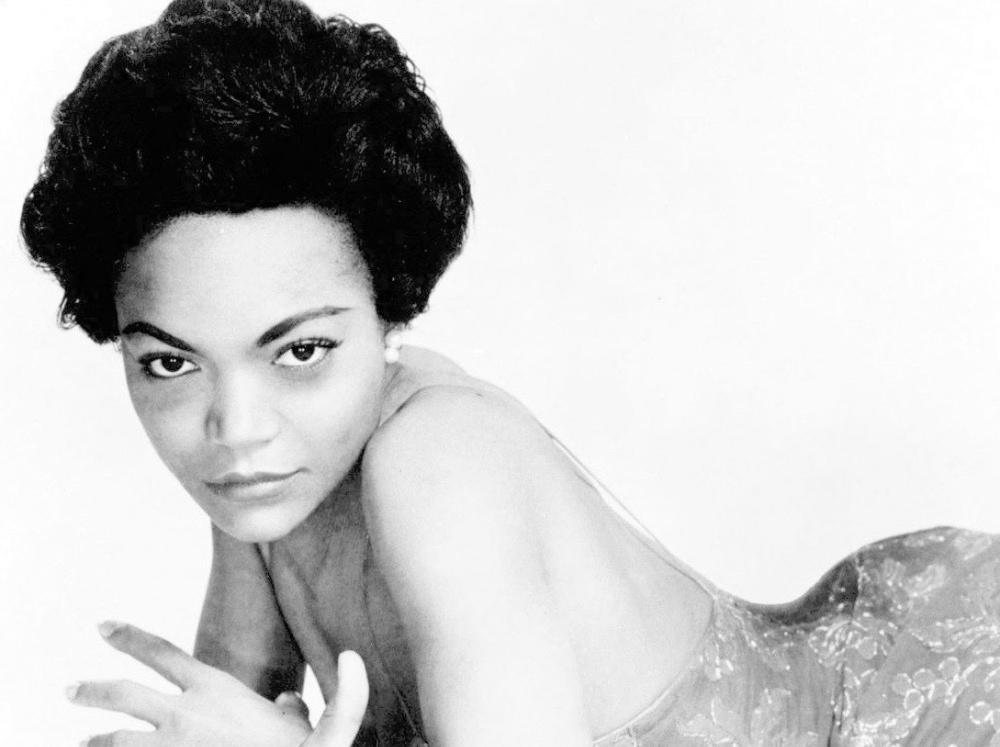
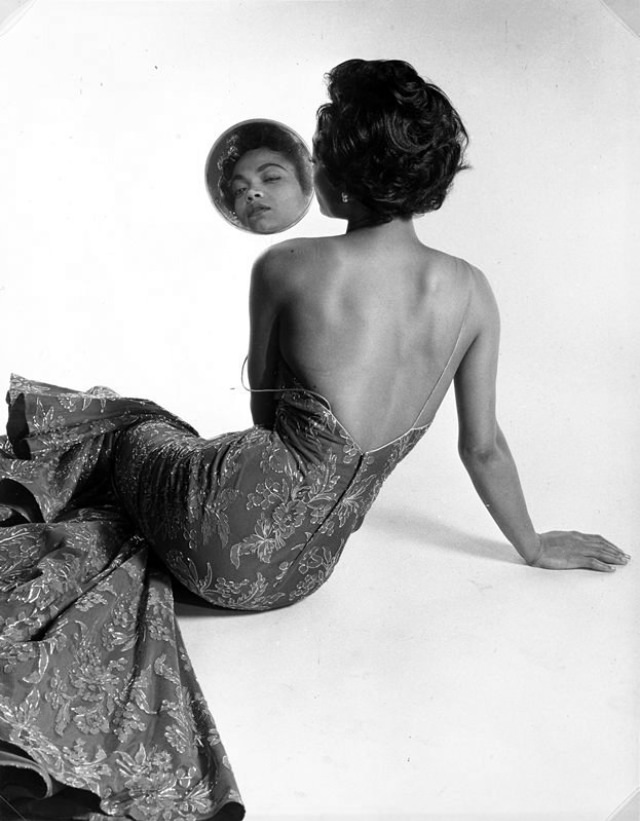
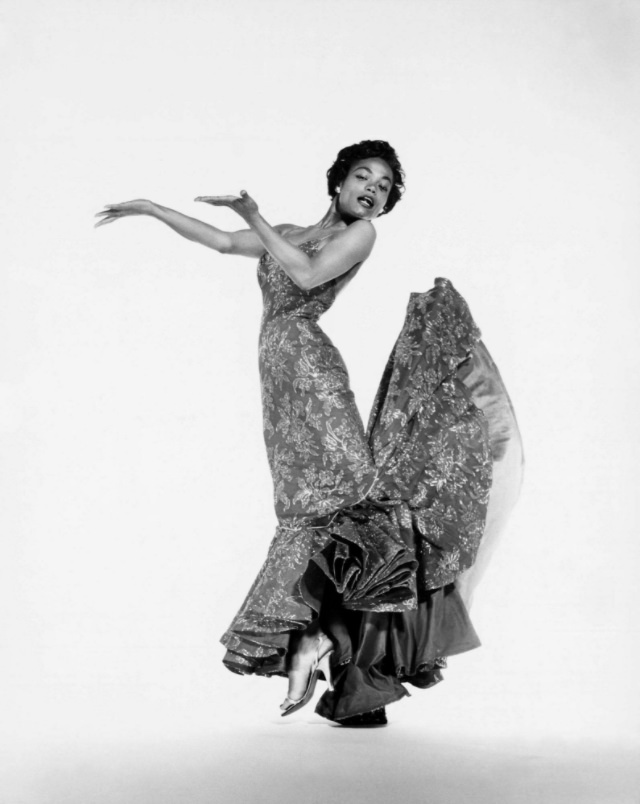
It was during this peak period that Philippe Halsman photographed her in 1954. Halsman was, at the time, one of the most respected portrait photographers working anywhere in the world. Originally from Latvia, he built his reputation in France before emigrating to the United States, where he became a fixture at LIFE magazine and produced some of the most iconic portraits of the 20th century. He had photographed Albert Einstein, Salvador Dalí, and dozens of major political figures. France had once considered him the country’s finest portrait photographer.
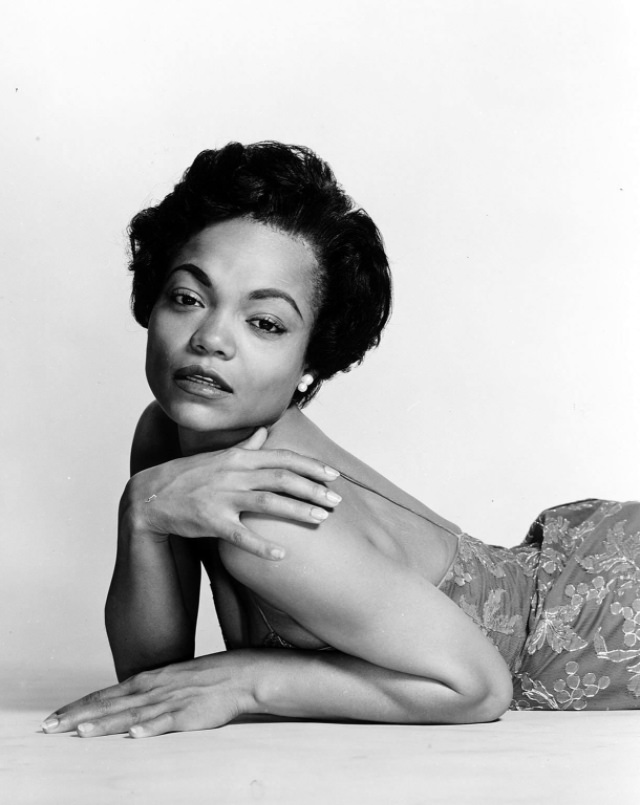
Halsman had a clear philosophy about his work. “Every face I see seems to hide — and sometimes briefly reveal — the mystery of another human being,” he said. That fascination with what lies beneath the surface drove him toward subjects who had depth, complexity, and presence. Eartha Kitt had all three in abundance. A session between the two was almost inevitable.
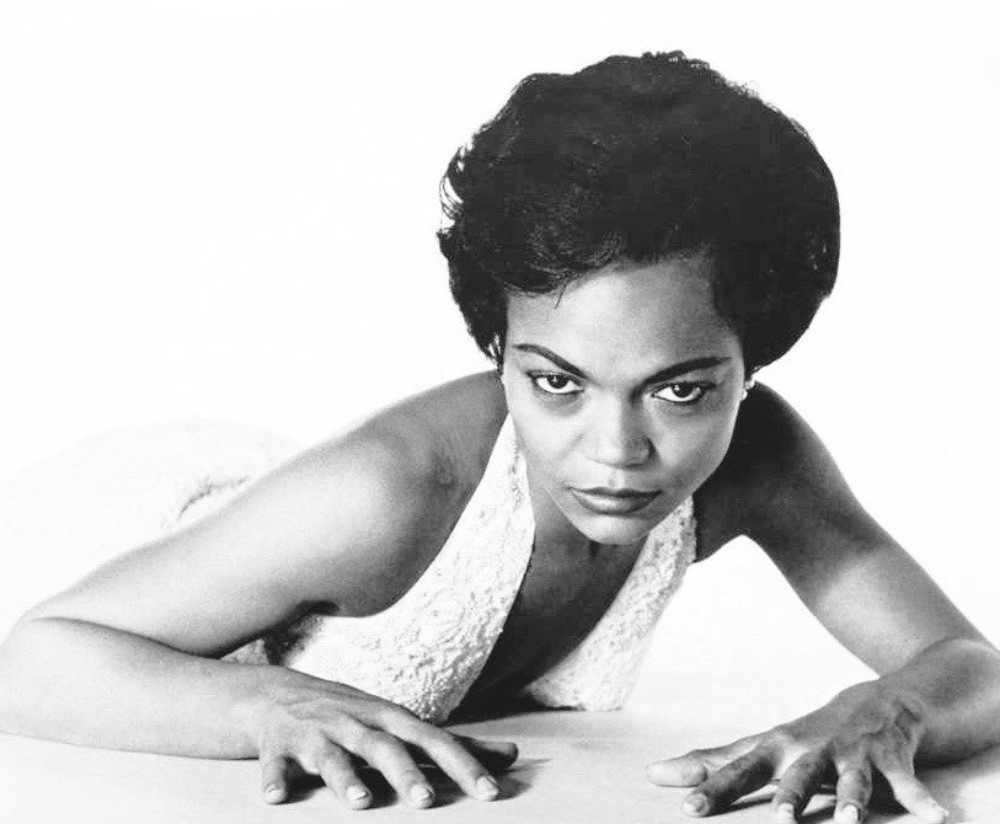
The 1954 portraits show Kitt in full command of the camera. She was 27 years old, at the height of her early fame, and every frame captures something different — intensity, playfulness, elegance, heat. Halsman’s skill was in creating the conditions for a subject to drop their guard just enough. With Kitt, that process produced images that feel alive even decades later.
Kitt’s career extended far beyond music. She worked steadily on Broadway and appeared in films throughout the 1950s and 1960s. Her most mainstream television moment came in 1967, when she stepped into the role of Catwoman on the ABC series Batman. The role was tailor-made for her — cunning, theatrical, impossible to look away from. She brought the same magnetism to the small screen that had packed nightclubs for years.
Then came January 1968. Kitt attended a White House luncheon hosted by First Lady Lady Bird Johnson. The event was focused on crime in America. When Kitt was given the chance to speak, she used it to voice her opposition to the Vietnam War, arguing directly that the war was connected to social unrest at home. The moment shocked the room. The Johnson administration responded by having the CIA and Secret Service compile reports on her. She was effectively blacklisted from major American venues for years, forcing her to rebuild her career primarily in Europe.
Eartha Kitt died on December 25, 2008, at the age of 81. The Halsman portraits from 1954 sit at the center of her story — taken at the exact moment when her talent had fully matured and the world was beginning to understand what it was looking at. Halsman recognized something in her face worth chasing. These photographs are what he found.