Wimbledon began not with global fanfare, but with a modest decision. In 1877, the All England Croquet and Lawn Tennis Club, based in southwest London, organized its first lawn tennis competition. Twenty-two amateur men entered. Spencer Gore won the Gentlemen’s Singles title in front of a few hundred spectators, each of whom paid one shilling to watch the final. Lawn tennis was still a young sport, and that first tournament felt far closer to a garden party than the high-stakes event Wimbledon would become.
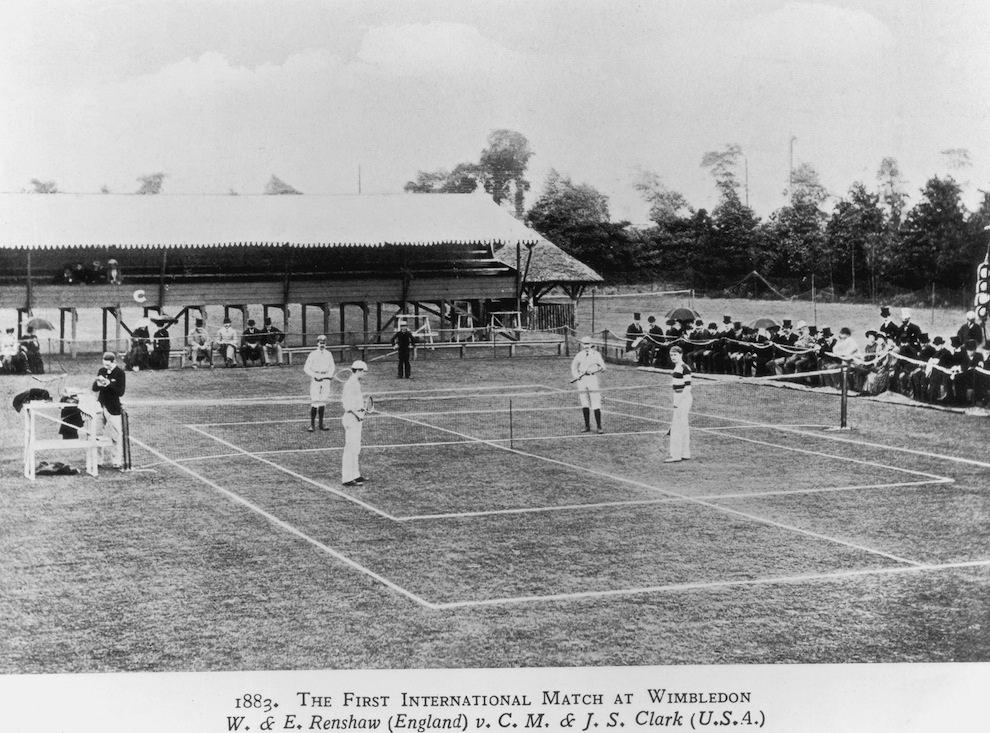
By 1883, the tournament was already drawing international attention. The grass courts of the All England Club hosted the first international tennis match that year, signaling that Wimbledon was quickly outgrowing its local roots. Players wore white clothing from the start — a custom that hardened into the strict all-white dress code the tournament enforces today. Strawberries and cream became a fixture for spectators early on as well, tying the tournament to a distinctly English social tradition.
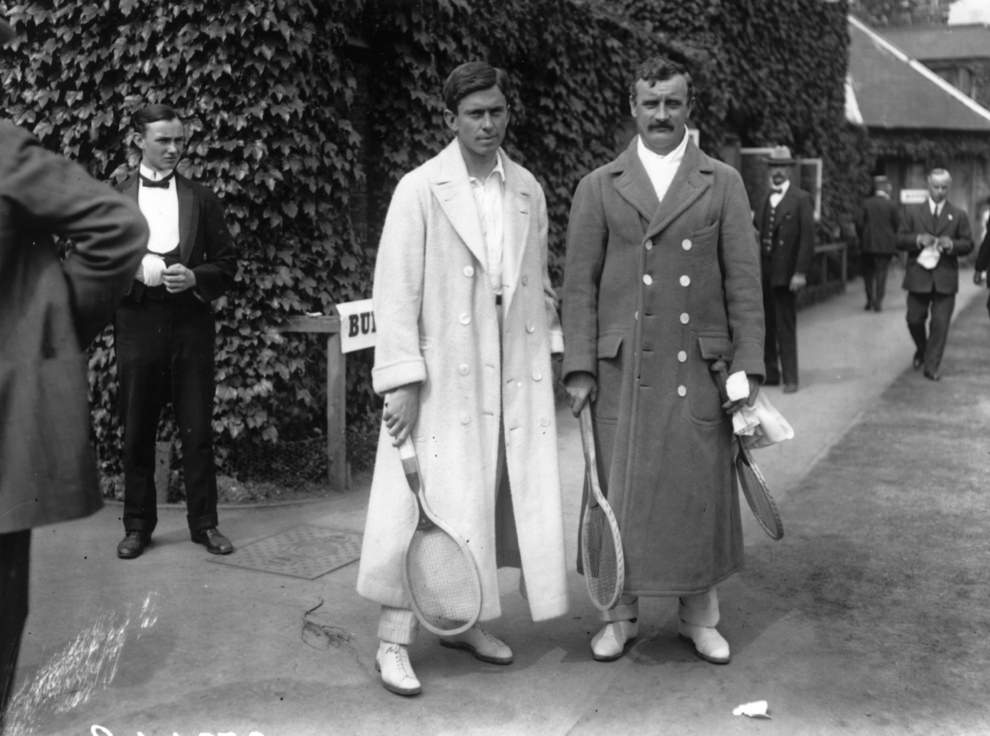
A Ladies’ Singles championship was added in 1884, and men’s doubles followed shortly after. These additions transformed Wimbledon from a single-event competition into a full tournament. English player Laurie Doherty became one of the dominant figures of the era, claiming the men’s singles title in 1902 as part of a remarkable run of success for the Doherty brothers on the Wimbledon grass.
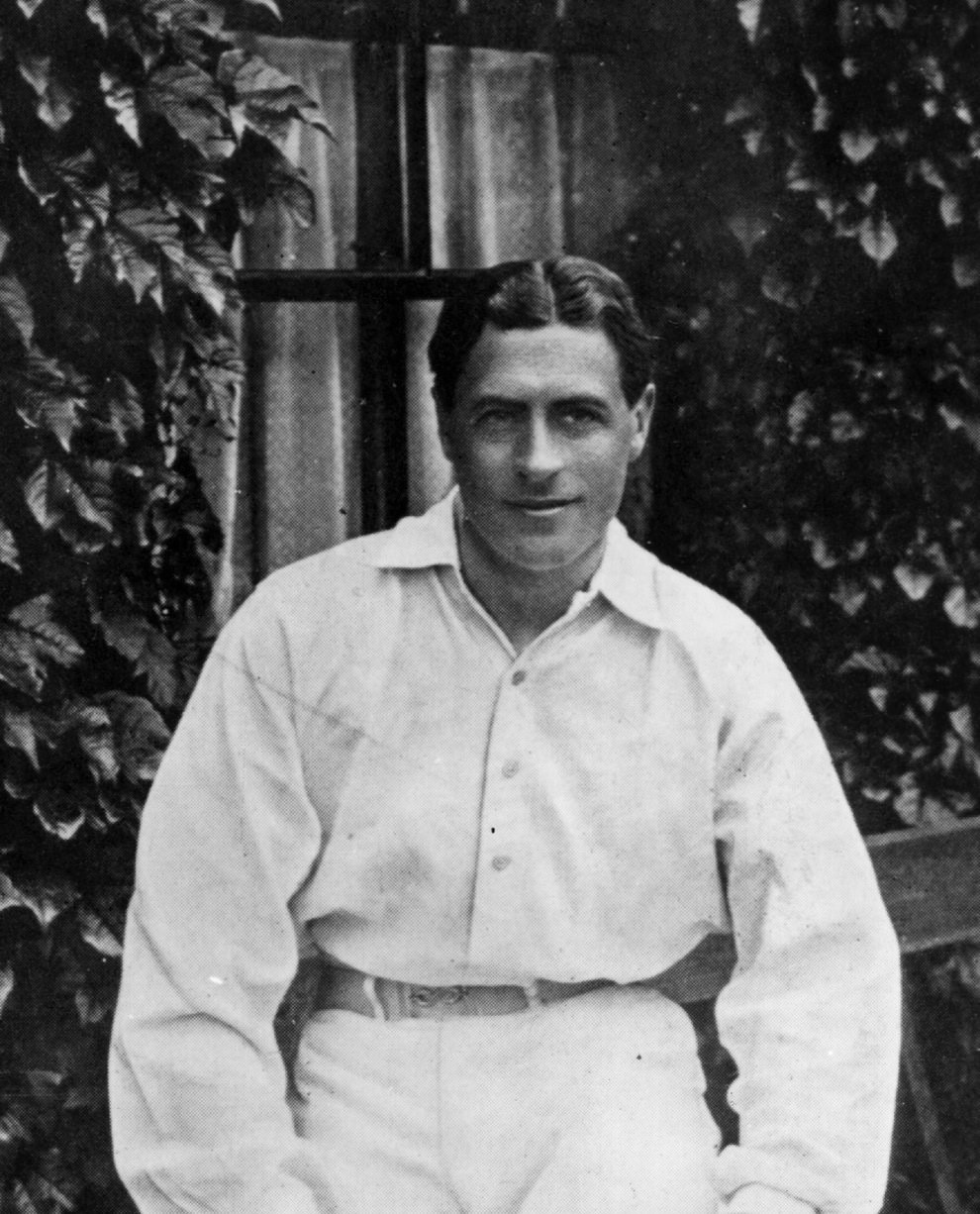
Charlotte Sterry was the defining women’s champion of the same period. She won the Ladies’ Singles five times across 1895, 1896, 1898, 1901, and 1908, making her one of the most decorated players of Wimbledon’s early decades. Her career spanned the tournament’s transition from a small social event into a recognized international championship.
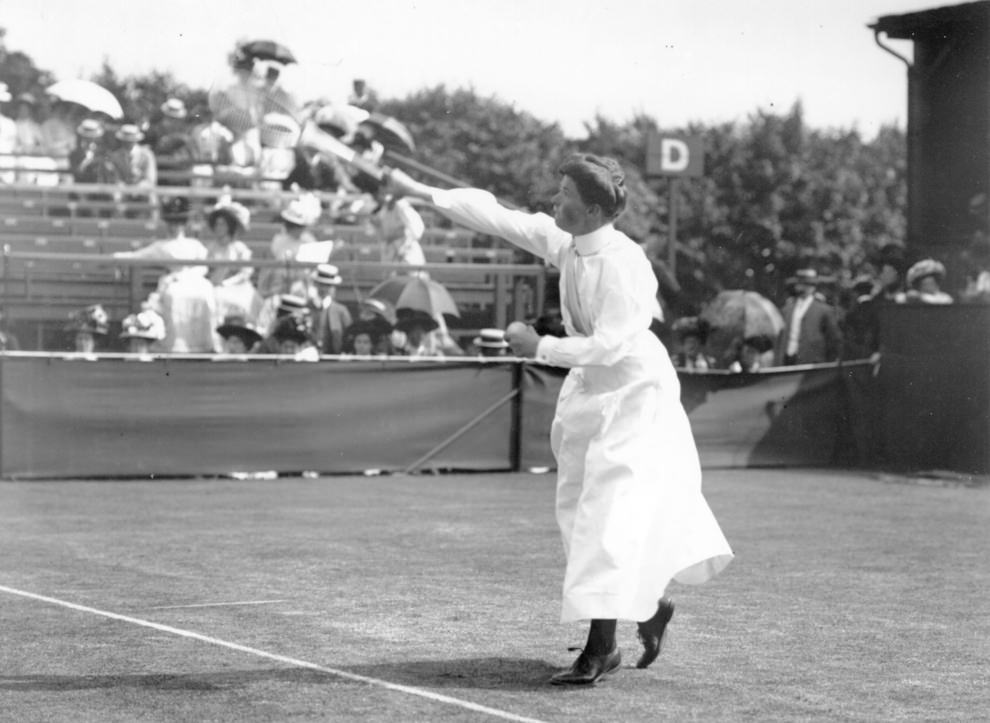
New Zealand’s Anthony Wilding was another standout competitor in this era. A four-time men’s singles champion, Wilding was photographed in action at Wimbledon in 1908 — the same year Sterry claimed her final title. His presence at the tournament reflected how far Wimbledon’s reach had extended beyond Britain.
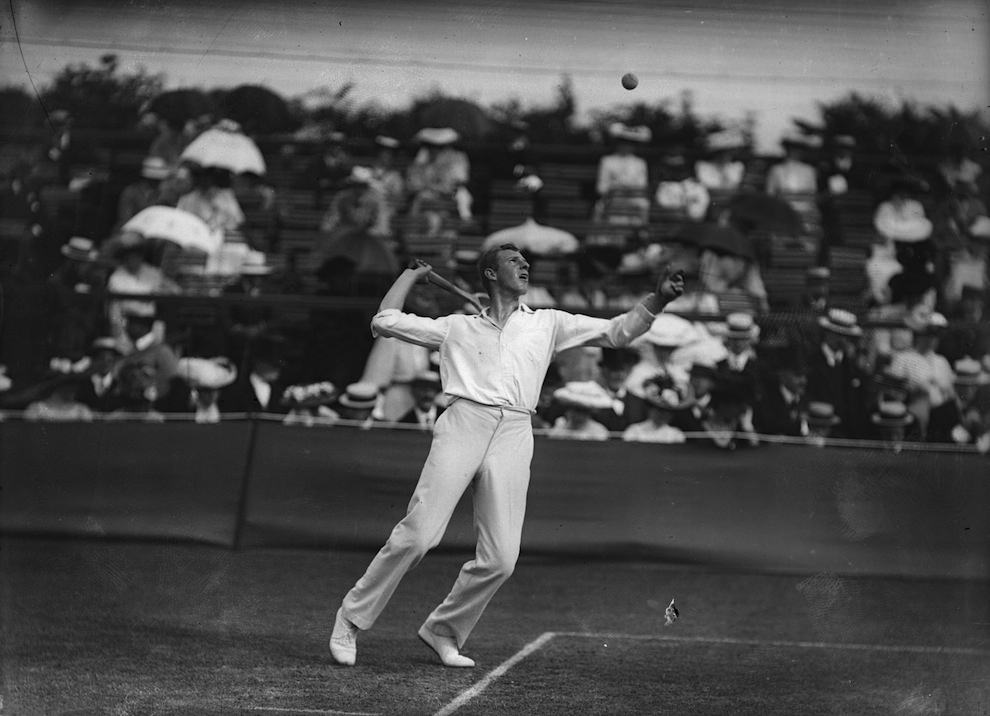
Mixed doubles matches added variety to the schedule and drew their own crowds. By 1911, the courts were hosting competitive mixed-gender play, with matches like that between M. Cobes and J.B. Ward capturing the expanding scope of the championships.
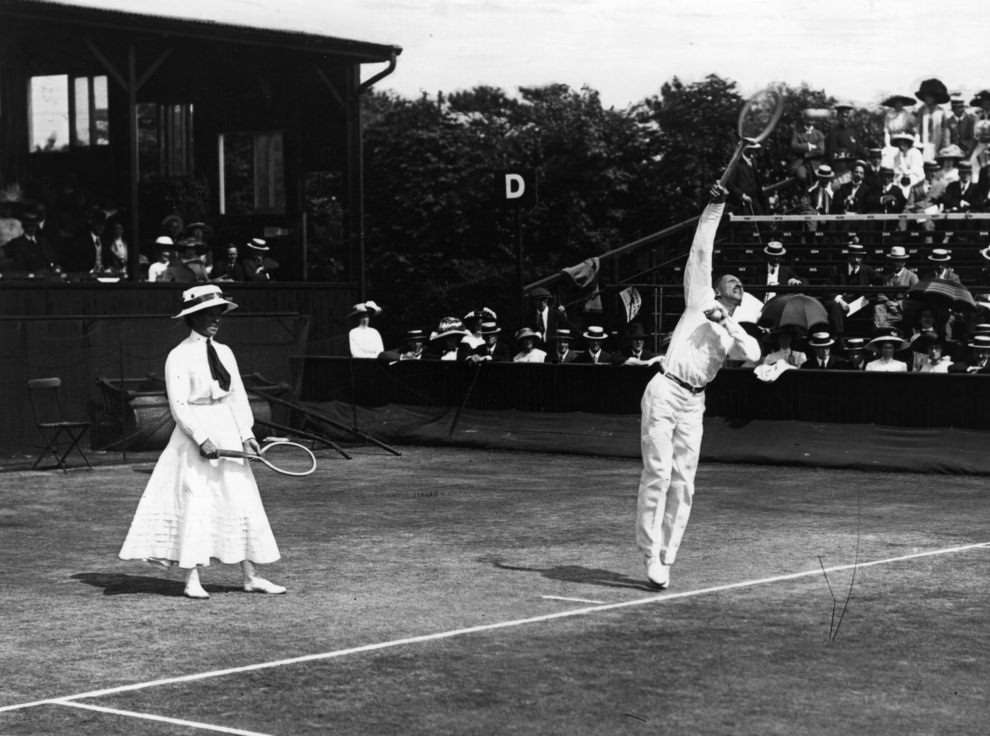
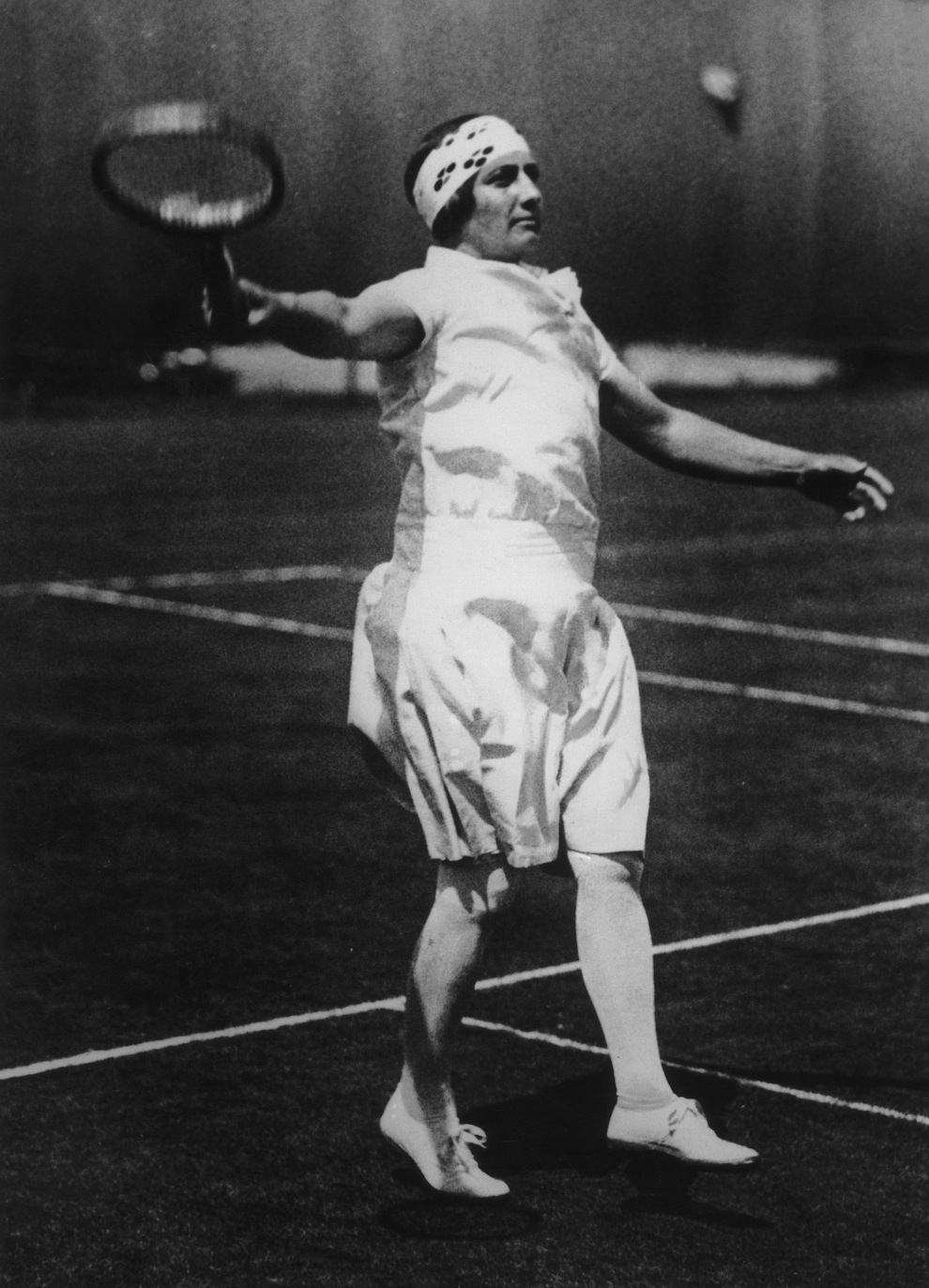
The 1920s brought a new era — and a new icon. French player Suzanne Lenglen dominated women’s tennis at Wimbledon like no one before her. She won six singles and doubles titles, and her athleticism and style redefined what women’s tennis looked like on the court.
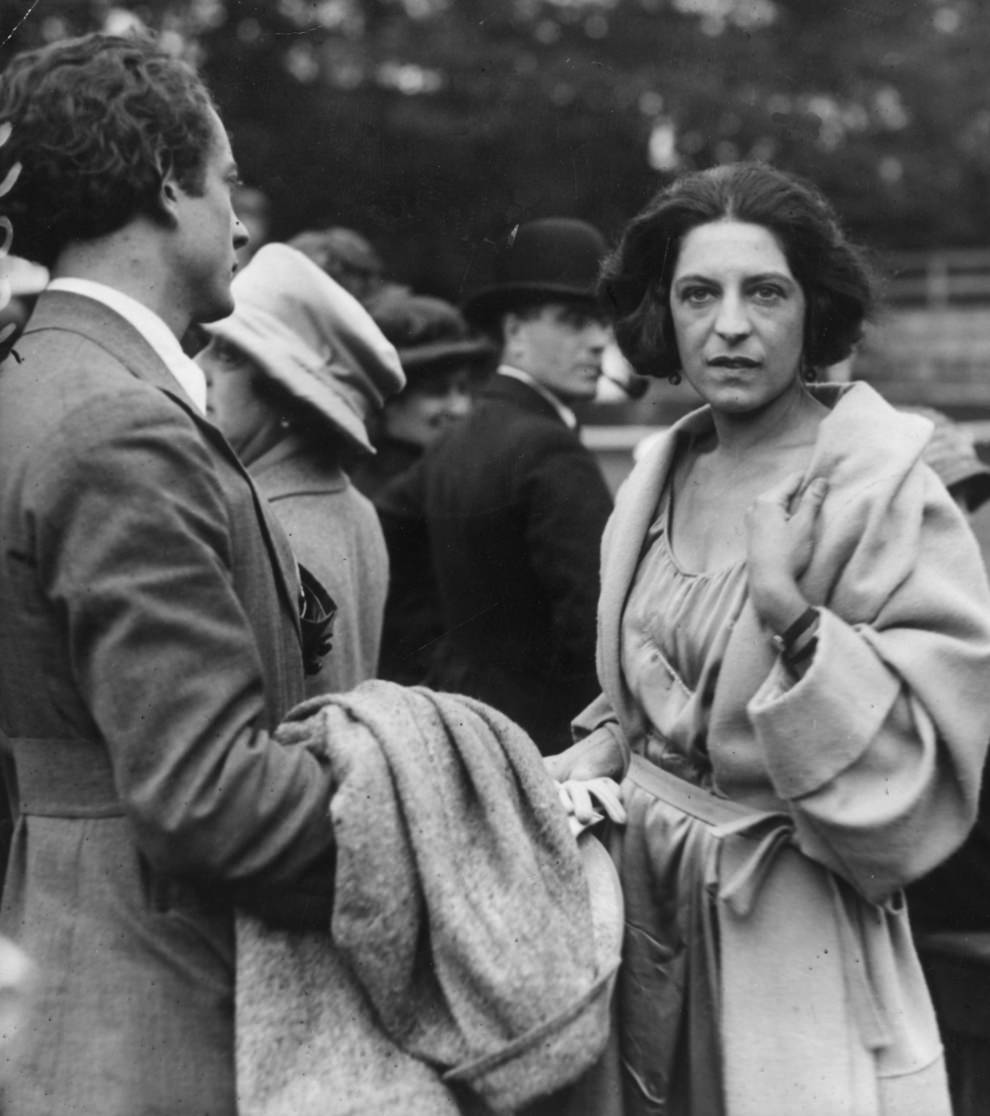
American players arrived in force during the early 1920s. Vincent Richards and Molla Mallory both made the trip to Wimbledon in 1923, representing a growing wave of transatlantic competition that pushed the standard of play higher each year.
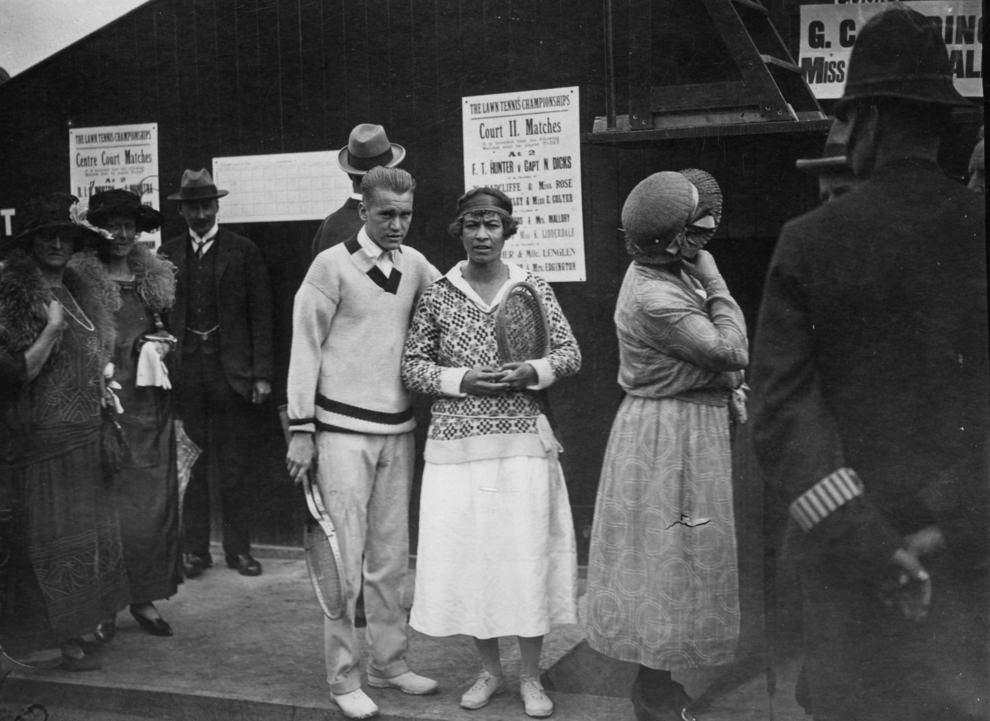
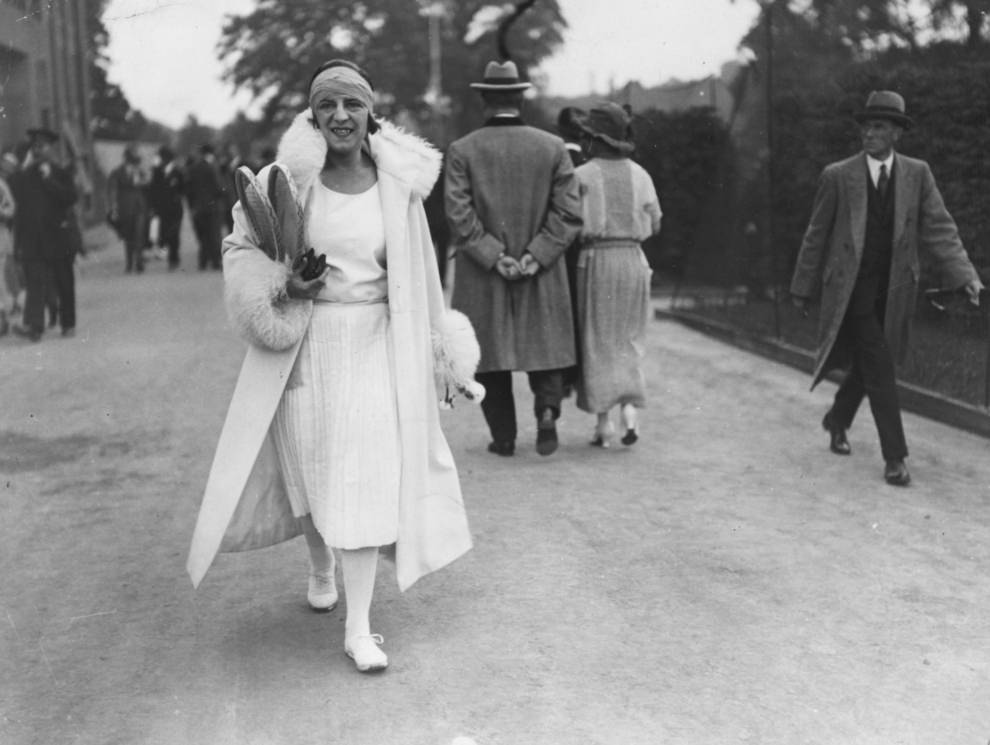
Lenglen remained a central figure well into the decade. Photographed again at Wimbledon in 1923, she embodied the tournament’s rising prestige — a French champion on English grass, watched by crowds that had grown far beyond those early shilling-paying spectators of 1877.
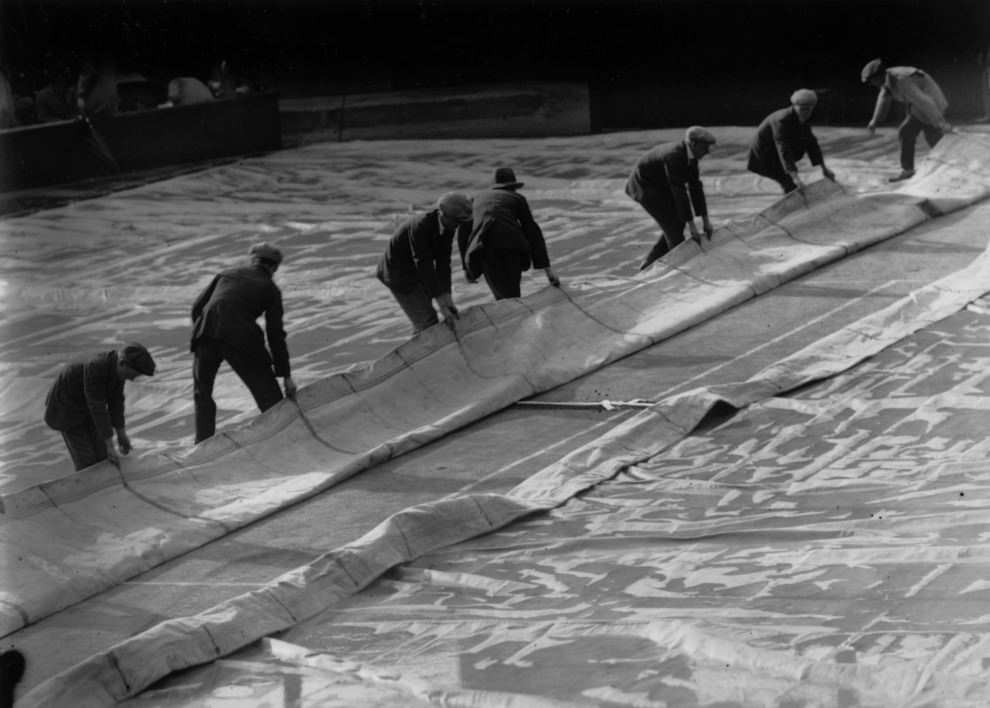
Rain has always been an unavoidable part of Wimbledon. In 1922, play was called off entirely due to wet weather — a disruption that would become a recurring feature of the English summer tournament long before retractable roofs were ever considered.
American Hazel Hotchkiss Wightman competed at Wimbledon in 1925, the same year the stands were filling with ever-larger crowds. She was already a celebrated figure in tennis, having founded the Wightman Cup — a women’s team competition between the US and Britain — in 1923.
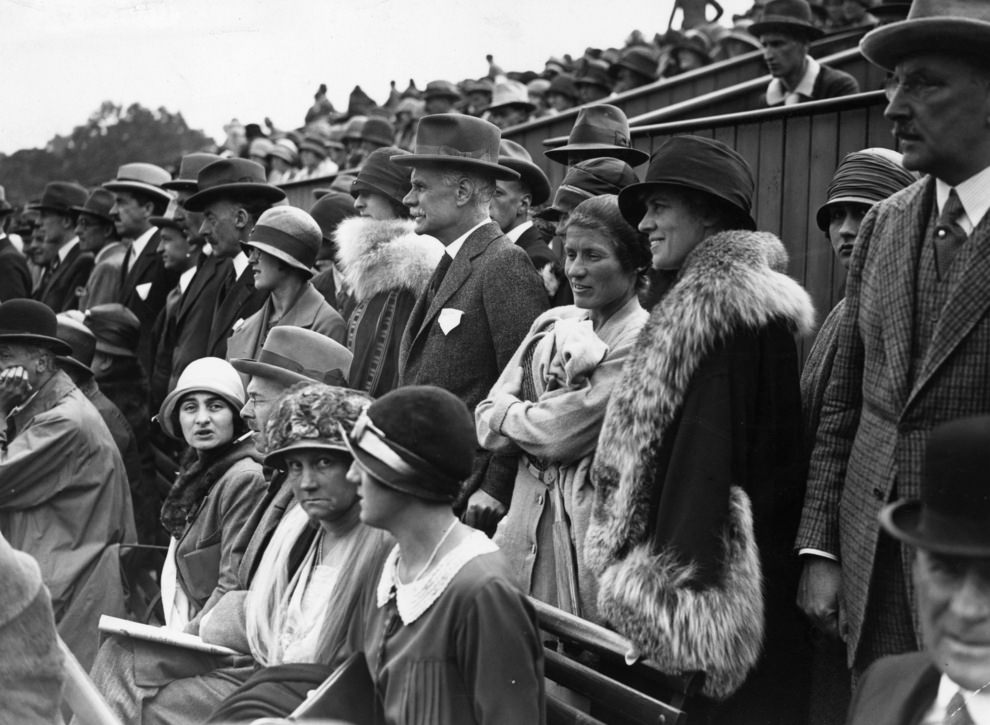
By 1925, the spectators at Wimbledon were a fixture as important as the players themselves. Packed stands watched matches across multiple courts, the crowd a mix of tennis enthusiasts and those drawn by the event’s growing social status.
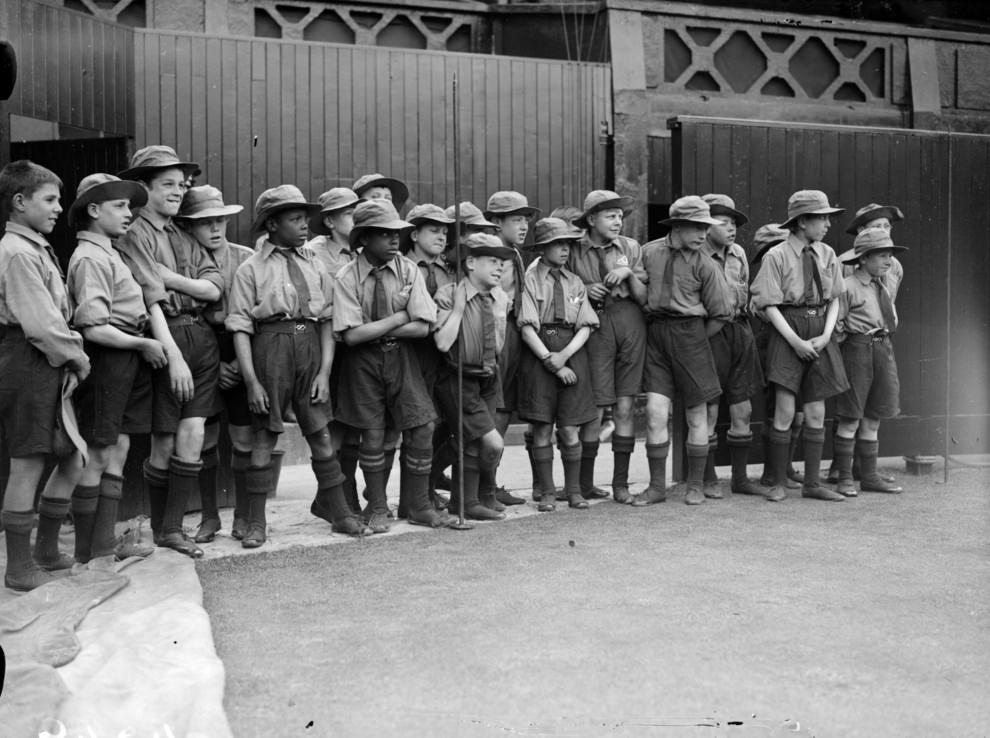
Behind the matches, the tournament’s operational details were sharpening too. By 1927, ball boys were a formal part of the Championships — young, uniformed, and positioned courtside to keep play moving. It was one small sign of how thoroughly organized Wimbledon had become in the fifty years since Spencer Gore first lifted a racket on those modest grass courts.