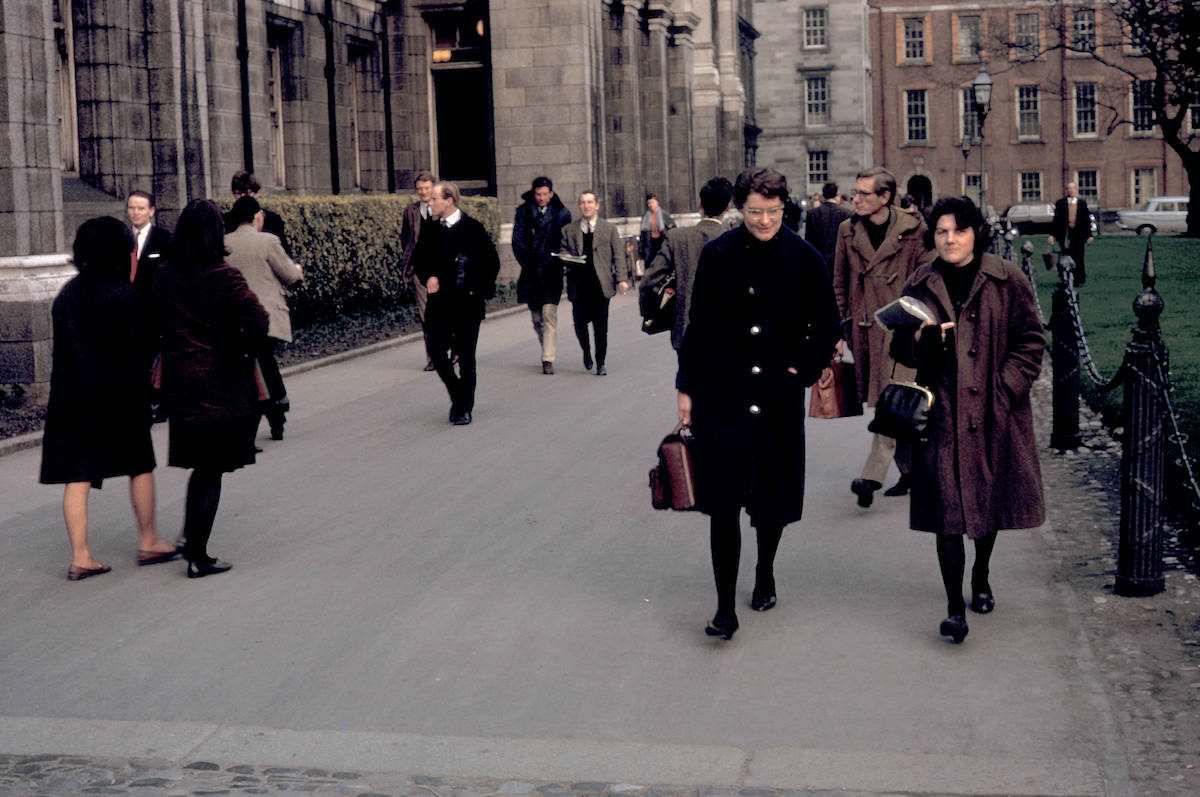
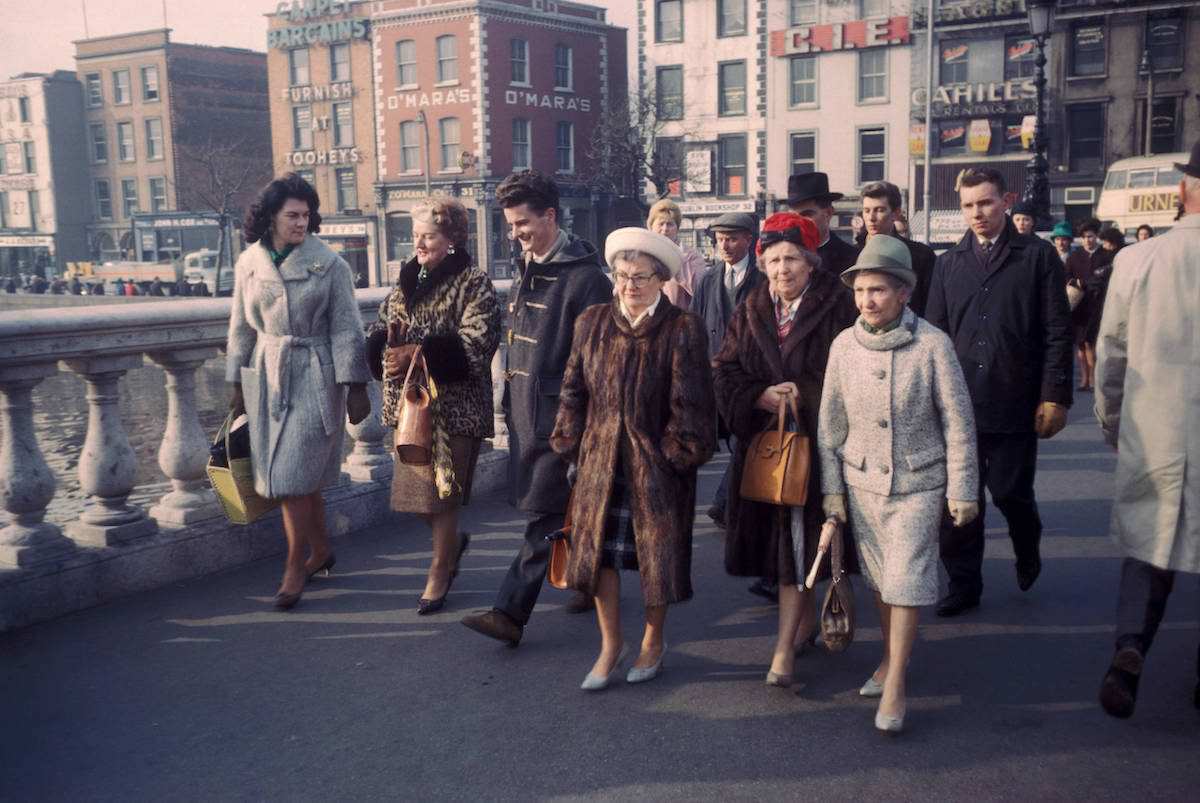
In 1964, American photojournalist Harrison Forman walked the streets of Dublin with his camera. What he captured was a city alive with movement, commerce, and community. Cars, buses, and delivery vans shared the road, while pedestrians filled the footpaths. Near Trinity College, one of Ireland’s most storied institutions, the streets hummed with daily activity.
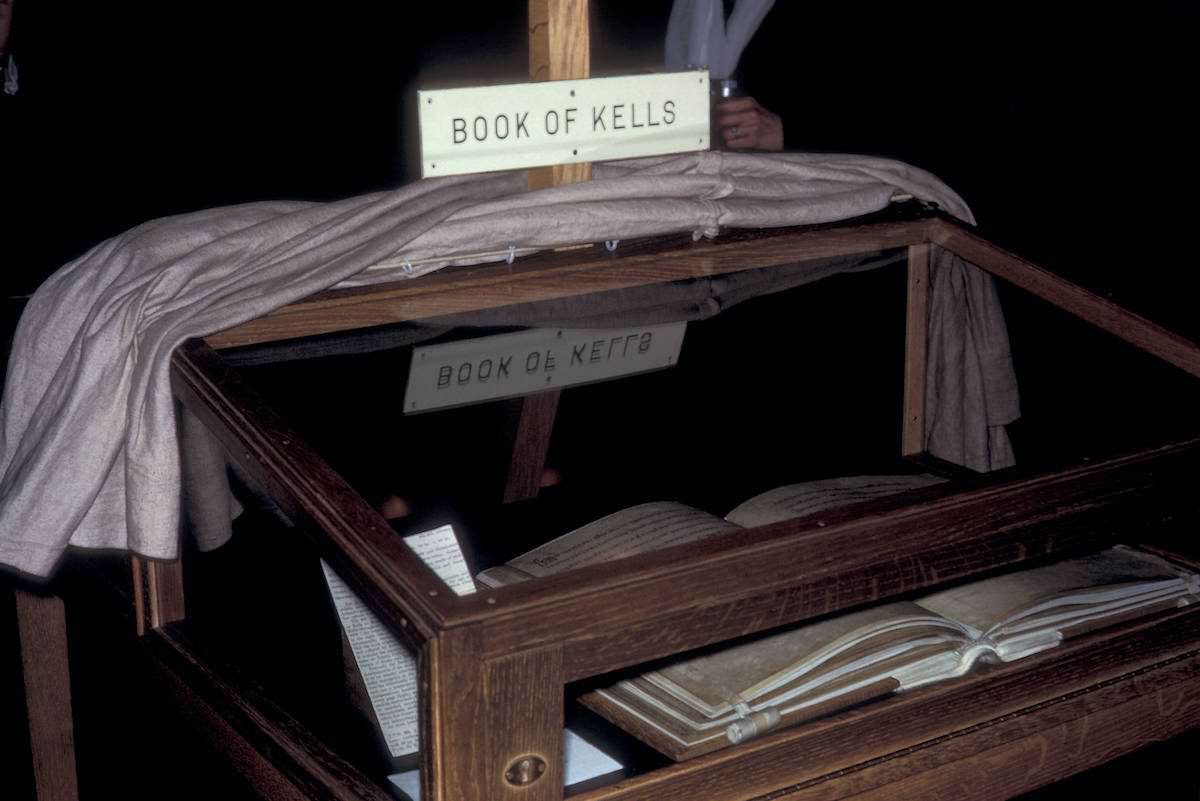
Trinity College itself held treasures beyond its walls. Inside the Old Library, the Book of Kells — a breathtaking illuminated manuscript dating to around 800 AD — was on display for visitors. Just beyond the college, the O’Connell Monument rose above the traffic, a constant reminder of Ireland’s fight for independence.
Along O’Connell Street, Forman’s lens caught the everyday rhythm of the city. Buses rolled past Georgian facades, and locals navigated busy crosswalks without pause.
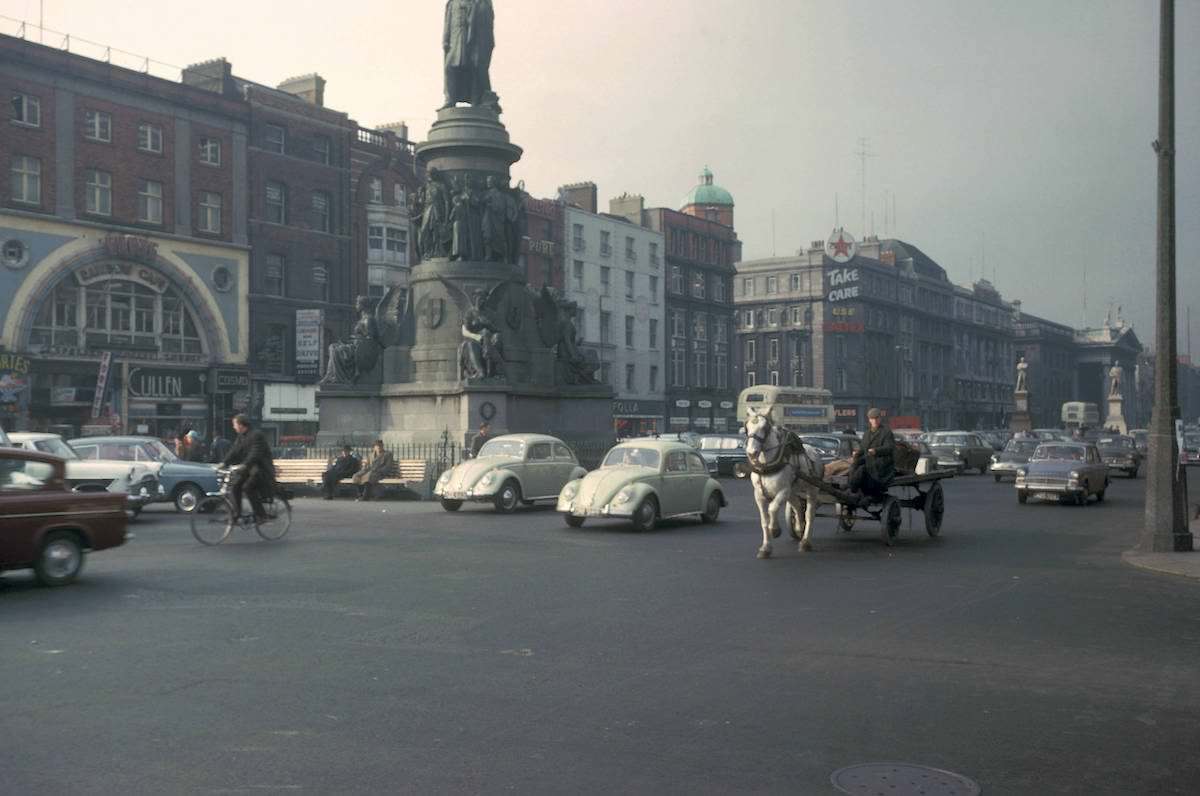
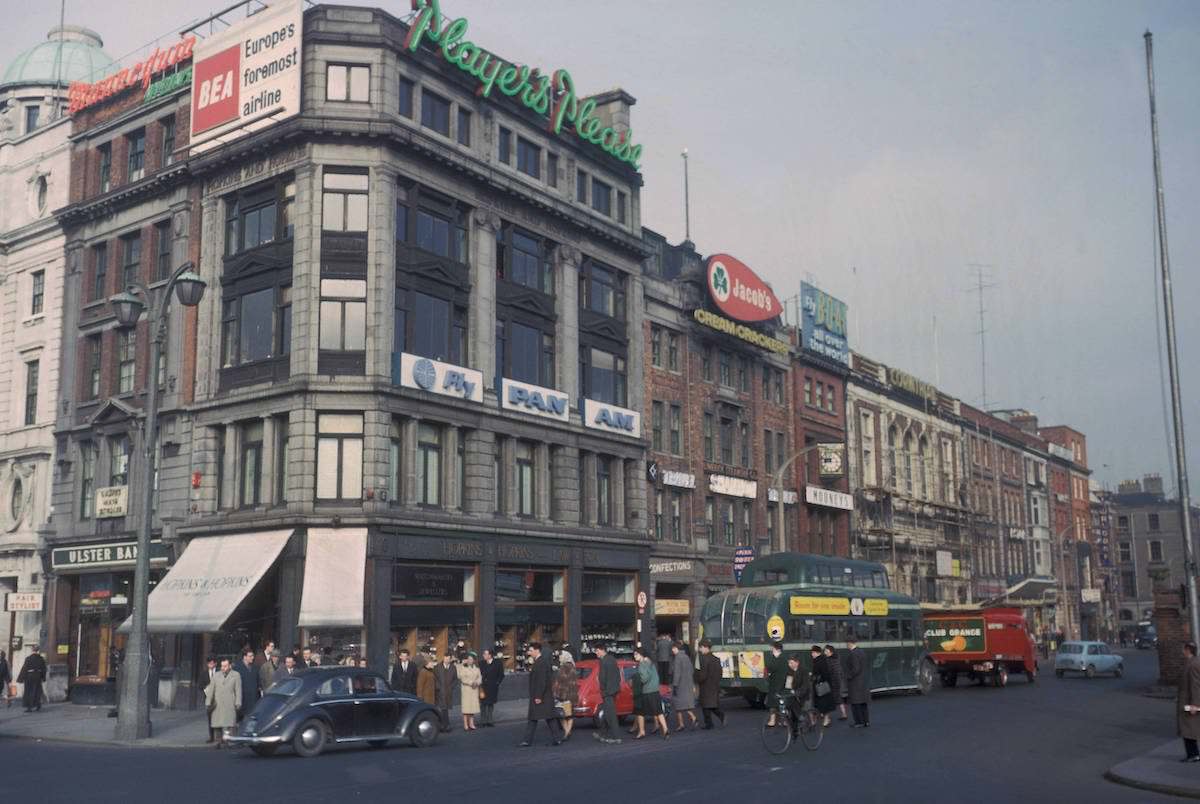
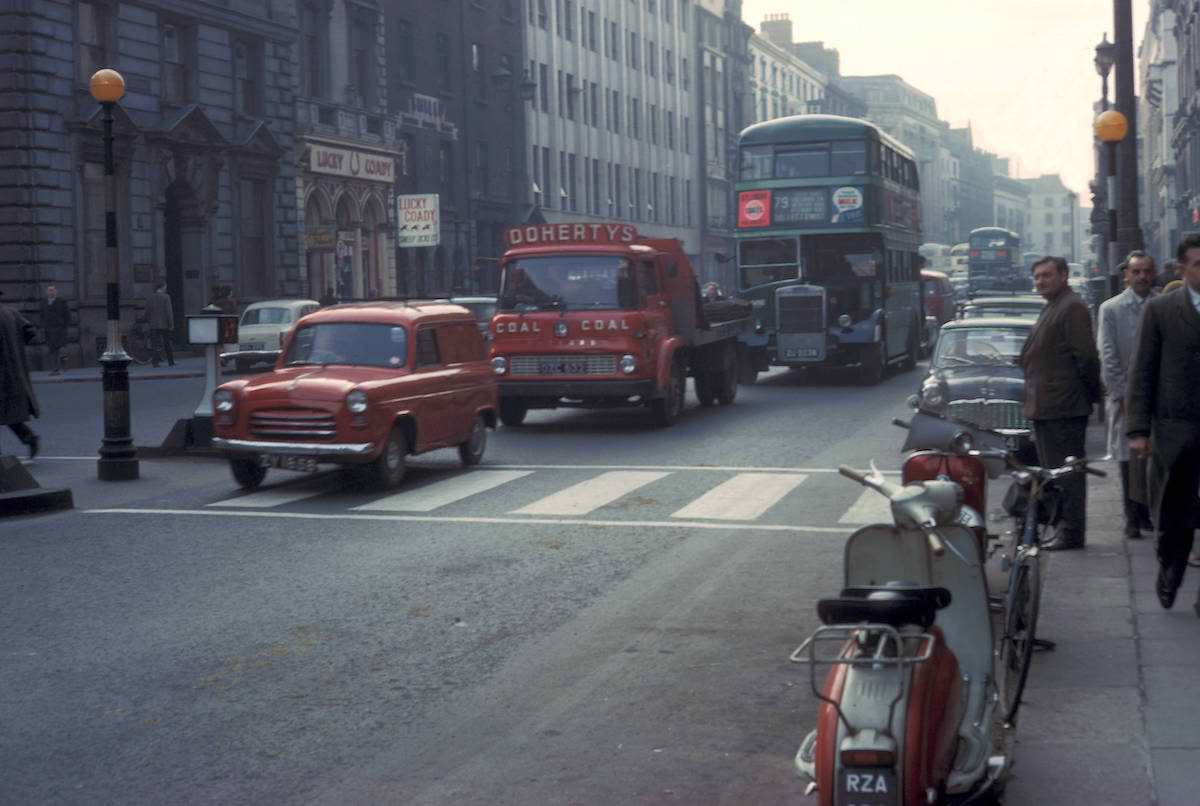
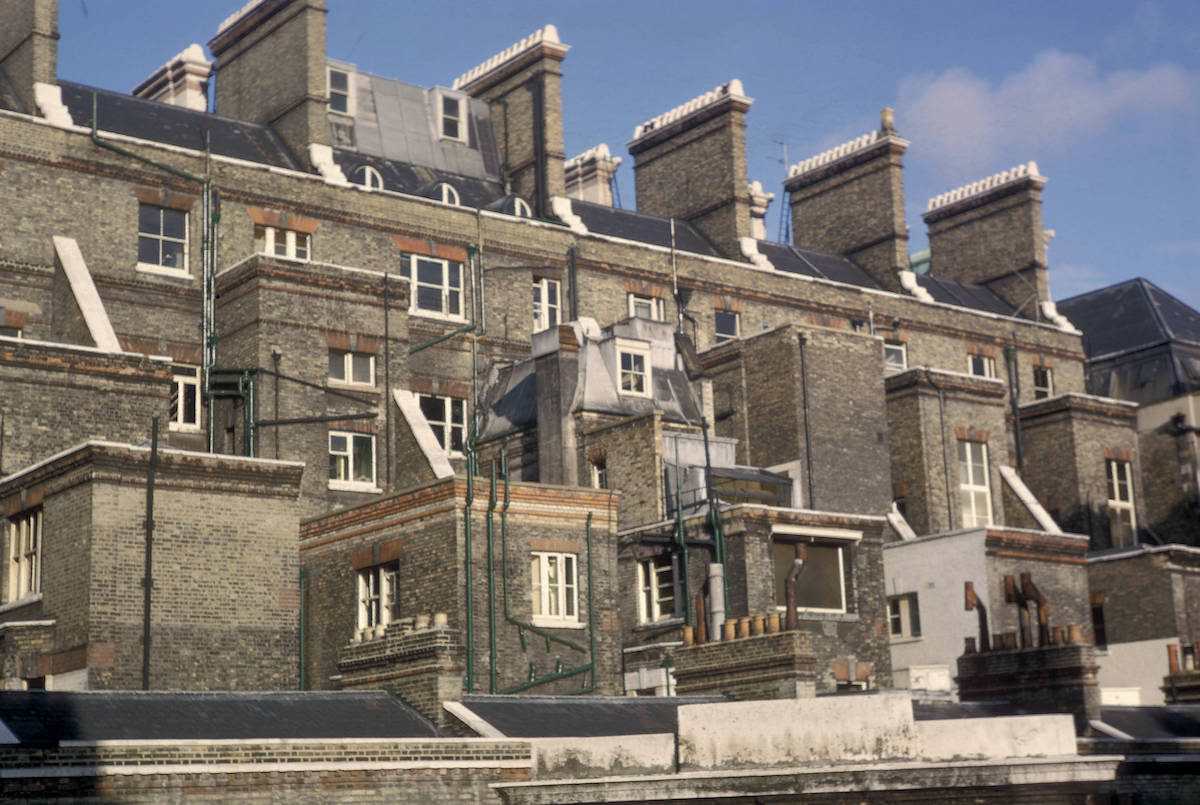
Dublin’s business district was packed with shops, vendors, and foot traffic. Red brick buildings and narrow storefronts lined the roads, mixing architecture from several different eras into a single, layered streetscape.
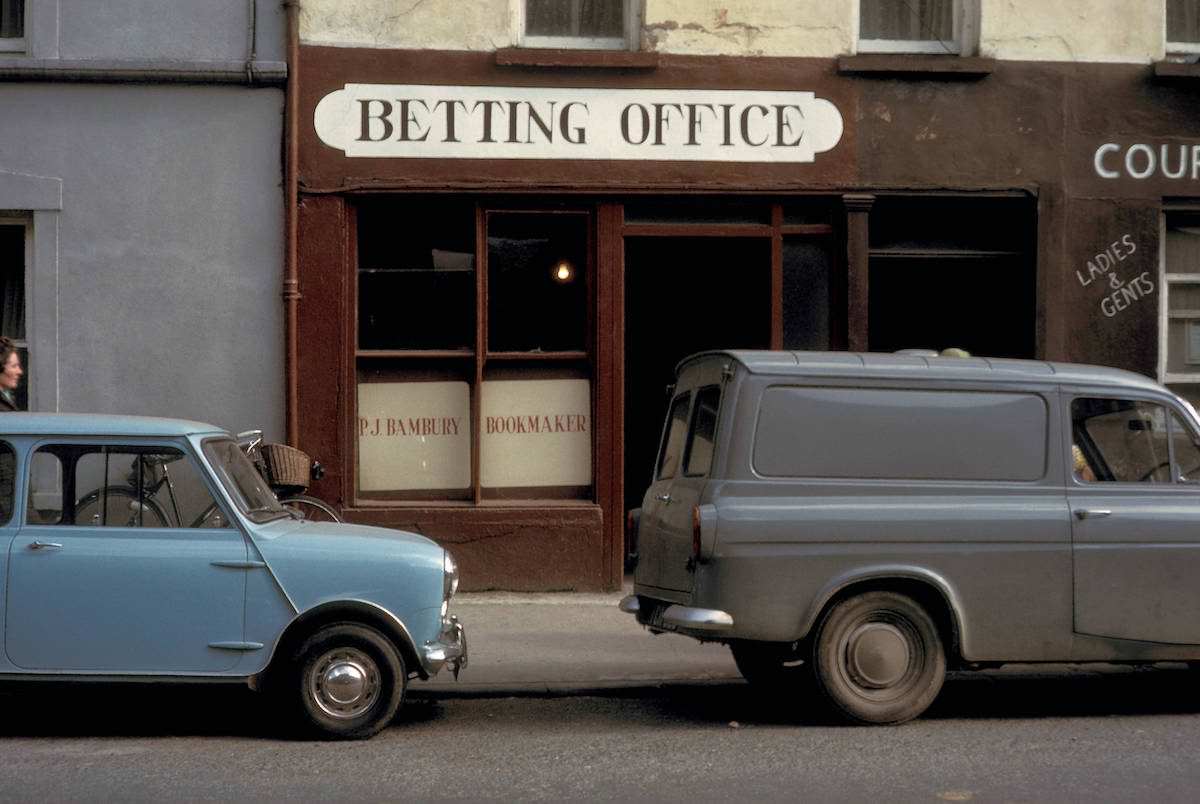
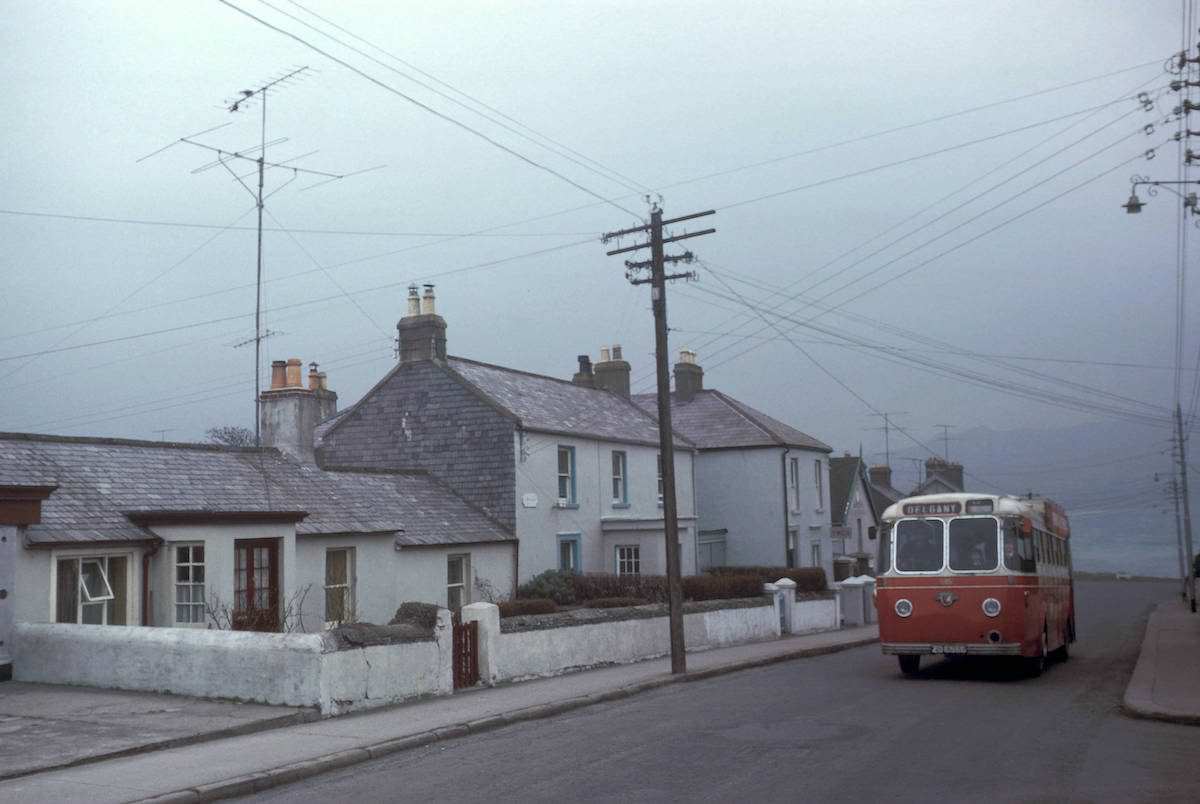
Betting offices like PJ Bambury’s were a fixture of working-class Dublin life. Around the corner, a bus rolled quietly down a residential street, connecting neighborhoods across the city.
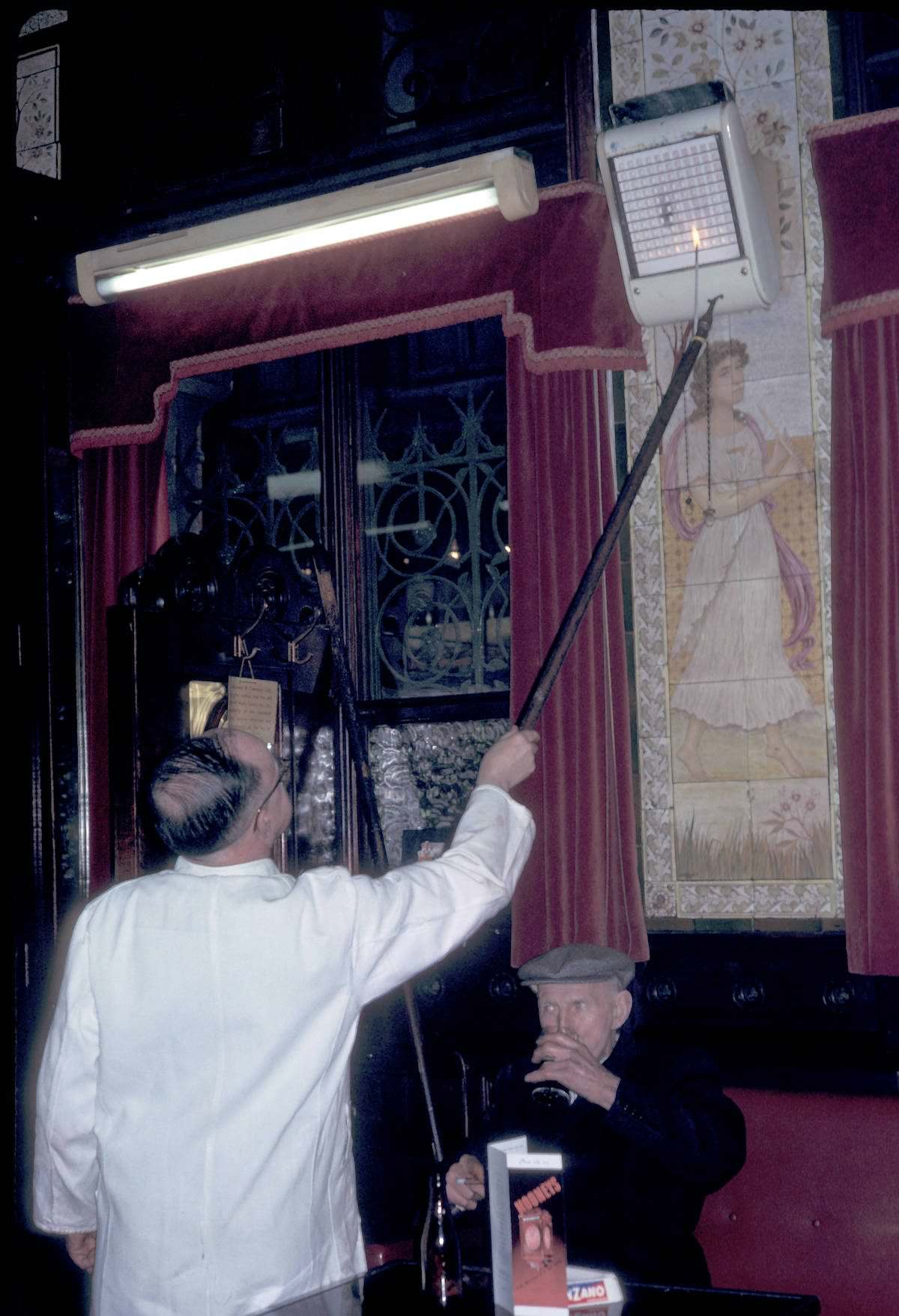
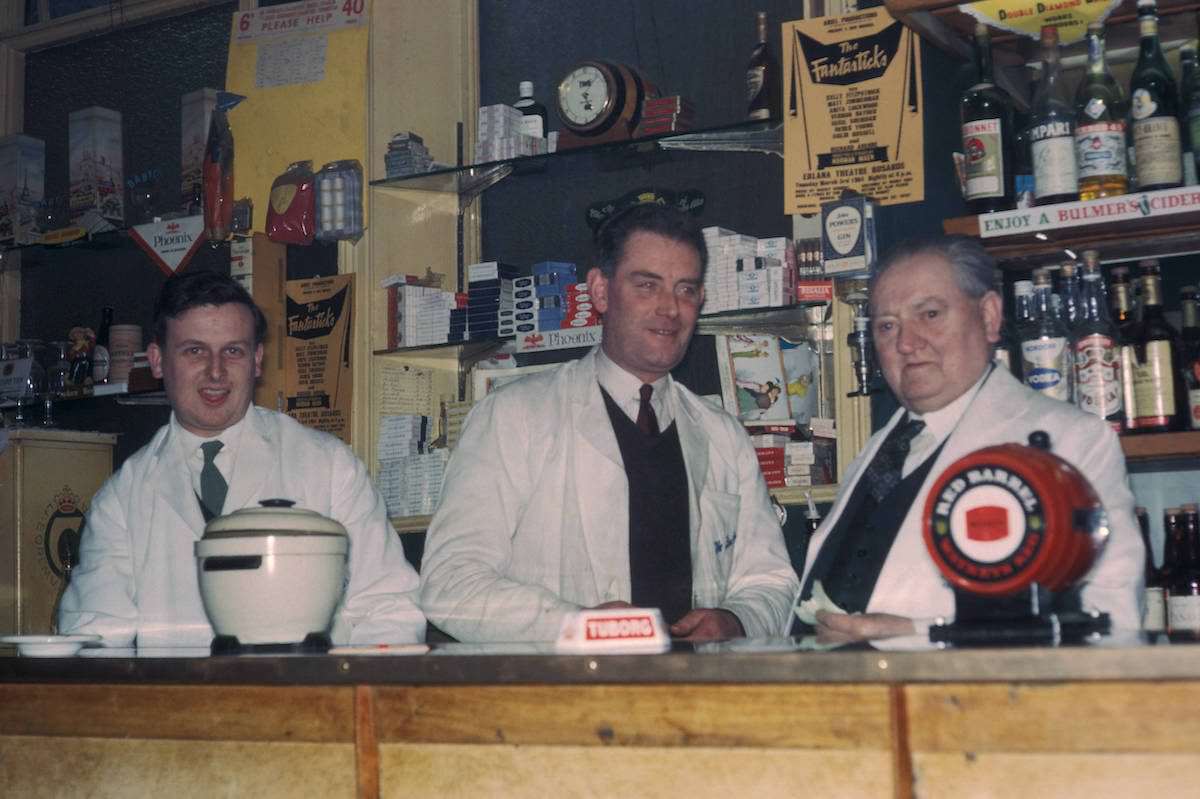
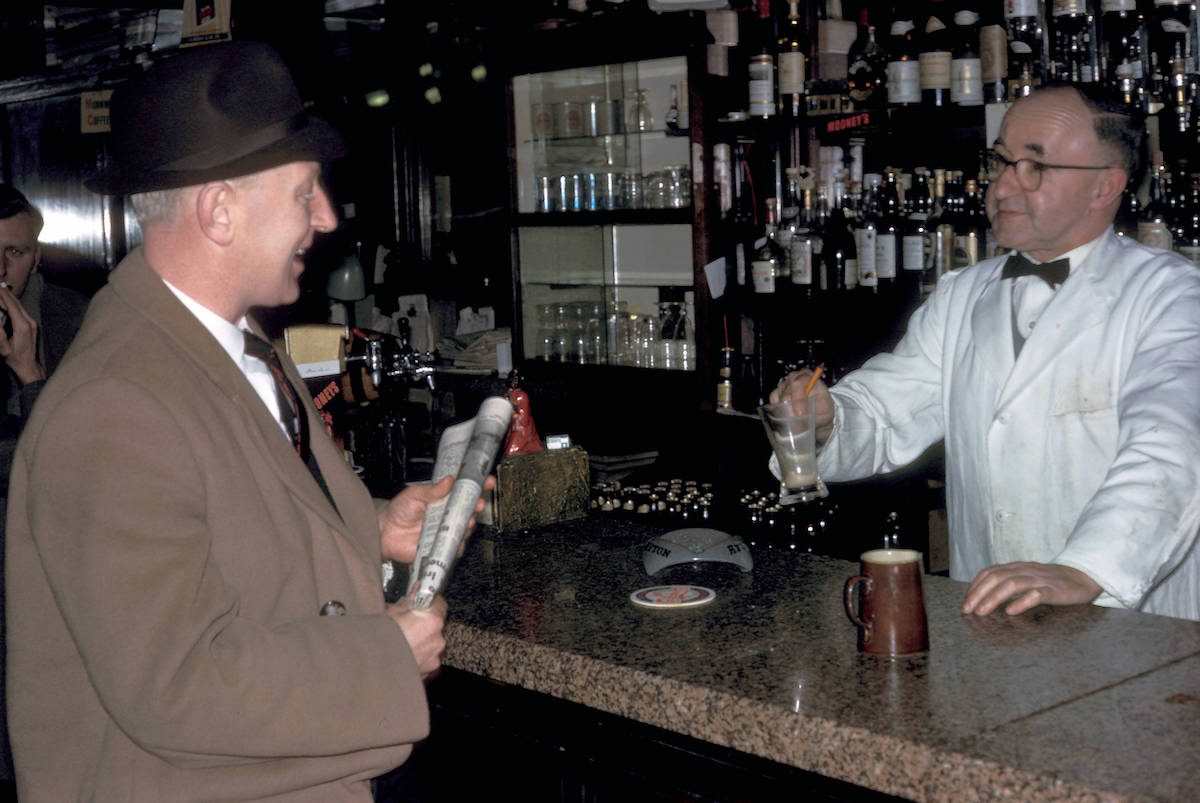
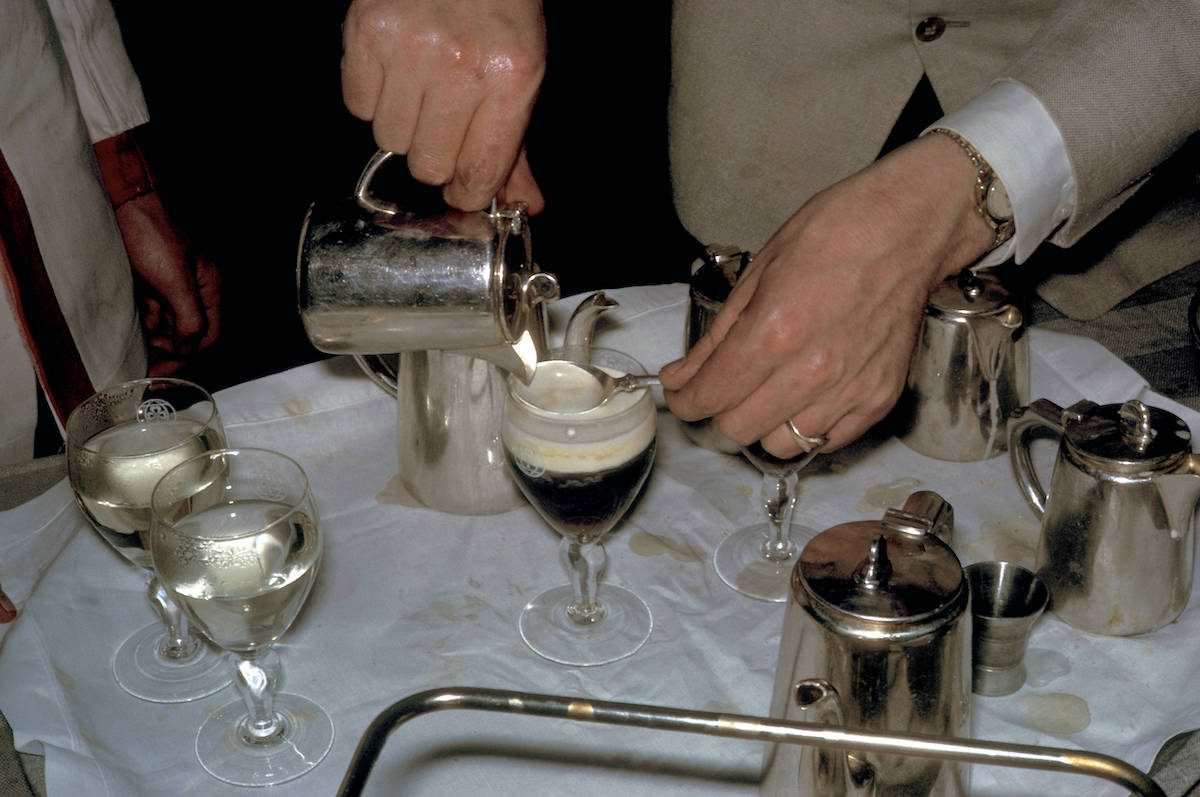
Pub life was central to Dublin’s social fabric. At Bruxelles Bar, a worker adjusted a gas heater while bartenders readied themselves behind the counter. Customers settled in for conversation and a pint. Irish coffee was prepared with care — a drink already becoming a signature of Irish hospitality.
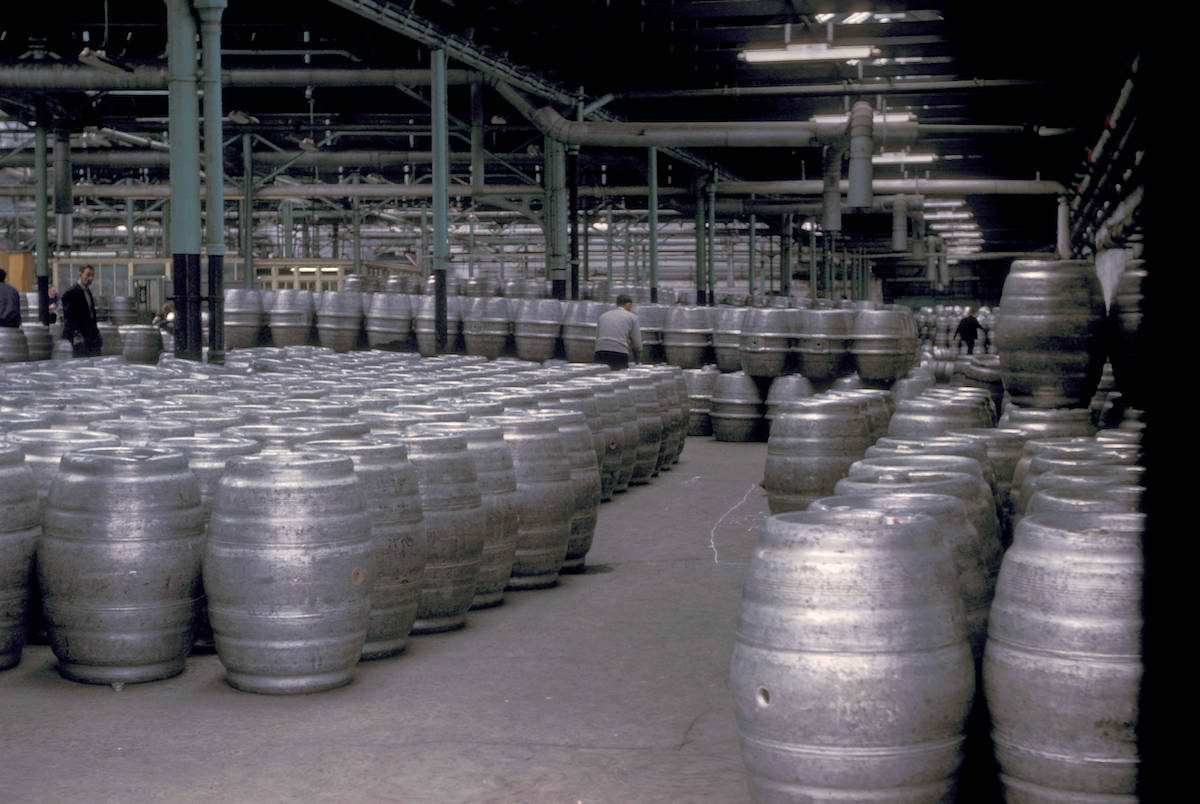
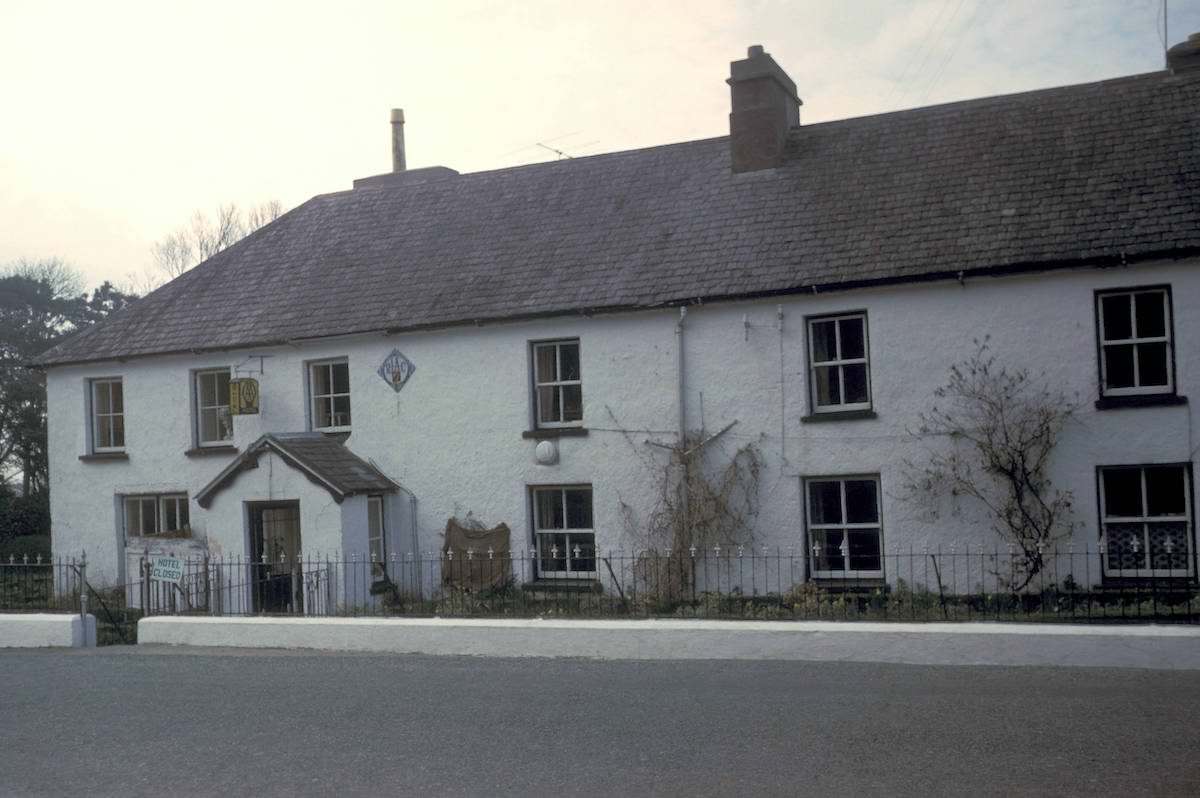
No portrait of Dublin would be complete without the Guinness Brewery. Its barrel room stood as a monument to the trade that had defined the city for centuries. Nearby, a hotel gate bore a closed sign — a small but telling detail of the city’s quieter corners in 1964.