In 1954, Denmark was a country still finding its footing after World War II. The shadow of the Cold War hung over Europe, and fears of nuclear conflict between the Western and Soviet blocs were very real. Yet despite the tension, many Danes held onto a genuine sense of optimism. The belief that life would be better than it had been under Nazi occupation gave the decade a forward-looking energy.
The Danish economy faced serious challenges in the early 1950s. A large trade deficit put pressure on the country’s finances. But as the decade progressed, falling import prices for raw materials helped ease that strain. Denmark also positioned itself as a committed player in European trade, eventually becoming one of the founding members of the European Free Trade Association. These economic shifts shaped daily life across the country’s cities and countryside alike.
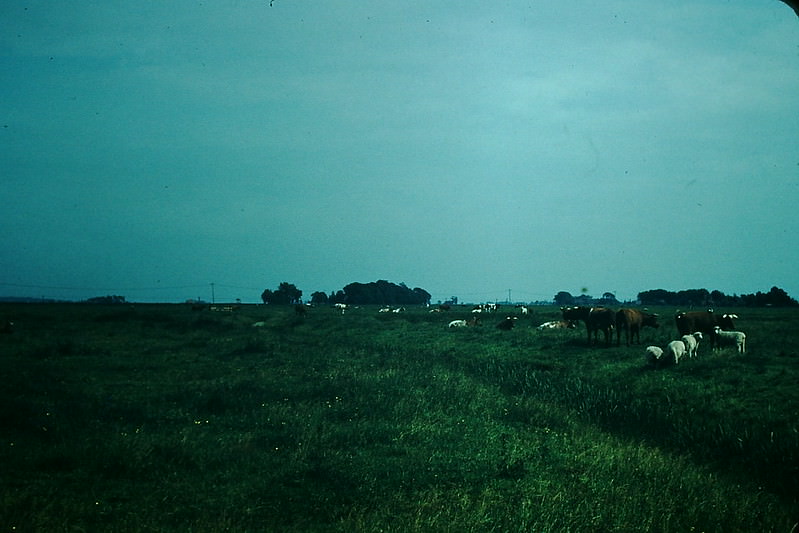
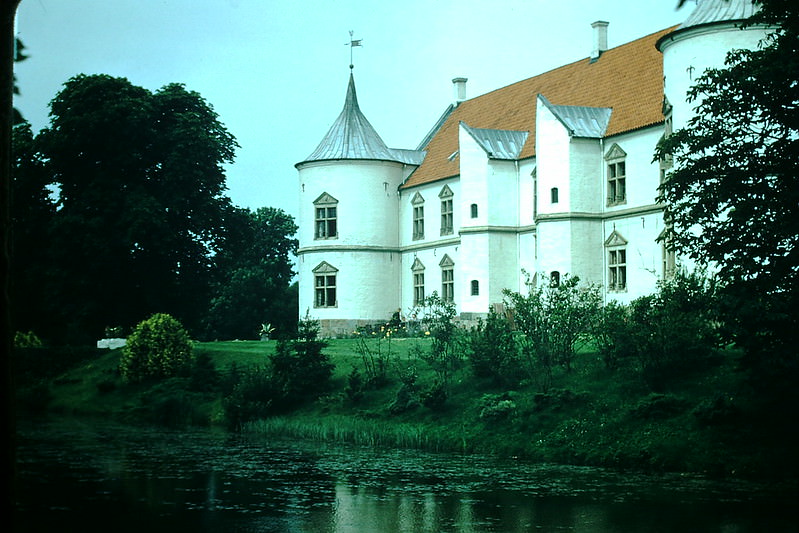
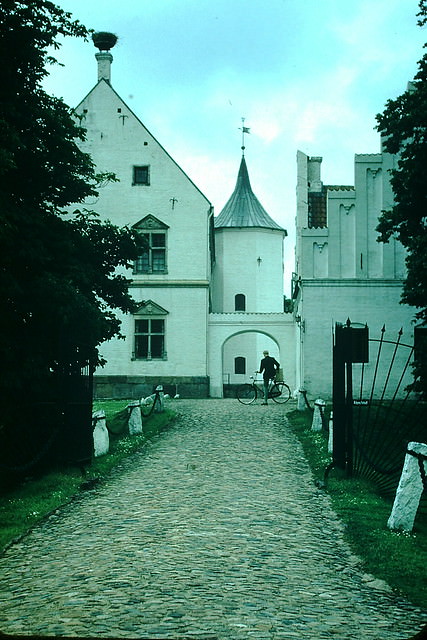
Agriculture remained a central part of Danish identity in 1954. Rolling pastures and well-kept estates dotted the landscape, particularly in the countryside away from the capital. The grand manor houses and châteaux that had stood for centuries were still very much in use, representing old wealth alongside a modernizing nation.
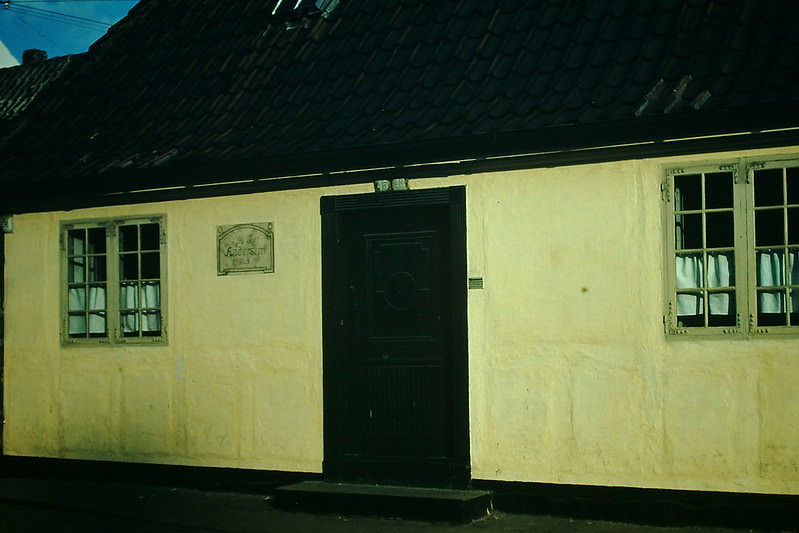
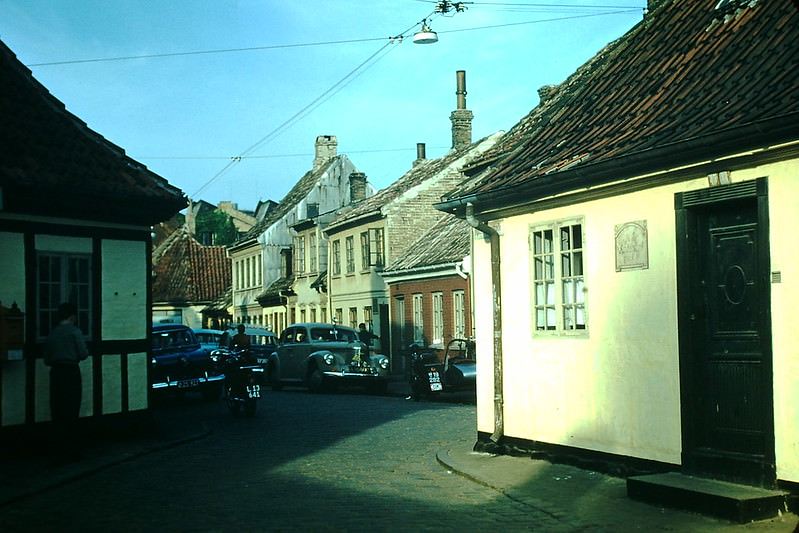
Culture was deeply tied to the land and its history. One of Denmark’s most celebrated figures, Hans Christian Andersen, was born in Odense, and his legacy drew visitors from across the world. His childhood home and the museum dedicated to his life stood as proud landmarks in the city, preserving the story of the man behind fairy tales like “The Little Mermaid” and “The Ugly Duckling.”

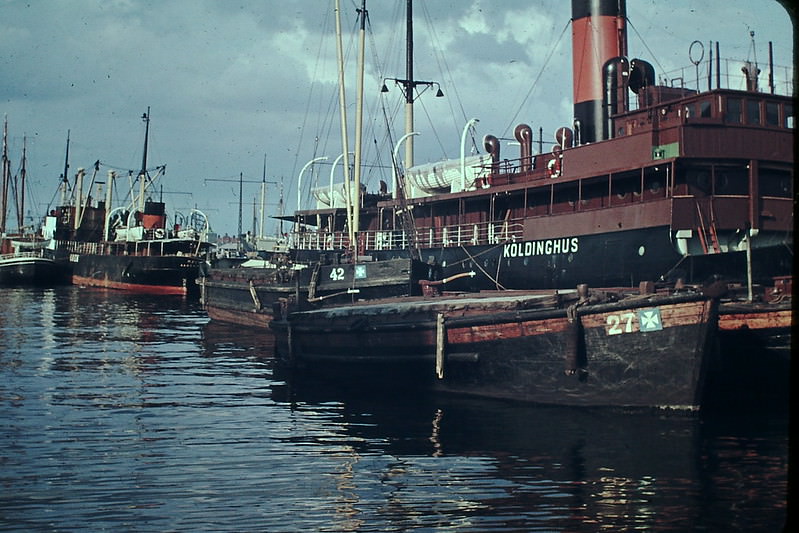
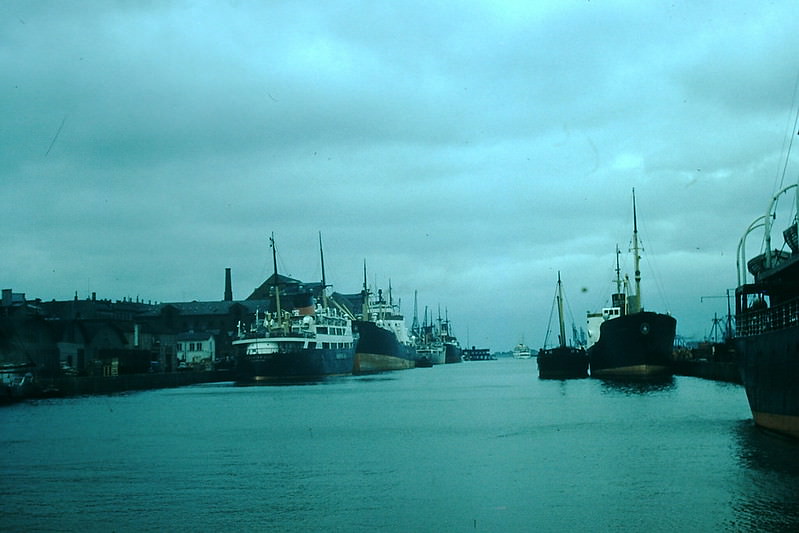
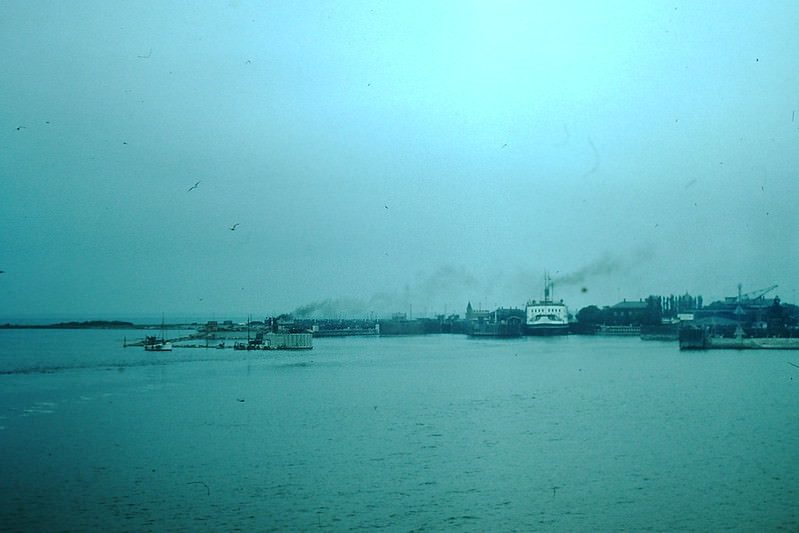
Copenhagen, the capital, was the beating heart of the country. Its harbor was a hub of commerce and movement, with ships and ferries connecting Denmark to the rest of Europe. The waterfront scenes of 1954 show a city very much open to the world, even as Cold War politics created invisible borders across the continent.
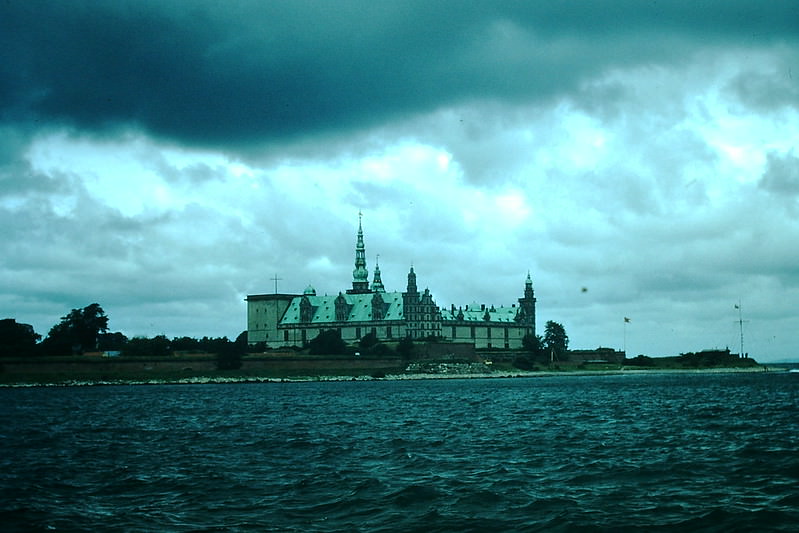
North of Copenhagen, Kronborg Castle stood watch over the narrow strait between Denmark and Sweden. Built in the 16th century and famously linked to Shakespeare’s Hamlet, the castle was one of the most recognizable structures in all of Scandinavia. In 1954, it remained a striking symbol of Denmark’s deep historical roots.
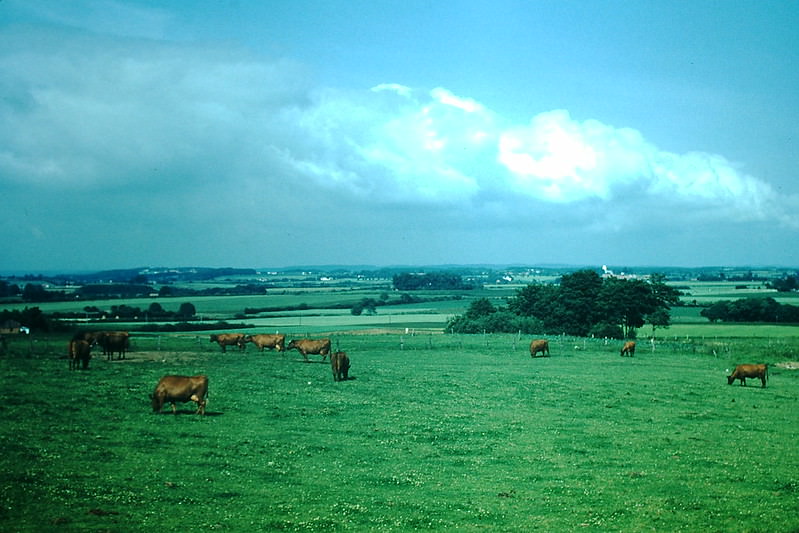
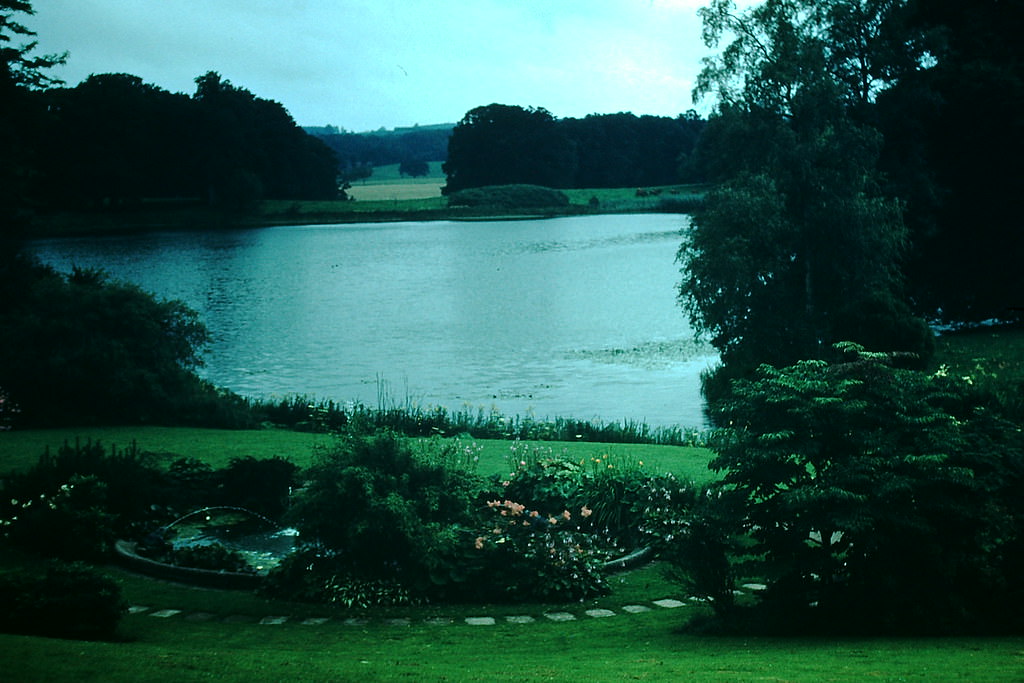
Away from the cities and castles, Denmark’s natural landscape offered its own quiet appeal. The area near Vejle, in central Jutland, was known for its gentle hills, fjords, and forests — a contrast to the flat terrain many outsiders associated with the country. These landscapes were not just scenic; they were working land, farmed and lived on for generations.
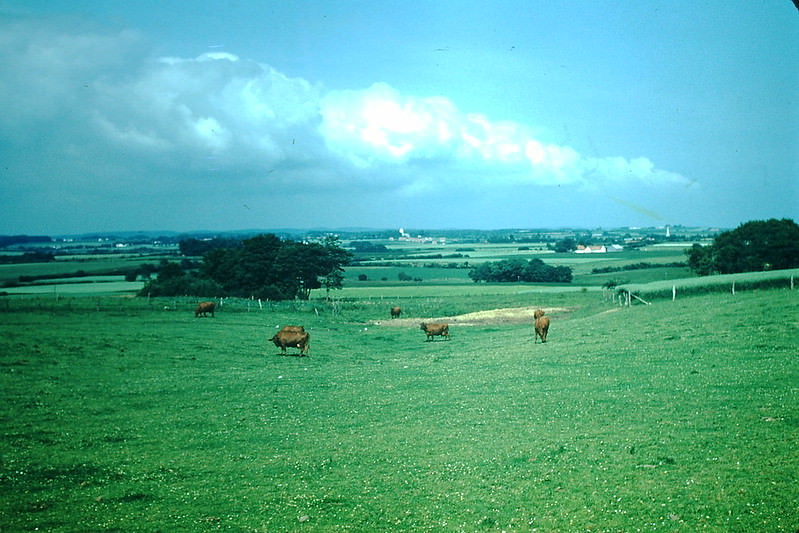
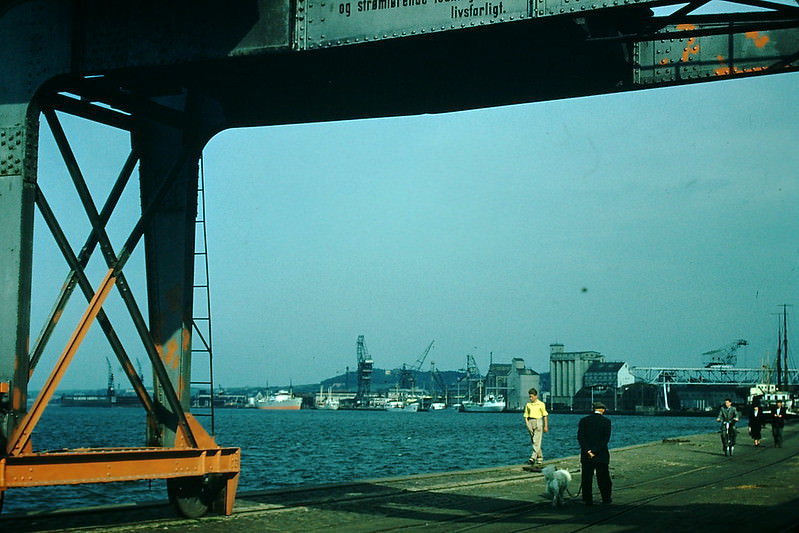
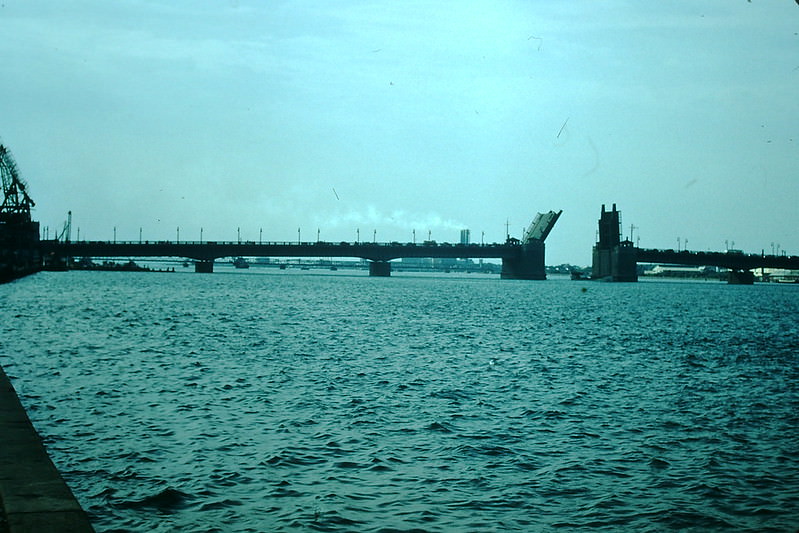
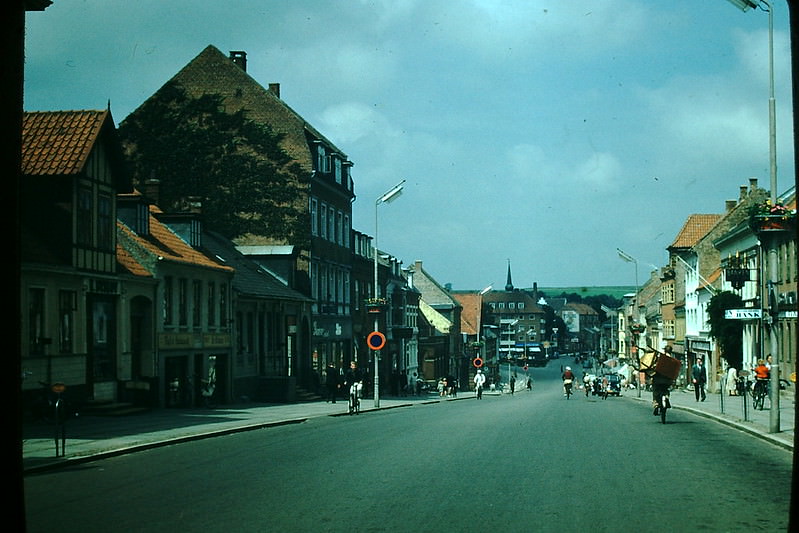
The city of Aalborg, in northern Jutland, was a major urban center by Danish standards. The Limfjorden waterway cutting through the city gave it both economic and geographic importance. Aalborg’s streets in 1954 reflected a mix of old merchant architecture and the modest bustle of a mid-century Nordic city.
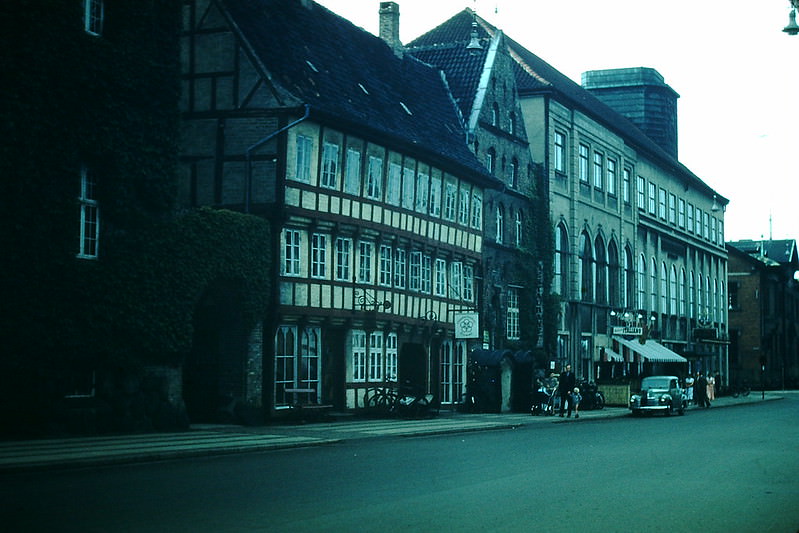
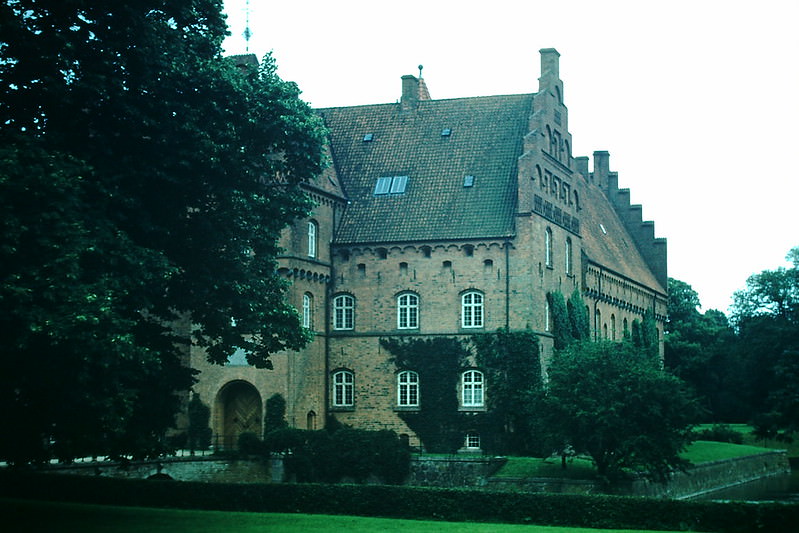
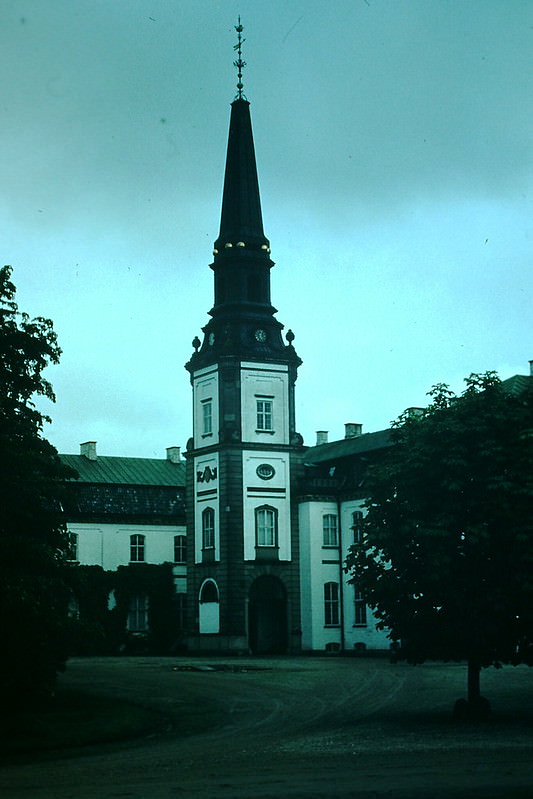
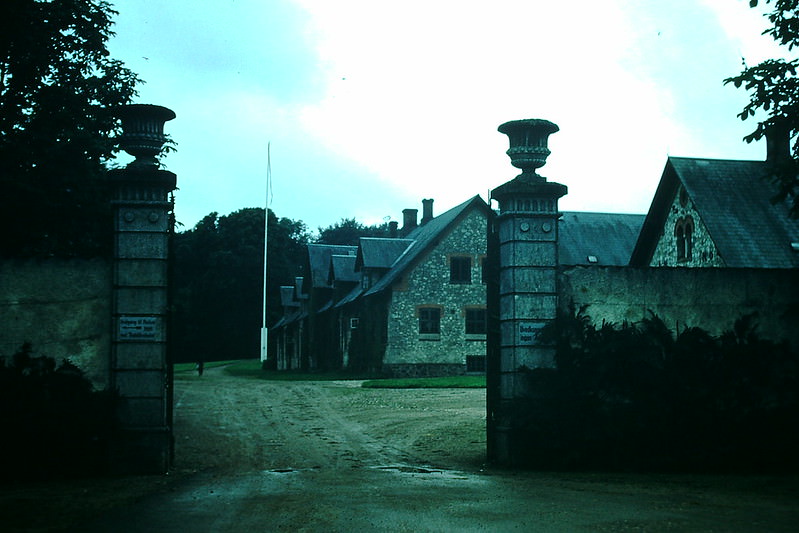
The great estates of rural Denmark told a different story — one of aristocratic tradition and carefully managed land. Gisselfeld and Bregentved were among the most notable, their grounds featuring formal gardens, sweeping parkland, and impressive manor buildings. These estates had been in the hands of wealthy families for centuries and showed little sign of changing hands in the early postwar years.
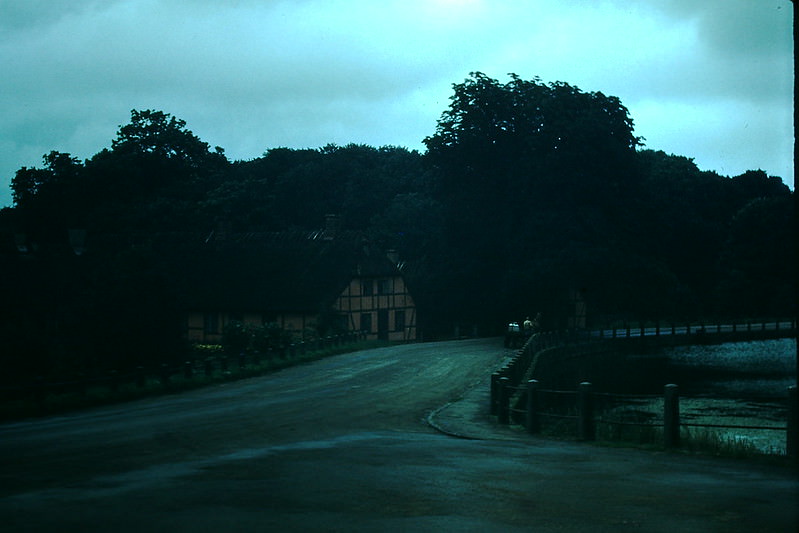
Travel within and beyond Denmark’s borders was an everyday reality for many. The ferry crossing from Gedser, on the southern tip of the island of Falster, to Germany was one of the key routes connecting Denmark to the European mainland. Passengers and vehicles made this crossing regularly, and the port at Gedser was a lively point of departure.
Back in Copenhagen, resort and leisure areas gave residents a place to relax away from the demands of postwar rebuilding. The 1950s brought a gradual rise in leisure time, and the Danish capital offered green spaces, waterfront promenades, and gathering spots where people of all ages came together. Young Danes in particular were carving out new social identities, questioning the values of their parents’ generation and slowly pushing back against rigid gender roles.
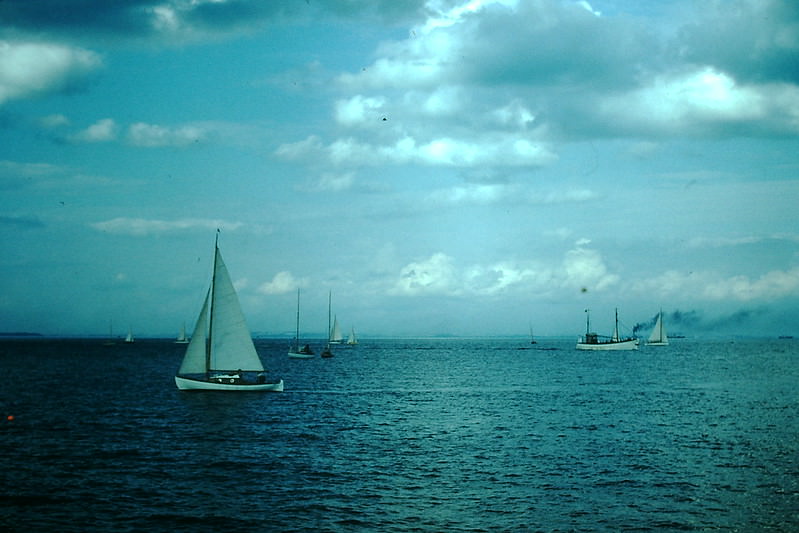
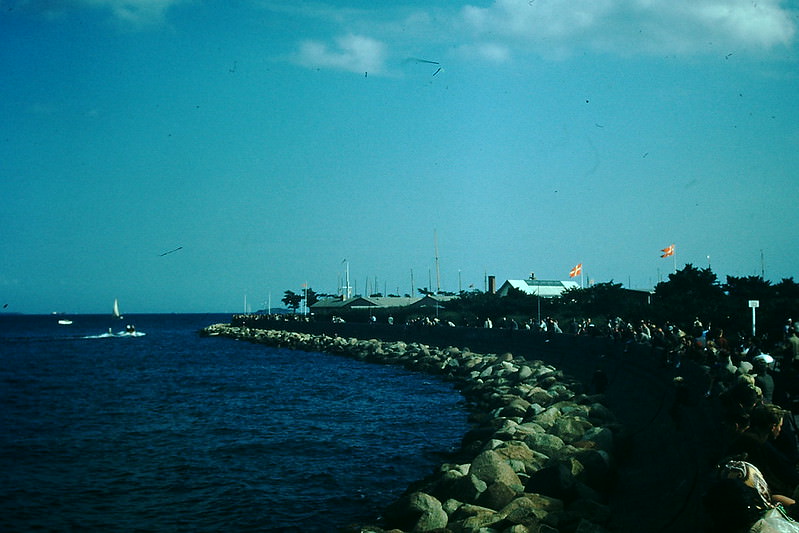
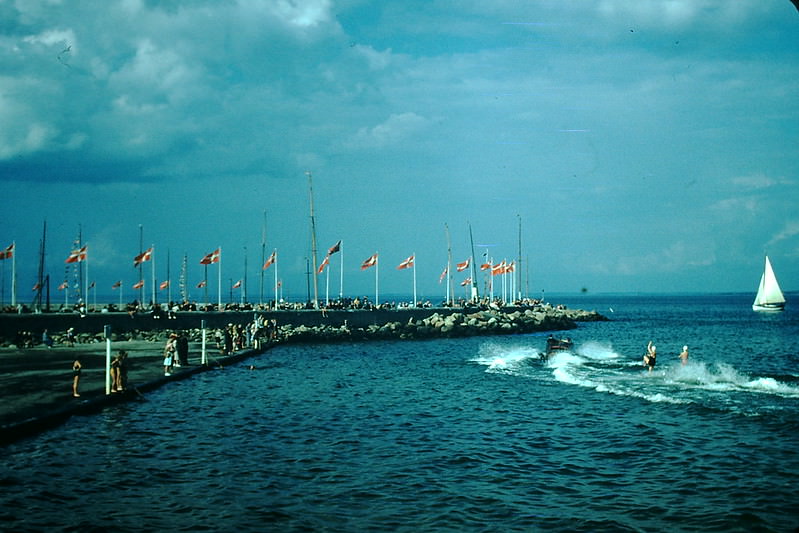
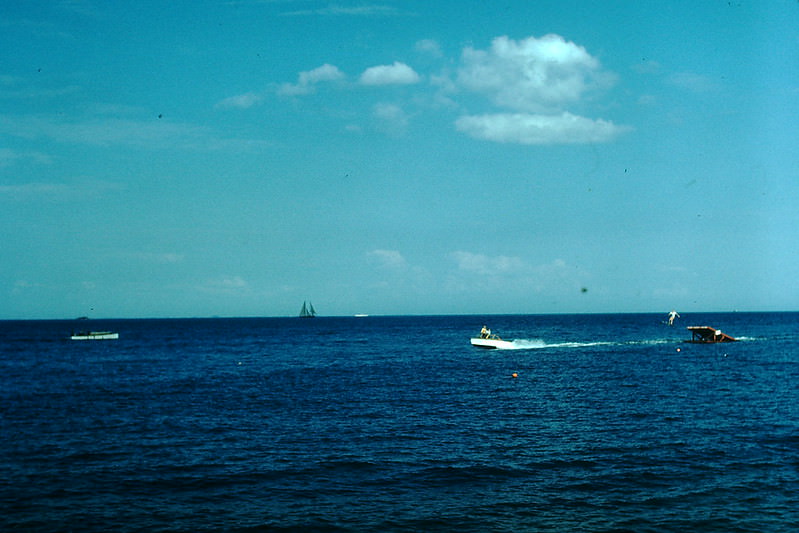
The harbor remained central to Copenhagen’s character throughout 1954. Boats of every size moved in and out, carrying goods, passengers, and the quiet energy of a nation on the move. These photographs capture Denmark at a specific moment — a country balanced between its storied past and an uncertain but hopeful future.