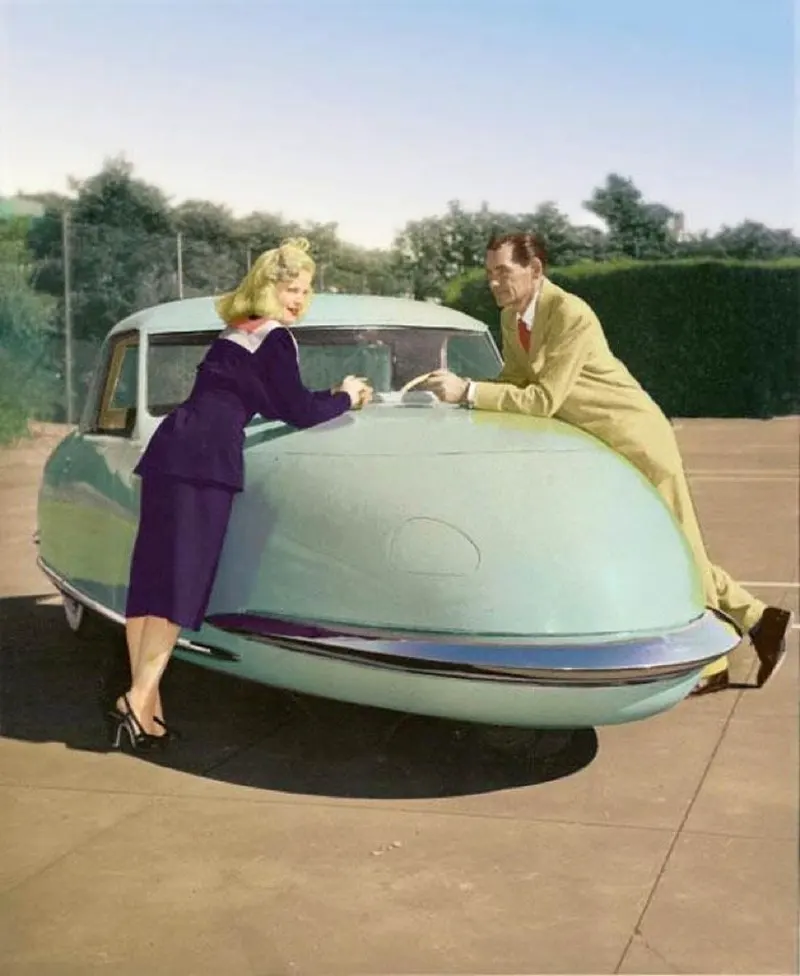
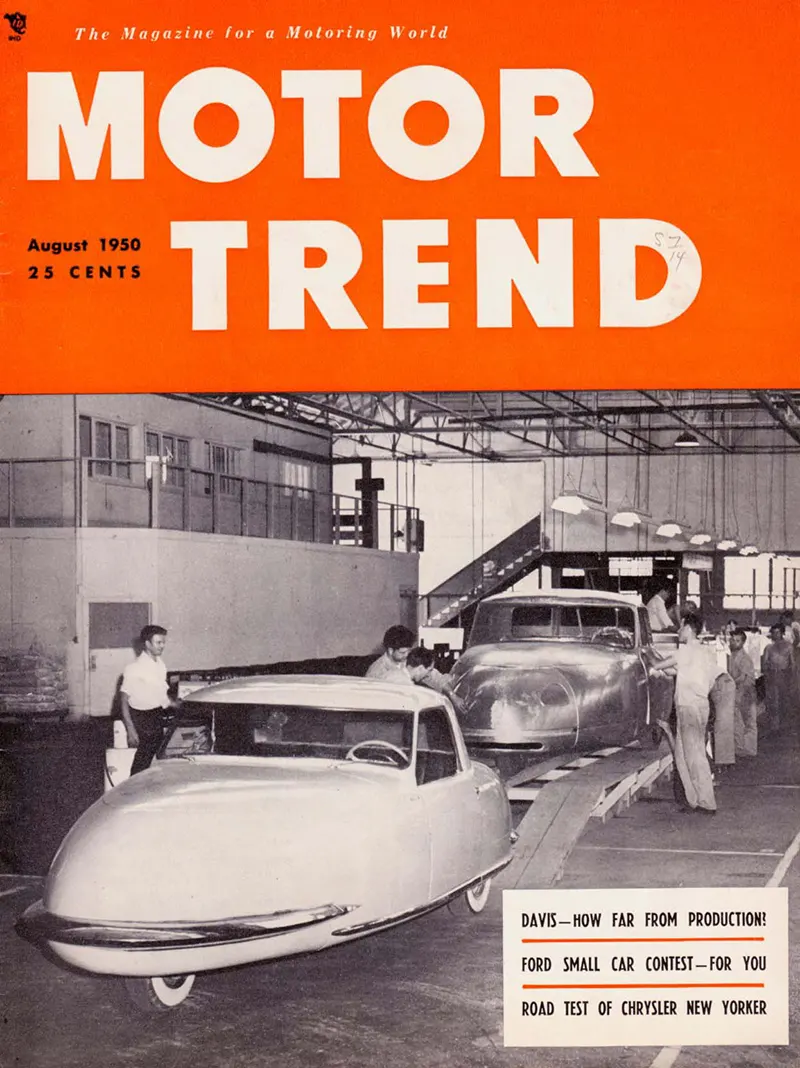
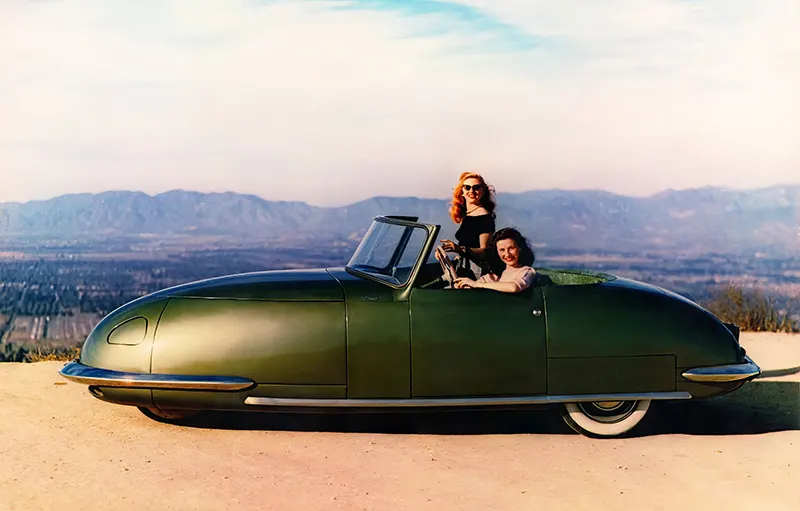
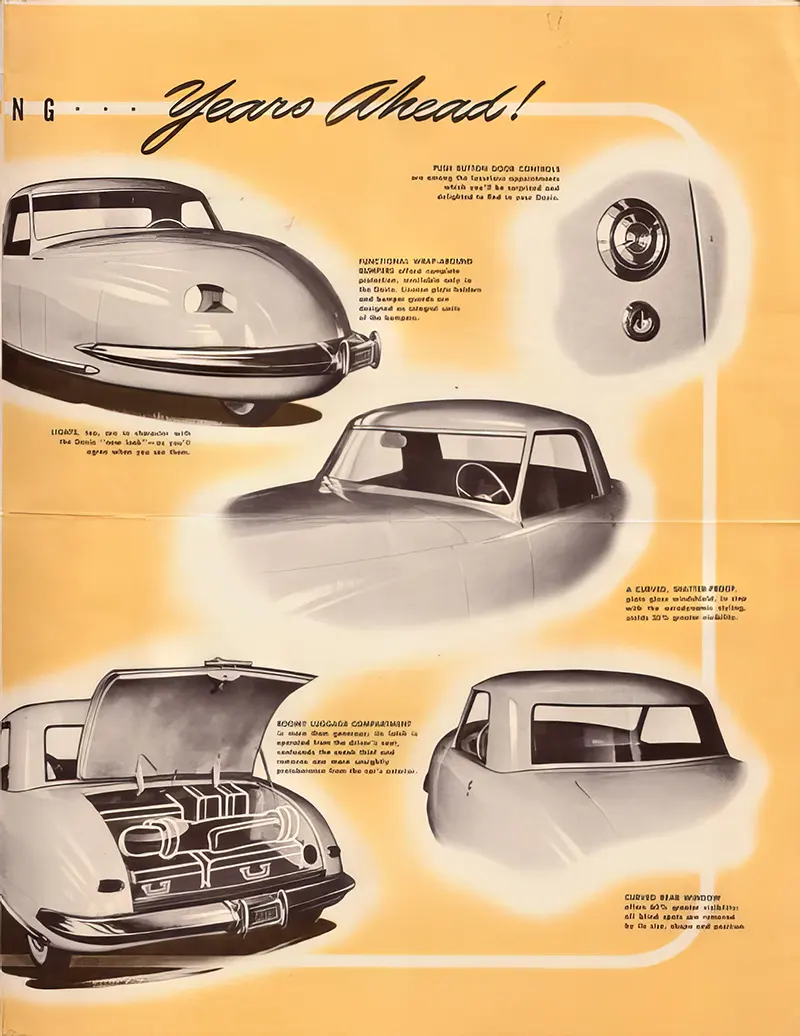
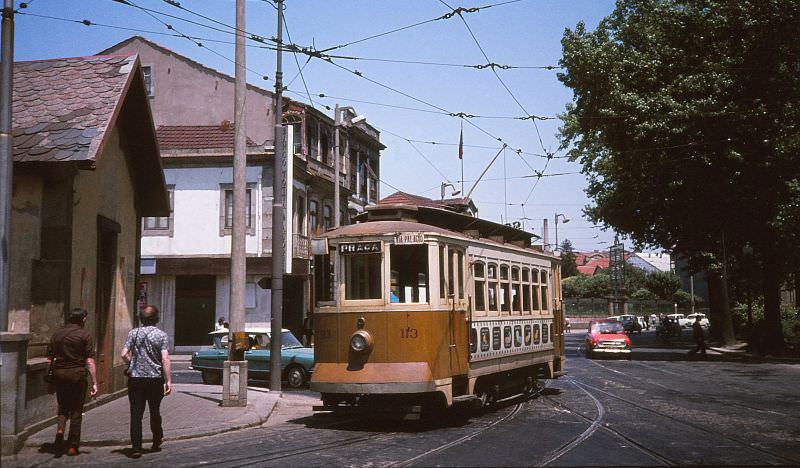
After World War II, American factories retooled fast. New materials flooded the market, and a car-hungry public was ready to spend. It was the perfect moment for bold ideas — and few ideas were bolder than the Davis Divan. Marketed as the “Ultimate Car of the Future,” this three-wheeled sedan turned heads, filled magazine pages, and briefly convinced thousands of Americans that four wheels might soon be obsolete.
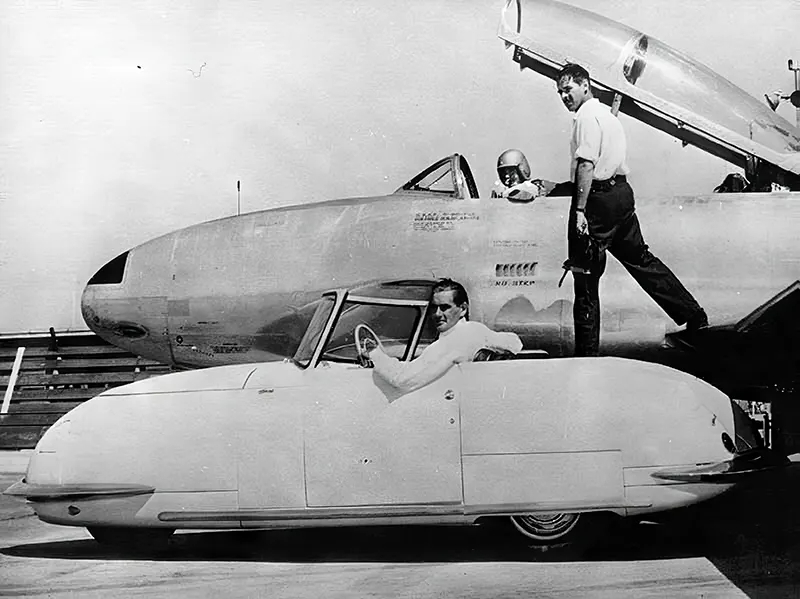
The story starts before Gary Davis entered the picture. In 1941, racing designer Frank Kurtis built a custom three-wheeled roadster called “The Californian” for Joel Thorne, a wealthy heir to the Chase bank fortune and a dedicated racing enthusiast. Kurtis drew inspiration from the Lockheed P-38 Lightning fighter plane, which used a single front wheel. The result was a sleek, unconventional machine that stood apart from anything else on the road. In 1945, Glen Gordon “Gary” Davis bought The Californian after relocating to Southern California. He saw a mass-market opportunity in its unusual layout and set out to build something the average American could buy and drive.
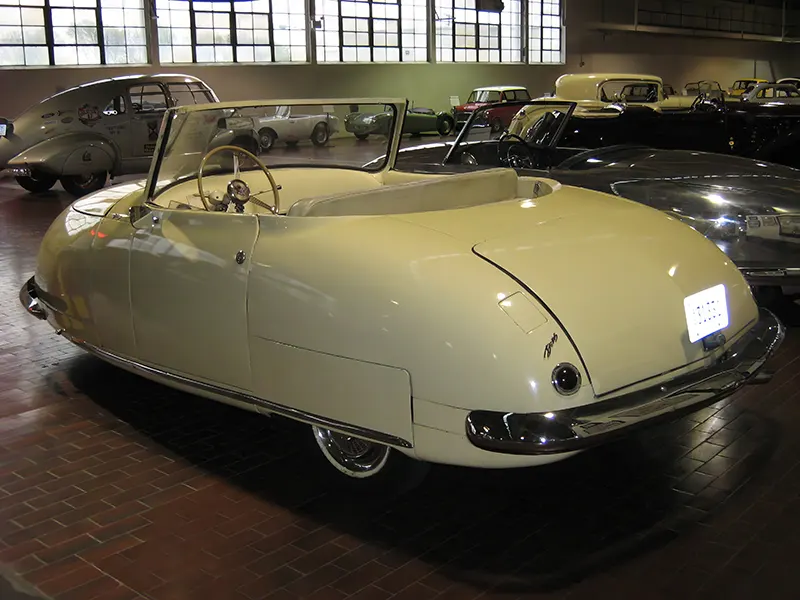
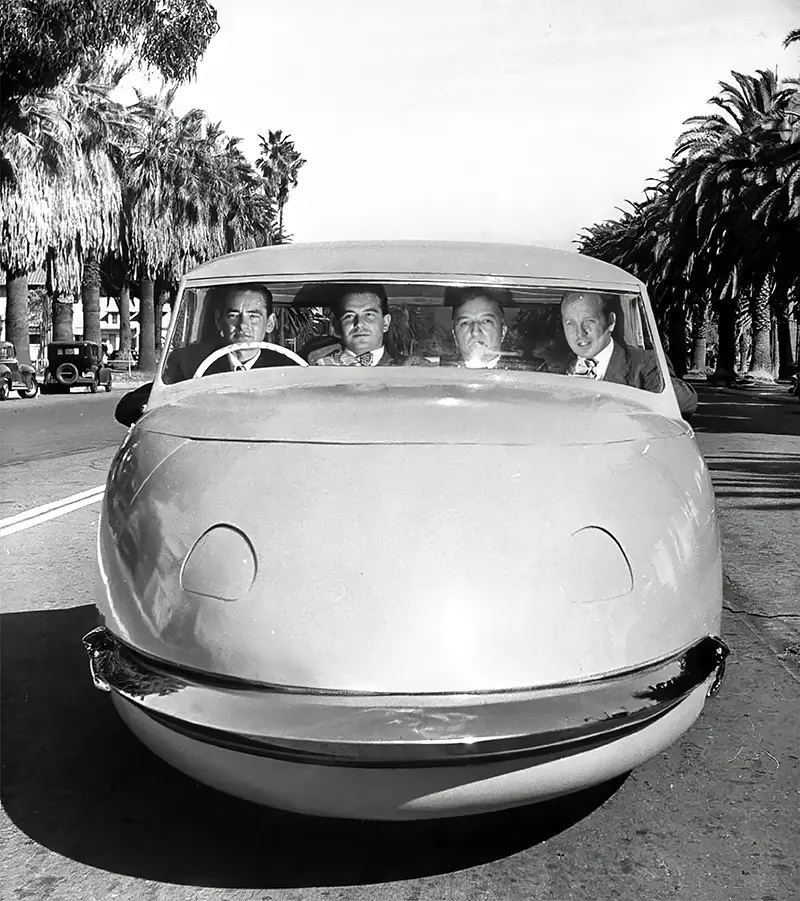
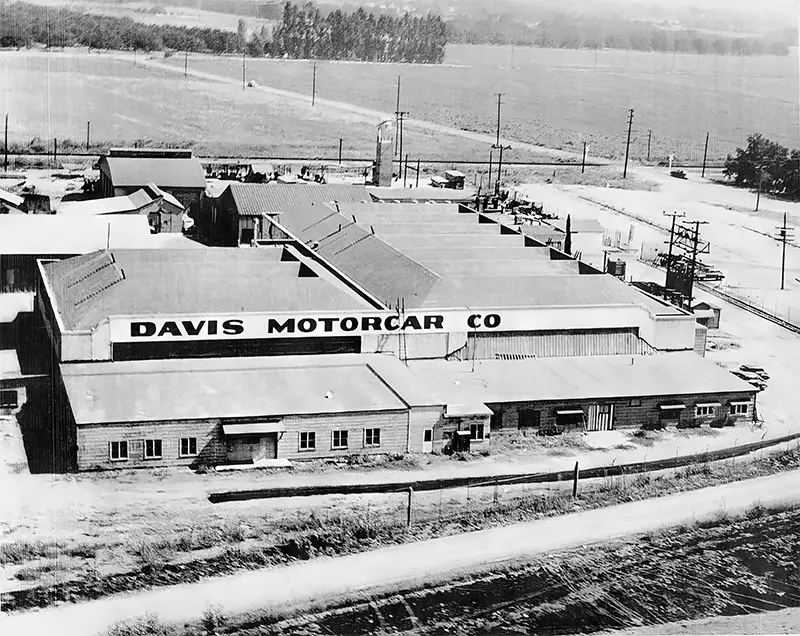
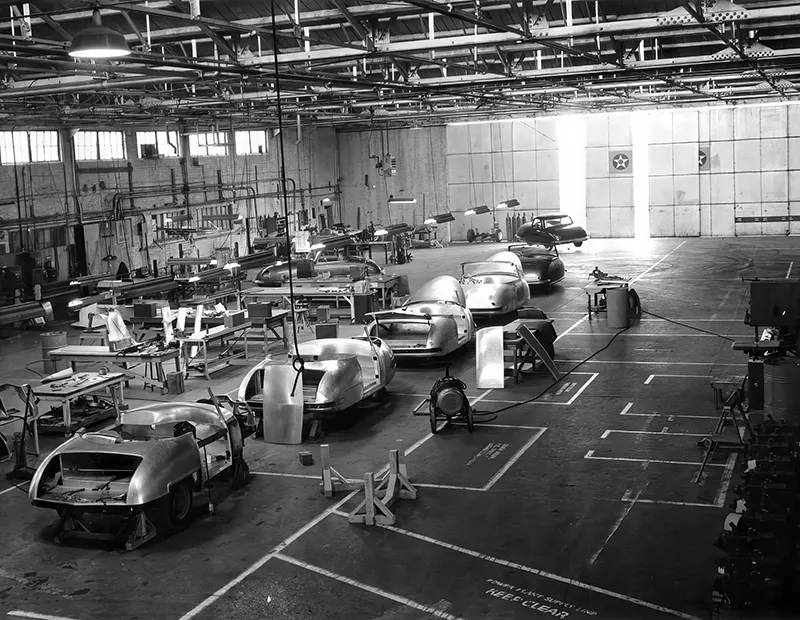
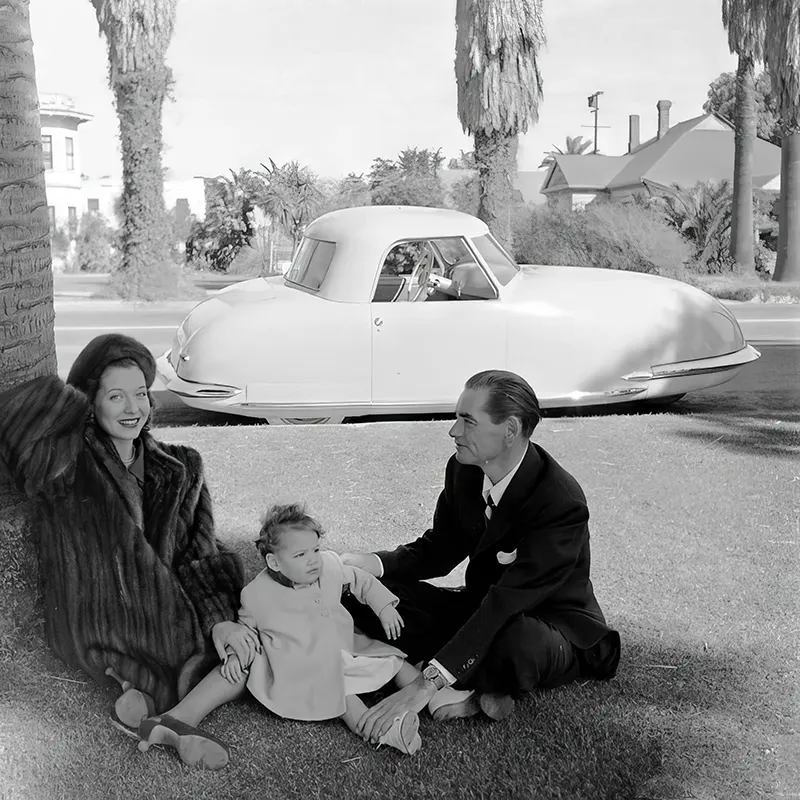
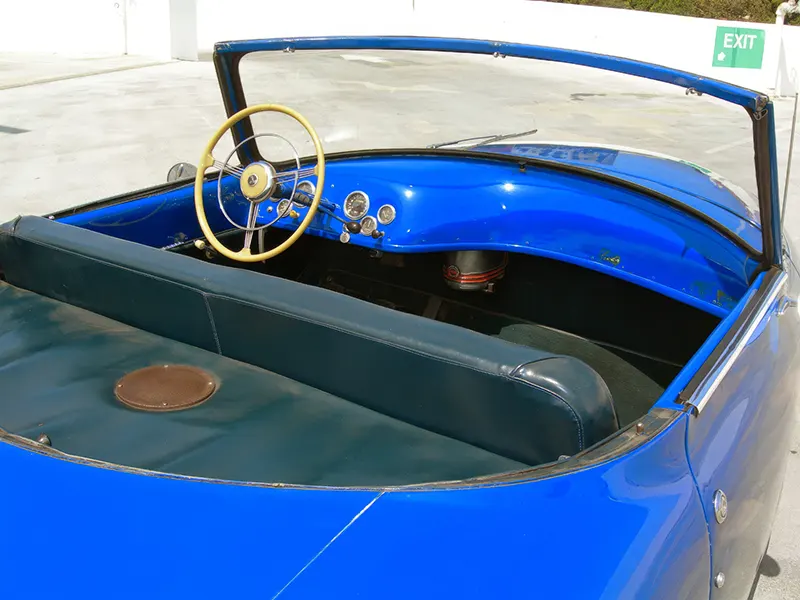
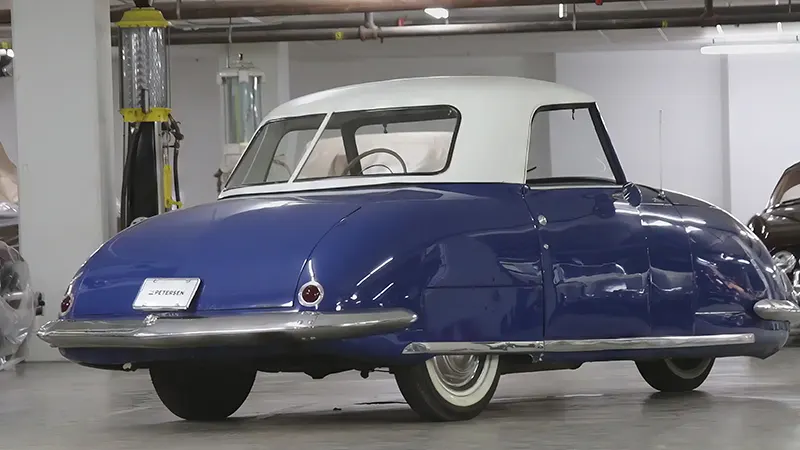
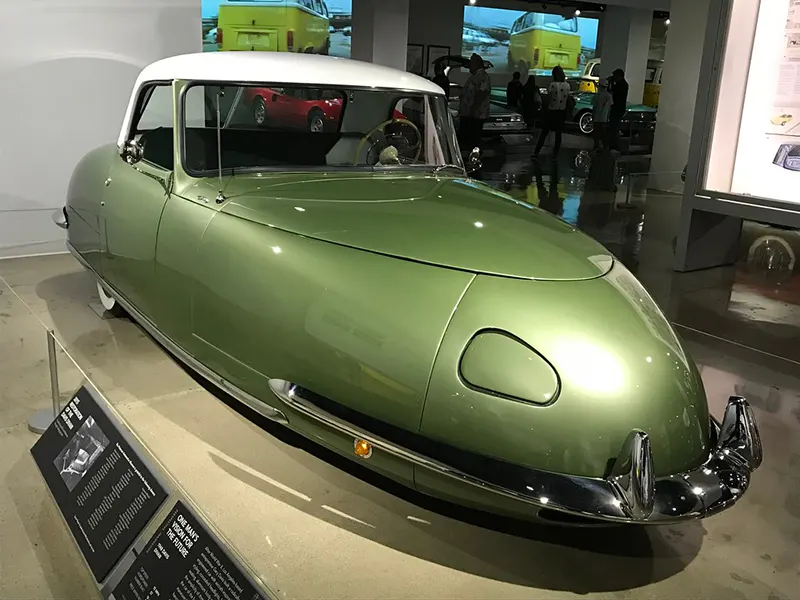
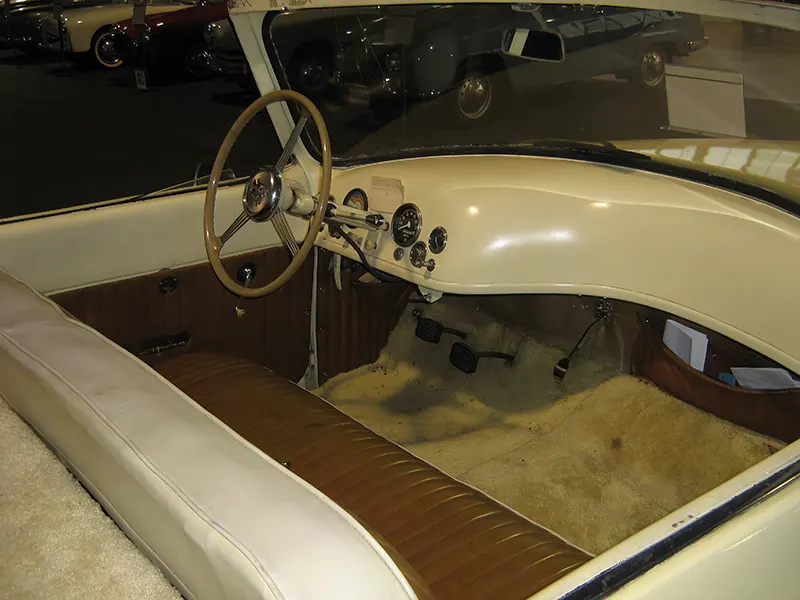
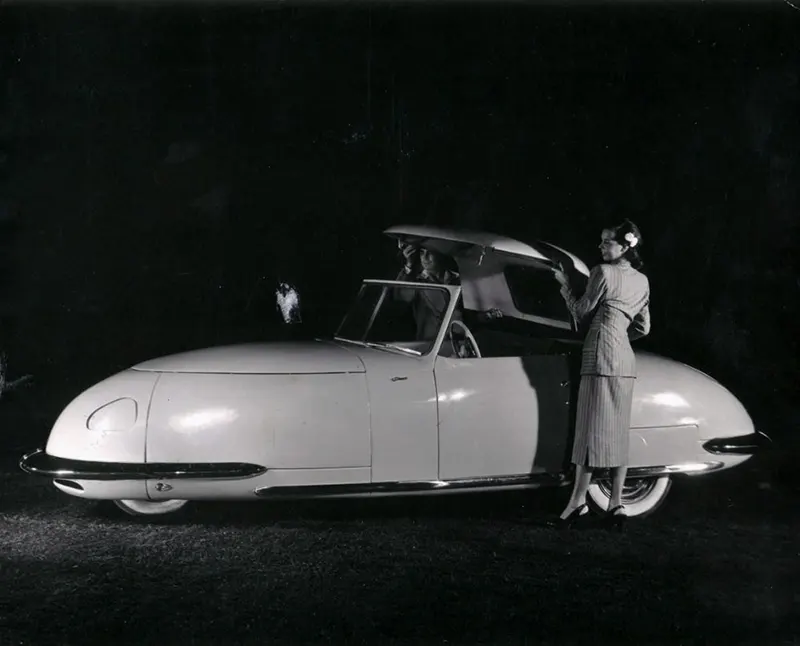
Davis founded the Davis Motorcar Company and began turning that vision into metal. Between 1947 and 1949, the company produced 16 running vehicles in total — 11 pre-production Divans, two prototypes, and three military vehicles. The Divan itself was a substantial machine. It stretched 183.5 inches long with a 109.5-inch wheelbase, stood 60 inches tall, weighed 2,450 pounds, and measured 72 inches wide. That width was the key selling point: the single bench seat could hold four adults side by side. The name “Divan” came from the Arabic word for a couch or daybed, a deliberate nod to how spacious the interior felt.
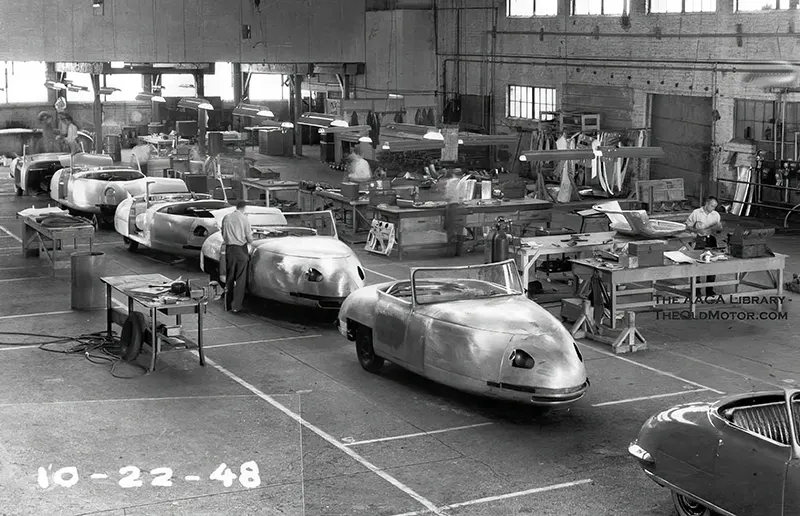
The body was built from lightweight aluminum, which kept fuel consumption lower than heavier steel-bodied competitors. It consisted of a channel steel frame wrapped in 11 panels made from aluminum and zinc. A removable fiberglass top sat over the cabin, and the whole thing rode on a steel chassis. One prototype, called the “Baby,” used a tube steel space frame instead. Most production Divans ran a 2,600 cc inline-four Continental engine producing 63 horsepower. Earlier prototypes — the D-1 “Baby” and D-2 “Delta” — used 47 hp Hercules industrial engines. Davis claimed top speeds between 100 mph and 116 mph, remarkable figures for a three-wheeled vehicle of that era.
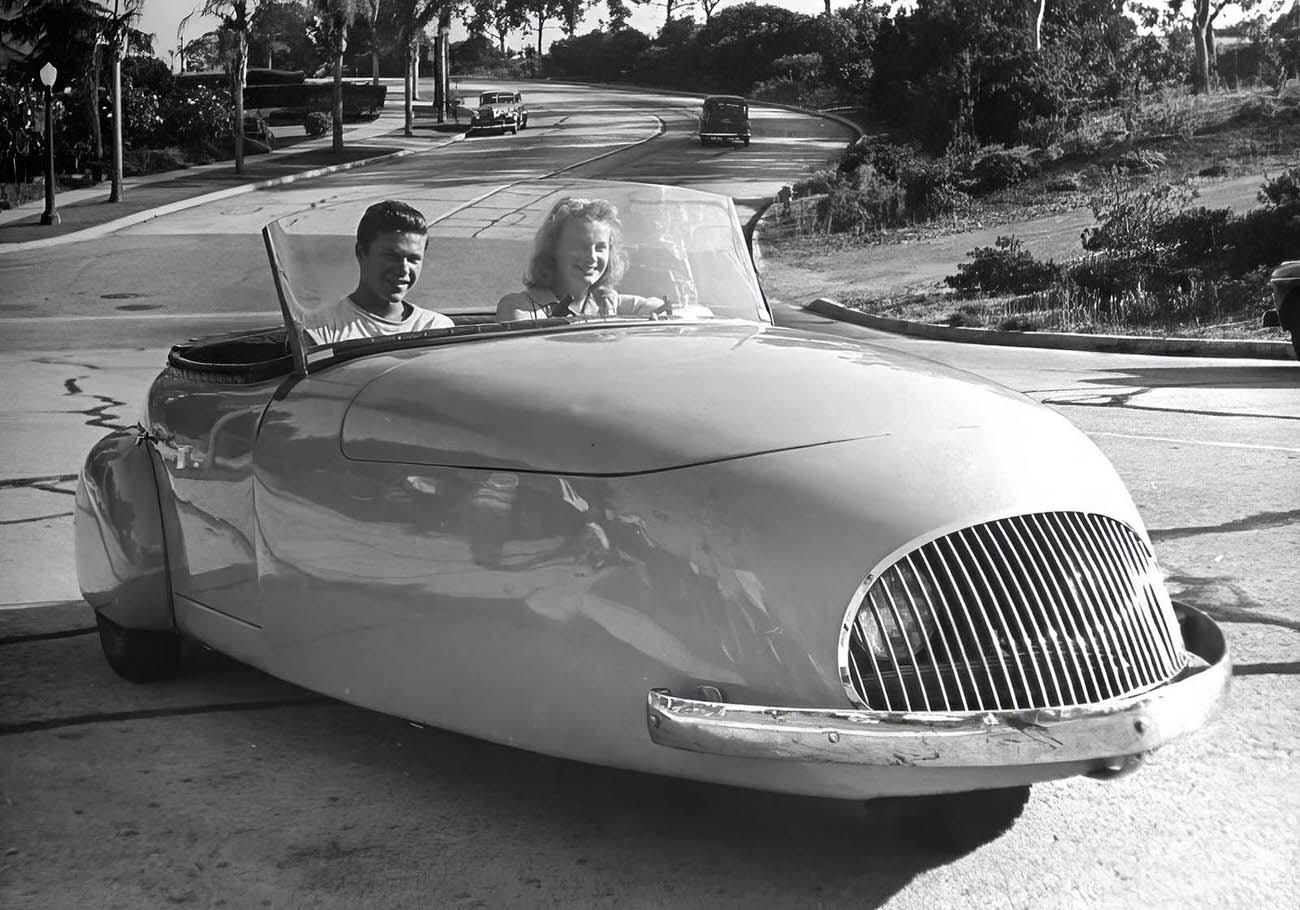
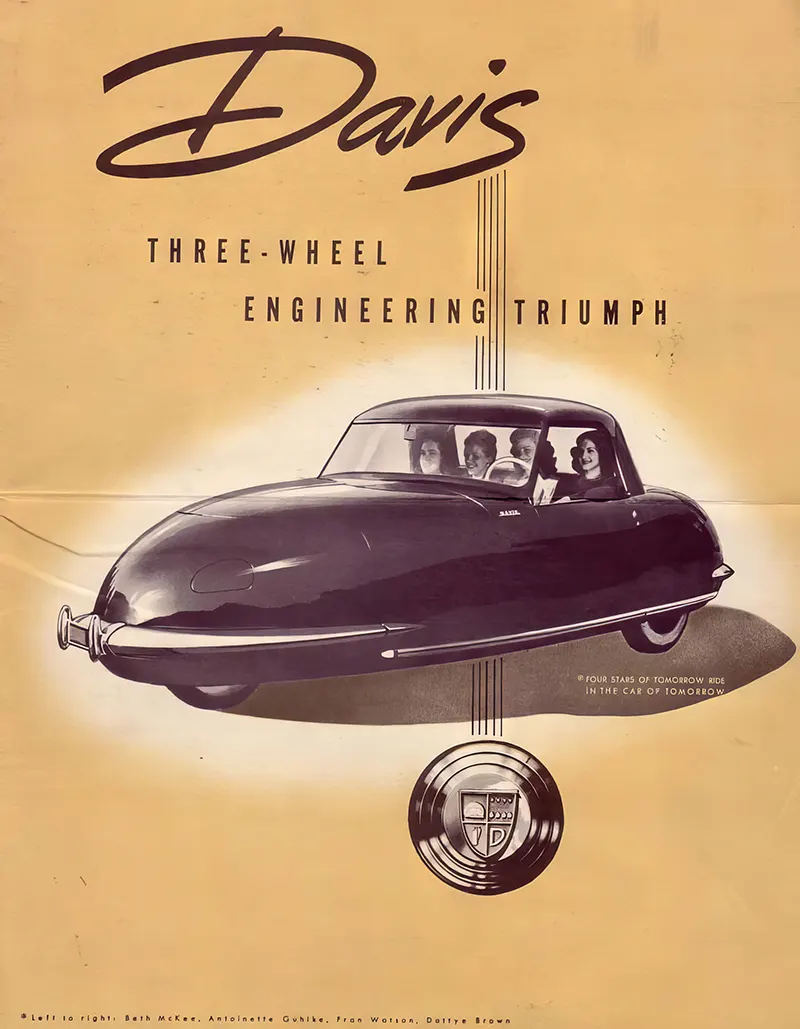
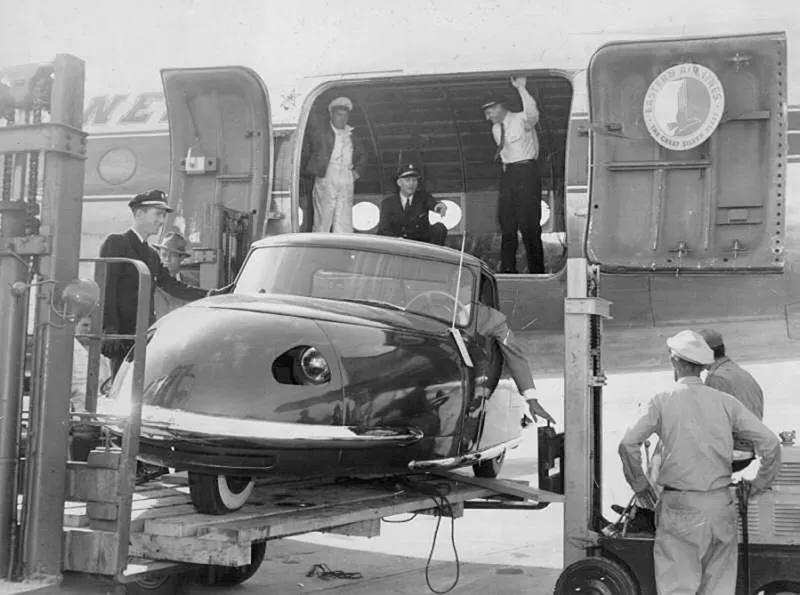
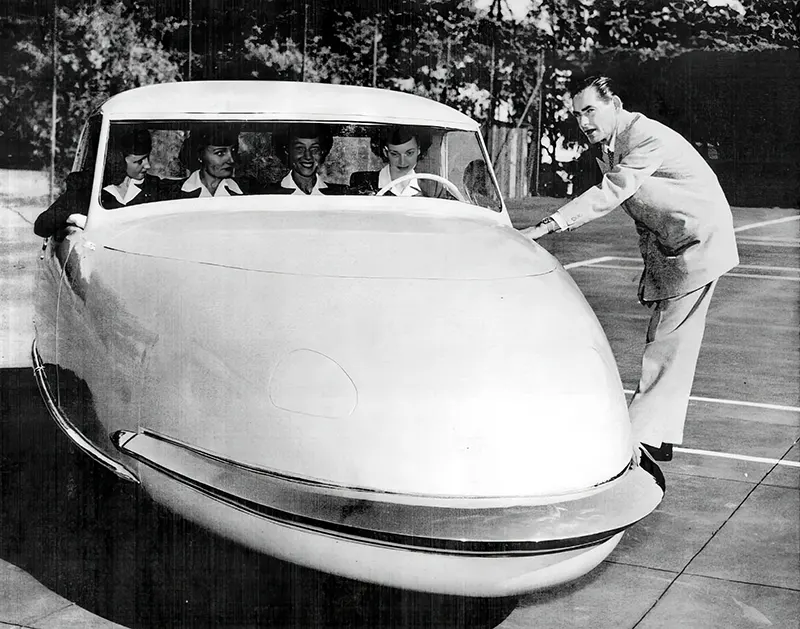
Gary Davis was as much a showman as he was a builder. He pursued media coverage aggressively, and it worked. The Davis Divan landed features in Business Week, Life, and Parade. It appeared in a newsreel and even showed up in the television crime drama The Cases of Eddie Drake. One promotional stunt became the car’s most iconic image: four American Airlines stewardesses seated side by side across the bench seat, proving the Divan could carry four full-grown adults with room to spare. It was exactly the kind of visual that stuck in people’s minds.
Despite the excitement, the Davis Divan ran into serious headwinds. Only 16 units were ever built, which made it nearly impossible to compete in a market flooded with options from established manufacturers. The three-wheel layout raised real questions among buyers about stability and safety — concerns that weren’t easy to dismiss when proven four-wheeled cars were widely available at competitive prices. The postwar auto market was crowded, and consumers had little reason to take a financial risk on an unproven design.
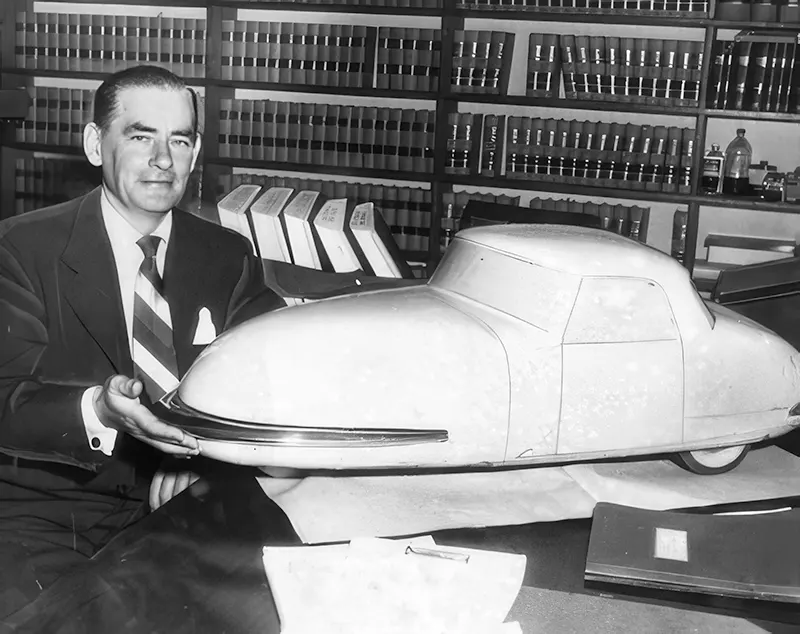
Financial trouble set in quickly at the Davis Motorcar Company. The gap between Gary Davis’s promotional energy and the company’s actual production capacity was too wide to close. Orders came in, but cars did not go out. Investors grew frustrated, and the legal fallout was significant — Davis was eventually convicted of fraud for taking deposits on vehicles he could not deliver.