Cyrinda Foxe was born Kathleen Victoria Hetzekian on February 22, 1951, in Santa Monica, California. Of Armenian and Irish descent, she grew up in an unstable home marked by abuse. As a teenager, she walked away from that life and found her way into the counterculture movements sweeping the United States in the late 1960s. She reinvented herself completely — even her name came from a label inside a 1960s cocktail dress. That self-made identity would follow her for the rest of her life.
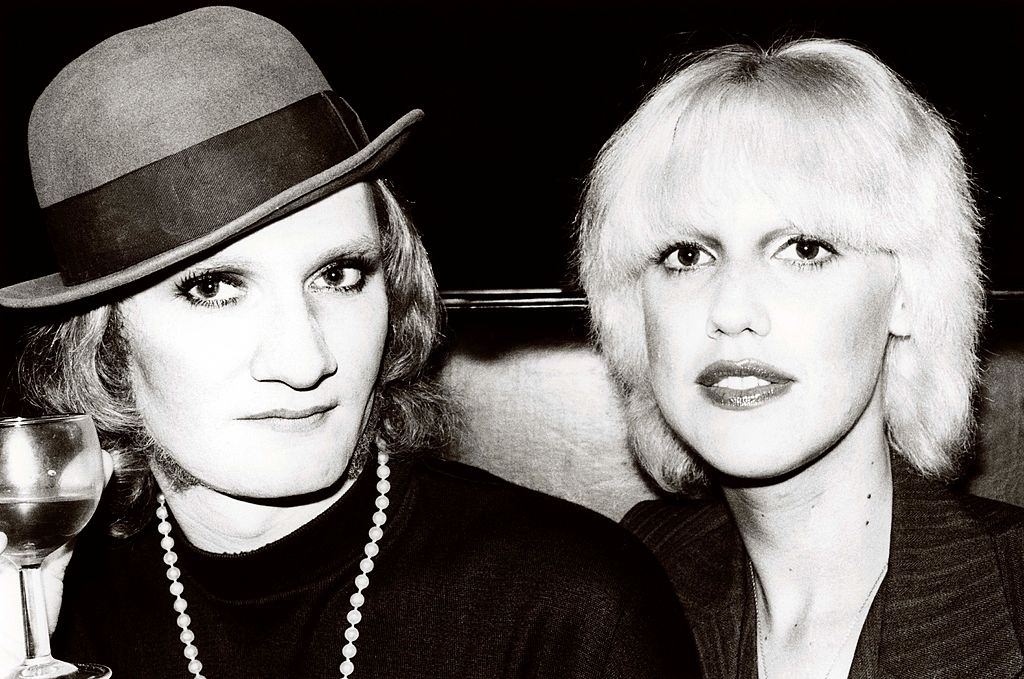
By the early 1970s, Cyrinda had planted herself firmly in New York City’s underground art and music world. She modeled for photographers and artists, and her sharp looks and magnetic energy opened doors fast. She became a central figure in the glam rock scene, moving through circles that included musicians, artists, and filmmakers who were rewriting the rules of American culture.
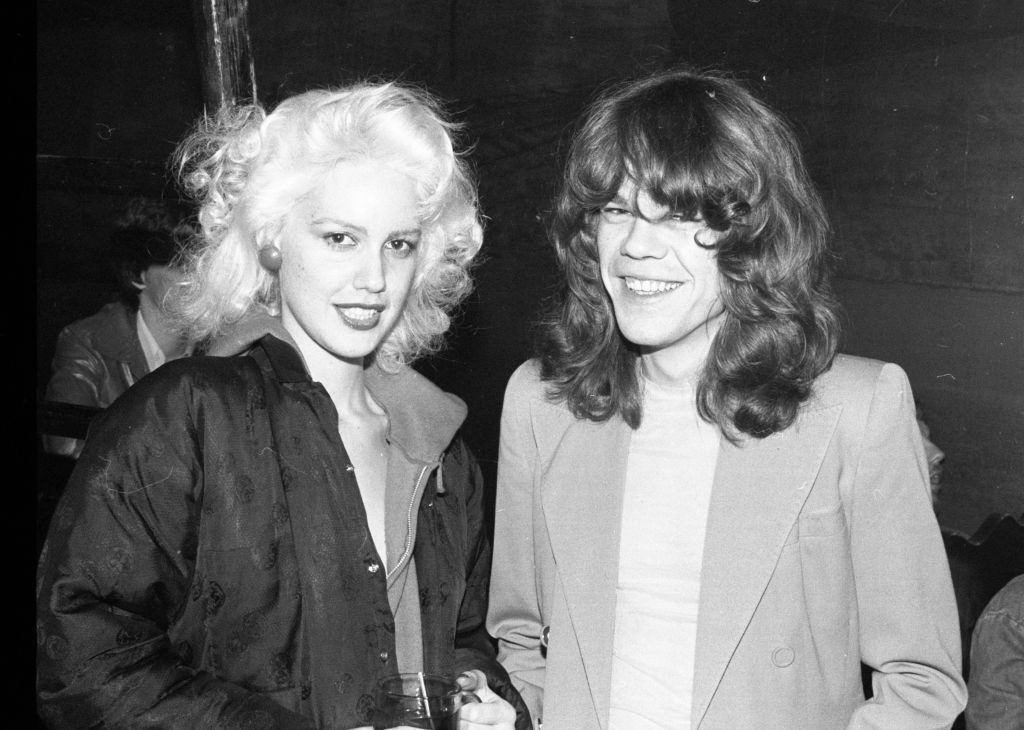
Her connection to Andy Warhol brought her onto the screen. She appeared in his 1972 film “Bad” and also had roles in Warhol-produced projects including “L’Amour” and “Women in Revolt.” The acting work never grew into a full career, but her association with Warhol’s Factory scene locked her into the cultural record of that era in a way few people managed.

It was her romance with David Bowie in the early 1970s that first cemented her status as a muse. Bowie was deeply drawn to her presence, and she is widely identified as the inspiration behind the title track of his landmark 1972 album, “The Rise and Fall of Ziggy Stardust and the Spiders from Mars.” Their time together placed her at the very center of one of rock’s most creative and experimental periods.
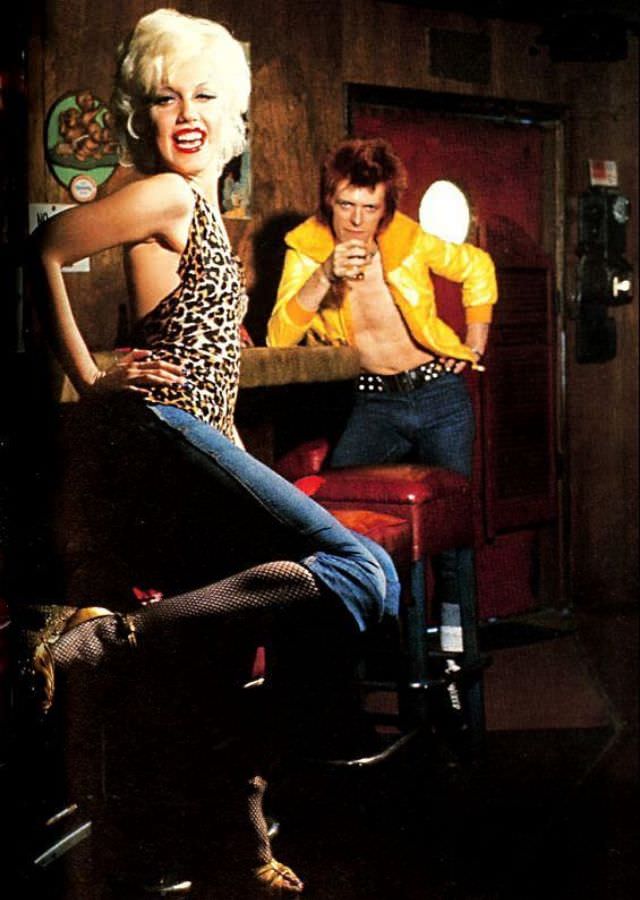
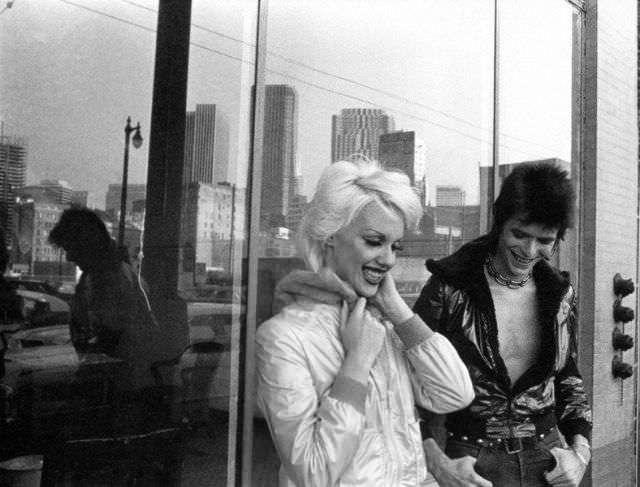
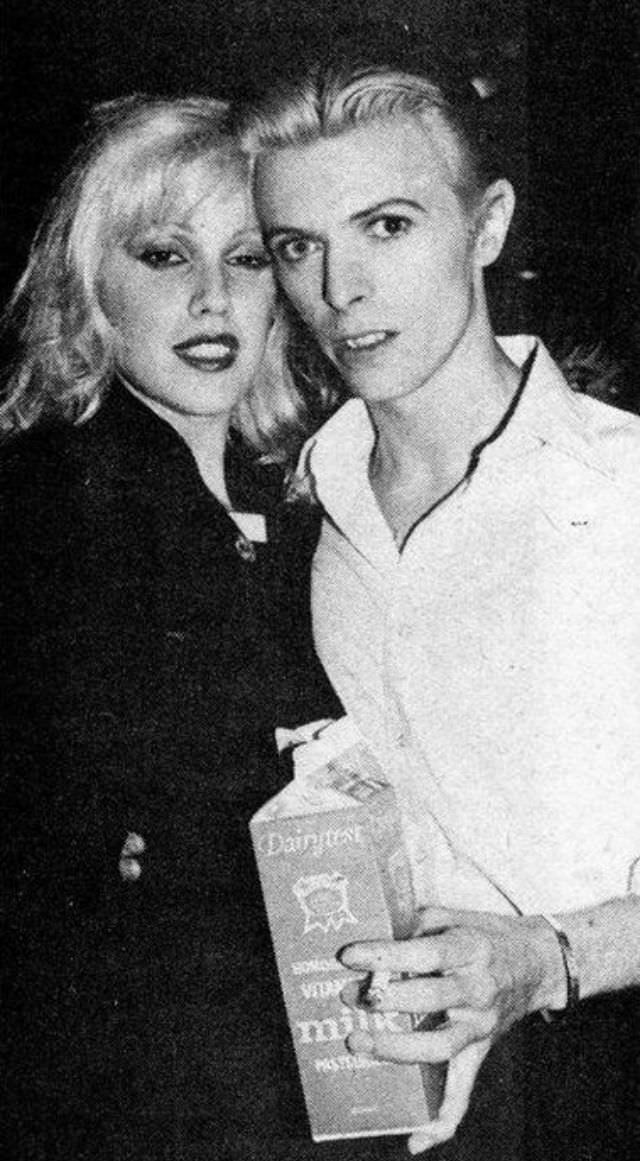
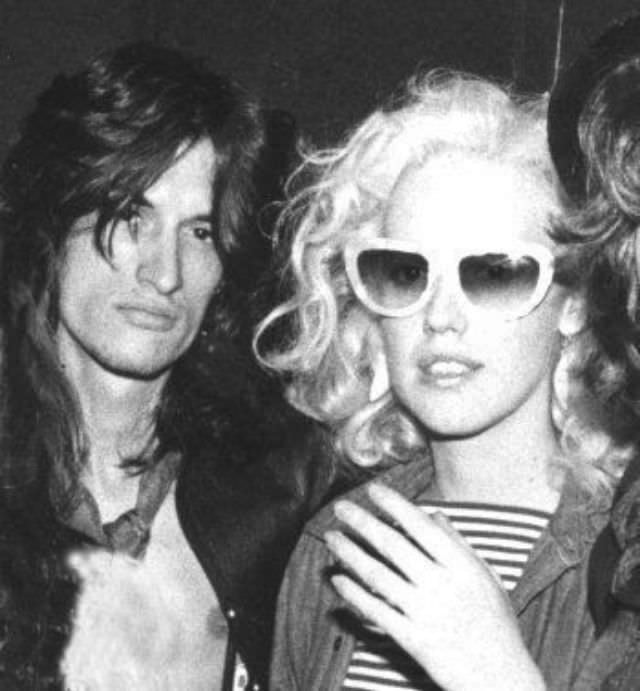
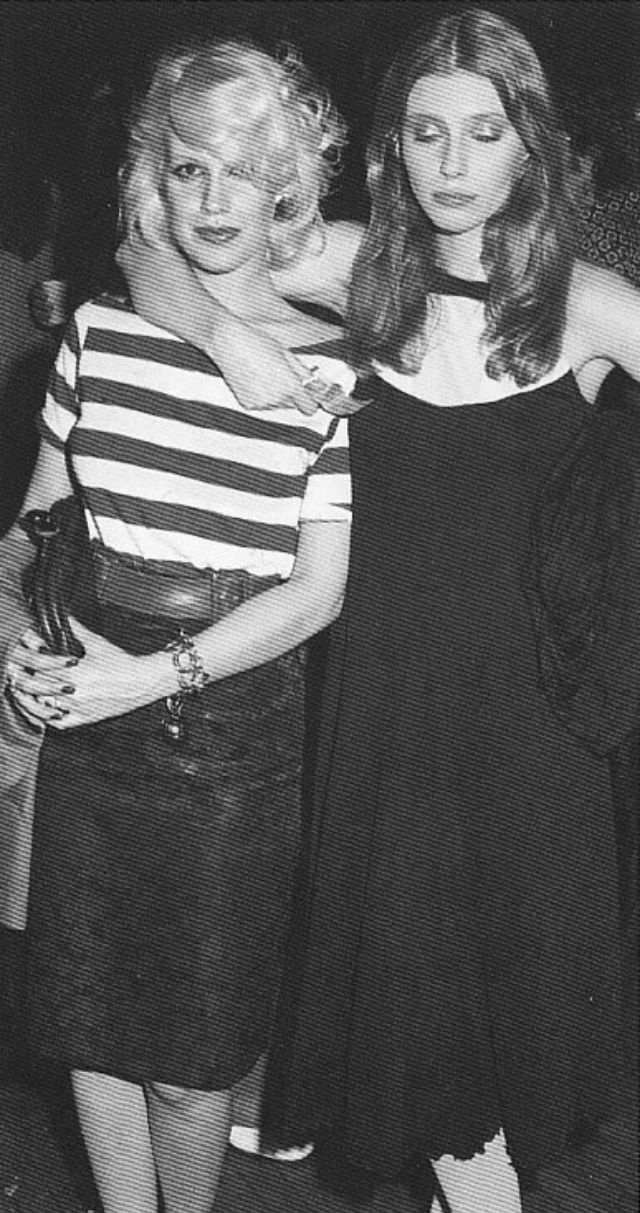
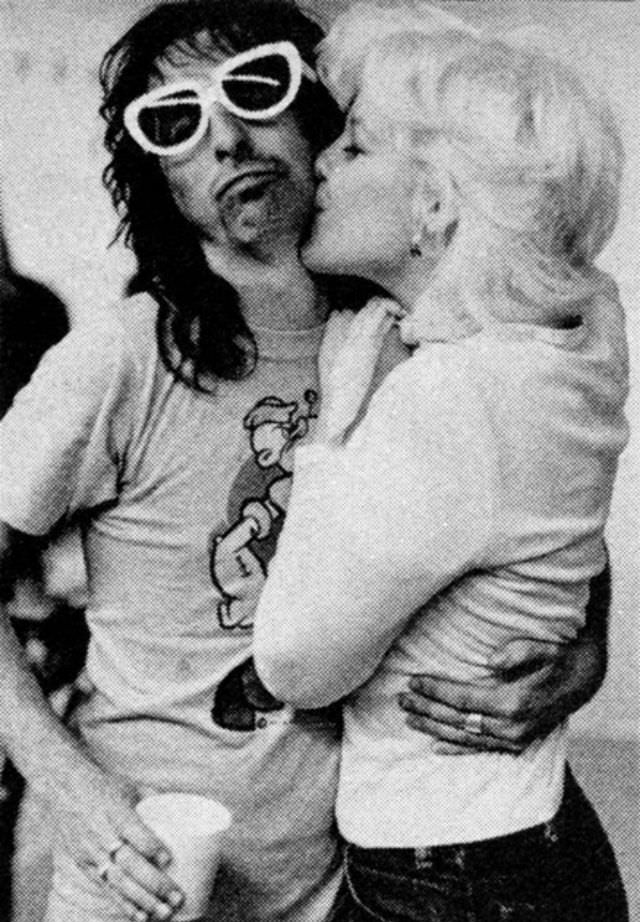
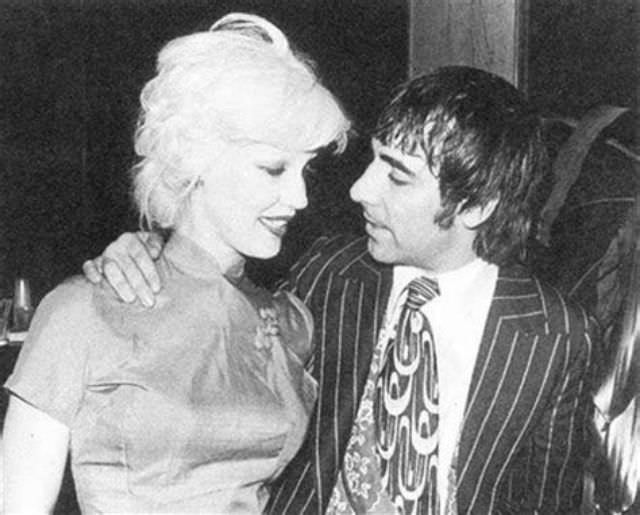
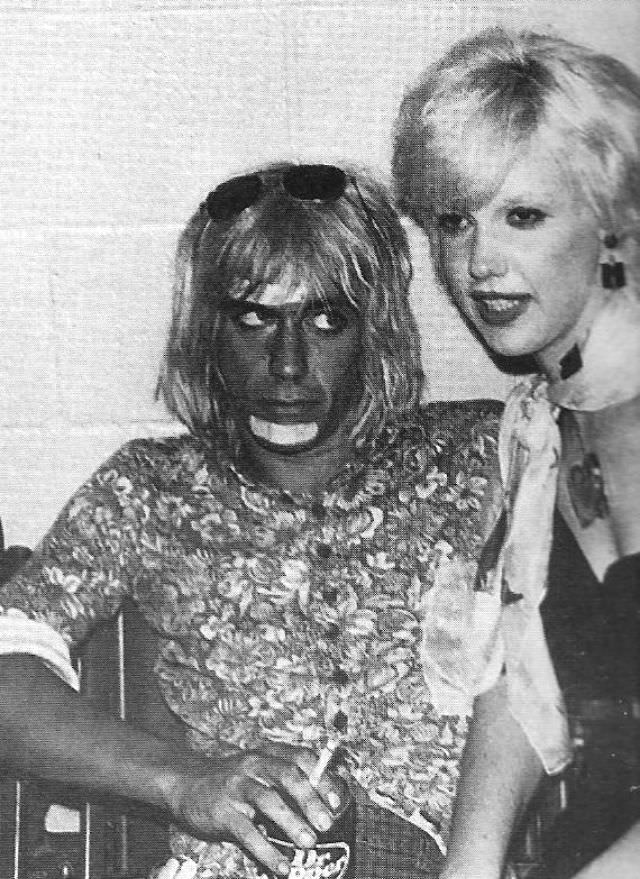
Cyrinda remained a fixture in the rock world throughout the mid-1970s, photographed alongside some of the era’s most recognizable names. She moved easily between scenes and cities, always at the edges of something significant.
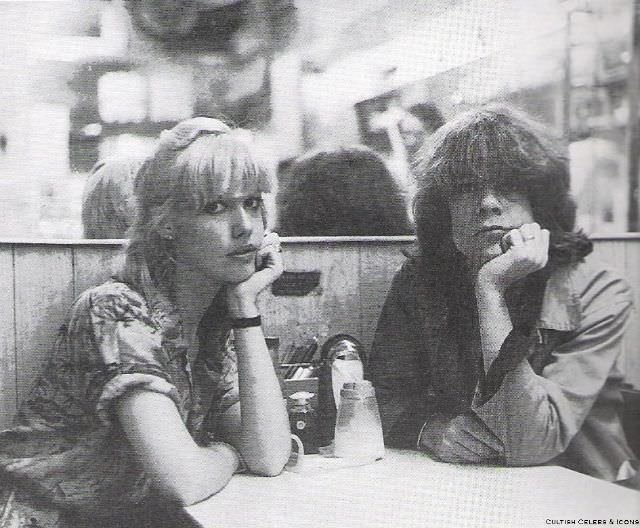
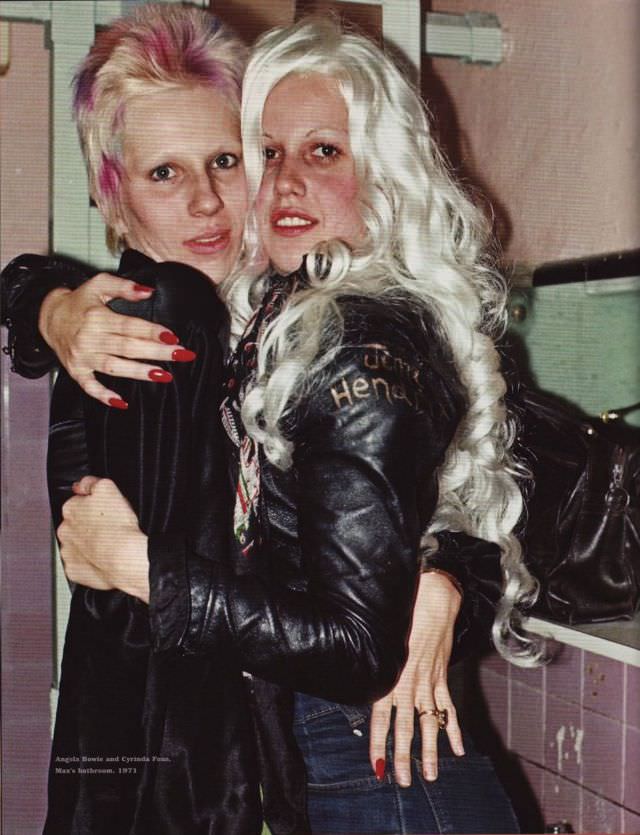
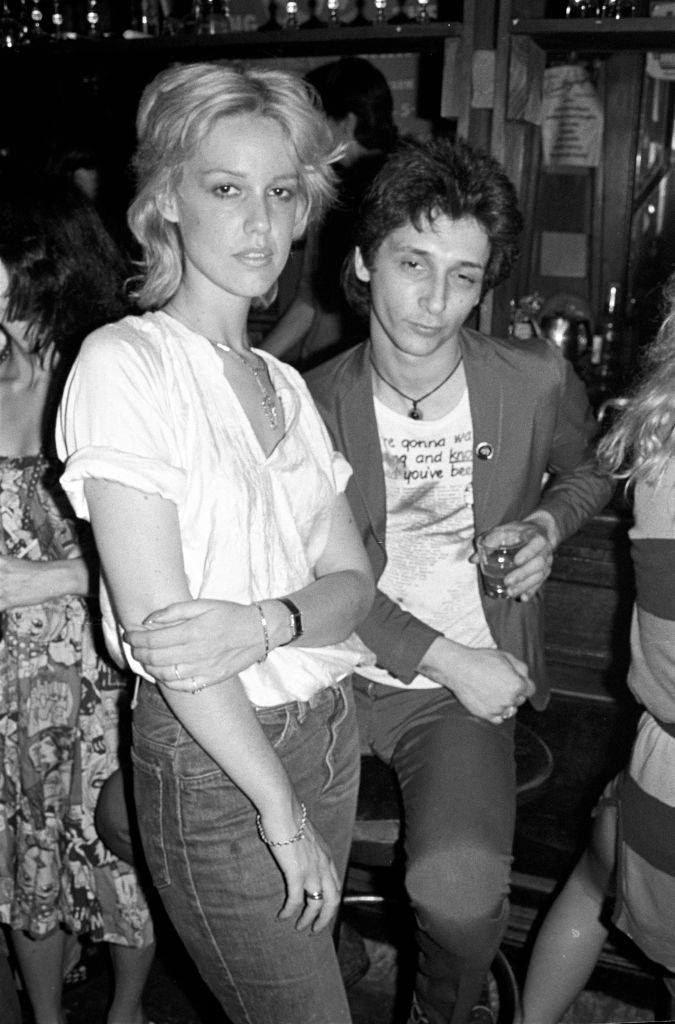
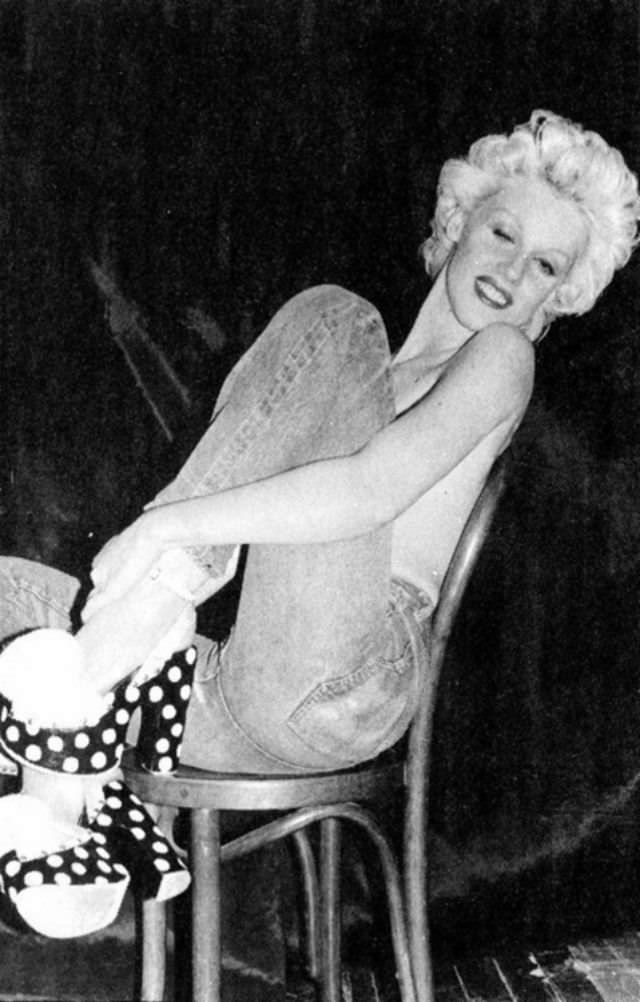
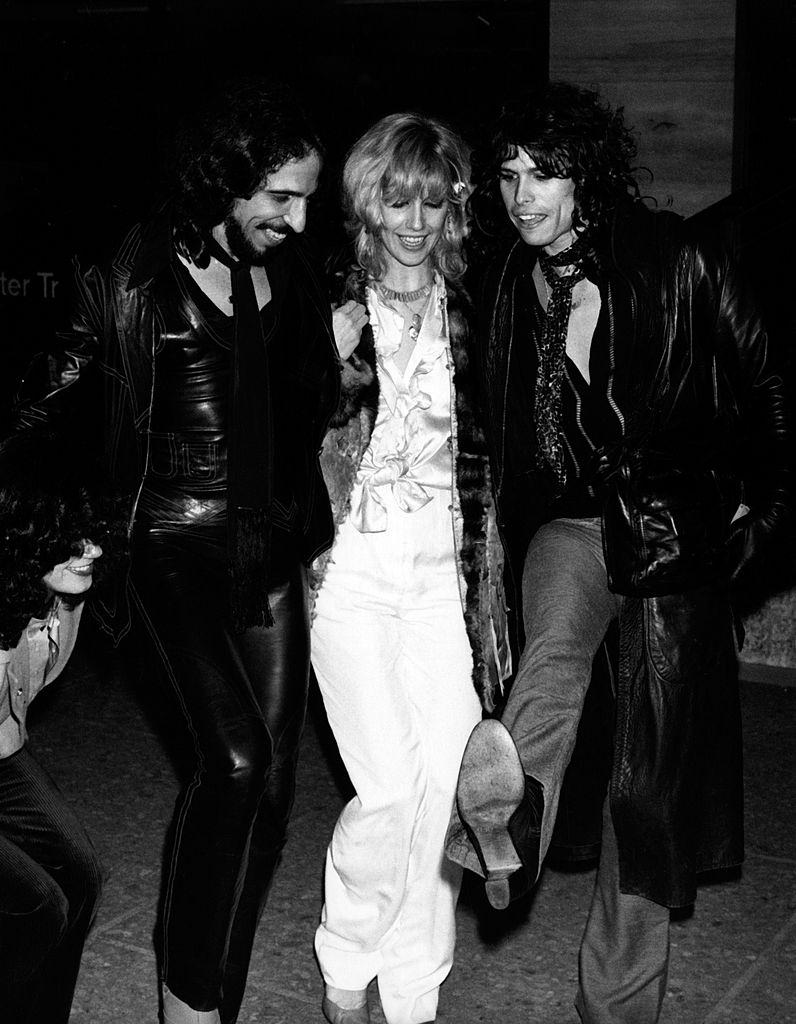
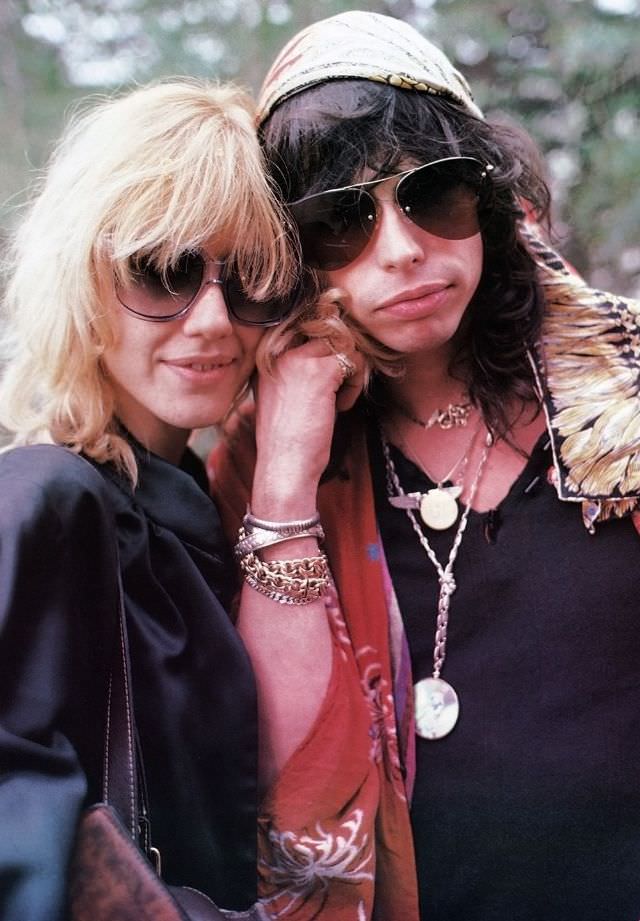
In 1977, Cyrinda began a relationship with Aerosmith frontman Steven Tyler. They married the following year, and in 1978 she was photographed at the opening party for the Broadway show “Beatlemania” alongside Tyler and those closest to them — a snapshot of their life at the height of rock’s excess.
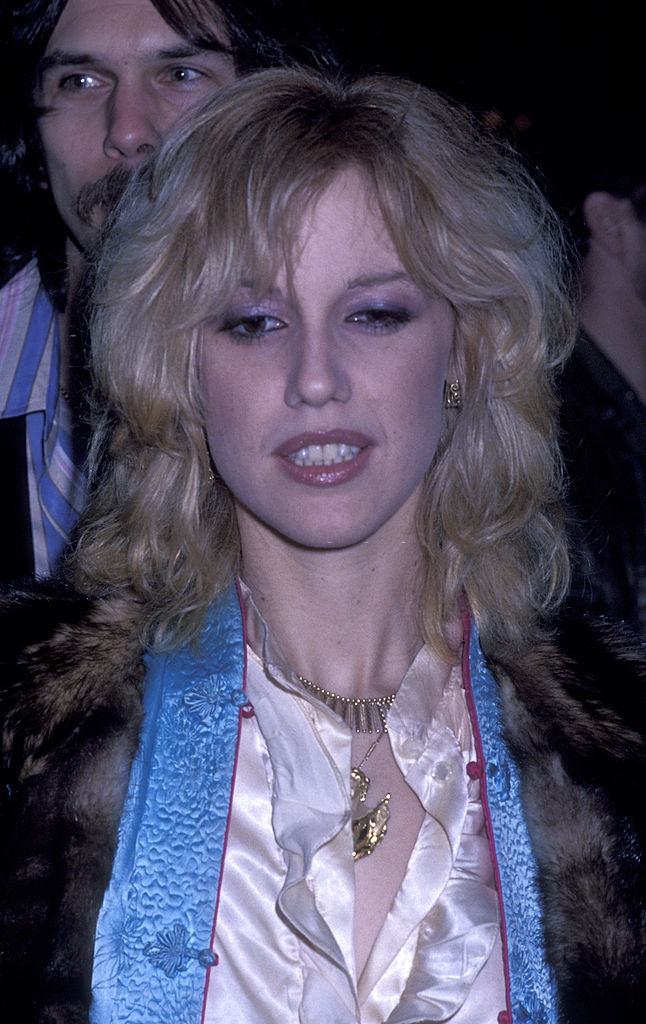
Cyrinda and Tyler had a daughter, Mia Tyler, who went on to become a successful plus-size model and actress. The marriage was intense and turbulent. Drug addiction and domestic conflict defined much of their time together, and the couple divorced in 1987 after nearly a decade of marriage.


In 1996, Cyrinda published her memoir, “Dream On: Livin’ on the Edge with Steven Tyler and Aerosmith.” The book was a blunt, unfiltered account of life inside the Aerosmith orbit — the parties, the drugs, the violence, and the slow unraveling of a relationship built in chaos. It gave readers a firsthand look at what the rock lifestyle of the 1970s and 1980s actually cost the people living it.
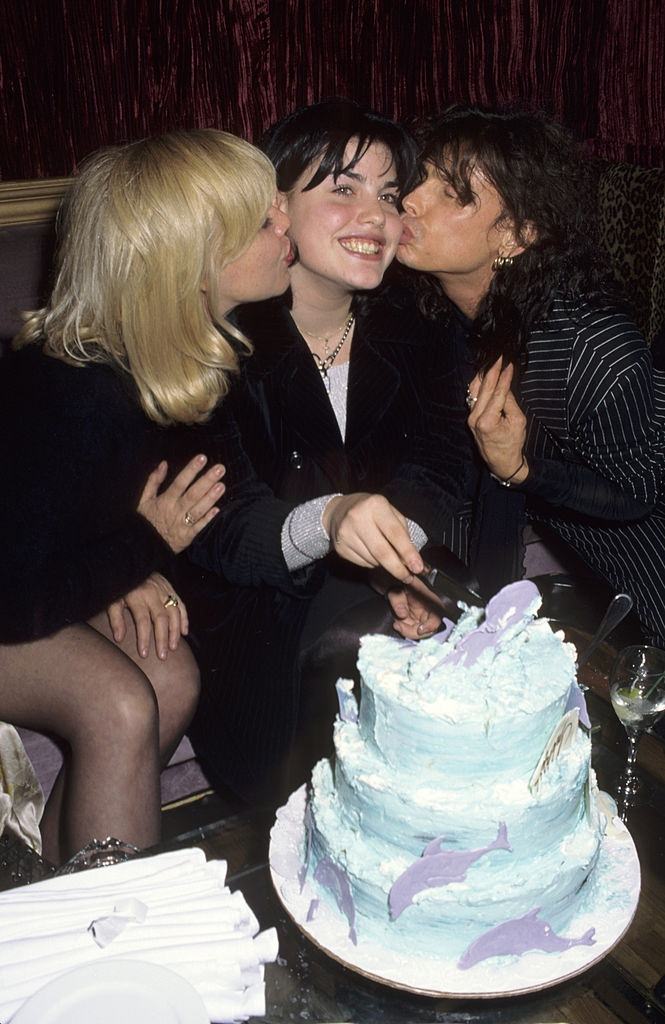
Despite the divorce, Cyrinda and Tyler remained connected through Mia. In 1994, they were photographed together at Mia’s birthday party — a rare moment of calm between two people whose shared history was anything but.
By the late 1990s, Cyrinda was still appearing publicly, including at the 71st Annual Academy Awards in March 1999. These years marked a quieter chapter, but she remained recognizable and present in rock circles.


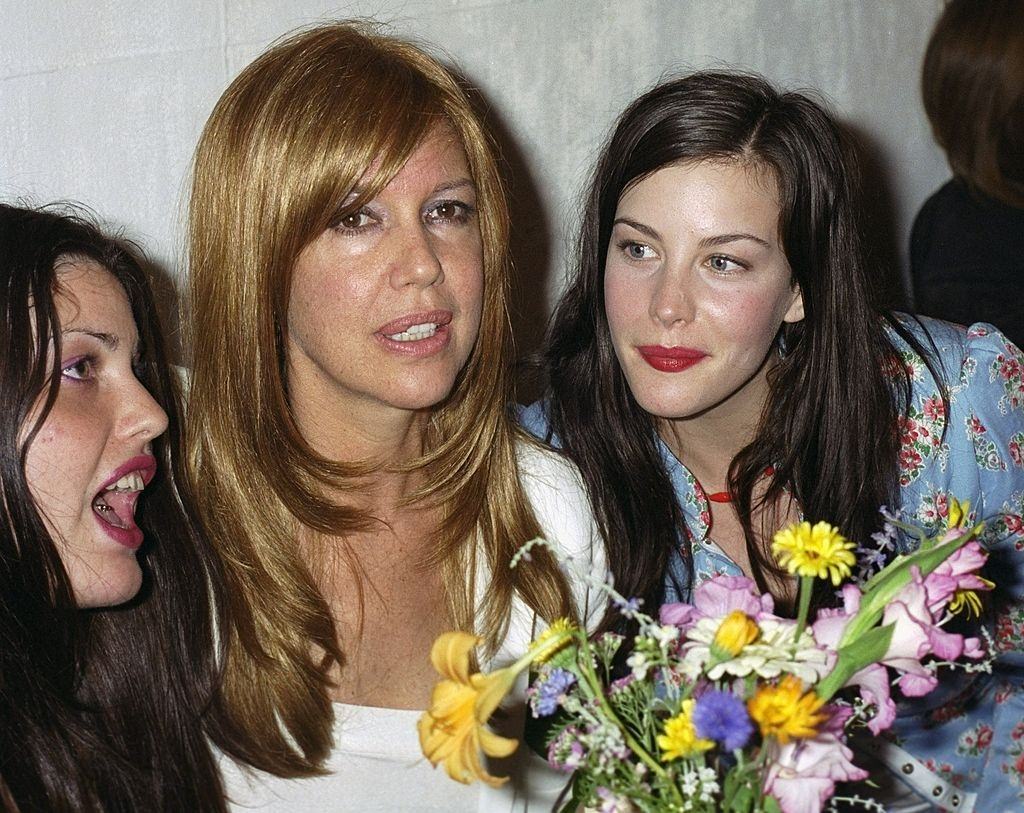
In 2001, Cyrinda was diagnosed with brain cancer. Her health declined rapidly, and she was forced to auction off personal items and memorabilia from her years with Aerosmith and David Bowie to pay her medical bills. The rock community rallied around her as news of her condition spread. That same year, she was photographed with Mia and Liv Tyler — a striking image of the women connected through that tangled web of rock history.

Cyrinda Foxe died on September 7, 2002. She was 51 years old. From a difficult childhood in Santa Monica to the stages and studios of New York’s glam rock scene, her life was one of constant reinvention under extreme circumstances. She was a model, actress, muse, wife, mother, and writer — and she did all of it on her own terms, even when everything around her was falling apart.