
Copenhagen Zoo is one of the oldest zoos in the world. Danish ornithologist Niels Kjærbølling founded it in 1859, and it has been welcoming visitors ever since. The zoo sits on 11 hectares (27 acres) in Frederiksberg, nestled between Frederiksberg Gardens and Søndermarken Park. When it first opened, the collection was modest — eagles, chickens, ducks, owls, rabbits, a fox, a seal kept in a bathtub, and a turtle in a bucket. It was a humble start for what would grow into one of Scandinavia’s most celebrated animal institutions.
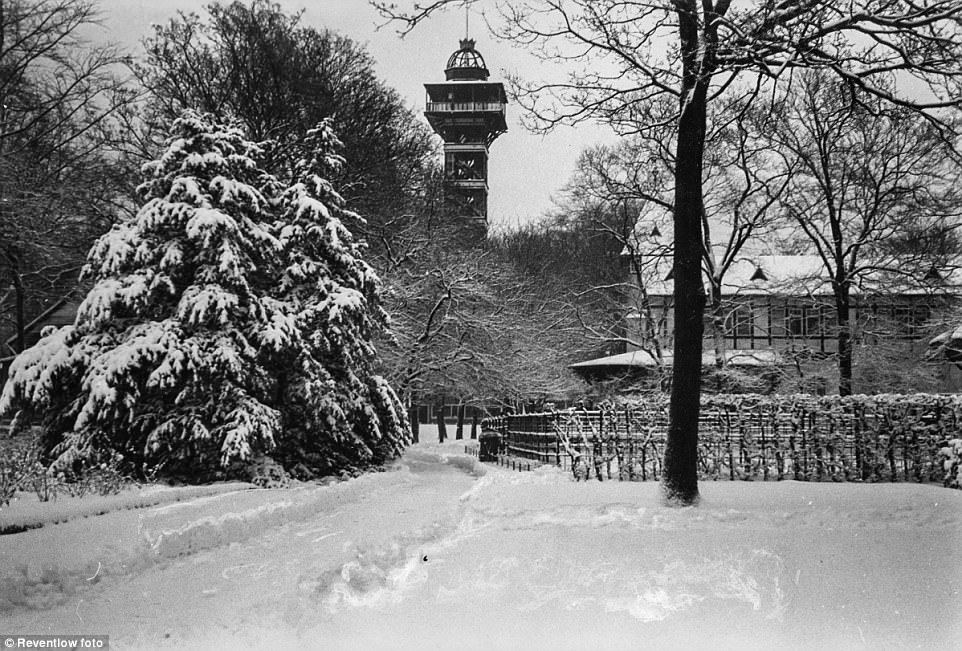
By the late 19th century, the zoo had grown well beyond its original modest collection. Facilities expanded to accommodate both the animals and the growing number of visitors. The zoo’s restaurant, captured here in 1897, shows that a day at the zoo was already a full social outing for Copenhagen’s residents. Families and well-dressed guests would spend hours on the grounds, making an afternoon of it.
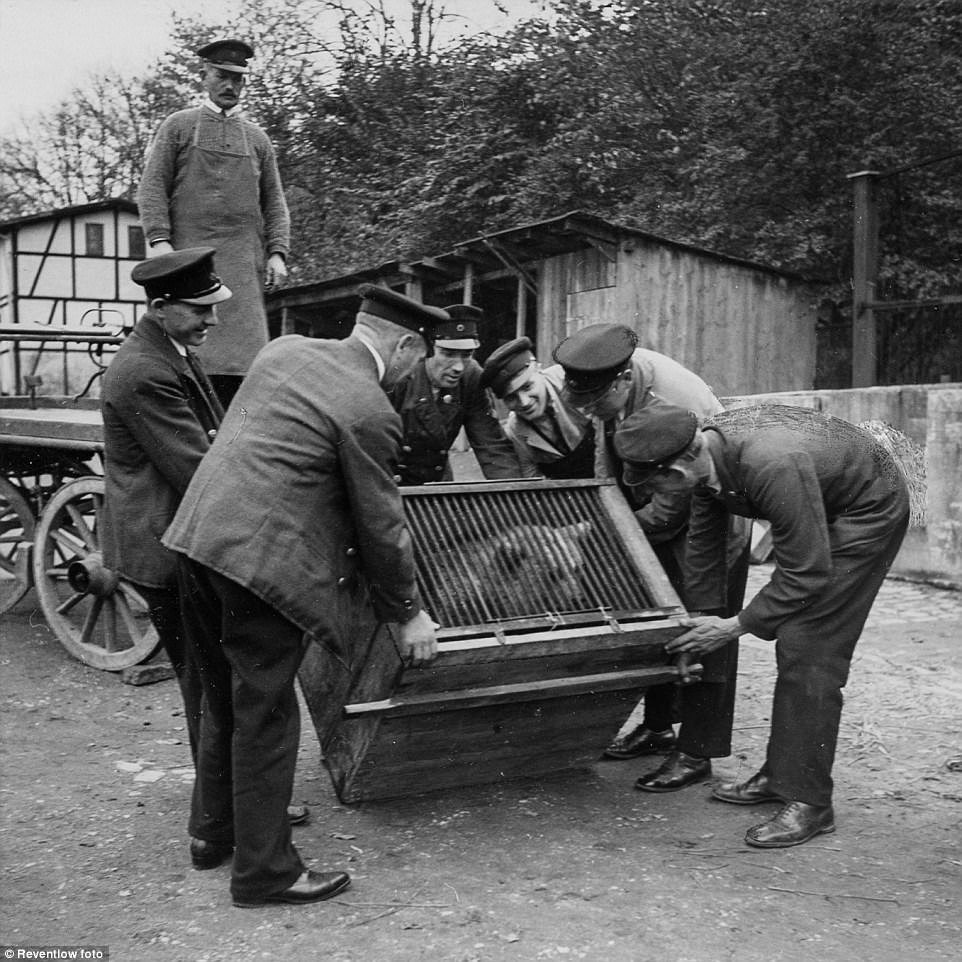
Throughout the early decades of the 20th century, the zoo continued adding new animals to its roster. Bears were among the crowd favorites, drawing visitors of all ages to their enclosures. The relationship between keepers and animals was often surprisingly close, with staff hands-on in daily care and feeding routines.
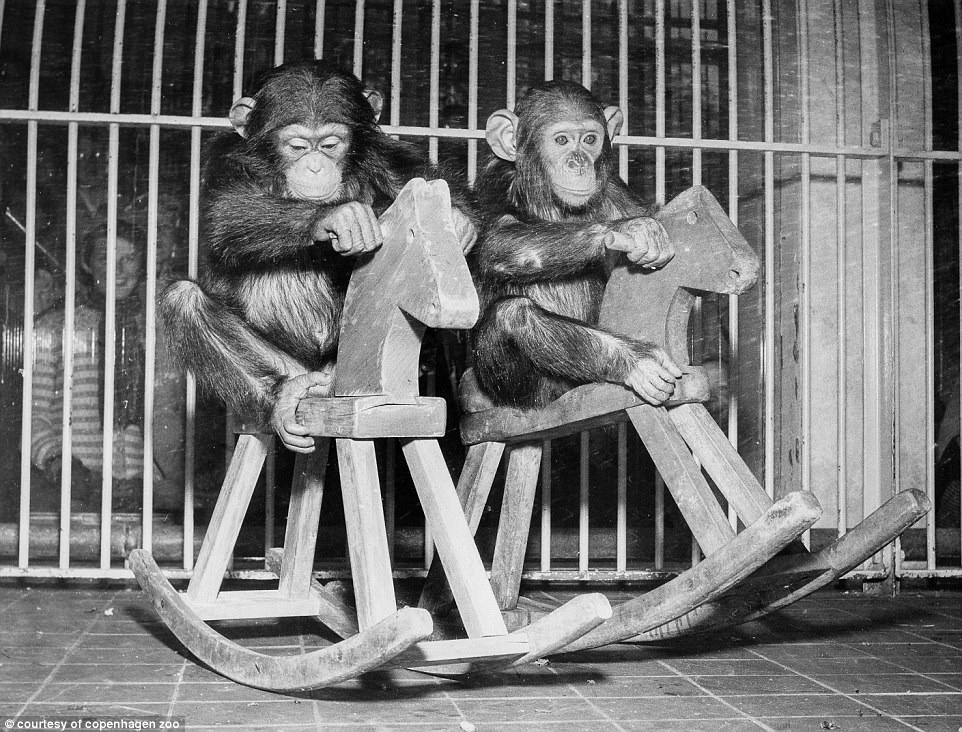
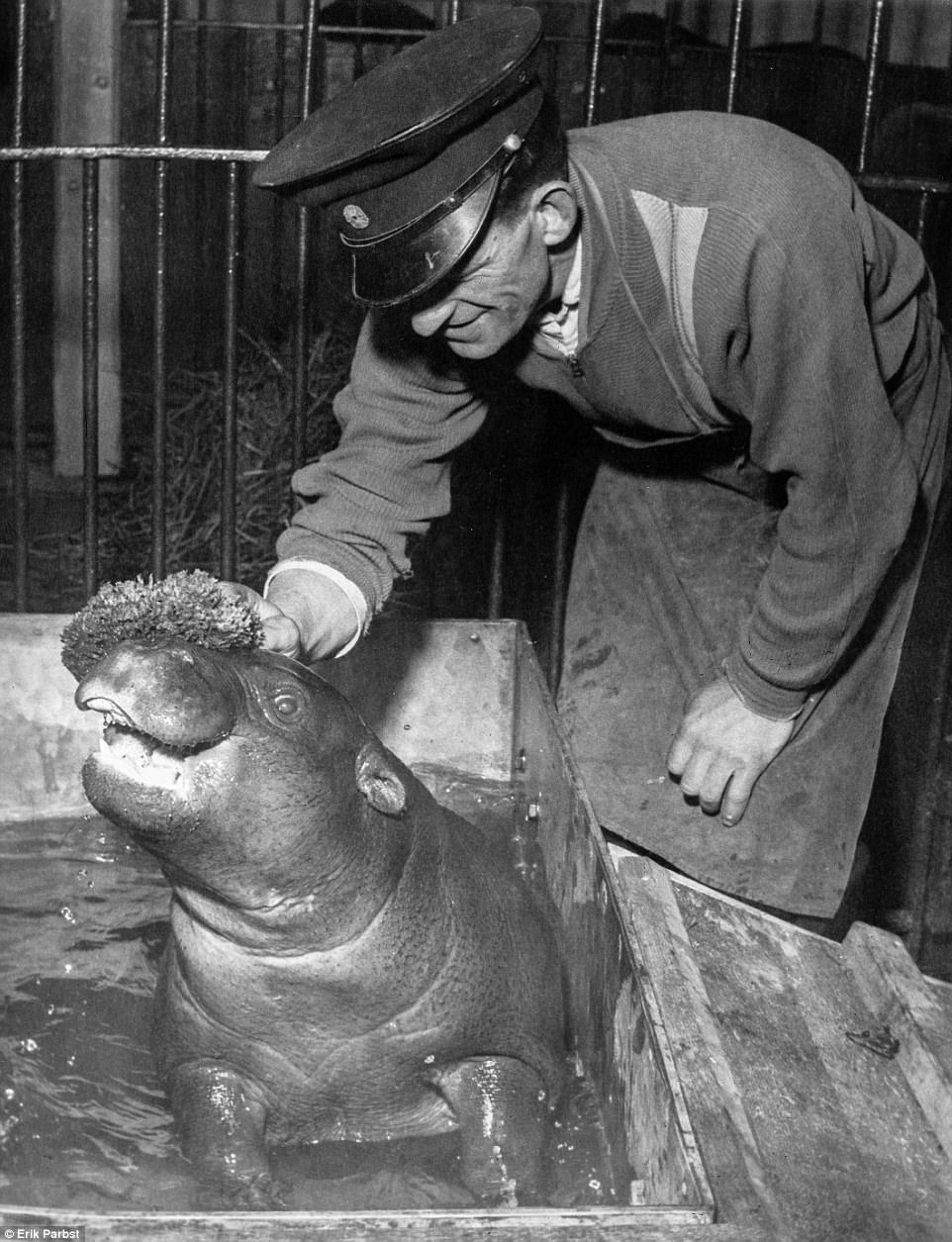
Animal care at Copenhagen Zoo was notably attentive for its era. Animals were given enrichment items — essentially toys — to keep them mentally active. Even the youngest arrivals, like this baby hippopotamus, received careful, personalized attention from keepers. Bath time for a baby hippo was not just practical; it was part of a routine designed to keep the animal healthy and comfortable in captivity.
Training was a regular part of zoo life during this period. Keepers worked directly with animals to encourage specific behaviors, both for the animals’ well-being and for public demonstrations. These sessions drew curious crowds and gave visitors a closer look at animals they would never encounter in the wild.
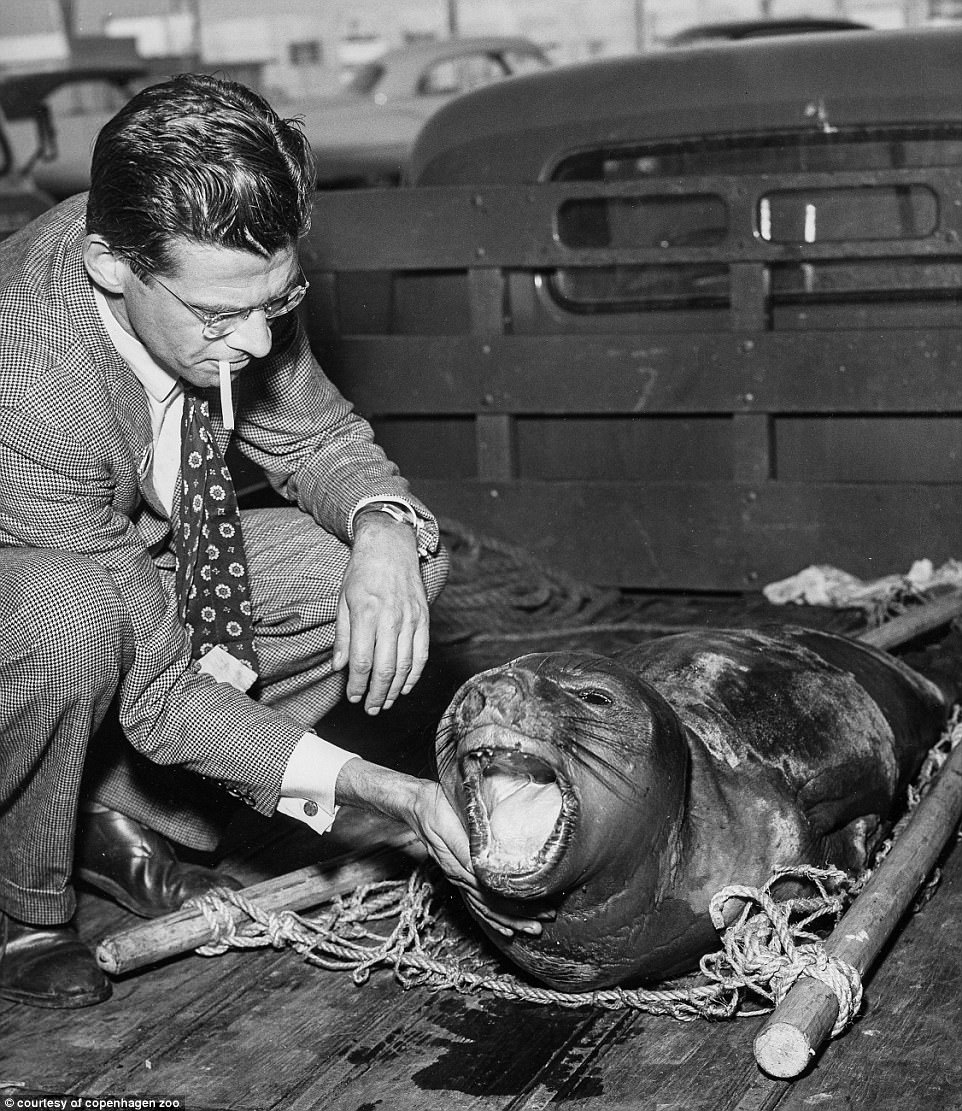
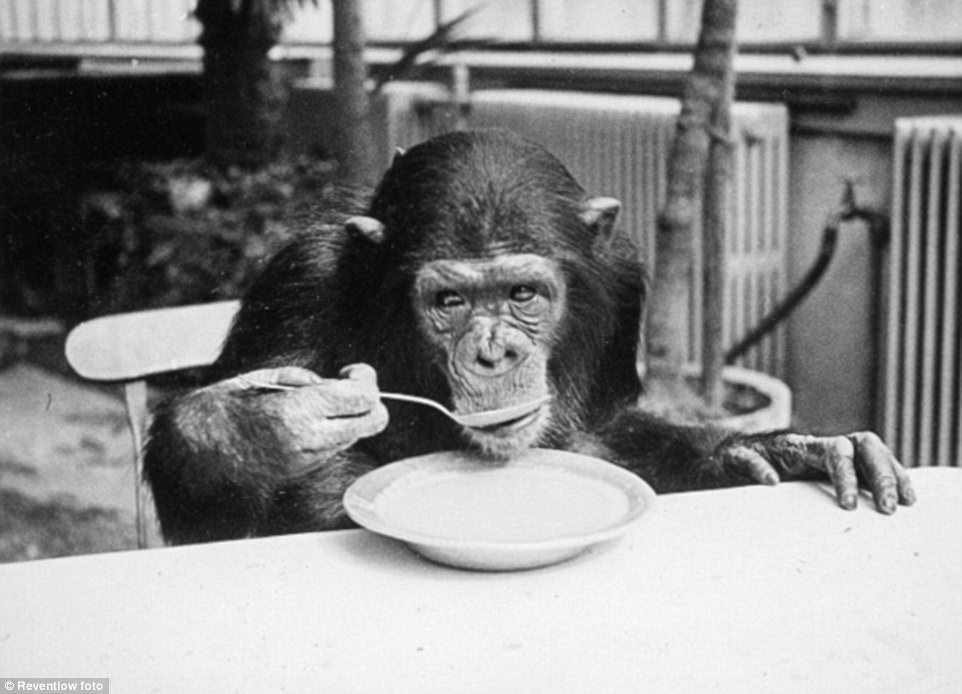
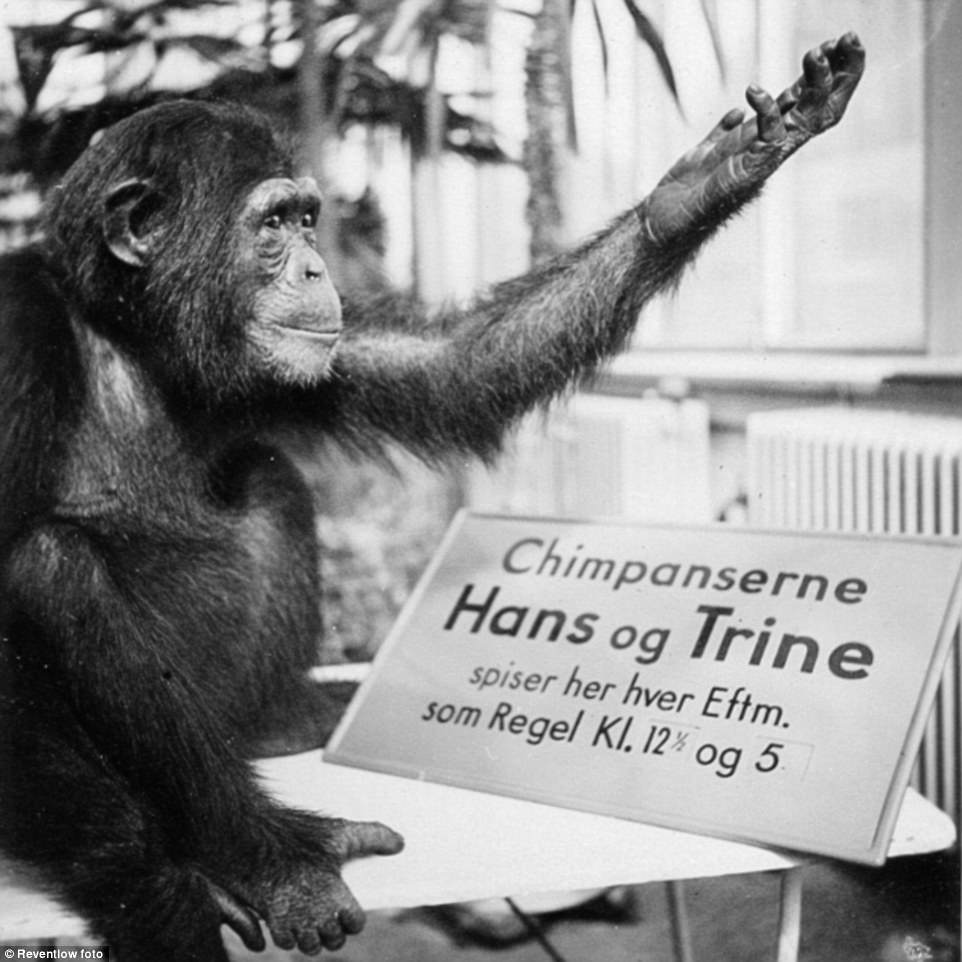
Seals were among the zoo’s earliest and most beloved residents — after all, the very first seal at Copenhagen Zoo arrived in a bathtub at opening day. Transporting and handling these animals required care and skill, as seen in photos of staff managing new arrivals. Primates, too, were a major draw. Chimpanzees were often photographed in human-like poses and situations, reflecting the era’s fascination with the similarities between apes and people.
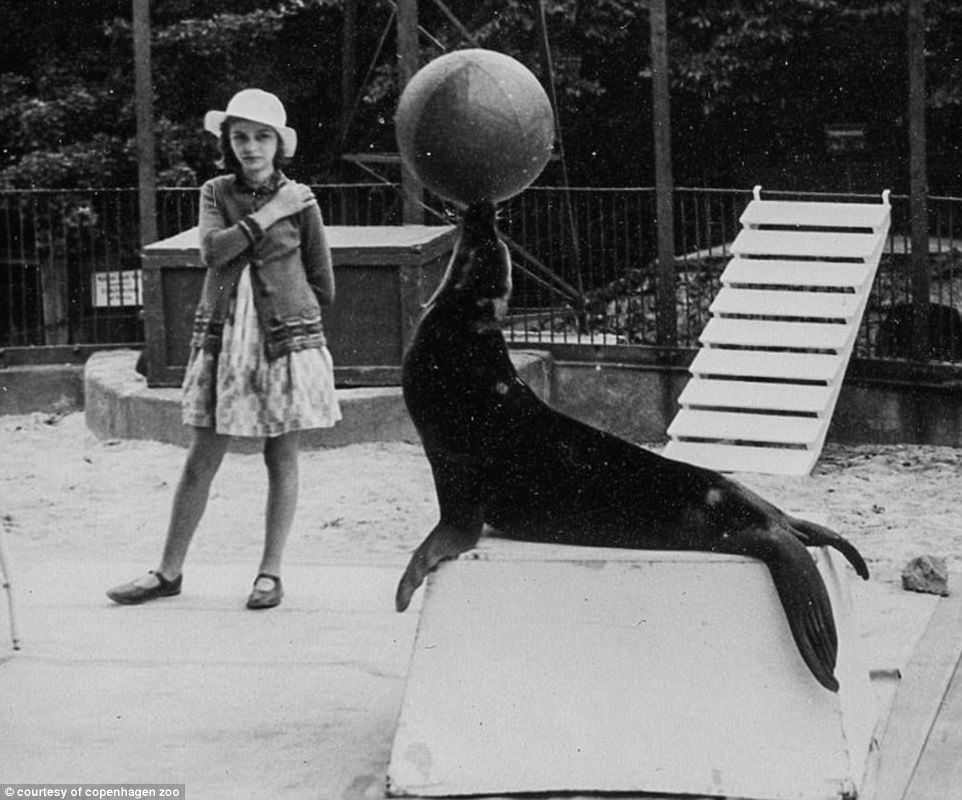
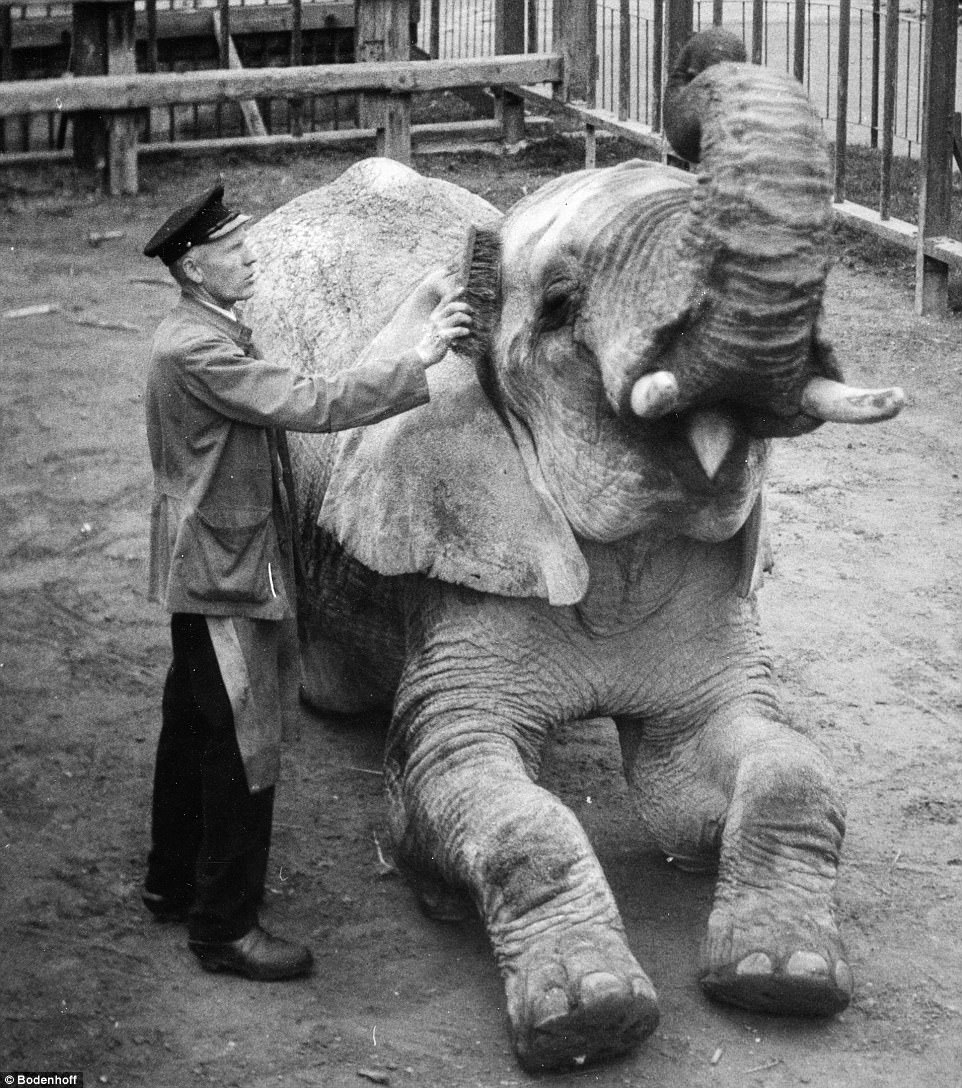
Sea lion performances were a staple of the zoo experience. Crowds gathered around the water enclosures to watch these agile animals show off their abilities. Elephants, meanwhile, were bathed and scrubbed by keepers as part of their daily care — a task that the animals appeared to tolerate, and at times actively enjoy, based on their calm and cooperative behavior during the process.
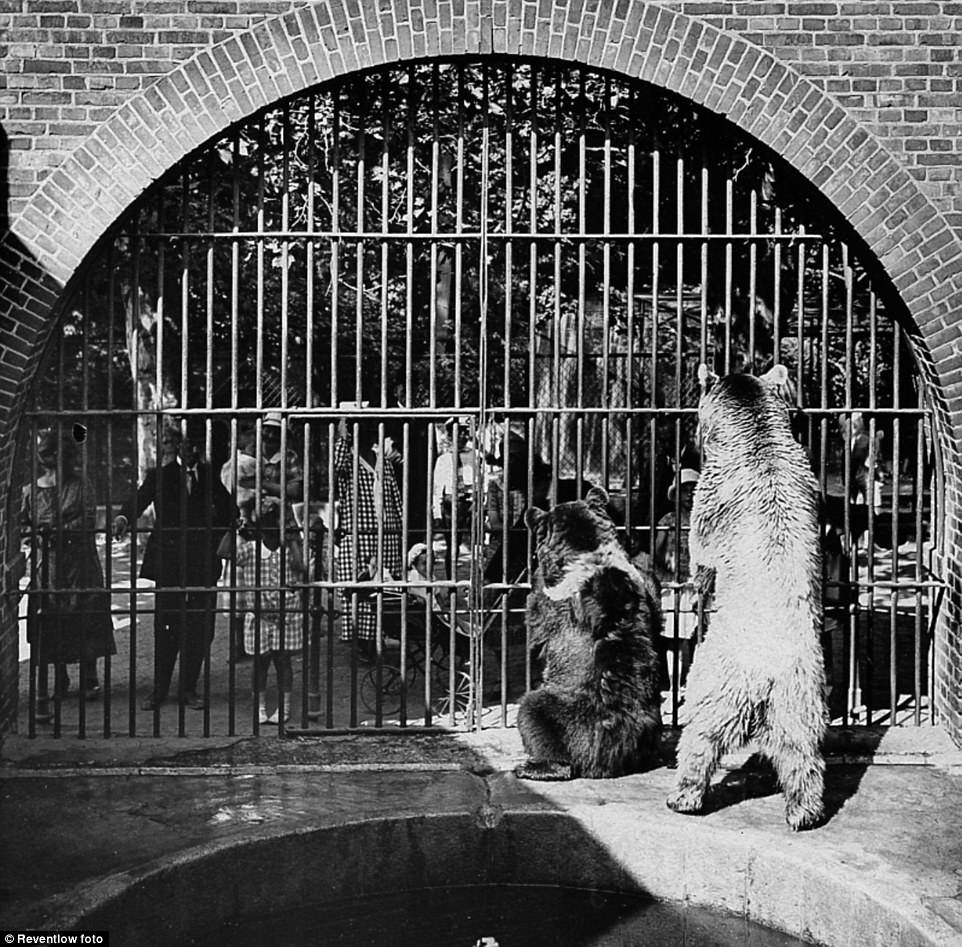
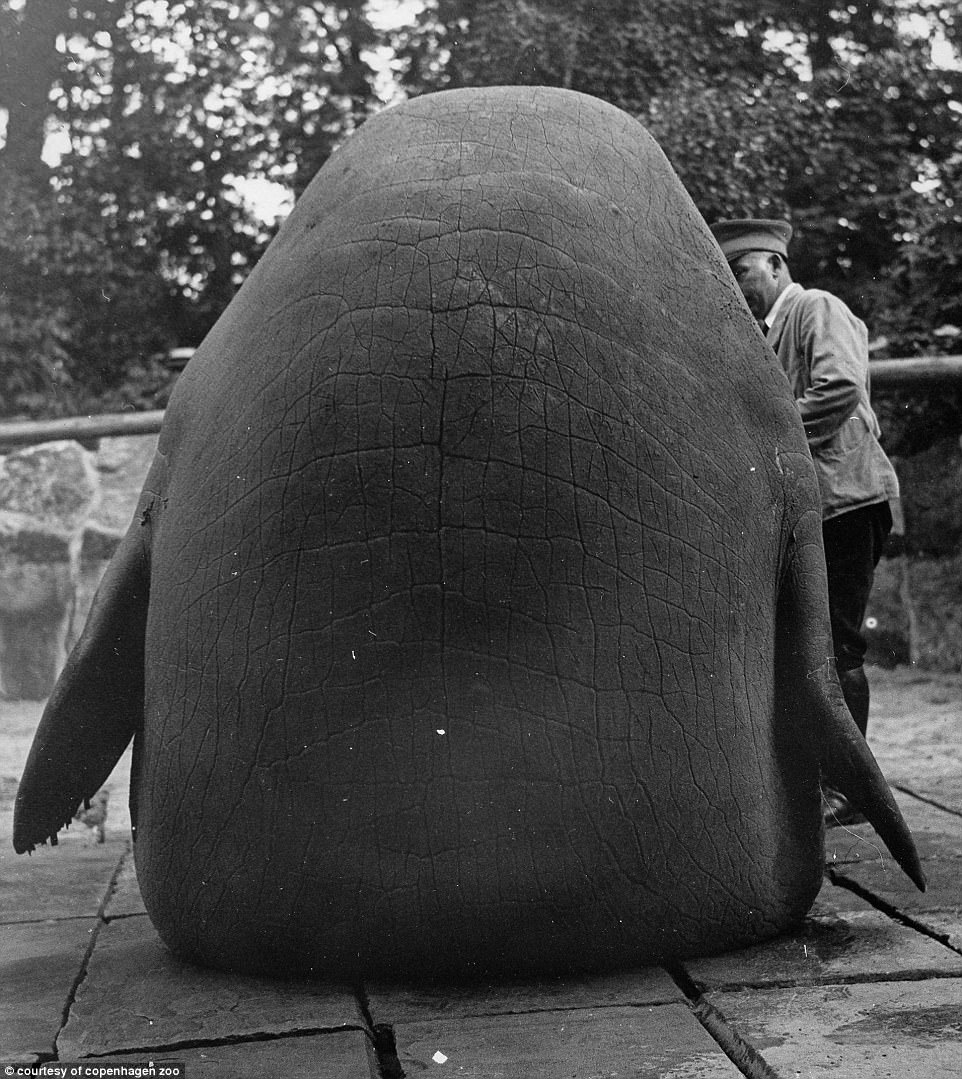
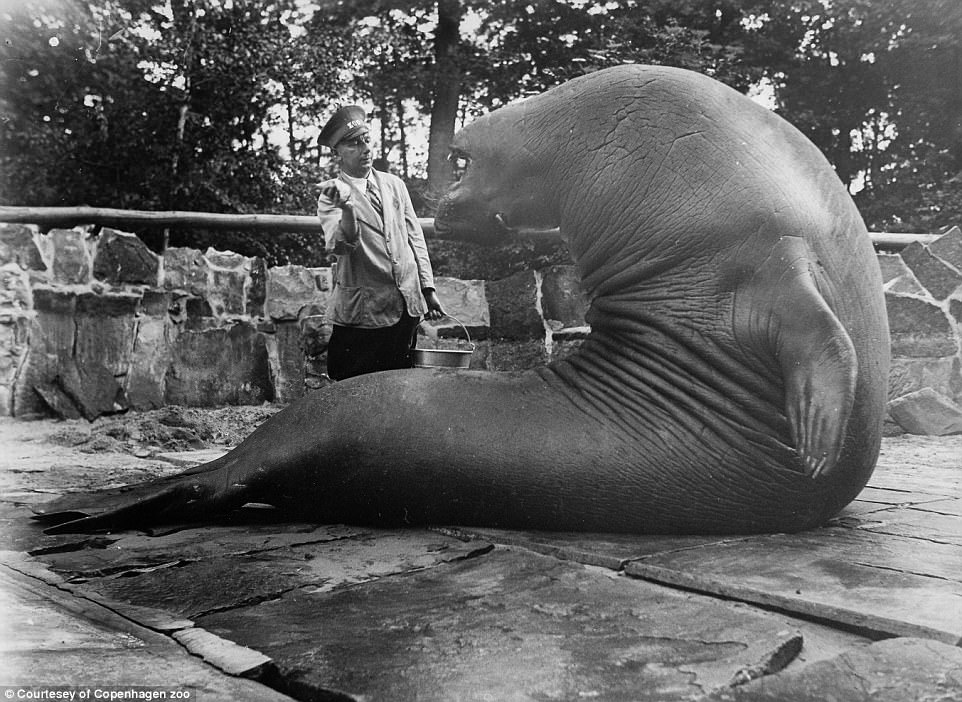
Bears were a constant presence at the zoo across multiple decades, and their inquisitive nature made them natural showstoppers. Equally striking were the elephant seals — massive marine mammals that drew gasps from visitors simply by existing. Their sheer size made them one of the most visually dramatic animals on the grounds.
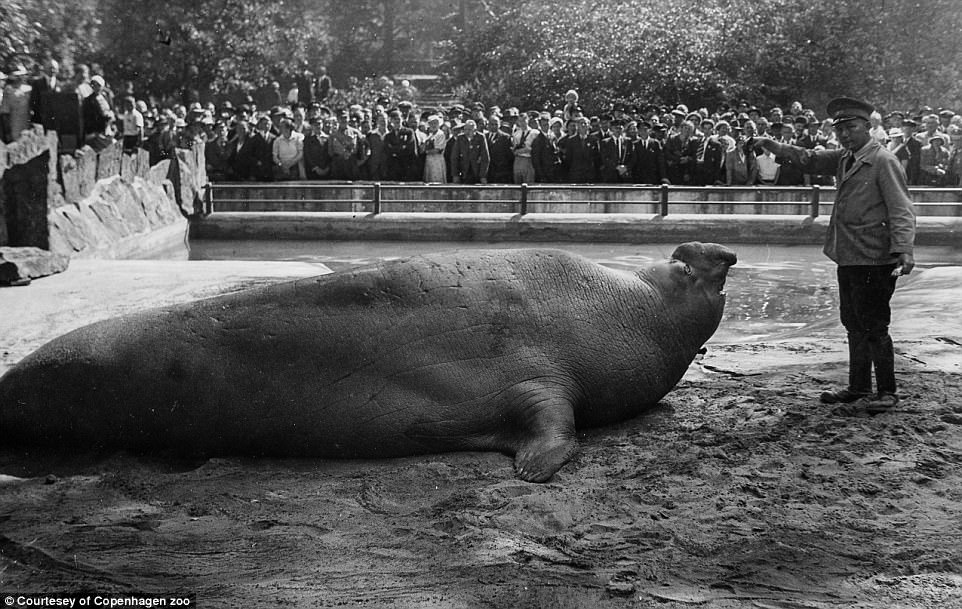
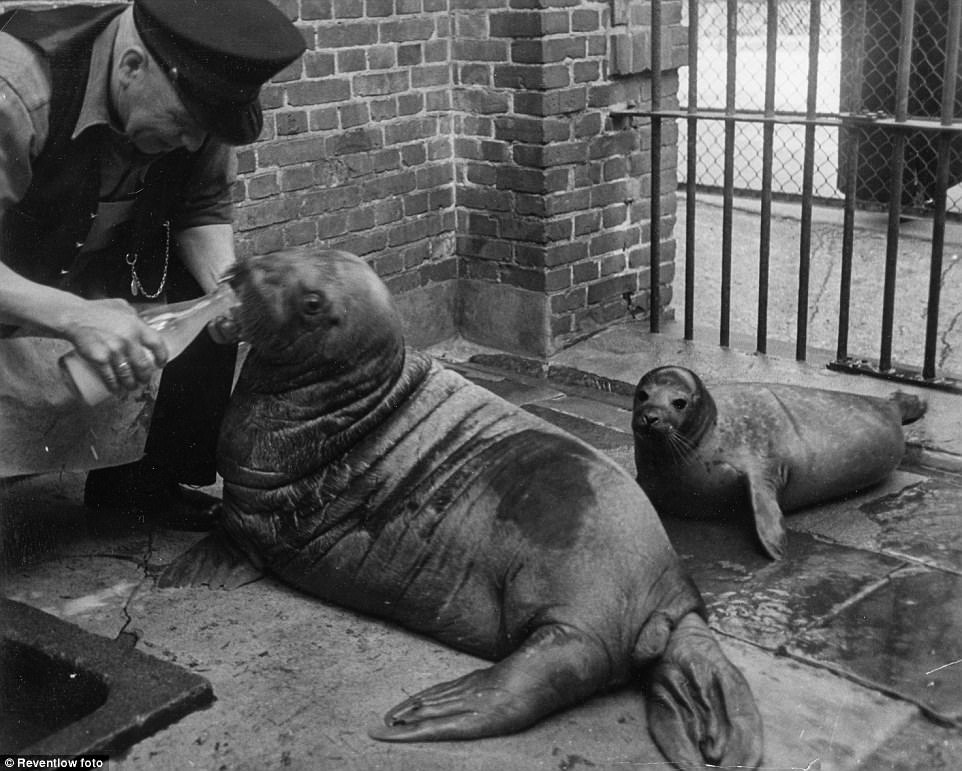
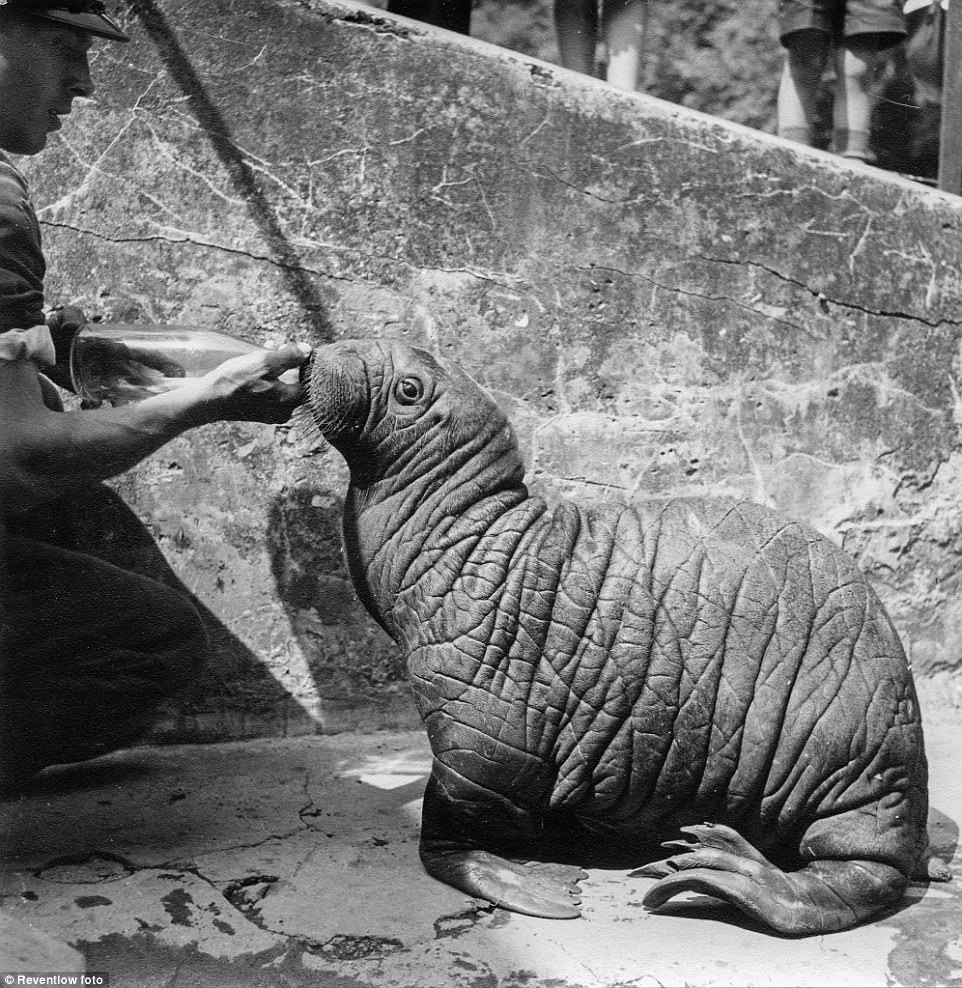
The elephant seal was considered one of the zoo’s prized possessions. Rarely seen in European collections at the time, its presence at Copenhagen Zoo was a point of institutional pride. Keepers assigned to the seal enclosures spent considerable time ensuring the animals were fed, healthy, and properly housed — no small task given the animals’ size and specialized needs.
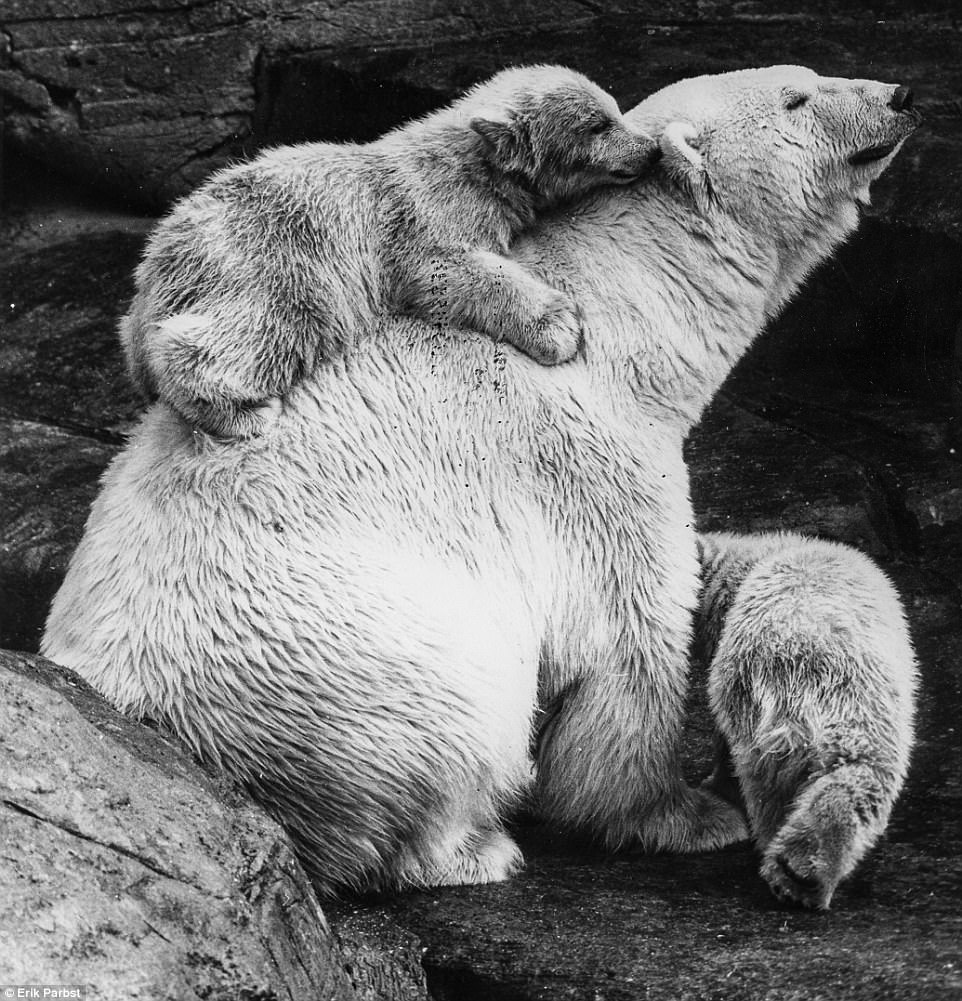
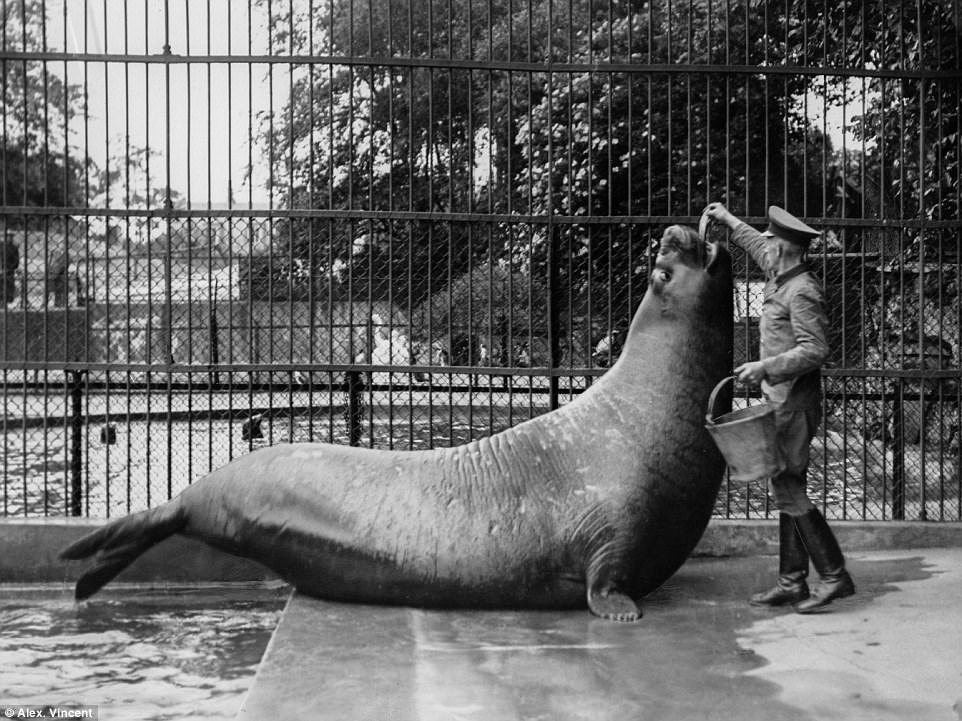
Polar bears were part of the zoo’s collection from its earliest days. A photograph from 1859 shows two cubs with their mother, documenting one of the zoo’s first breeding successes. Feeding time for the larger seals was an event in itself — fish were delivered in quantity, and the animals wasted no time consuming them.
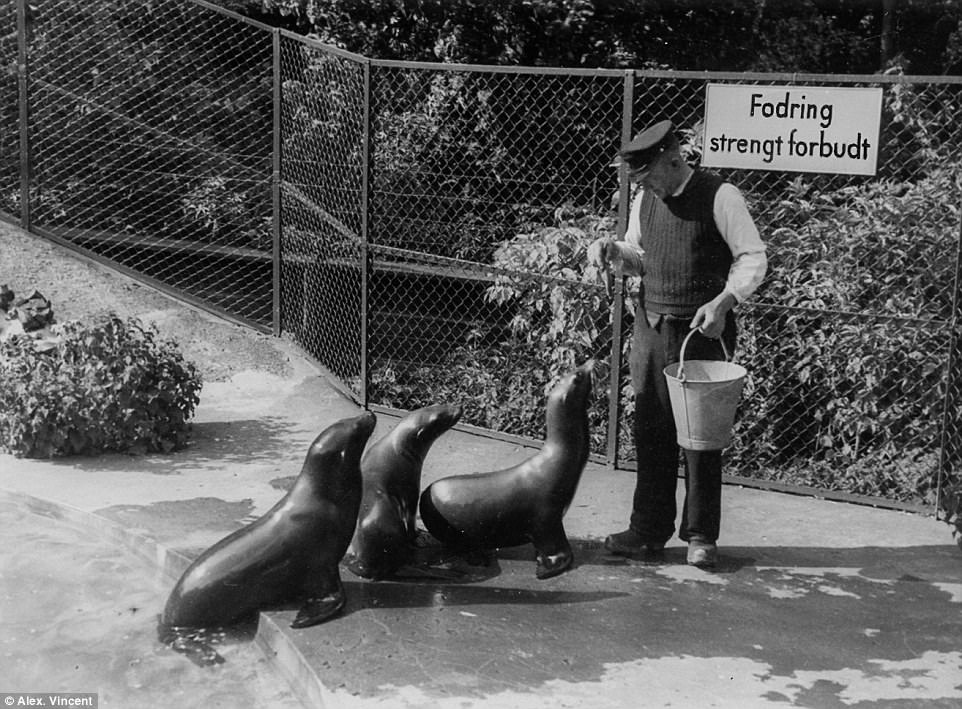
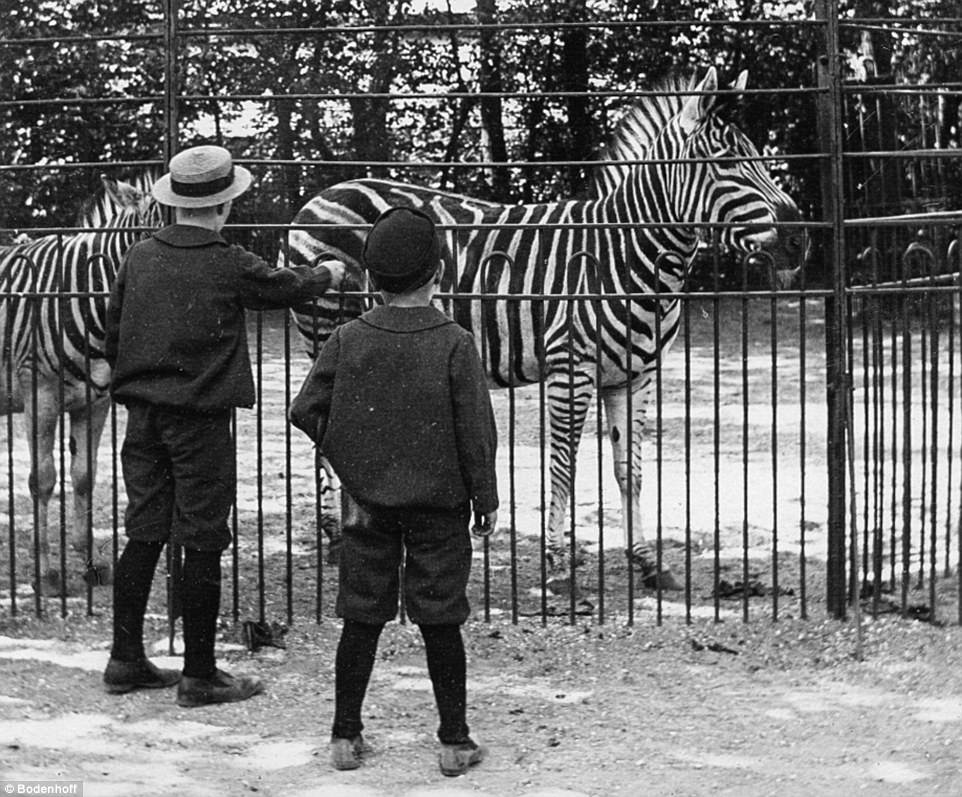
Sea lions were trained to line up during feeding, a routine that doubled as entertainment for onlookers. Zebras attracted a different kind of attention — their bold stripes and unfamiliar appearance made them a novelty for European city-dwellers who had never seen one. Children pressed up against the barriers, taking in every detail of these striking African animals.
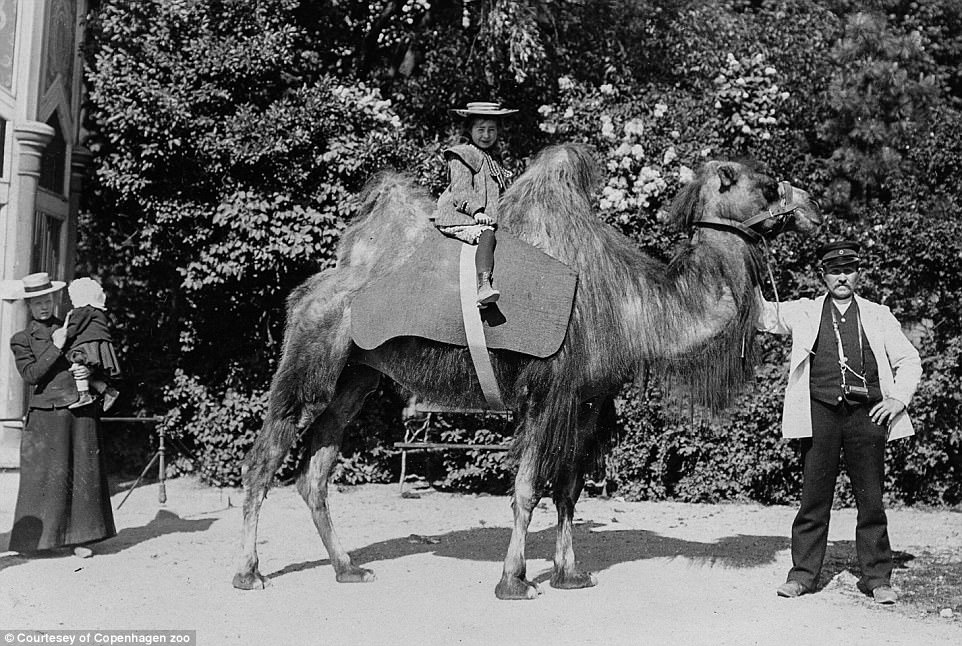
Camels were another rare sight in 19th-century Copenhagen. Their distinctive humps and slow, deliberate movements made them endlessly fascinating to visitors. Routine moments — drinking, resting, eating — became spectacles simply because of how exotic these animals were to the average Dane at the time. As the zoo expanded its collection, it aimed to represent as wide a variety of species as possible, giving visitors a window into the animal world far beyond their own borders.
By the early 1980s, the zoo began a long process of replacing traditional cages with open enclosures designed to mimic the animals’ natural habitats. This shift gave animals more space and gave visitors a more authentic experience. But these photographs from the late 19th and early 20th centuries capture a very different chapter — one where the zoo was still figuring out what it meant to care for wild animals in a city setting, one bathtub seal at a time.
wow these are absolutely stunning photographs, It’s hard to believe they were taken in 19th century.