
The 1920s changed Columbus, Ohio in ways that were visible on nearly every street corner. The city’s population was growing, its skyline was rising, and its neighborhoods were filling with new homes, schools, and businesses. What was happening in Columbus during this decade wasn’t just a local story — it reflected a national mood of confidence and forward momentum that defined the era known as the Roaring Twenties.
Columbus entered the decade with a strong manufacturing base and a location that made it a natural hub for commerce. Factories like Buckeye Steel, founded in 1902 and located on Parsons Avenue, were already well-established operations employing hundreds of workers. Through the 1920s, their yards buzzed with activity — workers moving between railcars and equipment, automobiles parked alongside railroad tracks, the machinery of industry running at full capacity.
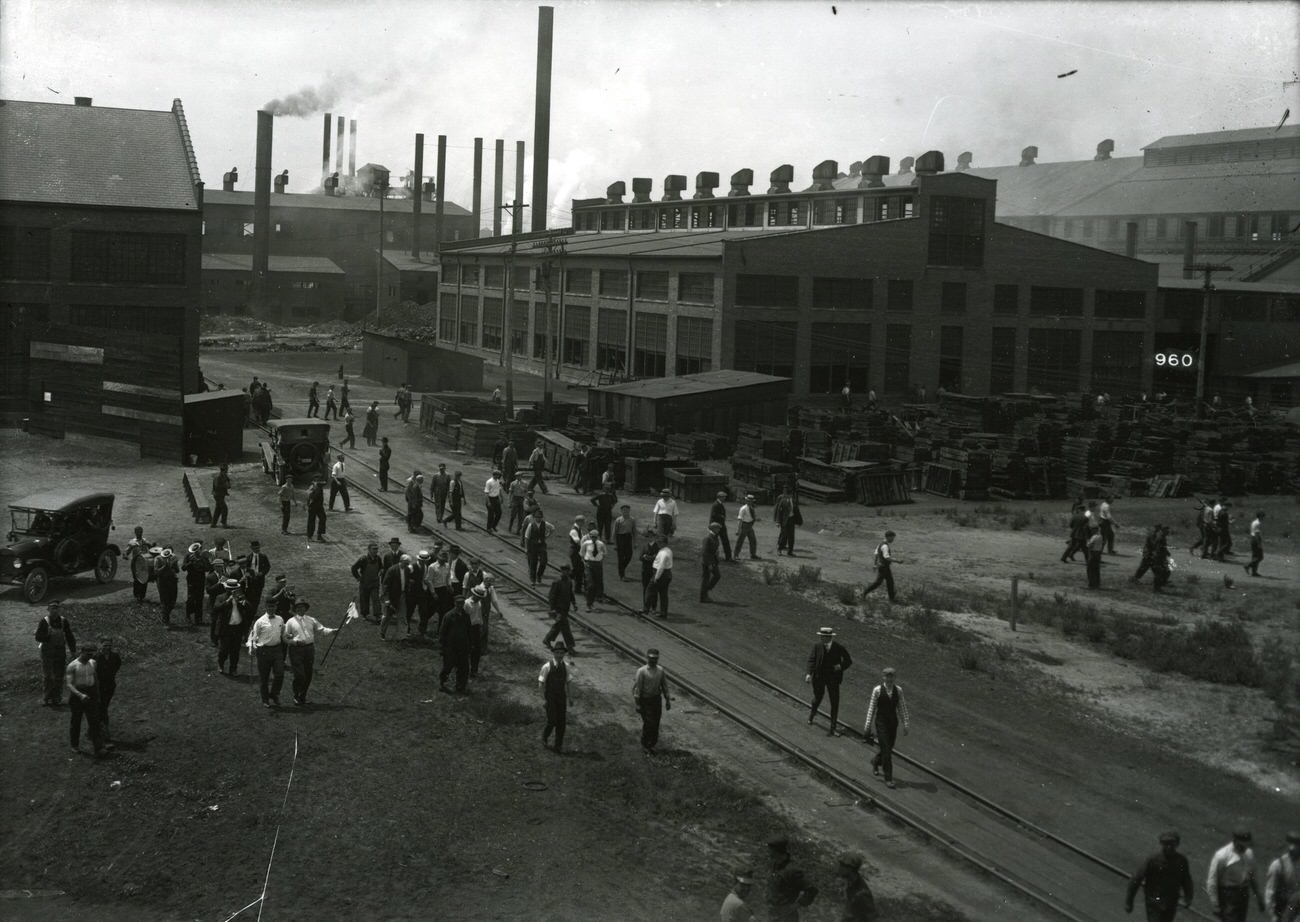
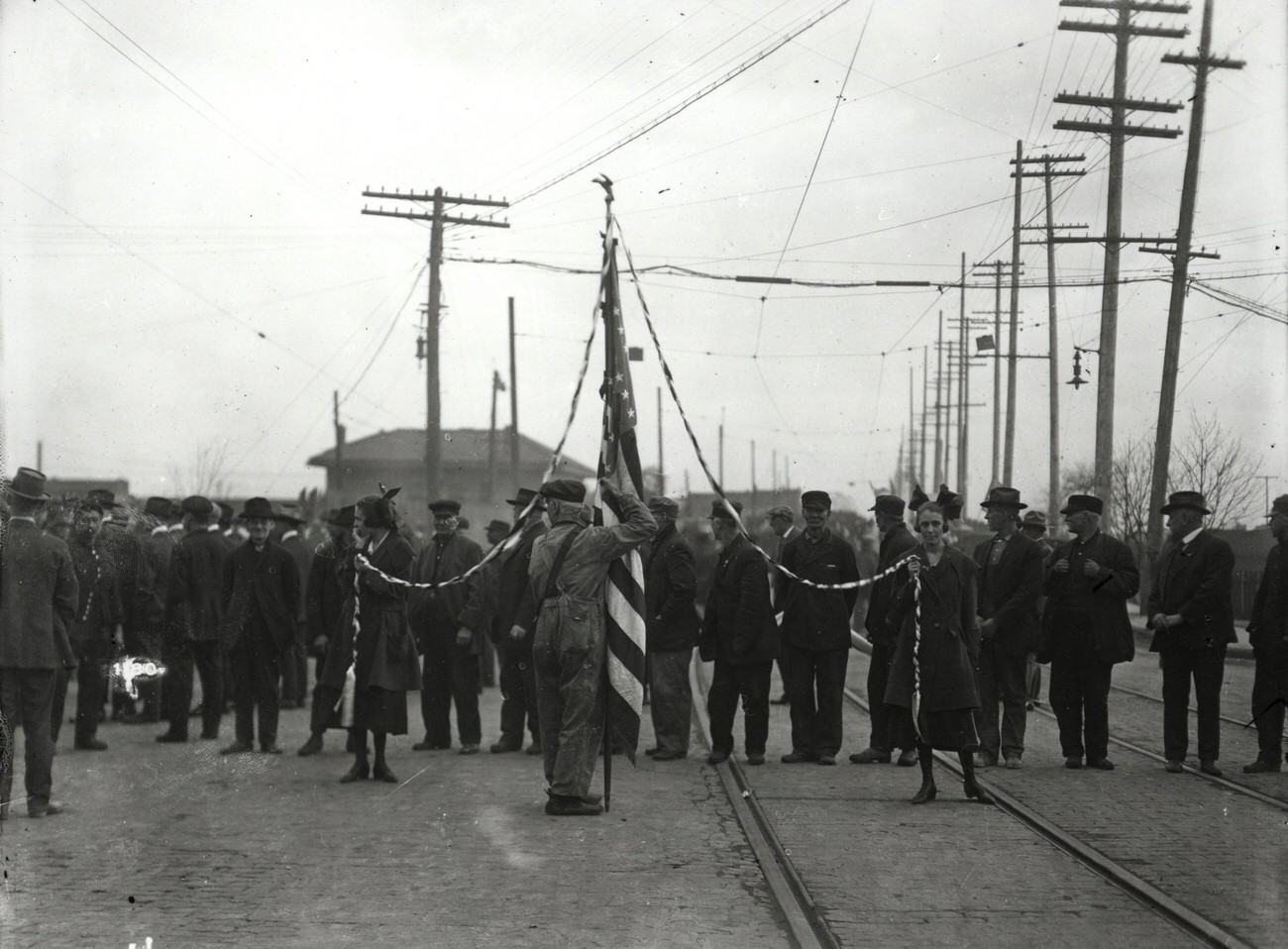
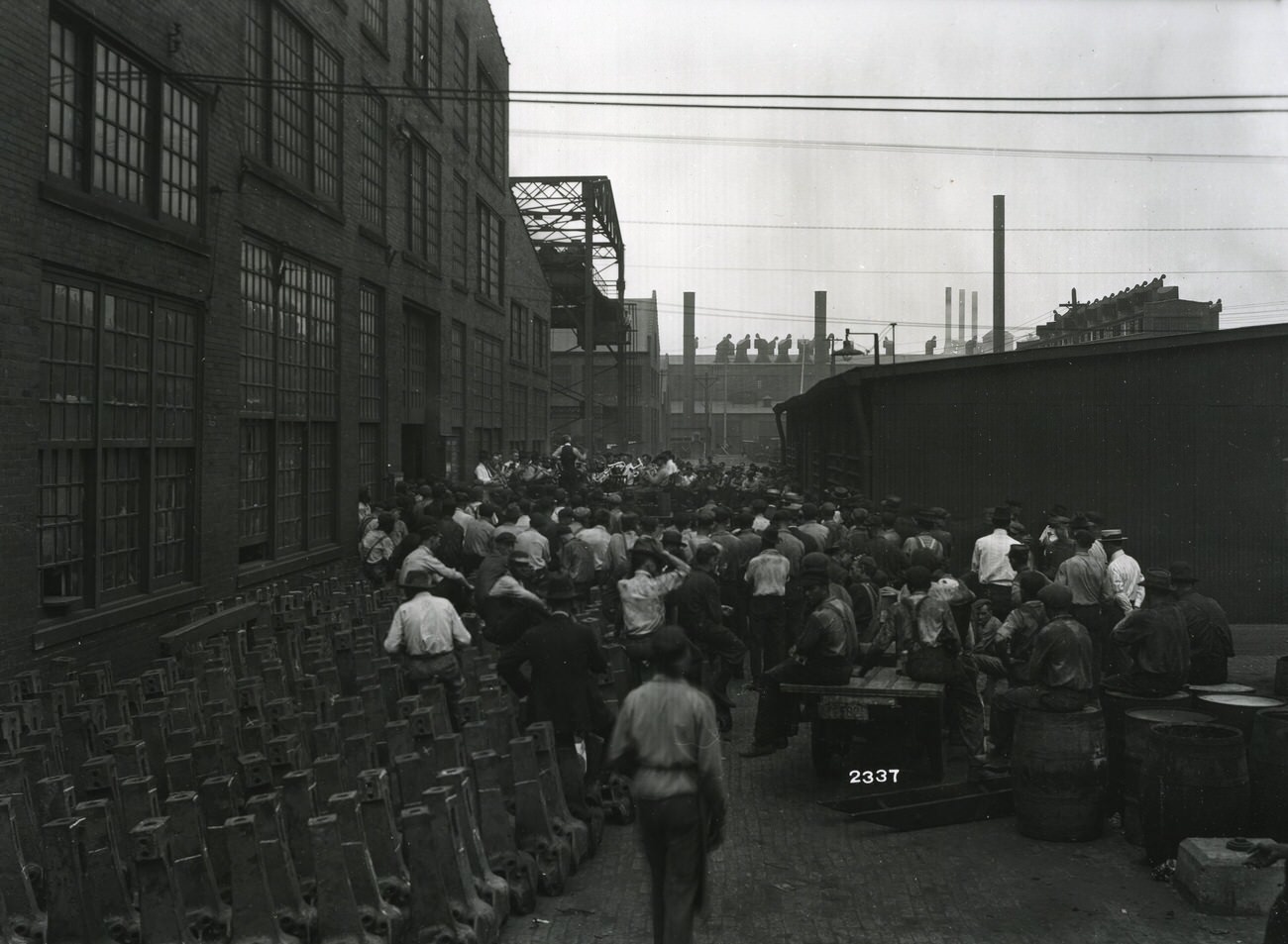
Buckeye Steel wasn’t just a place of labor — it was woven into the social fabric of its workers’ lives. The company hosted gatherings and celebrations, including patriotic displays that brought employees together outside of working hours.
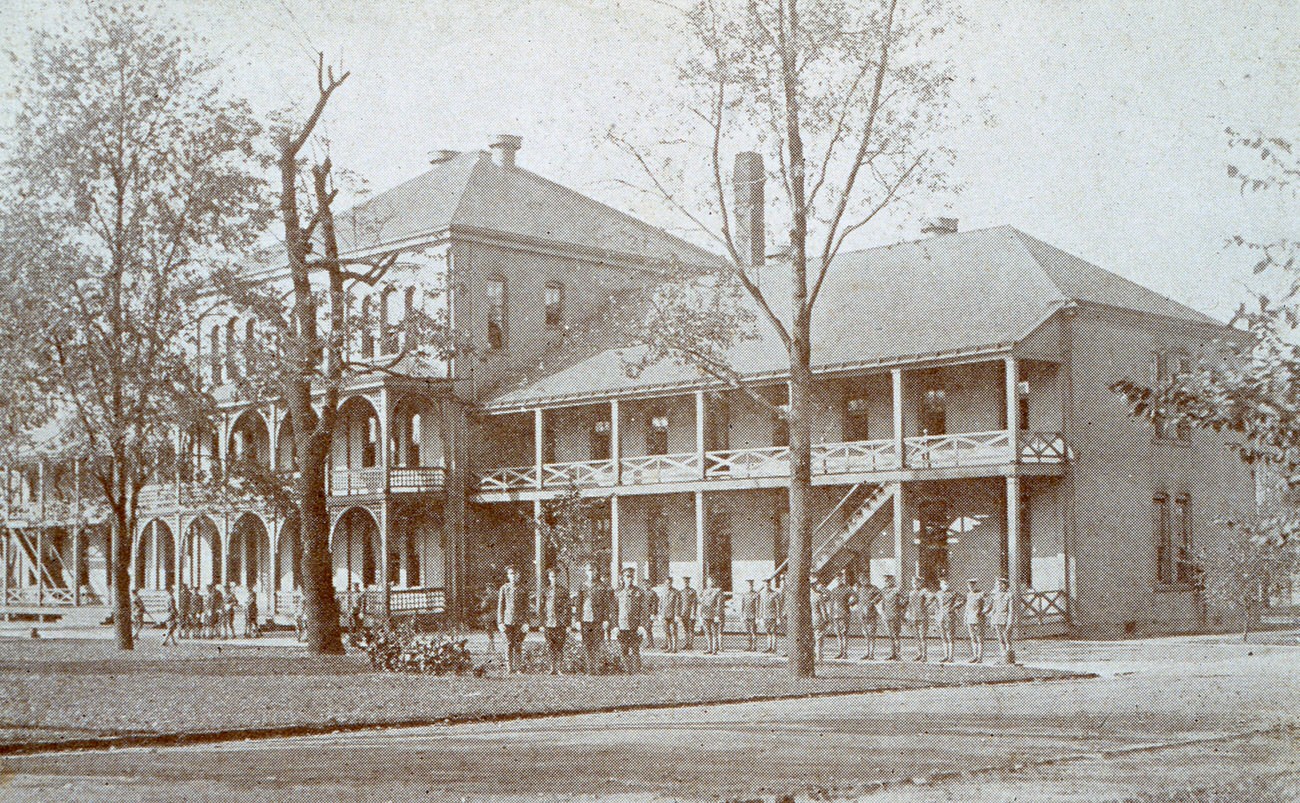
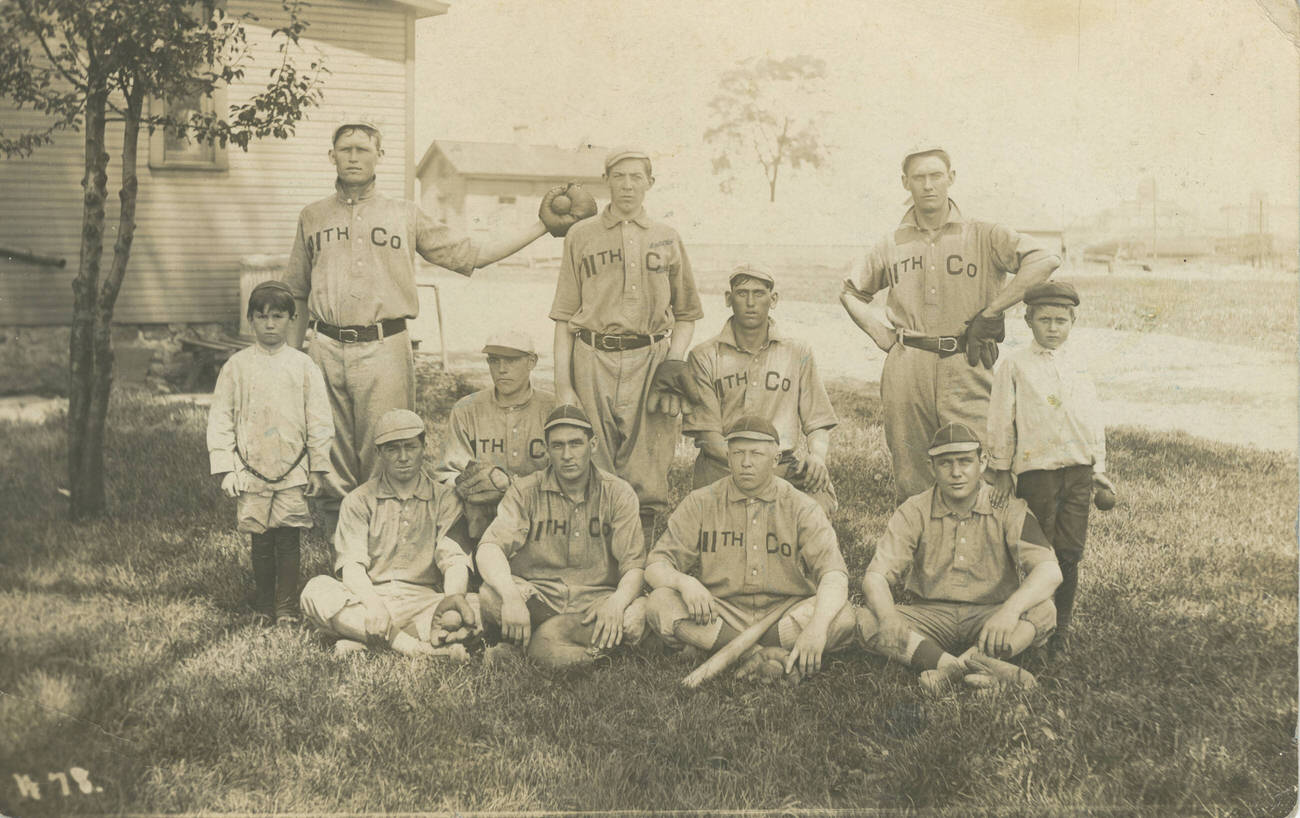
Military presence remained a visible part of Columbus life in the early part of the decade. Fort Hayes, home to the 11th Company, served as an active barracks on the city’s north side. Soldiers stationed there were photographed at their headquarters in 1921, and the company even fielded a baseball team — a reminder that even in a military setting, everyday American culture carried on.
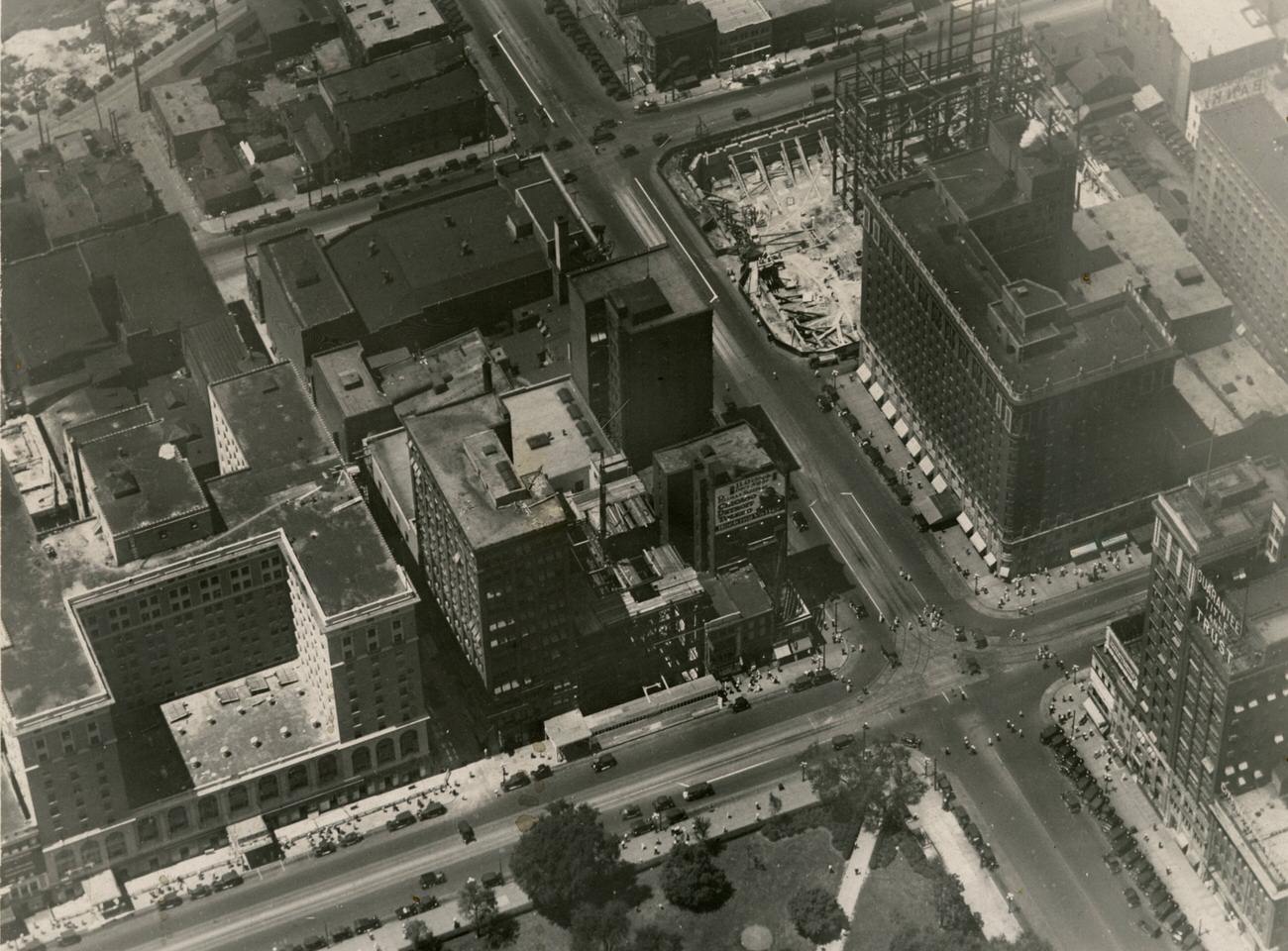
The city’s skyline told the story of its ambitions. One of the decade’s most dramatic construction projects was the LeVeque Tower, photographed from the air in 1925 while still under construction at the intersection of Broad and High Streets. That aerial view captured a city in motion — streets laid out in a grid, buildings packed together, and at the center of it all, a tower rising above everything around it.
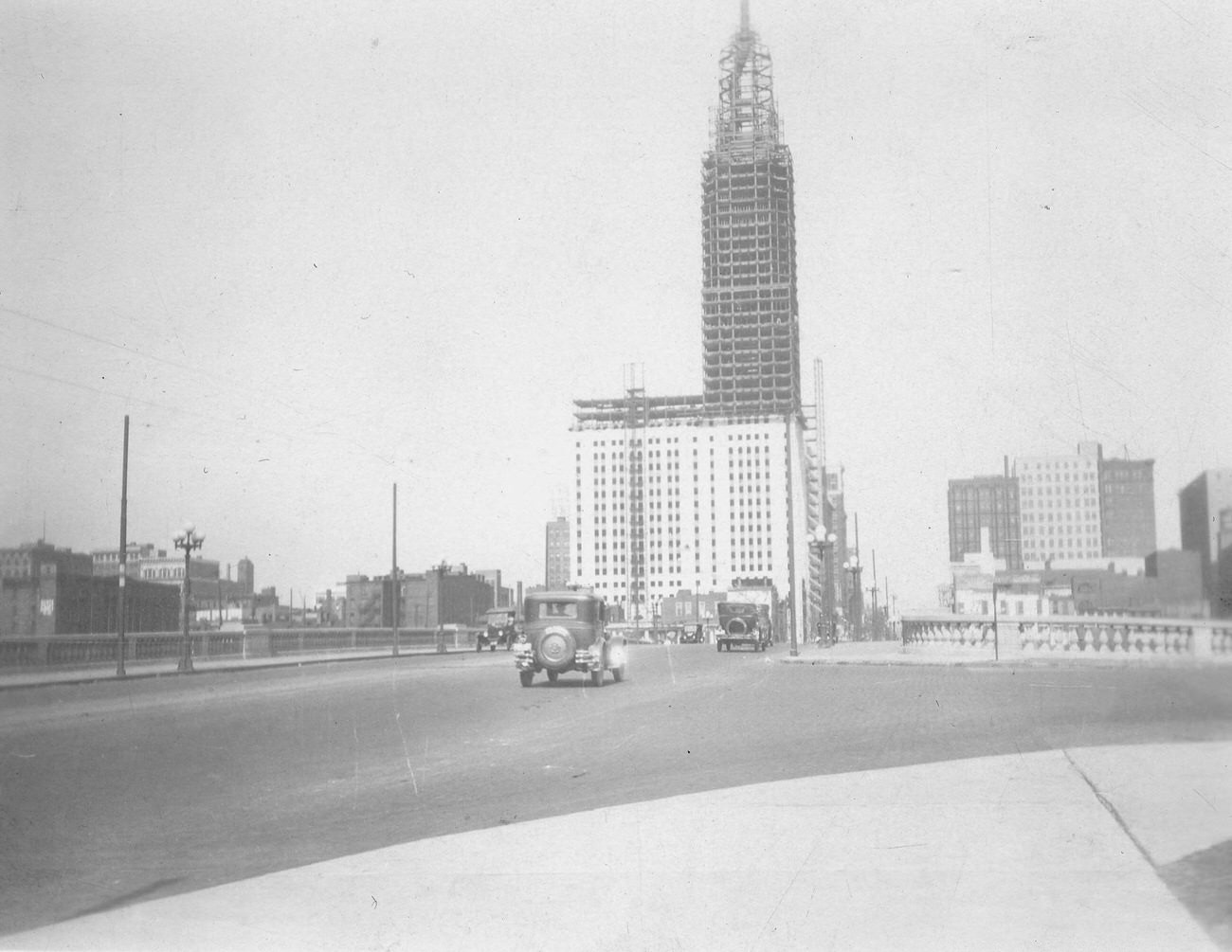
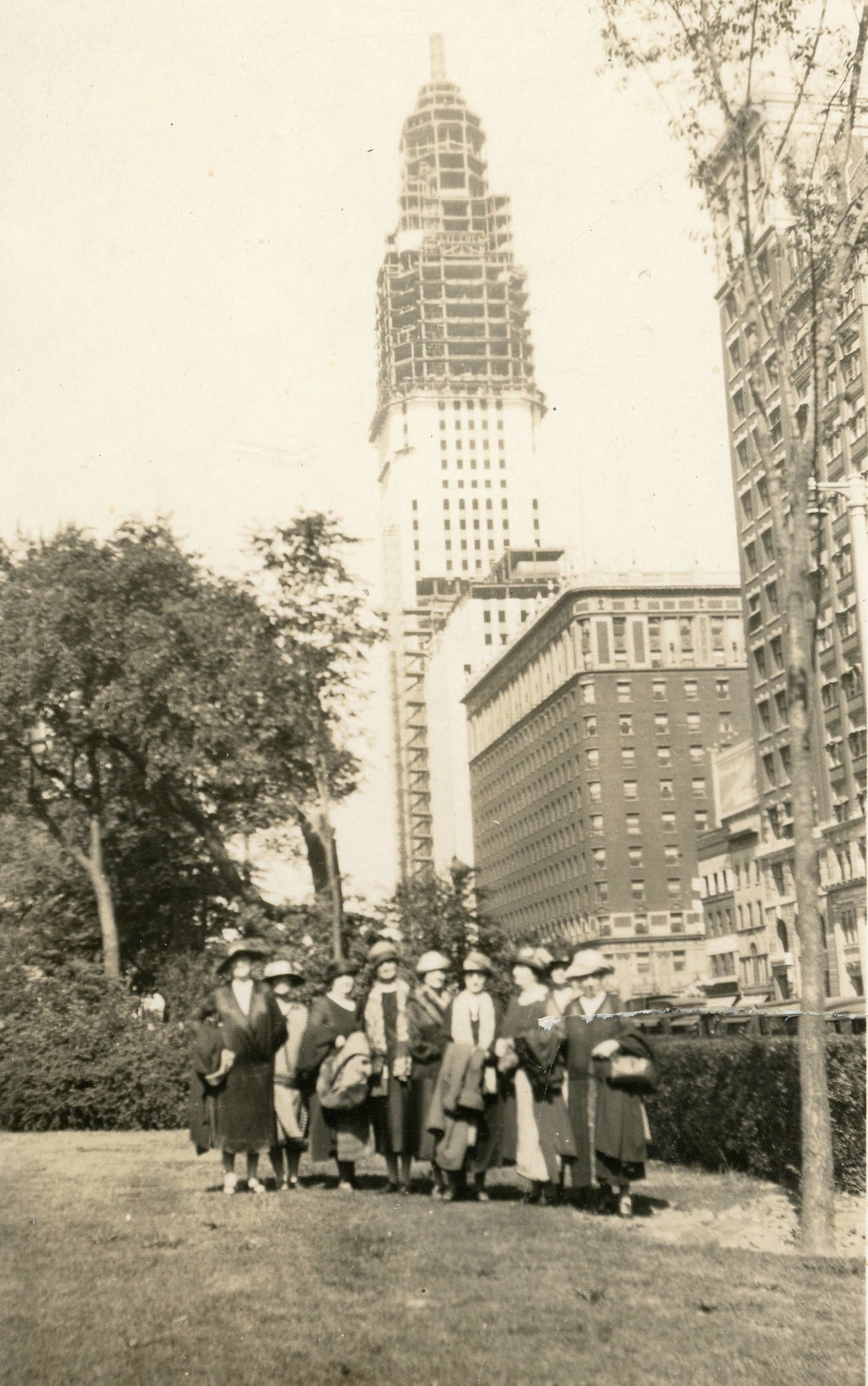
On Broad Street, another major structure was taking shape. The AIU Citadel began rising in 1926, its construction visible in photographs taken from the street and from a distance. A 1924 photograph captured a group of women gathered at the Ohio Statehouse with the Citadel’s steel frame climbing in the background — a striking image that places two major threads of the decade side by side: monumental construction and the growing public presence of women.
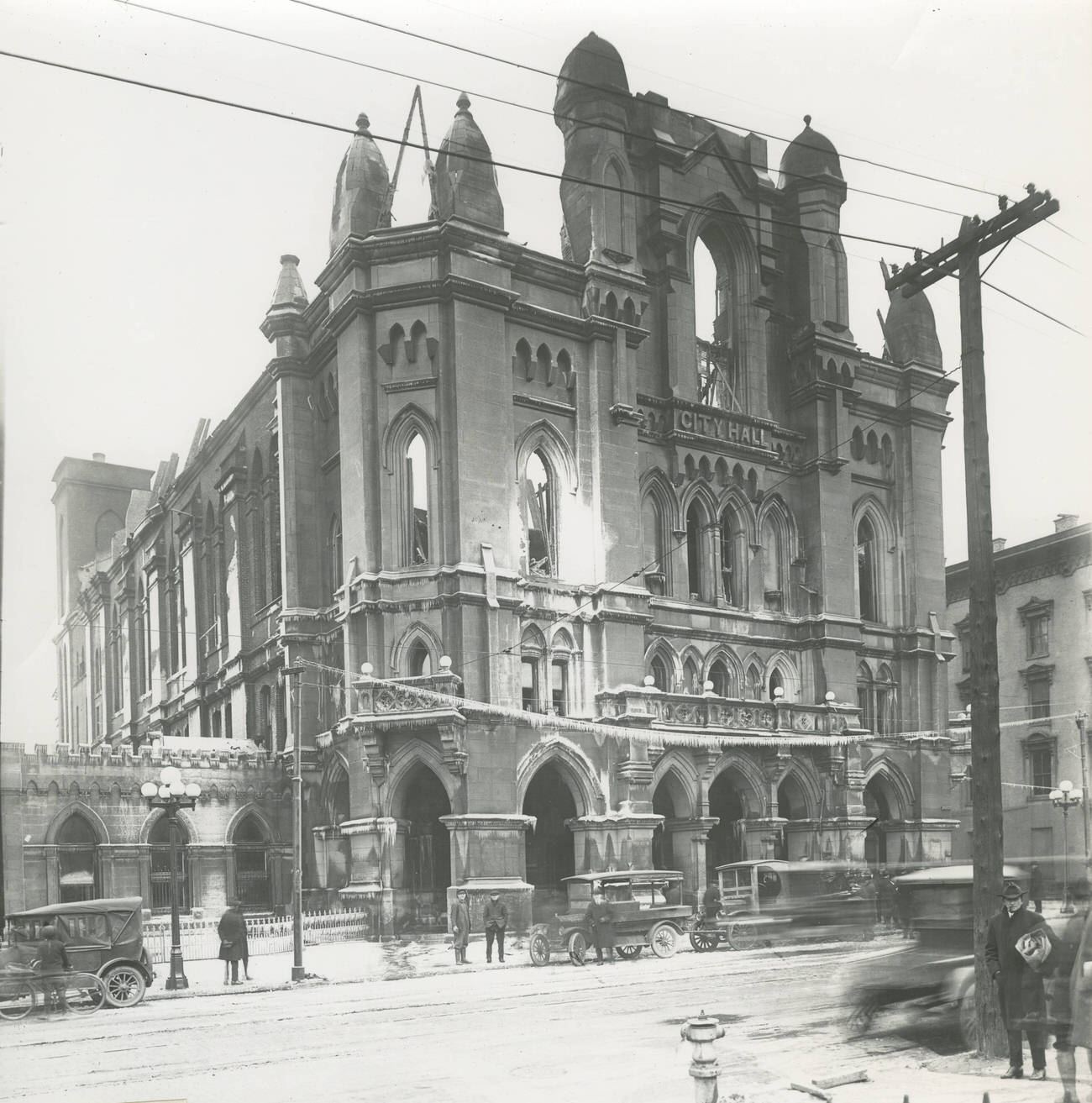
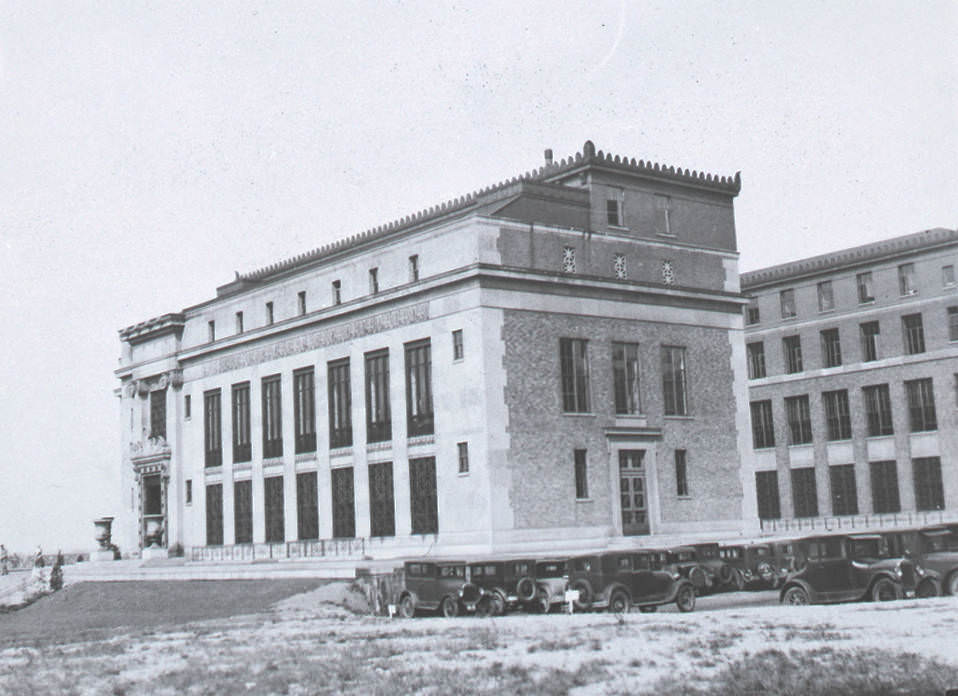
City governance itself went through upheaval early in the decade. On January 12, 1921, a fire destroyed Columbus City Hall, the original building that had opened on March 28, 1872. A photograph taken the very next day, January 13, 1921, documented the gutted structure — charred walls and collapsed sections left where a functioning municipal building had stood just hours before. The city pressed on, and the intersection of Gay and Water Streets was photographed in 1924 as part of the planning process for the new City Hall that would eventually replace it.
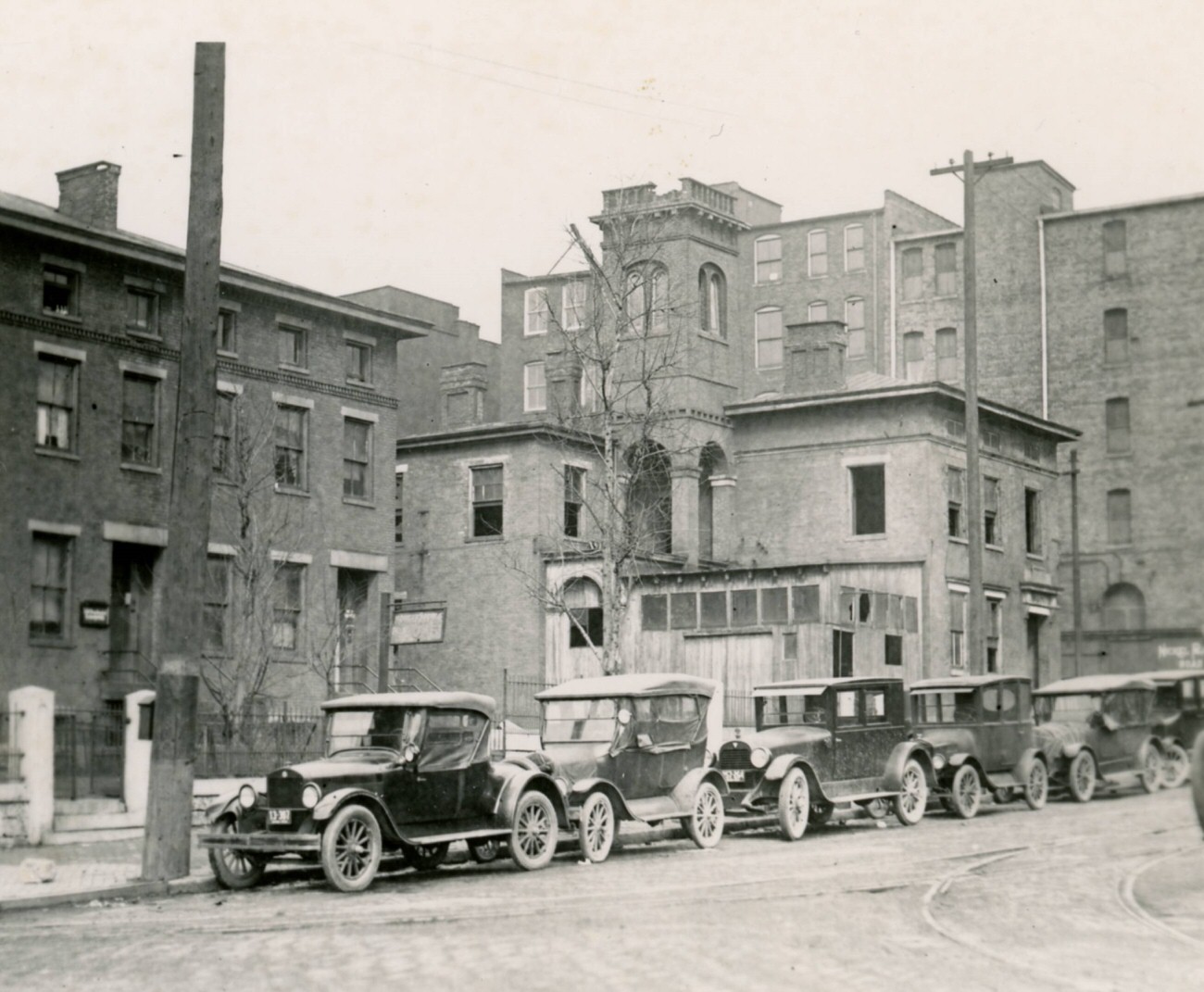
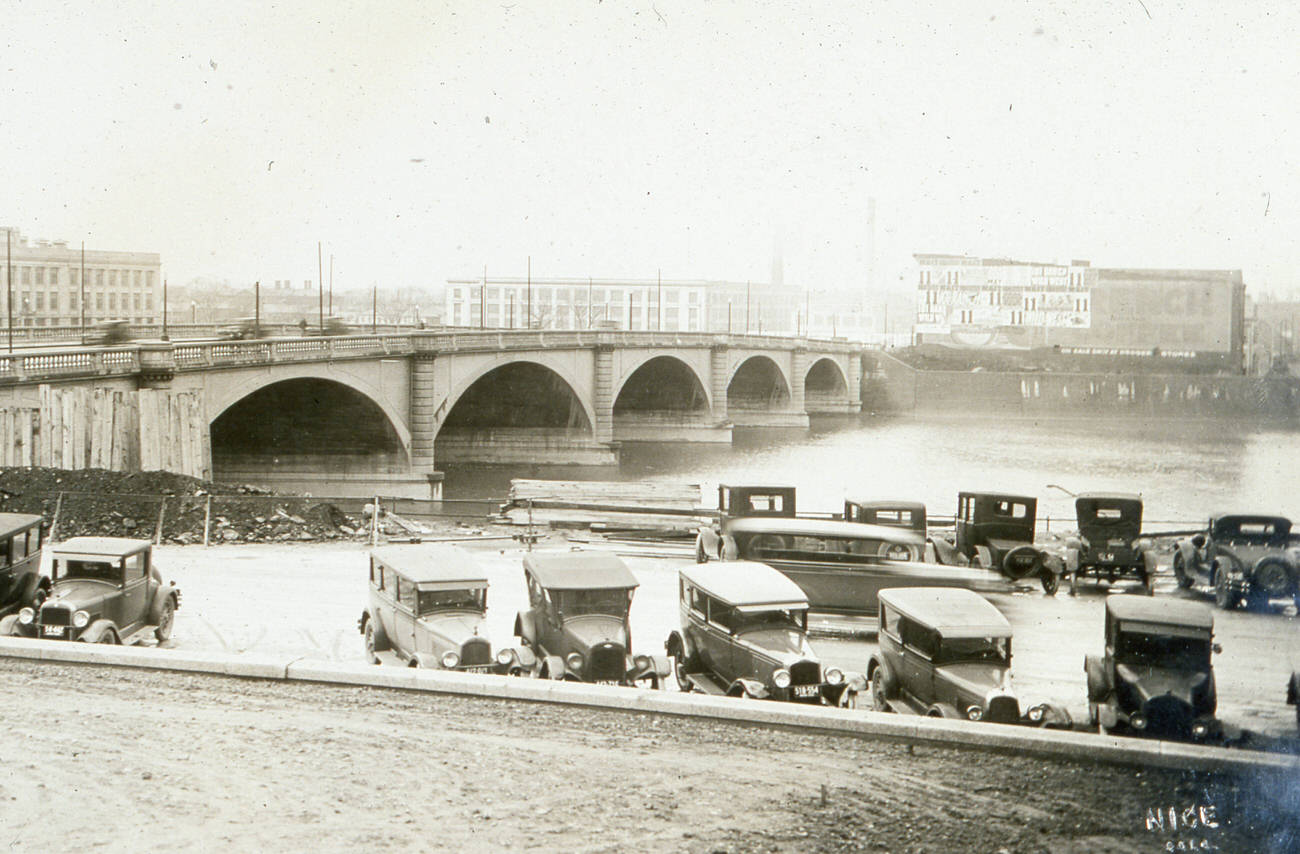
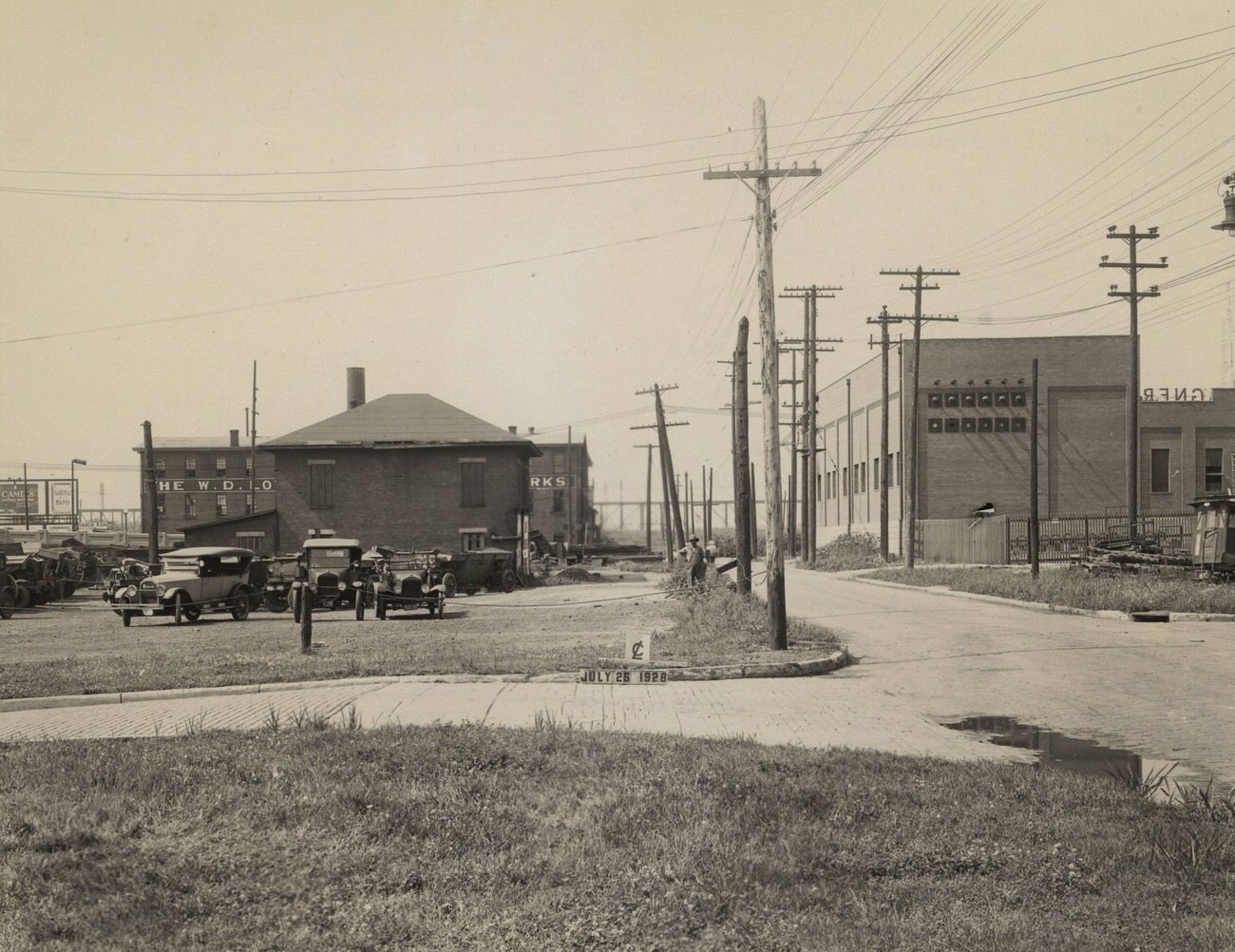
Infrastructure improvements extended across the city. The Broad Street Bridge, photographed in 1921, represented the kind of investment Columbus was making in connectivity. New bridges over the Scioto River brought different parts of the city closer together, supporting the growing number of automobiles on the roads. By 1928, a city garage south of Mound Street housed automotive operations alongside businesses like W. D. Lowe Machine & Engine Works and Wagner Awning Company — a snapshot of the automobile economy taking root at the street level.
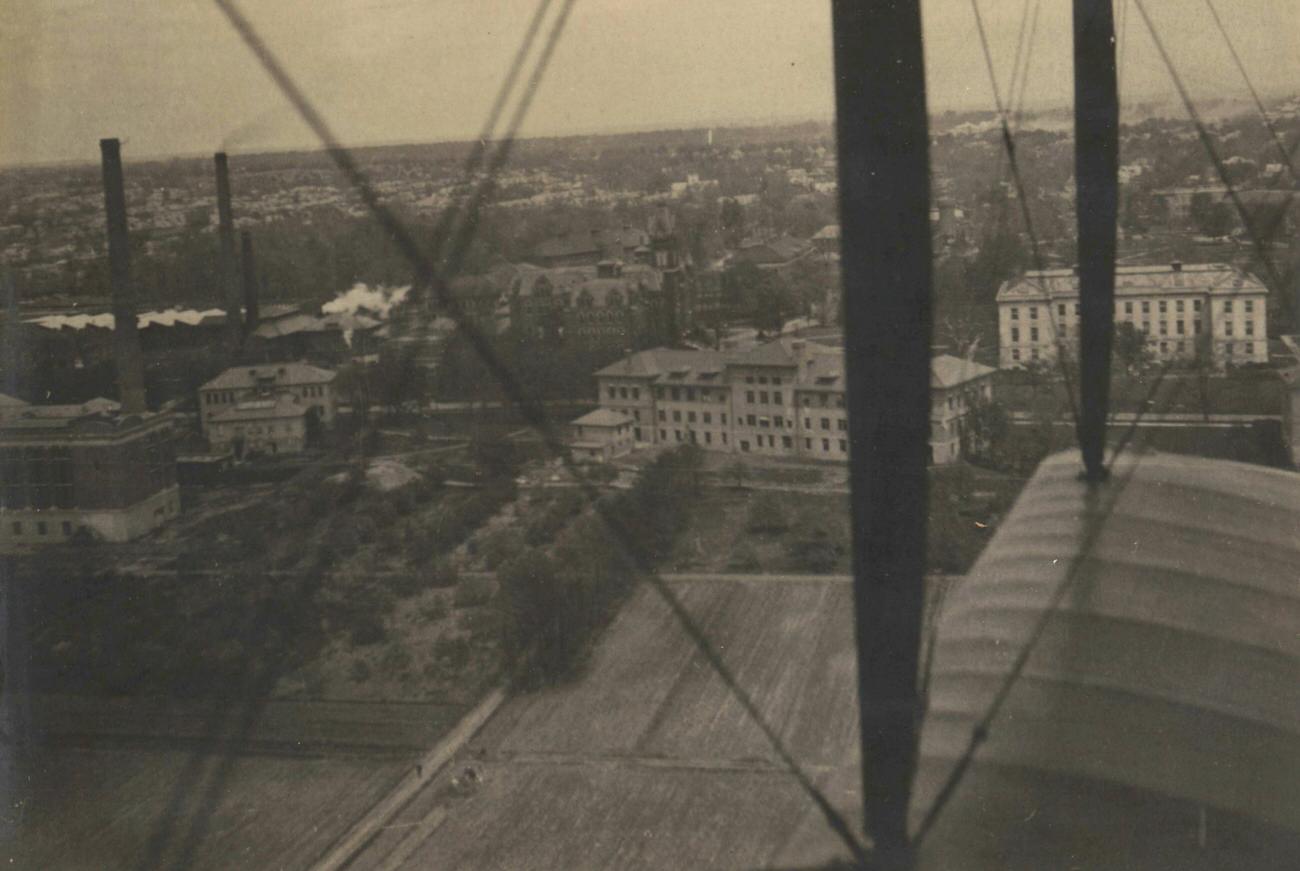
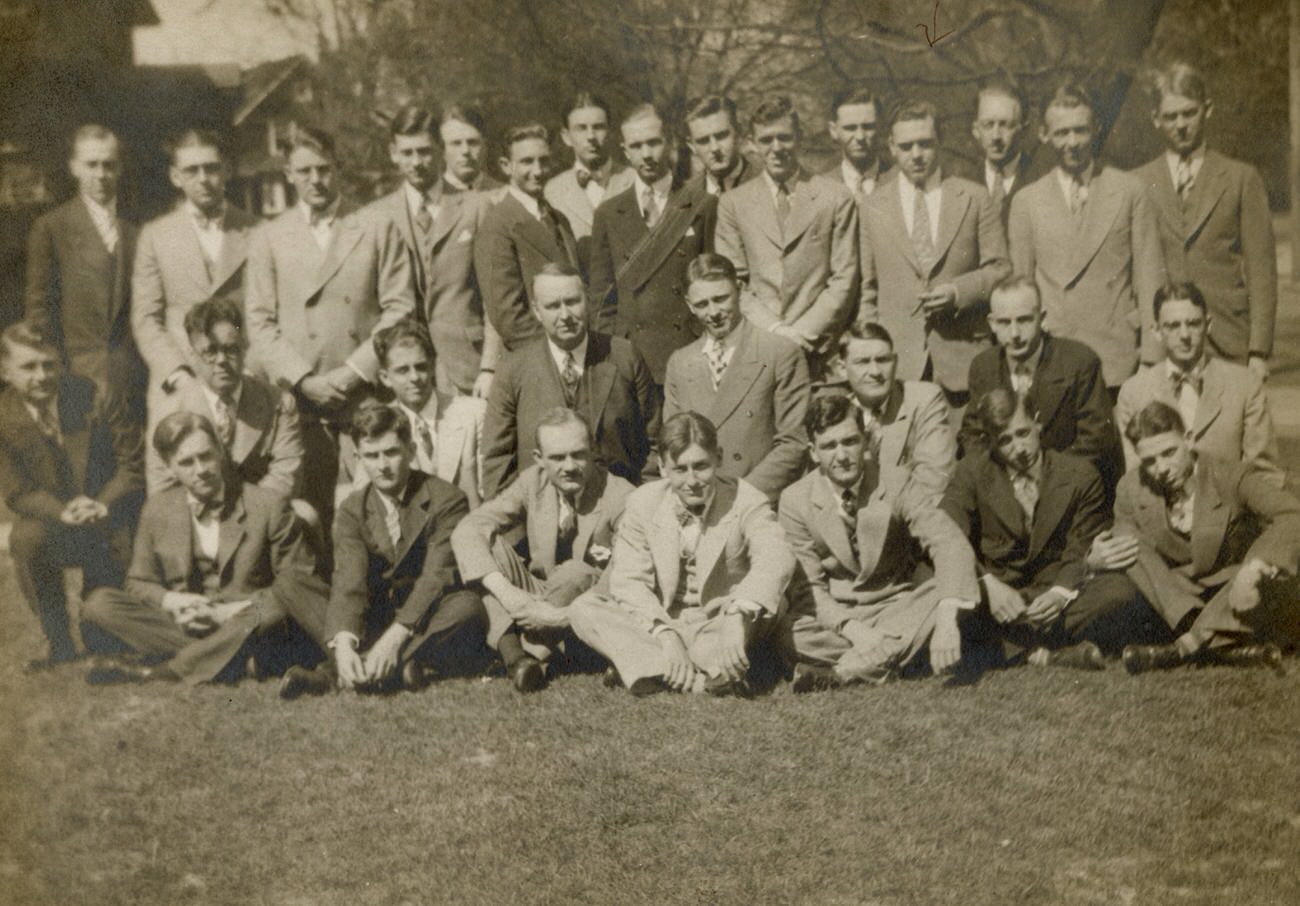
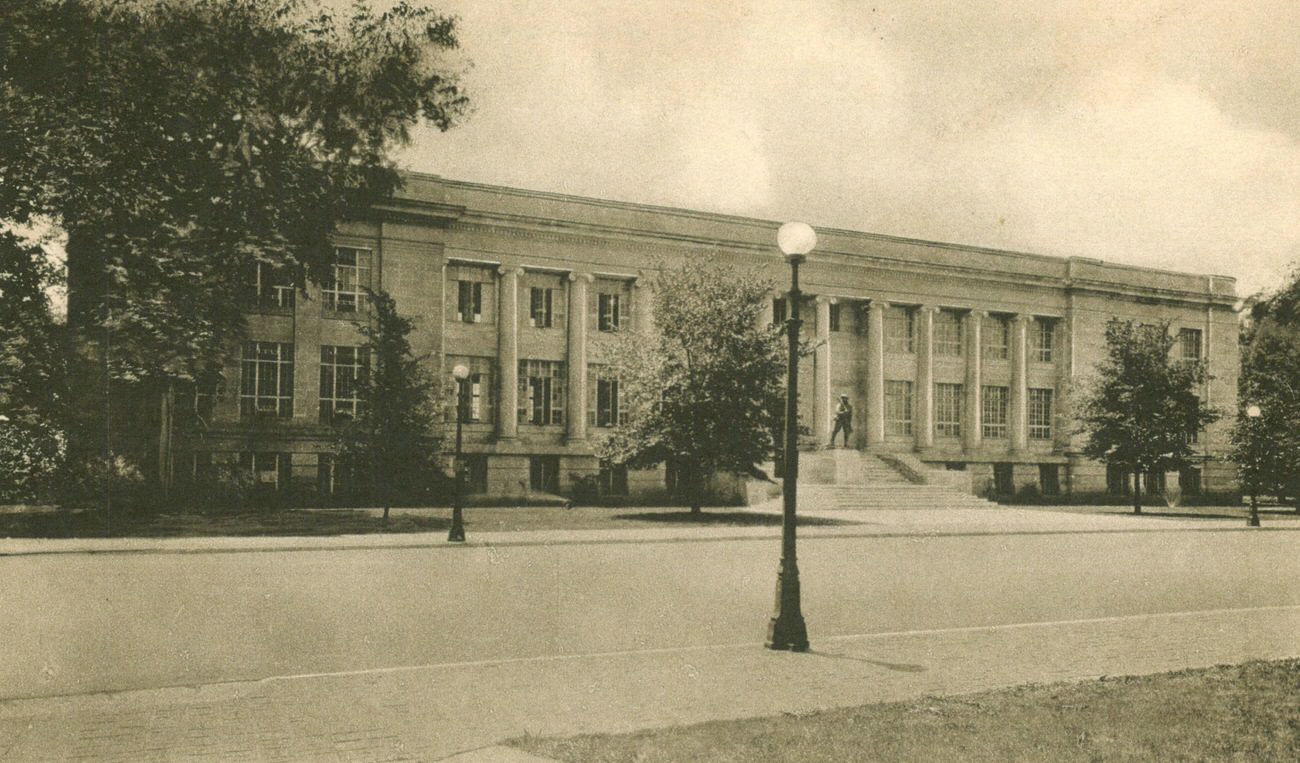
Ohio State University was expanding rapidly during this period. An aerial photograph taken on May 1, 1920, shows the campus looking east over the Oval — a sprawling layout of buildings and open ground that would only continue to grow through the decade. Fraternal organizations like Alpha Chi Sigma had an active presence on campus, photographed in 1926 with member William Clare Barnett among the group. The Archaeological and Historical Museum, also known as Sullivant Hall, stood as one of the campus’s recognizable landmarks throughout the decade.
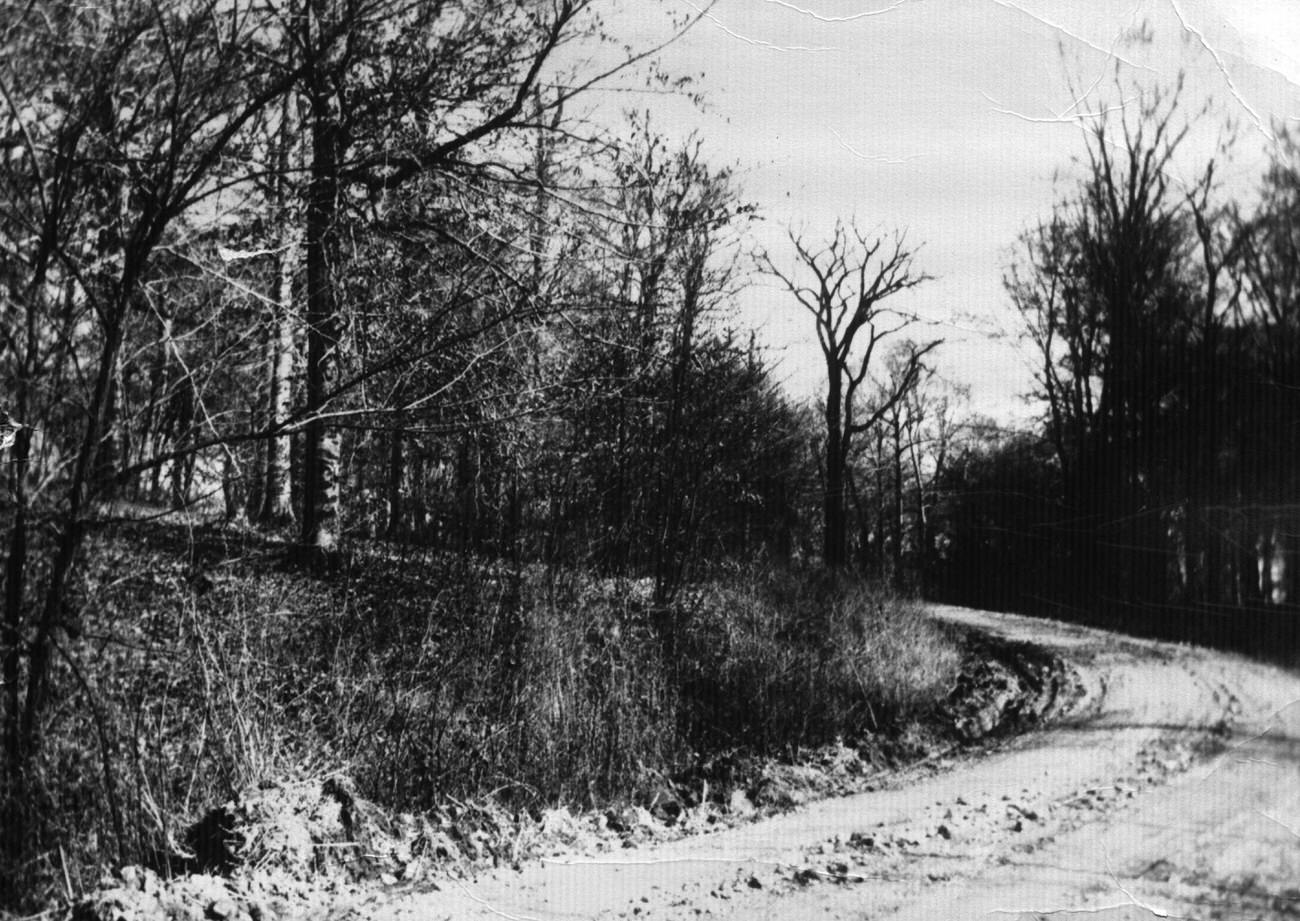
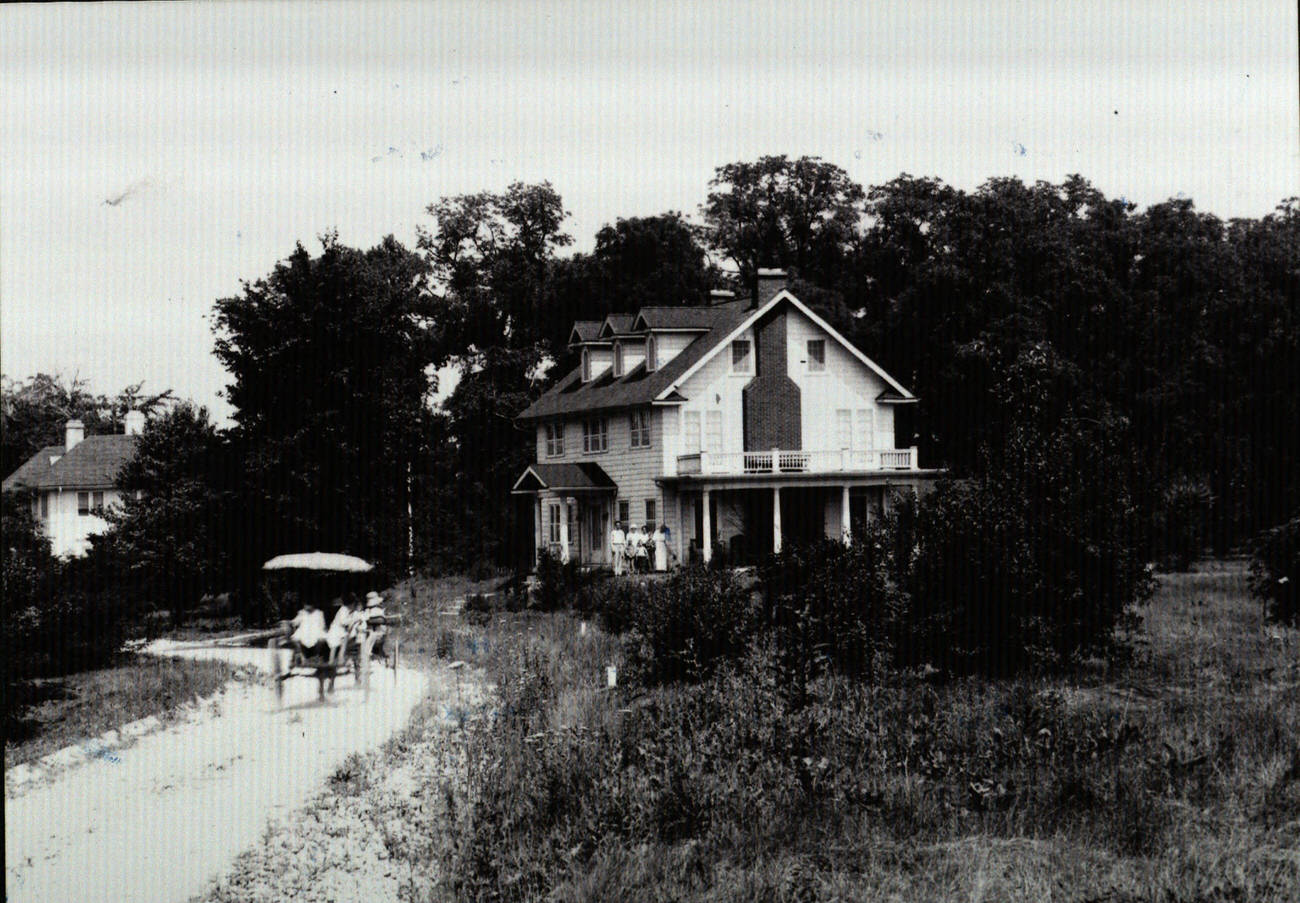
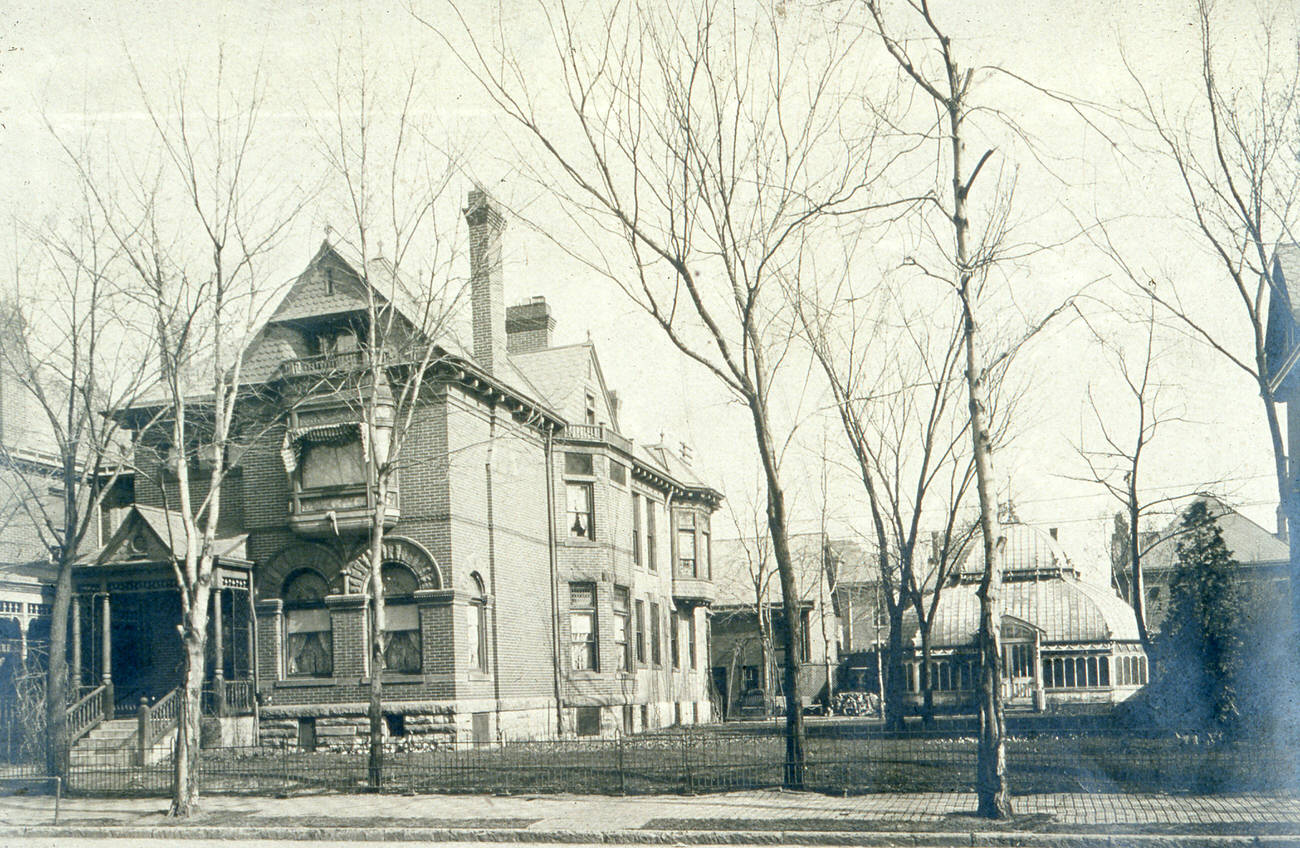
Residential Columbus was changing too. Neighborhoods like Clintonville were developing, with streets like Glenmont Avenue photographed in 1923 showing tidy residential blocks. Well-to-do families built substantial homes — the house of William and Lola Stephens at 66 West Beechwold Boulevard stands as an example of the kind of comfortable domestic life prosperous Columbus families enjoyed in the early part of the decade. Henry S. Hallwood’s home and conservatory, photographed in 1925, showed a similar level of private investment in domestic spaces.
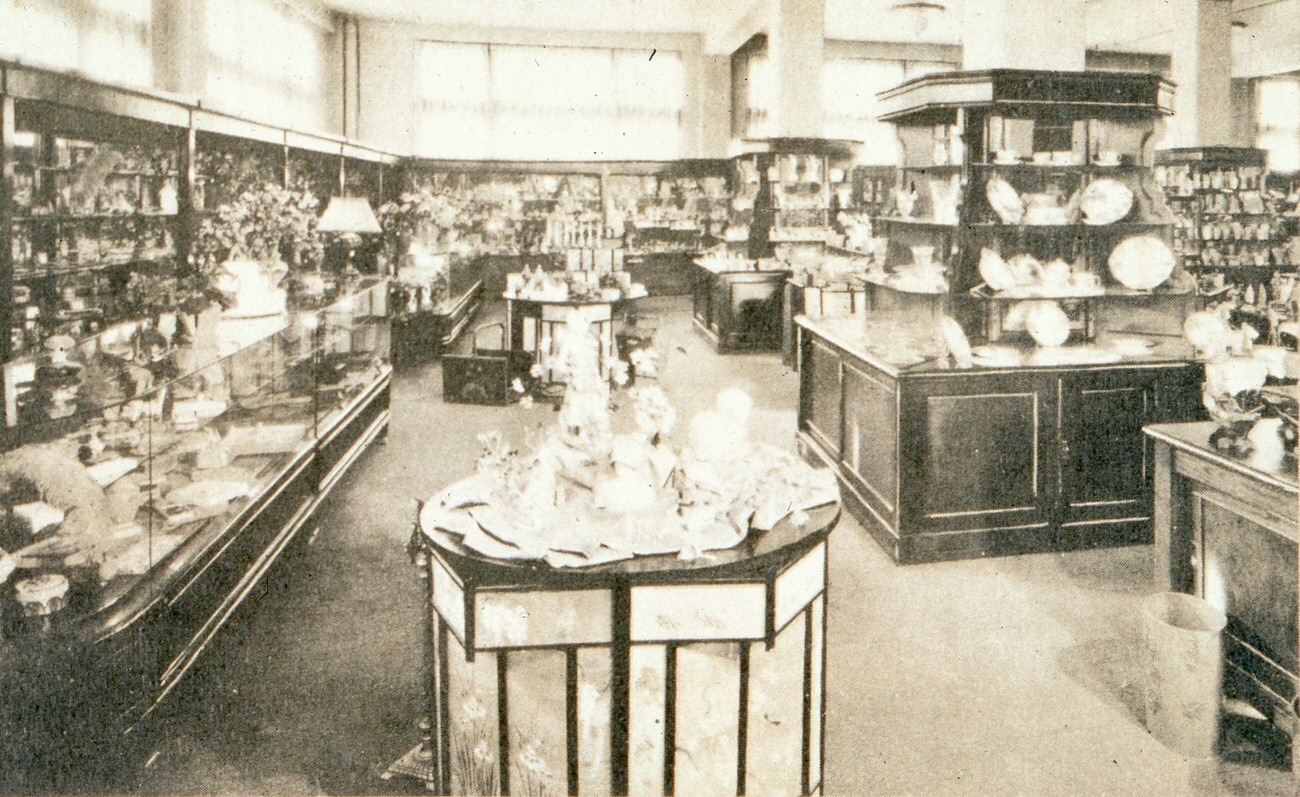
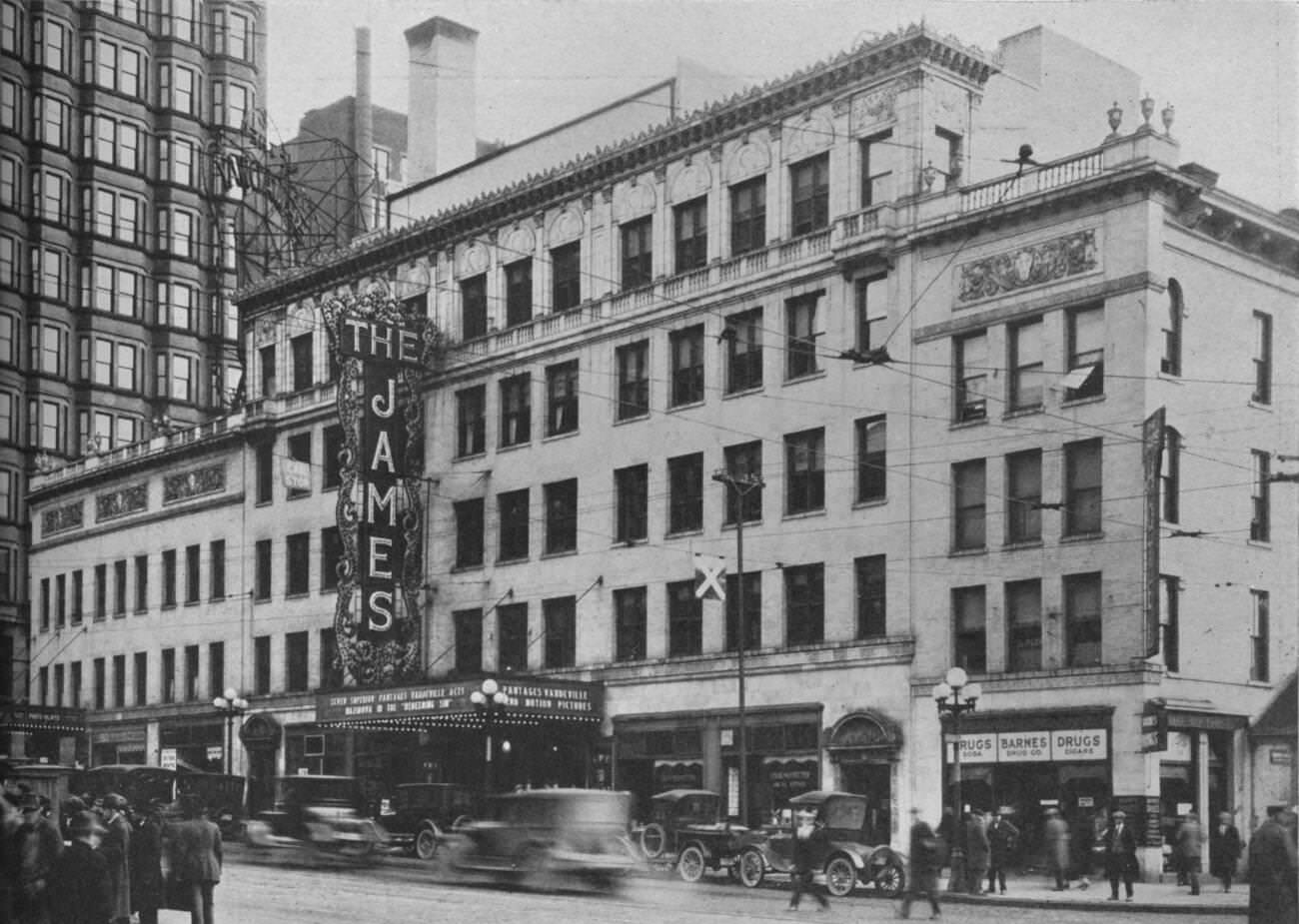
Entertainment and retail were thriving. The F. & R. Lazarus Company’s fourth-floor Gift Shop captured the era’s consumer culture in its interior photographs from the 1920s — displays of goods arranged for a shopping public with new spending power. The James Theatre, photographed in 1925, was one of the venues drawing Columbus residents out for entertainment. Prohibition, which began in 1920, had reshaped social life without stopping it. People found new ways to gather, and the city’s law enforcement — including its Police Workhouse, photographed in 1920 — dealt with the complications the new laws created.
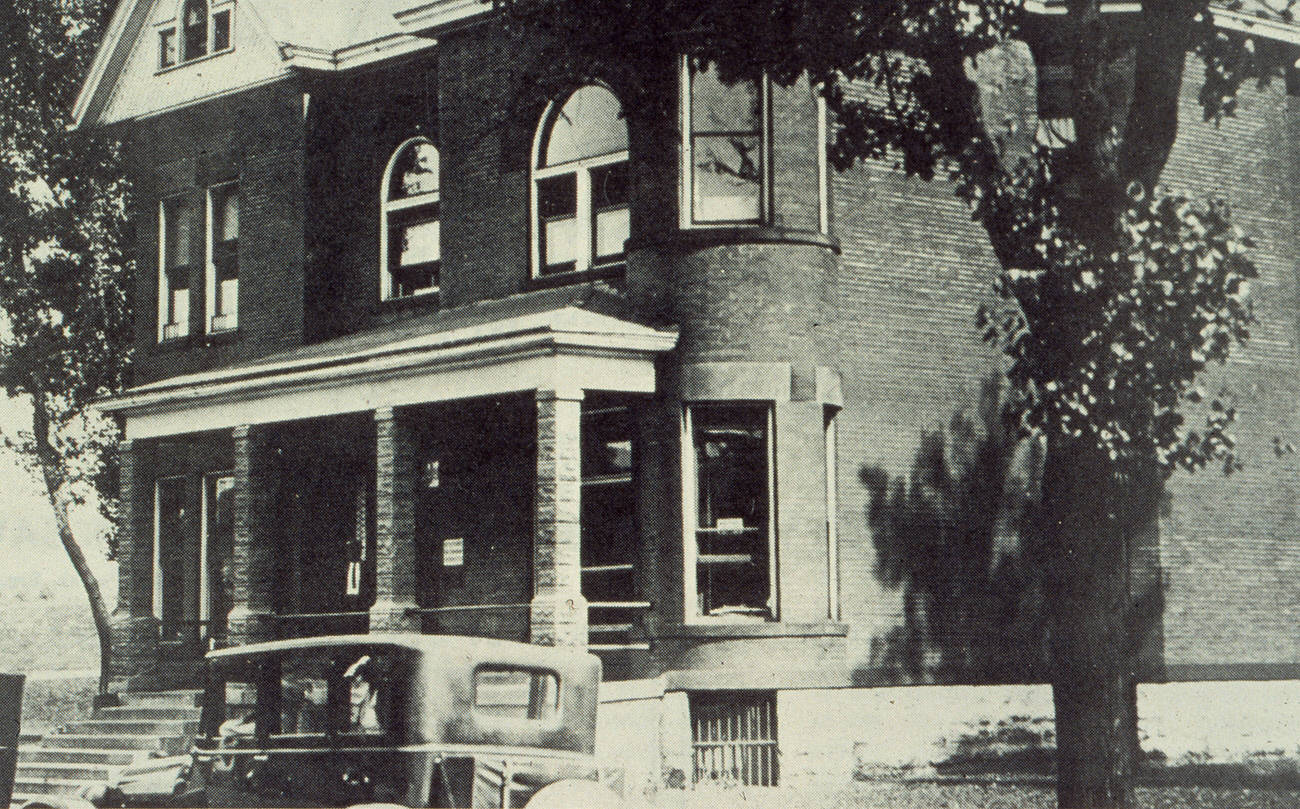
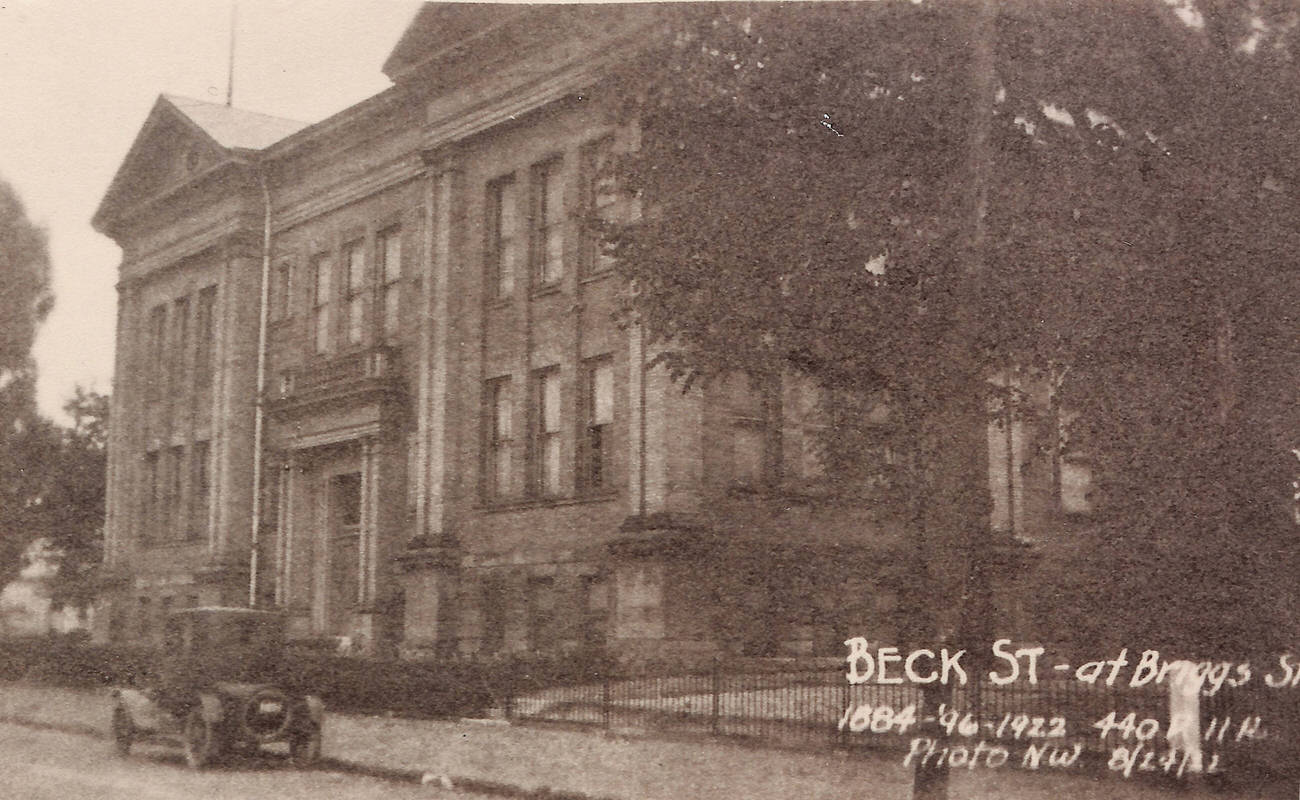
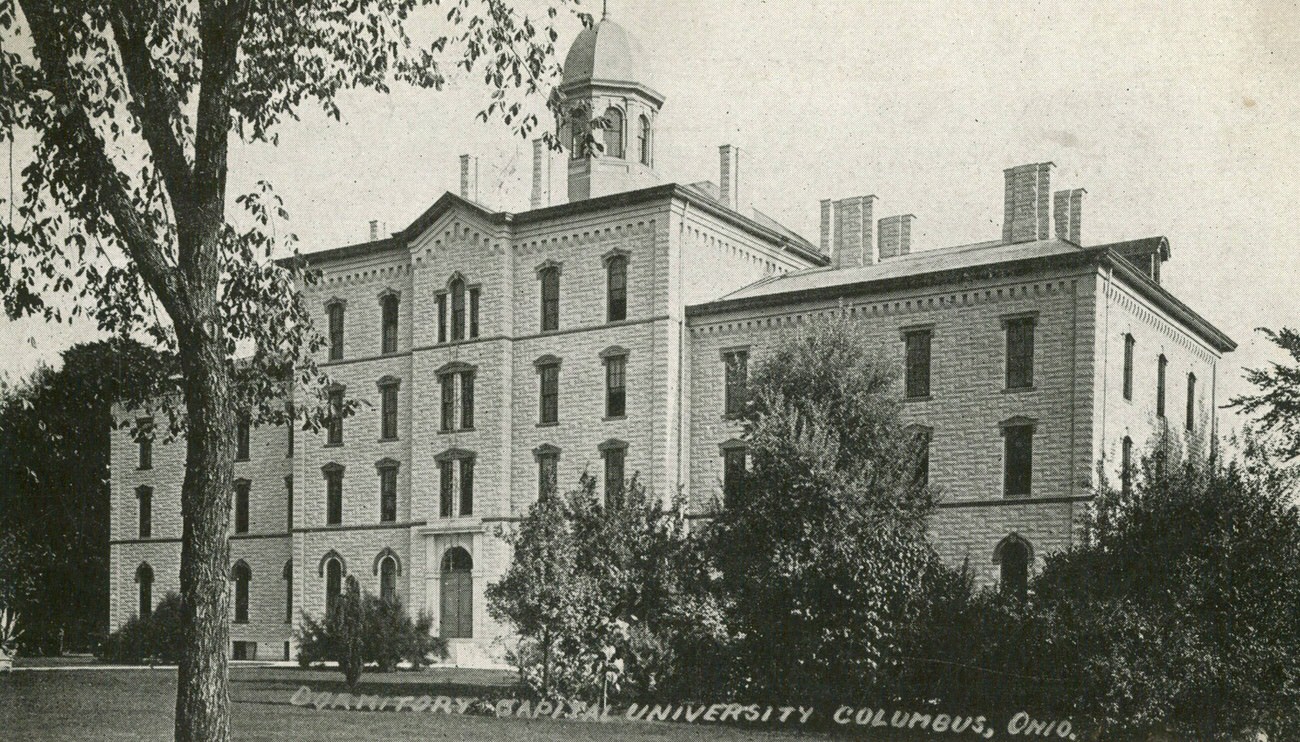
Public institutions and civic organizations were staking out space in the city. The Columbus Federation of Women’s Clubs photographed their proposed building site on Front Street in 1926, reflecting the decade’s broader push for organized women’s civic participation. Beck Street Elementary, originally built in 1884 and remodeled in 1925, served the city’s children even as the neighborhoods around it were being rebuilt and expanded. Capital University’s dormitory, later known as Lehmann Hall, was another institution adding permanent structures to the Columbus landscape.
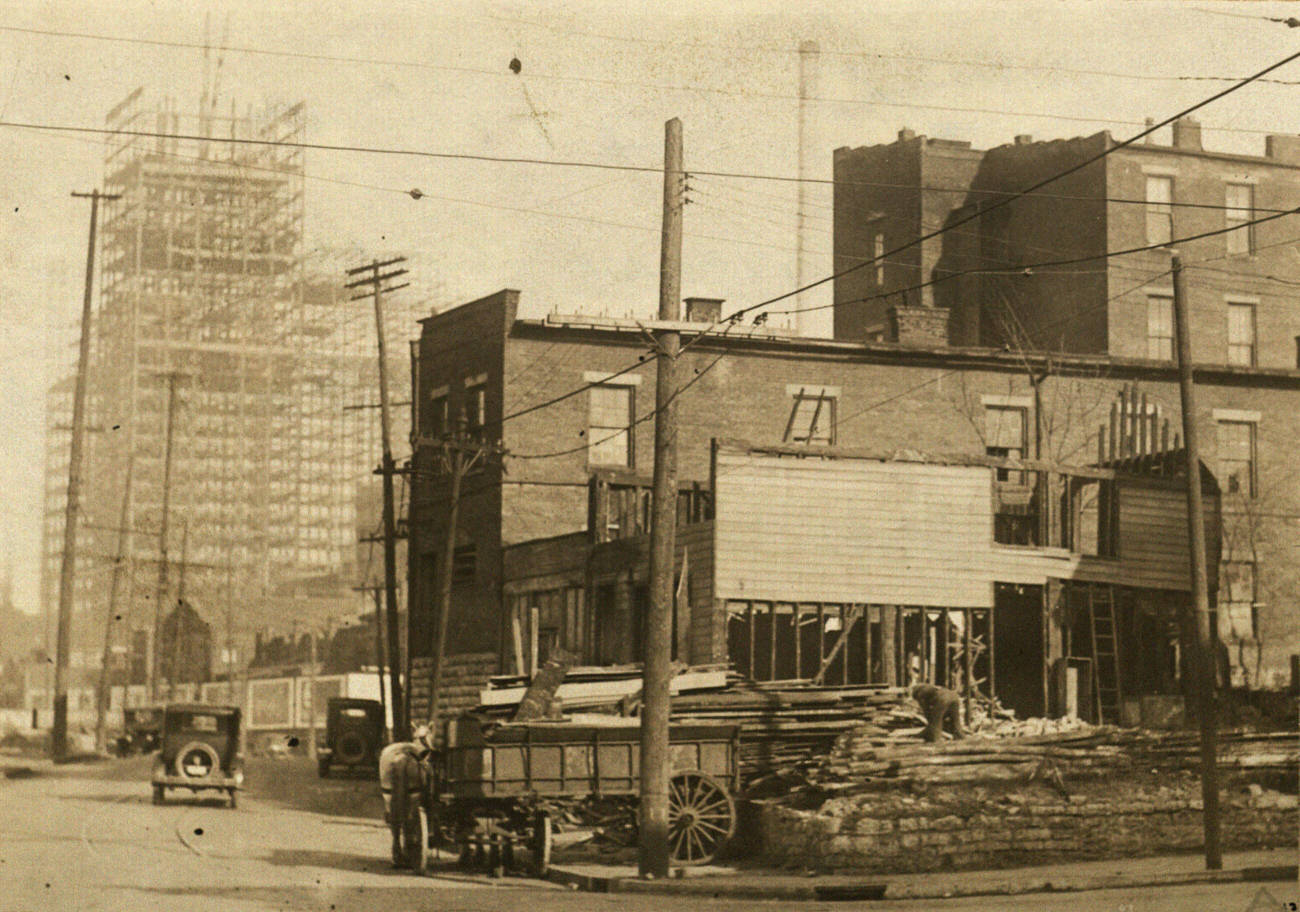
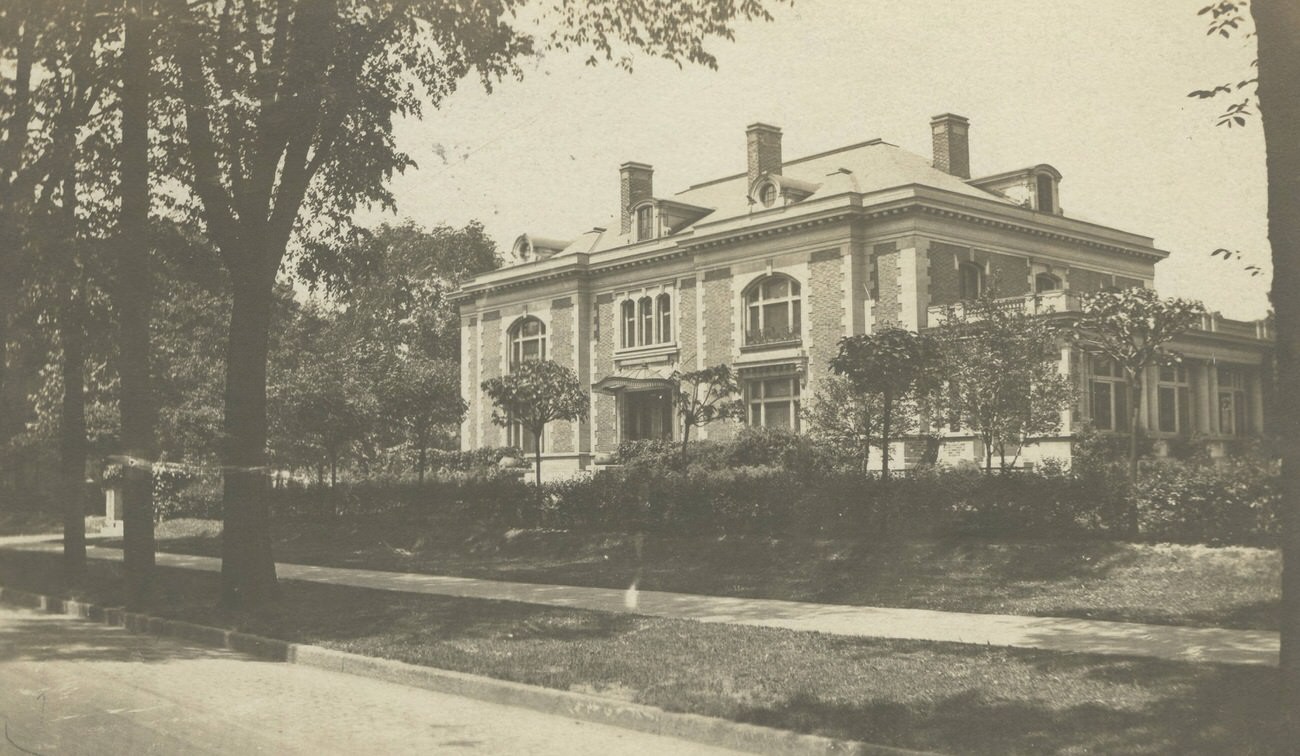
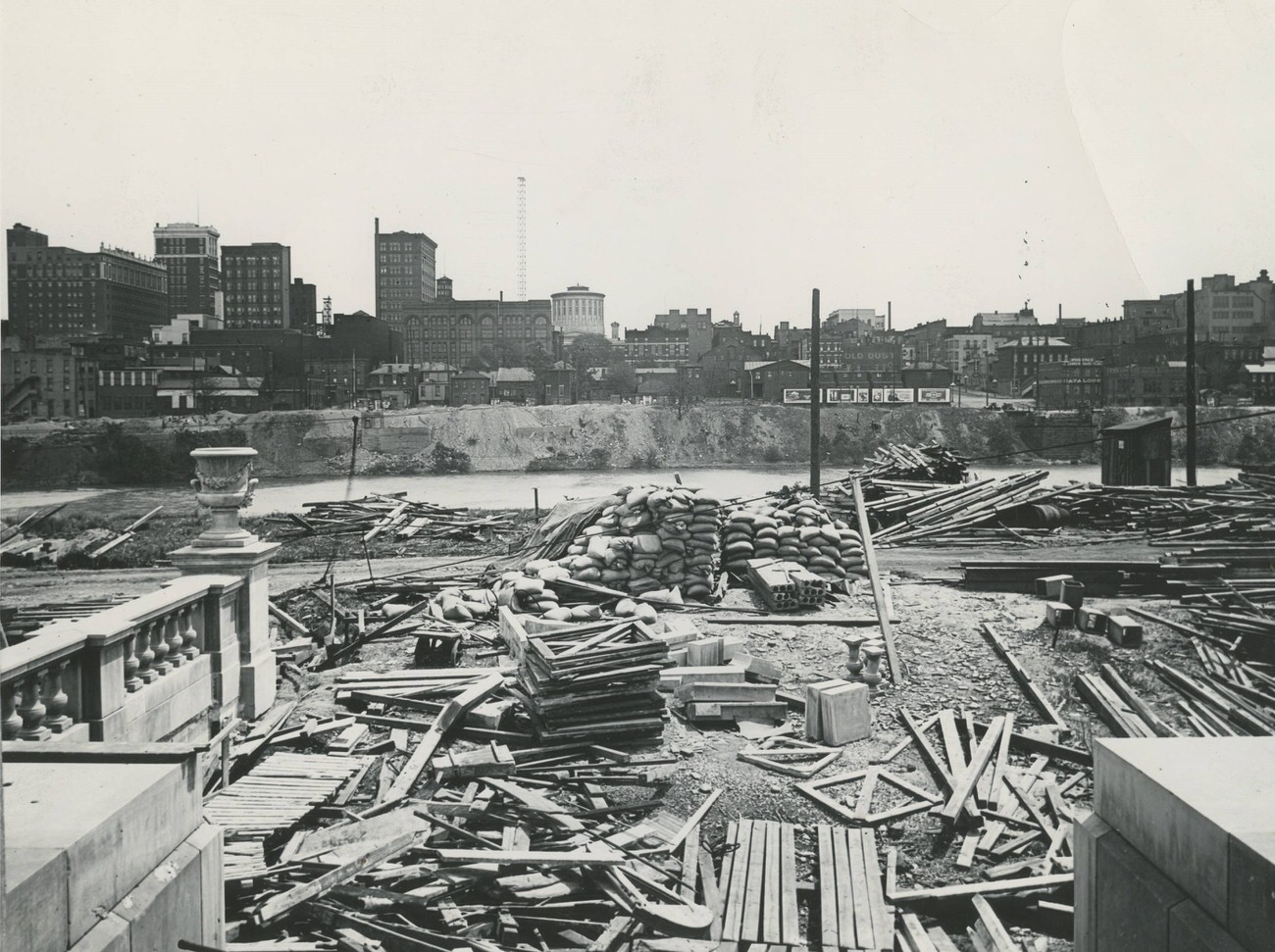
The Governor’s Mansion on East Broad Street, photographed in 1923, anchored the city’s political identity even as the skyline around it shifted. The westside view of the Columbus skyline taken from the Central High School construction site in 1923 shows the city from a different angle — buildings clustered, the horizon filling in with new construction, a city actively building itself upward.
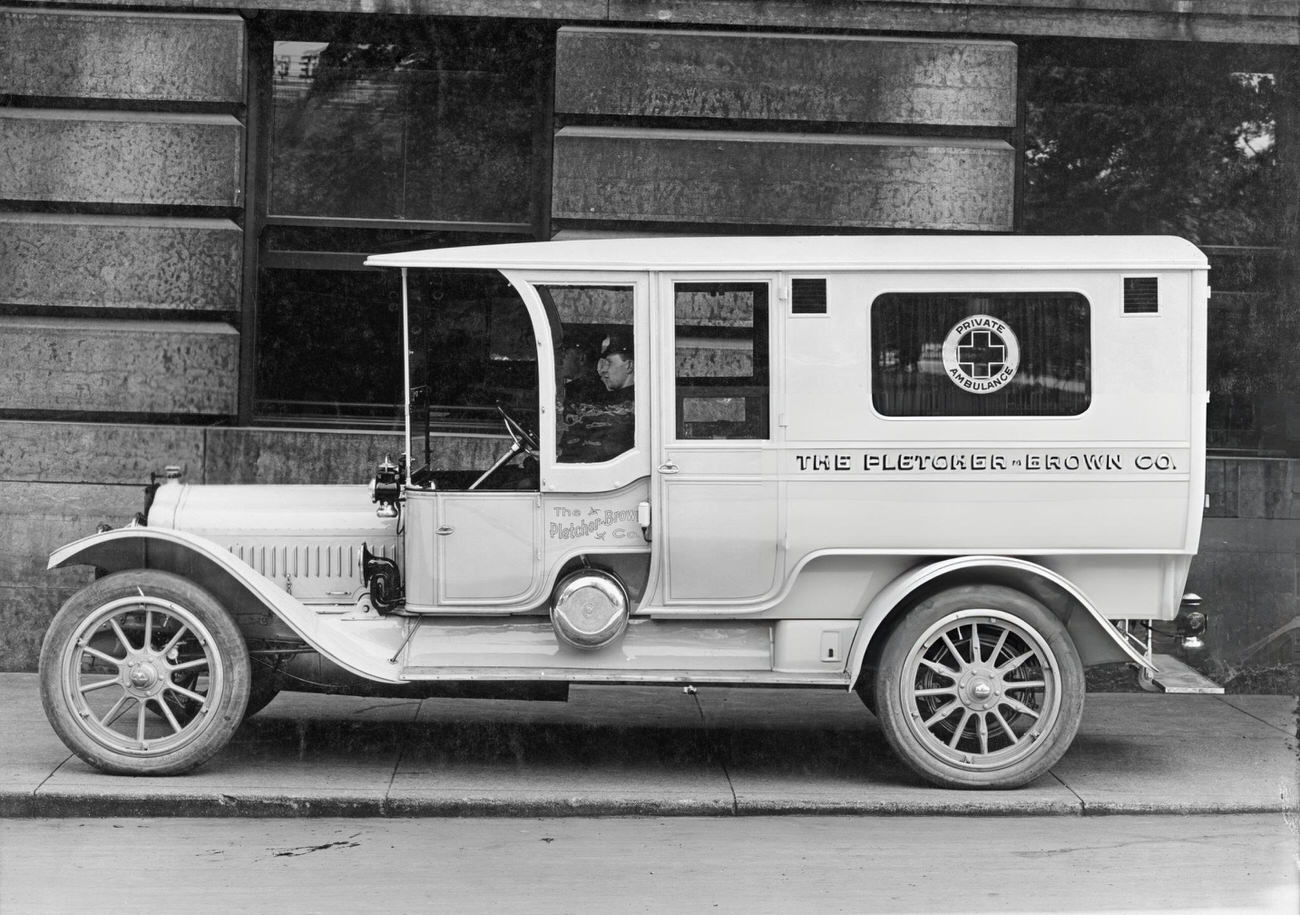
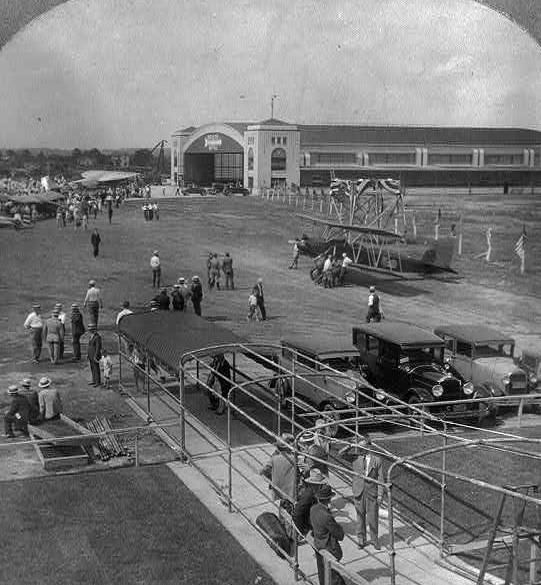
Private services were also modernizing. The Fletcher-Brown Company operated a private ambulance in Columbus, photographed in 1925 parked on a sidewalk with its driver. Services like this reflected the decade’s investment in professional, specialized businesses operating alongside public institutions. The decade closed with a milestone in transportation: in 1929, Columbus served as the starting point for the first air-rail trip from New York to Los Angeles, placing the city on the map of American aviation history.





I hate looking at old, ugly things. I’m so glad that we tore down most of that trash or converted it to a brewery/axe throwing venue for my friends and I to unwind in after a hard day of pretending to work.
NGL… you had me in the first half. Lol
Someone needs to Photoshop Big Russ into this picture.
Love these. It’s neat to see how much has changed since then and what has stayed the same.