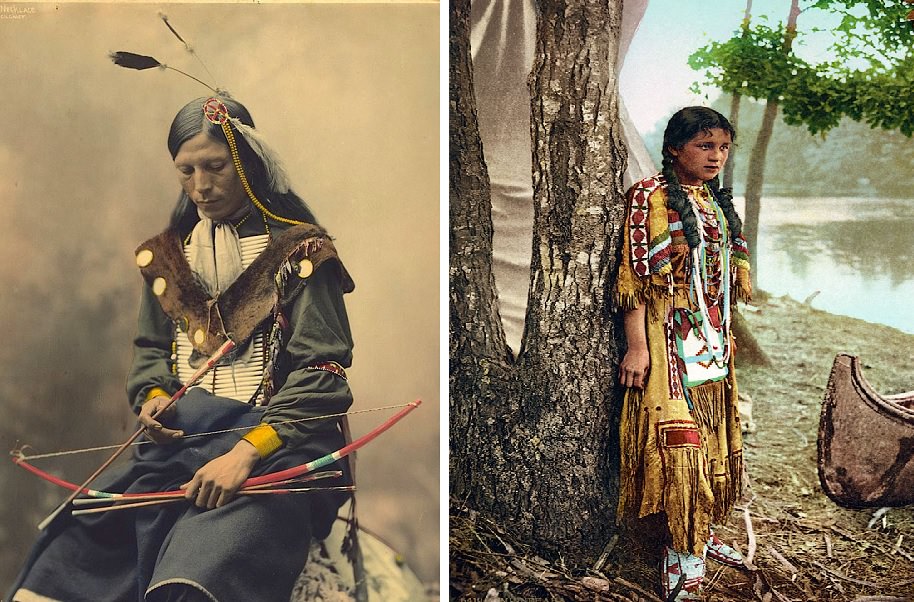
The photographs we take today are instant, sharp, and full of natural color. But that technology has a surprisingly long and complicated history. The road to color photography began in the mid-19th century, and it was far from a smooth journey. In 1851, Baptist minister Levi Hill from New York claimed to have captured the first color photograph. He kept his method secret for six years before publishing it in a book. When others finally examined his process, they found it was extraordinarily difficult to replicate and largely impractical.
The debate over Hill’s discovery lingered for over 150 years. In 2007, researchers at the National Museum of American History analyzed his surviving work and found that he had genuinely figured out a way to reproduce color — but he had also used pigments to enhance some of the results. Hill had not outright lied, but he had exaggerated what his process could do on its own.
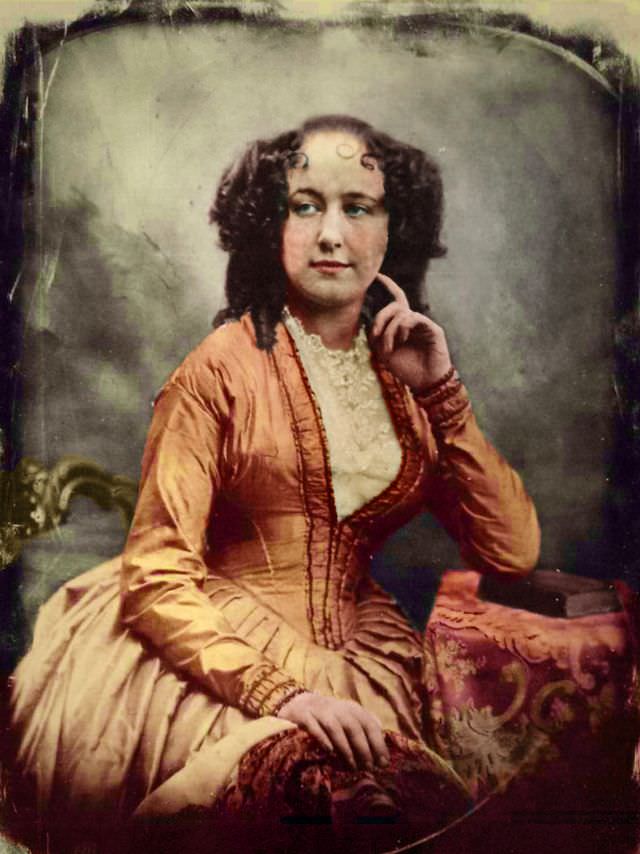
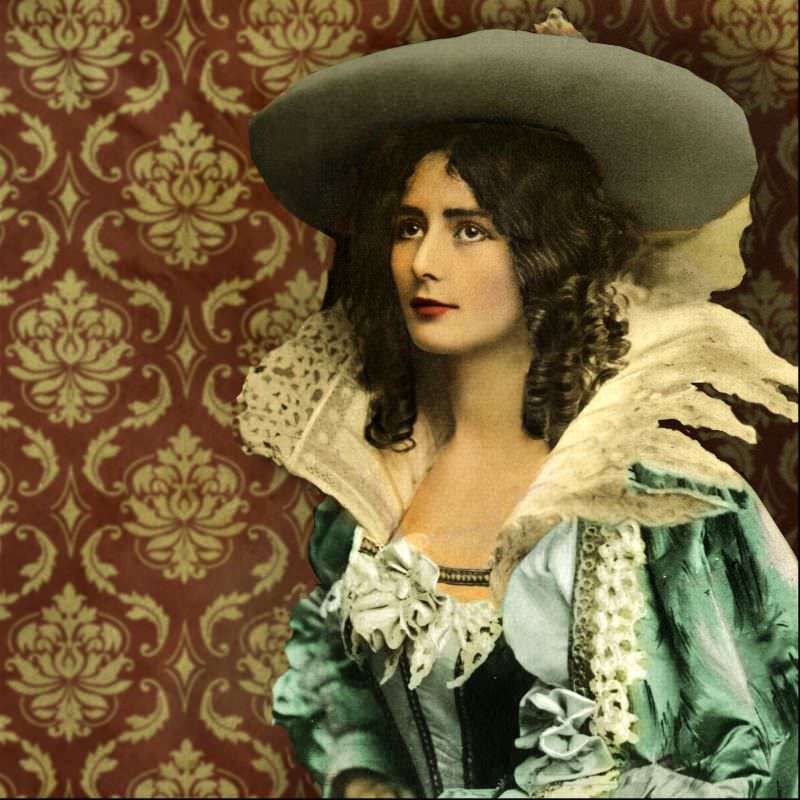
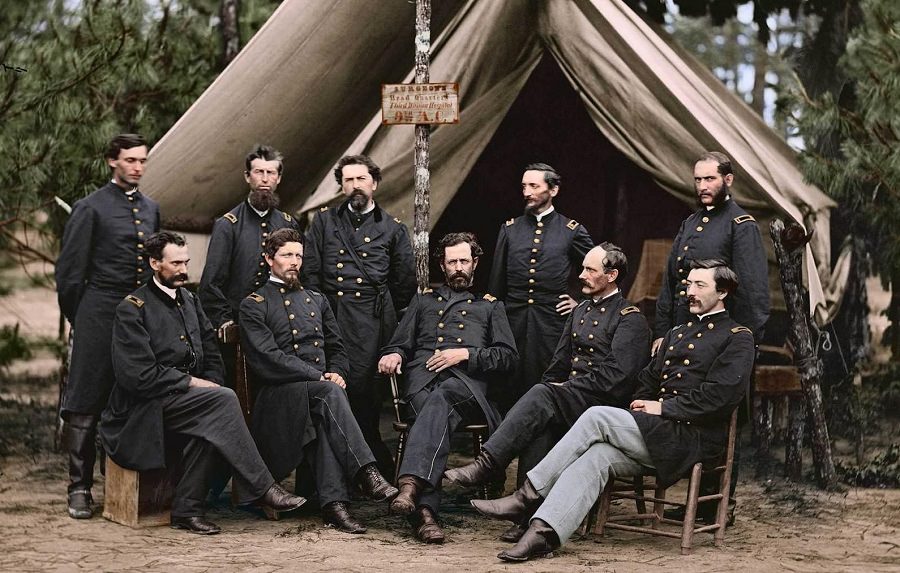
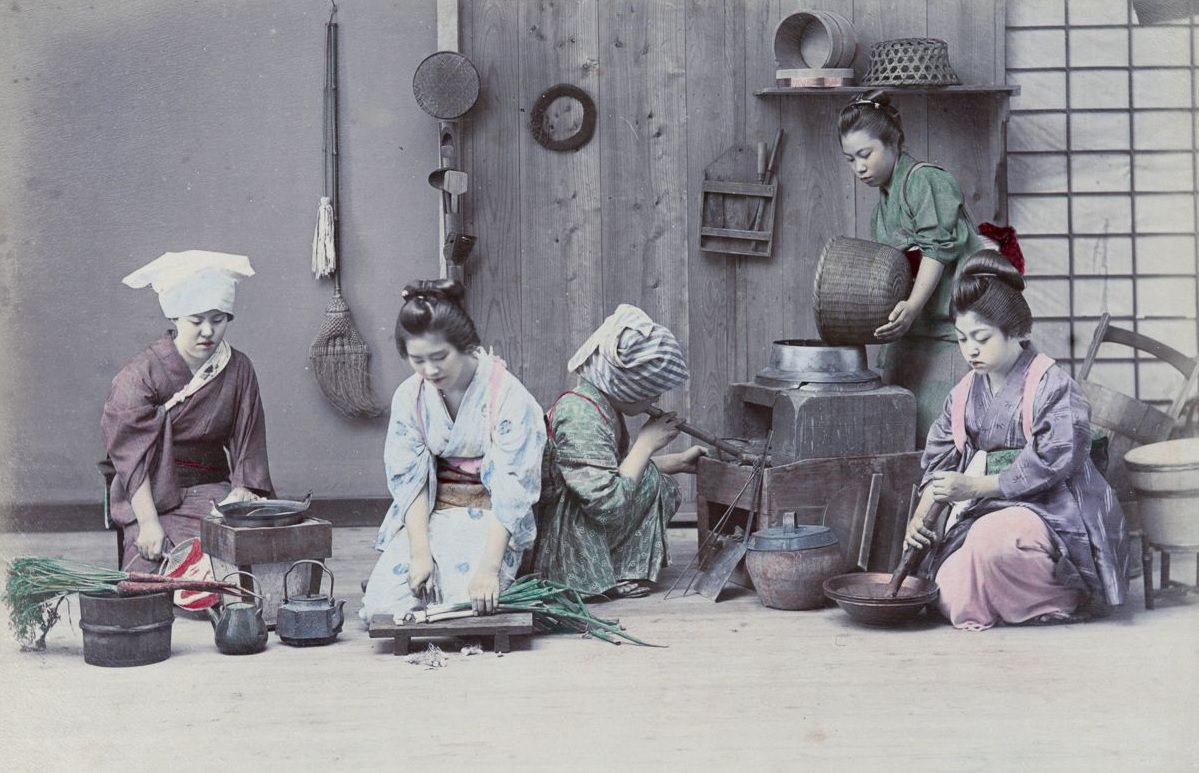
True color photography without pigments or dyes came later. In 1886, French physicist and inventor Gabriel Lippmann produced the first genuinely color photograph using only light and chemistry. Then, in the late 19th century, a Swiss employee of a Swedish printing company named Hans Jakob Schmid developed the photochrom process — a precise technique for applying color to black-and-white images. Today, digital tools allow colorists to go even further, restoring and reimagining historical photographs with a level of realism those early pioneers could only dream of. The colorized portraits below span the 1840s through the early 1890s and feature some of the most remarkable figures of the era.
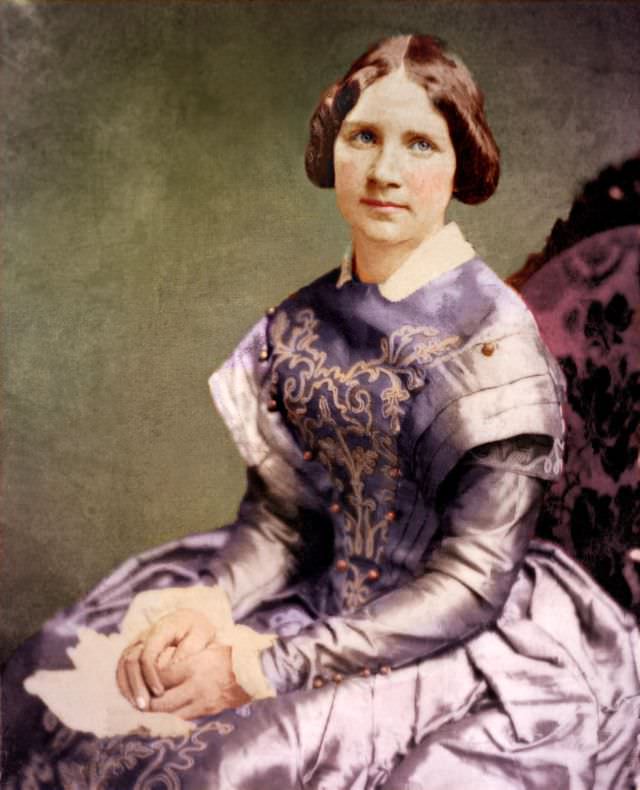
Jenny Lind was one of the most celebrated performers of the 19th century. Her voice earned her the nickname “the Swedish Nightingale,” and she drew enormous crowds on both sides of the Atlantic. Her 1850 American tour, promoted by P.T. Barnum, became a cultural phenomenon. Around the same time, another performer was making her own waves — Lola Montez, an Irish dancer and actress who built a reputation across Europe and America for her bold personality as much as her stage presence.
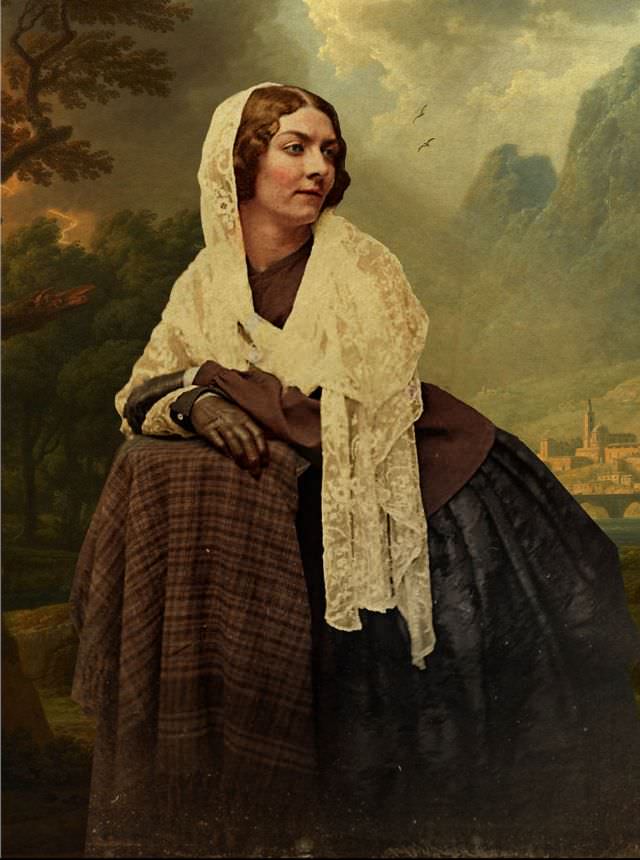
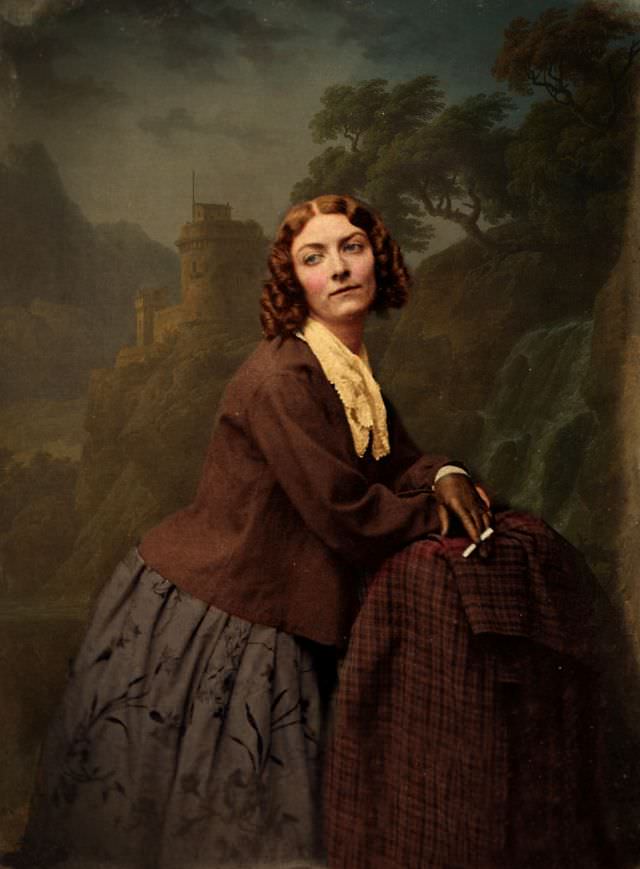
The Boston photography studio of Southworth and Hawes was one of the finest daguerreotype studios in America during this period. Their portraits — sharp, composed, and deeply expressive — captured subjects with a dignity that was rare for the time. Their work on Lola Montez produced two striking images that show her at the peak of her fame. That same decade in Paris, a very different kind of celebrity was sitting for portraits of her own.
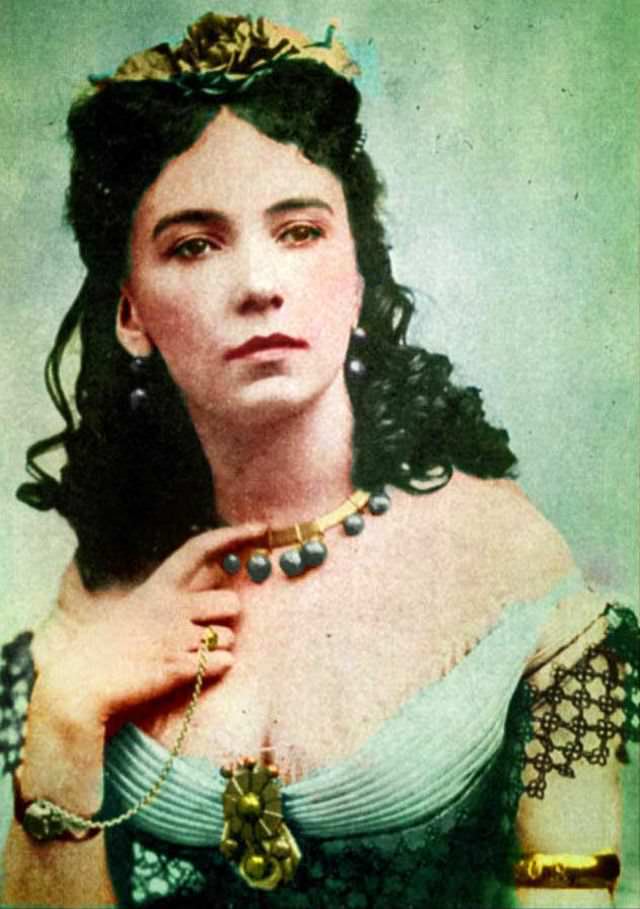
Cora Pearl was one of the most talked-about women in Second Empire Paris. Known for her extravagant lifestyle and high-profile relationships with aristocrats and royalty, she became a fixture of Parisian society. Photographer André-Adolphe-Eugène Disdéri, who invented the popular carte-de-visite format, photographed her in 1854. By 1861, another Paris studio — that of the legendary photographer Nadar — was producing some of the most refined portrait work in the world.
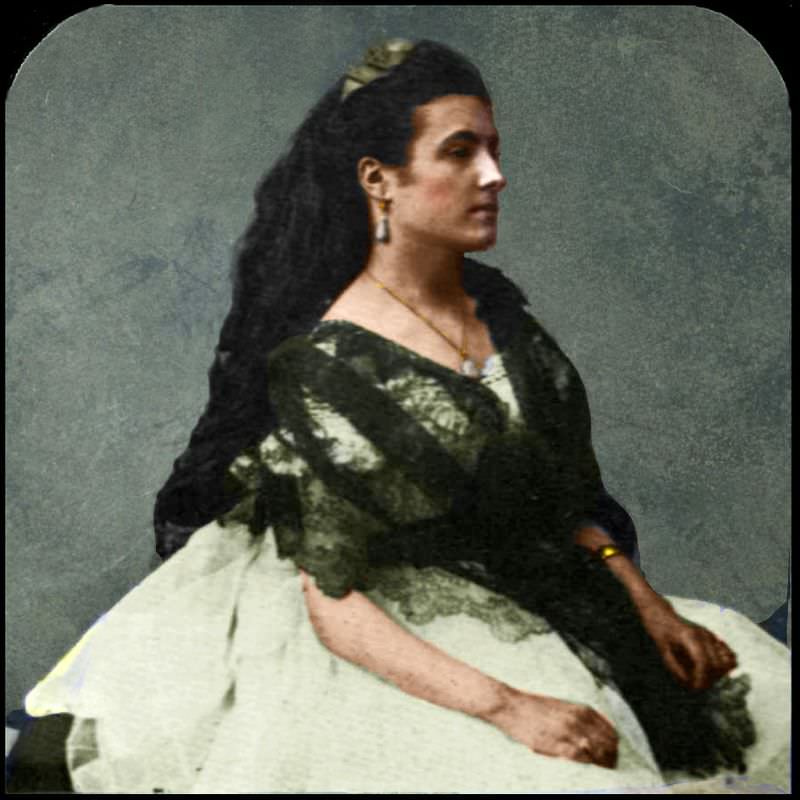
Nadar, born Gaspard-Félix Tournachon, was arguably the greatest portrait photographer of the 19th century. His Paris studio attracted artists, writers, actors, and socialites. Even his portraits of unknown subjects carry a quiet intensity. In 1863, British photographer Julia Margaret Cameron captured a very different kind of subject — a sixteen-year-old Ellen Terry, photographed around the time of her marriage to the painter G.F. Watts, a union that would end within two years.
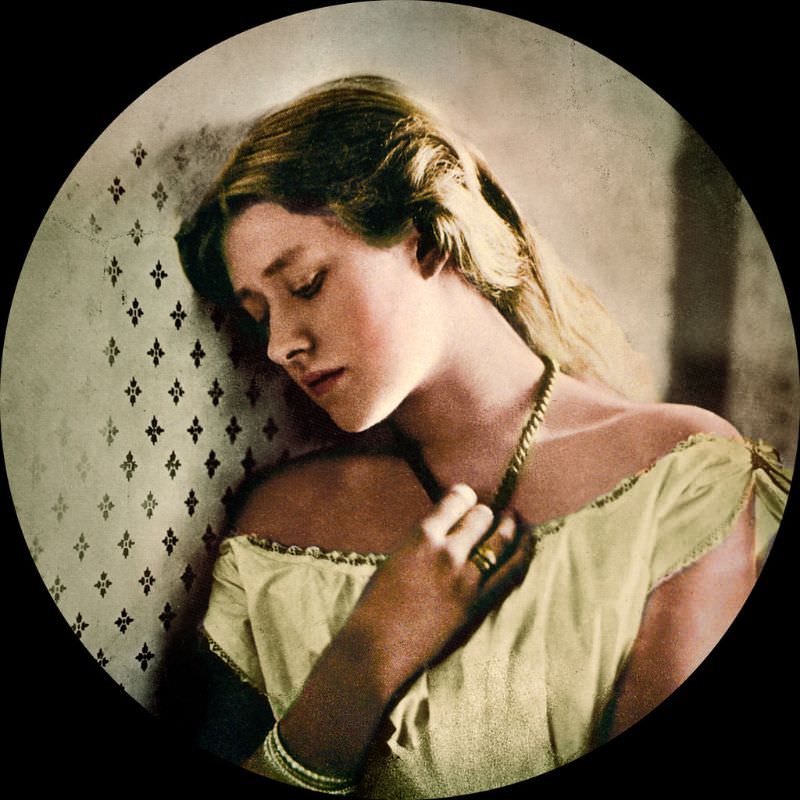
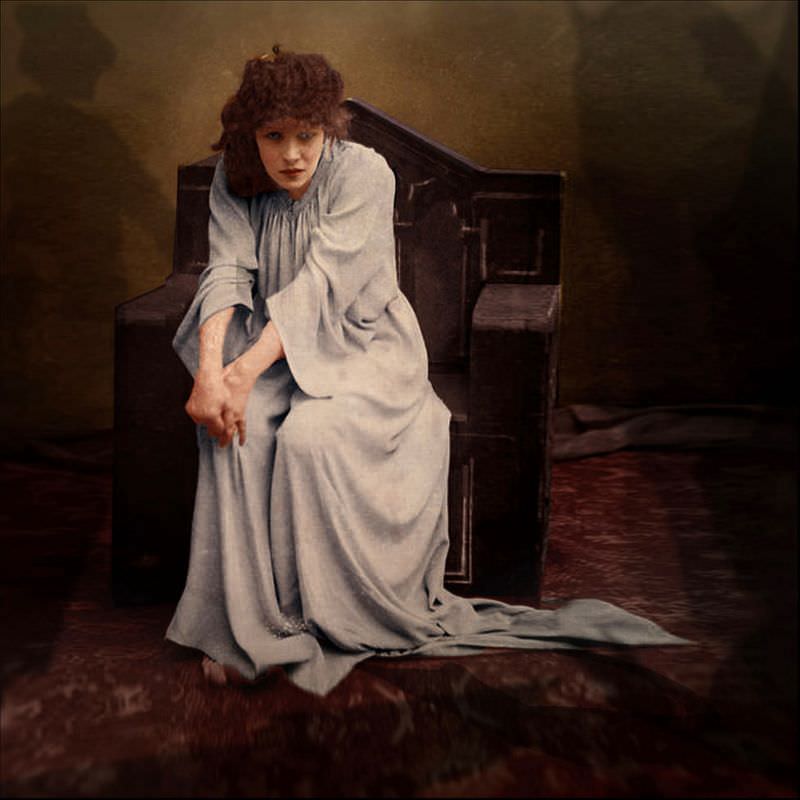
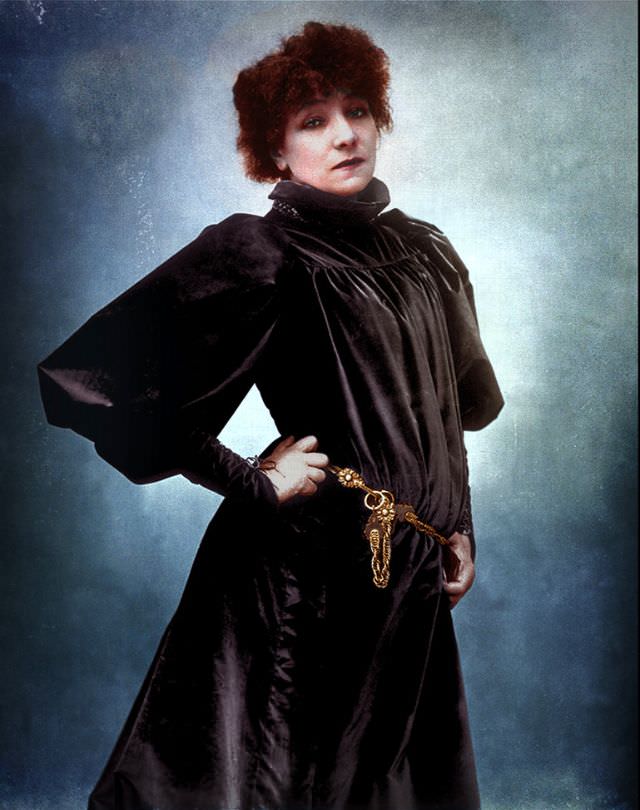
Ellen Terry would go on to become one of the most acclaimed stage actresses in British history. But in 1863, she was a teenager stepping into a complicated life. Just a year later, Nadar’s lens turned toward another young actress who would define European theater for decades — Sarah Bernhardt. Nadar photographed Bernhardt multiple times across her career, and these images remain among the most iconic of the 19th century.
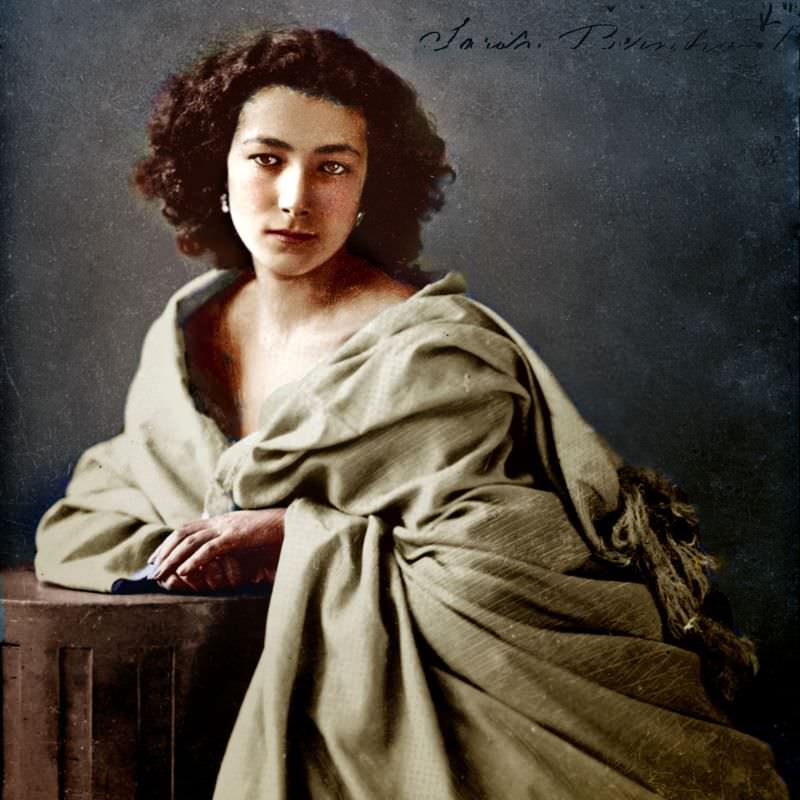
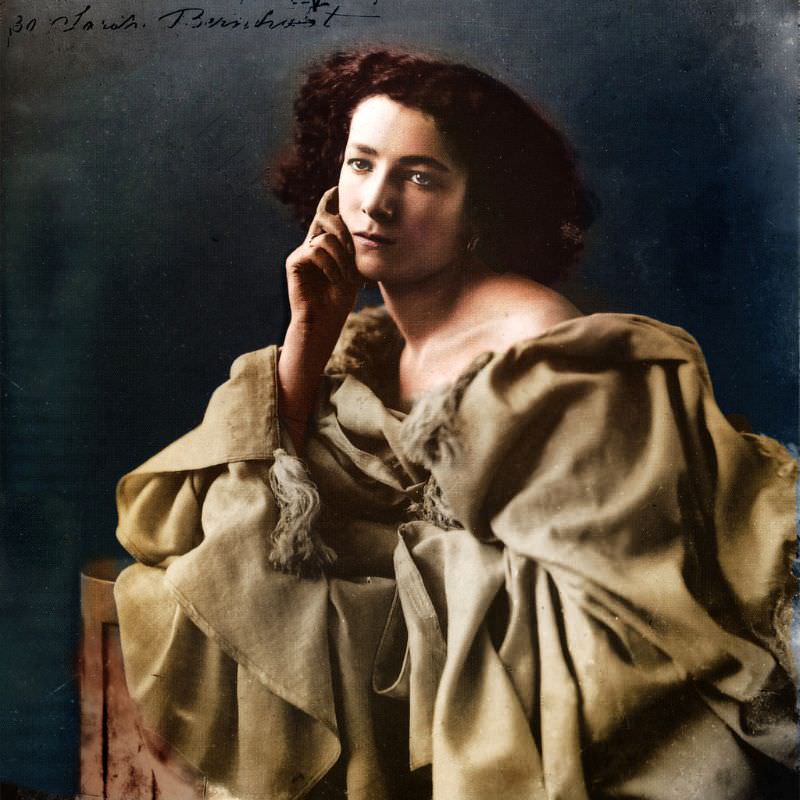
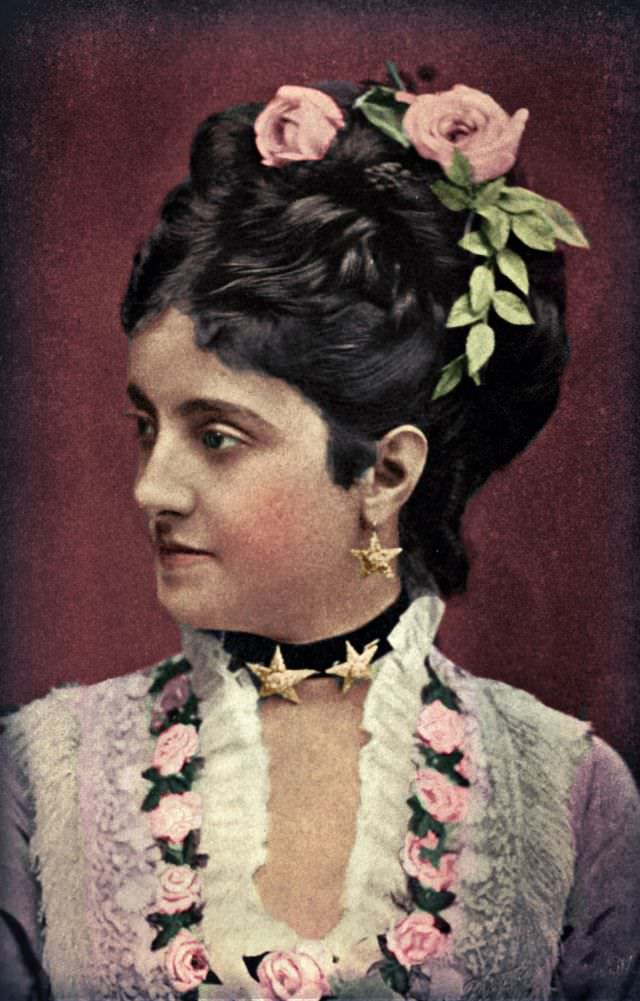
Bernhardt’s fame was matched in the music world by soprano Adelina Patti, whose voice dominated opera houses across Europe and the Americas from the 1860s onward. Patti is widely regarded as the greatest soprano of the 19th century, with only Jenny Lind considered a possible rival. While Patti ruled the opera stage, a very different kind of figure was making headlines in the world of exploration.
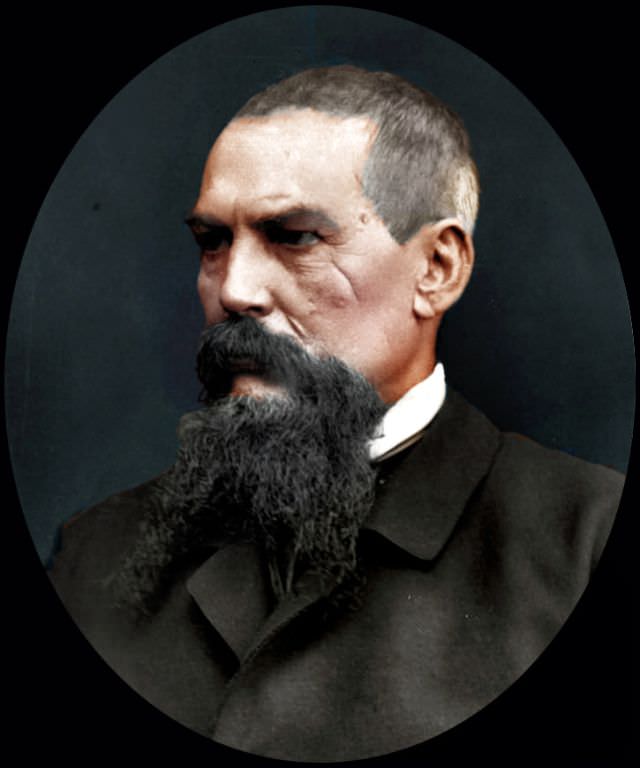
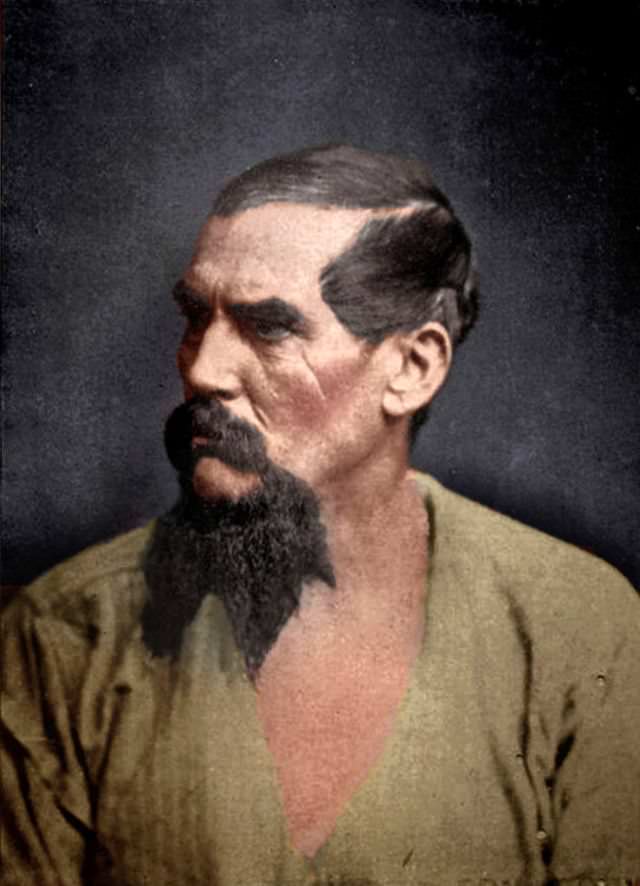
Sir Richard Francis Burton was one of the most daring explorers and scholars of the Victorian era. He spoke dozens of languages, traveled in disguise to Mecca, and co-led the expedition that searched for the source of the Nile. His portrait from the 1870s shows a man who seemed to carry the weight of extraordinary experience on his face. A second photograph from the same period bears the phrase “The Devil Drives” — the title later used for a biography of his life.
By the 1880s, Sarah Bernhardt was at the absolute height of her fame. In 1884, Nadar photographed her in costume as Lady Macbeth — a role that suited her dramatic intensity. The following year, he photographed her again in a striking formal portrait. These images capture a performer who was every bit as calculated about her public image as she was talented on stage.
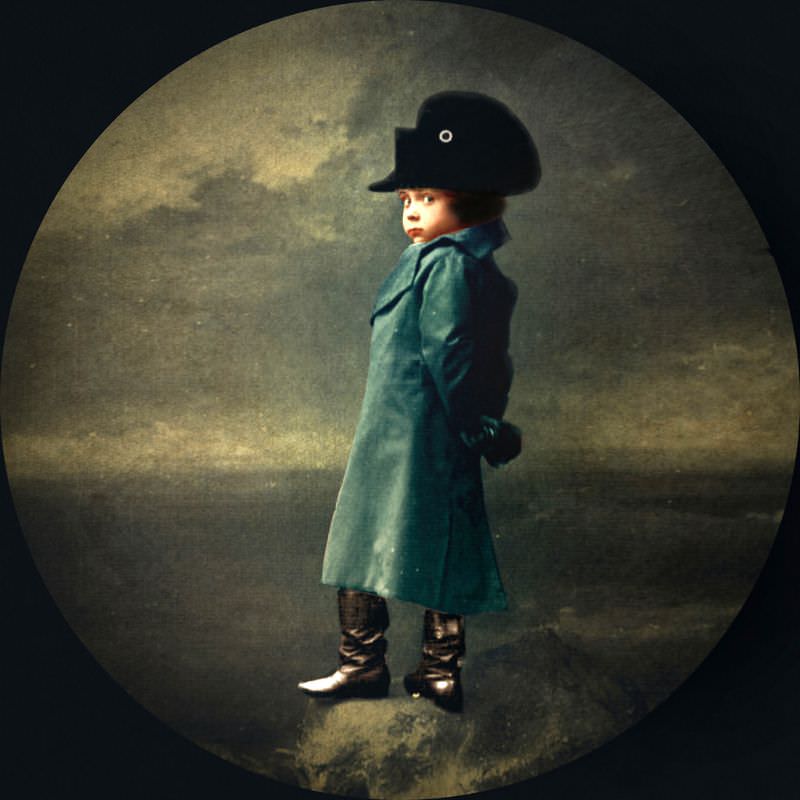
The final decades of the 19th century brought new figures into the spotlight. Cléo de Mérode was a celebrated ballet dancer who became one of the most photographed women in all of Europe during the 1890s. Her image appeared on postcards and in magazines, making her an early example of a true mass-media celebrity. The era also produced striking images of figures tied to the great theatrical families of France, including a daughter of actress Gabrielle Réjane, photographed at Nadar’s studio dressed as Napoleon.