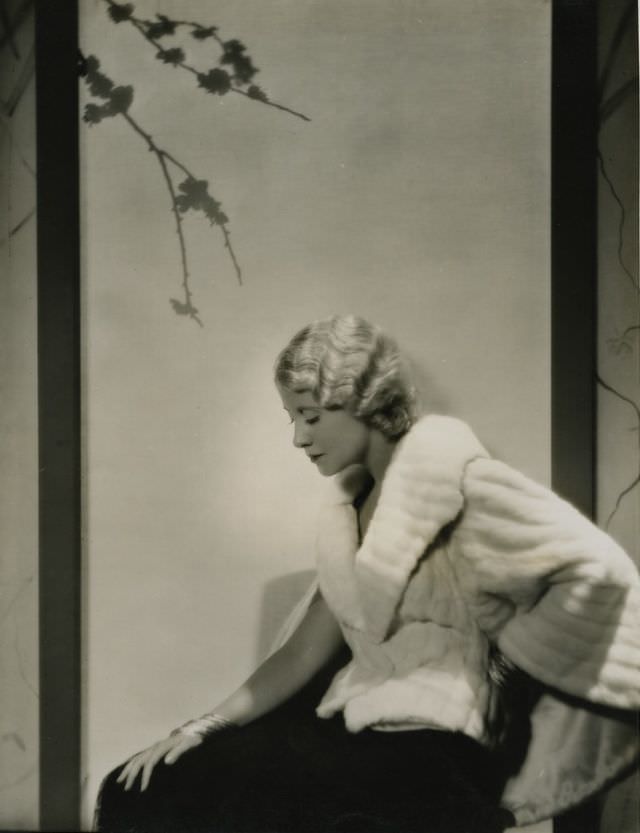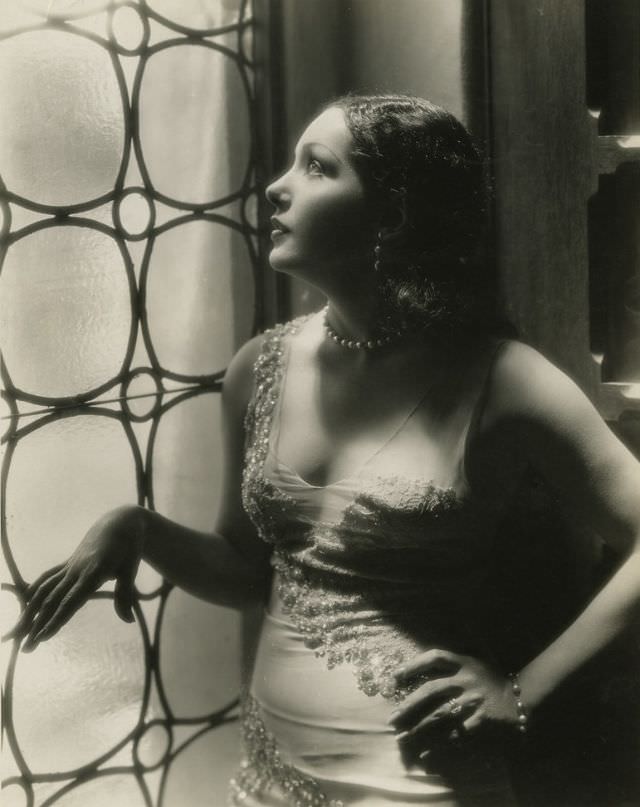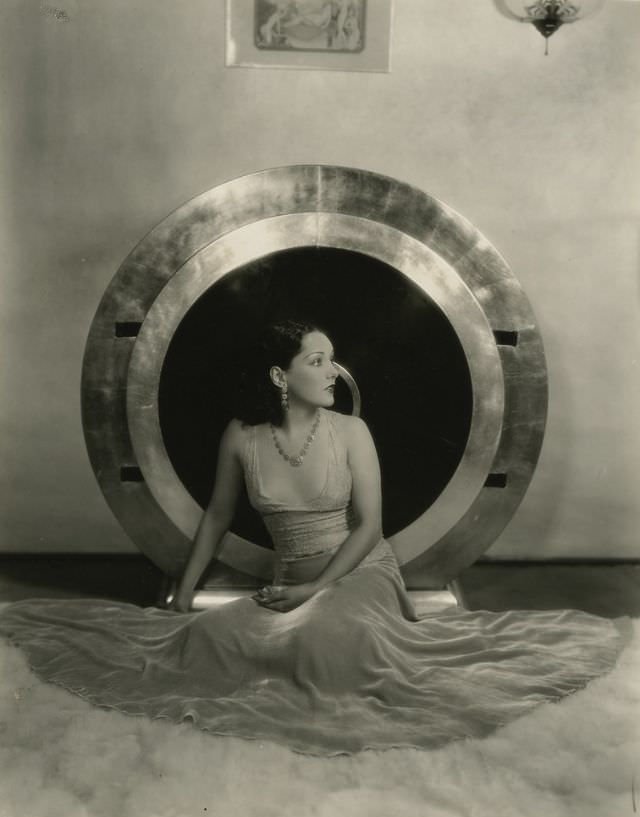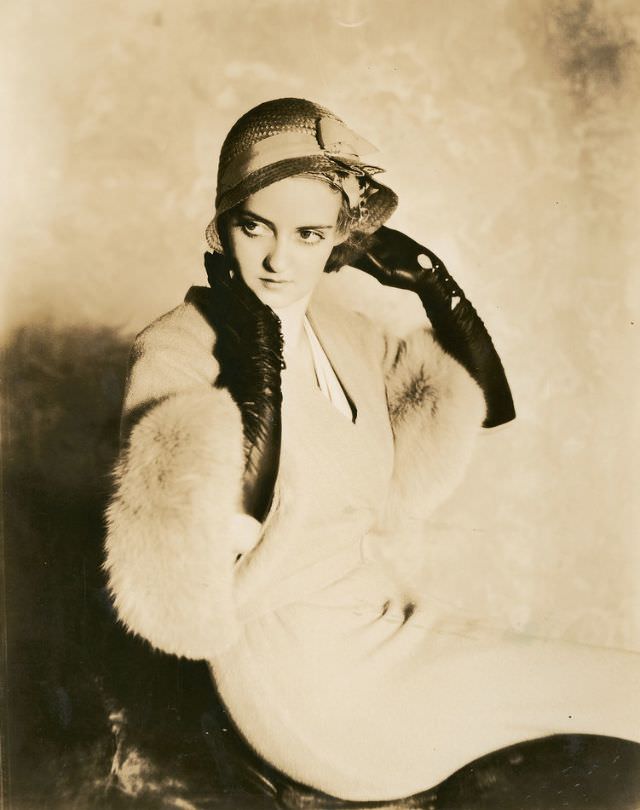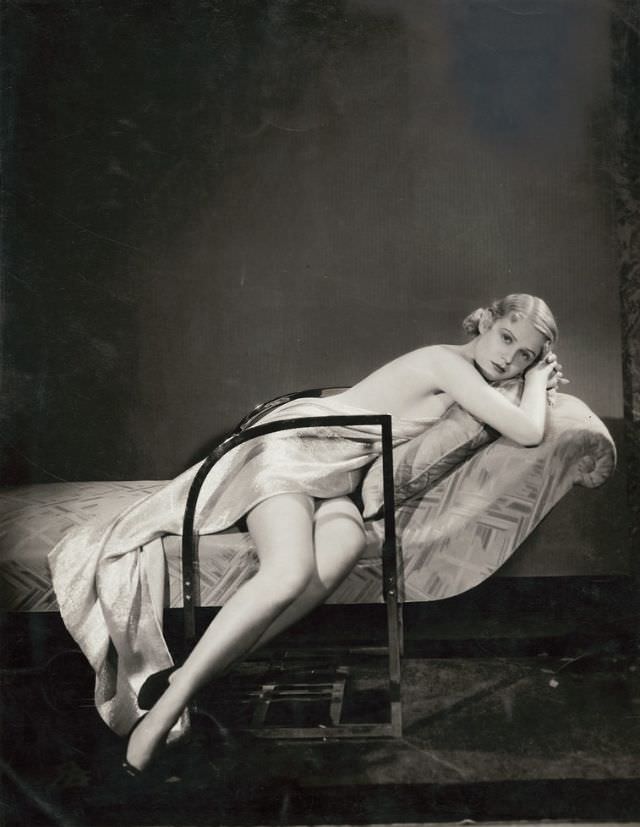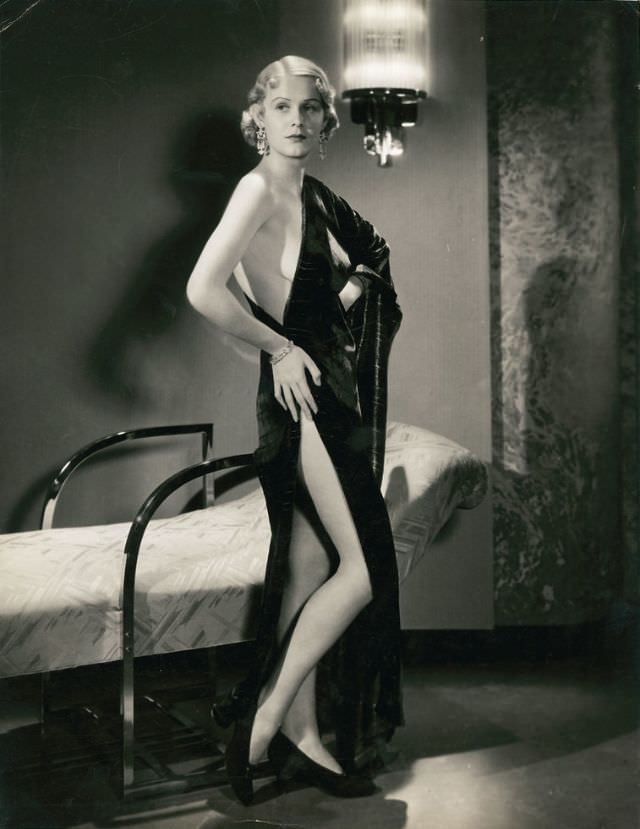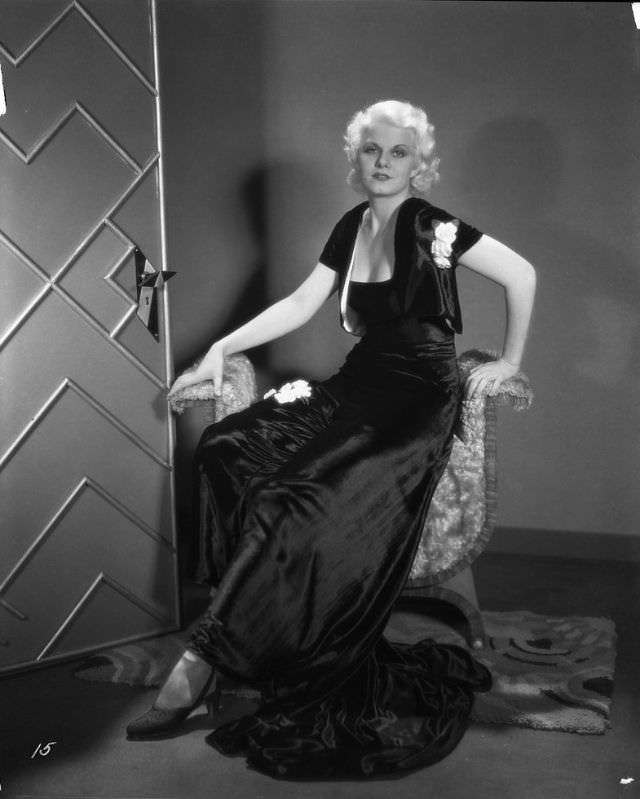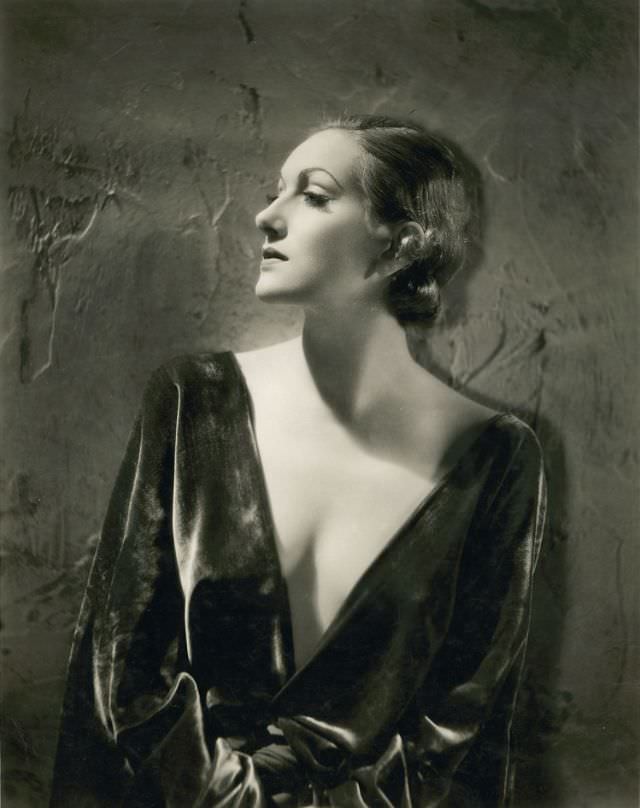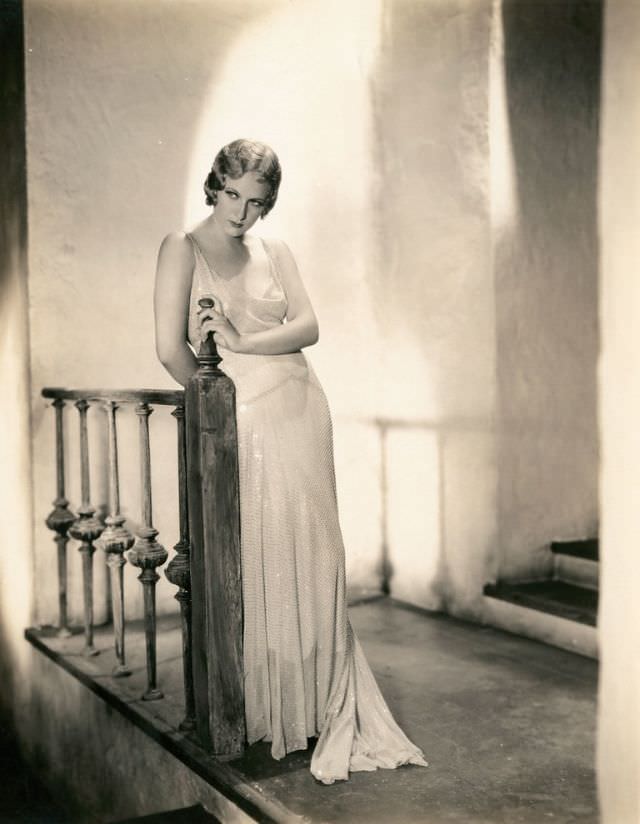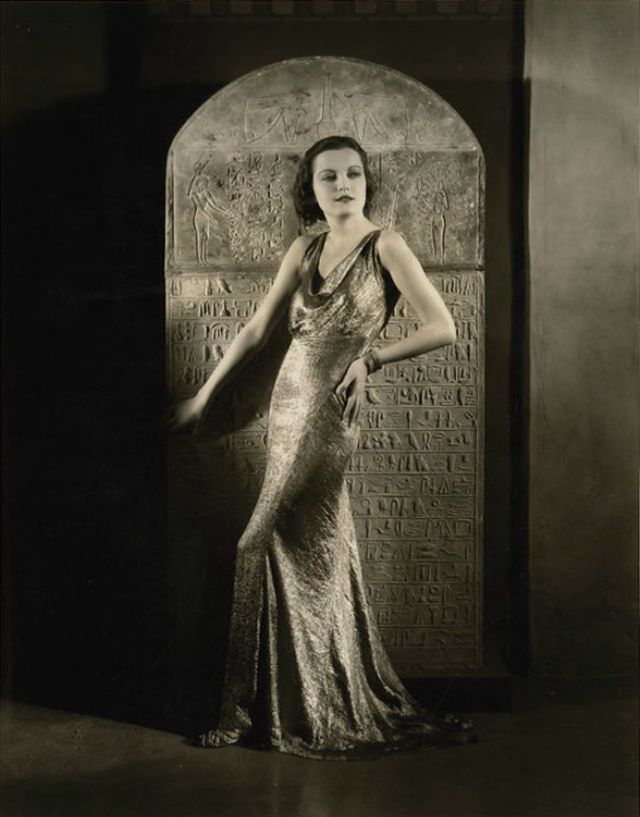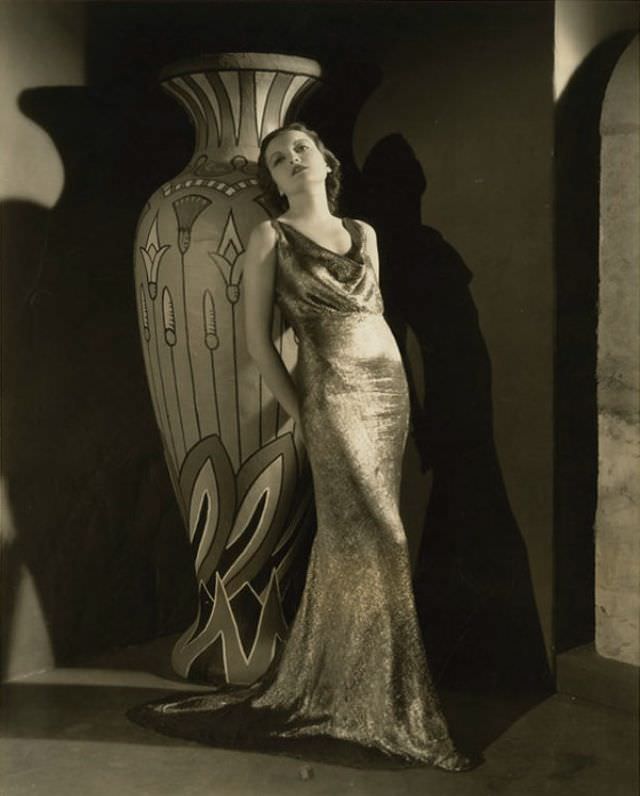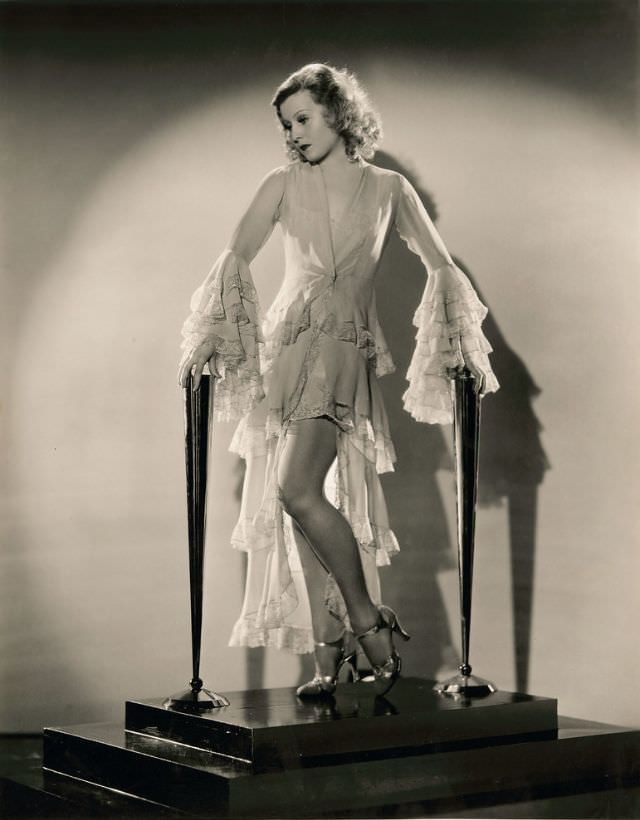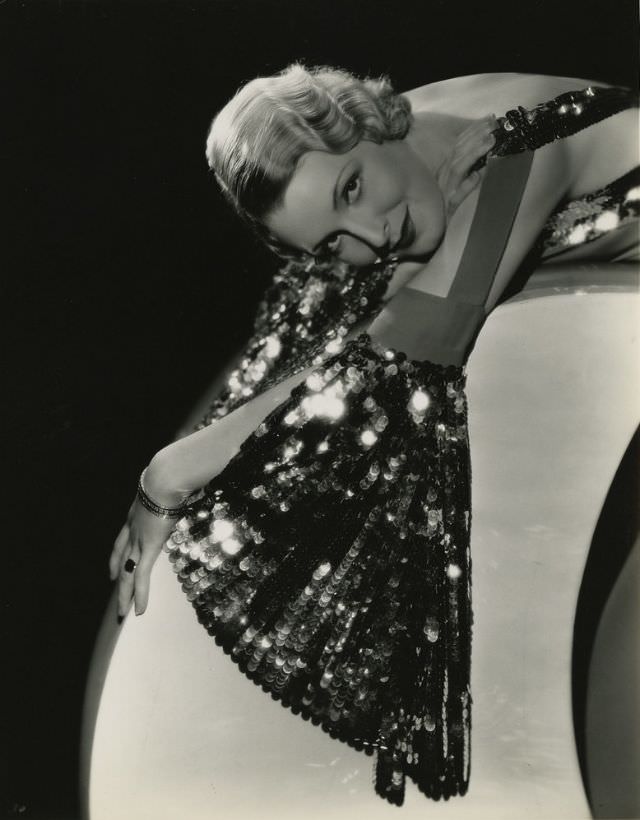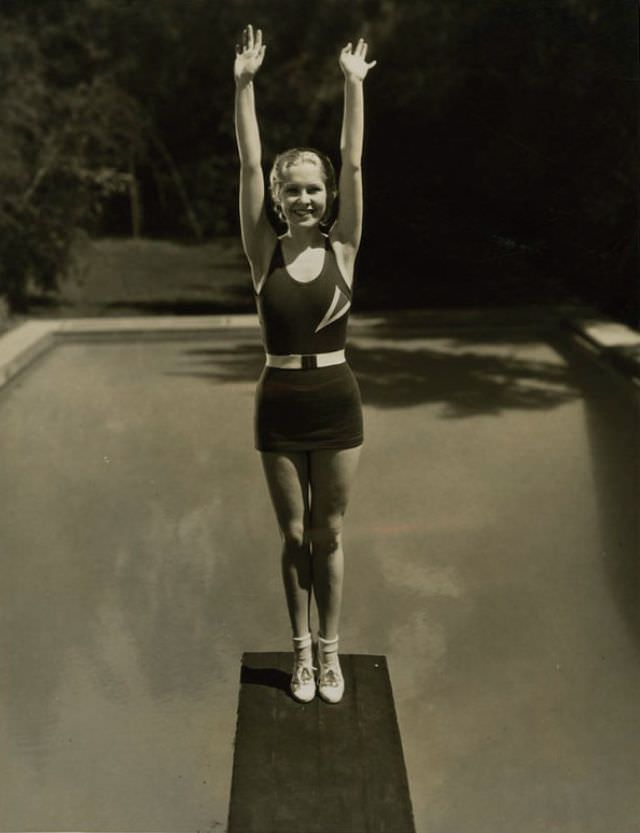

Ray Jones was one of the most skilled portrait photographers working in Hollywood during the 1930s. His camera captured the faces that defined an era — film stars, models, and socialites who set the standard for beauty and style at the time. His work stands today as a precise visual record of what glamour looked like during one of Hollywood’s most celebrated decades.

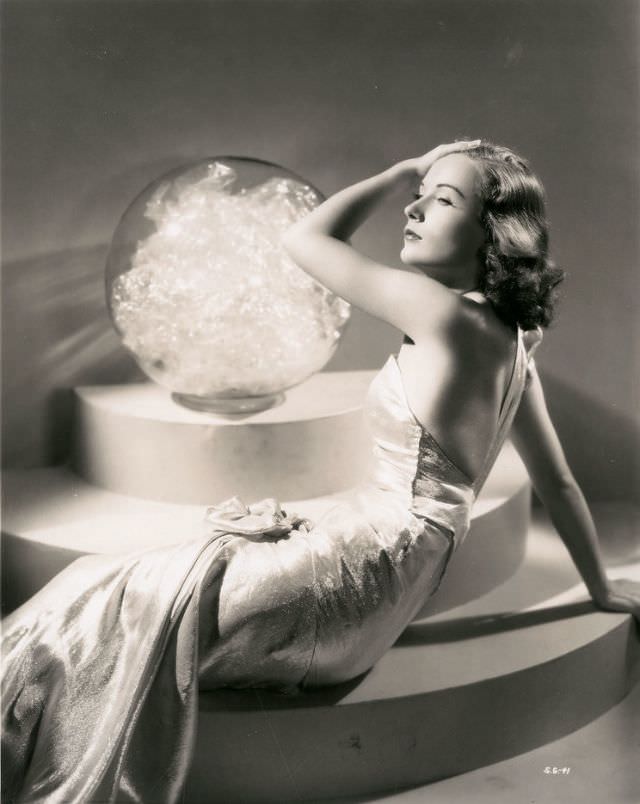
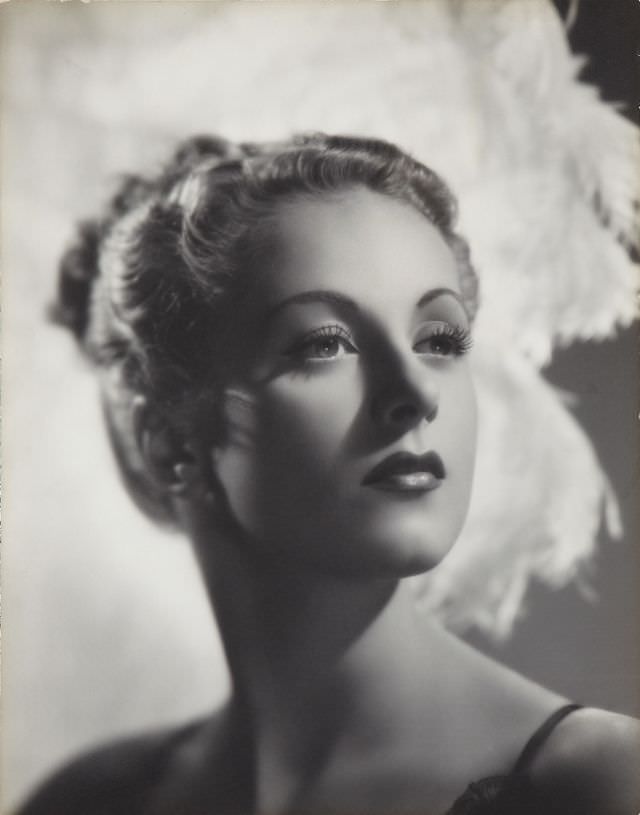
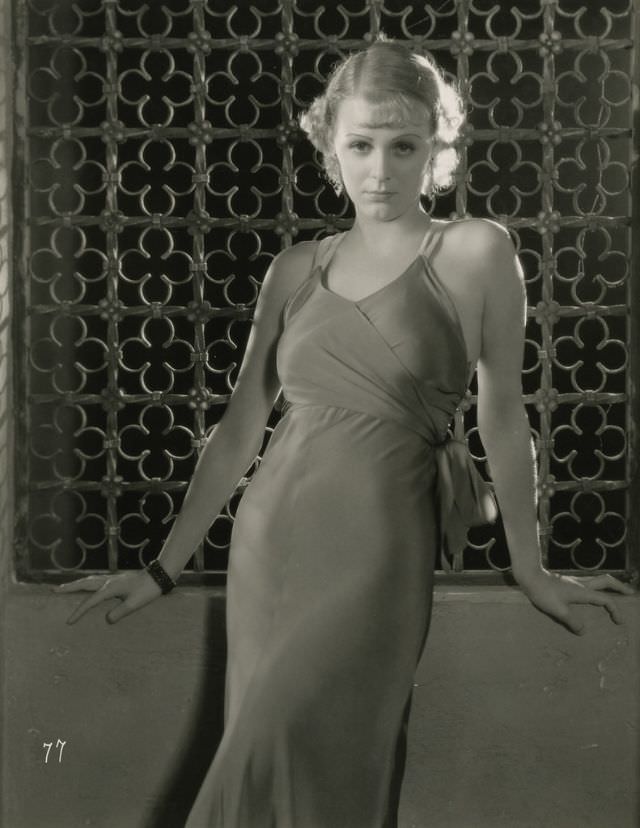
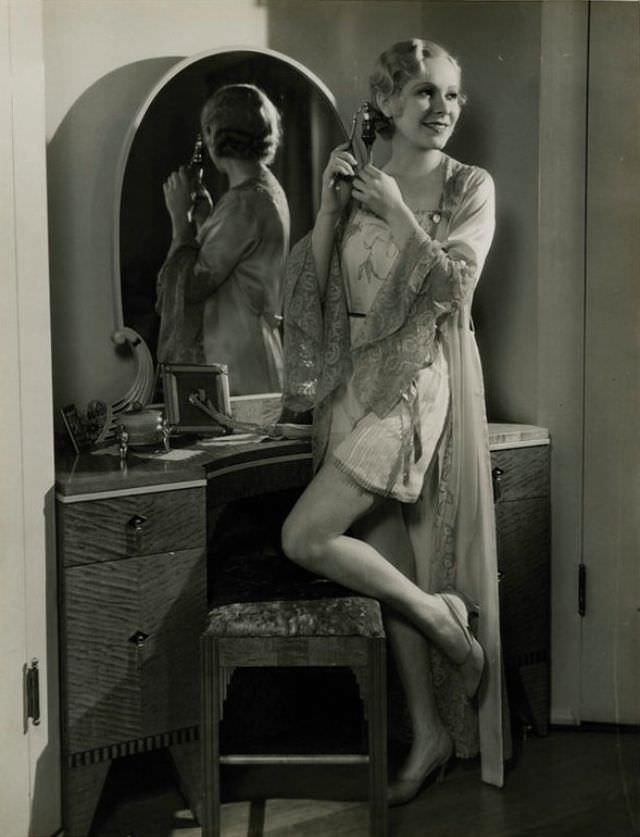
Jones had a sharp eye for lighting. He favored soft, directional light that sculpted his subjects’ faces without flattening their features. This technique gave his portraits a warmth and depth that set them apart from the more rigid studio photography common at the time. The result was images that felt both polished and personal.


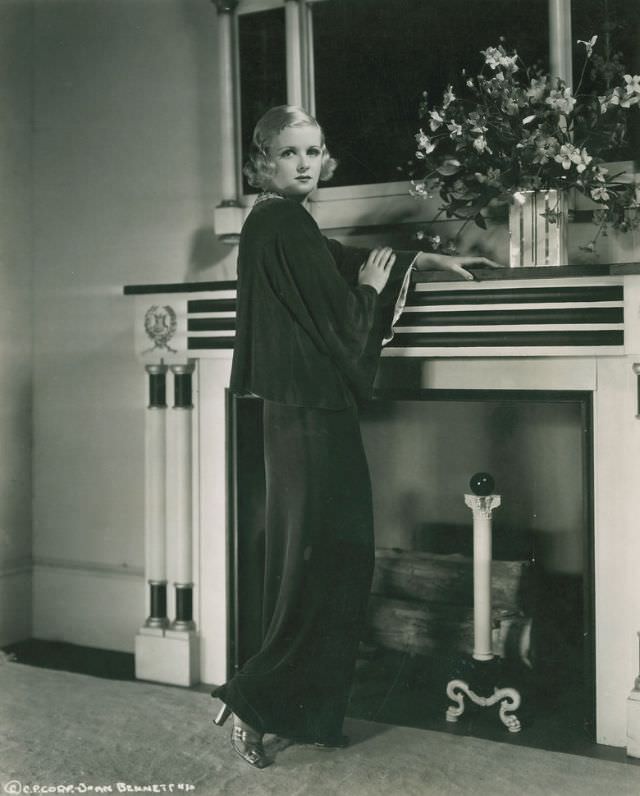
His subjects included some of the biggest names in early Hollywood. Bette Davis, Jean Harlow, and Marlene Dietrich all sat in front of his lens. Each portrait reflected not just the individual woman, but also the specific fashions of the moment — the sculpted brows, the finger-waved hair, the bias-cut gowns, and the bold lip colors that defined 1930s beauty.


Jones frequently photographed stars in character, tying his portraits directly to their film roles. His sessions with Jean Harlow for “Three Wise Girls” and Zita Johann for “The Mummy,” both in 1932, show how he adapted his approach to match the mood of each production while keeping his signature softness intact.


Beyond the major stars, Jones also turned his lens on rising talents and international actresses. Tala Birell, the Austrian-born actress, and French star Danielle Darrieux both appeared in his portfolio, showing that his reach extended well beyond Hollywood’s inner circle.


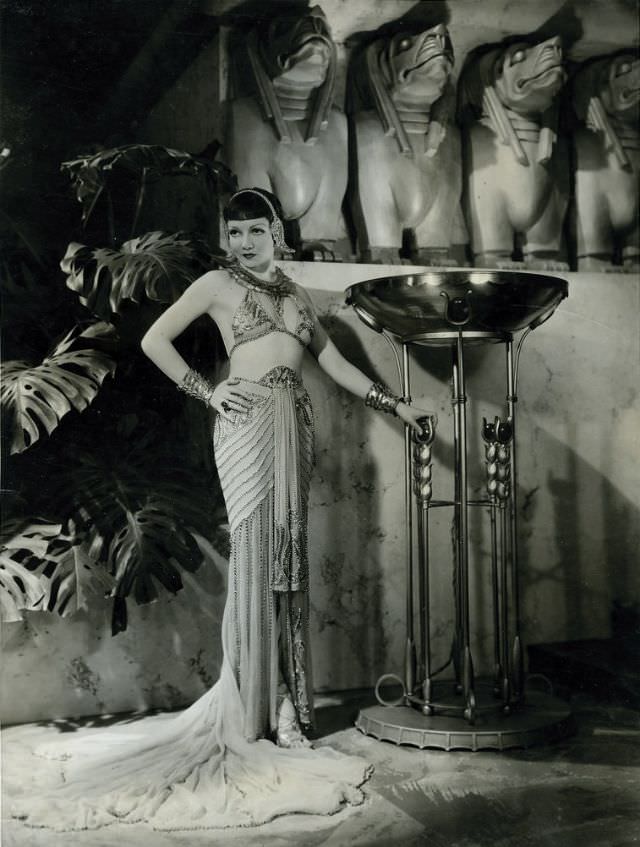
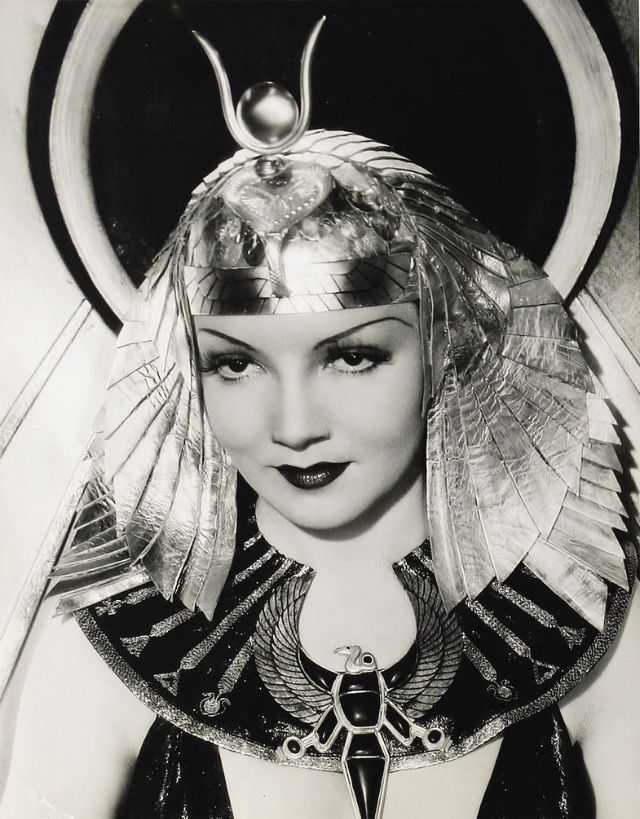
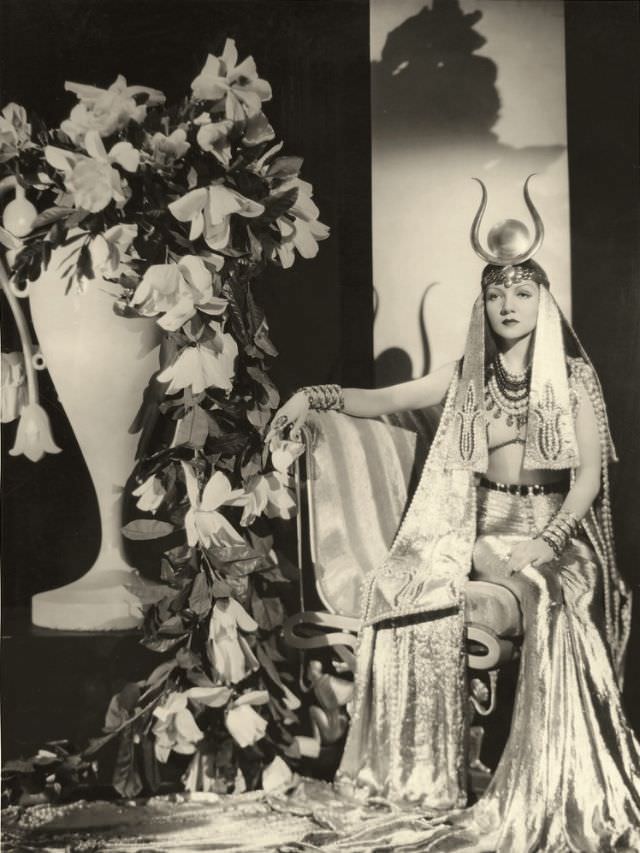
His 1934 sessions with Claudette Colbert on the set of “Cleopatra” produced some of his most striking work. Colbert’s elaborate costumes and striking makeup gave Jones rich visual material, and his composition skills were well suited to translating that theatrical grandeur into still photography.


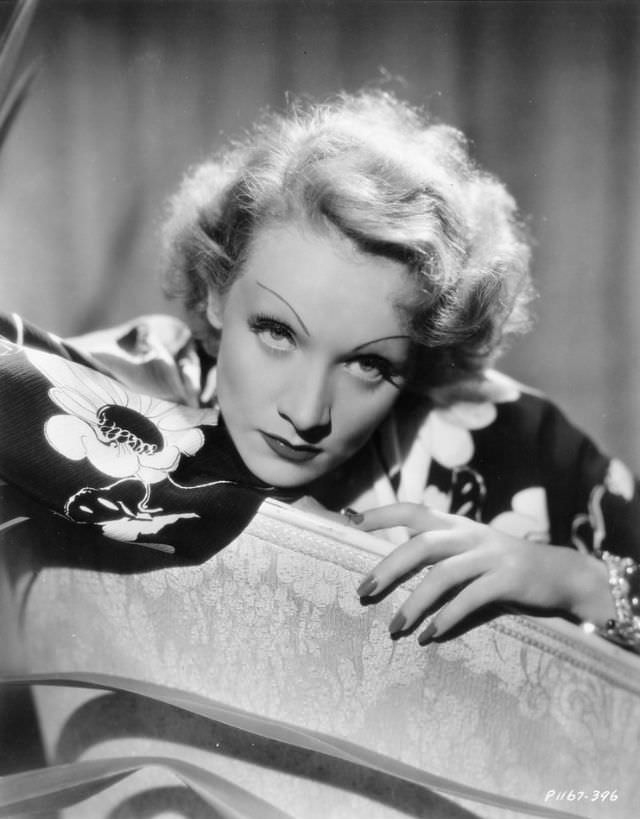
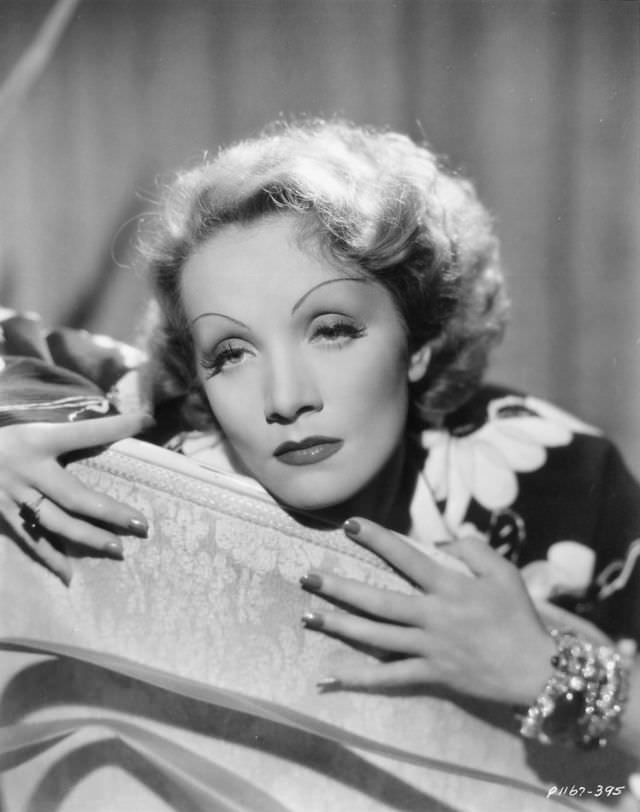
By the mid-1930s, Jones was photographing Marlene Dietrich — one of the most photographed women of the decade. His portraits of her from “The Devil is a Woman” in 1935 capture the precise, almost architectural quality of her look: the arched brows, the half-lit face, the effortless command of the camera.


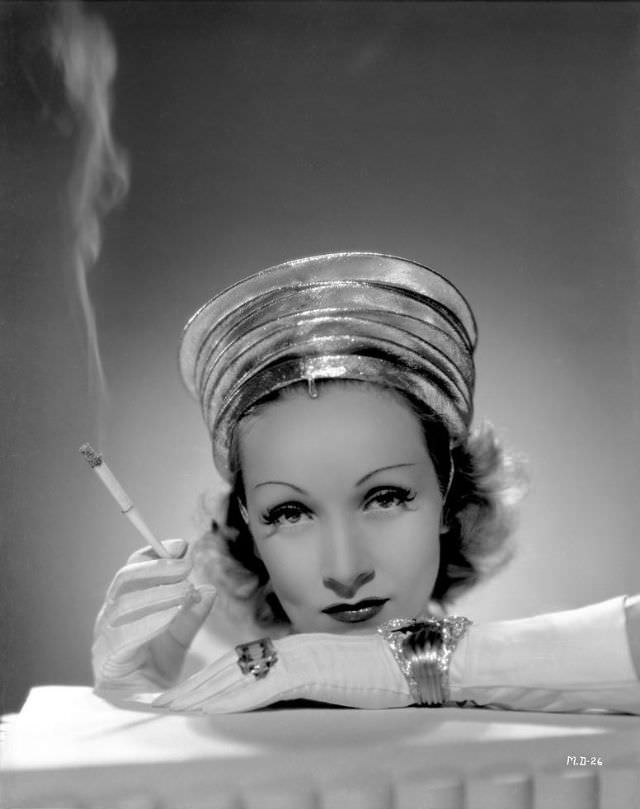
As the decade closed, Jones continued working with the same precision. His 1939 portrait of Sigrid Gurie and his session with Dietrich for “Destry Rides Again” showed his style had not softened or grown stale. The images remained sharp, thoughtful, and technically refined from the first frame of the decade to the last.