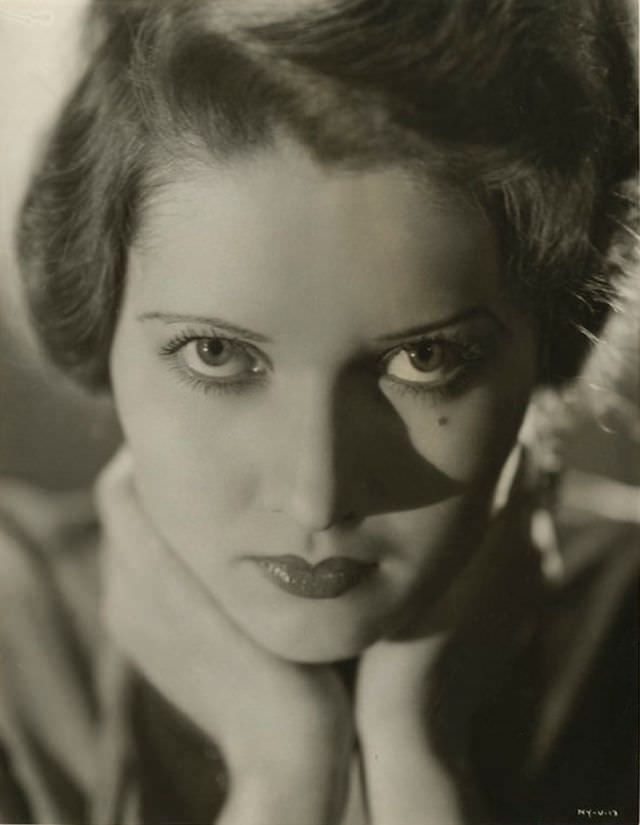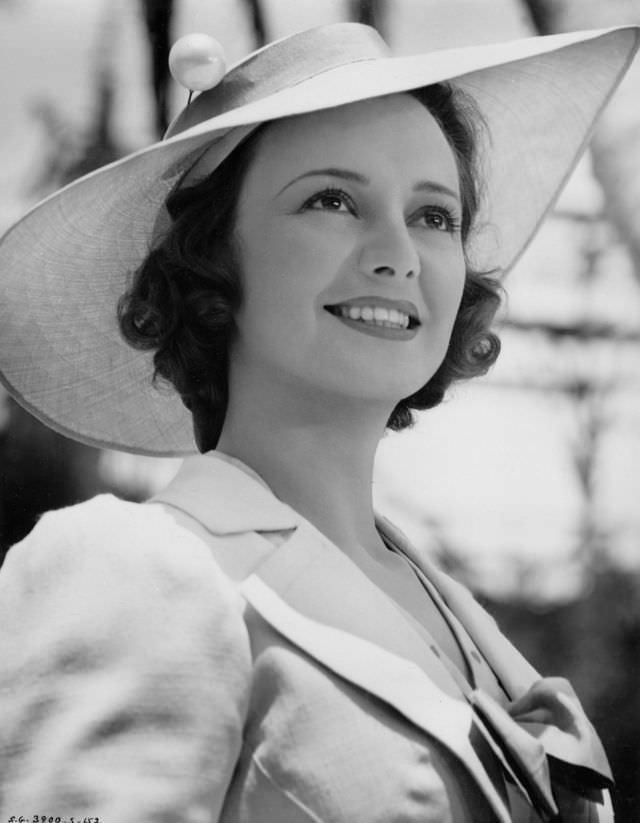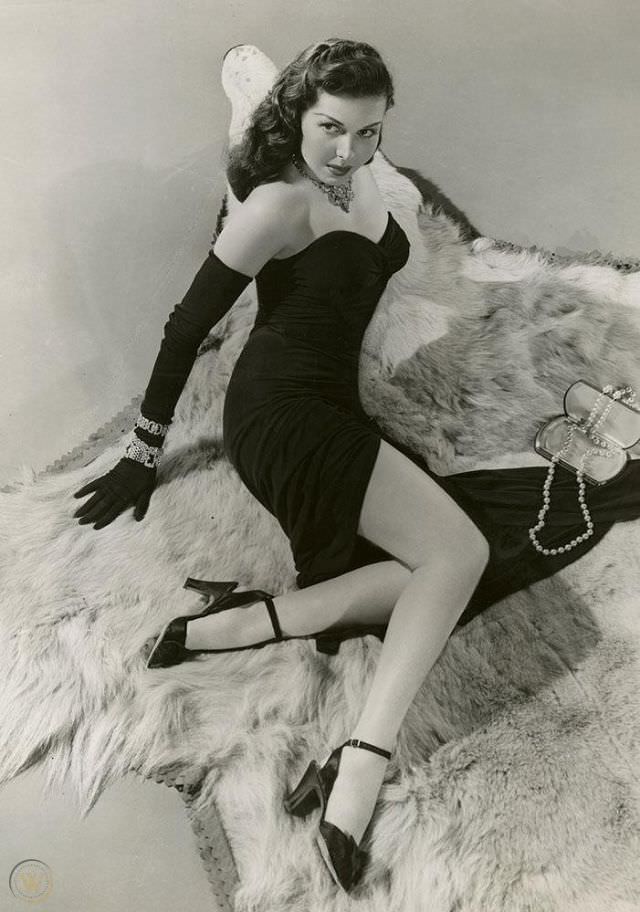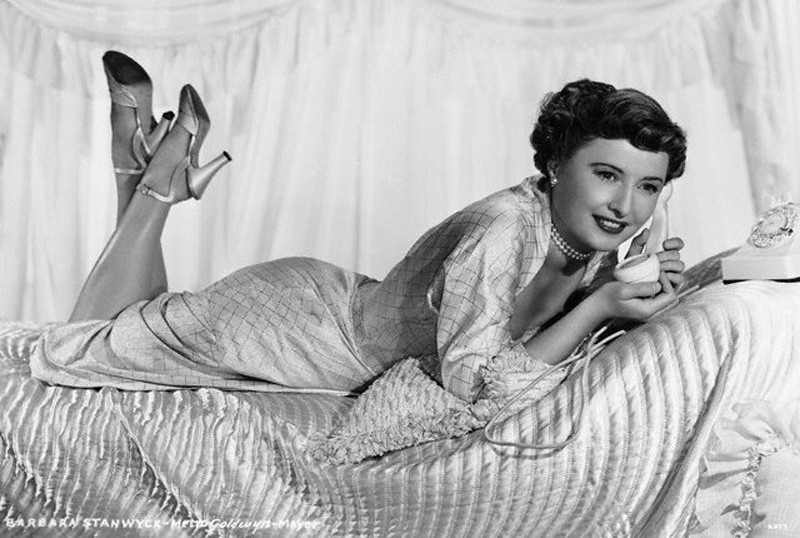
Robert Coburn was one of the most gifted portrait photographers to ever work in Hollywood. From the 1930s through the 1960s, he moved through the major film studios capturing some of the biggest stars of the era on film. His work didn’t just document celebrities — it helped shape the visual identity of what we now call the Golden Age of Cinema.
In 1940, Coburn joined Columbia Pictures, where he would spend the next twenty years as the head of the still production department and the studio’s chief portrait photographer. During that time, he worked on landmark films including “Gilda,” “Picnic,” and “The Big Heat.” The Academy of Motion Picture Arts and Sciences recognized his contributions twice, awarding him the Still Photography Exhibition Award on both occasions.
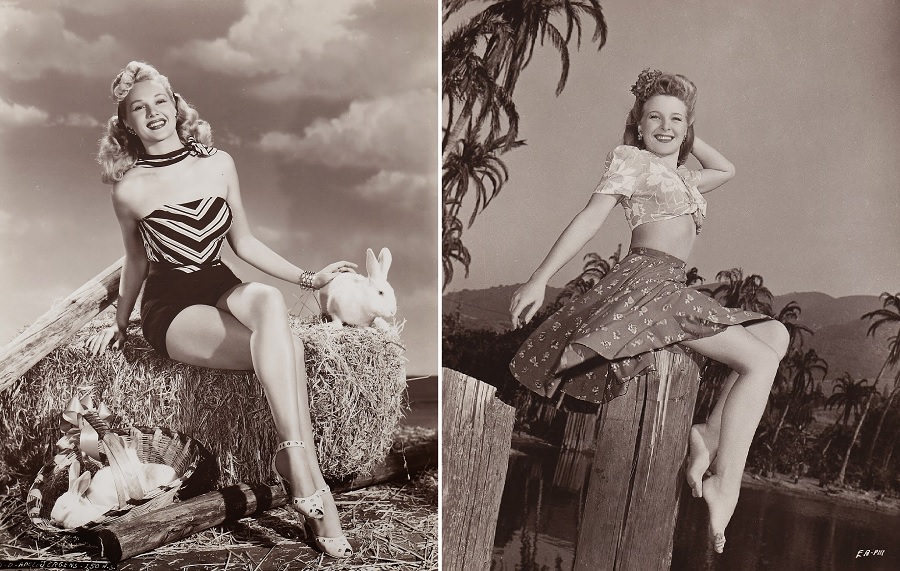
Coburn had a rare ability to make his subjects look both powerful and natural at the same time. His portraits feel polished but never stiff. The women he photographed — whether A-list stars or rising newcomers — radiated a presence that went beyond simple glamour. Andrea Leeds was one of those subjects, captured by Coburn during the production of “The Real Glory” in 1939.
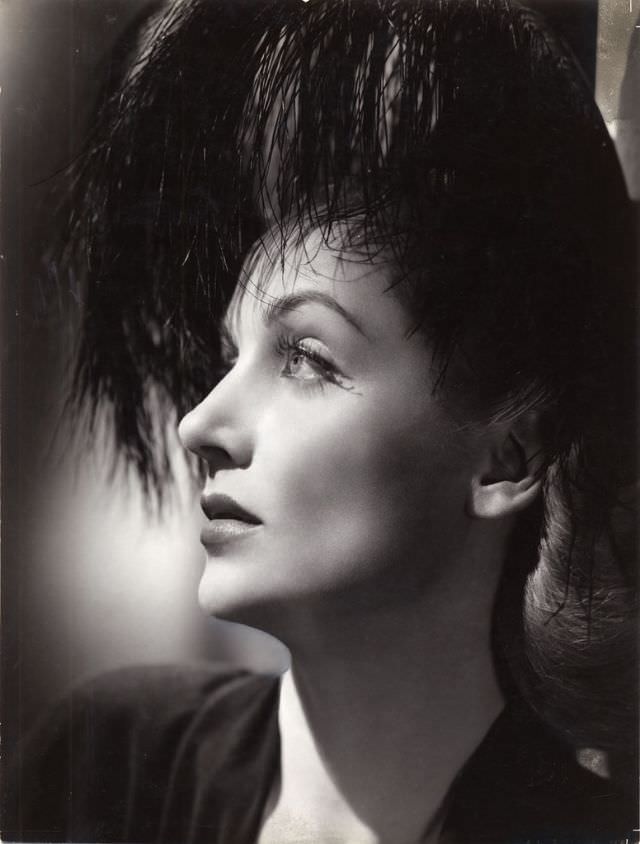
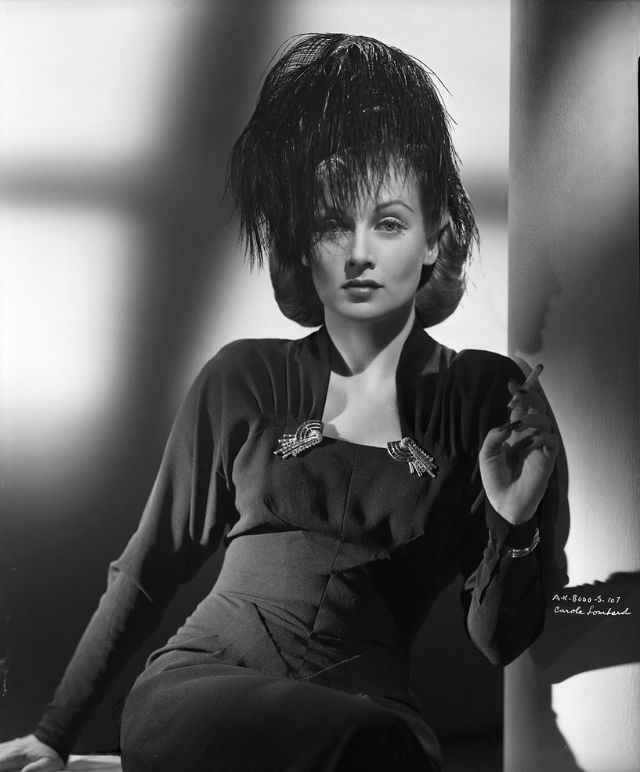
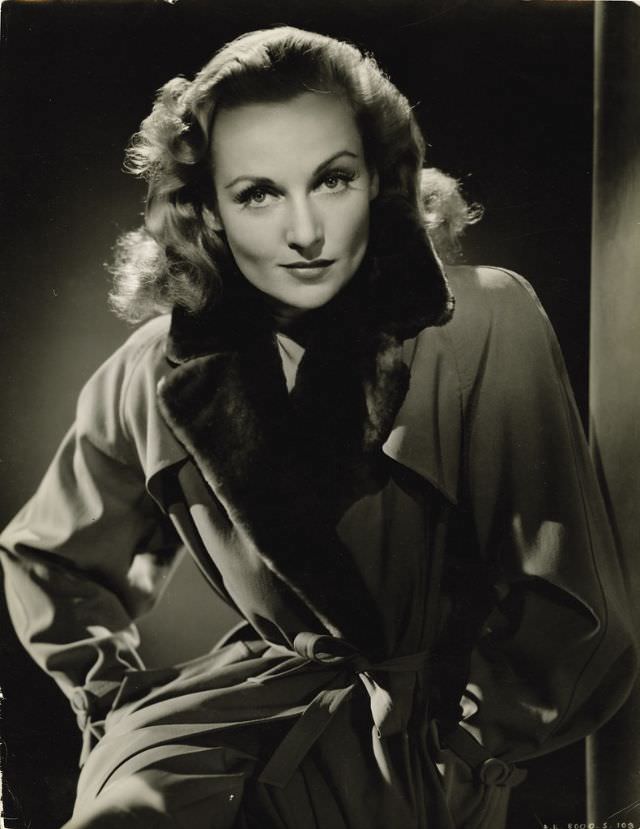
Carole Lombard sat for Coburn in 1942 during the production of “To Be or Not to Be,” one of her final films before her death in a plane crash that January. These portraits stand as some of the last professional images taken of her.
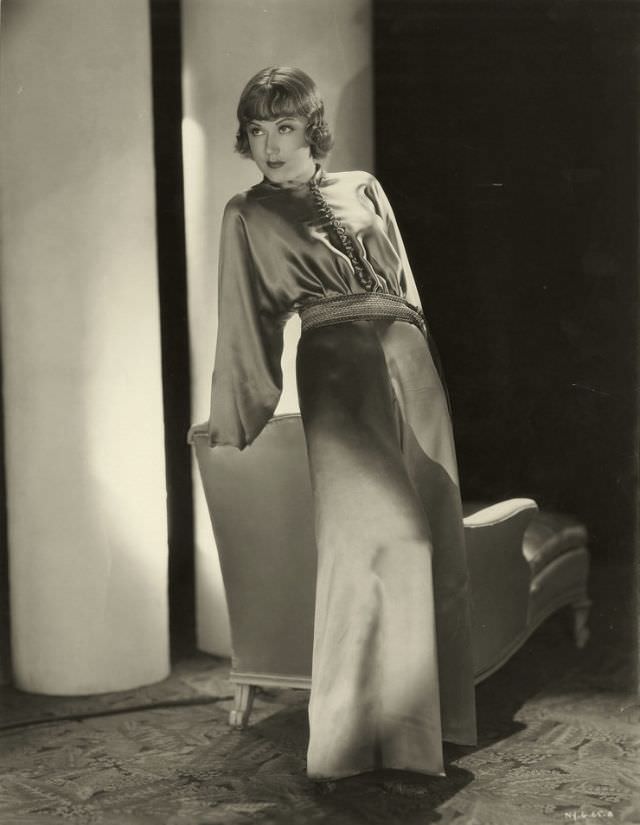
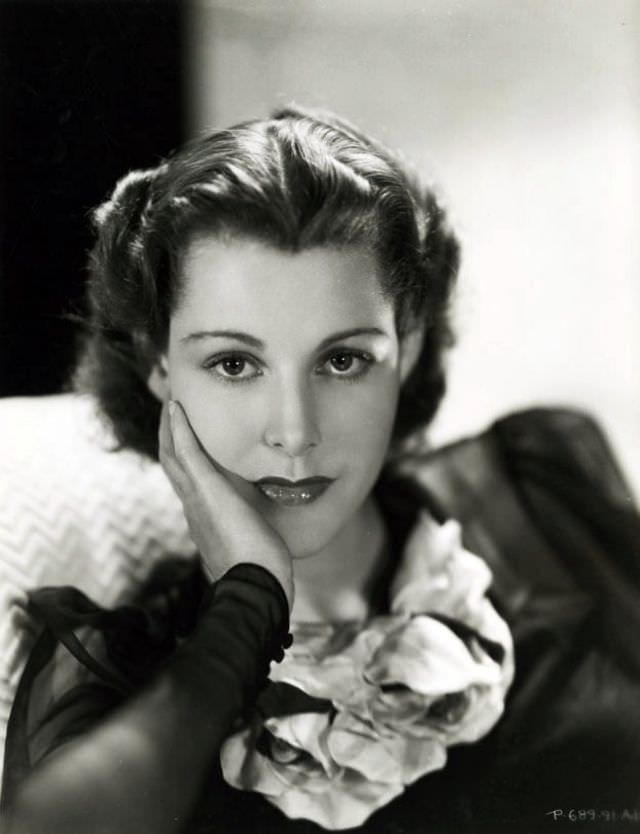
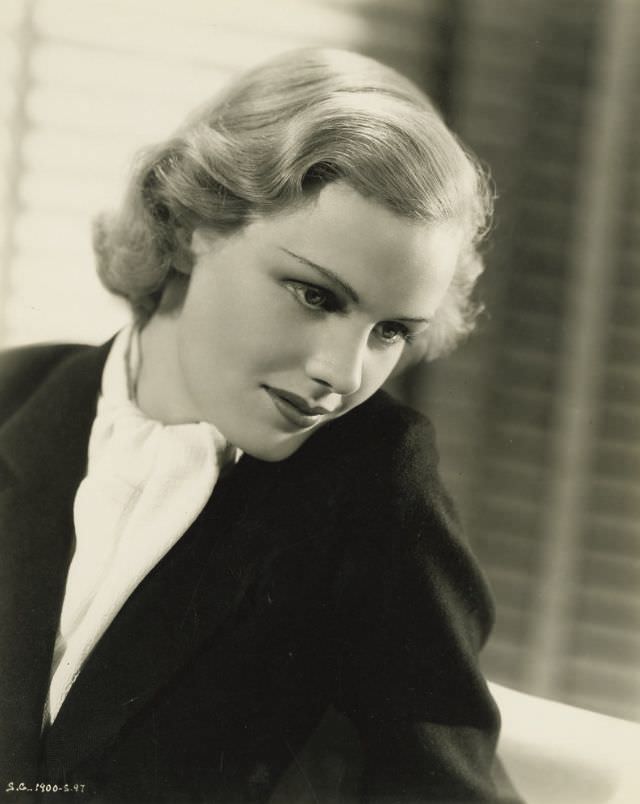
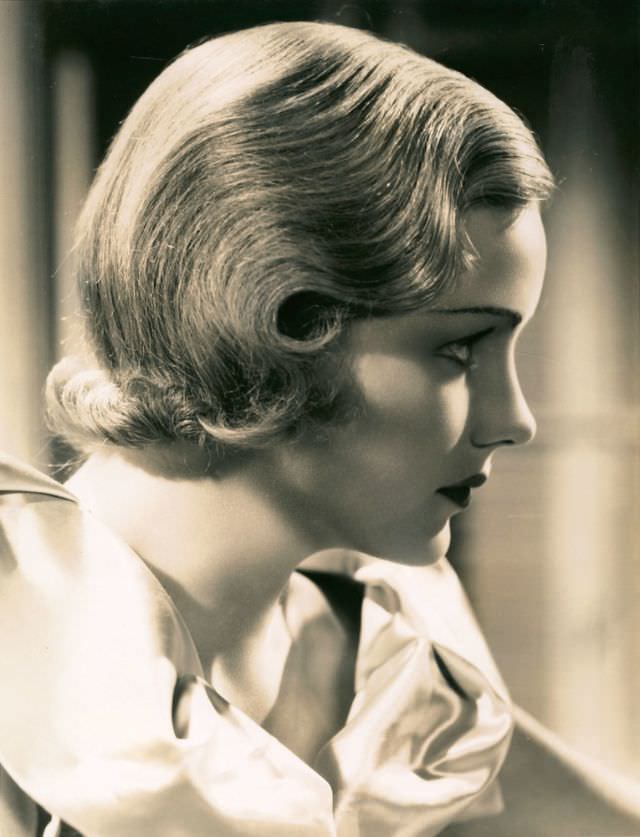
Fay Wray, best known for her role in “King Kong,” was photographed by Coburn in 1933, the same year that film was released. Frances Dee sat for him that same year, her soft features perfectly suited to his lighting style.
Frances Farmer appeared in front of Coburn’s lens in 1936, including a portrait tied to her role in “Come and Get It.” Coburn captured her directness — a quality that defined her screen presence before her career and personal life unraveled in the years that followed.
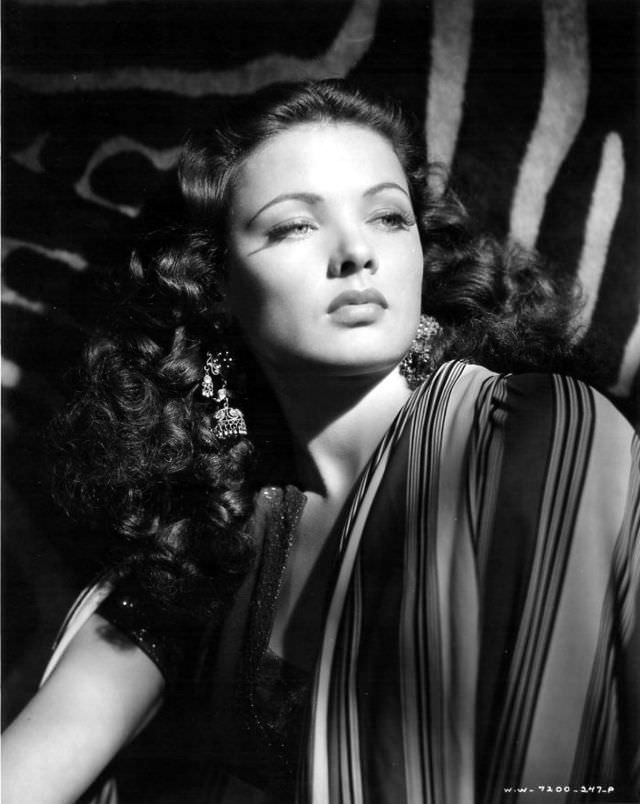
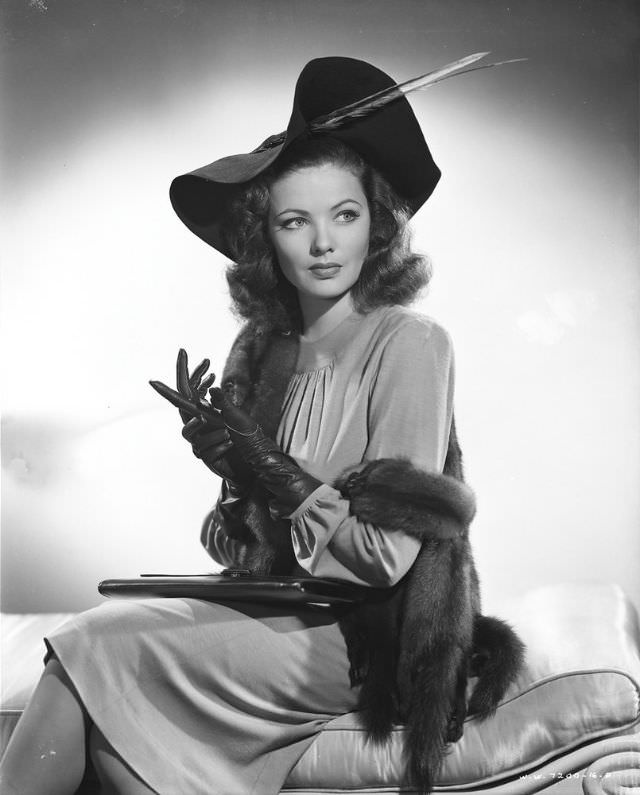
Gene Tierney, photographed during the 1941 production of “Sundown,” had a symmetrical beauty that cameras loved. Coburn’s portraits of her from this period highlight exactly why she became one of Hollywood’s most photographed actresses of the 1940s.
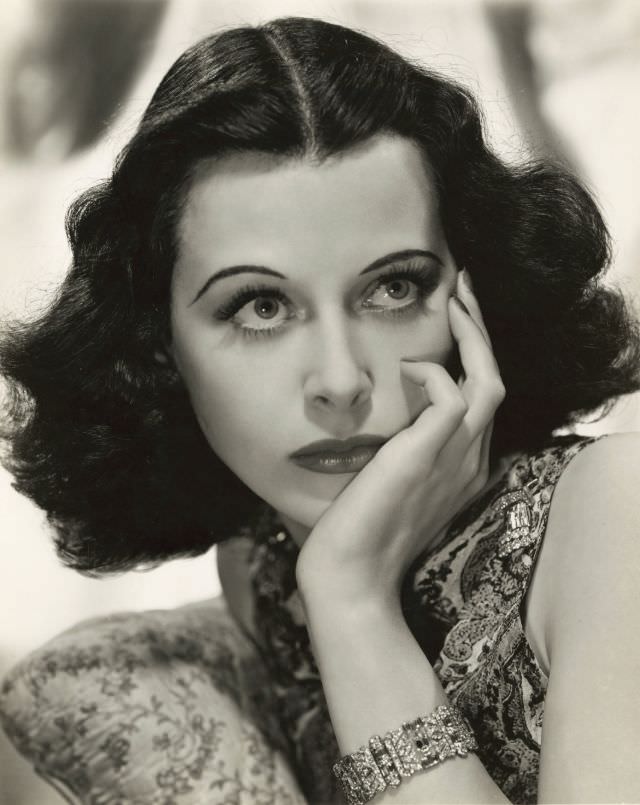
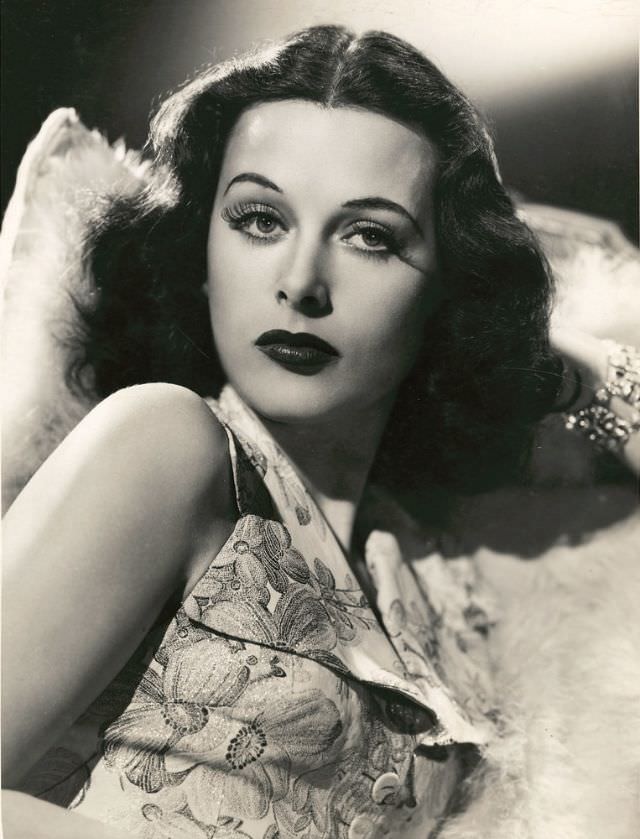
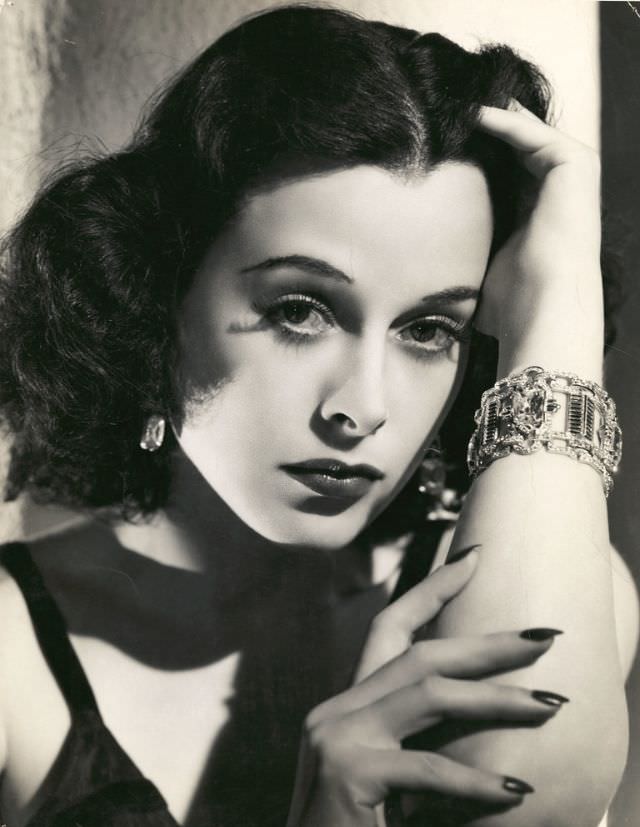
Hedy Lamarr was photographed by Coburn three times in 1938, each image showcasing a slightly different dimension of her striking face. At the time, she was widely considered one of the most beautiful women in Hollywood. Coburn’s multiple portraits of her that year reflect just how much the industry wanted her image documented.
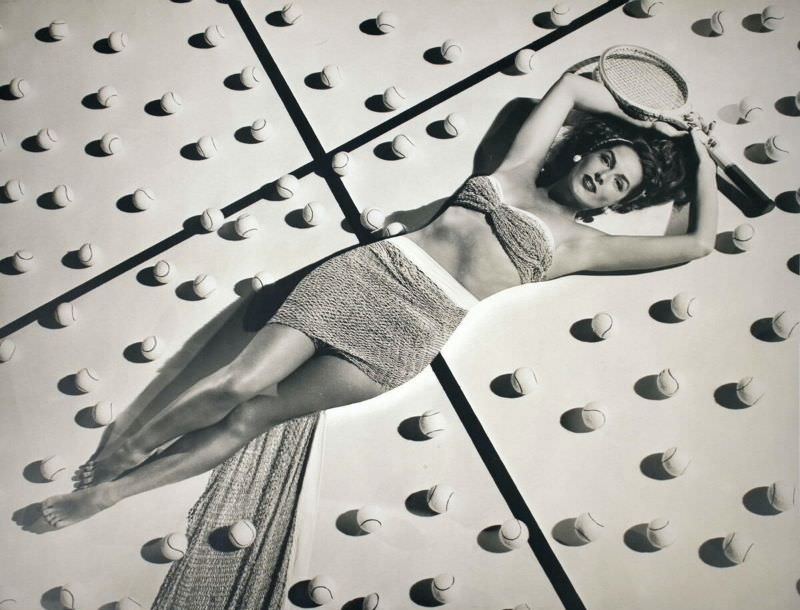
Jane Wyatt appeared before Coburn’s camera in 1935, early in her career, while Jinx Falkenburg — a model and actress who became one of the most photographed women of the 1940s — was also captured during that same decade.
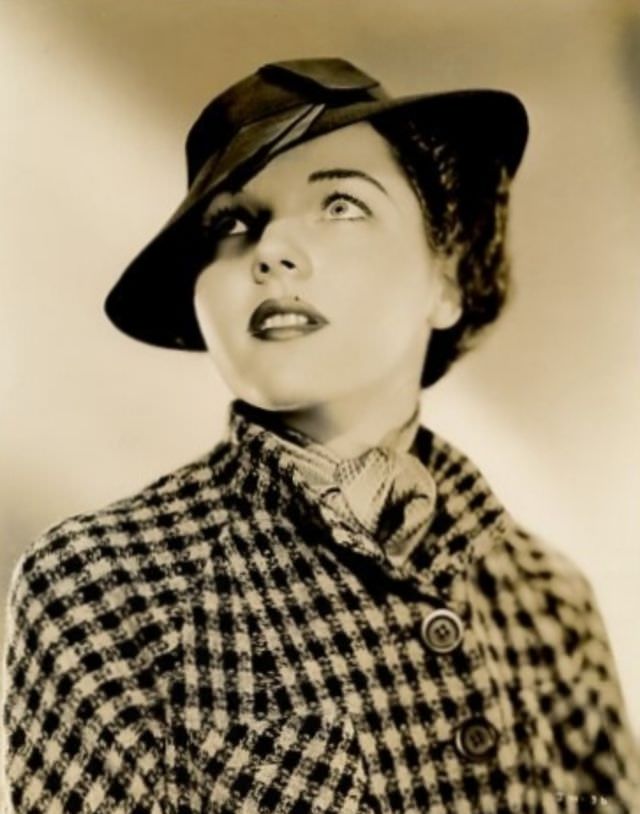
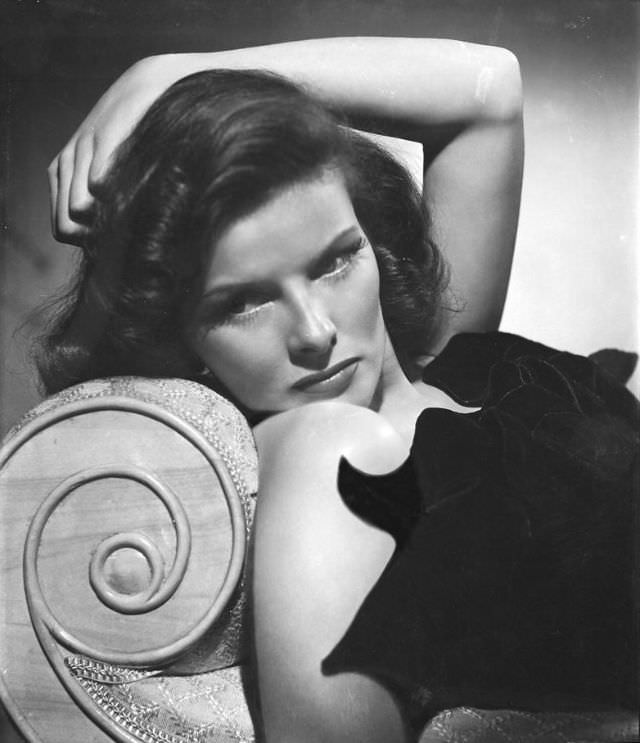
Katharine Hepburn sat for Coburn in 1938 during the production of “Holiday,” a film she made with Cary Grant. Even in a still portrait, Hepburn’s sharp intelligence comes through — a quality that made her one of the most distinctive screen presences of the era.
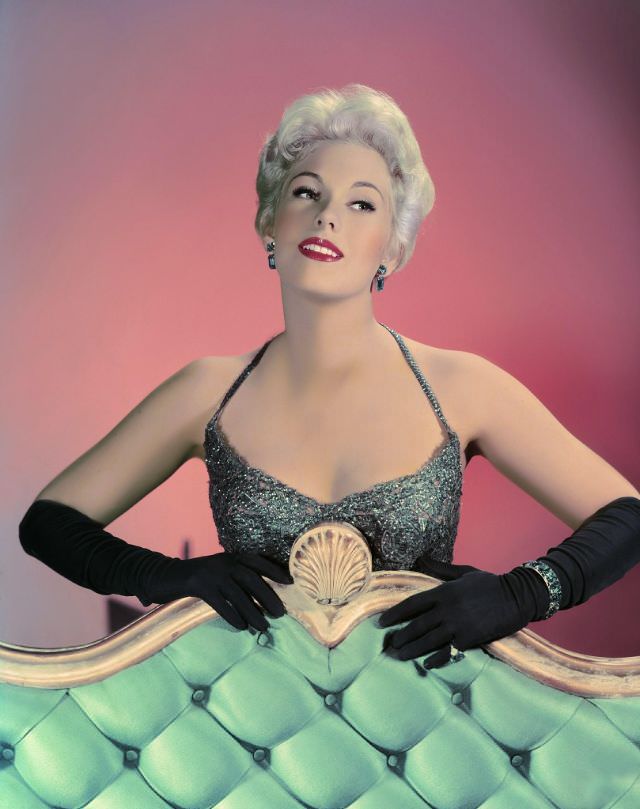
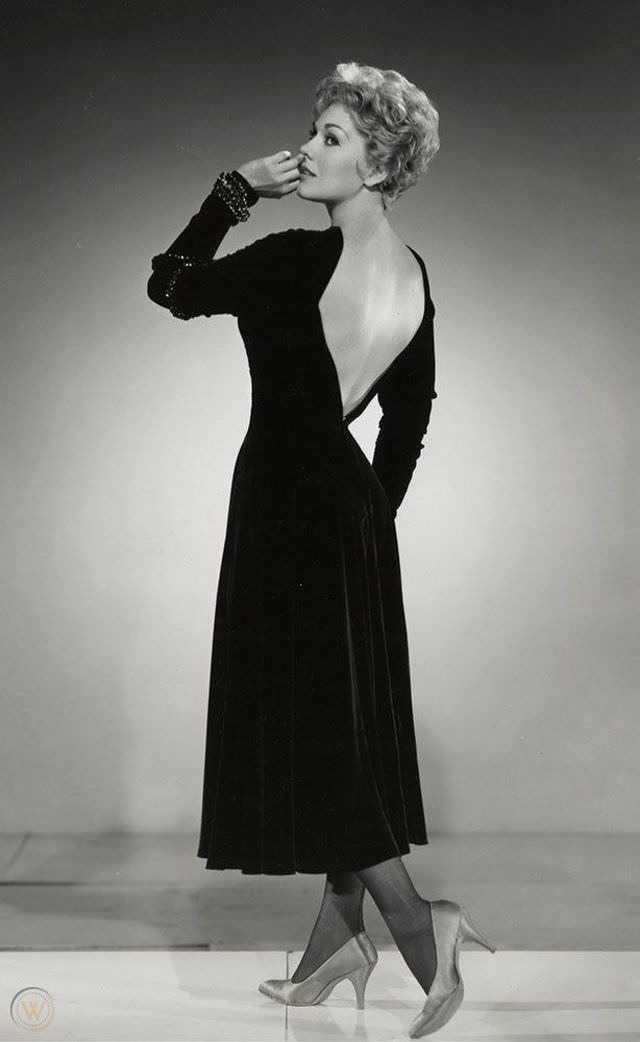
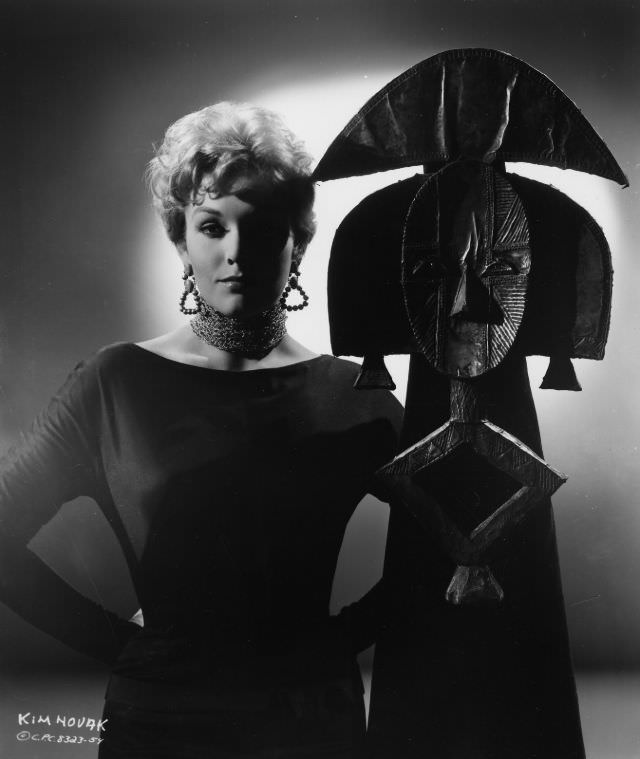
Kim Novak was photographed by Coburn multiple times throughout the 1950s. Her 1953 portrait came early in her rise at Columbia Pictures, while her 1958 sessions — including images tied to “Bell, Book, and Candle” — captured her at the peak of her stardom.
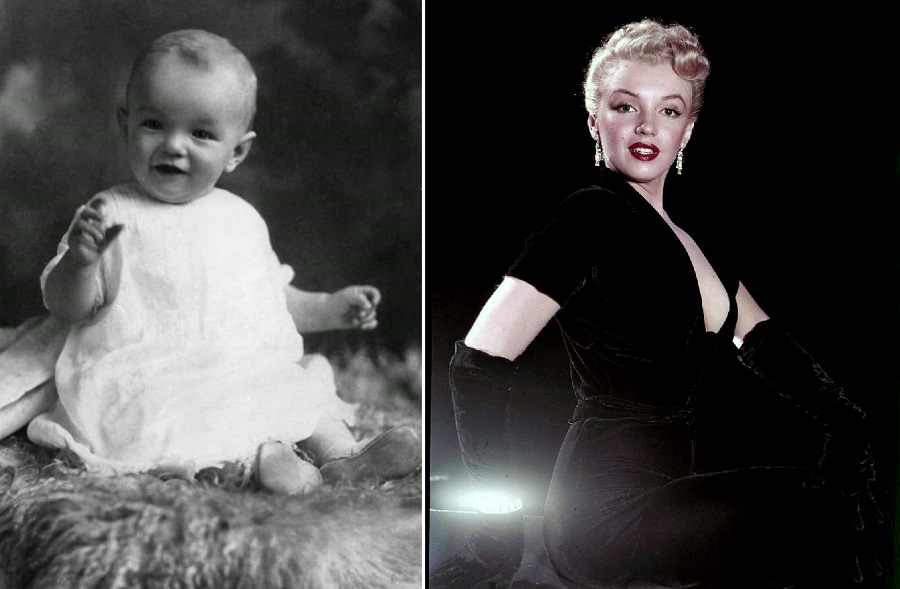
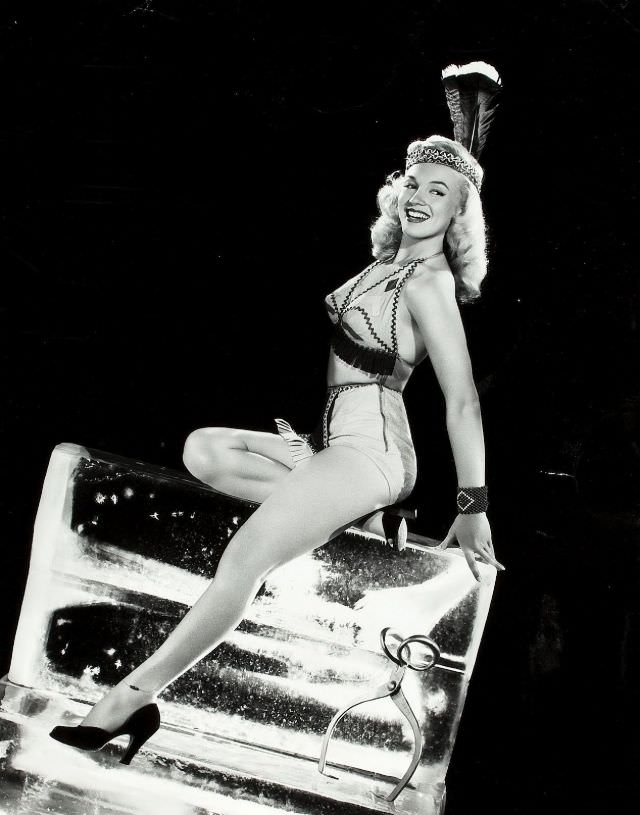
Marilyn Monroe appeared in front of Coburn’s camera in 1949 during the production of “Ladies of the Chorus,” one of her earliest film roles. It was a full three years before she became a household name, and the portrait shows a young actress not yet transformed into a global icon.
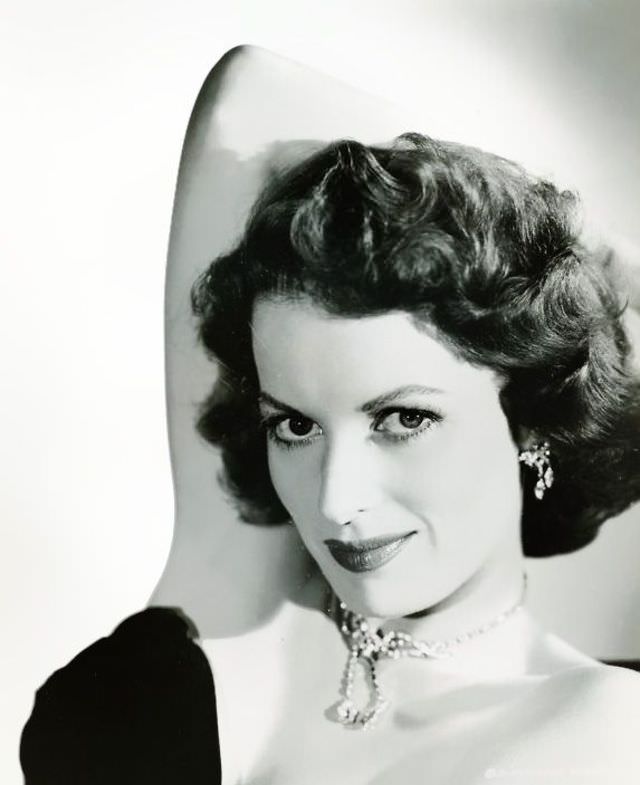
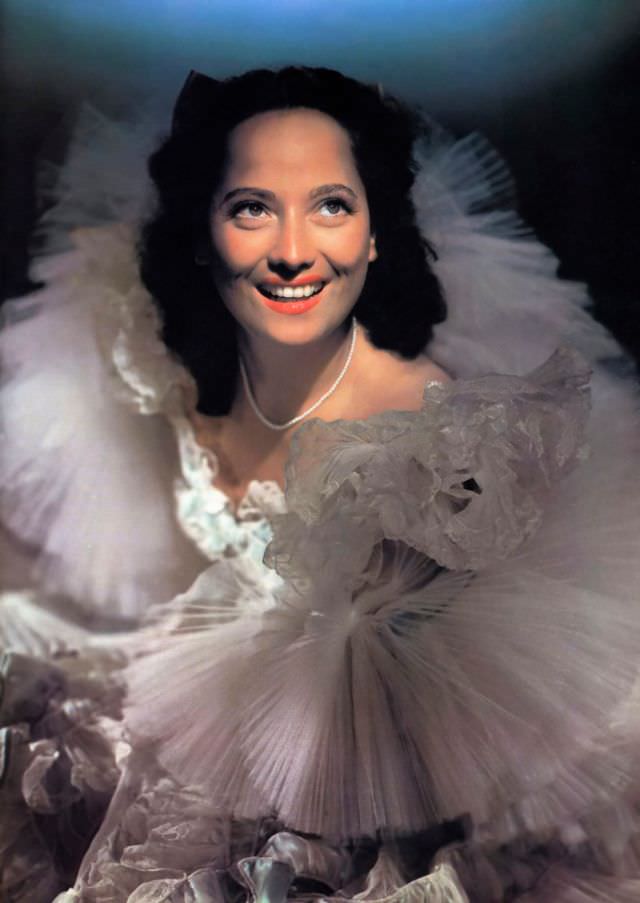
Maureen O’Hara was photographed in 1956, her fiery red hair and bold features as striking in a still image as they were on screen. Merle Oberon sat for Coburn across multiple sessions — in the 1930s and again in 1941 and 1943 — making her one of his most frequently photographed subjects.
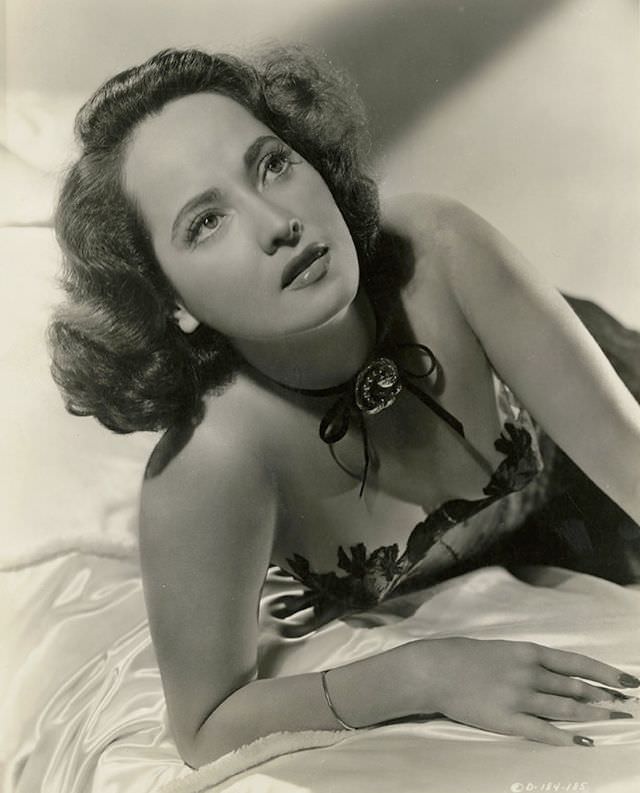
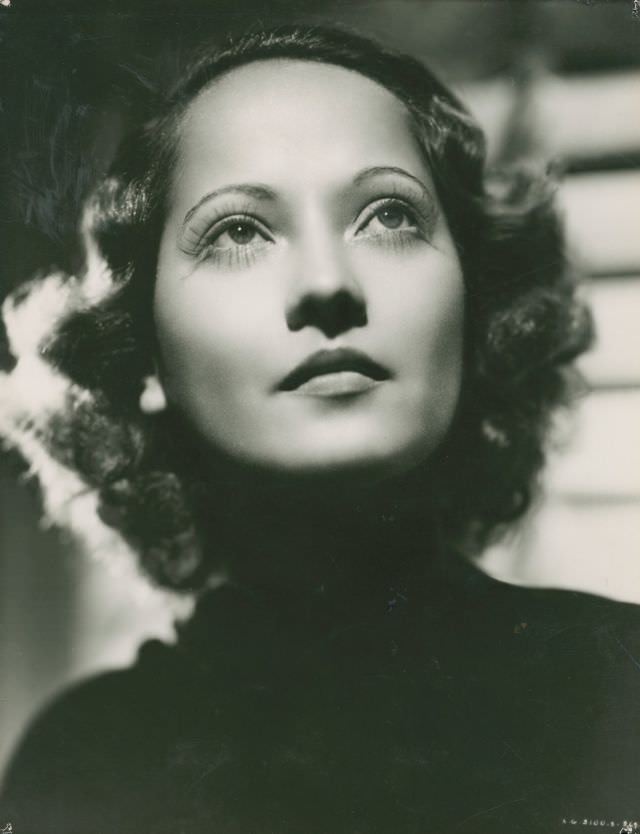
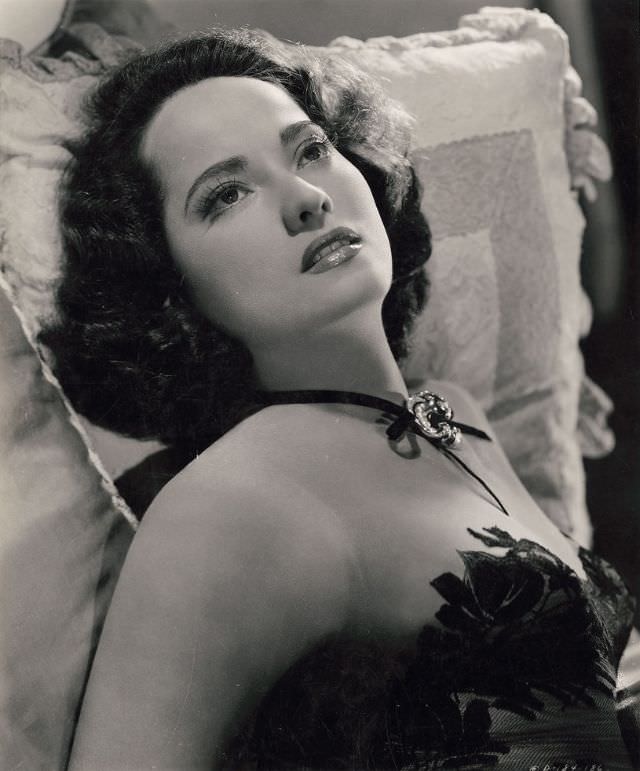
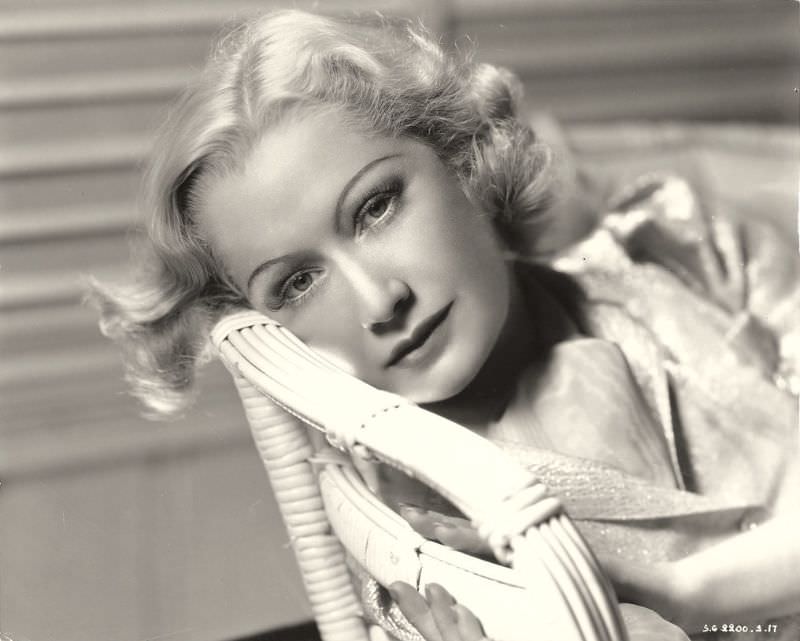
Miriam Hopkins was photographed in 1937 during production of “Woman Chases Man,” while Paulette Goddard sat for Coburn in 1949. Both women were known for sharp wit and strong screen presence, qualities that Coburn’s lens captured with quiet precision.
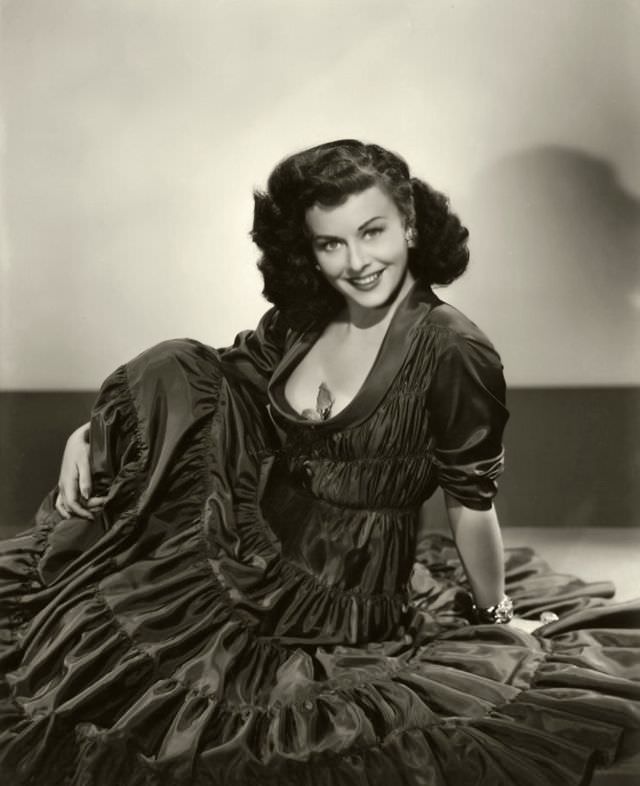
Rita Hayworth was arguably Coburn’s most photographed subject. He captured her across multiple major productions at Columbia Pictures — “My Gal Sal” in 1942, “Cover Girl” in 1944, “Gilda” in 1946, “The Lady from Shanghai” in 1947, and “Affair in Trinidad” in 1952. These portraits trace the arc of her career and show how deeply Coburn’s eye was tied to her image.
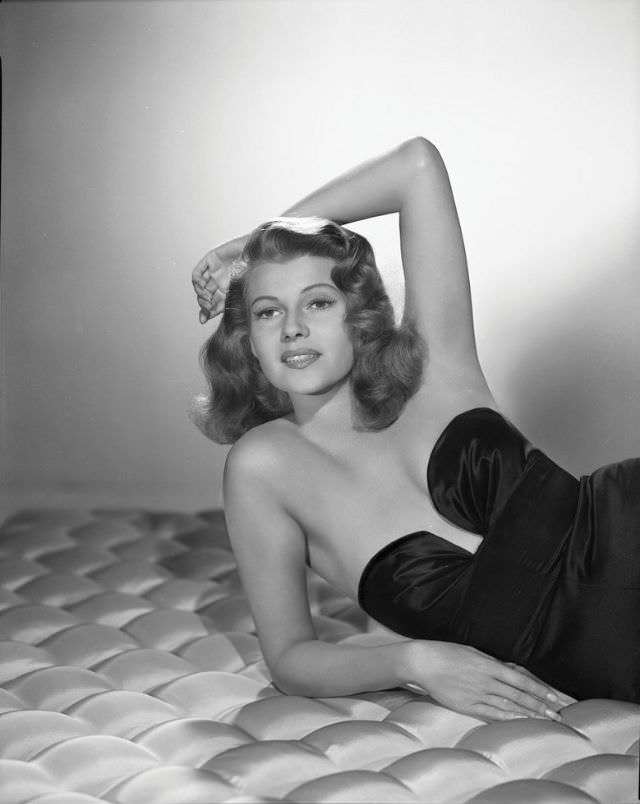
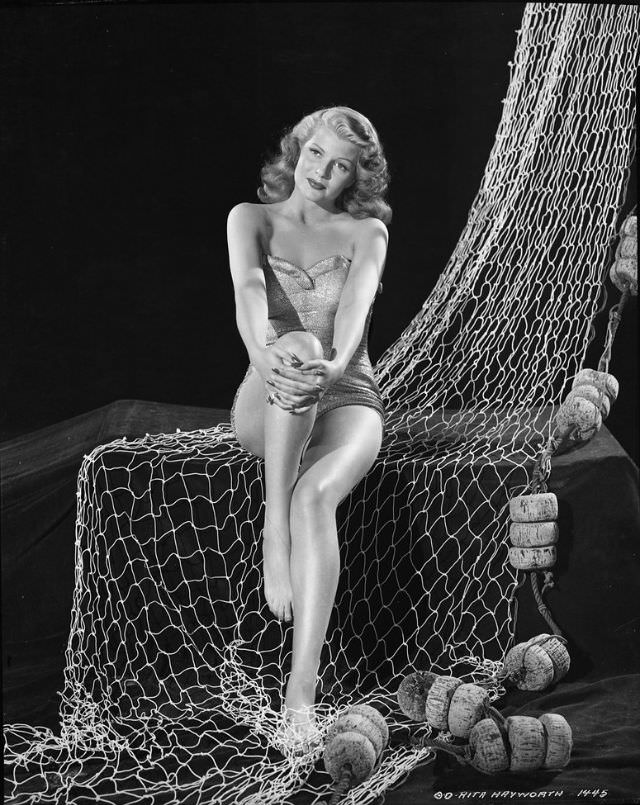
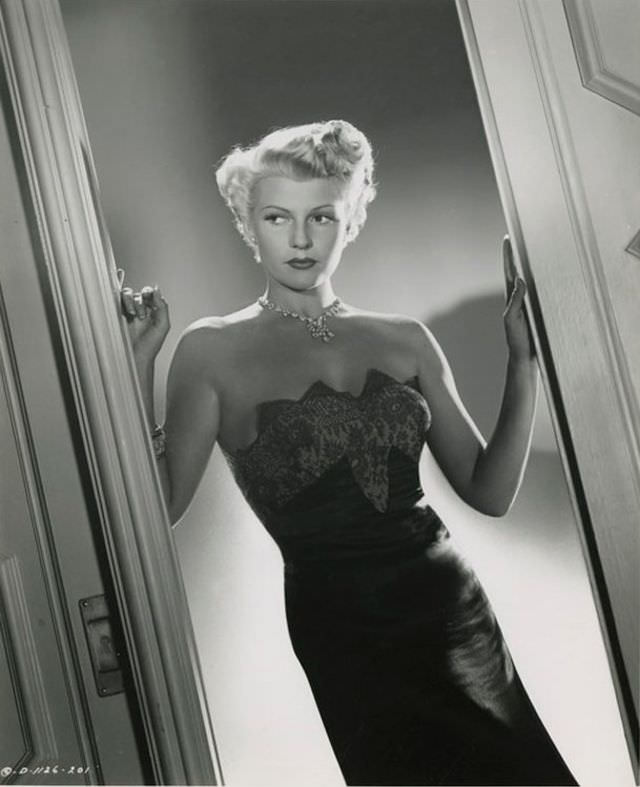
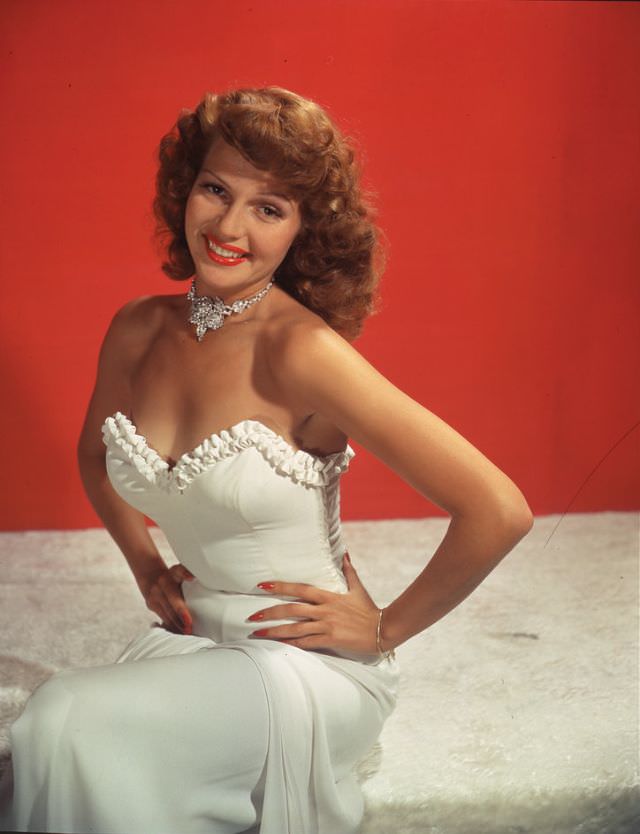
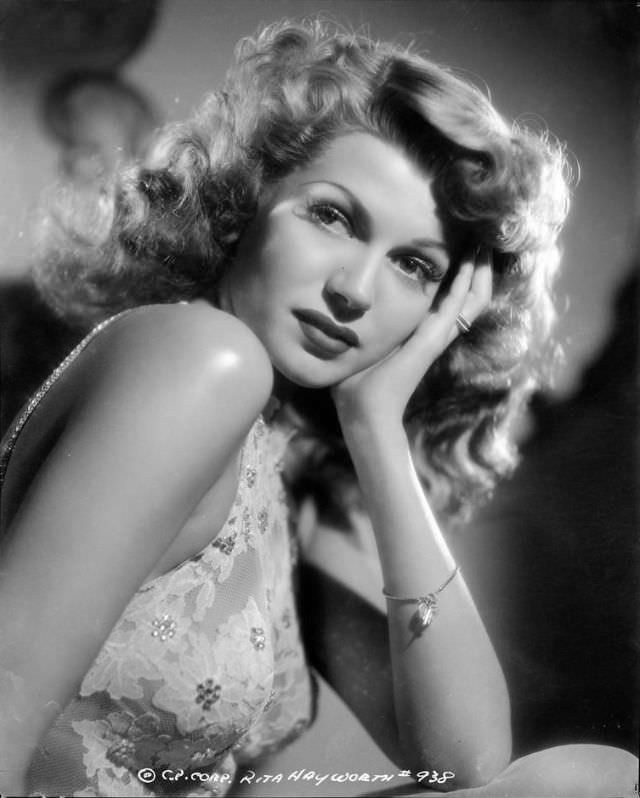
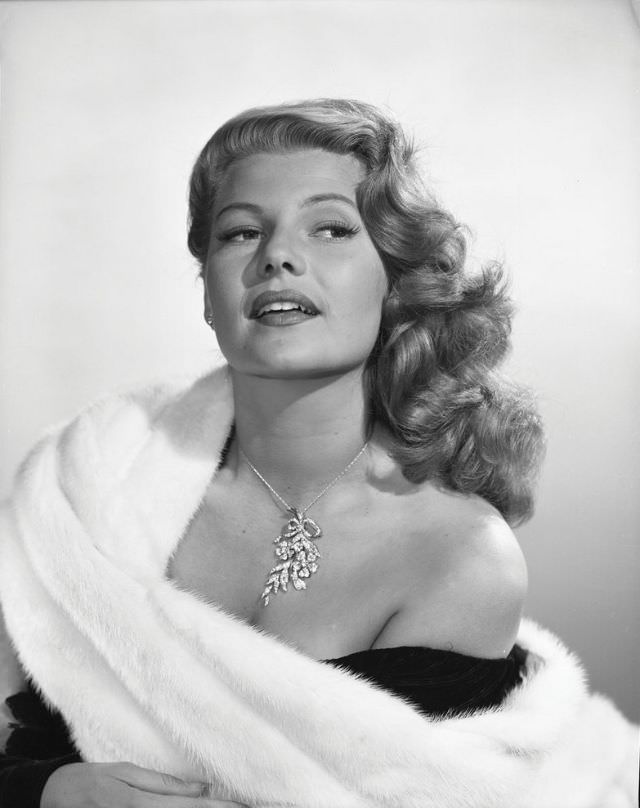
Rounding out the collection are portraits of Wera Engels from the 1930s and Ann Miller from 1945, along with a third portrait of Carole Lombard from “To Be or Not to Be.” Together, these images form a sweeping record of Hollywood’s most glamorous decade — preserved through Coburn’s precise and expert eye.