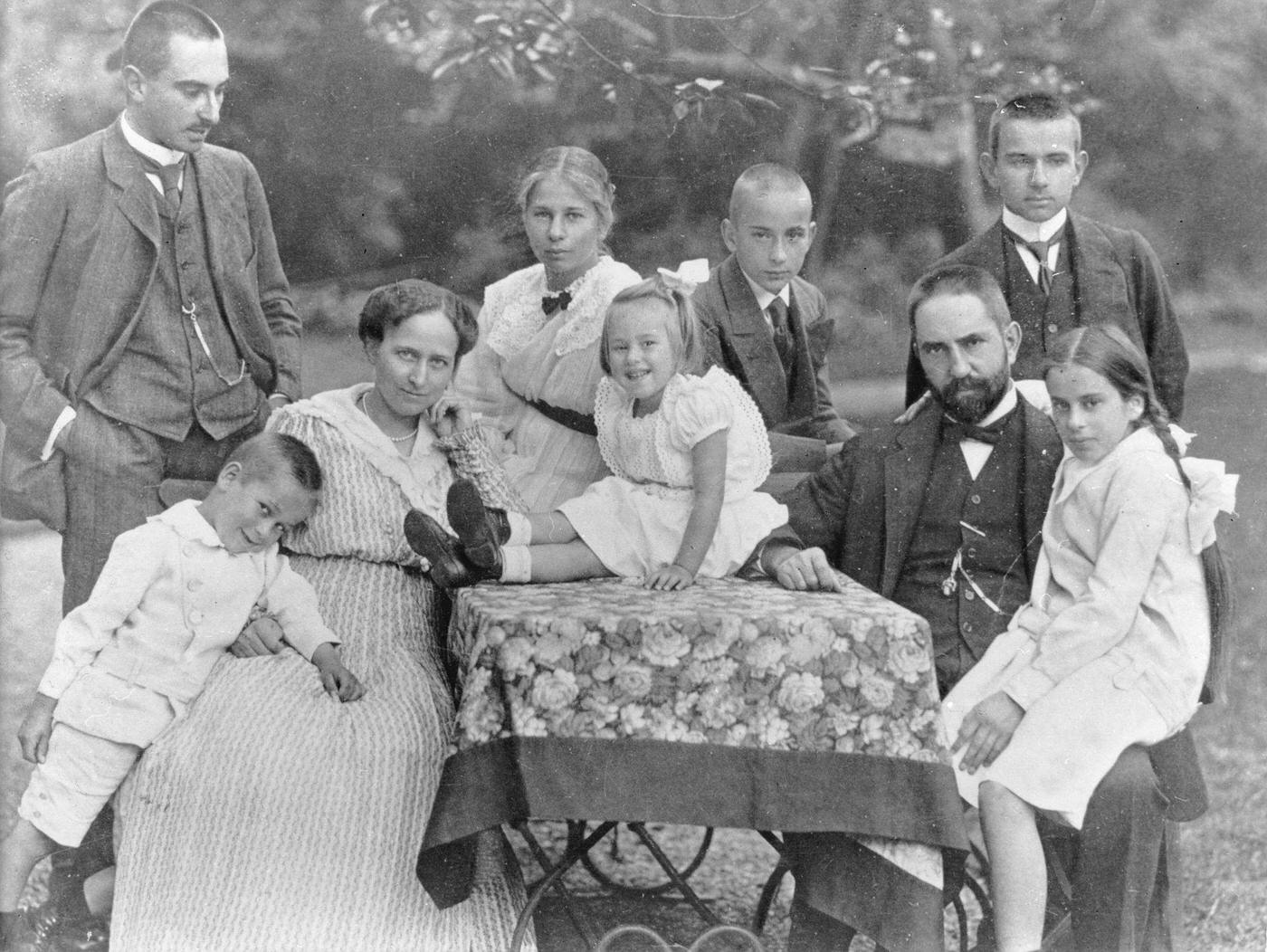
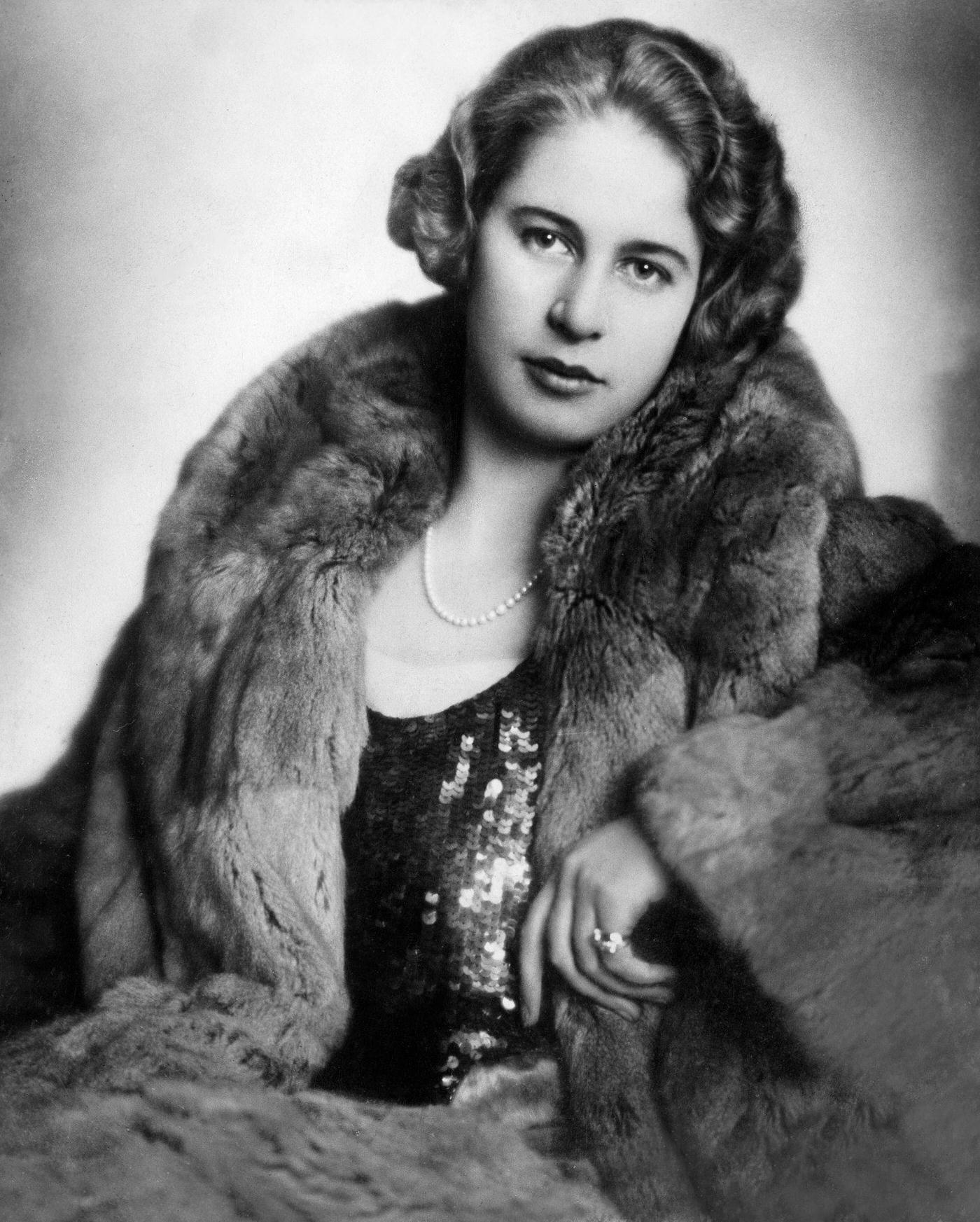
Clara Eleonore Stinnes was born on January 21, 1901, in Mülheim, Germany. She was the daughter of Hugo Stinnes, one of Germany’s most powerful industrialists. From the start, Clärenore was different from most girls of her era. By age 15, she was already driving laps around her father’s factory. By 18, she had her driver’s license in hand.
When her father died, Clärenore moved to Berlin at age 24 and threw herself into competitive car racing. In just two years, she won 17 titles and established herself as a serious force on Europe’s racing circuit. She wasn’t a casual participant — she was winning.
Her racing years took her across Europe, including multiple trips through Russia. During those early expeditions, she drove through the Caucasus and across Russia’s vast steppes, gaining experience in harsh and unpredictable terrain that few drivers — male or female — ever encountered.
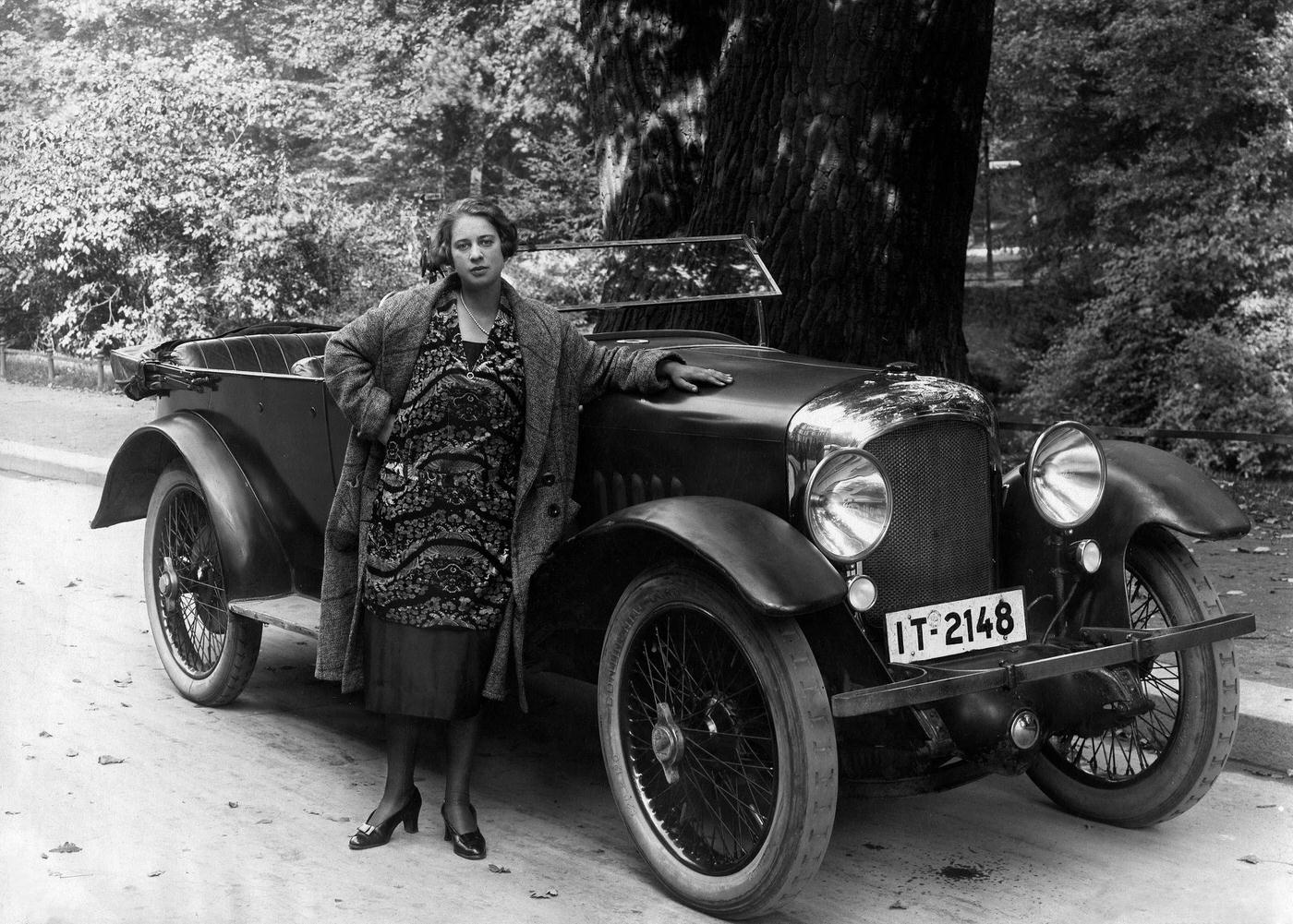
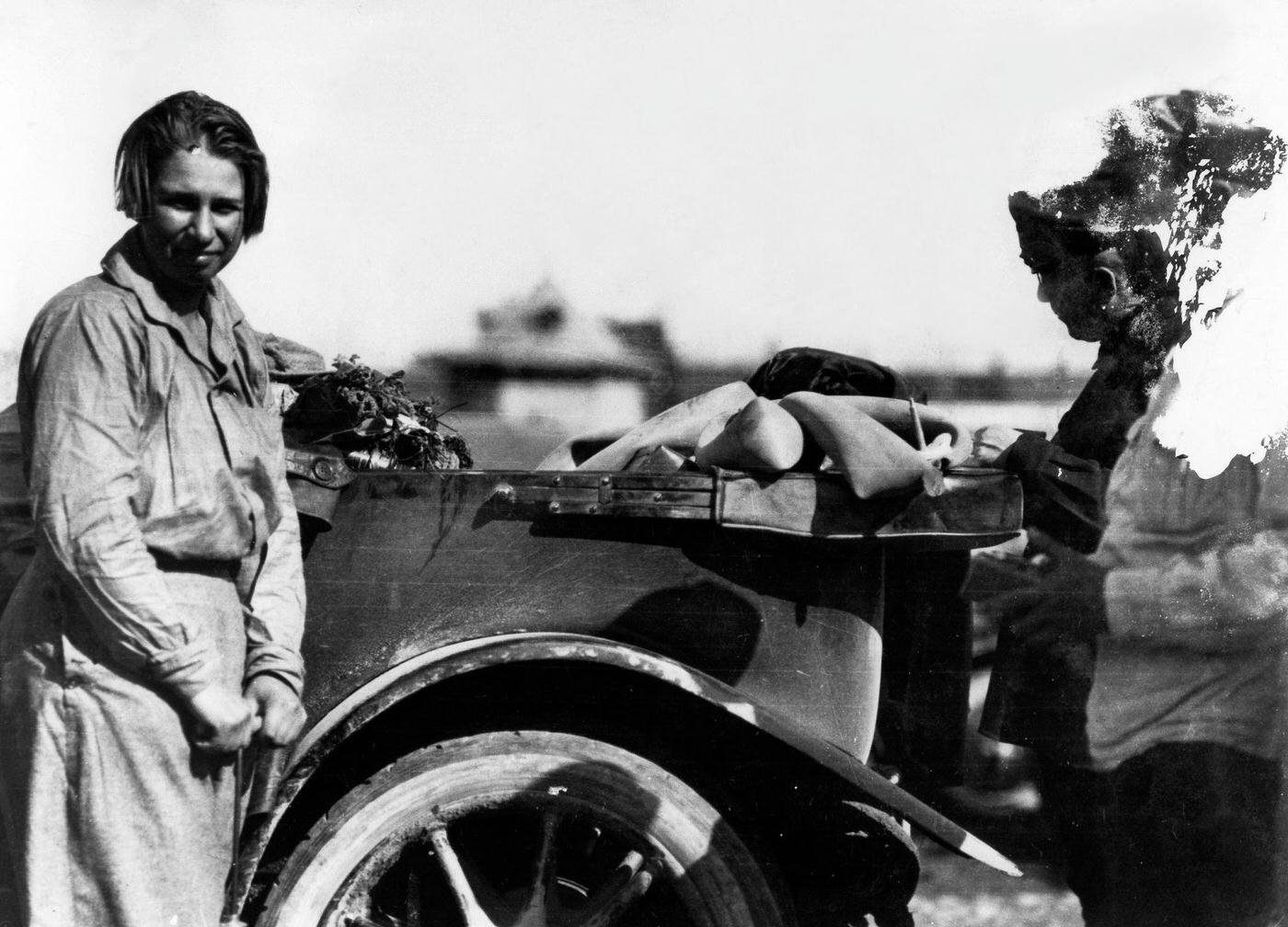
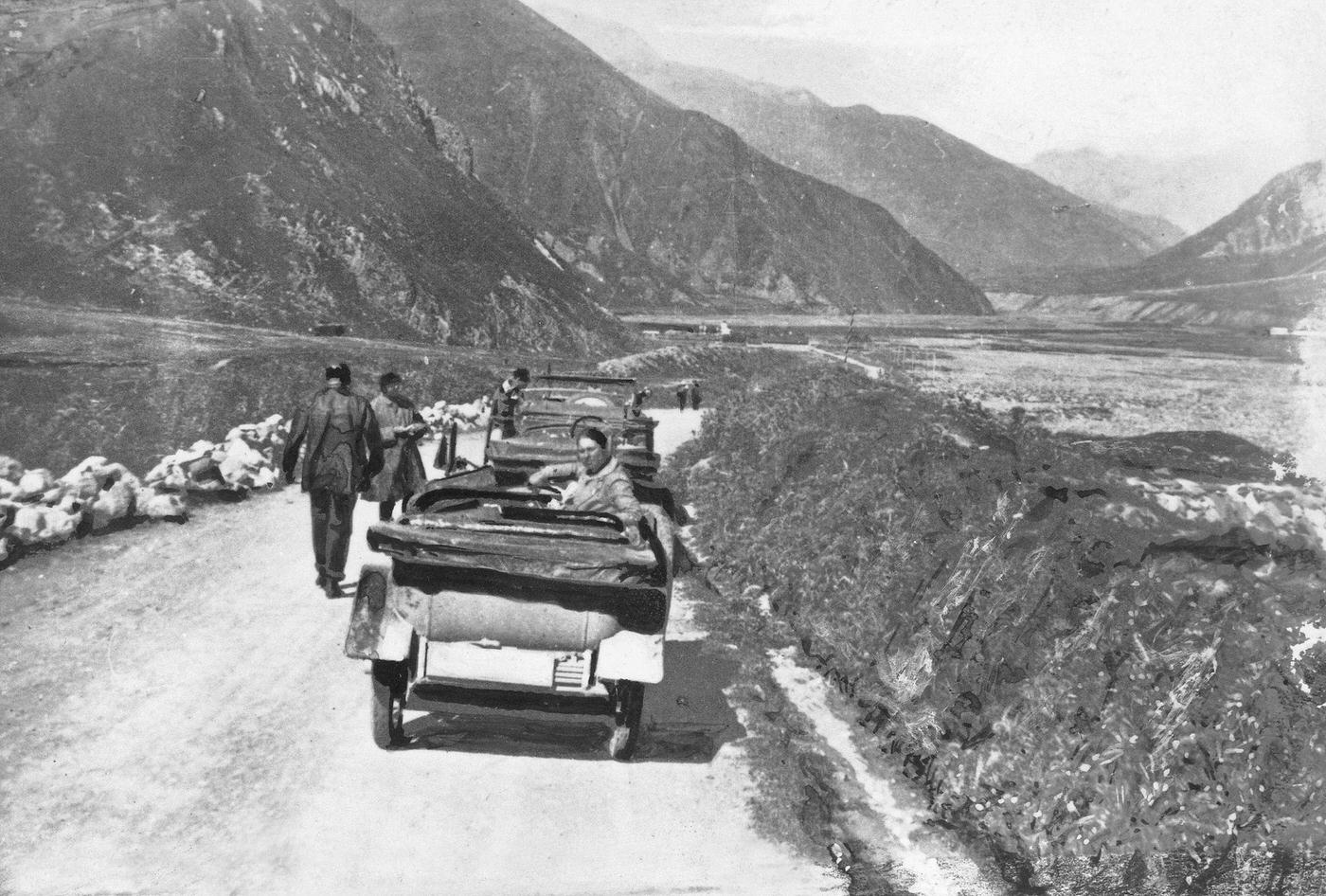
In May 1927, Charles Lindbergh completed the first solo nonstop flight across the Atlantic Ocean. For Clärenore, it was a spark. She wanted to do something equally historic, but on the ground. She set her sights on driving around the entire world. To finance the expedition, she secured 100,000 Reichsmarks in sponsorship from three German companies: Adler, Bosch, and Aral.
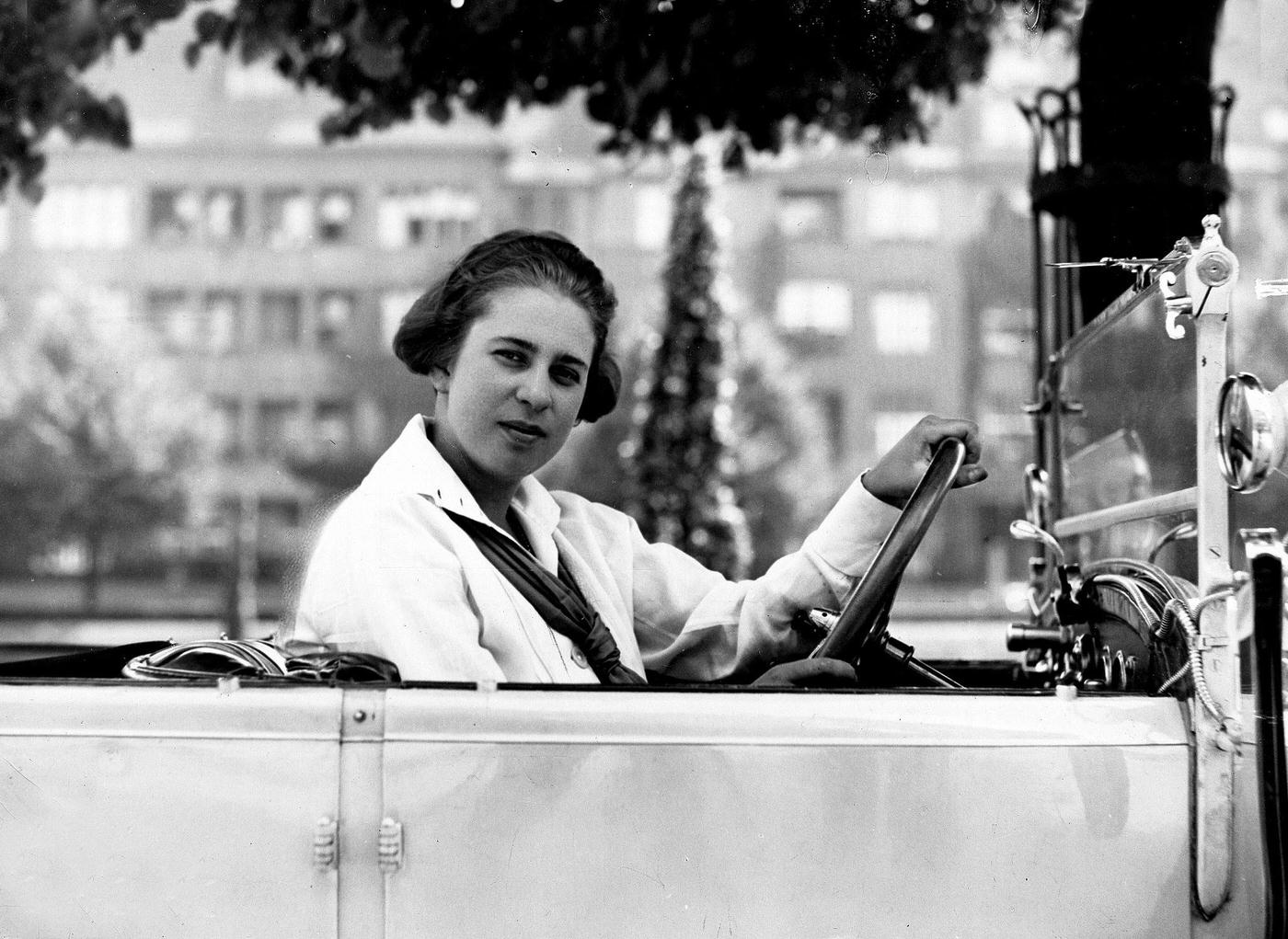
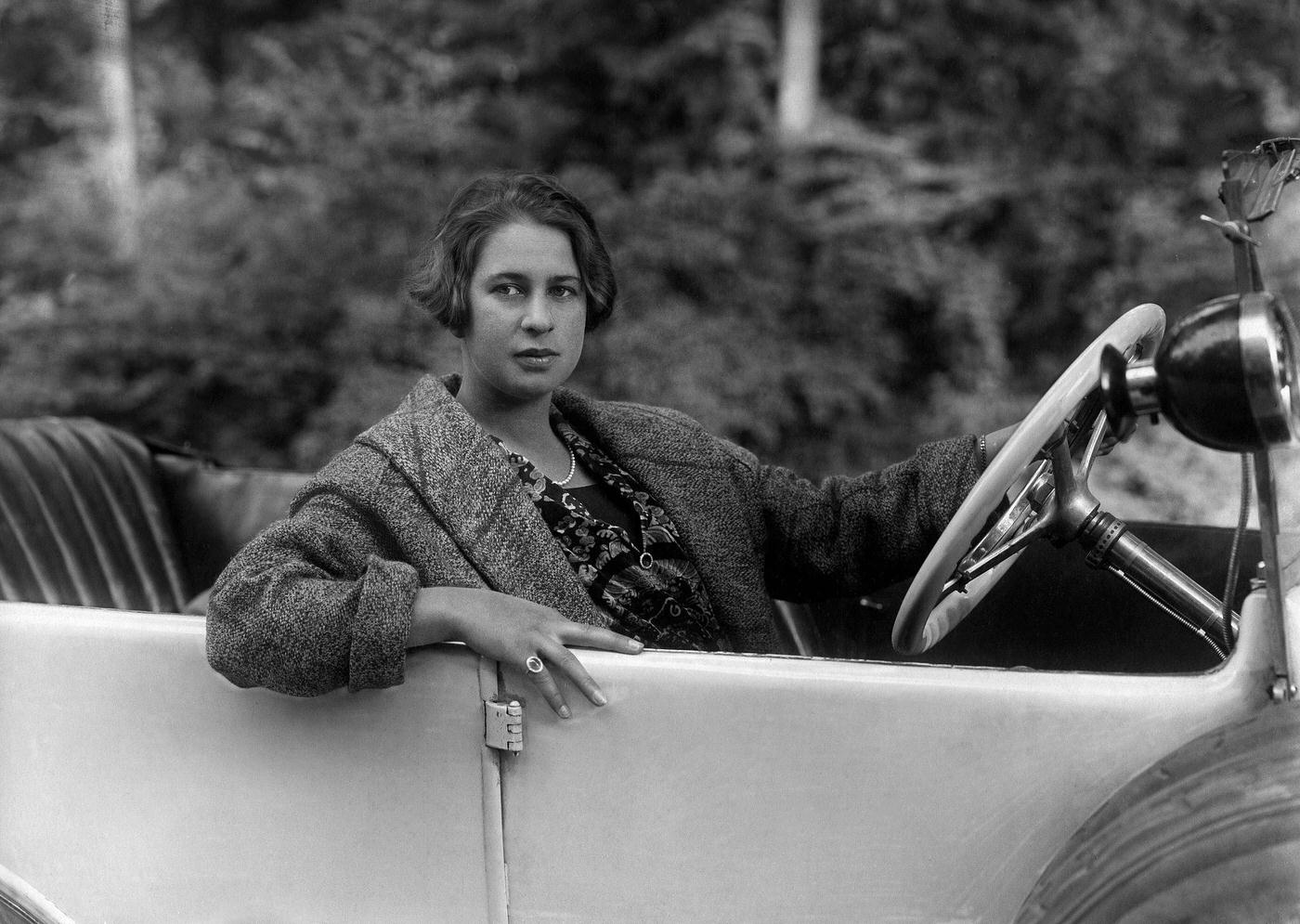
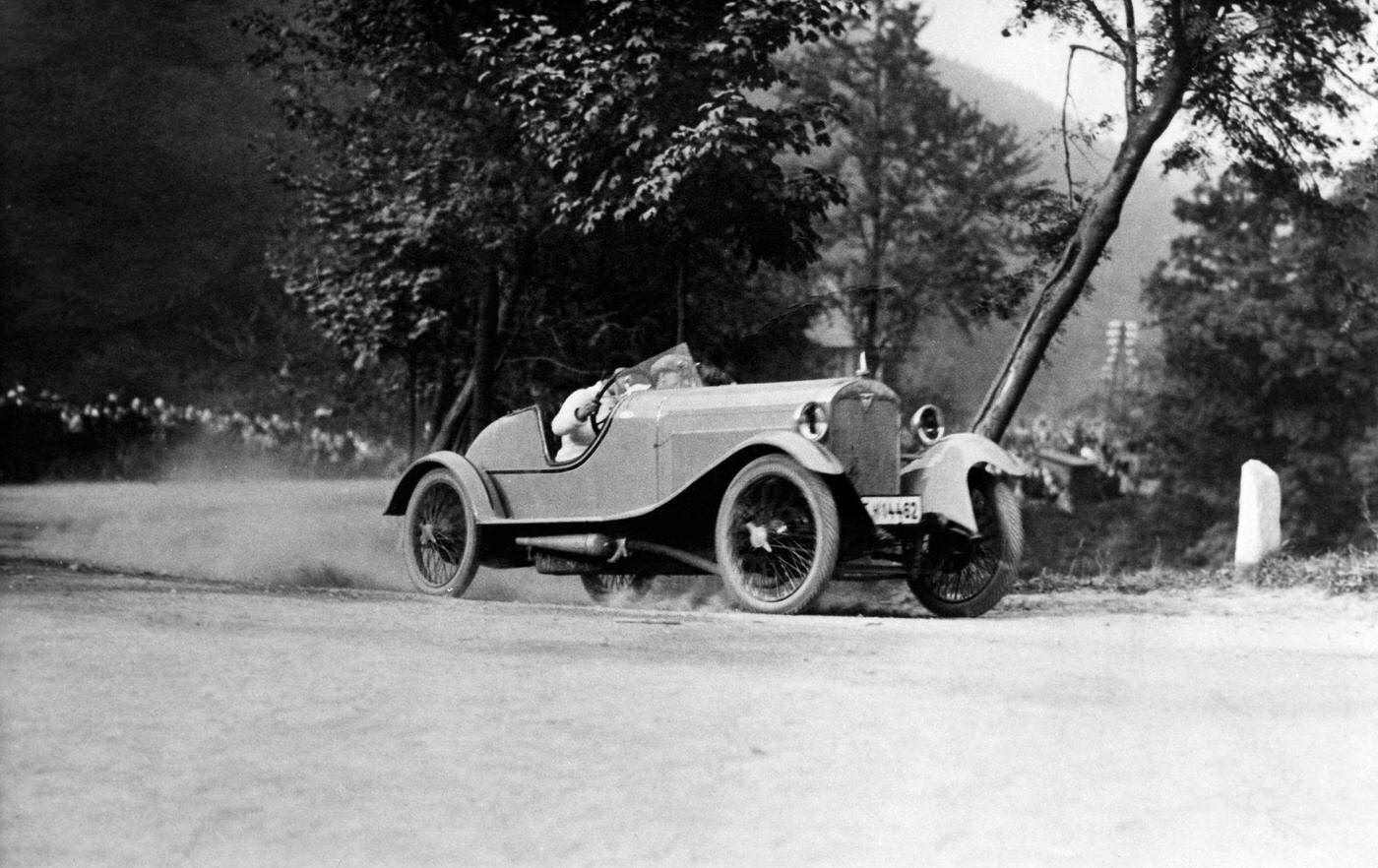
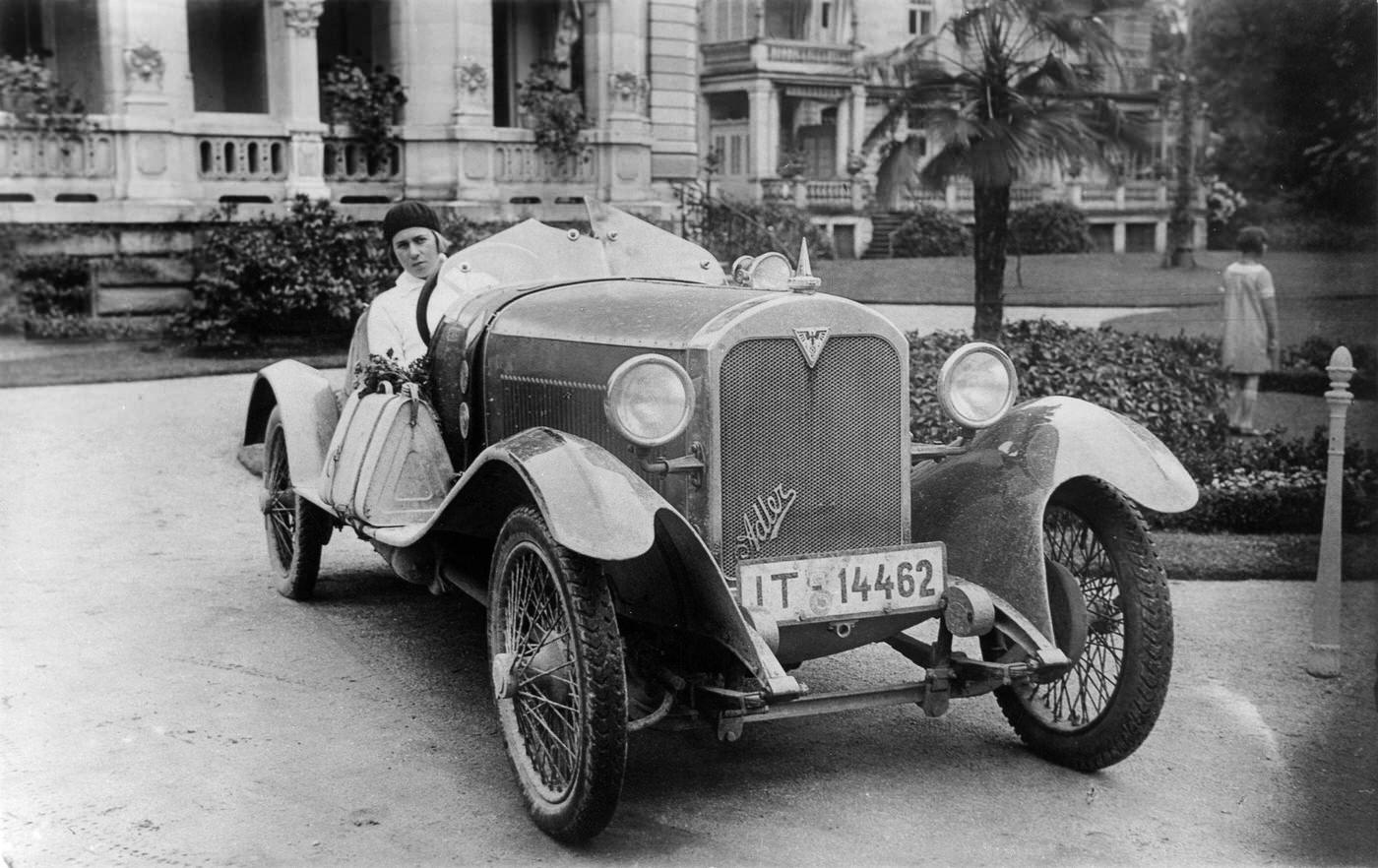
On May 25, 1927, Stinnes departed Frankfurt behind the wheel of an Adler Standard 6, known as the Eagle 6. Her team included Swedish cameraman Carl-Axel Söderström, two mechanics, an escort truck, and her dog, Lord. They headed east through Europe, into the Balkans, then Siberia, and toward the Gobi Desert with Beijing as the next major target.
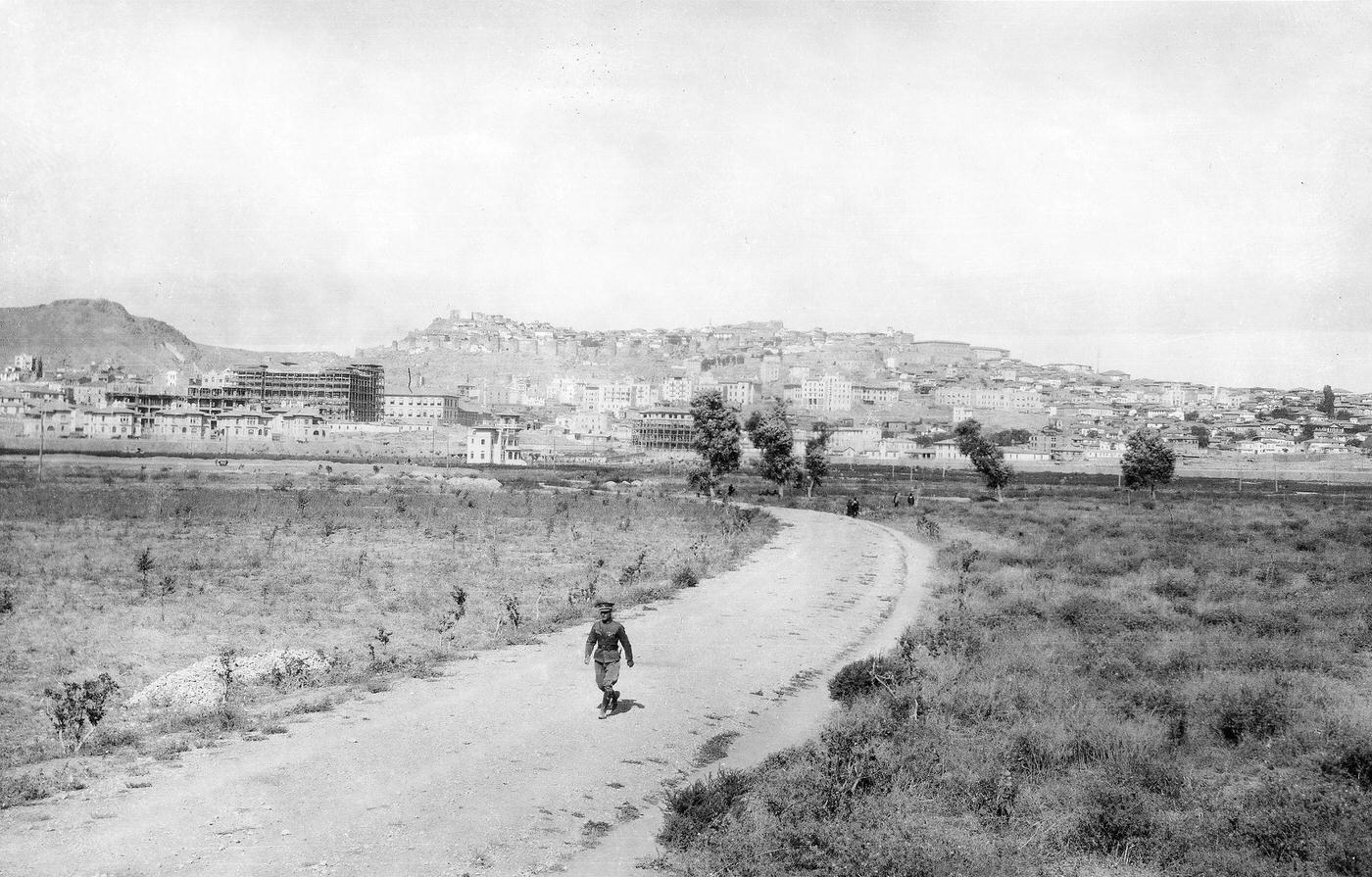
The journey was relentlessly difficult. In Siberia and the Gobi Desert, the team dealt with a broken clutch, a ruptured gas tank, exploded tires, and lost wheel bolts. When the brutal Russian winter set in during November 1927, road travel became impossible. The conditions were too much for the two mechanics, who abandoned the expedition entirely.
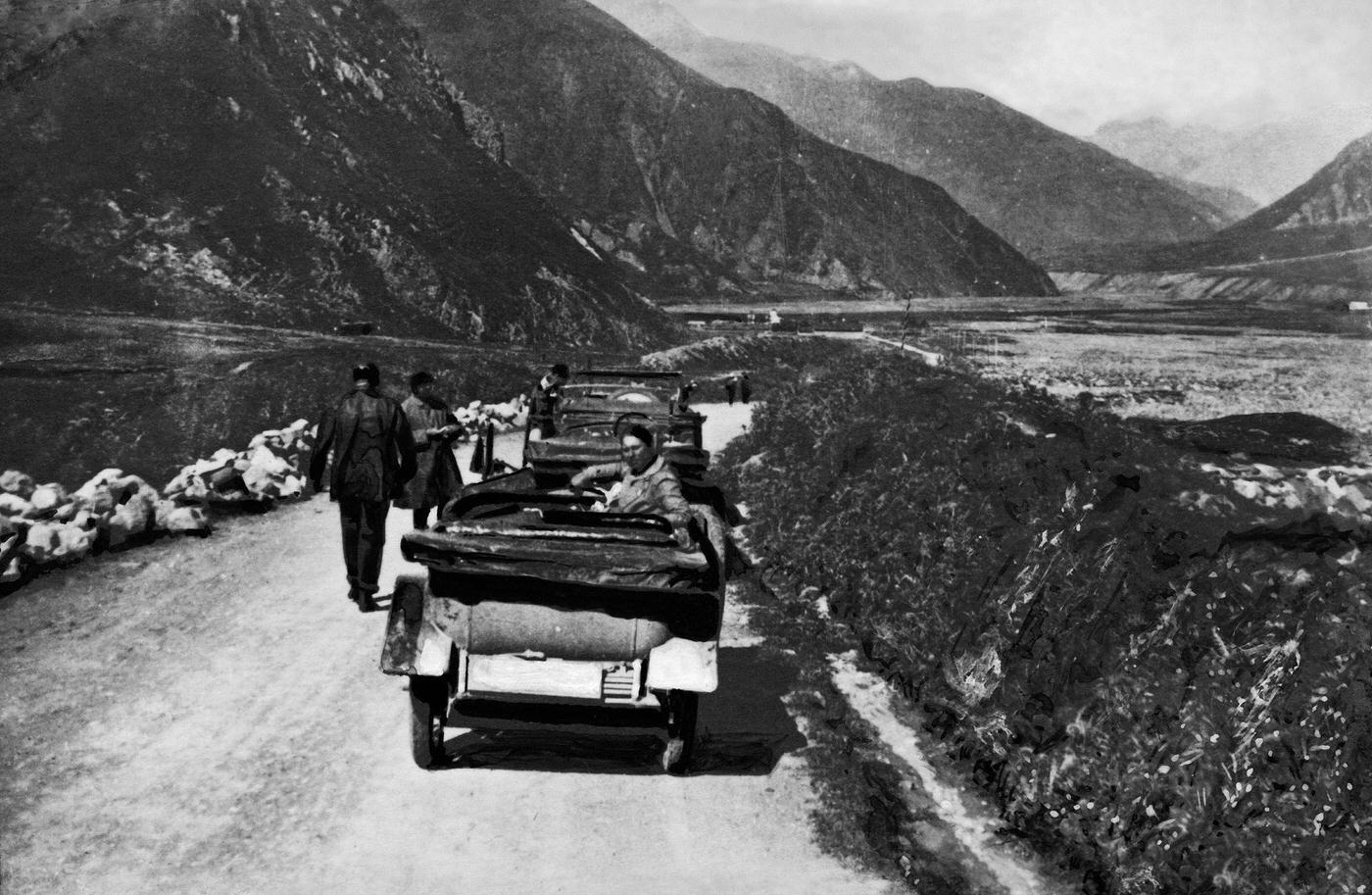
Stinnes and Söderström refused to quit. They adapted. They shipped themselves and the Adler to Japan, then to Hawaii, and finally to Los Angeles. In the United States, they made the practical decision to leave behind the escort truck. Stinnes also left Lord, her dog, in America. They pressed on into South America, a continent Stinnes knew from her earlier years helping her father with business there.
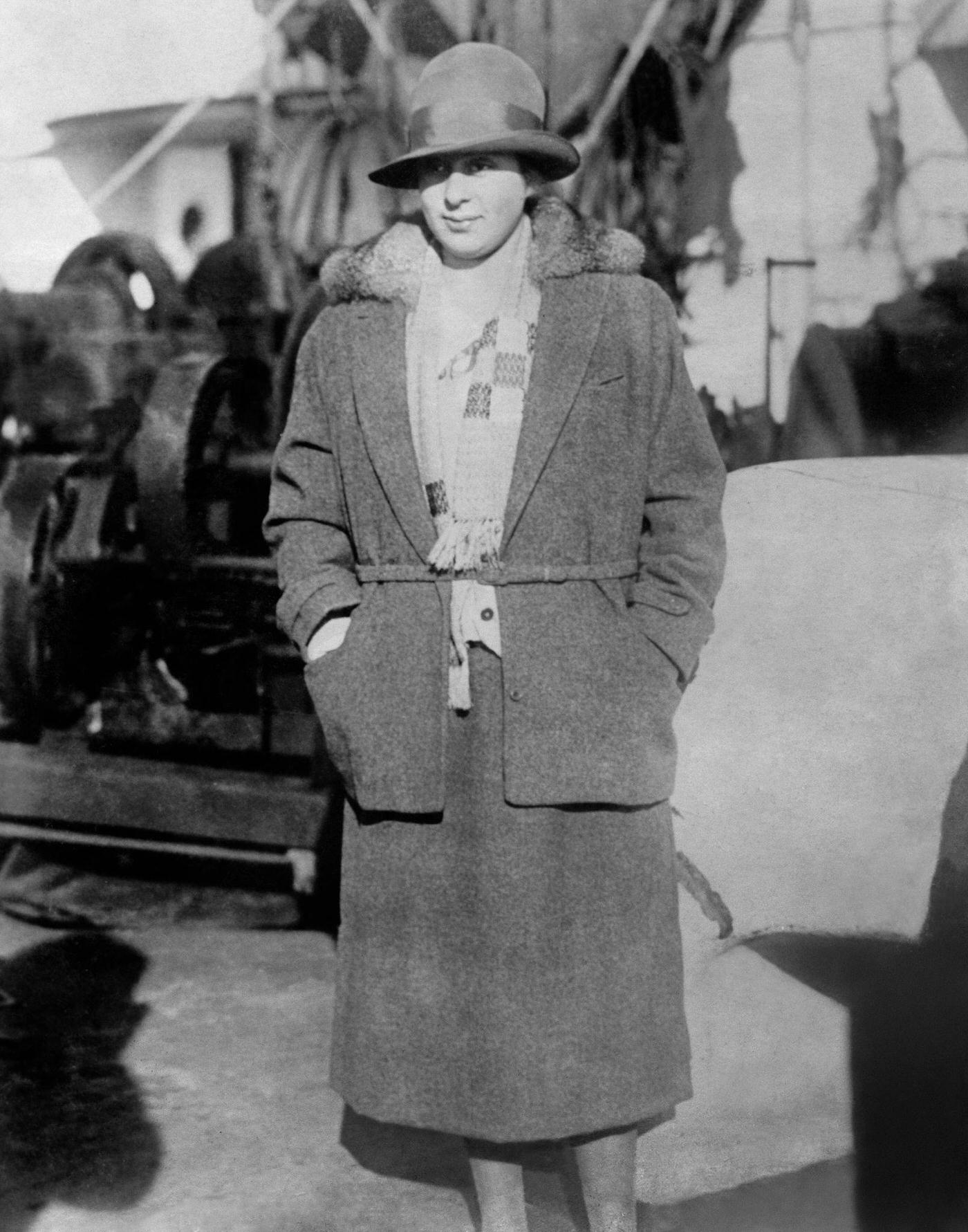
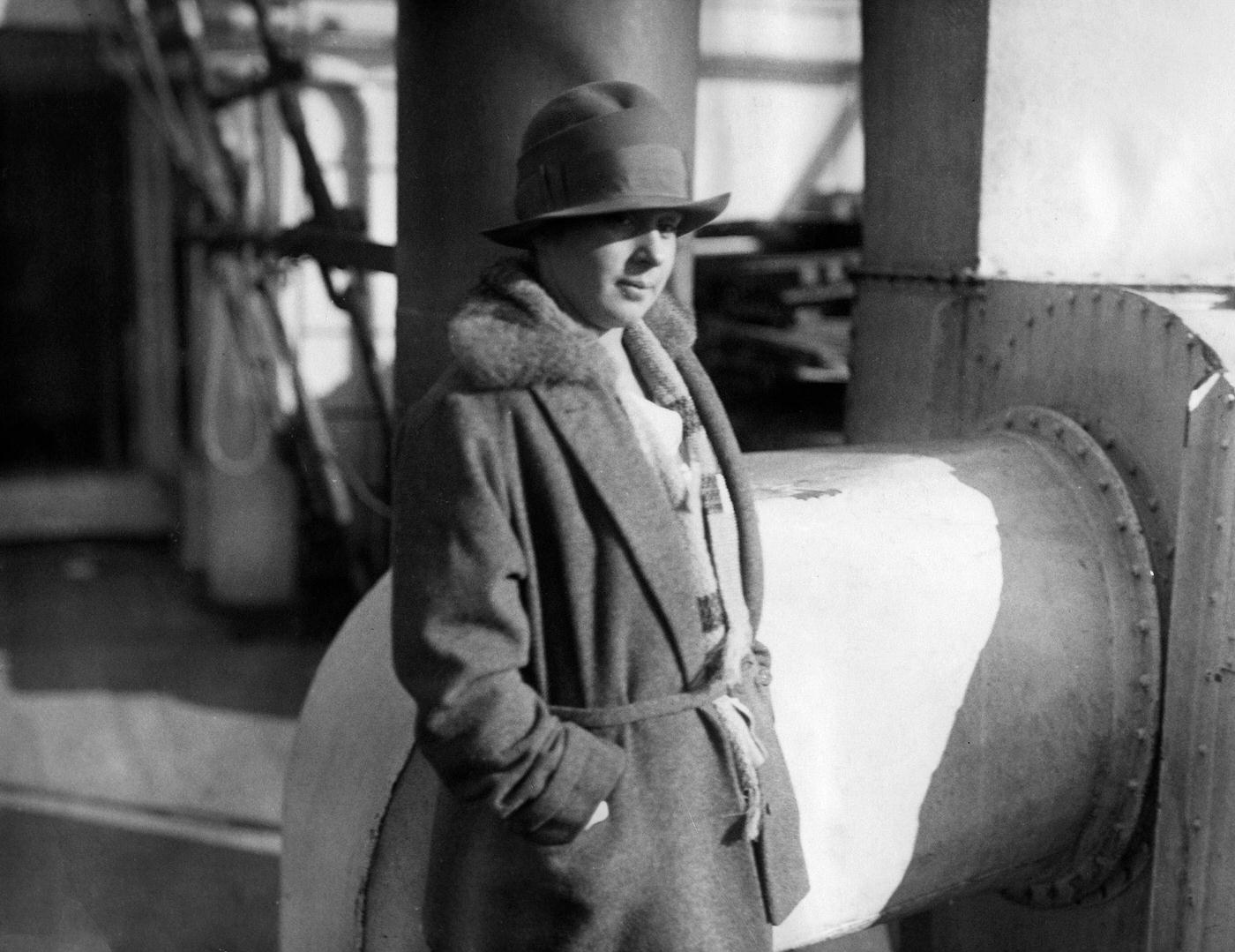
South America brought its own brutal challenges. The Andes Mountains required the car to be physically hauled through mountain passes where no road was passable under its own power. The altitude, the rocky terrain, and the sheer physical demands of crossing the Andes tested both the machine and the people pushing it forward.
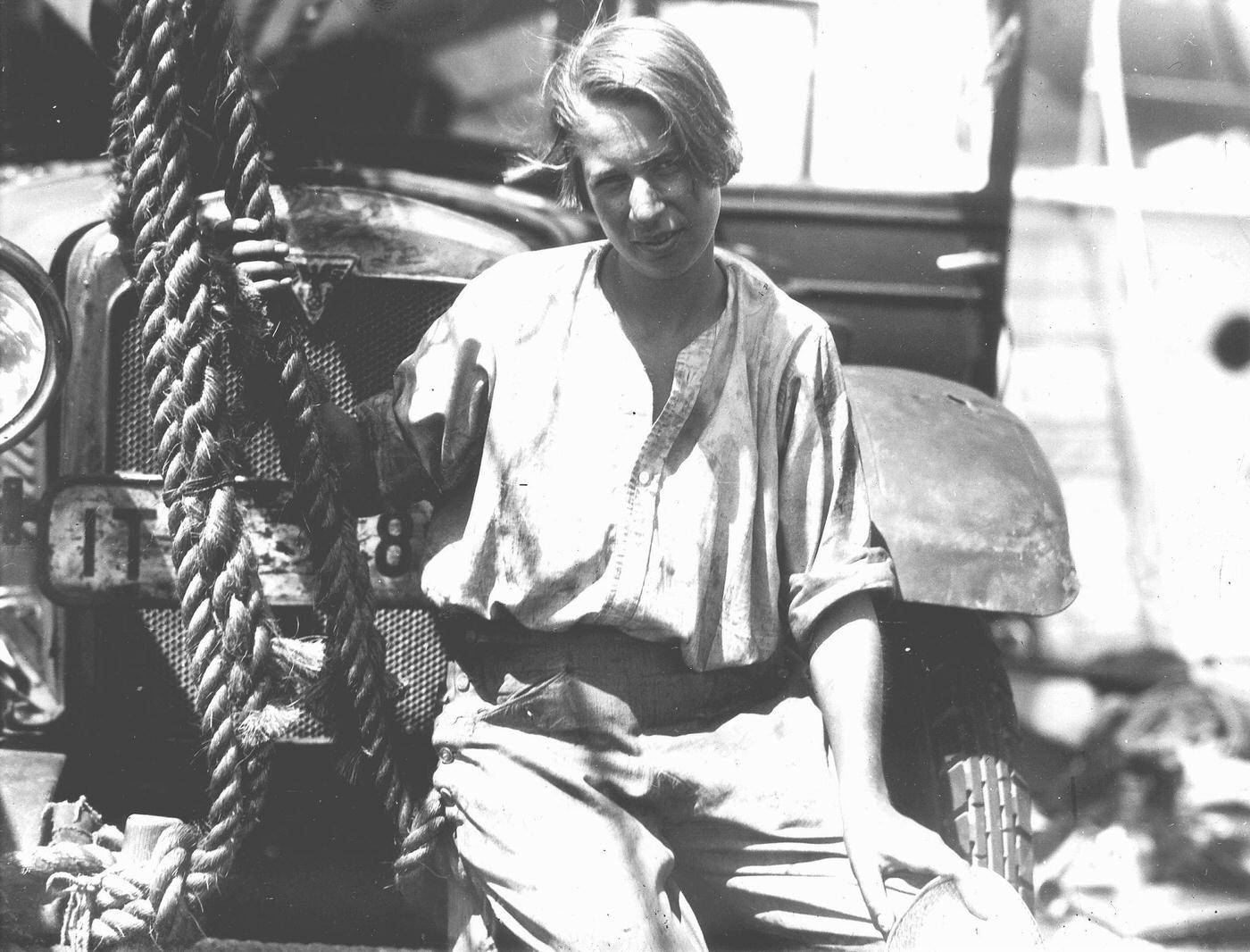
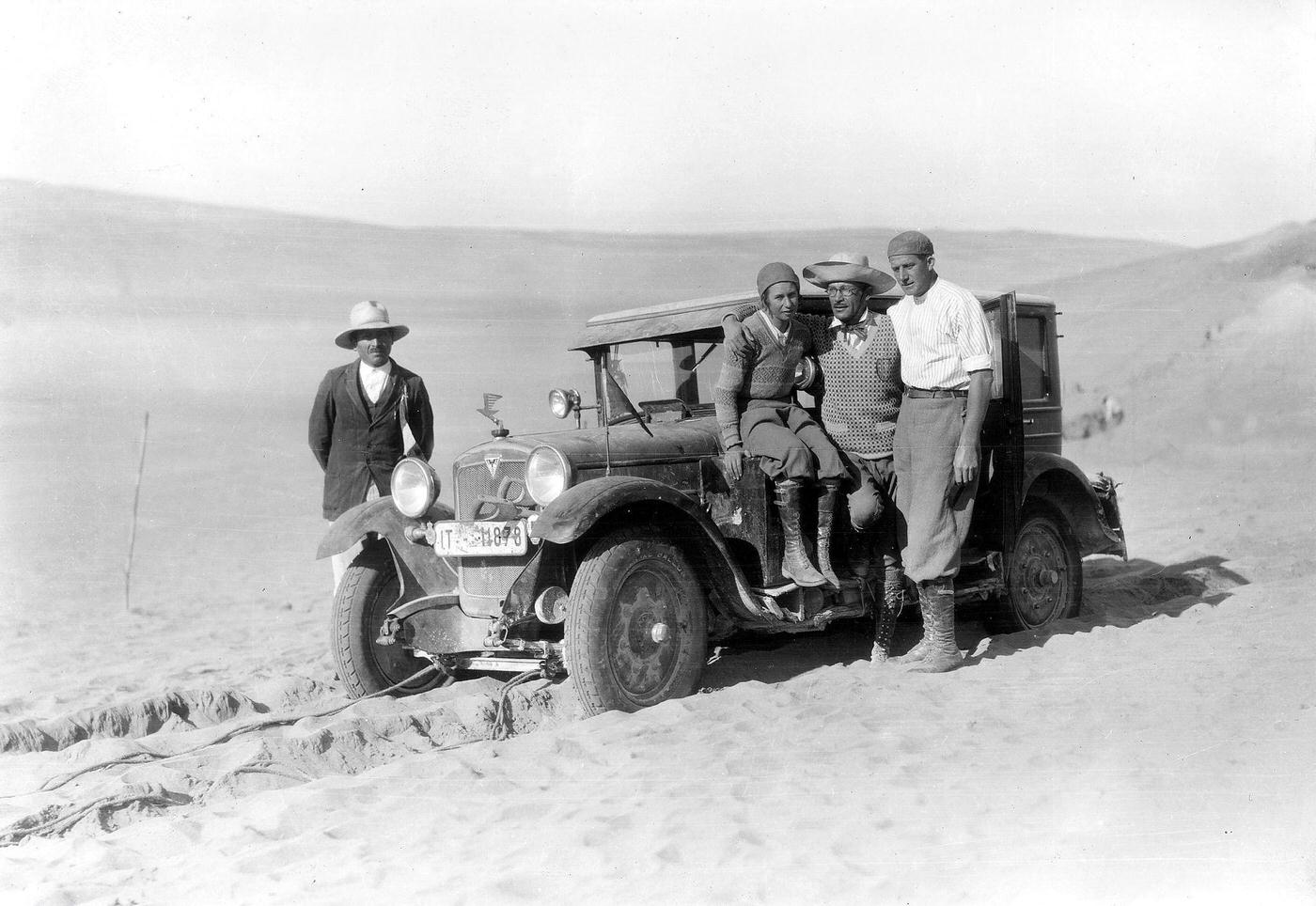
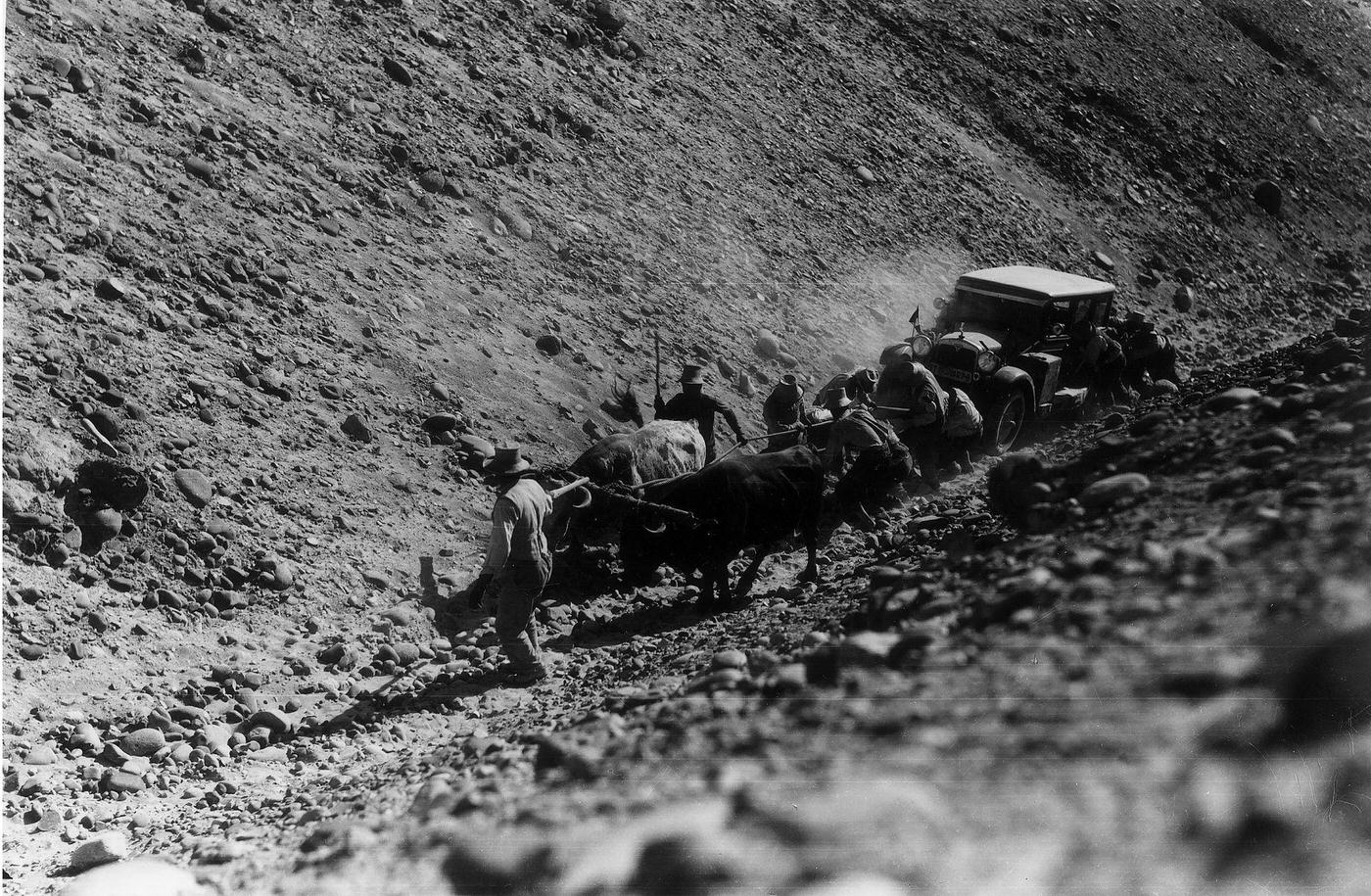
From South America, the pair made their way back toward Europe by sea, continuing to document the journey as they went. Söderström filmed the entire expedition, creating a visual record of a trip that spanned continents, climates, and years.
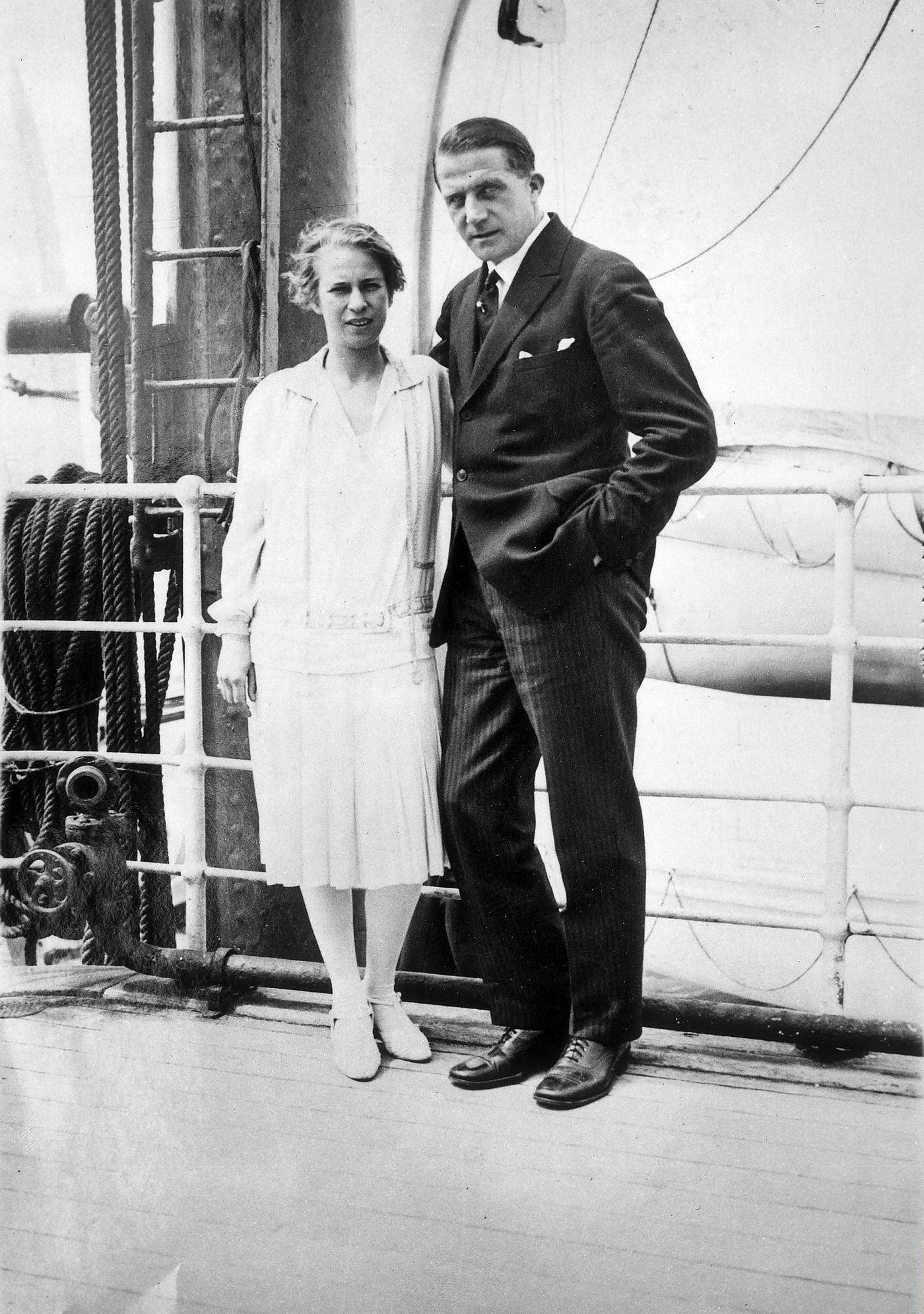
Back in the United States during the final stretch, Stinnes stopped to refuel at ordinary gas stations along the California coast — a strangely routine moment amid one of the most extraordinary journeys in automotive history.
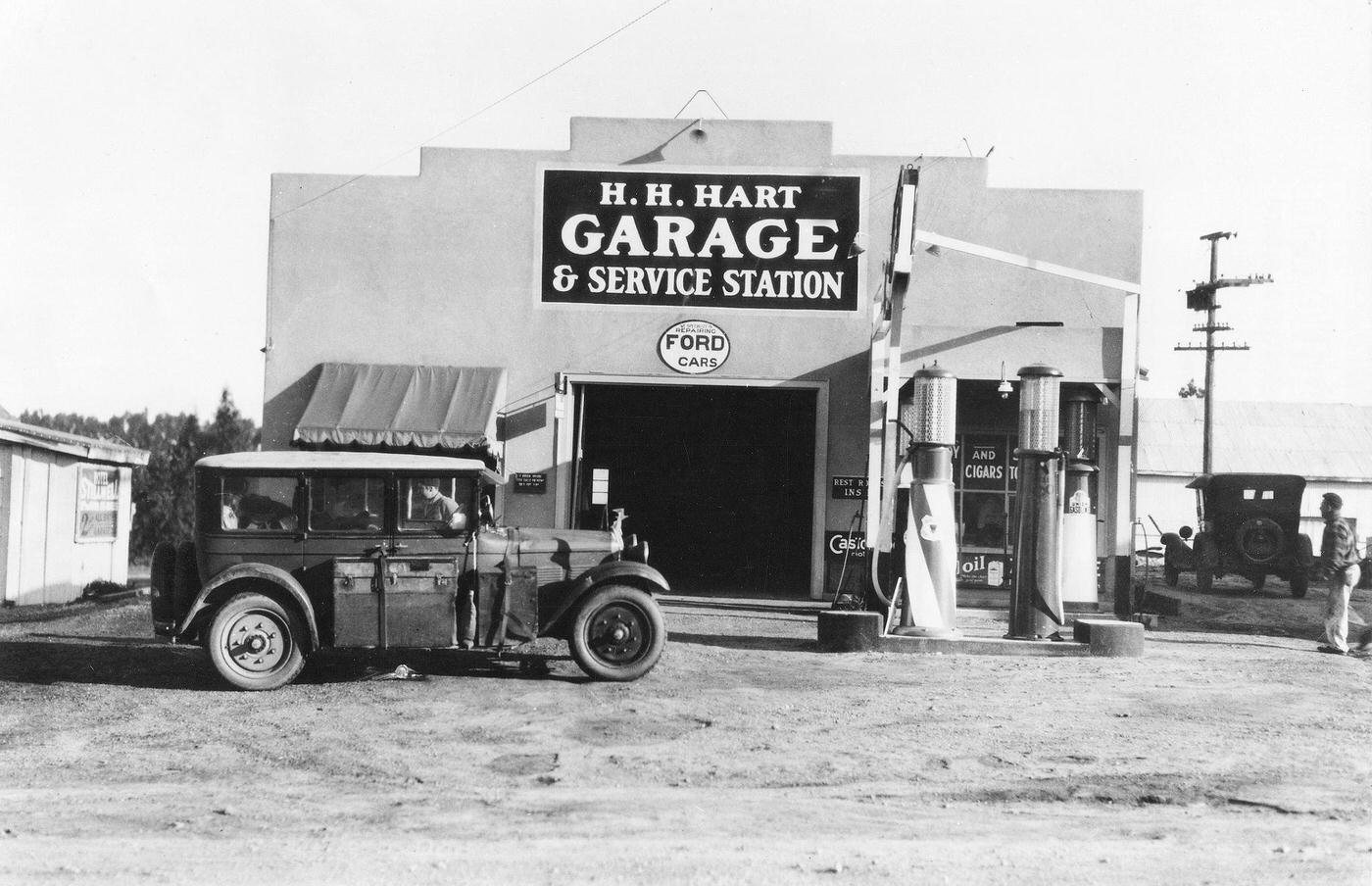
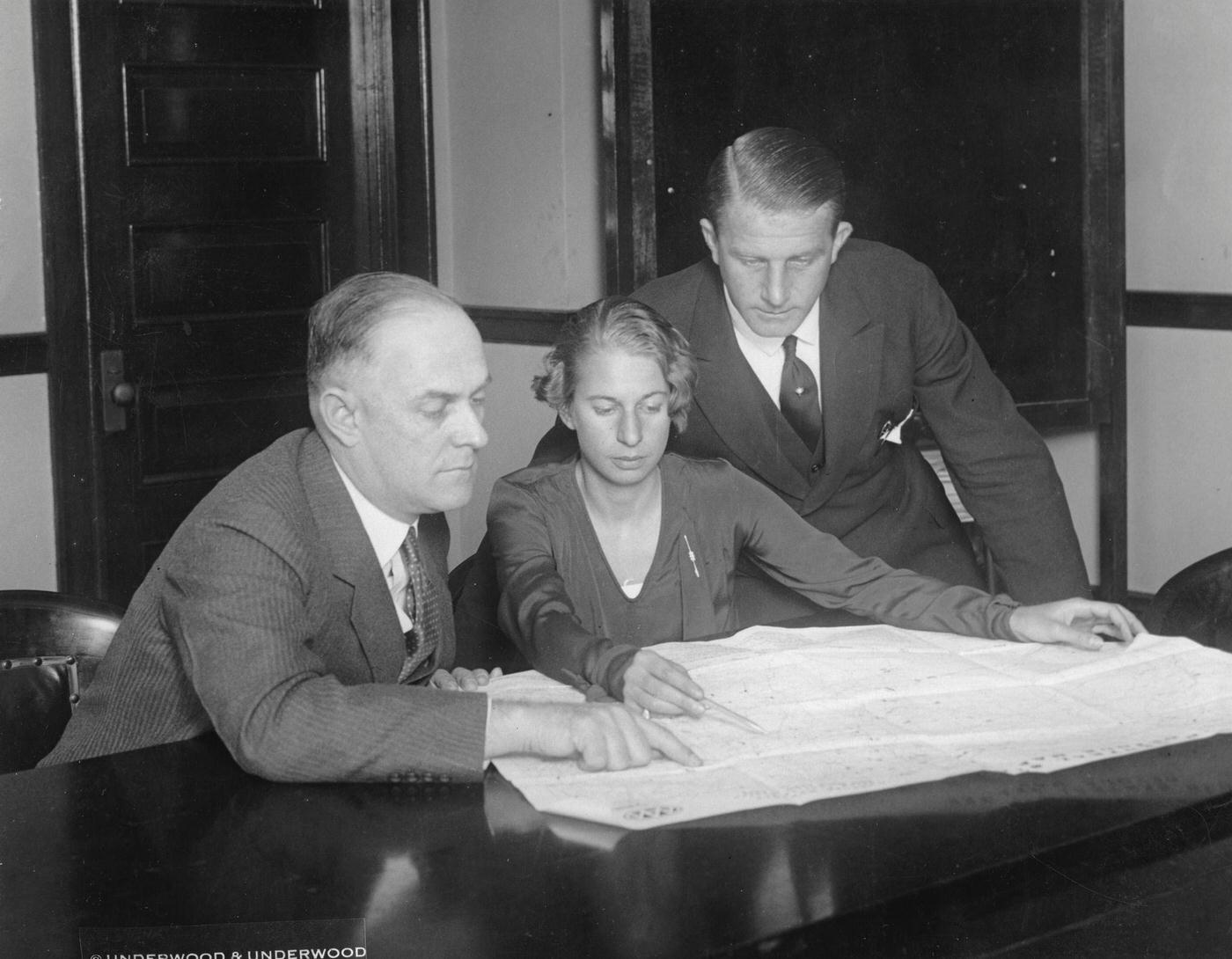
In 1929, Clärenore Stinnes and Carl-Axel Söderström rolled back into Germany. Stinnes was 28 years old. She had driven across Europe, Siberia, the Gobi Desert, Japan, the United States, and South America, becoming the first woman to circumnavigate the globe by car. The journey had taken just over two years and covered terrain that most automobiles of that era were never designed to handle.
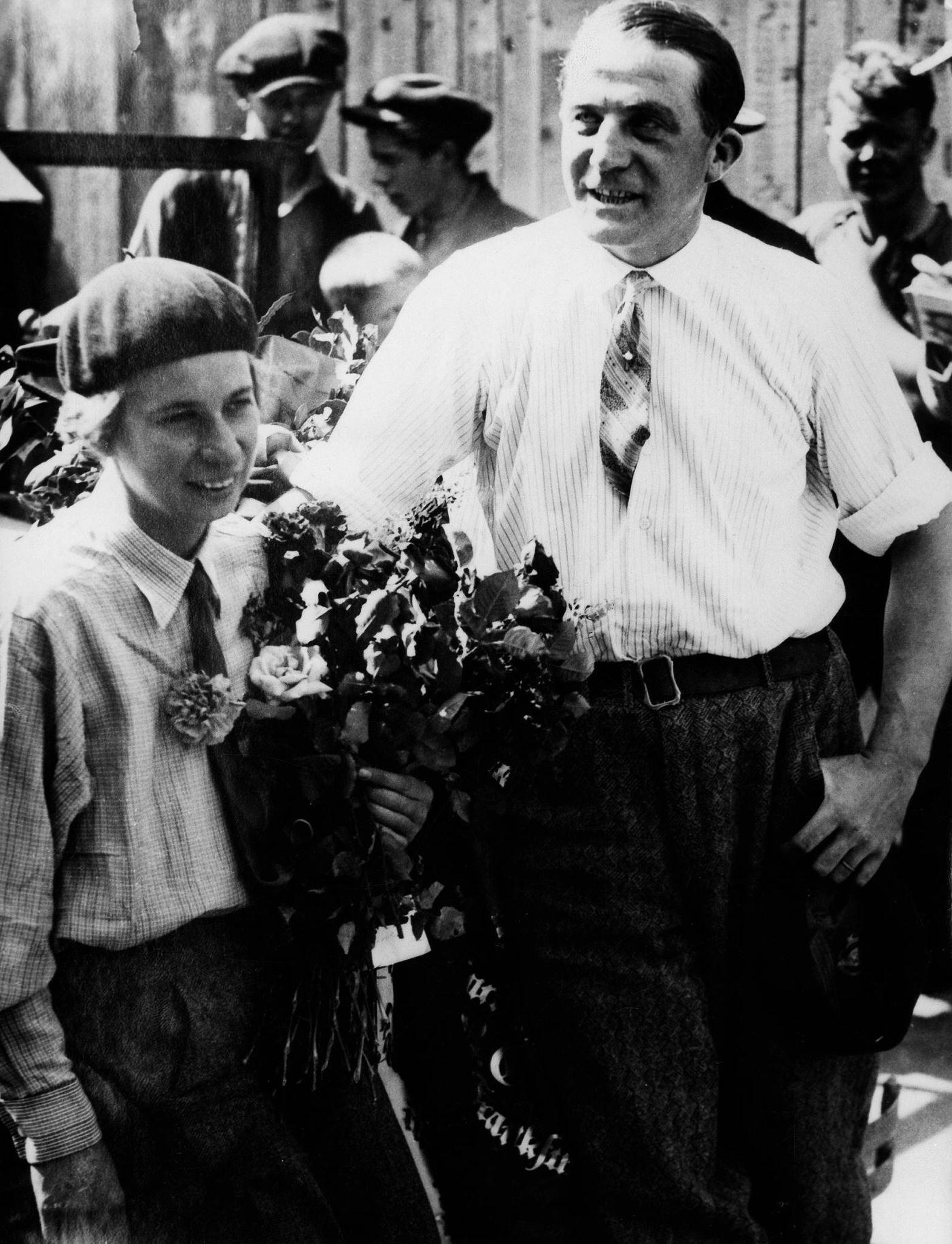
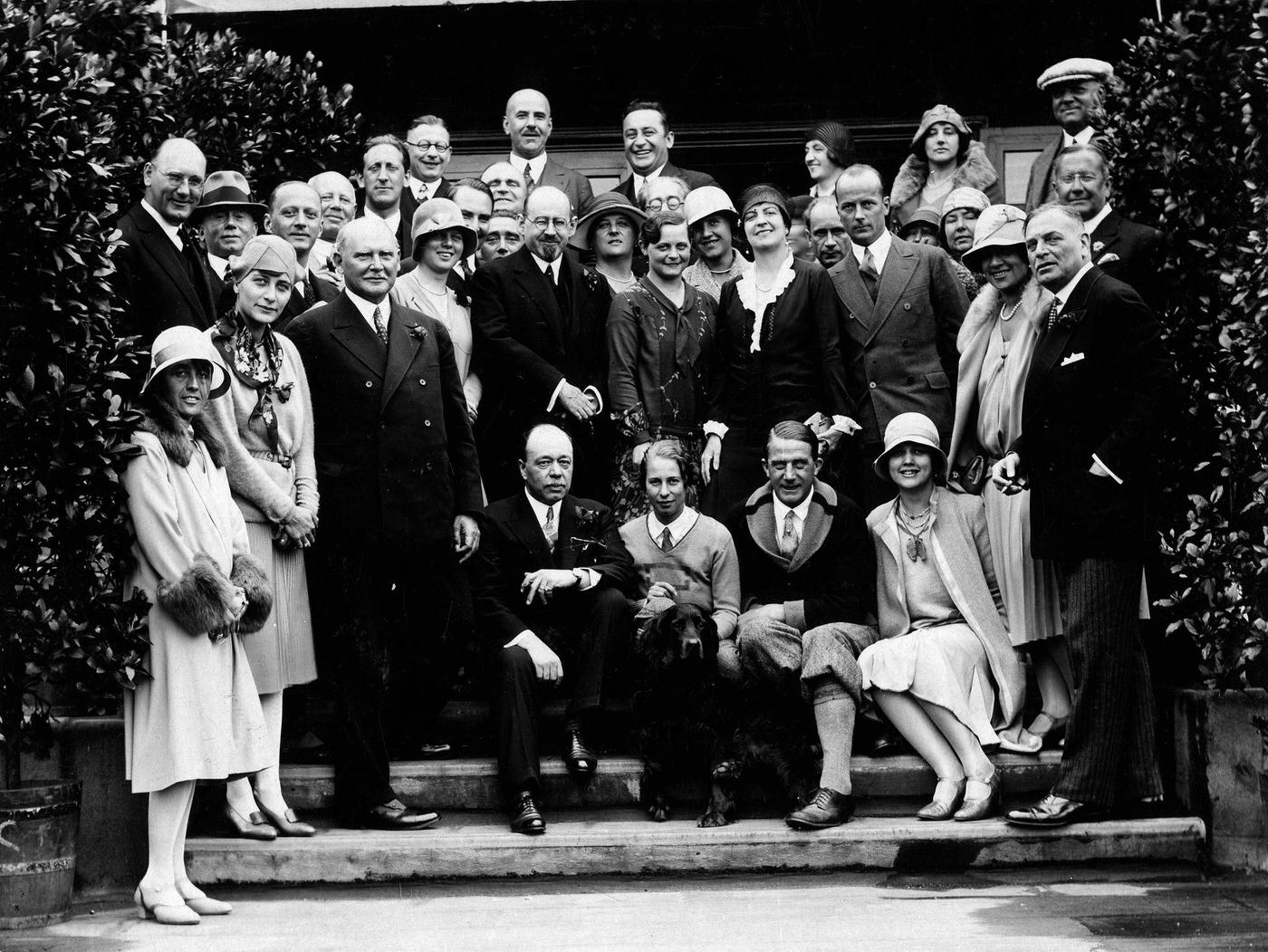
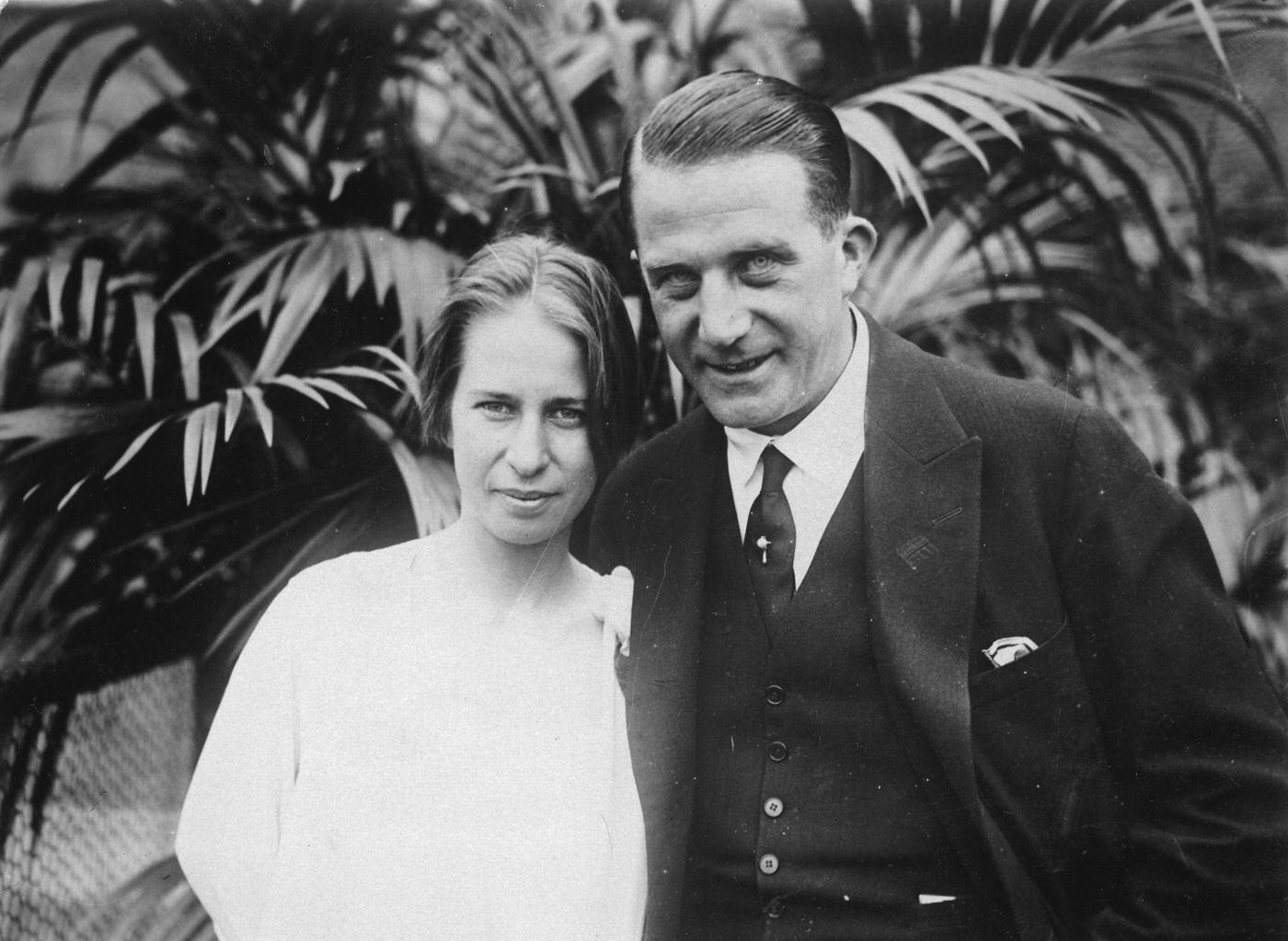
Clärenore Stinnes and Carl-Axel Söderström married in 1930. The two moved to Sweden, where they left their days of global expeditions behind and built a quieter life together on a farm. They raised three biological children and also took in numerous foster children over the years.
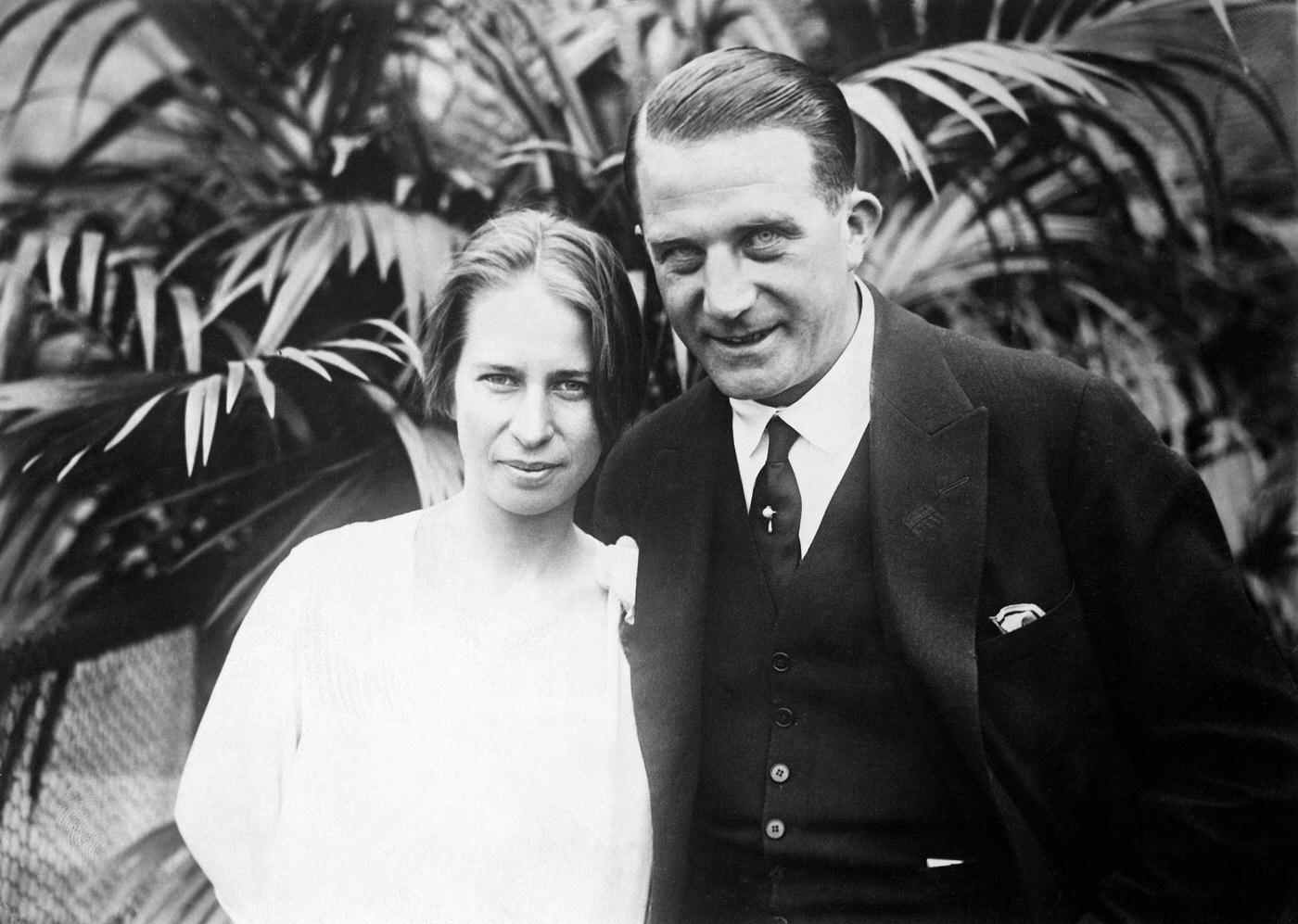
Decades later, the significance of what Stinnes had accomplished remained fully intact. She had navigated a world between two global wars, across geopolitical borders that were complex and often hostile, using early automotive technology that was prone to failure under normal conditions — let alone the conditions she pushed it through. The Adler Standard 6 was not built for the Gobi Desert or the Andes. She drove it there anyway.