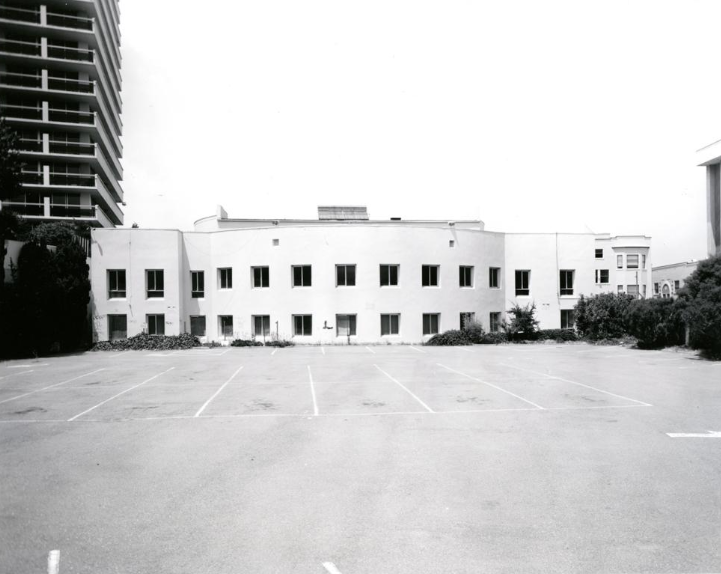
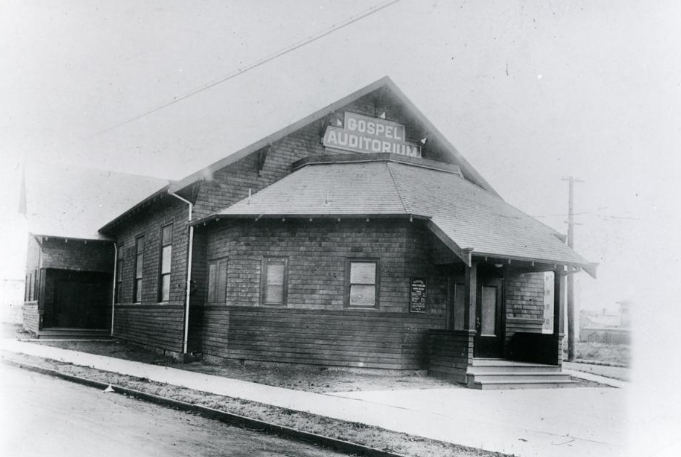
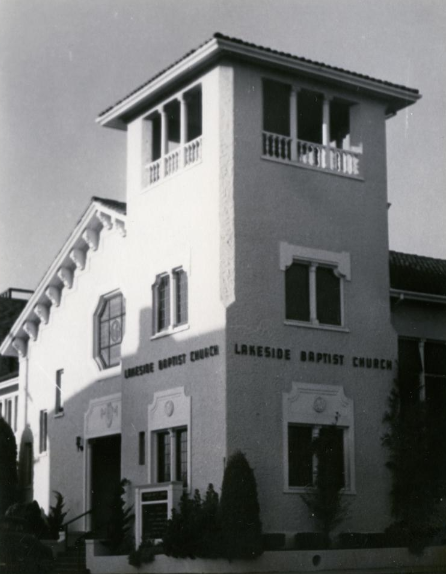
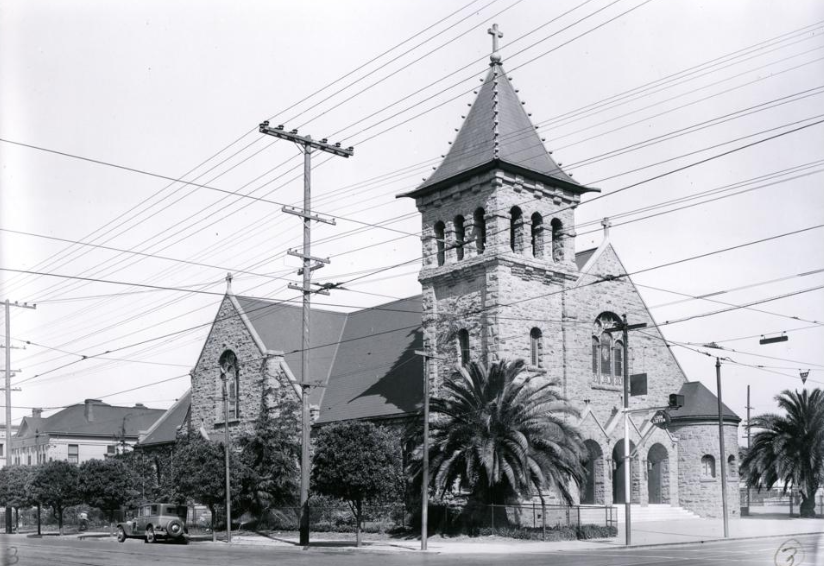
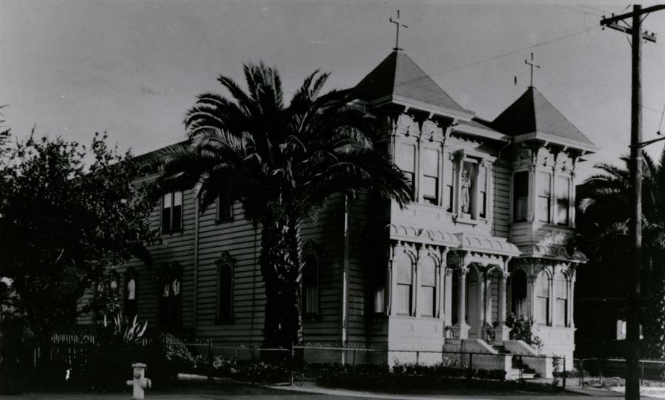
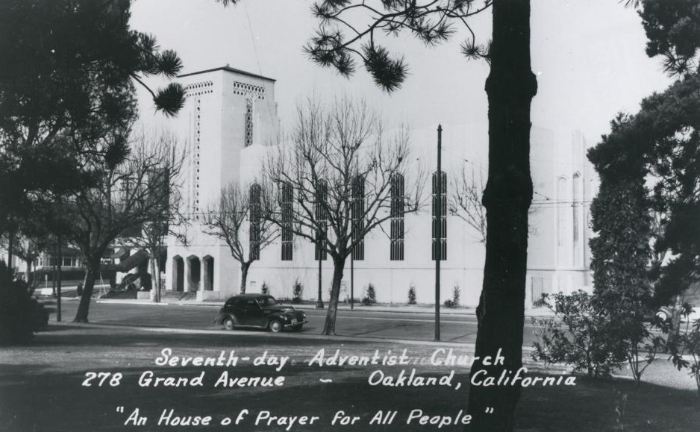
Oakland, California has long been home to a wide range of religious communities. From small Baptist congregations in residential neighborhoods to grand Catholic churches and towering Episcopal landmarks, the city’s houses of worship tell the story of a growing, changing urban population. Photographs taken across the late 19th and 20th centuries capture these buildings at different moments in their histories — some freshly built, some weathered, and some standing in the middle of major social shifts.
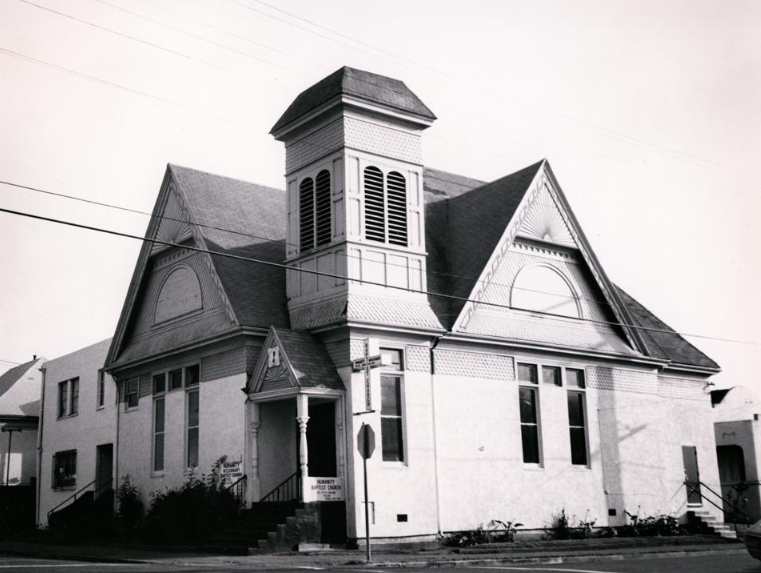
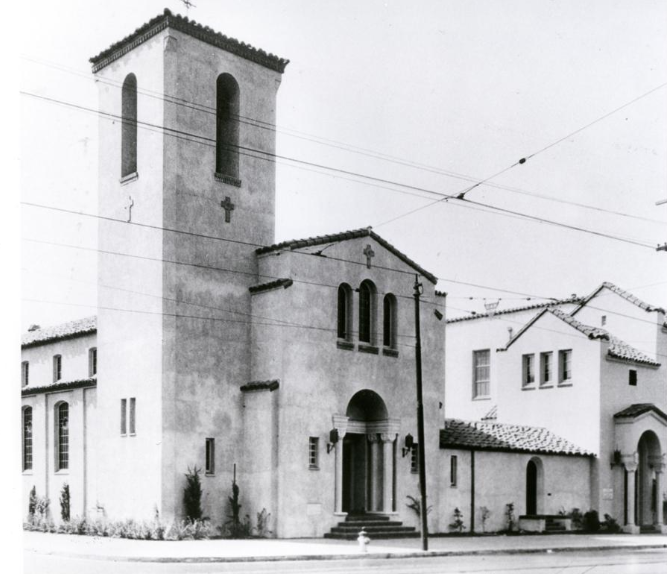
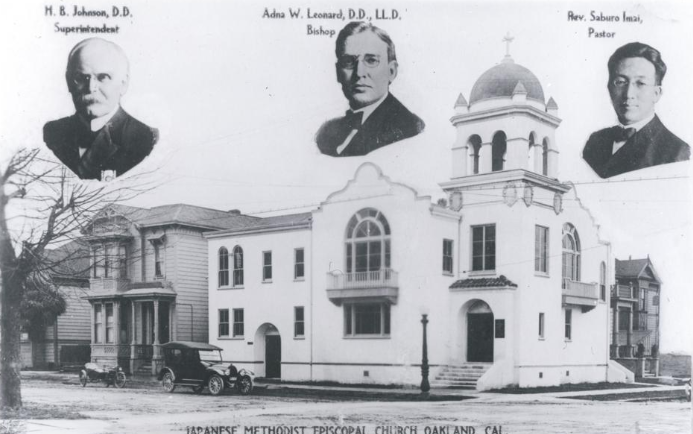
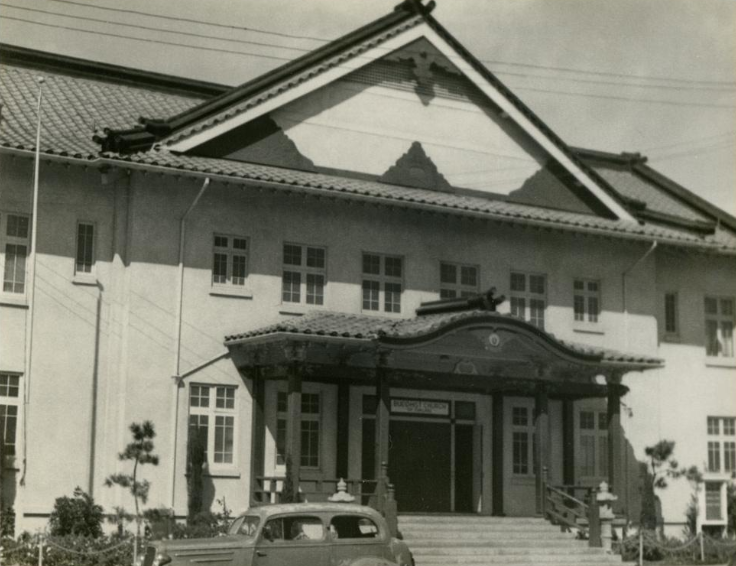
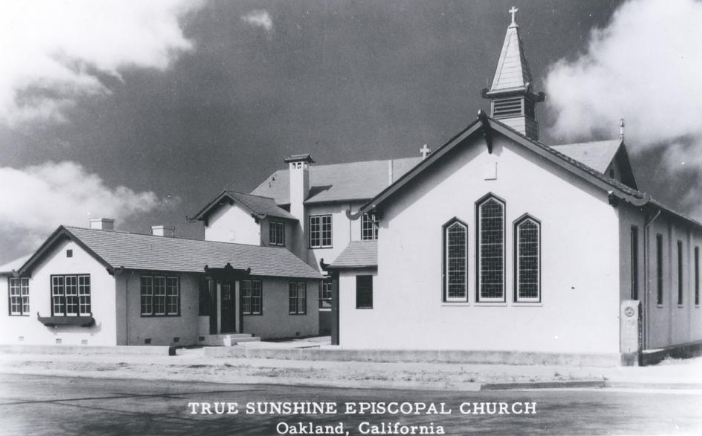
Many of Oakland’s churches served specific ethnic and immigrant communities. The Japanese Methodist Episcopal Church on West Street, photographed in 1915, ministered to Oakland’s Japanese American population during a period of intense discrimination. The True Sunshine Episcopal Church on 6th Street, also known as the Chinese Episcopal Mission, served the city’s Chinese community as early as 1930. These congregations provided not just worship spaces but also community anchors for groups that faced daily hostility in American life.
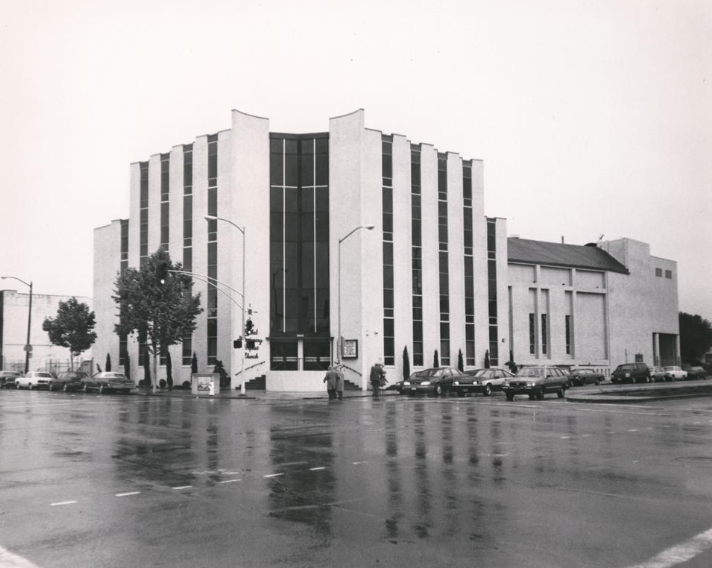
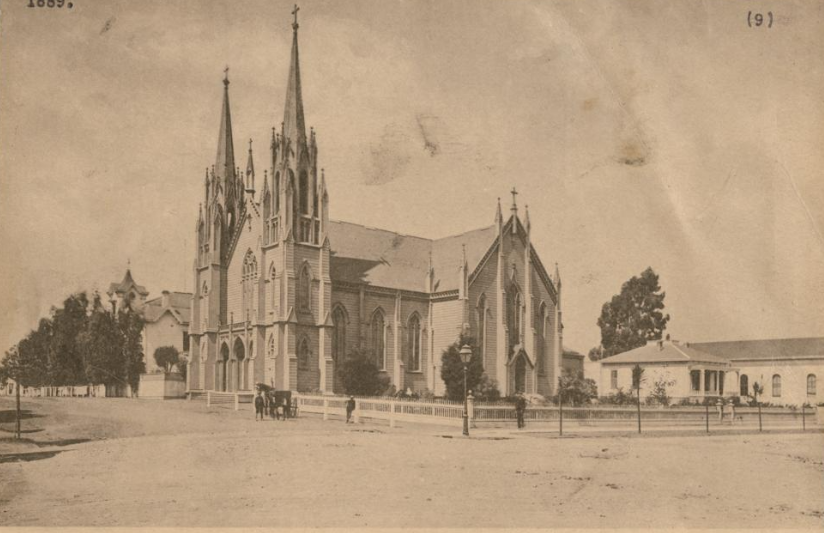
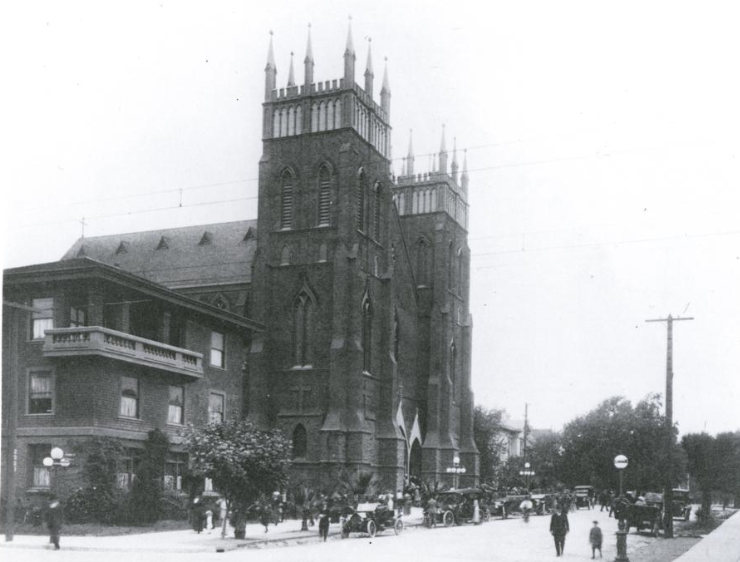
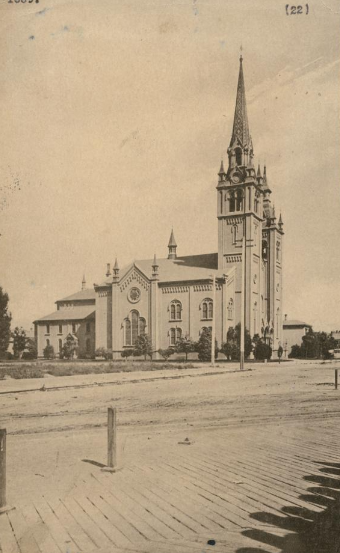
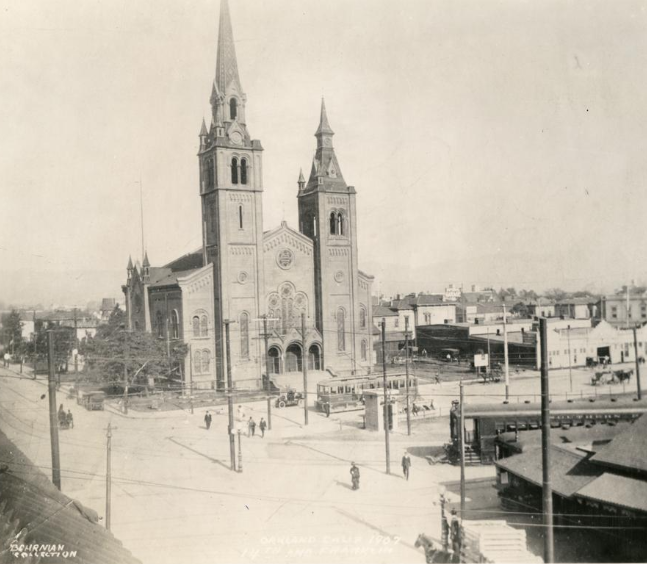
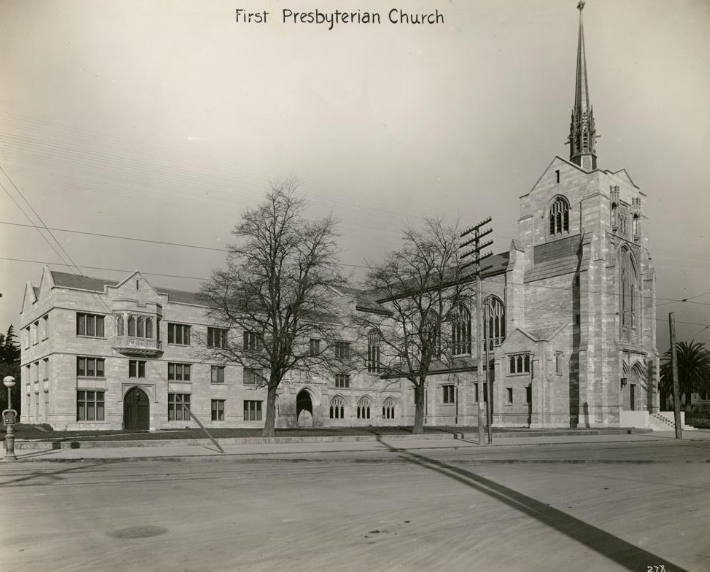
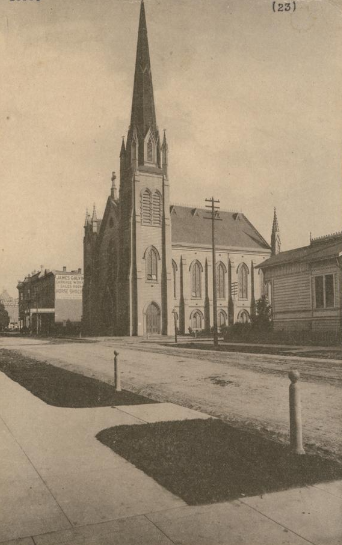
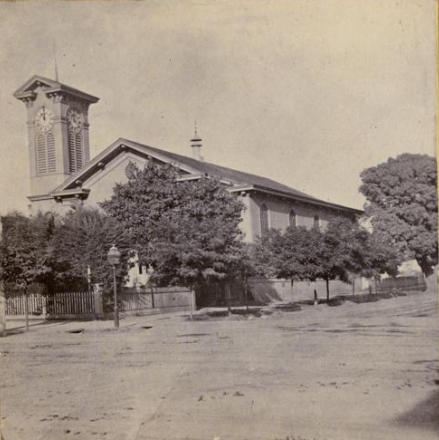
Some of Oakland’s earliest church buildings date to the 1860s. The First Congregational Church at 10th and Washington Streets was photographed in 1860, making it one of the oldest documented church structures in the city. The First Presbyterian Church at 14th and Franklin Streets was captured in 1889, the same year as the Seventh Day Adventist Church at 12th and Brush Streets and St. Anthony’s Roman Catholic Church at East 15th Street. These buildings reflect a city still in its formative decades, with wooden structures and modest facades.
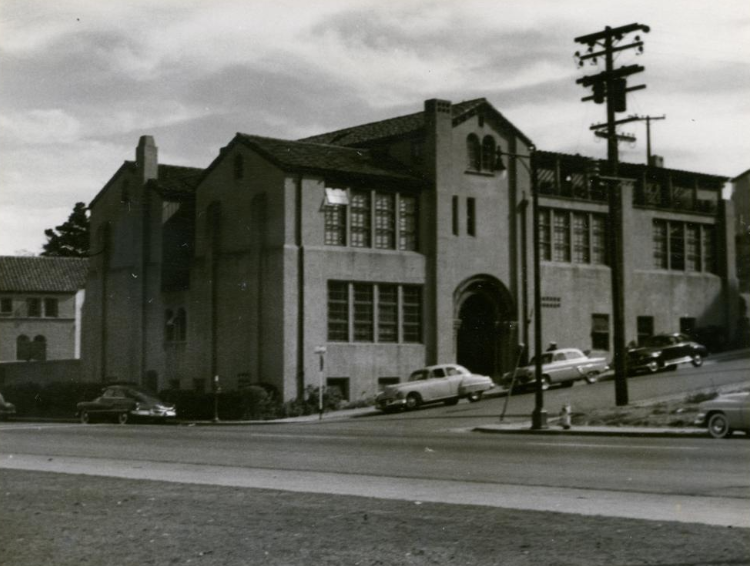
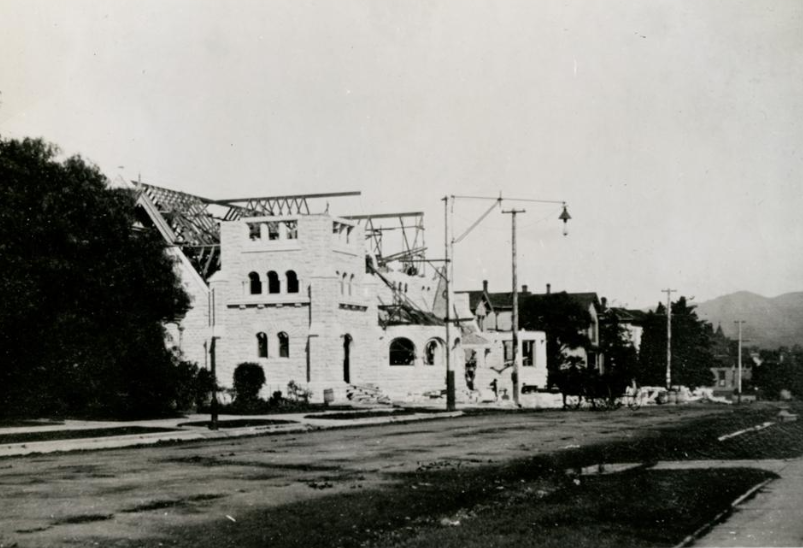
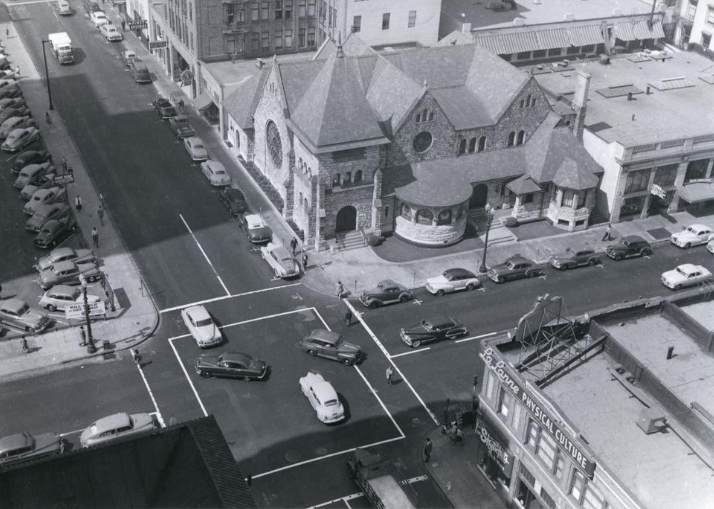
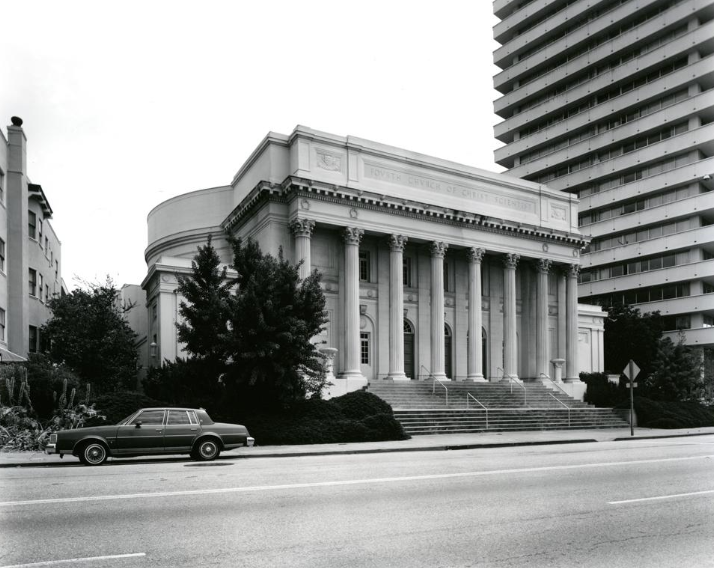
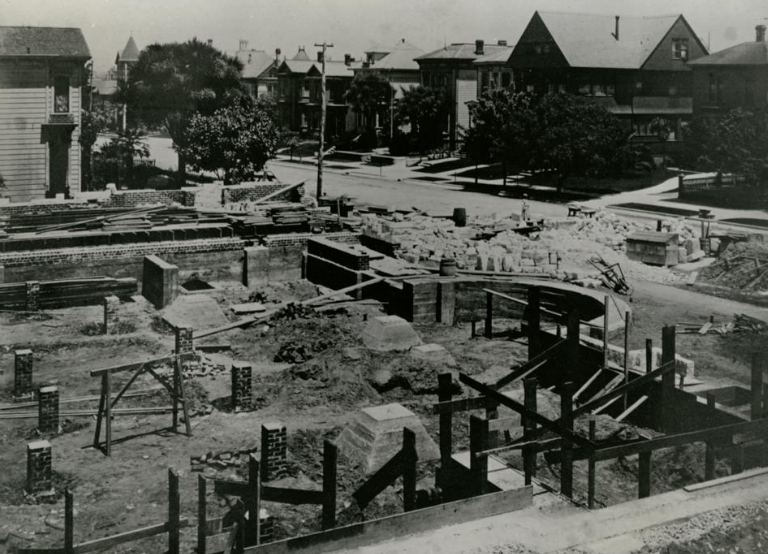
By the turn of the 20th century, Oakland’s congregations were growing fast enough to require larger, more permanent structures. The First Church of Christ, Scientist at 17th and Franklin Streets was photographed under construction in both 1900 and 1901, and a bird’s-eye view captured its completed form in 1902. The building process itself was documented in rare detail, showing the pace at which the city was expanding its religious infrastructure in the years just before the 1906 earthquake.
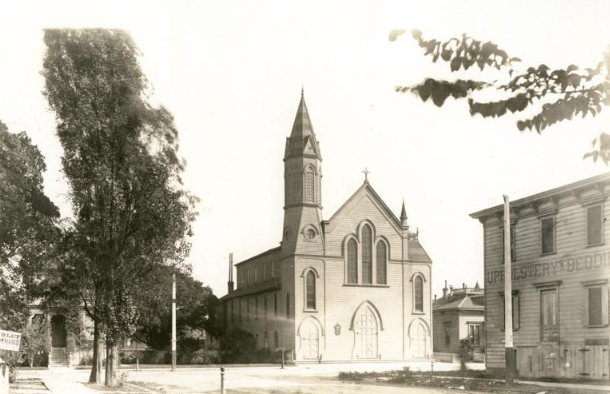
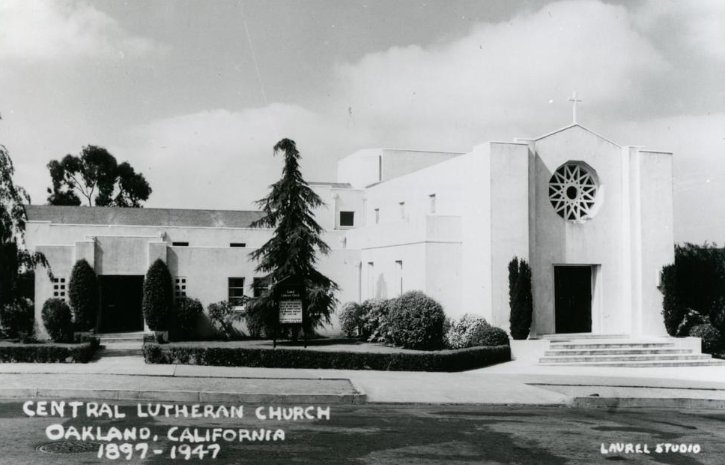
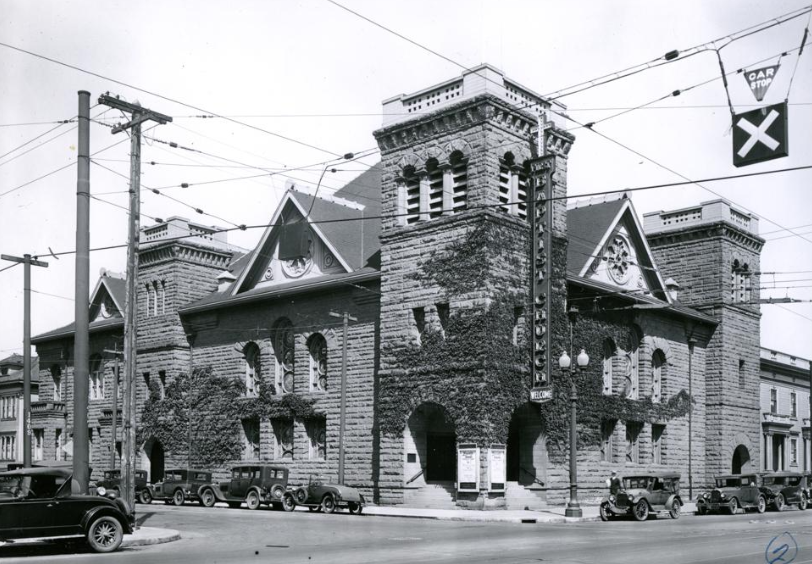
The 1906 San Francisco earthquake left a mark on Oakland’s churches as well. A photograph of the First Baptist Church at Telegraph Avenue and 22nd Street was taken specifically in the aftermath of the earthquake, documenting the structural impact on one of the city’s prominent Protestant congregations. The church later appeared again in photographs from 1910 and 1931, showing how the building evolved and survived across decades.
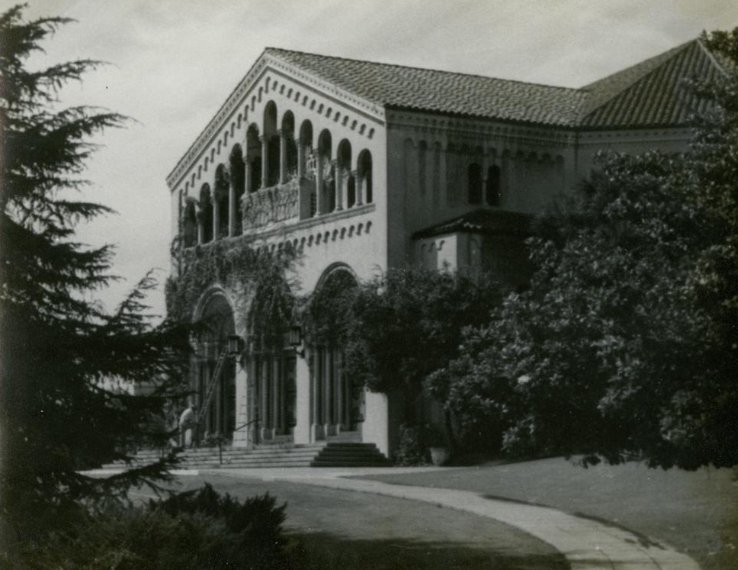
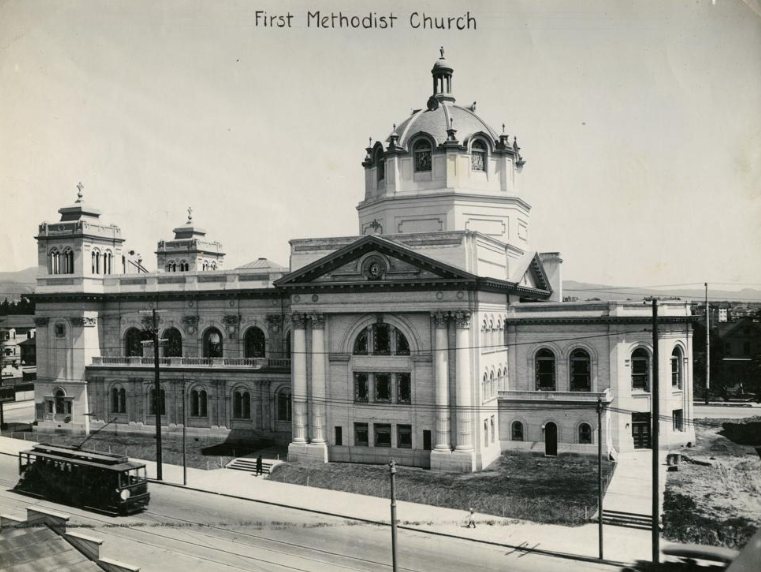
Lutheran, Presbyterian, Episcopal, and Methodist congregations all established a strong presence in Oakland during the late 1800s and early 1900s. The Zion Lutheran Church at 12th and Myrtle Street was documented between 1892 and 1915. The First Methodist Episcopal Church appeared at 14th and Clay Streets in 1889. The Brooklyn Presbyterian Church at East 15th Street and 12th Avenue was photographed between 1890 and 1910. Each of these images shows a different architectural style and neighborhood context, reflecting the variety of communities that built them.
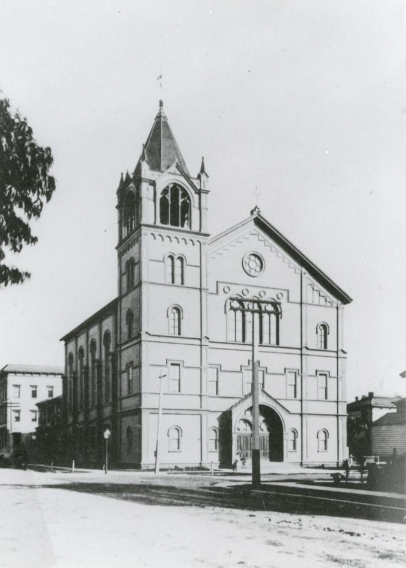
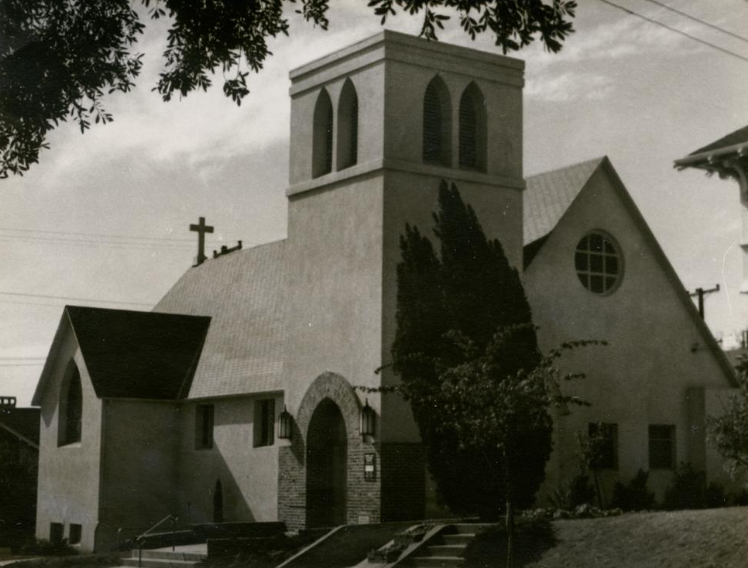
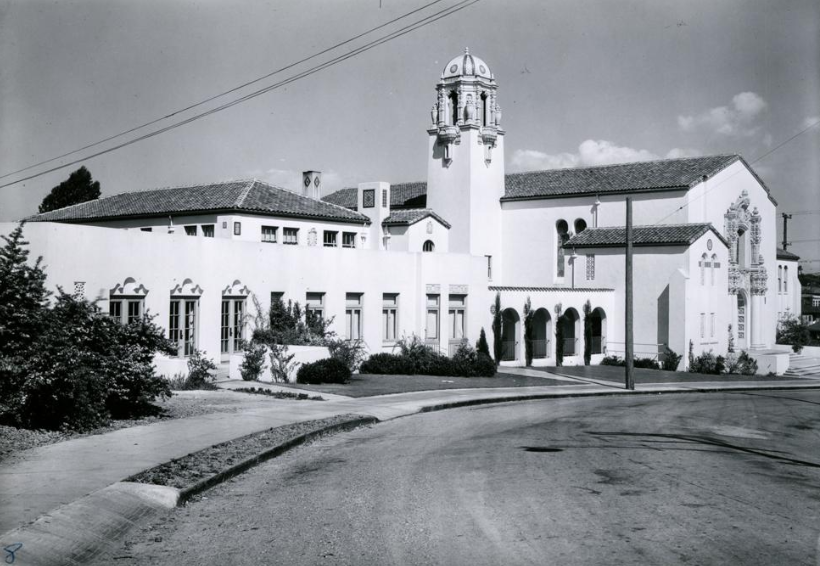
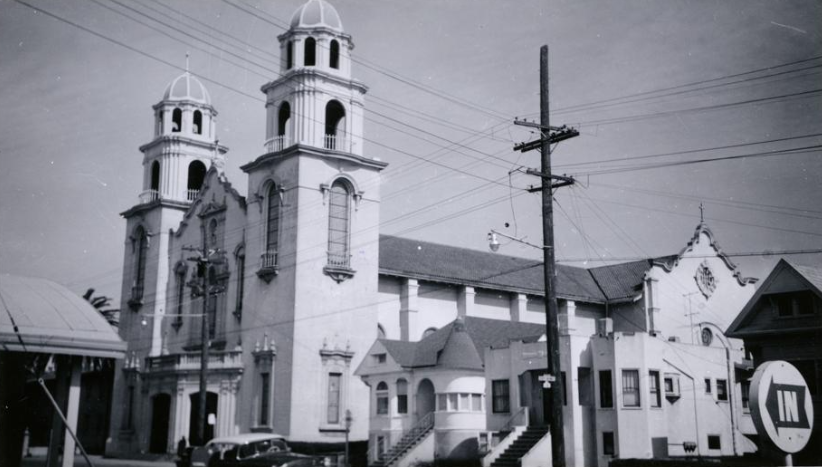
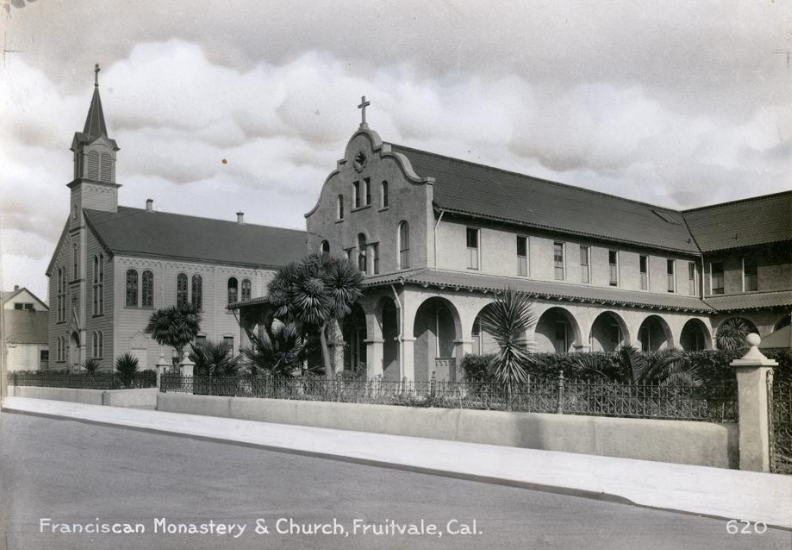
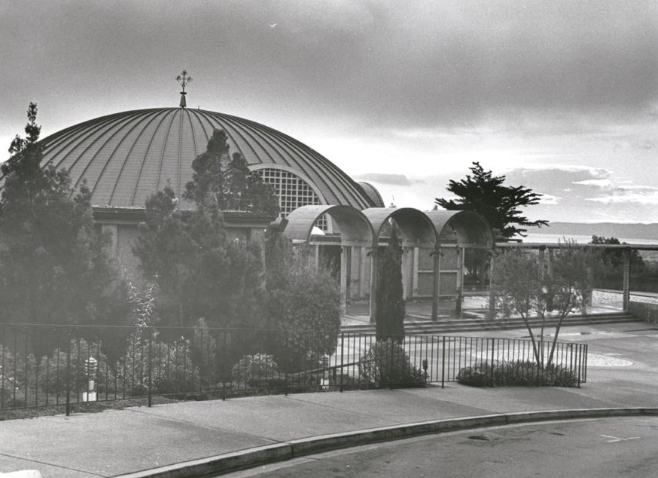
Catholic institutions played a particularly large role in shaping Oakland’s religious landscape. St. Mary’s Catholic Church at 8th and Jefferson Streets was photographed in 1910. Sacred Heart Catholic Church appeared at 40th and Grove Streets in 1931. The Convent of the Sisters of St. Joseph of Carondelet at 920 Peralta Street was documented in 1932. The Franciscan Monastery near East 14th Street was captured in the 1910s, and St. Elizabeth’s Catholic Church in the same area appeared in 1955. These institutions often operated schools and social services alongside their worship spaces.
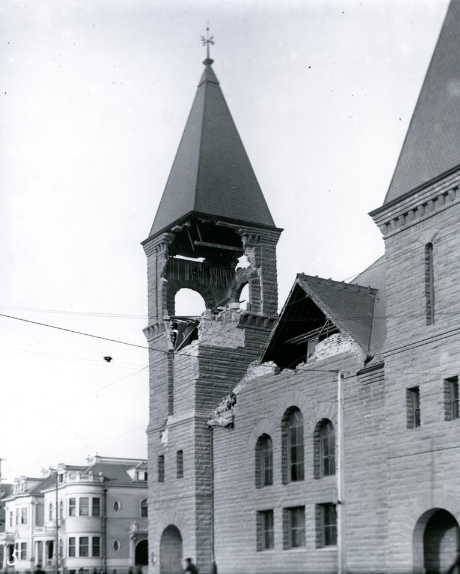
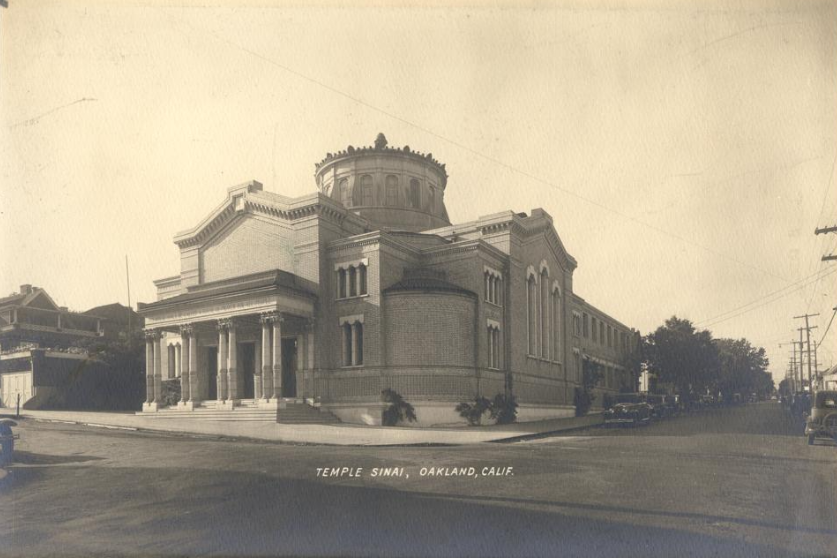
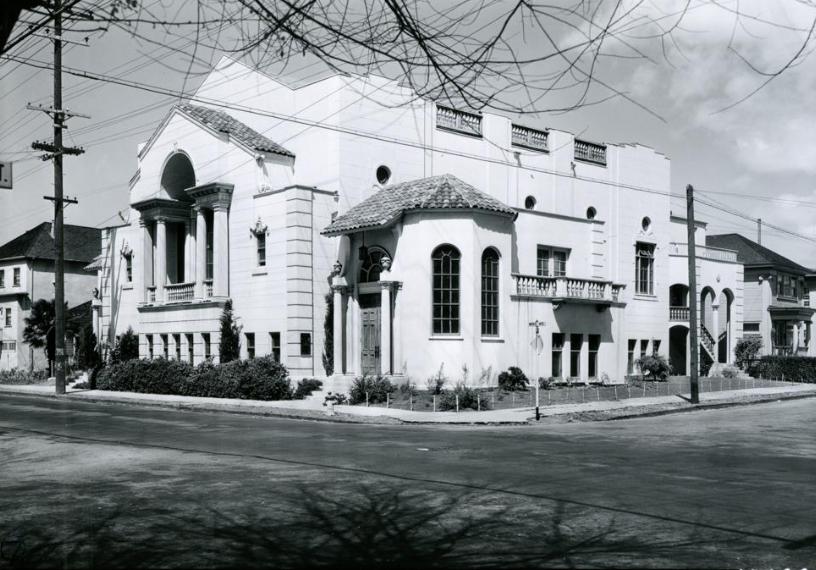
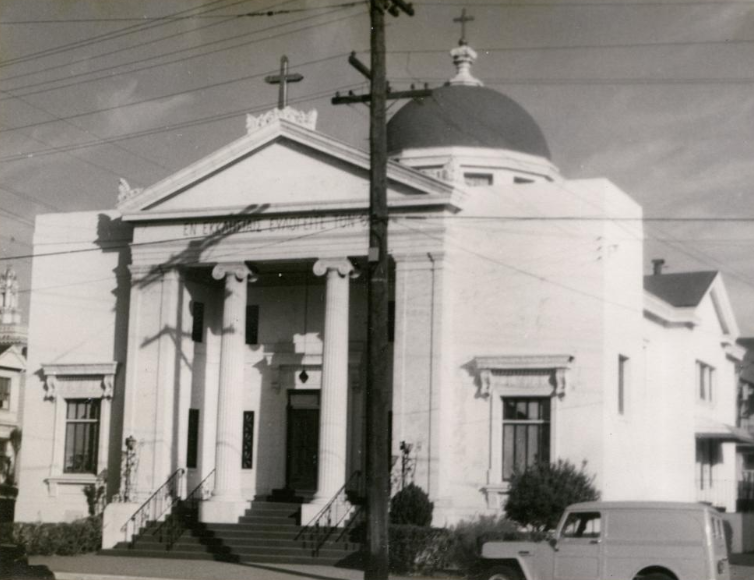
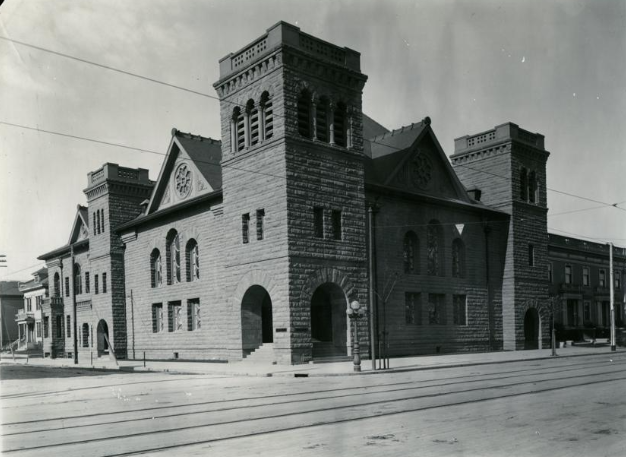
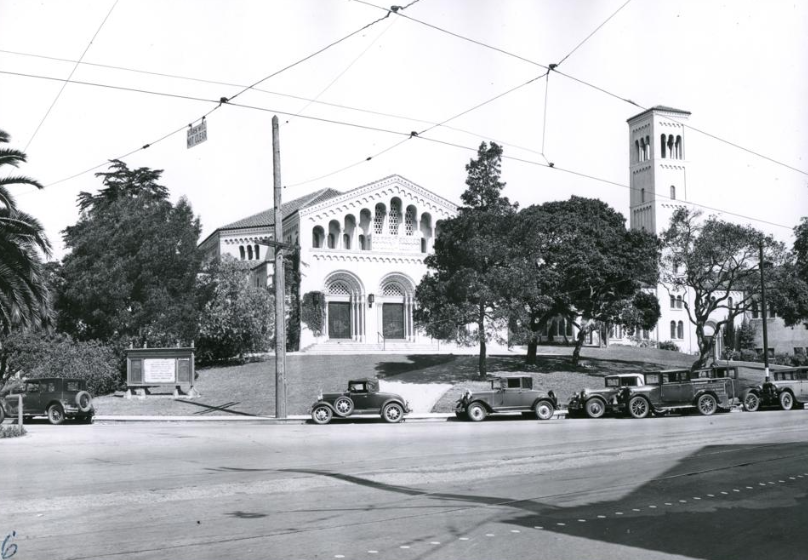
Jewish worship in Oakland was anchored by Temple Sinai at 28th and Webster Streets, photographed in 1920. The image shows a substantial building that reflected the established presence of Oakland’s Jewish community by the early 20th century. The Buddhist Church of Oakland at 8th and Jackson Streets, photographed in 1953, similarly documented a faith tradition that had taken firm root in the city — primarily among Japanese Americans — despite the hardships of wartime incarceration during World War II.
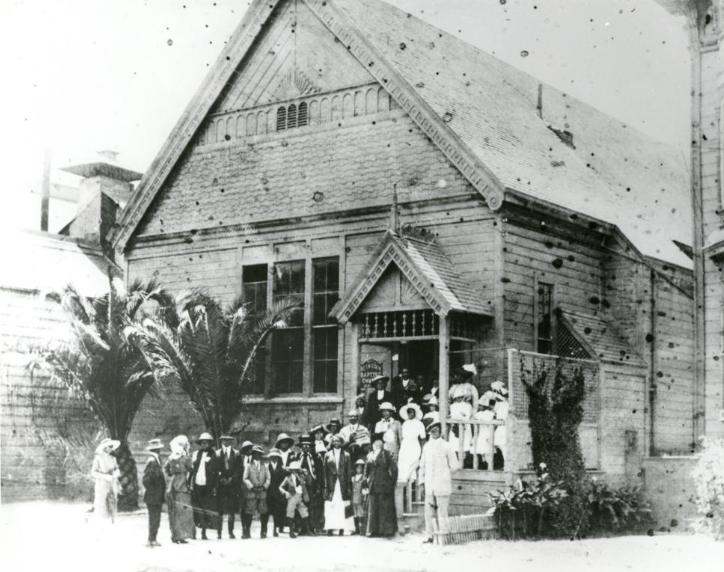
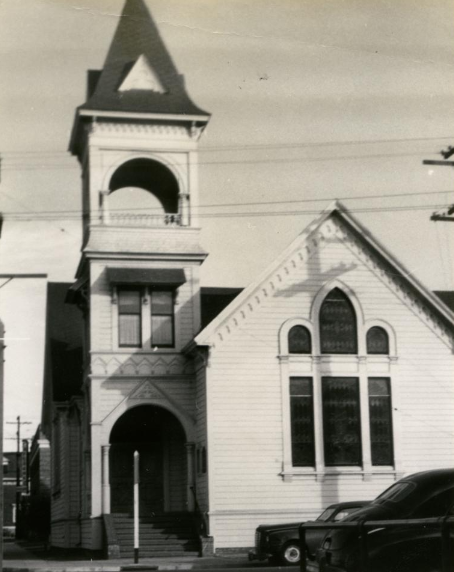
Orthodox Christian communities also found a home in Oakland. The St. George Serbian Orthodox Church at 9th and Oak Streets was photographed in 1953. The Greek Orthodox Church appeared at 9th and Brush Streets in the same year, and a second Greek Orthodox Church at 2700 Lincoln Avenue was documented in the 1960s. These congregations served immigrant populations who had settled in the East Bay and maintained strong ties to their European religious traditions.
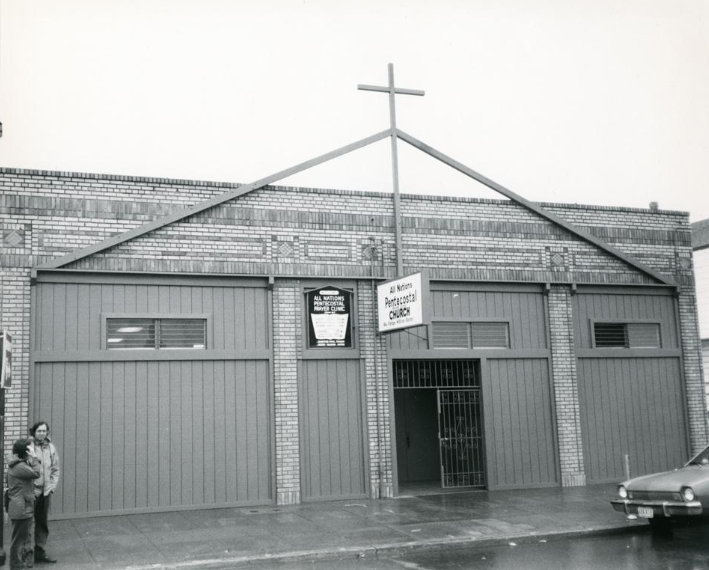
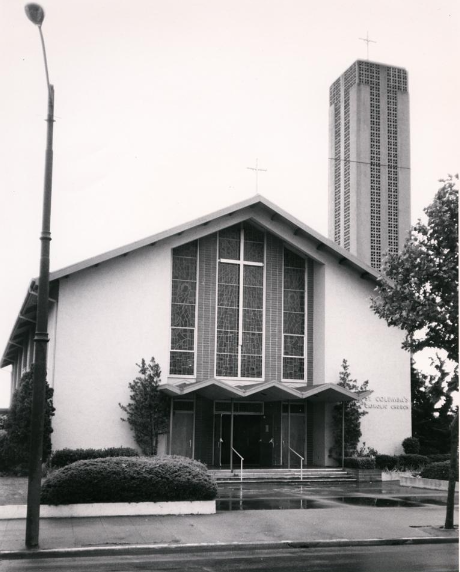
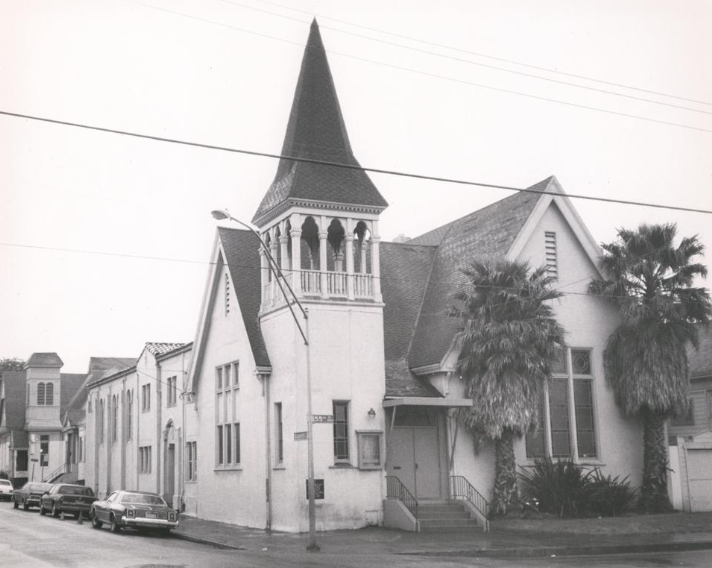
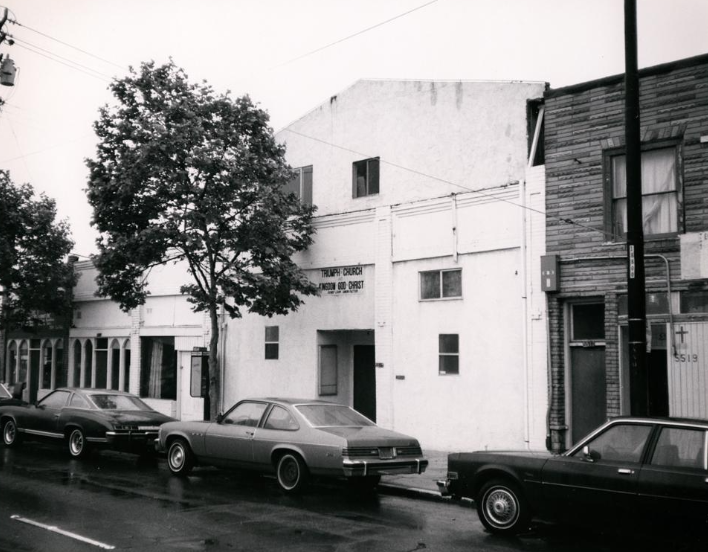
By the late 1980s, Oakland’s religious landscape had shifted considerably. San Pablo Avenue alone was home to several active congregations, including the All Nations Pentecostal Church at 5815 San Pablo Avenue, Triumph the Church and Kingdom of God in Christ Pentecostal Church near 55th Street, and St. Columba’s Catholic Church at 6401 San Pablo Avenue. These churches reflected the demographic changes that had reshaped Oakland’s neighborhoods over the preceding decades.
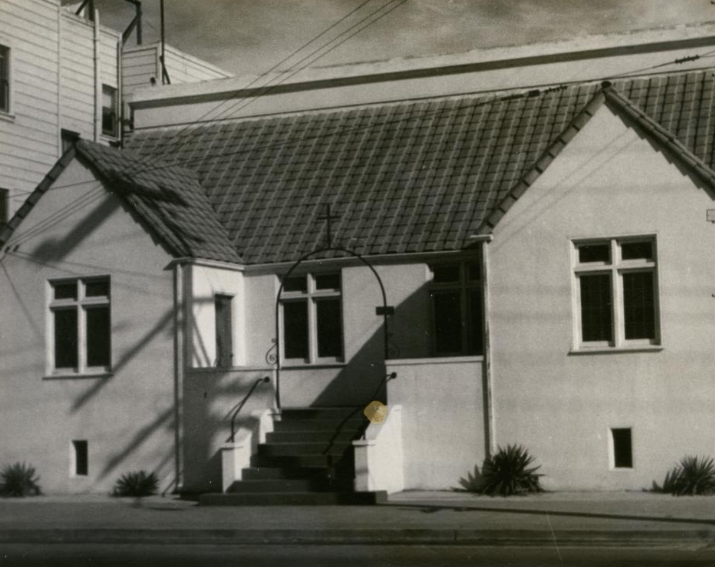
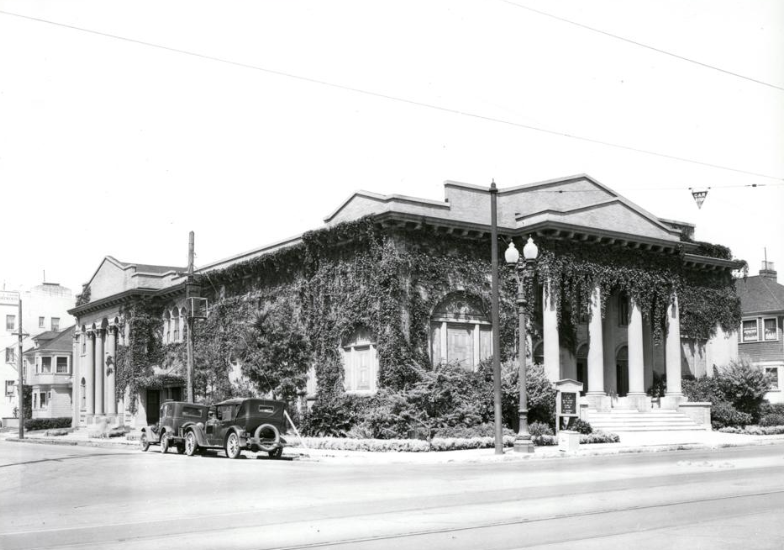
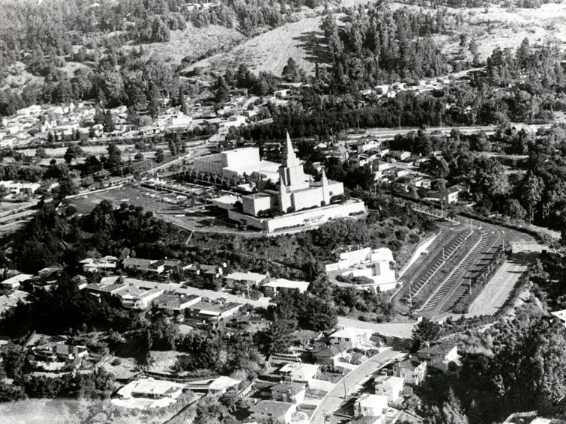
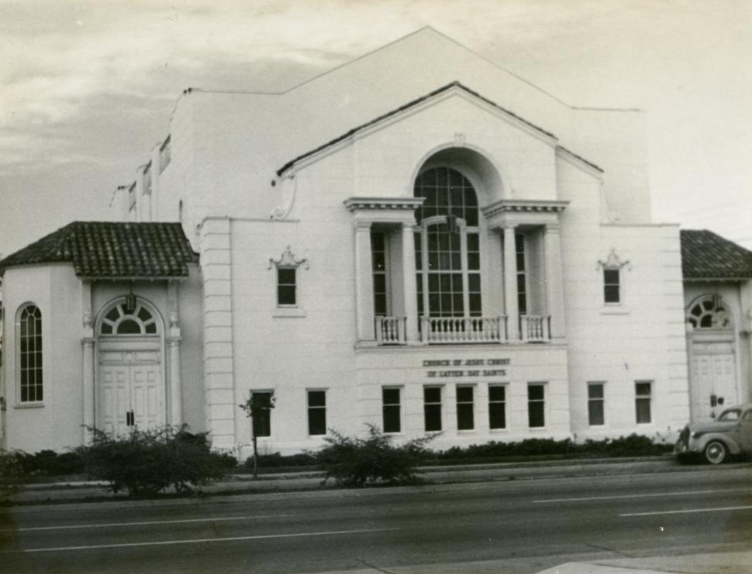
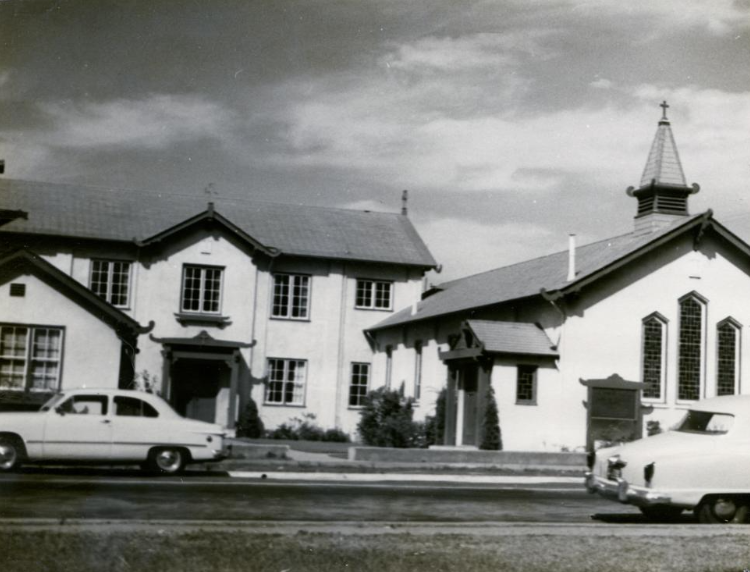
The Church of Jesus Christ of Latter-Day Saints built a visible presence in Oakland across several decades. An early structure appeared at the northwest corner of Moss Street — later renamed MacArthur Boulevard — in 1931. Another building at the MacArthur and Webster Street corner was photographed in 1953, and an aerial view of a church on Lincoln Avenue was taken in 1970. The progression of these images shows the congregation growing and relocating as the city expanded outward.
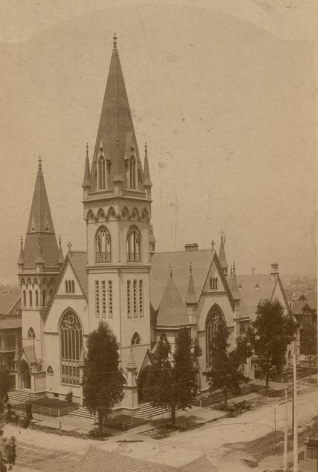
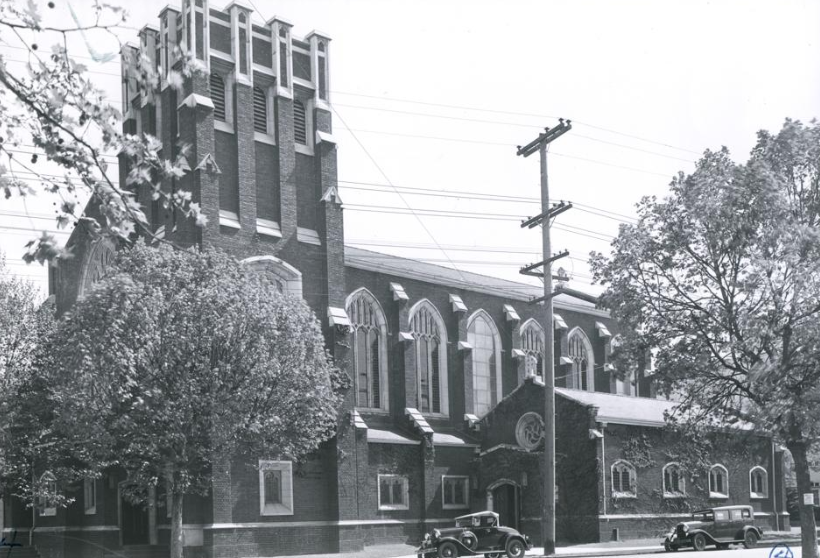
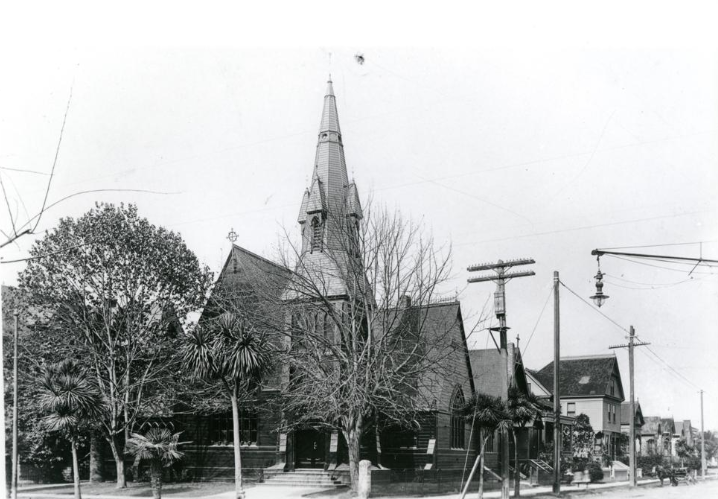
The Episcopal Church maintained several congregations across the city. St. Paul’s Episcopal Church at 14th and Harrison Streets was photographed in both 1898 and 1931, showing changes to the building over more than three decades. St. Peter’s Episcopal Church appeared at Broadway and Lawton Avenue in 1914. Trinity Episcopal Church was documented at Telegraph Avenue and 29th Street in 1920. The Episcopal Church of Our Savior at 8th and Harrison Streets appeared in 1953.
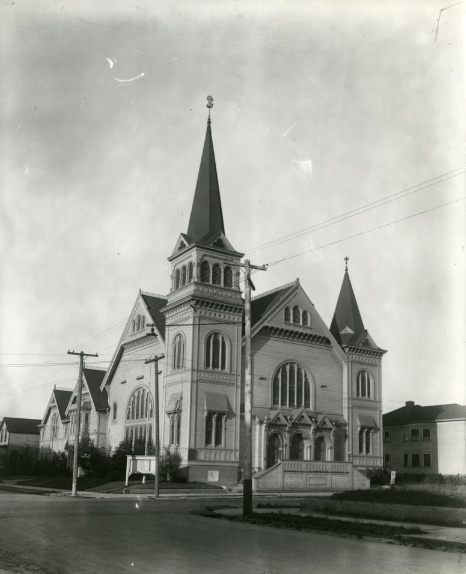
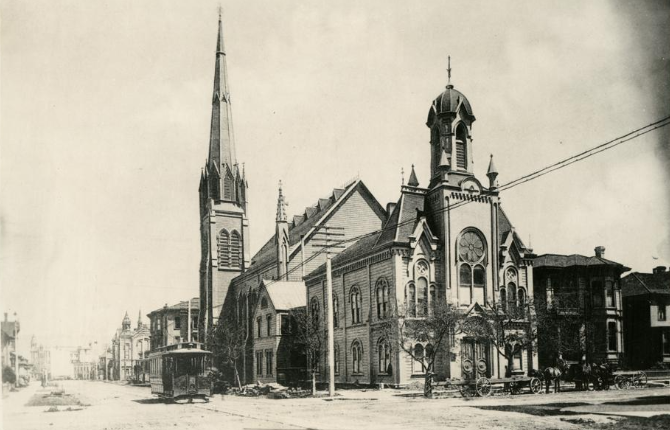
An 1892 photograph showing both the First Methodist Episcopal and German Evangelical Lutheran Churches in a single frame is particularly telling. It captures two distinct immigrant congregations — one Anglo-American, one German — existing side by side in the same city at the same moment. Oakland’s churches were never a monolith. They were shaped by the nationalities, languages, and traditions of the people who built them, and the archive of photographs taken across more than a century makes that diversity unmistakably clear.