
In the early 1940s, photographer Jack Delano arrived in Chicago on assignment for the Farm Security Administration. His job was to document the city’s vast railroad network during the war years. What he left behind is a rare collection of Kodachrome color transparencies — vivid, sharp images of a working industrial city at full throttle. At a time when most documentary photography was black and white, these images stand apart.
Chicago’s position as America’s railroad capital was no accident. The city established its first rail connection in 1848, linking it to the lead mines of Galena, Illinois. From there, the network grew fast. By the dawn of the 20th century, more than 30 interstate routes branched out from the city in every direction. No other city in the United States had more lines of track radiating outward. Chicago connected to Detroit, Cleveland, Cincinnati, New Orleans, St. Louis, Kansas City, Omaha, and St. Paul, making it the nation’s most important interchange point for freight.
The railroads did more than move goods — they shaped the entire city. Chicago became the terminus of all major railroad lines, meaning passengers, raw materials, and finished goods all passed through it. That constant flow of traffic fueled the growth of hotels, restaurants, warehouses, and taxicab services. Railroads were also central to Chicago’s grain marketing and meatpacking industries, hauling grain and livestock in enormous volumes. The demand for steel rails and railroad equipment even spurred the growth of manufacturing and shipbuilding in the region.
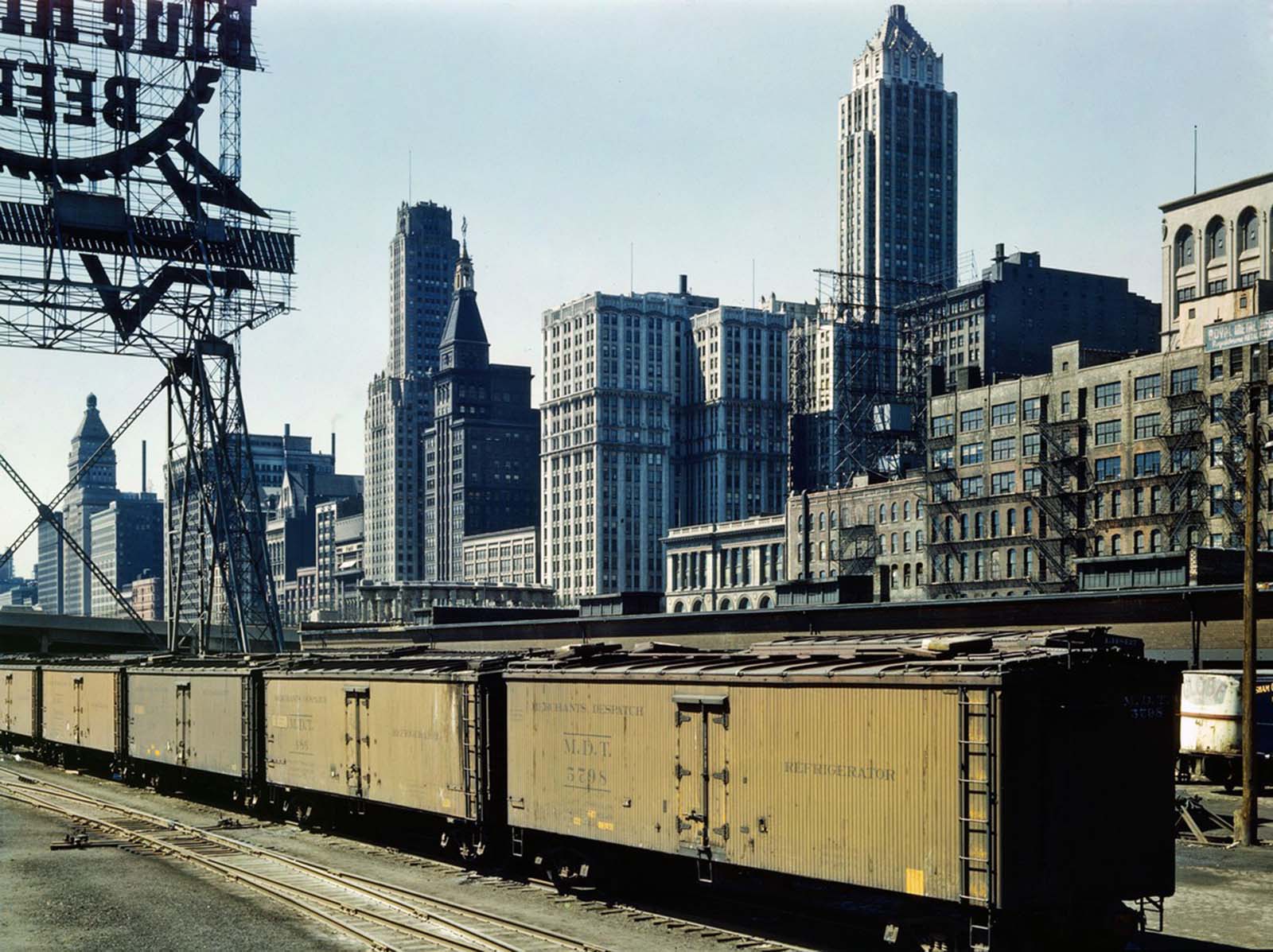
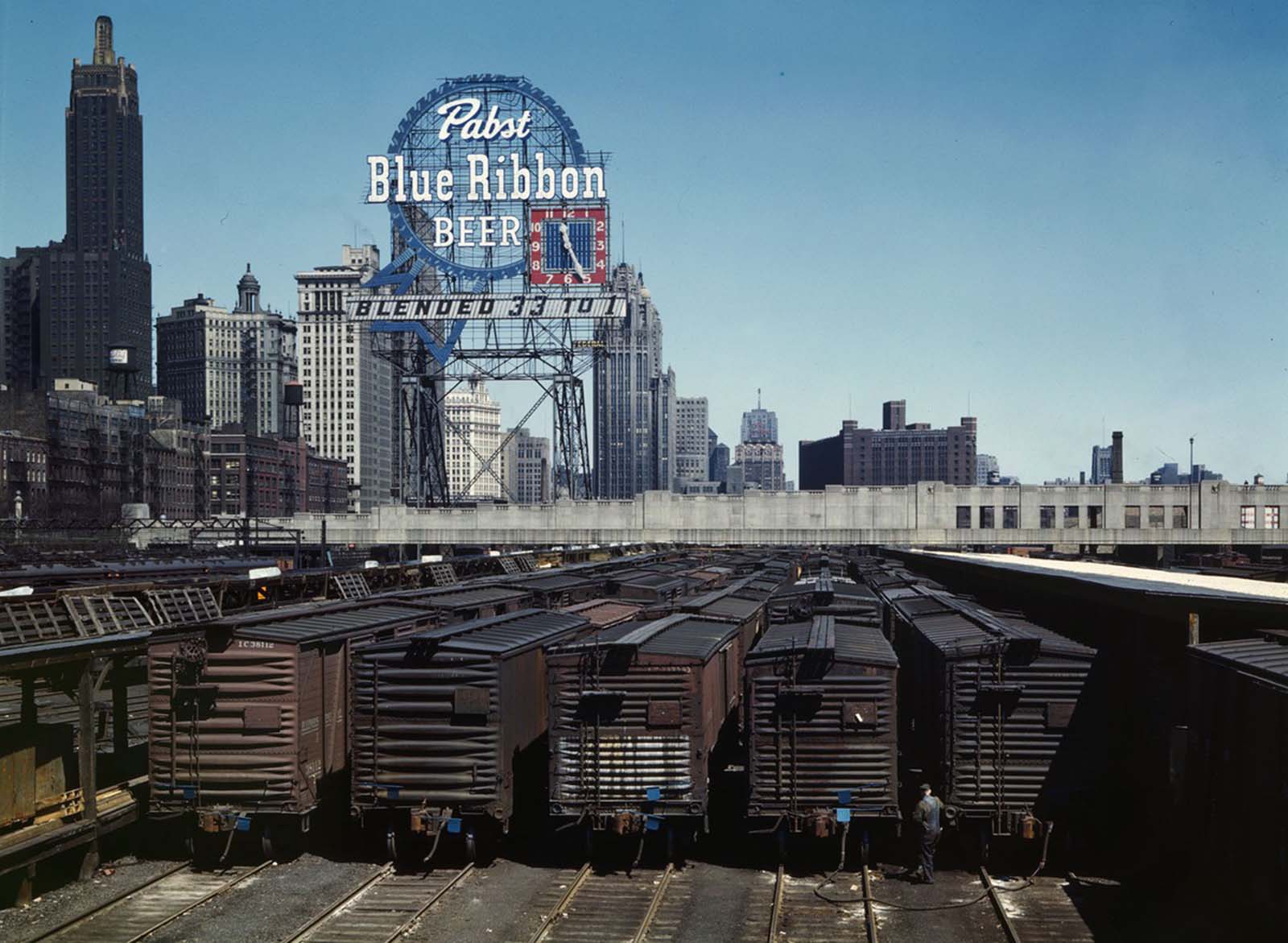
Delano’s camera moved through the yards with precision. He photographed the South Water Street freight terminal of the Illinois Central Railroad from multiple angles, capturing the industrial scale of the operation. Freight cars lined up in rows, depot buildings stretched along the waterfront, and the city skyline rose behind it all. These were not quiet scenes — they were pictures of a system under pressure, moving wartime goods across the country.
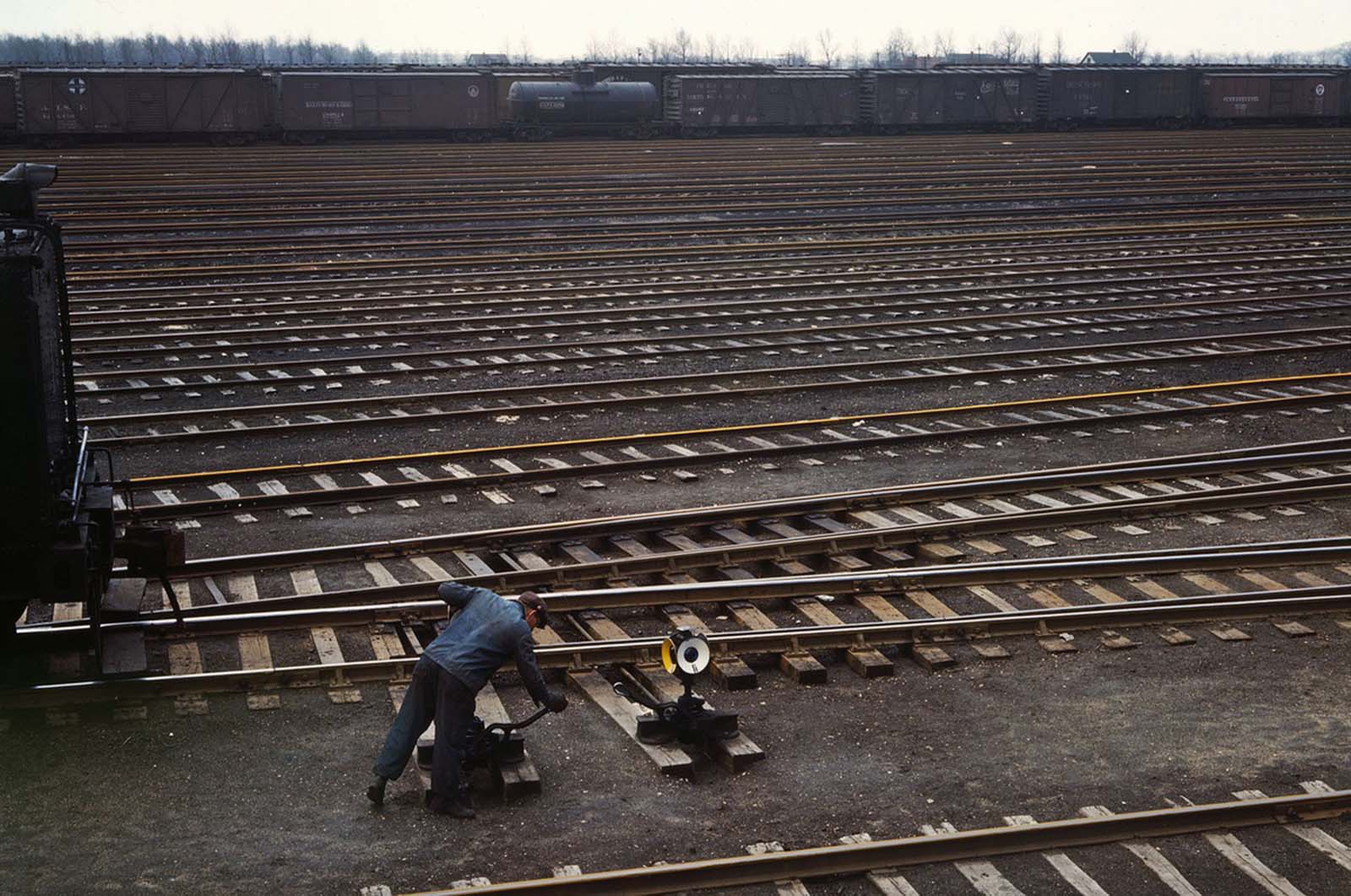
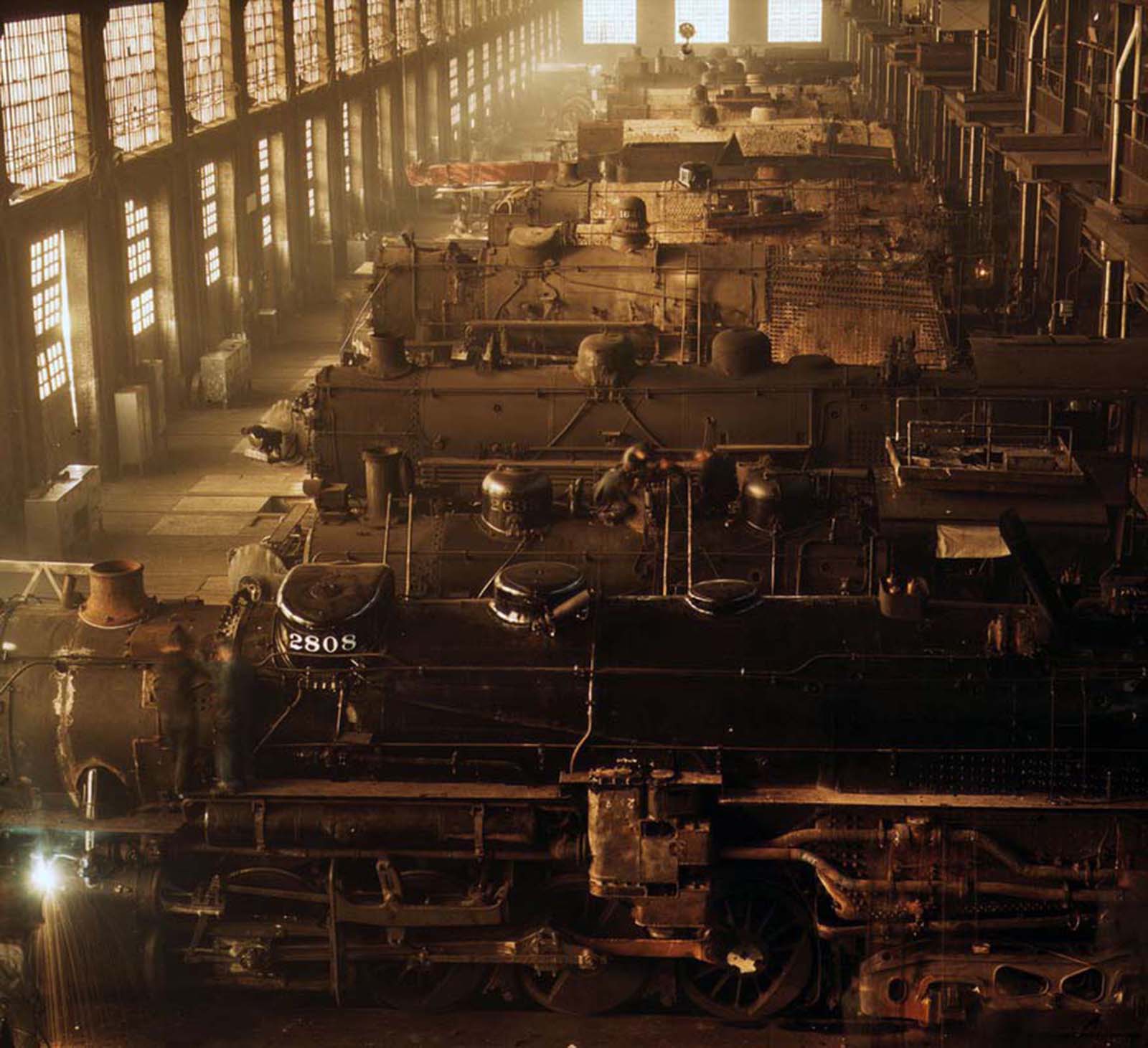
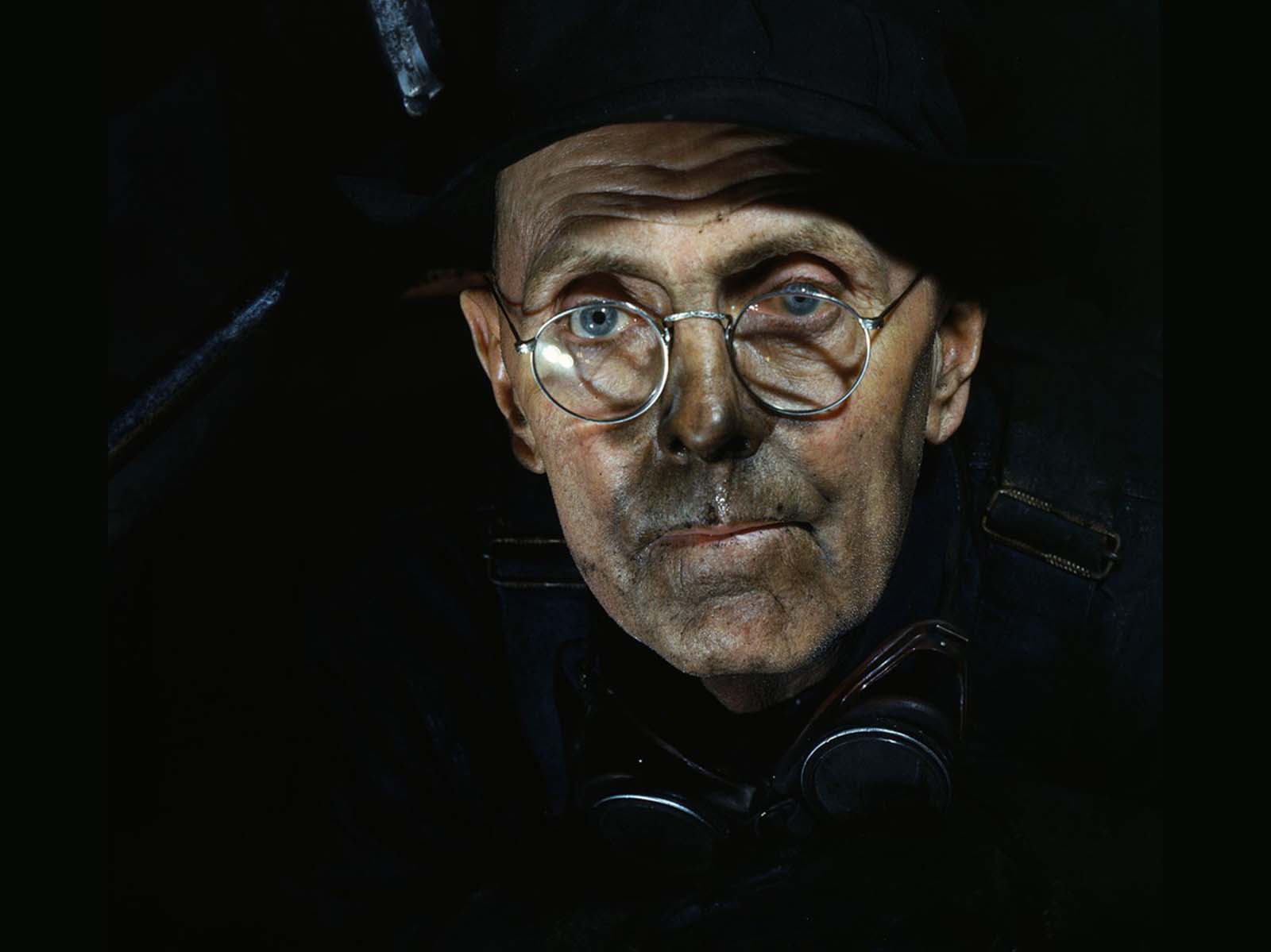
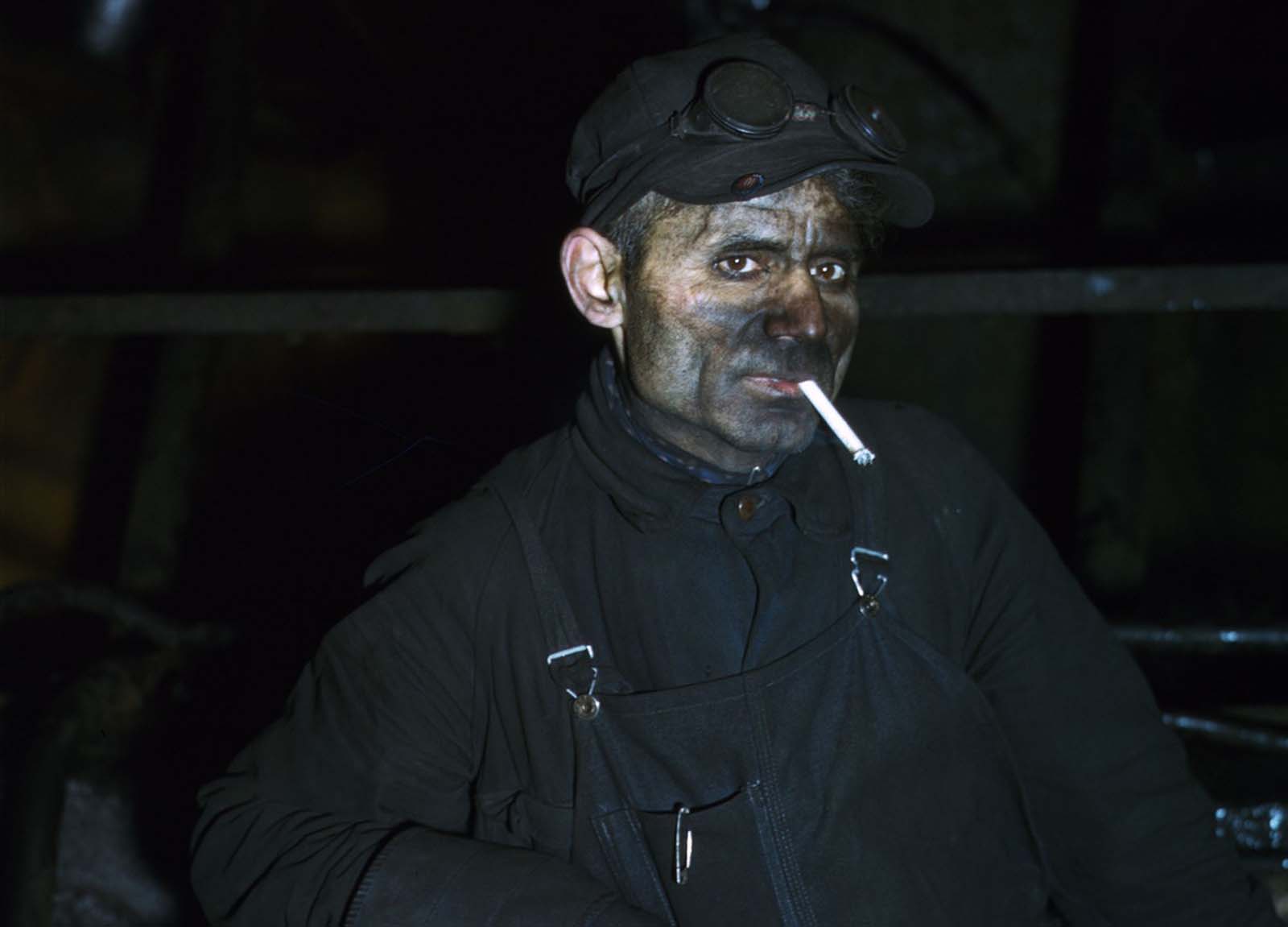
The Proviso yard in Melrose Park was one of the largest rail yards near Chicago, and Delano spent considerable time there. He photographed boilermakers, welders, and switchmen going about their daily work. These were skilled tradespeople maintaining the machinery that kept the entire rail network running. Men like L. Logan, a boilermaker from West Chicago, and William London, who had worked the roundhouse for 25 years, appear in Delano’s frames as clear-eyed and capable — workers who knew their craft well.
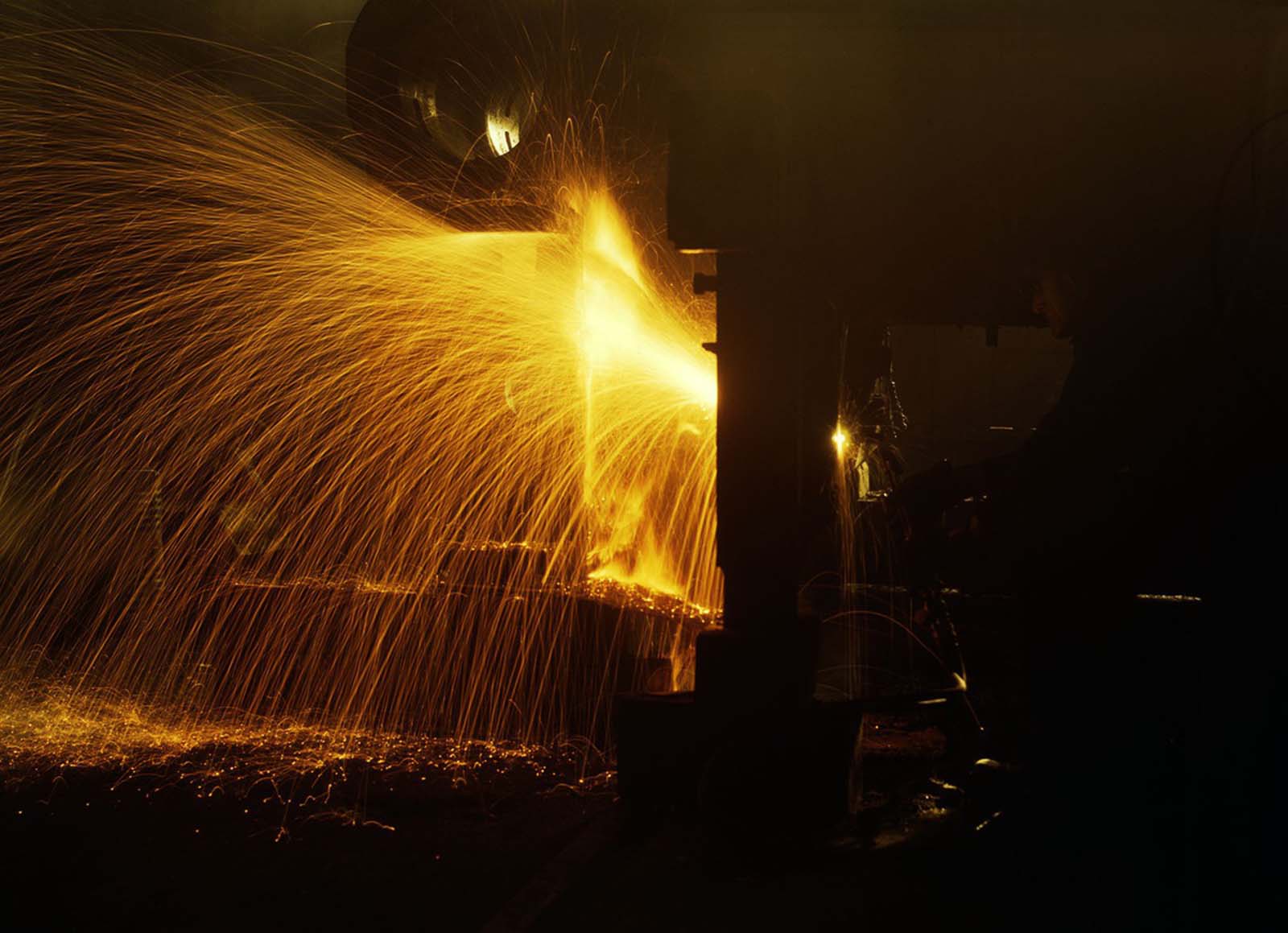
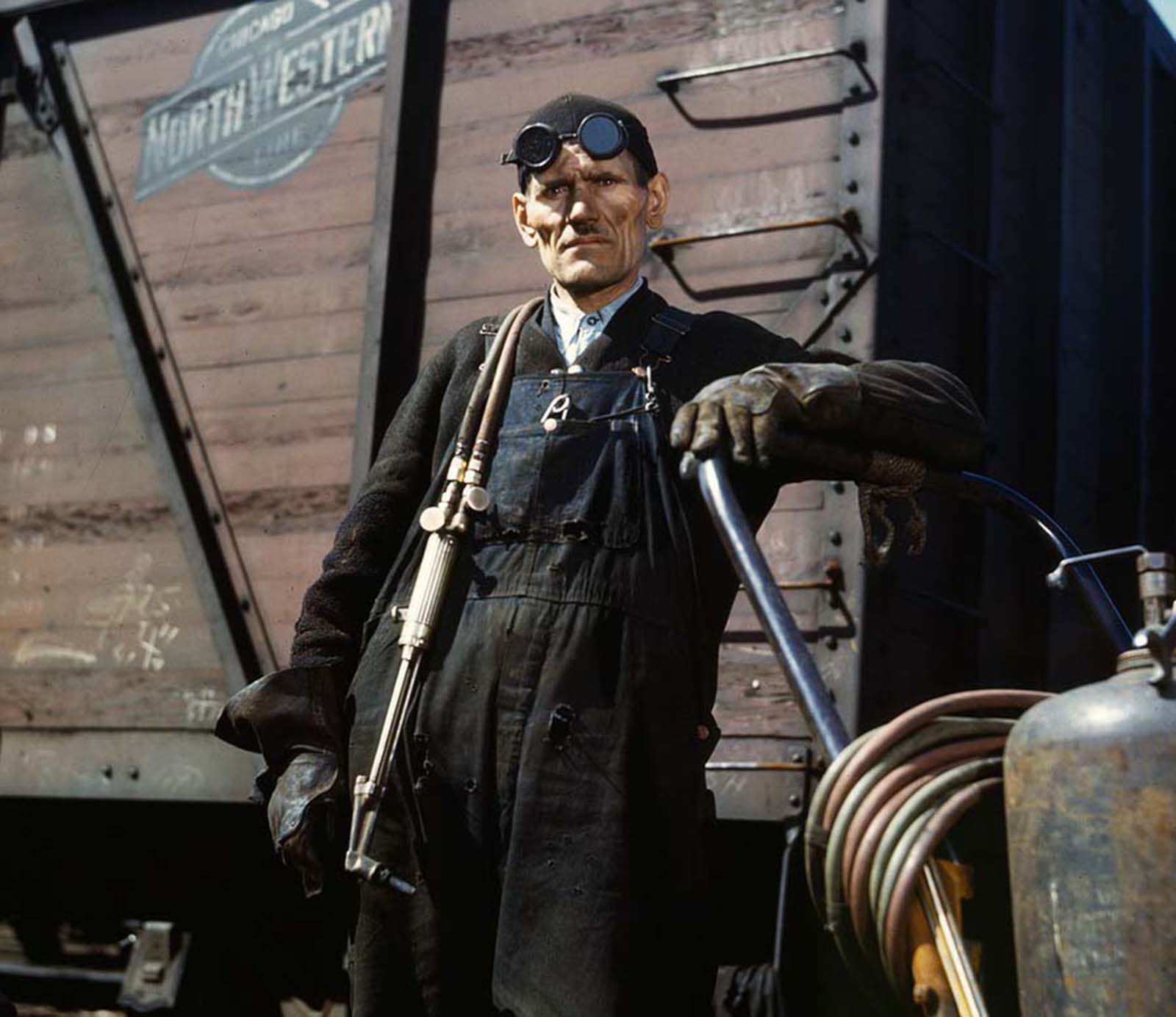
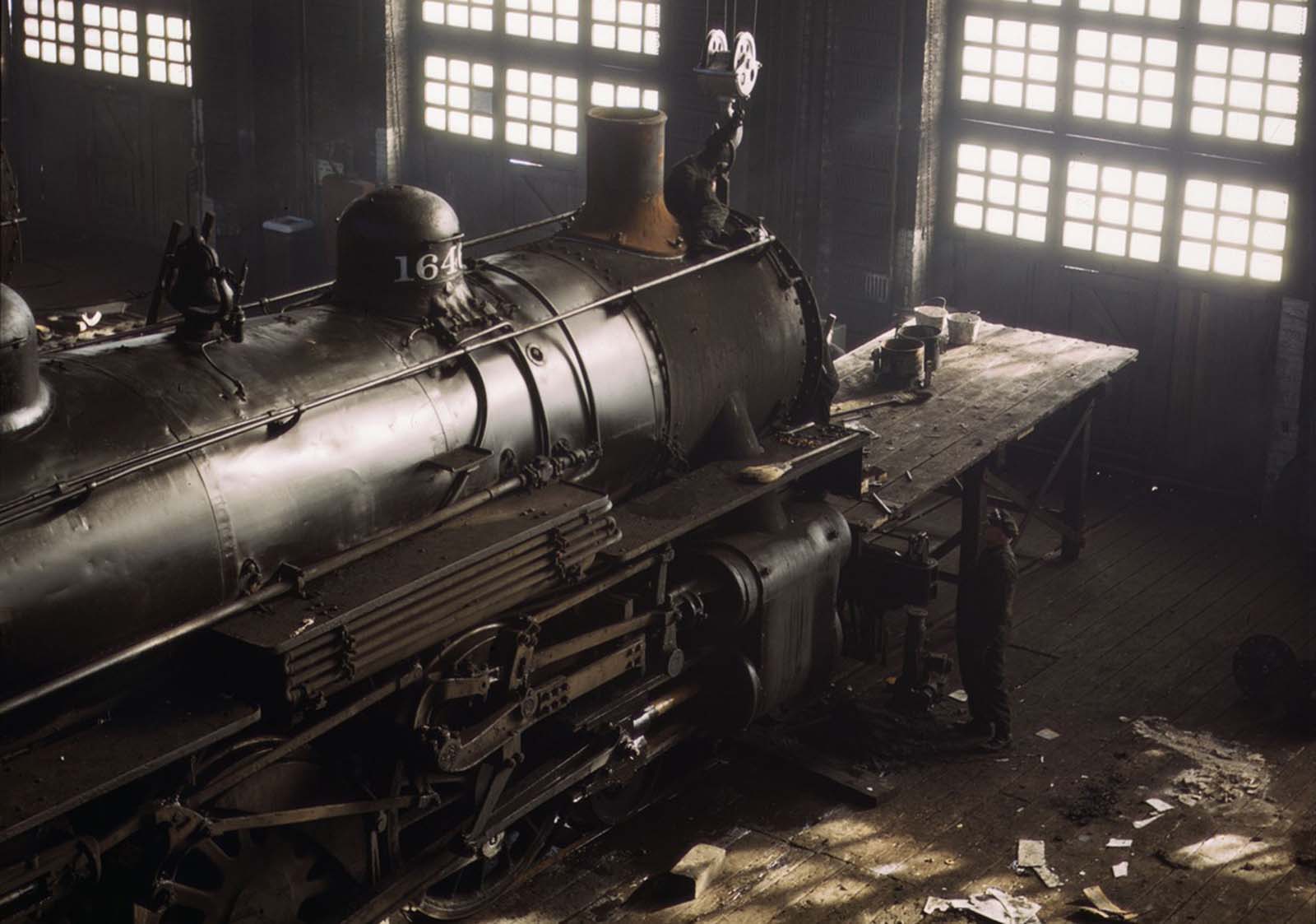
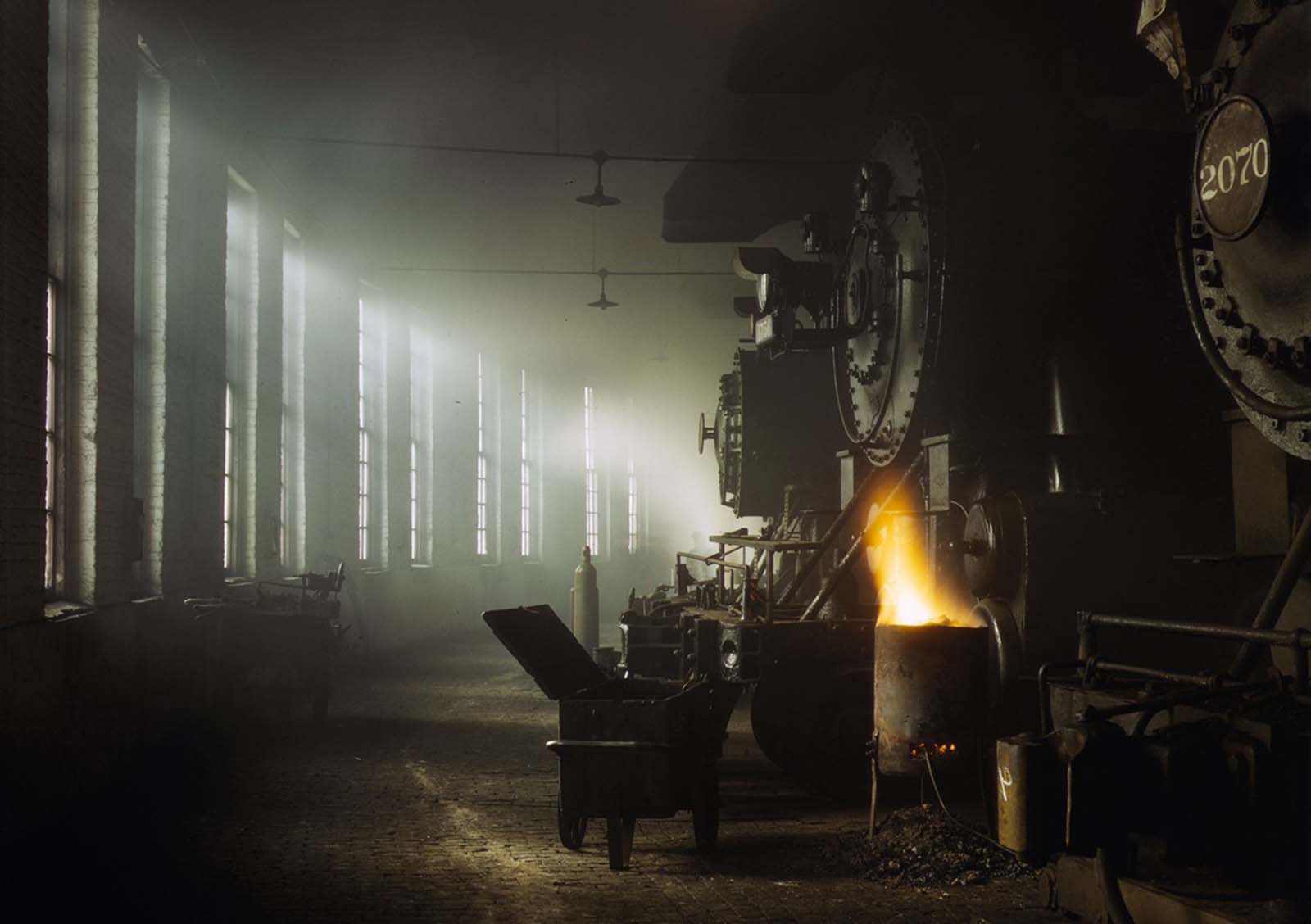
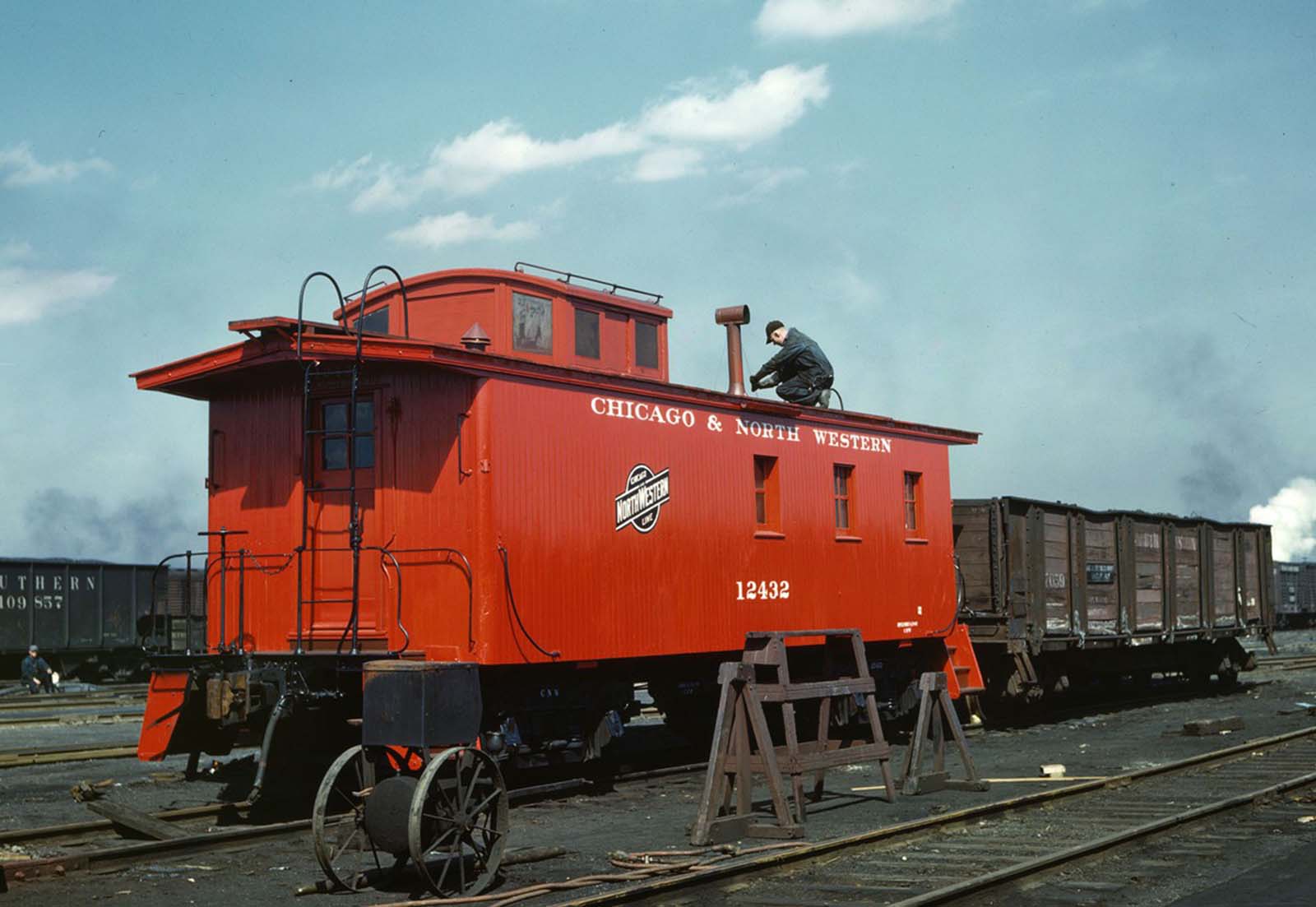
At the 40th Street railroad shops, Delano captured mechanics working directly on locomotives — heavy, demanding labor performed in close quarters. The rip tracks at Proviso were where damaged freight cars were repaired and rebuilt. Welder Mike Evans appears at the rip tracks in April 1943, torch in hand. In another frame, workers put the finishing touches on a completely rebuilt caboose. Every car that left Proviso had passed through hands like these.
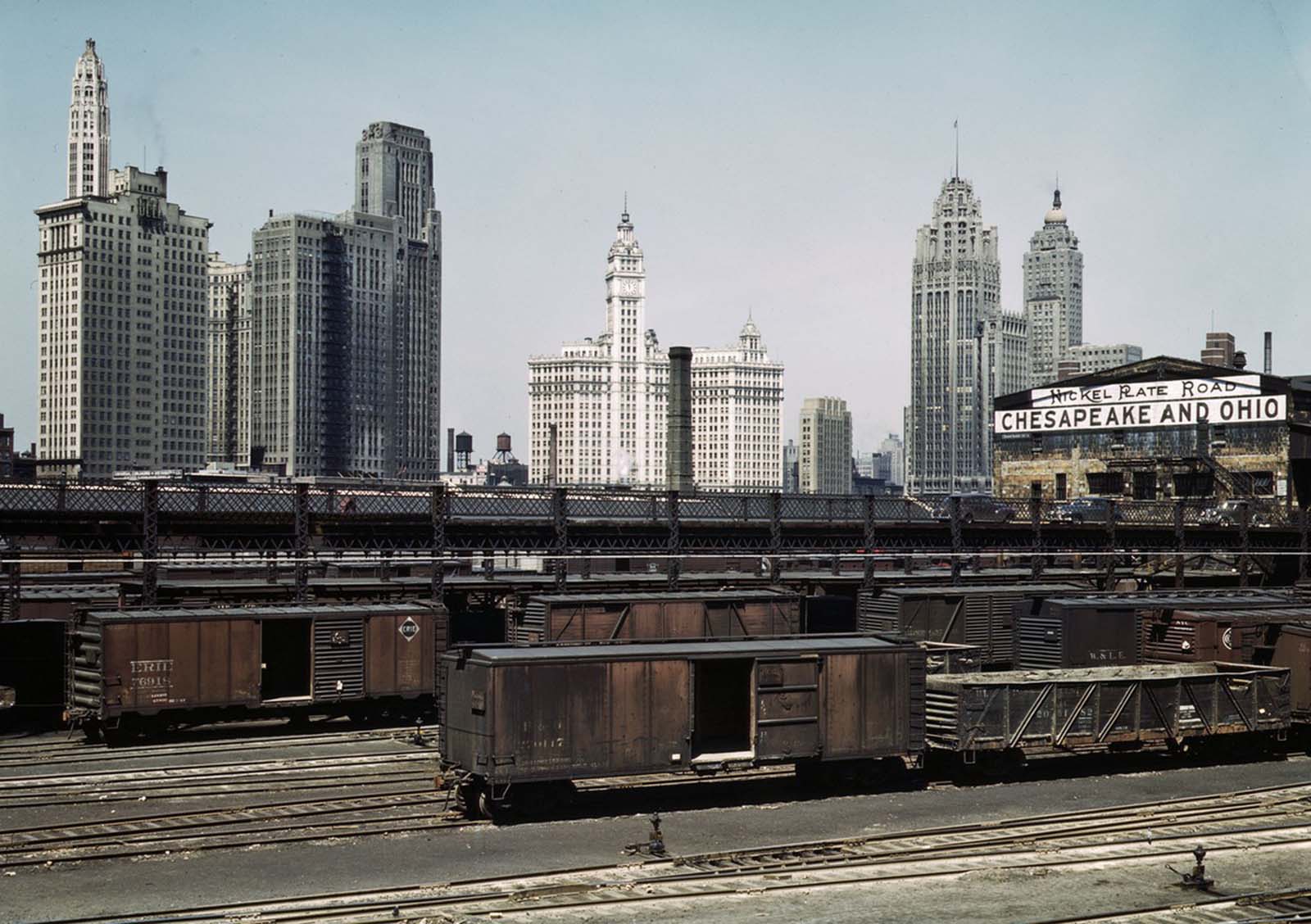
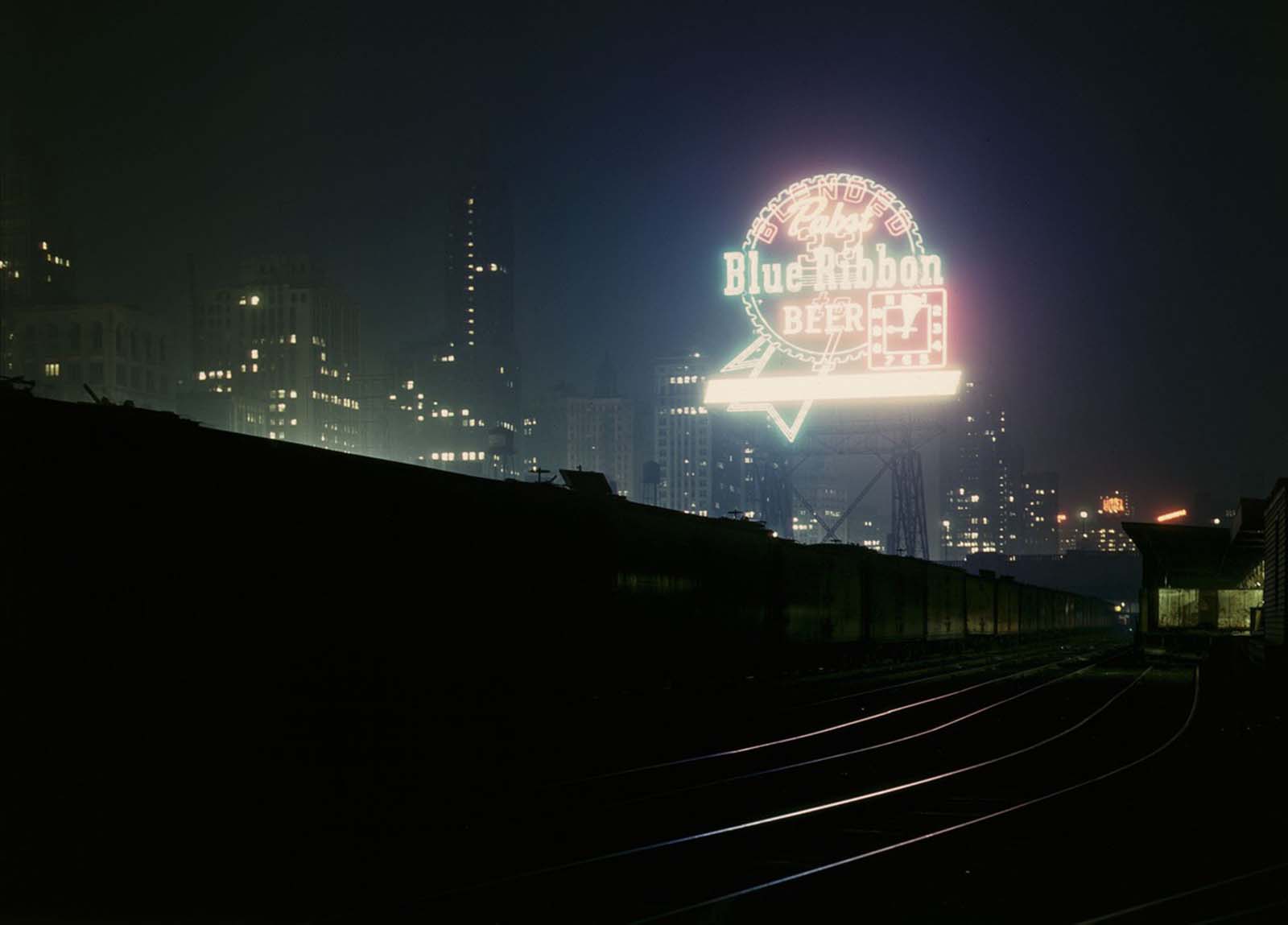
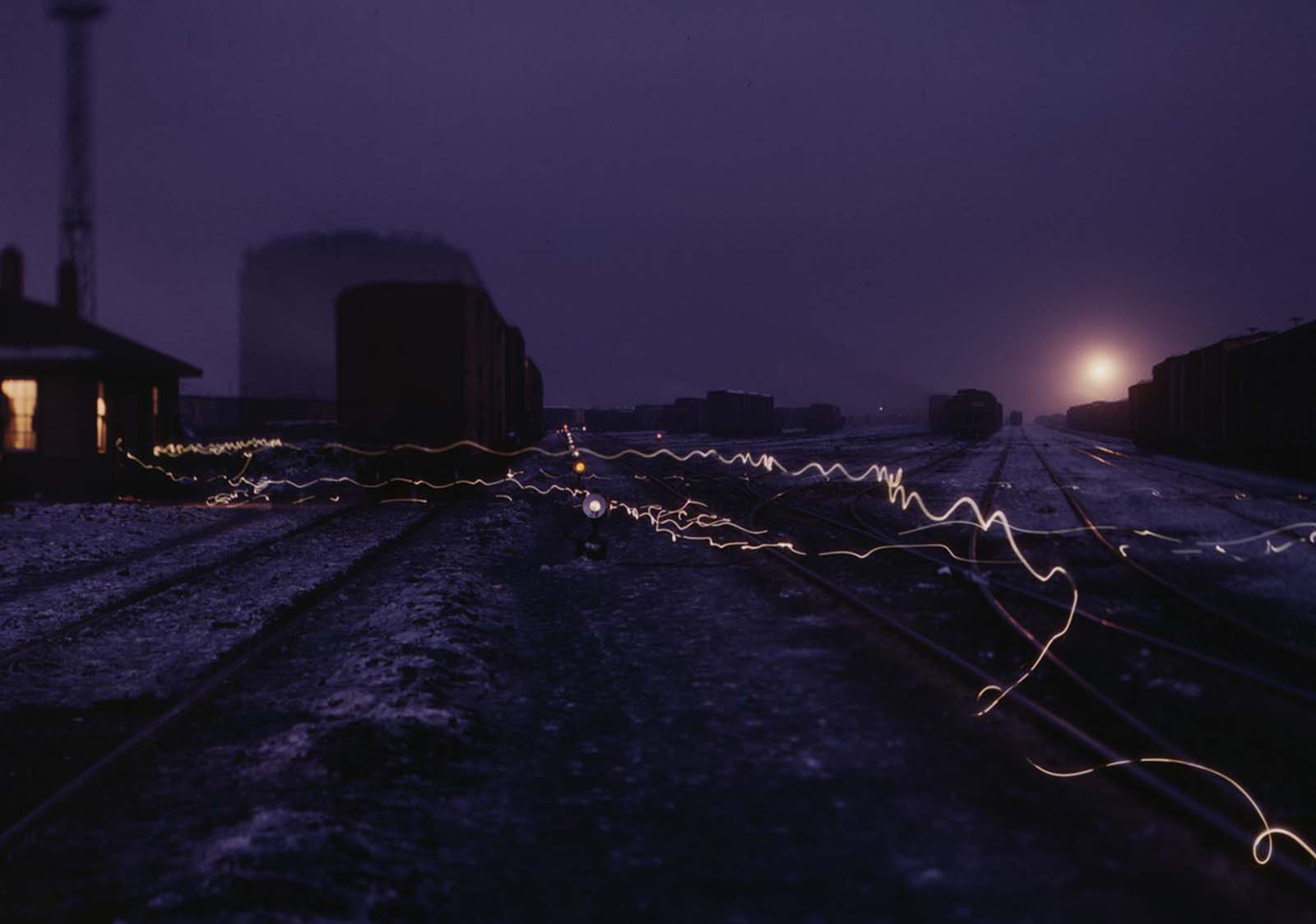
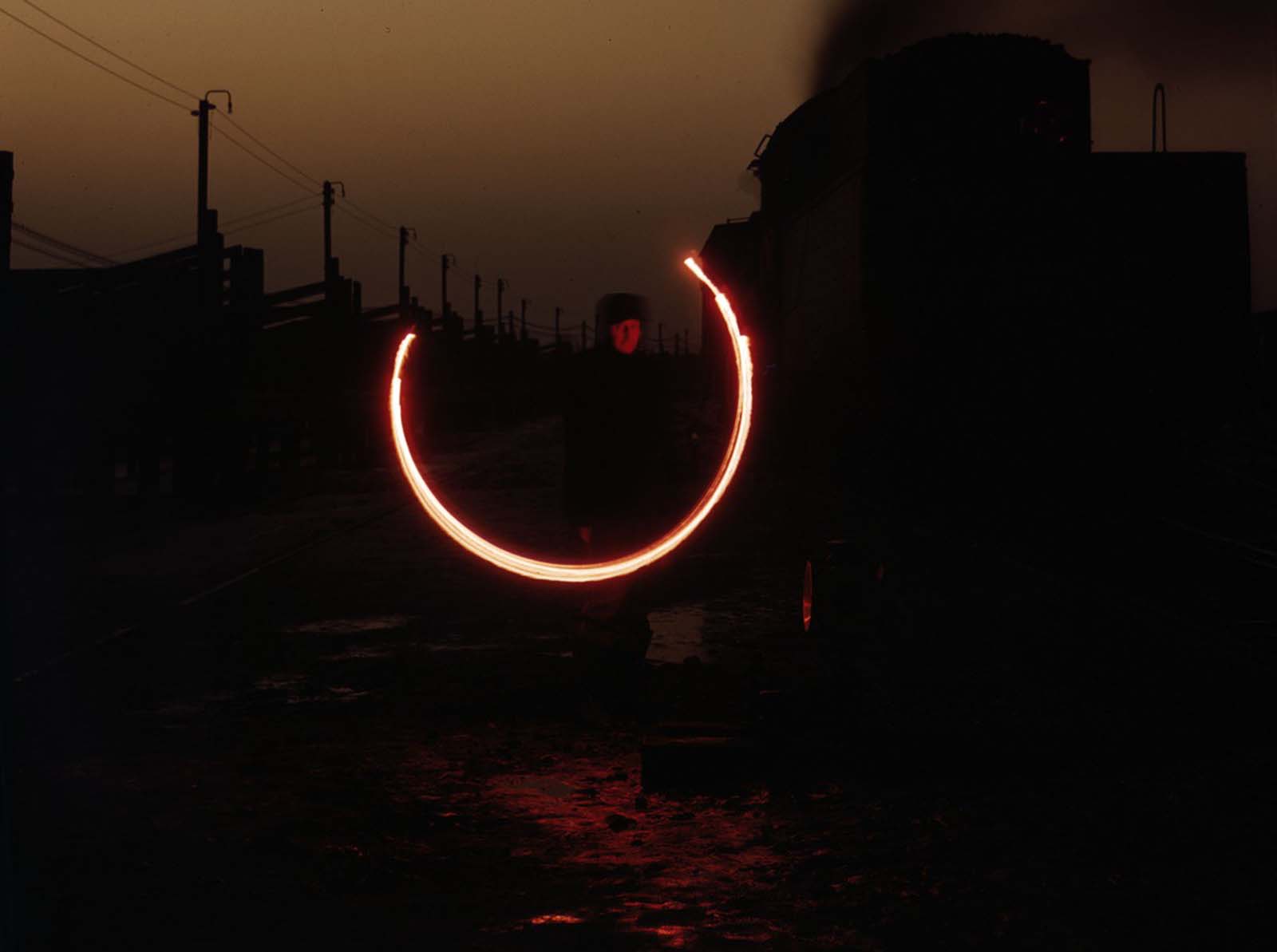
Some of Delano’s most striking images were taken at night and at twilight. A long-exposure shot of lantern lights drifting through the Proviso departure yard at dusk turns a working rail yard into something almost painterly. A night photograph at the South Water Street terminal shows the yard lit up beneath a giant glowing Pabst Blue Ribbon sign — a vivid collision of commerce and industry.
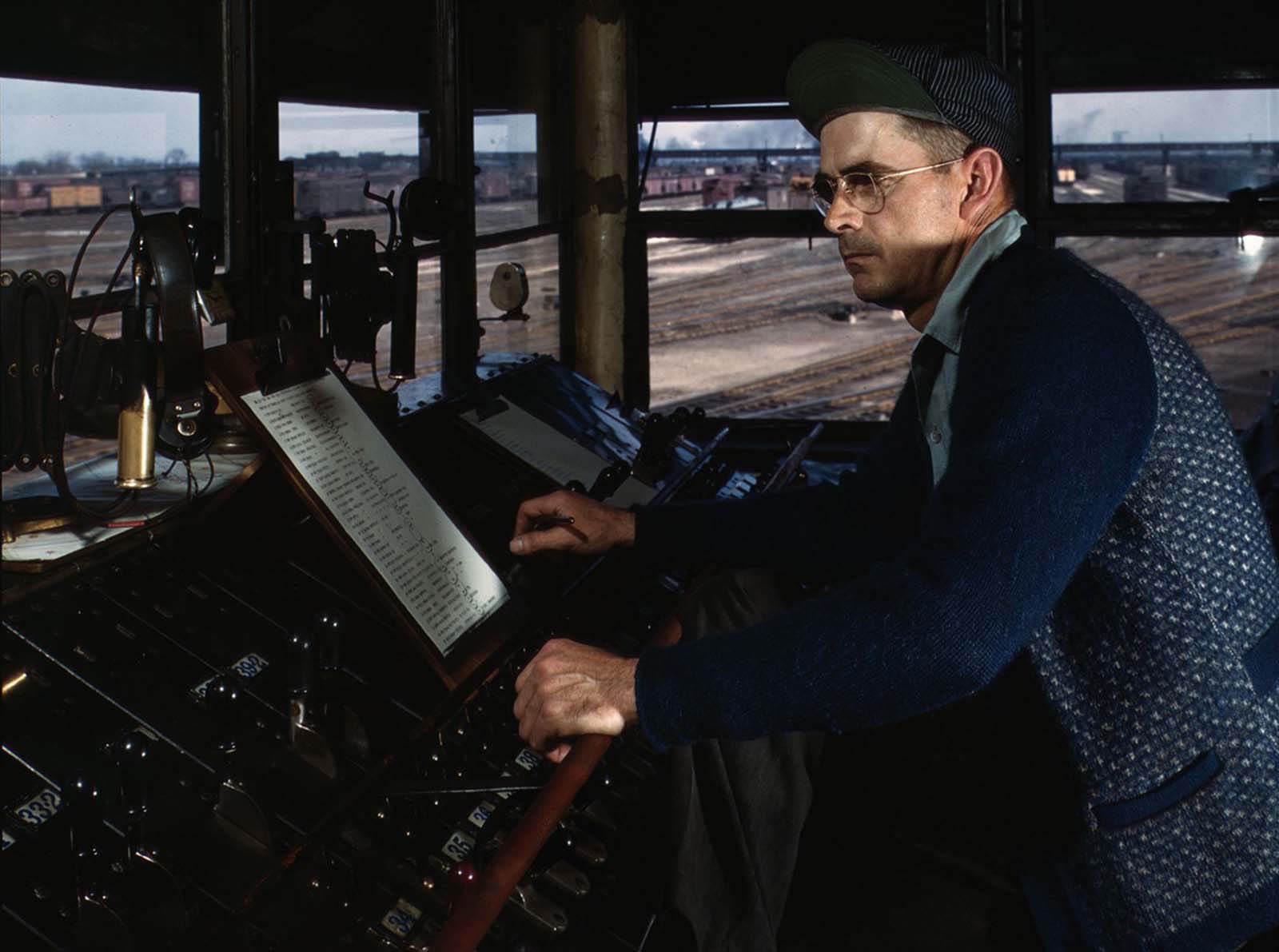
Tower man R. W. Mayberry of Elmhurst, Illinois, appears in one photograph operating a set of retarders and switches at the hump in Proviso yard. The hump was a raised section of track used to sort freight cars — cars rolled over it by gravity and were guided into the correct tracks by the switchmen and tower operators below. Mayberry’s role required constant attention and precise timing. One mistake could send a loaded freight car crashing into the wrong train.
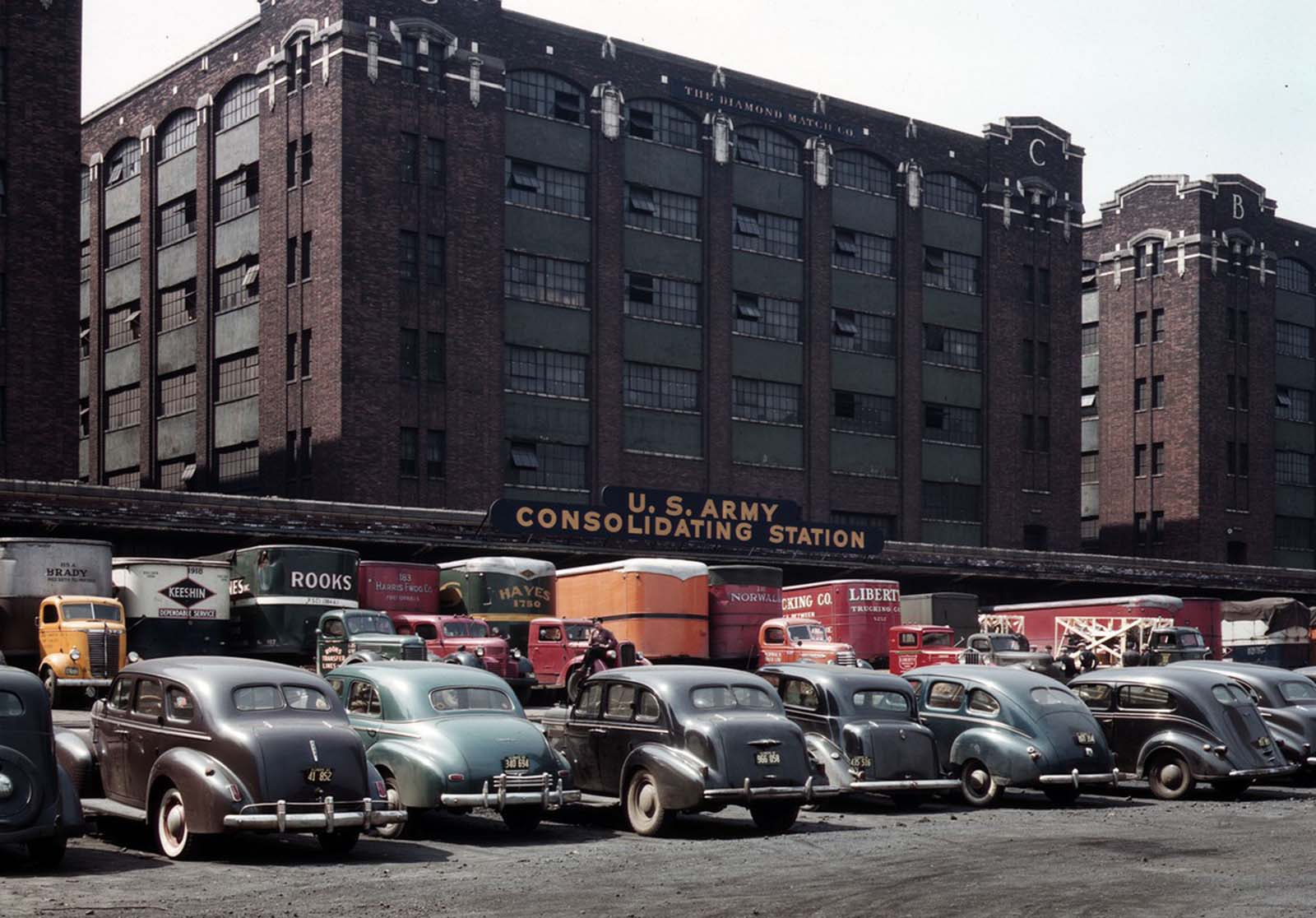
Delano also documented the U.S. Army’s consolidating station freight depot in Chicago, a direct reflection of the war effort running through the city’s rail network. By 1943, Chicago’s yards weren’t just moving commercial freight — they were a critical link in the military supply chain. The sheer volume of material flowing through the city during the war years made the rail yards one of the most strategically important places in the country.
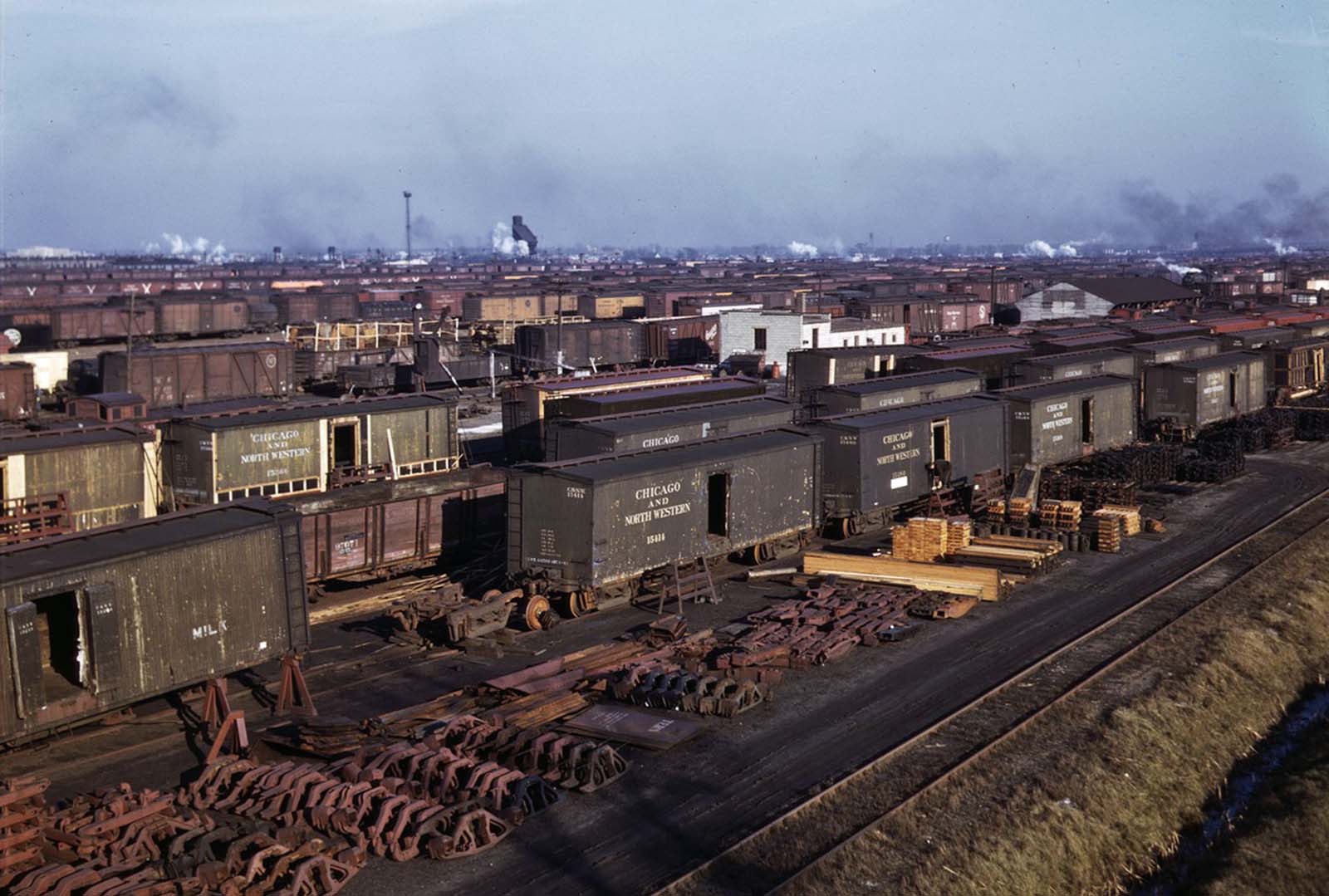
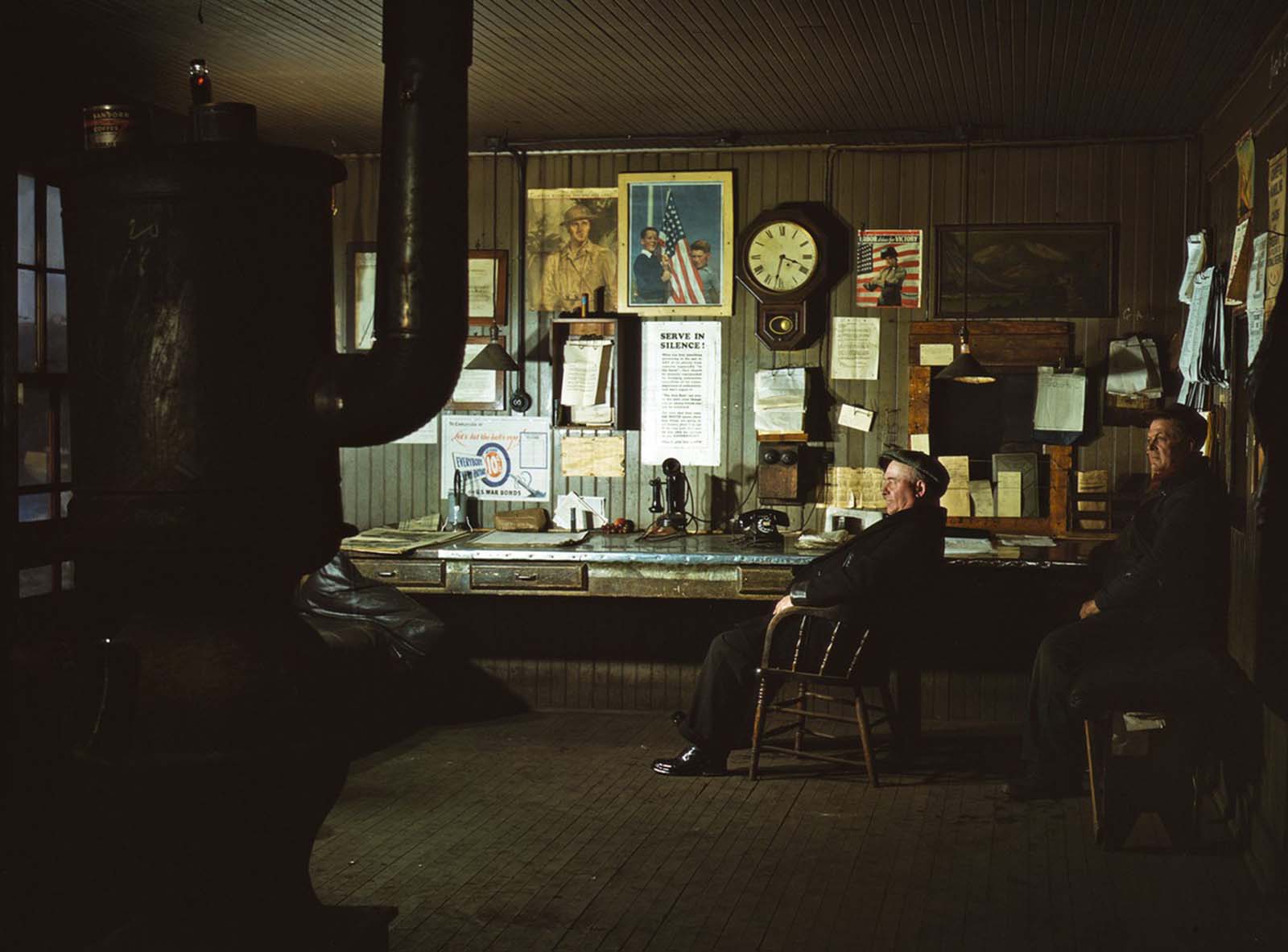
The yardmaster’s office at North Proviso served as the nerve center of the receiving yard — the place where incoming trains were logged, sorted, and dispatched. In the 1960s, Chicago’s Loop still contained six major rail terminals handling intercity passenger traffic. Travelers crossing the country by rail often had hours to spend in Chicago between connecting trains, and many used the time to explore the city. That layover culture shaped Chicago’s restaurants, shops, and entertainment scene for decades.
Out near Calumet City, Delano turned his lens on the Indiana Harbor Belt Railroad, a switching line that connected the major railroads serving Chicago’s industrial southeast side. He photographed a switchman demonstrating a fusee signal — a burning flare used at dawn and twilight when visibility was too low for standard hand signals. That particular signal meant stop. It was a simple but vital tool in a system where a misread signal could be fatal.
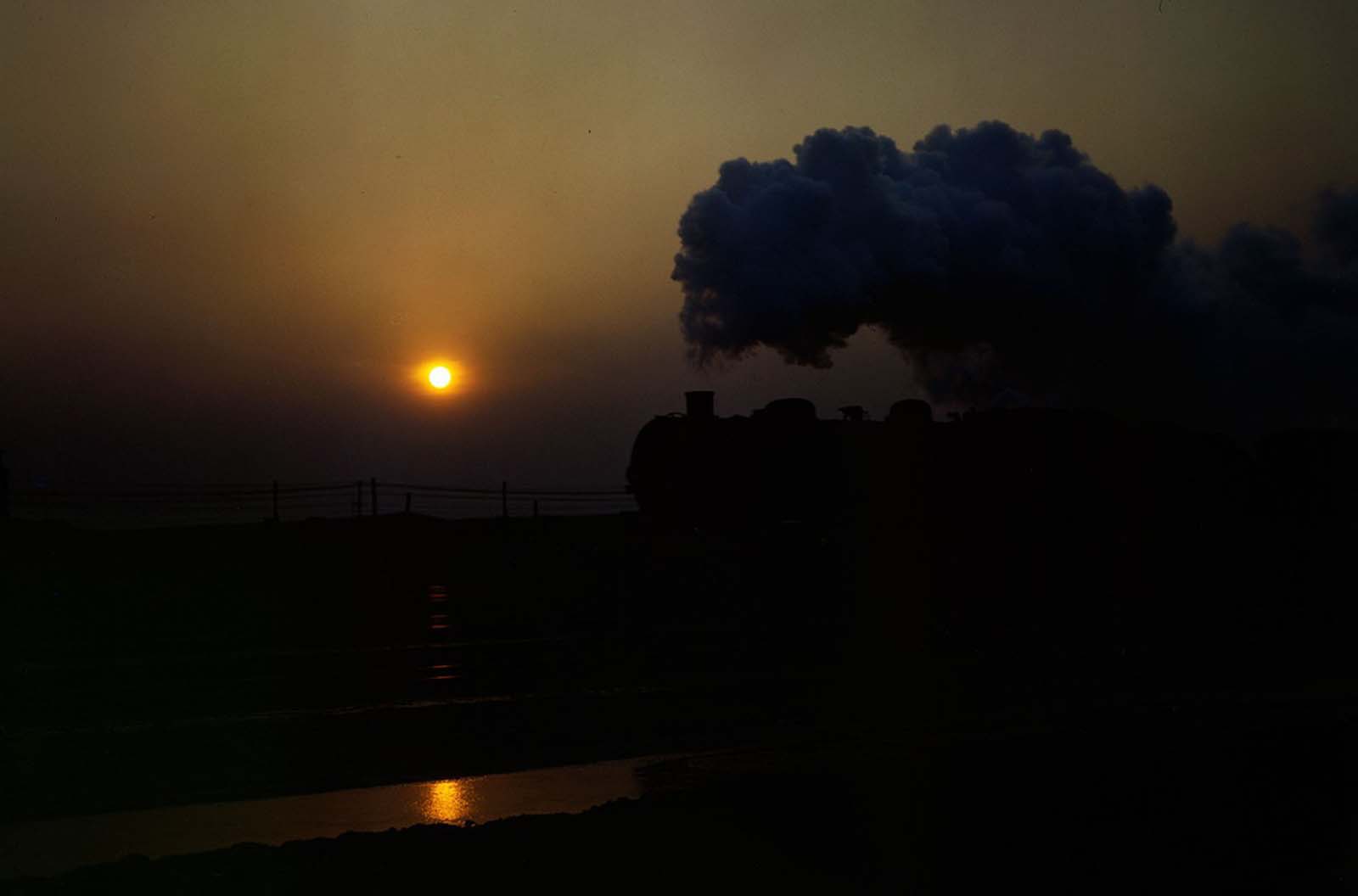
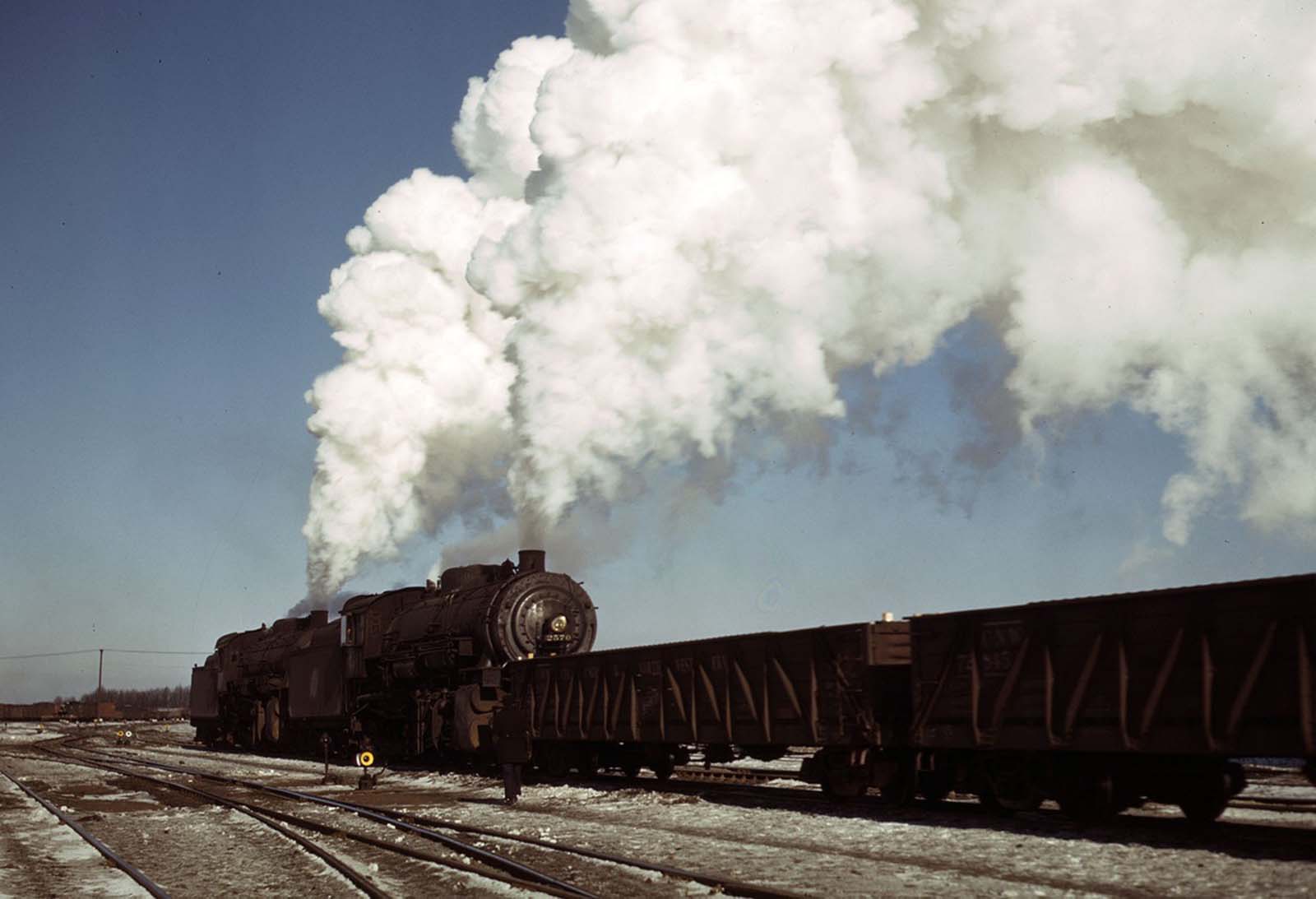
The Indiana Harbor Belt Railroad’s switch engines worked the yards near the Calumet Park stockyards, keeping livestock and freight moving through one of the busiest industrial corridors in the Midwest. Delano photographed one of these engines in January 1943, its bulk filling the frame against the flat winter landscape. Taken together, his photographs from Chicago’s rail yards form a detailed record of a city — and a country — working at full capacity during wartime.




