
In the 1920s and 1930s, nothing said wealth and glamour quite like arriving at a party with a cheetah on a leash. Among the upper class and Hollywood elite, keeping exotic big cats as pets was not just tolerated — it was fashionable. Cheetahs were walked through city streets, brought to social gatherings, and photographed alongside their famous owners as proud symbols of status and daring.
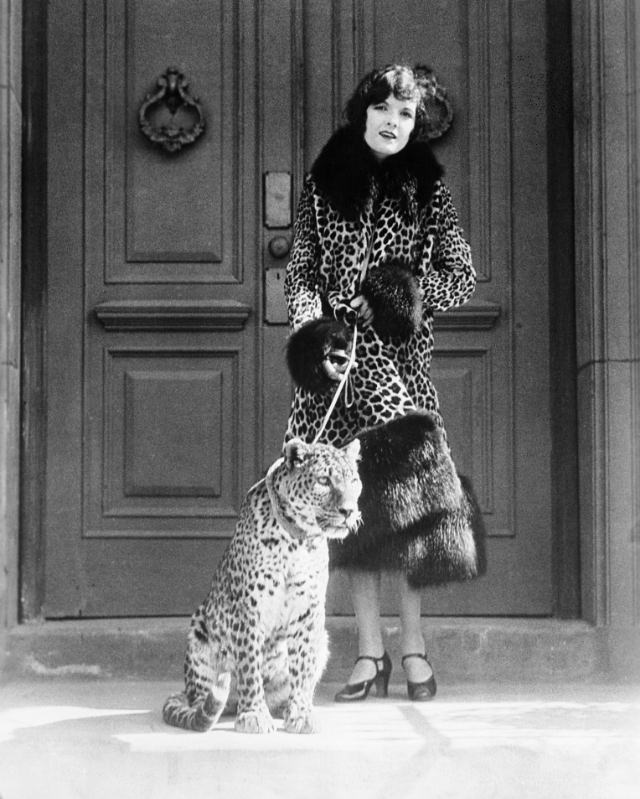
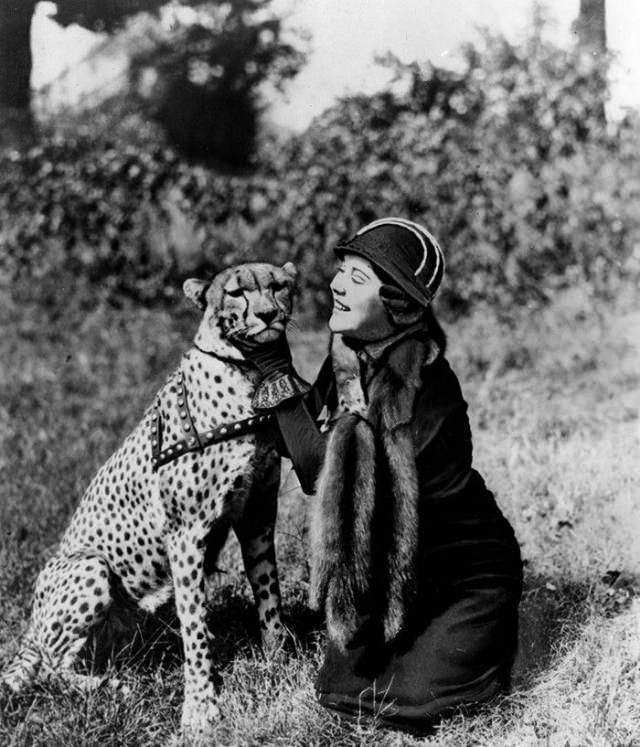
Silent film actress Marian Nixon was among the earliest Hollywood figures photographed with one of these spotted cats. By the late 1920s, the trend had spread well beyond California. Wealthy socialites across Europe and America competed to own the most exotic animals money could buy, and the cheetah sat near the top of that list. Unlike lions or tigers, cheetahs were seen as more manageable — sleek, elegant, and photogenic.
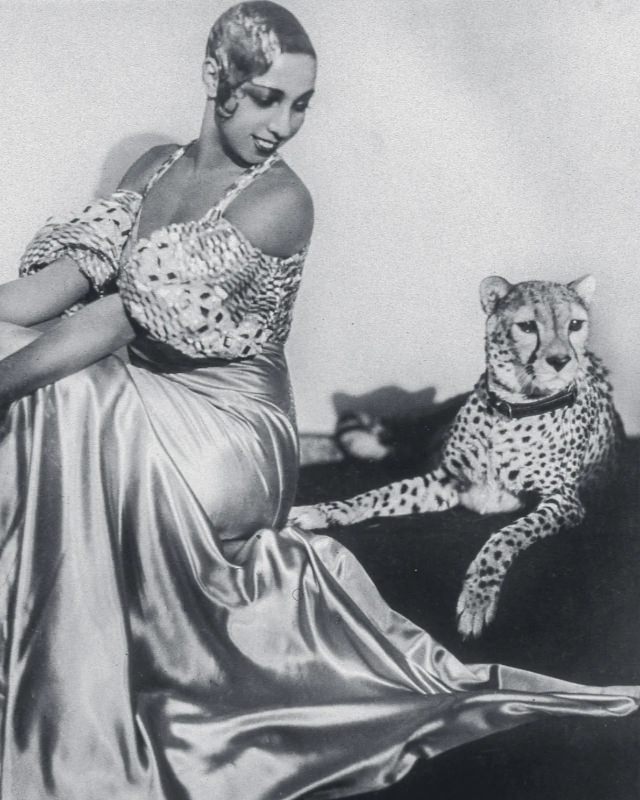
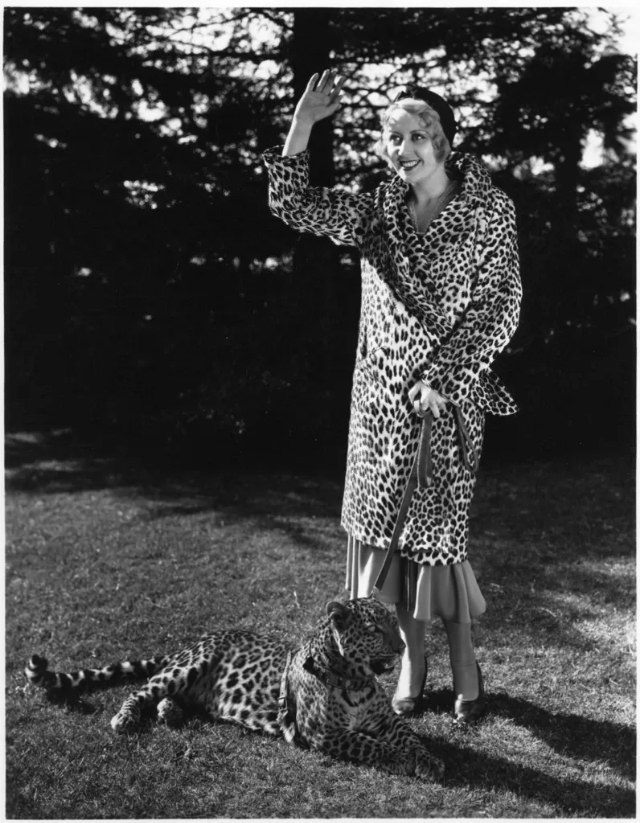
Josephine Baker, the celebrated American-born entertainer who took Paris by storm, was famous for her love of animals. She kept a cheetah named Chiquita, who wore a diamond collar and accompanied Baker to clubs and theaters. Joan Blondell, another Hollywood star of the era, also posed with a cheetah during the height of her fame.
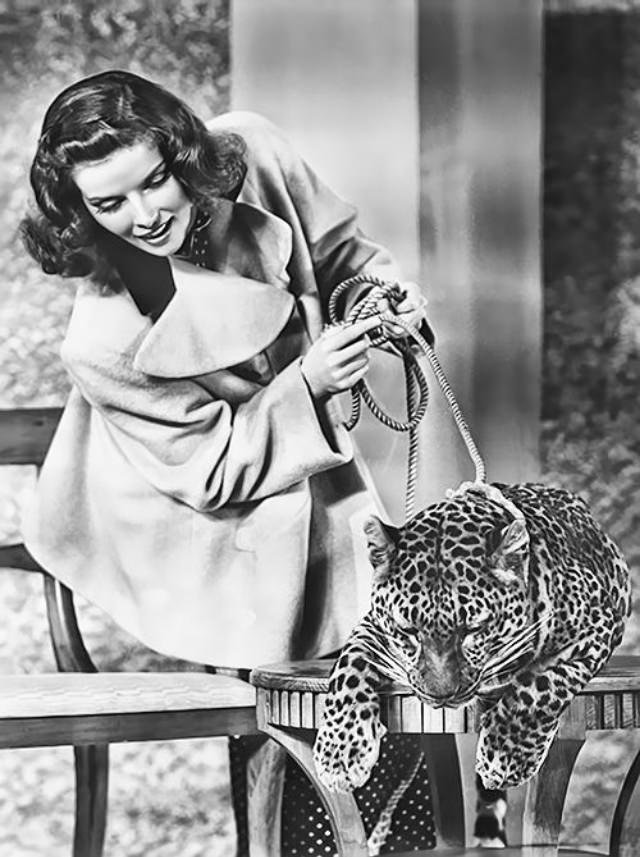
These photographs weren’t just publicity stunts. They reflected a genuine cultural attitude of the time — that wild animals could be tamed, owned, and displayed as extensions of a person’s personality and power. Katharine Hepburn, one of Hollywood’s most independent and unconventional stars, fit that mold perfectly.
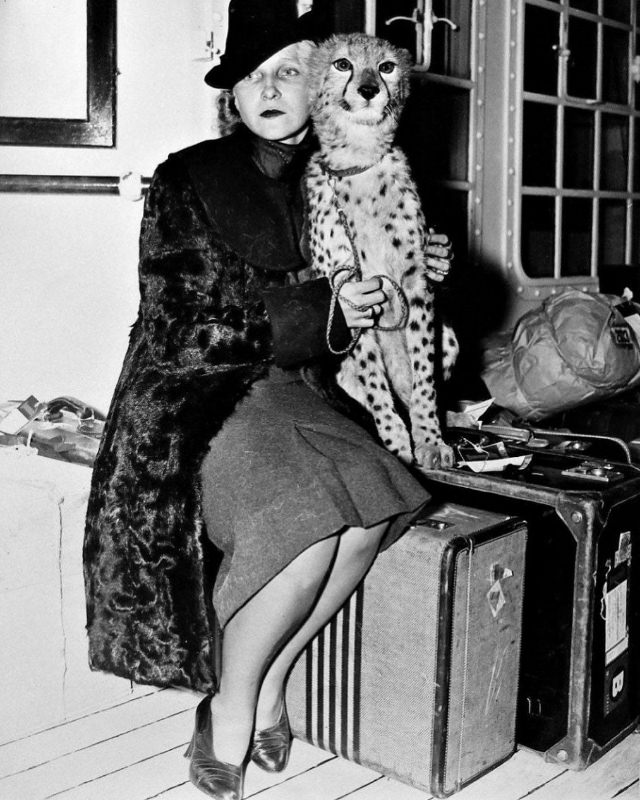
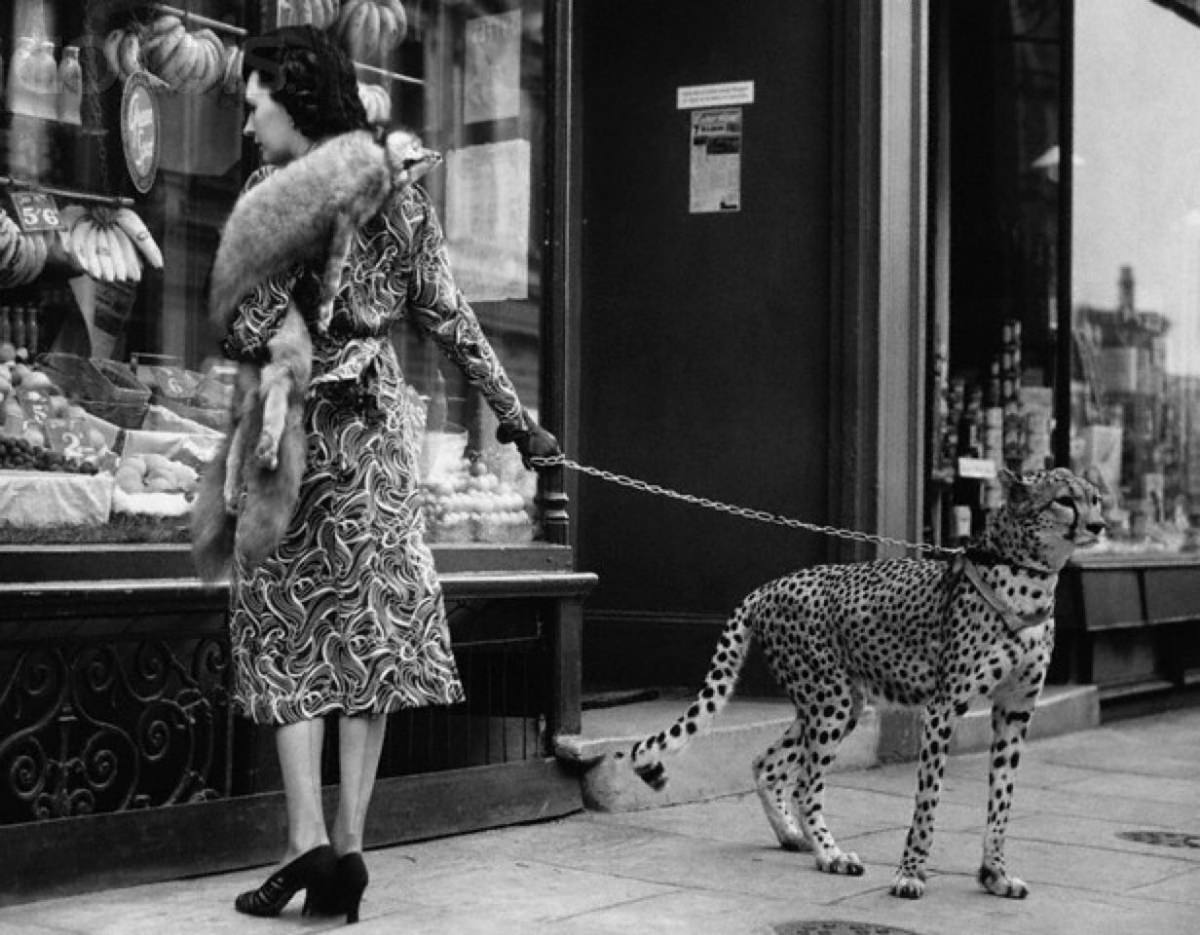
European aristocracy embraced the trend just as enthusiastically as Hollywood. Countess Elvira de Flogny and actress Phyllis Gordon were both photographed with cheetahs in 1939, the same year World War II began reshaping life across the continent. The juxtaposition of luxury pet ownership against that backdrop is striking.
The trend carried well into the postwar decades. Osa Johnson, the adventurer and filmmaker famous for her African expeditions, was photographed with a cheetah in 1949. Her connection to the animal felt different from that of a Hollywood actress — Johnson had spent years in the wild and understood big cats in a way most owners simply did not.
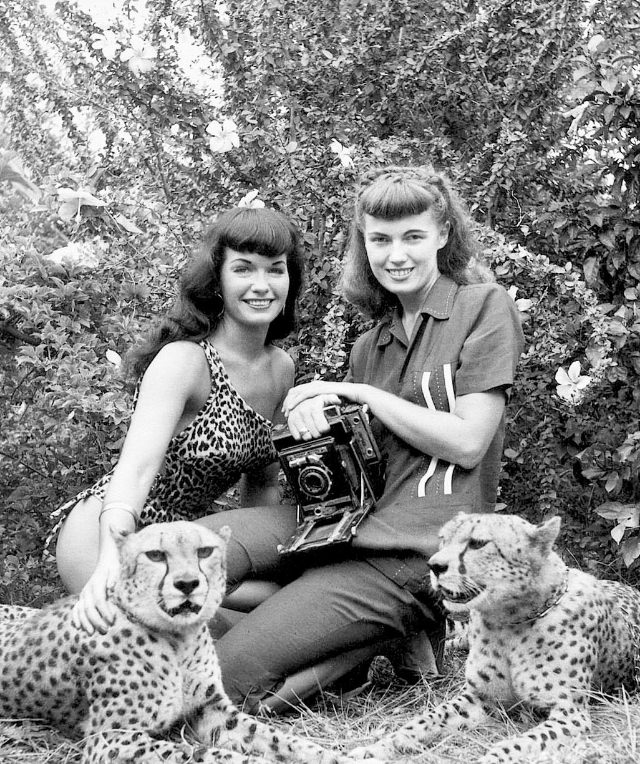
The 1950s brought some of the most iconic pairings. In 1954, photographer Bunny Yeager and model Bettie Page posed together with a cheetah — a photo that combined two of the decade’s most recognizable figures with one of its most fashionable exotic animals. That same year, actress Gene Tierney was photographed in a similarly striking portrait.
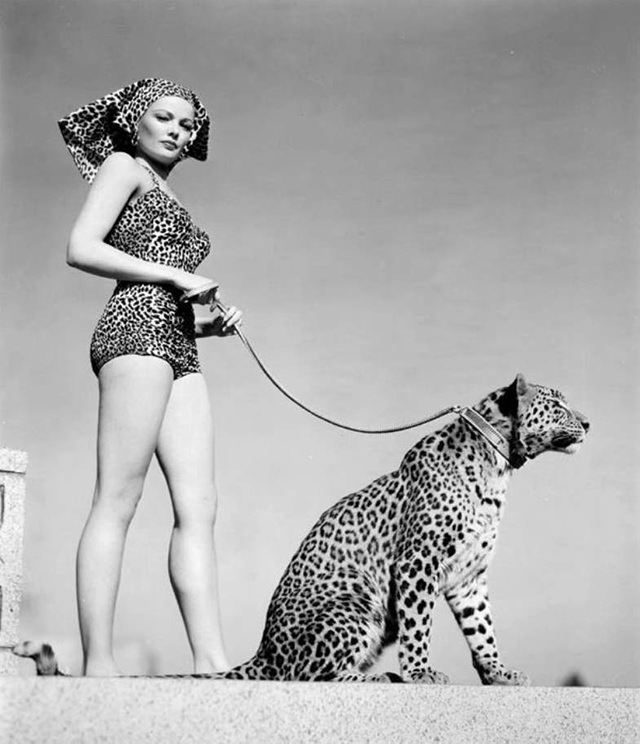
By the mid-1950s, the cheetah as a fashion accessory had reached its peak saturation. Model Charlene Chapman posed with one in 1956, a photograph that captures the era’s seamless blending of glamour and wild animal ownership.
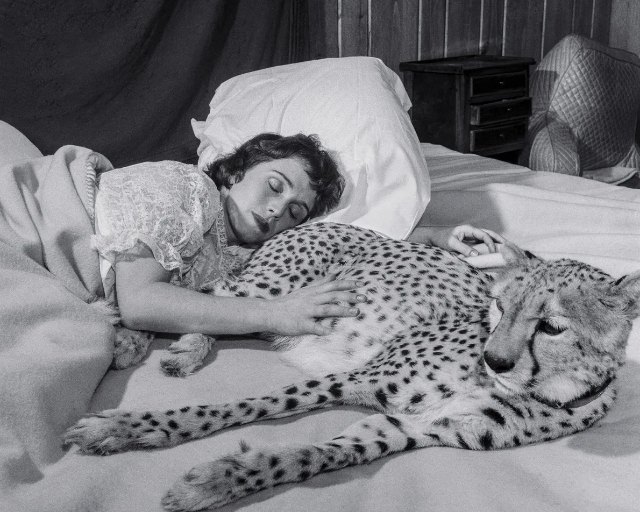
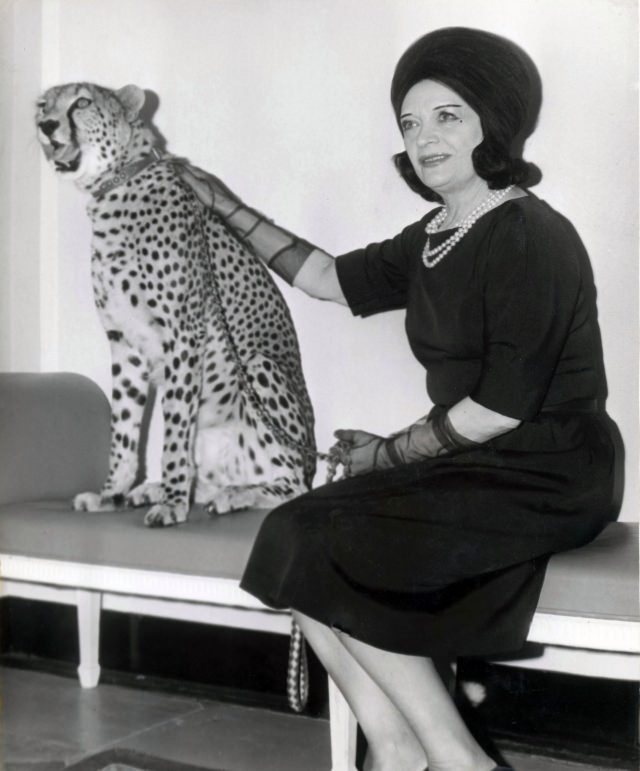
Into the 1960s, European actresses led the charge. Italian stars Elsa Martinelli and Claudia Cardinale both posed with cheetahs in the early part of the decade, lending the trend a continental sophistication. Polish-born silent film legend Pola Negri, whose career had stretched back to the 1910s, was also photographed with a cheetah in 1963 — a testament to how long the fascination persisted.
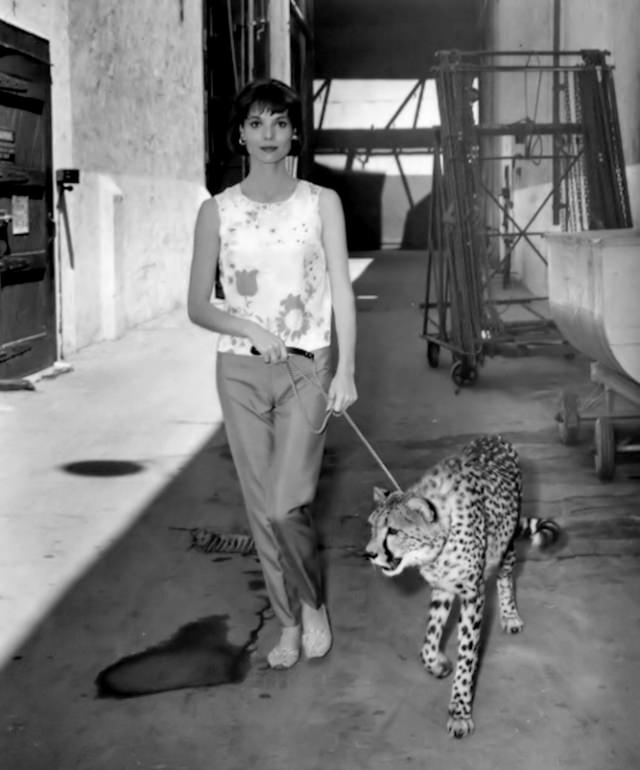
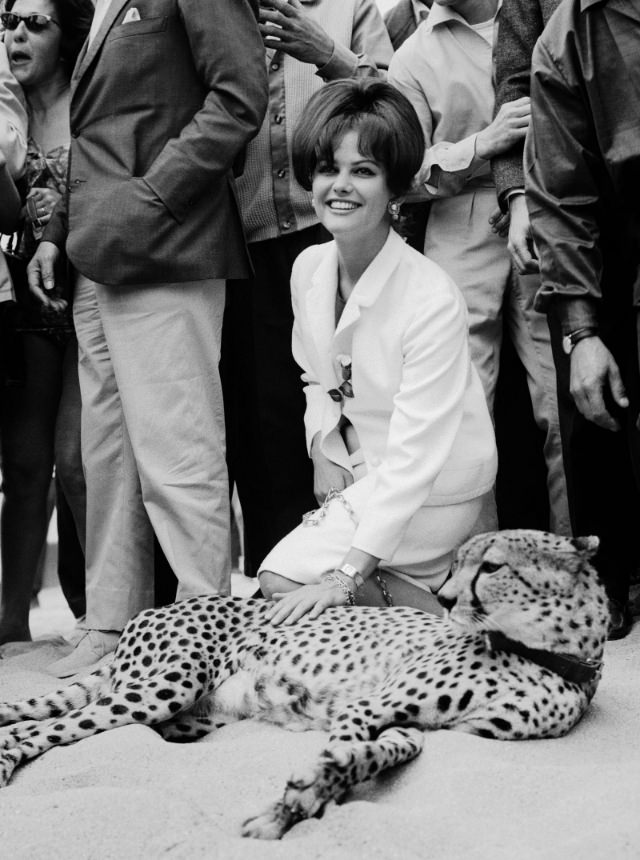
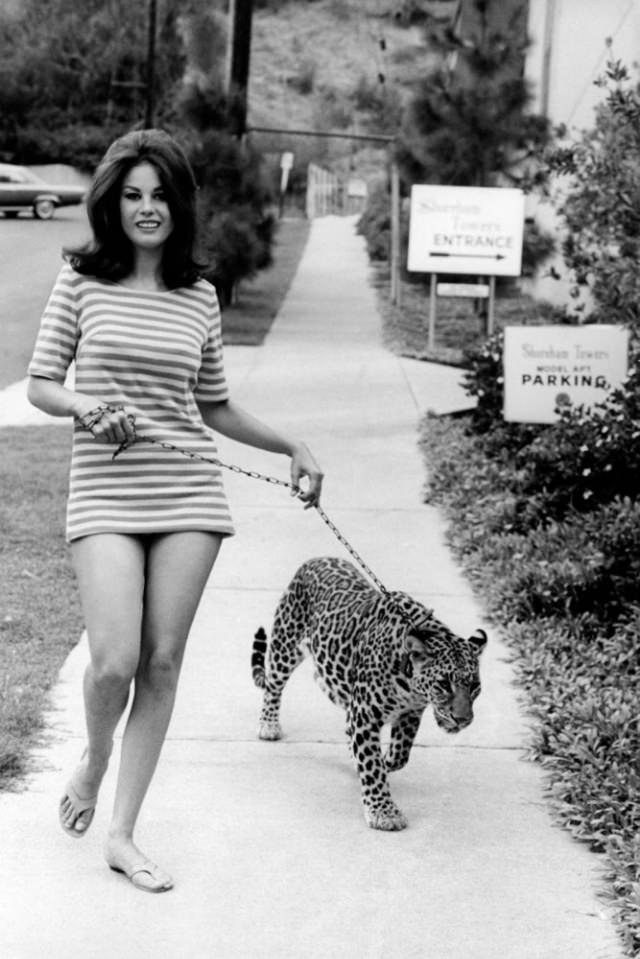
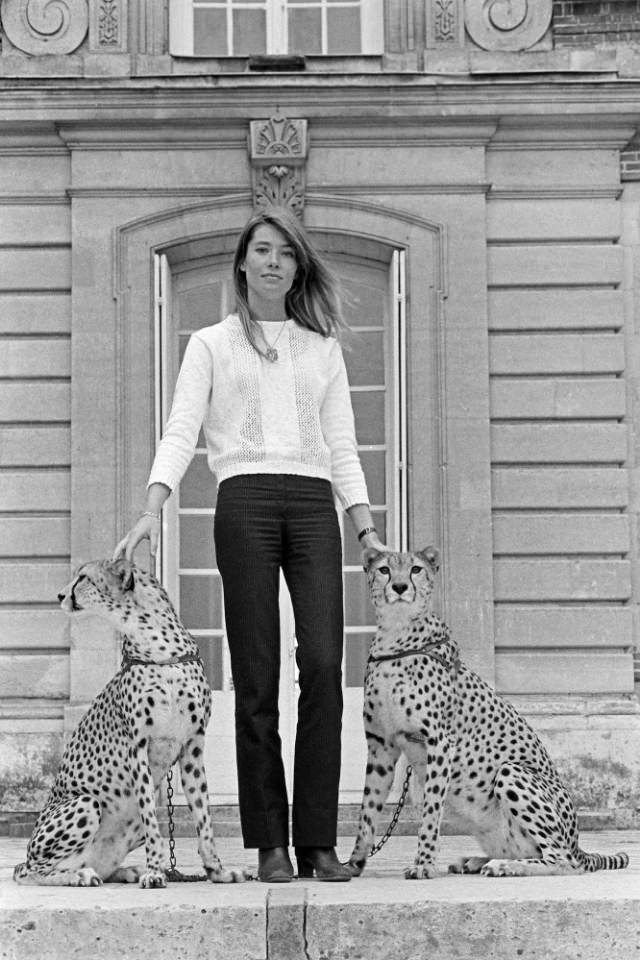
Lana Wood and French singer-songwriter Françoise Hardy rounded out the decade with their own cheetah portraits in 1966 and 1968, respectively. By this point, attitudes toward wildlife conservation were beginning to shift globally. Awareness of the dangers of captivity for wild animals was slowly growing, even as these photographs were still being taken and published.
Cheetahs are not suited to captivity. They require vast open territories, specialized diets, and constant movement. Keeping one in a city apartment or even a large estate denies the animal everything it needs to survive and thrive. Today, private ownership of cheetahs is banned in most countries, and the species itself is listed as vulnerable, with fewer than 7,000 remaining in the wild. These photographs document a real chapter of cultural history — one in which wild animals paid a steep price for human ideas about status and style.

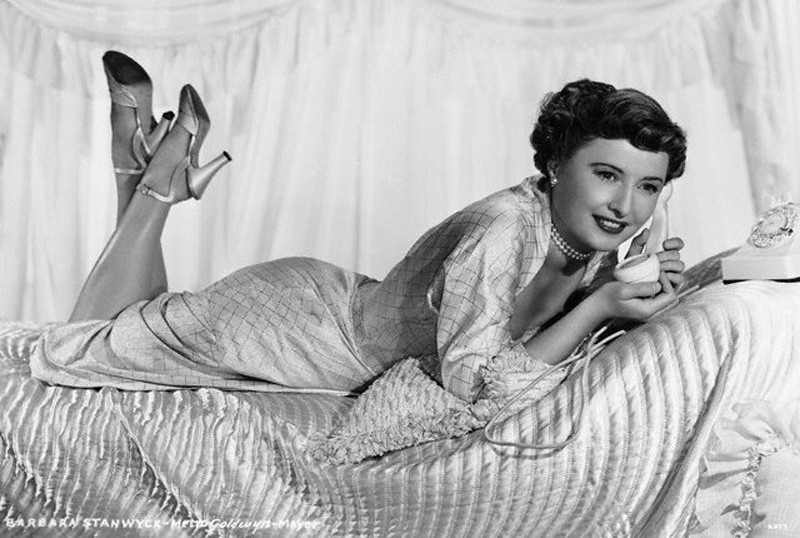

The 1st image is a leopard and it isn’t her pet:
https://commons.wikimedia.org/wiki/File:Marion_Nixon_leopard.jpg