Before Tony Vaccaro became one of the most sought-after fashion photographers in America, he was crawling through the mud of World War II with a camera strapped to his chest. As a private in the U.S. Army’s 83rd Infantry Division, he served as a scout in Europe and used that access to document the war from the ground level. He shot more than eight thousand photographs during the conflict, and the BBC later named him the war’s greatest combat photographer. When he came home, he brought that same sharp eye and fearless instinct to an entirely different world — one of glamour, fashion, and celebrity.
Vaccaro quickly found work with some of the most prestigious publications in the country, including Life, Newsweek, Flair, Harper’s Bazaar, and LOOK magazine. His subjects ranged from world leaders and artists — John F. Kennedy, Pablo Picasso, Georgia O’Keeffe, Jackson Pollock — to film stars like Sophia Loren and Marlene Dietrich. But it was his fashion work throughout the 1950s and 1960s that showed how naturally his wartime precision translated into elegance and style. The photographs below span nearly two decades of that work.
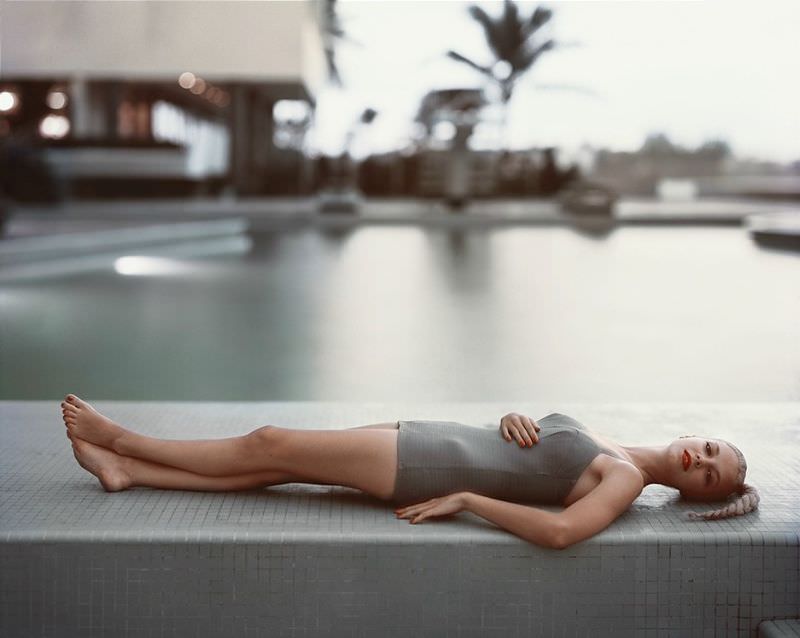
In 1951, Vaccaro was already producing striking images. One early session took him to Puerto Rico, where he photographed a model at the rooftop pool of the Hotel Caribe Hilton — a setting that felt both luxurious and cinematic.
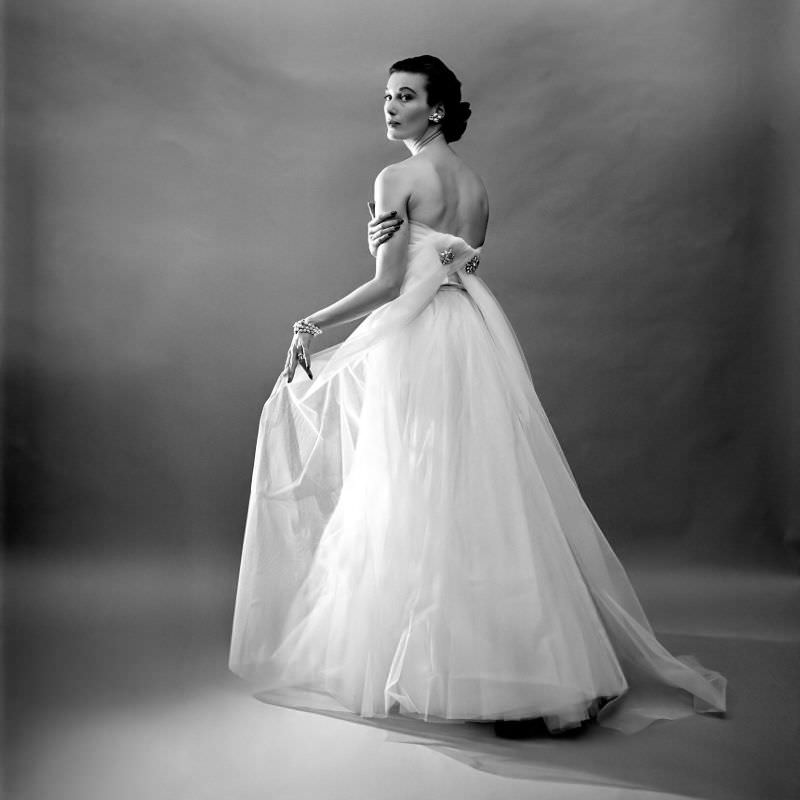
That same year, Vaccaro photographed Mary Jane Russell in New York City. Russell was one of the top models of her era, known for her ability to bring warmth and sophistication to any frame. Vaccaro captured her twice — once in a general session and once specifically for Flair magazine.
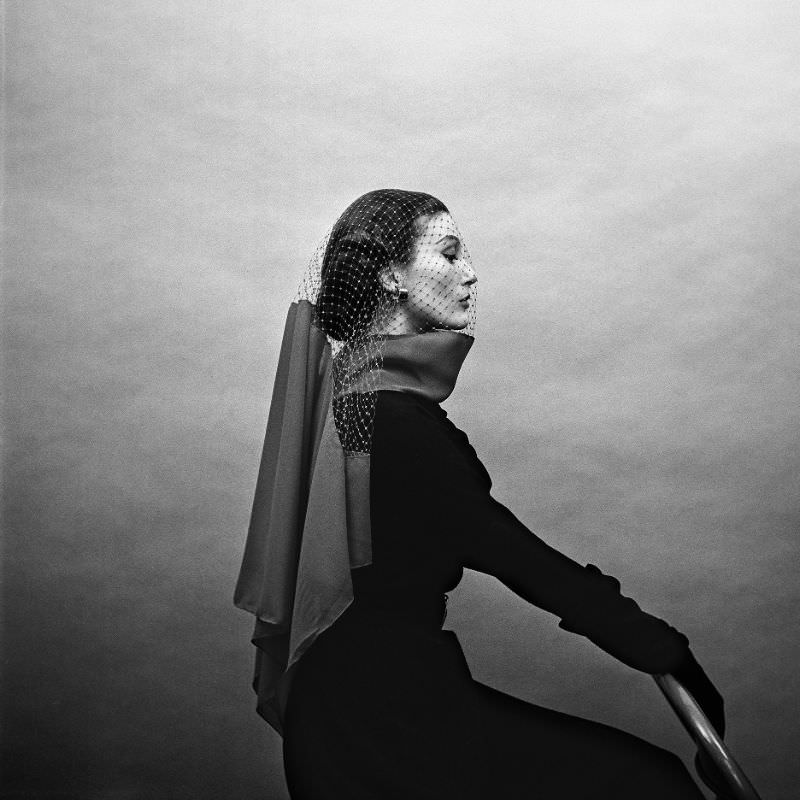
Also in Puerto Rico that October, Vaccaro photographed Carmen Dell’Orefice, who was only a teenager at the time but already establishing herself as one of fashion’s most recognizable faces.
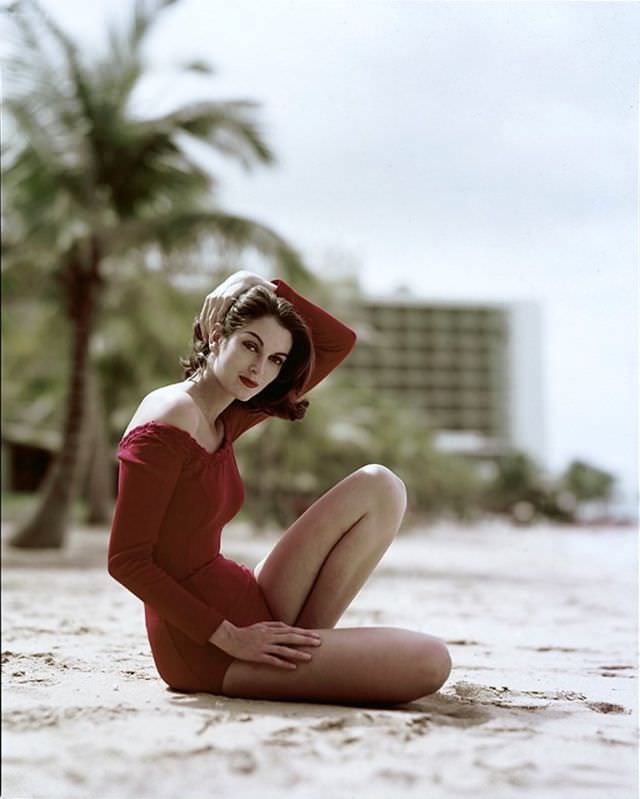
Vaccaro had a talent for making even the most unconventional ideas work on camera. A 1952 shoot for Good Housekeeping featured Maria Reachi wearing cut-out paper lashes — a bold, inventive choice that reflected the playful experimentation of early 1950s fashion photography.
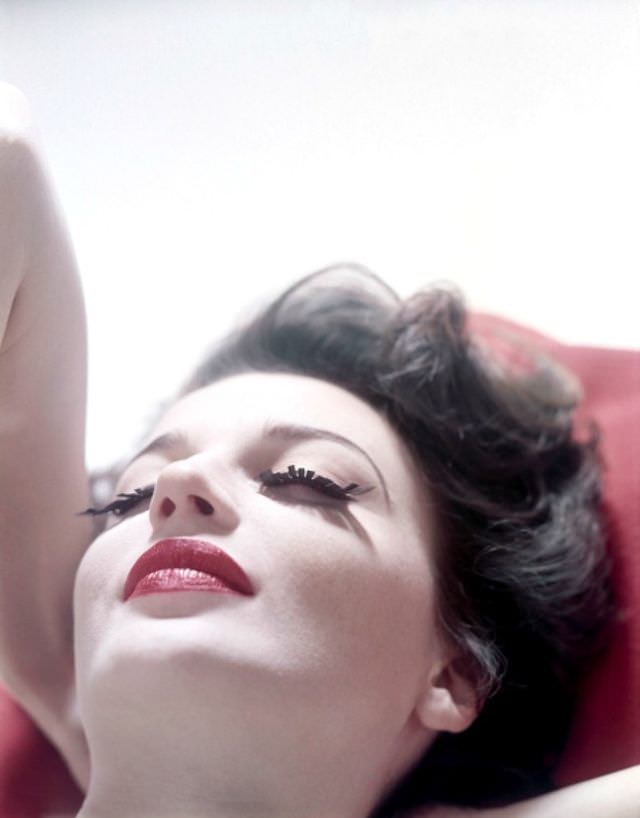
In 1953, Vaccaro photographed Grace Kelly — then still a rising film actress, two years before her marriage to Prince Rainier III of Monaco would make her a princess. His portrait captured her characteristic composure and quiet elegance.
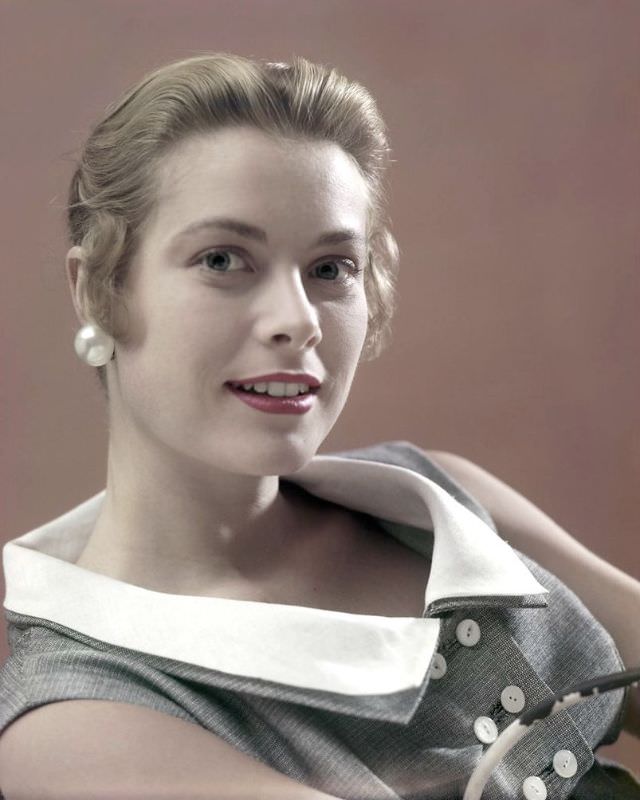
By the mid-1950s, Vaccaro was shooting for LOOK magazine in some of New York’s most iconic locations. A 1956 session at the Waldorf Astoria Hotel produced images that matched the grandeur of the setting.
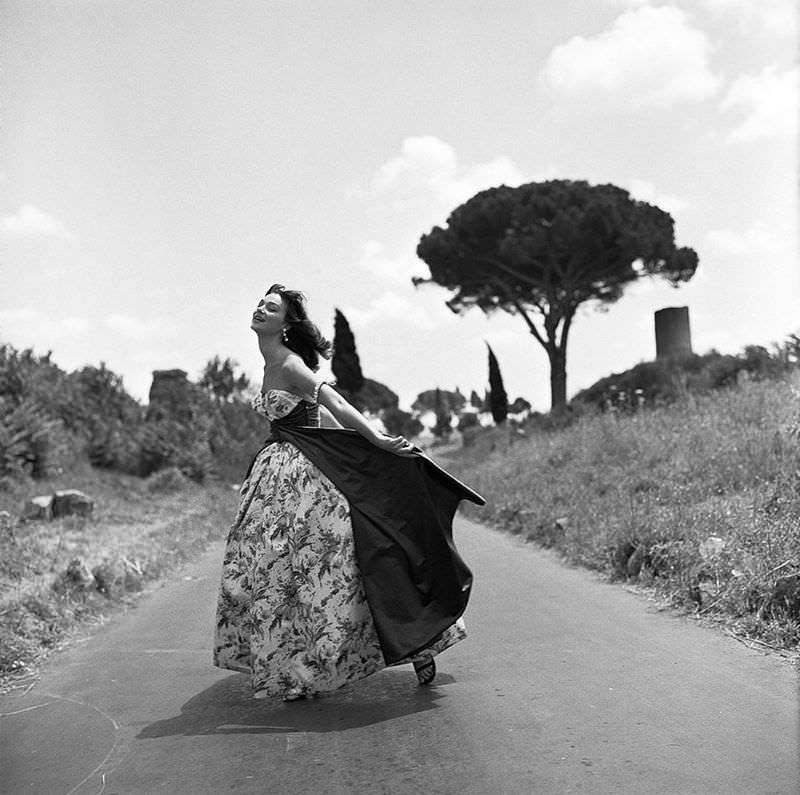
That same year, Vaccaro traveled to Rome, where he photographed model Ivy Nicholson on the Appian Way — one of the oldest roads in the ancient world. Nicholson wore an evening gown by an unidentified Italian designer, and the contrast between the ancient road and high fashion made for an arresting image.
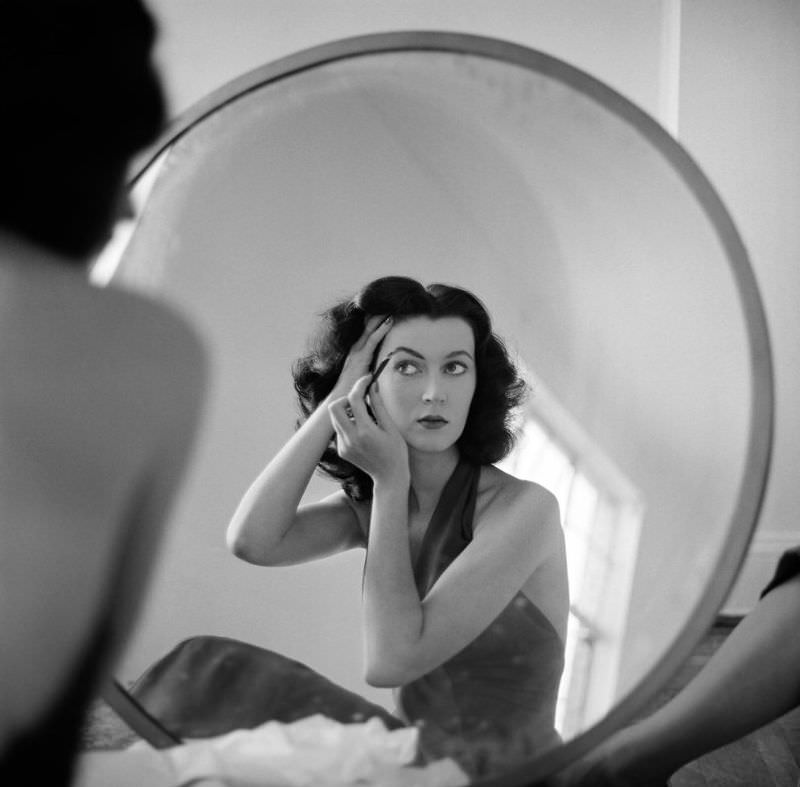
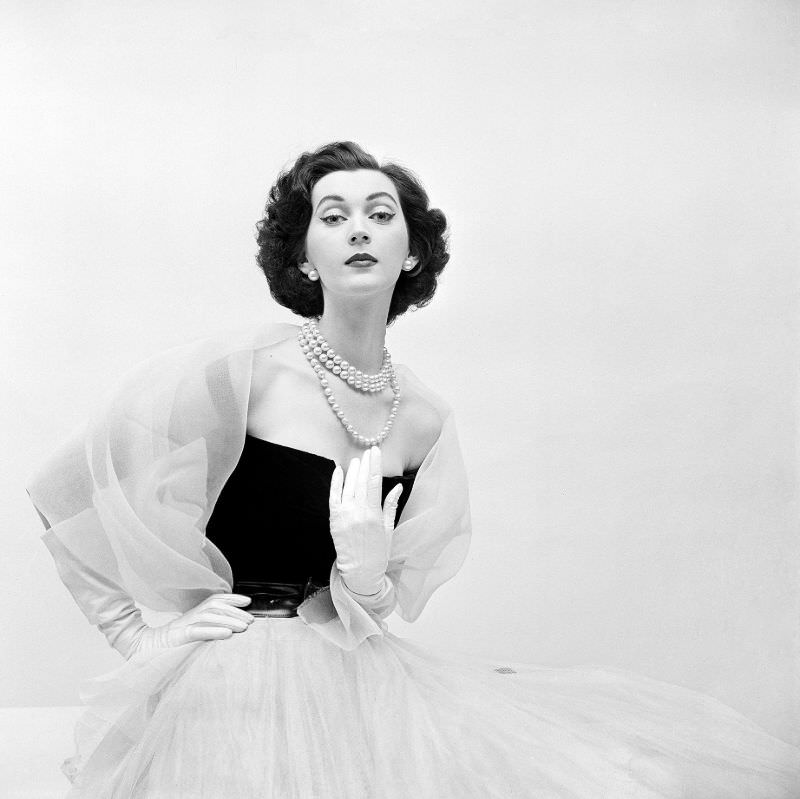
Dovima, born Dorothy Virginia Margaret Juba, was among the highest-paid models in the world during the 1950s. Vaccaro photographed her twice in 1957 — once capturing her reflection, which added a layer of visual complexity to an already striking subject.
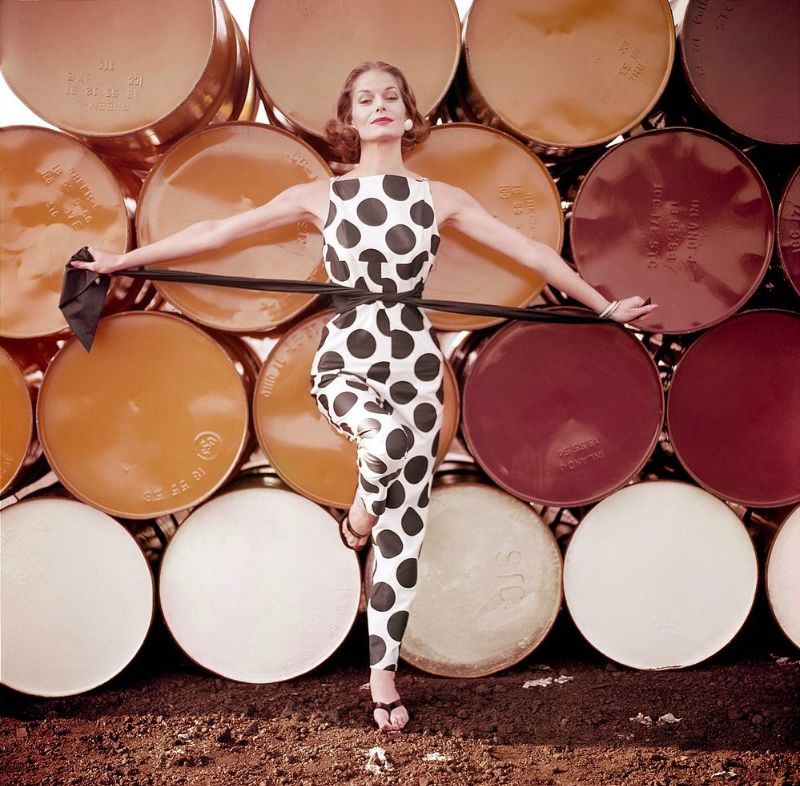
In 1958, Vaccaro photographed Mary Hilem in a large polka-dot jumpsuit for LOOK magazine. The bold print and relaxed silhouette reflected a shift toward more casual and graphic-driven fashion in American style.
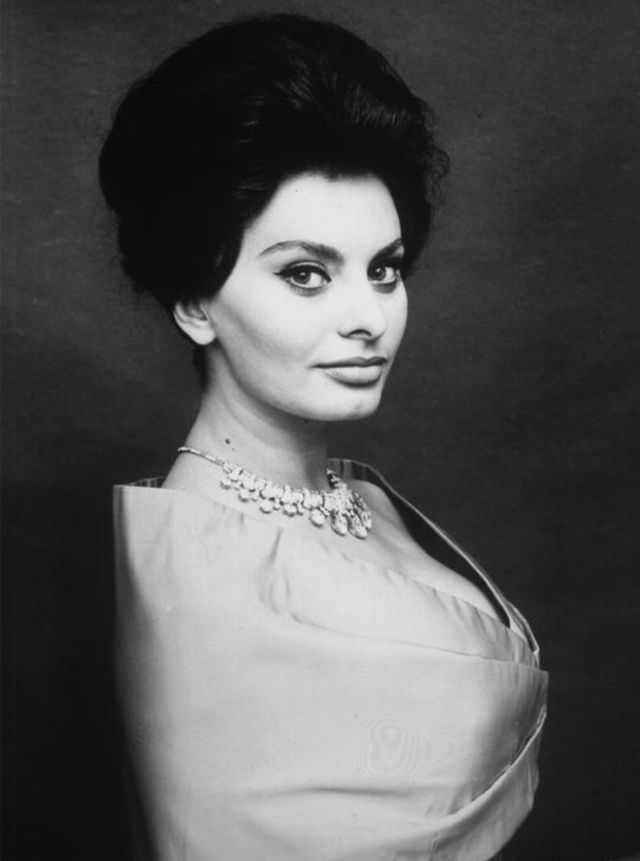
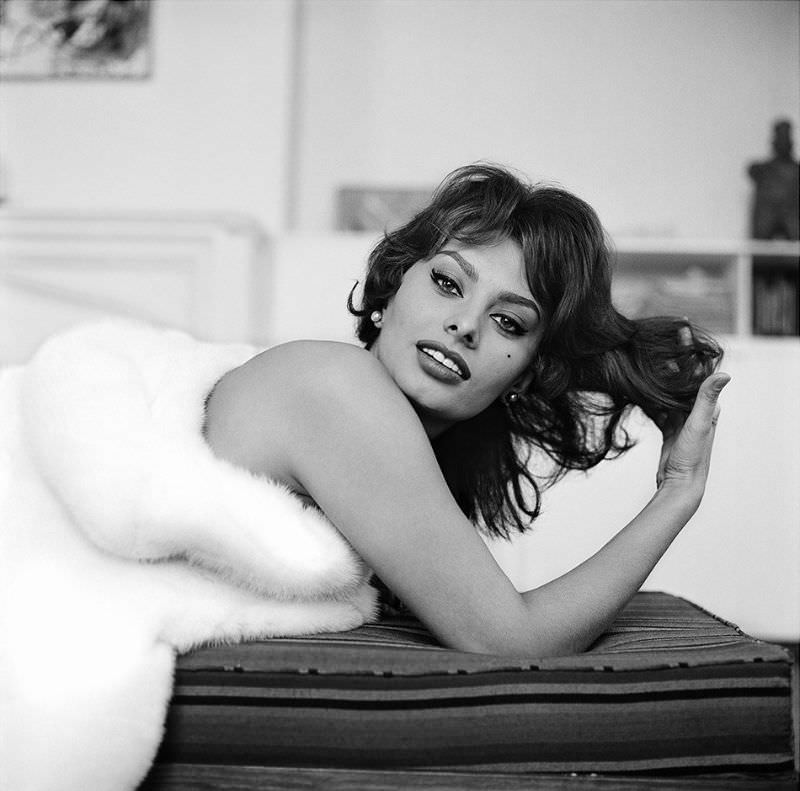
Sophia Loren sat for Vaccaro in New York City in both 1958 and 1959. By then she was an international film star, and Vaccaro’s lens caught both her famous magnetism and her natural ease in front of a camera.
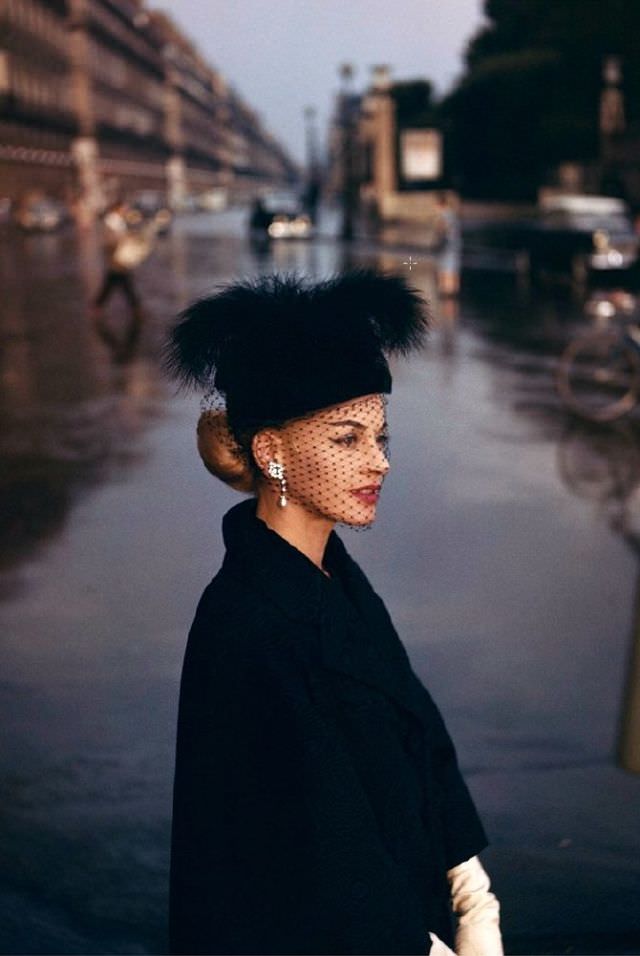
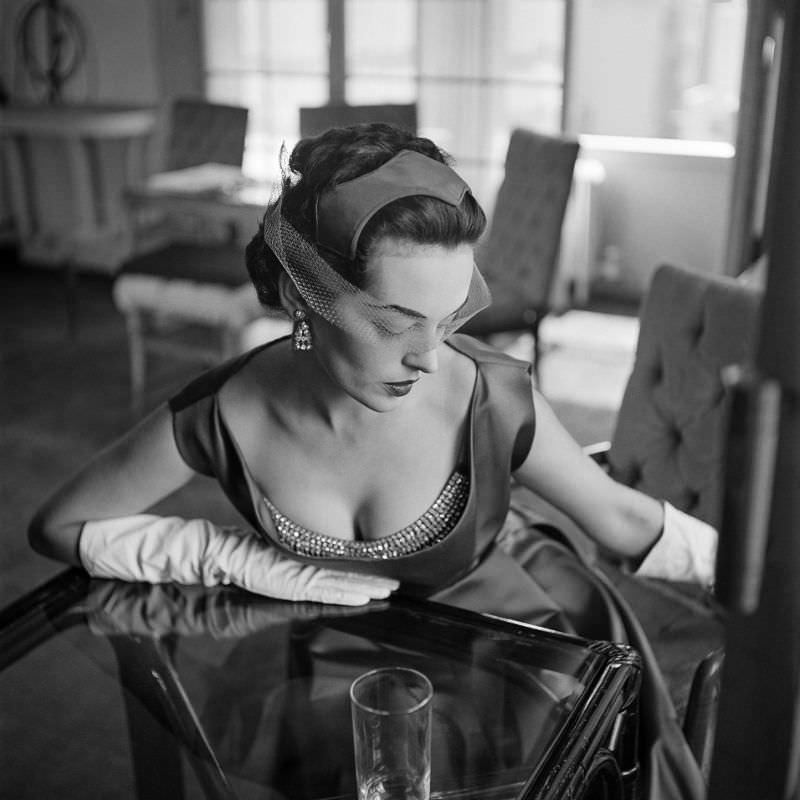
Vaccaro often used accessories and framing devices to create depth in his portraits. A veiled face from the late 1950s is a perfect example — the fabric becomes both an obstacle and a focal point, drawing the viewer’s attention directly to the eyes beneath it.
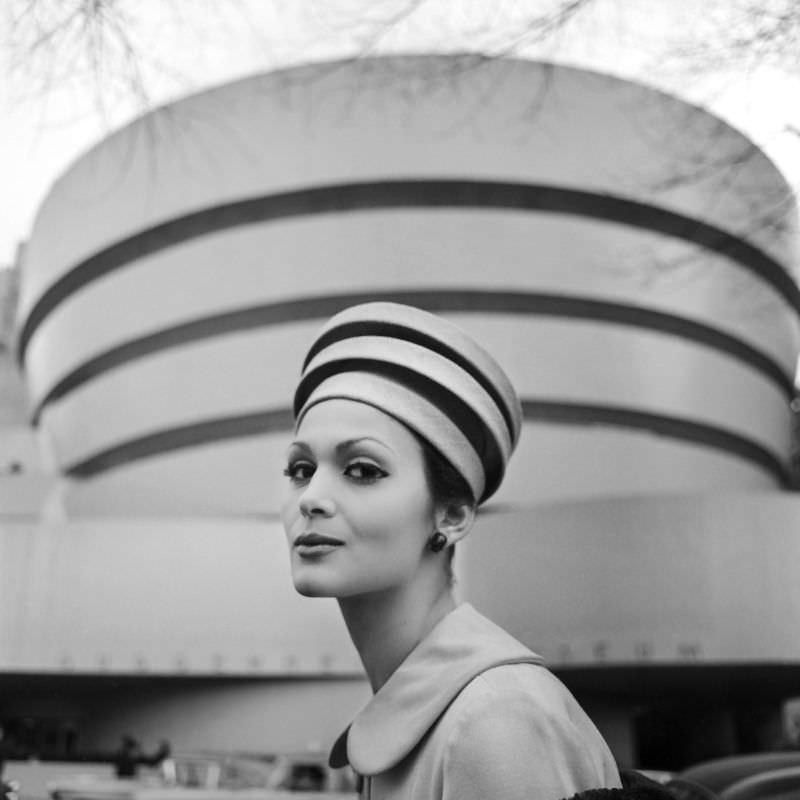
As the 1960s began, Vaccaro continued pushing creative boundaries. A 1960 shoot for LOOK featured Isabella Albonico in what became known as the “Guggenheim Hat” — a sculptural headpiece that turned fashion into architecture.
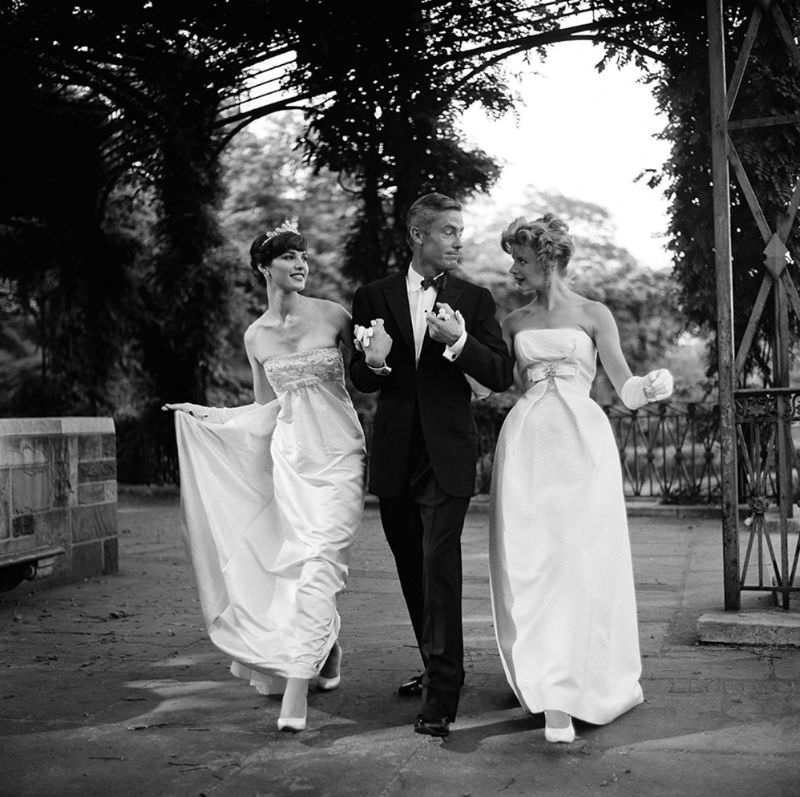
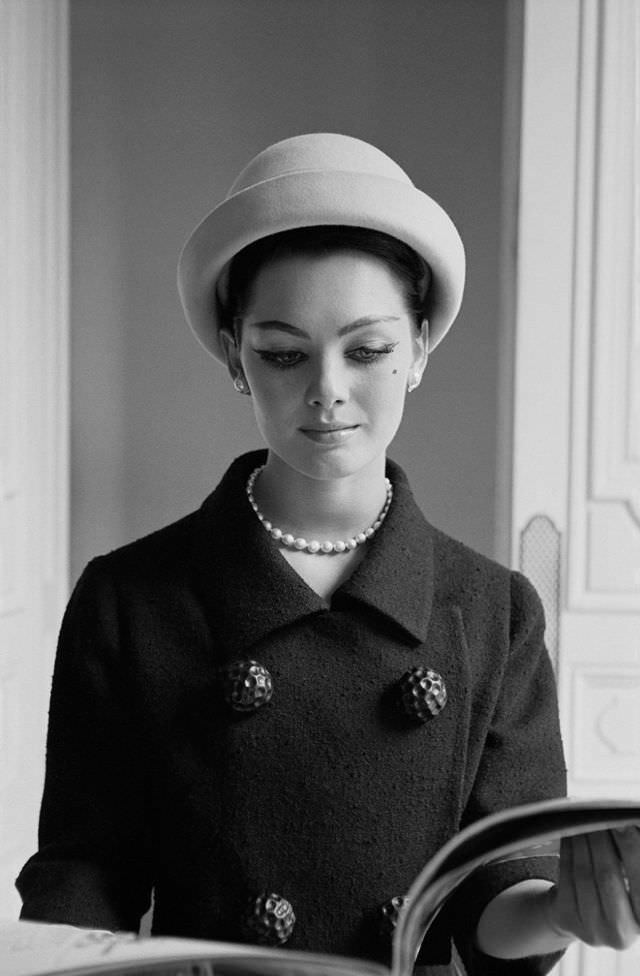
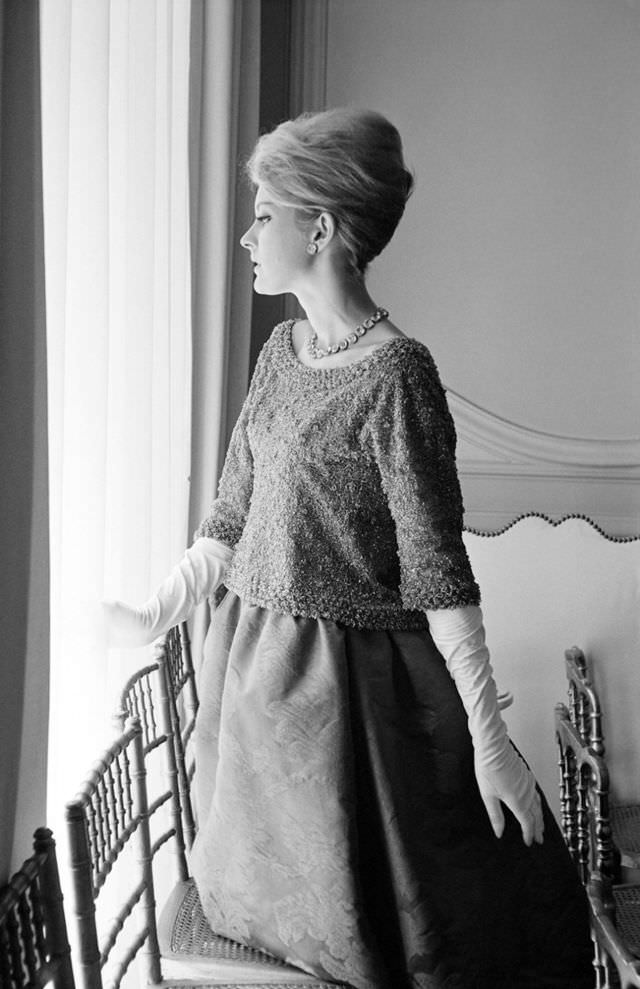
That June, Vaccaro traveled to Paris to photograph Givenchy’s collections. At the designer’s salon, he captured models in two signature looks — a tailored bouclé suit and a sequined evening gown. Both shots showcase the restrained elegance that defined Givenchy’s aesthetic in that period.
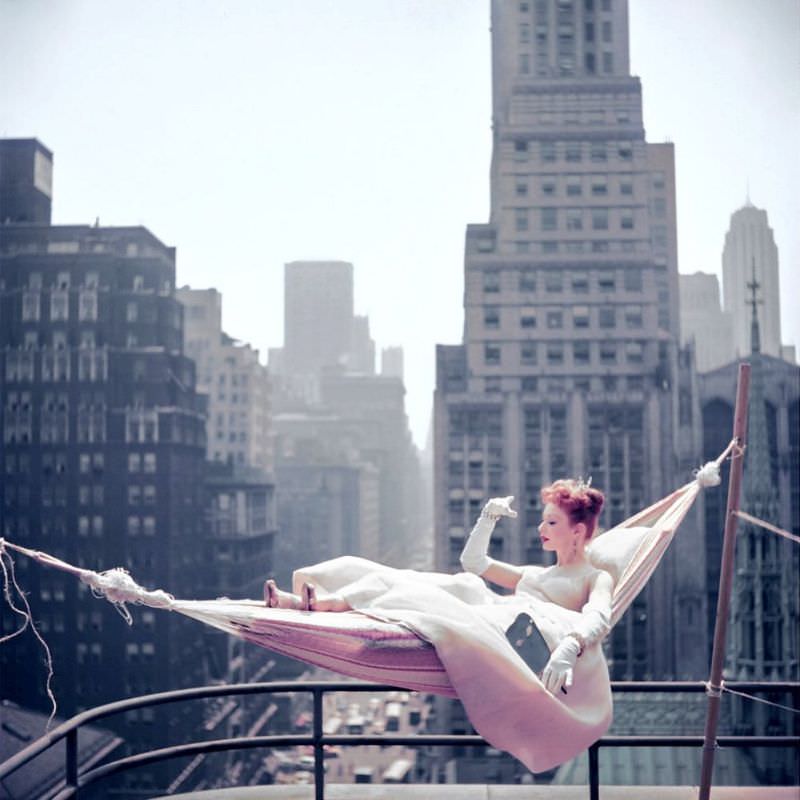
By 1963, Vaccaro was photographing Broadway performers and musicians alongside fashion models. He shot Gwen Verdon — celebrated dancer and stage star — in New York City, as well as singer Leslie Uggams, who had already built a substantial following through television and recording.
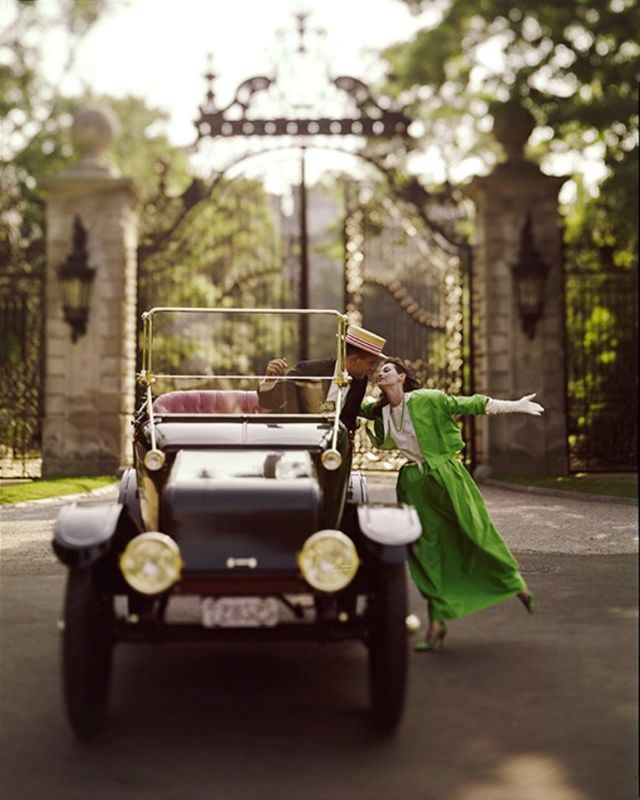
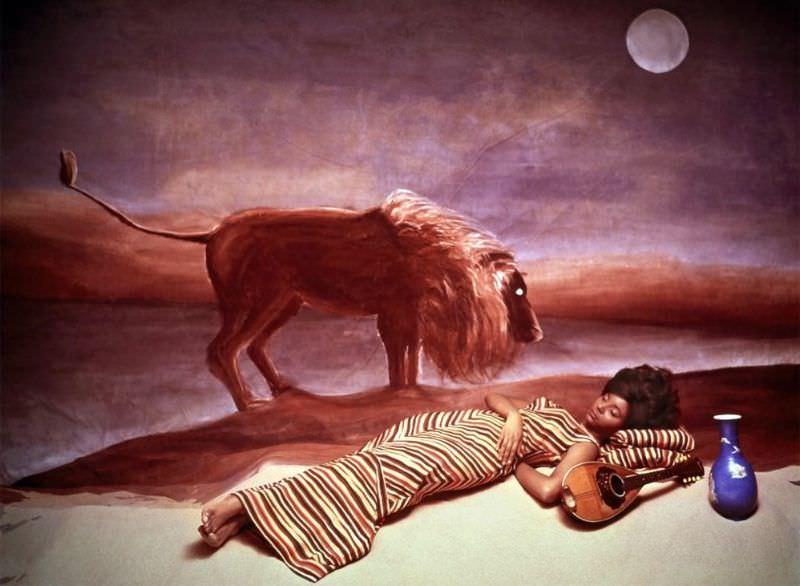
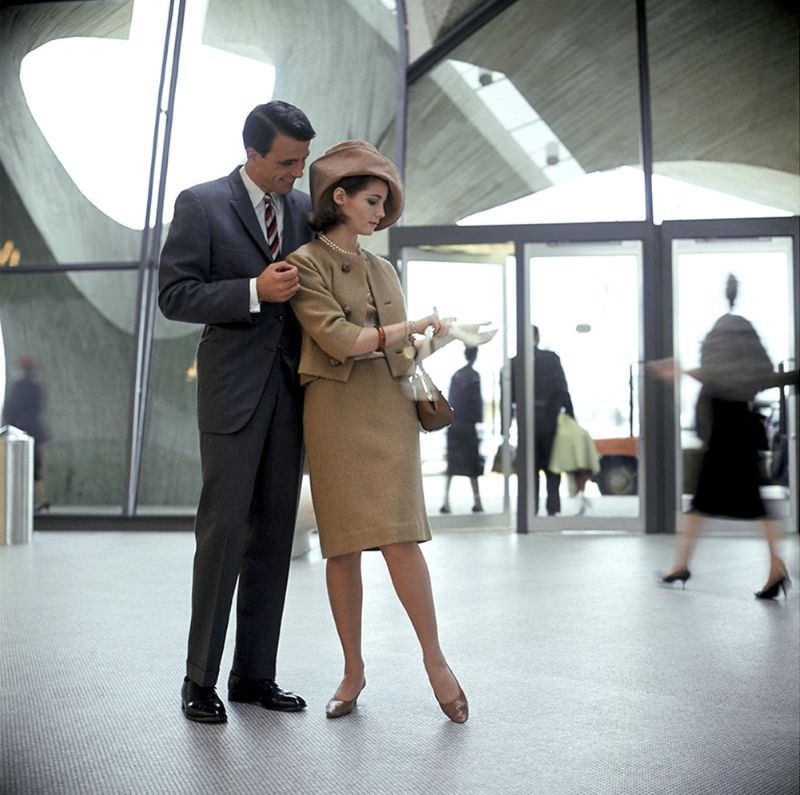
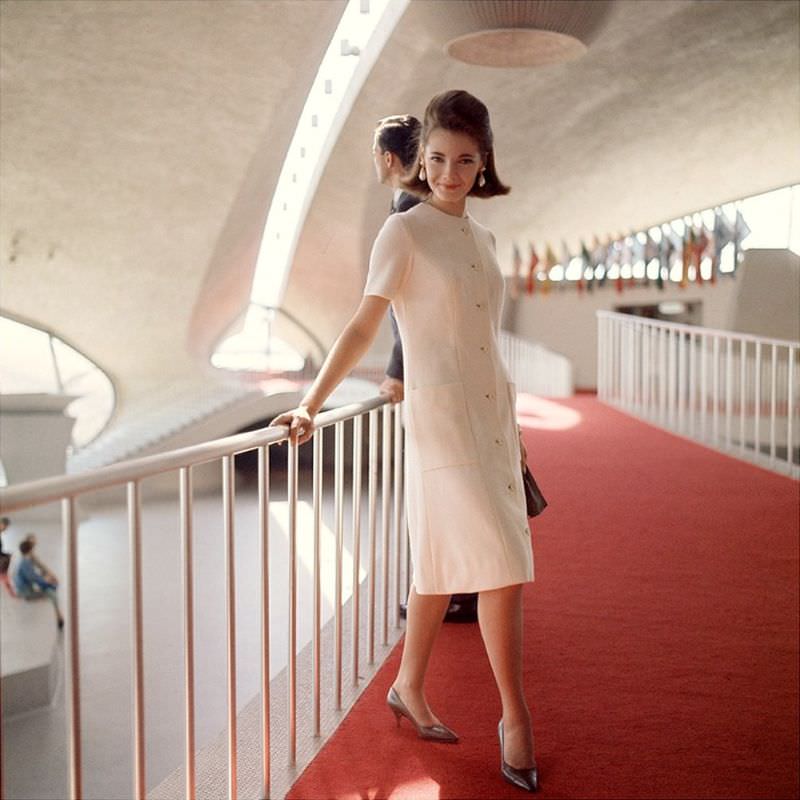
In 1964, Vaccaro brought his camera to Idlewild Airport — now known as John F. Kennedy International Airport — for two separate fashion shoots. The TWA terminal, designed by Eero Saarinen, provided a futuristic backdrop that paired naturally with the sharp tailoring of the era.
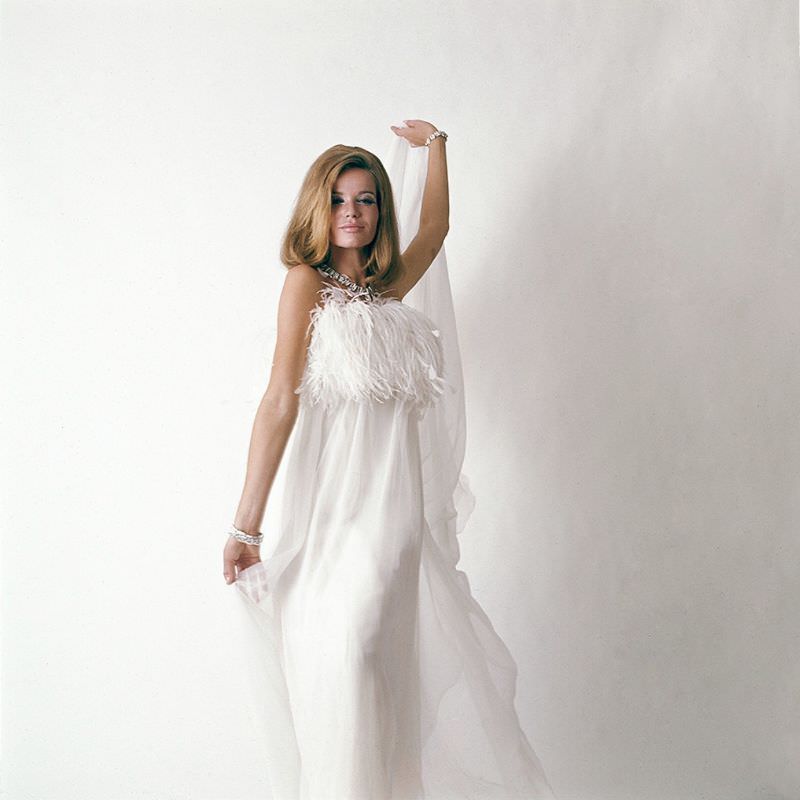
German model Veruschka, known for her extraordinary height and otherworldly presence, sat for Vaccaro in 1964. She was just beginning to attract international attention before her iconic appearances in Vogue and the 1966 film Blow-Up.
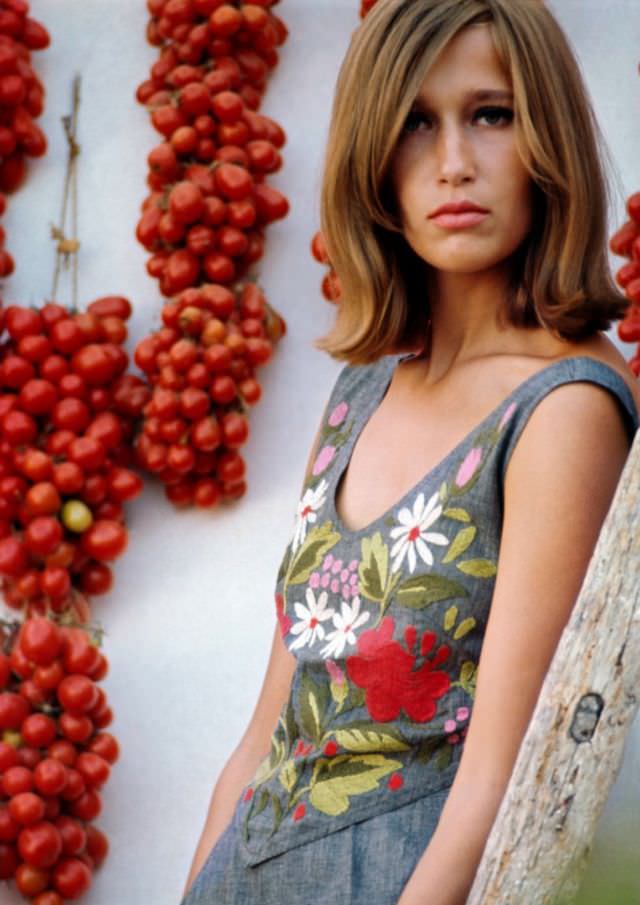
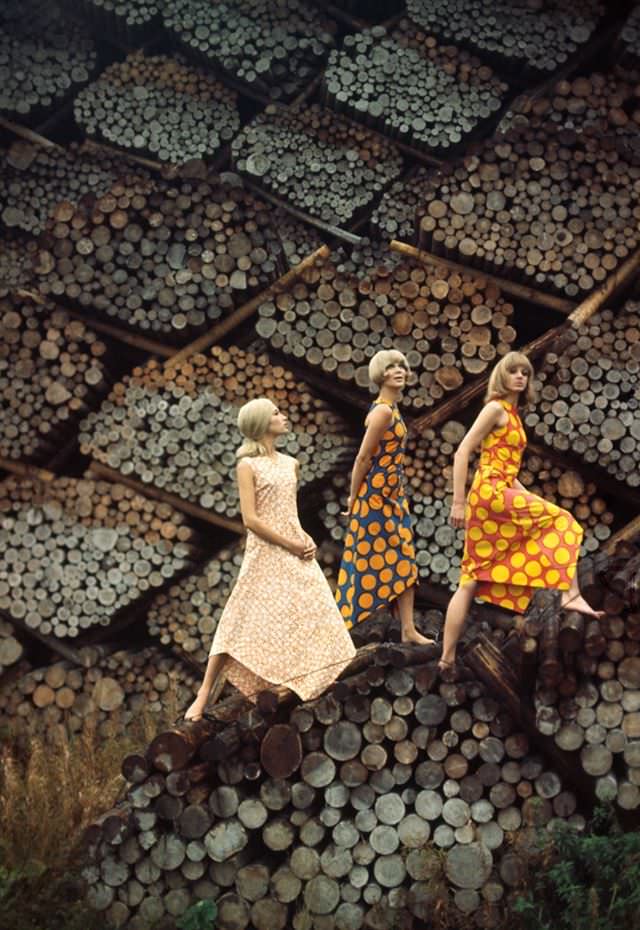
In 1965, Vaccaro turned his lens on Finnish model Anja Kyllikki, who shared his last name, and also shot a vibrant group image featuring models in bold, graphic prints by Finnish design house Marimekko — a brand whose colorful patterns were becoming synonymous with the decade’s optimistic spirit.
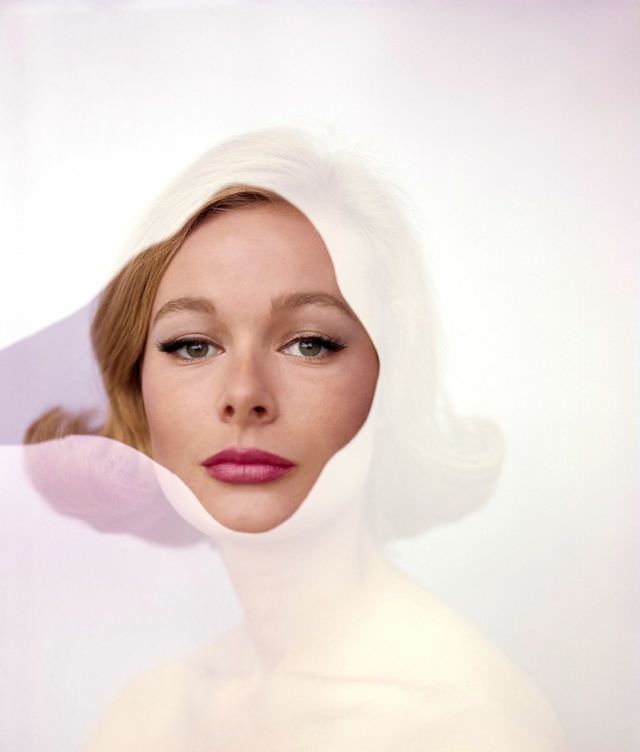
Also in 1965, Vaccaro photographed Monique Chevalier for Woman’s Home Companion with her face framed inside a cut-out — another example of the inventive, graphic-forward compositions he favored throughout his career.
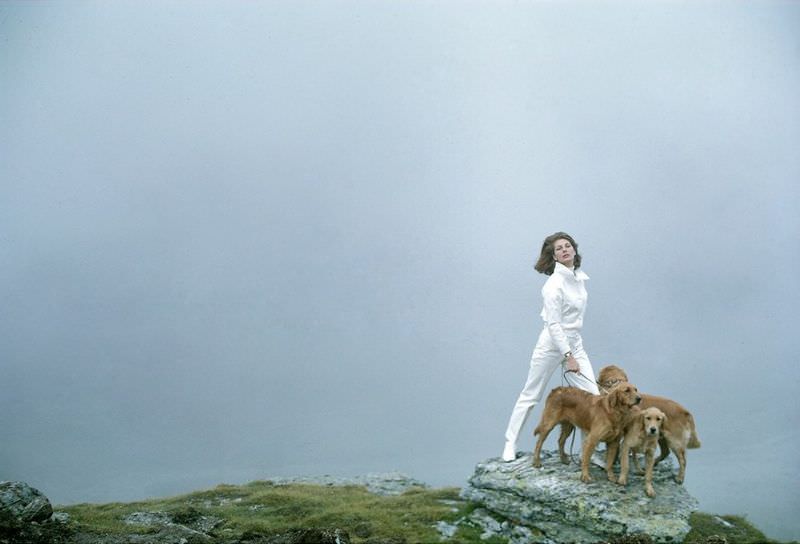
The final image in this collection comes from 1967, when Vaccaro photographed Baroness Fiona von Thyssen — formerly known as Scottish model Fiona Campbell-Walter — in Monte Bianco, Italy. Set against the alpine landscape of one of Europe’s highest peaks, the portrait closes out this collection with the same sense of scale and intention that defined Vaccaro’s work from the very beginning.