In February 1951, the doors of the Chicago Auto Show opened to reveal something that stopped visitors in their tracks. The Buick XP-300 — originally designated the XP-9 — sat under the lights like a machine pulled straight from a science fiction novel. General Motors had not simply built a concept car. They had built a statement about where the automobile was heading, and the XP-300 made that statement louder than anything else on the show floor.
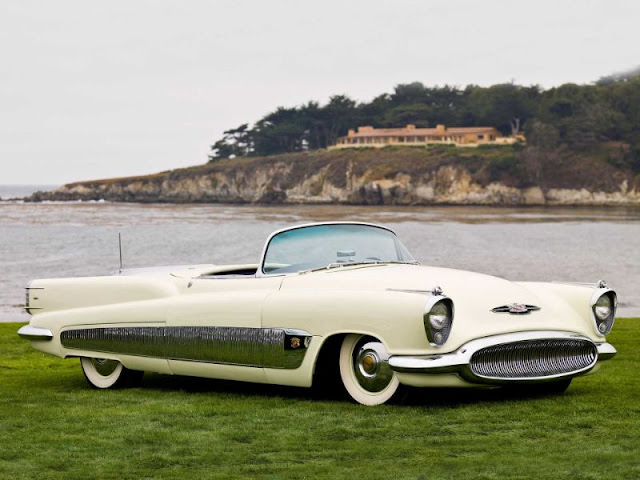
The XP-300 was developed alongside the GM Le Sabre, and the two cars shared a number of mechanical components. But where the Le Sabre was GM’s flagship dream machine, the XP-300 was Buick’s answer — a unique vehicle with its own personality, its own design language, and its own engineering identity. Both projects fell under the creative direction of Harley Earl, GM’s legendary design chief who had already reshaped how Americans thought about car styling.
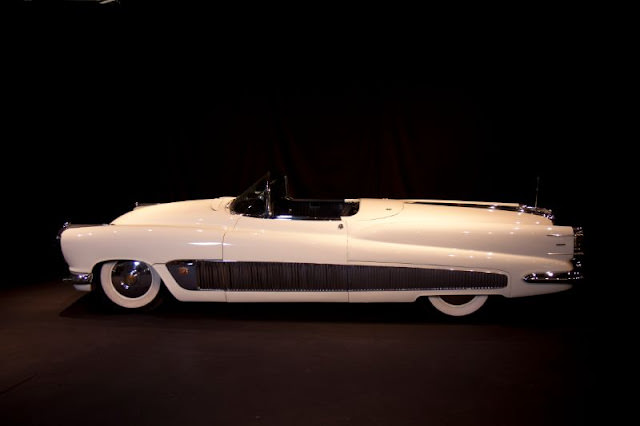
Earl had been pushing GM toward what he called “long and low” design — vehicles that hugged the ground and stretched far across it. The XP-300 was the purest expression of that idea. The car measured over 16 feet, or roughly 4,900 millimeters, in length. Its roofline sat just 39.1 inches, or 990 millimeters, off the ground. That is barely higher than a standard kitchen countertop. The body was sleek, aerodynamic, and deliberately dramatic — every curve served both form and function.
Beneath that low hood sat an engine that matched the car’s aggressive exterior. The XP-300 ran a supercharged V8 producing 335 horsepower — 250 kilowatts — a figure that was extraordinary for the early 1950s. What made this engine even more remarkable was its dual-fuel capability. It could run on standard gasoline or switch to methanol, giving GM engineers flexibility in testing and demonstrating commitment to performance versatility. During testing, the XP-300 hit a top speed of 140 miles per hour, or 230 kilometers per hour — a number that put it in rare company at the time.
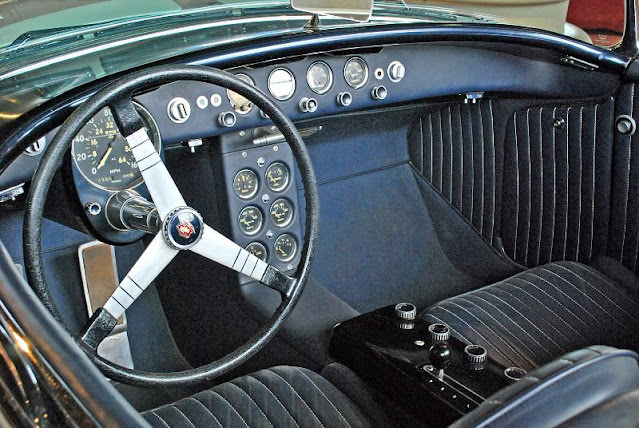
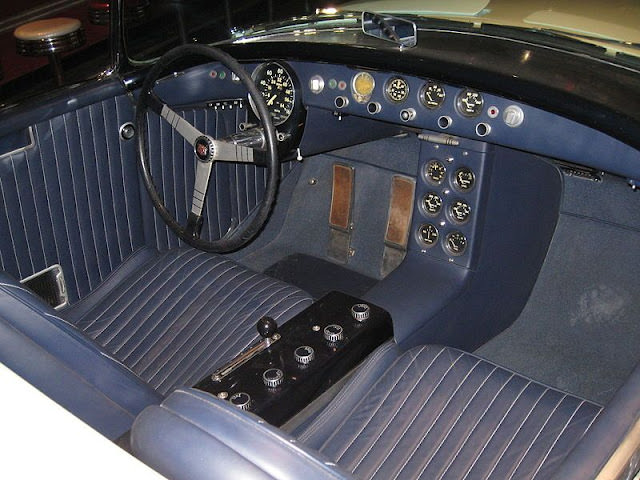
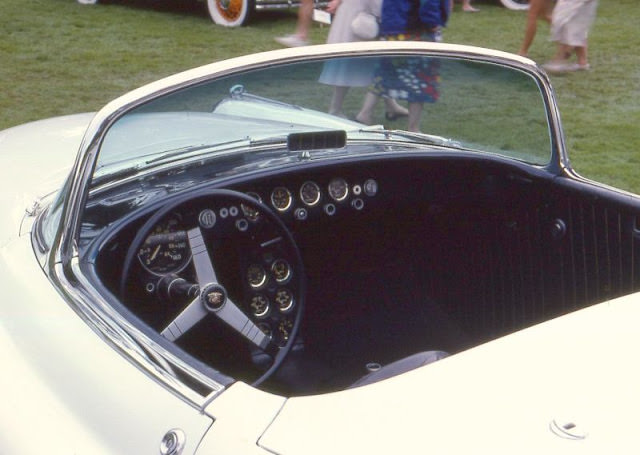
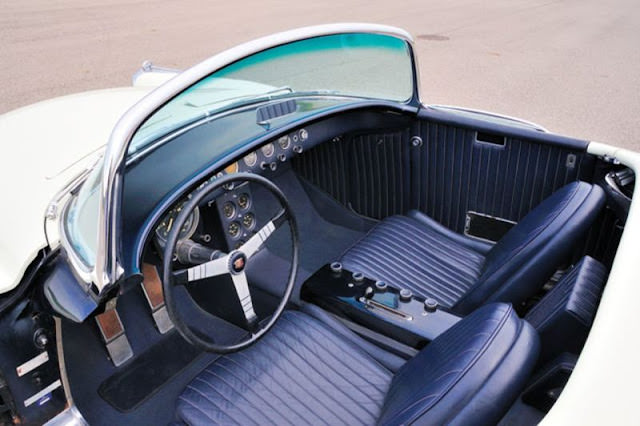
Speed was only part of the story. The XP-300 was loaded with technology that most Americans had never seen in a car before. Push-button power windows gave the driver control without leaving the seat. Power-adjustable seats moved at the press of a button. These features sound ordinary today, but in 1951 they were glimpses of a future most people had only read about in magazines. The car was less a vehicle and more a rolling demonstration of what engineering could achieve when budget and imagination were both given room to run.
Under the car, GM engineers incorporated hydraulic jacks directly into the chassis. This meant the car could lift itself for tire changes or undercarriage inspections without any external equipment. The suspension used de Dion axles — a design borrowed from motorsport — which separated the differential from the axle to reduce unsprung weight and improve handling. These were not cosmetic touches. They were serious engineering decisions that made the XP-300 a genuine testbed for ideas that GM hoped to refine and eventually apply to production vehicles.
After its Chicago debut, the XP-300 traveled across the United States as part of GM’s auto show circuit. Its highest-profile appearance came during the 1953 Motorama tour — GM’s traveling showcase of concept vehicles that drew massive crowds to venues like the Waldorf Astoria in New York. Audiences lined up to see it in person, drawn by press coverage and word of mouth. The XP-300 gave the public something concrete to look at, touch, and believe in — a physical object that made the future feel close enough to reach.